What do you think?
Rate this book


279 pages, Paperback
First published September 13, 1984


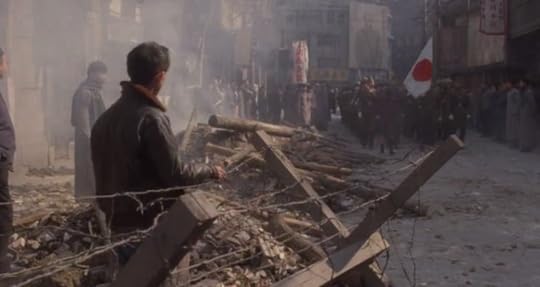
All around them were the bodies of dead Chinese soldiers. They lined the verges of the roads and floated in the canals, jammed together around the pillars of the bridges. In the trenches between the burial mounds hundreds of dead soldiers sat side by side with their heads against the torn earth, as if they had fallen asleep together in a deep dream of war.
-
Jim watched them eat, his eyes fixed on every morsel that entered their mouth. When the oldest of the four soldiers had finished he scraped some burnt rice and fish scales from the side of the cooking pot. A first-class private of some forty years, with slow, careful hands, he beckoned Jim forward and handed him his mess tin. As they smoked their cigarettes the Japanese smiled to themselves, watching Jim devour the shreds of fatty rice. It was his first hot food since he had left he hospital, and the heat and greasy flavour stung his gums. Tears swam in his eyes. The Japanese soldier who had taken pity on Jim, recognising that this small boy was starving, began to laugh good-naturedly, and pulled the rubber plug from his metal water-bottle. Jim drank the clear, chlorine-flavoured liquid, so unlike the stagnant water in the taps of the Columbia Road. He choked, carefully swallowed his vomit, and tittered into his hands, grinning at the Japanese.
-
The Chinese enjoyed the spectacle of death, Jim had decided, as a way of reminding themselves of how precariously they were alive. They liked to be cruel for the same reason, to remind themselves of the vanity of thinking that the world was anything else.
-
Jim glanced at the people around him, the clerks and coolies and peasant women, well aware of what they were thinking. One day China would punish the rest of the world and take a frightening revenge.
Now that he felt stronger, Jim realized how important it was to be obsessed by food. Shared equally among the prisoners, their daily rations were not enough to keep them alive. Many of the prisoners had died, and anyone who sacrificed himself for the others soon died too. The only way to leave the detention centre was to stay alive.The thing is, I've seen this type of behaviour before. Similar survival instincts kick in during retrenchments when the pool of resources (money or jobs) runs low. Then it's whatever dirty trick will work so that it's not your head next on the chopping block. Morality counts for very little. And that visceral drive to live is what Ballard is interested in, what he—ultimately—respects. It informs, as well, I think, his support of the bombing of Hiroshima and Nagasaki: over and above his own personal survival (he recounts how the Japanese planned to march the POWs north to shoot them but the surrender intervened) it meant that more Allies lived. By that measure, morality be damned.