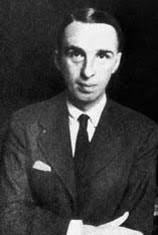
В книге представлены основные произведения русского поэта Георгия Иванова. Он умер в эмиграции, и этот сборник, по существу, первое знакомство современного читателя с творческим наследием Г.Иванова. В книге собраны все его лучшие стихотворения, а также мемуарные произведения и литературные портреты. В сборнике представлены фотографии поэта и его литературного окружения.
Georgii Vladimirovich Ivanov (Russian: Георгий Владимирович Иванов; 11 October 1894 – 26 August 1958) was a leading poet and essayist of the Russian emigration between the 1930s and 1950s.
As a banker's son, Ivanov spent his young manhood in the elite circle of Russian golden youth. He started writing pretentious verses, imitative of Baudelaire and the French Symbolists, at a precocious age. Although his technique of versification was impeccable, he had no life experience to draw upon. The favourite subjects of his early poetry were Rococo mannerisms and gallant festivals. Unsurprisingly, he named two of his books "The Embarkment for Cythera", alluding to Watteau's great painting.
After dallying with a puerile variety of Russian Futurism, as promoted by Igor Severyanin, Ivanov came to associate himself with the Acmeism movement. Although not considered a major talent, the 20-year-old was addressed or mentioned in the poems by Osip Mandelshtam and Anna Akhmatova. Georgii Ivanov was also considered to be one of the best pupils of the informal Guild of Poets school organized by Nikolay Gumilyov and Sergei Gorodetsky.
Ivanov was the only prominent member of this circle who emigrated to the West. His natural arrogance and peremptory judgements easily won him respect and admiration from his younger contemporaries. He self-consciously promoted himself as the only remnant of the highly sophisticated milieu of the Russian Silver Age. To augment his standing, he issued a book of memoirs, entitled Petersburg Winters, which contained a fictionalized or widely exaggerated account of his experiences with the Acmeists. The book alienated Ivanov from his elder contemporaries but won instant acclaim from his disciples.
Together with the fellow critic Georgy Adamovich and his own wife Irina Odoyevtseva, Ivanov became the principal arbiter of taste of the emigrant society, forging or destroying literary reputations at will. However, their literary taste was somewhat deficient: they inadvertently dismissed Tsvetayeva's genuine lyrics (when anonymously submitted by her to a poetry contest) as a crude imitation of Tsvetayeva's manner. They enthusiastically feuded with Berlinese Russian litterateurs, with Vladimir Nabokov becoming the favourite target of their attacks. Nabokov revenged himself by satirizing Ivanov in one of his best known short stories, Spring in Fialta, and by subjecting them to a clever mystification, which resulted in Adamovich's immoderate praise of Nabokov's verses printed under an alias.
Afflicted with alcoholism and suffering from despondency, Ivanov sank ever lower. It was in conditions of abject penury and total despair that Ivanov's best poems were created. The more he let himself go down as a person, the more he rose as a poet. His art culminated in his last cycle of poems, written in the days preceding his death. In one of his last pieces, Ivanov prophetically promised "to return to Russia as poems". Actually, his wife returned to Leningrad during the Perestroika and died there in 1990.
Following Ivanov's death, his reputation has been steadily augmented. His "poetry of brilliant despair", as one critic put it, is taken by some to presage the tenets of French Existentialism.
Человеческое горе, Ангельское торжество... Только звезды. Только море. Только. Больше ничего.
Георгий Иванов *** Я люблю эти снежные горы На краю мировой пустоты. Я люблю эти синие взоры, Где, как свет, отражаешься ты. Но в бессмысленной этой отчизне Я понять ничего не могу. Только призраки молят о жизни; Только розы цветут на снегу, Только линия вьется кривая, Торжествуя над снежно-прямой, И шумит чепуха мировая, Ударяясь в гранит мировой. *** Я тебя не вспоминаю, Для чего мне вспоминать? Это только то, что знаю, Только то, что можно знать.
Край земли. Полоска дыма Тянет в небо, не спеша. Одинока, нелюдима Вьется ласточкой душа.
Край земли. За синим краем Вечности пустая гладь. То, чего мы не узнаем, То, чего не нужно знать.
Если я скажу, что знаю, Ты поверишь. Я солгу. Я тебя не вспоминаю, Не хочу и не могу.
Но люблю тебя, как прежде, Может быть, еще нежней, Бессердечней, безнадежней В пустоте, в тумане дней. *** Хорошо, что нет Царя. Хорошо, что нет России. Хорошо, что Бога нет.
Только желтая заря, Только звезды ледяные, Только миллионы лет.
Хорошо - что никого, Хорошо - что ничего, Так черно и так мертво,
Что мертвее быть не может И чернее не бывать, Что никто нам не поможет И не надо помогать. ***
Без числа, сияют свечи. Слаще мгла. Колокола. Черным бархатом на плечи Вечность звездная легла.
Тише... Это жизнь уходит, Все любя и все губя. Слышишь? Это ночь уводит В вечность звездную тебя.
Dar vienas sudauzytas rusu revoloiucijos likimas. Be eilerasciu, i si rinkini ieina Ivanovo nebaigtas romanas , atsiminimai ir nuostabus ese apie Bloka, Gumiliova, Mendelstama, Fofanova ir kitus jo amzininkus.