

What do you think?

Allmen #1
Allmen e le libellule
Johann Friedrich von Allmen è un tipico personaggio alla Suter, un simpatico signore che vive «marinando la vita» come uno studente marinerebbe la scuola. Quarantenne, riservato habitué di tutti i posti giusti, lettore appassionato, superiore a tutte le questioni materiali, i camerieri gli si rivolgono con un «conte» ma il nome aristocratico è nato da una sua personale riscrittura. Ha dilapidato la ricca eredità paterna e, poiché nel college ha imparato che indebitarsi, per uno di rango, non è disonorevole, usa il poco denaro per «mantenere la propria affidabilità di credito anziché per vivere». Da poco tempo, però, si dedica a furti di oggetti d’arte, in luoghi e situazioni tali da sollevarlo da ogni sospetto.
Probabilmente, nella Svizzera opulenta di cui l’autore, sulle orme di Dürrenmatt, draga l’anima sociale, tipi così immiseriti e perbene non sono insoliti. E Martin Suter li eleva a rappresentare un mondo sicuro e immutabile all’apparenza, che è invece diretto, con la stessa voluttà con cui Allmen dilapida, all’incertezza e alla decadenza.
Così, l’avventura criminale di Allmen comincia da uno degli irrinunciabili piaceri al di sopra dei suoi mezzi. Alla serata di gala dell’Opera, in una delle due poltrone che da viveur si è sempre riservato, si materializza una rumorosa signora, Joëlle, la figlia americana di un ricchissimo finanziere. L’incontro finisce nella camera da letto della signora, dentro la grande villa dove l’improvvisato amante scopre un tesoro d’arte: un quintetto di coppe del leggendario Emile Gallé. Non resiste al fulmineo, in realtà ben calcolato, rapimento e se ne impadronisce. Ma ciò che Johann non può sapere è che il suo furto rischia di risvegliare colpe sepolte e passioni formidabili, che sfidano la morte. È la ristretta società segreta di collezionisti di capolavori che il ladro occasionale sta disturbando: potenti magnati che rischiano reputazioni secolari e immani capitali per un piacere privatissimo. Inciampando in un paio di cadaveri, l’ingenuo dandy ne verrà a capo, ma per farlo deve ingegnarsi segugio di traffici d’arte, con l’aiuto del suo fedele ex cameriere, il clandestino Carlos.
Un nuovo, sofisticato congegno narrativo, in cui Martin Suter trascina il lettore senza sforzo né artificio. Prima avventura di una coppia di detective delle belle arti.
Probabilmente, nella Svizzera opulenta di cui l’autore, sulle orme di Dürrenmatt, draga l’anima sociale, tipi così immiseriti e perbene non sono insoliti. E Martin Suter li eleva a rappresentare un mondo sicuro e immutabile all’apparenza, che è invece diretto, con la stessa voluttà con cui Allmen dilapida, all’incertezza e alla decadenza.
Così, l’avventura criminale di Allmen comincia da uno degli irrinunciabili piaceri al di sopra dei suoi mezzi. Alla serata di gala dell’Opera, in una delle due poltrone che da viveur si è sempre riservato, si materializza una rumorosa signora, Joëlle, la figlia americana di un ricchissimo finanziere. L’incontro finisce nella camera da letto della signora, dentro la grande villa dove l’improvvisato amante scopre un tesoro d’arte: un quintetto di coppe del leggendario Emile Gallé. Non resiste al fulmineo, in realtà ben calcolato, rapimento e se ne impadronisce. Ma ciò che Johann non può sapere è che il suo furto rischia di risvegliare colpe sepolte e passioni formidabili, che sfidano la morte. È la ristretta società segreta di collezionisti di capolavori che il ladro occasionale sta disturbando: potenti magnati che rischiano reputazioni secolari e immani capitali per un piacere privatissimo. Inciampando in un paio di cadaveri, l’ingenuo dandy ne verrà a capo, ma per farlo deve ingegnarsi segugio di traffici d’arte, con l’aiuto del suo fedele ex cameriere, il clandestino Carlos.
Un nuovo, sofisticato congegno narrativo, in cui Martin Suter trascina il lettore senza sforzo né artificio. Prima avventura di una coppia di detective delle belle arti.
218 pages, Paperback
First published January 1, 2011
About the author
Martin Suter
68 books1,097 followersMartin Suter is a Swiss author. He became known for his weekly column Business Class in the Weltwoche newspaper (1992–2004), now appearing in the Tages-Anzeiger, and another column appearing in "NZZ Folio". Suter has published seven novels, for which he received various awards. He is married and lives in Spain and Guatemala.
[from Wikipedia]
[from Wikipedia]
Ratings & Reviews
Friends & Following
Create a free account to discover what your friends think of this book!
Community Reviews
Displaying 1 - 30 of 178 reviews

April 19, 2022
An art heist thriller by a Swiss author. The 50-ish widowed (or is that widowered?) Allmen keeps spending down what remains of his family fortune. He has barely enough left to protect his baby-grand piano from the repo man. He has just encountered (i. e. picked-up) a wild and crazy young woman with whom he’s in an on-and-off relationship.

Her family fortune is vaster than his ever was and he plans to reinvigorate his finances by stealing back some of her father’s museum-quality glassware collection. I say steal ‘back’ because he knows the most valuable pieces with a dragonfly motif have already been stolen from a museum. Allmen's sidekick in his escapades is Carlos, his Guatemalan all-around handyman, butler, cook and personal assistant.
I recently read The Last Weynfeldt by this author and it too was a thriller about art, a forged painting by a real Swiss-French artist, Felix Valotton. A similar theme occurs in this novel. The valuables are five decorative art glasses by a real-life French glassware artist, Émile Gallé. I can see how that main character in Weynfeldt evolved into the author’s Allmen series.
But this novel fell a bit flat for me despite the good use of humor. Carlos seemed like an exotic stereotype of the dedicated butler in Remains of the Day. And the young woman was a stereotype of the spoiled sleep-with-anything-in-pants rich-daddy gal.
From what I can tell on GR there are five books in the Allmen series in German but only the first two have been translated into English: Dragonflies and The Pink Diamond. If you want to read something by this author I suggest The Last Weynfeldt.

Photo of glassware by Émile Gallé (1846-1904) from wikipedia
The author from dw.com
[Edited 10/29/23]
Her family fortune is vaster than his ever was and he plans to reinvigorate his finances by stealing back some of her father’s museum-quality glassware collection. I say steal ‘back’ because he knows the most valuable pieces with a dragonfly motif have already been stolen from a museum. Allmen's sidekick in his escapades is Carlos, his Guatemalan all-around handyman, butler, cook and personal assistant.
I recently read The Last Weynfeldt by this author and it too was a thriller about art, a forged painting by a real Swiss-French artist, Felix Valotton. A similar theme occurs in this novel. The valuables are five decorative art glasses by a real-life French glassware artist, Émile Gallé. I can see how that main character in Weynfeldt evolved into the author’s Allmen series.
But this novel fell a bit flat for me despite the good use of humor. Carlos seemed like an exotic stereotype of the dedicated butler in Remains of the Day. And the young woman was a stereotype of the spoiled sleep-with-anything-in-pants rich-daddy gal.
From what I can tell on GR there are five books in the Allmen series in German but only the first two have been translated into English: Dragonflies and The Pink Diamond. If you want to read something by this author I suggest The Last Weynfeldt.
Photo of glassware by Émile Gallé (1846-1904) from wikipedia
The author from dw.com
[Edited 10/29/23]

August 22, 2017
La pregevolezza di questo piccolo libriccino è quella di raccontare il più improbabile mascalzone della terra dei mascalzoni, la Svizzera, e di riuscire a farcelo apparire simpatico. In questo romanzo cominciano le peripezie di Allmen, nobiluomo decaduto e finito al verde nel cuore di quella repubblica elvetica che stava cessando di essere la terra del latte per diventare la terra delle banche.
Decaduto nelle rendite ma non nella voglia di fare la bella vita, Allmen passa le giornate utilizzando il contegno del vero nobiluomo filantropo per rifilare ai creditori sempre più arrabbiati le più spudorate menzogne, e questo tema divertentissimo sembra assumere una importanza più alta dell'omicidio nel quale il furfante in marsina si trova suo malgrado invischiato, dal quale verrà fuori (figurarsi) col nome più pulito che mai, grazie anche all'aiuto del suo fedele servitore sudamericano.
Il libro è facile e leggero; si arriva all'ultima pagina divertiti e con un buon sapore in bocca, anche se la terra in cui si ambienta la storia non è certo delle più attraenti per vitalità. Rimangono le tre stelle perchè il quoziente di difficoltà resta davvero troppo basso, ma sono contento di essere venuto a sapere che questo è solo il primo volume di una serie, e che, volendo, c'è la possibilià di mettersi ancora a fianco di Allmen per divertirsi a giocare qualche altro brutto tiro al malcapitato fornitore di Champagne di turno.
Decaduto nelle rendite ma non nella voglia di fare la bella vita, Allmen passa le giornate utilizzando il contegno del vero nobiluomo filantropo per rifilare ai creditori sempre più arrabbiati le più spudorate menzogne, e questo tema divertentissimo sembra assumere una importanza più alta dell'omicidio nel quale il furfante in marsina si trova suo malgrado invischiato, dal quale verrà fuori (figurarsi) col nome più pulito che mai, grazie anche all'aiuto del suo fedele servitore sudamericano.
Il libro è facile e leggero; si arriva all'ultima pagina divertiti e con un buon sapore in bocca, anche se la terra in cui si ambienta la storia non è certo delle più attraenti per vitalità. Rimangono le tre stelle perchè il quoziente di difficoltà resta davvero troppo basso, ma sono contento di essere venuto a sapere che questo è solo il primo volume di una serie, e che, volendo, c'è la possibilià di mettersi ancora a fianco di Allmen per divertirsi a giocare qualche altro brutto tiro al malcapitato fornitore di Champagne di turno.

March 15, 2019
This is the first volume in a caper series featuring Johann Friedrich von Allmen, gentleman thief. Allmen’s father had been a farmer whose shrewd property dealings made him a fortune. Wanting to give his son a higher station in life, he sent him to the best international schools and indulged every desire of Allmen for travel, fine clothing, dining, entertainment and all the accoutrements of high society. Unfortunately, only a few years after Allmen’s father’s death, Allmen has run through all the money and is reduced to living in the gardener’s cottage of his villa, still tended to by his faithful manservant, Carlos.
Allmen’s debts are becoming embarrassing and maybe even dangerous. When an opportunity presents itself for Allmen to steal and sell a valuable Gallé dragonfly bowl, it looks like he will be able to square things. However, since this is a caper novel, things don’t go quite as planned thereafter. How Allmen deals with the dangerous complications is the focus of the novel, though after quite a lengthy setup.
This series was first published in German by Swiss author Martin Suter, and has recently begun being translated into English. The product description calls this book a humorous, fast-paced detective novel. The humor is very low key and the action muted; a little too low key and muted for my taste. I listened to the audiobook, and it may be that my imagination would have read more humor and pace into it if I’d read it in print.
Allmen’s debts are becoming embarrassing and maybe even dangerous. When an opportunity presents itself for Allmen to steal and sell a valuable Gallé dragonfly bowl, it looks like he will be able to square things. However, since this is a caper novel, things don’t go quite as planned thereafter. How Allmen deals with the dangerous complications is the focus of the novel, though after quite a lengthy setup.
This series was first published in German by Swiss author Martin Suter, and has recently begun being translated into English. The product description calls this book a humorous, fast-paced detective novel. The humor is very low key and the action muted; a little too low key and muted for my taste. I listened to the audiobook, and it may be that my imagination would have read more humor and pace into it if I’d read it in print.

August 31, 2021
Read this in one go this morning. Fell in love with Suters detail rich, almost graphical writing style. Also really liked the setting in the upper class of a Swiss lakeside city (I’m guessing it’s Zürich). One star less because I sometimes personally disagreed with Allmen’s opinions and actions. Big fan of Allmen’s butler and assistant Carlos. Can’t wait to read what’s next for the Duo.

September 26, 2026

Meet Allmen: the perfect Swiss gentleman and cultured aesthete. There's just one thing he requires to maintain his exquisite, highly refined lifestyle—money. Without a large quantity of that most valuable commodity, what will his life be reduced to? Not to worry. Allmen will take the necessary steps to make quite sure such an abominable quagmire is avoided. Legally? Please, one needn't trifle over such minor matters.
Allmen's father, a farmer turned wealthy landowner, died suddenly at age sixty-two. He left his only son enough money to ensure that—with prudence and economy—he would never have to work for a living. But those were two qualities Allmen sorely lacked. He was not a numbers person; his field was languages. After years studying in the world’s capital cities, Allmen spoke fluent, accent-free English, French, Italian, Spanish, and Portuguese. He could also converse in Russian, Swedish, and "broadcaster's German," though he quickly recognized he made a better impression speaking German with his natural Swiss accent.
Allmen, the cultivated cosmopolitan, has turned culture itself into a way of life. He converted a greenhouse into a substantial library where he spends most of his day. In the opening pages, Allmen is reading a thriller by Elmore Leonard—a hobby he loves, having found reading an effective way to live at a remove from one's immediate surroundings. He also plays classical music on his baby grand piano, which sits in that same greenhouse. Today, he lives on the grounds of a grand estate on the outskirts of Zurich, having sold the villa itself to pay off the debts incurred to maintain his lifestyle as a gentleman of independent means.
While vacationing in Guatemala, Allmen met Carlos, a gardener who asked to return to Switzerland with him. Allmen agreed, and Carlos became not only his gardener, cook, and housekeeper, but much, much more. The fiercely loyal Carlos took on the role of Allmen’s indispensable assistant and confidant—especially when it came time to engage in creative maneuvers to pay off Allmen’s ever-increasing debts. Reading about Allmen and Carlos acting as a team becomes one of the supreme pleasures of all the novels in Martin Suter’s Allmen series.
On the opening pages of the novel, crisis looms. In past years when he was wealthy, Allmen was most generous with extending credit. Now that he is on the other side of these financial transactions as a debtor, he expects a similar patience from his creditors. Instead, he receives a notice from a particular collector who is decidedly not behaving like a gentleman.
In a word, Allmen needs money—fast. As it turns out, he stumbles upon a splendid opportunity following a night at the opera with an alluring young lady who insists he call her Jojo. "Never in his life—and his life had been eventful in this regard—had a woman thrown herself on him with such insatiable hunger as this platinum-blonde opera acquaintance."
Later at Jojo's mansion (actually her father's residence), while Jojo is snoring away after satisfying her sexual hunger, Allmen slips out of bed. In an adjoining bedroom turned gallery, he discovers a collection of Art Nouveau glassware by the legendary Émile Gallé. Among the collection sit five dragonfly bowls. If Allmen were to take just one of these bowls as "payment for services rendered," he would be in a most favorable position to deal with that nasty creditor.
What follows is a fast-paced adventure with all the aesthetic trimmings—a delightful novella that can be read in a single afternoon. For those who prefer listening, there is also an excellent audiobook narrated by the legendary Grover Gardner. Highly recommended for the literary connoisseur.

Swiss author Martin Suter, born 1948
July 2, 2026
Der Auftakt einer Krimi-Reihe rund um den auf grossem Fuss lebenden Hauptcharakter Von Allmen; dieser ist Luxus gewöhnt, kann sich diesen aber längst nicht mehr leisten, ist dennoch zu eigensinnig und stolz, um dies einzusehen. Während er mit unlauteren Mitteln versucht, seinem massiven Schuldenberg Abhilfe zu schaffen, findet er sich mitten im Geschehen seines ersten Falls wieder.
Hochkarätig, extrem clean und clever geschrieben. Sehr unterhaltsamer made-in-Switzerland Krimi!
Hochkarätig, extrem clean und clever geschrieben. Sehr unterhaltsamer made-in-Switzerland Krimi!

January 8, 2020
Sehr trocken

April 13, 2022
Allmen è un personaggio davvero particolare. Abituato ai lussi - che un tempo si poteva permettere - ha dilapidato una fortuna, tuttavia tenta di mantenere apparentemente sempre lo stesso tenore di vita - anche se ormai vive nella serra di una delle sue ex tenute assieme a Carlos, il suo ex-giardiniere, ora factotum, guatemalteco, stipendiato dall'istituto di credito che ha acquisito la casa, e mangiando spesso addirittura a suo carico - e dopo aver venduto tutto ciò che considera superfluo e anche alcuni degli oggetti fino a prima considerati irrinunciabili, si è dato al furto di piccole opere d'arte, che riescono a mantenerlo almeno in minima parte.
Quando si imbatte in alcune splendide coppe di vetro di Émile Gallé con delle libellule, però, si troverà invischiato in un autentico putiferio, in cui scappa anche il morto. Più per cercare di mettersi in salvo che per altro, Allmen e Carlos indagano per scoprire come sono andate veramente le cose.
Avevo visto qualche tempo fa la serie TV e mi era piaciuta molto, e ormai immaginavo Allmen con il volto dell'attore che lo interpreta alla perfezione, Heino Ferch.
Quando si imbatte in alcune splendide coppe di vetro di Émile Gallé con delle libellule, però, si troverà invischiato in un autentico putiferio, in cui scappa anche il morto. Più per cercare di mettersi in salvo che per altro, Allmen e Carlos indagano per scoprire come sono andate veramente le cose.
Avevo visto qualche tempo fa la serie TV e mi era piaciuta molto, e ormai immaginavo Allmen con il volto dell'attore che lo interpreta alla perfezione, Heino Ferch.

July 22, 2012
There is something about reading the works of Martin Suter that calms me. I’m not sure what it is exactly, but I suspect it has something with the calm yet steady pace of his plots. In Allmen und die Libellen (or Allmen and the Dragonflies )he takes his uncomplicated – yet somehow elegant – use of language and characterization into the mystery genre. The book’s description calls it a mystery book. Suter says, “Each of my novels is an homage to a literary genre. This is one to crime series and will be continued.” Though I knew that going in, it is not until the third act that it was clear as to what the mystery actually was. Nonetheless, I never once thought of putting the book down before that point. Suter is simply talent incarnate.

June 12, 2018
Light but fun. Allmen is a character one shouldn't like, inherited fortune, frittered it away, no work ethic but for some reason he's appealing. He refuses to concede to his dire straits and continues his life of dissipated indulgence, in debt to everyone. His "valet" Carlos is basically working for him for free and is the source of any bits of common sense filtering down to his boss. Allmen accidentally stumbles onto a crime through his own kleptomania and despite all his flaws manages to survive some dicey situations and sort of come out briefly ahead. Entertaining.

April 26, 2022
Sehr guter Einstieg in die Sixtilogie (Wortneufindung für die bisher 6 erschienenen Teile der Allmen Romane).
Angenehme Spannung durch das ganze Buch und die Charaktere werden sehr bildlich geformt. Ich kann mich leider etwas zu gut mit Allmen identifizieren, was glaube ich nicht gerade für mich spricht. Upsi
Dennoch habe ich es sehr genossen und bereits gestern 4 weiter Bände bestellt.
Klar Empfehlung
Angenehme Spannung durch das ganze Buch und die Charaktere werden sehr bildlich geformt. Ich kann mich leider etwas zu gut mit Allmen identifizieren, was glaube ich nicht gerade für mich spricht. Upsi
Dennoch habe ich es sehr genossen und bereits gestern 4 weiter Bände bestellt.
Klar Empfehlung

November 1, 2025
Erstes Buch seit Langem mal wieder, was fertig gelesen wurde, davor nur welche angefangen die mich nicht gecatcht haben. Das Buch ist schön geschrieben. Ich muss tatsächlich sagen, dass ich mich sonst immer in die Hauptperson reinfühlen kann, egal wie skurril das Leben dieser erscheint. Hier konnte ich wirklich überhaupt nicht in Allmen eintauchen, was aber nicht am Schreibstil sondern eher an der Persona Allmen lag. :)

January 1, 2021
Solider Suter, in dem allerdings das Wort "Vestibül" öfter zum Einsatz kommt als weibliche Figuren.
September 5, 2021
Klassischer Suter, kann man nicht meckern. Verfolgt wie immer eine sehr interessante Person in einer sehr interessanten Lebenssituation mit sehr interessanten Problemen
August 12, 2025
Hat Spaß gemacht, habe es an einem Tag im Zug weggelesen. Auch mit der Allmen Reihe wird es für mich weitergehen.

August 27, 2026
Gutes Buch und spannende Geschichte. Allmen ist eine spannende Persönlichkeit. Man wurde gut durch die Geschichte und durch seine Gedanken geführt. Leider trifft es nicht ganz mein Bücher-Geschmack.

August 18, 2020
Wieder einmal eine Die-Zeit-steht-still - Geschichte von Martin Suter, etwas, was er besonders gut kann (wie auch zum Beispiel Haruki Murakami), mit einem Protagonisten, der aus eben jener erzählten Zeit gefallen scheint. Dazu natürlich Bougeois, Kunstliebhaber, Literat, Flaneur und Einsiedlerkrebs.
Drumherum wird eine Geschichte gebaut, leichtfüßig und flüssig, poetisch und schlicht zugleich. Elegant wie ein Anzug, der keine Falten wirft. Man sollte öfters Anzüge tragen, denkt man dann, aber eigentlich auch wieder nicht, wenn man ehrlich ist. Sie stehen halt auch für etwas, und nicht unbedingt für was Gutes. Naja, ich schweife ab.
Am Ende bricht alles ziemlich auseinander und wird mir zuviel James Bond, oder italienische Euro-Ploitation. Aber das macht natürlich schon Sinn, wenn man hier den Grundstein zu einer milde spannenden Serienproduktion legt. Ach, schmeckt der Wein nicht heute gut, Carlos?!
Drumherum wird eine Geschichte gebaut, leichtfüßig und flüssig, poetisch und schlicht zugleich. Elegant wie ein Anzug, der keine Falten wirft. Man sollte öfters Anzüge tragen, denkt man dann, aber eigentlich auch wieder nicht, wenn man ehrlich ist. Sie stehen halt auch für etwas, und nicht unbedingt für was Gutes. Naja, ich schweife ab.
Am Ende bricht alles ziemlich auseinander und wird mir zuviel James Bond, oder italienische Euro-Ploitation. Aber das macht natürlich schon Sinn, wenn man hier den Grundstein zu einer milde spannenden Serienproduktion legt. Ach, schmeckt der Wein nicht heute gut, Carlos?!

July 31, 2016
Interessant, ziemlich spannend und gut geschrieben, ein aussergewöhnlicher Krimi mit einem auch aussergewöhnlichen Protagonist.
Leider ist die Handlung, meiner Meinung nach, viel zu langsam; nur am Ende wird sie wirklich spannend und versinkt der Leser in der Geschichte. Ausserdem finde ich die Hauptrolle, Herr von Allmen, nicht sympatisch, sogar entnervend. Ich werde das nächste Buch der Reihe lesen, um zu finden, ob er ein bisschen kluger wird.
Leider ist die Handlung, meiner Meinung nach, viel zu langsam; nur am Ende wird sie wirklich spannend und versinkt der Leser in der Geschichte. Ausserdem finde ich die Hauptrolle, Herr von Allmen, nicht sympatisch, sogar entnervend. Ich werde das nächste Buch der Reihe lesen, um zu finden, ob er ein bisschen kluger wird.

December 17, 2024
I started this months ago as part of my effort to read more translated mysteries, almost abandoned because it felt very slow and boring, decided to finish it as it’s set to exit the Audible Plus catalogue.
An impoverished, but highly educated man in his 40s, who squandered his substantial inheritance on art and general joie de vivre lives in the greenhouse of his former estate with his Guatemalan valet. The servant works to sustain both of them, as his “master” is hounded by debts and creditors. As a result, our hero ends up stealing something of great value, desperate to pay his debts, gets embroiled in a high stake story, which he now has to resolve or lose any remnants of his former lifestyle and maybe life itself.
As I mentioned, this started very slow. It has an older descriptive 3rd person style, it takes its time setting up the characters and the upper middle class scene they frequent. It feels like it’s a much older book, even though high tech cars, cellphones, and the internet are mentioned. Once the stage is set, around the 30% mark, it starts picking up speed, but you have to give yourself time to get there. Bonus points for a very non-impressed peak into the lives of Swiss aristocracy and wealthy people.
An impoverished, but highly educated man in his 40s, who squandered his substantial inheritance on art and general joie de vivre lives in the greenhouse of his former estate with his Guatemalan valet. The servant works to sustain both of them, as his “master” is hounded by debts and creditors. As a result, our hero ends up stealing something of great value, desperate to pay his debts, gets embroiled in a high stake story, which he now has to resolve or lose any remnants of his former lifestyle and maybe life itself.
As I mentioned, this started very slow. It has an older descriptive 3rd person style, it takes its time setting up the characters and the upper middle class scene they frequent. It feels like it’s a much older book, even though high tech cars, cellphones, and the internet are mentioned. Once the stage is set, around the 30% mark, it starts picking up speed, but you have to give yourself time to get there. Bonus points for a very non-impressed peak into the lives of Swiss aristocracy and wealthy people.

March 5, 2021
Suter kommt ja im Feuilleton ganz gut weg, und so war ich neugierig auf die Allmen-Serie. Mein Fazit: Leichte Kost, aber gut geschrieben. Wenn man eigentlich keine Lust auf lesen hat - Allmen geht trotzdem. Dazu sind der stets über seine Verhältnisse lebende Feingeist und sein Assistent Carlos einfach zu sympathisch angelegt. Was beim flotten Erzählstil allerdings leidet, sind die Nebenfiguren. Die sind fast alle nur holzschnittartig angelegt und lassen in den meisten Dialogen nur stereotype Sprüche verlauten. Auch der Plot an sich strotz nicht zu jeder Zeit vor Logik. Verzeiht man dem Autor aber weitgehend, weil das Grund-Setting einfach sehr "convenient" angelegt ist. Die nächsten beiden Allmen-Romane (auch wenn Roman etwas zu hoch gegriffen ist) liegen schon auf dem Nachttisch.

November 18, 2025
Prosa meravigliosa, ma è troppo breve. Sembra più un esercizio di stile che un racconto. C'è intrigo, ma non c'è quasi mai suspence.
Sembra un 'pilot' molto affrettato, soprattutto il finale. Qualche scena in più avrebbe giovato alla narrazione in generale. Il racconto risulta così essere una lucidissima teca di vetro vuota... aspe'.
Se non fosse per il clima di decadenza, vizio e aristocrazia decaduta, perfettamente descritto intorno ad Allmen, boccerei questo libro su tutta la linea. È uno stile più adatto ad un romanzo estetista, non certo un giallo comunque. È molto leggero e divertente. Volendo lo si finisce in un pomeriggio, non tanto per essere un Page turner, ma per la brevità.
È una serie che non sono sicuro continuerò mai.
Sembra un 'pilot' molto affrettato, soprattutto il finale. Qualche scena in più avrebbe giovato alla narrazione in generale. Il racconto risulta così essere una lucidissima teca di vetro vuota... aspe'.
Se non fosse per il clima di decadenza, vizio e aristocrazia decaduta, perfettamente descritto intorno ad Allmen, boccerei questo libro su tutta la linea. È uno stile più adatto ad un romanzo estetista, non certo un giallo comunque. È molto leggero e divertente. Volendo lo si finisce in un pomeriggio, non tanto per essere un Page turner, ma per la brevità.
È una serie che non sono sicuro continuerò mai.
July 17, 2026
Ich weiss ehrlich gesagt nicht so recht, was das Buch sein möchte. Eine Detektivgeschichte, ein Porträt einer aussergewöhnlichen Persönlichkeit, eine Komödie – keine Ahnung. Was es sicher ist, ist eine Darstellung von Martin Suter in der Person von Allmen. Wie sich Suter in einem Interview gab, lässt vermuten, dass er sich selbst stark mit dieser Person identifizieren kann, was die herablassende Objektivierung der Frau etwas erschreckend wirken lässt. Diese wird in 15 Jhr. Manier dargestellt, und ihr wird Dauerlüsternheit unterstellt.

January 25, 2019
The author is darkly comic as they say and I enjoyed the change of pace from the regular detective or crime genre. The book was translated to English and read fast and easily....a short book. Fun to read. Am looking forward to the follow up book due out soon I understand.

January 12, 2021
Excellent, exciting and amusing. A well written start to a series about an art detective.

May 28, 2024
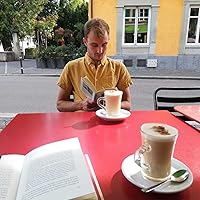
Was ein schöner einblick in eine fremde Welt und Denkensweise.
June 22, 2024
Nur Liebe für die Almen Reihe!
April 5, 2026
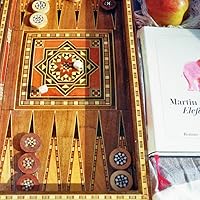
ein gelungener auftakt zu einer vielversprechenden reihe!

April 22, 2026
das erste aus der allmen reihe!! schnell verschlingbar und lust auf mehr machend :))
January 27, 2023
auf jeden fall gut. liest sich recht schnell und einfach, aber manchmal tut genau das ganz gut.
werde bestimmt die anderen teile auch lesen.
werde bestimmt die anderen teile auch lesen.
Displaying 1 - 30 of 178 reviews