

What do you think?

حياتي
Barcelona. 26 cm. 373 p. Encuadernación en tapa dura de editorial ilustrada. Colección 'Grandes biografías', numero coleccion(26). Duncan, Isadora 1877-1927. Traducción, Luis Calvo Andaluz. Traducción My life. Grandes biografías (Salvat Editores). 26 .. Este libro es de segunda mano y tiene o puede tener marcas y señales de su anterior propietario. 8434591405
534 pages, Unknown Binding
First published January 1, 1927
About the author
Isadora Duncan
21 books93 followersIsadora Duncan was an American dancer. She was born Angela Isadora Duncan in San Francisco, California and is considered by many to be the mother of Modern Dance. Although never very popular in the United States, she entertained throughout Europe.
Ratings & Reviews
Friends & Following
Create a free account to discover what your friends think of this book!
Community Reviews
Displaying 1 - 30 of 149 reviews

October 27, 2013
This autobiography by Isadora Duncan reads like a work of fiction. What a remarkable woman she was and what a remarkable life she lived. She was born in California in 1877, but she spent most of her life and career in Europe and Russia. By 1910 she was world famous with several dance schools across Europe. She was the mother of modern dance and she was a shooting star that streaked across the sky of the world she lived in. She died tragically in Paris at age 50 in a car accident, when the long scarf she was wearing got tangled in the spokes of the wheel of the open car she was in.

November 2, 2023
‘Vanessa is Isadora’ proclaims the 1968 film tie-in cover of ‘My Life.’ I’m twelve or thirteen years old and my friends and I are surreptitiously devouring Isadora Duncan’s (expurgated) autobiography (in a plain wrapper to hide its slightly risqué cover) on the daily tube commute to our central London performing arts high school.
Goodness only knows why the film and subject attracted controversy, given the era of its release! I suspect it had more to do with the casting choice of ‘troublemaker’ and left-wing darling Vanessa Redgrave’ as another free-spirited and outspoken rule breaker.
Rereading ‘My Life’ (in its restored, unexpurgated version) also leads me to ponder what I saw in it all those years ago. Completely aside from its impassioned, overblown prose, it’s hard to decipher where fact ends and fiction begins. Tragic, highly imaginative and occasionally entertaining, Duncan’s money-making exercise is both uneven and overwrought.
Sadly, the film was also less than a critical and financial success at the box office, despite Redgrave’s bravura performance.
Goodness only knows why the film and subject attracted controversy, given the era of its release! I suspect it had more to do with the casting choice of ‘troublemaker’ and left-wing darling Vanessa Redgrave’ as another free-spirited and outspoken rule breaker.
Rereading ‘My Life’ (in its restored, unexpurgated version) also leads me to ponder what I saw in it all those years ago. Completely aside from its impassioned, overblown prose, it’s hard to decipher where fact ends and fiction begins. Tragic, highly imaginative and occasionally entertaining, Duncan’s money-making exercise is both uneven and overwrought.
Sadly, the film was also less than a critical and financial success at the box office, despite Redgrave’s bravura performance.

October 26, 2017
I’m trying to figure out what to make of this book. More importantly, I’m trying to figure out if I would have liked this person if I met her in real life. She’s complex. Sometimes she talks out of both sides of her mouth, declaring one thing at one moment in the book and the opposite idea later. But then again, I value the ability to change your mind and evolve.
She’s certainly a product of her time, but ignoring that fact, I have feeling I would have loved her but also found her annoying if I had met her. Some of her comments are so rash…and she name drops with great frequency. I found her abrupt dismissal of jazz music as un-American simply abhorrent. She also bats down ballet in a few cast-off sentences as coquetry. I wonder if Balanchine’s American version of ballet would have rebutted her declaration: “The real American type can never be aa ballet dancer. The legs are too long, the body too supple and the spirit too free for this school of affected grace and toe-walking.”
In general though she reveals great truths: She's a hopeless romantic and her idea that a woman much choose between art and love resonated. Certainly if one is interested in being a creator, the act of being a mother or a wife/partner takes up an enormous amount of time and creative energy.
“…often wondering if woman can ever really be an artist, since Art is a hard task-master who demands everything, whereas a woman who loves gives up everything to life.”
I remember reading that George Sand gave up her writing at a certain point, to live life fully.
I do think in general, she was quite unhappy. Not surprising, given that she declares that she’s been hoping for a happy ending in life via the avenue of a love affair, and she lost her young children. Comments such as “I have met many great artists and intelligent and so-called successful people in my life, but never one who could be called a happy being, although some may have made a very good bluff at it. Behind the mask, with any clairvoyance, one can divine the same uneasiness and suffering,” reflect her great sadness more than her clarity about others.
Perhaps to further cement that theory, she writes: “Certainly, if suicide pellets were sold in drug stores as plainly as some preventatives, I think the intelligentsia of all countries would doubtless disappear over night in conquered agony.”
Finally, I think this book is incredibly modern. She sounds like a feminist (albeit a bit rash one) . Her attitudes towards marriage and relationships sound much more 2017 than 1917. It’s a little bit surreal.
She’s certainly a product of her time, but ignoring that fact, I have feeling I would have loved her but also found her annoying if I had met her. Some of her comments are so rash…and she name drops with great frequency. I found her abrupt dismissal of jazz music as un-American simply abhorrent. She also bats down ballet in a few cast-off sentences as coquetry. I wonder if Balanchine’s American version of ballet would have rebutted her declaration: “The real American type can never be aa ballet dancer. The legs are too long, the body too supple and the spirit too free for this school of affected grace and toe-walking.”
In general though she reveals great truths: She's a hopeless romantic and her idea that a woman much choose between art and love resonated. Certainly if one is interested in being a creator, the act of being a mother or a wife/partner takes up an enormous amount of time and creative energy.
“…often wondering if woman can ever really be an artist, since Art is a hard task-master who demands everything, whereas a woman who loves gives up everything to life.”
I remember reading that George Sand gave up her writing at a certain point, to live life fully.
I do think in general, she was quite unhappy. Not surprising, given that she declares that she’s been hoping for a happy ending in life via the avenue of a love affair, and she lost her young children. Comments such as “I have met many great artists and intelligent and so-called successful people in my life, but never one who could be called a happy being, although some may have made a very good bluff at it. Behind the mask, with any clairvoyance, one can divine the same uneasiness and suffering,” reflect her great sadness more than her clarity about others.
Perhaps to further cement that theory, she writes: “Certainly, if suicide pellets were sold in drug stores as plainly as some preventatives, I think the intelligentsia of all countries would doubtless disappear over night in conquered agony.”
Finally, I think this book is incredibly modern. She sounds like a feminist (albeit a bit rash one) . Her attitudes towards marriage and relationships sound much more 2017 than 1917. It’s a little bit surreal.

November 13, 2017
من أروع السير الذاتية وأصدقها ، تأثرت بها وتفاعلت معها جدا ، ما كل هذا الكم من المشاعر الإنسانية الفياضة .. حب وفراق ، أمل ثم خيبة وإحباط ،ثم أملا جديدا وسعيا جديدا ، أوجاع وآلام ، أمومة وفقد ، استمتعت بها واستغرقتني ، لا بد أم أستكمل الكتابة عنها باستفاضة ، ولو أني لا أريد أن أصف باسهاب تفاصيل كثيرة عنها ، لأني عندما اشتريت الكتاب لم أكن أعرف أي شيء عن إيزادورا دونكان ، وما إن اجتزت عدة صفحات حتى وجدتني أسعى حثيثا نحو استكمالها ، سحرتني أجواء قصتها ، شعرت بالذات قرب النهاية وهي تصف مشاعر الأنثى الجريحة بألم ينخز صدري وبكيت معها
أنصح بقراءة هذه السيرة ، وربما لاحقا أكتب منها مقاطع صغيرة لعل بنات جيلي ومن بعدنا يحببن قراءتها ولعلنا يوما ما نستطيع أن نترك أثرا جميلا وبصمة ونورا يضيء الطريق لمن يأتي بعدنا كما فعلت إيزادورا دونكان
"إذا كان لديك جسد ولدت به بقدر ما من الألم وكل واحد مهما كان تقيا عرضة للمرض ، هكذا لماذا إذن لا يتوجب عليك إذا واتتك الظروف أن تحصد من هذا الجسد نفسه أقصى متعة ممكنة?"
أنصح بقراءة هذه السيرة ، وربما لاحقا أكتب منها مقاطع صغيرة لعل بنات جيلي ومن بعدنا يحببن قراءتها ولعلنا يوما ما نستطيع أن نترك أثرا جميلا وبصمة ونورا يضيء الطريق لمن يأتي بعدنا كما فعلت إيزادورا دونكان
"إذا كان لديك جسد ولدت به بقدر ما من الألم وكل واحد مهما كان تقيا عرضة للمرض ، هكذا لماذا إذن لا يتوجب عليك إذا واتتك الظروف أن تحصد من هذا الجسد نفسه أقصى متعة ممكنة?"

May 28, 2022
Uma vida inteira dedicada a uma forma de expressão artística, para lá de tudo, de um prato de comida na mesa, de um amor, da sociedade da época, do cânone do ballet clássico que rejeitava com todas as forças porque o entendia contrário ao movimento e à capacidade normal do corpo.
Dançava a partir da alma e ia buscar as representações das figuras gregas, o sentir de uma composição musical ou simplesmente um poema.
Orgulhosa, ingénua, persistente, ousada, sonhadora, Isadora Duncan é uma vida à margem que venceu nessa marginalidade e que vale a pena conhecer.
Dançava a partir da alma e ia buscar as representações das figuras gregas, o sentir de uma composição musical ou simplesmente um poema.
Orgulhosa, ingénua, persistente, ousada, sonhadora, Isadora Duncan é uma vida à margem que venceu nessa marginalidade e que vale a pena conhecer.

April 18, 2010
In cases like these, memoirs of people who exceed life, what can be said about their writing when it's all about their lives? Does Duncan write well? She never claims to, in fact the opposite. Is her narrative well-crafted? Hardly, and she admits as much. So what I'd be rating here is her life rather than how she tells it, and that is really unratable because it exceeds all bounds of norms, bounds, the typical vicissitudes. I couldn't help but read her as a character, a Mme. Bovary meets some George Sandian heroine, with a mix of Thomas Hardy. Inspiring, absurd, obnoxious, visionary, moving, but never mild, and neither is the book. The parts I enjoyed most were her theories of dance and her anecdotes of her contemporaries such as Eleanora Duse, Rodin, Loie Fuller, D'Annunzio and others. Her views on jazz, the role of the intelligentsia, the artist vs. the mob (and this oddly at odds with her revolutionary impulses) are unsettling and often unpallatable, but regardless I found myself admiring her sheer conviction

February 7, 2015
amazon.com/author/sergiupobereznic
I know that I am probably going to commit Isadora Duncan sacrilege with this review, so before I begin, and for the record, I would like to state that the world is indebted and grateful for what Isadora Duncan achieved in her lifetime and what she stands for as an artist in the dance world.
However, my critique is directed towards her writing (and perhaps her eccentric career claims) not her dance and career achievements.
Although her fame is undoubtedly recognized throughout the world, my inner voice tells me that she was a serial confabulist from what I have just read. I feel absolutely terrible for admitting this about her mémoire. Perhaps it was the peculiar writing style that made the work seem so categorically unrealistic.
The opening of the book was, I admit, entertaining and even a touch humorous. About her birth she says: “Before I was born my mother was in a great agony of spirit and in a tragic situation. She could take no food except iced oysters and iced champagne.” Then she goes on to say that this is why she began to dance. "It was the result of oysters and champagne – the food of Aphrodite."
This is basically the tone of her mémoire.
She shared some interesting and abstruse philosophies with unique and idiosyncratic thoughts on artistic and life related issues, like only Isadora Duncan could. About art she said: “… that is not the thing itself, but a symbol – a conception of the ideal of life.” This is something I agreed with, wholeheartedly. But as the book progressed the author ventured briskly into a mythical, chimerical land full of fantastical allegories and symbolism that rendered me speechless – until I wrote this review that is.
She spoke of herself as a legend in her own time and saw herself as “built along the lines of the Venus de Milo”. Not at all vainglorious. Her life reads as though it were a fictional account. She moved through the world like a nymph. I had to double check that it was in fact her autobiography that I was reading.
There were times I wondered if I were reading some fictional, anachronistic, olde-worlde Dickensian style melodrama with a martyred, often penurious and severely misunderstood heroin at the helm of a dancing career that was always on the precipitous edge of celebrity.
Isadora was The Little Match-girl meets Ondine (on dry land) in the Midsummer Night’s Dream, Romeo and Juliet and perhaps the Odyssey with profound Wagnerian musical motifs. She seemed completely out of touch with the real world. Her life has the feel and atmosphere of an epic Homeric poem that unfolds in masses of drama and ends in the only way it can… TRAGEDY.
When discussing spirituality and her soul she said: “My soul is like a battlefield where Apollo, Dionosyus, Christ, Nietzsche and Richard Wagner dispute the ground. ”
A good writer she certainly WAS NOT – favoring a syrupy, flowery kind of prose – but at least she never claims to be a literary genius, unlike her dancing. Quite the opposite, she tells the reader over and over that she is not good as a writer. But what she does manage to do is harp on about all her dancing talents without lassitude. It seems that she was always showered and covered in flowers. This became tiresome. Lauding your own plaudits is not an attractive quality to behold. Her writing style made her heroic, larger-than-life journey of movement, dance and freedom of expression into a comical pantomime.
Let’s not forget that she had no previous training as a dancer and taught dance from the age of ten, with great success. Seriously? When asked who taught her to dance, she answered: “Terpsichore.” She was living in a parallel universe, surely.
She comes across (because she probably is) so immodest, self-absorbed and self-aggrandizing that it made reading quite a laborious and punishing task. I suppose this is all right because she was, after all, the improvisational, modern dancing Pop-star of her generation. She invented what is known as ‘free movement’. She can be forgiven for anything after such an accomplishment. If only she had held back a little (or perhaps a lot) in the rhapsodising of her career accomplishments.
The most humorous aspect of this mémoire is that even though she claims to have often been impecuniously poor, she was still able to act like a complete and utter supercilious snob when she was down on her luck and apparently sleeping on park benches in central London. She never seems to speak about those times with understanding.
Many people have said that she wasn’t given enough credit for what she accomplished. The fact is this; the world knows the name Isadora Duncan, surely this is mission accomplished. Even so, not to worry, she gave herself enough credit in this memoire.
She was most certainly composed of a hefty amount of self-assured aplomb and a steely demeanor. Even if only 10% of her story is genuine, I take my hat off to her. She had hubris and conquered the impossible dream in a time when the task would have been near impossible. Very few females were heard in those days.
I think that she would have been an enchanting feminist with extremely radical ideas during a time when such a person was beyond rare – a zealot of the dance world. Oh, and a vegetarian to boot. She did it all on carrots.
But, to me, best of all is the manner in which she died. Uber theatrical. A dramaturge could not have improved on this, even with limitless funding, writers, producers and designers to create the setting. Isadora Duncan was strangled by a long scarf that became entangled in the wheel of her car.
Obviously I don’t celebrate her death, but it happened in the most cinematic way possible. Even if she had planned her death it could not have occurred in a more memorable way. Her life was meant to be captured in a movie, or a great novel, but the screenplay should not to be written by the heroine herself.
The tale itself made sudden leaps during the story telling. Whenever this happened I was left wondering what she may have omitted from her amazing, poetic, and passionate (Shakespearian/Homeric inspired) life.
Early on she mentions that:
“The thing that makes for a secure and calm existence is ‘good English servants’. They move about with a sort of assured aristocratic manner and have no wish to rise to the social scale of their employers.”
Interesting view that tells you just a little more about her modest character.
She often uses long phrases and paragraphs in French, German and Hungarian. This is acceptable if you speak the languages but quite alienating otherwise. How many people speak Hungarian? other than the Hungarians. I have said this before; publishers should revise such things and give a translation for the readers. It’s not that difficult to do.
I wanted to like this book, sadly it wasn’t to be so. Perhaps it was all a metaphor for something that I was being too obtuse to comprehend. If you can get past the phantasmagorical sections, you may just find something inspirational.
I gave 2 stars out of respect.
– Sergiu Pobereznic – (auhor)
amazon.com/author/sergiupobereznic
I know that I am probably going to commit Isadora Duncan sacrilege with this review, so before I begin, and for the record, I would like to state that the world is indebted and grateful for what Isadora Duncan achieved in her lifetime and what she stands for as an artist in the dance world.
However, my critique is directed towards her writing (and perhaps her eccentric career claims) not her dance and career achievements.
Although her fame is undoubtedly recognized throughout the world, my inner voice tells me that she was a serial confabulist from what I have just read. I feel absolutely terrible for admitting this about her mémoire. Perhaps it was the peculiar writing style that made the work seem so categorically unrealistic.
The opening of the book was, I admit, entertaining and even a touch humorous. About her birth she says: “Before I was born my mother was in a great agony of spirit and in a tragic situation. She could take no food except iced oysters and iced champagne.” Then she goes on to say that this is why she began to dance. "It was the result of oysters and champagne – the food of Aphrodite."
This is basically the tone of her mémoire.
She shared some interesting and abstruse philosophies with unique and idiosyncratic thoughts on artistic and life related issues, like only Isadora Duncan could. About art she said: “… that is not the thing itself, but a symbol – a conception of the ideal of life.” This is something I agreed with, wholeheartedly. But as the book progressed the author ventured briskly into a mythical, chimerical land full of fantastical allegories and symbolism that rendered me speechless – until I wrote this review that is.
She spoke of herself as a legend in her own time and saw herself as “built along the lines of the Venus de Milo”. Not at all vainglorious. Her life reads as though it were a fictional account. She moved through the world like a nymph. I had to double check that it was in fact her autobiography that I was reading.
There were times I wondered if I were reading some fictional, anachronistic, olde-worlde Dickensian style melodrama with a martyred, often penurious and severely misunderstood heroin at the helm of a dancing career that was always on the precipitous edge of celebrity.
Isadora was The Little Match-girl meets Ondine (on dry land) in the Midsummer Night’s Dream, Romeo and Juliet and perhaps the Odyssey with profound Wagnerian musical motifs. She seemed completely out of touch with the real world. Her life has the feel and atmosphere of an epic Homeric poem that unfolds in masses of drama and ends in the only way it can… TRAGEDY.
When discussing spirituality and her soul she said: “My soul is like a battlefield where Apollo, Dionosyus, Christ, Nietzsche and Richard Wagner dispute the ground. ”
A good writer she certainly WAS NOT – favoring a syrupy, flowery kind of prose – but at least she never claims to be a literary genius, unlike her dancing. Quite the opposite, she tells the reader over and over that she is not good as a writer. But what she does manage to do is harp on about all her dancing talents without lassitude. It seems that she was always showered and covered in flowers. This became tiresome. Lauding your own plaudits is not an attractive quality to behold. Her writing style made her heroic, larger-than-life journey of movement, dance and freedom of expression into a comical pantomime.
Let’s not forget that she had no previous training as a dancer and taught dance from the age of ten, with great success. Seriously? When asked who taught her to dance, she answered: “Terpsichore.” She was living in a parallel universe, surely.
She comes across (because she probably is) so immodest, self-absorbed and self-aggrandizing that it made reading quite a laborious and punishing task. I suppose this is all right because she was, after all, the improvisational, modern dancing Pop-star of her generation. She invented what is known as ‘free movement’. She can be forgiven for anything after such an accomplishment. If only she had held back a little (or perhaps a lot) in the rhapsodising of her career accomplishments.
The most humorous aspect of this mémoire is that even though she claims to have often been impecuniously poor, she was still able to act like a complete and utter supercilious snob when she was down on her luck and apparently sleeping on park benches in central London. She never seems to speak about those times with understanding.
Many people have said that she wasn’t given enough credit for what she accomplished. The fact is this; the world knows the name Isadora Duncan, surely this is mission accomplished. Even so, not to worry, she gave herself enough credit in this memoire.
She was most certainly composed of a hefty amount of self-assured aplomb and a steely demeanor. Even if only 10% of her story is genuine, I take my hat off to her. She had hubris and conquered the impossible dream in a time when the task would have been near impossible. Very few females were heard in those days.
I think that she would have been an enchanting feminist with extremely radical ideas during a time when such a person was beyond rare – a zealot of the dance world. Oh, and a vegetarian to boot. She did it all on carrots.
But, to me, best of all is the manner in which she died. Uber theatrical. A dramaturge could not have improved on this, even with limitless funding, writers, producers and designers to create the setting. Isadora Duncan was strangled by a long scarf that became entangled in the wheel of her car.
Obviously I don’t celebrate her death, but it happened in the most cinematic way possible. Even if she had planned her death it could not have occurred in a more memorable way. Her life was meant to be captured in a movie, or a great novel, but the screenplay should not to be written by the heroine herself.
The tale itself made sudden leaps during the story telling. Whenever this happened I was left wondering what she may have omitted from her amazing, poetic, and passionate (Shakespearian/Homeric inspired) life.
Early on she mentions that:
“The thing that makes for a secure and calm existence is ‘good English servants’. They move about with a sort of assured aristocratic manner and have no wish to rise to the social scale of their employers.”
Interesting view that tells you just a little more about her modest character.
She often uses long phrases and paragraphs in French, German and Hungarian. This is acceptable if you speak the languages but quite alienating otherwise. How many people speak Hungarian? other than the Hungarians. I have said this before; publishers should revise such things and give a translation for the readers. It’s not that difficult to do.
I wanted to like this book, sadly it wasn’t to be so. Perhaps it was all a metaphor for something that I was being too obtuse to comprehend. If you can get past the phantasmagorical sections, you may just find something inspirational.
I gave 2 stars out of respect.
– Sergiu Pobereznic – (auhor)
amazon.com/author/sergiupobereznic

Read
November 11, 2017عندما قرأت جزءاً من مراجعة العزيزة أماني خليل للمذكرات قبل سنوات، إضافة لتوصية من الصديقة مشاعل قررت الحصول على الكتاب.
"مذكرات راقصة" في البداية يبدو عنواناً غير جذاب، ما الذي ستقوله راقصة؟ ستحكي مسيرتها في تمارين الرقص، و هذا لغير المهتمين غير مسليّ، أم ستحكي عن نجوميتها وحياتها قبل و بعد مما اعتدنا قرائته في السير الذاتية؟
عندما بدأت انجذبت للكتاب حتى النهاية، -رغم بعض الملل الذي اعتراني في منتصفه-، وبعدما انتهيت وجدتني مشغولة بالتفكير فيه وتأمله، وترددت في الكتابة عنه، لكنه أشغلني فكتبت.
السير الذاتية والأنثوية، عادة ما تكون مكتوبة عن الذات وعلاقاتها الخارجية، ربما لطيفة الزيات عربياً، تحدثت عن عالميها الداخليين والخارجين، في كشف لبعض ما يتوارى عادة، ولا نقرأه في مذكرات النساء غالباً، لكنه كان مقتصراً على مقتطفات من مراحل معينة.
في المقدمة تتحدث ايزادورا عن أن بوح النساء هو أمر غير مألوف، ويبدو حديثها مقبولاً بالنسبة لزمانها، "فالسير الذاتية لأكثر النساء شهرة هي سلاسل من الشهادات عن الوجود الخارجي لها، إضافة إلى التفاصيل الدقيقة والحكايات والنوادر التي لا تعطي أية واقعية لحياتهن الحقيقية، وبالنسبة للخطابات الرائعة عن السعادة والألم في حياتهن يبقين صامتات بصورة غريبة".
تبدأ حياتها في ظروف صعبة، تربيها أم حالمة وداعمة لأقصى حد، و في استحضارها لطفولتها يبدو امتلاكها لذاكرة حادة ودقيقة في استحضار التفاصيل، و كثير من المؤثرات على نموها، آمنت بموهبتها باكراً، حاولت أن ترقص في أمريكا، لكن لأن رقصها التعبيري الحديث لم يكن مألوفاً، فإنها فشلت في تحقيق النجاح، ولذا رحلت في خطوة مغامرة ومتطرفة إلى أوروبا مع عائلتها، في سفينة نقل ماشية! دون أي خطة واضحة، أو مال كافي للعيش.
فيما بعد تتحدث عن جولاتهم في المتاحف الأوروبية وقضائهم أوقاتاً طويلة أمام اللوحات والتماثيل، وحديثها عن تأثرها ببعضها.
تلاقي نجاحاً في بودابست فتفتح لها أبواب النجاح بعدها، تنفق ببذخ غير معقول هي وعائلتها، و تسرد التفاصيل المعقولة وغير المعقولة بذات الرتم! تنتقل إلى اليونان في رحلة تعكس شخصيتها، تتجول في المعابد القديمة، والمدن التي خلدتها الأساطير بنهم عجيب، تستلهم منها فنها ورقصها فيما بعد، تقول بأنها ولدت من جديد في معبد أثينا، وتعزم على بناء معبد في أثينا! هكذا بما كسبته من أموال قررت فوراً انفاقه بهذا الشكل، وعائلتها كلها تندفع معها للمساعدة في تحقيق حلمها!
منذ البداية تبدو ملاحظتها واضحة وناقدة وساخرة من الأثرياء، رغم ان فنها كان موجهاً لهم، ودعمها ورعايتها كان منهم! وهذا يفسر توجهها نحو روسيا فيما بعد، وأثناء كتابة المذكرات.
أثناء حديثها عن ولادتها لطفلتها ومعاناتها، تذكر ملاحظة عن النساء الهنديات الحمر، والفلاحات والزنجيات الأفريقيات، وأنهن لا يعانين من آلالام الولادة مثلما تعاني هي كامرأة متحضرة! بينما هي مستاءة من الأثرياء، لكنها كانت عنصرية تجاه الملونين ببساطة!
حديثها عن أمومتها مؤثر، ومعاناتها وحزنها البليغ أيضا -ربما كان بسبب شعوري الداخلي تجاه ماحدث لها- لكن لهجتها تغيرت بعد ذلك، بدت أشد حزناً، و أقرب للواقعية، تلك الاندفاعة الحالمة الغير معقولة تجاه رقصاتها، وأمنياتها وخططها بدت لي أكثر تأنياً من قبل، وإن لم تتخل كلياً، للأسف أنها لم تكمل بقية حياتها في روسها وقصة حبها مع الشاعر الروسي سيرغي يسنيين، وقد قرأتها مختصرة في كتاب إبراهيم عبدالمجيد "أين تذهب طيور المحيط"، أتوقع أن حياتها في روسيا كانت مثيرة وإن لم يتسنى لنا قرائتها مكتوبة ...
في اليوتيوب مقاطع لها وهي ترقص
"مذكرات راقصة" في البداية يبدو عنواناً غير جذاب، ما الذي ستقوله راقصة؟ ستحكي مسيرتها في تمارين الرقص، و هذا لغير المهتمين غير مسليّ، أم ستحكي عن نجوميتها وحياتها قبل و بعد مما اعتدنا قرائته في السير الذاتية؟
عندما بدأت انجذبت للكتاب حتى النهاية، -رغم بعض الملل الذي اعتراني في منتصفه-، وبعدما انتهيت وجدتني مشغولة بالتفكير فيه وتأمله، وترددت في الكتابة عنه، لكنه أشغلني فكتبت.
السير الذاتية والأنثوية، عادة ما تكون مكتوبة عن الذات وعلاقاتها الخارجية، ربما لطيفة الزيات عربياً، تحدثت عن عالميها الداخليين والخارجين، في كشف لبعض ما يتوارى عادة، ولا نقرأه في مذكرات النساء غالباً، لكنه كان مقتصراً على مقتطفات من مراحل معينة.
في المقدمة تتحدث ايزادورا عن أن بوح النساء هو أمر غير مألوف، ويبدو حديثها مقبولاً بالنسبة لزمانها، "فالسير الذاتية لأكثر النساء شهرة هي سلاسل من الشهادات عن الوجود الخارجي لها، إضافة إلى التفاصيل الدقيقة والحكايات والنوادر التي لا تعطي أية واقعية لحياتهن الحقيقية، وبالنسبة للخطابات الرائعة عن السعادة والألم في حياتهن يبقين صامتات بصورة غريبة".
تبدأ حياتها في ظروف صعبة، تربيها أم حالمة وداعمة لأقصى حد، و في استحضارها لطفولتها يبدو امتلاكها لذاكرة حادة ودقيقة في استحضار التفاصيل، و كثير من المؤثرات على نموها، آمنت بموهبتها باكراً، حاولت أن ترقص في أمريكا، لكن لأن رقصها التعبيري الحديث لم يكن مألوفاً، فإنها فشلت في تحقيق النجاح، ولذا رحلت في خطوة مغامرة ومتطرفة إلى أوروبا مع عائلتها، في سفينة نقل ماشية! دون أي خطة واضحة، أو مال كافي للعيش.
فيما بعد تتحدث عن جولاتهم في المتاحف الأوروبية وقضائهم أوقاتاً طويلة أمام اللوحات والتماثيل، وحديثها عن تأثرها ببعضها.
تلاقي نجاحاً في بودابست فتفتح لها أبواب النجاح بعدها، تنفق ببذخ غير معقول هي وعائلتها، و تسرد التفاصيل المعقولة وغير المعقولة بذات الرتم! تنتقل إلى اليونان في رحلة تعكس شخصيتها، تتجول في المعابد القديمة، والمدن التي خلدتها الأساطير بنهم عجيب، تستلهم منها فنها ورقصها فيما بعد، تقول بأنها ولدت من جديد في معبد أثينا، وتعزم على بناء معبد في أثينا! هكذا بما كسبته من أموال قررت فوراً انفاقه بهذا الشكل، وعائلتها كلها تندفع معها للمساعدة في تحقيق حلمها!
منذ البداية تبدو ملاحظتها واضحة وناقدة وساخرة من الأثرياء، رغم ان فنها كان موجهاً لهم، ودعمها ورعايتها كان منهم! وهذا يفسر توجهها نحو روسيا فيما بعد، وأثناء كتابة المذكرات.
أثناء حديثها عن ولادتها لطفلتها ومعاناتها، تذكر ملاحظة عن النساء الهنديات الحمر، والفلاحات والزنجيات الأفريقيات، وأنهن لا يعانين من آلالام الولادة مثلما تعاني هي كامرأة متحضرة! بينما هي مستاءة من الأثرياء، لكنها كانت عنصرية تجاه الملونين ببساطة!
حديثها عن أمومتها مؤثر، ومعاناتها وحزنها البليغ أيضا -ربما كان بسبب شعوري الداخلي تجاه ماحدث لها- لكن لهجتها تغيرت بعد ذلك، بدت أشد حزناً، و أقرب للواقعية، تلك الاندفاعة الحالمة الغير معقولة تجاه رقصاتها، وأمنياتها وخططها بدت لي أكثر تأنياً من قبل، وإن لم تتخل كلياً، للأسف أنها لم تكمل بقية حياتها في روسها وقصة حبها مع الشاعر الروسي سيرغي يسنيين، وقد قرأتها مختصرة في كتاب إبراهيم عبدالمجيد "أين تذهب طيور المحيط"، أتوقع أن حياتها في روسيا كانت مثيرة وإن لم يتسنى لنا قرائتها مكتوبة ...
في اليوتيوب مقاطع لها وهي ترقص

February 15, 2017
مقضية حياتها تنقلات بين اوروبا .. ونجاحها دايما يليه فشل .. ورصيدها فى البنك يصبح صفر .. ومع كل جولة تقابل شخص تقع فى غرامة لاول مرة ... وكلهم لاول مرة سبحان الله
540 صفحة كلهم على نفس المنوال .. اول صفحة ركب القطار واخر صفحة نزل من القطار وحشى النص ب توووت
540 صفحة كلهم على نفس المنوال .. اول صفحة ركب القطار واخر صفحة نزل من القطار وحشى النص ب توووت
March 31, 2009
Isadora is one of my heroes. She was so far ahead of her time.

March 4, 2015
I knew nothing about Isadora Duncan, the highly creative dancer, before I picked up a copy of her charming autobiography. It is only because I had recently discovered that she had spent some time in Albania, a country that fascinates me and about which I have written, that I decided to read this book.
The book was highly enjoyable. She writes well and makes frequent allusions to, and uses quotes from, the great classical authors and also from Nietzche and other more recent writers. I felt that Isadora was trying in her flamboyant way to give a reasonably accurate account of her colourful life. It was a life of tragedy and triumph, liberally spiced with a series of lovers who never failed to help her with her career and her life problems, including the sad loss of her three children. She was privileged to have met and been admired by great personalities such as Stanislavsky, Rodin, d'Annunzio, and Eleanora Duse. She married the Russian poet Essenin briefly, but that part of her life is not recorded in her book.
As for Albania, there are only a few pages dedicated to her brief time there. Frustratingly, her autobiography ends with the invitation she received to set up a dance school in the young Soviet Union in about 1921.
The autobiography has gripped me sufficiently to make me want to read a good biography of Isadora.
The book was highly enjoyable. She writes well and makes frequent allusions to, and uses quotes from, the great classical authors and also from Nietzche and other more recent writers. I felt that Isadora was trying in her flamboyant way to give a reasonably accurate account of her colourful life. It was a life of tragedy and triumph, liberally spiced with a series of lovers who never failed to help her with her career and her life problems, including the sad loss of her three children. She was privileged to have met and been admired by great personalities such as Stanislavsky, Rodin, d'Annunzio, and Eleanora Duse. She married the Russian poet Essenin briefly, but that part of her life is not recorded in her book.
As for Albania, there are only a few pages dedicated to her brief time there. Frustratingly, her autobiography ends with the invitation she received to set up a dance school in the young Soviet Union in about 1921.
The autobiography has gripped me sufficiently to make me want to read a good biography of Isadora.
May 24, 2021
"Isadora Duncan Sleeps with the Russian Navy." Well, not quite, but everybody else. It's all here, from her tip-toeing early days in San Francisco to capturing Europe through dance to enchantment with Soviet Russia, her dubious marriage to the Russian poet Sergei Yesenin, and, alas, the loss of her children by accident. Her genius lay in combining a love of all things classic with passion for all that was new, from free love to the Russian revolution. Of Isadora's death, you all know the details. She died a daredevil.

June 13, 2018
يرتكز الرهان الحقيقي لكتابة السيرة الذاتية على أمرين: المتعة والفن من ناحية، وكشف الذات وتعريتها في جرأة وصراحة من ناحية أخرى، وقليل من الكتاب من استطاع تحقيق الرهانين في عمل واحد.
والكتاب سرد ذاتي لحياة إيزادورا دونكان، الراقصة الأسطورية الأميركية التي حققت شكلاً جديداً ومتفرداً في التعبير من طريق الرقص، متأثرة بالفن الإغريقي الكلاسيكي، كما تأثرت بالطبيعة والفن التعبيري، فهي مؤسسة الرقص الحديث بعد أن رفضت رقص البلاط المتوارث عن عصر «الباروك» وكذلك رفضت رقص الباليه الكلاسيكي، فلم تجد في أي منهما حرية للجسد في انطلاقه نحو النور وانعتاقه من القيود الأرضية، فقد رغبت في أن تعبر عن الروح المتحررة للقارة الوليدة (أميركا) في مقابل الروح الأوروبية العجوز: «أي امرأة طويلة ذات جسد جميل لا يمكنها أبداً أن ترقص الباليه، ذلك النوع من النساء الذي يعبر عن أميركا في أفضل صورها لا يمكنه أبداً أن يرقص الباليه. لا يمكنك -حتى بأكثر خدع الخيال وحشية- تصور إلهة الحرية ترقص الباليه، ثم لماذا نقبل رقص الباليه في أميركا؟ ما علاقة هذا الرقص بالشباب الأميركي الحر؟ لِمَ يجب على أطفالنا أن يركعوا في تلك الرقصات المبالغة في التأنق؟ الأفضل أن ندعهم يتقدمون صاعدين بخطوات واسعة عظيمة وقفزات وارتدادات بصدور مرفوعة وأذرع ممدودة متباعدة ليرقصوا لغة روادنا الأوائل، وثبات أبطالنا. إن هذا سيجعلهم كائنات جميلة جديرة باسم الديموقراطية الأعظم، وبذلك ستكون أميركا ترقص».
استطاعت الكاتبة في هذا الكتاب، الذي يتكون من واحد وثلاثين فصلاً، أن تصور ليس رحلتها مع الرقص فقط، بل علاقاتها بكبار الكتاب والفنانين والموسيقيين العالميين في أميركا وأوروبا، وتحقق في السرد ليس فقط المتعة والإبداع الفني والتشكيل السردي، بل أهم ما يمكن أن يراهن عليه قارئ الفن البيوغرافي، وهو الصراحة والجرأة في كشف ما يحرص الكثير من الكتّاب على إخفائه وعدم البوح به، فالسرد لدى الكاتبة هو كشف حقيقي للحظات الضعف والألم والسعادة والعراك مع الحياة منذ أن كانت صبية صغيرة تذهب بها أمها إلى مسارح أميركا وتحاول أن تجد لها فرصة للرقص مع فرق الباليه والرقص هناك، لا بل سردت لنا إيزادورا قصتها مع الرقص منذ أن كانت جنيناً في رحم أمها: «كانت أمي قبل أن أولد في كرب عظيم وفي حالة مأسوية، لم تكن قادرة على تناول أي طعام سوى المحار المثلج والشمبانيا المثلجة، وإذا سألني الناس متى بدأت الرقص؟ سأجيب: في رحم أمي، ربما نتيجة للمحار والشمبانيا، طعام أفروديت» .
أطلق عليها سولومون إيزافيتش هوروك، في كتابه عن الفنانين الذين اكتشفهم، اسم «الإلهة المتمردة»، ووصفها بأنها: «مثل مركبة صاروخية عبر سلسلة من الانفجارات»، وكتب في سيرته الذاتية عنها: «أتساءل هل الشباب الذي ينمون الآن يعلمون إلى أي مدى هم مدينون بالفضل إلى إيزادورا، التي عاشت بيننا ذات يوم، حيث تمشي الفتيات الصغيرات اليوم بخطوات واسعة وبحرية في شوارع المدن الأميركية، وظهورهن مستقيمة وقوية، وأجسامهن جميلة وتتمتع بالصحة، وعقولهن حرة من التقاليد البالية والخرافات والتابوهات أو المحرمات التي استعبدت جداتهن أم لا؟» ويضيف: «كانت ثورية عظيمة، حُررت النساء بفضلها بضربة واحدة من ارتداء الكورسيه، لقد حررت أجسام الأطفال الصغار وأدخلت ضوء الشمس والهواء النقي إلى حياتنا وتفكيرنا جميعاً ومزقت قيود الروح والجسد كذلك. إن لمسة روحها الحرة الساحرة تبدو على أجسام الشباب الأميركي اليوم وعقولهم».
والكتاب سرد ذاتي لحياة إيزادورا دونكان، الراقصة الأسطورية الأميركية التي حققت شكلاً جديداً ومتفرداً في التعبير من طريق الرقص، متأثرة بالفن الإغريقي الكلاسيكي، كما تأثرت بالطبيعة والفن التعبيري، فهي مؤسسة الرقص الحديث بعد أن رفضت رقص البلاط المتوارث عن عصر «الباروك» وكذلك رفضت رقص الباليه الكلاسيكي، فلم تجد في أي منهما حرية للجسد في انطلاقه نحو النور وانعتاقه من القيود الأرضية، فقد رغبت في أن تعبر عن الروح المتحررة للقارة الوليدة (أميركا) في مقابل الروح الأوروبية العجوز: «أي امرأة طويلة ذات جسد جميل لا يمكنها أبداً أن ترقص الباليه، ذلك النوع من النساء الذي يعبر عن أميركا في أفضل صورها لا يمكنه أبداً أن يرقص الباليه. لا يمكنك -حتى بأكثر خدع الخيال وحشية- تصور إلهة الحرية ترقص الباليه، ثم لماذا نقبل رقص الباليه في أميركا؟ ما علاقة هذا الرقص بالشباب الأميركي الحر؟ لِمَ يجب على أطفالنا أن يركعوا في تلك الرقصات المبالغة في التأنق؟ الأفضل أن ندعهم يتقدمون صاعدين بخطوات واسعة عظيمة وقفزات وارتدادات بصدور مرفوعة وأذرع ممدودة متباعدة ليرقصوا لغة روادنا الأوائل، وثبات أبطالنا. إن هذا سيجعلهم كائنات جميلة جديرة باسم الديموقراطية الأعظم، وبذلك ستكون أميركا ترقص».
استطاعت الكاتبة في هذا الكتاب، الذي يتكون من واحد وثلاثين فصلاً، أن تصور ليس رحلتها مع الرقص فقط، بل علاقاتها بكبار الكتاب والفنانين والموسيقيين العالميين في أميركا وأوروبا، وتحقق في السرد ليس فقط المتعة والإبداع الفني والتشكيل السردي، بل أهم ما يمكن أن يراهن عليه قارئ الفن البيوغرافي، وهو الصراحة والجرأة في كشف ما يحرص الكثير من الكتّاب على إخفائه وعدم البوح به، فالسرد لدى الكاتبة هو كشف حقيقي للحظات الضعف والألم والسعادة والعراك مع الحياة منذ أن كانت صبية صغيرة تذهب بها أمها إلى مسارح أميركا وتحاول أن تجد لها فرصة للرقص مع فرق الباليه والرقص هناك، لا بل سردت لنا إيزادورا قصتها مع الرقص منذ أن كانت جنيناً في رحم أمها: «كانت أمي قبل أن أولد في كرب عظيم وفي حالة مأسوية، لم تكن قادرة على تناول أي طعام سوى المحار المثلج والشمبانيا المثلجة، وإذا سألني الناس متى بدأت الرقص؟ سأجيب: في رحم أمي، ربما نتيجة للمحار والشمبانيا، طعام أفروديت» .
أطلق عليها سولومون إيزافيتش هوروك، في كتابه عن الفنانين الذين اكتشفهم، اسم «الإلهة المتمردة»، ووصفها بأنها: «مثل مركبة صاروخية عبر سلسلة من الانفجارات»، وكتب في سيرته الذاتية عنها: «أتساءل هل الشباب الذي ينمون الآن يعلمون إلى أي مدى هم مدينون بالفضل إلى إيزادورا، التي عاشت بيننا ذات يوم، حيث تمشي الفتيات الصغيرات اليوم بخطوات واسعة وبحرية في شوارع المدن الأميركية، وظهورهن مستقيمة وقوية، وأجسامهن جميلة وتتمتع بالصحة، وعقولهن حرة من التقاليد البالية والخرافات والتابوهات أو المحرمات التي استعبدت جداتهن أم لا؟» ويضيف: «كانت ثورية عظيمة، حُررت النساء بفضلها بضربة واحدة من ارتداء الكورسيه، لقد حررت أجسام الأطفال الصغار وأدخلت ضوء الشمس والهواء النقي إلى حياتنا وتفكيرنا جميعاً ومزقت قيود الروح والجسد كذلك. إن لمسة روحها الحرة الساحرة تبدو على أجسام الشباب الأميركي اليوم وعقولهم».
July 19, 2026
ആധുനിക നൃത്തത്തിന്റെ അഥവാ Modern Dance ന്റെ മാതാവ് എന്നാണ് ലോകപ്രശസ്ത അമേരിക്കൻ നർത്തകിയായ ഇസഡോറ ഡങ്കൻ അറിയപ്പെടുന്നത്.
പരമ്പരാഗത ബാലെ നൃത്തത്തെ എതിർത്ത്, പ്രകൃതിദത്തമായ ചലനങ്ങളും സ്വതന്ത്രമായ ഭാവങ്ങളും നൃത്തത്തിൽ കൊണ്ടുവന്നതിലൂടെയാണ് അവർ പ്രശസ്തയായത്.
നഗ്നപാദയായി, അയഞ്ഞ വസ്ത്രങ്ങൾ ധരിച്ച്, ആത്മാവിൽ തൊട്ടു കൊണ്ടുള്ള നൃത്തമാണ് അവർ അവതരിപ്പിച്ചത്. ആ ശൈലി ഒരേ സമയം ഒട്ടേറെ പ്രശംസയും, എതിർപ്പുകളും ആ കാലത്ത് പിടിച്ചു പറ്റിയിട്ടുണ്ട്.
അസാമാന്യ ധൈര്യവും, അർപ്പണബോധവുമുള്ള ഒരു സ്ത്രീയായിരുന്നു അവർ. എന്താണ് അവരുടെ കാഴ്ചപ്പാടുകൾ എന്നറിയാൻ ഈ പുസ്തകം വായിക്കുക തന്നെ വേണം.
ഇങ്ങനെയും സ്ത്രീകൾ ആക്കാലത്തു ജീവിച്ചിരുന്നല്ലോ എന്നോർത്ത് എനിക്കഭിമാനമാണ് തോന്നിയത്.
തന്റെ കല അതാസ്വാദിക്കാൻ സാധിക്കുന്ന ജനങ്ങളിലേക്കെത്തിക്കാൻ അവർ നടത്തിയ വെല്ലുവിളികൾ നിറഞ്ഞ യാത്ര, ജീവിതം അവർക്കായി കാത്തുവെച്ച തീരാ ദുഃഖവും കണ്ണുനീരും ഒറ്റപ്പെടലും.. അവരുടെ വാക്കുകളിൽ തന്നെ ഈ പുസ്തകത്തിൽ നമുക്കത് വായിക്കാം.
ആ ജീവിതം അനുകരിക്കാൻ ഞാൻ പറയുന്നില്ല എന്നാലും അതോർമ്മിക്കേണ്ടത് അനിവാര്യമാണ്. പ്രത്യേകിച്ച് നിങ്ങൾ ഒരു കലാസ്നേഹിയാണെങ്കിൽ.
ഞാൻ ഏറെ ഇഷ്ടത്തോടെ വായിച്ചു തീർത്ത ഒരു ആത്മകഥയായിരുന്നു ഇത്.
നൃത്തം പരിശീലിക്കുന്നവരും നൃത്തത്തെ സ്നേഹിക്കുന്നവരും ഈ പുസ്തകം വായിച്ചാൽ അവർക്കതൊരു ടെക്സ്റ്റ് ബുക്ക് പോലെ ഉപകാരമായേക്കാം..
.
.
.
📚Book - എന്റെ ജീവിതം
✒️Writer- ഇസഡോറ ഡങ്കൻ
📜Publisher- പാപ്പിയോൺ
✍️പരിഭാഷ- കൃഷ്ണവേണി
പരമ്പരാഗത ബാലെ നൃത്തത്തെ എതിർത്ത്, പ്രകൃതിദത്തമായ ചലനങ്ങളും സ്വതന്ത്രമായ ഭാവങ്ങളും നൃത്തത്തിൽ കൊണ്ടുവന്നതിലൂടെയാണ് അവർ പ്രശസ്തയായത്.
നഗ്നപാദയായി, അയഞ്ഞ വസ്ത്രങ്ങൾ ധരിച്ച്, ആത്മാവിൽ തൊട്ടു കൊണ്ടുള്ള നൃത്തമാണ് അവർ അവതരിപ്പിച്ചത്. ആ ശൈലി ഒരേ സമയം ഒട്ടേറെ പ്രശംസയും, എതിർപ്പുകളും ആ കാലത്ത് പിടിച്ചു പറ്റിയിട്ടുണ്ട്.
അസാമാന്യ ധൈര്യവും, അർപ്പണബോധവുമുള്ള ഒരു സ്ത്രീയായിരുന്നു അവർ. എന്താണ് അവരുടെ കാഴ്ചപ്പാടുകൾ എന്നറിയാൻ ഈ പുസ്തകം വായിക്കുക തന്നെ വേണം.
ഇങ്ങനെയും സ്ത്രീകൾ ആക്കാലത്തു ജീവിച്ചിരുന്നല്ലോ എന്നോർത്ത് എനിക്കഭിമാനമാണ് തോന്നിയത്.
തന്റെ കല അതാസ്വാദിക്കാൻ സാധിക്കുന്ന ജനങ്ങളിലേക്കെത്തിക്കാൻ അവർ നടത്തിയ വെല്ലുവിളികൾ നിറഞ്ഞ യാത്ര, ജീവിതം അവർക്കായി കാത്തുവെച്ച തീരാ ദുഃഖവും കണ്ണുനീരും ഒറ്റപ്പെടലും.. അവരുടെ വാക്കുകളിൽ തന്നെ ഈ പുസ്തകത്തിൽ നമുക്കത് വായിക്കാം.
ആ ജീവിതം അനുകരിക്കാൻ ഞാൻ പറയുന്നില്ല എന്നാലും അതോർമ്മിക്കേണ്ടത് അനിവാര്യമാണ്. പ്രത്യേകിച്ച് നിങ്ങൾ ഒരു കലാസ്നേഹിയാണെങ്കിൽ.
ഞാൻ ഏറെ ഇഷ്ടത്തോടെ വായിച്ചു തീർത്ത ഒരു ആത്മകഥയായിരുന്നു ഇത്.
നൃത്തം പരിശീലിക്കുന്നവരും നൃത്തത്തെ സ്നേഹിക്കുന്നവരും ഈ പുസ്തകം വായിച്ചാൽ അവർക്കതൊരു ടെക്സ്റ്റ് ബുക്ക് പോലെ ഉപകാരമായേക്കാം..
.
.
.
📚Book - എന്റെ ജീവിതം
✒️Writer- ഇസഡോറ ഡങ്കൻ
📜Publisher- പാപ്പിയോൺ
✍️പരിഭാഷ- കൃഷ്ണവേണി

Read
August 11, 2026For nearly the whole book I was entirely compelled: her complete dedication to her art and the philosophy she developed along side it, and also her impulsiveness leading to constant interruptions in her plans. Her social scene, her endless travels (pilgrimages), her costumes. Everything in her life was fleeting.
Unfortunately in the last 20 pages she articulated her conception of a truly transcendant American dance, which included a racist caricature of jazz and black people. Which obviously left a bad taste in my mouth. Following this I kind of wondered why she was constantly so full of herself? Like everywhere she went she described the constant adoration she was met with and the spectacular artistic genius she possessed. But then again maybe it was just true?
I wish she could have been better because her commitment to instinct and freedom and aesthetic mission was monumental.
Unfortunately in the last 20 pages she articulated her conception of a truly transcendant American dance, which included a racist caricature of jazz and black people. Which obviously left a bad taste in my mouth. Following this I kind of wondered why she was constantly so full of herself? Like everywhere she went she described the constant adoration she was met with and the spectacular artistic genius she possessed. But then again maybe it was just true?
I wish she could have been better because her commitment to instinct and freedom and aesthetic mission was monumental.

January 2, 2009
Truly fantastic work! Duncan was so much more than a dancer. She was a dedicated scholar, one of the most free-thinking feminists I’ve encountered (some of her ideas would still be considered radical to some degree today), and a great writer. I was really surprised by the depth of her thinking and her understanding and passion for art in its many manifestations. She understood that one of the highest callings one can have in this life is art and that it is a spiritual pursuit—and she created some of the most intelligent writing about dance that I’ve ever read.
I felt a little defensive every time she criticized ballet, since academic ballet is the vocabulary that I speak, but I understand that at the time she was writing ballet had become more about spectacle than spirit. I love ballet, however, and know that it carries an extremely strong emotional and spiritual component, a point on which I don’t believe Duncan would agree.
Honestly, part of me wondered what Duncan’s dance actually looked like; I couldn’t help but think that it might lack skill and seem, I don’t know, juvenile (and that’s where my bias toward ballet asserts itself). It’s one thing to write about dance and quite another to execute it. However, I recently saw some of Duncan’s works performed in a video about her life and work, and I can honestly say that I was mesmerized. Though I began watching with a wrinkled up nose, while fiddling with some project on my lap, I found myself not long after completely fixated on the screen and motionless. Good stuff.
I felt a little defensive every time she criticized ballet, since academic ballet is the vocabulary that I speak, but I understand that at the time she was writing ballet had become more about spectacle than spirit. I love ballet, however, and know that it carries an extremely strong emotional and spiritual component, a point on which I don’t believe Duncan would agree.
Honestly, part of me wondered what Duncan’s dance actually looked like; I couldn’t help but think that it might lack skill and seem, I don’t know, juvenile (and that’s where my bias toward ballet asserts itself). It’s one thing to write about dance and quite another to execute it. However, I recently saw some of Duncan’s works performed in a video about her life and work, and I can honestly say that I was mesmerized. Though I began watching with a wrinkled up nose, while fiddling with some project on my lap, I found myself not long after completely fixated on the screen and motionless. Good stuff.
February 5, 2015
Disappointing
The life of Isadora Duncan was undoubtedly worth writing about, but she was not the one to do it. Her turgid writing style and overblown dramatics make the autobiography almost unreadable. She had a great deal of sadness end reason for heartbreak but suffered excruciating highs and lows that may well have been part of her nature, and are exhausting to follow.
The life of Isadora Duncan was undoubtedly worth writing about, but she was not the one to do it. Her turgid writing style and overblown dramatics make the autobiography almost unreadable. She had a great deal of sadness end reason for heartbreak but suffered excruciating highs and lows that may well have been part of her nature, and are exhausting to follow.

October 24, 2015
this is also called Isadora the autobiography of Isadora duncan

February 13, 2025
Isadora Duncan is everything to me. Talk about a woman who made her own way and controlled the narrative on her life. What I’m struck by in this book is how she seems to not be afraid of anything. From moving with her family overseas to starting her own school with no funds to just the most blatant takedowns or controversial ahead of her time opinions, she truly just does what she wants. There’s actually a quote about this at the beginning
“For I was never able to understand, then or later on, why if one wanted to do a thing, one should not do it. For I have never waited to do as I wished. This has frequently brought me to disaster and calamity, but at least I have had the satisfaction of getting my own way.”
I’m thinking of that James Baldwin quote where he says something along the lines of- you think your pain is unprecedented and nouveau, but then you read the classics and you realize everyone has gone through this actually. Sorry I butchered that, but truly how I felt reading this.
One of Isadora’s struggles is the conflict between Art and Love. “Art which gave me the joys which Love withheld.” She meditates on it, goes back and forth. Then she faces tragedy, sees death, the War comes and she thinks, is Art useless? How can I believe that? I ask myself this all the time. Her supposed last words were “I am off to love!” or being the francophone she is, “Je vais à l’amour” So does she choose Love? Are they one and the same?
Even if half of what she writes about in My Life is true, she has lived a life indeed.
“For I was never able to understand, then or later on, why if one wanted to do a thing, one should not do it. For I have never waited to do as I wished. This has frequently brought me to disaster and calamity, but at least I have had the satisfaction of getting my own way.”
I’m thinking of that James Baldwin quote where he says something along the lines of- you think your pain is unprecedented and nouveau, but then you read the classics and you realize everyone has gone through this actually. Sorry I butchered that, but truly how I felt reading this.
One of Isadora’s struggles is the conflict between Art and Love. “Art which gave me the joys which Love withheld.” She meditates on it, goes back and forth. Then she faces tragedy, sees death, the War comes and she thinks, is Art useless? How can I believe that? I ask myself this all the time. Her supposed last words were “I am off to love!” or being the francophone she is, “Je vais à l’amour” So does she choose Love? Are they one and the same?
Even if half of what she writes about in My Life is true, she has lived a life indeed.
March 28, 2024
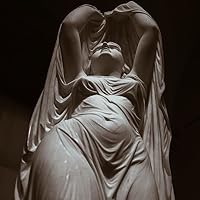
sometimes I lifted my arms to this sky and danced along - a tragic figure between the rows of tombs

August 25, 2024
im jestem starsza tym bardziej doceniam autobiografie. isadora była z pewnością oryginalną osobą, wiele jej przemyśleń/przekonań jest zdecydowanie ponadczasowych.. poza tym niezwykle inspirująca i ciekawa!! z punktu widzenia literackiego? wygląda to gorzej - książka nie jest pozbawiona egzaltacji i chaosu, jednak myślę, że to właśnie idealnie oddaje isadorę i nie chciałabym by było inaczej<3 kocham panią duncan

June 18, 2016
I found this to be a remarkable book that held my interest from the beginning. She had an idea of what dance should be and how it should be performed. She left her home in San Francisco with her entire family and no money, hoping she could find someone in show business to understand what she wanted to bring to the stage. It wasn't to be in America, so they set sail to Europe where she found people willing to listen and let her express herself, her free spirit. People liked her style and she found an audience for her modern dance. She always seemed to have a nice run, collect her money, spend it on one idea or another until she was broke and then sign on for a new engagement, over and over throughout her entire life. She was definitely a strong willed feminist who had to have it her way or the highway. She could not understand why anyone would Marry, as she never did. She was highly critical of the ballet, and never saw it as an art form, and how anyone could understand jazz as music was from beyond. She had the handsomest men father her children, while one was a multi-millionaire, and she always spoke of love, while never seeming to find the time to enjoy it. She played to sold-out houses throughout Europe and Russia and even made her way back to the USA, but always seemed to want more than they were willing to give. She also seemed to always live amidst tragedy, losing all three of her children in two separate incidents and a lot of mental imbalance, brought on by trying to just do to much at once, and she had her own way of finding happiness with certain people when she needed to find happiness. I found myself magnetized to Isadora's trail through life.

September 25, 2008
I loved this book because it told Her-Story!!!
She takes us on a ride into her world of being free. Ms Duncan died tragically but lived vicariously thrilling !!!
She has been called the 'Mother of Modern Dance'. She was inflenced by the classics, especially Greek Myth, where she danced in grecian tunics. She had sexual escapades in the early 1900's that people shunned but today is the norm. She refused to be involved in anything that constricted her individuality!!!
I totally felt her character and I suggest anyone who is a wildchild like myself to read this book, you will feel her spirit also!!!
She takes us on a ride into her world of being free. Ms Duncan died tragically but lived vicariously thrilling !!!
She has been called the 'Mother of Modern Dance'. She was inflenced by the classics, especially Greek Myth, where she danced in grecian tunics. She had sexual escapades in the early 1900's that people shunned but today is the norm. She refused to be involved in anything that constricted her individuality!!!
I totally felt her character and I suggest anyone who is a wildchild like myself to read this book, you will feel her spirit also!!!

October 31, 2010
I thought it was interesting coming from her point of view, however it was extremely self-aggrandizing and showed that she had little insight into her own psyche. I would like to read other books about her to get a fuller picture of both the good and bad aspects of her character. The funny thing is, she does present her self as someone so flighty that she would get her scarf caught under the wheel of a car and die.

April 12, 2011
My first edition 1928 copy of this book sprouted post-its in every direction as I researched my graphic biography of Isadora. Isadora's version of events is perhaps a little puffed up, perhaps not all written by her own hand, but it's still the closest you can get to this daredevil of a woman. When I found this memoir on my grandmother's shelf, Isadora became my first feminist heroine.

June 27, 2007
Not a modest bone in the body of the mother of modern dance. Interesting life--if half of it is true--but so mellow-dramatic and self indulgent it was hard to actually want to keep reading. But, when all is said and done she is definitely a rock star, and I am glad I finished it.

May 17, 2011
I laughed a couple of times and could relate to some of her thoughts, but overall for some reason I found it a little self-absorbed.

November 28, 2016
Title edited to "My Life: Shallow, Selfish, and Destructive."

February 4, 2025
"Give beauty and freedom and strength to the children. Give art to the people who need it. Great music should no longer be kept for the delight of a few cultured people, it should be given free to the masses: it is as necessary for them as air and bread, for it is the spiritual wine of humanity" (268).
[The above quote reminded me uncannily of Simone Weil, and yesterday was her birthday.]
No WiFi yet in the new flat and the News is unbearable, so reading has been a solace. I found myself in a terrible mood, so today's remedy was going to the botanic garden with Isadora Duncan. It is difficult to believe that this journey through her autobiography is over, as if a friend moved far away.
Duncan writes with great vivacity and wit, clinging faithfully to her ideal of Art. Although she lived a lavish life in some regards and travelled the globe, she was, throughout almost all chapters of her career, one step away from being penniless. She suffered great tragedy, including the death of all of her beloved children, yet she strove to bring Beauty and Joy to the masses—elevating the modern conception of dance and, as she saw it, freeing the body from the unjust constraints of ballet.
She was distinctly feminist in her worldview and rejected the institution of marriage. She consistently uplifted women and girls through the dance schools she created. Although she became entangled with wealthy lovers on occasion, this direct exposure to the lives of the rich (who, she said, were never happy) gave her a grave distaste for material possessions and led to her later (arguably naïvely optimistic) association with Communism after time spent dancing in the Soviet Union.
There were ways in which I felt connected to Isadora, even encountering the same spots for pivotal life changes and memories: Paris, New York, San Francisco, London, Venice's Lido, Trieste, etc. I even used to ride past the place Duncan once had her Paris dance school, Bellevue, each day on the train.
She refers to falling in love with "genius" wherever it appears and passion as a "shared spiritual flame." Isadora serves as an inspiration for a fellow American paving her own way in Europe roughly one hundred years later. May the adventures and loves be as transformative and alight. <3
I bought a stunning old copy in Edinburgh (une petit cadeau d'anniversaire pour moi), and there is, scrawled in pencil after the last page, a haunting phrase: "life fallen away... like a garment."
[The above quote reminded me uncannily of Simone Weil, and yesterday was her birthday.]
No WiFi yet in the new flat and the News is unbearable, so reading has been a solace. I found myself in a terrible mood, so today's remedy was going to the botanic garden with Isadora Duncan. It is difficult to believe that this journey through her autobiography is over, as if a friend moved far away.
Duncan writes with great vivacity and wit, clinging faithfully to her ideal of Art. Although she lived a lavish life in some regards and travelled the globe, she was, throughout almost all chapters of her career, one step away from being penniless. She suffered great tragedy, including the death of all of her beloved children, yet she strove to bring Beauty and Joy to the masses—elevating the modern conception of dance and, as she saw it, freeing the body from the unjust constraints of ballet.
She was distinctly feminist in her worldview and rejected the institution of marriage. She consistently uplifted women and girls through the dance schools she created. Although she became entangled with wealthy lovers on occasion, this direct exposure to the lives of the rich (who, she said, were never happy) gave her a grave distaste for material possessions and led to her later (arguably naïvely optimistic) association with Communism after time spent dancing in the Soviet Union.
There were ways in which I felt connected to Isadora, even encountering the same spots for pivotal life changes and memories: Paris, New York, San Francisco, London, Venice's Lido, Trieste, etc. I even used to ride past the place Duncan once had her Paris dance school, Bellevue, each day on the train.
She refers to falling in love with "genius" wherever it appears and passion as a "shared spiritual flame." Isadora serves as an inspiration for a fellow American paving her own way in Europe roughly one hundred years later. May the adventures and loves be as transformative and alight. <3
I bought a stunning old copy in Edinburgh (une petit cadeau d'anniversaire pour moi), and there is, scrawled in pencil after the last page, a haunting phrase: "life fallen away... like a garment."

February 17, 2023
A granddaughter of the gold rush, Isadora Duncan's fellow Americans did not understand what she was trying to achieve with her dancing. She was a household name long after her death, but mostly for being an eccentric freethinker... and a "Red." Then there was the Dick Cavett interview with Elsa Lanchester (who was a student at her school in Paris), which further cemented her image as a "kookie" charlatan.
That may be, but she seemed to be highly gifted at a time when women were not much more than "chattel." Written in 1927, her admissions would have been considered risque in 1967, nevermind 1905. She claims to have known since her early teens that it would be necessary to go to Europe to be appreciated. As unlikely as success might have seemed for a family with no money; young Isadora, who possessed much bravado, persuaded a cattle boat operator to take them from New York to England. Once there, she danced in the drawing rooms of rich Americans (whom she had already briefly met in Newport) and branched out from there. Since no footage of her dancing exists, it is hard to know whether she was that good, or it was the novelty that made her such a sensation over there. [She was a huge critic of the joyless rigidity of ballet and claimed Diaghilev was influenced by her.]
Her subsequent attempts to conquer her home country had mixed results, and her dancing was derided as "Greek." [Despite her protestations that it was more "Native American."] In fact she was very precocious in a way that could seemingly only be explained by having lived past lives. For instance, she claimed to read Schopenhauer and Nietzsche in the original language after spending only a month in Germany conversing with the intellectuals of the day.
That said, I do consider her to be a somewhat unreliable narrator, even if I admire her "chutzpah." I cannot help but wonder what had to be left out of this biography.
That may be, but she seemed to be highly gifted at a time when women were not much more than "chattel." Written in 1927, her admissions would have been considered risque in 1967, nevermind 1905. She claims to have known since her early teens that it would be necessary to go to Europe to be appreciated. As unlikely as success might have seemed for a family with no money; young Isadora, who possessed much bravado, persuaded a cattle boat operator to take them from New York to England. Once there, she danced in the drawing rooms of rich Americans (whom she had already briefly met in Newport) and branched out from there. Since no footage of her dancing exists, it is hard to know whether she was that good, or it was the novelty that made her such a sensation over there. [She was a huge critic of the joyless rigidity of ballet and claimed Diaghilev was influenced by her.]
Her subsequent attempts to conquer her home country had mixed results, and her dancing was derided as "Greek." [Despite her protestations that it was more "Native American."] In fact she was very precocious in a way that could seemingly only be explained by having lived past lives. For instance, she claimed to read Schopenhauer and Nietzsche in the original language after spending only a month in Germany conversing with the intellectuals of the day.
That said, I do consider her to be a somewhat unreliable narrator, even if I admire her "chutzpah." I cannot help but wonder what had to be left out of this biography.
Displaying 1 - 30 of 149 reviews