

What do you think?

The Pebble Creek Amish #2
A Home for Lydia
A Home for Lydia, the second book in a new romantic series from popular author Vannetta Chapman, centers again on the Plain community of Pebble Creek and the kind, caring people there. As they face challenges to their community from the English world, they come together to reach out to their non-Amish neighbors while still preserving their cherished Plain ways.
Aaron Troyer simply wants to farm like his father and grandfather before him. But instead he finds himself overseeing the family's small group of guest cabins nestled along the banks of Pebble Creek. That also means he must work with the cabins' housekeeper, Lydia Fisher.
Lydia is the most outspoken Amish woman Aaron has ever met, and she has strong opinions about how the guest cabins are to be run. She also desperately needs this job. Though sparks fly between boss and employee at first, when the cabins are robbed, nothing is more important to Aaron than making sure Lydia is safe.
Together they work to make the vacation property profitable, but can they find out the identity of the culprit before more damage is done? And is Lydia's dream of a home of her own more than just a wish and a prayer?
Aaron Troyer simply wants to farm like his father and grandfather before him. But instead he finds himself overseeing the family's small group of guest cabins nestled along the banks of Pebble Creek. That also means he must work with the cabins' housekeeper, Lydia Fisher.
Lydia is the most outspoken Amish woman Aaron has ever met, and she has strong opinions about how the guest cabins are to be run. She also desperately needs this job. Though sparks fly between boss and employee at first, when the cabins are robbed, nothing is more important to Aaron than making sure Lydia is safe.
Together they work to make the vacation property profitable, but can they find out the identity of the culprit before more damage is done? And is Lydia's dream of a home of her own more than just a wish and a prayer?
352 pages, Paperback
First published February 1, 2013
About the author
Vannetta Chapman
136 books1,479 followersVannetta Chapman is a New York times, USA Today, and Publishers Weekly bestselling author of over t0 novels. She has sold over one million copies and writes in a variety of genres that include dystopian, suspense, dystopian, romantic suspense, romance, and cozy mystery.
Chapman has 25 years educational experience as an English teacher at the high school and collegiate level. She currently resides in the Texas Hill Country where she writes full times.
Sign up for her newsletter and receive a free ebook! For more information, visit her at http://vannettachapman.com
https://twitter.com/VannettaChapman
https://www.facebook.com/VannettaChap...
http://vannettachapman.com/blog/
https://www.instagram.com/vannettacha...
http://vannettachapman.com/book-list/
Chapman has 25 years educational experience as an English teacher at the high school and collegiate level. She currently resides in the Texas Hill Country where she writes full times.
Sign up for her newsletter and receive a free ebook! For more information, visit her at http://vannettachapman.com
https://twitter.com/VannettaChapman
https://www.facebook.com/VannettaChap...
http://vannettachapman.com/blog/
https://www.instagram.com/vannettacha...
http://vannettachapman.com/book-list/
Ratings & Reviews
Friends & Following
Create a free account to discover what your friends think of this book!
Community Reviews
Displaying 1 - 30 of 84 reviews

January 25, 2013
This Is One Amish Story You Don’t Want To Miss!
A Home for Lydia is Book 2 in The Pebble Creek Amish Series. Don’t miss Book 1, A Promise for Miriam.
Lydia is a previous student of Miriam’s; she is now grown and working at Plain Cabins on Pebble Creek. The owner recently passed away and a nephew of his, Aaron Troyer, will be taking over just long enough to get the place cleaned up and making money for his Aunt and cousins. He will then be on his way back to Indiana and the farming he loves.
Lydia and Aaron butt heads right away. Will they ever see eye to eye on cleaning the place up? Will they ever be able to say a civil word to each other?
I found myself tearing up in a few places in this book. The hardships that Lydia’s family endured. The shame she carried over the years. The longing for how things use to be. The life she dreams for herself some day.
I was pleasantly surprised that A Home for Lydia would touch me in the way it did. I loved that some of the characters in A Promise for Miriam carried over into this story. I grew fond of Gabe and Miriam. I also fell in love with little Grace and more so in this book. She reminded me of my own daughter when she was young.
Real life is portrayed in this book. Sometimes I believe that Amish fiction readers put the Amish people on pedestals thinking they are living a perfect life when they are no different than what we are. They struggle with issues just the way we do. They struggle with right and wrong just the way we do.
I love that the author includes the love of God in her books. When trials and issues arise, she has her characters turning to God and to their faith to get them through.
In my opinion this book deserves a 5 star rating. I highly recommend it!
A Home for Lydia is Book 2 in The Pebble Creek Amish Series. Don’t miss Book 1, A Promise for Miriam.
Lydia is a previous student of Miriam’s; she is now grown and working at Plain Cabins on Pebble Creek. The owner recently passed away and a nephew of his, Aaron Troyer, will be taking over just long enough to get the place cleaned up and making money for his Aunt and cousins. He will then be on his way back to Indiana and the farming he loves.
Lydia and Aaron butt heads right away. Will they ever see eye to eye on cleaning the place up? Will they ever be able to say a civil word to each other?
I found myself tearing up in a few places in this book. The hardships that Lydia’s family endured. The shame she carried over the years. The longing for how things use to be. The life she dreams for herself some day.
I was pleasantly surprised that A Home for Lydia would touch me in the way it did. I loved that some of the characters in A Promise for Miriam carried over into this story. I grew fond of Gabe and Miriam. I also fell in love with little Grace and more so in this book. She reminded me of my own daughter when she was young.
Real life is portrayed in this book. Sometimes I believe that Amish fiction readers put the Amish people on pedestals thinking they are living a perfect life when they are no different than what we are. They struggle with issues just the way we do. They struggle with right and wrong just the way we do.
I love that the author includes the love of God in her books. When trials and issues arise, she has her characters turning to God and to their faith to get them through.
In my opinion this book deserves a 5 star rating. I highly recommend it!

January 21, 2013
Another enjoyable story from one of the top Amish Fiction authors.
One of the nicest things about this book was getting to check in with characters from A Promise For Miriam and getting to see how they are doing. Miriam and Gabe are now married and are building a family. Esther (formerly worked with Miriam at the Plain school) is also married and has a little one. Miriam's parents are still dispensing wisdom and dote on their granddaughter-by-marriage, Gracie. I won't spoil any surprises but the Kings and Yoder family have more happiness and heartache ahead in this story.
I have to admit that, at first, I didn't particularly like Aaron (the hero). He came across as an immature brat, but.... That didn't last, through the book he grows and matures under the responsibility of the cabins and with the help/advice of Gabe and Miriam's brother, David. Hard work and good friends help Aaron grow up in a most satisfying way.
Lydia reminded me much of myself, she doesn't like change, still lives at home in order to help her family, has a bit of a temper, tries to be responsible and gets impatient with those who aren't. She too, grows through the story and broadens her outlook. By the end of the book I was wishing that Lydia could be a friend.
This book is slightly darker than it's predecessor but it has to be with the touch of mystery. Who is breaking into houses/businesses to steal, and why? Is it the new neighbors next to the Plain Cabins, could it be Amish kids, or could it be their own family and friends? You are just going to have to read A Home For Lydia to find out!
A Home For Lydia, Amish romance with a touch of mystery and danger!
One of the nicest things about this book was getting to check in with characters from A Promise For Miriam and getting to see how they are doing. Miriam and Gabe are now married and are building a family. Esther (formerly worked with Miriam at the Plain school) is also married and has a little one. Miriam's parents are still dispensing wisdom and dote on their granddaughter-by-marriage, Gracie. I won't spoil any surprises but the Kings and Yoder family have more happiness and heartache ahead in this story.
I have to admit that, at first, I didn't particularly like Aaron (the hero). He came across as an immature brat, but.... That didn't last, through the book he grows and matures under the responsibility of the cabins and with the help/advice of Gabe and Miriam's brother, David. Hard work and good friends help Aaron grow up in a most satisfying way.
Lydia reminded me much of myself, she doesn't like change, still lives at home in order to help her family, has a bit of a temper, tries to be responsible and gets impatient with those who aren't. She too, grows through the story and broadens her outlook. By the end of the book I was wishing that Lydia could be a friend.
This book is slightly darker than it's predecessor but it has to be with the touch of mystery. Who is breaking into houses/businesses to steal, and why? Is it the new neighbors next to the Plain Cabins, could it be Amish kids, or could it be their own family and friends? You are just going to have to read A Home For Lydia to find out!
A Home For Lydia, Amish romance with a touch of mystery and danger!

November 23, 2013
I remember liking the other books in this series a lot better than I enjoyed this one. Granted, it has been a bit since I read those earlier stories, but I had little to no trouble picking up where the first book had left off, and I believe it is due to how prominently the couple from the first book factors into this story.
This was supposed to be the romance between Aaron and Lydia, but unfortunately, we don't see much in the way of romance before they're exchanging "I care for you"s and "I love you"s. Much of what we do see of the couple is arguing or spending a small bit of time together. They do nothing of the traditional Amish courting, and yet we're supposed to believe that animosity suddenly turns to affection? Their paths didn't cross enough for me to believe it.
As I mentioned previously, the couple from the first book features very prominently in this one. We get a continuation of their lives, as well as a bit of rehashing of the first book, making it easier for this to be a stand alone book. I was a bit conflicted on this. On one hand, I loved the update on that couple, but on the other I felt they stole part of the show from the main couple.
The other thing in the story that wound up stealing part of the show from the main characters was the cabins. They were a colossal problem for Aaron, who really didn't want to deal with it and made that fact overwhelmingly clear by how much he mentioned that he'd rather be in Indiana farming. Yes, he did his duty, but he went about it without regard for Lydia's feelings in some cases, which made me really dislike him as a character.
Lydia was also easy to dislike, because of how much she tried to hide her family's financial distress due to her father's illness. It made no sense to me for her to be so embarrassed by it, because it smacked of pride and vanity, two things the Amish strive NOT to be. I didn't see why she couldn't look to the times in the Bible where adversity struck a devout person (like Job, for example), reducing them to total poverty, before God raised them up to better than they had been before. Her reactions didn't ring true for an Amish, or even a Christian woman.
On the whole, I found it to be a decent installment to the series, but plagued with problems that made the story not climb into the 3 or 4 star range. I truly hope the next book is better!
This was supposed to be the romance between Aaron and Lydia, but unfortunately, we don't see much in the way of romance before they're exchanging "I care for you"s and "I love you"s. Much of what we do see of the couple is arguing or spending a small bit of time together. They do nothing of the traditional Amish courting, and yet we're supposed to believe that animosity suddenly turns to affection? Their paths didn't cross enough for me to believe it.
As I mentioned previously, the couple from the first book features very prominently in this one. We get a continuation of their lives, as well as a bit of rehashing of the first book, making it easier for this to be a stand alone book. I was a bit conflicted on this. On one hand, I loved the update on that couple, but on the other I felt they stole part of the show from the main couple.
The other thing in the story that wound up stealing part of the show from the main characters was the cabins. They were a colossal problem for Aaron, who really didn't want to deal with it and made that fact overwhelmingly clear by how much he mentioned that he'd rather be in Indiana farming. Yes, he did his duty, but he went about it without regard for Lydia's feelings in some cases, which made me really dislike him as a character.
Lydia was also easy to dislike, because of how much she tried to hide her family's financial distress due to her father's illness. It made no sense to me for her to be so embarrassed by it, because it smacked of pride and vanity, two things the Amish strive NOT to be. I didn't see why she couldn't look to the times in the Bible where adversity struck a devout person (like Job, for example), reducing them to total poverty, before God raised them up to better than they had been before. Her reactions didn't ring true for an Amish, or even a Christian woman.
On the whole, I found it to be a decent installment to the series, but plagued with problems that made the story not climb into the 3 or 4 star range. I truly hope the next book is better!

September 20, 2012
What a wunderbaar story and a peaceful read! Through the point of view of several people, A Home for Lydia shows the trials and tribulations an Amish community can go through, and yet still find a way to help each other. Lydia has to battle with keeping her job as she's the sole provider for her family. Her father has Farmer's Lung and with his illness, the family lost the farm. Aaron has to leave his home in Indiana to handle the cabins in Wisconsin, where Lydia works and is not too thrilled about it. The run-down condition of the cabins has led to a low turn out of customers, and he aims to change that. Lydia hates change, but if she wants to keep her job, it's best she deals with it. After a string of unfortunate events, Aaron and Lydia emerge with a new outlook upon each other. Aaron begins to understand Lydia and her ambitions, Lydia learns to care for Aaron.
"Folks tended to think Amish were always peaceful and quiet-- peaceful, yes, but there were times and discord within their families as in any life." (loc. 1681)
The plot of this book was quite different from other Amish books I've read, and I liked it! There was more compassion between husbands and wives, and it showed the amish life in a less-strict way. I love how the author implements many amish terms in ways that make the words easy to comprehend (she also includes a glossary of the words in the back!) and I found myself reading the book in a Pennsylvania Dutch accent (in my head of course.) The inner conflicting thoughts of each character and how they fight pass them is inspiring, and I would very much like to read more from Vannetta Chapman.
Quick character summaries:
Lydia: 22 yrs. old. Employee at the cabins. Previous Employer passed away. Has a past of family trouble, with her dad's illness and her family losing the farm. Has a siblings she wants to keep in school and has to keep working for her family's sake.
Aaron: 23 yrs. old. Orginally from Indiana & has to relocate to Pebble Creek, Wisconsin to mange his recently deceased uncle's affairs & cabins. Has idea to improve the cabins to help his aunt & cousins. Keeps bumping heads with Lydia.
Grace: 9 yrs. old. Love to draw and is good at it. Mother passed away from cancer and now lives with her father (Gabe), stepmother (Miriam), and new stepsister (Rachel.)
Gabe: Grace's father, Miriam's loving Husband. Volunteers to help Aaron repair and spruce up the cabins.
Miriam: Grace's stepmother and ex-teacher, Gabe's wife. Has a mother (Abigail) with a growing illness and has to try to keep it together for her family.
--------
First Line: "Lydia Fisher pulled her sweater around her shoulders and sank down on the top step of the last cabin as the sun set along Pebble Creek." (loc. 19)
Last Line: "The people in her life had given her a home." (loc. 3796)
Quotes:
"Seeing Drake's store had confirmed that his ideas, and what had been done previously in his hometown in Indiana, could be transferred here to Winsconsin. But he couldn't do it alone. He'd need help." (loc.1051)
"Lydia didn't need to turn around to know Aaron was standing behind her. Whenever he was within shouting distance, her skin felt as though a hundred ants were crawling over it. No, that was wrong. It felt as if a hundred butterflies were rubbing against her skin at the same moment." (loc.1093)
"'If you tickle the earth with your hoe, she will laugh with a harvest.'" (loc. 2418)
"There had been no bridge between childhood and adulthood for Lydia. No, she'd gone to sleep one night a child and woken the next day an adult." (loc. 2489)
"'Few burdens are heavy if everyone lifts.'" (loc. 2695)
Galley provided by Harvest House Publishers via NetGalley
"Folks tended to think Amish were always peaceful and quiet-- peaceful, yes, but there were times and discord within their families as in any life." (loc. 1681)
The plot of this book was quite different from other Amish books I've read, and I liked it! There was more compassion between husbands and wives, and it showed the amish life in a less-strict way. I love how the author implements many amish terms in ways that make the words easy to comprehend (she also includes a glossary of the words in the back!) and I found myself reading the book in a Pennsylvania Dutch accent (in my head of course.) The inner conflicting thoughts of each character and how they fight pass them is inspiring, and I would very much like to read more from Vannetta Chapman.
Quick character summaries:
Lydia: 22 yrs. old. Employee at the cabins. Previous Employer passed away. Has a past of family trouble, with her dad's illness and her family losing the farm. Has a siblings she wants to keep in school and has to keep working for her family's sake.
Aaron: 23 yrs. old. Orginally from Indiana & has to relocate to Pebble Creek, Wisconsin to mange his recently deceased uncle's affairs & cabins. Has idea to improve the cabins to help his aunt & cousins. Keeps bumping heads with Lydia.
Grace: 9 yrs. old. Love to draw and is good at it. Mother passed away from cancer and now lives with her father (Gabe), stepmother (Miriam), and new stepsister (Rachel.)
Gabe: Grace's father, Miriam's loving Husband. Volunteers to help Aaron repair and spruce up the cabins.
Miriam: Grace's stepmother and ex-teacher, Gabe's wife. Has a mother (Abigail) with a growing illness and has to try to keep it together for her family.
--------
First Line: "Lydia Fisher pulled her sweater around her shoulders and sank down on the top step of the last cabin as the sun set along Pebble Creek." (loc. 19)
Last Line: "The people in her life had given her a home." (loc. 3796)
Quotes:
"Seeing Drake's store had confirmed that his ideas, and what had been done previously in his hometown in Indiana, could be transferred here to Winsconsin. But he couldn't do it alone. He'd need help." (loc.1051)
"Lydia didn't need to turn around to know Aaron was standing behind her. Whenever he was within shouting distance, her skin felt as though a hundred ants were crawling over it. No, that was wrong. It felt as if a hundred butterflies were rubbing against her skin at the same moment." (loc.1093)
"'If you tickle the earth with your hoe, she will laugh with a harvest.'" (loc. 2418)
"There had been no bridge between childhood and adulthood for Lydia. No, she'd gone to sleep one night a child and woken the next day an adult." (loc. 2489)
"'Few burdens are heavy if everyone lifts.'" (loc. 2695)
Galley provided by Harvest House Publishers via NetGalley

February 21, 2013
About the Book:
A Home for Lydia, the second book in a new romantic series from popular author Vannetta Chapman, centers again on the Plain community of Pebble Creek and the kind, caring people there. As they face challenges to their community from the English world, they come together to reach out to their non-Amish neighbors while still preserving their cherished Plain ways.
Aaron Troyer simply wants to farm like his father and grandfather before him. But instead he finds himself overseeing the family’s small group of guest cabins nestled along the banks of Pebble Creek. That also means he must work with the cabins’ housekeeper, Lydia Fisher.
Lydia is the most outspoken Amish woman Aaron has ever met, and she has strong opinions about how the guest cabins are to be run. She also desperately needs this job. Though sparks fly between boss and employee at first, when the cabins are robbed, nothing is more important to Aaron than making sure Lydia is safe.Together they work to make the vacation property profitable, but can they find out the identity of the culprit before more damage is done? And is Lydia’s dream of a home of her own more than just a wish and a prayer?
About the Author:
Vannetta Chapman has published more than 100 articles in Christian family magazines. She discovered her love for the Amish while researching her grandfather’s birthplace in Albion, Pennsylvania. Vannetta is a multi-award-winning member of Romance Writers of America. She was a teacher for 15 years and currently resides in the Texas Hill country. Her first two inspirational novels—A Simple Amish Christmas and Falling to Pieces—were Christian Book Distributors bestsellers.
My Review:
Vannetta Chapman does a really good job as an author. She is able to pull you in immediately and cause you to fall in love with the characters from her books. What was so strange to me in the latest novel A Home for Lydia I found myself more interested in what was going on with Miriam than with Lydia which is the title character. Miriam is gave some news that wasn't really what she was expecting about her mother.She reminded me a lot of myself. That is the good thing about Vannetta's books though she makes you feel like she is writing about you.
This story begins with Lydia getting the cabins ready for the Englisch tourists. Following that, Aaron Troyer arrives several weeks later to see to the cabins left to him following his uncle's death. As Aaron gets off the bus to find the cabins he runs into Gabe Miller and his family and decides to hitch a ride with them. Not long after that actually a few minutes later he meets our main character, Lydia. I don't think that he was very impressed and decides he may need to stay longer than he first anticipated.
Now while the story seems to be heating up between Lydia and Aaron I'm still wondering how Miriam is doing. This is the second book in the Pebble Creek Amish Series. The third book in the series is set to release this summer. So fans of Ms.Vannetta won't have to wait long to catch up on all of their favorite characters. There are also discussion questions in the back of the book and the first chapter to book three in the series. Vannetta decided to give one of my readers a copy of her book A Home for Lydia so you can read it for yourself and fall in love with the town of Pebble Creek. Just enter below... And Good Luck!
a Rafflecopter giveaway
**Disclosure** This book was provided to me for free from the author for my honest review.
A Home for Lydia, the second book in a new romantic series from popular author Vannetta Chapman, centers again on the Plain community of Pebble Creek and the kind, caring people there. As they face challenges to their community from the English world, they come together to reach out to their non-Amish neighbors while still preserving their cherished Plain ways.
Aaron Troyer simply wants to farm like his father and grandfather before him. But instead he finds himself overseeing the family’s small group of guest cabins nestled along the banks of Pebble Creek. That also means he must work with the cabins’ housekeeper, Lydia Fisher.
Lydia is the most outspoken Amish woman Aaron has ever met, and she has strong opinions about how the guest cabins are to be run. She also desperately needs this job. Though sparks fly between boss and employee at first, when the cabins are robbed, nothing is more important to Aaron than making sure Lydia is safe.Together they work to make the vacation property profitable, but can they find out the identity of the culprit before more damage is done? And is Lydia’s dream of a home of her own more than just a wish and a prayer?
About the Author:
Vannetta Chapman has published more than 100 articles in Christian family magazines. She discovered her love for the Amish while researching her grandfather’s birthplace in Albion, Pennsylvania. Vannetta is a multi-award-winning member of Romance Writers of America. She was a teacher for 15 years and currently resides in the Texas Hill country. Her first two inspirational novels—A Simple Amish Christmas and Falling to Pieces—were Christian Book Distributors bestsellers.
My Review:
Vannetta Chapman does a really good job as an author. She is able to pull you in immediately and cause you to fall in love with the characters from her books. What was so strange to me in the latest novel A Home for Lydia I found myself more interested in what was going on with Miriam than with Lydia which is the title character. Miriam is gave some news that wasn't really what she was expecting about her mother.She reminded me a lot of myself. That is the good thing about Vannetta's books though she makes you feel like she is writing about you.
This story begins with Lydia getting the cabins ready for the Englisch tourists. Following that, Aaron Troyer arrives several weeks later to see to the cabins left to him following his uncle's death. As Aaron gets off the bus to find the cabins he runs into Gabe Miller and his family and decides to hitch a ride with them. Not long after that actually a few minutes later he meets our main character, Lydia. I don't think that he was very impressed and decides he may need to stay longer than he first anticipated.
Now while the story seems to be heating up between Lydia and Aaron I'm still wondering how Miriam is doing. This is the second book in the Pebble Creek Amish Series. The third book in the series is set to release this summer. So fans of Ms.Vannetta won't have to wait long to catch up on all of their favorite characters. There are also discussion questions in the back of the book and the first chapter to book three in the series. Vannetta decided to give one of my readers a copy of her book A Home for Lydia so you can read it for yourself and fall in love with the town of Pebble Creek. Just enter below... And Good Luck!
a Rafflecopter giveaway
**Disclosure** This book was provided to me for free from the author for my honest review.

February 19, 2013
Whenever I pick up a book written by Vannetta Chapman, I know I can count on a good read! Whether it's an Amish mystery or romance, she always pulls me in making me need to know how the story will ultimately end! Her uncanny ability to not only tell us a story, but make us feel for at least a few hours as if we are a part of the story, friends with the characters is a true accomplishment, and something that Ms. Chapman makes me feel each time I open the cover of one of her books!
"A Home For Lydia" is the story of Aaron Troyer and Lydia Fisher. At twenty-three Aaron Troyer has always dreamed of continuing the tradition of farming just like his father and grandfather. When his uncle passes away he finds himself leaving Indiana to go to Pebble Creek, Wisconsin to help out with the cabins his uncle owned, hoping to turn them into a profitable business for his aunt and cousin. When he sees the cabins though he knows he is going to have his work cut out for him. The only employee that is still working there is Lydia Fisher, and she can't afford her job, but she and Aaron really don't get along at all, but both have a common goal, getting the cabins profitable again. Will Lydia and Aaron ever see eye to eye, and what twists along the way will they encounter?
Oh what a wonderful story! I enjoyed reconnecting with some of the characters from the first book, but also enjoyed meeting the new characters as well. I thought the relationship between Lydia and Aaron was great, I found myself laughing on a few occasions early into the relationship, but really enjoyed the way things progressed.Lydia was a bit unique in that she was a bit outspoken, but that's the thing I notice most about Ms. Chapman's Amish stories, she makes her "Amish" characters seem real, instead of painting them as perfect, we are allowed to understand their feelings and see their flaws! If your a fan of Amish fiction your going to love this story, but I would recommend it to anyone who enjoys a nice clean read, with romance mystery, and a bit of suspense. For me the fact that the characters are Amish are just icing on the cake!
"A Home For Lydia" is the story of Aaron Troyer and Lydia Fisher. At twenty-three Aaron Troyer has always dreamed of continuing the tradition of farming just like his father and grandfather. When his uncle passes away he finds himself leaving Indiana to go to Pebble Creek, Wisconsin to help out with the cabins his uncle owned, hoping to turn them into a profitable business for his aunt and cousin. When he sees the cabins though he knows he is going to have his work cut out for him. The only employee that is still working there is Lydia Fisher, and she can't afford her job, but she and Aaron really don't get along at all, but both have a common goal, getting the cabins profitable again. Will Lydia and Aaron ever see eye to eye, and what twists along the way will they encounter?
Oh what a wonderful story! I enjoyed reconnecting with some of the characters from the first book, but also enjoyed meeting the new characters as well. I thought the relationship between Lydia and Aaron was great, I found myself laughing on a few occasions early into the relationship, but really enjoyed the way things progressed.Lydia was a bit unique in that she was a bit outspoken, but that's the thing I notice most about Ms. Chapman's Amish stories, she makes her "Amish" characters seem real, instead of painting them as perfect, we are allowed to understand their feelings and see their flaws! If your a fan of Amish fiction your going to love this story, but I would recommend it to anyone who enjoys a nice clean read, with romance mystery, and a bit of suspense. For me the fact that the characters are Amish are just icing on the cake!

August 7, 2013
This is the second book in the Pebble Creek Amish series and this is a series that you really need to read in order, so I am glad that I read the first book in the series, A Promise for Miriam. This book picks up where the first book left off, only it introduced new characters. Lydia works at the Plain Cabins and Aaron comes from Indiana to take over for his uncle Ervin, who has passed away. Aaron doesn't want to be there, but with help from the community he makes the Cabins a success. In the mean time, he and Lydia realize they have feelings for each other. Then there is a serious problem in the community and at the Cabins. This book started a little slow, but soon picked up and I enjoyed reading about the lives of Gabe and Miriam again and being introduced to all the new characters. Vannetta Chapman does such a great job, I feel like I know the characters personally. Looking forward to the next book in this series, which in entitled A Wedding for Julia.
I received a complimentary copy of this book for my honest review.
I received a complimentary copy of this book for my honest review.

January 30, 2013
I really enjoyed reading this book. It is book 2 in the Pebble Creek Amish Series but can easily be read by itself.
Even though Lydia and Aaron were the main characters in this book I felt Grace, Miriam and Gabe's 9 year old daughter was the stand out in this book. She is so smart for her age and has a God given artistic talent that helps Aaron to solve a mystery. Lydia however just wishes Aaron would go away and leave things the way they were before he came - until she starts to see that he really does have what's best for his late Uncle's cabins in mind - not to mention her heart. Lydia and Aaron have a long way to go before matters of the heart can even be discussed but they are getting there - slowly.
This is an easy read with a twist in the middle you won't see coming that makes you keep turning pages. I cannot wait for the next book in this series!
Even though Lydia and Aaron were the main characters in this book I felt Grace, Miriam and Gabe's 9 year old daughter was the stand out in this book. She is so smart for her age and has a God given artistic talent that helps Aaron to solve a mystery. Lydia however just wishes Aaron would go away and leave things the way they were before he came - until she starts to see that he really does have what's best for his late Uncle's cabins in mind - not to mention her heart. Lydia and Aaron have a long way to go before matters of the heart can even be discussed but they are getting there - slowly.
This is an easy read with a twist in the middle you won't see coming that makes you keep turning pages. I cannot wait for the next book in this series!

January 17, 2013
When a family member dies his nephew comes to town to take care of things at the rental cabins his uncle owned and managed. When he arrives Aaron is overwhelmed with the amount of work that is needed to turn things around. Will this Amish community pull together to help a family who has lost a loved one, or will the rundown cabins need to be sold in order for this family to survive?
Not many authors are able to capture a reader with a story that grabs your attention from the beginning, or describes the characters to the point that you feel you know them personally. Vannetta is one of those amazing authors who do both extremely well.
If you like Amish fiction, you will love this book.
Not many authors are able to capture a reader with a story that grabs your attention from the beginning, or describes the characters to the point that you feel you know them personally. Vannetta is one of those amazing authors who do both extremely well.
If you like Amish fiction, you will love this book.
February 2, 2013
Vannetta Chapman’s A Home for Lydia is Chapman at her finest. The characters come together to weave a story as full of color as an Amish quilt. Each character is so well defined that we understand their thoughts and actions for whatever age they are - from young Grace to the elder Bishop. Chapman is a master at showing the human flaws and struggles but in a way that keeps our attention and allows us to love these folks and wish the story would go on and on. A Home for Lydia is a story of everyday life with all its ups and downs, love, frustration, illness and some mystery – all with the Amish bent that Chapman is so good at portraying.

May 1, 2022
I am really enjoying Pebble Creek and the folks who call it home. The second story in the series, had some mystery as well as some dramatic moments, and that made for a compelling story. I have to admit, I struggled with Aaron early in the story, he was so rude! He undergoes quite a transformation in the book and it's fun to watch. Excited for book three!
January 7, 2013
Loved this book.I was transported to Wisconsin and right in the middle of all the activity.Visualizing the settings was easy and you could sense the peace of the area. This story contains many emotions and a lot of love for others.I highly recommend A Home For Lydia..

June 25, 2012
GENRE: AMISH ROMANCE
PUBLISHER: HARVEST HOUSE
PUBLICATION DATE: FEBRUARY 01, 2013
RATING: 4.5 OUT OF 5 – EXCELLENT
PROS: Setting of Pebble Creek comes alive; revisits characters from previous book, continuing to develop their story; touches on difficult topics such as drug abuse and illness; authentic details about tourism and Amish businesses; sweet, realistic romance
CONS: Took a while to warm up to Lydia and Aaron; romance sometimes took the backseat due to secondary storylines
Following on from the first volume in the Pebble Creek Amish series, A Home for Lydia keeps readers up to date with the lives of Miriam, Gabe and Grace, while introducing a new couple for them to fall in love with. Lydia Fisher’s family has fallen on hard times because of her father’s illness, and as a result, she’s had to work to support her parents and siblings, rather than enjoying the running around time that she would usually have been allowed. Thus she finds herself still unmarried at the age of twenty-two, and beginning to feel like an old maid, especially now that her younger sister, Clara, is starting to attend singings. She’s happily looked after the holiday cabins on the banks of Pebble Creek for years, and doesn’t appreciate the interference of Aaron Troyer, who has taken over the business following the death of his uncle.
Aaron doesn’t plan to stay in Pebble Creek for very long, but he realises that he has his work cut out for him when he sees the damage recent floods have done to the cabins. Determined to make his uncle’s business profitable enough to support his widow and daughters, Aaron throws himself into improving the cabins, despite Lydia’s protests. Considering that Aaron intends to return to Indiana as soon as possible, neither of them entertains the possibility of courting, but they find themselves forced to work together, both on the cabins and in order to protect their business from the threat of burglary. Over time, a fondness develops that neither of them can ignore.
Several members of the local Amish community, including Miriam and Gabe, step in to help refurbish the cabins and catch the burglar who is hindering their efforts at improving the business. But despite their desire to help Lydia and Aaron, Miriam and Gabe find that they have more pressing needs to address—namely, Miriam’s mother’s mysterious illness. Young Grace particularly struggles with the news of her grandmother’s illness, and throws herself into her drawing to distract herself. Like Lydia and Aaron, Grace and her family need to learn to trust in God for their future, and have faith that He will make everything right.
Although it had been a while since I’d read the first book in the Pebble Creek Amish series, I was immediately drawn back into the lives of the familiar characters living in the Amish community around Pebble Creek with this second instalment. This is a setting and community that all Amish fans are sure to enjoy, and A Home for Lydia reminded me of why the Amish genre is so appealing. I could easily visualise the cabins on the banks of Pebble Creek, as well as the fields that Gabe ploughed and Miriam’s mother’s garden and father’s workshop. I honestly believe that reading novels like A Home for Lydia make me appreciate the beauty of God’s creation more, simply because of the care and love that the Amish characters bestow upon their land.
I was pleasantly surprised by how large a part Miriam and Gabe’s family played in this book. Although a lot of Amish series throw in a few hints to how the lives of previous characters are progressing, Miriam, Gabe and Grace had nearly as much page-time as Lydia and Aaron. I appreciated being able to witness how the family had adjusted to the birth of Miriam and Gabe’s first child, Rachel, and the difficulties that had arisen as a result of her birth and the recent floods. Vannetta doesn’t sugar-coat the troubles a family can have after the birth of a child, and Miriam’s overwrought emotions and Gabe’s tiredness are sure to strike a chord with any parent reading this novel.
I particularly enjoyed being able to revisit Grace, who is honestly one of the best child characters I’ve come across. I truly felt like I was inside the head of a nine-year-old when reading her passages. The way that the community encouraged and utilised her drawing skill was interesting, and I hope we’ll get the chance to see how Grace uses her art in the next book in the series.
Another issue that Grace’s family has to overcome is Miriam’s mother’s illness. This, combined with Lydia’s father’s condition, provides readers with an insight into how Amish communities help those in need and the way in which they approach modern medicine. The reactions of Miriam’s family to her mother’s illness seemed realistic, and it as heart-warming to see how their family rallied around Abigail as she underwent treatment.
From what I’ve written so far, it almost seems as if Lydia and Aaron only played a small part in A Home for Lydia. To begin with it did feel like this, and as much as I enjoyed reading about Miriam and Gabe, I did find myself realising that I still knew very little about Lydia and Aaron, certainly not enough to really care about whether they would overcome their differences and fall in love. Thankfully, this changed in the last 40% of the novel, and Lydia and Aaron’s storyline regained its rightful front-seat position in the novel.
I particularly enjoyed the interactions between Lydia and her younger sister, Clara. This is the second novel I’ve read this month that contained a sibling rivalry, and I was relieved to find Lydia and Clara’s situation a lot more realistic than the one I’d previously encountered. Even though I don’t have a sister, I could understand Lydia’s resentment of her sister’s freedom and her worry that Clara would encroach upon her domain—the cabins. Lydia’s treatment of her sister revealed a lot about her own worries about her future, and that of her family. It pleased me to see that Lydia and Clara slowly came to appreciate each other more and work together to improve the cabins and catch the burglar.
Aaron’s character remained a little more mysterious than Lydia’s, even as the novel progressed, but I felt that his treatment of Lydia after she discovered that their shop and office had been burgled revealed a lot about his growing feelings for her. Like most men, he struggled with talking to Lydia about how he felt, and sometimes pushed her away in his attempts to protect her. He eventually endeared himself to me, and I’m sure his old-fashioned chivalric attempts to care for Lydia will please many a reader.
Lydia and Aaron’s romance was sweet, even if it took the backseat at times. The truth is, I’m struggling to criticise this book for not keeping the romance in the forefront because the elements that pushed it out of the way were equally compelling. The burglary plot in particular intrigued me, and while it did help Lydia and Aaron’s relationship to develop, it also brought to life some darker aspects of rumpspringe that I’m sure some readers will not have thought about. This angle of the story was dealt with very sensitively, and I hope that some of the characters involved—Seth, Clara and Mattie—will appear in a later novel, as I’d love to see how their lives develop.
As much as I loved all the combined elements of A Home for Lydia, I do wish more time could have been spent on Lydia and Aaron’s relationship. That said, I wouldn’t want any of the other storylines to be taken out in order to accommodate this, so perhaps Vannetta Chapman just needs to start writing longer novels! This addition to the Pebble Creek Amish series is sure to please fans of Vannetta’s work, and hopefully endear some new readers as well.
Review title provided by Harvest House.
PUBLISHER: HARVEST HOUSE
PUBLICATION DATE: FEBRUARY 01, 2013
RATING: 4.5 OUT OF 5 – EXCELLENT
PROS: Setting of Pebble Creek comes alive; revisits characters from previous book, continuing to develop their story; touches on difficult topics such as drug abuse and illness; authentic details about tourism and Amish businesses; sweet, realistic romance
CONS: Took a while to warm up to Lydia and Aaron; romance sometimes took the backseat due to secondary storylines
Following on from the first volume in the Pebble Creek Amish series, A Home for Lydia keeps readers up to date with the lives of Miriam, Gabe and Grace, while introducing a new couple for them to fall in love with. Lydia Fisher’s family has fallen on hard times because of her father’s illness, and as a result, she’s had to work to support her parents and siblings, rather than enjoying the running around time that she would usually have been allowed. Thus she finds herself still unmarried at the age of twenty-two, and beginning to feel like an old maid, especially now that her younger sister, Clara, is starting to attend singings. She’s happily looked after the holiday cabins on the banks of Pebble Creek for years, and doesn’t appreciate the interference of Aaron Troyer, who has taken over the business following the death of his uncle.
Aaron doesn’t plan to stay in Pebble Creek for very long, but he realises that he has his work cut out for him when he sees the damage recent floods have done to the cabins. Determined to make his uncle’s business profitable enough to support his widow and daughters, Aaron throws himself into improving the cabins, despite Lydia’s protests. Considering that Aaron intends to return to Indiana as soon as possible, neither of them entertains the possibility of courting, but they find themselves forced to work together, both on the cabins and in order to protect their business from the threat of burglary. Over time, a fondness develops that neither of them can ignore.
Several members of the local Amish community, including Miriam and Gabe, step in to help refurbish the cabins and catch the burglar who is hindering their efforts at improving the business. But despite their desire to help Lydia and Aaron, Miriam and Gabe find that they have more pressing needs to address—namely, Miriam’s mother’s mysterious illness. Young Grace particularly struggles with the news of her grandmother’s illness, and throws herself into her drawing to distract herself. Like Lydia and Aaron, Grace and her family need to learn to trust in God for their future, and have faith that He will make everything right.
Although it had been a while since I’d read the first book in the Pebble Creek Amish series, I was immediately drawn back into the lives of the familiar characters living in the Amish community around Pebble Creek with this second instalment. This is a setting and community that all Amish fans are sure to enjoy, and A Home for Lydia reminded me of why the Amish genre is so appealing. I could easily visualise the cabins on the banks of Pebble Creek, as well as the fields that Gabe ploughed and Miriam’s mother’s garden and father’s workshop. I honestly believe that reading novels like A Home for Lydia make me appreciate the beauty of God’s creation more, simply because of the care and love that the Amish characters bestow upon their land.
I was pleasantly surprised by how large a part Miriam and Gabe’s family played in this book. Although a lot of Amish series throw in a few hints to how the lives of previous characters are progressing, Miriam, Gabe and Grace had nearly as much page-time as Lydia and Aaron. I appreciated being able to witness how the family had adjusted to the birth of Miriam and Gabe’s first child, Rachel, and the difficulties that had arisen as a result of her birth and the recent floods. Vannetta doesn’t sugar-coat the troubles a family can have after the birth of a child, and Miriam’s overwrought emotions and Gabe’s tiredness are sure to strike a chord with any parent reading this novel.
I particularly enjoyed being able to revisit Grace, who is honestly one of the best child characters I’ve come across. I truly felt like I was inside the head of a nine-year-old when reading her passages. The way that the community encouraged and utilised her drawing skill was interesting, and I hope we’ll get the chance to see how Grace uses her art in the next book in the series.
Another issue that Grace’s family has to overcome is Miriam’s mother’s illness. This, combined with Lydia’s father’s condition, provides readers with an insight into how Amish communities help those in need and the way in which they approach modern medicine. The reactions of Miriam’s family to her mother’s illness seemed realistic, and it as heart-warming to see how their family rallied around Abigail as she underwent treatment.
From what I’ve written so far, it almost seems as if Lydia and Aaron only played a small part in A Home for Lydia. To begin with it did feel like this, and as much as I enjoyed reading about Miriam and Gabe, I did find myself realising that I still knew very little about Lydia and Aaron, certainly not enough to really care about whether they would overcome their differences and fall in love. Thankfully, this changed in the last 40% of the novel, and Lydia and Aaron’s storyline regained its rightful front-seat position in the novel.
I particularly enjoyed the interactions between Lydia and her younger sister, Clara. This is the second novel I’ve read this month that contained a sibling rivalry, and I was relieved to find Lydia and Clara’s situation a lot more realistic than the one I’d previously encountered. Even though I don’t have a sister, I could understand Lydia’s resentment of her sister’s freedom and her worry that Clara would encroach upon her domain—the cabins. Lydia’s treatment of her sister revealed a lot about her own worries about her future, and that of her family. It pleased me to see that Lydia and Clara slowly came to appreciate each other more and work together to improve the cabins and catch the burglar.
Aaron’s character remained a little more mysterious than Lydia’s, even as the novel progressed, but I felt that his treatment of Lydia after she discovered that their shop and office had been burgled revealed a lot about his growing feelings for her. Like most men, he struggled with talking to Lydia about how he felt, and sometimes pushed her away in his attempts to protect her. He eventually endeared himself to me, and I’m sure his old-fashioned chivalric attempts to care for Lydia will please many a reader.
Lydia and Aaron’s romance was sweet, even if it took the backseat at times. The truth is, I’m struggling to criticise this book for not keeping the romance in the forefront because the elements that pushed it out of the way were equally compelling. The burglary plot in particular intrigued me, and while it did help Lydia and Aaron’s relationship to develop, it also brought to life some darker aspects of rumpspringe that I’m sure some readers will not have thought about. This angle of the story was dealt with very sensitively, and I hope that some of the characters involved—Seth, Clara and Mattie—will appear in a later novel, as I’d love to see how their lives develop.
As much as I loved all the combined elements of A Home for Lydia, I do wish more time could have been spent on Lydia and Aaron’s relationship. That said, I wouldn’t want any of the other storylines to be taken out in order to accommodate this, so perhaps Vannetta Chapman just needs to start writing longer novels! This addition to the Pebble Creek Amish series is sure to please fans of Vannetta’s work, and hopefully endear some new readers as well.
Review title provided by Harvest House.

June 26, 2026
I loved the overall message of this book: that the concept of 'home' can be defined more as people than as an actual physical place.
I enjoyed both Lydia and Aaron, as well as seeing some familiar faces in Pebble Creek, as well as new friends. I liked that the community (both Amish and Englisch to some extent) bonded together to help each other in difficult times.
I do admit to having a slight issue with the timeline (though very slight, to be honest). It would seem as if several events took place within a span of a few days, and then we'd jump to an indeterminate time in the future and see some of the results of the previous events. All in all, I *think* the book took place over a span of about 3 months, but I am honestly not certain.
That said, I did like the story, though not as much as I did Miriam and Gabe's.
I enjoyed both Lydia and Aaron, as well as seeing some familiar faces in Pebble Creek, as well as new friends. I liked that the community (both Amish and Englisch to some extent) bonded together to help each other in difficult times.
I do admit to having a slight issue with the timeline (though very slight, to be honest). It would seem as if several events took place within a span of a few days, and then we'd jump to an indeterminate time in the future and see some of the results of the previous events. All in all, I *think* the book took place over a span of about 3 months, but I am honestly not certain.
That said, I did like the story, though not as much as I did Miriam and Gabe's.

January 24, 2013
My review
Minor Spoilers
Nobody writes Amish fiction like Vannetta Chapman and in Lydia’s story the reader once again witnesses two worlds colliding, the Amish and the Englisch, in Pebble Creek, Wisconsin. Lydia’s employer, Ervin, has just passed away, there has been a recent flooding to the land that has caused much needed repairs to the cabins she cleans, and her father is suffering from an ailment that has forced him to stop working making Lydia the main breadwinner in the family. She hasn’t had any customers lately and if this trend continues, she’ll be out of the job very soon.
Enter Aaron Troyer who is frustrated, eager to get back to his farming land, and resentful of having the responsibility of checking on his late uncle’s family and business to assess the situation and see how he can help. He makes no pretenses about wanting to be there and the scowl on his face is a big indicator that he has no intention on staying. How soon can he get back to Indiana?
As soon as these two meet, everything changes but it’s obvious that they don’t get along. Will they be able to see past their own problems and differences to improve the cabins and come up with a plan to run this business in a successful manner? Then word spreads about robberies occurring in the area, will everything they work for be taken from them?
What a sweet story with lots of humor and warmth!! When Lydia and Aaron first meet she immediately wishes justice upon him by hoping he’ll fall through a rotted stair railing and for her horse to nip him (bite him) since he refuses to carry fruit snacks with him and the horse is accustomed to these treats being constantly available. Amish folks are simple and faithful, but they have thoughts like anyone else and it was unique to find Lydia with such a feisty personality!
Other characters in the story that make the plot an even lovelier treat are from the first book in the series, A Promise for Miriam. The reader gets to experience Miriam, Gabe, Grace and Rachel being a family while moving past their grief and finally healing.
Grace was hands down my favorite character in Lydia’s story :) She has a gift for seeing the beauty in everything and drawing it realistically from her perspective. She doesn’t get along with her new school teacher, Ms. Bena, very well, but she makes every effort and I found her to be a brilliant student. She’s always observing, always learning, and always expressing herself in creative ways. She enjoys the 3 D’s best: Drawing, Doodling, and Daydreaming. Grace had me smiling throughout the story.
Chapman successfully creates a setting that the reader can easily fall in love with, a community of simple Amish folks that stick together through hardships, characters that find a common ground in adversity and learn to rebuild even in hopeless situations, trusting God even when your loved one is suffering, and most of all forgiveness even in the worst betrayals. It was precious seeing how one girl’s drawing humbles Aaron in his darkest moment turning his heart to maturity instead of allowing his selfish nature to brew. Even though this story was not a five star rating from me, it reminded me of what is truly important about finding out where your home is and trusting God in the journey there. Lydia’s story is touching, humorous, romantic, and filled with characters that are easy to love and easy to admire. Even though this book is part of a series, it can be a read alone as well (includes a glossary and discussion questions). Chapman’s next book,
A Wedding for Julia, comes out in July. For more information about this wonderful author, please visit her website http://vannettachapman.com/
Minor Spoilers
Nobody writes Amish fiction like Vannetta Chapman and in Lydia’s story the reader once again witnesses two worlds colliding, the Amish and the Englisch, in Pebble Creek, Wisconsin. Lydia’s employer, Ervin, has just passed away, there has been a recent flooding to the land that has caused much needed repairs to the cabins she cleans, and her father is suffering from an ailment that has forced him to stop working making Lydia the main breadwinner in the family. She hasn’t had any customers lately and if this trend continues, she’ll be out of the job very soon.
Enter Aaron Troyer who is frustrated, eager to get back to his farming land, and resentful of having the responsibility of checking on his late uncle’s family and business to assess the situation and see how he can help. He makes no pretenses about wanting to be there and the scowl on his face is a big indicator that he has no intention on staying. How soon can he get back to Indiana?
As soon as these two meet, everything changes but it’s obvious that they don’t get along. Will they be able to see past their own problems and differences to improve the cabins and come up with a plan to run this business in a successful manner? Then word spreads about robberies occurring in the area, will everything they work for be taken from them?
What a sweet story with lots of humor and warmth!! When Lydia and Aaron first meet she immediately wishes justice upon him by hoping he’ll fall through a rotted stair railing and for her horse to nip him (bite him) since he refuses to carry fruit snacks with him and the horse is accustomed to these treats being constantly available. Amish folks are simple and faithful, but they have thoughts like anyone else and it was unique to find Lydia with such a feisty personality!
Other characters in the story that make the plot an even lovelier treat are from the first book in the series, A Promise for Miriam. The reader gets to experience Miriam, Gabe, Grace and Rachel being a family while moving past their grief and finally healing.
Grace was hands down my favorite character in Lydia’s story :) She has a gift for seeing the beauty in everything and drawing it realistically from her perspective. She doesn’t get along with her new school teacher, Ms. Bena, very well, but she makes every effort and I found her to be a brilliant student. She’s always observing, always learning, and always expressing herself in creative ways. She enjoys the 3 D’s best: Drawing, Doodling, and Daydreaming. Grace had me smiling throughout the story.
Chapman successfully creates a setting that the reader can easily fall in love with, a community of simple Amish folks that stick together through hardships, characters that find a common ground in adversity and learn to rebuild even in hopeless situations, trusting God even when your loved one is suffering, and most of all forgiveness even in the worst betrayals. It was precious seeing how one girl’s drawing humbles Aaron in his darkest moment turning his heart to maturity instead of allowing his selfish nature to brew. Even though this story was not a five star rating from me, it reminded me of what is truly important about finding out where your home is and trusting God in the journey there. Lydia’s story is touching, humorous, romantic, and filled with characters that are easy to love and easy to admire. Even though this book is part of a series, it can be a read alone as well (includes a glossary and discussion questions). Chapman’s next book,
A Wedding for Julia, comes out in July. For more information about this wonderful author, please visit her website http://vannettachapman.com/

June 30, 2012
Here is that review I promised you "2" YEARS ago! LOL! I can't believe I forgot to write this! Here we go!
My Take:
5 STARS!
This is one of my favorite Vanetta Chapman novels to date! It was very enjoyable! I have to admit I noticed on Goodreads I read this book and finished it on February 26th, 2013, and I forgot to write this review! That was a serious oversight! I'll admit, though, liking this book as much as I did, it was kind of nice writing the review and visiting Pebble Creek, Wisconsin, again! There is a point to my telling you this, too, and this shows you how much this novel stood out with me so much so that now, almost 2 years later, I can still remember every detail in this book and write this review!
So this book picks up where Book One ends, “A Promise for Miriam: The Pebble Creek Amish Book One”. You do not need to read these in order to enjoy these books, it’s just a little neat to have some of the other characters from the previous books make reappearances as with any series of books, but really this book can be read as a standalone all on it's own.
Aaron has now come back here to Wisconsin after he learns his Uncle has passed away left him these cabins to run. This is not something he loves to do as farming is his first love, but he can’t farm right now as he must get these cabins ready to rent out to the English who like to vacation the 'simple way'. What he was not planning on was Lydia still working at the cabins. He feels she didn’t she got much work done, so at first Aaron was kind of rude to Lydia. He really undermined her ability to work, which really bothered Lydia, too. Lydia was lucky in that she got to work with one other character I just loved, and that was nine year old Grace, daughter of Miriam and Gabe's. She worked closely with Lydia, and Lydia did as much as she could for her, too. Later, after Aaron started working on the cabins in disrepair and getting them ready for the English, too, it was then he realized maybe he was a little harsh on Lydia as he learned there was a LOT of work to do with those cabins. Lydia really did enjoy cleaning, decorating, and getting the cabins ready a lot more than she ever would have thought she would have liked, and she really stood up for herself against Aaron, too! I really liked how everyone worked together to make it happen to be the success they all wanted for the cabins. This did end up bringing Lydia and Aaron closer together at the same time, too. All of a sudden a lot of ruckus happens and some things and some of their money is stolen. Now they have to figure out who did it because Lydia does not want it to happen again. (Leave it to this author to throw in a little mystery here in her stories!) Lydia steps in here and does a great job of trying to figure out just who and how they did it. In the meantime, you’ll have to pick this one up to read to find out if anything further happens between Lydia and Aaron! I received this book for FREE from the publisher, Harvest House Publisher through NetGalley in exchange to read and write a review about it. It is NOT required for this review to be either positive or negative, but of my own honest opinion. "Free" means I was provided with ZERO MONIES to read this book nor to write this review, but to enjoy the pure pleasure of reading it. I am disclosing this information in accordance with the Federal Trade Commission's 16 CFR, Part 255, http://www.access.gpo.gov/nara/cfr/wa...
Guides Concerning the Use of Endorsements and Testimonials in Advertising.
My Take:
5 STARS!
This is one of my favorite Vanetta Chapman novels to date! It was very enjoyable! I have to admit I noticed on Goodreads I read this book and finished it on February 26th, 2013, and I forgot to write this review! That was a serious oversight! I'll admit, though, liking this book as much as I did, it was kind of nice writing the review and visiting Pebble Creek, Wisconsin, again! There is a point to my telling you this, too, and this shows you how much this novel stood out with me so much so that now, almost 2 years later, I can still remember every detail in this book and write this review!
So this book picks up where Book One ends, “A Promise for Miriam: The Pebble Creek Amish Book One”. You do not need to read these in order to enjoy these books, it’s just a little neat to have some of the other characters from the previous books make reappearances as with any series of books, but really this book can be read as a standalone all on it's own.
Aaron has now come back here to Wisconsin after he learns his Uncle has passed away left him these cabins to run. This is not something he loves to do as farming is his first love, but he can’t farm right now as he must get these cabins ready to rent out to the English who like to vacation the 'simple way'. What he was not planning on was Lydia still working at the cabins. He feels she didn’t she got much work done, so at first Aaron was kind of rude to Lydia. He really undermined her ability to work, which really bothered Lydia, too. Lydia was lucky in that she got to work with one other character I just loved, and that was nine year old Grace, daughter of Miriam and Gabe's. She worked closely with Lydia, and Lydia did as much as she could for her, too. Later, after Aaron started working on the cabins in disrepair and getting them ready for the English, too, it was then he realized maybe he was a little harsh on Lydia as he learned there was a LOT of work to do with those cabins. Lydia really did enjoy cleaning, decorating, and getting the cabins ready a lot more than she ever would have thought she would have liked, and she really stood up for herself against Aaron, too! I really liked how everyone worked together to make it happen to be the success they all wanted for the cabins. This did end up bringing Lydia and Aaron closer together at the same time, too. All of a sudden a lot of ruckus happens and some things and some of their money is stolen. Now they have to figure out who did it because Lydia does not want it to happen again. (Leave it to this author to throw in a little mystery here in her stories!) Lydia steps in here and does a great job of trying to figure out just who and how they did it. In the meantime, you’ll have to pick this one up to read to find out if anything further happens between Lydia and Aaron! I received this book for FREE from the publisher, Harvest House Publisher through NetGalley in exchange to read and write a review about it. It is NOT required for this review to be either positive or negative, but of my own honest opinion. "Free" means I was provided with ZERO MONIES to read this book nor to write this review, but to enjoy the pure pleasure of reading it. I am disclosing this information in accordance with the Federal Trade Commission's 16 CFR, Part 255, http://www.access.gpo.gov/nara/cfr/wa...
Guides Concerning the Use of Endorsements and Testimonials in Advertising.
December 26, 2018
Fantastic!!

September 26, 2012
Lydia is a very vulnerable young woman. Yes, she is strong and very opinionated, but only because she tries to protect herself, her feelings and her heart. That complexity makes the reader identify very easily with her. She slowly but surely falls in love with Aaron, who goes from being a very angry, uncomfortable stranger, to being compassionate, caring and dependable. Although there is a hate/love relationship at first, which I usually don’t like since it’s been done a few too many times, it is so well written, expressed and justified, and not at all overdone, that not only did I enjoy it, I loved it.
Vannetta Chapman knows how to write a love story. Every sweet detail, every look, every stare, every soft embrace is just in the right place at the right time. Her characters are written with real people in mind, so they are never one dimensional, and they never fall flat. True to her style, Mrs. Chapman makes use of everything to further the plot and move the story along with a nice rhythm and pace. Every story connects, every character relates to one another and to the story as a whole. In the middle of chaos, she knows how to write the unexpected sweet moment, the loving concern, and the tender touch. You can actually see it playing in your head, the stillness of everything else, the presence of just the two characters in love. That is a great accomplishment.
As the story moves along, the romance takes sort of a backseat to a few family dramas, and a small mystery of sorts about a string of robberies close to the Pebble Creek area that ultimately affect the Plain Cabins. Now, it is remarkable how a burglary situation can be funny, touching, suspenseful, scary, and sweet. A nice dose of humor and drama with a tender moment between sisters, and a scary confrontation with the robbers, make for a fantastic side story with a final romantic touch that keeps the main story in motion. Very well written indeed.
As the second book in the series, I was at first sad to know that I wouldn’t get to see Miriam, Gabe, Grace and the rest of the family from A Promise for Miriam because usually another story means a new and different set of characters. But here we get to enjoy them once again, although at times it felt more like their book than Lydia’s. I wanted to spend time with Miriam again, but it sometimes felt as if Miriam’s story overshadowed Lydia’s. Once Lydia’s story got my interest and full attention, I was pulled back, and left wanting to know Lydia and Aaron better.
A Home for Lydia is a beautiful story about love, the love of family, the fragility of life, and the grace of God that sustains us. With inspiring wisdom and great biblical truths, this love story goes deep into the heart, and stays there.
4.5 out of 5 stars
*I received a copy of this book from Harvest House Publishers through The Christian Manifesto in exchange of an honest review.
Vannetta Chapman knows how to write a love story. Every sweet detail, every look, every stare, every soft embrace is just in the right place at the right time. Her characters are written with real people in mind, so they are never one dimensional, and they never fall flat. True to her style, Mrs. Chapman makes use of everything to further the plot and move the story along with a nice rhythm and pace. Every story connects, every character relates to one another and to the story as a whole. In the middle of chaos, she knows how to write the unexpected sweet moment, the loving concern, and the tender touch. You can actually see it playing in your head, the stillness of everything else, the presence of just the two characters in love. That is a great accomplishment.
As the story moves along, the romance takes sort of a backseat to a few family dramas, and a small mystery of sorts about a string of robberies close to the Pebble Creek area that ultimately affect the Plain Cabins. Now, it is remarkable how a burglary situation can be funny, touching, suspenseful, scary, and sweet. A nice dose of humor and drama with a tender moment between sisters, and a scary confrontation with the robbers, make for a fantastic side story with a final romantic touch that keeps the main story in motion. Very well written indeed.
As the second book in the series, I was at first sad to know that I wouldn’t get to see Miriam, Gabe, Grace and the rest of the family from A Promise for Miriam because usually another story means a new and different set of characters. But here we get to enjoy them once again, although at times it felt more like their book than Lydia’s. I wanted to spend time with Miriam again, but it sometimes felt as if Miriam’s story overshadowed Lydia’s. Once Lydia’s story got my interest and full attention, I was pulled back, and left wanting to know Lydia and Aaron better.
A Home for Lydia is a beautiful story about love, the love of family, the fragility of life, and the grace of God that sustains us. With inspiring wisdom and great biblical truths, this love story goes deep into the heart, and stays there.
4.5 out of 5 stars
*I received a copy of this book from Harvest House Publishers through The Christian Manifesto in exchange of an honest review.

December 20, 2013
Title: A HOME FOR LYDIA
Author: Vannetta Chapman
Publisher: Harvest House
February 2013
ISBN: 978-0736946148
Genre: Amisih
A HOME FOR LYDIA, the second book in a new romantic series from popular author Vannetta Chapman, centers again on the Plain community of Pebble Creek and the kind, caring people there. As they face challenges to their community from the English world, they come together to reach out to their non-Amish neighbors while still preserving their cherished Plain ways.
Aaron Troyer simply wants to farm like his father and grandfather before him. But instead he finds himself overseeing the family's small group of guest cabins nestled along the banks of Pebble Creek. That also means he must work with the cabins' housekeeper, Lydia Fisher.
Lydia is the most outspoken Amish woman Aaron has ever met, and she has strong opinions about how the guest cabins are to be run. She also desperately needs this job. Though sparks fly between boss and employee at first, when the cabins are robbed, nothing is more important to Aaron than making sure Lydia is safe.
Together they work to make the vacation property profitable, but can they find out the identity of the culprit before more damage is done? And is Lydia's dream of a home of her own more than just a wish and a prayer?
A HOME FOR LYDIA is the second book in Ms. Chapman’s Pebble Creek series. Readers will want to read A Promise for Miriam first as Miriam and her husband (and daughters) are prominent point of view characters in A HOME FOR LYDIA.
Aaron Troyer is angry to be the one to have to come to Wisconsin to make sure his uncle’s property is fixed up and sold or managed. He wishes someone else would’ve been chosen, especially when he arrives to meet hot tempered Lydia and the run-down cabins. The scenery is beautiful, but does nothing to ease Aaron’s unhappiness or Lydia’s temper. When the two meet, sparks fly, and they have to learn to work together and to get along as Lydia is the house-keeper there and Aaron, her boss.
The book is very well-written. I could feel Aaron’s discontent from the very first pages. I felt for him having to be somewhere and do things he’d rather not. I liked him, and hoped he’d find some contentment in his current situation. Lydia took a bit more exposure to like, as she had a bad attitude and temper to match it and didn’t seem to care. It was great to catch up with Gabe and Miriam from the first book A Promise for Miriam again. I’m looking forward to reading A Wedding for Julia. If you like Amish fiction then be sure to pick up A HOME FORY LYDIA. An excerpt from A Wedding for Julia is included at the end of the book. 352 pages. $13.99. 4 stars.
Author: Vannetta Chapman
Publisher: Harvest House
February 2013
ISBN: 978-0736946148
Genre: Amisih
A HOME FOR LYDIA, the second book in a new romantic series from popular author Vannetta Chapman, centers again on the Plain community of Pebble Creek and the kind, caring people there. As they face challenges to their community from the English world, they come together to reach out to their non-Amish neighbors while still preserving their cherished Plain ways.
Aaron Troyer simply wants to farm like his father and grandfather before him. But instead he finds himself overseeing the family's small group of guest cabins nestled along the banks of Pebble Creek. That also means he must work with the cabins' housekeeper, Lydia Fisher.
Lydia is the most outspoken Amish woman Aaron has ever met, and she has strong opinions about how the guest cabins are to be run. She also desperately needs this job. Though sparks fly between boss and employee at first, when the cabins are robbed, nothing is more important to Aaron than making sure Lydia is safe.
Together they work to make the vacation property profitable, but can they find out the identity of the culprit before more damage is done? And is Lydia's dream of a home of her own more than just a wish and a prayer?
A HOME FOR LYDIA is the second book in Ms. Chapman’s Pebble Creek series. Readers will want to read A Promise for Miriam first as Miriam and her husband (and daughters) are prominent point of view characters in A HOME FOR LYDIA.
Aaron Troyer is angry to be the one to have to come to Wisconsin to make sure his uncle’s property is fixed up and sold or managed. He wishes someone else would’ve been chosen, especially when he arrives to meet hot tempered Lydia and the run-down cabins. The scenery is beautiful, but does nothing to ease Aaron’s unhappiness or Lydia’s temper. When the two meet, sparks fly, and they have to learn to work together and to get along as Lydia is the house-keeper there and Aaron, her boss.
The book is very well-written. I could feel Aaron’s discontent from the very first pages. I felt for him having to be somewhere and do things he’d rather not. I liked him, and hoped he’d find some contentment in his current situation. Lydia took a bit more exposure to like, as she had a bad attitude and temper to match it and didn’t seem to care. It was great to catch up with Gabe and Miriam from the first book A Promise for Miriam again. I’m looking forward to reading A Wedding for Julia. If you like Amish fiction then be sure to pick up A HOME FORY LYDIA. An excerpt from A Wedding for Julia is included at the end of the book. 352 pages. $13.99. 4 stars.

August 4, 2013
The last place Aaron Troyer wants to be is in Wisconsin, taking care of some cabins that were owned by his deceased uncle. He's a farmer after all, and wants to be farming with his dad in Indiana. When he arrives at the cabins, he finds them in disrepair and can't believe that his uncle would have let them end up in such a state. With his attitude being sour, will he even want to make a go of them for his widowed aunt, who is depending on them for income?
Lydia Fisher is the housekeeper and lone employee at the cabins and has been doing the best she could since Aaron's uncle died but obviously she needs some help. Guests don't stay after being at the cabins the first night and she isn't skilled enough to make some of the needed repairs. Along comes Aaron, with his surly attitude, and Lydia thinks he will close the cabins. She desperately needs this job as she helps support her parents since her dad became ill. How will she get along with Aaron and convince him to keep the cabins?
I loved this story! Aaron and Lydia are wonderful. They have such personality that they seem to jump right off the page. I could feel their aggravations, their struggles, their longings and their faith. Truly this community has a love for each other that is God sent. They are an encouraging representation of all that people should be toward one another. Kind, gentle, loving, forgiving, peaceful. Oh, they're not perfect. They have disagreements and misunderstandings, but the way they solve their problems is to be admired. Community and family are everything to them and they will do whatever it takes to help one another achieve their goals.
We are privileged to meet up again with beloved folks we've met in the past, see what's happening in their lives, and even get a glimpse of some possible future romances. I have to say the scene after church where Gabe and David are talking privately with Aaron and giving him some “girl” advice was great. It was so humorous and at the same time showed a deep respect between the men.
I realize this is a fictional story but surely it is based on some known reality that the author has about the Amish. At least I hope so! I want to know that there are people in this world who are like this, who are raised with these intrinsic values toward hearth and home. I highly recommend this book to Amish Fiction lovers.
I received a copy from Harvest House for review purposes only. I was not required to write a positive review, just my opinion of the book.
Lydia Fisher is the housekeeper and lone employee at the cabins and has been doing the best she could since Aaron's uncle died but obviously she needs some help. Guests don't stay after being at the cabins the first night and she isn't skilled enough to make some of the needed repairs. Along comes Aaron, with his surly attitude, and Lydia thinks he will close the cabins. She desperately needs this job as she helps support her parents since her dad became ill. How will she get along with Aaron and convince him to keep the cabins?
I loved this story! Aaron and Lydia are wonderful. They have such personality that they seem to jump right off the page. I could feel their aggravations, their struggles, their longings and their faith. Truly this community has a love for each other that is God sent. They are an encouraging representation of all that people should be toward one another. Kind, gentle, loving, forgiving, peaceful. Oh, they're not perfect. They have disagreements and misunderstandings, but the way they solve their problems is to be admired. Community and family are everything to them and they will do whatever it takes to help one another achieve their goals.
We are privileged to meet up again with beloved folks we've met in the past, see what's happening in their lives, and even get a glimpse of some possible future romances. I have to say the scene after church where Gabe and David are talking privately with Aaron and giving him some “girl” advice was great. It was so humorous and at the same time showed a deep respect between the men.
I realize this is a fictional story but surely it is based on some known reality that the author has about the Amish. At least I hope so! I want to know that there are people in this world who are like this, who are raised with these intrinsic values toward hearth and home. I highly recommend this book to Amish Fiction lovers.
I received a copy from Harvest House for review purposes only. I was not required to write a positive review, just my opinion of the book.

January 6, 2014
love reading Vannetta's books. And this one didn't disappoint, nor did I expect it to. This books begins with Aaron Troyer going to Wisconsin to take care of some cabins that are in disrepair after the death of his uncle. He comes to fix them up, make sure that the property is in good order before he returns home to Indiana. After all, he's a farmer and he doesn't really care for this type of work.
He comes only to find things are worse than he had expected after flooding Pebble Creek causes a lot of problems on the property. He definitely sees that his work is cut out for him for a while. The only employee is Lydia, who is worried about the cabins because this is her family's only source of income. She is worried with no visitor's there will be no job for her. With a sick father and other family members to care about she feels the pressure of heavy responsibilities falling to her.
She and Aaron don't really see eye to eye on some of Aaron's plans to improve the cabins. But she does her best as an employee. Just when things are going well with the cabins, serious problems occur causing both concern and financial losses. The community rallies around them in support, as is Amish custom, but still problems continue.
All the while Lydia misses the home she once had that is no longer theirs due to her father's bad health. The tiny home they live in is very small but home, none-the-less.
The community they live in is supportive and loving and the characters from other books in the series maintain strong parts in the lives of Lydia's family as well as Aaron.
I enjoyed reading about Lydia's mother saying that friendship was about more than supporting each other on Sundays. It was about carrying each other's burdens all week long. It was about praying for one another and working beside one another. Good motherly advice for all of us.
This book is filled with a little romance, a little suspense and mystery.
Vannetta has such a wonderful way of reminding us how much we all need one another, to be friends with, to love, to cherish. And how important our family as well as our community is to each of us. You will love this book!
He comes only to find things are worse than he had expected after flooding Pebble Creek causes a lot of problems on the property. He definitely sees that his work is cut out for him for a while. The only employee is Lydia, who is worried about the cabins because this is her family's only source of income. She is worried with no visitor's there will be no job for her. With a sick father and other family members to care about she feels the pressure of heavy responsibilities falling to her.
She and Aaron don't really see eye to eye on some of Aaron's plans to improve the cabins. But she does her best as an employee. Just when things are going well with the cabins, serious problems occur causing both concern and financial losses. The community rallies around them in support, as is Amish custom, but still problems continue.
All the while Lydia misses the home she once had that is no longer theirs due to her father's bad health. The tiny home they live in is very small but home, none-the-less.
The community they live in is supportive and loving and the characters from other books in the series maintain strong parts in the lives of Lydia's family as well as Aaron.
I enjoyed reading about Lydia's mother saying that friendship was about more than supporting each other on Sundays. It was about carrying each other's burdens all week long. It was about praying for one another and working beside one another. Good motherly advice for all of us.
This book is filled with a little romance, a little suspense and mystery.
Vannetta has such a wonderful way of reminding us how much we all need one another, to be friends with, to love, to cherish. And how important our family as well as our community is to each of us. You will love this book!
February 13, 2013
This is more of community story than just 2 characters. You get to care about alot of different characters. Some are new to the series and others are old friends. I like how the community comes together to care and help where they are needed.
Aaron comes to this new community by bus. He is the oldest child. When his Uncle died and left a widow with children his dad sent him to help her. His Uncle had a few cabins that he rented to the English. When Aaron sees how worn down and out of shape he is angry.
Lydia is the only employee working at the cabins for the past two months. Business is bad people with three days reservation leave after only one night. She has done what she can to keep up. Lydia is 23 and earns the income for her family. Her father has farmer lung and needs lots of care. She has 5 younger siblings. She can't loose her job.
Gabe Miller & Miriam and daughters give Aaron a ride out to the cabins in the horse & buggy. They are good neighbors and see the need and offer to help Aaron get the place in shape.
Aaron is a farmer and he wants to go back home so he can work his land but he knows first he has to help his Uncle's family. He has some ideas to get the cabins in shape and bring in more business.
The story is well told and kept me wanting to see what happens next. Thier are a lot of characters, but that what made the story so interesting. How they are all so connected to each other. It also shows how the Plain People live. That they have trials too. That many people working together can help each other.
I look forward to reading more of Vannetta Chapman's work in the future.
This is a clean read and a enjoyable one too.
02/01/2013 Publisher: Harvest House Publishers 352 pages ISBN-10: 0736946144
Aaron comes to this new community by bus. He is the oldest child. When his Uncle died and left a widow with children his dad sent him to help her. His Uncle had a few cabins that he rented to the English. When Aaron sees how worn down and out of shape he is angry.
Lydia is the only employee working at the cabins for the past two months. Business is bad people with three days reservation leave after only one night. She has done what she can to keep up. Lydia is 23 and earns the income for her family. Her father has farmer lung and needs lots of care. She has 5 younger siblings. She can't loose her job.
Gabe Miller & Miriam and daughters give Aaron a ride out to the cabins in the horse & buggy. They are good neighbors and see the need and offer to help Aaron get the place in shape.
Aaron is a farmer and he wants to go back home so he can work his land but he knows first he has to help his Uncle's family. He has some ideas to get the cabins in shape and bring in more business.
The story is well told and kept me wanting to see what happens next. Thier are a lot of characters, but that what made the story so interesting. How they are all so connected to each other. It also shows how the Plain People live. That they have trials too. That many people working together can help each other.
I look forward to reading more of Vannetta Chapman's work in the future.
This is a clean read and a enjoyable one too.
02/01/2013 Publisher: Harvest House Publishers 352 pages ISBN-10: 0736946144
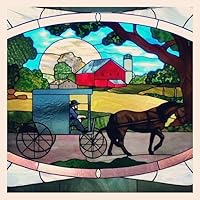
May 6, 2013
Let me start off by saying I loved this book. Why you may ask….because Vannetta Chapman’s books are like a breath of fresh air in a crowded elevator, that’s why! She describes her work as “fiction full of grace” and she embodies this with perfection. I always rack my brain trying to come up with the right thoughts to express when trying to describe how much I enjoyed reading a particular book. Sometimes it’s not easy simply saying “buy this book” or “you won’t be disappointed” because I think authors who write awesome books for us deserve a little more. As I stated, Vannetta’s books are like a breath of fresh air and A Home for Lydia fits the bill perfectly. You know what I mean….when a book flows so effortlessly it makes you feel as though you can’t get enough like breathing in fresh clean air. I am a country gal so hopefully you know what I mean. With each turn of the page, I came to realize just how much I had grown to like the characters and I wanted them to succeed. I like a book to have an engaging story-line along with strong characters and this book delivers especially in the character department. The main characters are great and also there is a very like-able supporting cast which I think is extremely important because it adds depth to the overall story. I have to be able to connect with at least one character from a book, if not I have a hard time finishing it.There is no chance in not liking anyone from A Home for Lydia! I know you will love Lydia and be very happy to catch back up with Miriam, Gabe, and Grace.Yes, I would say character development may be Mrs. Chapman’s forte because the residents of Pebble Creek will keep you thoroughly engrossed and may just steal a little piece of your heart…..

July 27, 2012
I enjoyed this book. This book also continues on with the main characters from the first book so it was good to read about them again as well.
What I liked: Lydia has a lot on her plate. Her father is not well and her family needs the money she brings in from her job. She is old enough to marry but worries about who would take care of her family if she did marry. I really liked her. The relationships she has with her family was not perfect and I enjoyed seeing her and her sister grow as the book progressed. Aaron had hoped to only stay in Pebble Creek for a short time but he soon found out the cabins he was to manage where in poor shape and while he dealt with that and his desire to return home he found himself falling for Lydia. Again his character felt real to me and I enjoyed watching him deal with the cabins and Lydia and how there relationship slowly started to grow and change.
What I did not like: Miriam, Will and their little girl return in this book too. I was surprised to see them have first person chapters in this book. As much as I liked them I felt it took away some from Lydia and Aaron. I don’t feel that they had as much depth because of this.
Over all this was an enjoyable book. I am looking forward to the third book and how it will all tie together in the end. I would suggest reading the first book of the series before this one. An enjoyable Amish romance.
http://abbiesreadingcorner.com/2013/0...
What I liked: Lydia has a lot on her plate. Her father is not well and her family needs the money she brings in from her job. She is old enough to marry but worries about who would take care of her family if she did marry. I really liked her. The relationships she has with her family was not perfect and I enjoyed seeing her and her sister grow as the book progressed. Aaron had hoped to only stay in Pebble Creek for a short time but he soon found out the cabins he was to manage where in poor shape and while he dealt with that and his desire to return home he found himself falling for Lydia. Again his character felt real to me and I enjoyed watching him deal with the cabins and Lydia and how there relationship slowly started to grow and change.
What I did not like: Miriam, Will and their little girl return in this book too. I was surprised to see them have first person chapters in this book. As much as I liked them I felt it took away some from Lydia and Aaron. I don’t feel that they had as much depth because of this.
Over all this was an enjoyable book. I am looking forward to the third book and how it will all tie together in the end. I would suggest reading the first book of the series before this one. An enjoyable Amish romance.
http://abbiesreadingcorner.com/2013/0...

February 17, 2014
" A Home for Lydia" is the 2nd book in the Pebble Creek series by Vendetta Chapman. I suggest you rad book #1 A promise for Miriam, before reading this book. It is an introduction to Lydia. This series is based on a fictional Amish family(families.
In A home for Lydia, she is now out of school and working at Plain Cabins. She works to help her family. Due to the death of the owner. Aaron arrives, he is the nephew of the owner. He is sent by his father to help his aunt and her children.
Aaron and Lydia do not see things the same way. Aaron is frustrated at what he sees when he arrives. Lydia is frustrated at Aaron for the way he begins to care for The Plain Cabins. It takes many things throughout the Amish community for them both to see things.
There is Gracie, Clara, Miriam, and a Varity of family members that have side issues.
In this book I like to see the growth of Gracie age 9. Though she was not a main character, the author showed her continue to grow from the first book.
I also like how this book is more true to the Amish life and shows that they deal with the same issues as English people do. I also enjoy how they show how close to God they are. In one point the Bishop talks with Gracie when she mentions Gus her donkey. This part really touched me.
I am ready to read the next book and continue to see this community grow and share how they help each other.
In A home for Lydia, she is now out of school and working at Plain Cabins. She works to help her family. Due to the death of the owner. Aaron arrives, he is the nephew of the owner. He is sent by his father to help his aunt and her children.
Aaron and Lydia do not see things the same way. Aaron is frustrated at what he sees when he arrives. Lydia is frustrated at Aaron for the way he begins to care for The Plain Cabins. It takes many things throughout the Amish community for them both to see things.
There is Gracie, Clara, Miriam, and a Varity of family members that have side issues.
In this book I like to see the growth of Gracie age 9. Though she was not a main character, the author showed her continue to grow from the first book.
I also like how this book is more true to the Amish life and shows that they deal with the same issues as English people do. I also enjoy how they show how close to God they are. In one point the Bishop talks with Gracie when she mentions Gus her donkey. This part really touched me.
I am ready to read the next book and continue to see this community grow and share how they help each other.

February 15, 2013
As the oldest nephew, young Amish man Aaron Troyer is sent to Wisconsin by his family to tend to his dead uncle’s family and his business of running Plain cabins on Pebble Creek. He finds things in disarray and butts heads with Lydia Fisher, the strong-willed Amish caretaker. Lydia needs the job to help support her family since her father’s illness makes it impossible for him to work. After initial fireworks between them over all the changes Aaron makes, Lydia and Aaron settle into an uneasy truce and work together to make the cabins profitable. All Aaron wants to do is finish the job quickly and head back to Indiana to farm his fields.
But when the cabins, along with other area businesses are targeted by thieves, Aaron and Lydia are instrumental in helping identify the culprits. And in the process, they fight their growing feelings for one another. Is there any future for them with Aaron’s heart set on returning to Indiana and Lydia’s set on caring for her family in Wisconsin? I’ll let you read this captivating story to find out.
This is the second book in Chapman’s Pebble Creek Amish series. Although each book stands alone, characters are interwoven in the stories. Other books in the series are A Promise for Miriam, and soon to be released A Wedding for Julia.
Reviewed by Suanne Shidler
But when the cabins, along with other area businesses are targeted by thieves, Aaron and Lydia are instrumental in helping identify the culprits. And in the process, they fight their growing feelings for one another. Is there any future for them with Aaron’s heart set on returning to Indiana and Lydia’s set on caring for her family in Wisconsin? I’ll let you read this captivating story to find out.
This is the second book in Chapman’s Pebble Creek Amish series. Although each book stands alone, characters are interwoven in the stories. Other books in the series are A Promise for Miriam, and soon to be released A Wedding for Julia.
Reviewed by Suanne Shidler

February 1, 2013
I enjoyed this book, and loved that it continued from where we left off in the first book A Promise For Miriam. Now you do not need to read the first book to enjoy this one, but you will miss out on a great book.
We begin this story when a young Amish Farmer, Aaron Troyer, has been sent to Wisconsin to help out his Uncle's Widow and family. His Uncle ran a business of offering nightly lodging in cottages.
When he arrives at the Pebble Creek Cottages, he is devastated at the mess he is going to have to fix some how. His Uncle's one employee, Lydia Fisher, is there to meet him. He takes his disappointment out on her. Now how could one young Amish Woman have fixed all that needed to be done here?
We rejoin the family of Miriam, Gabe and Hannah, who have now been joined by baby Rachael. What fun to be able to spend time with them again, and not just to say hello...we continue with their lives and trails!
This story has some romance, some family health issues, and a mystery thrown in. We find that at some point Amish and English have the same tough teenage years!
Come and enjoy your time In Pebble Creek WI, you won't be disappointed!
I received this book through First Wild Card Blog Tours, and was not required to give a positive review.
We begin this story when a young Amish Farmer, Aaron Troyer, has been sent to Wisconsin to help out his Uncle's Widow and family. His Uncle ran a business of offering nightly lodging in cottages.
When he arrives at the Pebble Creek Cottages, he is devastated at the mess he is going to have to fix some how. His Uncle's one employee, Lydia Fisher, is there to meet him. He takes his disappointment out on her. Now how could one young Amish Woman have fixed all that needed to be done here?
We rejoin the family of Miriam, Gabe and Hannah, who have now been joined by baby Rachael. What fun to be able to spend time with them again, and not just to say hello...we continue with their lives and trails!
This story has some romance, some family health issues, and a mystery thrown in. We find that at some point Amish and English have the same tough teenage years!
Come and enjoy your time In Pebble Creek WI, you won't be disappointed!
I received this book through First Wild Card Blog Tours, and was not required to give a positive review.

July 12, 2016
A Home for Lydia was a great continuation of characters in The Pebble Creek Amish series. Vannetta Chapman's characters are realistic facing real life issues. A Home for Lydia was filled with struggles, illness, hard work, determination, loss, faith and love. Aaron Troyer was sent to Pebble Creek to assist his aunt's family with the cabins his deceased uncle owned. He was not happy about going to Pebble Creek, as he wanted to be a farmer. However, Aaron had determination and a vision for success with the renting of the cabins for Englishers to come and relax at. Lydia was working at the cabins and had a very strong personality, thus creating some unpleasant times between her and Aaron.
Ms. Chapman created some unexpected twists and turns in A Home for Lydia that kept me turning the page to see what was going to happen. Without revealing all the individuals who became involved with the cabins and those who racked havoc on them, I highly recommend reading A Home for Lydia. There is enough information from book one, A Promise for Miriam, that this book could be read as a standalone book. However, readers will enjoy the characters and respect them more by reading book one first.
Ms. Chapman created some unexpected twists and turns in A Home for Lydia that kept me turning the page to see what was going to happen. Without revealing all the individuals who became involved with the cabins and those who racked havoc on them, I highly recommend reading A Home for Lydia. There is enough information from book one, A Promise for Miriam, that this book could be read as a standalone book. However, readers will enjoy the characters and respect them more by reading book one first.
January 31, 2013
One of the things I first enjoyed about this book is that the setting takes place mainly in Wisconsin. When most people think Amish, Wisconsin is not a place that comes to mind. As I read the book I couldn’t help but wish I could visit tranquil Pebble Creek for a week.
Aaron and Lydia are trying to revive the Plain cabin business that Aaron’s uncle had owned. After his uncle’s death Aaron, as the oldest nephew, is sent to Wisconsin to evaluate the situation. Aaron meets Lydia who had worked for his uncle. Suddenly the tranquility is interrupted. Aaron and Lydia try to figure out who is causing the disruptions to their lives and business. Is it the Englisch neighbor? The Englisch reporter? Lydia’s sister?
I highly recommend this book. One of the things I appreciated is that there are some things Vannetta delicately mentions that other authors do not. Anyone who has fallen in love with the genre of Amish fiction will enjoy this book.
I was provided this book in return for an honest review.
Aaron and Lydia are trying to revive the Plain cabin business that Aaron’s uncle had owned. After his uncle’s death Aaron, as the oldest nephew, is sent to Wisconsin to evaluate the situation. Aaron meets Lydia who had worked for his uncle. Suddenly the tranquility is interrupted. Aaron and Lydia try to figure out who is causing the disruptions to their lives and business. Is it the Englisch neighbor? The Englisch reporter? Lydia’s sister?
I highly recommend this book. One of the things I appreciated is that there are some things Vannetta delicately mentions that other authors do not. Anyone who has fallen in love with the genre of Amish fiction will enjoy this book.
I was provided this book in return for an honest review.

September 4, 2014
If you enjoy plot twists and turns, you’ll love A Home for Lydia!
Vannetta writes such interesting stories, I get lost in them… and usually stay up way past my bedtime, because they’re so hard to put down!
My daughter wasn’t surprised in the least when she found me reading in bed, and this morning noticed that I left the book lying on the table when I left for work. As I was going out the door, she remarked, “you stayed up late and finished it, didn’t you?”
Of course I did; especially this story! I love reading Vannetta’s mysteries, but this one caught me by surprise more than once! I’d love to say more, but I refuse to reveal any of the juicy details in my review. But when you find a story so entertaining, so engrossing… well, you know what I mean; you lose yourself in it and don’t come up for air until you’re done!
There’s so much I’d love to mention that it’s difficult to review the story without revealing too much; let me assure you, this book is remarkable and you won’t want to put it down until the end!
Displaying 1 - 30 of 84 reviews