

What do you think?

Sprickorna i muren #5
Morte di un apicultore
La confusa sensazione di non avere mai vissuto, di essere spettatori di una vita che qualcun altro vive al nostro posto, è una delle costanti della letteratura del nostro tempo. Come per Kundera “la vita è altrove”, allo stesso modo i personaggi di Gustafsson si sentono “al di fuori” di tutto, estranei abitanti di “un universo in cui nessuno è di casa”. In Morte di un apicultore, culmine e conclusione di un ciclo di cinque romanzi dal titolo emblematico di Crepe nel muro, Lars Lennart Westin, quarantenne, maestro in pensione, divorziato, ha trovato nella cura delle api l’attività che gli consente di vivere nella semplicità e nella solitudine che si è elette a sistema, ultimo stadio di una costante fuga dalla vita. Paradossalmente è l’irrompere della malattia e del dolore che lo costringono a invertire la direzione, a riaffrontare se stesso, a ripercorrere in senso inverso la spirale dell’esistenza per scoprire che, in fondo, era felice. La sofferenza, che in un primo tempo cerca di non prendere sul serio come tutto il resto, a poco a poco gli restituisce un corpo e una realtà, gli dà l’esatta misura di se stesso, lo riavvicina agli altri (“Proletari del dolore unitevi!”) e viene a frapporsi come una lente fra i suoi occhi e il mondo, che si tinge del suo colore. Mentre la professione, il matrimonio, i fallimenti sbiadiscono come episodi di un racconto lontano, in primo piano affiorano l’infanzia, i ricordi, le riflessioni, le immagini di una natura che si risveglia miracolosamente alla vita nel momento del disgelo.
184 pages, Paperback
First published January 1, 1978
About the author
Lars Gustafsson
169 books85 followersLars Gustafsson was a Swedish poet, novelist and scholar. He completed his secondary education at the Västerås gymnasium and continued to Uppsala University; he received his Licentiate degree in 1960 and was awarded his Ph.D. in Theoretical Philosophy in 1978. He lived in Austin, Texas until 2003, and has recently returned to Sweden. From 1983 he served as a professor at the University of Texas at Austin, where he taught Philosophy and Creative Writing, until May 2006, when he retired. In 1981 Gustafsson converted to Judaism.
Ratings & Reviews
Friends & Following
Create a free account to discover what your friends think of this book!
Community Reviews
Displaying 1 - 30 of 165 reviews
February 22, 2022
I've had a hard time finding good international reads for my 1970s project. It's been challenging to find stories that appeal to me, are still in print and affordable, and, where it applies, have been translated into English.
So, the international portion of my project has taken a few twists and turns, and I can see that, outside of the UK and Canada, I will have limited choices.
When I remembered that Lars Gustafsson was a prolific Swedish writer in the 70s, I did a search and found that much of his work met all three of my requirements.
I chose this novel as my first exposure to his work, and, after finishing it, I see that it created quite a bit of confusion among its readers. Several reviews of it here on Goodreads indicate that it is a memoir, others declare that it was Mr. Gustafsson's last book and it chronicles his own death. It's not, and it doesn't.
This is a novel, and Mr. Gustafsson went on to live almost 40 years after its publication in 1978.

Where it gets confusing, I think, is that this is the last entry in an experimental series he wrote, which started with Mr. Gustafsson, Himself in 1971. It doesn't help, either, that the protagonist is also named Lars.
If you've ever seen the movie “Sliding Doors,” or “Being John Malkovich,” it might be easier to explain that similar themes of altered identities play out in this series (and, I might add, this was written before either movie). Mr. Gustafsson was experimenting with the idea of creating a fictional world that was formed by breaking off his own self, and then giving this persona several different lives/possibilities/outcomes.
I haven't read any of the other four novels in the series yet, so I can't comment on them, but apparently they were written to be read in any order the reader discovered them.
Turns out, I began at the ending, but it's a self-contained story. And it is a story about ending. The end of Lars Westin.
But stories about death are always about life, aren't they? We can't write our stories anymore, once we leave behind our bodies, so this story, and all stories about death, are always about life.
This story starts “in the middle of the thaw,” near the water, in North Västmanland. It's moody and lovely and it brought to mind some of my all-time favorite “later in life” reflections written by men: Ultramarine, Stoner, and The Remains of the Day.
There is so much life around Lars as he is contemplating the end of his life: the very beginnings of spring. It is all so beautiful, and it is all so cruel.
Lars goes quickly to a place of physical pain, as he is refusing medical intervention and wishes the peace of dying alone in a remote setting.
The pain is upsetting, and accurate. I haven't had terminal cancer, but I've been a lifelong migraine sufferer, and I can tell you that he was spot-on with his descriptions of pain and despair.
His reflections are painful, as well. He was poor in college, and he had a frequent habit of owing friends money. He was also sexually promiscuous, and, explaining this, he shares:
I wanted to prove that I was real. And one can prove that in only one way: by having an impact on another human being. The stronger the impact, the stronger one's sense of having proven one's own reality.
In those years I had a great need to be seen. And when one succeeds in seducing someone, one also succeeds in being seen.
These were, of course, thoughts that he never shared with another human being. Facing his death cracks open his life, but these are private thoughts he shares, committed only to his journals.
Lars does, in fact, go on to share that he felt as though he never truly shared himself, his true self, with another person, and, despite being in love with three different women during his lifetime, he confides:
The problem with these women: they recognized that I wanted much too little. Women are ready for anything when they recognize that one wants it.
I have wanted much too little. My whole life long.
People never had the feeling that I had any need of them. These last three months have made me real. That is terrible.
I didn't realize how much these words, this story, impacted me until I put a song on yesterday by a young musician named Zac Ablett on Insight Timer called “Fireflies.” I put it on in my car, and next thing I knew, I was pulled off to the side of the road, bawling.
There's a line from Amy Hempel that goes: “I want to know everything about you, so I tell you everything about myself.”
I think this is a tendency that women have, and I can contribute that it matches my style and is characteristic of many other women I have known in my life. Not all, but many.
When it comes to my experience of men, though, whether it has been a relative, friend, or romantic partner, I'd like to share that I have found that almost all of them have been like this Lars Westin: wanting too little, expressing too little, facing these unaddressed issues all too late.
This author was able to open up, through a fictional character facing his own death, to these shortcomings; acknowledging, in his fiction, that men are too prone to prioritizing control over connection, that they hold on, too stubbornly, to their walls of armor, while letting intimacy die (or never begin).
It was so appealing, so precious, this window that Lars held open for just a little while, in his final days. I thought of Ray Carver, in Ultramarine, admitting, finally, that he never truly shared himself with his first wife, never truly let her in. I have never felt closer to a man than I have to that man, Ray Carver, while reading his poetry, and he was a stranger to me, otherwise.
Isn't that sad, that I felt closer to a stranger, while reading his poetry, than I have to any other living man?
Lars writes: “We begin again. We never give up.”
Is that true? If so, what does that look like?
So, the international portion of my project has taken a few twists and turns, and I can see that, outside of the UK and Canada, I will have limited choices.
When I remembered that Lars Gustafsson was a prolific Swedish writer in the 70s, I did a search and found that much of his work met all three of my requirements.
I chose this novel as my first exposure to his work, and, after finishing it, I see that it created quite a bit of confusion among its readers. Several reviews of it here on Goodreads indicate that it is a memoir, others declare that it was Mr. Gustafsson's last book and it chronicles his own death. It's not, and it doesn't.
This is a novel, and Mr. Gustafsson went on to live almost 40 years after its publication in 1978.
Where it gets confusing, I think, is that this is the last entry in an experimental series he wrote, which started with Mr. Gustafsson, Himself in 1971. It doesn't help, either, that the protagonist is also named Lars.
If you've ever seen the movie “Sliding Doors,” or “Being John Malkovich,” it might be easier to explain that similar themes of altered identities play out in this series (and, I might add, this was written before either movie). Mr. Gustafsson was experimenting with the idea of creating a fictional world that was formed by breaking off his own self, and then giving this persona several different lives/possibilities/outcomes.
I haven't read any of the other four novels in the series yet, so I can't comment on them, but apparently they were written to be read in any order the reader discovered them.
Turns out, I began at the ending, but it's a self-contained story. And it is a story about ending. The end of Lars Westin.
But stories about death are always about life, aren't they? We can't write our stories anymore, once we leave behind our bodies, so this story, and all stories about death, are always about life.
This story starts “in the middle of the thaw,” near the water, in North Västmanland. It's moody and lovely and it brought to mind some of my all-time favorite “later in life” reflections written by men: Ultramarine, Stoner, and The Remains of the Day.
There is so much life around Lars as he is contemplating the end of his life: the very beginnings of spring. It is all so beautiful, and it is all so cruel.
Lars goes quickly to a place of physical pain, as he is refusing medical intervention and wishes the peace of dying alone in a remote setting.
The pain is upsetting, and accurate. I haven't had terminal cancer, but I've been a lifelong migraine sufferer, and I can tell you that he was spot-on with his descriptions of pain and despair.
His reflections are painful, as well. He was poor in college, and he had a frequent habit of owing friends money. He was also sexually promiscuous, and, explaining this, he shares:
I wanted to prove that I was real. And one can prove that in only one way: by having an impact on another human being. The stronger the impact, the stronger one's sense of having proven one's own reality.
In those years I had a great need to be seen. And when one succeeds in seducing someone, one also succeeds in being seen.
These were, of course, thoughts that he never shared with another human being. Facing his death cracks open his life, but these are private thoughts he shares, committed only to his journals.
Lars does, in fact, go on to share that he felt as though he never truly shared himself, his true self, with another person, and, despite being in love with three different women during his lifetime, he confides:
The problem with these women: they recognized that I wanted much too little. Women are ready for anything when they recognize that one wants it.
I have wanted much too little. My whole life long.
People never had the feeling that I had any need of them. These last three months have made me real. That is terrible.
I didn't realize how much these words, this story, impacted me until I put a song on yesterday by a young musician named Zac Ablett on Insight Timer called “Fireflies.” I put it on in my car, and next thing I knew, I was pulled off to the side of the road, bawling.
There's a line from Amy Hempel that goes: “I want to know everything about you, so I tell you everything about myself.”
I think this is a tendency that women have, and I can contribute that it matches my style and is characteristic of many other women I have known in my life. Not all, but many.
When it comes to my experience of men, though, whether it has been a relative, friend, or romantic partner, I'd like to share that I have found that almost all of them have been like this Lars Westin: wanting too little, expressing too little, facing these unaddressed issues all too late.
This author was able to open up, through a fictional character facing his own death, to these shortcomings; acknowledging, in his fiction, that men are too prone to prioritizing control over connection, that they hold on, too stubbornly, to their walls of armor, while letting intimacy die (or never begin).
It was so appealing, so precious, this window that Lars held open for just a little while, in his final days. I thought of Ray Carver, in Ultramarine, admitting, finally, that he never truly shared himself with his first wife, never truly let her in. I have never felt closer to a man than I have to that man, Ray Carver, while reading his poetry, and he was a stranger to me, otherwise.
Isn't that sad, that I felt closer to a stranger, while reading his poetry, than I have to any other living man?
Lars writes: “We begin again. We never give up.”
Is that true? If so, what does that look like?

September 10, 2013
FINAL REVIEW
Death is the remote limit in the beekeeper’s life. More palpable by far in these pages is the experience of pain, portrayed with a particular poignancy: "for it is through pain that the protagonist, an unabashedly egocentric man, meets his limits and thereby extends the meaning of his life.”
I loved that and it really had a profound effect on me as I really questioned life when I read that.
One of the reasons why I was so taken with this book was the title. There’s something very special about honey. In fact the Greek gods often referred to bee cultures and they were always considered as gifts from the gods. I love bees, as they have such a “je ne sais quoi” quality about them and living in this part- of the Pays Basque in south-west France, it’s very artisanal here, and consequently there are many honey products for sale. When I wake up in the morning I always have a black coffee laced with honey. I love it.
One automatically supports local cheese makers, the piment d'espelette (a rather hot spice) and the wonderful gateaux Basque; a super cake to have on an afternoon with a cup of tea, or if you are not of that inclination as I am not, a good cup of coffee. I actually purchase my honey from a local supplier in Ordiap, about two kilometres from where I live as he has, in my opinion anyway, the best local honey. The bees come from the mountains and so they have to be good. Well that’s my belief anyway.
This is a remarkable philosophical and literary work about a man, Lars Lennart West (also known as the “Weasel”), a former elementary school teacher who discovers life in the process of dying. "Yet it is not a book about dying." It sounds a contradictory statement but it is nonetheless true.
This is a story shown through Lars’ three notebooks (it is interesting that the author gave his own Christian name to this individual and the same birth date of 17 May 1935 – I wonder if there is in fact anything autobiographical here?), which were discovered after his death: the Yellow notebook where, amongst other things, there are notes concerning the hives; the Blue notebook comprising newspaper clippings and his own stories and finally the Damaged Notebook with telephone numbers and discussing how the disease is progressing.
I somehow found it moving that “Since his divorce he has been living in a hut on the peninsular on the same latitude as the villages Vretarna and Bodarna in Sweden” next to a lake. He primarily survives through being a beekeeper. So far so good but I soon found out that the whole concept of this work centres upon whether or not Lars should open the letter that he has received from the District Hospital. The implications of cancer were already apparent. All the blood samples had been taken three months ago and the results were in this letter. Should he or should he not open it? For some obscure reason this struck me as being comparable to Pandora’s jar from Greek mythology:
“Zeus had made Pandora as foolish, mischievous and idle as she was beautiful…Presently she opened a jar, which Prometheus had warned Epimetheus (Pandora’s husband) to keep closed, and in which he had been at pains to imprison all the Spites that might plague mankind: such as Old Age, Labour, Sickness, Insanity, Vice and Passion. Out… (Robert Graves – The Greek Myths). The inference also to diseases such as is the case here with cancer.
Well, I was fascinated by what followed in the text in the book:
“I sat there for some time and stared at the letter, feeling how thick and heavy it was, until it got much too cold in the kitchen because the kitchen stove went out for lack of wood. When I finally looked up, it was getting dark outside. It was already late afternoon, a typical February afternoon when dusk starts as early as four o’clock.
Finally, I went out after all, got wood, and relit the fire.”
So what do you think he did? I don’t think it’s that obvious actually. For after all the Spites did some evil things but there appears to be some controversy whether Hope that was lurking at the bottom of the jar actually escaped. Did he/she? Did hope have a gender? If so, wouldn’t that cause him to open the letter?
The parts that actually touched me concerned his pain. I was so sad about that. If he had been an animal, he would immediately have been “put to sleep”. In fact in England you can go to jail for allowing sufferance to continue in a pet. That makes me wonder if you really love someone, be it your father, mother, sibling, husband, wife, friend, what would you do if you saw them really suffering with a morphine drip? Well, what would you do? Would you kill them because of your love? That’s out to the jury.
Lars’ descriptions of his divorced wife, when he fell in “love” and introduced the object of his attentions to his wife. Now that was macabre. His discussions on orgasms, amongst other things. Well I learned something there. And, of course, the bees. I didn’t realise until near to the end of the book the significance of them. Also the way in which Lars dealt with the pain was highly enlightening.*
“The pains disappeared twelve days ago. Often I feel tired somewhat dizzy, but that could just as easily be the normal spring fever. I have been to the store four times to do my shopping.
“Then was in after all, perhaps nothing so bad? A kidney stone? , Kidney gravel that has been passed? These symptoms actually correspond very well to kidney stone symptoms."
In summary, what a serendipitous find. This is such a super book. I cannot believe that I've been so lucky to find such an excellent book after recently reading "Amalgamemnon” but this is a different subject altogether.
I've given it the maximum rating of five stars but I would, if I could, give it so much more.
This is an unknown author to me but Lars Gustafsson has such a style and feeling for life. He's a Swedish novelist, poet and scholar and to think that this is the fifth book in a series.
I absolutely loved and lived in this book. Looking at it now all I can do is smile
Death is the remote limit in the beekeeper’s life. More palpable by far in these pages is the experience of pain, portrayed with a particular poignancy: "for it is through pain that the protagonist, an unabashedly egocentric man, meets his limits and thereby extends the meaning of his life.”
I loved that and it really had a profound effect on me as I really questioned life when I read that.
One of the reasons why I was so taken with this book was the title. There’s something very special about honey. In fact the Greek gods often referred to bee cultures and they were always considered as gifts from the gods. I love bees, as they have such a “je ne sais quoi” quality about them and living in this part- of the Pays Basque in south-west France, it’s very artisanal here, and consequently there are many honey products for sale. When I wake up in the morning I always have a black coffee laced with honey. I love it.
One automatically supports local cheese makers, the piment d'espelette (a rather hot spice) and the wonderful gateaux Basque; a super cake to have on an afternoon with a cup of tea, or if you are not of that inclination as I am not, a good cup of coffee. I actually purchase my honey from a local supplier in Ordiap, about two kilometres from where I live as he has, in my opinion anyway, the best local honey. The bees come from the mountains and so they have to be good. Well that’s my belief anyway.
This is a remarkable philosophical and literary work about a man, Lars Lennart West (also known as the “Weasel”), a former elementary school teacher who discovers life in the process of dying. "Yet it is not a book about dying." It sounds a contradictory statement but it is nonetheless true.
This is a story shown through Lars’ three notebooks (it is interesting that the author gave his own Christian name to this individual and the same birth date of 17 May 1935 – I wonder if there is in fact anything autobiographical here?), which were discovered after his death: the Yellow notebook where, amongst other things, there are notes concerning the hives; the Blue notebook comprising newspaper clippings and his own stories and finally the Damaged Notebook with telephone numbers and discussing how the disease is progressing.
I somehow found it moving that “Since his divorce he has been living in a hut on the peninsular on the same latitude as the villages Vretarna and Bodarna in Sweden” next to a lake. He primarily survives through being a beekeeper. So far so good but I soon found out that the whole concept of this work centres upon whether or not Lars should open the letter that he has received from the District Hospital. The implications of cancer were already apparent. All the blood samples had been taken three months ago and the results were in this letter. Should he or should he not open it? For some obscure reason this struck me as being comparable to Pandora’s jar from Greek mythology:
“Zeus had made Pandora as foolish, mischievous and idle as she was beautiful…Presently she opened a jar, which Prometheus had warned Epimetheus (Pandora’s husband) to keep closed, and in which he had been at pains to imprison all the Spites that might plague mankind: such as Old Age, Labour, Sickness, Insanity, Vice and Passion. Out… (Robert Graves – The Greek Myths). The inference also to diseases such as is the case here with cancer.
Well, I was fascinated by what followed in the text in the book:
“I sat there for some time and stared at the letter, feeling how thick and heavy it was, until it got much too cold in the kitchen because the kitchen stove went out for lack of wood. When I finally looked up, it was getting dark outside. It was already late afternoon, a typical February afternoon when dusk starts as early as four o’clock.
Finally, I went out after all, got wood, and relit the fire.”
So what do you think he did? I don’t think it’s that obvious actually. For after all the Spites did some evil things but there appears to be some controversy whether Hope that was lurking at the bottom of the jar actually escaped. Did he/she? Did hope have a gender? If so, wouldn’t that cause him to open the letter?
The parts that actually touched me concerned his pain. I was so sad about that. If he had been an animal, he would immediately have been “put to sleep”. In fact in England you can go to jail for allowing sufferance to continue in a pet. That makes me wonder if you really love someone, be it your father, mother, sibling, husband, wife, friend, what would you do if you saw them really suffering with a morphine drip? Well, what would you do? Would you kill them because of your love? That’s out to the jury.
Lars’ descriptions of his divorced wife, when he fell in “love” and introduced the object of his attentions to his wife. Now that was macabre. His discussions on orgasms, amongst other things. Well I learned something there. And, of course, the bees. I didn’t realise until near to the end of the book the significance of them. Also the way in which Lars dealt with the pain was highly enlightening.*
“The pains disappeared twelve days ago. Often I feel tired somewhat dizzy, but that could just as easily be the normal spring fever. I have been to the store four times to do my shopping.
“Then was in after all, perhaps nothing so bad? A kidney stone? , Kidney gravel that has been passed? These symptoms actually correspond very well to kidney stone symptoms."
In summary, what a serendipitous find. This is such a super book. I cannot believe that I've been so lucky to find such an excellent book after recently reading "Amalgamemnon” but this is a different subject altogether.
I've given it the maximum rating of five stars but I would, if I could, give it so much more.
This is an unknown author to me but Lars Gustafsson has such a style and feeling for life. He's a Swedish novelist, poet and scholar and to think that this is the fifth book in a series.
I absolutely loved and lived in this book. Looking at it now all I can do is smile

September 3, 2018
Nessuna vita è 'qualunque'
C'è un quarantenne ex insegnante con un piccolo podere nella solitaria campagna svedese e un buon numero di alveari.
La sua vicenda viene ricostruita in base ad alcuni taccuini ritrovati
Per disturbi di salute si sottopone ad analisi mediche; ma, quando giunge la lettera con la diagnosi, decide di non aprirla e di bruciarla.
Vive così fra alti e bassi, con momenti di intenso dolore fisico alternati a giorni di calma.
Nei mesi di isolamento recupera parti salienti del proprio passato. A mio avviso, è proprio tale aspetto a rendere particolarmente interessante questo libro, redatto con una scrittura bellissima, essenziale, talvolta evocativa.
Il suo dolore, intanto, relativizza i piccoli dispiaceri della vita. Sente che "ora si potrebbe cominciare a costruire nuovamente una qualche scala di valori".
Trova conforto nel ripensare ai luoghi dell'infanzia e riflette su "quella strana malinconia dell'adolescenza", deducendo di poter "ben passare attraverso un'altra adolescenza, allora". La relazione stessa con le figure femminili si ammanta di nuova consapevolezza.
Di sé dice inoltre di aver "sempre avuto una così netta sensazione di 'essere al di fuori' , di essere in fondo un asociale, benché abbia sempre pagato le tasse (...). Persino il mio modo di reagire alla malattia è naturalmente asociale". E scopre che il bisogno di non aver a che fare con gli altri ha alla base "il rifiuto di accordare loro un certo genere 'di controllo' ".
Quella vita, che gli pareva trascorsa in modo scialbo e incolore, rivela invece un andamento sereno, a volte lieto, con una sua singolare pienezza.
Se il testo ha un tema drammatico, la scrittura tersa e lieve scorre come l'acqua limpida di un ruscello in pianura. Ancora pare confermarci che nessuna vita è 'qualunque'.
C'è un quarantenne ex insegnante con un piccolo podere nella solitaria campagna svedese e un buon numero di alveari.
La sua vicenda viene ricostruita in base ad alcuni taccuini ritrovati
Per disturbi di salute si sottopone ad analisi mediche; ma, quando giunge la lettera con la diagnosi, decide di non aprirla e di bruciarla.
Vive così fra alti e bassi, con momenti di intenso dolore fisico alternati a giorni di calma.
Nei mesi di isolamento recupera parti salienti del proprio passato. A mio avviso, è proprio tale aspetto a rendere particolarmente interessante questo libro, redatto con una scrittura bellissima, essenziale, talvolta evocativa.
Il suo dolore, intanto, relativizza i piccoli dispiaceri della vita. Sente che "ora si potrebbe cominciare a costruire nuovamente una qualche scala di valori".
Trova conforto nel ripensare ai luoghi dell'infanzia e riflette su "quella strana malinconia dell'adolescenza", deducendo di poter "ben passare attraverso un'altra adolescenza, allora". La relazione stessa con le figure femminili si ammanta di nuova consapevolezza.
Di sé dice inoltre di aver "sempre avuto una così netta sensazione di 'essere al di fuori' , di essere in fondo un asociale, benché abbia sempre pagato le tasse (...). Persino il mio modo di reagire alla malattia è naturalmente asociale". E scopre che il bisogno di non aver a che fare con gli altri ha alla base "il rifiuto di accordare loro un certo genere 'di controllo' ".
Quella vita, che gli pareva trascorsa in modo scialbo e incolore, rivela invece un andamento sereno, a volte lieto, con una sua singolare pienezza.
Se il testo ha un tema drammatico, la scrittura tersa e lieve scorre come l'acqua limpida di un ruscello in pianura. Ancora pare confermarci che nessuna vita è 'qualunque'.

October 11, 2016
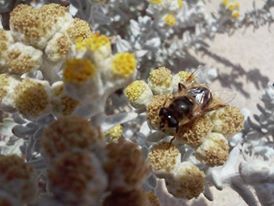
A TERRIBLE FORCE GRIPPING ON MY NERVOUS SYSTEM
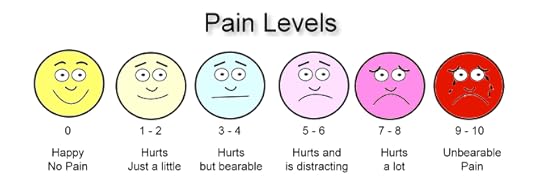
Well, I’m not over with it yet, but I cannot resist telling about Gustafsson’s (somehow philosophical) reflections on language. At least two examples, the man-in-pain provides us.
(1) He’d made a list of all Art forms according to degree of difficulty; so he placed eroticism on the 1st position; Philosophy on the 6th; painting stain-glass on 9th; politics on the 18th; artillery on 28th.
BUT he could not fit one art in the list: the art of enduring pain.
(2) The narrator was reflecting on a world where its beings were “in-touch-with reality”, so to speak. A world where truth reigns. Inhabitants are centipedes. In planet 3, of the Aldebaran constellation, there’s no writing, nor words, …the reader may conclude. BECAUSE THE SYMBOL COINCIDES WITH THE OBJECT.
If centipedes mean “mountain”, they have to go up there,…. and to be in touch with it. When “in conversation” they exchange things.
Surely, an unthinkable world.
These two examples will make you wonder, I bet.
...
Now, that I'm done with it, some lines ahead, trying to get some closure.
Some of the memories of the retired man are quite human and, no doubts, have some resonance. Like when he says that God woke up after 20 million years of sleep. Then he started to address humankind’s prayers and calls. Surely for peace, because all arms (missiles) were turned into gold, miraculously. And people got healed. Yet the world that followed looked somehow mind-blogging: it just happened, the annihilation of the monetary system. Norway went bankrupt, after a hike of its currency. There was a race to the dollar and a drop of the gold prices. The church collapsed. Now God is a Mother.
Reflections on the soul are noteworthy; the souls being spherical, the rest being ”a total darkness”; yet a “maternal darkness”. Again God [a male one, you may conclude] who for 20 million years was undisturbed in his sleep, on a certain beautiful spot of the universe.
And a curious dream he had once: he didn’t find in the beehive the usual bees; he’d found “blue bees”; beings who came from a planet which was annihilated by a supernova explosion. These beings fly at the speed of light, they do not have spaceships and they have a sort of motto: “we restart, we won’t surrender”.
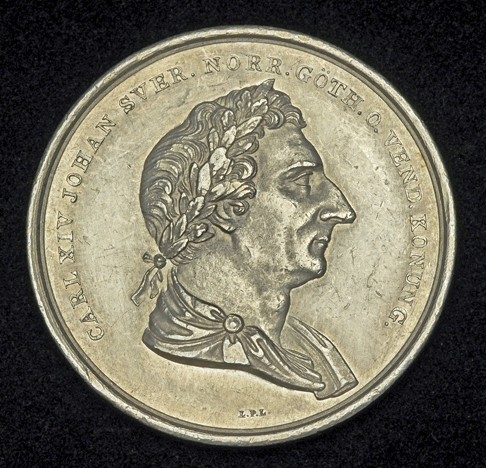
Other memories are bitter-sweet; like the childhood pal called Nicke who used to dive in a lake; yet, one day he took too long, too deep; though on a summer day, when he came out of the water he was very cold, yet he had in his hand an old coin of King Charles XIV of Sweden; one unique. Peers thought Nicke was finished. Those were the days he “stared at the water" and Nicke taught his peers how to fish pikes. Fearless Nicke; later on he got hit by a truck, and died.
The final pages of the book are the toughest part, I would say. Adding to pain, vomits ensued. He had to leave his dog to his relatives. The idea of suicide became ridicule.
On the second week of May of 1975, on a snowing day, an ambulance picked up the diarist, at 4 a.m.
This is a book about endurance and resistance; memory, cogitation and dream, by a kind of loner, almost “unsocial”, with “no income”, despite “paying taxes” and spending almost “nothing”. One who prolonged life and existence. Being aware.
A small book, which hardly contains the whole lifetime of a soul. One who did not surrender?
WAS MICH NICHT UMBRINGT, MACHT MICH STÄRKER
F. Nietzsche
---
P.S. I just checked on Wiki on Lars Gustafsson. This is, somehow, an auto-biographical book, no doubts.

I have also found this curious quote from him, which might shed some light on the two above mentioned examples. But the book The Death of a Beekeeper is full of reflections on language, and thought itself.
"One of my old interests is in the Theory of Meaning. My doctoral dissertation (now available as a German paperback, Sprache und Lüge [Fischer # 5405]) dealt with some philosophers who have a very low thought of language. I have more confidence in it.
...
From the Theory of meaning in Language I have widened my forays into a wider and still more difficult field; the meaning of images."

September 15, 2018
Tão complexo e no entanto tão simples... tão distante e tão próximo... tão belo e tão negro... diferente...doloroso... lindo... Daqueles livros para os quais o meu vocabulário é insuficiente para explicar o que acabei de experienciar. O que desta obra me ficou ainda não encontrou em mim todos os locais onde se ajustar. Vai-se ajustando, vai-se moldando em mim. Tenho a sensação de que me foi permitido entrar numa dimensão totalmente nova e desconhecida, numa mente tão diferente da minha, mas que a linha que a separa da minha própria está apenas a um pequeno passo. Demasiado cedo para falar dele? Talvez. Mas sei que acabei de ler algo inesperado, diferente de tudo o que já li e que dificilmente esquecerei. Um daqueles livros que nos acrescenta, que nos abre o pensamento, que nos oferece novas ferramentas ou filtros de análise da realidade. Genial.
Opinião em video/blog post logo que possível.
Opinião em video/blog post logo que possível.

June 22, 2013
Lars Lennar Vestin is dying of cancer of the spleen, though he refuses to read the letter sent by the hospital confirming (or, of course, he hopes - though the reader knows otherwise - disproving) this diagnosis. He writes in a series of notebooks: Yellow for everyday expenditure, notes about beekeeping, and his reactions to events (such as his relationship with two young children and his life with his ex-wife and lover); Blue for newspaper cuttings, extracts from books he'd been reading, and stories – which are almost Calvino-esq (Cosmicomics) in their inventiveness and Sci-Fi setting; and the Damaged Notebook for brief, urgent notes to himself, many of which are partial, as well as his analysis of the progress of his disease.
Gustafsson is a philosopher and a poet. This is clear from the text itself. This novel is about pain, and specific, known, pre-death pain in particular. It is about the way language hides itself from true, bodily pain, and about the way the experience of pain can demonstrate our Being to us.
It is, amongst other things, a beautiful book, in the way that the novels of Tarjei Vesaas can be (indeed one could hesitantly suggest than any fans of Vesaas would enjoy this novel immensely).
Some quotes:
"Right now, for example, I feel a pulsing pain, which in a few minutes is going to keep me from finishing these sentences. It begins pretty far down somewhere in the right calf, where it feels something like liquid metal, or like something which has hooked into the musculature, a golden wire once could perhaps say. Then it radiates to the right loin, sends, along the back of the leg, a whole bundle of white radiating gold wires to the navel and the hip, and a fan of this radiating gold extends up to the diaphragm. When I lie down, it hurts twice as much; when I remain seated it wanders up to the back, it doesn’t always maintain the same pitch, the frequencies, the decibel count of this white radiating gold changes constantly, they create chords, very clean, clear chords, until they get suddenly tangled somehow and become cutting. "
"It has given me a body again; not since puberty have I had such a strong awareness of my body. I am intensely present in it.
Only: this body is the wrong one. It’s a body with burning coals in it. "
"I took little walks and noticed that in the last months the pain had actually colored the landscape in a peculiar way. Here and there is a tree where it really hurt, here and there is a fence against whose post I struck my hand in passing. When I returned home during these pain-free days, the pain was, so to speak, caught hanging on the fence.
Pain is a landscape.
Then, of course, it came back, on Saturday evening, not all at once, but slowly, in tiny spurts, somewhat like a dog following a scent. "
Gustafsson is a philosopher and a poet. This is clear from the text itself. This novel is about pain, and specific, known, pre-death pain in particular. It is about the way language hides itself from true, bodily pain, and about the way the experience of pain can demonstrate our Being to us.
It is, amongst other things, a beautiful book, in the way that the novels of Tarjei Vesaas can be (indeed one could hesitantly suggest than any fans of Vesaas would enjoy this novel immensely).
Some quotes:
"Right now, for example, I feel a pulsing pain, which in a few minutes is going to keep me from finishing these sentences. It begins pretty far down somewhere in the right calf, where it feels something like liquid metal, or like something which has hooked into the musculature, a golden wire once could perhaps say. Then it radiates to the right loin, sends, along the back of the leg, a whole bundle of white radiating gold wires to the navel and the hip, and a fan of this radiating gold extends up to the diaphragm. When I lie down, it hurts twice as much; when I remain seated it wanders up to the back, it doesn’t always maintain the same pitch, the frequencies, the decibel count of this white radiating gold changes constantly, they create chords, very clean, clear chords, until they get suddenly tangled somehow and become cutting. "
"It has given me a body again; not since puberty have I had such a strong awareness of my body. I am intensely present in it.
Only: this body is the wrong one. It’s a body with burning coals in it. "
"I took little walks and noticed that in the last months the pain had actually colored the landscape in a peculiar way. Here and there is a tree where it really hurt, here and there is a fence against whose post I struck my hand in passing. When I returned home during these pain-free days, the pain was, so to speak, caught hanging on the fence.
Pain is a landscape.
Then, of course, it came back, on Saturday evening, not all at once, but slowly, in tiny spurts, somewhat like a dog following a scent. "

May 27, 2016
Si può sempre sperare
“Nel fondo di ogni essere umano c'è un enigma nero come la notte. Lo scuro della pupilla altro non è che quella notte priva di stelle, lo scuro giù nel profondo dell'occhio altro non è che il buio stesso dell'universo".
La scrittura di Gustafsson, poeta e filosofo del linguaggio, invita il lettore ad approfondire una conoscenza per frequentazione, per contatto, con i suoi temi e i suoi personaggi, spesso individui solitari e riflessivi che scuotono gli interrogativi esistenziali in preda a una
naturale disposizione mistica allo stupore e alla meraviglia. Nessuno si sente in casa nell'universo, ogni io è in realtà un noi frammentato, estraneo, pieno di dolore e angoscia, il paesaggio è rifugio e consolazione. Ogni persona cerca di svestirsi degli abiti emotivi consueti e di sentire di appartenere alla propria vita, di fuggire l'inganno che ci porta a riconoscere l'esistenza sempre in un altro luogo, in un tempo differente, in una forma priva di limite e misura. Al di là del gioco epistemologico che nasce dalla distanza tra le parole e le cose, la poetica archeologica di Gustafsson è magistrale nell'evocare altre dimensioni e condizioni dove l'umano e la natura, nell'incanto e nell'inquietudine, vengono situate in una essenzialità assoluta, dove non c'è spazio per il calore e il senso e lo sguardo. Strategie dell'io, dissimulazione della voce, metafisica dell'impressione sono strumenti alternativi di una identità letteraria estrema e radicale. “L'essere umano, quella strana creatura che oscilla tra animalità e speranza”. Il mondo reale è inconsistente e provoca una rivolta, un dire no alla trascendenza, con un soggetto enigmatico e sfuggente tanto da perdersi in un'esperienza di identificazione con l'oggetto del suo desiderio-tensione. Ecco che l'intelligenza si fa arroganza, inemendabile colpa che cerca di forzare la segretezza, il punto di vista dell'ombra, il temporale che è comune origine. Gustafsson scrive che parliamo ma le parole ne sanno più di noi, vediamo noi stessi pensare come se quello che abbiamo pensato sapesse qualcosa che noi non sapevamo. E così arrendendosi alle sovrapposizioni del caso, il suo alter ego si rivolge ad una curiosa elementarietà, dialoga in una concretezza ossessiva, sviluppa una mappatura precisa e attenta che muove dal basso e invita a sperimentare e scoprire nelle cose umili e nelle evidenze più dimesse la crepa luminosa che percorre l'universale. Di fronte al vortice silenzioso dell'esperienza e alla falsa e vuota prepotenza dell'agire, risale in superficie un mito negativo che palpita nell'abbandono e nel distacco, sfugge alla logica del discorso, chiama la coscienza ad una inedita innocenza, nello scorrere del tempo e nell'incontro. La materia è fantastica di per sé, nella percezione possiamo cogliere ogni aspetto del mistero, fino alla prossima registrazione di aspra paura e intenso dolore, al corpo domestico che grida come un'instancabile bestia feroce.
“Credo che l'anima abbia forma sferica (se mai ha una forma), una sfera dove una debole luce penetra un po' sotto la superficie che brilla di tutti i colori dell'iride, dove percezioni e azioni coscienti, in forma di bolle di sapone, si muovono in vortici e continuamente mutano colore, ma solo leggermente. Più all'interno non ci sono che deboli tracce di luce, quasi come negli abissi marini, e poi l'oscurità. Oscurità, oscurità. Ma non un'oscurità minacciosa. No: un'oscurità materna”.
“Nel fondo di ogni essere umano c'è un enigma nero come la notte. Lo scuro della pupilla altro non è che quella notte priva di stelle, lo scuro giù nel profondo dell'occhio altro non è che il buio stesso dell'universo".
La scrittura di Gustafsson, poeta e filosofo del linguaggio, invita il lettore ad approfondire una conoscenza per frequentazione, per contatto, con i suoi temi e i suoi personaggi, spesso individui solitari e riflessivi che scuotono gli interrogativi esistenziali in preda a una
naturale disposizione mistica allo stupore e alla meraviglia. Nessuno si sente in casa nell'universo, ogni io è in realtà un noi frammentato, estraneo, pieno di dolore e angoscia, il paesaggio è rifugio e consolazione. Ogni persona cerca di svestirsi degli abiti emotivi consueti e di sentire di appartenere alla propria vita, di fuggire l'inganno che ci porta a riconoscere l'esistenza sempre in un altro luogo, in un tempo differente, in una forma priva di limite e misura. Al di là del gioco epistemologico che nasce dalla distanza tra le parole e le cose, la poetica archeologica di Gustafsson è magistrale nell'evocare altre dimensioni e condizioni dove l'umano e la natura, nell'incanto e nell'inquietudine, vengono situate in una essenzialità assoluta, dove non c'è spazio per il calore e il senso e lo sguardo. Strategie dell'io, dissimulazione della voce, metafisica dell'impressione sono strumenti alternativi di una identità letteraria estrema e radicale. “L'essere umano, quella strana creatura che oscilla tra animalità e speranza”. Il mondo reale è inconsistente e provoca una rivolta, un dire no alla trascendenza, con un soggetto enigmatico e sfuggente tanto da perdersi in un'esperienza di identificazione con l'oggetto del suo desiderio-tensione. Ecco che l'intelligenza si fa arroganza, inemendabile colpa che cerca di forzare la segretezza, il punto di vista dell'ombra, il temporale che è comune origine. Gustafsson scrive che parliamo ma le parole ne sanno più di noi, vediamo noi stessi pensare come se quello che abbiamo pensato sapesse qualcosa che noi non sapevamo. E così arrendendosi alle sovrapposizioni del caso, il suo alter ego si rivolge ad una curiosa elementarietà, dialoga in una concretezza ossessiva, sviluppa una mappatura precisa e attenta che muove dal basso e invita a sperimentare e scoprire nelle cose umili e nelle evidenze più dimesse la crepa luminosa che percorre l'universale. Di fronte al vortice silenzioso dell'esperienza e alla falsa e vuota prepotenza dell'agire, risale in superficie un mito negativo che palpita nell'abbandono e nel distacco, sfugge alla logica del discorso, chiama la coscienza ad una inedita innocenza, nello scorrere del tempo e nell'incontro. La materia è fantastica di per sé, nella percezione possiamo cogliere ogni aspetto del mistero, fino alla prossima registrazione di aspra paura e intenso dolore, al corpo domestico che grida come un'instancabile bestia feroce.
“Credo che l'anima abbia forma sferica (se mai ha una forma), una sfera dove una debole luce penetra un po' sotto la superficie che brilla di tutti i colori dell'iride, dove percezioni e azioni coscienti, in forma di bolle di sapone, si muovono in vortici e continuamente mutano colore, ma solo leggermente. Più all'interno non ci sono che deboli tracce di luce, quasi come negli abissi marini, e poi l'oscurità. Oscurità, oscurità. Ma non un'oscurità minacciosa. No: un'oscurità materna”.

January 11, 2014
A Morte de um Apicultor, publicado em 1978, é considerado a obra-prima de um dos grandes nomes da literatura sueca.
Lars era professor e o encerramento da escola obrigou-o a uma reforma antecipada. Divorciado, vive numa pequena quinta com um cão e as colmeias, cuja produção de mel é a sua subsistência.
Ao começar a ter dores, faz exames médicos e quando chega a carta com os resultados, fica no dilema se a abre ou não: ou não tem nada de grave; ou tem um cancro e vai morrer, e se não o souber resta-lhe sempre uma esperança...
Ao longo de meses Lars escreve em cadernos o seu dia-a-dia, as suas recordações, as suas esperanças,...
Um romance amargo sobre o fim da vida; a solidão, a velhice, a doença, a morte...
"Ter esperança é quase tão difícil como o resto. Mas estamos mais habituados a ter esperança e a ter medo do que a estar no meio daquilo que esperamos ou tememos.
Aprendi: que não há nenhuma verdadeira saída para a vida.
Podemos quando muito adiar a decisão, com habilidade e astúcia. Mas não há saída. É um sistema totalmente fechado, e no fim só existe a morte. E a morte, claro, não é uma saída."
Lars era professor e o encerramento da escola obrigou-o a uma reforma antecipada. Divorciado, vive numa pequena quinta com um cão e as colmeias, cuja produção de mel é a sua subsistência.
Ao começar a ter dores, faz exames médicos e quando chega a carta com os resultados, fica no dilema se a abre ou não: ou não tem nada de grave; ou tem um cancro e vai morrer, e se não o souber resta-lhe sempre uma esperança...
Ao longo de meses Lars escreve em cadernos o seu dia-a-dia, as suas recordações, as suas esperanças,...
Um romance amargo sobre o fim da vida; a solidão, a velhice, a doença, a morte...
"Ter esperança é quase tão difícil como o resto. Mas estamos mais habituados a ter esperança e a ter medo do que a estar no meio daquilo que esperamos ou tememos.
Aprendi: que não há nenhuma verdadeira saída para a vida.
Podemos quando muito adiar a decisão, com habilidade e astúcia. Mas não há saída. É um sistema totalmente fechado, e no fim só existe a morte. E a morte, claro, não é uma saída."

November 3, 2013
At forty years of age Lar's well managed to keep himself distant and enclosed. A divorced father he moved into a hut living solitary, simple, and on the meagre money of raising bees. As in Mosley's Impossible object, however missing the complexity of angles, experience, Lar's believes whoever he will need love from in life will not be obtainable. Depending on another, means to be invaded and what he counts on as do we all, his existing self, dissolved. Where one may build a life of wanting what one will never allow oneself to have, without realizing it, Lars proclaims something askance, the building of a life to prevent what one fears, at great stubborn costs. Yes, it could be said that his sense sharpened in the sawed edge of chronic pain, a rapport with the self investigation of reflection enhanced with the spreading swarm of illness. It too can be said that the cancer was symbolic of the rancid self inflicted poison Lars accumulated daily from his battle against the threat of intimacy. Since forgetting to fill this void with meaningful eventful activity he allowed the void to fill itself. His battle took the form of fighting for the gathering of nothingness. In the end what he gained from pain and illness was too late for me his reader, too late for him. Except for a few disjointed scratches in a damaged notebook, he returns to his nothingness in the bleak gray of eternity, forever safe?
I entered into his world, which he no more invited me than he did others, except for his dog-memorable for running away-,believing that to be in a relationship with others was to be controlled. His hermetic life was set as a sealed package as tight as possible. Chosen for avoidance not for attainment it left a void sought for. I don't mind voids. Plots are not to be sought and most often prayed to not occur. Plotless narratives are driven by complexity of character, the flow of details and accumulation of mute metaphor to rise to the surface the secrets of core messages the writing is leading towards, the excitement of intellectual stimulation. In Death Of A Beekeeper I found a stultifying absence. There barely exists a point-of-view or a struggle of any significance.
The bag's seal was slit when the results from his hospital tests for pain radiating from his lower leg upward and outward arrived in the mail. By refusing to acknowledge the letter that yearned to tell him straight to his face, he had cancer, (Disclosed in the book's Prelude) control was flexed by not opening it, and after a while, still sealed I watched him toss it into a fire. It rose, crinkled, helpless in its searing edges to exert power, to touch him.
As the pain, off and on, increased in its stretch and burn, he allowed himself a return visit to his childhood-the scene of he and his friends by the black water-is as fine a piece of writing as I have read. His hand-gripped control slipped further now allowing his imagination out and allowing me the reader finally some entrance inside his mind, the book as other than an account-what I have been reading are entries from the notebooks he has kept and as his cancer worsens writing is his only balm. Reflective inquiries are allowed their venture only to vanish into the black hole of belief systems religious or otherwise that are there for human's comfort not their legitimate search.
The tragedy is that in the end none of us can escape the clenched control pain beyond a certain point exerts. He likens it to love. When under its spell and contortions it is all that there is. Then, of course there is no secret that at the end we have no say over death. It is the ringmaster snapping its whip at will. No lists or scribbles will it away. Possibly it is not at the end the ringmaster steps within the ring but at the very beginning. Two choices are offered us in a moment of benevolence, to stand and face him inside the ring , stare him eye to eye acknowledging his wanton control in the end, or to recoil and hide.
I raise my two star rating to 3 for the offering of this as a cautionary tale and moments of remarkable writing. I understand Gustafson is writing in a style that would emanate his message. However the style in its attempt to show me, hold me to experience the cautionary measure, left me with a glib, distant read not feeling much for Lars, even with the burn of rising chronic pain which was the way Lar's probably wished it.
I understand this book can be well read as a man's suffering of intolerable pain, his journey through it enhancing what he was. This for me was overwhelmed by my reading as expressed above. Where do these interpretive preferences originate? Is it similar to viewing some Rorhshach scratchings where one sees a spider nesting in its web and another is equally convinced that it is obviously two lovers canoeing down a tree branched stream? Is it that one view is personally identified with or that it is so peculiar to one's experience it stands out? Where is the author's standing in this? Was their intentionality, conscious or not, different? Should it be heard?
I read or try to read sensitively. I had no intention of hurting Lars by the way I turned the pages or supported the binding. I had no interest in pre-judging or being invasive in any way. Of course how could he know. If he was going to limit his life in this silent back door deal how could I tell him. At least he had his hives of bees and a life he believed not invaded, his existence assumed safe as a curled nuclei within the center of a cell.

December 26, 2015
Confesso que o livro me "custou" um pouco a ler, no sentido em que fala de uma pessoa que está a morrer de uma doença que nos assusta a todos, e o assunto da morte é algo que me custa sempre, no entanto, não pude deixar de lhe dar uma oportunidade, e posso dizer que o livro é bastante belo! Vale a pena e a certa altura temos uma vaga de esperança que nos percorre o corpo.. Por algum motivo esta é considerada uma Obra-Prima Mundial. Em breve a opinião mais detalhada no FLAMES (www.flamesmr.blogspot.com)
OPINIÃO NO FLAMES - http://flamesmr.blogspot.pt/2016/02/l...
A morte de um apicultor foi um livro que quis logo ler assim que mo foi mencionado. E confesso que um dos motivos foi o facto de ter sido traduzido por um dos meus autores favoritos de sempre: Afonso Cruz.
Não é um livro fácil, ou pelo menos para mim não foi, isto porque a questão da vida/morte é algo que me afecta bastante e, nos últimos tempos, tenho tido ainda mais dificuldade em lidar. No entanto, este livro é belíssimo, e apesar do que referi, a vontade que tinha de o ler superou qualquer constrangimento da minha parte.
O narrador do livro começa por nos apresentar a nossa personagem principal: o apicultor. Trata-se de Lens Lennart Westin, em tempos professor, com reforma antecipada. Assim, dedica-se ás abelhas e ao mel. Vive apenas com o cão, mas tem nas costas duas histórias de amor, bem peculiares e que se entre-cruzam de forma original.
Infelizmente a sua vida pacata acaba por ser interrompida por uma dor lancinante que não o deixa em paz, e por uma carta vinda do hospital que toma a decisão de não abrir. A partir daí, e recusando-se a saber o seu verdadeiro diagnóstico e o que deve fazer para melhorar, o leitor vai viajando por uma série de reflecções sobre a vida e a morte feitas por Lens. O interessante, é que a dor ou a perda que podem advir da morte não são o foco principal da obra, e rapidamente nos vemos embrenhados numa leitura carregada de esperança, pensamentos, sentimentos, exploração de emoções.. enfim... quase uma caça ao verdadeiro sentido da vida.
Engane-se no entanto o leitor que pensa que esta é uma obra de carácter filosófico ou demasiado difícil de compreender. Pelo contrário. E é precisamente esta simplicidade não simplista que torna esta obra fenomenal.
Esta "pequena" obra revela-se assim, uma grande obra, que a meu ver deve fazer parte da estante dos mais variados leitores, e que se calhar apenas será compreendida em certos momentos da nossa vida!
OPINIÃO NO FLAMES - http://flamesmr.blogspot.pt/2016/02/l...
A morte de um apicultor foi um livro que quis logo ler assim que mo foi mencionado. E confesso que um dos motivos foi o facto de ter sido traduzido por um dos meus autores favoritos de sempre: Afonso Cruz.
Não é um livro fácil, ou pelo menos para mim não foi, isto porque a questão da vida/morte é algo que me afecta bastante e, nos últimos tempos, tenho tido ainda mais dificuldade em lidar. No entanto, este livro é belíssimo, e apesar do que referi, a vontade que tinha de o ler superou qualquer constrangimento da minha parte.
O narrador do livro começa por nos apresentar a nossa personagem principal: o apicultor. Trata-se de Lens Lennart Westin, em tempos professor, com reforma antecipada. Assim, dedica-se ás abelhas e ao mel. Vive apenas com o cão, mas tem nas costas duas histórias de amor, bem peculiares e que se entre-cruzam de forma original.
Infelizmente a sua vida pacata acaba por ser interrompida por uma dor lancinante que não o deixa em paz, e por uma carta vinda do hospital que toma a decisão de não abrir. A partir daí, e recusando-se a saber o seu verdadeiro diagnóstico e o que deve fazer para melhorar, o leitor vai viajando por uma série de reflecções sobre a vida e a morte feitas por Lens. O interessante, é que a dor ou a perda que podem advir da morte não são o foco principal da obra, e rapidamente nos vemos embrenhados numa leitura carregada de esperança, pensamentos, sentimentos, exploração de emoções.. enfim... quase uma caça ao verdadeiro sentido da vida.
Engane-se no entanto o leitor que pensa que esta é uma obra de carácter filosófico ou demasiado difícil de compreender. Pelo contrário. E é precisamente esta simplicidade não simplista que torna esta obra fenomenal.
Esta "pequena" obra revela-se assim, uma grande obra, que a meu ver deve fazer parte da estante dos mais variados leitores, e que se calhar apenas será compreendida em certos momentos da nossa vida!
July 9, 2020
Luego de un episodio en la meseta mexicana que no entendí, la narración se concentra en la historia de Lars Westin, maestro jubilado dedicado a la apicultura, a partir de los diversos cuadernos que encuentran en su vivienda luego de su muerte.
Y aquí empieza la verdadera historia, la del hombre que prefiere no enterarse si tiene o no una enfermedad mortal, y elige disfrutar de su vida sencilla, de sus recuerdos y sus reflexiones sobre las cosas, el dolor, la vida y la muerte.
Y con una magnífica prosa nos va llevando con serenidad y una espléndida escritura en este recorrido. Un muy buen libro, que transmite paz.
Y aquí empieza la verdadera historia, la del hombre que prefiere no enterarse si tiene o no una enfermedad mortal, y elige disfrutar de su vida sencilla, de sus recuerdos y sus reflexiones sobre las cosas, el dolor, la vida y la muerte.
Y con una magnífica prosa nos va llevando con serenidad y una espléndida escritura en este recorrido. Un muy buen libro, que transmite paz.

September 18, 2018
Professor aposentado e divorciado vive praticamente isolado em algum lugar da Suécia. De repente começa a sentir uma dor na coxa que sobe por sua virilha e vai até o abdômen . Desconfiado que é um câncer vai até o hospital ,onde se submete a vários exames. O resultado chega a sua casa mas ele queima a carta para não saber , querendo com isso ter uma esperança de que o que ele esteja sentindo seja apenas uma pedra no rim ou uma doença menos grave. Nessa espera da morte ou da sua cura , começa a refletir sobre sua vida, relembrar momentos da sua infância, da sua adolescência ,como o encontro com sua ex mulher ,seu relacionamento com uma amante enfim sobre tudo. Nessa solidão , apenas com suas abelhas e dois garotos que vinham visitá -lo passa a maior parte do tempo sentindo dores ou pensando na vida que se passou e na vida que ainda lhe resta.
As informações do personagem , se baseiam em cadernos , textos e recortes deixados por ele .
Eu gostei do livro , apesar de ser uma leitura simples e fácil, há ideias profundas que penetram na nossa alma ,e faz nos ver que ser abençoado não é apenas ser rico , viver em um paraíso , mas sim que o paraíso é não sentirmos dor , mas nunca percebemos ,nunca damos valor a isso.
As informações do personagem , se baseiam em cadernos , textos e recortes deixados por ele .
Eu gostei do livro , apesar de ser uma leitura simples e fácil, há ideias profundas que penetram na nossa alma ,e faz nos ver que ser abençoado não é apenas ser rico , viver em um paraíso , mas sim que o paraíso é não sentirmos dor , mas nunca percebemos ,nunca damos valor a isso.

January 18, 2020
But here, this is real life. Whether good or bad, whether lonely or beautiful, it is my real life.
*
But one must ask oneself after all: when we love someone, or perhaps better said, fall in love with someone, what are we really falling in love with?
Do we love our image of a person, or do we love that individual in his or her own right?
Perhaps we can only relate to our own imaginings? Perhaps we are only in love with our own images?
*
Love and geographical distance. When a person we love goes away on the train, we sometimes very clearly experience a kind of relief. We are escaping reality and can complacently return to living with an image.
What is the maximum distance from which you can love a person?
*
When reality confronts us with unusual situations (for example, when an anticipated rivalry doesn’t materialize and instead there is a love which excludes us), we first reach for these emotional stereotypes common to novels.
They don’t give us much footing. They make us lonelier than before, and head over heels we fall out into reality.
*
Hope is almost as difficult as the other. But one is simply more used to hoping and fearing than to find oneself in the middle of what one had hoped or feared.
What I have learned: that there is no real escape from life.
One can only postpone the decision with cunning and cleverness. But there is no way out.
*
Loneliness grows in me like compost. The strangest plants shoot out of it. Doubt.
*
But one must ask oneself after all: when we love someone, or perhaps better said, fall in love with someone, what are we really falling in love with?
Do we love our image of a person, or do we love that individual in his or her own right?
Perhaps we can only relate to our own imaginings? Perhaps we are only in love with our own images?
*
Love and geographical distance. When a person we love goes away on the train, we sometimes very clearly experience a kind of relief. We are escaping reality and can complacently return to living with an image.
What is the maximum distance from which you can love a person?
*
When reality confronts us with unusual situations (for example, when an anticipated rivalry doesn’t materialize and instead there is a love which excludes us), we first reach for these emotional stereotypes common to novels.
They don’t give us much footing. They make us lonelier than before, and head over heels we fall out into reality.
*
Hope is almost as difficult as the other. But one is simply more used to hoping and fearing than to find oneself in the middle of what one had hoped or feared.
What I have learned: that there is no real escape from life.
One can only postpone the decision with cunning and cleverness. But there is no way out.
*
Loneliness grows in me like compost. The strangest plants shoot out of it. Doubt.

April 14, 2014
http://msarki.tumblr.com/post/1330786...
Last night I finished my reading of The Death of a Beekeeper. Its potential was off the charts, and I initially resisted my reading of this book because I thought it would be gut wrenching and hit too close to home for me. Plus I did not want to somehow invite my own new set of pain and disease to enter my consciousness, or my body. I want my death be kept at bay. At least for the time being. But ultimately the book disappointed me as it failed to disturb me in any way. I did like the ending, and was glad he shaped it that way. In addition, I was put off by the character's fiction included as another notebook. I was not stirred or connected to it in any way. The book was hard for me to follow at times, and that made me irritable. I own two other books by Gustafson and will attempt in my reading of them to find something redeemable in his writing. It goes to show how hard it is to write and how important it is to stay focused on the object from start to finish. I felt the author rambled, and I do like digression, but Gustafson failed to connect the dots for me. Too often the entries in his journal that included his fictions seemed foreign to the basic ideas behind his main text. I do enjoy an unrelenting supersaturation absent of repentance. In the second season, for example, the award-winning TV show The Newsroom veered off the path for me. Instead of staying put and keeping our gaze focused on the general vicinity of the newsroom set, the political and romantic tensions, too many of the main characters in the show have in this season taken different assignments and separated themselves from the up-close jeopardy of working together in such close quarters. It feels as if the show’s producers have backed away from the intensity so prevalent in the first season. Though the show is still of top quality, I think it fails in what it could have been. And is probably the reason behind its only lasting a total of three seasons. Lars Gustafson’s The Death of the Beekeeper could, as well, have remained constantly focused on his character’s cancer, its pain and discomfort, his living with it on a daily basis, and what his life had become for him now as he looked back into what he had made of his past instead of the other unnecessary and often silly narratives.
Last night I finished my reading of The Death of a Beekeeper. Its potential was off the charts, and I initially resisted my reading of this book because I thought it would be gut wrenching and hit too close to home for me. Plus I did not want to somehow invite my own new set of pain and disease to enter my consciousness, or my body. I want my death be kept at bay. At least for the time being. But ultimately the book disappointed me as it failed to disturb me in any way. I did like the ending, and was glad he shaped it that way. In addition, I was put off by the character's fiction included as another notebook. I was not stirred or connected to it in any way. The book was hard for me to follow at times, and that made me irritable. I own two other books by Gustafson and will attempt in my reading of them to find something redeemable in his writing. It goes to show how hard it is to write and how important it is to stay focused on the object from start to finish. I felt the author rambled, and I do like digression, but Gustafson failed to connect the dots for me. Too often the entries in his journal that included his fictions seemed foreign to the basic ideas behind his main text. I do enjoy an unrelenting supersaturation absent of repentance. In the second season, for example, the award-winning TV show The Newsroom veered off the path for me. Instead of staying put and keeping our gaze focused on the general vicinity of the newsroom set, the political and romantic tensions, too many of the main characters in the show have in this season taken different assignments and separated themselves from the up-close jeopardy of working together in such close quarters. It feels as if the show’s producers have backed away from the intensity so prevalent in the first season. Though the show is still of top quality, I think it fails in what it could have been. And is probably the reason behind its only lasting a total of three seasons. Lars Gustafson’s The Death of the Beekeeper could, as well, have remained constantly focused on his character’s cancer, its pain and discomfort, his living with it on a daily basis, and what his life had become for him now as he looked back into what he had made of his past instead of the other unnecessary and often silly narratives.

May 30, 2010
I first discovered the writing of Lars Gustafsson several years ago when I found his novel, Bernard Foy's Third Castling, in a neighborhood bookstore. It was such a quirky, interesting and arresting book that I have sought out other works by Gustafsson over the years.
One of these is The Death of a Beekeeper which opens with what Lars Gustafsson calls a “prelude” in which he says good-bye to the readers of this, the last part of his five-volume novel sequence. To some extent it probably reflects Gustafsson's philosophical preoccupations (he is a professor of philosophy). Gustafsson uses a series of notebooks in this existential exploration of death. From the initial diagnosis to the apparent end, the reader travels through the beekeeper's life in a series of reflections and painful ruminations in the present. While avoiding his reality, the beekeeper discovers the joys and sorrows of his journey in an exploration of the self. The notebooks left behind on Lars Lennart Westin’s death, tell the reader that the speaker to whom he now hands over the narrative suffers from cancer of the spleen. The story is thus told in the form a journal or diary of a man who was a schoolteacher, but now is dying; a man who is a beekeeper, and a man who is very human. We first read that he has received a letter from a local hospital, probably containing test results and the diagnosis of his ailment. He burns the letter. There are several notebooks: Yellow Notebook in which this retired divorced schoolmaster recorded household expenditure, notes about beekeeping, and reactions to certain external events; the Blue Notebook in which he placed newspaper cuttings, quotations from books he'd been reading, and stories which he'd tried to write; and the Damaged Notebook. This is where he set down not only urgent notes to himself but also his physical impressions of the disease.
This brief, quiet novel speaks with a courageous voice. Refusing to die with his life unclarified, unexamined, he rejects the sterile confines of a hospital and, for the few months left to him, retreats to the isolated Swedish countryside to work among his bees, to endure the progression of pain, and to record his accompanying, disquieting insights. It is his humanity and the way he faces life that makes his story touching and gives meaning to what might otherwise be seen as mundane everyday events. Gustafsson, by juxtaposing the beekeeper's notes on his inner life, feelings, and memories, and his notes on his outer life, the daily running of the apiary, suggests by the inquiring, seemingly spontaneous entries the deep relatedness of life, death, and hope.
One of these is The Death of a Beekeeper which opens with what Lars Gustafsson calls a “prelude” in which he says good-bye to the readers of this, the last part of his five-volume novel sequence. To some extent it probably reflects Gustafsson's philosophical preoccupations (he is a professor of philosophy). Gustafsson uses a series of notebooks in this existential exploration of death. From the initial diagnosis to the apparent end, the reader travels through the beekeeper's life in a series of reflections and painful ruminations in the present. While avoiding his reality, the beekeeper discovers the joys and sorrows of his journey in an exploration of the self. The notebooks left behind on Lars Lennart Westin’s death, tell the reader that the speaker to whom he now hands over the narrative suffers from cancer of the spleen. The story is thus told in the form a journal or diary of a man who was a schoolteacher, but now is dying; a man who is a beekeeper, and a man who is very human. We first read that he has received a letter from a local hospital, probably containing test results and the diagnosis of his ailment. He burns the letter. There are several notebooks: Yellow Notebook in which this retired divorced schoolmaster recorded household expenditure, notes about beekeeping, and reactions to certain external events; the Blue Notebook in which he placed newspaper cuttings, quotations from books he'd been reading, and stories which he'd tried to write; and the Damaged Notebook. This is where he set down not only urgent notes to himself but also his physical impressions of the disease.
This brief, quiet novel speaks with a courageous voice. Refusing to die with his life unclarified, unexamined, he rejects the sterile confines of a hospital and, for the few months left to him, retreats to the isolated Swedish countryside to work among his bees, to endure the progression of pain, and to record his accompanying, disquieting insights. It is his humanity and the way he faces life that makes his story touching and gives meaning to what might otherwise be seen as mundane everyday events. Gustafsson, by juxtaposing the beekeeper's notes on his inner life, feelings, and memories, and his notes on his outer life, the daily running of the apiary, suggests by the inquiring, seemingly spontaneous entries the deep relatedness of life, death, and hope.

August 10, 2020
"Por exemplo, a inquietação sexual (...). Esta fome surda, obscura, esta sensação de me faltar qualquer coisa que me persegue, no sono, na vigília, em cada momento da minha vida. Que é isto? A possibilidade de amor no nosso corpo."
Este é o quinto romance da autoria do escritor sueco Lars Gustafsson (1936-2016) e, segundo a badana do livro, é considerado a sua "obra-prima". Comprei-o porque achei o título belíssimo (e muito promissor).
Se, por um lado, houve trechos de grande beleza - no isolamento, na proximidade à natureza, numa ou outra reflexão sobre a vida e, sobretudo, sobre o seu fim -, em geral foi, para mim, um livro ameno. Lê-se muito bem, com uma ou outra parte que nos atira para fora de pé - suponho que o próprio narrador alucine um pouco, devido às dores que o tolhem. Não sei se não era o momento, não sei se o tema "cancro" me é demasiado familiar. Não sei se as abelhas terão estado pouco presentes, ou talvez até por se tratar de um livro pequeno que, no entanto, nos permite vislumbrar a realidade sueca dos anos 40 aos 70. Porém, não conseguiu comover-me. Isso deixa-me confusa quando à questão de se tratar esta da "obra-prima" de um autor sueco. A literatura não tem de ser extensa, nem complexa, nem inteligível. Mas convém que nos acrescente algo...
"Um pequeno ser humano encerrado no seu próprio enigma."
Infelizmente, este romance não me acrescentou nada.

October 1, 2017
"La sofferenza è un paesaggio." (p. 39)
"Nel fondo di ogni essere umano c'è un enigma nero come la notte. Lo scuro della pupilla altro non è che quella notte priva di stelle, lo scuro giù nel profondo dell'occhio non è che il buio stesso dell'universo.
Solo come mistero l'uomo assume grandezza e chiarezza sufficienti. Solo un'antropologia mistica gli rende giustizia." (pp. 160, 161)
"L'imbarazzante somiglianza fra dolore e piacere. Entrambi conquistano l'intero nostro campo d'attenzione, non si vede nient'altro, entrambi sono come una donna amata. Notizie nuove, tempo, mutamenti della natura, persino l'angoscia riescono a spegnere. Un regno dove domina definitivamente la verità." (p. 173)
"Nel fondo di ogni essere umano c'è un enigma nero come la notte. Lo scuro della pupilla altro non è che quella notte priva di stelle, lo scuro giù nel profondo dell'occhio non è che il buio stesso dell'universo.
Solo come mistero l'uomo assume grandezza e chiarezza sufficienti. Solo un'antropologia mistica gli rende giustizia." (pp. 160, 161)
"L'imbarazzante somiglianza fra dolore e piacere. Entrambi conquistano l'intero nostro campo d'attenzione, non si vede nient'altro, entrambi sono come una donna amata. Notizie nuove, tempo, mutamenti della natura, persino l'angoscia riescono a spegnere. Un regno dove domina definitivamente la verità." (p. 173)

November 22, 2020
"You discover in the end that the suffering, all that suffering, was pointless, that you’ve suffered horrendously, and it was pointless, neither just nor unjust, not good or bad, merely pointless, all you can say in the end is: it was pointless." -- Shatzy Shell, in
City
.
August 21, 2021
How many notebooks do you have?
I have four:
1. Random thoughts/emotional word vomits
2. To-do list/life admin
3. Research/creative ideas (yet to eventuate into anything substantial)
4. Uncategorised
Gustafsson has three: Yellow, Blue, and Damaged - personal reflections, social commentary, and arbitrary observations.
With a narrator whose life is tinted through his experience of cancer, he remains hopeful.
An amalgamation of thoughts, bound by the intermittent dialogue of his notebooks.
I have four:
1. Random thoughts/emotional word vomits
2. To-do list/life admin
3. Research/creative ideas (yet to eventuate into anything substantial)
4. Uncategorised
Gustafsson has three: Yellow, Blue, and Damaged - personal reflections, social commentary, and arbitrary observations.
With a narrator whose life is tinted through his experience of cancer, he remains hopeful.
An amalgamation of thoughts, bound by the intermittent dialogue of his notebooks.

July 31, 2016
Обичам да изваждам цитати, четейки книга. За конкретната - следва почти да я пренапиша. Почуствах героят като стар приятел, който ми е позволил да прелистя дневниците му, открехвайки ми вратата към съзнанието си, живота и съкровените му мисли. Темата за смъртта няма как да бъде лека. Хареса ми изследването на болката като чувство подпомагащо оценяването на живота, заедно с мъдрите лични прозрения на героя. Когато такава болка липсва, сякаш всичко бива прието за даденост. Не оценявайки ежедневните радости като възможността за разходка например. Книга за несъществуващото изкуство на болката, за самотата, за външната изолация и опората, която е вътре в нас. Героят се отдръпва от материалистичното общество, а това ми се струва един от най-добрите варианти за начин на живот, когато имаш трудност с наложените и установени норми.
Отшелникът и неговата житейска равносметка. Едно последно вътрешно пътешествие към спомените и към отминалите дни. Чрез болката, той се връща към чувството да бъде жив.
Четейки "Смъртта на един пчелар" се лутах между безнадежност и лъч на надежда( но не надежда за живот, а за изживян такъв, дори и в неизживените моменти), между болката и нейното отсъствие. Като чувството на удавяне с няколко възможности да излезеш на повърхността и да поемеш глътка въздух. Книгата не е за смъртта, а за умирането. Физическото и духовното. Това на индивида и на обществото.
Ето и един от любимите ми цитати от нея:
"Според мен душата е кръгла ( ако въобще има форма) и представлява кълбо, озарено от бледа светлина, чиито лъчи проникват донякъде под повърхността му, преливаща във всички цветове на дъгата и по която мехурообразни усещания и подтици се движат на въртопи, непрестанно менейки багрите си- донякъде, но не надълбоко. Светлината достига по-навътре само чрез проблясъци, досущ както в морските глъбини. А още по-навътре се е въдворила тъма. Тъма, тъма. Съвсем не застрашителна обаче. А майчинска."
Отшелникът и неговата житейска равносметка. Едно последно вътрешно пътешествие към спомените и към отминалите дни. Чрез болката, той се връща към чувството да бъде жив.
Четейки "Смъртта на един пчелар" се лутах между безнадежност и лъч на надежда( но не надежда за живот, а за изживян такъв, дори и в неизживените моменти), между болката и нейното отсъствие. Като чувството на удавяне с няколко възможности да излезеш на повърхността и да поемеш глътка въздух. Книгата не е за смъртта, а за умирането. Физическото и духовното. Това на индивида и на обществото.
Ето и един от любимите ми цитати от нея:
"Според мен душата е кръгла ( ако въобще има форма) и представлява кълбо, озарено от бледа светлина, чиито лъчи проникват донякъде под повърхността му, преливаща във всички цветове на дъгата и по която мехурообразни усещания и подтици се движат на въртопи, непрестанно менейки багрите си- донякъде, но не надълбоко. Светлината достига по-навътре само чрез проблясъци, досущ както в морските глъбини. А още по-навътре се е въдворила тъма. Тъма, тъма. Съвсем не застрашителна обаче. А майчинска."
September 21, 2017
Förstår inte varför jag väntat så länge (39 år) med att läsa denna bok. Fast det är klart, den kom kanske rätt i tid nu.
Det handlar om kroppen, smärtan, döden och morbror Sune med nietzschemustaschen, som tycker "Det är samma skit alltsammans!".
"Vesslan", Lars Lennart Westin, en frånskild förtidspensionerad lärare i Västmanland, är bara fyrtioett år gammal när han anar att något äter honom inifrån. Han upplever en "vitglödgad" smärta han trodde "helt enkelt inte fanns", en smärta som får honom att uppleva kroppen på ett sätt han inte gjort sedan pojkåren. På gott och ont.
I sin vinterbonade sommarstuga sitter han och grubblar, filosoferar och minns. Han pysslar om sina bikupor, promenerar med hunden och fabulerar ihop science fiction-liknande skräckhistorier för ett par av traktens pojkar. Det kommer ett brev från Regionsjukhuset i Västerås. Vad ska han göra med det?
En biodlares död är en liten fin filosofisk roman som rymmer så mycket mer än man först kan tro. Livet, universum, kanske rentav paradiset?
*
"Paradiset måste bestå i att en smärta upphör."
"Människan, detta underliga djur som svävar mellan djur och förhoppning."
"I botten av varje människa finns det en nattsvart gåta. Det mörka i pupillen är ingenting annat än den stjärntomma natten, mörkret djupt nere i ögat är ingenting annat än universums eget mörker."
Det handlar om kroppen, smärtan, döden och morbror Sune med nietzschemustaschen, som tycker "Det är samma skit alltsammans!".
"Vesslan", Lars Lennart Westin, en frånskild förtidspensionerad lärare i Västmanland, är bara fyrtioett år gammal när han anar att något äter honom inifrån. Han upplever en "vitglödgad" smärta han trodde "helt enkelt inte fanns", en smärta som får honom att uppleva kroppen på ett sätt han inte gjort sedan pojkåren. På gott och ont.
I sin vinterbonade sommarstuga sitter han och grubblar, filosoferar och minns. Han pysslar om sina bikupor, promenerar med hunden och fabulerar ihop science fiction-liknande skräckhistorier för ett par av traktens pojkar. Det kommer ett brev från Regionsjukhuset i Västerås. Vad ska han göra med det?
En biodlares död är en liten fin filosofisk roman som rymmer så mycket mer än man först kan tro. Livet, universum, kanske rentav paradiset?
*
"Paradiset måste bestå i att en smärta upphör."
"Människan, detta underliga djur som svävar mellan djur och förhoppning."
"I botten av varje människa finns det en nattsvart gåta. Det mörka i pupillen är ingenting annat än den stjärntomma natten, mörkret djupt nere i ögat är ingenting annat än universums eget mörker."

December 25, 2015
This novel is the last of a pentalogy by the author over his time.
Original in its presentation as a transcription of three notebooks finded in the house of the dead it tells in a simple poetic and melacholic prose in short notes the lat days of a beekeper,a retired former, teacher,sick of terminal cancer.
The beekeper makes in this time ,ever sustaining resignation ,integrity and hope: a description of his progresive illnes an pain ,a review of his life with his chilhood,his life as a student,his marriage ,his social relations and his later lonely life and of the suedish way of life,till at the end the final journey to hospital.
Gustafsson as a philosopher makes in the novel reflections on the mistery of life and dead,over the purpose of pleasure and pain,the body as a prisson,the meaning of God and his role regarding humanity,the soul and the own identity.
Original in its presentation as a transcription of three notebooks finded in the house of the dead it tells in a simple poetic and melacholic prose in short notes the lat days of a beekeper,a retired former, teacher,sick of terminal cancer.
The beekeper makes in this time ,ever sustaining resignation ,integrity and hope: a description of his progresive illnes an pain ,a review of his life with his chilhood,his life as a student,his marriage ,his social relations and his later lonely life and of the suedish way of life,till at the end the final journey to hospital.
Gustafsson as a philosopher makes in the novel reflections on the mistery of life and dead,over the purpose of pleasure and pain,the body as a prisson,the meaning of God and his role regarding humanity,the soul and the own identity.

March 25, 2017
"Recomeçamos, não nos rendemos"
Este é certamente o motto que inspirou o autor.
Não conhecia o autor. Livros escandinavos é algo raro na minha micro-biblioteca e portanto foi interessante ler algo sueco, onde as paisagens geladas do inverno e o sol ténue da primavera estavam descritos de forma bela, quase poética, com recurso a muita adjectivação.
O livro retrata o final da vida de um homem com um cancro terminal (será que é mesmo?). A pergunta fica pendente, uma vez que Lars nunca se deu ao trabalho de confirmar. Houve sempre nele, até ao último instante, uma réstia de esperança, uma vontade de acreditar que afinal, todas as dores estridentes que tinha eram só consequência direta de um problema passageiro.
Entre ataques de dores, este homem (que se transformou em apicultor depois da reforma), vai tentado viver uma "vida normal", anotando aquilo que sente, mas também aquilo que lhe vai na alma. É algo bizarro, mas Lars só se conheceu verdadeiramente depois de saber que estava condenado. Será que só nos descobrimos quando nos apercebemos que a nossa vida está no seu término?
Apesar de o achar de leitura fácil e de pequena dimensão, é um livro que mostra algo que sabemos, mas que recordamos muito menos do que aquilo que seria necessário: estamos confinados à biologia do nosso corpo, uma vez, que no fundo, não passamos disso. Não somos mais que um agregado complexo de células, e que, por motivos estranhos, se podem descontrolar e levar à morte do indivíduo, como se o mesmo entrasse num estado de pré-putrefação antes falecer.
Não é o meu tipo de livro, mas gostei da experiência.
"Curiosamente, pus-me a pensar sobre o paraíso. Também comecei a lixar a porta da rua; precisa de ser pintada de novo, porque a tinta estalou durante o inverno"
"A heresia comum consiste em negar a existência de um deus que nos criou. Mas uma heresia muito mais interessante consiste em pensar num deus que nos tenha criado e depois dizer que não devemos ficar impressionados com isso. E ainda menos gratos.
Se existe um deus, a nossa missão é dizer não."
Este é certamente o motto que inspirou o autor.
Não conhecia o autor. Livros escandinavos é algo raro na minha micro-biblioteca e portanto foi interessante ler algo sueco, onde as paisagens geladas do inverno e o sol ténue da primavera estavam descritos de forma bela, quase poética, com recurso a muita adjectivação.
O livro retrata o final da vida de um homem com um cancro terminal (será que é mesmo?). A pergunta fica pendente, uma vez que Lars nunca se deu ao trabalho de confirmar. Houve sempre nele, até ao último instante, uma réstia de esperança, uma vontade de acreditar que afinal, todas as dores estridentes que tinha eram só consequência direta de um problema passageiro.
Entre ataques de dores, este homem (que se transformou em apicultor depois da reforma), vai tentado viver uma "vida normal", anotando aquilo que sente, mas também aquilo que lhe vai na alma. É algo bizarro, mas Lars só se conheceu verdadeiramente depois de saber que estava condenado. Será que só nos descobrimos quando nos apercebemos que a nossa vida está no seu término?
Apesar de o achar de leitura fácil e de pequena dimensão, é um livro que mostra algo que sabemos, mas que recordamos muito menos do que aquilo que seria necessário: estamos confinados à biologia do nosso corpo, uma vez, que no fundo, não passamos disso. Não somos mais que um agregado complexo de células, e que, por motivos estranhos, se podem descontrolar e levar à morte do indivíduo, como se o mesmo entrasse num estado de pré-putrefação antes falecer.
Não é o meu tipo de livro, mas gostei da experiência.
"Curiosamente, pus-me a pensar sobre o paraíso. Também comecei a lixar a porta da rua; precisa de ser pintada de novo, porque a tinta estalou durante o inverno"
"A heresia comum consiste em negar a existência de um deus que nos criou. Mas uma heresia muito mais interessante consiste em pensar num deus que nos tenha criado e depois dizer que não devemos ficar impressionados com isso. E ainda menos gratos.
Se existe um deus, a nossa missão é dizer não."
April 19, 2020
Gostei do modo como a história é contada (3 cadernos de apontamentos de um homem), que aproximam o leitor da personagem.
Ao mesmo tempo, as dúvidas, os anseios e as frustrações da vida do protagonista são, muitas vezes, as mesmas de todos nós.
O único ponto menos positivo na leitura são as divagações sobre a morte que, independentemente do conteúdo, parecem não ter qualquer relação entre si e não encaixam harmoniosamente na história.
3,5 estrelas
Ao mesmo tempo, as dúvidas, os anseios e as frustrações da vida do protagonista são, muitas vezes, as mesmas de todos nós.
O único ponto menos positivo na leitura são as divagações sobre a morte que, independentemente do conteúdo, parecem não ter qualquer relação entre si e não encaixam harmoniosamente na história.
3,5 estrelas
Read
June 23, 2024VI BÖRJAR OM IGEN. VI GER OSS INTE

May 5, 2016
"Ето до какъв извод стигнах сам: няма път, който да води навън от живота."
"Кое е най-дългото разстояние, от което можеш да обичаш другиго? Отговор: не повече от един милиметър. И безименно."
Ларш Густафсон, "Смъртта на един пчелар"
(превод: Вера Ганчева)
"Кое е най-дългото разстояние, от което можеш да обичаш другиго? Отговор: не повече от един милиметър. И безименно."
Ларш Густафсон, "Смъртта на един пчелар"
(превод: Вера Ганчева)

July 28, 2011
Eine toller Sprachstil, und so viele "genau so isses" Weisheiten! Abgsehen von kurzen Abschnitten echt ein wunderbares Werk! (4,5 Sterne)
(1. Mal gelesen im Gymnasium, um das Jahr 2004 rum)
(1. Mal gelesen im Gymnasium, um das Jahr 2004 rum)

April 13, 2020
Твърде е възможно в състоянието ми да настъпи поврат, и то още към април.
*
... за мен стават все по-значими съвсем други възрасти, съвсем други спомени.
*
Кой впрочем е у дома си във вселената?
*
... за мен стават все по-значими съвсем други възрасти, съвсем други спомени.
*
Кой впрочем е у дома си във вселената?

July 15, 2018
Tinha altas expectativas, mas foi uma desilusão.
Opinião em vídeo: https://www.youtube.com/watch?v=jVfcz...
Opinião em vídeo: https://www.youtube.com/watch?v=jVfcz...

August 16, 2017
"Se esiste un dio, è nostro compito dire no"
"Quando la lettera dell'Ospedale Regionale finalmente arrivò la misi semplicemente da parte e uscii per una passeggiata.
[...]
Quando la lettera infine arrivò, uscii a fare una passeggiata con il cane lungo il promontorio, e quando rientrai avevo preso una decisione: che non l'avrei mai aperta.
[...]
Quando la lettera arrivò non l'aprii, ma feci prima una lunga passeggiata col cane.
[...]
Se quella lettera contiene contiene la mia morte, allora io la rifiuto.
Con la morte non bisogna immischiarsi.
[...]
Rimasi seduto piuttosto a lungo a fissare la lettera, la tastai per sentire quant'era spessa e pesante, fin quando non cominciò a fare davvero troppo freddo in cucina, perché la stufa si era spenta per mancanza di legna. [...]
Dopo un certo tempo comunque uscii a prendere della legna e riattizzai il fuoco nella stufa.
La lettera la usai per accendere."
Malattia e dolore, morte imminente, solitudine, ricordi, riflessioni esistenziali. Angoscia - ovviamente.
Questo è che ciò che si può trovare in Morte di un apicultore. Sembrerebbe un contenuto piuttosto pesante, eppure la scrittura di Gustafsson è lieve e pacata, dolcemente distaccata, sempre piacevole.
La malattia e il dolore tuttavia conservano la loro peculiare insensatezza, così come la vita, l'universo e tutto il resto. Niente ha senso, di nulla possiamo conoscere davvero il significato. E il dolore non può essere in alcun modo un percorso verso la redenzione o la presa di coscienza.
"In realtà, non ne so di più sul significato dell'universo, su quale scopo abbia tutto quanto - le molecole, le catene di molecole, la coscienza, i sonetti e le sestine, i razzi a testata atomica custoditi nel sottosuolo, gli affreschi di Michelangelo, il teorema dei binomi e i madrigali di Monteverdi - su dove tutto stia andando, di quanto ne sappia una qualsiasi vecchia pietra coperta di muschio qui fuori in giardino dietro gli alveari. O di quanto ne sappia una zanzara. O un'ameba in una piccola pozza d'acqua."
Persino la propria identità sembra perdere di significato:
"Prima d'ora non avevo mai realmente compreso che la possibilità concreta di considerare noi stessi come qualcosa di unito e ben ordinato, come un io umano, ha a che vedere con l'esistenza di un futuro possibile. L'idea stessa dell'io si fonda sul presupposto di esistere anche domani."
Cosa rimane allora?
Vecchi taccuini pieni di ricordi; ricordi popolati di dettagli apparentemente insignificanti e di inspiegabili lacune, ricordi spesso fatti più di atmosfere e sensazioni che di fatti veri e propri. Ricordi d'infanzia, di un matrimonio fallito, di un amore inaspettato. Tracce di vita.
"Si può sempre sperare"
"Quando la lettera dell'Ospedale Regionale finalmente arrivò la misi semplicemente da parte e uscii per una passeggiata.
[...]
Quando la lettera infine arrivò, uscii a fare una passeggiata con il cane lungo il promontorio, e quando rientrai avevo preso una decisione: che non l'avrei mai aperta.
[...]
Quando la lettera arrivò non l'aprii, ma feci prima una lunga passeggiata col cane.
[...]
Se quella lettera contiene contiene la mia morte, allora io la rifiuto.
Con la morte non bisogna immischiarsi.
[...]
Rimasi seduto piuttosto a lungo a fissare la lettera, la tastai per sentire quant'era spessa e pesante, fin quando non cominciò a fare davvero troppo freddo in cucina, perché la stufa si era spenta per mancanza di legna. [...]
Dopo un certo tempo comunque uscii a prendere della legna e riattizzai il fuoco nella stufa.
La lettera la usai per accendere."
Malattia e dolore, morte imminente, solitudine, ricordi, riflessioni esistenziali. Angoscia - ovviamente.
Questo è che ciò che si può trovare in Morte di un apicultore. Sembrerebbe un contenuto piuttosto pesante, eppure la scrittura di Gustafsson è lieve e pacata, dolcemente distaccata, sempre piacevole.
La malattia e il dolore tuttavia conservano la loro peculiare insensatezza, così come la vita, l'universo e tutto il resto. Niente ha senso, di nulla possiamo conoscere davvero il significato. E il dolore non può essere in alcun modo un percorso verso la redenzione o la presa di coscienza.
"In realtà, non ne so di più sul significato dell'universo, su quale scopo abbia tutto quanto - le molecole, le catene di molecole, la coscienza, i sonetti e le sestine, i razzi a testata atomica custoditi nel sottosuolo, gli affreschi di Michelangelo, il teorema dei binomi e i madrigali di Monteverdi - su dove tutto stia andando, di quanto ne sappia una qualsiasi vecchia pietra coperta di muschio qui fuori in giardino dietro gli alveari. O di quanto ne sappia una zanzara. O un'ameba in una piccola pozza d'acqua."
Persino la propria identità sembra perdere di significato:
"Prima d'ora non avevo mai realmente compreso che la possibilità concreta di considerare noi stessi come qualcosa di unito e ben ordinato, come un io umano, ha a che vedere con l'esistenza di un futuro possibile. L'idea stessa dell'io si fonda sul presupposto di esistere anche domani."
Cosa rimane allora?
Vecchi taccuini pieni di ricordi; ricordi popolati di dettagli apparentemente insignificanti e di inspiegabili lacune, ricordi spesso fatti più di atmosfere e sensazioni che di fatti veri e propri. Ricordi d'infanzia, di un matrimonio fallito, di un amore inaspettato. Tracce di vita.
"Si può sempre sperare"
Displaying 1 - 30 of 165 reviews