

What do you think?

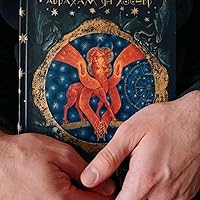
Химическая свадьба Христиана Розенкрейца в году 1459
Итак, фундаментальный, давно ставший почти легендой памятник европейской христианско-розенкрейцерской традиции, который одни считают талантливой мистификацией, другие — оперативным руководством по сокровенному алхимическому Великому Деланию, а третьи — тайным катехизисом розенкрейцеров, в символической форме отражающим ступени орденского посвящения, обрел наконец свой русскоязычный эквивалент! На протяжении трех веков, с XVIII по XX, в России предпринимались неоднократные попытки перевода этого окутанного мистической аурой труда, однако всякий раз работа издателей по странному стечению обстоятельств наталкивалась на неожиданные препятствия и срывалась...
Настоящий том представляет собой полный литературно-научный перевод «Химической Cвадьбы» со средневерхненемецкого языка и полностью сохраняет особенности первого страсбургского издания 1616 г. Речь прежде всего идет о маргиналиях, отсутствующих в более поздних изданиях; эти оригинальные ремарки на полях не только помогают ориентироваться в сложном и запутанном лабиринте текста, но подчас неким парадоксальным образом высвечивают темные места прихотливо петляющего сюжета, а то вдруг откровенно оппонируют основной мысли повествования, привнося в нее странный, совершенно неожиданный смысл.
В книгу вошли также «Fama Fraternitatis, или Откровения Братства высокочтимого Ордена R. C.» и «Confessio Fraternitatis, или Исповедание достохвального Братства всечтимого Розового Креста, составленное для уведомления всех ученых мужей Европы». Как всякий герметический текст, «Химическая свадьба» предполагает несколько уровней восприятия, и сопровождающие издание комментарии лишнее тому подтверждение: статьи христианского мистика и духовидца Рудольфа Штайнера, исследователя герметической традиции Е. Головина и известного историка Д. Харитоновича позволяют взглянуть на те или иные эпизоды с разных, порой взаимодополняющих, а порой противоречащих друг другу точек зрения.
СОДЕРЖАНИЕ:
1. От издательства
2. Химическая Свадьба Христиана Розенкрейца в году 1459
3. Fama Fraternitatis, или Откровение Братства Высокочтимого Ордена R.C.
4. Confessio Fraternitatis, или Исповедание достохвального Братства всечтимого Розового Креста, составленное для уведомления всех ученых мужей Европы
5. Химическая Свадьба Христиана Розенкрейца. Р. Штайнер
6. Это трудно и все же очень интересно. Е. Головин
7. Химическая Свадьба Христиана Розенкрейца, братство Розового Креста и сам Христиан Розенкрейц. Д. Харитонович
8. Комментарии к «Химической Свадьбе Христиана Розенкрейца». Д. Харитонович
Настоящий том представляет собой полный литературно-научный перевод «Химической Cвадьбы» со средневерхненемецкого языка и полностью сохраняет особенности первого страсбургского издания 1616 г. Речь прежде всего идет о маргиналиях, отсутствующих в более поздних изданиях; эти оригинальные ремарки на полях не только помогают ориентироваться в сложном и запутанном лабиринте текста, но подчас неким парадоксальным образом высвечивают темные места прихотливо петляющего сюжета, а то вдруг откровенно оппонируют основной мысли повествования, привнося в нее странный, совершенно неожиданный смысл.
В книгу вошли также «Fama Fraternitatis, или Откровения Братства высокочтимого Ордена R. C.» и «Confessio Fraternitatis, или Исповедание достохвального Братства всечтимого Розового Креста, составленное для уведомления всех ученых мужей Европы». Как всякий герметический текст, «Химическая свадьба» предполагает несколько уровней восприятия, и сопровождающие издание комментарии лишнее тому подтверждение: статьи христианского мистика и духовидца Рудольфа Штайнера, исследователя герметической традиции Е. Головина и известного историка Д. Харитоновича позволяют взглянуть на те или иные эпизоды с разных, порой взаимодополняющих, а порой противоречащих друг другу точек зрения.
СОДЕРЖАНИЕ:
1. От издательства
2. Химическая Свадьба Христиана Розенкрейца в году 1459
3. Fama Fraternitatis, или Откровение Братства Высокочтимого Ордена R.C.
4. Confessio Fraternitatis, или Исповедание достохвального Братства всечтимого Розового Креста, составленное для уведомления всех ученых мужей Европы
5. Химическая Свадьба Христиана Розенкрейца. Р. Штайнер
6. Это трудно и все же очень интересно. Е. Головин
7. Химическая Свадьба Христиана Розенкрейца, братство Розового Креста и сам Христиан Розенкрейц. Д. Харитонович
8. Комментарии к «Химической Свадьбе Христиана Розенкрейца». Д. Харитонович
304 pages, Hardcover
First published January 1, 1616
About the author
Johann Valentin Andreae
57 books13 followersJohannes Valentinus Andreae a.k.a. Johannes Valentinus Andreä or Johann Valentin Andreae, was a German theologian, who claimed to be the author of the Chymische Hochzeit Christiani Rosencreutz anno 1459 (1616, Strasbourg, the Chymical Wedding of Christian Rosenkreutz), one of the three founding works of Rosicrucianism.
He studied theology and natural sciences in Tübingen,obtaining a degree in 1614. He became a priest in Calw. Here he reformed the school and social institutions, and established institutions for charity and other aids. To this end, he initiated the Christliche Gottliebende Gesellschaft ("Christian God-loving Society"). In 1628 he planned a "Unio Christiana".
In 1639, he became preacher at the court and councillor of the consistory (Konsistorialrat) in Stuttgart, where he advocated a fundamental church reform. He became also a spiritual adviser to a royal princess of Württemberg. In 1650, he assumed direction of the monasterial school Bebenhausen; in 1654, he became abbot of the evangelical monasterial school of Adelberg.
His role in the origin of the Rosicrucian legend is controversial. In his autobiography he indicated the Chymische Hochzeit as one of his works—as a "ludibrium", possibly meaning "lampoon". In his later works, alchemy is the object of ridicule and is placed with music, art, theatre and astrology in the category of less serious sciences.
He studied theology and natural sciences in Tübingen,obtaining a degree in 1614. He became a priest in Calw. Here he reformed the school and social institutions, and established institutions for charity and other aids. To this end, he initiated the Christliche Gottliebende Gesellschaft ("Christian God-loving Society"). In 1628 he planned a "Unio Christiana".
In 1639, he became preacher at the court and councillor of the consistory (Konsistorialrat) in Stuttgart, where he advocated a fundamental church reform. He became also a spiritual adviser to a royal princess of Württemberg. In 1650, he assumed direction of the monasterial school Bebenhausen; in 1654, he became abbot of the evangelical monasterial school of Adelberg.
His role in the origin of the Rosicrucian legend is controversial. In his autobiography he indicated the Chymische Hochzeit as one of his works—as a "ludibrium", possibly meaning "lampoon". In his later works, alchemy is the object of ridicule and is placed with music, art, theatre and astrology in the category of less serious sciences.
Ratings & Reviews
Friends & Following
Create a free account to discover what your friends think of this book!
Community Reviews
Displaying 1 - 30 of 81 reviews

Read
April 30, 2008Alchemical parables and allegories are horror stories with happy endings. They detail the terror and disgust of death … decay, dissolution, suffering … and linger over descriptions of living tissue reduced to foul waste. Then the alchemist distills any remaining liquid, burns the solid material to ash, recombines this into a paste, stuffs it into a human mold, cooks it some more, and - voila! - resurrection.
The Chemical Wedding is a chemical allegory first published in 1616 as the third Rosicrucian manifesto. Supposedly it was a lost manuscript "unearthed" from the tomb of its author, Christian Rosenkreutz, 120 years after his death. Fake manuscripts were all the rage in occult literature. This edition has a marvelous commentary by Adam McLean.
For a taste of its horror, here is the creepiest of 7 creepy conundrums shared during an after-dinner game of riddles:
“‘In my youth I loved a beautiful, virtuous girl from the bottom of my heart, and she loved me, but her kinsman would not give permission for us to marry. So she was married to another man, honest and upright, who kept her with modesty and affection until she came to childbed, and was so ill that everyone thought she had died. With great sorrow, they gave her a magnificent burial. Then I thought to myself: if this person could not be yours in life, at least you can embrace her in death and kiss her to your heart’s content. So I took my servant with me, and dug her up again by night. When I opened the coffin and took her in my arms, I felt her heart and discovered that it was still beating a little. As I warmed her it became stronger and stronger, until I could see that she was indeed still alive. Then I silently took her home with me and, after warming her frozen body with a bath of precious herbs, committed her to the care of my mother until she gave birth to a fine son, whom I cared for as lovingly as I had the mother. After two days, since she was greatly confused, I revealed to her all that had occurred, and asked her to live as my wife from now on. But she was greatly worried that it might give grief to her husband, who had treated her well and honorably. However, as such things will turn out, she now felt no less obligated to one as to the other.
“‘After two months, being then obliged to travel elsewhere, I invited her husband as a guest and asked him among other things whether he would take back his dead wife, if she were to come home again. He affirmed it with tears and lamentations. Finally I brought his wife to him, together with her son, told him all that had happened, and asked him to give consent for my intended marriage. After a long argument he could not shake my claim, and so had to leave the wife with me. Then came the battle over the son…’
“The Virgin [hostess of the dinner party] here interrupted him and said: ‘I am surprised that you could thus increase the poor man’s misery.’
“‘What?’ he answered, ‘Was I not concerned about it?’
“Thereupon an argument arose among us, in which most of us were of the opinion that he had done right. But he said: ‘Not at all: I gave him back both wife and son! Now tell me, gentlemen, which was the greater: my integrity or this man’s happiness?’” pp. 54-55
https://www.maryoverton.work/clevers-...
The Chemical Wedding is a chemical allegory first published in 1616 as the third Rosicrucian manifesto. Supposedly it was a lost manuscript "unearthed" from the tomb of its author, Christian Rosenkreutz, 120 years after his death. Fake manuscripts were all the rage in occult literature. This edition has a marvelous commentary by Adam McLean.
For a taste of its horror, here is the creepiest of 7 creepy conundrums shared during an after-dinner game of riddles:
“‘In my youth I loved a beautiful, virtuous girl from the bottom of my heart, and she loved me, but her kinsman would not give permission for us to marry. So she was married to another man, honest and upright, who kept her with modesty and affection until she came to childbed, and was so ill that everyone thought she had died. With great sorrow, they gave her a magnificent burial. Then I thought to myself: if this person could not be yours in life, at least you can embrace her in death and kiss her to your heart’s content. So I took my servant with me, and dug her up again by night. When I opened the coffin and took her in my arms, I felt her heart and discovered that it was still beating a little. As I warmed her it became stronger and stronger, until I could see that she was indeed still alive. Then I silently took her home with me and, after warming her frozen body with a bath of precious herbs, committed her to the care of my mother until she gave birth to a fine son, whom I cared for as lovingly as I had the mother. After two days, since she was greatly confused, I revealed to her all that had occurred, and asked her to live as my wife from now on. But she was greatly worried that it might give grief to her husband, who had treated her well and honorably. However, as such things will turn out, she now felt no less obligated to one as to the other.
“‘After two months, being then obliged to travel elsewhere, I invited her husband as a guest and asked him among other things whether he would take back his dead wife, if she were to come home again. He affirmed it with tears and lamentations. Finally I brought his wife to him, together with her son, told him all that had happened, and asked him to give consent for my intended marriage. After a long argument he could not shake my claim, and so had to leave the wife with me. Then came the battle over the son…’
“The Virgin [hostess of the dinner party] here interrupted him and said: ‘I am surprised that you could thus increase the poor man’s misery.’
“‘What?’ he answered, ‘Was I not concerned about it?’
“Thereupon an argument arose among us, in which most of us were of the opinion that he had done right. But he said: ‘Not at all: I gave him back both wife and son! Now tell me, gentlemen, which was the greater: my integrity or this man’s happiness?’” pp. 54-55
https://www.maryoverton.work/clevers-...

April 17, 2018
At this point in my life, I am too ignorant to say anything worthwhile about this book. I believe that reading this, and the commentary that follows it, has brought me some inspiration and insight. I don't know, however, if it would be of value to anyone else.
If you choose to read The Chemical Wedding of Christian Rosenkreutz, I advise you to do so with humility. Humility is a rare thing these days, but sometimes the best thing a person can do is just shut up and listen.
If you choose to read The Chemical Wedding of Christian Rosenkreutz, I advise you to do so with humility. Humility is a rare thing these days, but sometimes the best thing a person can do is just shut up and listen.

May 11, 2021
Should've read it in German.

November 26, 2018
This is, by far, the oddest book I’ve read all year. Originally published 400+ years ago, the translator bills this as the first work of science fiction, because it’s a tangle of allegories on secret alchemist procedures. Every character is the representation of a substance/element and the trials and interactions between the characters is their chemical relationship. The version I read has footnotes, which were somewhat helpful in understanding what was going on — although it was interesting how often the translator admitted to not knowing what certain scenes meant. This reads like a bizarre fairy tale, full of riddles, and set in a Wonderland universe. Expect the entire wedding party to get beheaded, for Venus to be sleeping in the castle basement, for a mischievous Cupid to poke his nose in everywhere, and for an old man to be forced to work his way through continuous odd tasks like painting a giant bird blue and then slaughtering it for its royal blood.

November 8, 2014
Much has been made of the fact that Andreae wrote this book when young, as a 'prank' or literary 'hoax'. This may well be the case (although I suspect his admission was more inspired by a desire to protect himself during the turbulent days of counter-reformation warfare in Europe through which he lived). Whatever the books original background may have been, it inspired a surge of spiritual, political and alchemical writing in the seventeenth century, and eventually the modern Rosicrucian pseudo-religion. If one disregards its history and legacy, I believe it still stands its ground as a startlingly odd , subtly unsettling and strangely inspiring piece of writing. It is full of peculiar imagery which weaves its way into the subconscious. Even if Andreae intended it to be a pastiche of the Alchemical literature of his day, he produced something which transcends parody and which occasionally shines with genuine poetic value.

August 4, 2020
One of the foundational texts of philosophical alchemy.
I realize this is some deep and meaningful stuff. I appreciated reading it for the symbolism and images, which show up all across Western thought since then. But does the author have to brag about how humble he is...constantly? Gosh, golly, gee whiz! He's ever so magnficently humble, even as he nearly cackles with glee at his competition's downfall and punishment. I wanted to strangle Mr. Smug.
Recommended if you're doing research on the subject. Just prepare to roll your eyes at some of the commentary.
I realize this is some deep and meaningful stuff. I appreciated reading it for the symbolism and images, which show up all across Western thought since then. But does the author have to brag about how humble he is...constantly? Gosh, golly, gee whiz! He's ever so magnficently humble, even as he nearly cackles with glee at his competition's downfall and punishment. I wanted to strangle Mr. Smug.
Recommended if you're doing research on the subject. Just prepare to roll your eyes at some of the commentary.

July 20, 2010
The Chemical Wedding of Christian Rosenkreutz is a mysterious manifesto of unknown authorship that surfaced in early 1600's Europe. It has its roots in esoteric Christianity and alchemy, and helped found the Rosicrucian movement.
My review is.... HUH?
Let me summarize: some 17th century author tripping on hallucinogens got philosophical one night and wrote a book. He wrote about some mentally ill old guy who gets invited to a magic castle. While there he gets into a whole bunch of trouble cause he keeps sneaking around and getting into stuff he shouldn't. Yet, he's deemed to be more worthy than the other freaks there and takes a boat to a big tower and witnesses some bird getting killed. The end.
OK look, I picked up this book because so many reviews talk about its intricate complexity and great worth on a personal level. Maybe it is that for some people. Good for them. But for commoners such as myself it is absolute and utter nonsense. Generally speaking I love a good historical and esoteric spin on life and spirituality. I wanted to like this book. I love stuff like this. But this didn't work for me, at all. It was overly metaphorical to the point of gibberish. It was contrived and phony feeling 7 times over. It's just plain old WEIRD. There, I said it. WEIRD.
My review is.... HUH?
Let me summarize: some 17th century author tripping on hallucinogens got philosophical one night and wrote a book. He wrote about some mentally ill old guy who gets invited to a magic castle. While there he gets into a whole bunch of trouble cause he keeps sneaking around and getting into stuff he shouldn't. Yet, he's deemed to be more worthy than the other freaks there and takes a boat to a big tower and witnesses some bird getting killed. The end.
OK look, I picked up this book because so many reviews talk about its intricate complexity and great worth on a personal level. Maybe it is that for some people. Good for them. But for commoners such as myself it is absolute and utter nonsense. Generally speaking I love a good historical and esoteric spin on life and spirituality. I wanted to like this book. I love stuff like this. But this didn't work for me, at all. It was overly metaphorical to the point of gibberish. It was contrived and phony feeling 7 times over. It's just plain old WEIRD. There, I said it. WEIRD.
April 25, 2017
And absurd and self-aware tale that lets the allegory get so plump and shambling that it reveals itself as parody. Presumably the humor was there all along, but Crowley draws it out with style and annotation, and the illustrations nail it down with the subtlety of a political cartoon.

January 30, 2021
This is an allegory for the ages. It is one of self discovery and self realization. The tale itself can be confusing and unclear but is intended to be so to make you, the reader, find the message.
The commentary at the end by Alan McLean is fantastic and sheds much light on the perceived and possible connections as well as the meaning.
Overall, this third book of the Rosecrucian Order is a great read to set the mind spinning in an allegory of self improvement as an alchemical process.
The commentary at the end by Alan McLean is fantastic and sheds much light on the perceived and possible connections as well as the meaning.
Overall, this third book of the Rosecrucian Order is a great read to set the mind spinning in an allegory of self improvement as an alchemical process.

January 30, 2022
This is an edition of Chymische Hochzeit Christiani Rosencreutz for people like me who aren’t academics but like primary source material plus a primer. It had been on my radar for a while, and I just discovered it on hoopla.
What’s so interesting about this book? Some people (like John Crowley) tout this as being the very first science fiction story. If you’ve heard that as well and:
… if you agree or like debate, please convince me in the comments! I mean I must be wrong, since Crowley is so knowledgeable and speaks so authoritatively, or
…. If you aren’t sure you want to read it yourself, I’d advise not to bother—unless you like rabbit holes.
… If you like fantasy, Christian fiction, and very old fiction—by all means, be my guest. It’s a weird mix of Christian allegory, Greek myths, and alchemical formulas.
The book title has always confused me a bit: Christian Rosencreutz isn’t the author; he’s the narrator telling us about the week leading up to a wedding he’s been invited to.
The narrative is like listening to a super excited friend telling their amazingly detailed dream. And they keep going on and on long past when you’ve lost interest or you need to go home. To paraphrase a bit “we’re guiltless of the seven deadly sins, but I saw Venus naked, and Cupid was flying around, and the lady told us to put a bird in the white liquid that got so hot he lost all of his feathers, and once he was naked, we reduced down the liquid and painted it back on him, which he did not like, but he turned * blue.”
Crowley adds in footnotes that * blue is considered an unusual color in alchemy, but he doesn’t add that blue is also unusual in nature or explain why. As this footnote illustrates, the information isn’t comprehensive—no fault of his (not being an expert in this field), and they’re somewhat uneven, as he includes common knowledge like the Phoenix as a symbol of rebirth. The footnotes do add another layer of interest (I.e. confusion). Crowley’s authorial voice sounds so similar to Christian’s, it’s ironical that the footnotes can actually add to the confusion as well as eliminate it—not being sure who is speaking.
That being said about the dubious value of the footnotes, I wish Crowley had included an essay explaining the sf nature of this artifact. All in all, I don’t think he added enough value to convince me of that argument and his editor should have also balked.
One aspect that he does discuss, without drawing any conclusions, is the ending that is just cut off. Like it was lost. Sort of a shaggy dog ending, sort of a meta fictional breaking the frame. So in the end I was annoyed not only by the religious-fantasy-as-science-fiction bait and switch but also by the fashizzle ending.
What’s so interesting about this book? Some people (like John Crowley) tout this as being the very first science fiction story. If you’ve heard that as well and:
… if you agree or like debate, please convince me in the comments! I mean I must be wrong, since Crowley is so knowledgeable and speaks so authoritatively, or
…. If you aren’t sure you want to read it yourself, I’d advise not to bother—unless you like rabbit holes.
… If you like fantasy, Christian fiction, and very old fiction—by all means, be my guest. It’s a weird mix of Christian allegory, Greek myths, and alchemical formulas.
The book title has always confused me a bit: Christian Rosencreutz isn’t the author; he’s the narrator telling us about the week leading up to a wedding he’s been invited to.
The narrative is like listening to a super excited friend telling their amazingly detailed dream. And they keep going on and on long past when you’ve lost interest or you need to go home. To paraphrase a bit “we’re guiltless of the seven deadly sins, but I saw Venus naked, and Cupid was flying around, and the lady told us to put a bird in the white liquid that got so hot he lost all of his feathers, and once he was naked, we reduced down the liquid and painted it back on him, which he did not like, but he turned * blue.”
Crowley adds in footnotes that * blue is considered an unusual color in alchemy, but he doesn’t add that blue is also unusual in nature or explain why. As this footnote illustrates, the information isn’t comprehensive—no fault of his (not being an expert in this field), and they’re somewhat uneven, as he includes common knowledge like the Phoenix as a symbol of rebirth. The footnotes do add another layer of interest (I.e. confusion). Crowley’s authorial voice sounds so similar to Christian’s, it’s ironical that the footnotes can actually add to the confusion as well as eliminate it—not being sure who is speaking.
That being said about the dubious value of the footnotes, I wish Crowley had included an essay explaining the sf nature of this artifact. All in all, I don’t think he added enough value to convince me of that argument and his editor should have also balked.
One aspect that he does discuss, without drawing any conclusions, is the ending that is just cut off. Like it was lost. Sort of a shaggy dog ending, sort of a meta fictional breaking the frame. So in the end I was annoyed not only by the religious-fantasy-as-science-fiction bait and switch but also by the fashizzle ending.

October 18, 2017
Fun but strange. Nothing else I have read was like it besides encountering other alchemical stuff. An alchemical parable yet at the same time, the supposed author claimed to have written it as a joke. Rosicrucianism is very strange because it wasn’t a “real thing” until it became a real thing after first being a “fake”thing.

August 4, 2021
I read the version by John Crowley. He took existing translations and modernized the language to make it more readable. He encourages you to read it for the story, which he considers a satirical pastiche on earlier 'rosy cross' pamphlets. I agree with that opinion. The author himself, Andreae, said as much himself. Yes, there are allegorical references to alchemy (which Crowley explains in footnotes) and religion (which he mostly ignores), but that is because it is a parody of other works that were the hot topic of the times.
For a 400-year-old work, with so much mystification applied to it, the story is surprisingly easy to read. It is basically a story of a guy who leaves home, goes to a magical castle, sees strange things, is put through trials, and then returns home. There have been many more enjoyable stories of this sort in years to come, but you can still get some fun from this.
Crowley argues that this should count as the first science fiction novel because it: "it's fiction; it's about the possibilities of a science; and it's a novel.". If that is your definition of SF, then OK. I'll put it on my SF shelf, on which there are many disparate things, but it doesn't read as science fiction to me.
(My rating is for the Crowley version with his notes. The original by itself I enjoy less.)
For a 400-year-old work, with so much mystification applied to it, the story is surprisingly easy to read. It is basically a story of a guy who leaves home, goes to a magical castle, sees strange things, is put through trials, and then returns home. There have been many more enjoyable stories of this sort in years to come, but you can still get some fun from this.
Crowley argues that this should count as the first science fiction novel because it: "it's fiction; it's about the possibilities of a science; and it's a novel.". If that is your definition of SF, then OK. I'll put it on my SF shelf, on which there are many disparate things, but it doesn't read as science fiction to me.
(My rating is for the Crowley version with his notes. The original by itself I enjoy less.)

Read
March 19, 2019For some reason I find myself tempted to review this with nothing more than "So I hear you're a Rosicrucian now, Father". Which would probably make about as much sense as any other approach. Much lke Gawain and the Green Knight, it's impossible to read this keystone of 17th century oddness without suspecting one is missing the key to a code, but more so than Gawain, here many suggestions have been made, and defended as doggedly as only academics, conspiracy theorists and occultists can defend the unprovable. Alchemical, religious and political symbolism seem to be the favourites; I reckon, if I set my mind to it, I could fill out glimpses I got of it as a kink thing. John Crowley's gloss in his rather beautiful edition is that it's a) a deliberate spoof of hermetic fantasies, even as it went on to inspire plenty itself, and b) one of the first science fiction novels. He may be deliberately trolling, but he's certainly no more wrong than anyone else.

June 4, 2025
Fantastically creative based on the limited information they had in the 1459. A new way to view the storyline? As I say put yourself in and out of the room and look from all the various points. Imagine the view from someone who’s never read nor studied the text who lives in the Middle East or China, then give them an 80 IQ….
I think this is the best book I’ve seriously enjoyed in a very long time.
Oh and now translate it into what you think it means in your language.
This reminds me of The Master & Margarita - here is Jordan’s Amazon link
https://www.amazon.com/gp/product/014...
I think this is the best book I’ve seriously enjoyed in a very long time.
Oh and now translate it into what you think it means in your language.
This reminds me of The Master & Margarita - here is Jordan’s Amazon link
https://www.amazon.com/gp/product/014...

September 1, 2021
3.5 stars. This was a fun, short read. The story itself wasn't much I haven't seen before. For all it's randomness and drama, I didn't find the plot to be much of a page turner. The translator's notes were what really kept me invested. I loved reading about the historical context of metaphors and the different interpretations of the text as a whole. I also really enjoyed how the translator presented answers/explanatory diagrams to many of the puzzles presented in the book. It added another later to Christian's story because I felt like I was in on something bigger than the plot itself.
June 20, 2017
Five stars for Theo's fantastic illustrations alone. Each drawing rewards any extra attention the viewer pays, with layers of meaning and witty details. The narrator's character as a man who is simultaneously vain and earnest; simultaneously childish and heroic; simultaneously ridiculous and touching, couldn't be more exactly or more entertainingly conveyed than by the representations here.
The text is a wild ride for someone like me who knew nothing about alchemy or Rosicrucians, but John Crowley's notes prove to be an enchanting and reassuring guide through this wacky allegorical tale of blood, ashes, death and resurrection, royal authority, transparent jelly-ish bodies, green souls, and baroque scientific-magical processes. He struck an appealing balance between scholarly interest and careful artistic interpretation that made the fascinating and modern-relevant components of a potentially obscure story shine through.
The text is a wild ride for someone like me who knew nothing about alchemy or Rosicrucians, but John Crowley's notes prove to be an enchanting and reassuring guide through this wacky allegorical tale of blood, ashes, death and resurrection, royal authority, transparent jelly-ish bodies, green souls, and baroque scientific-magical processes. He struck an appealing balance between scholarly interest and careful artistic interpretation that made the fascinating and modern-relevant components of a potentially obscure story shine through.

December 23, 2020
A blend of Stunning alchemical symbolism, unpredictable twists and turns in the story-line, built in puzzles, and spiritual catharsis. An allegorical tale that takes pondering to unpack the lessons inside. I really enjoyed it. The translation by Joscelyn Godwin is great. I will definitely revisit this one again.

January 20, 2018
It's hard for me to rate this. As a primary source, a glimpse into the lives and fascinations of the seventeenth century, it's worth reading. And the author's humor still works for at least this modern-day reader; I giggled throughout at the protagonist's mastery of the humblebrag. It's a shaggy dog story, it's an allegory, it's a hoax, it's a joke, and it's certainly a swift and fun read--but what it's not, by modern standards, is a novel. And that's okay, but it makes it awfully hard to rank it on the same star rating system as everything else I read.
February 1, 2024
Один із базових розенкройцерських текстів. Історія магічної подорожі та видінь переповнена алхімічною символікою із ноткою іронії.

October 27, 2016
I didn't know what this was at all until I cracked open the beautiful hardcover book, and started reading Crowley's introduction. It's his annotated edition of a 1616 little alchemical tale, of a man (Christian Rosencreutz) invited to a strange royal wedding, and the trials and rewards as he goes through all the tests... and the rebirth of the king and the queen.
I don't know what to make of this at all! Crowley's annotations were very helpful, to point out the symbolism and context. But even then, the story is just so strange! It's easy to see why it puzzles and intrigues people who want to interpret and reinterpret and create very convoluted explanations for everything, and read it all as allegorical. Sometimes it contradicts itself, or goes very odd, and no one knows if there are actual errors or if it was intentional. And then the ending! Is there an eighth day? (As Crowley argues.) Is the ending really missing, or did Andreae actually write it that way?
Superficially, The Chemical Wedding is pretty fantastic. A great weird story to spend an evening on. And anyone who wants to try to explain it is in for some fun.
I'm not sure I'm convinced by Crowley's argument that this is very early science fiction (pre-dating Somnium, which I haven't read). He's saying that alchemy was the science of Andreae's day, and points out a few of the grand-scale and completely geeky elements that would be alchemy's version of sci fi nerdery. I get the gist of this, I think, but on the whole it didn't feel like science fiction, but rather overwhelmingly like a fantastical fable.
(Note about this edition: I backed Small Beer Press's Kickstarter and got the absolutely gorgeous hardcover edition. It's really stunning on the outside, but I also thought all the little details inside were perfect. Theo Fadel's illustrations were spot on. The annotations, page numbers, and quotes are in red. I just think the page layout and typography is a joy to look at!)
I don't know what to make of this at all! Crowley's annotations were very helpful, to point out the symbolism and context. But even then, the story is just so strange! It's easy to see why it puzzles and intrigues people who want to interpret and reinterpret and create very convoluted explanations for everything, and read it all as allegorical. Sometimes it contradicts itself, or goes very odd, and no one knows if there are actual errors or if it was intentional. And then the ending! Is there an eighth day? (As Crowley argues.) Is the ending really missing, or did Andreae actually write it that way?
Superficially, The Chemical Wedding is pretty fantastic. A great weird story to spend an evening on. And anyone who wants to try to explain it is in for some fun.
I'm not sure I'm convinced by Crowley's argument that this is very early science fiction (pre-dating Somnium, which I haven't read). He's saying that alchemy was the science of Andreae's day, and points out a few of the grand-scale and completely geeky elements that would be alchemy's version of sci fi nerdery. I get the gist of this, I think, but on the whole it didn't feel like science fiction, but rather overwhelmingly like a fantastical fable.
(Note about this edition: I backed Small Beer Press's Kickstarter and got the absolutely gorgeous hardcover edition. It's really stunning on the outside, but I also thought all the little details inside were perfect. Theo Fadel's illustrations were spot on. The annotations, page numbers, and quotes are in red. I just think the page layout and typography is a joy to look at!)
November 27, 2018
I stumbled across this book in the sci-fi/fantasy section of a different library from my usual one. I had heard the term "chemical wedding" used in reference to alchemy, and may even have heard reference to the original work at some point. It seemed like it might be interesting as a more approachable, slightly modernized version of document contemporary with alchemy as an actual science; and I think alchemy is neat.
The book proved to be disappointing. As John Crowley writes in his introduction, the purported original author of this work, Johannn Andreae, claimed to have written it as a joke, and that seems about right for how it reads. It was either entirely a lark, or else it was a commentary on contemporary issues, the import of which is now lost. Either way the result is a bunch of allegory and obtuse mystification which evokes alchemical traditions, but doesn't seem to provide any true insight into the practice. The modern additions to this work are also underwhelming: Crowley's introduction is decent, but his notes throughout the book vary between actual useful information, like the explanation of cyphers, and something amounting to him saying "ooh, this part will be really important later," again and again; the illustrations by Theo Fadel are in the style of caricature (with weird bobble heads and over-emphasized features) that I generally find unattractive, and while the style plays into Andreae's assertion that the work is a joke, it really undercuts Crowley's argument that it should be taken seriously as an early work of science fiction.
The book proved to be disappointing. As John Crowley writes in his introduction, the purported original author of this work, Johannn Andreae, claimed to have written it as a joke, and that seems about right for how it reads. It was either entirely a lark, or else it was a commentary on contemporary issues, the import of which is now lost. Either way the result is a bunch of allegory and obtuse mystification which evokes alchemical traditions, but doesn't seem to provide any true insight into the practice. The modern additions to this work are also underwhelming: Crowley's introduction is decent, but his notes throughout the book vary between actual useful information, like the explanation of cyphers, and something amounting to him saying "ooh, this part will be really important later," again and again; the illustrations by Theo Fadel are in the style of caricature (with weird bobble heads and over-emphasized features) that I generally find unattractive, and while the style plays into Andreae's assertion that the work is a joke, it really undercuts Crowley's argument that it should be taken seriously as an early work of science fiction.

April 4, 2014
Uno dei tre manifesti dei Rosacroce, assieme al "Fama Fraternitatis" e alla "Confessio Fraternitatis". Dico subito che non è mio interesse entrare nei labirintici argomenti ermetici in questa sede, chi vuole saperne di più, oggi ha 1000 e più modi per soddisfare le sue curiosità. Ho voluto scrivere due righe su questo libro, per provare a tirarlo fuori dall'esclusivo circuito esoterico in cui è stato relegato, e dargli una valenza prettamente letteraria. Scritto nel XVII secolo, da un teologo tedesco di nome Andreas, racconta le avventure del pellegrino Christian Rosenkreutz, durante il lungo viaggio che lo porterà al suo risveglio spirituale, un itinerario diverso, ma che mena all'ugual fine che mosse Dante nel suo viaggio ultraterreno. È un romanzo che si può leggere come una avventura picaresca, oppure, seguendo gli infiniti simbolismi al suo interno, come un testo esoterico iniziatico. Rosenkreutz, dovrà, nei suoi 7 giorni di viaggio, superare delle prove molto difficili che solo se superate in modo opportuno lo porteranno al compimento della grande opera alchemica di trasformazione personale. A me è piaciuto molto, soprattutto quando racconta del castello dove affronterà le prove: ebbene quella costruzione è il posto più assurdo di cui io abbia letto, e lo scrive uno che è cresciuto a pane e Lovecraft, Poe, ecc. Questa edizione della SE, è ben fatta, e include alla fine del libro, il commento giornata per giornata di Rudolf Steiner. Consigliato.

March 30, 2017
An archetypal allegory with an unexpected cliffhanger ending, Christian's journey from the Outer World to the attic of the Tower of Olympus seems like the classic three-part Freytagian arc, only with McLean's commentary does the sevenfold structure reveal itself. The dreams, challenges, so-called comedy (kind of like Othello if told from the perspective of the Cypress-invading Turks), the gruesome wedding and the spiritual rebirth are part of the alchemical process made personal by Christian's encounter with the buried Venus and the resulting job opportunity at the castle's outer gate. Interesting triangle within a mysterious heptagonal ring. Great trip I look forward to taking again as I further my studies into Jung's Alchemy & Psychology, eventually attempting to make sense of his Coniunction wedding.

September 20, 2010
This is a nice translation of one of the three foundation texts of Rosicrucianism. It includes a very helpful commentary on some of the symbolism of the allegory. Recommended reading for people interested in Rosicrucianism.

December 6, 2017
You will need an companion text to be able to understand

February 3, 2021
Det är egentligen bakgrunden till den här boken som gör den så pass intressant - den ingår som tredje publicerade verk i det Rosenkreuziska manifestet som gavs ut på 1600-talet. Första boken "Fama Fraternitatis" gavs ut anonymt 1614 & presenterar legenden om ordens grundare Christian Rozenkreutz när han flänger jorden runt & lär sig behändiga saker som mystik, magi & matte. "Confessio Fraternitatis", bok två, gavs även den ut anonymt 1615 & avslöjar finurligt att det finns ett hemligt sällskap av alkemister & magiker som med hjälp av sin "sanna filosofi" kommer förändra Europa från grunden. Sedan har vi den tredje boken - "Chymische Hochzeit Christiani Rosencreutz anno 1459" - som alltså är den som jag har läst. Tydligen skiljer den sig markant från de två första böckerna i manifestet. Den är en allegorisk berättelse, indelade i sju delar utifrån sju dagar, sprängfylld med symbolik, mystiska ritualistiska sammanhang & kluriga gåtor. Jag skulle vilja kalla det en extremt underlig saga för vuxna. Eller en alkemisk allegori, beroende på hur man vill se det.
Kort sagt: Christian Rosenkreutz kontaktas av en flummig ängel med vingar av ögon (?) som bjuder honom på fest, eller rättare sagt ett bröllop. Glad i hågen beger sig vår Christian mot partyt - vägen dit kantas av underligheter & prövningar som fortsätter även när han nått fram till slottet där bröllopet ska ske. Tillvaron i slottet är sprängfyllt av suspekta ögonblick, konstiga ritualer, halvsadistiska prövningar, en massa snygga jungfrur & i källaren ligger självaste Venus begravd (?!). Christian glassar på & det hela tar i slutändan en spexig vändning.
Jag älskade att läsa den här boken! Det är inte krånglig att läsa - nyöversättningen gör att språket är lätt att ta till sig. Jag njöt i fulla drag av att sitta med näsan i något som under många hundra år varit en hyperhemlig bok som smusslades runt bland samhällets grädda. Mitt ibland alla mystiska symboler & märkliga fraser på latin befinner man sig ändå i ett litterärt sammanhang 500 år bakåt i tiden. Det är svårslaget.
Är man minsta intresserad av Rosenkreutzarna, historisk litteratur, mystik, religionshistoria, esoteriskt flum eller alkemi så är det här en bok för dig. Man kan även läsa det som en, om än underlig, saga för intellektuella. Det funkar också alldeles utmärkt.
Kort sagt: Christian Rosenkreutz kontaktas av en flummig ängel med vingar av ögon (?) som bjuder honom på fest, eller rättare sagt ett bröllop. Glad i hågen beger sig vår Christian mot partyt - vägen dit kantas av underligheter & prövningar som fortsätter även när han nått fram till slottet där bröllopet ska ske. Tillvaron i slottet är sprängfyllt av suspekta ögonblick, konstiga ritualer, halvsadistiska prövningar, en massa snygga jungfrur & i källaren ligger självaste Venus begravd (?!). Christian glassar på & det hela tar i slutändan en spexig vändning.
Jag älskade att läsa den här boken! Det är inte krånglig att läsa - nyöversättningen gör att språket är lätt att ta till sig. Jag njöt i fulla drag av att sitta med näsan i något som under många hundra år varit en hyperhemlig bok som smusslades runt bland samhällets grädda. Mitt ibland alla mystiska symboler & märkliga fraser på latin befinner man sig ändå i ett litterärt sammanhang 500 år bakåt i tiden. Det är svårslaget.
Är man minsta intresserad av Rosenkreutzarna, historisk litteratur, mystik, religionshistoria, esoteriskt flum eller alkemi så är det här en bok för dig. Man kan även läsa det som en, om än underlig, saga för intellektuella. Det funkar också alldeles utmärkt.

July 22, 2023
One of those Alchemical (but really Christian) texts that gets mentioned quite often everywhere. It's short and a fun read.
John Crowley suggests this is the first Science Fiction novel. I think it's more of an Alchemical expansion of Jesus' Bridegroom parable from Matthew.
The purported author said later in his life that he thought the tract was ultimately silly, which I agree with. It is silly. It shows the silliness of the Christian theology as it was taught to me. From a crowd of hundreds, only nine men are worthy of salvation! God is constantly testing and punishing you for your shortcomings! Grace isn't earned! God withholds from most, and punishes the majority! I'm not one to say that this is wrong, and that this God doesn't exist, he may, he's just not worthy of worship if this is his method. And I'll take eternal damnation in order to tell him so.
If it's a parable for Earthly enlightenment, I can accept the one in a hundred success rate, but for salvation, I just cannot accept a God that burns the chaffe from the wheat. How can a father burn his child eternally and be good? Also this God is a book burner, and that's lame.
So yeah. Silly. But with some really vivid imagery that kind of sits with you in the way childhood indoctrination does. At one point CR is chained up in a mass of men (Earth) who will scramble over one another for a momentary respite, unwilling to help or coordinate with one another, since they're all stuck together.
"The world's determined to be cheated," he said, "and can't listen to those who want to help."
Apparently it can also be read as a defence of the Gospel of John, at least according to Wikipedia's really poorly written article on it, which is about as informative as a fart.
John Crowley suggests this is the first Science Fiction novel. I think it's more of an Alchemical expansion of Jesus' Bridegroom parable from Matthew.
The purported author said later in his life that he thought the tract was ultimately silly, which I agree with. It is silly. It shows the silliness of the Christian theology as it was taught to me. From a crowd of hundreds, only nine men are worthy of salvation! God is constantly testing and punishing you for your shortcomings! Grace isn't earned! God withholds from most, and punishes the majority! I'm not one to say that this is wrong, and that this God doesn't exist, he may, he's just not worthy of worship if this is his method. And I'll take eternal damnation in order to tell him so.
If it's a parable for Earthly enlightenment, I can accept the one in a hundred success rate, but for salvation, I just cannot accept a God that burns the chaffe from the wheat. How can a father burn his child eternally and be good? Also this God is a book burner, and that's lame.
So yeah. Silly. But with some really vivid imagery that kind of sits with you in the way childhood indoctrination does. At one point CR is chained up in a mass of men (Earth) who will scramble over one another for a momentary respite, unwilling to help or coordinate with one another, since they're all stuck together.
"The world's determined to be cheated," he said, "and can't listen to those who want to help."
Apparently it can also be read as a defence of the Gospel of John, at least according to Wikipedia's really poorly written article on it, which is about as informative as a fart.

March 2, 2019
I came to this book with high expectations: John Crowley fan? Check. Alchemy nerd? Check. What I hadn't bargained on was Crowley's apparent agnosticism about the whole thing, and I feel so silly for not having expected that. His nuanced way of exploring magic is of the things I love about him! But, The Chemical Wedding has such a reputation as a formative esoteric text that I actually thought he would tell us what it means and what it means for his writing. Once I let go of my original expectations, I enjoyed an inside look at how Crowley reads this piece of early sci-fi/fantasy through a historical as well as literary lens. His historical reading fits so well with his thoughts on how magic and time are related, as in the Aegypt Cycle, and the more I sat with it all, I realized my expectations were met after all, in the lovely disorienting way that seems to happen with Crowley's works. Most of all, I enjoyed his thoughts on the question of the eighth day.

January 18, 2021
I like old texts to be just that when I'm reading or listening to them. This one however delivers what it says on the tin... a new version. And because of that I can't help but feel that the adaptations that were made to make this more palatable for a modern audience largely consisted of dumbing it down.
The audiobook also isn't particularly pleasant to listen to either, for me at least. I don't mind authors narrating their own book, especially if it's non-fiction, but I do think that as he presented this as a work of fiction, a voice actor could have done a much better job. And the constant interruptions of authors notes throughout was also quite off putting. This could have been handled differently in my opinion.
So, overall, this one was a bit of a disappointment for me.
The audiobook also isn't particularly pleasant to listen to either, for me at least. I don't mind authors narrating their own book, especially if it's non-fiction, but I do think that as he presented this as a work of fiction, a voice actor could have done a much better job. And the constant interruptions of authors notes throughout was also quite off putting. This could have been handled differently in my opinion.
So, overall, this one was a bit of a disappointment for me.

April 19, 2022
What a treasure! This book literally fell into my hands as I perused the "new book" section in the Grand Rapids, Michigan public library. My maiden name is Andreae. The middle name of Valentin has long been used as a middle name in my family. Coincidence? What?
Why would John Crowley, a magnificent writer, be interested in this tale hundreds of years old? Turns out, Johann Valentin Andreae is the first writer of the science fiction genre. How cool is that? After some genealogical sleuthing, a family member has suggested that Johann Valentin Andreae is my ninth great uncle. Wow!
So now I have purchased many copies as gifts to family members and friends who love the science fiction genre. Great read!!!!
Why would John Crowley, a magnificent writer, be interested in this tale hundreds of years old? Turns out, Johann Valentin Andreae is the first writer of the science fiction genre. How cool is that? After some genealogical sleuthing, a family member has suggested that Johann Valentin Andreae is my ninth great uncle. Wow!
So now I have purchased many copies as gifts to family members and friends who love the science fiction genre. Great read!!!!
Displaying 1 - 30 of 81 reviews