This isn’t my favourite of Tanizaki’s novels plot-wise, but even when the momentum lags, the writing is so rich, so carefully observed, that I still loved the experience of reading it. Some Prefer Nettles is a slow, meditative novel about marriage, tradition, and cultural identity in a Japan caught between past and future.
The story follows Kaname and Misako, a couple whose marriage is quietly disintegrating. There’s no dramatic betrayal, no major climactic scenes. Instead, Tanizaki gives us stillness, observations, hesitations, silences. Around their stalled relationship swirls a much larger question: what kind of life, and what kind of Japan, will emerge from the country’s rapid modernisation?
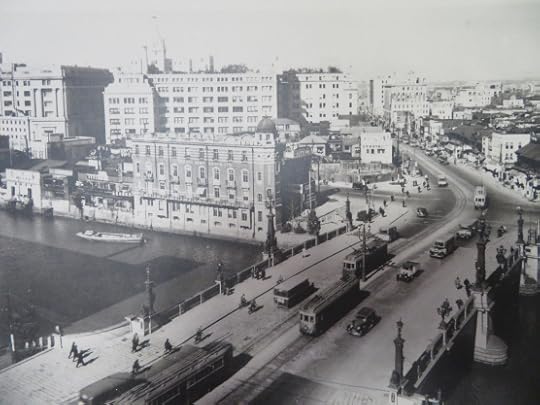
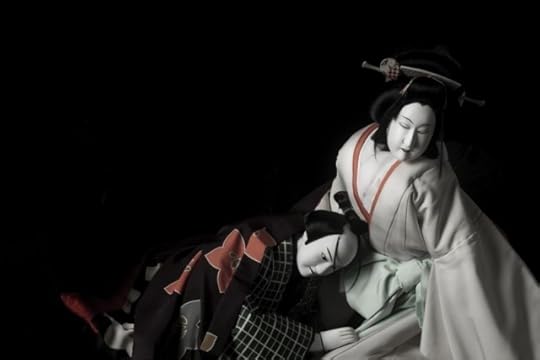
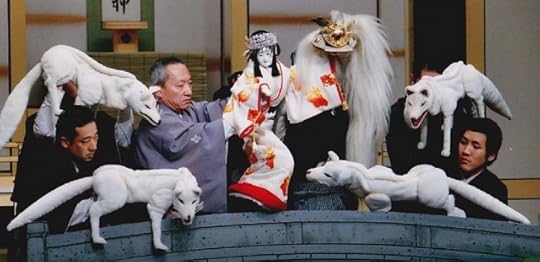
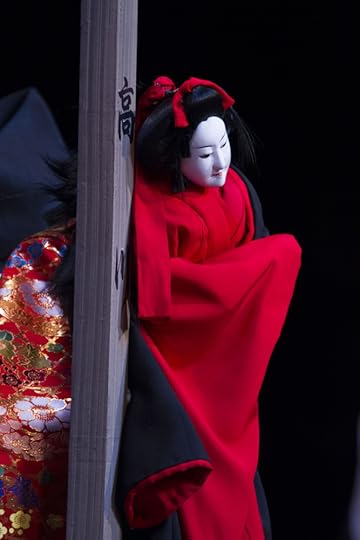
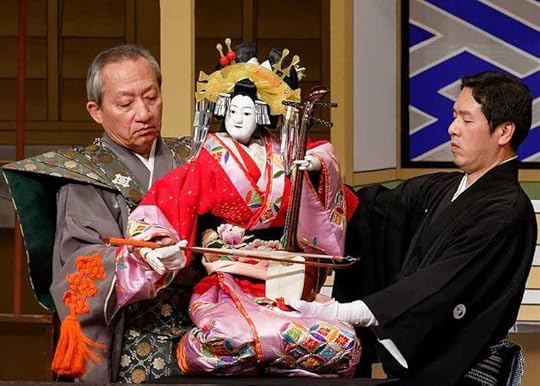
Set in the Taishō era (1912-1926), as are many of tanizaki’s works, the novel captures a nation in flux. Western clothes, food, and values are creeping in, but older traditions, like the highly stylised world of Kabuki theatre, or the formalities of arranged marriage, haven’t disappeared. Kaname finds himself caught between these worlds. He admires the elegance of the past, but can’t fully commit to it. His indecision becomes a kind of paralysis, both in his personal life and his cultural identity.
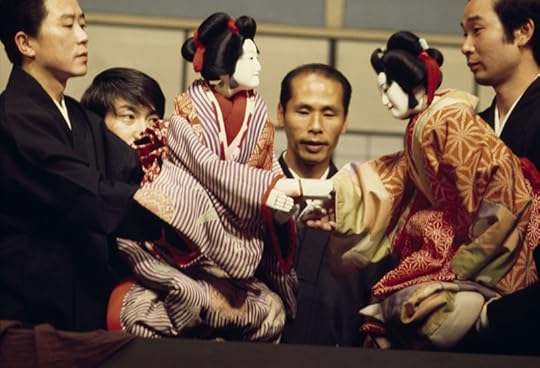
What I love most about this novel is Tanizaki’s attention to detail. His writing flows effortlessly with gorgeous descriptions, emotionally intelligent dialogue, and a sense of rhythm that makes even quiet scenes immersive. He has this rare ability to make internal tension feel vivid, and he lets the smallest gestures, a glance at a puppet performance, a passing comment about food, carry the weight of centuries of tradition.
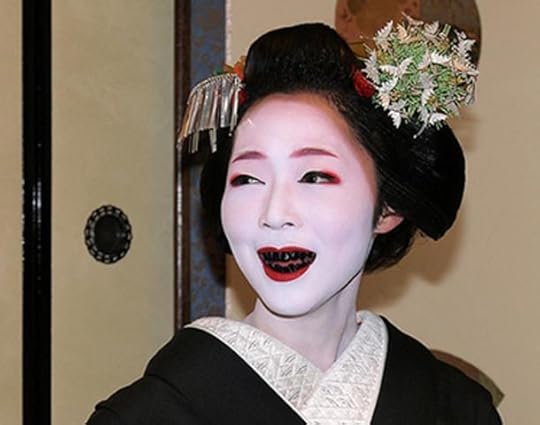
You really feel Tanizaki’s own ambivalence in this book. He was a writer deeply shaped by Japan’s modernisation, and Some Prefer Nettles feels like a kind of reckoning with what gets lost and what survives. He doesn’t preach or romanticise; he just shows. The tea ceremonies, the traditional performances, the clothes, the relationship, they’re all part of a fading cultural texture that still lingers in the characters’ lives, even when they try to move beyond it.
And while I do think the plot is slow (deliberately slow) it’s the kind of book that rewards a very particular mood. You have to sit with it. Let it unfurl. This isn’t a novel of big events; it’s a novel of textures and tensions.
For anyone interested in Japanese aesthetics, cultural transition, or quiet psychological fiction, it’s a beautiful piece of writing. And for anyone already familiar with Tanizaki’s work, it’s a fascinating middle chapter: not as playful as Naomi, not as intense as The Makioka Sisters, but full of the same obsessions, identity, beauty, performance, desire.
I wouldn’t recommend this as your first Tanizaki, but once you’re in his world, it’s one of the most elegant expressions of what he does best.