The book has no illustrations or index. Purchasers are entitled to a free trial membership in the General Books Club where they can select from more than a million books without charge. Subjects: Bible; Religion / Biblical Reference / General; Religion / Biblical Commentary / General; Religion / Biblical Studies / General; Religion / Biblical Commentary / General; Religion / Biblical Commentary / Old Testament; Religion / Biblical Commentary / New Testament; Religion / Biblical Criticism
Books can be attributed to "Anonymous" for several reasons:
* They are officially published under that name * They are traditional stories not attributed to a specific author * They are religious texts not generally attributed to a specific author
Books whose authorship is merely uncertain should be attributed to Unknown.
In 2023, my church did 1 and 2 Kings for Bible Bowl, and I participated, which meant I had to study those books diligently. Every week, I would both listen to and read those books in the original NIV translation. The preparation for that competition went on for over a year, so, I became very well acquainted with those two Biblical accounts. Still, the stories are great, and it was interesting to see how the NKJV renders the Hebrew passages differently than what I read through last year. As usual, The Word of Promise helped the stories leap off the page.
Part of my READ THE BIBLE WITHIN A YEAR challenge.
Wish me luck, as I've got a long way to go, and I’m really beginning to struggle.
I MUST read on!
For fear of sounding repetitive, this book also contains lots of fighting, killing, defeating and fleeing. There is definitely a theme forming here.
Main topics that stood out to me are:
Adonijah sets himself up as king. David finds out about this and makes Solomon king.
I enjoyed the part about the two prostitutes, each with a newborn baby. One prostitute accidentally kills her baby by laying on it, so swaps it with the other woman while she’s sleeping. The women fight over who is the true mother of the living baby. King Solomon suggests the baby is cut in two and they can have half each. The real mother begs the king not to hurt the baby, and to give it to the other woman instead. Because of her response and compassion toward the baby, he knows she is the real mother and gives the child to her. This makes Solomon popular, as he has “wisdom from God to administer justice.”
1 Kings is such a sad chronicle of kings who knew better but didn’t do better.
(Names from the French, not the English)
~Salomon—wisest man on earth, wrote many good things, started out so prosperously, made some small compromises, allied himself to the wrong people, and ended up serving other gods and forsaking the Lord.
~Roboam—made a good decision or three, ignored wise counsel, and embarked on a lifelong war instead of obeying God’s plan.
~Jeroboam—raised from the dust, thought too much, started a new religion, tried to silence God’s prophets, had many instances where he saw God’s power, yet with his house was so wicked that they became a byword.
~Abijam—nothing known of him but that he walked like his father Roboam and led the people of Juda into rebellion against the Lord.
~Asa—who started out so, so well and sought the Lord, but then chose to put his strength in man, brought war upon his own people, and lost hope in God.
~Baesha, Ela, Zimri—three men who saw what wickedness brought, yet continued to walk as Jeroboam and were successively wiped out.
~Omri, who walked exactly as his predecessors and brought up his son the same way.
~Achab—infamous as the wickedest king, completely blind and deaf to all God’s signs, murderous and irresponsible and weak.
And through it all, God continued to care for His people, keeping them safe from enemies, feeding and clothing them, and endlessly making His presence known…
There are so many stories that speak to me… like he story of Eli, who insisted he alone served God—yet God told him that 700 other people had also refused to serve Baal…
First and Second Kings were once a single book. The division into two occurred in the fifteenth century AD. The authors are unknown. First and Second Kings accent God's elected people: Israel. God selected this people to reverse the mess that humanity had made. This book is grounded in the role of the kings themselves. But unfortunately, many of them strayed, from God's Word and led their people into worshipping other cultures' gods.
Amazing how God’s provision and blessing came with obedience. And how kings who started out obeying God, was removed from their position due to disobedience.
How often do we miss out on God’s blessings because of stubbornness and disobedience.
I am flabbergasted at some of the reviews I read by some readers concerning Bible books. They treat the Bible as a novel and speak of "character development" or complain because the storyline jumps back and forth too much [speaking of the concurrent timelines of the northern and southern kingdoms of Israel and Judah]. SMH
2 Timothy 3:16 All scripture is given by inspiration of God, and is profitable for doctrine, for reproof, for correction, for instruction in righteousness:
Once again, I can't not rate the Bible 5 stars without calling down fire and brimstone 😂
1 Kings picks up some time after 2nd Samuel, with King David growing old on his death bed as his final days come to a close. His son Adonijah presumptuously declares himself king, but then David declares his son Solomon, son of Bathsheba (ugh), to be the real king instead. Solomon in turn takes the throne of Israel, and naturally Adonijah has a mild panic attack...
✨Family drama✨ ensues, but eventually Adonijah grovels enough so that Solomon doesn't outright kill him.
King David's final hour approaches, so he gives Solomon some very good advice, followed by a hitlist full of people Solomon should "deal with" as king.
David kicks the bucket (big sad 😭) and now Solomon is king over all of Israel.
King Solomon is eventually endowed by God with supernatural wisdom, and IMMEDIATELY starts clearing house and killing off some previous loose ends. He then goes on to build God's Temple and a fancy shmancy palace for himself...
And had the story ended there, things would have gone SO well...
If anyone thought King David couldn't keep his pants on, King Solomon was 10x worse. 1,000 women?? REALLY?? The dude who wrote Proverbs??
I mean it really shows how idiotic even the brightest people can be sometimes, but I believe this colossal screwup singlehandedly put the entire country of Israel on the path to destruction. Not only does Solomon bring over hundreds of foreign wives, but foreign gods too!
AND HE BUILDS TEMPLES FOR THEM?! ARE WE SERIOUS RIGHT NOW?? 🤦
I think at the end Solomon had a change of heart and realized what a total moron he was, but by then the damage was done. David's kingdom splits in two, with Judah ruled by the House of David, and the rest of Israel ruled by whoever God appoints.
But even these new appointed kings are colossal failures too! They all worship foreign gods and generally have some untimely deaths involving dogs licking up their splattered blood while all their descendants are wiped off the face of the planet.
All in all, 1st Kings is a fascinating read (albeit facepalm-worthy at times), and I'm TRULY enjoying all the history I'm learning about Israel and the Jews. There's lots of violence and drama, so for me it's one of the most entertaining reads in the Bible (No offense Leviticus but... I can only handle so many Mosiac Laws in one book...)
There's also countless personal lessons and insights I've taken away from it as well, and I hope to receive many more as I start diving into 2nd Kings!
I’ve been anxious to dive into Kings since doing a Bible Study focused on them at the beginning of the year, but let me just say- unless you are doing a THOROUGH study, so much of the history written in first Kings is typically glossed over, actually one of the most commonly brought up characters from 1 Kings is Jezebel and she was only married to the king. I encourage you to dive in and really study the history of the “season” of Israel (and Judah’s) kings and for the most part how NOT to live. 😬
I still remembering studying the book of 1 Kings in reading class when I was in third grade. I learned a lot from that class, and without it I would be almost clueless about the happening in this book. As it is, I have trouble separating all the different kings in my mind. This is most certainly an interesting book of history, but the sheer volume of information can be a little overwhelming! I did really enjoy reading it in the ESV.
Interesting reading about Israel's history during the period of the Kings. I particularly found the split of Israel into Judah and Israel interesting, and sad. Sin continues to impact Israel. Also can see the result of having sinful leaders throughout this time. Lots of fighting, war, division and idolatry.
It started out kind of interesting with basically a retelling of House of the Dragon. I got bored when they just started listing kings and all the stupid things they did. Probably a good source of information for historians though.
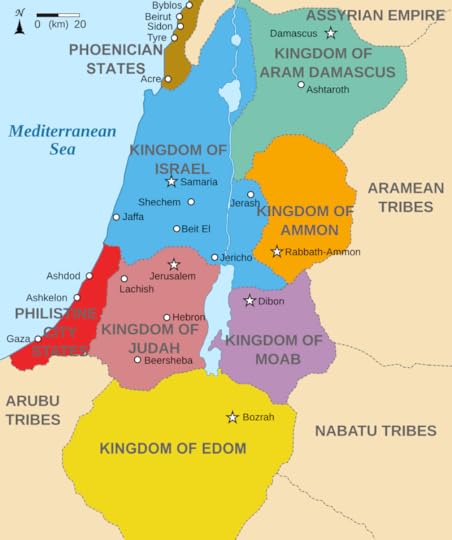
اول پادشاهان شروع عجیبی داره: داوود که آخرای عمرشه با هیچ لحافی گرم نمیشه... پس دستور میدن بین دخترای اسرائیل یکی رو پیدا کنند که پرستارِ دل دردمندِ داوود باشه و غیره. کمی بعد یکی از پسراش ادعای سلطنت و جانشینی میکنه ولی داوود سلیمان رو پروموت میکنه و یه چیزایی هم بهش یاد میده که بعد مرگش مخالفاش رو چهطور سر به نیست کنه و خودش قدرت رو به دست بگیره (اینجا شبیه سکانسِ سربه نیست کردن مخالفای کورلئونه توسط مایکله). بعد صلح برقرار میشه، یهوه به سُلی حکمت الهی عطا میکنه و سلیمان به مدت بیست سال به فعالیتهای عمرانی رو میاره و برای خدا و خودش خونه میسازه و این وسطا هم هرکی سوالی داشته ازش میپرسیده (ملکهی سبا هم خیلی کوتاه، میاد سوالاتش رو میپرسه و میره). بعدِ مدتی سلیمان گمراه میشه و به زنبارگی و بتپرستی (اِی صنم) رو میاره و یهوه میگه که چون پدرت آدم خوبی بود، با تو کاری ندارم و اجازه میدم چهل سال سلطنتی که قولش رو دادم به ته برسونی ولی بعد مرگت انتقامِ تو رو از پسرت میگیرم. پس بعد از مرگِ سلیمان، سیزده قبیلهی یهود به مشکل برمیخورن و یهودا از اسرائیل جدا میشه... بعدش باز جنگهای دیگهای داریم به خصوص با سوریهایها و این وسط یه تعداد پیامبر بامزه هم میان مثل: ایلیا و میکا که داستانشون تو فصل دوم هم قراره ادامه پیدا کنه. این نقشهی پایینی رو از ویکیپدیا برداشتم. برای سال 830 قبل از میلاده و مرتبط به داستانِ ما. . . روزی یکی از انبیا به فرمان خداوند به دوستش گفت: «با شمشیر ضربهای به من بزن!» ولی آن مرد اینکار را نکرد. پس آن نبی به او گفت: «چون دستور خداوند را اطاعت نکردی وقتی از اینجا بروی، شیری تو را خواهد درید و همینطور هم شد.» (20:35-36)
O livro de Reis começa com a jornada do rei Salomão, filho de Davi, nas suas conquistas politicas e sua queda na idolatria. Na segunda parte mostra a divisão no reino em Israel e Juda, e as falha na sucessão de Reis em seguir Jave. No final o aparecimento dos dois profetas para corrigir a idolatria e a injustiça dos Reis.
The story of all the lines of kings for Israel starting with King David and his son Solomon and their decline and turn away from following the Lord. They became seduced by the world and adopted pagan practices and deities. We see the work of the prophet Elijah, and we are reminded of the longsuffering and patience of the Lord, who is always ready to bring his people back into a covenant with Him.
It was like reading Judges 2.0 🤦🏽♀️ the cyclical rise and perpetual downfall of these kings/Israel is insane. Also King Ahab is such a whiny baby lol.
Just as I had anticipated based on a bit of skimming after I initially finished reading “2 Samuel”, “1 Kings” is a tad bit surprising of an entry in the Bible because I definitely expected Solomon to be a more central figure in its narrative than he wound up being.
See, “1 Samuel” is a book primarily about Saul, albeit with plenty of political stuff going on in its back half involving David, as well as a bit of a prologue setting up Samuel as the last Judge of Israel and a prophet before the united monarchy period began. After that, “2 Samuel” is a book entirely about the various exploits and political conflicts surrounding David’s tenure as King of Israel. As such, you can probably see why one might expect Solomon to similarly take up the vast majority of the first book of the kings, but no . . . he’s only really a figure for the first half of the book. And even then, it takes a few chapters before David dies and Solomon actually takes the throne.
While this was all surprising enough, I was even more surprised to find that Solomon as a *narrative figure* has shockingly little narrative presence, beyond the fact of how little of it he is present during. You know that iconic story about him asking God for the gift of wisdom, and the subsequent use of his wisdom being used in the judgment of the women’s claims on a surviving baby after one died in the night?
That is basically the only major narrative scene in Solomon’s life. No, I’m not exaggerating.
Okay, I’m exaggerating a *little*, but not that much, as it turns out. There are a number of chapters of certain political conflicts that Solomon faces, similar to his two predecessors, a culmination of God punishing him for falling away due to the influence of his pagan wives, which leads to the throne being passed to his son and a later split in the kingdom, but the vast bulk of Solomon’s legacy both in tradition and in the writing is simply the building of the First Temple in Jerusalem. The imagery of that is rather striking in the text, but otherwise, Solomon is a far more minor *character* than I expected.
Then “1 Kings” begins a sequence that - going through the end of “2 Kings” - is quite dense in the amount of information given without a whole ton of it being the kind of narrator that the past few books might have led you to expect. So after Solomon dies, the throne goes to his son, but then 10 of the 12 tribes revolt and form their own essentially separate nation. The northern kingdom, comprising the 10 tribes is called Israel, while the southern kingdom is called Judah. This period is known as the Dual Monarchies.
What makes the Dual Monarchies stand out is that it is when the Biblical narrative begins aligning with the archaeological record a bit, and therefore when the historicity of the Bible starts becoming a notable deal. Let’s address a couple of key points in context: - The period of the United Monarchy is mostly all legend as far as we can tell - “legend” in this case meaning that the characters and events are probably *based* on real things, but are embellished, exaggerated, and made into much bigger deals than they were in actuality. For example, there is simply not the evidence to assert that Israel’s purported united monarchy ever existed; rather, it appears that the region was still composed of several smaller tribes. Likely the writers and compilers of the Biblical narrative had a figure from the time named Solomon, for example, who was important to them for similar reasons, and writing him into a historical king over all the region simply provided legitimacy to the tribe of Judah - and thus the later southern kingdom entire - from which he was said to have hailed. - The period of the Judges and everything from the Torah/Pentateuch is mostly all myth in similar fashion - “myth” basically meaning that perhaps there’s some cultural memory or oral tradition that originates from people or events that may have actually occurred in some form, but which are not in any way accurate portrayals of the true history of the times they claim to represent. For example, a person called Moses and events reminiscent of the Exodus may well be part of the cultural history of the Israelites, but it is highly unlikely that the story told to us through the Torah can ever be proven to have occurred the way they are said to have.
So, anyway, the Dual Monarchies period is a very important time in the history of the Bible because it is when the figures and happenings of the region - most especially when it comes to the invasions and conflicts with external forces, such as the Assyrians - actually start to become verifiable through extra-Biblical scholarship. Currently, the earliest-known figure in the Bible to be mentioned in the archaeological record is Omri, a king from Israel in the North, though there are *plenty* more after.
So from a historical context, that’s a very cool part about the end of “1 Kings”.
Unfortunately, it’s hard to appreciate a lot of that material on a first go-around, especially if you don’t take a lot of notes or have other resources open while you read - e.g. timelines and/or maps - that help you to follow along. The saving grace of this entry is definitely found in the last few chapters though, when the Prophet Elijah shows up and has dealings with King Ahab in the north, who is married to Jezebel - them all being arguably the most well-known figures from this period to those otherwise ignorant of the Bible.
There’s a little more to say about “1 Kings”, but all the same points will be more applicable in “2 Kings”, so I shall hold off on that for now, and make a separate review for that book (which you can find here).
Sidenote: The reason for such vague and short and "eh" words on each of these books, is because I wasn't challenging the study of the Bible when I read these. I was challenging myself to read the whole Bible in a year because I knew it would be discipline to keep at it daily. I do, however, plan to pick up a book and study what it is saying. Those will be longer reads and more notes.
So here is my review from my "Read the Bible in a Year" challenge. Usually just snippets of thoughts and random things I liked about the book itself. Nothing in-depth.
Here is my review of 01 Kings.
Basically, this book is how Solomon becomes king, in a rather violent way.
I think the most important thing about this is how full-heartedly Solomon follows God. God told him to ask for anything and he asked for wisdom to run the kingdom right. Like out of everything he could ask, he asked for that. He wasn’t selfish about it, he wasn’t about to ask about the best looks or the best singer or anything like that.
The companion history to 1 Chronicles, some scholars think 1 Kings was written during the reign of the kings, while 1 Chronicles is another history written after the return from the exile to Babylon. Regardless, both histories are rocking adventures full of sex and violence, debauchery and idolatry, faithfulness to God and faithlessness. Miracles happen, prophecies are fulfilled. Kings are murdered in their beds and children kidnapped.
It begins with Solomon killing his brother Adonijah and Joab, David's military leader, for rebellion. Solomon then gets a visit from God and is granted wisdom. Then he builds them temple, sees the Queen of Sheba--and everything goes downhill from there.
When I finished the book today, I realised why people praise David as the best king of Israel and also why people choose his name for their sons. I mean it’s one of the most popular names of all time. Among all of the kings who ruled Israel, there was only one great King while there none innocent King who hasn’t any major sin. It really surprises me how there are king in Israel or Judah who hadn’t made any sin. It was just matter of huge and little sins. But the ironic part of this book was that there were only two good kings who both were the children of David, while the kings of Israel were all sinners and corrupted.
As always interesting and with a further study I can see how this would be would be very well in grounding and understanding of real life scenario. With much of the old testament if can be difficult to understand more of the implications for everyday life. Would recommend though as always with the bible. Just remember just like with much of the bible you must take into account the context.
Good stuff: Solomon’s wisdom, Solomon’s acceptance of other cultures
Bad stuff: god punishment of Solomon for being accepting of other cultures and customs, the building of the temple (too many details) Israel and Judah from Jeroboam I/Rehoboam to Ahab/Asa (too much back and forth, not a tidy story)
This book bears many warnings about false prophets, idolatry, and generational sin. It is a call to repent of our sinful ways and turn to our merciful Lord. 1 Kings shows us that if we don’t humble ourselves and repent, our pride will only lead to destruction.