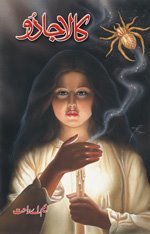
During the 1970s and 80s Pakistan used to have a vibrant culture of digests in Urdu. Though they varied in quality from pulp to the almost literary the vast range and variety pointed to a rich reading culture. From small corner book stores selling colorful stationery and novels with garish and sensational covers to stalls at bus stops and sleep, dimly lit, railway stations, they catered to a lower middle and middle class clientele that sought entertainment, instruction and escape. Sayyara Digest, Alami Digest, Hikayat, Urdu Digest, Suspense Digest, Khawateen Digest etc were some of the more prominent periodicals that often carried quality fiction (including lots of superb translations) covering diverse sub-genres (horror, adventure, hunting, espionage, thrillers, crime, romance, occult, historical fiction etc). Some of the Urdu translations of famous English short fiction that I read during that period stood the test of time and a few actually read better than the original as I discovered after I had read them in the original.
During this heyday of popular local Urdu writing and translations writing it was common for even known writers to serialize their stories in digests. And then there were others who specialized in writing for digests. Amongst them was M. A. Rahat - with many standalone publications that were initially serialized - who had and continues to have a cult following for his writings in the realms of horror, super-natural and the occult. Kala Jadu کالا جادو was his most most famous and most followed work but I never had the chance to read it during those years. As my interest shifted back to local popular literature and due to the strong recommendation of a friend and fellow writer who gifted me a copy I recently went back to it. I must confess that I was somewhat skeptical because all said and done having spent many years savoring known literary classics a lot of such writing appears amateurish in multiple ways. Further, the garish titles and poor printing further undermines the value of such books. However, I figured that as long as one is not looking at books such as these with literary exactitude there can be much on offer in terms of themes, local details, and capturing of a certain time and place.
Set in pre-independence northern India, the novel's antagonist and most memorable character is the powerful black magic practitioner and shapeshifter called Bhurya Charan - a malevolent being at an advanced stage of skill who is capable of much mischief and mayhem through the dark arts. His demonic followers are called beer and they too can take on many forms and perform various magical tasks, but their characteristic form is that of spiders. The novel's protagonist - a young man called Masood - approaches him to acquire prescience for making a fortune in games of chance. To his growing horror he soon finds himself inextricably embroiled in something he can no longer escape and for a price that he is unwilling to pay as Bhurya Charan forces him to do his bidding so that the sorcerer can advance to a higher level in the rankings amongst the practitioners of the dark arts. We are provided various details about these rankings and the powers associated with these as well as the ordeals, unclean rituals and stages that need to be undergone to achieve these. Bhurya Charan, we are told, is a Padam Shankha and wants to become a Khandola (a status no sorcerer is known to have achieved and survived according to local sorcerer lore). The task involves placing a small animate clay figurine embodying Bhurya Charan in a niche of the tomb of an elevated saint. Masood discover himself unable to the task as hidden forces impede his progress and he soon sees the error of his ways. Thereafter unfolds a series of torments and tribulations that he has to face as the vengeful Bhurya Charan pursues and hounds him for his betrayal. Separated from his family, forced into committing crimes, and on the run from the law enforcers, Masood finds himself fleeing from one city to another, crossing one wilderness after another, as Bhurya Charan and his unclean disciples pursue and torment him.
What is perhaps most distinctively interesting about this rambling tale are the insights the author provides into the practice of black magic that he claims to have learnt after consulting some known practitioners and local legend and lore - how sorcerer's enslave various mysterious creatures to do their bidding, the unclean processes and elaborate rituals that they have to undergo, and the powers that they eventually master. Equally poignant is the on-going battle between spirituality and the occult as Masood starts seeking refuge in God and holy men with their miraculous powers. Ultimately he starts finding solace and relief in his concerted attempts at seeking penance and redemption through good deeds, self-abnegation, public service and prayer. As time passes he finds himself more and more equipped to fightback against Bhurya Charan and his creatures and carve out a new life for himself. There are fascinating vignettes about the mysterious way of life, communication and mutual support by those following the sufic path as well as their ranks and miraculous capabilities which they employ in the service of good.
From a stylistic and literary value the novel leaves a lot to be desired - the writing is rushed and often awkward, there is far too much repetition especially of Masood's thoughts, apprehensions and internal conflicts, and the perspective on religion and spirituality is rather simplistic and staid. However, there are also passages that flow well and for popular fiction also discussions of crime, guilt, punishment and redemption that are compelling. The novelist does have the ability to create a sense of menace and foreboding and some of the scenes are successfully creepy, and even scary.
Kala Jadu is mostly set in the small towns and open spaces of UP and the characters speak poorbi, Urdu, Hindi and other North Indian dialects. While there is a clear equation of spirituality, goodness and pursuit of the right path with Islam the novel largely does not contain elements of bigotry when it comes to Hinduism and in that's sense it is enlightened for its genre, style and time. As a matter of fact, it puts forward various Hindu characters that display great empathy, piety and kindness. Much as Bhurya Charan and certain other nefarious entities are associated with the cults and broad culture of Hindu yogis and sadhus they are very clearly depicted as the aberrational and recalcitrant ones due to their pursuit of dark powers. Towards the end there is some conflation of events with the country seeking independence and emergence of India and Pakistan and the writer a rather one-sided account of massacres (much like Khushwant Singh in Train to Pakistan) which is rather jarring. Ultimately, this popular bestseller is about a personal journey of sin, guilt, penance and redemption. The writer successfully conveys a deep and corroding sense of desperation as Masood takes one uncertain and often harrowing journey after another to unknown destinations while fleeing from the tentacles of Bhurya Charan before his perseverance finally bears fruit as one after another several mysterious figures come to his aid and help cement his faith and fortitude in order to overcome his nemesis.
'Kala Jadu' remains an iconic book from the golden age of digests in Urdu. Not a literary masterpiece by any stretch it is nevertheless an interesting, unique and rather strange book and has great value as a part of our popular culture as well as insight into popular interests and attitudes.
ایم اے راحت سے شناسائی تب ہوئی جب بچپن سے لڑکپن میں قدم رکھا اور ڈائجسٹ پڑھنے کا سلسلہ شروع ہوا- تب سے ہی احساس پختہ ہو گیا کہ اگر مافوق الفطرت کہانیاں پڑھنی ہیں اور اچھی پڑھنی ہیں تو ایم اے راحت سے بہتر کوئی نہیں- ان کی لکھی ہوئی جانے کتنی کہانیاں پڑھی ہیں یاد بھی نہیں- اس وقت شاید اخبارِ جہاں میں بھی ان کا ایک ناول "کالا جادو" کے نام سے قسط وار آتا تھا جو بہت مقبول ہوا- اب جب زندگی کے اتنے سال بیت چکے ہیں اور ایم اے راحت صاحب ہم میں موجود نہیں ہیں پھر بھی قلب و ذہن پر ان کے لکھنے کا مخصوص انداز اور کہانیاں نقش ہیں- "کالا جادو" بھی مافوق الفطرت طرز پر لکھی گئی ایسی ہی ایک داستان ہے- ایک انسان کی جو اندیکھے راستوں پر چل نکلا اور بہت دور نکل گیا- ایک شیطان صفت شخص نے اس پر زندگی بہت تنگ کر دی مگر گھور اندھیروں میں بھی رہنمائی ملتی گئی اور وقت کے دوش پر وہ بہت سے عجیب اور سنسنی خیز واقعات سے گزرتا ہوا آگے بڑھتا گیا- ایک ایسی کہانی جو مدتوں یاد رہے گی- مافوق الفطرت کہانیاں پڑھنے والے قارئین کے لیے ایک ایسی داستان جس کے سنسنی خیز واقعات ان کو ایک نئی دنیا سے روشناس کروائیں گے-
ایم اے راحت کا “کالا جادو” کافی عرصے سے میری ریڈنگ لسٹ میں تھا۔ سوشل میڈیا اور مختلف قارئین کی آراء دیکھ کر یہی تاثر ملا تھا کہ یہ اردو کا ایک انتہائی خوفناک ناول ہے۔ مگر میری ذاتی رائے اس سے کافی مختلف رہی۔
سب سے پہلے تو یہ کہ مجھے یہ ناول ہارر بالکل نہیں لگا۔ خوف یا دہشت کے بجائے پورا ناول دیو مالائی قصوں، طلسمی دنیا اور خیالی طاقتوں پر مبنی محسوس ہوا۔ کئی مقامات پر ایسا لگا جیسے مصنف نے ایک الگ ہی فینٹسی کائنات تخلیق کی ہو۔ ناول میں جس قسم کے جادو کا ذکر ہے، ویسی طاقتیں آج کل زیادہ تر Marvel کی فلموں میں ہی دیکھنے کو ملتی ہیں۔ کردار ہوا میں غائب ہو جاتے ہیں، ان پر نہ گولی اثر کرتی ہے نہ تلوار، اور ان کے پاس ایسی مافوق الفطرت قوتیں ہیں جو حقیقت میں رائج “کالا جادو” کے تصور سے بہت مختلف ہیں۔
میرے خیال میں اس ناول کا نام “کالا جادو” رکھنے کے بجائے کوئی اور فینٹسی یا طلسمی نام زیادہ مناسب ہوتا، کیونکہ اس میں پیش کی گئی “کالی دنیا” اور جادو کی تصویر کشی حقیقی یا عوامی تصورِ کالا جادو سے کافی دور ہے۔ اگر واقعی ایسی بے پناہ طاقتیں موجود ہوتیں تو دنیا کی سیاسی اور عسکری تاریخ ہی کچھ اور ہوتی ۔
کہانی ایک ایسے نوجوان سے شروع ہوتی ہے جو سٹے کے نمبروں کے لالچ میں ایک طاقتور جادوگر تک جا پہنچتا ہے۔ وہ جادوگر اپنی طویل تپسیا مکمل کرنے کے قریب ہوتا ہے اور نوجوان سے ایک اہم کام کرنے کے بدلے اسے دولت اور طاقت کا لالچ دیتا ہے۔ اس کے بعد کہانی دوستی سے دشمنی میں بدل جاتی ہے۔ نوجوان مسلسل قتل کرتا رہتا ہے اور اس کا دعویٰ ہوتا ہے کہ وہ سب کچھ جادوگر کے حکم پر کر رہا ہے۔ پھر کہانی ایک شہر یا ضلع تک محدود نہیں رہتی بلکہ مختلف شہروں، علاقوں اور آخرکار دوسرے ممالک تک پھیل جاتی ہے۔
مصنف نے جادو کی دنیا کو بہت تفصیل سے پیش کرنے کی کوشش کی ہے، لیکن میرے لیے یہ سب کچھ دیو مالائی داستانوں یا سپر ہیرو فینٹسی جیسا محسوس ہوا۔ بار بار ذہن میں یہی سوال آتا رہا کہ ان کرداروں اور طاقتوں کی بنیاد کیا ہے؟ یہ جادو آخر کس روایت یا عقیدے سے متاثر ہے؟ کیونکہ اس کی شکل زیادہ تر جدید سپر ہیرو فلموں جیسی دکھائی دیتی ہے۔
اس سے پہلے میں نے انور علیگی کا “خالی گھر” پڑھا تھا۔ اگرچہ اس کا اختتام بھی میرے نزدیک کچھ حد تک فلمی اور بچکانا تھا، لیکن مجموعی طور پر وہ ناول “کالا جادو” سے زیادہ دلچسپ، مربوط اور سنسنی خیز محسوس ہوا۔
Kala Jadu by M.A. Rahat is an entertaining, fast-paced work of pulp fiction, a roller-coaster ride through greed, fear, and the supernatural. The novel follows Masood, a young man driven by the desire for wealth, who becomes entangled in the sinister designs of a black magician. As the story unfolds, Masood’s moral struggle takes center stage: his initial greed, his refusal to commit an unholy act, his resistance to dark forces, and the devastating losses that follow. What begins as a tale of temptation gradually transforms into a journey of repentance and redemption. A classic 1990s mystery and paranormal adventure, the novel ultimately delivers a clear moral lesson, warning against the path of sin and darkness, and affirming the enduring power of light and virtue.
It is a very nice book full of horror and thriller and teaches about the patience, faith in the religion surrounding two persons one searching wealth without hard work and second black magician, who wants to get more powers by using first. it is advisable to read it. I am sure once you start to read this book. you cannot leave until you finish it upto the end.
A Bildungsroman about a young man who's in search of wealth and fame. He then trapped into a world of Black Magic by an evil old Wizard, who wants to achieve his evil plans by this young man. And then the novel details about the young man's courage, going painful experiences one after the other.
Masterpiece of Urdu novel by M.A Rahat. If you are looking for thrill, suspense, horror and adventure combined in one novel, this is the one to read. Curiosity does not cease till end. Highly recommended!
Packed with intense thrill and a strong religious touch, Kaala Jaadu keeps you on the edge of your seat. A gripping read with dark, mysterious elements!