

What do you think?

Árbol de Diana
Prologado por Octavio Paz, esta obra supuso el reconocimiento definitivo de la autora por parte de la crítica. Los poemas son mayoritariamente cortos, todos en verso libre, plagados de contradicciones y sugerencias a veces increíbles por su lucidez. La soledad de la conciencia, del ser humano, se afronta sin contemplaciones y sin renuncias. La gente habla para no verse, evita cuestionarse a sí misma para no caer en la desolación. El lenguaje puede ser una trampa, hay que conocerlo bien para lograr intuir una vía de comunicación entre nosotros. Y a eso se dedica Alejandra, a desenmascarar las palabras y darles un sentido verdadero para ella, una traducción exacta de lo que piensa y de lo que siente.
41 pages, Kindle Edition
First published January 1, 1962
About the author
Alejandra Pizarnik
113 books2,205 followersBorn in Buenos Aires to Russian parents who had fled Europe and the Nazi Holocaust, Alejandra Pizarnik was destined for literary greatness as well as an early death. She died from an ostensibly self-administered overdose of barbiturates on 25 September 1972. A few words scribbled on a slate that same month, reiterating her desire to go nowhere "but to the bottom," sum up her lifelong aspiration as a human being and as a writer. The compulsion to head for the "bottom" or "abyss" points to her desire to surrender to nothingness in an ultimate experience of ecstasy and poetic fulfillment in which life and art would be fused, albeit at her own risk. "Ojalá pudiera vivir solamente en éxtasis, haciendo el cuerpo del poema con mi cuerpo" (If I could only live in nothing but ecstasy, making the body of the poem with my body).
Ratings & Reviews
Friends & Following
Create a free account to discover what your friends think of this book!
Community Reviews
Displaying 1 - 30 of 226 reviews

July 7, 2013


A voice in the dark, crying for life. For love. For your acknowledgement. Perhaps, not even for your acceptance. But for you to notice she is there.
That is what I see among the desperate lines of one intense poet. Her exceptionally evocative poetry left me in awe, once more. Her words are always yearning for something, fighting against isolation until there is nothing else to feel.
Pizarnik, or the hunger for passion.
5
por un minuto de vida breve
única de ojos abiertos
por un minuto de ver
en el cerebro flores pequeñas
danzando como palabras en la
boca de un mudo
~
for a minute of this brief life
open eyes
for a minute to see
in the mind tiny flowers
dancing like words in the mouth of a mute
Passion for somebody's arrival. Passion for her own existence. To feel something. Anything.
To find someone that would make her company as she grows old in this strange yet beautiful world. That would help her understand.
15
Extraño desacostumbrarme
de la hora en que nací.
Extraño no ejercer más
oficio de recién llegada.
~
It is strange to be unfamiliar
with the time I was born.
It is strange not to be
a new arrival anymore.
Understand. There is nothing to understand. Nothing to analyze. There is not much time. You either live or analyze. Love or analyze. Breathe or analyze. And yet, we are made of thoughts. We cannot stop it. Roquentin could never stop it. Pizarnik could not stop it.
She tried to put the mind on hold.
For a minute, silence those thoughts.
23
...la rebelión consiste en mirar una
rosa
hasta pulverizarse los ojos
~
...rebellion is to look at a
rose
until your eyes pulverize
Thoughts can be dangerous when they are alone. They try to disguise themselves to be somebody else. They hide and they deceive. They reject their own nature to be accepted. They end up hating themselves. And each other.
38
Este canto arrepentido, vigía
detrás de mis poemas:
este canto me desmiente, me
amordaza.
~
This regretful song, an observer
behind my poems:
this song belies me, it
silences me.
Each other.
Somebody smiling back.
June 2014
Note: Some are anonymous translations; others, the poorer ones, are mine.
* Also on my blog.
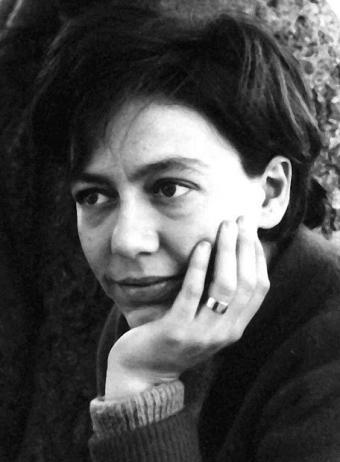
** Photo credit: Alejandra Pizarnik via Biblio Letras

December 4, 2023
“Ahora
en esta hora inocente
yo y la que fui nos sentamos
en el umbral de mi mirada.”
Con una prosa bellísima y letal, Pizarnik vuelve a ponerme de rodillas.
en esta hora inocente
yo y la que fui nos sentamos
en el umbral de mi mirada.”
Con una prosa bellísima y letal, Pizarnik vuelve a ponerme de rodillas.

Read
January 8, 2025now
at this innocent hour
the one I used to be sits with me
along my peripheral vision
at this innocent hour
the one I used to be sits with me
along my peripheral vision

October 27, 2018
Releitura em 2023:
Como explicar com palavras deste mundo que partiu um barco levando-me?
Alejandra abre feridas.
Releitura em 2022
Quando precisamos da queda, é bom ter esse tipo de poeta como guia.
Edição bilíngue, maravilhosa. A brevidade dos versos faz o poema escapar da gente na primeira leitura.
Como explicar com palavras deste mundo que partiu um barco levando-me?
Alejandra abre feridas.
Releitura em 2022
Quando precisamos da queda, é bom ter esse tipo de poeta como guia.
Edição bilíngue, maravilhosa. A brevidade dos versos faz o poema escapar da gente na primeira leitura.
March 24, 2020
Una obra brevísima, con poemas que no pasan de seis estrofas, pero dicen demasiado con tan poco. La voz de Pizarnik es clara, simple, pero honesta, abrumada, dura. Un ejercicio de sintetizar aquellos sentimientos tan profundos, dolorosos, tajantes que sentimos de una manera breve, concisa y profunda. Hay tanto que pudiera decir de estos poemas, pero esto no es un ensayo. Así que me limitaré a citar algunos de sus escritos para que hablen por si solos:
"Alguna vez
alguna vez tal vez
me iré sin quedarme
me iré como quien se va"
"He nacido tanto
y doblemente he sufrido
en la memoria de aquí y allá"
"ahora
en esta hora inocente
yo y la que fui nos sentamos
en el umbral de mi mirada"
"Alguna vez
alguna vez tal vez
me iré sin quedarme
me iré como quien se va"
"He nacido tanto
y doblemente he sufrido
en la memoria de aquí y allá"
"ahora
en esta hora inocente
yo y la que fui nos sentamos
en el umbral de mi mirada"

June 9, 2018
Dias em que uma palavra estranha se apodera de mim. Vou por esses dias sonâmbula e transparente. A bela autômata se canta, se encanta, se conta caos e coisas: ninho de fios rígidos onde me danço e me choro em meus numerosos funerais. (Ela é seu espelho incendiado, sua espera em fogueiras frias, seu elemento místico, sua fornicação de nomes crescendo sozinhos na noite pálida.)

November 19, 2021
a desconhecida no meio do caminho no meio da floresta tem medo não tem medo olha as coisas pela primeira vez pensa bastante cataloga as sensações não sabe quando ou se vai sair dali sofre aproveita
July 24, 2020
ela se desnuda no paraíso
de sua memória
ela desconhece o feroz destino
de suas visões
ela tem medo de não
saber nomear
o que não existe
de sua memória
ela desconhece o feroz destino
de suas visões
ela tem medo de não
saber nomear
o que não existe

February 15, 2021
Corto pero contundente, muero por leer su obra completa

March 2, 2025
کتاب بسیار خوبی از آلخاندرا پیثارنیک تحت عنوان «درخت دایانا» توسط خانم مهتاب رشیدیان در سال ۱۴۰۰ ترجمه شده که این کتاب گزیدهای ۱۹۵ صفحهای از هفت دفتر شعر پیثارنیکه.
کتابی هم انتشارات ناهید به نام «نامها و پیکرها» با ترجمهی شیرین کریمی در سال ۱۴۰۱ چاپ کرده که ویراستاران کتاب پویا رفویی و صالح حسینی گفته شده. کتاب مقدمهای بسیار عالی از سزار آیرا داره واقعا نباید از دست داد. این کتاب هم گزیدهای از پنج دفتر و سه بخش از اشعار پراکنده است که برای من این دو کتاب عیش مدام بودند و هستند.
کتابی هم انتشارات ناهید به نام «نامها و پیکرها» با ترجمهی شیرین کریمی در سال ۱۴۰۱ چاپ کرده که ویراستاران کتاب پویا رفویی و صالح حسینی گفته شده. کتاب مقدمهای بسیار عالی از سزار آیرا داره واقعا نباید از دست داد. این کتاب هم گزیدهای از پنج دفتر و سه بخش از اشعار پراکنده است که برای من این دو کتاب عیش مدام بودند و هستند.

November 9, 2022
Delicada y a la vez letal, Pizarnik concentra en estos versos breves una explosión a punto de ocurrir. Es uno de esos libros que lo volvés a abrir diez años después y tiene cosas nuevas para decirte.

January 15, 2024
"I have made the leap from myself to the dawn.
I have placed my body alongside the light
and sung of the sadness of the born." - Poem 1
"only thirst
silence
no encounter
beware of me, my love
beware of the silent woman in the desert
of the traveler with an emptied glass
and of her shadow's shadow" - Poem 3
Ever since reading her poem "The Awakening" (in Spanish: El Desperatar) in The FSG Book of Twentieth-Century Latin American Poetry: An Anthology, I had been curious to read more poetry by Alejandra Pizarnik (who was part of the odd, troubling trend of suicidal white women poets of the early to middle of the 20th century) and was recommended this volume. I like that this is a very straight-forward, but still high quality collection of brief poems (the best to read, but hardest to write). These poems are from relatively early in her equally-short career as her more famous work was still 3 years ahead of her. Given that I am reading this totally in-translation (without the original Spanish version) I have to trust that the translator Yvette Siegert did the best she could to keep the original meaning of the poem as one inevitably loses the wordplay that the poet had intended when translating. I don't know if I'll read more by Pizarnik, but I loved the alchemy which she uses in the lyrics of this collection.
"beyond the reach of every forbidden region
lies a mirror for our sorrowful transparency." - Poem 37
"This repentant song, standing guard behind my poems:
it belies me, it has silenced me." - Poem 38
I have placed my body alongside the light
and sung of the sadness of the born." - Poem 1
"only thirst
silence
no encounter
beware of me, my love
beware of the silent woman in the desert
of the traveler with an emptied glass
and of her shadow's shadow" - Poem 3
Ever since reading her poem "The Awakening" (in Spanish: El Desperatar) in The FSG Book of Twentieth-Century Latin American Poetry: An Anthology, I had been curious to read more poetry by Alejandra Pizarnik (who was part of the odd, troubling trend of suicidal white women poets of the early to middle of the 20th century) and was recommended this volume. I like that this is a very straight-forward, but still high quality collection of brief poems (the best to read, but hardest to write). These poems are from relatively early in her equally-short career as her more famous work was still 3 years ahead of her. Given that I am reading this totally in-translation (without the original Spanish version) I have to trust that the translator Yvette Siegert did the best she could to keep the original meaning of the poem as one inevitably loses the wordplay that the poet had intended when translating. I don't know if I'll read more by Pizarnik, but I loved the alchemy which she uses in the lyrics of this collection.
"beyond the reach of every forbidden region
lies a mirror for our sorrowful transparency." - Poem 37
"This repentant song, standing guard behind my poems:
it belies me, it has silenced me." - Poem 38

Read
May 1, 2022No se había publicado que lo había leído.
No le pongo estrellas porque no entendí :DDD
No le pongo estrellas porque no entendí :DDD

Read
August 26, 2021Quizá es un poco sacrílego decir esto, pero no logro agarrarle el gusto a la poesía de Pizarnik. O no la entiendo, no la siento o no es lo mío.

April 14, 2018
En la feria del libro de Ovalle una chica me regaló una especie de fanzine con este poemario. Lo agarré ahora y siento que me cuesta la poesía de la Pizarnik. Algunos poemas más que otros, porque hay algunos que le gritan a mi corazón y pareciera que es mi propio cuerpo sufriente el que escribe esos poemas de amor. Mi poema favorito es éste:
Salta con la camisa en llamas
de estrella en estrella,
de sombra en sombra.
Muere de muerte lejana
la que ama el viento.
Me gusta leerlo, porque me hace sentir libre. Eso siento siempre que encuentro un libro que me hace feliz.
Salta con la camisa en llamas
de estrella en estrella,
de sombra en sombra.
Muere de muerte lejana
la que ama el viento.
Me gusta leerlo, porque me hace sentir libre. Eso siento siempre que encuentro un libro que me hace feliz.

March 11, 2018
Recién releí Árbol de Diana y me sigue pareciendo una obra maestra. Ahora he reconocido la gran influencia de Pizarnik en la voz de la poesía moderna. Como señala Octavio Paz en su prólogo, el libro maneja una poética de la transparencia donde lo único visible es el corazón del lenguaje. Árbol de Diana está repleto de hallazgos y de intuiciones del mundo. Una maravilla.
Del uno al diez: D i e z.
Del uno al diez: D i e z.

October 2, 2015
I read this tiny luminous book over and over again.
you move away from the names/that spin the silence of things to threads.
you move away from the names/that spin the silence of things to threads.

March 16, 2021
“medo de não saber nomear o que não existe”. um convite ao desconhecido, um salto para dentro. ainda pensando sobre essa leitura, quero finalizar também o “o trabalho e as noites”.

March 19, 2025
Diana’s Tree
A little book, glimmering like a quarry full of diamonds. Miss Pizarnik, where have you been all my life?
9.
These fossils gleaming in the night,
these words like precious stones
in the living throat of an ossified bird,
this gorgeous green,
this searing lilac,
this heart that is nothing but mystery
30.
in that mythical winter
the dirge of wings in the rain
fingers of fog in a memory of water
37.
beyond the reach of every forbidden region
lies a mirror for our sorrowful transparency
A little book, glimmering like a quarry full of diamonds. Miss Pizarnik, where have you been all my life?
9.
These fossils gleaming in the night,
these words like precious stones
in the living throat of an ossified bird,
this gorgeous green,
this searing lilac,
this heart that is nothing but mystery
30.
in that mythical winter
the dirge of wings in the rain
fingers of fog in a memory of water
37.
beyond the reach of every forbidden region
lies a mirror for our sorrowful transparency
December 23, 2024
la manera en la que voy a devorarme cuadernillos de poesía de ella y después leer artículos académicos de romanticismo y surrealismo y poesía por puro gusto...

April 2, 2016
a nice prelude to her more comprehensive, forthcoming (and much-anticipated!)
extracting the stone of madness: poems 1962 - 1972
, alejandra pizarnik's fourth collection, diana's tree (árbol de diana y otros poemas), is a slim work of ethereal yearning, muted pleading, and resigned observation. a beautiful, if fragile, work from the argentine poet, dead by her own hand at the age of 36.
*translated from the spanish by yvette siegert (pizarnik's a musical hell and the aforementioned extracting the stone of madness), with an introduction by octavio paz
5.
for just a brief moment of living
the only one with open eyes
for just a minute of seeing
little flowers on the brain
dancing like words in a mute man's mouth
9.
these fossils gleaming in the night,
these words like precious stones
in the living throat of an ossified bird,
this gorgeous green,
this searing lilac,
this heart that is nothing but mystery.
13.
to explain with words of this world
that a ship set sail from me and took me with her.
23.
a view from the gutters
could be a vision of the world
rebellion means looking at a rose
until your eyes are turned to dust
37.
beyond the reach of every forbidden region
lies a mirror for our sorrowful transparency.
*translated from the spanish by yvette siegert (pizarnik's a musical hell and the aforementioned extracting the stone of madness), with an introduction by octavio paz

June 13, 2023
¿Cómo escribir con palabras de este mundo lo que hace Pizarnik con la poesía? Estoy atrapada en este libro, completamente devastada, delirante e hipnotizada por la sensibilidad de este arte plasmado en páginas (¿no os parece increíblemente absurdo que esto pueda hacerse?)
La introducción que hace Octavio Paz a este poemario es extraordinariamente bella.
La introducción que hace Octavio Paz a este poemario es extraordinariamente bella.

January 2, 2023
elle dit qu'elle ne sait rien de la peur de la mort de l'amour
elle dit qu'elle a peur de la mort de l'amour
elle dit que l'amour c'est la mort c'est la peur
elle dit que la mort est peur est amour
elle dit qu'elle ne sait pas
elle dit qu'elle a peur de la mort de l'amour
elle dit que l'amour c'est la mort c'est la peur
elle dit que la mort est peur est amour
elle dit qu'elle ne sait pas

November 30, 2018
una mirada desde la
alcantarilla puede ser una
visión del mundo
la rebelión consiste en mirar
una rosa hasta pulverizarse los
ojos
alcantarilla puede ser una
visión del mundo
la rebelión consiste en mirar
una rosa hasta pulverizarse los
ojos
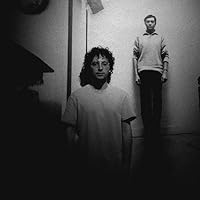
March 4, 2023
La rebelión consiste en mirar una rosa
Hasta pulverizarse los ojos
Hasta pulverizarse los ojos

Read
March 27, 2025Video review to follow
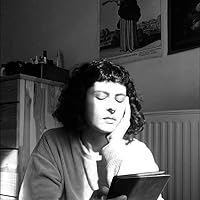
September 21, 2019
alguna vez
alguna vez tal vez
me iré sin quedarme
me iré como quien se va
alguna vez tal vez
me iré sin quedarme
me iré como quien se va

July 6, 2025
explicar con palabras de este mundo
que partió de mí un barco llevándome
que partió de mí un barco llevándome

May 27, 2026
„vysvetliť slovami tohto sveta
že zo mňa odplávala loď a vzala ma so sebou“
že zo mňa odplávala loď a vzala ma so sebou“
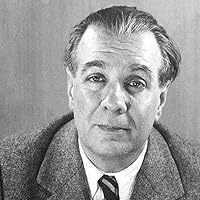
May 3, 2023
17
(...) la hermosa autómata se canta, se encanta, se cuenta casos y cosas: nidos de hilos rígidos donde me danzo y me lloro en mis numerosos funerales.
kjj a la mierda
(...) la hermosa autómata se canta, se encanta, se cuenta casos y cosas: nidos de hilos rígidos donde me danzo y me lloro en mis numerosos funerales.
kjj a la mierda
Displaying 1 - 30 of 226 reviews