

What do you think?

Die Pantherfrau: Fünf Frauen in der DDR
Ratings & Reviews
Friends & Following
Create a free account to discover what your friends think of this book!
Community Reviews
Displaying 1 - 4 of 4 reviews

December 13, 2021
schwankt andauernd zwischen sehr interessant und spannend zu wen juckt das
reinlesen lohnt aber schon vor allem das portrait ab seite 26
reinlesen lohnt aber schon vor allem das portrait ab seite 26

June 29, 2026
Sarah Kirsch interviews five ordinary women (I would like to know how they were chosen, but don't) on life and writes down what they told.
The main point of this literary experiment is, arguably, it's authenticity, and Sarah Kirsch takes care to maintain that (apparently, preserving dialectal features and idiosyncratic syntactic quirks is, in this context, not a given). She does append her own weird abrégé at the end of each story, a montage of sorts (I think she mentions that in end notes, along with Gorki's office for interviews; it is indeed impossible to move away from Soviet cultural hegemony) comprising a handful of sentences picked from the interview, some with slight variations indicating light editing, pace authenticity.
The stories told shed some private light on Germany's painful crawl from post-war devastation to Soviet occupation to socialist puppet state. The authenticity is marred by the way four of the five women spell out a Marxist testimony – whether carefully edited or not, is it not easy to tell sincerity from fear of one being explicitly recorded in GDR of the seventies (where vast numbers of people were being recorded without there knowledge, and lives were destroyed).
But insights are elsewhere, in the things the women do not want to tell but do, obliquely, editing themselves but leaving enough footage on show to see the hardships, the desperation, and the little joys. A functionary slips out of the socialist speak to tell about her affairs, her old flame, her ailments, her never reached work/life balance. It is as valuably humanistic as any Dickensm, or a Bennett's talking head.
And the last story is almost a Zoschenko; SK and the interviewee do not hold back any of it, the urban dialect of a Berlin ne'er-do-well who tumbles around East Germany's socialist industry's rough edges until she finds a decent job, love, classical music and some creative outlet, and says "there isn't a person who's happier than me." And even if one suspects she migh be susceptible to the toxic fumes of a cassette recorder, the story survives.
The main point of this literary experiment is, arguably, it's authenticity, and Sarah Kirsch takes care to maintain that (apparently, preserving dialectal features and idiosyncratic syntactic quirks is, in this context, not a given). She does append her own weird abrégé at the end of each story, a montage of sorts (I think she mentions that in end notes, along with Gorki's office for interviews; it is indeed impossible to move away from Soviet cultural hegemony) comprising a handful of sentences picked from the interview, some with slight variations indicating light editing, pace authenticity.
The stories told shed some private light on Germany's painful crawl from post-war devastation to Soviet occupation to socialist puppet state. The authenticity is marred by the way four of the five women spell out a Marxist testimony – whether carefully edited or not, is it not easy to tell sincerity from fear of one being explicitly recorded in GDR of the seventies (where vast numbers of people were being recorded without there knowledge, and lives were destroyed).
But insights are elsewhere, in the things the women do not want to tell but do, obliquely, editing themselves but leaving enough footage on show to see the hardships, the desperation, and the little joys. A functionary slips out of the socialist speak to tell about her affairs, her old flame, her ailments, her never reached work/life balance. It is as valuably humanistic as any Dickensm, or a Bennett's talking head.
And the last story is almost a Zoschenko; SK and the interviewee do not hold back any of it, the urban dialect of a Berlin ne'er-do-well who tumbles around East Germany's socialist industry's rough edges until she finds a decent job, love, classical music and some creative outlet, and says "there isn't a person who's happier than me." And even if one suspects she migh be susceptible to the toxic fumes of a cassette recorder, the story survives.
January 25, 2014
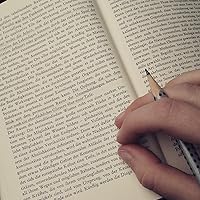
1973 erschien das Buch "Die Pantherfrau: Fünf Frauen in der DDR", in dem Sarah Kirsch auf 119 Seiten die bearbeiteten Protokolle veröffentlicht, in denen fünf Frauen über ihr Leben erzählen: eine Dompteurin, eine Kaderleiterin am Theater, eine Abgeordnete in der Baugestaltung, eine betriebsleitende Ökonomin und eine Arbeiterin in der Justierung.
Die Überschriften der einzelnen Texte (z. B. "Bewegte Jahre" oder "Eine Badewanne voll Schlagsahne") lassen dabei kaum auf deren Inhalt schließen. Sicherlich werden einige Vorurteile beim Lesen vermieden, wenn man vorher weder Name, Alter, Familien- oder Berufsstand kennt. Allerdings ist mir dadurch die Orientierung sowohl zwischen den einzelnen Texten als auch innerhalb der Erzählungen wesentlich schwerer gefallen.
Alles in allem wirken die Porträts der Frauen außerdem recht oberflächlich, vor allem verglichen mit Maxie Wanders "Guten Morgen, du Schöne" von 1977 kann das Büchlein an Tiefe nicht mithalten. Die Frauen erzählen hauptsächlich von ihrem biographischen und beruflichen Werdegang, in sehr konsistenter Form, die nur selten Widersprüche, Hindernisse oder Konflikte aufblitzen lässt. Wirklich persönliche Gedanken und Gefühle stehen nicht im Fokus.
Interessant waren die Beschreibungen der Berufe aber trotzdem unter dem Gesichtspunkt, dass sie zum Teil doch sehr DDR-spezifisch waren. Außerdem hat mir gefallen, dass Kirsch hinter jeder Erzählung noch einmal die prägnantesten Sätze des Protokolls zu einem kleinen zusammenfassenden Absatz kombiniert. Diese waren für mich nicht nur sprachlich die Höhepunkte des Buches.
Die Überschriften der einzelnen Texte (z. B. "Bewegte Jahre" oder "Eine Badewanne voll Schlagsahne") lassen dabei kaum auf deren Inhalt schließen. Sicherlich werden einige Vorurteile beim Lesen vermieden, wenn man vorher weder Name, Alter, Familien- oder Berufsstand kennt. Allerdings ist mir dadurch die Orientierung sowohl zwischen den einzelnen Texten als auch innerhalb der Erzählungen wesentlich schwerer gefallen.
Alles in allem wirken die Porträts der Frauen außerdem recht oberflächlich, vor allem verglichen mit Maxie Wanders "Guten Morgen, du Schöne" von 1977 kann das Büchlein an Tiefe nicht mithalten. Die Frauen erzählen hauptsächlich von ihrem biographischen und beruflichen Werdegang, in sehr konsistenter Form, die nur selten Widersprüche, Hindernisse oder Konflikte aufblitzen lässt. Wirklich persönliche Gedanken und Gefühle stehen nicht im Fokus.
Interessant waren die Beschreibungen der Berufe aber trotzdem unter dem Gesichtspunkt, dass sie zum Teil doch sehr DDR-spezifisch waren. Außerdem hat mir gefallen, dass Kirsch hinter jeder Erzählung noch einmal die prägnantesten Sätze des Protokolls zu einem kleinen zusammenfassenden Absatz kombiniert. Diese waren für mich nicht nur sprachlich die Höhepunkte des Buches.

February 9, 2012
Die PAntherfrau besteht aus mehreren Frauenportraits, die von der Autorin kurz vor ihrer Üvbersiedlung in die BRD per Tonbandaufnahme aufgenommen wurden.
Publiziert in der BRD; zeigen sie die Lebensrealität von 4 Frauen, alten und jungen, in den letzten 40-50 Jahren in Deutschland und ab 1949 in der DDR.
Ein offenes, reales, persönliches Buch, das zeigt wie es war, wenn Träume vom Sozialismus wahr werden, groß werden, wanken und/oder sich in der Beliebigkeit verlieren.
Publiziert in der BRD; zeigen sie die Lebensrealität von 4 Frauen, alten und jungen, in den letzten 40-50 Jahren in Deutschland und ab 1949 in der DDR.
Ein offenes, reales, persönliches Buch, das zeigt wie es war, wenn Träume vom Sozialismus wahr werden, groß werden, wanken und/oder sich in der Beliebigkeit verlieren.
Displaying 1 - 4 of 4 reviews