Jump to ratings and reviews
Rate this book

Where Tigers Are at Home

Rate this book
Winner of the Prix Médicis, this multifaceted literary novel follows the Jesuit scholar Athanasius Kircher across 17th century Europe and Eleazard von Wogau, a retired French correspondent, through modern Brazil.
 
When Eleazard begins editing a strange, unpublished biography of Kircher, the rest of his life seems to begin unraveling—his ex-wife goes on a dangerous geological expedition to Mato Grosso; his daughter abandons school to travel with her young professor and her lesbian lover to an indigenous beach town, where the trio use drugs and form interdependent sexual relationships; and Eleazard himself starts losing his sanity, escalated by loneliness, and his work on the biography. Patterns begin to emerge from these interwoven narratives, which develop toward a mesmerizing climax.
 
Shortlisted for the Goncourt Prize and the European Book Award, and already translated into 14 languages, Where Tigers Are At Home is large-scale epic, at once literary and entertaining, that belongs in the company of Umberto Eco and Haruki Murakami.

832 pages, Hardcover

First published January 1, 2008

55 people are currently reading
1123 people want to read

About the author

Jean-Marie Blas de Roblès

26 books31 followers
Jean-Marie Blas de Roblès is a French writer, poet, philosopher and archaeologist. In 2008 he won the Prix Médicis for his novel "Là où les tigres sont chez eux".
Born in 1954 in Sidi Bel Abbes, he repatriated to France with his parents after the independence of Algeria, he spent his adolescence in Provence, in the Var. He then studied philosophy at the Sorbonne and history at the College de France.
After graduating, he taught French literature in Brazil (1981-1982), China (1983-1984) and then in Sicily, and Taiwan.
From 1986 he became a member of the French Archaeological Mission in Libya and participates each summer for underwater excavations of Apollonia of Cyrene, Leptis Magna and Sabratha in Tripoli.
Since 1996, he devoted himself exclusively to writing.

Ratings & Reviews

What do you think?
Rate this book

Friends & Following

Create a free account to discover what your friends think of this book!

Community Reviews

5 stars
164 (25%)
4 stars
241 (37%)
3 stars
146 (22%)
2 stars
51 (7%)
1 star
36 (5%)
Displaying 1 - 30 of 82 reviews
Profile Image for Vit Babenco.
1,776 reviews5,720 followers
September 5, 2022
What would you make of the novel that begins like this?
“Man’s swelling his pointed dick! Squaaawk! Man’s swelling his pointed dick!” Heidegger’s harsh, nasal, drunken-sounding voice echoed around the room.

No need to worry… Martin Heidegger didn’t go mad similar to Friedrich Nietzsche.
Where Tigers Are at Home follows four interrelated lines – sardonically mythologized biography of polymath Athanasius Kircher, historical researches by French correspondent Eleazard von Wogau who reads the biographical manuscript, paleontological journey of his estranged wife into the heart of Brazilian jungles and flippant escapades of his student daughter – zigzagging between Umberto Eco, Jorge Luis Borges and …Jules Verne, boasting, at the same time, lush colouring of its own.
Blotchy-faced apes, irritating females with flabby arms, décolletés marked with liver spots; out-of-breath divers only deigning to plunge into the night out of physiological necessity, for a breath of fresh air, and manifestly concerned to return to the glories of the center of the fazenda as quickly as possible; wizened corpses of first communicants, mummies in christening dresses, a velvety nightmare from a painting by Goya… It was crazy to be out here, in the middle of the Sertão, in the ostentatious, antiquated luxury of this grotesque house of the dead!

In this way Jean-Marie Blas de Roblès depicts the party of beautiful people… And with equal mastery he portrays all the strata of society.
Great role throughout the entire narration plays the use of various psychotropic substances starting with alcohol and ending with some exotic ones…
The eighth and last ancestor was the priest. And he came out of the water with his book in his hand, and he was as sterile as a castrated pig. So the Creator commanded him to stay with the Whites, and that is why we knew nothing of the existence of the priests until they came with you from the East.

But religion and propaganda are no less psychotropic than drugs and they have been distorting human consciousness since the ancient times.
Profile Image for Jonfaith.
2,138 reviews1,739 followers
March 19, 2013
Where does one begin? The sweeping scale of Where Tigers Are At Home is crushing to behold. But wait, I don't want to lose my focus. The experience was mine, why this was a victory for me, jon faith. I haven't felt this geyser of love for a book in a while. It wasn't a keen appreciation or anything sophisticated or technical. It simply was a joy, the way that Mason and Dixon and Three Trapped Tigers glowed in my 20s. I've noticed that I am drawn to the reviews of books which I love or harbor a certain desire towards. Within this tangle of the personal, there is an amazing novel. One which unfortunately pulls up lame as it ignores its three "contemporary" plotlines in deference to the nominal biography of 17th Century polymath Athanasius Kircher. J.M. Blas De Robles handles the situation with verve, keeping a deep control for the tone of his time period, much as John Banville accomplishes in his Kepler and Doktor Copernicus. Yet somehow the novel suffers. Too much of the other narrative arcs are left unresolved. The plot devices employed are themselves unsatisfactory, but alas. I was adrift in bliss for 500 pages.

P.S. But what does it all mean? No, for once I'm not waxing existential, I'm referring to the novel. For starters, Brazil is a vast nation, populated by immense numbers of the poor. Its interior is also a primordial wilderness where tribes may wander, yet contmainated by our decadence. Officials are often brutal and corrupt. Drugs can be transportive. Or they can just fuck up your life. Oh and Queen Christina of Sweden did some wonky things 350 years ago.
Profile Image for سارة سمير .
785 reviews527 followers
February 9, 2023
في البداية كدا حابة احكي قصتي من الرواية دي
اشتريت بالغلط الجزء التاني بس من فرع الهيئة العقيم وطبعا لا رضيوا ياخدوه تاني ولا رضيوا يوفروا الجزء الاول حتى
اضطريت استنى وقت طويل لحد اما جه النصيب وروحت معرض الكتاب والحمد لله بعد جدال طويل معاهم هناك رضيوا آخد الجزء الاول بس من غير التاني

وبعد المعافرة دي كلها بقول ياريتني ما جبت الاول ولا التاني ولا وجعت دماغي بقرائتها

الرواية مش وحشة ومش حلوة واحترت في التقييم جدا بعد اما خلصتها ومازلت محتارة لحد دلوقتي
هي مش سيئة بشكل كبير بما ان فيها معلومات تاريخية واكتشافات حقيقية وفيها بعض الحقيقة بما ان اللي اتكتبت مخطوطته في الرواية لاثانازيوس كيرتشر كله حقيقي باسلوب روائي
وفي نفس الوقت بعض الابطال كان وجودهم بيعمل احداث في الرواية

لكن للأسف للأسف للأسف مرة تالتة الرواية تحتوي على مشاهد بالهبل وتفصيلية ومثلية وعلاقات مريبة وحرية زيادة عن اللزوم
طبعا انا فاهمة كلام البعض ان دا كاتب اجنبي ومجتمعه وكدا والكلام اللي بنبرر بيه كل حاجة غلط
لكن انا بختلف جدا في النقطة دي .. الادب المفروض هدفه اسمى من كدا دايما وعرضه لمواقف او افكار تكون بحيادية بدون ما الكاتب يفرض عليا ان دا عادي وتقبلوه غصب عنكم ودا فكري ودا ديني ودا مجتمعي

لكن في كل الاحوال كانت تجربة تقيلة على قلبي شوية بس عدت وهتاخد 3 نجوم على المجهود فيها مجهودي ومجهود الكاتب بالمرة كمان

شكرا لصديقاتي اميرة ناصف ويمنى فتحي على المشاركة الوجدانية بما انهم عطلانين فيها بسبب سخافتها بقالهم مدة طويلة اوي 😂💖
Profile Image for سارة سمير .
785 reviews527 followers
February 18, 2023
واخيراااا خلصت الرواية الطويلة من 1300 صفحة فيها ملل كبير ومشاهد خارجة للأسف كتير
الكاتب قدم لنا صورة للبرازيل في اسوأ صورة ممكنة
برازيل لا اخلاقية وخربة ووثنية وفقيرة

علاقات محرمة كثيرة وافكار منحرفة اكثر بكثير
يعبدوا اي حاجة حرفيا وكل حاجة الا الله
آلهة لكل حاجة وعبادات وصلوات وطقوس وثنية مريبة
عري وفسق وخمور والكثير والكثير من المخدرات

حكومة بلا ضمير وشعب بلا اخلاق ودولة فاسدة من كل ناحية
ما كنتش متخيلة ان الحال وصل للسوء دا هناك وافترض ان حاليا اسوأ واسوأ

حكاية كيرتشر بتتخلص في النص
هو شخصية حقيقية والبطل إليازار كان مطلوب منه يكتب عنه عن طريق مخطوطة مكتوبة لشخص اسمه كاسبار وهو التلميذ والمساعد لكيرتشر

بعض الاحداث كان مشوق وبنتنقل بين الاحداث في اماكن مختلفة وازمنة كمان سواء من تاريخ الابطال او نرجع مئات السنين لحكاية كيرتشر واكتشافاته وتلميذة كاسبار

ما توقعتش ان الكاتب هيقفل كل الهري دا بالطريقة دي الحقيقة ودي قفلتني شوية والا كان الجزء دا هياخد نجوم اكتر بما انه مشوق اكتر من الجزء الاول بكتير
لكن في كل الاحوال في نجمة زيادة كالعادة لمجهودي انا الشخصي بما ان طلعت عينيا على ما خلصت 😂
Profile Image for Nathan "N.R." Gaddis.
1,342 reviews1,647 followers
Read
March 10, 2015
You can put your snob in a drawer for this one. Its eight hundred pages and its encyclopedic self are more in line with Umberto Eco or Neal Stephenson than its lovely title, Where Tigers are at Home (taken from Goethe), would lead one to suspect. I was looking for something more in colleagueship with a Bolaño or a DeLillo, even if a Gaddis or Vollmann were too much to ask.

Goethe is of course name checked. So too is Eco. And Borges makes a natural appearance in a novel set in Brazil. Flaubert is here -- naturally in his Bouvard and Pecuchet mode, which is what I think ‘Flaubert’ ought always mean on first glance --; our seventeenth century hero, Athanasius Kircher, may nearly serve as B&P’s progenitor. Kircher being the last great gasp of an ancient science which was seeing itself put to sleep by the rising Cartesianisms. And he knew everything from China to Egypt.

Of the several narrative strands, all of which are developed from the beginning in unity with the others (and some say the pace is a bit slow in the getting-going), all except Kircher’s play out in Brazil. There’s an archeological adventure into the rain forest to find some old sea shells or something ; and things go wrong. There’s some political intrigue. Some love interest. There’s some nativism. There’s scholarship. A joke about Heidegger. But the dominate thread is probably Kircher’s which takes the form of a bio- hagio- graphy written up by Kircher’s lifelong friend and disciple. Those were some crazy times!

But honest, it’s a page turner. I mean, it doesn’t stand behind you with a whip demanding the constant increase in rate of page turning. Those kinds of books are easily forgotten. But you will find yourself reading it in about four days. A breeze!

Which of course is part of the reason it ends up a bit further down the typical ranking system. The problem is not with the prose, which is pretty easy, but not that surface simplicity which you don’t at all notice, but nor is the prose that golden gassian jet=airliner flying through the clouds. Also, some of the dialogue clunks, which is inevitable whenever quotation marks are employed.

No, what I had to adjust to and simply swallow was the narrative point of view chosen, which is far too wide, too omniscient, to create a crushingly rigid work of art. Too much is known. Some constraint here is needed. Or more needs to be made of it. Like the handful of moments when the mind of the native chief was presented directly. More of this indirect discourse; more ambiguity. And, odd thing, if this narrative point of view constraint were tightened, the novel itself would be tightened, and those two hundred pages all the kids want to have cut, would just disappear.

Some might identify my ‘criticism’ described above as a problem of ‘telling’ instead of ‘showing.‘ The workshop privileging of ‘showing’ has got to stop. It’s a false choice. And novelistically, choosing to tell is just a good an option as choosing to ‘show.‘ Just do it well. We have far too many books ‘showing’ in an inept manner ; perhaps our novel=writers workshopping themselves ought also to learn how to tell well.

In sum ; an intelligently entertaining romp. No new ground broken. Also, this is the author’s only novel trans’d into English. Worth your while.


ps if anyone can tell me on which page Kircher’s poem “The Idolator” appears, I’d say “thank you!”.
Profile Image for Melina.
282 reviews
June 10, 2020
Ένα πολύ ωραίο αλλά και πολύ περίεργο βιβλίο που συνδυάζει τη σύγχρονη Βραζιλία με έναν Ιησουίτη του 17ου αιώνα. Κάπου στη δεκαετία του '90, στα χέρια του Ελεάζαρ φον Βογκάου, ενός γαλλογερμανού ανταποκριτή που ζει εδώ και χρόνια σε μια παρηκμασμενη γωνιά της Βραζιλίας έρχεται ένα χειρόγραφο. Πρόκειται για νέο εύρημα κάποιας ευρωπαϊκής βιβλιοθήκης, μια βιογραφία του αμφιλεγόμενου Ιησουίτη καλόγερου Αθανασίου Κιρχερ από τον αγαπημένο του μαθητή Κασπαρ Σοτ και καταλήγει στα χέρια του πρωταγωνιστή εξαιτίας μιας παλιάς εμμονής του με τον Κιρχερ. Κάθε κεφάλαιο του βιβλίου ξεκινάει με ένα απόσπασμα της μετάφρασης αυτού του έργου και τελειώνει με τις σημειώσεις του Ελ��άζαρ. Στο ενδιάμεσο παρακολουθούμε 5 πρόσωπα. Τον ίδιο και τον έρωτά του για τη μυστηριώδη Ιταλίδα Λορεντάνα. Τις περιπέτειες της πρώην γυναίκας του Ελάινε, μιας βραζιλιάνας παλαιοντολόγου που συμμετέχει σε μια αποστολή στη ζούγκλα για να βρει απολιθώματα, τη ζωή της φοιτήτριας κόρης του που περνάει τις μέρες της χαμένη στο αλκοόλ και τα ναρκωτικά, έναν διεφθαρμένο πολιτικό και τέλος έναν νεαρό ζητιανο χωρίς πόδια από τις φαβελες. Η ζωή του Κιρχερ ενός ανθρώπου που καταπιάστηκε με όλες σχεδόν τις επιστήμες της εποχής του φτάνοντας σε τελείως λανθασμένα συμπεράσματα είναι συναρπαστική. Εξίσου ενδιαφέρουσες είναι και οι σύγχρονες ιστορίες και η εικόνα της Βραζιλίας που παρουσιάζουν, μιας χώρας που συνδυάζει χριστιανισμό και παγανισμό, παρθένα ζούγκλα και τεράστια διαφθορά, αποικιακο παρελθόν και απόλυτη φτώχεια, μια χώρα κατοικημένη από ένα μίγμα από απογόνους αποικων, σκλαβων και εκατοντάδων ιθαγενών φυλών. Το μυθιστόρημα είναι πολύ καλογραμμένο αν και κάπως άνισο, ο συγγραφέας παρακολουθεί τους πρωταγωνιστές του μέχρι μια κρίσιμη στιγμή και τους εγκαταλείπει εκεί, πρόσωπα όπως η Λορεντάνα έρχονται και φεύγουν χωρίς κανένα ουσιαστικό λόγο. Σκέφτεσαι ότι θα μπορούσες να διαβάζεις δύο διαφορετικά βιβλία αν και φυσικά θα χανοταν όλη η ιδιαιτεροτητα του βιβλίου έτσι και η σύνδεση στο τέλος του Κιρχερ με το σήμερα αν και τραβηγμένη είναι έξυπνη. Το σίγουρο είναι ότι στις 700 σελίδες του δεν βαριέσαι ούτε στιγμή.
Profile Image for Xenia Germeni.
338 reviews43 followers
August 27, 2017
Αναγνωστικό και συγγραφικό επίτευγμα/κατόρθωμα! Προσωπικά έκανα πολλές απιστίες στο βιβλίο όχι γιατι δεν μου άρεσε, αλλά γιατί με τρόμαζαν οι λέξεις και οι περιγραφές και από την άλλη μου δημιουργούσαν μια ανατριχίλα/υπερδιέργεση νοητική και σωματική. Πολυεπίπεδο σε τόπο και χρόνο είναι ένα απαιτητικό ανάγνωσμα που μάλλον απευθύνεται σε "εκπαιδευμένους" αναγνώστες, καθώς τα γεγονότα, οι χρονολογίες, η Ιστορία και η Φιλοσοφία, εναλλάσσονται διαδοχικά από μια ακολουθία γεγονότων τα οποία εξελίσσονται στην Βραζιλία. Η βία του χθες δεν διαφέρει με τη βια του σημερα, η διαφθορά, το ψέμα και η αναγκη να πιστέψουν όλοι σε κάτι μοναδικό και απατηλό. Οι ιστορίες της Ελάινε, του Ελεάζαρ, της Μοέμα, του Μάουρο, του Νέλσον, του Ζε μπλέκονται μέσα στον κόσμο του 17ου αιώνα, στον κόσμο ενός μοναχού (Αθανάσιος Κίρχερ). Ο κόσμος του Κιρχερ -που είναι ο ανθρωπος λιγο από όλα (λιγο αληθινος, λιγο ψευτης, λιγο επιστημων) δεν διαφέρει απο τον τρελο και παραξενο κοσμο της Βραζιλιας και των ηρώων. Οι περιγραφες της Βραζιλιας ειναι μεγαλειώδεις και ανατριχιαστικές, όπως και ο ξεφρενος κόσμος των ναρκωτικών. Εναν σκεφτειτε να το συγκρίνετε με άλλα βιβλια -όπως αυθαίρετα δοκίμασα να κάνω και εγω- μάλλον θα βγείτε χαμένοι. Αφήστε να σας παρασύρει το ίδιο το βιβλίο μέσα στο δικό του χωροχρόνο, και αφεθείτε στη μαγεια του.
Profile Image for είναι η θεία Κούλα.
153 reviews80 followers
January 6, 2018
Τρισμέγιστο, αριστουργηματικό, αξέχαστο. Ευτυχισμένες ώρες αναγνωστικής ηδονής. Μακάρι να είχε 50000 σελίδες. Ένα από τα καλύτερα μυθιστορήματα που έχω διαβάσει ως τώρα. Φοβάμαι να πω το καλύτερο μην πέσει το ράφι του Ντοστογιέφσκι και με πλακώσει. Όχι δεν θυμίζει Ντοστογιέφσκι. Έχει βέβαια πολλές επιρροές από πολλούς, μα κι αυτό υπέρ του είναι, καταπώς συνάδει με τα λογοτεχνικά μου γούστα. Ένα ρεαλιστικό ηθογράφημα βαθύτατα φιλοσοφικό, με έντονα ιστορικά, ανθρωπολογικά, κοινωνιολογικά και εγκυκλοπαιδικά στοιχεία, με καταιγιστική γραφή, πολυφωνικό, περιπετειώδες, ερωτικό, αναρχικό, και με θαυμαστή συνοχή, κεντημένο!… Δύσκολο να συνοψιστεί σε μια παράγραφο αυτό το καλειδοσκοπικό δημιούργημα του Μπλας ντε Ρομπλές – ποιος είναι αυτός ο εξηντάρης μυθιστοριογράφος; Πώς προέκυψε έτσι ξαφνικά και σφοδρά στη βιβλιοθήκη μου; Πού ήταν τόσα χρόνια;
Profile Image for Liviu.
2,517 reviews705 followers
November 5, 2012
an interesting book; not sure when will finish but it is quite compelling so far; US publication next year, UK or Romanian editions available now

Where Tigers Are at Home by JM Blas de Robles - this is a book that deserves all the accolades and prizes it got as it will be hard to find a better book next year when it is published in the US; on the other hand it is not really sff, though its collection of oddities and strangeness are more sffnal than many genre books, while its structure will not appeal to completist fans who want every t crossed and i dotted; hypnotic, mesmerizing and a masterpiece of world literature

I plan to have a full review soon so a few points:

- the narration has 6 strands; 5 that take place in contemporary Brazil and follow the fates of an intertwined group of people - the "middle class" von Wogau family and the various people connected with them, the rich Moreira and retainers, the poor and disabled Nelson and his "uncle" Ze - and the 6th that follows Father Athanasius Kircher life and deeds as told by faithful secretary Caspar Schott in the turbulent 17th century; this last thread is almost as big as the other 5

French news correspondent and independent scholar Eleazard von Wogau is going through a painful divorce with archaeologist Brazilian wife Elaine and has moved to Alcantara, a decrepit provincial town where he is sent by his editors to prepare for publication and annotate, this incredible discovery, an original manuscript from the 17th century purporting to tell the life of Father Kirchner.

His student daughter Moema chooses to stay away from both parents and start college in Fortaleza, away from them, while indulging in drugs, a same sex relationship with roommate Thais and flings with various boys and men, most notable being visiting French lecturer Roetgen whom she takes on a trip to an isolated beach village

Elaine - a professor at the University of Brazilia - is going on a jungle archaeology trip of a lifetime with a few colleagues, including star paleo-zoologist Dietlev who is her current on and off lover and the just minted geology PhD Mauro, son of rich Maranhao governor Moreira who is corrupt and involved in very shady stuff as most of his money actually comes from his Countess wife Carlotta and he only administers it in her name...

In the Fortaleza Favela de Pirambu, 15 year old "reduced" Nelson is scrapping a begging and occasional thievery life and dreaming of famed outlaw Lampiao and of better things, while squirreling money to buy his dream wheelchair - Nelson has no legs from birth - while being helped/tutored by truck driver, "uncle" Ze

All these tales intertwine and get associated with the life and times of Father Kircher who was in some ways the last polymath of the pre-scientific world and who wrote tons of books on everything and more, collecting all the oddities known at the time and as he insisted of filtering everything trough the Jesuit teachings, being generally wrong in everything in the sense that Aristotle is wrong in his science etc

Again a superb book that just rolls after the first 50-100 pages where we get acquainted with what is what
Profile Image for Edith.
488 reviews68 followers
February 10, 2009
J'ai fini la lecture juste avant de me coucher hier et je suis encore en train de digérer la fin.
C'est excellent. J'adore les romans à plusieurs voix. Des voix uniques au début et qui en viennent à faire une chorale. Et le refrain étant Athanase Kircher.
On sent la jungle à travers le livre. J'avais vraiment l'impression d'y être. (Fallait le faire quand même quand je lisais ça avec un -20C dehors.)
Superbe couverture. Imprimé avec deux polices de caractères peu communes. C'est vraiment un bel objet...en plus d'un excellent livre.

Profile Image for Ellen   IJzerman (Prowisorio).
465 reviews40 followers
August 24, 2015
Een waanzinnig leesfeest. Anders kan ik dit boek niet omschrijven. Waar de tijgers thuis zijn neemt je mee naar het hedendaagse Brazilië. Naar het langs de kust gelegen Alcântara, mooi van vergane glorie, naar Fortaleza met zijn stranden, nachtclubs en sloppenwijken en naar het regenwoud van Mato Grasso. En tussendoor neemt een Jezuïtische pater je aan de hand mee op een tijdreis door het Duitsland en Italië van de 16de en 17de eeuw.

In Alcântara woont Eléazard von Wogau, sinds een half jaar gescheiden van zijn vrouw Elaine. Zij woont sindsdien in Brasilia, maar is zojuist vertrokken is naar de jungle van Mato Grasso om deel uit te gaan maken van een expeditie op zoek naar fossielen. Hun dochter Moéma woont en 'studeert' in Fortaleza, omdat ze noch bij haar vader noch bij haar moeder wilde blijven. Het is via Eléazard, dat je kennis maakt met de Jezuïtische pater Athanasius Kircher. Eléazard is namelijk gevraagd om een net boven water gekomen biografie van het Frans naar het Duits te vertalen en daar een toelichting bij te schrijven.

In Waar de tijgers thuis zijn worden de lotgevallen van Eléazard, Elaine, Moéma en Athanasius Kircher gevolgd, waardoor er een verhaal van verhalen in verhalen ontstaat. Wat dat betreft doet het een beetje denken aan Het leven een gebruiksaanwijzing van Georges Perec, waar een een vleugje Umberto Eco door geschreven is, opgepept met hier en daar wat Dan Brown. Alles bij elkaar, met alle die verhalen die elkaar ook nog raken, zou dit een ingewikkeld, tamelijk onleesbaar boek hebben kunnen opleveren, maar dat is absoluut niet aan de orde. De belevenissen van de diverse hoofdpersonen zijn duidelijk gescheiden.
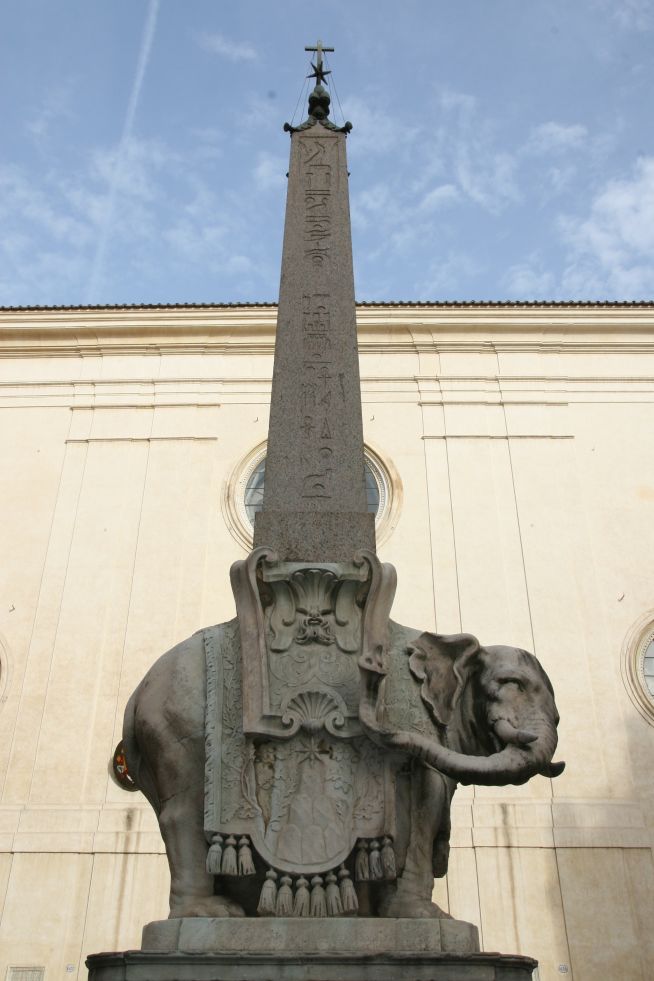
Door de lotgevallen van de personages te volgen, geniet je op het ene moment van de Forrómuziek, dan dwaal je met verwondering door Villa Palagonia, om vervolgens een Omulu-rite bij te wonen, via touwtjesliteratuur het verhaal van de 'held' Lampiâo te vernemen, om vervolgens een vuurspuwende Etna te beklimmen, dan weer naar opus 26 van Stravinsky te luisteren, om er daarna achter te komen dat Bernini's fontein op het Piazza della Minerva uit de Hypnerotomachia is gekopieerd (zie pagina 38), het feest van Yemanjá bij te wonen.

In het begin stuitte het taalgebruik mij zo nu en dan tegen borst: 'mijn reputatie zal me al heel lang een worst zijn'; Eléazard die bedenkt dat Loredana 'hem nog nooit zo aantrekkelijk had geleken' tijdens hun eerste ontmoeting; de afschuwelijke uitdrukking 'zeg maar' die door Brazilianen (?!) wordt gebruikt. Het doet in dat deel van het boek ook regelmatig wat gezwollen aan, met lange zinnen die in een enkel geval ook niet lopen. Maar deze (uiteindelijk kleine) ergernissen verdwijnen verderop in het boek. Wat dan overblijft is dat al eerder genoemde waanzinnige leesfeest. Uiteindelijk kun je er echt niet meer omheen en moet je bekennen dat Kircher's motto in uno omnia (dankjewel Brixy) door Blas de Roblés perfect is gebruikt in deze roman. Een boek om te herlezen en dan te ontdekken dat er nog veel meer in is verstopt. Bij die herlezing hoop ik dan de aanwijzingen te ontdekken die me helpen om het muziekstuk genaamd 'opus 26', gecomponeerd door Stravinsky (??) te achterhalen. Ik weet helemaal niet of het zo bedoeld is door Blas de Roblés, maar dat 'mysterie' zou ik nog graag willen oplossen.
Profile Image for Didier Vanoverbeke.
82 reviews12 followers
January 12, 2014
This was my first run-in with Blas de Roblès, after having read many a positive critique of the book. I am given to understand that this man has been a writer since the early '80s, so I have no earthly clue how this novel compares to his earlier work.

Tigers, in essence, links two storylines and frames them next to each other along 32 chapters and a very satisfying epilogue. On the one hand, we are presented with the story of Athanasius Kircher, a German jesuit polymath / con man, depending on your interpretation, as related by his biographer, Caspar Schott. The story seemingly has no omissions, though it sometimes uses rather ham-fisted tricks of suspense to devide the story into chunks along with the actual book's chapters. It is a story with a narrator who is clearly unreliable, in the way it portrays Kircher as a figure of boundless intelligence and wit, even if his attitude may prove slightly mercurial at times. It is quite similar to what Umberto Eco has produced, as the feeling of being dragged along in a clearly compromised narrative is hard to shake (and is, in fact, part of its charm). Kircher heaps invention upon invention, yet never seems able to take credit outside of his immediate sphere of influence. He deciphers the hieroglyphs, even though people seem to doubt him at every turn (this is something the historical Kircher did lay claim to, though later scholars proved his method, and thus his interpretations, to be faulty). Caspar usually stands idly by, or is thrust into the role of bumbling servant to Kircher's mad schemes.

The second half of each chapter is dedicated to a more scattered narrative focusing on a multitude of characters, mostly located in Brazil's Nordeste region. On the one hand, we have Eléazard, a French expat / sometimes journalist who is working on his own reappraisalof Kircher, using the Schott narrative. He is recently divorced, lives (more or less) by himself (there is Soledade, ex-maid from a previous household, and Heidegger the potty-mouthed parrot), rather dispondent at the lack of progress in his work. There's his daughter, Moéma, who seems to swing between euphoric love and the emotional abyss as she seeks flight in drugs and free love. There is Elaine, formerly married to Eléazard and getting ready to look for new fossil records in the border region between Brazil and Paraguay. We get a glimpse of the horror (and the poetry) of the favelas through Nelson and Zé, as they each try to scrape by in their own way. All these and more comprise a whirlwind narrative that, even with all the pages yet to turn, seems to be racing toward a resounding climax.

Certainly, Blas de Roblès knows how to grab the reader by the scruff of the neck. Brazil in the early 1980s is depicted as a decidedly brutal place, probably reflecting Blas de Roblès' own impressions. A society stretched by stratification to its absolute breaking point, where sometiems the only way out of the cycle of violence seems to be depravity and violence itself. Perhaps herein lies the only real issue I have with Tigers; not that it is inherently false in its depiction, but in how it sometimes feels laid on rather thick, especially when we get introduced to Brazil's native American population. While some of the depictions are forgiveable since they clearly gush forth from the characters themselves, this is not always clear, and the depiction of Native American culture can seem heavy-handed and - dare I say it - anthropologically suspect. And then there's the obligatory fled Nazi war criminal turned cocaine traficker.

If you're willing to forgive the novel its extravagant and sometimes stereotypical characters, there is plenty to keep you reading. From the different registers employed, to the discussions on historical truth, the brutality, the allure, the emotional trauma; it's all here, tickling all the pleasure centers. Whiel this is a long novel, I found myself absolutely hooked once I got about 6 chapters in, and finished the final 20 chapters in an absolute sprint. This approaches some of the best high-brow suspense I've experienced in a long while.
Profile Image for Paul Fulcher.
Author 2 books1,937 followers
June 15, 2014
I came to this book as several respected bloggers (including one of the judges) highlighted it as the most glaring omission from the Best Translated Book Award 2014, where it didn't even make the long-list. Having read it, I share their surprise - it's certainly deserves a place as one of the top translated books published last year.

When Tigers Are At Home is centered around the figure of Athanasius Kircher, a real-life 17th century scholar.

One part set in the (near) present say tells the story of Eleazard von Wogau, a French foreign correspond, but also Kircher expert, living in a relatively isolated part of Brazil and of various people connected with him.

Von Wogau has been tasked with editing a recently discovered manuscript, containing a previously unpublished biography of Kircher written by a contemporary who was Kircher's assistant.

When Tigers are at Home also contains, in interspersed chapters, the complete text of this (fictional) biography.

The real-life Athanasius Kircher was a fascinating figure, the last of the great polymaths, and as Von Wogau explains:

"He wrote about absolutely everything, claiming each time and on each subject to have the total sum of knowledge. That was fairly standard at the time, but what fascinates me about him - and I'm talking about a man who was a contemporary of people like Leibniz, Galileo,Huygens and was much more famous than them - is that he was entirely wrong about everything."

Most famously Kircher claimed to have deciphered Egyptian hieroglyphics - claiming them not to be a language of letters but rather ideograms, arcane symbols for detailed theological concepts. It took the discovery of the Rosetta stone over one hundred years later for his assertions to be proved wrong.

As he first tackles Kircher's biography, von Wogau is very hard on him e.g. calling him "a common manipulator. He tampers with facts until they make sense. His clear conscience is no excuse. The propagation of the faith, propaganda, distortion of history etc - the sequence is only too well known. The certainty of being in the right is always a sign of a secret vocation for fascism".

However, as he reads through his life story, as told by a contemporary and loyal admirer, and also discusses Kircher with his friends, von Wogau comes to revise his views, as he comes to appreciate the aesthetics of Kircher's works, his thirst for knowledge, his successes and the foundation that even his major errors provided for future scientists. Also his irrational streak was not unusual at the time and among his illustrious predecessors - Newton spent much time and money on alchemy, Kepler on the "music" of the spheres - and was only swept
by the rational revolution of Descartes, a contemporary of Kircher.

The title of the book comes from a quote from Goethe's Elected Affinities, which, translated, reads as "No one can walk beneath palm trees with impunity, and ideas are sure to change in a land where elephants and tigers are at home".

The quote is relevant to von Wogau, uprooted from his native France, and now living in exotic Brazil, and perhaps justifies what to me was the least convincing part of the novel, the wider story in which von Wogau, and particularly his wife, get caught up. This rather lurid tale of Pentagon agents, corrupt politicians, native rites, drugs and environmental destruction is a little morally simplistic and I felt the book would have been better had the present-say parts focused only on von Wogau and his thoughts on Kircher.

This also means that the book is over 700 pages long, but it is remarkably readable, aided by the old chestnut of ending each chapter, particularly the biography, on a "cliff-hanger", as far as such can exist in an essentially philosophical book.

Huge credit to the translator Mike Mitchell for such a massive effort.

Overall almost 5 stars but not quite - but even so what were the BTBA judges thinking?
Profile Image for Blackcal.
54 reviews
April 20, 2020
Il est difficile de classifier le genre de ce livre, le commencement est loufoque et on ne sait pas trop à quoi s'accrocher : où le récit veut-il en venir ? De quoi parle-t-on ? Cependant, une fois passé la première partie un peu brumeuse, on prend plaisir à retrouver chapitre après chapitre les personnages, dont les passés sont bien plus liés que ce qu'il semblait au début du roman.
Ayant pour trame de fond le Brésil contemporain, on y croise une multitude de personnages folkloriques, s'égarant tous de plus en plus (métaphoriquement, et pour certains personnages littéralement) dans ce pays où la corruption règne et où le temps semble avoir passé en oubliant des quartiers et des peuples entiers. Eléazard, le anti-héro du roman, est un journaliste/chercheur, représentatif de ces académiciens passant une bonne partie de leur vie à rechercher et réfléchir à des sujets sans grand résultat, parfois carrément pour rien. Son sujet de recherche, Athanase Kircher, un jésuite savant du XVIIe siècle, apparaît à chaque début de chapitre sous la forme des carnets de son assistant de l'époque. Nous en faisons la lecture en même temps qu'Eléazard, et en même temps que lui nous nous demandons si ce Kircher est un génie oublié ou un scientifique raté, et s'il ne se moquerait pas de nous... Les autres personnages sont tous aussi amusants à suivre : une fille bi, droguée, qui jette l'argent de son père par la fenêtre, sans aucun plan réel d'avenir; une ex-épouse paléontologue embarquée dans une aventure dans la forêt amazonienne, qui semble, chapitre après chapitre, de plus en plus mal embarquée; une italienne sortie de nulle part avec un caractère bien trempé; un gouverneur brésilien corrompu et son épouse alcoolique; des pauvres oubliés des favelas... Ces personnages vont s'entrecroiser, s'influencer, parfois s’entre-tuer jusqu'au dénouement final, qui m'a semblé brillant. Sous son vocabulaire très pédant, j'ai trouvé ce livre extrêmement drôle.
Profile Image for Amanda.
1,198 reviews276 followers
May 27, 2015
I can't remember the last time I was this happy to finish a book. I really did not enjoy this one. Had I not been the one who nominated it for a group read I would have DNF'd it way back at the first rape scene. Not only did I not enjoy reading this book I found very little to discuss. There are 6 story lines that all start out together and very, I mean very, slowly come together and the end feels like a big rush to connect everything. I only really found one of the story lines interesting and it had an extremely unsatisfying ending. I know this has gotten a lot of 4 and 5 star reviews so perhaps I missed the point or maybe I didn't put in the work necessary either way it wasn't for me.
Profile Image for Jana.
114 reviews15 followers
January 2, 2017
Pozoruhodný literární zážitek, který vyžaduje trpělivého čtenáře se sklony k masochismu :D Jeden z recenzentů přirovnává styl tohoto díla k románům Umberta Eca. Patrně má pravdu, také to bylo místy intelektuálně poměrně náročné a jsem přesvědčena, že mi spousta vtipů, hříček a odkazů určitě unikla :(
Profile Image for Mari.
244 reviews
May 20, 2024
MAIS GUYSSS , ma mère me l'avait offert pr Noël bah bog flop genre .... images super artificielles juste trop bizarre.... relire Saïd comme on dit.... non mais serieuuuuxxxxxx et si je parle de la manière dont il écrit les femmes... mdrrrrrr non c'était trop nul
Profile Image for Tudor Ciocarlie.
457 reviews225 followers
May 14, 2013
A book as large and fascinating as life itself.
Profile Image for Maya Gauvreau.
6 reviews
April 26, 2025
Un livre beaucoup trop long avec un fin abrupte qui laisse sur sa faim. Certains retournements de situations étaient captivants, mais je n'ai pas pu décroché de la sexualisation abusive des personnages féminins. Les femmes sont pour l'auteur des objets désir. Leur corps est tellement décrit alors que c'est à peine si on sait à quoi les hommes ressemblent. C'est sans parler des scènes de violences sexuelles qui n'apportent rien à l'histoire. Ni de l'exotisation des femmes brésiliennes. Bref, ce qui aurait pu être une histoire vraiment intéressante s'est avérée plutôt décevante et mysogine.
Profile Image for Michael Kuehn.
293 reviews
January 10, 2020
“It’s not you, it’s me.” So went my break-up with WHERE TIGERS ARE AT HOME.

It's a literate work, an encyclopedic tome, full of adventure, jungle treks into strange native rituals, drugs, sex, political intrigue, philosophical discussions, theology, mythology, foreign and inscrutable languages, and loads of jargon from anthropology, archaeology, astronomy, physics. At the center of the novel is the manuscript of an unpublished, unverified biography of Jesuit scholar and polymath Athanasius Kircher (1602-1680). Excerpts from this manuscript introduce each of the thirty-plus chapters, followed by sections of several of the five other (very) loosely connected narrative threads.

Ingredients which could make for one helluva novel, yes?

Sadly, it did not work for me. On the one hand, we have a well-written (for the most part), ambitious, encyclopedic piece of literature. On the other, many of the secondary narrative threads read to me like cheap pulp fiction. Bolaño meets Edgar Rice Burroughs? I was never sure in the 817 pages what sort of novel I was reading. At 400 pages, I was still searching for meaningful connections among the various threads – more meaningful than the familial ties that bound the characters to one another, father and daughter, husband and wife, mother and son, each off on their own adventure.

I found the Kircher biography sections to be the most fascinating, and worth the journey. However I never saw much of a connection with any of the other present-day threads (which I didn't find very interesting). I could go on to detail more of what did not work for me in this novel, but what's the point.

I'm loath to be too critical here as I recognize obvious literary merit – which is why I'll say, “Thanks, Jean-Marie, but it's not you, it's me.”
Profile Image for Paul Lunger.
1,303 reviews6 followers
April 17, 2013
Jean-Marie Blas de Robles's "Where Tigers Are at Home" is a complicated epic novel that if you can follow is actually worth the read. The story which is primarily set in Brazil is a story within 2 or 3 beginning with the biography of 17th century Jesuit scholar Athanasius Kircher whose story is the beginning of each individual chapter. From there, though, we delve into the real story that belonging to the family of Eleazard von Wogau as he writes the novel & the travels of his ex-wife & lesbian daughter. As each level of complexity unfolds throughout myriad tales of survival, sex & drugs, Blas de Robles weaves a story that is much interesting as it is at times confusing to keep things separate. If you can follow things & keep the timelines apart, this is a very good & well done novel. If not, though, mass confusion might ensue in this very different type of story that is one of the longer books of 2013.
224 reviews6 followers
September 7, 2019
Αυτό το επικό μυθιστόρημα μου φάνηκε αρκετά κατώτερο του αναμενομένου. Η αφήγηση των ιστοριών των κεντρικών ηρώων είναι παράλληλη και τελείως γραμμική. Αυτό το στοιχείο, σε αφήγηση τέτοιου μεγέθους, θεωρώ ότι μειώνει την αναγνωστική απόλαυση. Ο De Robles έτσι κι αλλιώς σε λίγα σημεία πετυχαίνει να φτάσει την πρόζα του σε τόσο υψηλού επιπέδου λογοτεχνία ώστε να δώσει κάτι παραπάνω που να καλύπτει αυτόν τον τρόπο αφήγησης. Θα έδινα 3,5 αστέρια αν είχα αλλά τελικά δίνω 3 γιατί ακόμα και ο συχετισμός των ιστοριών της οικογένειας του Ελεάζαρ με την ιστορία του Κίρχερ έρχεται αργά και αφήνει αναξιοποίητη την ιδέα γύρω από αυτό τον συσχετισμό. Φυσικά υπάρχουν στο κείμενο όλα τα προτερήματα που αφορούν τις περιγραφές για την κοινωνία της Βραζιλίας, την ανθρωπολογία γύρω από τις φυλές του Αμαζονίου, τα παγκόσμια οικονομικά παιχνίδια κλπ.
Profile Image for Jo Celis.
1 review1 follower
December 3, 2010
Maakte zijn reputatie op basis van de vaak juichende kritieken absoluut niet waar. Geen exoticsch cliché wordt de leze bespaard, houten personages praten houten dialogen, oeverloos gedram, een boodschap die er in dikke klodders opgesmeerd ligt en volgepropt met onverwerkte resultaten van - toegegeven soms interessant opzoekingswerk.
Maar elke schrijver die bladzijden volstouwt dankzij stompzinnige strucutren als:
-- "En vertelt u eens over uw reis naar China eerwaarde?" - 10 pagina's uiteenzetting over fauna, flora en geloofspraktijken in het 17deE China
"Neen, maar, wonderbaarlijk. Dat doet me denken aan" - 24 pagina's over het oude Egypte, Aristoteles, enige vergeten Romeinse schrijvers, tante Kaat's kruidenwijzer
-- zou beter encyclopedieverkoper zijn geworden
Profile Image for 1Yuyu.
7 reviews
June 11, 2023
On suit plusieurs personnages, qui ont des liens plus ou moins vagues. Leurs histoires n'ont pas forcément de rapports entre elles. Je n'ai pas aimé ce livre. Que ce soit les personnages, où peu de points de vue m'ont vraiment tenu en haleine ou les passages de Kircher inintéressant et sans lien avec le reste de l'histoire. Par ailleurs, la fin est abrupte. Cependant, le point noir du livre reste les personnages féminins et leur sexualisation. Jusqu'au 3/4 du roman, leur unique rôle est d'être un objet de désir pour les personnages masculins. Bref, une expérience de lecture désagréable qui ne commence vraiment qu'à la moitié du livre.
Profile Image for Christophe Jung.
64 reviews3 followers
November 5, 2014
Un peu lassant. La vie d'Anathase Kircher sert de liant à toute l'affaire, une sorte de prétexte érudit, très richement documenté et raconté, mais sans que cela fasse vraiment ciment avec toutes les autres histoires parallèles du roman. On en vient très vite à préférer l'une ou l'autre de ces histoires croisées, et à sauter des pages pour connaitre la suite de l'histoire que l'on a choisie comme étant la meilleure. La sauce ne prend pas vraiment et au final, on s'ennuie.
Profile Image for Roger Abrahams.
177 reviews6 followers
February 23, 2018
Als iets fantastisch moet zijn, valt het altijd tegen - zo ook in dit geval. Dit een prima boek, met een duizelingwekkende hoeveelheid tentoongespreide kennis, verdeeld over een handvol verschillende verhalen, die tegen het eind aardig samenkomen. Toch vraag ik me na afloop af: wat heeft de schrijver me nou willen vertellen? Lang getwijfeld tussen drie en vier sterren. Het zijn er drie geworden.
Profile Image for Geoff.
416 reviews6 followers
March 12, 2023
Quite an interesting novel. A serious weave of divergent narratives: a biographical one regarding a Jesuit priest; one following the man attempting to write a biography of the said priest; another following his daughter; one following his ex-wife. Mapping out the structure of Brazil at some level.
Profile Image for Eltine.
5 reviews1 follower
November 17, 2010
This book is translated in from French into English:

Jean-Marie Blas de Roblès
Where Tigers Feel at Home
(Là où les tigres sont chez eux)
Displaying 1 - 30 of 82 reviews

Can't find what you're looking for?

Get help and learn more about the design.