

What do you think?
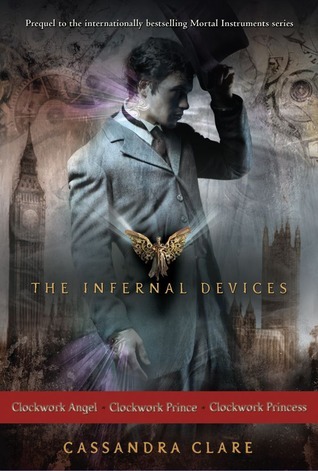
The Infernal Devices #1-3
Clockwork Angel; Clockwork Prince; Clockwork Princess
All three books in the #1 New York Times bestselling Infernal Devices trilogy are now together in one boxed set!
Step back in time with the Shadowhunters with this eBook collection of the New York Times bestselling Infernal Devices trilogy.
Passion. Power. Secrets. Enchantment. The Shadowhunters of the Victorian Age delve into all of these—in addition to darkness and danger—in the Infernal Devices trilogy, packaged in an eBook collection that includes Clockwork Angel, Clockwork Prince, and Clockwork Princess.
Step back in time with the Shadowhunters with this eBook collection of the New York Times bestselling Infernal Devices trilogy.
Passion. Power. Secrets. Enchantment. The Shadowhunters of the Victorian Age delve into all of these—in addition to darkness and danger—in the Infernal Devices trilogy, packaged in an eBook collection that includes Clockwork Angel, Clockwork Prince, and Clockwork Princess.
1520 pages, ebook
First published March 19, 2013
About the author
Cassandra Clare
197 books280k followersCassandra Clare was born to American parents in Tehran, Iran and spent much of her childhood travelling the world with her family, including one trek through the Himalayas as a toddler where she spent a month living in her father’s backpack. She lived in France, England and Switzerland before she was ten years old.
Since her family moved around so much she found familiarity in books and went everywhere with a book under her arm. She spent her high school years in Los Angeles where she used to write stories to amuse her classmates, including an epic novel called “The Beautiful Cassandra” based on a Jane Austen short story of the same name (and which later inspired her current pen name).
After college, Cassie lived in Los Angeles and New York where she worked at various entertainment magazines and even some rather suspect tabloids where she reported on Brad and Angelina’s world travels and Britney Spears’ wardrobe malfunctions. She started working on her YA novel, City of Bones, in 2004, inspired by the urban landscape of Manhattan, her favourite city. She turned to writing fantasy fiction full time in 2006 and hopes never to have to write about Paris Hilton again.
Cassie’s first professional writing sale was a short story called “The Girl’s Guide to Defeating the Dark Lord” in a Baen anthology of humor fantasy. Cassie hates working at home alone because she always gets distracted by reality TV shows and the antics of her cats, so she usually sets out to write in local coffee shops and restaurants. She likes to work in the company of her friends, who see that she sticks to her deadlines.
City of Bones was her first novel. Sword Catcher is her most recent novel.
Since her family moved around so much she found familiarity in books and went everywhere with a book under her arm. She spent her high school years in Los Angeles where she used to write stories to amuse her classmates, including an epic novel called “The Beautiful Cassandra” based on a Jane Austen short story of the same name (and which later inspired her current pen name).
After college, Cassie lived in Los Angeles and New York where she worked at various entertainment magazines and even some rather suspect tabloids where she reported on Brad and Angelina’s world travels and Britney Spears’ wardrobe malfunctions. She started working on her YA novel, City of Bones, in 2004, inspired by the urban landscape of Manhattan, her favourite city. She turned to writing fantasy fiction full time in 2006 and hopes never to have to write about Paris Hilton again.
Cassie’s first professional writing sale was a short story called “The Girl’s Guide to Defeating the Dark Lord” in a Baen anthology of humor fantasy. Cassie hates working at home alone because she always gets distracted by reality TV shows and the antics of her cats, so she usually sets out to write in local coffee shops and restaurants. She likes to work in the company of her friends, who see that she sticks to her deadlines.
City of Bones was her first novel. Sword Catcher is her most recent novel.
Ratings & Reviews
Friends & Following
Create a free account to discover what your friends think of this book!
Community Reviews
Displaying 1 - 30 of 737 reviews

October 10, 2014
Series rating: 6 stars!!

No matter how much I thought I was emotionally prepared to take on this series, I wasn’t. My puny heart just wasn’t made to process a story so epic and grand such as this one. It is both a blessing and a curse to have read these books for I will always have this eternal ache in my heart that can never be soothed, names such as Tessa, Will, and Jem will immediately remind me of these characters and the tears will well fast. Yet it’s not a reading experience I would ever change. It’s true these books broke my heart, but in the best way possible: not by wearing it down but by filling it with so much love for these characters it bursts. After such an emotional reading journey, how can I possibly pick up another book and expect to move on? I can’t, and there is no book that can save me from this book hangover.
Though this is a series review, I don’t plan on talking much about the plot for a few reasons. First one being these are not standalone books and they tell a full, continuous story so talking about some details would spoil the books. But the main reason is that the plot alone won’t be what compels you to continue with the series. Don’t get me wrong, the rich historical setting and the pulse-pounding action and suspense is top notch but the elaborate plot from The Mortal Instruments definitely trumps it. What makes this trilogy stand out in the most glorious way is its focus on relationships and the depth of the feelings you’ll have for ALL of these characters, particularly Tessa, Will, and Jem.

Tessa Gray is one of my favorite literary heroines to date. It all began with her traveling to London to search for her lost brother and unknowingly stumbles into a parallel world that she later finds out she has ties to. Possessing great skills unknown to any warlock, Tessa is pursued by the power-hungry Magister and has only the protection of Shadowhunters – half angel, half human warriors sworn to slay demons – to keep her safe. It is in one of these Shadowhunter institutes she becomes acquaintances with Will Herondale and his parabatai (oath-sworn partner to protect each other at all costs) Jem Carstairs and a friendship so strong and so enduring is born.

Will Herondale. The boy who will forever have my heart. The tortured boy who is outwardly arrogant and prickly but has one of the brightest and loving souls possible. A childhood ordeal and the horrific aftermath he must keep secret makes him distance himself from others aside from Jem, that is until he meets Tessa and she shakes his world upside down. He uses sarcasm and crude humor to hide his inner vulnerability and aside from Jem, Tessa is the only one to see through it. Without a shadow of a doubt, Will loves her. Fiercely. Protectively. And quietly, for his parabatai, his brother in heart and soul Jem loves Tessa as well.

Jem Carstairs is perhaps one of the sweetest, thoughtful, and giving guys out there. The complete opposite of his parabatai Will, Jem has a health condition that makes him weaker than other Shadowhunters his age and as a result, Will defends him at every turn and always considers his needs first before his own. His camaraderie with Will and others and his gentle, patient nature is seen and loved by all. There are no secrets behind his guileless face and he, too, loves Tessa with an intensity that matches Will’s love for her.
You’re probably thinking, oh another love triangle? But before you completely write this trilogy off for this reason alone, I am imploring you to give it a try. This is the very first and only love triangle I’ve read where the author upholds character integrity and approaches it in such a respectful, loving manner. This love triangle marks the high point and the ultimate reason why this trilogy evokes such deep feelings from its readers. In fact, I never even saw it as a love triangle. I saw it as two equally wonderful boys in love with an amazing girl. They never competed against each other nor did they question Tessa’s love. There was no jealousy. There was no sabotage. There was only trust, and all I felt for the three of them was an overwhelming love that stemmed from an admiration of their mutual love and respect for each other. Can you imagine that kind of selfless and unconditional love? I never thought it existed until I read this trilogy.
I’ve been asked multiple times to compare The Mortal Instruments and The Infernal Devices and how they range and this is my answer: both are my favorite. Both series have their strengths and weaknesses but put together and they complement each other perfectly. It does not matter which series you decide to read first unless you’re concerned about reading in chronological order which in that case, I would say read The Infernal Devices first. There is a great overlap between the two and enough backstory so you will never be lost. IMO, the Mortal Instruments has much better villains and an intricate plot that even without the romance, it would still be an engaging series. The Infernal Devices, though lacking in a rich plot, is better written and the romance is more heartwrenching and emotional than in TMI. I highly recommend BOTH.
Cassandra Clare has catapulted herself into my auto-buy and forever trustworthy list of authors. Her magnificent storytelling ability, to-die-for characters, and addictive, captivating writing style only encourages and inspires me to check out more books in a genre that I’m quickly finding to be fascinating.
“With hope at last,”
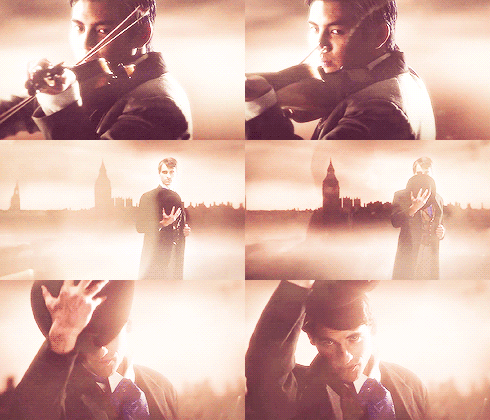
P.S. I love Jem and Will equally, but I will always be in love with that boy with the blue eyes.
No matter how much I thought I was emotionally prepared to take on this series, I wasn’t. My puny heart just wasn’t made to process a story so epic and grand such as this one. It is both a blessing and a curse to have read these books for I will always have this eternal ache in my heart that can never be soothed, names such as Tessa, Will, and Jem will immediately remind me of these characters and the tears will well fast. Yet it’s not a reading experience I would ever change. It’s true these books broke my heart, but in the best way possible: not by wearing it down but by filling it with so much love for these characters it bursts. After such an emotional reading journey, how can I possibly pick up another book and expect to move on? I can’t, and there is no book that can save me from this book hangover.
Though this is a series review, I don’t plan on talking much about the plot for a few reasons. First one being these are not standalone books and they tell a full, continuous story so talking about some details would spoil the books. But the main reason is that the plot alone won’t be what compels you to continue with the series. Don’t get me wrong, the rich historical setting and the pulse-pounding action and suspense is top notch but the elaborate plot from The Mortal Instruments definitely trumps it. What makes this trilogy stand out in the most glorious way is its focus on relationships and the depth of the feelings you’ll have for ALL of these characters, particularly Tessa, Will, and Jem.
Tessa Gray is one of my favorite literary heroines to date. It all began with her traveling to London to search for her lost brother and unknowingly stumbles into a parallel world that she later finds out she has ties to. Possessing great skills unknown to any warlock, Tessa is pursued by the power-hungry Magister and has only the protection of Shadowhunters – half angel, half human warriors sworn to slay demons – to keep her safe. It is in one of these Shadowhunter institutes she becomes acquaintances with Will Herondale and his parabatai (oath-sworn partner to protect each other at all costs) Jem Carstairs and a friendship so strong and so enduring is born.
Will Herondale. The boy who will forever have my heart. The tortured boy who is outwardly arrogant and prickly but has one of the brightest and loving souls possible. A childhood ordeal and the horrific aftermath he must keep secret makes him distance himself from others aside from Jem, that is until he meets Tessa and she shakes his world upside down. He uses sarcasm and crude humor to hide his inner vulnerability and aside from Jem, Tessa is the only one to see through it. Without a shadow of a doubt, Will loves her. Fiercely. Protectively. And quietly, for his parabatai, his brother in heart and soul Jem loves Tessa as well.
Jem Carstairs is perhaps one of the sweetest, thoughtful, and giving guys out there. The complete opposite of his parabatai Will, Jem has a health condition that makes him weaker than other Shadowhunters his age and as a result, Will defends him at every turn and always considers his needs first before his own. His camaraderie with Will and others and his gentle, patient nature is seen and loved by all. There are no secrets behind his guileless face and he, too, loves Tessa with an intensity that matches Will’s love for her.
You’re probably thinking, oh another love triangle? But before you completely write this trilogy off for this reason alone, I am imploring you to give it a try. This is the very first and only love triangle I’ve read where the author upholds character integrity and approaches it in such a respectful, loving manner. This love triangle marks the high point and the ultimate reason why this trilogy evokes such deep feelings from its readers. In fact, I never even saw it as a love triangle. I saw it as two equally wonderful boys in love with an amazing girl. They never competed against each other nor did they question Tessa’s love. There was no jealousy. There was no sabotage. There was only trust, and all I felt for the three of them was an overwhelming love that stemmed from an admiration of their mutual love and respect for each other. Can you imagine that kind of selfless and unconditional love? I never thought it existed until I read this trilogy.
I’ve been asked multiple times to compare The Mortal Instruments and The Infernal Devices and how they range and this is my answer: both are my favorite. Both series have their strengths and weaknesses but put together and they complement each other perfectly. It does not matter which series you decide to read first unless you’re concerned about reading in chronological order which in that case, I would say read The Infernal Devices first. There is a great overlap between the two and enough backstory so you will never be lost. IMO, the Mortal Instruments has much better villains and an intricate plot that even without the romance, it would still be an engaging series. The Infernal Devices, though lacking in a rich plot, is better written and the romance is more heartwrenching and emotional than in TMI. I highly recommend BOTH.
Cassandra Clare has catapulted herself into my auto-buy and forever trustworthy list of authors. Her magnificent storytelling ability, to-die-for characters, and addictive, captivating writing style only encourages and inspires me to check out more books in a genre that I’m quickly finding to be fascinating.
“With hope at last,”
P.S. I love Jem and Will equally, but I will always be in love with that boy with the blue eyes.

June 6, 2019
Complete 5 Golden Stars
such an enjoyable journey
romance, Fantasy & adventure with amazing characters
surprising plot
always loved Historical London
my favourite Shadowhunter series
(Shadowhunters book order, all of the series, if you're new to this world)
well, I already declared my love for these books & characters in my reviews:
(before this series, to be familiar with the world, it's better you start with City of Bones & read the first 3 of TMI, first)
here's just some fanarts I love
Wessa appreciation:

this is my favourite.

this totally BLEW my mind! (so, my new favourite!) wow! Absolutely fantastic!
& I found my Will! this is the most accurate one!
art by nastylittlethought


I couldn't find my favourite Jessa art ;_;
but I found this:

such an enjoyable journey
romance, Fantasy & adventure with amazing characters
surprising plot
always loved Historical London
my favourite Shadowhunter series
(Shadowhunters book order, all of the series, if you're new to this world)
well, I already declared my love for these books & characters in my reviews:
1) Clockwork Angel: ★★★★(★)/5
2) Clockwork Prince: ★★★★★/5
3) Clockwork Princess: ★★★★★/5
(before this series, to be familiar with the world, it's better you start with City of Bones & read the first 3 of TMI, first)
here's just some fanarts I love
Wessa appreciation:
this is my favourite.
this totally BLEW my mind! (so, my new favourite!) wow! Absolutely fantastic!
& I found my Will! this is the most accurate one!
art by nastylittlethought
I couldn't find my favourite Jessa art ;_;
but I found this:

March 29, 2021
THIS SERIES IS EVERYTHING
All the pain and all the good things together in one bundle ❤️
All the pain and all the good things together in one bundle ❤️

June 28, 2015
Everything about the prequel to the Mortal Instruments series is absolutely incredible- the whirlwind plot, the writing style, the characters... the world that Cassandra Clare has created is so rich and real and comes to life on the pages. You are able to live the fascinating lives of the Shadowhunters as in TMI, and this series is full of the same depth and wonder. I couldn't put it down- the combination of action and fantasy and romance and even a bit of mystery was wonderful. The story begins with Tessa Gray, a charming character whom any bookworm should be able to relate to . You'll find that she has surprising strength. She meets William Herondale, who is by far my favorite fictional character. His wit and humor are used to conceal years of pain, and although I'm not a Shadowhunter myself, I somehow related very much to his story. Jem Carstairs, Charlotte and Henry Branwell, Gideon and Gabriel and Sophie and even Jessamine... they're all incredible and complex. Beyond the characters, Clare's writing style simply amazes me. She was able to paint a picture in my mind very easily, and I appreciated the excerpts of poetry inserted before each chapter. This is one of those books that keeps you up late at night forcing yourself to stay awake for one more chapter. It's the kind of book that makes you burst out laughing (mostly at Will's remarks) and leaves you sobbing hysterically. The Infernal Devices is definitely high on my list of favorite series... it may even be the first.

June 18, 2013
Cassandra Clare has outdone herself again. This series is my favorite book series ever. Not only is it in a different time period, it had the strangest love triangle ever. I know what you're thinking, "Ew not another sappy love triangle!" But this is different. This is by far the best love triangle I have ever read about. It is so different and it is incredibly sad. I cried outrageously throughout this series. ESPECIALLY in Clockwork Princess! My poor book has tear stains! It's funny and sad. Will and Jem are sexy and fun to read. Tessa is one of the strongest heroins I've had the pleasure to read. I'm thankful to Clare for writing such a beautiful character. And I love that Magnus comes in both series! There are so many plot twists, and each one leaves you craving more. It makes me very sad that all these characters lived over 100 years ago, because most of them would be dead by now (if they were real). The fight scenes are intense but there is always a funny moment. This book has so much mystery. I was a wreck when I finished Clockwork Princess! It not only has romance, it has mystery, adventure and comedy. Will us much funnier than Jace in my opinion. The characters are all so lovable. I'm so sad that this series has ended. I will always hold this story close in my heart. It's my favorite because it is beautiful. Thank you Clare.
October 19, 2022
Reading the Infernal Devices isn't enough I need to hear James Carstairs playing violin 🎻🖤
There have been a number of outstanding fantasy novels/series but The Infernal Devices is profoundly imagined, nightmarish, psychologically plausible and marvellously written. The stunning action sequences and the cleverness of concept and execution and plot give this a thrilling philosophical complexity.
HIGHLY RECOMMENDED!!!!
There have been a number of outstanding fantasy novels/series but The Infernal Devices is profoundly imagined, nightmarish, psychologically plausible and marvellously written. The stunning action sequences and the cleverness of concept and execution and plot give this a thrilling philosophical complexity.
HIGHLY RECOMMENDED!!!!

December 25, 2013
The Infernal Devices trilogy was brilliant, absolutely brilliant! It was quite simply excellency at its best. Cassandra Clare has an extroadinary talent and she is one of my top favorite authors. Please do not miss out on this phenomenal series. I sincerely promise that you won't regret it!

August 12, 2021
Review: The Infernal Devices – Cassandra Clare
Contents
Quick Review
The Victorian London Setting
How This Influenced The Characters
The Love Triangle
More thoughts on Romance in the Books
Character Development
Tessa
Will
Jem
Sophie
Charlotte and Henry
Jessamine
Gabriel and Gideon
Mortmain
Magnus Bane
Final Note
Read Complete Plot Review on Syviv's Bibliofile.
Read Complete Character Review on Syviv's Bibliofile.
Ever since I watched Shadowhunters on Netflix, I found myself intrigued by Cassandra Clare and her Shadowerse (Shadowhunter Universe). The series is based on Cassie's The Mortal Instruments 6-part book series, as mentioned in the Netflix series intro. So out of curiosity, I dug in and found all about it. Being a hardcore fantasy book lover myself, I decided to give it a go. I started with her The Infernal Devices Trilogy albeit TMI (The Mortal Instruments) being published first.
The Infernal Devices is a prequel to The Mortal Instruments. The Trilogy consists of three books, namely, Clockwork Angel, Clockwork Prince and Clockwork Princess. The series follows the life of an orphaned Teenage girl, Tessa Gray, who finds out that she has the power to shape-shift. However, it cannot be proved that she's a warlock as she doesn't bear a warlock mark. In the course of the series, she figures how to control and use this newly established power of hers as she navigates into the new world of Shadowhunters and Downworlders. The series covers the life of Tessa with her Shadowhunter friends at The London Institute.
Now you may ask, why I am reviewing all the three together instead of individually. The three books are so closely knit, the story is the same, continuing with the book after it. A trilogy is not just three books with the same characters. It is one story as a three-part structure, with an overarching storyline knitting everything together. It's like a three-act play where each book is like an act. The Infernal Devices is a perfect example of it. It's absolutely a lovely trilogy, everything about it is wonderful, the whole Victorian London setting, the extraordinary love triangle, some of the character development, and of course, all the literary references. But there are also many parts which I find not so likeable. Let me tell you all about each of them:
Read Complete Plot Review on Syviv's Bibliofile.
Read Complete Character Review on Syviv's Bibliofile.
Overall, the books were excellent. I enjoyed the entire journey. It was not the perfect writing but let’s be honest, the story was enjoyable despite countless cliches. If Clockwork Angel was a good start, Clockwork Prince was better and Clockwork Princess was yet best. The story developed surprisingly well in Clockwork Prince as I did feel it a bit dragged in Clockwork Angel. I adored the characters and I experienced the world-building heartily. I could feel myself getting curious, excited, saddened, joyed, scared, worried as if I was part of this world.
The suspense about Tessa’s secret and Will’s secret and if Jem will live or not was perfectly written. The protagonist and antagonist balance were well-maintained. Somehow, these stories were full of action and plot-driven while also having profoundly interwoven character arcs at their heart, which is unique, particularly in YA fantasy fiction. This is my first official reading of Cassandra Clare and I must say I’m impressed. I’m so glad to know that there are so many more books in the whole Shadowhunter-Universe. I plan to read them all and tell you guys all about it. By the angel, I’m in love with the shadowhunter world!
Until Next Time, Shadowfans!
Read Complete Plot Review on Syviv's Bibliofile.
Read Complete Character Review on Syviv's Bibliofile.
Contents
Quick Review
The Victorian London Setting
How This Influenced The Characters
The Love Triangle
More thoughts on Romance in the Books
Character Development
Tessa
Will
Jem
Sophie
Charlotte and Henry
Jessamine
Gabriel and Gideon
Mortmain
Magnus Bane
Final Note
Read Complete Plot Review on Syviv's Bibliofile.
Read Complete Character Review on Syviv's Bibliofile.
Ever since I watched Shadowhunters on Netflix, I found myself intrigued by Cassandra Clare and her Shadowerse (Shadowhunter Universe). The series is based on Cassie's The Mortal Instruments 6-part book series, as mentioned in the Netflix series intro. So out of curiosity, I dug in and found all about it. Being a hardcore fantasy book lover myself, I decided to give it a go. I started with her The Infernal Devices Trilogy albeit TMI (The Mortal Instruments) being published first.
The Infernal Devices is a prequel to The Mortal Instruments. The Trilogy consists of three books, namely, Clockwork Angel, Clockwork Prince and Clockwork Princess. The series follows the life of an orphaned Teenage girl, Tessa Gray, who finds out that she has the power to shape-shift. However, it cannot be proved that she's a warlock as she doesn't bear a warlock mark. In the course of the series, she figures how to control and use this newly established power of hers as she navigates into the new world of Shadowhunters and Downworlders. The series covers the life of Tessa with her Shadowhunter friends at The London Institute.
"Cassandra Clare’s Clockwork Angel has got everything: set in Victorian London but with an American heroine — feisty and attractive, natch; it features the Nephilim, a category of quasi-angelic beings (remember Genesis, about there being giants in the world in those days?) and some interesting vampires . . . one of the Nephilim falls for the heroine but can’t, for unspoken reasons, consummate his longing . . . the human elements of the story are well told. Have to say, it’s a cracking read."
The Evening Standard
Now you may ask, why I am reviewing all the three together instead of individually. The three books are so closely knit, the story is the same, continuing with the book after it. A trilogy is not just three books with the same characters. It is one story as a three-part structure, with an overarching storyline knitting everything together. It's like a three-act play where each book is like an act. The Infernal Devices is a perfect example of it. It's absolutely a lovely trilogy, everything about it is wonderful, the whole Victorian London setting, the extraordinary love triangle, some of the character development, and of course, all the literary references. But there are also many parts which I find not so likeable. Let me tell you all about each of them:
Read Complete Plot Review on Syviv's Bibliofile.
Read Complete Character Review on Syviv's Bibliofile.
Overall, the books were excellent. I enjoyed the entire journey. It was not the perfect writing but let’s be honest, the story was enjoyable despite countless cliches. If Clockwork Angel was a good start, Clockwork Prince was better and Clockwork Princess was yet best. The story developed surprisingly well in Clockwork Prince as I did feel it a bit dragged in Clockwork Angel. I adored the characters and I experienced the world-building heartily. I could feel myself getting curious, excited, saddened, joyed, scared, worried as if I was part of this world.
The suspense about Tessa’s secret and Will’s secret and if Jem will live or not was perfectly written. The protagonist and antagonist balance were well-maintained. Somehow, these stories were full of action and plot-driven while also having profoundly interwoven character arcs at their heart, which is unique, particularly in YA fantasy fiction. This is my first official reading of Cassandra Clare and I must say I’m impressed. I’m so glad to know that there are so many more books in the whole Shadowhunter-Universe. I plan to read them all and tell you guys all about it. By the angel, I’m in love with the shadowhunter world!
Until Next Time, Shadowfans!
Read Complete Plot Review on Syviv's Bibliofile.
Read Complete Character Review on Syviv's Bibliofile.
January 2, 2014
One of the best series I have ever read.
I will never stop crying...
I will never stop crying...

March 23, 2013
Clockwork Princess: Spoiler questions and answers: Cassie Care
[image error][image error]
Except the supernatural world, the Shadowhunter. There are many things about this series that I love. The things in Victorian London were described beautifully… Um…. normally, I don’t appreciate the heroine who has two hearts.
Though it's possible that it can happen.
But, it’s still not change the fact that I'm enjoyed and impressed many things in this series enough to overlook about that.
Parabatai
“And it came to pass … that the soul of Jonathan was knit with the soul of David, and Jonathan loved him as his own soul…. Then Jonathan and David made a covenant, because he loved him as his own soul.” They were two warriors, and their souls were knit together by Heaven, and out of that Jonathan Shadowhunter took the idea of parabatai, and encoded the ceremony into the Law.’
[image error][image error][image error]
Bromance between Will and Jem is the one thing in this series that I’m enjoyed very much. The Parabatai… they love each other so much more than brother. There is absolutely nothing they cannot do for each other. Will can die for Jem. Jem always forgive Will. Will won’t want to see Jem heart broken. Jem can call off this engagement with Tessa for Will. OMG! I have never read something like this. It’s so Powerful as much as their love for Tessa, the girl they love.
‘ They love each other enough that the happiness of the other boy means more to them than their own.’
Cassandra Care
They love and can die for each other. I felt it the scene that Will reached to take yin fen out of the fireplace till his hand burnt, no hesitation. I do felt Will’s love for Jem. Wow..
Romance
‘ If you love someone, I believe, you want and hope for their happiness.’
Cassandra Care
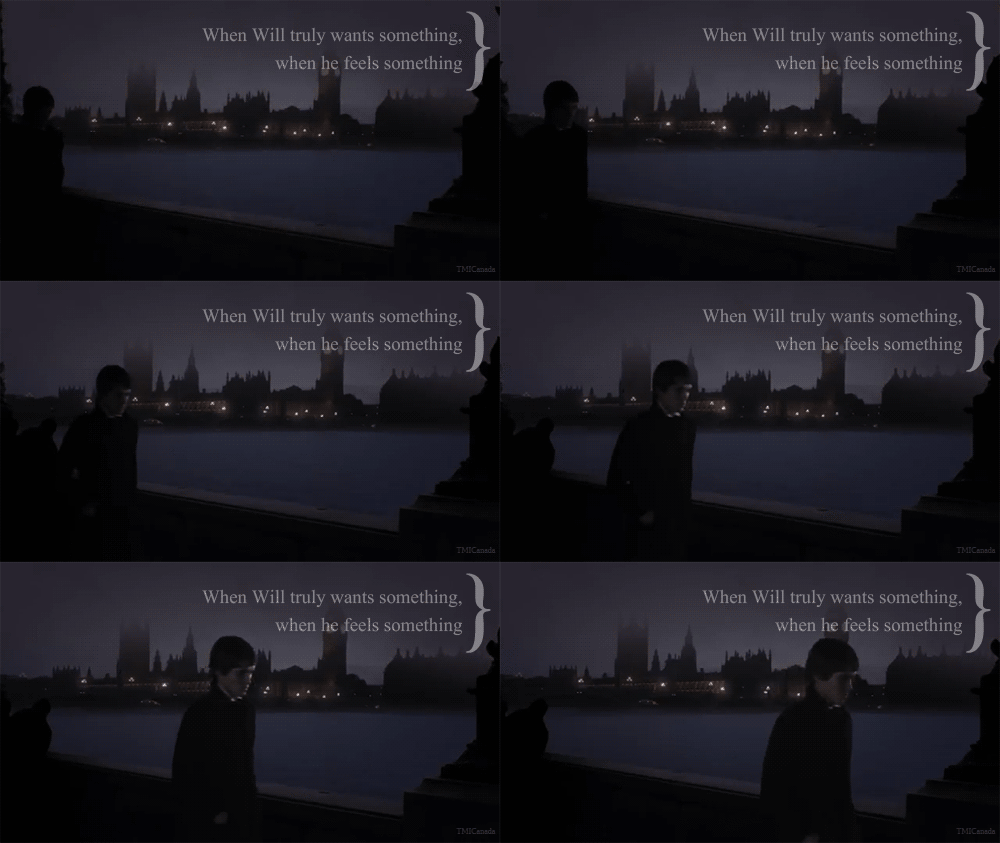
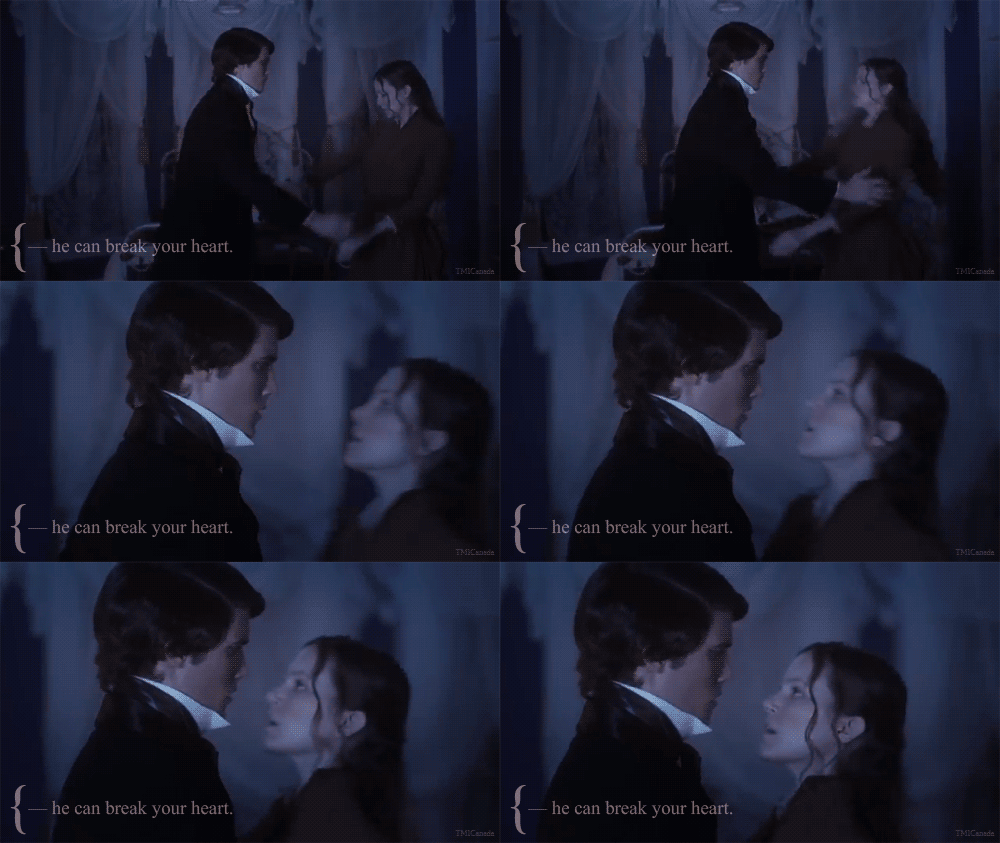
As much as I love believable romance, but another kind of romance that I really want to see in the book is selfless romance. I barely find the romance like this in my life time reading book, and then I found it in this series. The characters value the happiness of the people they love more than their own. No hate.. no fight.. I can felt that it is the love that.. love so, so much... Just like parents love their child or we love our family... such a heart-melting romance.
Selfless love.. it feels real and right to me because when we love anyone, we want them to be happy.
“ I want you to be happy, and him to be happy. And yet when you walk that aisle to meet him and join yourselves forever you will walk an invisible path of the shards of my heart, Tessa. I would give over my own life for either of yours. I would give over my own life for your happiness. I thought perhaps that when you told me you did not love me that my own feelings would fall away and atrophy, but they have not. They have grown every day. I love you now more desperately, this moment, than I have ever loved you before, and in an hour I will love you more than that.”
I cried so much for Will when he said these to Tessa. It is sad, but beautiful and touching at the same time.. I can felt that Will love Tessa so, so much. He loves her, love her more and more in every hour. Oh.. my beautiful Will. Please love me..
[image error][image error][image error]
Epilogue
[image error][image error]
Except the supernatural world, the Shadowhunter. There are many things about this series that I love. The things in Victorian London were described beautifully… Um…. normally, I don’t appreciate the heroine who has two hearts.
Though it's possible that it can happen.
But, it’s still not change the fact that I'm enjoyed and impressed many things in this series enough to overlook about that.
Parabatai
“And it came to pass … that the soul of Jonathan was knit with the soul of David, and Jonathan loved him as his own soul…. Then Jonathan and David made a covenant, because he loved him as his own soul.” They were two warriors, and their souls were knit together by Heaven, and out of that Jonathan Shadowhunter took the idea of parabatai, and encoded the ceremony into the Law.’
[image error][image error][image error]
Bromance between Will and Jem is the one thing in this series that I’m enjoyed very much. The Parabatai… they love each other so much more than brother. There is absolutely nothing they cannot do for each other. Will can die for Jem. Jem always forgive Will. Will won’t want to see Jem heart broken. Jem can call off this engagement with Tessa for Will. OMG! I have never read something like this. It’s so Powerful as much as their love for Tessa, the girl they love.
‘ They love each other enough that the happiness of the other boy means more to them than their own.’
Cassandra Care
They love and can die for each other. I felt it the scene that Will reached to take yin fen out of the fireplace till his hand burnt, no hesitation. I do felt Will’s love for Jem. Wow..
Romance
‘ If you love someone, I believe, you want and hope for their happiness.’
Cassandra Care
As much as I love believable romance, but another kind of romance that I really want to see in the book is selfless romance. I barely find the romance like this in my life time reading book, and then I found it in this series. The characters value the happiness of the people they love more than their own. No hate.. no fight.. I can felt that it is the love that.. love so, so much... Just like parents love their child or we love our family... such a heart-melting romance.
Selfless love.. it feels real and right to me because when we love anyone, we want them to be happy.
“ I want you to be happy, and him to be happy. And yet when you walk that aisle to meet him and join yourselves forever you will walk an invisible path of the shards of my heart, Tessa. I would give over my own life for either of yours. I would give over my own life for your happiness. I thought perhaps that when you told me you did not love me that my own feelings would fall away and atrophy, but they have not. They have grown every day. I love you now more desperately, this moment, than I have ever loved you before, and in an hour I will love you more than that.”
I cried so much for Will when he said these to Tessa. It is sad, but beautiful and touching at the same time.. I can felt that Will love Tessa so, so much. He loves her, love her more and more in every hour. Oh.. my beautiful Will. Please love me..
[image error][image error][image error]
Epilogue

May 19, 2023
Utter remarkable & stunning storytelling.

February 10, 2016
Check out my reviews on the main page of each individual book!

August 18, 2013
The shadowhunters in The Mortal Instruments series are half angel half human creatures who fight demons in present-day New York city. In The Infernal Devices their ancestors have to fulfil the same task in a dark Victorian London setting.
The stories of the two series are somehow intertwined, more so than you might expect. Once back in time and in London, you find yourself in the same fascinating world you had known with Clary Fray in 21st century NY , a world made of blood, danger, fight, runes, iratzes, great values and deep love.
In Clockwork Angel (book 1) you make the acquaintance with Tessa Gray, Will Herondale and Jem Carstairs and their story will keep you absorbed and entertained all through the series, all through the pages of Clockwork Prince (book 2) until the bittersweet epilogue of book 3, Clockwork Princess. This trilogy has less of the irony and wit you experienced with Clary, Jace and Simon in The Mortal Instruments and more of the romantic quality you expect from a story crowded with 19th century heroes and heroines.
Tessa and Will love books - quotes from Dickens, The Brontes, Tennyson and other British authors are lavished in the narration - while Jem loves playing the violin. Will and Jem are both differently handsome and fascinating, their appearances and their personalities couldn't be more distant, but they are parabatai, inseparable warriors, loyal and caring, indissolubly bonded to each other.
The relationship between the three protagonists is definitely complex. From the very beginning - after being rescued from the Dark Sisters by Will and his shadowhunters friends - Tessa is charmed by those two boys and, especially, by the mysterious deep bond between them. Reading The Shadowhunter Codex and living with them at the London Institute will open to her - and to the reader - the door to their hidden world and will help her to discover who she really is, what the Dark Sisters and their wicked master, The Magister, want from her.
In this series Cassandra Clare has given life to a myriad of loving, relatable characters. Among others, Charlotte, the brave leader, like an older sister to all the other shadowhunters in the Institute; Henry, her eccentric inventor husband; coquette, stubborn Jessamine striving not to be a shadowhunter; strong, ambitious maid servant Sophie, healing the scars and wounds from her past and training as a shadowhunter though only a mundane; lively, clever, entreprising little sister Cecily Herondale; handsome but honourable rivals like the Lightwood brothers (Gideon and Gabriel); disloyal brother Nate and perfidious villains like the Dark Sisters and Mortmain, who will be our heroes' deadly enemies, with their army of automatons.
My favourite character is Will Herondale. He is a real romantic, dashing hero from the 19th century. His rough, wild manners hide his secretive soul. However, you can see he can be kind and caring when with Jem and he shows glimpses of a different self when with Tessa. In Tessa’s eyes he is like the heroes in her beloved books: Mr Rochester, Heathcliff or Sidney Carton. She’s attracted to him as the embodiment of those fictional figures. But Will’s angelic appearance – blue eyes and black hair - is matched by an unbearable attitude to hurt those who love him and this makes Tessa stay at a distance from him and prefer kind, sweet Jem’s company to Will’s.
Once Will’s secret is revealed, Tessa can but love and admire him more and more: he is not Lancelot, not Mr Darcy or poor, miserable Sidney Carton but the bravest, most generous, human being Tessa has ever met.
Another character you come to know better in this series is Magnus Bane. He is definitely a key character both in The Infernal Devices and in The Mortal Instruments. The extravagant warlock is more human in this series and his selfless presence in Will’s life will make you love him more and understand better what will happen (or happened, it depends on the order in which you read these books) between him and ... other characters in his future life in New York.
Cassandra Clare has gifted her fans with another strong, unforgettable heroine, Tessa Gray, to share in a n incredible series of adventures, a long journey of self-discovery and, especially, a gripping complex love story nestled in the dark, dangerous Shadowhunters world in foggy Victorian London.
Though fascinated by the Victorian setting and the charming new characters, I liked this series a bit less than The Mortal Instruments: too cheesy at times and less witty. As for the "battle between characters", the verdict remains open: I really can’t choose among my best favourite, Jace and Will. But why should I?
(Read my post at FLY HIGH! http://flyhigh-by-learnonline.blogspo...)
The stories of the two series are somehow intertwined, more so than you might expect. Once back in time and in London, you find yourself in the same fascinating world you had known with Clary Fray in 21st century NY , a world made of blood, danger, fight, runes, iratzes, great values and deep love.
In Clockwork Angel (book 1) you make the acquaintance with Tessa Gray, Will Herondale and Jem Carstairs and their story will keep you absorbed and entertained all through the series, all through the pages of Clockwork Prince (book 2) until the bittersweet epilogue of book 3, Clockwork Princess. This trilogy has less of the irony and wit you experienced with Clary, Jace and Simon in The Mortal Instruments and more of the romantic quality you expect from a story crowded with 19th century heroes and heroines.
Tessa and Will love books - quotes from Dickens, The Brontes, Tennyson and other British authors are lavished in the narration - while Jem loves playing the violin. Will and Jem are both differently handsome and fascinating, their appearances and their personalities couldn't be more distant, but they are parabatai, inseparable warriors, loyal and caring, indissolubly bonded to each other.
The relationship between the three protagonists is definitely complex. From the very beginning - after being rescued from the Dark Sisters by Will and his shadowhunters friends - Tessa is charmed by those two boys and, especially, by the mysterious deep bond between them. Reading The Shadowhunter Codex and living with them at the London Institute will open to her - and to the reader - the door to their hidden world and will help her to discover who she really is, what the Dark Sisters and their wicked master, The Magister, want from her.
In this series Cassandra Clare has given life to a myriad of loving, relatable characters. Among others, Charlotte, the brave leader, like an older sister to all the other shadowhunters in the Institute; Henry, her eccentric inventor husband; coquette, stubborn Jessamine striving not to be a shadowhunter; strong, ambitious maid servant Sophie, healing the scars and wounds from her past and training as a shadowhunter though only a mundane; lively, clever, entreprising little sister Cecily Herondale; handsome but honourable rivals like the Lightwood brothers (Gideon and Gabriel); disloyal brother Nate and perfidious villains like the Dark Sisters and Mortmain, who will be our heroes' deadly enemies, with their army of automatons.
My favourite character is Will Herondale. He is a real romantic, dashing hero from the 19th century. His rough, wild manners hide his secretive soul. However, you can see he can be kind and caring when with Jem and he shows glimpses of a different self when with Tessa. In Tessa’s eyes he is like the heroes in her beloved books: Mr Rochester, Heathcliff or Sidney Carton. She’s attracted to him as the embodiment of those fictional figures. But Will’s angelic appearance – blue eyes and black hair - is matched by an unbearable attitude to hurt those who love him and this makes Tessa stay at a distance from him and prefer kind, sweet Jem’s company to Will’s.
Once Will’s secret is revealed, Tessa can but love and admire him more and more: he is not Lancelot, not Mr Darcy or poor, miserable Sidney Carton but the bravest, most generous, human being Tessa has ever met.
Another character you come to know better in this series is Magnus Bane. He is definitely a key character both in The Infernal Devices and in The Mortal Instruments. The extravagant warlock is more human in this series and his selfless presence in Will’s life will make you love him more and understand better what will happen (or happened, it depends on the order in which you read these books) between him and ... other characters in his future life in New York.
Cassandra Clare has gifted her fans with another strong, unforgettable heroine, Tessa Gray, to share in a n incredible series of adventures, a long journey of self-discovery and, especially, a gripping complex love story nestled in the dark, dangerous Shadowhunters world in foggy Victorian London.
Though fascinated by the Victorian setting and the charming new characters, I liked this series a bit less than The Mortal Instruments: too cheesy at times and less witty. As for the "battle between characters", the verdict remains open: I really can’t choose among my best favourite, Jace and Will. But why should I?
(Read my post at FLY HIGH! http://flyhigh-by-learnonline.blogspo...)

August 29, 2013
I've been reluctant to read this series for SO long, but finally decided that I had to, but mostly because I was in the mood because of the 'City Of Bones' film premiere.
I read this in 4 days, whilst having to go to school and homework and let me tell you something: it's one of the best book series I've ever read.
I am sold. This series...I can't. It's amazing.
Turns out I actually like this better than The Mortal Instruments!
'The Infernal Devices'-trilogy is by Cassandra Clare and is somewhat a prequel to 'The Mortal Instruments'.
The story revolves about Tessa Gray, a girl from New York, who travels to England upon the death of her aunt to be with her older brother. She ends of kidnapped and is exposed to the supernatural world of Shadowhunters when her kidnappers force her to use an ability she didn't know she had - shape shifting.
Tessa finds out she is to marry a man who goes by the name 'the magister', but is fortunately saved by William Herondale - ancestor of Jace - before he arrives to pick her up and the girl gets thrown into a reality she didn't know existed.
Throughout the book she deals with identity crisis, love triangles, betrayal and an unknown past that is creeping up on her.
I love this. A great read. Not a moment of boredom.
It had me bawling at the end. I've never cried so much. My heart might have been broken by 'The Fault In Our Stars' by John Green, but this was even worse!
Loved it.
I read this in 4 days, whilst having to go to school and homework and let me tell you something: it's one of the best book series I've ever read.
I am sold. This series...I can't. It's amazing.
Turns out I actually like this better than The Mortal Instruments!
'The Infernal Devices'-trilogy is by Cassandra Clare and is somewhat a prequel to 'The Mortal Instruments'.
The story revolves about Tessa Gray, a girl from New York, who travels to England upon the death of her aunt to be with her older brother. She ends of kidnapped and is exposed to the supernatural world of Shadowhunters when her kidnappers force her to use an ability she didn't know she had - shape shifting.
Tessa finds out she is to marry a man who goes by the name 'the magister', but is fortunately saved by William Herondale - ancestor of Jace - before he arrives to pick her up and the girl gets thrown into a reality she didn't know existed.
Throughout the book she deals with identity crisis, love triangles, betrayal and an unknown past that is creeping up on her.
I love this. A great read. Not a moment of boredom.
It had me bawling at the end. I've never cried so much. My heart might have been broken by 'The Fault In Our Stars' by John Green, but this was even worse!
Loved it.

December 27, 2016
ספר ראשון, שקצת הרגיש כאילו שהוא מהווה ברובו אקספוזיציה לכל ההפתעות הטובות, שיגיעו אחריו (או שאולי אני משוחדת, כי אני כבר יודעת מחברות שקראו לפני, שזה רק הולך ומשתפר).
הסופרת בונה בהדרגה עולם מופלא, מכניסה אותנו לאט לאט בסוד העניינים ומפתחת היטב את הדמויות.
נהניתי מאד מהאווירה הקסומה והמיוחדת של לונדון, מרוח התקופה שמשתקפת היטב בספר הזה ובאופן כללי מהדמויות הנפלאות והמסקרנות.
כמובן שהמשכתי מיד לספר הבא בסדרה ואני מסכימה - זה אכן רק הולך ומשפתר ומסתבך בצורה נהדרת :)
הסופרת בונה בהדרגה עולם מופלא, מכניסה אותנו לאט לאט בסוד העניינים ומפתחת היטב את הדמויות.
נהניתי מאד מהאווירה הקסומה והמיוחדת של לונדון, מרוח התקופה שמשתקפת היטב בספר הזה ובאופן כללי מהדמויות הנפלאות והמסקרנות.
כמובן שהמשכתי מיד לספר הבא בסדרה ואני מסכימה - זה אכן רק הולך ומשפתר ומסתבך בצורה נהדרת :)
Read
November 4, 2023These characters, istg ✨✨💖
Some cool fanart by artists: (something to remember this series by)

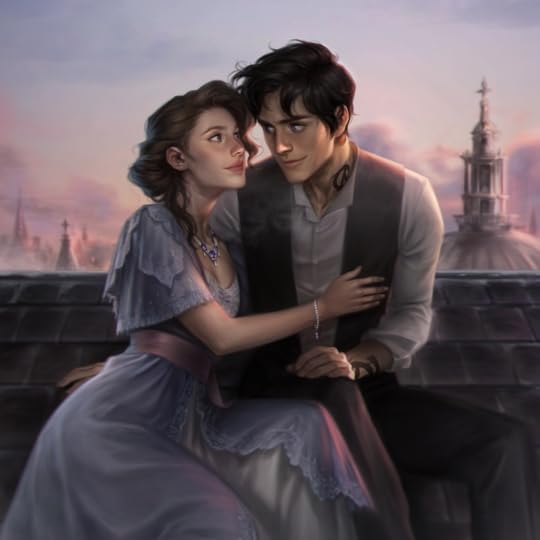

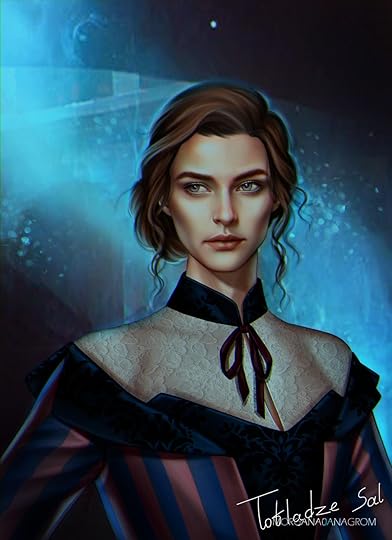
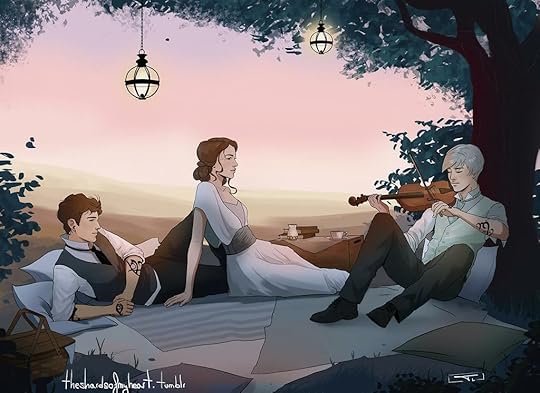


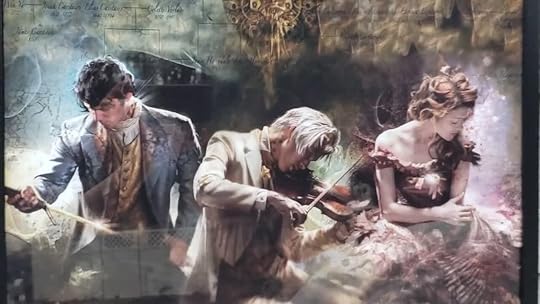
Some cool fanart by artists: (something to remember this series by)

September 28, 2013
Ok, so in not particular order;
- I think Cassandra Clare is getting better. This was better built than the Mortal Instruments.
- Tessa is more interesting than Clary, shows more guts etc. Will is Jace, which is fun if you enjoyed Jace - although a bit weird. No wonder she made them related.
- Ms Clare obviously has sibling problems. As well as authority problems - as in TMI, adults are non-existent as such - Charlotte is hardly older than the main trio and her tininess is a leitmotiv, Henry could hardly be counted on as a 'grown-up', parents are dead or suppressed, and the older members of the Council are all doddering or rapacious fools. It's all up to equalitarian, horizontal friendships and bonds.
- Pet peeve of mine; recreating Victorian England carefully and then ruining by using American-style nicknames - almost no one is spared; 'Will', 'Jem', 'Tessa'. That annoyed me at least once a page.
- I'm really not a fan of love triangles, and they seem to crop up everywhere. If I had known this was a theme beforehand, I would not have read the book. I feel someone's heart is always going to get broken - or everyone's. A strong 70ish desire for resolution then possesses me - if y'all love each other so much, move in together and get over yourselves already! HOWEVER, this was very well done. I could understand Tessa's attraction to both guys, their loves for each other. AND it ends well. 'Nuff said, you'll see what I mean.
- We get a very nice segway into what comes next. I like that. Crafty, crafty, Ms Clare.
- I think Cassandra Clare is getting better. This was better built than the Mortal Instruments.
- Tessa is more interesting than Clary, shows more guts etc. Will is Jace, which is fun if you enjoyed Jace - although a bit weird. No wonder she made them related.
- Ms Clare obviously has sibling problems. As well as authority problems - as in TMI, adults are non-existent as such - Charlotte is hardly older than the main trio and her tininess is a leitmotiv, Henry could hardly be counted on as a 'grown-up', parents are dead or suppressed, and the older members of the Council are all doddering or rapacious fools. It's all up to equalitarian, horizontal friendships and bonds.
- Pet peeve of mine; recreating Victorian England carefully and then ruining by using American-style nicknames - almost no one is spared; 'Will', 'Jem', 'Tessa'. That annoyed me at least once a page.
- I'm really not a fan of love triangles, and they seem to crop up everywhere. If I had known this was a theme beforehand, I would not have read the book. I feel someone's heart is always going to get broken - or everyone's. A strong 70ish desire for resolution then possesses me - if y'all love each other so much, move in together and get over yourselves already! HOWEVER, this was very well done. I could understand Tessa's attraction to both guys, their loves for each other. AND it ends well. 'Nuff said, you'll see what I mean.
- We get a very nice segway into what comes next. I like that. Crafty, crafty, Ms Clare.

March 27, 2013
A beautifully written, painfully good series. I haven't the words to fully express how deeply I was drawn in by the characters and their relationships to one another, except to lamely mention it is exquisitely sad in the end.
Nearing the turn of the century (the 19th century, that is) a newly orphaned girl Tessa Gray moves from New York to live with her brother in London. Taken at the docks by two women who claim to be his landladies, Tessa is imprisoned and thrust into the occult underbelly of the city.
As much as this series is about creatures out of fantasy, it is also intensely human and deals explicitly with themes of self discovery, familial bonds (adoptive and otherwise), love, brotherhood and self sacrifice. Haunting. Heart-breaking.
Nearing the turn of the century (the 19th century, that is) a newly orphaned girl Tessa Gray moves from New York to live with her brother in London. Taken at the docks by two women who claim to be his landladies, Tessa is imprisoned and thrust into the occult underbelly of the city.
As much as this series is about creatures out of fantasy, it is also intensely human and deals explicitly with themes of self discovery, familial bonds (adoptive and otherwise), love, brotherhood and self sacrifice. Haunting. Heart-breaking.
December 27, 2013
What an amazing book!! I personally believe that the Infernal Devices is better than the Mortal Instruments. But do not get me wrong I am in LOVE with all Cassandra Clare's books. The reason that this series drew me in was its strong characters and it's love story and sooo much more.

February 15, 2023
Uno dei buoni propositi di quest’anno era quello di recuperare i libri di Shadowhunters ✨
Ho acquistato i 4 draghi Mondadori usciti alla fine dello scorso anno e l’obiettivo era leggere un libro al mese per arrivare a dicembre terminandoli.
A fine gennaio ho quindi iniziato il primo libro, nello specifico “L’Angelo”, su consiglio della mia Shadowhunters addicted di fiducia Vale ❤️
Mi sarei dovuta fermare alla fine per proseguire il mese sucessivo con “Il Principe”. La realtà è che sono stata talmente coinvolta dalla storia che sono andata avanti senza pensarci, ho letto quello e anche “La Principessa” e ho così concluso il drago di The Infernal Devices con largo anticipo sulla tabella di marcia 👀
Me ne pento? Assolutamente no 😂
Ho amato alla follia tutta la trilogia.
Mi sono affezionata ai protagonisti, uno in particolare 👀, così come ho adorato l’ambientazione, la trama e i colpi di scena. Temevo che un libro così lungo mi avrebbe mandata in blocco e invece l’ho letto tutto d’un fiato. È una storia che mi ha intrattenuta e allo stesso tempo mi ha toccata dentro e mi è rimasta nel cuore ❤️
Ora sono qui a chiedermi: perché ho aspettato così tanto per iniziare questa saga? E, domanda più importante: riuscirò ora a leggere altro?
Perché ve lo dico, se fosse per me andrei avanti immediatamente con gli altri draghi e butterei nel cestino qualsiasi TBR potrei avere in testa 😂
Ho acquistato i 4 draghi Mondadori usciti alla fine dello scorso anno e l’obiettivo era leggere un libro al mese per arrivare a dicembre terminandoli.
A fine gennaio ho quindi iniziato il primo libro, nello specifico “L’Angelo”, su consiglio della mia Shadowhunters addicted di fiducia Vale ❤️
Mi sarei dovuta fermare alla fine per proseguire il mese sucessivo con “Il Principe”. La realtà è che sono stata talmente coinvolta dalla storia che sono andata avanti senza pensarci, ho letto quello e anche “La Principessa” e ho così concluso il drago di The Infernal Devices con largo anticipo sulla tabella di marcia 👀
Me ne pento? Assolutamente no 😂
Ho amato alla follia tutta la trilogia.
Mi sono affezionata ai protagonisti, uno in particolare 👀, così come ho adorato l’ambientazione, la trama e i colpi di scena. Temevo che un libro così lungo mi avrebbe mandata in blocco e invece l’ho letto tutto d’un fiato. È una storia che mi ha intrattenuta e allo stesso tempo mi ha toccata dentro e mi è rimasta nel cuore ❤️
Ora sono qui a chiedermi: perché ho aspettato così tanto per iniziare questa saga? E, domanda più importante: riuscirò ora a leggere altro?
Perché ve lo dico, se fosse per me andrei avanti immediatamente con gli altri draghi e butterei nel cestino qualsiasi TBR potrei avere in testa 😂

May 25, 2015
I must admit I had no idea this was a prequel to the Mortal Instruments when I started reading it, shame on me. But Im glad I did pick this up because it led me to read the City of Bones and the rest of the mortal instruments series.
I loved the Characters, they were so easy to get attached to. The love triangle made me want to throw myself out the window, because I love both Jem and Will equally. I was not the hugest fan of Tessa, she annoyed me at some points and made me laugh at others. Mind you I was laughing AT her. I felt like she never really payed attention to what others were feeling or who was around her. Just my opinion!
But this did start me on the path of Jace, Clary, Isabelle, and Alec. So I will never forget it :3
I loved the Characters, they were so easy to get attached to. The love triangle made me want to throw myself out the window, because I love both Jem and Will equally. I was not the hugest fan of Tessa, she annoyed me at some points and made me laugh at others. Mind you I was laughing AT her. I felt like she never really payed attention to what others were feeling or who was around her. Just my opinion!
But this did start me on the path of Jace, Clary, Isabelle, and Alec. So I will never forget it :3

February 11, 2015
Don't read The Mortal Instruments... read the Infernal Devices instead! They are like night and day!
June 8, 2015
Thank Cassandra Clare for making the world of The Infernal Devices timeless.
September 1, 2015
LOVED IT SO MUCH!
June 22, 2014
ETA: I got around reading the mortal instruments and consequently am docking a star from the infernal devices. Writing the same trilogy THREE times? Not cool.
I was not impressed with Clockwork Angel, so I had no intention two read the sequels. But it's been a rainy summer so far and because summer = silly YA romance fluff and the rain has kept me indoors a lot, I was running out of other things to read. To my surprise, I did not hate Clockwork Prince & Princess and happily admit that, for all their faults, they are entertaining and highly addictive.
It is bizarre how Clare seems to be able to design a broad framework, a plot and a world for her story, but all the individual elements within it seem somehow borowed. I know all authors are influenced by their surroundings and borrow material here and there, but these books read more like jigsaw puzzles than literature: Here a chapter from Buffy the Vampire Slayer, then a bit of dialogue from Supernatural, followed by some visuals from Stargate. What seems to come naturally to Clare is humorous dialogue and snappy one-liners, and where the books are in their best is in playful character interactions. However, when its time to give all the heart, or to go outside of her comfort zone, Clare starts holding back and relies on other people's vision, embellishing tried and tested tropes with some rather unfortunate prose. I feel that more courage from the writer, more trust in her unique voice and ability to bring the books to life, would improve her writing immensely.
Being 'addictive' seems to be a rather recent qualifier for a book, or at least I don't remember that being used to explain the success or the value of a book a decade or two ago. What makes a book addictive, though? Often it seems to be an explanation for why someone is reading a book they think is bad, or, sometimes, a book they think is good but rather feel they should think it bad. Good books are rarely described as addictive, presumably because they don't need some extra element to induce people to read them; they are read because they are good, and they are good regardless whether they are read or not. But then, not every bad book is addictive. In my experience, I've felt that a book is addictive when it provides ample space for the reader to project themselves in the narrative. A world rich in (pointless) description; characters bland enough for maximum amount of people to relate to them, and simple enough that their motivations are easy to follow; hightened emotions (eternal love, jealousy, ambition, elevated friendship, etc.); focus on events in the plot rather than the plot itself or character growth; and, finally, a sense of comfort and escapism to the reader.
The Clockwork books hit pretty much all the aspects of addictive books (though the list is by no means exhaustive). There is a huge amount of completely pointless description of people's clothes, hair, features, and, curiously, the colour of their blood. I think I counted three or four separate mentions of what colour blood some creature had in relation to human blood: red, red, red, and red, respectively. I doubt there were ever more than two pages I actually read in their entirety because my eyes would just flick over all the endless description. Characters had their clothes described in great detail but their actual personas remained pretty blank slates - and I mean pretty, as in everyone is very, very pretty indeed, to the degree that it must be difficult to differentiate among all these beautiful paper dolls. People's motivations run the whole gamut from love to a slightly different kind of love, with a helping of desire, balanced by self-sacrifice (due to love). The plot serves only as an excuse to put the characters in situations where they can fight valiantly, or sacrifice themselves, or show their kindness, or get on with sexy-times. Poor Mortmain, even the author seems scarcely bother with his terrible, horrible pain and has tossed him in only so Tessa can angst about her triangle drama; it's not easy being a villain.
As triangle dramas go, this was one of the better ones because it wasn't just two people in love and then an additional person hankering after one of them. I don't mind a triangle, as long as exists for some other purpose than illustrate how awesome the heroine is and how her milkshake brings all the boys in the yard. This one was... maybe halfway there.
In conclusion, the Clockwork books are entertaining escapism, but the quality of writing is jarring. I might read the City of This and That books from the same author, if the rain continues, but I won't have any expectations for them.
I was not impressed with Clockwork Angel, so I had no intention two read the sequels. But it's been a rainy summer so far and because summer = silly YA romance fluff and the rain has kept me indoors a lot, I was running out of other things to read. To my surprise, I did not hate Clockwork Prince & Princess and happily admit that, for all their faults, they are entertaining and highly addictive.
It is bizarre how Clare seems to be able to design a broad framework, a plot and a world for her story, but all the individual elements within it seem somehow borowed. I know all authors are influenced by their surroundings and borrow material here and there, but these books read more like jigsaw puzzles than literature: Here a chapter from Buffy the Vampire Slayer, then a bit of dialogue from Supernatural, followed by some visuals from Stargate. What seems to come naturally to Clare is humorous dialogue and snappy one-liners, and where the books are in their best is in playful character interactions. However, when its time to give all the heart, or to go outside of her comfort zone, Clare starts holding back and relies on other people's vision, embellishing tried and tested tropes with some rather unfortunate prose. I feel that more courage from the writer, more trust in her unique voice and ability to bring the books to life, would improve her writing immensely.
Being 'addictive' seems to be a rather recent qualifier for a book, or at least I don't remember that being used to explain the success or the value of a book a decade or two ago. What makes a book addictive, though? Often it seems to be an explanation for why someone is reading a book they think is bad, or, sometimes, a book they think is good but rather feel they should think it bad. Good books are rarely described as addictive, presumably because they don't need some extra element to induce people to read them; they are read because they are good, and they are good regardless whether they are read or not. But then, not every bad book is addictive. In my experience, I've felt that a book is addictive when it provides ample space for the reader to project themselves in the narrative. A world rich in (pointless) description; characters bland enough for maximum amount of people to relate to them, and simple enough that their motivations are easy to follow; hightened emotions (eternal love, jealousy, ambition, elevated friendship, etc.); focus on events in the plot rather than the plot itself or character growth; and, finally, a sense of comfort and escapism to the reader.
The Clockwork books hit pretty much all the aspects of addictive books (though the list is by no means exhaustive). There is a huge amount of completely pointless description of people's clothes, hair, features, and, curiously, the colour of their blood. I think I counted three or four separate mentions of what colour blood some creature had in relation to human blood: red, red, red, and red, respectively. I doubt there were ever more than two pages I actually read in their entirety because my eyes would just flick over all the endless description. Characters had their clothes described in great detail but their actual personas remained pretty blank slates - and I mean pretty, as in everyone is very, very pretty indeed, to the degree that it must be difficult to differentiate among all these beautiful paper dolls. People's motivations run the whole gamut from love to a slightly different kind of love, with a helping of desire, balanced by self-sacrifice (due to love). The plot serves only as an excuse to put the characters in situations where they can fight valiantly, or sacrifice themselves, or show their kindness, or get on with sexy-times. Poor Mortmain, even the author seems scarcely bother with his terrible, horrible pain and has tossed him in only so Tessa can angst about her triangle drama; it's not easy being a villain.
As triangle dramas go, this was one of the better ones because it wasn't just two people in love and then an additional person hankering after one of them. I don't mind a triangle, as long as exists for some other purpose than illustrate how awesome the heroine is and how her milkshake brings all the boys in the yard. This one was... maybe halfway there.
In conclusion, the Clockwork books are entertaining escapism, but the quality of writing is jarring. I might read the City of This and That books from the same author, if the rain continues, but I won't have any expectations for them.
January 16, 2016
If there were 1/2 stars on Goodreads, I would give this book 4-1/2 solid stars.
I just finished reading all three of the Infernal Devices books and I have to admit that I cried. I haven't cried at the end (near end) of a book in a long time, and I can't remember a time that I cried over a fantasy series because somewhere I guess I remind myself it isn't real or based on a true story.
These books, as well as the Mortal Instrument books have been on my TBR list for at least a year or more. I love the fantasy genre and most if not all of the sub-genre's that fall under it. I've been stuck for a while reading epic fantasy and enjoying it immensely. But while patiently waiting for the third book in the Kingkiller Chronicles to be released and debating a re-read of the two, I thought I would do a quick read of urban fantasy and young-adult. I really enjoyed the Fever series by Karen Moning so thinking the Infernal Devices would be similar I dove in. It was exactly what I needed.
It started out a little weird for me. I thought it jumped right into things a little quick with not a lot of build-up or background being given. But after the first couple of chapters I soon forgot about that small complaint and became very attached to Tessa, Jem and Will. As well as all of the Institute's family. The book(s) had its fair share of non-stop action, multiple love stories and even some surprising twists. By 3/4 of the way through the third book, my heart was in my throat and the writing was just so real, so good that these characters became real to me. I was trying to hold back crying...but the author just kept going and going with pages of heart-wrenching words. I had to go upstairs to my bedroom to finish reading the final chapters so my kids wouldn't think their 42 year old mother a blubbering teenager.
Yeah, it was that good. I don't want to go into too much detail here because I would end up telling you too much. If you like Urban Fantasy and Young-Adult series that are well written and doesn't feel like a teenager book, read these. If you enjoyed the Fever series by Karen Moning, read these. You won't be disappointed.
I needed this breath of fresh air and I am so glad of my choice. I am moving on to the Mortal Instruments, not knowing what to expect and hoping I will hear some familiar names. Even if Tessa or Jem or Will are not mentioned in this next series, I am sure if Cassandra Clare writes with as much passion and realism that she did in the Infernal Devices, there is some enjoyment to be found in those pages. I will be sure to review the Mortal Instruments upon my completion. After that I will likely return for a few more epic fantasy series. Probably The Way of Kings by Brian Sanderson the first book in the Stormlight Archive series.
I just finished reading all three of the Infernal Devices books and I have to admit that I cried. I haven't cried at the end (near end) of a book in a long time, and I can't remember a time that I cried over a fantasy series because somewhere I guess I remind myself it isn't real or based on a true story.
These books, as well as the Mortal Instrument books have been on my TBR list for at least a year or more. I love the fantasy genre and most if not all of the sub-genre's that fall under it. I've been stuck for a while reading epic fantasy and enjoying it immensely. But while patiently waiting for the third book in the Kingkiller Chronicles to be released and debating a re-read of the two, I thought I would do a quick read of urban fantasy and young-adult. I really enjoyed the Fever series by Karen Moning so thinking the Infernal Devices would be similar I dove in. It was exactly what I needed.
It started out a little weird for me. I thought it jumped right into things a little quick with not a lot of build-up or background being given. But after the first couple of chapters I soon forgot about that small complaint and became very attached to Tessa, Jem and Will. As well as all of the Institute's family. The book(s) had its fair share of non-stop action, multiple love stories and even some surprising twists. By 3/4 of the way through the third book, my heart was in my throat and the writing was just so real, so good that these characters became real to me. I was trying to hold back crying...but the author just kept going and going with pages of heart-wrenching words. I had to go upstairs to my bedroom to finish reading the final chapters so my kids wouldn't think their 42 year old mother a blubbering teenager.
Yeah, it was that good. I don't want to go into too much detail here because I would end up telling you too much. If you like Urban Fantasy and Young-Adult series that are well written and doesn't feel like a teenager book, read these. If you enjoyed the Fever series by Karen Moning, read these. You won't be disappointed.
I needed this breath of fresh air and I am so glad of my choice. I am moving on to the Mortal Instruments, not knowing what to expect and hoping I will hear some familiar names. Even if Tessa or Jem or Will are not mentioned in this next series, I am sure if Cassandra Clare writes with as much passion and realism that she did in the Infernal Devices, there is some enjoyment to be found in those pages. I will be sure to review the Mortal Instruments upon my completion. After that I will likely return for a few more epic fantasy series. Probably The Way of Kings by Brian Sanderson the first book in the Stormlight Archive series.
February 19, 2025
Having read these books quite a number of years ago I was recently reminded why I loved them and Cassandra’s work so much. I thought I had left reviews for these books but alas I didn’t so now I am correcting this wrong. This multilayered is a popular YA tale creates a dangerous web that will leave your heart racing. The story packs a punch, and I loved its originality, uniqueness, and vividly rich narrative. It is definitely a page-turner, filled with danger, action, adventure, and intrigue. The writing is well-crafted, with a touch of darkness, sensuality, and emotional depth. With its secrets, lies, danger, suspense, and palpable tension, this story and its characters provide a captivating journey.
This is a must-read, and I won't give anything away because the joy of discovery is something you should experience for yourself.
It is an addictive and gripping paranormal tale. The storyline is well woven and is good read. It features mystery, tension, and anticipation that are truly well done.
The characters find themselves caught in a deadly game that they may not survive as they uncover deadly schemes, and hidden agendas.
This is a must-read, and I won't give anything away because the joy of discovery is something you should experience for yourself.
It is an addictive and gripping paranormal tale. The storyline is well woven and is good read. It features mystery, tension, and anticipation that are truly well done.
The characters find themselves caught in a deadly game that they may not survive as they uncover deadly schemes, and hidden agendas.

September 11, 2013
(I'm only going to post my review of the first book, CLOCKWORK ANGEL, but I assure you, the series gets better with every book. I totally loved this series!)
I read this book when I was growing tired of supernatural novels, but this was a pleasant surprise. For one thing, the setting is Victorian England and the author does a good job planting her readers in the time period, but doesn't let the antiquated language, or the details of the furniture, carriages, and clothing interrupt the story.
This is first and foremost a character book, and the fact that these characters also have supernatural abilities comes second. I liked that. There is still quite a lot of action in the story, however, which pulls the story along with swift pacing.
CLOCKWORK ANGEL shifted me from being a reluctant fan of "steampunk" to a reader who is willing to admit that I actually like this growing sub-genre. If you have yet to hear the term "steampunk," you're not alone. I would describe it as being a sort of a hybrid of historical fantasy and science fiction - the past and future meshing together for a big bang effect.
For instance, in this book, we have demon hunters going up against an army of clockwork creatures (basically robots). Other recent books of this nature include Scott Westerfeld's LEVIATHAN, and Gail Carriager's SOULLESS. And the ultimate steampunk novel is a classic that almost everyone has heard of: THE TIME MACHINE by H.G. Wells.
CLOCKWORK ANGEL is actually the first book in a prequel series to go along with the MORTAL INSTRUMENTS books by Cassandra Clare. So, do you need to read the MORTAL INSTRUMENTS novels first? In my opinion, no. In fact, I think this is Clare's best writing, so I would start with this book, and if you like the world it creates, move on to the other series while you wait for the sequel to this one.
I read this book when I was growing tired of supernatural novels, but this was a pleasant surprise. For one thing, the setting is Victorian England and the author does a good job planting her readers in the time period, but doesn't let the antiquated language, or the details of the furniture, carriages, and clothing interrupt the story.
This is first and foremost a character book, and the fact that these characters also have supernatural abilities comes second. I liked that. There is still quite a lot of action in the story, however, which pulls the story along with swift pacing.
CLOCKWORK ANGEL shifted me from being a reluctant fan of "steampunk" to a reader who is willing to admit that I actually like this growing sub-genre. If you have yet to hear the term "steampunk," you're not alone. I would describe it as being a sort of a hybrid of historical fantasy and science fiction - the past and future meshing together for a big bang effect.
For instance, in this book, we have demon hunters going up against an army of clockwork creatures (basically robots). Other recent books of this nature include Scott Westerfeld's LEVIATHAN, and Gail Carriager's SOULLESS. And the ultimate steampunk novel is a classic that almost everyone has heard of: THE TIME MACHINE by H.G. Wells.
CLOCKWORK ANGEL is actually the first book in a prequel series to go along with the MORTAL INSTRUMENTS books by Cassandra Clare. So, do you need to read the MORTAL INSTRUMENTS novels first? In my opinion, no. In fact, I think this is Clare's best writing, so I would start with this book, and if you like the world it creates, move on to the other series while you wait for the sequel to this one.

August 12, 2013
I started with this trilogy and enjoyed them. Clare's writing has drastically improved. The vocabulary is better ,the setting is better, the philosophy behind it, though still vague and shallow, is better than it is in The Mortal Instruments. The characters work together better. This trilogy is just better. It is probably the cause of my disappointment with The Mortal Instruments that I'm reading now. I wish that the movie makers would have started here, but since I still don't see the connection between the two other than Magnus and the illusion to the scar Jace and Clary have maybe that's why. If you like easy cotton candy reading then enjoy, but don't expect anything life changing out of these books.
Displaying 1 - 30 of 737 reviews