

What do you think?

Comandante: Hugo Chávez's Venezuela
The inside story of Hugo Chavez’s rule and complex legacy.
Few leaders in our time have been as divisive and enigmatic as the late Hugo Chavez. In Comandante, acclaimed journalist Rory Carroll tells the inside story of Chavez’s life, his time as Venezuela’s president, and his legacy. Based on interviews with ministers, aides, courtiers, and citizens, this intimate piece of reportage chronicles a unique experiment in power that veers among enlightenment, tyranny, comedy, and farce. Carroll also investigates the almost religious devotion of millions of Venezuelans who regarded Chavez as a savior and the loathing of those who branded him as a dictator. In beautiful prose that blends the lyricism and strangeness of magical realism with the brutal, ugly truth of authoritarianism, Comandante offers a cautionary tale for our times.
Few leaders in our time have been as divisive and enigmatic as the late Hugo Chavez. In Comandante, acclaimed journalist Rory Carroll tells the inside story of Chavez’s life, his time as Venezuela’s president, and his legacy. Based on interviews with ministers, aides, courtiers, and citizens, this intimate piece of reportage chronicles a unique experiment in power that veers among enlightenment, tyranny, comedy, and farce. Carroll also investigates the almost religious devotion of millions of Venezuelans who regarded Chavez as a savior and the loathing of those who branded him as a dictator. In beautiful prose that blends the lyricism and strangeness of magical realism with the brutal, ugly truth of authoritarianism, Comandante offers a cautionary tale for our times.
320 pages, Hardcover
First published January 1, 2013
About the author
Rory Carroll
4 books151 followersRory Carroll (b. 1972) is a journalist who started his career in Northern Ireland. As a foreign correspondent for the Guardian, he reported from the Balkans, Afghanistan, Iraq, Africa, Latin American, and the United States. His first book, Comandante: Hugo Chavez’s Venezuela, was named an Economist Book of the Year and BBC Radio 4 Book of the Week. He is now based in his native Dublin as the Guardian’s Ireland correspondent.
Ratings & Reviews
Friends & Following
Create a free account to discover what your friends think of this book!
Community Reviews
Displaying 1 - 30 of 113 reviews

January 24, 2021
کتاب علاوه بر زندگی و روزگار هوگو چاوز، به شرایط ویژهی کشور ونزوئلا در اواخر قرن 20 و اوایل قرن 21 نیز میپردازد و این نقطهی قوت کتاب است. اما نویسنده بیطرف نیست. کدام نویسنده بیطرفی در یک زندگینامه که از قضا باید بیطرفانه نگاشته شود به سوژهی مورد نظر میگوید دهان گشاد؟ یا رئیسجمهور کشوری دیگر را روباه پیر مینامد؟ علاوه بر اینها نویسنده در تشریح شرایط ونزوئلا نیز با غرض قلم میزند و گزارشهای او از شرایط اقتصادی ونزوئلا با غلو و اغراق همراه است. اما جای تعجب ندارد، چون اساسا بیژن اشتری با اندیشه چپ و چپگرایی دشمنی دارد و کتابهایی که برای ترجمه انتخاب میکند نیز از این پیششرط مستثنی نیستند. چرا نویسندهی کتاب حتی یک بار نیز به کارشکنیها و توطئههای آمریکا علیه چاوز اشاره نمیکند؟ چرا در کتاب هیچ سخنی از تحریمهای آمریکا نیست؟ چرا به دوستی روباه پیر با کنایه اشاره میشود ولی خبری از دشمنی آمریکا و بریتانیا نیست؟
اما همین نویسندهی مغرض نیز در خصوص هوگو چاوز میگوید که او مردی خوش قلب با حسن نیت بود و در دوران حکومت برخواسته از رای مردم نه کسی را کشت و نه شکنجه کرد و در این دوران اوپوزیسیون آزادانه توانایی برپایی تجمع، سازماندهی و تبلیغات داشتند
نکتهی دیگر اینکه نویسنده تلاش میکند به طور ضمنی، ونزوئلا را کشوری کمونیستی معرفی کند، در حالی که چنین نیست و حکومت ونزوئلا حتی سوسیالیستی هم نیست و ایدئولوژی آن ترکیبی از سوسیالیسم دولتی، عدالتخواهی، ناسیونالیسم و بولیواریسم است. خود چاوز هم در مصاحبههای گوناگون کمونیست بودن خود را انکار میکند
من مصاحبههای چاوز و اخبار محلی ونزوئلا را خواندهام. جزء ستایش کنندگان چاوز نیستم ولی او را دوست دارم و همراه با میلیونها ونزوئلاییهایی که به او رای دادهاند و حکومت او را سرپا نگه داشتهاند میگویم و تکرار میکنم که چاوز تا ابد زنده است
اما همین نویسندهی مغرض نیز در خصوص هوگو چاوز میگوید که او مردی خوش قلب با حسن نیت بود و در دوران حکومت برخواسته از رای مردم نه کسی را کشت و نه شکنجه کرد و در این دوران اوپوزیسیون آزادانه توانایی برپایی تجمع، سازماندهی و تبلیغات داشتند
نکتهی دیگر اینکه نویسنده تلاش میکند به طور ضمنی، ونزوئلا را کشوری کمونیستی معرفی کند، در حالی که چنین نیست و حکومت ونزوئلا حتی سوسیالیستی هم نیست و ایدئولوژی آن ترکیبی از سوسیالیسم دولتی، عدالتخواهی، ناسیونالیسم و بولیواریسم است. خود چاوز هم در مصاحبههای گوناگون کمونیست بودن خود را انکار میکند
من مصاحبههای چاوز و اخبار محلی ونزوئلا را خواندهام. جزء ستایش کنندگان چاوز نیستم ولی او را دوست دارم و همراه با میلیونها ونزوئلاییهایی که به او رای دادهاند و حکومت او را سرپا نگه داشتهاند میگویم و تکرار میکنم که چاوز تا ابد زنده است

December 20, 2022
مگه میشه کتاب های بیژن اشتری رو دوست نداشته باشم .
چاوز ناخودآگاه منو یاد احمدینژاد میندازه(نه به خاطر اتفاقی که با مامانش افتاد) بلکه برای نحوه اداره مملکتشون که انگار سعی داشتند از همدیگه الگو برداری کنن .
هر اتفاقی تو اقتصاد و صنعت بیافته مهم نیست هر چقدرم مردم ناراضی بشن یارانه مردم رو زیاد کن و بنزین رو ارزون نگه دار تا موقعی که تو انتخاب بعدی پیروز بشی کاری به کارشون نداشته باش اما اگه فک کردی محبوبیت داره کممیشه آدم های فقیر رو با دلار های نفتیت بخر و تا آخر عمرت مثل یه پادشاه حکومت کن.
دولت چاوز رو نمیشه به معنای واقعی یک حکومت خودکامه بگیم درسته که قانون اساسی رو به نفع خودش عوض میکنه اما همه ی اینا رو در قالب رفراندوم انجام میده و ناراضی هاشو زندانی یا شکنجه نمیکنه اما کاری میکنه که مردم از ترس از دست دادن شغل های دولتیشون و آب باریکشون اعتراضی نمیکنن و چاوز هم مدام وزارتخانههای مختلف درست میکنه تا شغل های دولتی بیشتر بشه و مردمی که تا حدودی برده اش شدن بیشتر .
در آخر چیزی که این فرمانده رو به زانو در میاره نه مردمش بلکه بدن خودشه و خوب قبل مرگش هم جایگزینش رو انتخاب میکنه و تا جایی که میدونیم وضع ونزوئلا از قبل هم بدتر شده ،کشوری که میتونست با پول نفتش به ثروتمندترین کشور آمریکای لاتین تبدیل بشه با سر خم کردن جلوی این فرمانده ،کم ارزش ترین پول دنیا رو داره و آمار جرم و جنایتش از همه جای دنیا بیشتره
باشد که پند بگیریم:|
چاوز ناخودآگاه منو یاد احمدینژاد میندازه(نه به خاطر اتفاقی که با مامانش افتاد) بلکه برای نحوه اداره مملکتشون که انگار سعی داشتند از همدیگه الگو برداری کنن .
هر اتفاقی تو اقتصاد و صنعت بیافته مهم نیست هر چقدرم مردم ناراضی بشن یارانه مردم رو زیاد کن و بنزین رو ارزون نگه دار تا موقعی که تو انتخاب بعدی پیروز بشی کاری به کارشون نداشته باش اما اگه فک کردی محبوبیت داره کممیشه آدم های فقیر رو با دلار های نفتیت بخر و تا آخر عمرت مثل یه پادشاه حکومت کن.
دولت چاوز رو نمیشه به معنای واقعی یک حکومت خودکامه بگیم درسته که قانون اساسی رو به نفع خودش عوض میکنه اما همه ی اینا رو در قالب رفراندوم انجام میده و ناراضی هاشو زندانی یا شکنجه نمیکنه اما کاری میکنه که مردم از ترس از دست دادن شغل های دولتیشون و آب باریکشون اعتراضی نمیکنن و چاوز هم مدام وزارتخانههای مختلف درست میکنه تا شغل های دولتی بیشتر بشه و مردمی که تا حدودی برده اش شدن بیشتر .
در آخر چیزی که این فرمانده رو به زانو در میاره نه مردمش بلکه بدن خودشه و خوب قبل مرگش هم جایگزینش رو انتخاب میکنه و تا جایی که میدونیم وضع ونزوئلا از قبل هم بدتر شده ،کشوری که میتونست با پول نفتش به ثروتمندترین کشور آمریکای لاتین تبدیل بشه با سر خم کردن جلوی این فرمانده ،کم ارزش ترین پول دنیا رو داره و آمار جرم و جنایتش از همه جای دنیا بیشتره
باشد که پند بگیریم:|

November 14, 2023
За съжаление българите доста приличат по манталитет на жителите на Латинска Америка, в техния безкраен ентусиазъм към всякакви леви идеологии и популистки политици. Добре поне, че сме се присламчили към дясно-либералната (в икономически аспект) Европа, иначе като нищо да се осерем сами като тия във Венецуела.
Сега, някой може да каже, че той Чавес е виновен и той е осрал държавата. Макар като цяло да симпатизирам на "Great man theory" в историята, повече от очевидно е, че семената никнат там, дето има плодородна почва за тях.
Част от тая почва е разбира се, наличието на гигантски нефтени залежи и следващата от тях Холандска болест. Но плодородната почва на аналната податливост към популистката левашка идиотия там води и до rentier state dynamics, корупция, политическа нестабилност и естествено накрая - авторитаризъм и/или олигархия.
Практически, върхушката използва гигантските приходи от нефт, за да финансира властта си и да раздава пари на подръжниците си. А самата си власт използва за да потиска останалите хора, за да не я измести някой друг.
На този фон, дали на върха на тази върхушка се покачва Чавес, Мадуро или някой с друго име, няма никакво значение. Както се вижда, след смъртта на Чавес друг "спасител на народа" прави същите неща.
Книгата е интересна с това, че описва точният път, по който става по-горе описаното във Венецуела - заграбването на нефтената индустрия от страна на правителството, силно подкрепено от народа, защото лошите чуждестранни капиталисти няма да експлоатират повече богатствата на страната, а те ще остават за хората. Вижда се точно за кои хора остават богатствата и до какво води това...
Сега, някой може да каже, че той Чавес е виновен и той е осрал държавата. Макар като цяло да симпатизирам на "Great man theory" в историята, повече от очевидно е, че семената никнат там, дето има плодородна почва за тях.
Част от тая почва е разбира се, наличието на гигантски нефтени залежи и следващата от тях Холандска болест. Но плодородната почва на аналната податливост към популистката левашка идиотия там води и до rentier state dynamics, корупция, политическа нестабилност и естествено накрая - авторитаризъм и/или олигархия.
Практически, върхушката използва гигантските приходи от нефт, за да финансира властта си и да раздава пари на подръжниците си. А самата си власт използва за да потиска останалите хора, за да не я измести някой друг.
На този фон, дали на върха на тази върхушка се покачва Чавес, Мадуро или някой с друго име, няма никакво значение. Както се вижда, след смъртта на Чавес друг "спасител на народа" прави същите неща.
Книгата е интересна с това, че описва точният път, по който става по-горе описаното във Венецуела - заграбването на нефтената индустрия от страна на правителството, силно подкрепено от народа, защото лошите чуждестранни капиталисти няма да експлоатират повече богатствата на страната, а те ще остават за хората. Вижда се точно за кои хора остават богатствата и до какво води това...
July 15, 2023
علیرغم اینکه نام چاوز به گوش هم نسلای من زیاد خورده به شخصه آشنایی عمیقی ازش نداشتم. کتاب دید خوبی به هوگو چاوز و ونزوئلا میده. در این سالها بارها هشدار ونزوئلا شدن کشورمون رو شنیدیم. و البته نحوه اراده کشور چاوز شباهت های زیادی با نحوه اداره کشور در جمهوری اسلامی داره. از شعارهای پوپولیستی تا مدیریت هردمبیل, گرفتن شغل های مدیریتی حساس از آدم های متخصص و حذف مخالفین که البته در دموکراسی نیم بند ونزئلا نرم تر از کشور ما انجام میشه, توهمات عجیب و غریب و غیره. علیرغم نتایج فاجعه آمیز چاوز در دوران زندگیش حمایت حداکثری رو داشت و هنوز هم عاشقان خودش در ونزوئلا و دنیا رو داره. کتاب مفصلیه و شاید کمی بیشتر از نیاز طولانی ولی قطعا کتاب مفیدی میتونه باشه.

February 2, 2013
Out now!
Hugo Chavez as of news release Tuesday March 5/3/2012 is deceased! http://www.huffingtonpost.com/2013/03/05/hugo-chavez-dead_n_2296423.html
Rory Carroll takes you inside the walls of Miraflores palace and shows us how Hugo Chavez rose to power. He tells and shows his skill in politics and his failure in having a peaceful Venezuela. He takes you back to his dreams and a pledge under a particular acacia tree in 1982, where once in 1830 Bolivar made an oath to free and empower his people, and onto the military conspiracy and coup to take leadership.
The author writes on the successes and the failures, he covers in great detail from solider to president, the power journey till this day where he is now ailing in health due to cancer. A story of power and revolution.
I never knew much of Chavez until reading this.
The facts speak for themselves anyone who promises to lead and aid people must have some responsible peace but with the high murder rate, kidnappings and drug trafficking something is not right and this author shows you what he did well and what he failed at.
Love Chavez or hate him, this is a brilliant portrait layered out in words.
It was interesting to learn of Gabriel Garcia Marquez interviewing Hugo Chavez a great writer who seems to be around many a powerful man including Fidel Castro.
I am now inspired to read soon The Autumn of Patriarch by him a book that has been sitting on my bookshelf for a while
Excerpts:
"What Chavez said mattered. He was a master of language and communication. He toyed with words, revived old ones, coined new ones, made them sing and sting. Words can provoke reactions and create their own reality. In Venezuela words spawned hatred and polarisation. Chavez's spurned allies found their voice and hurled back their own insults."
"On 17 December 1982, the anniversary of Bolivar's death in 1830, Chavez was the chosen orator for a barracks ceremony. He told the assembled soldiers to picture the liberator in the sky, watchful, frowning, because what he had left undone remained undone. Afterwards Chavez, Baduel and two other captains, Jesus Urdaneta Hernandez and Felipe Acosta Carles, jogged six miles to the Saman del Guere, an acacia tree under whose shade Bolivar used to rest. It was a humid, sticky day and the friends arrived drenched in sweat, Chavez last. There they plucked leaves, a military ritual, and Chavez improvised another speech, this time paraphrasing Bolivar's famous 1805 oath: I swear to the God of my fathers, I swear on my homeland, I swear on my honour, that I will not let my soul feel repose, nor my arm rest until my eyes have seen broken the chains that oppress us and our people by the order of the powerful. The others echoed his words, and a conspiracy was born."
"Colombian cocaine had long trickled through Venezuela en route to Europe and the US. Under the comandante it became a stream, then a river. It was not his intention, but it flowed from his decisions."
"The revolution inherited grave social problems and made them worse. In 1998, the year before Chavez took office, there were 4,500 murders, a grim per capita rate on par with much of Latin America. A decade later it had tripled to more 17,000 per year, making Venezuela , more dangerous than Iraq, and Caracas one of the deadliest cities on earth. Eight times more murderous, it was calculated, than Bogota, Colombia's capital. With less than one percent of cases ever solved it was, all things considered, a good place to commit murder. Kidnappings, previously a rarity, became an industry with an estimated 7,000 abductions per year. To allay their terror the rich and middle class invested in bodyguards and armoured cars, or emigrated, but most of the killing and dying was done by gangs - in slums fighting for drugs, turf, women and prestige."
Also watch author Rory Carroll discuss Hugo Chavez @ http://more2read.com/review/comandante-by-rory-carroll/
Hugo Chavez as of news release Tuesday March 5/3/2012 is deceased! http://www.huffingtonpost.com/2013/03/05/hugo-chavez-dead_n_2296423.html
Rory Carroll takes you inside the walls of Miraflores palace and shows us how Hugo Chavez rose to power. He tells and shows his skill in politics and his failure in having a peaceful Venezuela. He takes you back to his dreams and a pledge under a particular acacia tree in 1982, where once in 1830 Bolivar made an oath to free and empower his people, and onto the military conspiracy and coup to take leadership.
The author writes on the successes and the failures, he covers in great detail from solider to president, the power journey till this day where he is now ailing in health due to cancer. A story of power and revolution.
I never knew much of Chavez until reading this.
The facts speak for themselves anyone who promises to lead and aid people must have some responsible peace but with the high murder rate, kidnappings and drug trafficking something is not right and this author shows you what he did well and what he failed at.
Love Chavez or hate him, this is a brilliant portrait layered out in words.
It was interesting to learn of Gabriel Garcia Marquez interviewing Hugo Chavez a great writer who seems to be around many a powerful man including Fidel Castro.
I am now inspired to read soon The Autumn of Patriarch by him a book that has been sitting on my bookshelf for a while
Excerpts:
"What Chavez said mattered. He was a master of language and communication. He toyed with words, revived old ones, coined new ones, made them sing and sting. Words can provoke reactions and create their own reality. In Venezuela words spawned hatred and polarisation. Chavez's spurned allies found their voice and hurled back their own insults."
"On 17 December 1982, the anniversary of Bolivar's death in 1830, Chavez was the chosen orator for a barracks ceremony. He told the assembled soldiers to picture the liberator in the sky, watchful, frowning, because what he had left undone remained undone. Afterwards Chavez, Baduel and two other captains, Jesus Urdaneta Hernandez and Felipe Acosta Carles, jogged six miles to the Saman del Guere, an acacia tree under whose shade Bolivar used to rest. It was a humid, sticky day and the friends arrived drenched in sweat, Chavez last. There they plucked leaves, a military ritual, and Chavez improvised another speech, this time paraphrasing Bolivar's famous 1805 oath: I swear to the God of my fathers, I swear on my homeland, I swear on my honour, that I will not let my soul feel repose, nor my arm rest until my eyes have seen broken the chains that oppress us and our people by the order of the powerful. The others echoed his words, and a conspiracy was born."
"Colombian cocaine had long trickled through Venezuela en route to Europe and the US. Under the comandante it became a stream, then a river. It was not his intention, but it flowed from his decisions."
"The revolution inherited grave social problems and made them worse. In 1998, the year before Chavez took office, there were 4,500 murders, a grim per capita rate on par with much of Latin America. A decade later it had tripled to more 17,000 per year, making Venezuela , more dangerous than Iraq, and Caracas one of the deadliest cities on earth. Eight times more murderous, it was calculated, than Bogota, Colombia's capital. With less than one percent of cases ever solved it was, all things considered, a good place to commit murder. Kidnappings, previously a rarity, became an industry with an estimated 7,000 abductions per year. To allay their terror the rich and middle class invested in bodyguards and armoured cars, or emigrated, but most of the killing and dying was done by gangs - in slums fighting for drugs, turf, women and prestige."
Also watch author Rory Carroll discuss Hugo Chavez @ http://more2read.com/review/comandante-by-rory-carroll/
March 1, 2013
Rory Carroll takes you inside the walls of Miraflores palace and shows us how Hugo Chavez rose to power. He tells and shows his skill in politics and his failure in having a peaceful Venezuela. He takes you back to his dreams and a pledge under a particular acacia tree in 1982, where once in 1830 Bolivar made an oath to free and empower his people, and onto the military conspiracy and coup to take leadership.
The author writes on the successes and the failures, he covers in great detail from solider to president, the power journey till this day where he is now ailing in health due to cancer. A story of power and revolution.
I never knew much of Chavez until reading this.
The facts speak for themselves anyone who promises to lead and aid people must have some responsible peace but with the high murder rate, kidnappings and drug trafficking something is not right and this author shows you what he did well and what he failed at.
Love Chavez or hate him, this is a brilliant portrait layered out in words.
It was interesting to learn of Gabriel Garcia Marquez interviewing Hugo Chavez a great writer who seems to be around many a powerful man including Fidel Castro.
I am now inspired to read soon The Autumn of Patriarch by him a book that has been sitting on my bookshelf for a while
Excerpts:
"What Chavez said mattered. He was a master of language and communication. He toyed with words, revived old ones, coined new ones, made them sing and sting. Words can provoke reactions and create their own reality. In Venezuela words spawned hatred and polarisation. Chavez's spurned allies found their voice and hurled back their own insults."
"On 17 December 1982, the anniversary of Bolivar's death in 1830, Chavez was the chosen orator for a barracks ceremony. He told the assembled soldiers to picture the liberator in the sky, watchful, frowning, because what he had left undone remained undone. Afterwards Chavez, Baduel and two other captains, Jesus Urdaneta Hernandez and Felipe Acosta Carles, jogged six miles to the Saman del Guere, an acacia tree under whose shade Bolivar used to rest. It was a humid, sticky day and the friends arrived drenched in sweat, Chavez last. There they plucked leaves, a military ritual, and Chavez improvised another speech, this time paraphrasing Bolivar's famous 1805 oath: I swear to the God of my fathers, I swear on my homeland, I swear on my honour, that I will not let my soul feel repose, nor my arm rest until my eyes have seen broken the chains that oppress us and our people by the order of the powerful. The others echoed his words, and a conspiracy was born."
"Colombian cocaine had long trickled through Venezuela en route to Europe and the US. Under the comandante it became a stream, then a river. It was not his intention, but it flowed from his decisions."
"The revolution inherited grave social problems and made them worse. In 1998, the year before Chavez took office, there were 4,500 murders, a grim per capita rate on par with much of Latin America. A decade later it had tripled to more 17,000 per year, making Venezuela , more dangerous than Iraq, and Caracas one of the deadliest cities on earth. Eight times more murderous, it was calculated, than Bogota, Colombia's capital. With less than one percent of cases ever solved it was, all things considered, a good place to commit murder. Kidnappings, previously a rarity, became an industry with an estimated 7,000 abductions per year. To allay their terror the rich and middle class invested in bodyguards and armoured cars, or emigrated, but most of the killing and dying was done by gangs - in slums fighting for drugs, turf, women and prestige."
Also watch author Rory Carroll discuss Hugo Chavez @ http://more2read.com/review/comandante-by-rory-carroll/

January 5, 2014
The book could have rather been named "Accounts of people who ran into problems with Hugo Chavez's government" and the chapters named after each of such characters. Rory gives little space in his book about the context of the Venezuelan society that made Chavez's rise possible and the reasons for his enduring popularity. Except for the last page, the book is a one way track to explain what dig out everything that may have been wrong about Chavez's government. The missions and the councils, the essential pillars of his government are hardly covered. How did people react to these initiatives? Who were they? What did they gain from these? Why did they keep voting for Chavez again and again? We will have to wait for a truly comprehensive, unbiased, and better-researched book on the Bolivarian revolution.
January 14, 2015
Well-researched and fairly unbiased. An insightful extract about government sympathizers' blindness: "A single smashing of revolutionary ideals would have been traumatic and triggered an exodus, but incremental chiselling permitted exculpations. If the comandante overruled party grass roots to impose candidates, well, there was strategic need. If he ignored evidence of corruption, well, the timing was delicate. Chip, chip, chip at principles until all that was left was Chávez." How some Venezuelans could recognize that the country was a mess and the government was corrupt, yet Chávez was not to blame in the least will forever remain a mystery to me.
March 5, 2015
One of the worse and biased books of all time.
Sounds like Rory Carroll is being paid well to write this bullshit. The man talks about the poverty, injustice and crime as there is none of them in USA and British. i want thoes 4 days of my life back and the hours i spent reading this crap.
Sounds like Rory Carroll is being paid well to write this bullshit. The man talks about the poverty, injustice and crime as there is none of them in USA and British. i want thoes 4 days of my life back and the hours i spent reading this crap.

March 23, 2013
BOTW
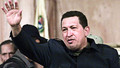
BBC blurb: The political career of Hugo Rafael Chávez Frías had an inauspicious start. A failed coup in 1992 led to a two-year prison sentence. But Chåvez was nothing less than resilient. He returned to win the 1999 election and remained in power until his death from cancer on March 5th this year.
Throughout his presidency he made friends and enemies in almost equal measure. To the Venezuelan working classes, who benefited from many of his social reforms, he was an heroic figure. To other elements of Venezuelan society, he was considered manipulative and autocratic. Abroad, his reputation was similarly polarised - the US in particular, fired by his alliance with Cuba, found Chávez an antagonistic figure.
As Gabriel García Márquez wrote in 1999, after flying from Cuba to Caracas with the new president, "While he sauntered off with his bodyguards of decorated officers and close friends, I was overwhelmed by the feeling that I had just been travelling and chatting pleasantly with two opposing men. One to whom the caprices of fate had given an opportunity to save his country. The other, an illusionist, who could pass into the history books as just another despot."
Rory Carroll joined The Guardian as a reporter in 1997. After spells in Rome, Pakistan and Afghanistan, the Irishman took over the paper's Baghdad bureau. On October 19th, 2005 Carroll was abducted, but released unharmed a day later. In April 2006, he was appointed The Guardian's Latin American correspondent, and worked out of Caracas for the next six years. In 2011, he was long-listed for The Orwell Prize.
Writer: Rory Carroll Reader: Jack Klaff Abridger: Pete Nichols
Producer: Karen Rose A Sweet Talk production for BBC Radio 4.
Rory Carroll introduces Comandante: Inside Hugo Chavez's Venezuela

October 30, 2020
تا قبل از خوندن این کتاب تصور اشتباهی از هوگو چاوز در ذهن داشتم و اون رو کنار دیکتاتورهای بیرحمی مثل استالین و مائو و قذافی و ... قرار میدادم.
ولی با خوندن این کتاب نظرم کاملا نسبت بهش تغییر کرد. هوگو چاوز رییسجمهوری با آرزوها و اهداف خوب ولی با مدیریت افتضاح بود. یک متوهم بود که تا آخرین لحظه هم نمیتونست باور کنه که برنامههاش یکی یکی شکست خورده و خودش شایستگی رییسجمهوری رو نداره. ویروس قدرت چشم اون رو هم کور کرده بود. ولی با همه اینها آدم مهربان و دلرحمی بود. هیچوقت دستور قتل مخالفینش رو نداد، کسی رو شکنجه نکرد و صدای مخالفینش رو خفه نکرد.
در هر ۳ دوره انتخابات ریاست جمهوری هم با رای مردم انتخاب شد، هرچند که در ۲۰۰۶ و ۲۰۱۲ از بودجه و امکانات دولت برای تبلیغات خودش استفاده میکرد و انتخابات اصلا منصفانه نبود.
در مجموع به نظرم هوگو چاوز آدمی خوب ولی در جایگاهی اشتباه بود.
ولی با خوندن این کتاب نظرم کاملا نسبت بهش تغییر کرد. هوگو چاوز رییسجمهوری با آرزوها و اهداف خوب ولی با مدیریت افتضاح بود. یک متوهم بود که تا آخرین لحظه هم نمیتونست باور کنه که برنامههاش یکی یکی شکست خورده و خودش شایستگی رییسجمهوری رو نداره. ویروس قدرت چشم اون رو هم کور کرده بود. ولی با همه اینها آدم مهربان و دلرحمی بود. هیچوقت دستور قتل مخالفینش رو نداد، کسی رو شکنجه نکرد و صدای مخالفینش رو خفه نکرد.
در هر ۳ دوره انتخابات ریاست جمهوری هم با رای مردم انتخاب شد، هرچند که در ۲۰۰۶ و ۲۰۱۲ از بودجه و امکانات دولت برای تبلیغات خودش استفاده میکرد و انتخابات اصلا منصفانه نبود.
در مجموع به نظرم هوگو چاوز آدمی خوب ولی در جایگاهی اشتباه بود.

September 17, 2013
STAY CLEAR OF THIS BOOK. Polemical, one-sided, biased and unsourced Carroll is a far from neutral source on Hugo Chavez, a man who hated. For a more balanced account read Bart Jones's HUGO!

November 21, 2013
By Ian Campbell
“Comandante” sounds like the title of a wide-eyed hagiography. But the book by Rory Carroll, the Guardian’s Venezuela correspondent, is something far more welcome: a clear-eyed account of the whims, machinations and follies of Hugo Chavez, the late Venezuelan leader. It leaves the reader wondering just how the country can find a way forward. The book’s weakness is that the account is far from atmospheric and its structure might have been dreamed up by Chavez’s planning ministry.
Chavez’s trajectory is extraordinary. The comandante’s origins were humble but his ambitions always high. The young Hugo, second of six sons of serious-minded parents who were both primary school teachers, came from a poor village in the central plains but dreamt from the first of international stardom – as a baseball star. His childhood hero was a compatriot, Nestor “the whip” Chavez, no relation, a pitcher for the San Francisco Giants. Sporting ambition, rather than any interest in being a soldier, took Hugo from the plains to the military college in Caracas. He hoped to develop his baseball career in the capital.
When he failed, other ambitions took over. Carroll charts Chavez’s rise in the military and his radicalisation. He was inspired by the left-wing military governments in Peru and Panama, and influenced by Venezuela’s stagnation as the oil price plunged below $20 in the 1980s. He became a national figure in February 1992 when he led a group of junior officers in an attempt to unseat unpopular President Carlos Andres Perez. Chavez was arrested but was able to broadcast to the nation that he had failed only “for now.”
The brief address became known for those two words. A restive nation had found its Robin Hood.
In jail, Chavez received further political instruction, especially from his ascetic future planning minister, Jorge Giordani, whom Carroll calls “the monk”. Giordani explained how to turn revolution into a structure that will endure. Two decades later, Giordani’s “maze of rules and restrictions” are still in place. Circumventing them, largely by bribes, has become the only way to do business.
Once in power, Chavez proved forceful and erratic. He swept aside enemies, though without murdering them, and hired, fired and rehired ministers and officials. He took to the airways relentlessly. Carroll captures very well Chavez’s ability to ramble for hours in a popular vernacular peppered with denunciations of capitalism, extracts from Pablo Neruda or Walt Whitman, and a line or two from Frank Sinatra.
Carroll’s assessment of Chavez looks entirely right. But his reliance on interviews and avoidance of a chronological account means the book wanders. The extraordinary drama of Chavez’s rise to national dominance and international prominence is lost. The book also fails to evoke Venezuela: there is no sense of the tense streets of Caracas or the heat of the central plains. Too little attention is paid to the country’s history, its complex racial and socio-economic mix, dependence on oil and large income divide: challenges that would tax even the wisest of leaders.
The book does not look ahead but the omens for post-Chavez Venezuela are not good. Chavez was lucky. A high global oil price permitted high government spending that kept him popular with many Venezuelans, especially the poor. But he leaves a politically divided country that is extraordinarily vulnerable to an oil-price fall.
Carroll portrays Chavez’s successor, Nicolas Maduro, a former bus driver, as a yes man with an “easy-going demeanour and an instinct for advancement”. It is hard to imagine how the loyal follower can take Venezuela forward. And Chavez’s charismatic chaos looks an impossible act to follow.
“Comandante” sounds like the title of a wide-eyed hagiography. But the book by Rory Carroll, the Guardian’s Venezuela correspondent, is something far more welcome: a clear-eyed account of the whims, machinations and follies of Hugo Chavez, the late Venezuelan leader. It leaves the reader wondering just how the country can find a way forward. The book’s weakness is that the account is far from atmospheric and its structure might have been dreamed up by Chavez’s planning ministry.
Chavez’s trajectory is extraordinary. The comandante’s origins were humble but his ambitions always high. The young Hugo, second of six sons of serious-minded parents who were both primary school teachers, came from a poor village in the central plains but dreamt from the first of international stardom – as a baseball star. His childhood hero was a compatriot, Nestor “the whip” Chavez, no relation, a pitcher for the San Francisco Giants. Sporting ambition, rather than any interest in being a soldier, took Hugo from the plains to the military college in Caracas. He hoped to develop his baseball career in the capital.
When he failed, other ambitions took over. Carroll charts Chavez’s rise in the military and his radicalisation. He was inspired by the left-wing military governments in Peru and Panama, and influenced by Venezuela’s stagnation as the oil price plunged below $20 in the 1980s. He became a national figure in February 1992 when he led a group of junior officers in an attempt to unseat unpopular President Carlos Andres Perez. Chavez was arrested but was able to broadcast to the nation that he had failed only “for now.”
The brief address became known for those two words. A restive nation had found its Robin Hood.
In jail, Chavez received further political instruction, especially from his ascetic future planning minister, Jorge Giordani, whom Carroll calls “the monk”. Giordani explained how to turn revolution into a structure that will endure. Two decades later, Giordani’s “maze of rules and restrictions” are still in place. Circumventing them, largely by bribes, has become the only way to do business.
Once in power, Chavez proved forceful and erratic. He swept aside enemies, though without murdering them, and hired, fired and rehired ministers and officials. He took to the airways relentlessly. Carroll captures very well Chavez’s ability to ramble for hours in a popular vernacular peppered with denunciations of capitalism, extracts from Pablo Neruda or Walt Whitman, and a line or two from Frank Sinatra.
Carroll’s assessment of Chavez looks entirely right. But his reliance on interviews and avoidance of a chronological account means the book wanders. The extraordinary drama of Chavez’s rise to national dominance and international prominence is lost. The book also fails to evoke Venezuela: there is no sense of the tense streets of Caracas or the heat of the central plains. Too little attention is paid to the country’s history, its complex racial and socio-economic mix, dependence on oil and large income divide: challenges that would tax even the wisest of leaders.
The book does not look ahead but the omens for post-Chavez Venezuela are not good. Chavez was lucky. A high global oil price permitted high government spending that kept him popular with many Venezuelans, especially the poor. But he leaves a politically divided country that is extraordinarily vulnerable to an oil-price fall.
Carroll portrays Chavez’s successor, Nicolas Maduro, a former bus driver, as a yes man with an “easy-going demeanour and an instinct for advancement”. It is hard to imagine how the loyal follower can take Venezuela forward. And Chavez’s charismatic chaos looks an impossible act to follow.

Read
April 6, 2026"Comandante: Inside Hugo Chávez's Venezuela" by Rory Carroll explores how one leader reshaped an entire nation through charisma, control, and the strategic use of vast oil wealth. Set against the backdrop of early 21st-century Venezuela, the book presents a country undergoing a dramatic political transformation, where hope, inequality, and power collided. Hugo Chávez emerged as a deeply polarizing figure - seen by supporters as a champion of the poor and by critics as a leader steadily concentrating authority. What becomes clear throughout the narrative is that Venezuela’s transformation was not just political but deeply personal, as Chávez turned governance into a constant performance, drawing citizens into a system where loyalty and attention became central to everyday life.
One of the most striking aspects of Chávez’s rule was how he transformed governing into a continuous public spectacle. Rather than operating behind closed doors, he made himself omnipresent through television and radio, speaking directly to citizens for hours at a time. His long-running program 'Hello, President' became more than just a show - it functioned as a live command center where policies were announced, officials were instructed, and national priorities were shaped in real time. These broadcasts blurred the line between governance and entertainment, creating a system where decisions could emerge spontaneously during conversations, jokes, or emotional appeals. Beyond his own show, Chávez could interrupt all television programming through mandatory national broadcasts, ensuring that his voice remained dominant across the country. This constant presence reinforced his authority while simultaneously weakening traditional institutional channels, as ministries and officials became secondary to the leader’s direct communication with the public.
As Chávez strengthened his influence, loyalty became one of the most important currencies in Venezuelan society. Support for the government was no longer just political - it became something measurable and consequential. A defining moment came when millions of citizens signed a petition calling for a recall referendum. Although Chávez ultimately won the vote, the process left behind a digital record of those who had opposed him. This information was later used to identify and penalize dissenters, affecting their access to jobs, services, and opportunities. What began as a democratic mechanism evolved into a tool for monitoring and controlling the population. Over time, this system extended into government institutions themselves, where advancement depended less on competence and more on demonstrated loyalty. In such an environment, disagreement became risky, and many chose silence over confrontation.
Inside the government, power increasingly revolved around proximity to Chávez rather than formal roles or structures. A culture developed in which officials competed for his attention, knowing that influence came from being seen as loyal and indispensable. Key figures, such as planning minister Jorge Giordani, helped shape policies that aimed to centralize control over the economy and society. These efforts reflected a belief that the country could be engineered from the top down, with the state directing resources and outcomes. However, as decision-making narrowed to a small inner circle, transparency declined and accountability weakened. Even major political setbacks did not lead to reflection or reform; instead, Chávez often responded by altering the rules, such as removing term limits to remain in power indefinitely. This pattern reinforced a system where institutions adapted to the leader, rather than the leader operating within institutional constraints.
Oil wealth played a crucial role in sustaining this system, acting as both a financial engine and a political tool. With global oil prices rising, Venezuela had access to enormous revenues, much of which flowed through the state-owned company PDVSA. These funds allowed the government to finance social programs, maintain public support, and respond quickly to crises. However, the abundance of money also reduced the pressure for accountability. Budgets could be manipulated, and large sums were often directed into special funds outside normal oversight. This flexibility made it easier to reward allies and manage political challenges, but it also created fertile ground for corruption and inefficiency. When problems emerged - such as infrastructure failures or electricity shortages - the government often relied on messaging and promises rather than structural solutions, masking deeper issues within the system.
Despite ambitious goals of social transformation, everyday life for many Venezuelans became increasingly difficult. Crime rose sharply, public services deteriorated, and institutions like the prison system fell into disrepair. Overcrowding, delays in the judicial process, and lack of transparency became widespread. The case of Judge María Lourdes Afiuni illustrated how fragile the rule of law had become. After making a legally justified decision to release a detainee, she was publicly condemned by Chávez and imprisoned, sending a powerful message to others within the judiciary. Incidents like this created a climate of fear, where even those within the system hesitated to act independently. At the same time, media restrictions limited public awareness of crises, allowing the government to control the narrative even as conditions worsened.
As frustrations grew, protests became more frequent across the country. Citizens demonstrated over practical concerns such as electricity, water, wages, and infrastructure, rather than purely ideological disagreements. These protests revealed the gap between the government’s promises and the realities faced by ordinary people. Interestingly, the state often chose negotiation over repression, partly because it sought to maintain its image as a representative of the poor. Oil revenues and external financing provided enough flexibility to address some grievances temporarily, preventing widespread unrest from escalating into a unified opposition movement. However, the underlying issues remained unresolved, contributing to a sense of instability beneath the surface.
The final phase of Chávez’s leadership was marked by uncertainty as his health declined. After revealing that he was battling cancer, he continued to appear publicly, framing his survival as part of the broader political struggle. Even in weakened condition, he maintained his connection with supporters and secured another electoral victory. During this period, he also elevated Nicolás Maduro as his successor, signaling an attempt to preserve the system he had built. Yet his illness exposed a fundamental vulnerability: a political structure so heavily centered on one person that its future became uncertain without him. The country was left waiting, unsure how power would transition once his presence could no longer hold the system together.
In conclusion, "Comandante: Inside Hugo Chávez's Venezuela" by Rory Carroll shows how Venezuela’s transformation was driven by a combination of personal leadership style, economic resources, and institutional change. Chávez’s constant public engagement, emphasis on loyalty, and reliance on oil wealth allowed him to build a powerful and enduring political machine. However, these same factors also weakened accountability, increased division, and strained the systems that support everyday life. By the time questions of succession emerged, Venezuela faced a complex legacy: a deeply mobilized society, but one grappling with fragile institutions and growing instability.
One of the most striking aspects of Chávez’s rule was how he transformed governing into a continuous public spectacle. Rather than operating behind closed doors, he made himself omnipresent through television and radio, speaking directly to citizens for hours at a time. His long-running program 'Hello, President' became more than just a show - it functioned as a live command center where policies were announced, officials were instructed, and national priorities were shaped in real time. These broadcasts blurred the line between governance and entertainment, creating a system where decisions could emerge spontaneously during conversations, jokes, or emotional appeals. Beyond his own show, Chávez could interrupt all television programming through mandatory national broadcasts, ensuring that his voice remained dominant across the country. This constant presence reinforced his authority while simultaneously weakening traditional institutional channels, as ministries and officials became secondary to the leader’s direct communication with the public.
As Chávez strengthened his influence, loyalty became one of the most important currencies in Venezuelan society. Support for the government was no longer just political - it became something measurable and consequential. A defining moment came when millions of citizens signed a petition calling for a recall referendum. Although Chávez ultimately won the vote, the process left behind a digital record of those who had opposed him. This information was later used to identify and penalize dissenters, affecting their access to jobs, services, and opportunities. What began as a democratic mechanism evolved into a tool for monitoring and controlling the population. Over time, this system extended into government institutions themselves, where advancement depended less on competence and more on demonstrated loyalty. In such an environment, disagreement became risky, and many chose silence over confrontation.
Inside the government, power increasingly revolved around proximity to Chávez rather than formal roles or structures. A culture developed in which officials competed for his attention, knowing that influence came from being seen as loyal and indispensable. Key figures, such as planning minister Jorge Giordani, helped shape policies that aimed to centralize control over the economy and society. These efforts reflected a belief that the country could be engineered from the top down, with the state directing resources and outcomes. However, as decision-making narrowed to a small inner circle, transparency declined and accountability weakened. Even major political setbacks did not lead to reflection or reform; instead, Chávez often responded by altering the rules, such as removing term limits to remain in power indefinitely. This pattern reinforced a system where institutions adapted to the leader, rather than the leader operating within institutional constraints.
Oil wealth played a crucial role in sustaining this system, acting as both a financial engine and a political tool. With global oil prices rising, Venezuela had access to enormous revenues, much of which flowed through the state-owned company PDVSA. These funds allowed the government to finance social programs, maintain public support, and respond quickly to crises. However, the abundance of money also reduced the pressure for accountability. Budgets could be manipulated, and large sums were often directed into special funds outside normal oversight. This flexibility made it easier to reward allies and manage political challenges, but it also created fertile ground for corruption and inefficiency. When problems emerged - such as infrastructure failures or electricity shortages - the government often relied on messaging and promises rather than structural solutions, masking deeper issues within the system.
Despite ambitious goals of social transformation, everyday life for many Venezuelans became increasingly difficult. Crime rose sharply, public services deteriorated, and institutions like the prison system fell into disrepair. Overcrowding, delays in the judicial process, and lack of transparency became widespread. The case of Judge María Lourdes Afiuni illustrated how fragile the rule of law had become. After making a legally justified decision to release a detainee, she was publicly condemned by Chávez and imprisoned, sending a powerful message to others within the judiciary. Incidents like this created a climate of fear, where even those within the system hesitated to act independently. At the same time, media restrictions limited public awareness of crises, allowing the government to control the narrative even as conditions worsened.
As frustrations grew, protests became more frequent across the country. Citizens demonstrated over practical concerns such as electricity, water, wages, and infrastructure, rather than purely ideological disagreements. These protests revealed the gap between the government’s promises and the realities faced by ordinary people. Interestingly, the state often chose negotiation over repression, partly because it sought to maintain its image as a representative of the poor. Oil revenues and external financing provided enough flexibility to address some grievances temporarily, preventing widespread unrest from escalating into a unified opposition movement. However, the underlying issues remained unresolved, contributing to a sense of instability beneath the surface.
The final phase of Chávez’s leadership was marked by uncertainty as his health declined. After revealing that he was battling cancer, he continued to appear publicly, framing his survival as part of the broader political struggle. Even in weakened condition, he maintained his connection with supporters and secured another electoral victory. During this period, he also elevated Nicolás Maduro as his successor, signaling an attempt to preserve the system he had built. Yet his illness exposed a fundamental vulnerability: a political structure so heavily centered on one person that its future became uncertain without him. The country was left waiting, unsure how power would transition once his presence could no longer hold the system together.
In conclusion, "Comandante: Inside Hugo Chávez's Venezuela" by Rory Carroll shows how Venezuela’s transformation was driven by a combination of personal leadership style, economic resources, and institutional change. Chávez’s constant public engagement, emphasis on loyalty, and reliance on oil wealth allowed him to build a powerful and enduring political machine. However, these same factors also weakened accountability, increased division, and strained the systems that support everyday life. By the time questions of succession emerged, Venezuela faced a complex legacy: a deeply mobilized society, but one grappling with fragile institutions and growing instability.

June 3, 2013
This book is a once over lightly sketch of the administration of Venezuela by its late flamboyant President, Hugo Chavez. This book is a quick light read and will suffice until a more thorough work is, inevitably, available.
Rory Carroll recounts moments in the president's career such as his failed coup, successful elections, mercurial changes in policy and his unsuccessful attempt to change the constitution. Opposing political parties long ago marginalized themselves by overplaying their hands, which resulted in giving Chavez a free hand. His administration was a revolving door of ministers, some of whom he fired on TV shows. He had an enemies list, compiled by a supporter and used to deny people jobs and access. Ironically, the list bears the supporter's name, who like many other one-time supporters, wound up on this list too.
Carroll describes how decisions were made by circumstance, whim, and expedience and for no reason whatsoever. While enemies were not tortured, they were publically humiliated and they and their families were financially ruined. Fortunately for Chavez, the petrodollars that fueled the economy satisfied his supporters and further silenced his opposition.
Interesting women are part of the Chavez saga. Eva Golinger, a "volunteer" gadfly from the US, researched and exposed things like the US involvement in opposition groups; Lina Ron lead a motorcycle militia in support of her Comandante. Hon. Maria Lourdes Afiuni, a judge, remains in jail for giving due process to a Chavez opponent.
There are curious men as well: Jorge Giordani, "the monk", serves as something like a national banker who devised a scheme that kept (and may still keep) hard currency in the hands of supporters. Raul Baduel "lifelong friend" of the Comandante, served as his personal secretary and served as Minister of Defense, now serves time in prison for his refusal to politicize the military. Most curious, is Rafael Castellanos, a scholar who served as a librarian and fact checker for Chavez who was prone to including literary and philosophical ideas in planned and ad libbed speeches.
Rory Carroll sees a country in decay. The Commandant's TV directors had to carefully plan camera shots to avoid the crumbling infrastructure and out of order signs. Carroll drives to the airport in traffic similar to any US city, but in Caracas, he worries about bandits and at the airport, expects to pay a bribe. Crime is rampant, the murder rate is the highest in Latin America and fewer than 1% of the murder cases are solved.
The book will help you to understand the phenomena that was Chavez. Undoubtedly, more works on him will follow.
Rory Carroll recounts moments in the president's career such as his failed coup, successful elections, mercurial changes in policy and his unsuccessful attempt to change the constitution. Opposing political parties long ago marginalized themselves by overplaying their hands, which resulted in giving Chavez a free hand. His administration was a revolving door of ministers, some of whom he fired on TV shows. He had an enemies list, compiled by a supporter and used to deny people jobs and access. Ironically, the list bears the supporter's name, who like many other one-time supporters, wound up on this list too.
Carroll describes how decisions were made by circumstance, whim, and expedience and for no reason whatsoever. While enemies were not tortured, they were publically humiliated and they and their families were financially ruined. Fortunately for Chavez, the petrodollars that fueled the economy satisfied his supporters and further silenced his opposition.
Interesting women are part of the Chavez saga. Eva Golinger, a "volunteer" gadfly from the US, researched and exposed things like the US involvement in opposition groups; Lina Ron lead a motorcycle militia in support of her Comandante. Hon. Maria Lourdes Afiuni, a judge, remains in jail for giving due process to a Chavez opponent.
There are curious men as well: Jorge Giordani, "the monk", serves as something like a national banker who devised a scheme that kept (and may still keep) hard currency in the hands of supporters. Raul Baduel "lifelong friend" of the Comandante, served as his personal secretary and served as Minister of Defense, now serves time in prison for his refusal to politicize the military. Most curious, is Rafael Castellanos, a scholar who served as a librarian and fact checker for Chavez who was prone to including literary and philosophical ideas in planned and ad libbed speeches.
Rory Carroll sees a country in decay. The Commandant's TV directors had to carefully plan camera shots to avoid the crumbling infrastructure and out of order signs. Carroll drives to the airport in traffic similar to any US city, but in Caracas, he worries about bandits and at the airport, expects to pay a bribe. Crime is rampant, the murder rate is the highest in Latin America and fewer than 1% of the murder cases are solved.
The book will help you to understand the phenomena that was Chavez. Undoubtedly, more works on him will follow.

November 11, 2021
A surprisingly incompetent portrait of a would-be democratic dictator, Hugo Chavez, Rory Carroll’s Comandante sketches plenty but ultimately sticks to broad strokes and thus leaves the unlikely impression that Venezuela, and the world, probably ought to thank Chavez for all his scheming.
Carroll’s inspiration came from a series of notebooks he filled while writing short articles about Chavez. I see no evidence that he did anything but compile his chapters directly from them rather than attempt a more comprehensive approach. He glosses over the entirety of Chavez’s life before the 1998 election, even the 1992 coup attempt that led to it and the two years Chavez spent in jail because of it. He doesn’t even talk much about the state of Venezuelan affairs before the attempt, or the fateful election. For every sly nod acknowledging Chavez’s faults, Carroll still suggests, throughout, that Chavez was probably close to the romantic, delusional myth he so stubbornly projected.
Nowhere are we given a real context for any of it. Carroll drops in hints as if the reader knows or agrees with accepted conclusions. For me, I never really paid attention to Chavez. I knew he existed and that he was probably one of the world tyrants we’d be better off without, and nothing in this book persuaded me to any other conclusion, not even that Carroll loves to point out at least Chavez didn’t just kill all his opponents. Well, thanks for establishing your ethical bar so low, Rory Carroll.
Observers like Oliver Stone, who apparently never met an outsize personality he didn’t at least consider falling all over (I greatly admire Stone’s abilities as a filmmaker; this does not condone his stance on Chavez, as exhibited in the documentary South of the Border, which as I watch it after writing this review will at least allow me a visual glimpse of Chavez) seemed to find it easy to apologize for the results. Carroll, in the end, is another.
Unfortunately.
Carroll’s inspiration came from a series of notebooks he filled while writing short articles about Chavez. I see no evidence that he did anything but compile his chapters directly from them rather than attempt a more comprehensive approach. He glosses over the entirety of Chavez’s life before the 1998 election, even the 1992 coup attempt that led to it and the two years Chavez spent in jail because of it. He doesn’t even talk much about the state of Venezuelan affairs before the attempt, or the fateful election. For every sly nod acknowledging Chavez’s faults, Carroll still suggests, throughout, that Chavez was probably close to the romantic, delusional myth he so stubbornly projected.
Nowhere are we given a real context for any of it. Carroll drops in hints as if the reader knows or agrees with accepted conclusions. For me, I never really paid attention to Chavez. I knew he existed and that he was probably one of the world tyrants we’d be better off without, and nothing in this book persuaded me to any other conclusion, not even that Carroll loves to point out at least Chavez didn’t just kill all his opponents. Well, thanks for establishing your ethical bar so low, Rory Carroll.
Observers like Oliver Stone, who apparently never met an outsize personality he didn’t at least consider falling all over (I greatly admire Stone’s abilities as a filmmaker; this does not condone his stance on Chavez, as exhibited in the documentary South of the Border, which as I watch it after writing this review will at least allow me a visual glimpse of Chavez) seemed to find it easy to apologize for the results. Carroll, in the end, is another.
Unfortunately.
Read
November 12, 2014The subtitle of the book I read was 'the life and legacy of Hugo Chavez' presumably the British title. Carroll, a Guardian correspondent, covered Chavez' Venezuela for six years and provides an in depth look at Chavez the leader. There isn't much in here about his private life. Chavez' key to electoral success was class warfare. He set the poor off against both the middle classes and the rich. Since there are more poor in Venezuela he was pretty much bullet-proof at the polls. He governed by whim. Policies and plans tumbled out one upon the other but seldom was there any follow up as he lost interest and moved on to something else. Carroll contends that he had a magnetic personality which he exploited on television programs that often ran around the clock. I have to assume a lot is lost in translation as he comes across in English as a desperate salesman. Though Chavez was no dictator (he did win fair elections) he certainly ruled like one by the end nothing was done without his say so and his rule was as much a personality cult as the worst dictators of modern times. Venezuela will be dealing with the Chavez legacy for years.

August 9, 2018
This is a good book. It's easy to read, it's often fun and it doesn't shy away from actually talking about history, politics and economics. When I started reading this, I read it, and more or less nothing else, until it was finished. I've never been known for taking a particular interest in South American politics, but the bizarre story of Hugo Chavez's rise to power and later decline in reputation, is just too strange to even seem real. The way he kept himself in power, basically undemocratically, without ever suspending democracy or faking elections, is thoroughly weird.
The author, Rory Carroll, is a journalist. He lived in Venezuela through most (maybe all?) of the time he decribes in the book. He once, briefly, interviewed Chavez on Venezuelan TV, in a strange episode he recounts in the book but that reads more like it belongs in a George Orwell novel. Carroll manages an excellent balance throughout between being able to tell an engaging and dramatic story, and having thorough knowledge of his subject matter.
I can assuredly recomend this book.
The author, Rory Carroll, is a journalist. He lived in Venezuela through most (maybe all?) of the time he decribes in the book. He once, briefly, interviewed Chavez on Venezuelan TV, in a strange episode he recounts in the book but that reads more like it belongs in a George Orwell novel. Carroll manages an excellent balance throughout between being able to tell an engaging and dramatic story, and having thorough knowledge of his subject matter.
I can assuredly recomend this book.

October 2, 2018
Very detailed account of Chavez's Venezuela. Mr. Carroll does a great job in detailing the consequences of the state that Mr. Chavez created and a cautionary tale of being a leader who's main policy platform is that everything he does is right. I love the detailed accounts and stories of Mr. Carroll's adventures in the country and what life is like in a country that has been viewed by America as a hostile state and have heard very little reports out of. It is a great tale to see the decline of one of Latin America's strongest states into a almost failed state. I think their should be a follow-up or an updated version to see what a bang-up job Mr. Maduro has done to the country since Chavez's death. Great read

April 17, 2019
Good read that introduces the reader to what it was like living in Venezuela during Chavez's reign. Some interesting topics are covered though lacks real depth (bibliography hardly covers a page). The book sticks to its tight topic, grazing over Chavez's early life and Venezuela's political history before Chavez. If the publication date where held off a few more months, Carroll would have had a more complete story of Chavez. We know his fate now, but because the book was finished shortly before his death, it feels like the narrative is forced to stop short. Enjoyable overall, but if you aren't into reading the book just do what I did: marry a Venezuelan.

October 1, 2020
کتاب به شکلی کامل سعی کرده به ابعاد مختلف زندگی چاوز بپردازه، البته در بعضی فصلا، نویسنده به نظرم جانب انصاف رو نگرفته و بیمحابا هر کار مثبت و منفی چاوز رو نقد کرده.
به شدت پوپولیسم و ساختاری که چاوز درست کرد، برای ما ملموس و قابل درکه.
از نامه گرفتن از خلقالله تا تشکیل کمیته برای پاسخ به نامههای مردمی و الی آخر...
از خواندن کتاب پشیمان نمیشید.
خواندن کتابی در خصوص مردی که ۲ بار اراده کرد به میرافلورس برسد.
بار اول با کودتای بیسرانجام نظامی و بار دوم با صندوق رای و تکیه بر عوام.
به شدت پوپولیسم و ساختاری که چاوز درست کرد، برای ما ملموس و قابل درکه.
از نامه گرفتن از خلقالله تا تشکیل کمیته برای پاسخ به نامههای مردمی و الی آخر...
از خواندن کتاب پشیمان نمیشید.
خواندن کتابی در خصوص مردی که ۲ بار اراده کرد به میرافلورس برسد.
بار اول با کودتای بیسرانجام نظامی و بار دوم با صندوق رای و تکیه بر عوام.

September 10, 2020
کتابی بسیار جالب و خواندنی. بسیار از خواندنش لذت بردم
August 4, 2026
Ends a little abruptly, would've loved if this book was released a few years after the Comandante's death so we could get more of a retrospective, but ultimately a great primer for 1990-2010s Venezuela and the rise and fall of Hugo Chávez.
Not perfectly chronological or overly detailed like a history book, nor does it gloss over the facts with flowery language, Rory paints a clear enough picture that the reader can start to understand just what is the political puzzle that was Venezuela under Chávez's rule, funded by countless petrodollars.
Chávez, larger than life, simultaneously capturing the people's vote whilst rotting his country from the inside with countless power games and backdoor deals. Protestors shot near his estate, yet still winning with 80% of the polls in elections. Multi-hour TV marathons, where he goes on and on (which you can find on YouTube), building to his mythos. Pushing for pure, unfettered socialism whilst having a laughably corrupt government which constantly juggled people between different ministries and positions.
All this and more, making Venezuela seem like the closest thing to a medieval court, with endless political intrigue and backstabbing, all politicians and those in power catering to Chávez's every preference lest they catch his ire, to the point where they even donned red t-shirts and baseball caps where ever possible.
It's hard not to be curious about Venezuela after reading this, even as someone with no concern of politics or the world around me outside my sphere of influence, I found myself Googling and searching for more information whenever I had time between chapters.
A big recommendation, to anyone even the littlest bit interested (even those uninterested). Very easy to read - as someone who hasn't read books since finishing school.
Not perfectly chronological or overly detailed like a history book, nor does it gloss over the facts with flowery language, Rory paints a clear enough picture that the reader can start to understand just what is the political puzzle that was Venezuela under Chávez's rule, funded by countless petrodollars.
Chávez, larger than life, simultaneously capturing the people's vote whilst rotting his country from the inside with countless power games and backdoor deals. Protestors shot near his estate, yet still winning with 80% of the polls in elections. Multi-hour TV marathons, where he goes on and on (which you can find on YouTube), building to his mythos. Pushing for pure, unfettered socialism whilst having a laughably corrupt government which constantly juggled people between different ministries and positions.
All this and more, making Venezuela seem like the closest thing to a medieval court, with endless political intrigue and backstabbing, all politicians and those in power catering to Chávez's every preference lest they catch his ire, to the point where they even donned red t-shirts and baseball caps where ever possible.
It's hard not to be curious about Venezuela after reading this, even as someone with no concern of politics or the world around me outside my sphere of influence, I found myself Googling and searching for more information whenever I had time between chapters.
A big recommendation, to anyone even the littlest bit interested (even those uninterested). Very easy to read - as someone who hasn't read books since finishing school.

August 27, 2021
A very insightful book about how Hugo Chavez rose to power and managed to maintain it (ie. oil-funded systemic corruption and patronage) despite the fact his "Bolivarian socialist" policies contributed to the ruin of Venezuela. By giving an inside look at how the government operated (functioned would be too kind) under Chavez, I can now understand how "the system" allows someone like Maduro to cling on to power despite the ongoing decay of the country. A truly tragic story for the people of Venezuela.
The book is divided into three main sections: Throne, Palace, and Kingdom. As such, it bounces around at times in the chronology of events while the author is writing about themes within the main sections. I think it would have been nice if he added an appendix to the book with an overall timeline of key events. Other than that, it was a great read. I would give it 4.5 stars if I could, but no half stars allowed so 4 will have to do.
The book is divided into three main sections: Throne, Palace, and Kingdom. As such, it bounces around at times in the chronology of events while the author is writing about themes within the main sections. I think it would have been nice if he added an appendix to the book with an overall timeline of key events. Other than that, it was a great read. I would give it 4.5 stars if I could, but no half stars allowed so 4 will have to do.
May 6, 2025
Research read. If you like horror, just read about Venezuelan history. Incredible reporting, fairly represented the information and showed both sides, while also using beautiful and descriptive imagery that paints a very sad picture.
I’ll leave it with a quote that stuck with me: “in wasted potential, lay tragedy.”
I’ll leave it with a quote that stuck with me: “in wasted potential, lay tragedy.”
April 19, 2019
کتاب تکرار مکررات در مورد چاوز است بعد از خواندن چهار صد صفحه احساس نمی کنم نکات جدیدی در مورد ونزوئلا و چاوز یاد گرفته باشم.
April 20, 2022
The quickest way to get one of my dear friends, perhaps one of the sunniest and most enjoyable people on the planet, to become sullen and melancholy is to ask about their home country of Venezuela. "There's no future there," my friend opines. And in giving me this book, my friend (and millions of other Venezuelans) points the finger at one man responsible for the slow and then sudden collapse of the land: Hugo Chavez.
Rory Carroll writes this book in a snappy, crisp, and eminently readable way, blending in a dry sense of humor and sardonic tone that allows for some legitimately funny moments, if only because he knows that merely recording the ridiculousness of some of Chavez's Venezuela is comedy enough.
Because Chavez, a former failed military coup plotter turned democratically elected autocrat, is a ridiculous figure. He seems pathologically incapable of avoiding the camera. He's a storyteller, constantly holding court with his gregarious personality. And he's cunning, knowing that sometimes the way to master the media is to master the art of propaganda. Reading as an American, I could not help but draw parallels between Chavez's reign and the term of former president Donald Trump: a constant desire to be the center of attention, a prickly skin thinner than paper, a need to use polarizing and aggressive language to rile up his base and galvanize the opposition, so that everyone is at each others' throats...all whilst a culture of fear and sycophancy reigned in the capital, with countless nameless (and, frankly, talentless) ministers vied and jockeyed for the ear of El Comandante. Meanwhile, institutions decayed, corruption reigned, and the people suffered.
Carroll doesn't have to work too hard to indict Hugo Chavez as an autocrat with cunning ability to stay in power and whose laser focus on winning elections left him floundering when it came to real issues in his country. Carroll saves his harshest indictment, it seems, for the countless Venezuelans who *knew* that Chavez's regime was autocratic but rather lazy about it (North Korean "disappearances" and Russian gulags, it ain't) and yet still went along with it anyway for the sake of a paycheck. "The sword was plastic, and still they bent the knee."
It's a fascinating look at not only the man who broke Venezuela, but also an interesting look at a fascinating country and a wonderful people who were and are suffering under the shadow of Hugo Chavez's legacy. I say *suffering* because reading this book in 2022 comes across as eerily prescient: the book was published in 2013, shortly before Hugo Chavez died of cancer, and it only spends two pages describing Chavez's eventual (and, frankly, even more horrific) successor: Nicolas Maduro, who currently presides over a country in collapse, with none of Chavez's charm that allowed him to get away with being the worst.
Start reading this book, and you won't be able to put it down.
Rory Carroll writes this book in a snappy, crisp, and eminently readable way, blending in a dry sense of humor and sardonic tone that allows for some legitimately funny moments, if only because he knows that merely recording the ridiculousness of some of Chavez's Venezuela is comedy enough.
Because Chavez, a former failed military coup plotter turned democratically elected autocrat, is a ridiculous figure. He seems pathologically incapable of avoiding the camera. He's a storyteller, constantly holding court with his gregarious personality. And he's cunning, knowing that sometimes the way to master the media is to master the art of propaganda. Reading as an American, I could not help but draw parallels between Chavez's reign and the term of former president Donald Trump: a constant desire to be the center of attention, a prickly skin thinner than paper, a need to use polarizing and aggressive language to rile up his base and galvanize the opposition, so that everyone is at each others' throats...all whilst a culture of fear and sycophancy reigned in the capital, with countless nameless (and, frankly, talentless) ministers vied and jockeyed for the ear of El Comandante. Meanwhile, institutions decayed, corruption reigned, and the people suffered.
Carroll doesn't have to work too hard to indict Hugo Chavez as an autocrat with cunning ability to stay in power and whose laser focus on winning elections left him floundering when it came to real issues in his country. Carroll saves his harshest indictment, it seems, for the countless Venezuelans who *knew* that Chavez's regime was autocratic but rather lazy about it (North Korean "disappearances" and Russian gulags, it ain't) and yet still went along with it anyway for the sake of a paycheck. "The sword was plastic, and still they bent the knee."
It's a fascinating look at not only the man who broke Venezuela, but also an interesting look at a fascinating country and a wonderful people who were and are suffering under the shadow of Hugo Chavez's legacy. I say *suffering* because reading this book in 2022 comes across as eerily prescient: the book was published in 2013, shortly before Hugo Chavez died of cancer, and it only spends two pages describing Chavez's eventual (and, frankly, even more horrific) successor: Nicolas Maduro, who currently presides over a country in collapse, with none of Chavez's charm that allowed him to get away with being the worst.
Start reading this book, and you won't be able to put it down.

March 30, 2013
Reality clearly beats fiction, fascinating and quite sad as well
May 13, 2015
An interesting insight to Miraflores when el commandante was in power. RIP Chavez!
July 22, 2023
One can reflect on many things after reading this book. Perhaps the most significant at the highest level is not about what Rory Carroll has written about Chavez, but more about Rory Carroll himself, and what he stands for.
Rory Carroll is the Guardian's correspondent for Venezuela. For such an important post from an important Western media outlet, the responsibility was given to Rory, a newbie journalist who moved to Caracas for his new post, and to study Spanish. This represents the Western media's scorn towards latin america, a young and melleable young man who himself is being used as a tool. His tone and reporting is shocking in how he described Chavez. It is difficult to see how such a young man without any grasp of the spanish langauge and his narrow minded views can have any credibility in his writings, and be allowed to influence millions back home who reads his stories. Evidently a mouth piece for the chief editor back home at the Guardian.
The book does not at all attempt to understand nor narrate the life of Chavez. There is no attempt to narrate his family, his childhood and his upbringing. No narrative of events in his life that shaped him into the person that we all now is Hugo Chavez. The entire book is a character assassin.
The book is essentially organised into series of anecdotes one after another. Each describing a story focused on a particular enemy of Chavez, or cleverly put together narratives and negative connotations and imageries that are then weakly linked to the failure of Chavez that is both manipulative on the part of the author as well sinister towards the subject of the book. I will provide examples from the book.
For example in chapter 10, the author described gang violence in the neighbourhood of El Cementerio ( note the start of setting up the dystopian canvas of the "Cemetry" to paint his story). He focused on detailed stories of individual gang members, how they killed a "woman's husband, then widowed her again after she remarried", and how members of gang were killed including "one shot 30 times in the face". The explicit details in his narrative seemed so real that the author lures the reader into shock horror and sympathy. Suddenly the author attacks Chavez quote from the book that this " showed in microcosm how Venezuela's social contract shredded under Chavez. Forces were unleashed that gave Richard ( a gang member in his book ) , and countless more like him, litter choices but to trade childhood for a gun". This is both manipulative and sinister. Because surely such gang violence and harmful childhood can also be found in plenty in cities across the Western world. However one would never expect to read a story from the Guardian or any western media that manipulates a story about a gang member in the city of New York in America that then reflects on the "social contract shredded under" the Obama government which meant thousands of American people would have "litter choices but to trade childhood for a gun".
The author's hatred towards Chavez grew more evident towards the end of the book. Something as a reader I could not but feel he could not contain himself and his views. Nearing his death the author described the situation as "A decaying revolution, a ravaged body, a vigorous challenger: Chavez was in trouble" and that "He could not avoid physical extinction" once he was diagnosed with cancer. There are no respects towards the politicians of Venezuela. They have been addressed as derogatory nicknames the author created for himself such as "The Monkey", "The Monk" etc. Would you imagine any western author writing about Lincoln, Obama, or any other western leader in such a way? And to be allowed to publish in the western world?
If you have read this book and have enjoyed it I would like to ask if this is because the book confirms your already formed views of Chavez. In which case we are not approaching the book with an open mind and read objectively.
As I said at the start, the book reveals more about Western journalism than about the subject of the book himself. If our media is allowed to continue its narrative in such a biased fashion, that we are always judging our enemies from our point of view, then we may never be able to find reconciliation with the other half of humanity that do not see the world in the same as we do. And this only serves to create more future conflicts and not peace in this world that we share so much more in common in our shared humanity.
Rory Carroll is the Guardian's correspondent for Venezuela. For such an important post from an important Western media outlet, the responsibility was given to Rory, a newbie journalist who moved to Caracas for his new post, and to study Spanish. This represents the Western media's scorn towards latin america, a young and melleable young man who himself is being used as a tool. His tone and reporting is shocking in how he described Chavez. It is difficult to see how such a young man without any grasp of the spanish langauge and his narrow minded views can have any credibility in his writings, and be allowed to influence millions back home who reads his stories. Evidently a mouth piece for the chief editor back home at the Guardian.
The book does not at all attempt to understand nor narrate the life of Chavez. There is no attempt to narrate his family, his childhood and his upbringing. No narrative of events in his life that shaped him into the person that we all now is Hugo Chavez. The entire book is a character assassin.
The book is essentially organised into series of anecdotes one after another. Each describing a story focused on a particular enemy of Chavez, or cleverly put together narratives and negative connotations and imageries that are then weakly linked to the failure of Chavez that is both manipulative on the part of the author as well sinister towards the subject of the book. I will provide examples from the book.
For example in chapter 10, the author described gang violence in the neighbourhood of El Cementerio ( note the start of setting up the dystopian canvas of the "Cemetry" to paint his story). He focused on detailed stories of individual gang members, how they killed a "woman's husband, then widowed her again after she remarried", and how members of gang were killed including "one shot 30 times in the face". The explicit details in his narrative seemed so real that the author lures the reader into shock horror and sympathy. Suddenly the author attacks Chavez quote from the book that this " showed in microcosm how Venezuela's social contract shredded under Chavez. Forces were unleashed that gave Richard ( a gang member in his book ) , and countless more like him, litter choices but to trade childhood for a gun". This is both manipulative and sinister. Because surely such gang violence and harmful childhood can also be found in plenty in cities across the Western world. However one would never expect to read a story from the Guardian or any western media that manipulates a story about a gang member in the city of New York in America that then reflects on the "social contract shredded under" the Obama government which meant thousands of American people would have "litter choices but to trade childhood for a gun".
The author's hatred towards Chavez grew more evident towards the end of the book. Something as a reader I could not but feel he could not contain himself and his views. Nearing his death the author described the situation as "A decaying revolution, a ravaged body, a vigorous challenger: Chavez was in trouble" and that "He could not avoid physical extinction" once he was diagnosed with cancer. There are no respects towards the politicians of Venezuela. They have been addressed as derogatory nicknames the author created for himself such as "The Monkey", "The Monk" etc. Would you imagine any western author writing about Lincoln, Obama, or any other western leader in such a way? And to be allowed to publish in the western world?
If you have read this book and have enjoyed it I would like to ask if this is because the book confirms your already formed views of Chavez. In which case we are not approaching the book with an open mind and read objectively.
As I said at the start, the book reveals more about Western journalism than about the subject of the book himself. If our media is allowed to continue its narrative in such a biased fashion, that we are always judging our enemies from our point of view, then we may never be able to find reconciliation with the other half of humanity that do not see the world in the same as we do. And this only serves to create more future conflicts and not peace in this world that we share so much more in common in our shared humanity.
Displaying 1 - 30 of 113 reviews