De Litouwse verhalen (1917) geven een realistisch beeld van de Litouwse bevolking van het zogenaamde Memelland, ooit Pruisisch-Duits grondgebied, nu een deel van Litouwen. Deze Oost-Pruisische Litouwers zijn protestantse christenen, die toch hun oude goden gunstig moeten stemmen. Het zijn voor een deel welgestelde boeren en vissers, die Duits en Litouws spreken, maar zich toch afzetten tegen de Duitse bovenlaag. Hartstocht en schuld kenmerken de verhalen ‘De reis naar Tilsit’ en ‘Miks Bumbullis’. ‘Jons en Erdme’ is het authentieke verhaal van veenkolonisten, die boer worden en hogerop willen. ‘De meid’ vertelt de geschiedenis van een jonge vrouw, die overgeleverd is aan de macht van een landheer en aan de wil van de mannen van haar eigen stand.
Sudermann, zelf afkomstig uit het Memelland, beschrijft al deze lotgevallen op een spannende en meelevende, hier en daar ook ironische manier. Hij doet dit in een taal die heel dicht bij de gesproken taal van zijn personages staat en doorspekt is met couleur locale. Zo weet hij een wereld op te roepen die niet meer bestaat, maar die we ons dankzij zijn schildering nog levendig kunnen voorstellen.
Educated at Koningsberg University and the University of Berlin, Sudermann had to give up his studies because of financial difficulties. He worked for a time as a tutor before becoming a journalist in Bern, Switzerland. He returned to Germany in 1881 and became the editor of the Deutsches Reichsblatt. Thereafter, he devoted himself to writing. In 1886, he published Zweilicht, his first novel, and followed in 1887 with Frau Sorge, which was critically acclaimed. His first drama, Die Ehre, or The Honour appeared in 1889 and was enormously successful. Sudermann also produced a number of short stories. His other works include Geschwister (1888), Der Katzensteg (1890), Sodoms Ende (1891), Die Heimat (1893), Morituri (1896), Es Lebe das Leben! (1902), Es War (1904) and Stein unter Steinen (1905).
Keturios nuo Šilutės kilusio vokiečio apysakos apie pamario lietuvius kaizerio Vokietijos laikais. Visada įdomi ta prarasto pasaulio literatūra – kraštas geografiškai atrodo gerai pažįstamas, kai kurios gamtos keliamos problemos niekur nedingo, Rusnė kaip skendo pavasariais, taip skęsta, o žmonių, apie kuriuos rašoma, jų kultūros, gyvensenos neliko. Vokiečių kalbą irgi nebent senose kapinėse ant surūdijusių kryžių pamatysi ir Tilžė, kuri čia gražesnė už Klaipėdą, jau nebe Tilžė, o Sovetskas. Tos bažnyčios, kurią neva Napoleonas norėjo pasiimti, taip pat seniai nėra. Na, ir ten nuplaukti dabar būtų stipriai nerekomenduotina.
Keli dalykai apie knygą. Pirma – to meto lietuvių rašytojai, atrodo, tų lietuvių taip gerai nesuprato kaip vokietis Zudermanas. Tikrai daug detalių – apranga, buitis, prietarai, papročiai, išsireiškimai, visa kasdienybė atkurta labai įtikinamai. Antra – rašyti tokiais paprastais, net primityvokais sakiniais, bet vis tiek įkrauti tiek emocijos, reikia sugebėti. Trečia – Zudermanas moka sukurti ydingus (kartais net labai), tačiau vis tiek patrauklius veikėjus. Tiesa, jie nėra itin dinamiški ir jei jų charakteriai keičiasi, tai ne palaipsniui, o staiga, ir kartais nelabai supranti kodėl.
Apysaka „Jonas ir Erdmė“ turėtų būti privalomai dovanojama jaunoms šeimoms, kad žinotų, kas jų laukia, jei per daug popins savo atžalas ir išaugins išpindėjusius lepūnėlius.
Reikia pripažinti, Zudermanas dabar atrodo gerokai primirštas ir nei vokiečių, nei lietuvių literatūros kontekstuose nėra dažnai minimas, bet ne visada taip buvo. Pagal titulinį šios knygos apsakymą yra net keli filmai, tarp jų ir vienas sukurtas F. W. Murnau (taip, to paties, kuris pastatė garsųjį Nosferatu), buvo ir E. Balsio opera, ir lietuviška A. Žebriūno ekranizacija, ir dar viena vokiška su bene garsiausia nacių eros vokiečių aktore Kristina Söderbaum. Pagal kitą Zudermano kūrinį pastatytas ir filmas Flesh and the Devil, išgarsinęs Greta Garbo. Šitie šlovingi laikai jau praeityje, na bet yra kaip yra – vokiečiai ir taip turi turtingą kultūrinį ir literatūrinį palikimą, o lietuviams, matyt, jis nepakankamai savas, nes ne lietuviškai rašė. Turbūt ir mokyklinėse programose dėl to vietos neatsiranda. Panašiai yra ir su kitu mano mėgstamu autoriumi G. Kanovičiumi.
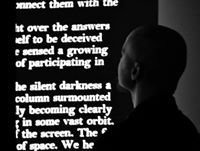
I had to read this because I have a fixation on Murnau’s Sunrise, the silent era adaptation of this story, and it was only through an interlibrary loan that I could get my hands on the collection (Is this a listing for the story or the anthology? I only read the one story).
Compared to the film this seems to have a more specific sense of place and politics that I find interesting. But if the film works its magic by operating as a compassionate fable with little depth of character beyond broad emblems of values, the source material is a morality tale for religious society, and that is its only ambition. If the Madonna/whore schism is a predictable problem in the film (at least complicated by the implication that new experiences are good actually and the Woman From the City is not just a threat to enclosed provinciality), it’s almost the entire conceit of this. Even a sort of touching moment in which the husband prostrates himself in repentance to his wife is marred by the obvious image of her throughout the story as an unflinching saint, so insufferably selfless that she passively accepts her suspicion that she’s about to be murdered with gentle pity and prayer. LORD indeed.
This entire review has been hidden because of spoilers.
Koks nuostabus yra Pamario kraštas ir pasakojimai apie jo žmones. Visos apysakos labai patiko ir jei ne keistos pabaigos gal duočiau ir visas 5 žvaigždutes. Pasakojimo stilius kažkuo priminė Elizos Orzeszkowos "Prie Nemuno", tik su mažiau gerumo ir švelnumo.
Atrodytų paprastos kaip 2x2 apysakos – paprasti siužetai, paprasti veikėjai, paprastos gyvenimo tiesos apie žmonių santykius, darbą. Ir dar ta nostalgiją kelianti Mažoji Lietuva su savo pamariais, pajūriais... Žodžiu, buvo akimirkų, kai gnybteldavo širdį.
"Tilsit, mi Tilsit, patrón de hermosura, te quiero hoy, te quise ayer. Sería el sol como una mancha oscura si tú no le alumbraras con la luz de tu ser."
adapted film: sunrise: a song of two humans (1927) dir. F. W. Murnau.