

What do you think?

Il pozzo e il pendolo
Raccolta dei seguenti 3 racconti di Edgar Allan Poe:
- Una discesa nel Maelström (A Descent into the Maelström, 1841)
- Il pozzo e il pendolo (The Pit and the Pendulum, 1842)
- Il crollo della casa degli Usher (The Fall of the House of Usher, 1839)
Introduzione di Giorgio Manganelli
- Una discesa nel Maelström (A Descent into the Maelström, 1841)
- Il pozzo e il pendolo (The Pit and the Pendulum, 1842)
- Il crollo della casa degli Usher (The Fall of the House of Usher, 1839)
Introduzione di Giorgio Manganelli
98 pages, Hardcover
First published January 1, 1842
About the author
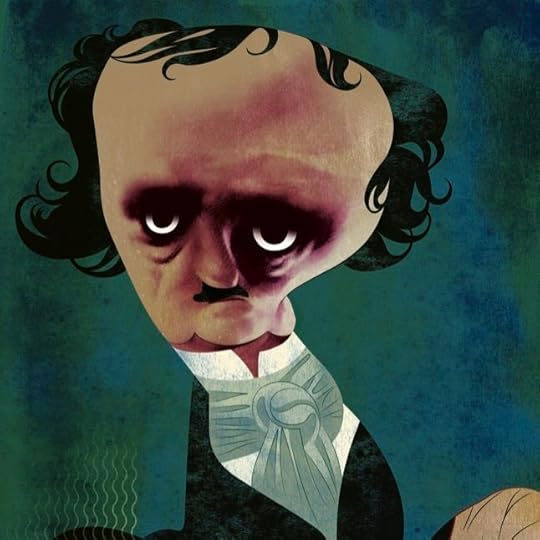
Edgar Allan Poe
10.6k books29.6k followersThe name Poe brings to mind images of murderers and madmen, premature burials, and mysterious women who return from the dead. His works have been in print since 1827 and include such literary classics as The Tell-Tale Heart, The Raven, and The Fall of the House of Usher. This versatile writer’s oeuvre includes short stories, poetry, a novel, a textbook, a book of scientific theory, and hundreds of essays and book reviews. He is widely acknowledged as the inventor of the modern detective story and an innovator in the science fiction genre, but he made his living as America’s first great literary critic and theoretician. Poe’s reputation today rests primarily on his tales of terror as well as on his haunting lyric poetry.
Just as the bizarre characters in Poe’s stories have captured the public imagination so too has Poe himself. He is seen as a morbid, mysterious figure lurking in the shadows of moonlit cemeteries or crumbling castles. This is the Poe of legend. But much of what we know about Poe is wrong, the product of a biography written by one of his enemies in an attempt to defame the author’s name.
The real Poe was born to traveling actors in Boston on January 19, 1809. Edgar was the second of three children. His other brother William Henry Leonard Poe would also become a poet before his early death, and Poe’s sister Rosalie Poe would grow up to teach penmanship at a Richmond girls’ school. Within three years of Poe’s birth both of his parents had died, and he was taken in by the wealthy tobacco merchant John Allan and his wife Frances Valentine Allan in Richmond, Virginia while Poe’s siblings went to live with other families. Mr. Allan would rear Poe to be a businessman and a Virginia gentleman, but Poe had dreams of being a writer in emulation of his childhood hero the British poet Lord Byron. Early poetic verses found written in a young Poe’s handwriting on the backs of Allan’s ledger sheets reveal how little interest Poe had in the tobacco business.
For more information, please see http://en.wikipedia.org/wiki/Edgar_al...
Just as the bizarre characters in Poe’s stories have captured the public imagination so too has Poe himself. He is seen as a morbid, mysterious figure lurking in the shadows of moonlit cemeteries or crumbling castles. This is the Poe of legend. But much of what we know about Poe is wrong, the product of a biography written by one of his enemies in an attempt to defame the author’s name.
The real Poe was born to traveling actors in Boston on January 19, 1809. Edgar was the second of three children. His other brother William Henry Leonard Poe would also become a poet before his early death, and Poe’s sister Rosalie Poe would grow up to teach penmanship at a Richmond girls’ school. Within three years of Poe’s birth both of his parents had died, and he was taken in by the wealthy tobacco merchant John Allan and his wife Frances Valentine Allan in Richmond, Virginia while Poe’s siblings went to live with other families. Mr. Allan would rear Poe to be a businessman and a Virginia gentleman, but Poe had dreams of being a writer in emulation of his childhood hero the British poet Lord Byron. Early poetic verses found written in a young Poe’s handwriting on the backs of Allan’s ledger sheets reveal how little interest Poe had in the tobacco business.
For more information, please see http://en.wikipedia.org/wiki/Edgar_al...
Ratings & Reviews
Friends & Following
Create a free account to discover what your friends think of this book!
Community Reviews
Displaying 1 - 30 of 1,927 reviews

January 18, 2024
The Helping Hand.
During the Spanish Inquisition, countless were incarcerated for heresy, or apprehended for questioning. After being arrested, a man wakes up in his cell. Except everything is pitch black. Is he blind? Is he dead? Is it even a cell?
This was somewhat good, or at least the middle of it. The beginning I found quite messy, and the ending, well… it was good and wowing in a way, but ultimately the resolution felt waaay too convenient for my taste
Still, like “The Tell-Tale Heart”, “The House of Usher” and a few others, this story is universally regarded as one of Poe’s finest; so despite my low-key rating and my personal reservations, this might just be worth checking out. It may surprise you, and truthfully, for its relative shortness, I do believe it’s worth the gamble, even despite its glaring classicness.
It’s public domain. You can find it HERE.
-----------------------------------------------
PERSONAL NOTE :
[1842] [64p] [Horror] [2.5] [Conditional Recommendable]
-----------------------------------------------
★★★☆☆ The Essential Tales and Poems of Edgar Allan Poe
★★☆☆☆ The Complete Stories and Poems
★★★☆☆ The Tell-Tale Heart and Other Writings
★★★☆☆ The Fall of the House of Usher and Other Tales
★☆☆☆☆ The Raven and Other Poems
-----------------------------------------------
La Mano Que Ayuda.
Durante la Inquisición Española, innumerables personas fueron encarceladas por herejía o arrestadas para ser interrogadas. Tras ser arrestado, un hombre despierta en su celda. Excepto que todo está completamente oscuro. ¿Está ciego? ¿Está muerto? ¿Es siquiera una celda?
Esto fue dentro de todo bueno, o al menos el desarrollo. El comienzo me pareció medio desastroso, y el final bueno… fue genial y sorpresiva en cierto modo, pero en última instancia la resolución me pareció demasiado conveniente para mi gusto
Pero bueno, al igual que “El Corazón Delator”, “La Casa de Usher” y otros tantos, esta historia es universalmente considerada como una de las mejores de Poe; así que a pesar de mi discreta calificación y mis reservas personales, creo que bien podría valer la pena echarle un vistazo. Puede que te sorprenda y, la verdad, por su relativa brevedad, creo sinceramente que vale la pena arriesgarse, incluso a pesar de su fragrante clasicismo.
Es dominio público, lo pueden encontrar ACA.
-----------------------------------------------
NOTA PERSONAL :
[1842] [64p] [Horror] [2.5] [Recomendable Condicional]
-----------------------------------------------
During the Spanish Inquisition, countless were incarcerated for heresy, or apprehended for questioning. After being arrested, a man wakes up in his cell. Except everything is pitch black. Is he blind? Is he dead? Is it even a cell?
This was somewhat good, or at least the middle of it. The beginning I found quite messy, and the ending, well… it was good and wowing in a way, but ultimately the resolution felt waaay too convenient for my taste
Still, like “The Tell-Tale Heart”, “The House of Usher” and a few others, this story is universally regarded as one of Poe’s finest; so despite my low-key rating and my personal reservations, this might just be worth checking out. It may surprise you, and truthfully, for its relative shortness, I do believe it’s worth the gamble, even despite its glaring classicness.
It’s public domain. You can find it HERE.
-----------------------------------------------
PERSONAL NOTE :
[1842] [64p] [Horror] [2.5] [Conditional Recommendable]
-----------------------------------------------
★★★☆☆ The Essential Tales and Poems of Edgar Allan Poe
★★☆☆☆ The Complete Stories and Poems
★★★☆☆ The Tell-Tale Heart and Other Writings
★★★☆☆ The Fall of the House of Usher and Other Tales
★☆☆☆☆ The Raven and Other Poems
-----------------------------------------------
La Mano Que Ayuda.
Durante la Inquisición Española, innumerables personas fueron encarceladas por herejía o arrestadas para ser interrogadas. Tras ser arrestado, un hombre despierta en su celda. Excepto que todo está completamente oscuro. ¿Está ciego? ¿Está muerto? ¿Es siquiera una celda?
Esto fue dentro de todo bueno, o al menos el desarrollo. El comienzo me pareció medio desastroso, y el final bueno… fue genial y sorpresiva en cierto modo, pero en última instancia la resolución me pareció demasiado conveniente para mi gusto
Pero bueno, al igual que “El Corazón Delator”, “La Casa de Usher” y otros tantos, esta historia es universalmente considerada como una de las mejores de Poe; así que a pesar de mi discreta calificación y mis reservas personales, creo que bien podría valer la pena echarle un vistazo. Puede que te sorprenda y, la verdad, por su relativa brevedad, creo sinceramente que vale la pena arriesgarse, incluso a pesar de su fragrante clasicismo.
Es dominio público, lo pueden encontrar ACA.
-----------------------------------------------
NOTA PERSONAL :
[1842] [64p] [Horror] [2.5] [Recomendable Condicional]
-----------------------------------------------

October 19, 2017
”The entire surface of this metallic enclosure was rudely daubed in all the hideous and repulsive devices to which the charnel superstition of the monks has given rise. The figures of fiends in aspects of menace, with skeleton forms, and other more really fearful images, overspread and disfigured the walls.”

Simply superb illustration by Harry Clarke.
Our nameless narrator has been condemned by a panel of black robed, white lipped, stern faced judges. His crime is unknown, but then this is the Inquisition so his offense could be that he is not a Catholic or not religious enough or he might have been accused of one of the many offences against God that require such a low level of proof. The Inquisition was not only about condemning and punishing, but also these thunderously righteous monks seemed inordinately fascinated with eliciting the most psychological and physical pain inspired terror as possible.
The judges pass judgement but do not tell him how he is to die. If I knew I was going to be beheaded or hanged or drawn and quartered, at least I could mentally prepare myself for my death. Visualizing it would somewhat help me come to peace with it. Not to say I still wouldn’t void my bladder at the first sight of the gallows or the executioner’s blade or the bristling rows of rifles all pointed at my heart. Our narrator finds himself in a cell nay more a vault, with hideous pictures on the walls, damp stone enclosing him all sides, bundles of writhing rats, and a deep pit that seems to be an abyss into hell.
The pit is supposed to be his death, but he discovers it just before plunging to his demise. "’Death,’ I said, ‘any death but that of the pit’!" Hold that thought!
He swoons out of fear or from some mild intoxicant that they lace his food and drink with (pure speculation on my part), and each time he comes to his senses there is food and drink at his side. He is grateful for the sustenance, but this ratchets up the fear that he is so helpless that someone came and went without his knowledge.
Whenever I read an Edgar Allan Poe, I’m always struck by the way he puts a sliver of fear in the reader and, then in progressive paragraphs, continues to rend that sliver of uneasiness wider. He lets loose spiders of dread that run amuck in the mind, leaving tendrils of webbing behind that vibrate, jangling the nerves and firing synapses until they burn out like collapsing stars. I need a nap after reading a Poe story, but who wants to sleep with all those fresh nightmares crowding the mind, waiting to pluck the boundaries of your sanity like petals on a flower?
The pit may not have worked, but these resourceful monks have more tricks up their voluminous sleeves. Our plucky narrator wakes from another swoon to find himself strapped to a wooden framed bed, and something truly insidious is descending from the ceiling.
”The sweep of the pendulum had increased in extent by nearly a yard. As a natural consequence, its velocity was also much greater. But what mainly disturbed me was the idea that had perceptibly descended. I now observed--with what horror it is needless to say--that its nether extremity was formed of a crescent of glittering steel, about a foot in length from horn to horn; the horns upward, and the under edge evidently as keen as that of a razor. Like a razor also, it seemed massy and heavy, tapering from the edge into a solid and broad structure above. It was appended to a weighty rod of brass, and the whole hissed as it swung through the air.”
My office was feeling a bit stuffy as I was reading this story, which might have been induced by feelings of being trapped, inspired quite possibly by Poe. I turned on the overhead fan, and as Poe describes the descent of the blade on the pendulum, I could feel my anxiety levels increasing exponentially. It took me a moment to realize that the hum generated by the fan was adding to my agitation. I stood to go turn the fan off, but then realized that, since I am probably healthy enough to sustain the higher terror levels, I should continue to allow the hum from the fan to enhance my reading experience.
***SHIVER***
To add to the narrator’s already high level of horror is something that is part of his nature, as it is of mine,...hope. It is difficult to believe, as dire as a circumstance can be, that this is truly our...final extinction. Something or someone will save us. Maybe even the God we have offended, according to the self-righteous monks, will intercede. As long as there is hope, there is the possibility of inducing more and more fear in the prisoner. Once a person has given up, accepted their death, adding more and more creative aspects of torture are futile and, dare I say, no longer entertaining.

Edgar Allan Poe
I often think of the nightmares of Poe. The demons that stalked the graveyards of his memories. The screams that must have emanated from his bedroom when a fresh horror had him by the throat. I can see him reaching with trembling hands for pen and paper with the beginnings of a smile turning up the corners of his mouth.
There are only about 6600 words in this story, but I was pleasantly surprised to have notated so many great, quotable lines. There are way too many for one review, but it gives you an idea of the power of Poe’s writing. I’ve read this story at least three times over my lifetime, and still every time I read it, I feel the chills racing up and down my spine. Now I need a nap, or better yet a double espresso.
If you wish to see more of my most recent book and movie reviews, visit http://www.jeffreykeeten.com
I also have a Facebook blogger page at: https://www.facebook.com/JeffreyKeeten

Simply superb illustration by Harry Clarke.
Our nameless narrator has been condemned by a panel of black robed, white lipped, stern faced judges. His crime is unknown, but then this is the Inquisition so his offense could be that he is not a Catholic or not religious enough or he might have been accused of one of the many offences against God that require such a low level of proof. The Inquisition was not only about condemning and punishing, but also these thunderously righteous monks seemed inordinately fascinated with eliciting the most psychological and physical pain inspired terror as possible.
The judges pass judgement but do not tell him how he is to die. If I knew I was going to be beheaded or hanged or drawn and quartered, at least I could mentally prepare myself for my death. Visualizing it would somewhat help me come to peace with it. Not to say I still wouldn’t void my bladder at the first sight of the gallows or the executioner’s blade or the bristling rows of rifles all pointed at my heart. Our narrator finds himself in a cell nay more a vault, with hideous pictures on the walls, damp stone enclosing him all sides, bundles of writhing rats, and a deep pit that seems to be an abyss into hell.
The pit is supposed to be his death, but he discovers it just before plunging to his demise. "’Death,’ I said, ‘any death but that of the pit’!" Hold that thought!
He swoons out of fear or from some mild intoxicant that they lace his food and drink with (pure speculation on my part), and each time he comes to his senses there is food and drink at his side. He is grateful for the sustenance, but this ratchets up the fear that he is so helpless that someone came and went without his knowledge.
Whenever I read an Edgar Allan Poe, I’m always struck by the way he puts a sliver of fear in the reader and, then in progressive paragraphs, continues to rend that sliver of uneasiness wider. He lets loose spiders of dread that run amuck in the mind, leaving tendrils of webbing behind that vibrate, jangling the nerves and firing synapses until they burn out like collapsing stars. I need a nap after reading a Poe story, but who wants to sleep with all those fresh nightmares crowding the mind, waiting to pluck the boundaries of your sanity like petals on a flower?
The pit may not have worked, but these resourceful monks have more tricks up their voluminous sleeves. Our plucky narrator wakes from another swoon to find himself strapped to a wooden framed bed, and something truly insidious is descending from the ceiling.
”The sweep of the pendulum had increased in extent by nearly a yard. As a natural consequence, its velocity was also much greater. But what mainly disturbed me was the idea that had perceptibly descended. I now observed--with what horror it is needless to say--that its nether extremity was formed of a crescent of glittering steel, about a foot in length from horn to horn; the horns upward, and the under edge evidently as keen as that of a razor. Like a razor also, it seemed massy and heavy, tapering from the edge into a solid and broad structure above. It was appended to a weighty rod of brass, and the whole hissed as it swung through the air.”
My office was feeling a bit stuffy as I was reading this story, which might have been induced by feelings of being trapped, inspired quite possibly by Poe. I turned on the overhead fan, and as Poe describes the descent of the blade on the pendulum, I could feel my anxiety levels increasing exponentially. It took me a moment to realize that the hum generated by the fan was adding to my agitation. I stood to go turn the fan off, but then realized that, since I am probably healthy enough to sustain the higher terror levels, I should continue to allow the hum from the fan to enhance my reading experience.
***SHIVER***
To add to the narrator’s already high level of horror is something that is part of his nature, as it is of mine,...hope. It is difficult to believe, as dire as a circumstance can be, that this is truly our...final extinction. Something or someone will save us. Maybe even the God we have offended, according to the self-righteous monks, will intercede. As long as there is hope, there is the possibility of inducing more and more fear in the prisoner. Once a person has given up, accepted their death, adding more and more creative aspects of torture are futile and, dare I say, no longer entertaining.

Edgar Allan Poe
I often think of the nightmares of Poe. The demons that stalked the graveyards of his memories. The screams that must have emanated from his bedroom when a fresh horror had him by the throat. I can see him reaching with trembling hands for pen and paper with the beginnings of a smile turning up the corners of his mouth.
There are only about 6600 words in this story, but I was pleasantly surprised to have notated so many great, quotable lines. There are way too many for one review, but it gives you an idea of the power of Poe’s writing. I’ve read this story at least three times over my lifetime, and still every time I read it, I feel the chills racing up and down my spine. Now I need a nap, or better yet a double espresso.
If you wish to see more of my most recent book and movie reviews, visit http://www.jeffreykeeten.com
I also have a Facebook blogger page at: https://www.facebook.com/JeffreyKeeten

June 5, 2026
"For the first time in my life I began to realize that it is not evil and brutality, but nearly always weakness, that is to blame for the worst things that happen in this world.”
― Stefan Zweig
How brutal could life be, could there be any limit to it? Cruelty and madness, how unfamiliar are these characteristics to our world, but how could they be. For (un)holy acts of humanity show how horrifying and outrageous we as a human could be. What could be the face of total absolute damnation where there seems to be no escape from, and frightening and terrifying could that face be? Ruthlessness is one of most unsettling but profound aspects of humanity How barbaric and inhumane could humanity be, do we know it, or could we estimate it; for we keep stretching our limits, for further expanding our boundaries, only to add to our utter shame.
Though we often feel an eerie and disquieting shiver down our spine, while thinking about supernatural or psychic elements seem to be present in our lives, but what about our own mortal madness, isn't it that the cruel face of humanity could be as ugly as anything could be, and may put even those inexplicable elements to shame.
Death has been one of our greatest fascinations since the dawn of civilization but the universal indifference towards humanity makes all our irresistible attraction and captivation towards death, as useless as our existential angst could be. The inexorable tickling of time makes our hearts heave up and down as if something is slipping away from us, but what is in our control in the first place, for how could we tame the damning and cruel time.
Being human, we can't get away from the great existential dread about anxiety and hopelessness that we might just be speck of dust in this vast cosmos, so why suffer ourselves about so-called meaning of life and why not embrace the inevitability of death. In modern times, though our totems of existential dread might have changed but the hopelessness and inevitability of our lives remain same.

link: Source
The vulnerability of human existence stems from the frailty of various structures, norms and systems we devise for ourselves, which crumble to nothingness on touching the inexorable heat of hellish fire fuelling from the eternal indifference of universe. The poetic prose of the short story, as expected from Poe, have an air of melancholy of life, the air which seems to be too claustrophobic as if the words, coming into existence from the mighty pen of the literary master, create a suffocating atmosphere which seems to crush humanity under its irresistible force.
Humanity traverses through a perpetual struggle between mortality and invincibility, for we seem to conjure up the grand notions of unassailability and impregnability, which remain upraised until we encounter the harsh reality of our mortality. The hell, abyss of our damnation seems hold a bottomless pit from which there is no scope to get free. The eternal void of purgatory seems to scorch our consciousness through its profound and towering flames of hellish fire of savagery, putting our civilized countenance in the shade.
Could we bear with such a fatal and severe perdition of eternal damnation, which is unforgiving and hellish? Do we have any hope to survive in such an indifferent and grim universe? Rationality has been one of those divine gifts which have endowed us with sense amidst the eternal madness. Could we really employ our most essential prowess of reason for enduring the existential dread and carve out meaningful existence for us? Do we really need to associate meaning to our lives, underlying the optimistic nihilism we ride upon, couldn't we live in the very absurd of life?
What about the human endurance, and what could be its limits? Could we really ride upon our instinct to survive as it is supposed to be the most powerful gifts we are endowed with, does it really enable us to move forward through the cruel flames of nothingness?
Often it seems as if life changes gears, and devise new forms and means of tormenting hell, to keep crushing our reason and hope. However, could we really manifest tranquillity and engage whatever resources of subdued fortune might be available with us, and perhaps that peculiar ability is what makes us human.
The most profound question which robs us of any comforts we might have devised for our fortitude, is that could we really exert our reason and will to survive for enduring such as endless swooning of life. It inevitability digresses me to think about Patriotism by Yukio Mishima which sheds light upon the seemingly extended existence of humanity wherein the death surrounds our consciousness as if we might have severed the sacred thread of life, and are on just an extended lease to bear just a few more moments while helplessly staring into the unforgiving eyes of an inevitable death, with any sign of hope.
link: Source
The short story- The Pit and The Pendulum by Poe is more about some rare resplendent moments of perpetual endurance which enable us to snatch our right to survive, from the pulverizing jaws of death. But our immortal endurance really originates out of our inimitable rationality, amidst the eternal damning madness of humanity, or out of some sort of divine intervention, or perhaps out of sheer randomness since life may seem as arbitrary as the death is.
What is the significance of hope and reason then, do we only need them to keep ourselves sane amidst the inevitable insanity of life, and don't they have any relevance or meaning as such? Or are these what makes human, and separate us from other species? The answers to these questions may not be straightforward but the tale here forces you to ask these questions, by leaving it to multiple interpretations.
The Pit and The Pendulum is a story of gothic horror employing elements of sensory realism wherein visceral, sensory immersion is being prioritized over narrative driven traditional plot, aiming to simulate physical experiences a reader might feel through their emotional responses. It is a masterpiece of macabre literature wherein Edgar Allan Poe uses unmatched psychological depths amidst the grim, ghastly and gruesome backdrop, to explore the endurance and fragility of human existence, while questioning our ability to reason, among the eternal dilemma of divinity and randomity.

June 20, 2014

At age twelve I was given my first introduction to the world of literature by my mother who read me Poe’s The Pit and the Pendulum. I can still vividly recollect living through the horrors of the chamber with the unnamed narrator, wondering why Christian monks would construct such a room and why Christian monks would inflict such torture. I still wrestle with a number of the story’s themes.
SADISM
Why do such a thing? The story’s torture chamber is not a makeshift construction slapped together; rather, with its pendulum descending in mathematical precision and its collapsing metal walls turning red hot, to assemble such a bizarre, intricate room would take sophisticated engineering, huge resources and lots of time, perhaps years. Why does Poe imagine institutional religious power through this fantastically elaborate technology of bodily terror?
In The Distant Mirror, The Calamitous 14th Century author Barbara W. Tuchman richly portrays the psychology of these chaotic, disorderly times. For example, she writes, “In village games, players with hands tied behind them competed to kill a cat nailed to a post by battering it to death with their heads, at the risk of cheeks ripped open or eyes scratched out by the frantic animal’s claws. Trumpets enhanced the excitement. Or a pig enclosed in a wide pen was chased by men with clubs to the laughter of spectators as he ran squealing from the blows until beaten lifeless. Accustomed in their own lives to physical hardship and injury, medieval men and women were not necessarily repelled by the spectacle of pain but rather enjoyed it. It may be that the untender medieval infancy produced adults who valued others no more than they had been valued in their own formative years.”
Nowadays, we have a name for “untender infancy”: child abuse. We also have a word for enjoying the spectacle of pain inflicted on others: sadism. Of course, the effects of child abuse and living in a society accepting sadism as the norm would not disappear when men became monks. What undoubtedly added fuel to this psychological fire was a religion and theology giving a central place to guilt and sin and thus turning men against their own bodies and, more specifically, again their own sexuality.
Reaching absolute conclusions about the mindset of peoples living centuries ago can never be an exact science, but it doesn’t take too much imagination to understand how such a life in such a time would produce a population of dark, twisted people. Poe’s tale takes place during the Napoleonic era, around 1808 and we can ask ourselves: How much has really changed from those earlier centuries?
ALTERED STATES OF CONSCIOUSNESS
In the beginning stages of the narrator’s ordeal, he conveys the following, “Very suddenly there came back to my soul motion and sound – the tumultuous motion of the heart, and, in my ears, the sound of its beating. Then a pause in which all is blank. Then again sound, and motion and touch – a tingling sensation pervading my frame. Then the mere consciousness of existence, without thought – a condition which lasted long.”
Teachers within the various yoga and Buddhist traditions talk about the "consciousness of existence, without thought," that is, the gap between thoughts. In such a gap between thoughts we are given a glimpse of the ground of being, pure awareness of space. This awareness can be developed through meditation or occasionally experienced through such things as hallucinogens, trance, or, as with the narrator of Poe’s tale, extreme emotional states.
FEAR
Adding to the fear of actual physical suffering, there is the fear we project with our minds and imaginations. The narrator’s imagination is afire: “And now, as I still continued to step cautiously onward, there came thronging upon my recollection a thousand vague rumors of the horrors of Toledo. Of the dungeons there had been strange things narrated – fables I had always deemed them – but yet strange and too ghastly to repeat, save in a whisper. Was I left to perish of starvation in this subterranean world of darkness; or what fate, perhaps even more fearful, awaited me?” Fear thrives on our projecting into the future: whatever pain or agony we are currently experiencing, there is always the ever-present possibility our plight will become worse.
HOPE AND GOOD FORTUNE
The narrator is forever hopeful and it’s the narrator’s hope coupled with his fear and sufferings that gives the tale its emotional depth and breath. And, as it turns out, good fortune or what we more commonly call ‘luck’ follows the narrator at three critical junctures in the tale. Oh, Fortuna, if we could all have such good fortune and luck at critical points in our own lives!

“I call to mind flatness and dampness; and then all is madness - the madness of a memory which busies itself among forbidden things.”
― Edgar Allan Poe, The Pit and the Pendulum

June 10, 2017
A classic of sensational horror, The Pit and the Pendulum is also, for me, one of the Poe stories that most closely resembles (and certainly influences) later writers such as Franz Kafka. Here we have several Kafka-like elements: a judgment pronounced by distant, stern, inhuman judges, with no sense of what crime, if any, may have been committed, and then a devious punishment that gets more devious as time goes on. The narrator is also utterly alone in the world, save the hungry rats, and this loneliness allows him to reflect quite eloquently on his own dream-like consciousness. At the same time, Poe maintains a frenzied intensity that literally kept me on the edge of my seat the entire time. Amazing how much he packs into so few pages!

August 6, 2009
Poe's Petrifying Pit & the Pendulum!
It's been 20-plus years since I'd read this one, and I had forgotten how this one ended.
Very cool.

Our beleaguered narrator has already been through some shit at the hands of those damn dirty monks, but this story starts with him being sentenced to death by some higher-ups in Ye Olde Inquisition.
He swoons. As you do in situations like that.
He wakes up in total darkness with only drugged food and the rats that want to eat it first for company. Feeling around, he discovers a hole in the floor.
Why is there a hole in the floor?
Oh, and is the picture on the ceiling moving?!
Wait. That's not a fucking picture.

The psychological horror in this is as terrifying as the very real horror of bodily harm the main character faces. It was scary and awful and just all the things you would imagine.
Makes you wonder what happened to those monks.

Definitely worth a read (or a listen) if you're in the mood for something by Poe.
Alex Wilson - Narrator
Publisher: Telltale Weekly
Edition: Unabridged
It's been 20-plus years since I'd read this one, and I had forgotten how this one ended.
Very cool.
Our beleaguered narrator has already been through some shit at the hands of those damn dirty monks, but this story starts with him being sentenced to death by some higher-ups in Ye Olde Inquisition.
He swoons. As you do in situations like that.
He wakes up in total darkness with only drugged food and the rats that want to eat it first for company. Feeling around, he discovers a hole in the floor.
Why is there a hole in the floor?
Oh, and is the picture on the ceiling moving?!
Wait. That's not a fucking picture.
The psychological horror in this is as terrifying as the very real horror of bodily harm the main character faces. It was scary and awful and just all the things you would imagine.
Makes you wonder what happened to those monks.
Definitely worth a read (or a listen) if you're in the mood for something by Poe.
Alex Wilson - Narrator
Publisher: Telltale Weekly
Edition: Unabridged

October 31, 2017
As the doorbell rings nearly incessantly and the frigid air seeps into my living room, I am all tucked up in a corner of the couch with my fluffy blanket, a glass of The Velvet Devil Merlot, and a book of tales from the master of horror, Edgar Allan Poe. I'm leaving the job of distributing candy to everyone else. I can't think of a better way to spend the evening!
The Pit and the Pendulum is a classic - one that keeps you in the grip of horror while the tension mounts relentlessly. The torture chamber of the Inquisition is a place you will relish reading about, but do expect to get a grand case of the willies by the time you reach that last sentence! Oh, and that ending - perfect!
The Pit and the Pendulum is a classic - one that keeps you in the grip of horror while the tension mounts relentlessly. The torture chamber of the Inquisition is a place you will relish reading about, but do expect to get a grand case of the willies by the time you reach that last sentence! Oh, and that ending - perfect!

November 2, 2013
The Pit and the Pendulum (published in 1842) is one of Poe's most famous tales of horror. It does not have a supernatural element, but relies on evoking fear in the reader because of its heavy emphasis on sensations, It packs a punch precisely because it it feels so rooted in reality, rather than incorporating anything supernatural.
The story takes place in the dungeons of Toledo during the Inquisition. From the start we are thrust into the experience of a prisoner undergoing torture, The confusion and tenacious courage of the prisoner build up the suspense, and the reader becomes very involved as the determination and inventiveness of the character against all the odds develops strongly.
The tension in the story is carefully controlled.
W. B. Yeats was generally critical of Poe, calling him "vulgar." Of The Pit and the Pendulum he said, "[it does] not seem to me to have permanent literary value of any kind... Analyse the Pit and the Pendulum and you find an appeal to the nerves by tawdry physical affrightments."
It's powerful stuff though!
The story takes place in the dungeons of Toledo during the Inquisition. From the start we are thrust into the experience of a prisoner undergoing torture, The confusion and tenacious courage of the prisoner build up the suspense, and the reader becomes very involved as the determination and inventiveness of the character against all the odds develops strongly.
The tension in the story is carefully controlled.
W. B. Yeats was generally critical of Poe, calling him "vulgar." Of The Pit and the Pendulum he said, "[it does] not seem to me to have permanent literary value of any kind... Analyse the Pit and the Pendulum and you find an appeal to the nerves by tawdry physical affrightments."
It's powerful stuff though!

August 18, 2022
CALIFICACIÓN REAL: 3.5 estrellas
En los tiempos de la Santa Inquisición, un condenado por herejía deberá arrostrar múltiples torturas, las cuales irán tornándose cada vez peor. Esto, debido a que, por razones circunstanciales, el sentenciado las logra evadir. Pero ¿qué sucederá luego del último método de ejecución? Algo bastante curioso.
Quiero empezar esta reseña hablando sobre un elemento de la trama que pasó muy desapercibido, pero que logró llamar mi atención: el componente fúngico. Está bastante claro que, cuando el afectado se desmaya, . La evidencia se puede notar por las cosas que menciona recordar o ver tras su desvanecimiento.
De igual manera, es interesante poder ver el accionar de la Inquisición, ya que drogan o envenenan al protagonista en más de una oportunidad, y él se da cuenta de eso. Quizás esa supuesta que pude percibir en la trama —porque es un hecho implícito—, fue lo que llevó al protagonista a estar en otro estado mental, de poder ver más allá.
Asimismo, siento que al momento de indicar sentir un olor como a hongos, probablemente se deba a algún tipo de alucinógeno que hayan usado en él, o en el agua que le daban. Es evidente y obvia la presencia de alucinógenos en el protagonista, e incluso, el mismo hace cierto hincapié al respecto. Tampoco creo que todo eso deba a alguna desorientación ni mucho menos a una decoración narrativa no intencionada por parte de Poe.
Por otra parte, tengo que destacar la ambientación de mazmorras donde se desarrolla casi todo el relato, y también el totalmente espectacular periodo histórico en que se basa: la Santa Inquisición. Y más, si su trama incorpora las torturas de aquellos tiempos: «Entonces, todos los rumores acerca de los horrores de Toledo que alguna vez había escuchado se agolparon en mi memoria. De esos calabozos se contaban cosas extrañas, yo siempre pensé que eran cuentos. ¿Moriría de hambre en aquella celda o me esperaba una muerte más horrorosa? Que el resultado fuese la muerte, yo no dudaba de eso pues conocía muy bien a mis jueces; el modo y la hora eran mis tormentos».
Pasando a otro tema, si bien en un principio esta lectura se puede hacer un poco tediosa durante la parte del juicio, eso cambia cuando el protagonista se encuentra en su calabozo, listo para hacerle frente a su condena. A partir de ese momento es cuando este título se vuelve atrapante, conciso e interesante; además de original y con un trasfondo histórico muy atractivo. No es un relato perfecto, pero logra fácilmente hacerte formar parte de lo que nos ofrece, para no querer detener su lectura hasta saber qué pasará con el supuesto hereje.
Con respecto al final, no me esperaba para nada algo así; hasta podría considerarse que concluye de manera . Entonces, la calificación que le doy a El pozo y el péndulo es de 3.5 estrellas, porque es un relato muy ameno, inmersivo y preciso, que se siente como un aporte refrescante dentro de la bibliografía del autor, pues se aleja de su tan arquetípica cotidianidad con las que nos tiene a todos acostumbrados.
Para no perder el hilo con las demás reseñas que he hecho sobre las obras de Edgar Allan Poe:
1) El gato negro, cuya reseña está bugueada en el feed de Goodreads: https://www.goodreads.com/review/show...
2) El cuervo, el único poema que he reseñado de este autor: https://www.goodreads.com/review/show...
3) Narraciones extraordinarias, recopilatorio en donde reúno a los 28 relatos que he leído de Poe, además de incluir un top personal al respecto; junto con dar mi opinión en profundidad sobre él como autor: https://www.goodreads.com/review/show...
En los tiempos de la Santa Inquisición, un condenado por herejía deberá arrostrar múltiples torturas, las cuales irán tornándose cada vez peor. Esto, debido a que, por razones circunstanciales, el sentenciado las logra evadir. Pero ¿qué sucederá luego del último método de ejecución? Algo bastante curioso.
Quiero empezar esta reseña hablando sobre un elemento de la trama que pasó muy desapercibido, pero que logró llamar mi atención: el componente fúngico. Está bastante claro que, cuando el afectado se desmaya, . La evidencia se puede notar por las cosas que menciona recordar o ver tras su desvanecimiento.
De igual manera, es interesante poder ver el accionar de la Inquisición, ya que drogan o envenenan al protagonista en más de una oportunidad, y él se da cuenta de eso. Quizás esa supuesta que pude percibir en la trama —porque es un hecho implícito—, fue lo que llevó al protagonista a estar en otro estado mental, de poder ver más allá.
Asimismo, siento que al momento de indicar sentir un olor como a hongos, probablemente se deba a algún tipo de alucinógeno que hayan usado en él, o en el agua que le daban. Es evidente y obvia la presencia de alucinógenos en el protagonista, e incluso, el mismo hace cierto hincapié al respecto. Tampoco creo que todo eso deba a alguna desorientación ni mucho menos a una decoración narrativa no intencionada por parte de Poe.
Por otra parte, tengo que destacar la ambientación de mazmorras donde se desarrolla casi todo el relato, y también el totalmente espectacular periodo histórico en que se basa: la Santa Inquisición. Y más, si su trama incorpora las torturas de aquellos tiempos: «Entonces, todos los rumores acerca de los horrores de Toledo que alguna vez había escuchado se agolparon en mi memoria. De esos calabozos se contaban cosas extrañas, yo siempre pensé que eran cuentos. ¿Moriría de hambre en aquella celda o me esperaba una muerte más horrorosa? Que el resultado fuese la muerte, yo no dudaba de eso pues conocía muy bien a mis jueces; el modo y la hora eran mis tormentos».
Pasando a otro tema, si bien en un principio esta lectura se puede hacer un poco tediosa durante la parte del juicio, eso cambia cuando el protagonista se encuentra en su calabozo, listo para hacerle frente a su condena. A partir de ese momento es cuando este título se vuelve atrapante, conciso e interesante; además de original y con un trasfondo histórico muy atractivo. No es un relato perfecto, pero logra fácilmente hacerte formar parte de lo que nos ofrece, para no querer detener su lectura hasta saber qué pasará con el supuesto hereje.
Con respecto al final, no me esperaba para nada algo así; hasta podría considerarse que concluye de manera . Entonces, la calificación que le doy a El pozo y el péndulo es de 3.5 estrellas, porque es un relato muy ameno, inmersivo y preciso, que se siente como un aporte refrescante dentro de la bibliografía del autor, pues se aleja de su tan arquetípica cotidianidad con las que nos tiene a todos acostumbrados.
Para no perder el hilo con las demás reseñas que he hecho sobre las obras de Edgar Allan Poe:
1) El gato negro, cuya reseña está bugueada en el feed de Goodreads: https://www.goodreads.com/review/show...
2) El cuervo, el único poema que he reseñado de este autor: https://www.goodreads.com/review/show...
3) Narraciones extraordinarias, recopilatorio en donde reúno a los 28 relatos que he leído de Poe, además de incluir un top personal al respecto; junto con dar mi opinión en profundidad sobre él como autor: https://www.goodreads.com/review/show...

March 5, 2016
WHAT DO YOU MEAN MR POE?!!!?
Time conquers all; it is an inescapable fate for all men: it cannot be defeated or avoided. It’s a powerful, unshakable, enemy and a recurring theme across many of Poe’s stories. I’ve seen it a few times now. This time it is a tormenter and a reminder of the incoming doom in the dark pit that is death. This is represented by the pendulum, sweeping like a minute hand, getting faster and faster as it approaches the narrator; it symbolises that death will be the end of all man’s time: it will approach all.
“I could have clasped the red walls to my bosom as a garment of eternal peace. "Death," I said, "any death but that of the pit!" Fool! might I have not known that into the pit it was the object of the burning iron to urge me?”

However, despite the cryptic metaphors, the complex imagery and fatalistic symbolism, the short story isn’t as simple as that. There’s also a political message alluding to Napoleon’s rule. Poe conveys time descending between two events. The first is the narrator being forced to sit with entities that embody the “dreamy” idea of the French rule and its “fanciful” progress. This is clearly a sarcastic suggestion towards beliefs that rarely work in action. The alleviation of the torment, time’s arching progress, the second event, occurs when the narrator is saved by General Lasalles. For those of you that don’t know, the general was a prominent commander under the command of Napoleon. Napoleon effectively ended the Revolution and the Spanish Inquisition.
So, the story becomes a little murky here. The narrator was in a hopeless situation, one that appears to be his ending. But, he is then rescued by a brave French general. So what does this suggest? Perhaps the time in the pit is a suggestion of the dark time that occurred during the Revolution, before Napoleon ended it. It was dark, hopeless and completely out of control. Perhaps the narrator being saved is a possible suggestion of the hopes liberal thinkers had towards Napoleon’s rule. Most of the early Romantic poets supported him, Wordsworth and Blake included. Or perhaps it’s a suggestion that darkness is symbiotic with a corrupt French rule. It’s hard to say, I can’t make a solid interpretation of it.
I find that the political allusions complicate the story. I find myself trying to discover their meaning when I should, perhaps, be focusing on the elements of torture and anxiety created by the narrator’s experience. This is a beautifully written story. Poe is the master; he is the undisputable, equivocal, paramount evoker of the sublime, the grotesque and the picturesque. This story is superb, but I just can’t form a solid impression of it: I cannot constitute what the political allusion means. And it’s bugging me so much. Perhaps I should go and read it for a fifth time. I don’t think I’ll get my answers though.
“...the agony of my soul found vent in one loud, long and final scream of despair.”
This is your usual Poe: a wonderfully dark situation accentuated by exquisite writing. I just wish I could make an interpretation of it.
Time conquers all; it is an inescapable fate for all men: it cannot be defeated or avoided. It’s a powerful, unshakable, enemy and a recurring theme across many of Poe’s stories. I’ve seen it a few times now. This time it is a tormenter and a reminder of the incoming doom in the dark pit that is death. This is represented by the pendulum, sweeping like a minute hand, getting faster and faster as it approaches the narrator; it symbolises that death will be the end of all man’s time: it will approach all.
“I could have clasped the red walls to my bosom as a garment of eternal peace. "Death," I said, "any death but that of the pit!" Fool! might I have not known that into the pit it was the object of the burning iron to urge me?”
However, despite the cryptic metaphors, the complex imagery and fatalistic symbolism, the short story isn’t as simple as that. There’s also a political message alluding to Napoleon’s rule. Poe conveys time descending between two events. The first is the narrator being forced to sit with entities that embody the “dreamy” idea of the French rule and its “fanciful” progress. This is clearly a sarcastic suggestion towards beliefs that rarely work in action. The alleviation of the torment, time’s arching progress, the second event, occurs when the narrator is saved by General Lasalles. For those of you that don’t know, the general was a prominent commander under the command of Napoleon. Napoleon effectively ended the Revolution and the Spanish Inquisition.
So, the story becomes a little murky here. The narrator was in a hopeless situation, one that appears to be his ending. But, he is then rescued by a brave French general. So what does this suggest? Perhaps the time in the pit is a suggestion of the dark time that occurred during the Revolution, before Napoleon ended it. It was dark, hopeless and completely out of control. Perhaps the narrator being saved is a possible suggestion of the hopes liberal thinkers had towards Napoleon’s rule. Most of the early Romantic poets supported him, Wordsworth and Blake included. Or perhaps it’s a suggestion that darkness is symbiotic with a corrupt French rule. It’s hard to say, I can’t make a solid interpretation of it.
I find that the political allusions complicate the story. I find myself trying to discover their meaning when I should, perhaps, be focusing on the elements of torture and anxiety created by the narrator’s experience. This is a beautifully written story. Poe is the master; he is the undisputable, equivocal, paramount evoker of the sublime, the grotesque and the picturesque. This story is superb, but I just can’t form a solid impression of it: I cannot constitute what the political allusion means. And it’s bugging me so much. Perhaps I should go and read it for a fifth time. I don’t think I’ll get my answers though.
“...the agony of my soul found vent in one loud, long and final scream of despair.”
This is your usual Poe: a wonderfully dark situation accentuated by exquisite writing. I just wish I could make an interpretation of it.

January 22, 2023
Mr. Poe, in a more than perfect mastery, mixes genres, at the same time, poetic, philosophical, psychological, and mystical, of great erudition, which could only earn him the status of Master.
A staple of classic literature.
A staple of classic literature.

September 5, 2016
Book Review
3+ of 5 stars to The Pit and the Pendulum, a short story written in 1842, by Edgar Allan Poe. As in the tradition of Poe's other Gothic and gory tales, this one takes the fear of death to new heights. Poe tells the story of a man facing punishment during the Spanish Inquisition, a death like no other. At first, he's strapped to a wooden table while a pendulum swings from above with a saw, getting lower and lower until it's nearly about to start ripping into his flesh. But the victim finds a way out... in a somewhat ingenious manner. But when he's saved, he falls into the pit as the walls begin to close in on him. Once again, before he perishes, he is saved when the Inquisition is over.
On the outskirts, it's just a Gothic tale of a man afraid to die. Two horrific options nearly take his life, all the way messing with this mental state. Neither are a quick and painless death. Both will shock his body and render his mind afraid of life... in a permanent state... just as he enters the after-life. Poe's saying a lot more here than what you read upon an initial viewing of this story. As expected, the story takes you on the ride of your life. It's a careful executed imagination that can find the right words and the perfect background to constantly jiggle the paranoia we all feel at some point in our lives.
Certainly not the best of his short stories, it is a good one... something all beginning thriller fans should read.
About Me
For those new to me or my reviews... here's the scoop: I read A LOT. I write A LOT. And now I blog A LOT. First the book review goes on Goodreads, and then I send it on over to my WordPress blog at https://thisismytruthnow.com, where you'll also find TV & Film reviews, the revealing and introspective 365 Daily Challenge and lots of blogging about places I've visited all over the world. And you can find all my social media profiles to get the details on the who/what/when/where and my pictures. Leave a comment and let me know what you think. Vote in the poll and ratings. Thanks for stopping by.
3+ of 5 stars to The Pit and the Pendulum, a short story written in 1842, by Edgar Allan Poe. As in the tradition of Poe's other Gothic and gory tales, this one takes the fear of death to new heights. Poe tells the story of a man facing punishment during the Spanish Inquisition, a death like no other. At first, he's strapped to a wooden table while a pendulum swings from above with a saw, getting lower and lower until it's nearly about to start ripping into his flesh. But the victim finds a way out... in a somewhat ingenious manner. But when he's saved, he falls into the pit as the walls begin to close in on him. Once again, before he perishes, he is saved when the Inquisition is over.
On the outskirts, it's just a Gothic tale of a man afraid to die. Two horrific options nearly take his life, all the way messing with this mental state. Neither are a quick and painless death. Both will shock his body and render his mind afraid of life... in a permanent state... just as he enters the after-life. Poe's saying a lot more here than what you read upon an initial viewing of this story. As expected, the story takes you on the ride of your life. It's a careful executed imagination that can find the right words and the perfect background to constantly jiggle the paranoia we all feel at some point in our lives.
Certainly not the best of his short stories, it is a good one... something all beginning thriller fans should read.
About Me
For those new to me or my reviews... here's the scoop: I read A LOT. I write A LOT. And now I blog A LOT. First the book review goes on Goodreads, and then I send it on over to my WordPress blog at https://thisismytruthnow.com, where you'll also find TV & Film reviews, the revealing and introspective 365 Daily Challenge and lots of blogging about places I've visited all over the world. And you can find all my social media profiles to get the details on the who/what/when/where and my pictures. Leave a comment and let me know what you think. Vote in the poll and ratings. Thanks for stopping by.

January 25, 2014
The Pit:

and the Pendulum:
3.75 stars. In this 1842 short story by Edgar Allen Poe, an unnamed prisoner details the ghastly and elaborate tortures he endures at the hands of the Spanish Inquisition. He begins with his sentencing by black-robed judges, a nightmarish sequence of images that culminates in his loss of consciousness. When he awakes, he's in a pitch dark room, free to move about, but unable to see a thing. And there his true tortures begin.
Poe, despite a supreme disregard for any historical accuracy,* has created a compelling tale of both physical and psychological horror. The oppressive atmosphere of the tomb-like room, the decayed fungus smell of the pit, the "glittering death" of the razor-sharp pendulum, the cold lips of enormous red-eyed rats seeking the lips of the prisoner (YES) -- the descriptions Poe uses are vivid, engaging all of the reader's senses.
Even though the story is completely fanciful from a factual point of view, as an examination of the psychological effects of imprisonment and torture it's very effective. The story is heavier on atmosphere than plot, but it still makes for compelling reading.
You can read "The Pit and the Pendulum" online (or download it) many places, including here at Project Gutenberg.
Bonus: an English translation of the Latin epigram at the beginning of the story:
- There's no evidence that the Spanish inquisitors used such elaborate (and unlikely) means of torture as are described in this story. (They favored the rack, water torture, and the strappado, hanging the victim from the ceiling by his wrists, which were tied behind the back. At least if Wikipedia is to be believed. I claim no independent knowledge or research here.)
- Also, torture was used before the trial, to obtain a confession, not as a method of punishment or death.
- The prisoner is rescued by General Lasalle of Napoleon's army. This means the story is set in the early 1800s, centuries after the Spanish Inquisition was at its height.
- Lasalle wasn't actually in command of the French army in Toledo, Spain. So he wouldn't have been around to play deus ex machina for our prisoner in that city.
and the Pendulum:
3.75 stars. In this 1842 short story by Edgar Allen Poe, an unnamed prisoner details the ghastly and elaborate tortures he endures at the hands of the Spanish Inquisition. He begins with his sentencing by black-robed judges, a nightmarish sequence of images that culminates in his loss of consciousness. When he awakes, he's in a pitch dark room, free to move about, but unable to see a thing. And there his true tortures begin.
Poe, despite a supreme disregard for any historical accuracy,* has created a compelling tale of both physical and psychological horror. The oppressive atmosphere of the tomb-like room, the decayed fungus smell of the pit, the "glittering death" of the razor-sharp pendulum, the cold lips of enormous red-eyed rats seeking the lips of the prisoner (YES) -- the descriptions Poe uses are vivid, engaging all of the reader's senses.
Even though the story is completely fanciful from a factual point of view, as an examination of the psychological effects of imprisonment and torture it's very effective. The story is heavier on atmosphere than plot, but it still makes for compelling reading.
You can read "The Pit and the Pendulum" online (or download it) many places, including here at Project Gutenberg.
Bonus: an English translation of the Latin epigram at the beginning of the story:
"Here an unholy mob of torturers with an insatiable thirst for innocent blood, once fed their long frenzy. Now our homeland is safe, the funereal cave destroyed, and life and health appear where dreadful death once was."*Just for fun, here are some of the historical inaccuracies in this story: **spoilers ahoy!**
- There's no evidence that the Spanish inquisitors used such elaborate (and unlikely) means of torture as are described in this story. (They favored the rack, water torture, and the strappado, hanging the victim from the ceiling by his wrists, which were tied behind the back. At least if Wikipedia is to be believed. I claim no independent knowledge or research here.)
- Also, torture was used before the trial, to obtain a confession, not as a method of punishment or death.
- The prisoner is rescued by General Lasalle of Napoleon's army. This means the story is set in the early 1800s, centuries after the Spanish Inquisition was at its height.
- Lasalle wasn't actually in command of the French army in Toledo, Spain. So he wouldn't have been around to play deus ex machina for our prisoner in that city.

March 25, 2024
Obwohl ich schon seit vielen Jahren viel lese, habe ich bisher noch nichts von Edgar Allan Poe gelesen (glaube ich jedenfalls). Es wurde also Zeit :)
"Die Grube und das Pendel" hat mir gut gefallen. Angenehm gruselig, unheimlich und für eine Kurzgeschichte wird eine gute Atmosphäre aufgebaut.
"Die Grube und das Pendel" hat mir gut gefallen. Angenehm gruselig, unheimlich und für eine Kurzgeschichte wird eine gute Atmosphäre aufgebaut.

November 24, 2022
“After this I call to mind flatness and dampness; and then all is madness - the madness of a memory which busies itself among forbidden things.”
― Edgar Allan Poe, The Pit and the Pendulum
I have held a fascination with pendulums.
This is because of Poe. Poe.
I always know, when I want a good story, that Poe will not let me down, that the Poe whisper will guide me in the right direction, that the story in question will always turn out to be worth its weight in gold.
It it is great revisiting some I read in my younger years. I love this one but the telltale heart will always be my favorite Poe.
SPOILERS:
One of the few Pow stories with a happy ending.
― Edgar Allan Poe, The Pit and the Pendulum
I have held a fascination with pendulums.
This is because of Poe. Poe.
I always know, when I want a good story, that Poe will not let me down, that the Poe whisper will guide me in the right direction, that the story in question will always turn out to be worth its weight in gold.
It it is great revisiting some I read in my younger years. I love this one but the telltale heart will always be my favorite Poe.
SPOILERS:
One of the few Pow stories with a happy ending.

March 3, 2021
Aunque el final se precipita demasiado rápido, la capacidad que tiene Poe de crear angustia y desasosiego es abrumadora. No necesita mucho para generar una sensación de nudo en la garganta y hacerte ver que va constriñendo las fibras de tu cuello cada vez más y más fuerte hasta que te deja sin respiración.
Asombroso.
Although the ending comes too fast, Poe's ability to create anguish and unease is overwhelming. He doesn't take much to create a feeling of a knot in your throat and make you see that it constricts the fibers of your neck tighter and tighter until you are breathless.
Amazing.
Asombroso.
Although the ending comes too fast, Poe's ability to create anguish and unease is overwhelming. He doesn't take much to create a feeling of a knot in your throat and make you see that it constricts the fibers of your neck tighter and tighter until you are breathless.
Amazing.

September 3, 2022
A brilliant, awe-full, awful portrayal of torture taking a man to the brink of the abyss. It’s sensual (the senses - not sexy), visceral, and real - not in terms of historical accuracy, but because there’s no trace of the supernatural: all the evil comes from unseen humans.
I’ve read it before, but had forgotten that it’s utterly ruined by its ending.
The narrator has been sentenced to death by the black-robed, white-lipped Inquisitors of Toledo. Seven tall candles, like “white and slender angels”, burn down as he descends to delirium. His tomb-like cell is dark and damp, smelly, silent, and solitary. His memories blur, as does his consciousness.
“The blackness of eternal night encompassed me. I struggled for breath. The intensity of the darkness seemed to oppress and stifle me.”
He tries to rationalise, remember, and work out the shape and dimensions of his containment. He recalls:
“A thousand vague rumors… too ghastly to repeat, save in a whisper.”
The pit he finds is, of course, a metaphor, but absolutely real as well (inasmuch as anything in this is definitely real).
“I saw clearly the doom which had been prepared for me.”
More than one: sedation, hunger, thirst, restraint, rats, and, of course, the pendulum. Worst of all, helplessly watching, hearing, and smelling the hissing, glittering steel crescent blade getting ever closer to his heart.

Image: The pendulum in the story is like a scythe, but Harry Clarke’s 1919 illustration has a Beardsley-esque quality that suits the story well. (Source)
Quotes
• “I saw, too, for a few moments of delirious horror, the soft and nearly imperceptible waving of the sable draperies which enwrapped the walls of the apartment.”
• “There was the choice of death with its direst physical agonies, or death with its most hideous moral horrors.”
• “The entire surface of this metallic enclosure was rudely daubed in all the hideous and repulsive devices to which the charnel superstition of the monks has given rise.”
• “I knew that surprise, or entrapment into torment, formed an important portion of all the grotesquerie of these dungeon deaths.”
• “I had but escaped death in one form of agony, to be delivered unto worse than death in some other.”
See also
• Are you expecting this and this?
• There are several mentions of his heart: the “heart's unnatural stillness” and “the tumultuous motion of the heart”. See The Tell-Tale Heart, which I reviewed HERE, for a spookier slant. I’ve also reviewed Poe’s The Fall of the House of Usher, HERE.
• Adolfo Bioy Casares’ The Invention of Morel, also has a condemned narrator struggling to survive, trying to make sense of his surroundings, and questioning his sanity, though in other ways it’s intriguingly different. See my review HERE.

Image: The laser scene, in Goldfinger: “You expect me to talk?”... “No, Mr Bond, I expect you to die.” (Source)
I’ve read it before, but had forgotten that it’s utterly ruined by its ending.
The narrator has been sentenced to death by the black-robed, white-lipped Inquisitors of Toledo. Seven tall candles, like “white and slender angels”, burn down as he descends to delirium. His tomb-like cell is dark and damp, smelly, silent, and solitary. His memories blur, as does his consciousness.
“The blackness of eternal night encompassed me. I struggled for breath. The intensity of the darkness seemed to oppress and stifle me.”
He tries to rationalise, remember, and work out the shape and dimensions of his containment. He recalls:
“A thousand vague rumors… too ghastly to repeat, save in a whisper.”
The pit he finds is, of course, a metaphor, but absolutely real as well (inasmuch as anything in this is definitely real).
“I saw clearly the doom which had been prepared for me.”
More than one: sedation, hunger, thirst, restraint, rats, and, of course, the pendulum. Worst of all, helplessly watching, hearing, and smelling the hissing, glittering steel crescent blade getting ever closer to his heart.
Image: The pendulum in the story is like a scythe, but Harry Clarke’s 1919 illustration has a Beardsley-esque quality that suits the story well. (Source)
Quotes
• “I saw, too, for a few moments of delirious horror, the soft and nearly imperceptible waving of the sable draperies which enwrapped the walls of the apartment.”
• “There was the choice of death with its direst physical agonies, or death with its most hideous moral horrors.”
• “The entire surface of this metallic enclosure was rudely daubed in all the hideous and repulsive devices to which the charnel superstition of the monks has given rise.”
• “I knew that surprise, or entrapment into torment, formed an important portion of all the grotesquerie of these dungeon deaths.”
• “I had but escaped death in one form of agony, to be delivered unto worse than death in some other.”
See also
• Are you expecting this and this?
• There are several mentions of his heart: the “heart's unnatural stillness” and “the tumultuous motion of the heart”. See The Tell-Tale Heart, which I reviewed HERE, for a spookier slant. I’ve also reviewed Poe’s The Fall of the House of Usher, HERE.
• Adolfo Bioy Casares’ The Invention of Morel, also has a condemned narrator struggling to survive, trying to make sense of his surroundings, and questioning his sanity, though in other ways it’s intriguingly different. See my review HERE.
Image: The laser scene, in Goldfinger: “You expect me to talk?”... “No, Mr Bond, I expect you to die.” (Source)

April 19, 2022
كان القضاة ما زالوا يتحدثون عني ويتناقشون بشأن كيفية إعدامي؛لم أعد أستطع سماع أي شيء وبدأ جسدي يرتعد؛ أتت فكرة عجيبة إلى رأسي- وكانت مثل صوت الموسيقى؛ وهي فكرة الراحة الأبدية التي سوف أجدها في القبر


June 25, 2014
If you see Poe's pit and pendulum as metaphors for the psychological state of being trapped between two bad choices, it makes sense in much less dramatic situations than the one he chose.
Should I stay in an environment that is toxic, or jump into the unknown pit?
Should I sell the rotten stocks or should I keep them?
Should I speak up or stay quiet?
Should I work for another hour or open a bottle of wine?
Should I buy the book or save the money (though that is not really a choice!)?
Should I let myself be caught by Scylla or Charybdis?
If you ask yourself enough questions, you will always end up in Greek mythology as a source at some point, won't you? And then the question is: is there an Odyssean way of getting out of the nightmare of two bad choices? In Poe's nightmare: should I dream on until the bitter end, or should I wake up and walk out?
The worst fear is the feeling of passive, choiceless suffering, something that Poe's Christian Inquisition theme is much better at evoking than Odysseus, whose thrifty approach to finding the third way is famous for a reason.
The third way, for me, more often than not means reading about the fears I face and feeling part of a community that is larger than the pit where I live my life, watching the pendulum of my time spent. Zooming out, watching Poe create an atmosphere of choking anxiety bizarrely soothes me and my nerves. As his pit grows darker and deeper, mine shrinks to a minor bump in the road, and as his pendulum accelerates, mine looks more like a fork in the path.
So whenever my worrying mind creates that inner choice between nightmares, I opt out. I choose the third road.
Should I worry or despair? I take the book not read yet, and it will make all the difference.
Should I stay in an environment that is toxic, or jump into the unknown pit?
Should I sell the rotten stocks or should I keep them?
Should I speak up or stay quiet?
Should I work for another hour or open a bottle of wine?
Should I buy the book or save the money (though that is not really a choice!)?
Should I let myself be caught by Scylla or Charybdis?
If you ask yourself enough questions, you will always end up in Greek mythology as a source at some point, won't you? And then the question is: is there an Odyssean way of getting out of the nightmare of two bad choices? In Poe's nightmare: should I dream on until the bitter end, or should I wake up and walk out?
The worst fear is the feeling of passive, choiceless suffering, something that Poe's Christian Inquisition theme is much better at evoking than Odysseus, whose thrifty approach to finding the third way is famous for a reason.
The third way, for me, more often than not means reading about the fears I face and feeling part of a community that is larger than the pit where I live my life, watching the pendulum of my time spent. Zooming out, watching Poe create an atmosphere of choking anxiety bizarrely soothes me and my nerves. As his pit grows darker and deeper, mine shrinks to a minor bump in the road, and as his pendulum accelerates, mine looks more like a fork in the path.
So whenever my worrying mind creates that inner choice between nightmares, I opt out. I choose the third road.
Should I worry or despair? I take the book not read yet, and it will make all the difference.

November 1, 2018
Nobody Expects the Spanish Inquisition!
At least not as late as in the Napoleonic Wars, when it was technically still operating – until Napoleon put a stop to it – but when it would be highly improbable that so much pain would have been taken by the Dominicans to inflict so much pain on one prisoner, especially when nobody was there to witness the plight. Nevertheless, these were thoughts that hardly occurred to me when I read Poe’s tale The Pit and the Pendulum for the first time. I must have been 13 or 14 years old at the time.
I must confess that this well-known yarn did not stand the tests of time completely without a scratch for me when I re-read it a few days ago, in the first place because the choice of a first-person narrator counteracts the writer’s intention to create suspense and keep the reader on tenterhooks as to what will happen to the protagonist. We know that he is going to survive as soon as we read that the lips of his judges appeared to him whiter “than the sheet upon which I trace these words”. If he has found the time to write down his experiences in the dungeons of the Inquisition, that must be because somehow, he has managed to escape death. All this may be a minor issue, though, because what Poe really excels at is to make the horrors of the infernal goal come to life for his readers. His narrator is magnificent at putting his sensations and his thoughts and feelings into words, each of these words a stroke of the powerful brush that colours our nightmares. It is no coincidence that the author of The Pit and the Pendulum should be the man to demonstrate, in his essay The Philosophy of Composition, how, when writing the famous poem The Raven, he deliberately chose his words, his syntax, his rhythm with a view to the effects they would create. In The Pit and the Pendulum every single effect bears the master-artisan’s mark, and were it not for the infelicitous narrative perspective, the story would be immaculate.
One may argue that it is highly unlikely for somebody who has undergone as traumatic an experience as our narrator to be able to give such a detailed and vivid account of it, but such an argument is trite and petty-minded. We are talking about literature and art, and not about a true-to-life report, and The Pit and the Pendulum will as little be unhinged by such carping as Marlow’s account in Heart of Darkness will be by the hint that nobody would be able to listen to so long a story as the people in the narrative frame are treated to. Inch pinchers will never be able to leave the shadows cast by giants, and that is good for them, for so long as they remain in relative obscurity, they make fools of themselves only in front of a small part of the world, instead of the whole of it.
A last question arising is that whether it is likely for the henchmen of the Inquisition to have taken so much trouble in order to torture our protagonist. After all, there was nobody to witness the ordeal, and so, from a Machiavellian point of view, there was no “surplus value” in having the victim undergo all the psychological and physical tortures. Instead of putting all that effort into it, one could simply have starved the prisoner to death by leaving him to his Fate in the prison-cell. Of course, the motive of the torturers may be utter sadism, (im)pure and simple, but accepting this is even more disturbing to me than the idea of making an example of somebody with a view of scaring others. Considering the morbid reflexions which The Pit and the Pendulum is leading me to, one can say that it is quite a gruesome story, after all.
At least not as late as in the Napoleonic Wars, when it was technically still operating – until Napoleon put a stop to it – but when it would be highly improbable that so much pain would have been taken by the Dominicans to inflict so much pain on one prisoner, especially when nobody was there to witness the plight. Nevertheless, these were thoughts that hardly occurred to me when I read Poe’s tale The Pit and the Pendulum for the first time. I must have been 13 or 14 years old at the time.
I must confess that this well-known yarn did not stand the tests of time completely without a scratch for me when I re-read it a few days ago, in the first place because the choice of a first-person narrator counteracts the writer’s intention to create suspense and keep the reader on tenterhooks as to what will happen to the protagonist. We know that he is going to survive as soon as we read that the lips of his judges appeared to him whiter “than the sheet upon which I trace these words”. If he has found the time to write down his experiences in the dungeons of the Inquisition, that must be because somehow, he has managed to escape death. All this may be a minor issue, though, because what Poe really excels at is to make the horrors of the infernal goal come to life for his readers. His narrator is magnificent at putting his sensations and his thoughts and feelings into words, each of these words a stroke of the powerful brush that colours our nightmares. It is no coincidence that the author of The Pit and the Pendulum should be the man to demonstrate, in his essay The Philosophy of Composition, how, when writing the famous poem The Raven, he deliberately chose his words, his syntax, his rhythm with a view to the effects they would create. In The Pit and the Pendulum every single effect bears the master-artisan’s mark, and were it not for the infelicitous narrative perspective, the story would be immaculate.
One may argue that it is highly unlikely for somebody who has undergone as traumatic an experience as our narrator to be able to give such a detailed and vivid account of it, but such an argument is trite and petty-minded. We are talking about literature and art, and not about a true-to-life report, and The Pit and the Pendulum will as little be unhinged by such carping as Marlow’s account in Heart of Darkness will be by the hint that nobody would be able to listen to so long a story as the people in the narrative frame are treated to. Inch pinchers will never be able to leave the shadows cast by giants, and that is good for them, for so long as they remain in relative obscurity, they make fools of themselves only in front of a small part of the world, instead of the whole of it.
A last question arising is that whether it is likely for the henchmen of the Inquisition to have taken so much trouble in order to torture our protagonist. After all, there was nobody to witness the ordeal, and so, from a Machiavellian point of view, there was no “surplus value” in having the victim undergo all the psychological and physical tortures. Instead of putting all that effort into it, one could simply have starved the prisoner to death by leaving him to his Fate in the prison-cell. Of course, the motive of the torturers may be utter sadism, (im)pure and simple, but accepting this is even more disturbing to me than the idea of making an example of somebody with a view of scaring others. Considering the morbid reflexions which The Pit and the Pendulum is leading me to, one can say that it is quite a gruesome story, after all.

June 21, 2011
This was a reread. The story gets better every time

November 7, 2021
A gripping, nervewracking story where you have no idea what’s going on until the end. All you know is the human instinct to survive no matter what.

April 9, 2026
The Inquisition and Poe’s Pit
The truth is I don’t find this far-fetched or impossibly dark because I once took a graduate course on the Inquisition and had to research its hellish devices in detail. Any of them would fit right into this story. One was a funnel that permitted red hot molten iron to be poured directly into the ear and brain. Without missing a drop. While they demanded you recant of whatever they felt needed recanting and put your faith in the true god of love. This useful funnel could be used on any part of the body with an orifice.
So Poe got off lucky. He walked away. It’s a dark psychological tale but a story about a soul being tortured to death by the Inquisition’s diabolical methods and instruments and all its heavenly delights would be worse.
Poe’s macabre tale which literally takes the reader to the knife’s edge I give a 4. The Fall of the House of Usher - which was read to me in the dark and scared the hell out of me - I give a five 💀
What should I read next? The Tell Tale Heart? 🖤
The truth is I don’t find this far-fetched or impossibly dark because I once took a graduate course on the Inquisition and had to research its hellish devices in detail. Any of them would fit right into this story. One was a funnel that permitted red hot molten iron to be poured directly into the ear and brain. Without missing a drop. While they demanded you recant of whatever they felt needed recanting and put your faith in the true god of love. This useful funnel could be used on any part of the body with an orifice.
So Poe got off lucky. He walked away. It’s a dark psychological tale but a story about a soul being tortured to death by the Inquisition’s diabolical methods and instruments and all its heavenly delights would be worse.
Poe’s macabre tale which literally takes the reader to the knife’s edge I give a 4. The Fall of the House of Usher - which was read to me in the dark and scared the hell out of me - I give a five 💀
What should I read next? The Tell Tale Heart? 🖤
This entire review has been hidden because of spoilers.

September 23, 2026
The immortal Edgar Allan Poe book," The Pit and the Pendulum". I remember seeing the movie when I was young. It was the beginning of one of the great horror-movie speeches of all time. The last sentence still sends chills up my spine. And the last scene of the movie made my heart absolutely stop with terror. Vincent Price, the Grand Master of the horror movie villain role, does not disappoint in this film. "No one will ever enter this room again."
The book version is just as good. A story of a prisoner of the Spanish Inquisition, the fear, the horror and psychological torture is very real, without it being explicit. The short story definitely shows how you can scare a reader by engaging all your senses. The narrator stands before severe judges of the Spanish Inquisition and receives a death sentence. He is thrown into a dark dungeon and the pit. He drinks drugged water provided by his captors and falls into a deep sleep. Strapped down, He wakes up strapped to a wooden frame, able to move only his head. When he awakes a massive, razor-sharp pendulum that slowly swings back and forth while descending toward his chest. Let me repeat the blade is swinging back and forth, slowly descending with every pass to slice into his chest. Poe uses very strong words for the reader to imagine this creepy situation that you will have a hard time putting the book down at this point and that is what Poe wants you not to do.
I think Poe believed that the true essence of terror lies not in the final blow, but in the agonizing wait for it. By making the pendulum move slowly, Poe forces both the character and the reader to endure the mental torture of watching death approach millimeter by millimeter. This is a slow-burning dread and mental torment as far as I was concerned. It turned this reader's imagination into the ultimate torture device, making the wait far more terrifying than the actual impact. What happens next to this person is that you will have to check it out I don't want to spoil it for you.
The book version is just as good. A story of a prisoner of the Spanish Inquisition, the fear, the horror and psychological torture is very real, without it being explicit. The short story definitely shows how you can scare a reader by engaging all your senses. The narrator stands before severe judges of the Spanish Inquisition and receives a death sentence. He is thrown into a dark dungeon and the pit. He drinks drugged water provided by his captors and falls into a deep sleep. Strapped down, He wakes up strapped to a wooden frame, able to move only his head. When he awakes a massive, razor-sharp pendulum that slowly swings back and forth while descending toward his chest. Let me repeat the blade is swinging back and forth, slowly descending with every pass to slice into his chest. Poe uses very strong words for the reader to imagine this creepy situation that you will have a hard time putting the book down at this point and that is what Poe wants you not to do.
I think Poe believed that the true essence of terror lies not in the final blow, but in the agonizing wait for it. By making the pendulum move slowly, Poe forces both the character and the reader to endure the mental torture of watching death approach millimeter by millimeter. This is a slow-burning dread and mental torment as far as I was concerned. It turned this reader's imagination into the ultimate torture device, making the wait far more terrifying than the actual impact. What happens next to this person is that you will have to check it out I don't want to spoil it for you.

June 6, 2019
- قصة كلاسيكية من ادغار بو، تعتمد على العناصر المادية في وصف احدى الزنزانات لمحاكم التفتيش الإسبانية.
- يقوم إدغار بوضع شخص ما في زنزانة تتغير ابعادها حسب مزاج سجانيه، تحتوي على باندول (يبدو انه باندول قاطع لقطع الجسد بطريقة بطيئة) وحفرة لم توضع بالصدفة بل ان وجودها هو كي يقرر السجين الإنتخار بنفسه هرباً من العذاب.
-القصة قاتمة، سوداوية، "مرعبة" الى حد ما، لم يتخللها حوادث فوق طبيعية على علدة بو، ولم يكن هناك اي عنصر خيالي، وأظن ان هذه القصة اوحت بالكثير من القصص اللاحقة لكتّاب آخرين ( سلسلة افلام SAW ، على سبيل المثال)
- يقوم إدغار بوضع شخص ما في زنزانة تتغير ابعادها حسب مزاج سجانيه، تحتوي على باندول (يبدو انه باندول قاطع لقطع الجسد بطريقة بطيئة) وحفرة لم توضع بالصدفة بل ان وجودها هو كي يقرر السجين الإنتخار بنفسه هرباً من العذاب.
-القصة قاتمة، سوداوية، "مرعبة" الى حد ما، لم يتخللها حوادث فوق طبيعية على علدة بو، ولم يكن هناك اي عنصر خيالي، وأظن ان هذه القصة اوحت بالكثير من القصص اللاحقة لكتّاب آخرين ( سلسلة افلام SAW ، على سبيل المثال)

May 13, 2014
What makes this one a bit more hair-raising is its radical two-point climax curve. The guy nearly dies at the pit, then nearly dies at the pendulum. SAT words galore as well as the best known anecdote of death at the Inquisition, at least for me, makes it easily an essential read. Just for horror writers: Here's a wealth of adjectives & verbs that describe dread & the absolute horror of an impending death!

May 23, 2024
Thrilling, suspenseful, and unforgettable like everything else Poe writes.
Timeless and re-readable.
Timeless and re-readable.

November 17, 2025
This novella is even shorter (20 pages) than Poe's others, but the mastery he displays in it is all the more striking. Once again, we see through the eyes of an unnamed man. He has just been condemned by the Holy Inquisition in the Spanish city of Toledo. The opening scene is simply unparalleled. This is followed by a passage typical of Poe, in which the prisoner in darkness explores his cell using his senses and reasoning. Even more typical: when a little light enters, it becomes clear that he has been utterly mistaken about the appearance of his cell.
Poe then treats us to a – literally – breathtaking scene with a pendulum that threatens to sever him. Once again, observation, analysis, and reasoning skills are called for. I'm really starting to think that this is what Poe is always about: describing how humans relate to the world around them, how they use their senses and brain, and how (usually) that prove to be less than perfect instruments.
For me, this short story is the absolute highlight of Poe's oeuvre. Unsurpassed.
Poe then treats us to a – literally – breathtaking scene with a pendulum that threatens to sever him. Once again, observation, analysis, and reasoning skills are called for. I'm really starting to think that this is what Poe is always about: describing how humans relate to the world around them, how they use their senses and brain, and how (usually) that prove to be less than perfect instruments.
For me, this short story is the absolute highlight of Poe's oeuvre. Unsurpassed.

July 11, 2019
"Gerçek her zaman bir kuyunun dibinde değildir. Aslında, daha önemli bilgilere bakınca, onun hep yüzeyde olduğuna inanıyorum. Biz onu vadilerin derinliklerinde ararken, o dağların doruklarında durmaktadır."
Edgar Allan Poe'nun öykülerini okumayı özlemişim...
🌟
Edgar Allan Poe'nun öykülerini okumayı özlemişim...
🌟

May 31, 2021
Excelente historia, la he releído luego de algún tiempo, el protagonista es declarado culpable y condenado a estar en un pozo hasta el día de su muerte que sería pocos días después. Con el pasar de los días se da cuenta de que un péndulo gigantesco afilado desciende poco a poco hasta su ubicación. Me gusto mucho la descripción de la desesperación del personaje.
Displaying 1 - 30 of 1,927 reviews