

What do you think?

History In An Hour
South Africa: History in an Hour
Love history? Know your stuff with History in an Hour. With the passing of Nelson Mandela, ‘the father of the nation’, comes the end of an era, and the moment to look back on his remarkable saving, and remaking, of South Africa. After years of oppression and racial inequality, concentrated violence and apartheid, Mandela led the country to unite ‘for the freedom of us all’ as the country’s first black President. SOUTH HISTORY IN AN HOUR gives a lively account of the formation of modern South Africa, from the first contact with seventeenth-century European sailors, through the colonial era, the Boer Wars, apartheid and the establishment of a tolerant democracy in the late twentieth century. Here is a clear and fascinating overview of the emergence of the ‘Rainbow Nation’. Know your read about South African history in just one hour.
72 pages, Kindle Edition
First published April 5, 2012
Ratings & Reviews
Friends & Following
Create a free account to discover what your friends think of this book!
Community Reviews
Displaying 1 - 26 of 26 reviews

July 10, 2020
“Visit Cape Town and history is never far from your grasp. It lingers in the air, a scent on the breeze, an explanation of circumstance that shaped the Rainbow People. Stroll around the old downtown and it’s impossible not to be affected by the trials and tribulations of the struggle. But, in many ways, it is the sense of triumph in the face of such adversity that makes the experience all the more poignant.”
― Tahir Shah, Travels With Myself
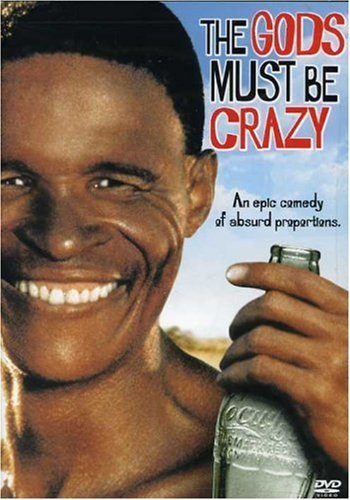
Like most of the millennials, the above movie was my first exposure to South Africa. It beautifully depicted the interaction between nature and human nature in a humorous way.
It took another five years for my callow mind to understand what was apartheid in South Africa. My initial exposure to it was when I read in Mahatma Gandhi's autobiography - The story of my experiments with the truth about the chagrin he had to face in Pietermaritzburg station.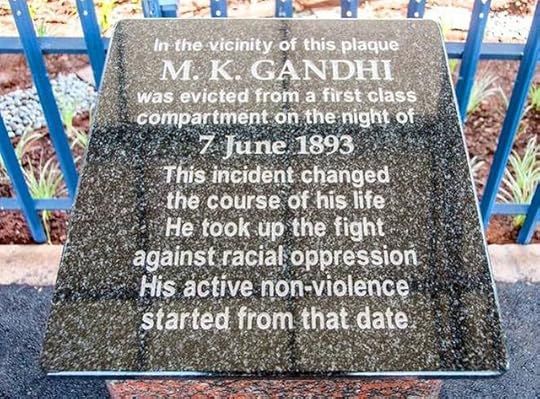
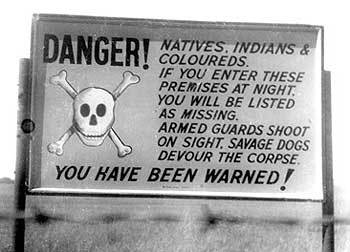
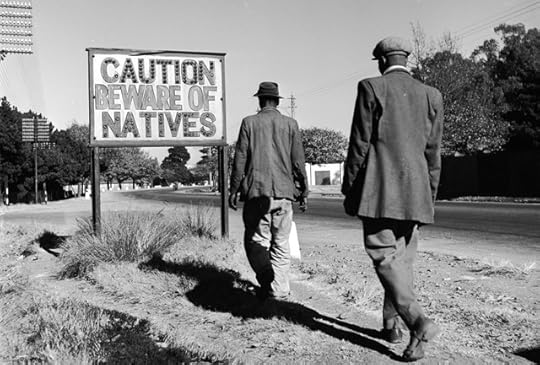
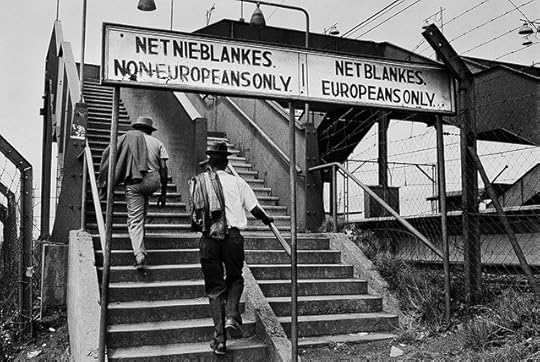
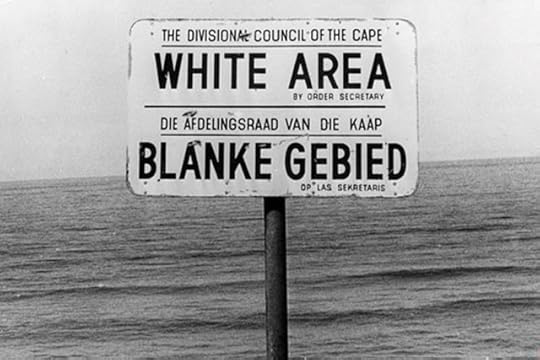
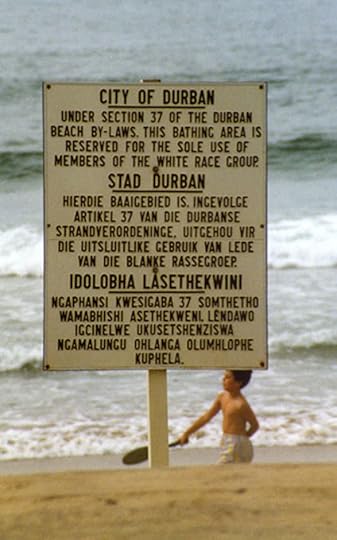
The following pictures show how severe was the discrimination that existed in Africa.
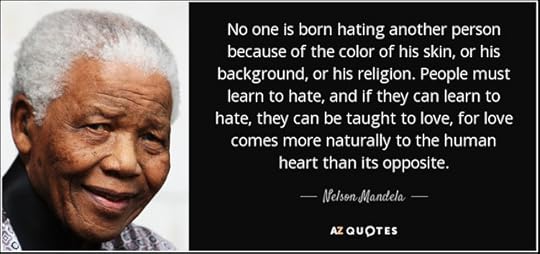
Nelson Mandela, who had to spend nearly three decades in prison, is considered as the face of the antiapartheid movement globally.
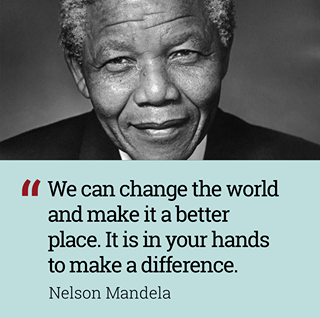
Africa was a nation which was strictly divided based on colour. The term rainbow nation was coined by Archbishop Desmond Tutu to show the unity of people coming from different cultures in Africa. This book shows how South African people were deeply affected by apartheid and everything you should know about the formation of modern South Africa.
“Each of us is as intimately attached to the soil of this beautiful country as are the famous jacaranda trees of Pretoria and the mimosa trees of the bushveld – a rainbow nation at peace with itself and the world." - Nelson Mandela
― Tahir Shah, Travels With Myself
Like most of the millennials, the above movie was my first exposure to South Africa. It beautifully depicted the interaction between nature and human nature in a humorous way.
It took another five years for my callow mind to understand what was apartheid in South Africa. My initial exposure to it was when I read in Mahatma Gandhi's autobiography - The story of my experiments with the truth about the chagrin he had to face in Pietermaritzburg station.
The following pictures show how severe was the discrimination that existed in Africa.
Nelson Mandela, who had to spend nearly three decades in prison, is considered as the face of the antiapartheid movement globally.
Africa was a nation which was strictly divided based on colour. The term rainbow nation was coined by Archbishop Desmond Tutu to show the unity of people coming from different cultures in Africa. This book shows how South African people were deeply affected by apartheid and everything you should know about the formation of modern South Africa.
“Each of us is as intimately attached to the soil of this beautiful country as are the famous jacaranda trees of Pretoria and the mimosa trees of the bushveld – a rainbow nation at peace with itself and the world." - Nelson Mandela

April 5, 2022
تاريخ موجز ومميز لجنوب إفريقيا ، بدايةً من الاستعمار الهولندي في القرن السابع عشر حتى الوقت الحاضر تقريبًا ، مركزًا بشكل كبير على عملية قيام وسقوط جدار الفصل العنصري..
قبل قراء هذا الكتاب لم يكن لدي معلومات كثيرة عن هذا البلد سوى ما يعرفه الاغلبية ، بلد نيلسون مانديلا والتمييز العنصري ، وبالرغم من ان هذا الكتاب ليس بالعمق الكافي تجاه هذه البقعة من الأرض ، إلا أنه يقدم لمحة مكثفة ومهمة تفتح الرؤية على ابواب اوسع ربما تأتي في قراءات أخرى..
قبل قراء هذا الكتاب لم يكن لدي معلومات كثيرة عن هذا البلد سوى ما يعرفه الاغلبية ، بلد نيلسون مانديلا والتمييز العنصري ، وبالرغم من ان هذا الكتاب ليس بالعمق الكافي تجاه هذه البقعة من الأرض ، إلا أنه يقدم لمحة مكثفة ومهمة تفتح الرؤية على ابواب اوسع ربما تأتي في قراءات أخرى..

August 9, 2024
South Africa’s history started with colonialism by countries as England and The Netherlands. Then in the end of the 1800s riots started to emerge. The ruling white minority legislated racial laws so called Apartheid laws. This meant that certain groups of people could live in a certain area. Black for themselves, white for themselves and Asians for themselves. This was primarily negative for the black majority since they got only 13 percent of the total area. They were not allowed to do the same things as the white people. This created riots and demonstrations that often ended with injuries and even deaths. Due to this many countries were in disputes with South Africa and many companies withdrew their activities in the country.
Until 1994 was the place in shambles, but that year was a bit of a turning point. They agreed on a flag and the year after a national hymn. In total there was 11 different languages so it was quite difficult. Even the color of red in the flag was discussed for a long time. Today South Africa is regarded as a more stable country and one of the “best” in Africa.
Until 1994 was the place in shambles, but that year was a bit of a turning point. They agreed on a flag and the year after a national hymn. In total there was 11 different languages so it was quite difficult. Even the color of red in the flag was discussed for a long time. Today South Africa is regarded as a more stable country and one of the “best” in Africa.

November 16, 2025
Revisionist crap, apologetics for colonialism, a refusal to detail the brutality of the apartheid regime, and a total send-up of the sellout Mandela (as if he needed another)

November 14, 2018
This was an excellent brief history of South Africa. It starts with the Dutch colonization in the 1600’s and focuses heavily on the rise and fall of apartheid.
Before reading this book, I had read Nelson Mandela’s The Long Walk to Freedom (a FANTASTIC read). Prior to reading THAT, I really knew nothing about South African history. Because of this, a lot of the historical references made by Mandela were not familiar to me, and I found myself doing frequent google searches to get myself caught up.
As I am now getting ready to read Dare Not Linger (Mandela’s account of his presidential years), I wanted to familiarize myself a little bit with some basic South African history. This book seemed like an excellent place to start and did not disappoint.
It’s not a super in-depth book, but its aim is to give you an overview you can read in one hour, and that’s exactly what it does. It answered all the questions I had when I’d started to read Long Walk to Freedom. I wish I had read this BEFORE Long Walk, but it all worked out.
Overall, this was a great (albeit admittedly brief) overview of South African history in terms of Dutch colonization and apartheid. If you’re looking for something more in-depth or something dealing with South African
history prior to the late 1600’s, you’ll need to look elsewhere. If you’re looking for a quick primer focusing on the origins and rise and fall of apartheid, this is the book for you.
Before reading this book, I had read Nelson Mandela’s The Long Walk to Freedom (a FANTASTIC read). Prior to reading THAT, I really knew nothing about South African history. Because of this, a lot of the historical references made by Mandela were not familiar to me, and I found myself doing frequent google searches to get myself caught up.
As I am now getting ready to read Dare Not Linger (Mandela’s account of his presidential years), I wanted to familiarize myself a little bit with some basic South African history. This book seemed like an excellent place to start and did not disappoint.
It’s not a super in-depth book, but its aim is to give you an overview you can read in one hour, and that’s exactly what it does. It answered all the questions I had when I’d started to read Long Walk to Freedom. I wish I had read this BEFORE Long Walk, but it all worked out.
Overall, this was a great (albeit admittedly brief) overview of South African history in terms of Dutch colonization and apartheid. If you’re looking for something more in-depth or something dealing with South African
history prior to the late 1600’s, you’ll need to look elsewhere. If you’re looking for a quick primer focusing on the origins and rise and fall of apartheid, this is the book for you.

October 25, 2017
This was so helpful as I prepare for a vacation to South Africa. I have Nelson Mendala's autobiography to read on the plane, but I didn't know the context in which to set his life story. This provides that. It is really only a history of white and black relations in South Africa, so I'd be interested in a little more about the tribes that are mentioned in the history, but I understand that to make this concise enough for a "one hour" series they had to make decisions about that. Definitely leaves one wanting more!
August 7, 2019
Ponieważ bardzo słąbo znam historię Republiki Południowej Afryki postanowiłem sięgnąć po tą pozycję z serii „History in an Hour”. W zasadzie jest to ogólnie rzecz biorąc historia Południowej Afryki, niekoniecznie, RPA, ponieważ Republika Południowej Afryki to bardzo młode państwo biorąc pod uwagę konstutcję która została uchwalona w drugiej połowie lat 90tych.
Ze względu na brak pisemnych dokumentów o historii Południowej Afryki możemy dopiero mówić zaczynając od początku XVII wieku, kiedy wybrzeże tej części afrykańskiego kontynentu zostało osiedlone przez holenderskich osadników. Holenderscy żeglarze część w tym czasie podróżowali do Indii w celach handlowych, stworzyli na wybrzeżu Południowej Afryki osady aby wspierać swoje misje handlowe. Przez kilkadziesiąt lat osadnicy holenderscy nie mieli zbyt wielkiego kontaktu z ludnością miejscową. Z czasem jednak osady te zaczęły się rozrastać, osadnicy który sami siebie zaczęli nazywać Afrykanerami zapędzali się coraz głębiej w kontynent. Stąd też aczęły rodzić się pierwsze konflikty. W między czasie kolonia holenderska Południowej Afryki przeszła w XIX wieku w ręce brytyjskie. Był to sopniowy proces. Pod koniec XIX wieku oraz na początku XX wieku brytyjczycy wraz z Afrykanerami prowadzili przeciwkosobie intensywne wojny, zwane tak zwanymi wojnami burskimi. W XIX wieku odkrycie złota oraz diamentów sprawiło iż Południowa Afryka zaczęłą przyciągać coraz więcej osadników szczególnie z Imperium Brytyjskiego. Natomiast miejscowi Afrykanerzy, potomkowie holenderskich osadników mocno walczyli o niepodleglość. W XIX wieku ludność Połudinowej Afryki powiększała się również o osadników z Indii, co dodatkowo urozmaiciło struktury społeczne tej części Afryki. Podczas Pierwszej Wojny Światowej podział wśród ludności białej pogłebił się ponieważ Afrykanerzy nie zamierzal wspierać Wielkiej Brytanii w wysiłku wojennym. W tym czasie wykrystalizowały się też jasne partie polityczne, które dąrzyły do władzy nad krajem. Po pierwszej Wojnie Światowej Południowa Afryka została podzielona na trzy państwa w jednym państwie. Wszystkich mieszkańców zaszufladkowano do jednej z trzech kategoriim według koloru skóry.
Książka w drugiej części dość mocno koncentruje się na tym jak działał apartheid oraz jak doszło do upadku apartheidu. Sporo faktów dowiadujemy się również z życia Nelsona Mandeli. Ciekawostką jest iż „Nelson” to imie które nadała mu nauczycielka w momencie kiedy poszedł on do szkoły. Taki był zwyczaj iż w szkołach dzieci afrykańskie dostawały nowe imiona od nauczycielek.
Podział w społeczeństwie Południowej Affryki ktory powstał w ramach apartheidu był dość głęboki. Na początku lat 90tych sytuacja była mocno napięta i dochodziło do wielu starć w których ginęło sporo ludzi. Droga do pokojowego upadku apartheidu, do pojednania jest naprawdę niesamowita. To zrobiło na mnie wielkie wrażenie. W efekcie, dzięki pracy Nelsona Mandeli Republika Południowej Afryki ma dziś jedną z najnowocześniejszych konstytucji na świecie która tworzy system państowy umożliwiający harmonijne życie bardzo pluralistycznego społeczeństwa. Ciekawe jest jak powstawała nowa flaga RPA, ciekawe jest to iż RPA ma aż 11 języków urzędowych. Bardzo się cieszę, że natrafiłem na tą pozycję.
Ze względu na brak pisemnych dokumentów o historii Południowej Afryki możemy dopiero mówić zaczynając od początku XVII wieku, kiedy wybrzeże tej części afrykańskiego kontynentu zostało osiedlone przez holenderskich osadników. Holenderscy żeglarze część w tym czasie podróżowali do Indii w celach handlowych, stworzyli na wybrzeżu Południowej Afryki osady aby wspierać swoje misje handlowe. Przez kilkadziesiąt lat osadnicy holenderscy nie mieli zbyt wielkiego kontaktu z ludnością miejscową. Z czasem jednak osady te zaczęły się rozrastać, osadnicy który sami siebie zaczęli nazywać Afrykanerami zapędzali się coraz głębiej w kontynent. Stąd też aczęły rodzić się pierwsze konflikty. W między czasie kolonia holenderska Południowej Afryki przeszła w XIX wieku w ręce brytyjskie. Był to sopniowy proces. Pod koniec XIX wieku oraz na początku XX wieku brytyjczycy wraz z Afrykanerami prowadzili przeciwkosobie intensywne wojny, zwane tak zwanymi wojnami burskimi. W XIX wieku odkrycie złota oraz diamentów sprawiło iż Południowa Afryka zaczęłą przyciągać coraz więcej osadników szczególnie z Imperium Brytyjskiego. Natomiast miejscowi Afrykanerzy, potomkowie holenderskich osadników mocno walczyli o niepodleglość. W XIX wieku ludność Połudinowej Afryki powiększała się również o osadników z Indii, co dodatkowo urozmaiciło struktury społeczne tej części Afryki. Podczas Pierwszej Wojny Światowej podział wśród ludności białej pogłebił się ponieważ Afrykanerzy nie zamierzal wspierać Wielkiej Brytanii w wysiłku wojennym. W tym czasie wykrystalizowały się też jasne partie polityczne, które dąrzyły do władzy nad krajem. Po pierwszej Wojnie Światowej Południowa Afryka została podzielona na trzy państwa w jednym państwie. Wszystkich mieszkańców zaszufladkowano do jednej z trzech kategoriim według koloru skóry.
Książka w drugiej części dość mocno koncentruje się na tym jak działał apartheid oraz jak doszło do upadku apartheidu. Sporo faktów dowiadujemy się również z życia Nelsona Mandeli. Ciekawostką jest iż „Nelson” to imie które nadała mu nauczycielka w momencie kiedy poszedł on do szkoły. Taki był zwyczaj iż w szkołach dzieci afrykańskie dostawały nowe imiona od nauczycielek.
Podział w społeczeństwie Południowej Affryki ktory powstał w ramach apartheidu był dość głęboki. Na początku lat 90tych sytuacja była mocno napięta i dochodziło do wielu starć w których ginęło sporo ludzi. Droga do pokojowego upadku apartheidu, do pojednania jest naprawdę niesamowita. To zrobiło na mnie wielkie wrażenie. W efekcie, dzięki pracy Nelsona Mandeli Republika Południowej Afryki ma dziś jedną z najnowocześniejszych konstytucji na świecie która tworzy system państowy umożliwiający harmonijne życie bardzo pluralistycznego społeczeństwa. Ciekawe jest jak powstawała nowa flaga RPA, ciekawe jest to iż RPA ma aż 11 języków urzędowych. Bardzo się cieszę, że natrafiłem na tą pozycję.

Read
July 13, 2020Useful overall picture of SA from Jan van Riebeck's arrival to 1995. Inevitably detail-free but so many books to choose from to satisfy further inquiry. Does exactly what it says on the cover and does it well.
Took me several days as I read it a chapter a day. For me, this was just a reminder of the country that makes my heart both sing and break.
Took me several days as I read it a chapter a day. For me, this was just a reminder of the country that makes my heart both sing and break.
February 23, 2019
It delivers on what it promises, a brief overview. In one hour it can only do so much but it does whet your appetite to learn more. South Africa has a very interesting history, one that the world can learn from.

July 23, 2023
A compact, accessible written history of South Africa with a focus on Apartheid - I found it informative.
This is the second book I've listened to from this series, and it certainly won't be the last.
This is the second book I've listened to from this series, and it certainly won't be the last.

December 31, 2023
This is a brief history of South Africa. I enjoyed the narrator. It was a person from South Africa that helped bring the book to life. The history filled in many holes I have in South African history. I was amazed at how much I remember from Trevor Noah's memoir. I can't wait to visit there next year.

February 8, 2025
A well-narrated overview of the history of South Africa, starting from the first Dutch settlers in the 1600s. An excellent addition to Kaffir Boy by Mark Mathabane which I listened to just before this one.

May 5, 2017
Quick intro
I will be traveling to Cape Town, South Africa soon and wanted a review of the history. The focus is on apartheid.
I will be traveling to Cape Town, South Africa soon and wanted a review of the history. The focus is on apartheid.

March 12, 2018
Concise
Short and crisp. Just a dip into the history of SA after the first Dutch colonists arrived till the abolition of apartheid and formation of the republic.
Short and crisp. Just a dip into the history of SA after the first Dutch colonists arrived till the abolition of apartheid and formation of the republic.

July 31, 2018
Exactly as promises - a concise basic history you can read in an hour

January 25, 2019
Pocket sized overview. Really useful.

July 29, 2019
Just enough information to help put things in context. But the story in this book ends in 1997. What has happened since?
July 2, 2024
Great tourist recap
Bought during my first trip to SA and it was the ideal overview to get some historical basics and a fundamental understanding. Recommend
Bought during my first trip to SA and it was the ideal overview to get some historical basics and a fundamental understanding. Recommend

December 6, 2013
This is a nice overview of the history of South Africa, the constant conflicts between cultures and the role played by main figures such as Verwoerd, Foster and Botha in keeping the apartheid; and Mandela, Sisulu, Tambo and de Klerk in fighting against it. Although not much is said about the actions of the Truth and Reconciliation commission headed by Nobel Prize winner archbishop Tutu, this short book is a valuable way to learn more about the history of the "rainbow nation" towards freedom and equality.

August 7, 2014
As is often the case with these books, they provide only the skeletons of information on any given subject. However, as is also the case with these books, the information is well written, easy to understand and gives a good basic idea, if you didn't know much about the topic before. Worth reading for me, since I had little to no knowledge of south african history.

April 14, 2013
If only history in school was as simplified as these history-in-an-hour books make it out to be, maybe then I would have enjoyed history a bit more than I did.
January 21, 2014
A pretty straightforward overview.

January 6, 2016
Great read
Great insight into south Africa's history. History in an hour is a great collection for anyone wanting an overview of history. Would highly recommend.
Great insight into south Africa's history. History in an hour is a great collection for anyone wanting an overview of history. Would highly recommend.
May 23, 2016
A comprehensive read!
A great comprehensive summary of south Africa in the twentieth century. Good for those who haven't studied the area before
A great comprehensive summary of south Africa in the twentieth century. Good for those who haven't studied the area before

March 22, 2019
Exactly what I wanted. A quick summary of South African history. I wish it had talked a little more about things before the Dutch and British came, but it still helped me know more about the country. All in an hour.
Displaying 1 - 26 of 26 reviews