Jump to ratings and reviews
Rate this book

Black Box

Rate this book
Examines the lives of a contemporary Israeli couple whose marriage has ended in disaster.

259 pages, Paperback

First published January 1, 1986

138 people are currently reading
3688 people want to read

About the author

Amos Oz

188 books1,649 followers
Amos Oz (Hebrew: עמוס עוז‎; born Amos Klausner) was an Israeli writer, novelist, journalist and intellectual. He was also a professor of literature at Ben-Gurion University in Beersheba. He was regarded as Israel's most famous living author.

Oz's work has been published in 42 languages in 43 countries, and has received many honours and awards, among them the Legion of Honour of France, the Goethe Prize, the Prince of Asturias Award in Literature, the Heinrich Heine Prize and the Israel Prize. In 2007, a selection from the Chinese translation of A Tale of Love and Darkness was the first work of modern Hebrew literature to appear in an official Chinese textbook.

Since 1967, Oz had been a prominent advocate of a two-state solution to the Israeli–Palestinian conflict.

Ratings & Reviews

What do you think?
Rate this book

Friends & Following

Create a free account to discover what your friends think of this book!

Community Reviews

5 stars
1,249 (29%)
4 stars
1,627 (38%)
3 stars
994 (23%)
2 stars
255 (6%)
1 star
59 (1%)
Displaying 1 - 30 of 347 reviews
Profile Image for Orsodimondo.
2,457 reviews2,429 followers
May 27, 2025
GRAMMATICA DEGLI AFFETTI


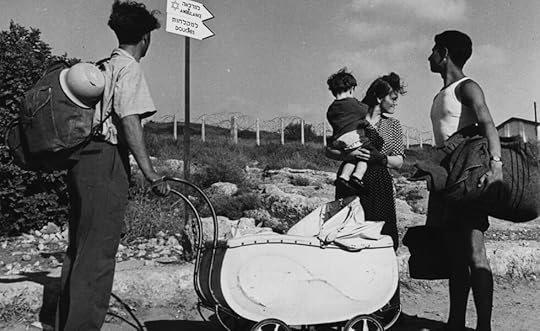
Una famiglia di immigrati ebrei fuori dal campo di Shaar Alijah, vicino a Haifa, in Israele. 1950 circa

Sono diventato scrittore perché vengo da una famiglia di profughi dal cuore a pezzi.
Scrive così Amos Oz nella prima lezione Contro il fanatismo.

Anche Ilana viene da una famiglia di profughi che quando era bambina dalla Polonia l’ha condotta in Israele.
Anche Alec, che la sposerà per poi divorziare, un divorzio freddo e doloroso, fine di tutto tra loro, anche Alec è figlio di genitori che vengono da altrove: nel suo caso, dalla Russia,.
E anche il secondo marito di Ilana, Michel, è di famiglia marocchina, figliod i profughi.
E non è difficile credere che tutti questi profughi avessero il “cuore a pezzi”.


Intanto, intorno e sullo sfondo scorre la storia d’Israele tra la Guerra dei Sei Giorni (1967) e quella del Kippur (1973), tra gli anni Sessanta e i Settanta.

Nella seconda lezione Contro il fanatismo, Oz scrive:
Tutti dicono di essere venuti a Gerusalemme per costruirla ed essere costruiti. In effetti alcuni di loro sono venuti a Gerusalemme non tanto per costruirla, non tanto per essere costruiti, piuttosto per venirvi crocifissi, per crocifiggere altri, o entrambe le cose.
Anche in questo caso non è difficile accorgersi che Ilana, Alec, Michel, e aggiungerei anche l’avvocato di Alec, si crocifiggono l’un l’altro, si scarnificano, si aggrediscono verbalmente, vogliono distruggere.
Alec dopo il divorzio s’è trasferito in America, è diventato un famoso docente, e per “crocefiggere” l’ex moglie ha misconosciuto il figlio che hanno avuto insieme, Boaz. Alec non vuole più essere padre.
Invece Michel farebbe volentieri le funzioni di padri con Boaz, che però lo respinge.


Quando inizia il romanzo, Boaz s’è fatto cacciare da scuola, chiama sua madre puttana perché si è risposata (con Michel) e ha avuto un’altra figlia.
È per questo che dopo sette anni di silenzio e distanza, Ilana decide di scrivere ad Alec, per parlargli del figlio che se ne è andato di casa, ha tagliato i ponti ed è sparito.
Il libro è un classico romanzo epistolare che procede di lettera in lettera, con i vari personaggi che si scambiano il testimone, con salti temporali che riusciamo a ricostruire nella lettera che segue.
Lo scambio epistolare coinvolge tutti, non solo gli ex moglie e marito, ma anche il nuovo uomo di Ilana e quello precedente, con l’avvocato di Alec che entra ogni tanto ad aggiungere racconto.


La scatola nera, proprio come quella di un aereo, è il nucleo della storia di Ilana e Alec, è dove andare a cercare l’origine del loro amore, di quella passione selvaggia che li attirò l’un l’altro, per poi lasciare posto all’odio di oggi. Come in un aereo si esamina la scatola nera in caso di incidente, così la scatola nera di Ilana e Alec contiene il loro percorso di distruzione. Distruzione di una coppia, di una famiglia, di due esseri umani.
Distruzione alla quale partecipano e collaborano anche Michel, il nuovo marito di Ilana, e Manfred, l’avvocato di Alec.
Sarà l’adolescente Boaz, il ribelle che sta con i piedi per terra, che prende e rimette in funzione la casa di famiglia e accoglie il padre molto malato, l’unico che riesce a costruire, mentre tutti intorno a lui hanno solo cercato di demolire e distruggere. Proprio come fanno i due popoli che abitano quella terra contesa.

Profile Image for Michael Scott.
778 reviews157 followers
July 28, 2009
Like much of Amos Oz's work, Black Box is not about the story. Indeed, the book is built around the premise that unresolved childhood trauma brings disaster to all the people around when the child grows up, but in truth the book is all about people: dysfunctional people who hit, scream, beg, and blackmail, get divorced or separated, and still try to reunite with each other. As sides, the epistolary style of the book engages the reader in mind games (will I turn the pages and see who wrote this? will I recognize it from the writing style?), while the political and historical setting draw in. I absolutely loved this book!
Profile Image for Teresa.
1,492 reviews
February 13, 2017
A Caixa Negra é um romance construído através de cartas, que os personagens trocam entre si, relatando os seus pensamentos, sentimentos e acções, e revelando-se tão profundamente que, desde a primeira carta, criei por eles sentimentos diversos: por Michael repulsa; por Boaz carinho; por Ilana empatia; por Manfred admiração; por Alex... ah!, por Alex quase me apaixonei...
Depois de seis anos de silêncio Ilana escreve uma carta ao ex-marido e, tal como Pandora, abre uma caixa negra libertando os demónios nela encarcerados: a paixão, o desejo, o ciúme, a solidão, a crueldade...

Não deverei revelar mais nada sobre o enredo porque - tal como a caixa negra de um avião, que só é aberta se ele cair - o conteúdo deste livro só deverá ser conhecido por aqueles que arriscarem fazer esta "viagem", por vezes divertida mas com terríveis "poços de ar"...

"Ouvirás a minha voz, meu amor, tão distante?
A minha voz que é tua, chegará até ti?
A voz que no meu sangue chora e grita.
Que procura, sempre, ser feliz.

O mundo em caminhos infinitos se bifurca.
Encontros breves. Despedidas.
Não alcançaremos o que desejamos
Nem encontraremos o que já perdemos.

Talvez perto do final dos meus dias,
O último pranto do amargo adeus
Espero-te então, até que tudo acabe,
Como esperou Rachel o prometido amor."

Rachel Bluwstein
Profile Image for Xenia Germeni.
339 reviews44 followers
June 22, 2017
ΕΚΠΛΗΚΤΙΚΟ!! αρχικά δεν ήμουν σίγουρη πως μια απλοική ιστορία της σχέσης ενός ζευγαριού θα με κάνει να μην μπορώ να αφήσω κάτω ένα βιβλίο...Κι όμως έχω δυο φίλους που επέμεναν να διαβάσω Οζ! Και τελικά δεν είχαν άδικο! Το Ισραήλ, η πολιτκή, η θρησκεία, ο φανατισμός, οι σχέσεις, τα φύλα, ο πόλεμος, η Ευρώπη, το Ολοκαύτωμα, ο έρωτας, το μίσος, το πάθος, η αγάπη, η βία....μέσα σε μερικές επιστολές..Τόση μαεστρια σε ένα κείμενο με πολύ δύναμη για τις ανθρώπινες σχέσεις, τα πάθη και την ιστορία ενός κράτους και μιας περιοχής που μας αφορά!
Profile Image for Cláudia Azevedo.
394 reviews217 followers
February 4, 2019
Amos Oz é diferente de tudo o que já li. Mais do que uma caixa negra de uma relação que desabou deixando feridos os seus dois "tripulantes", este livro passa a uma espécie de triângulo amoroso, trespassado constantemente por questões religiosas e por desejos profanos, por certezas que descambam em dúvidas e por imponderáveis que traçam destinos. As questões ficam no ar e os destinos em aberto para lá do fim, sem bons ou maus, apenas pessoas condicionadas pelas suas circunstâncias e decisões, prestes a perdoar ou a pedir perdão. Em Terra.
Profile Image for Tamar...playing hooky for a few hours today.
792 reviews205 followers
October 10, 2025
Caveat – I read this book nearly 40 years ago and am only now writing this review. Therefore, Dear Reader, forgive me any inaccuracies that may appear, but after so many years the book still resonates, and my impressions were formed in a different age and time. - October 2025

Reading The Black Box by Amos Oz is when I fell in love with the epistolary genre.

The book centers on the charged relationship between the Main Characters of Alec (an emotionally challenged college professor and retired IDF Officer), his ex-wife Ilana, their son Boaz, and Ilana’s current husband Michel – a Moroccan-born, conniving, manipulative, bible thumping zealot. You might assume by my description of Michel, above (not including his ethnicity), that I considered him a totally unlikeable character, and you would be correct, even if my view is still based on the impression of a much younger woman whose memory of the minutiae might be lacking in a book that I read approximately 40 years ago. Why, specifically, Oz chose to note Michel’s ethnicity is unclear (even if I think there might have been some stigma intended or satirized). I felt there was a correlation between the character of Michel and Meir Kahane, the right-wing extremist and political activist who immigrated to Israel in 1971, formed the Kach Party, and then won a seat in the 1984 Israeli Parliament (Knesset). The book takes place circa 1976 five years after Kahane emigrated to Israel from the U.S., and was written five years before Kahane was assassinated (1990) while making a speech before an ultra-orthodox Jewish community in Brooklyn, N.Y.

It is hard to believe that today – fifty-five years after he immigrated to Israel and forty years after his Kach party was barred from future elections when in 1985 the Israel Knesset passed a law banning political parties that incited to racism – Kahanist ideology still thrives and/or has roots among prominent political figures in Itamar Ben-Gvir’s Otzma Yehudit (Jewish Power) Party, and today holds significant influence within the Knesset and is a pivotal member of the government coalition.

I note that despite the fact that I rarely see the character Michel appearing in reviews of Black Box, other than in scholarly analyses which go way over my head and do not strike a comparison with Meir Kahane, the character of Michel and his letters comprise a large portion of the book that is mostly ignored (at least in the English reviews I have read).

The relationship between Alec and Ilana was a charged one. Ilana, who thirsted for love and companionship, felt deprived of both while married to Alec. Alec displayed only frigid animosity toward Ilana, once she reached out to him seven years after their divorce, to help get their troubled sixteen-year-old son on track. Alec was a successful, published, Professor in Chicago and divided his time in academic circles outside of Israel – hence letters was the method of communication between all the parties concerned. It is hard to fathom why Ilana married the ultra-religious Michel, whose preachy letters were strewn with religious scripture and schnorring for among other things, the purchase of land for religious West Bank settlement.

What I loved most about this book was the use of the epitolary genre to unfold Alec and Ilana's marriage background and how it manifested itself in the love/hate relationship that ensued. I think it was easier for all to say exactly what was on their minds while writing as opposed to their inability to communicate (or so it seems) while Ilana and Alec were married. It was hard for me to wrap my head around Ilana, and her obsessive communications with Alec. Although it ostensibly stemmed from her concern over the self-destructive direction their son, Boaz's, life was taking, it soon turned into a blame game of sorts attacking Alec's behavior during their marriage. I remember the prose was beautiful, at least the Hebrew prose was beautiful. I rarely read in Hebrew although I am fluent, there are simply millions of amazing books in my native tongue and the reading pleasure is, for me, generally greater in English. I often wondered at my friends and cousins who read the book in English and were clearly less enamoured that I was, I should read the English translation and see how if it wows me as much as the Hebrew did, but alas, my time on earth is brief and I rarely squander it on rereads (LOL).

Amos Oz (1939-2018), won numerous accolades and awards during his long and prolific career. The Black Box is one of the most widely-read books in Israel and was awarded the Prix Femina Étranger in 1988 for the best foreign novel in France and the Wingate Prize in London in the same year. He was also awarded many National and International Awards, among which:
Bialik Prize (1986), Friedenspreis des Deutschen Buchhandels (1992), Legion of Honour (1997), Israel Prize (1998), Ovid Prize (2004), Goethe Prize (2005), Prince of Asturias Award (2007), Heinrich Heine Prize (2008), and the Franz Kafka Prize (2013)
Profile Image for Ivana Books Are Magic.
523 reviews301 followers
July 20, 2016
God, CAN this man write or what? Think about it, here you’ve got a novel about a divorced couple and their arguments, a husband and white trying to decide on the fate of their child while working on making their lives miserable, all written in a form of letters.

A novel composed of letters, I dare say I didn't believe it could work in this century. Certainly not for this theme. Certainly not as a way of telling a story. For there is a story, with a beginning, middle and an end. It is not just monologue or dialogue, even if characters travel back and forth in past. If you like unreliable narrators, this is a novel of you. Here you have a number of unreliable narrators. This novel doesn’t have that wonderful ambiguity Henry James was famous for nor the complexity of Kazuo Ishiguro, but it comes pretty close. Back to the novel…

Making an epistolary novel about a broken modern family work is quite an accomplishment. Turing it into a story with a plot (not a terribly unexpected one but still a plot, now that's just insane, yet he pulled it off. It is not my favourite book of his, but it is fascinating and exceptionally well written. I would call it a psychological novel and say its chief literary merit lies on the success of the characterization which is nothing short of brilliant. I would also say that it reads quite well as a story. Perhaps I would even go so far as state it can also be read a love story. A surprisingly tender one.

Here we have a divorced couple, two exes that exchange long letters full of hate and resentment. The woman has a new husband and another child by him but now she is writing to her first husband concerning the problems she has with her first child (their child). Her new husband also writes some letters to her old one. Is she happy in her new life? Is he? After a lot of twists and turns, you’ll see that nothing is as it seems.

Who is the victim? In love it is hard to tell. Perhaps they are all victims of love. Of themselves. Of each other. We all tend to put guilt on others, each of us has its own version of truth. Is truth ever universal? Or is there more than one truth? There certainly is more than one reading of this novel. The setting is well developed and so are the characters. The story felt realistic enough, but still I had this feeling that the real emphasis is and should be on characters.

A very good novel! There is a great deal of detail in the way the characters are portrayed and it really translates well into the narrative. The story itself was easy to follow and at times even entertaining. There is a lot of bitterness in this novel and just a splash of insanity, but it never feels overwhelming or out of place. wasn't too crazy about the ending. Sure, it served it point and enabled something that would otherwise be unrealistic but still it left me unsatisfied. Perhaps there could have been a different way to work it all out, perhaps not. All in all, I would say this one is a success.
Profile Image for Siv30.
2,782 reviews192 followers
March 20, 2018
"יש אושר בעולם, אלק, והיסורים אינם היפוכו, הם נתיב הקוצים שבו נעבור זוחלים על הגחון אל קרחת היער ההיא, שטופת כסף ירח דק, הקורא לנו ומחכה."

סיפור יחסיהם המסוכסכים והרוויי אהבה, תשוקה ושינאה של אילנה ואלק נפרס בפני הקורא ברומן מכתבים מרהיב הנושא בחובו כאב וזעם לצד אהבה גדולה ובלתי אפשרית.

אלק נישא לאילנה כשהיה בן 28. הוא לא רצה להתחתן ולא, לא רצה להתחתן הוא פשוט נדחף לכך על ידי אביו. אילנה הצעירה היתה לא בשלה לנשואים אם כי אהבה וחשקה באלק בעוצמות חזקות.

אלק, נשוי למעשה לקריירה הצבאית שלו ולאידיאולוגיה הציונית הולך ומתרחק מאילנה שמרגישה נטושה. היא בוגדת בו כדי למשוך את תשומת ליבו וכשהוא מגלה זאת שערי הגיהנום נפתחים עליהם.

הם מתגרשים בהליך מכוער ורווי שינאה, אלק עוזב את הארץ ואת הצבא ועובר לאקדמיה ואילנה מגדלת את בנם, בועז לבד עד שהיא נישאת למיכאל - מישל סומו.

מיכאל - מישל סומו שונה מאלק בהמון מובנים: הוא צנוע, אוהב בריות, מסתכל לכולם בגובה העיניים אדם חם לבב ואמפטי שעוסק בהוראה. מישל בניגוד לאלק הגיע ממשפחה קשת יום וחסרת אמצעים.

עתה 7 שנים לאחר הגירושים אילנה פונה לאלק לקבלת סיוע עם בנם שהתנהגותו הפרועה מובילה לסילוק מבית הספר, למעצרים ולמעגל חוזר של בריחה מהבית ומהחוק.

ברצף מכתבים דחוסים נפרסת בפני הקורא פרשת נישואיהם וחייהם של אילנה ואלק. הקורא מקבל זוויות ראיה נוספות ממכתבים שכותב בועז למישל, מישל לאלק ומתכתובות עם העורך דין של אלק.

אלק מחליט לסייע למשפחה ומתחיל לשפוך עליהם כספים רבים מה שמשבש את דעתו והתנהגותו של מישל שהופך אט אט מאיש צנוע ואוהב לעסקן פוליטי העסוק ברכישת קרקעות בשומרון ובגאולת הארץ. אילנה מסתייגת מהתנהגותו וממעשיו מתרחקת ממנו ופונה לכיוון הגרוש שלה שמשתף פעולה.

כמו כדור המסתובב סביב צירו מערכות היחסים והדמויות משתנות ממכתב למכתב לנגד עיניו של הקורא: אלק שבתחילה לא רצה שום קשר עם בנו לבסוף מוריש לו מחצית מנכסיו, עובר לגור איתו בקומונה שהקים ונתמך עי הבן שנטש בקטנות.
הוא גם משלים עם אילנה שמגיעה גם היא לקומונה לטפל באלק הגוסס.

המכתבים נושאים ביקורת חריפה כנגד כיבוש השטחים והאידיאולוגיות הדתיות והמשיחיות.

העוצמה של הספר טמונה במכתבים של אילנה ובקול היחודי והמעניין שהיא משמיעה: בראיה ביקורתית נוקבת היא משחררת את כל השדים הטמונים בה וברגישות יוצאת דופן מנתחת את כישלון הנישואים שלה ושל אלק.

מערך יחסי הכוחות בינהם, חוסר האיזון והתשוקה הרבה שלהם אחד לשניה למרות השינאה הצורבת וההתכתבות בינהם המשולה לחבטת כדור טניס במהירות 100 קמ"ש, מייצרים קטעים אינטנסיבים ולא נשכחים.

כמי שקראה לא מעט מספרי עמוס עוז אני יכולה לכתוב בלי היסוס כי מדובר באחד הספרים החזקים שכתב. התחושה היא של תאונת רכבות קשה וזאת מבלי להתייחס לדמותו של מיכאל מישל סומו המייצג את הזרם הדתי הלאומי ואת הציונות הלאומית ומבלי להתייחס לדמותו של העורך דין זקהיים הצובע את מערכות היחסים בגוונים משעשעים.

מומלץ בחום.
Profile Image for Antonio.
123 reviews58 followers
May 28, 2017
Amos Oz transports us to a land full of sorrows, consequence of a failed marriage. In this place, created in his brilliantly written epistolary style, we face bitterness, disappointments, humiliations and even some cruelty engendered by words.
In this apparently dry landscape, however, the author also presents us with understanding, compassion, and, above all, some remaining love, even after the painful divorce, even after whatever life has brought.
An amazing piece of work of Amos Oz highly recommended to anyone who knows how hard relationships can be. After all, what matters remains in the end, even if we don't know what it is, or how to name it - it'll stay, for sure, alive inside us.
(I know this ending is kind of cliché, but I couldn't write it differently).
Profile Image for Poncho González.
699 reviews66 followers
May 13, 2021
En verdad quería que este libro me gustara, hasta la primera mitad iba encaminado a convertirse en una de mis mejores lecturas del año ya que había logrado engancharme en su historia y querer seguir leyendo y terminarlo lo mas antes posible para conocer el desenlace, lastimosamente la segunda mitad del libro me defraudó completamente, ya que las cartas empiezan a ser más extensas y aburridas, llenas de mucho relleno, los personajes que si bien no eran mis favoritos termine por odiarlos a casi todos, y esto debido a todas sus incoherencias al actuar y escribir, y es donde empecé a ver con mayor claridad todos los defectos de la novela, sus incoherencias y sus huecos de trama, que en un principio formaban parte del suspenso y querer conocer más, al final realmente no se resuelve nada y sencillamente si termine odiando la historia fue por todos sus personajes, ninguno se me hizo real, todas sus decisiones eran demasiado estúpidas e incoherentes con sus personalidades que nos presentaron en un inicio, simplemente ese es mi problema con la novela, lo inverosímil que me resultaron sus decisiones y la resolución de la trama, y si no le doy la peor calificación es porque considero que esta bien escrito y porque me atrapo y me entretuvo durante sus primeras páginas.
Profile Image for Sara Zovko.
356 reviews90 followers
January 31, 2019
Amos Oz piše maestralno, riječima secira ljude do najsitnijih, najmračnijih detalja njihove duše, točno i precizno. Roman pisan u formi pisma koja si međusobno šalju dvoje bivših supružnika i još nekoliko ljudi koji sudjeluju u njihovim životima, ulazi u sve zakutke života. Strast, požudu, preljub, kajanje, vjerski fanatizam, traume iz djetinjstva i likove istovremeno i voliš i ne voliš i shvaćaš i prezireš.
Profile Image for Jen.
337 reviews1 follower
January 20, 2016
I picked up this book with little enthusiasm. Based on the summary, I was convinced that I would not care for it. The GoodReads summary was as follows, “examines the lives of a contemporary Israeli couple whose marriage has ended in disaster.” My initial reaction was “that sounds boring and depressing.” Boy, was I wrong (about the boring part, it is not exactly uplifting). I loved this book.

The Black Box is an epistolary novel told through a series of letters, memos, notes between a formerly married couple, their son, the wife’s current husband, her sister, and the ex-husband’s lawyer. Oz takes us (the reader) on a journey of a marital breakdown that has so many twists and turns that you never quite know where you are going to end up. Each new letter adds to the jigsaw puzzle and contributes to an almost complete picture of how each character ends up in their current situation. Your heart breaks for these flawed and emotionally damaged people.

This book is about so much more than the disintegration of a relationship. It is in many ways a book about fanaticism. All characters are extreme or fanatics in different ways. Alec, the ex-husband, is the secular rationalist (often cruel, seemingly emotionless), Michel, the current husband, is the religious fanatic, Ilana the seductress (all emotion, desire, etc.), Boaz, the son, is naturalist with no faith. Oz clearly has little positive regard for fanaticism and he constantly points out the flaws in his characters. I would describe this book as a commentary or observation on the human condition, one that is set in a complex political setting. Oz captures the voices of each character so well. The letters are at times funny, at times bitter and cruel, and at other times filled with a sense of sadness and desperation.

I have lots to say about this book, but fear that my comments will give too much away. So, instead I’ll just say that the book is complex, beautifully-written and engaging. My only criticisms (and thus the reason for not giving it a 5) are: 1) Ilana remains somewhat elusive. We are given a lot of information behind what drives many of the other characters (their childhood history, etc.), but little background about Ilana and her flaws; & 2) some of the letters don’t quite read like letters since the characters will rehash in great detail exactly what they had said to the recipient of the letter (something that would be needless if you had actually had the conversation with that person to begin with).

Favorite quotes: -“as after a plane crash, we have sat down and analyzed, by correspondence, the contents of the black box.”
“there is happiness in the world, Alec, and suffering is not its opposite but the narrow passage through which stooping, crawling among nettles, we reach the silent clearing in the forest bathed in lunar silver.”
“our love had filled with hate. Which consumed everything yet continued to masquerade as love.”
Profile Image for Zek.
460 reviews34 followers
July 18, 2020
סקירה שכתבתי בזמנו ב״סימניה״:
כל כך אהבתי את כתיבתו של עמוס עוז ואת הדרך המיוחדת בה בחר לברוא את סיפורו. כל הסיפור בנוי על חליפת מכתבים בין הדמויות העיקריות. על פניו נראה כי מבנה זה של הספר עשוי להעיק בשלב כלשהו על הקורא אבל עמוס עוז כל כך מוכשר שצלח ללא קושי את המכשול הלכאורי הזה. עוז כותב בעברית מצוחצחת אולם לא ארכאית, שפתו העשירה משרתת את הסיפור וכל אלו ביחד יוצרים ספר מעולה ומעניין לקריאה. נהניתי מכל רגע והספר מומלץ בחום
Profile Image for Alina.
865 reviews313 followers
November 6, 2015
Even if my rating is not very high, I think it was a book worth reading.
Written as an array of letters offering different perspectives on the events, it slowly unfolds its layers of plot and reveals the nature of the characters.
Profile Image for Frabe.
1,196 reviews56 followers
April 20, 2018
Il titolo viene da una frase scritta da un ex marito all'ex moglie: “Come dopo un incidente aereo, ci siamo messi a decifrare, per corrispondenza, il contenuto della scatola nera.”
L’incidente aereo è il loro divorzio burrascoso di qualche anno prima. Era seguito il silenzio, poi hanno cominciato con le lettere... tante - troppe! Il romanzo è interamente epistolare: perché scrivono loro due, ma anche il figlio, il nuovo compagno di lei, l’avvocato di lui... Quelle degli adulti sono lettere molto- troppo - forbite, quelle del figlio, che è ormai un giovanotto e qualche scuola dovrebbe pur averla fatta, molto - troppo - sgrammaticate. Ecco, insomma: non ho gradito la forma. La sostanza ci sarebbe, c’è: ma avrei preferito per questa storia una narrazione più tradizionale.
Profile Image for None Ofyourbusiness Loves Israel.
872 reviews177 followers
September 4, 2024
Black Box unravels the intricate tapestry of a crumbling Israeli family through a series of letters, telegrams, and newspaper clippings. Set against the backdrop of the tumultuous 1970s, the novel explores the complex relationships of its characters, notably Alec Gideon, his ex-wife Ilana, and their son Boaz. The title, “Black Box,” is a metaphor for the characters' pasts, hinting at the hidden truths and motivations that drive their actions. As the characters exchange letters, they attempt to piece together the fragments of their broken marriage, revealing the deep-seated resentments and misunderstandings that led to their separation.

The novel's epistolary format allows the characters to express their innermost thoughts and feelings without the constraints of face-to-face conversation. Through their correspondence, the reader gains a unique perspective on the characters' lives, witnessing their struggles, triumphs, and regrets.

Alec, a renowned sociologist, emerges as a complex and often contradictory figure. His intellectual brilliance is overshadowed by his cold and calculating nature. Ilana, on the other hand, is portrayed as a woman caught between her desire for love and her need for validation. Boaz, the troubled son, serves as a catalyst for the family's conflicts.

Black Box is more than just a personal drama. It is also a social commentary on Israeli society in the aftermath of the Six-Day War and the Yom Kippur War. Oz explores themes of identity, belonging, and the search for meaning.

By avoiding the traditional narrative structure, the author creates a sense of immediacy and intimacy. The reader is drawn into the characters' lives and becomes a voyeur in their most private moments. The novel's ending is both satisfying and thought-provoking.

This novel is one of the best epistolary works I've encountered. The author masterfully crafts a narrative filled with tension, variation, poignancy, and precision. The pacing is impeccable, avoiding tediousness or repetition while consistently delivering cliffhangers. I thoroughly enjoyed it.

אחד היפים של עוז. מצחיק, שנון וכרגיל כואב וחד אבחנה. מומלץ בחום. אולי לא העלילה הכי מרתקת או סבירה אבל המבנה, הכתיבה והמקצוענות מחפים על המגרעות ומעפילים את הספר לרמת נכס צאן ברזל של הספרות העברית. כמה שאתה חסר לנו עמוס.
Profile Image for Inese Okonova.
502 reviews60 followers
November 17, 2020
Acīmredzamais neticamais - labi un gana aizraujoši lasāms darbs, kas 20. gadsimtā tapis vēstuļu formātā. Lasīju lēnā garā, pa dažām vēstulēm vakarā. Iespējams, ka tāpēc arī patika, jo uzreiz visu to dažādo personāžu pārspīlēti lielos ego un viņu savādās izpausmes būtu grūti izturēt. Vismīļakais tēls man šķita profesors, kurš savā ģēnija-liela bērna egoismā beigās bija gandrīz vai aizkustinošs.
Profile Image for Tijana Majstorović .
47 reviews5 followers
April 30, 2021
„Суштина вере је способност да се више не примећује ништа, чак ни планине које нам се померају пред очима.“

„Ми уништавамо себе (и ускоро ћемо потпуно истребити читаву своју врсту) управо због својих „виших тежњи“, због теолошке болести. Због опседнутости искупљењем.“

Такав осећај за детаљ, човекову унутрашњост, сагледавање проблема из милион различитих перспектива, сјајне метафоре и алузије на великане који су на много начина интелектуално допринели нашим животима — један од ретких који то све успева јесте Амос Оз.
Прожимање библијских цитата који покушавају да створе осећај реда у нереду је фантастично распоређен, а поготово јер те фрагменте цитира особа преко које се највише копља ломе. Права животна драма, која оставља горак укус у устима због зачараног круга из којег се не може изаћи.

Ово ми је, поред „Приче о љубави и тами“, једно од његових најбољих дела.
Profile Image for Yair.
335 reviews101 followers
January 22, 2011
At first I thought this was a weaker novel than Oz's "My Michael". The form of the story told mainly through written letters the characters sent to one another felt clunky and inappropriate for the type of story Amos Oz it seemed was trying to tell.


To an extent these initial failings still persist in the rating for the book. But, oddly enough, "Black Box" succeeds in areas where "My Michael" did not. The characters here feel more human, in that they not only fall but are simultaneously cognizant and in denial of their shortcomings unlike "My Michael" where every character, including Hannah Gonen the narrator, is enshrouded in a blithe atmosphere of apathy and subtle (at times not so subtle) contempt.


A good read all in all.
Profile Image for Marc Lamot.
3,461 reviews1,970 followers
October 21, 2014
The fun thing about a novel of letters is that it automatically introduces a very dynamic element in the story: through the different perspectives (of the writers of the letters) the information is released very gradually, consequentely the reader can only get the full picture after a while, if ever.
That is also the case in this book, with as a bonus the fact that it is about a marriage gone wrong; so through the letters you can reconstruct what went wrong, as in the black box after a plane accident. Oz confronts us with the correspondence between Ilana and her former husband Alec, an Israëli war hero turned into a celebrated academic specialized in religious fanatism. The last thing is very interesting, since Ilana has married again with a young, a bit shabby but very ambitious (or is it idealistic) jewish radical, who very enthousiastically joins in the correspondence. We also hear the voices of the difficult son Ilana and Alec have, and of a very cynical, outspokenly racist, business attorney of Alec.
It is really fascinating to follow the interaction between these characters; their letters go from passionate pleas and declarations of love or attachment, through insults and religious tirades (very funny), to perverse, crafty personal propositions. As a reader you are automatically inclined to ask the question: who's right? who I can identify with? But Oz really fools us: almost all characters are attractive and repugnant! In one and the same letter their mood can change quit a lot. Oz leaves us in limbo, and that attests to his craftmanship and human understanding, but as a reader you are slightly disappointed.
Finally, there is the political message underneath it all. Oz depicts an Israëli society that is not so pretty, with all its intriguing, conspiring, its racism towards Arabs, and its clumsy handling of emotions. Especially the religious radicals are depicted as creepy characters.
Profile Image for yoav.
344 reviews21 followers
February 26, 2019
סיימתי את הספר ותוגה ירדה עלי. הקריאה מאתגרת. הספר עוסק כולו בקונפליקט האישי, המקביל במרומז לציבורי, בהפסד וברצון לפיוס.
עלילתו של הספר מתרחשת במהלך שמונה חודשים בשנת 1976 והספר מורכב ממכתבים שכותבים אילנה ואלק, זוג גרוש ומלא איבה שחוזרים לקשר לכאורה סביב הסתבכותו של בנם בועז ובעצם כדי לטפל בפצעי העבר; מישל סומו, בעלה השני של אילנה ואבי ביתם המשותפת. איש ארץ ישראל השלמה; עוה"ד זקהיים, שנע בין נאמנות לאלק לבין קשריו החדשים עם מישל; רחל, אחותה של אילנה הקיבוצניקית הישנה והשמרנית; ובועז הבן הסורר שמוצא את דרכו.
עלילת הספר מסתיימת סמוך לפני נפילת ממשלת העבודה ולא בכדי.
ספר עצמו פורסם כעשור לאחר מכן בשנת 1987 ונראה שכבר אז עוז מביט לאחור על ההתרסקות ומפענח את הקופסה השחורה, האישית-ציבורית באיזו תקווה שהפענוח יוביל לפיוס.
הקריאה של הספר היום, מאפשרת פרספקטיבה אחרת כשהעתיד כבר כאן והדבר לא מוסיף לתחושה העגומה שאיתה נותרתי.

:אחד הציטוטים האהובים עלי
אם אני הוא השד, אילנה, את הבקבוק שלי. לא הצלחתי להחלץ.
וגם את לא הצלחת, ליידי סומו. אם את השד - אני הבקבוק.
Profile Image for Ana.
811 reviews717 followers
August 6, 2011
Absolutely loved it, it wa unbelievable! I am definetely a new fan of this author, he has a unique way of expressing the culture and the beliefs of different people when they are both alone and in a grop. I think it's a really good book, and the characters are really complicated. At least for me.
Profile Image for Misty.
33 reviews4 followers
September 12, 2007
A heartcrushing family drama unfolds through letters. This book makes me want to buy a set of waterman stationery, and start a correspondence with friends, enemies and ex-lovers.
Profile Image for Stela.
1,073 reviews437 followers
July 11, 2024
Amos Oz spune undeva că drama personajelor din Cutia neagră provine din incapacitatea lor de a se mulțumi cu mai puțin decît absolutul, fie că e vorba de politică, de morală sau de sex și că romanul nu e o alegorie a Israelului, ci o meditație pe seama condiției umane, avînd ca fundal Israelul.

Așa l-am perceput și eu, în cea mai mare parte, deși unii cititori, ca Richard Eder, în recenzia sa din Los Angeles Times, transformă personajele (un pic forțat și cam școlărește zic eu) în simboluri: Ilana ar fi sufletul Israelului, Boaz speranța în viitor, Alec și Michael, fețe opuse ale aceleiași pentru soarta lui, soldații, unul luptînd pe frontul academic, rece, rațional, celălalt pe frontul religios, pasionat, fanatic.

Pe de altă parte, mi-e greu să accept în totalitate afirmația candidă a autorului că problemele politice și sociale ale Israelului ar fi doar un fundal pentru triunghiul conjugal. Mai mult, prin prisma recentelor evenimente tragice din Fîșia Gaza, am vrut să văd care erau opiniile locuitorilor țării acum aproape 40 de ani (romanul a apărut în 1986, zice Wikipedia).

Vocile cele mai intransigente sînt cele ale lui Alec și Michael: în timp ce Michael și-a asumat scopul „sfînt” de a ocupa Cisiordania, deocamdată în mod pașnic, cumpărând pămîntul de la arabii pe care nu se poate împiedica să nu-i disprețuiască în ciuda eforturile sale de a-și înăbuși resentimentele, Alec denunță sarcastic fanatismul și se teme că tocmai acest expansionism ar putea duce țara la pieire. Între cei doi stă pașnicul Boaz, lipsit de cultura și de aroganța tatălui său, dar și de fanatismul lui Michael, pe care încearcă zadarnic să-l convingă că inflexibilitatea lui va face mai mult rău decît bine atît familiei cît și țării:
Eu pentru tine sunt un golan Ilana un copil mic iar arabii niște animale. Încep să mă tem că și Yfat ai să crezi că este din plastelină că poți să faci din ea orice formă vrei tu și atunci nouăzeci la sută că și Yfat va avea probleme și ai să dai vina pe toată lumea numai pe tine nu. Tot binele pe care lai făcut lu Ilana și mie și țării nu e destul de bine până nu ai să lași pe fiecare să trăiască cum o vrea. Uite Kiriat Arba unde mai băgat pe mine e un loc foarte fin - un peisaj și toate alea dar nu-i pentru mine care nu sunt religios și cred că țara nu are nevoie să-i bați pe arabi sau să le iei pământuri. După părerea mea trebuie săi lăsăm în pace și ei să ne lase pe în pace.
(n.m. greșelile de ortografie sînt ale lui Boaz, dacă aveați vreo îndoială 😊)

E o voce nu mult diferită de aceea din Apeirogon. Din păcate, ambele prea slabe ca să mai fie auzite – le-au acoperit exploziile bombelor, rafalele mitralierelor și țipetele victimelor în agonie.
Profile Image for Кремена Михайлова.
630 reviews208 followers
July 18, 2017
Този роман не ме стопли чак толкова като другите книги на Амос Оз. Сигурно заради разправиите и претенциите между героите. Но все пак накрая Оз успява да накара читателя да притихне и резултатът е същият – отново среща с хора от сякаш реални семейства. Ако романът не беше в епистоларна форма, можеше и да ми дотегнат словесните престрелки между различните герои. Но писмата осветяват по специфичен начин сърцевината на проблемите.

Началото изглежда като ситуация, в която може да се изпитват симпатии към жената (жертва на любовната драма). Но разкриването на другите гледни точки е като напомняне, че всичко е субективно и винаги нещата трябва да се поглеждат от различен ъгъл. Илана се „дискредитира“ пред мен, когато започна доста да плюе и да напада („самотен и зъл Алекс“).

Вторият ѝ съпруг Михаел също започна да ми дотяга със своята религиозност, през която се пречупва всичко в неговия свят. Точно чрез него си представих „мярката“ в религията. В началото може да се приравни на чиста хуманност – протегната ръка и търпение спрямо младежа Боаз. По-късно редовното използване на „богоугодно“, „нечестивци“ и подобни изрази ми показа онова „водене за носа“ на сляпо религиозните хора. Някои от мислите и действията на Михаел ми допаднаха, други – съвсем не. За гордостта – често и аз съм я възприемала като враг на мирното съществуване: „По мое мнение, това, което неизменно те отклонява от правия път, е гордостта.“ Но пък това как да не го приема за фанатичност: (въпреки че думите са вследствие на агресивност от страна на Боаз) „Ето защо ти казвам, че не си човек. И със сигурност не си евреин. Пó ти отива да си арабин. Или неверник.“

И пак възвишени идеи: „Според мен е по-добре да приемеш хиляди страдания, отколкото да причиниш другиму, не дай си Боже, дори едно.“ Но после твърде директно нарича бащата на Боаз „покварен“ и стоварва на момчето вината, че майка му се е разболяла заради него. Тези нюанси ми правеха впечатление. Няма само черно и бяло при героите на Амос Оз. Истински са: черни, бели, сиви, шарени…

Проследяването на развитието на гневни и объркани младежи винаги е интересно, особено ако са набедени за ненадеждни. А в тях често свети нещо неподправено (обикновено вроден интерес към някоя област – в случая телескопите), което при оказана подкрепа - не назидателна - може да се окаже спасително. Младежът Боаз сигурно е „взел“ малко от самия Оз. Но малко и от Холдън (също си има Фийби=Ифат). Така пише и мисли в началото момчето: „Аз мисля – и не се смей като го четеш – всеки тряба да научи нешто и да го прави добре и да не казва на другите какво да правят и как да го правят.“

Допадна ми и различното отношение на Боаз към арабите, вероятно отново отражение на вижданията на автора. „Фсичкото добро което направи за мен, за Илана и за страната не струва пукната пара ако не оставиш хората да живеят живота си. Ти ме изпрати в Кириат Арба и там беше много хубаво, красиво и така нататък, само дето не е за човек като мен дето не е религьозен и не вярва, че отечеството иска от нас да нападаме арабите и да им отнемаме домовете.“

Въпреки че съм „за“ напътстването на младите хора, тук наистина на моменти става въпрос по-скоро за натрапване на нещо чуждо на момчето – религията в нейната цялост (и особено отричането на удоволствията). По отношение на правописа – първия човек, на когото не съм се ядосвала заради грешките. :) А и после имаше развитие… И последва любимото ми писмо: „Ти си свестен човек Мишел но главата ти е объркана от религията и политиката. Наистина е чудесно че отиваш в Париш, възползвай се от възможността да се позабавляваш и да си починеш малко от твоите спасения. За твое сведение звездите изобщо не говорят и не проповядват разни глупости. Те просто те карат да се чувстваш спокоен в душата си, много е странно.“

Развитие имат всички образи. Въпреки нелогичността на много от действията на Илана (да разказва на бившия си съпруг с подробности за сегашния), всичко ми се стори естествено. Защо да не се разказва за пари, делби, интереси, свади, обиди, след като ги има… Част от живота за съжаление е кръстосването на шпаги. Докато по някакъв начин (често неблагоприятен) не изплува истински значимото.

„Злите сили ме напускат…“
Profile Image for Annie .
196 reviews43 followers
July 13, 2016
"Come dopo un incidente aereo, ci siamo messi a decifrare, per corrispondenza, il contenuto della scatola nera.D'ora in poi, come sta scritto nella nostra sentenza, non abbiamo più nulla da rivendicare a vicenda." E' un romanzo epistolare, questo di Amos Oz, che attraverso le lettere scambiate tra i vari personaggi - Alex, l'ex moglie Ilana e Michel, il suo nuovo marito - ci svela a poco a poco l'antefatto, dandoci anche parecchie informazioni sullo stato d'Isralele negli annji settanta : uno stato in cui convivono fino ad oggi varie etnie e coesistono diverse forme di religiosità, abitudini culturali e mentali. E come dopo un incidente aereo, si va alla ricerca della scatola nera per scoprire cosa sia accaduto, l'autore in questo romanzo affida alle lettere il compito di scavare nel rapporto dei tre personaggi per cercare di capirne i meccanismi e le relazioni che li tengono legati. Un libro molto crudo, che parla di un rapporto - quello di Alex e Ilana- intenso e devastante, destinato a finire in modo drammatico, in continua antitesi e confronto con il secondo matrimonio di quest'ultima con Michel. Ma altre tematiche altrettanto forti sono affrontate in questo romanzo : l'educazione dei figli, i conflitti generazionali, la malattia terminale che trasforma il malato in una larva umana e non ultimo il tema della religione e della coscienza individuale. Un romanzo che scuote, emoziona e scatena molti dubbi ; una di quelle letture che ti fanno entrare in una dimensione particolare, in cui ti ritrovi a vivere le situazioni descritte assieme a dei personaggi talmente reali che ti accompagneranno per un bel po' anche dopo l'ultima pagina.
Profile Image for Helena (Renchi King).
351 reviews16 followers
April 23, 2015
"Crna Kutija" je roman pisan u formi pisama.Bivši supružnici na relaciji Izrael-USA,potaknuti određenim problemom njihova zajedničkog djeteta (tinejđera Boaza)ponovo uspostavljaju kontakt pismima.Njihov brak završio je na vrlo ružan način,optužbama i izbacivanjem obitelji na ulicu ,pa su i pisma,koja pišu jedno drugome,"začinjena" optužbama,zlobom,strasti i neskrivenim divljenjem.
Bivša supruga, Ilana,ima novi život,novog supruga i kćer.I njezin novi suprug Michael se pridružuje dopisivanju ! (njegova pisma su mi se najviše dojmila)
Naziv "Crna kutija" je upravo pogođen.To je svojevrsna rekonstrukcija činjenica,dokaza i osjećaja koji su doveli do raspada braka.
Priča koju ćemo doživjeti iz prizme svakog sudionika,što nam je jedino ponuđeno,i što je vrlo subjektivno napisano.Vjerovat ćemo baš svakome od njih i baš sa svakim se složiti (u mome slučaju kimati glavom na sve što je napisano).Amosov stil pisanja i izražavanja je,za mene,otkriće.Bolje bi bilo reći..nešto što već dugo nisam vidjela,nešto već pomalo zaboravljeno,što se ne nudi u suvremenoj književnosti.Svaka rečenica pažljivo oblikovana i umetnuta na pravo mjesto.Nema praznog hoda i dosadnjikavih dijaloga.
Nevjerojatno je što ljudi mogu sve izraziti pisanom riječju.Izvući sve zatomljeno iz sebe.Usuditi se,poniziti ili izdignuti nad nekom osobom ili situacijom.
Lijepa su to bila vremena kad smo primali pisma,iščekivali odgovor ili se divili nečijem rukopisu...Gospodin Oz je malo probudio melankoliju ...
Profile Image for Patrizia.
536 reviews164 followers
March 5, 2016
Uno splendido romanzo epistolare in cui alle passioni e alle anime del mondo israeliano - dal socialismo al sionismo al revisionismo religioso - si alternano le passioni dell'animo umano. Odio e amore hanno una radice comune e confini incerti, che le lettere tra Alec e Ilana, divorziati da anni, ricostruiscono a poco a poco, “Come dopo un incidente aereo, ci siamo messi a decifrare, per corrispondenza, il contenuto della scatola nera”. C'è il ricordo della felicità, “non c'è una felicità che assomigli all'altra. E in quella felicità ciascuno ha impresso le proprie sofferenze e i torti subiti.”; delle ferite ancora non rimarginate e su tutto incombe un'ombra oscura e definitiva: “Ogni giorno che passa e ogni notte che passa è una collina o una valle che la morte si conquista.”
Profile Image for Ana Mamic.
7 reviews2 followers
May 29, 2016
I rank it as one of the best books I've read. An epistolary novel, it explores the relationships between four people - a woman, her ex-husband, their son, and the woman's current husband. The letters exchanged by the ex-spouses reveal a psychopathological relationship of passion and lust twisted into abuse, manipulation, and betrayal.

It's a book about pain, but there are also moments of humor, tenderness, and beauty. It offers a deep, detailed analysis of a relationship between a man and a woman and how it went awry.
Displaying 1 - 30 of 347 reviews

Can't find what you're looking for?

Get help and learn more about the design.