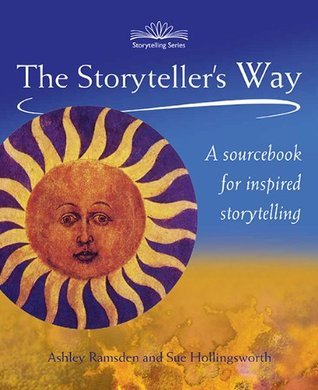
This book enables the realization of one's potential as a storyteller. The authors believe that everyone can tell a story, but to tell it well requires a certain set of skills. Whether one is just starting out or wants to develop storytelling expertise, this book is an essential guide. This guidebook can be used to tell stories for entertainment, teaching, coaching, healing, or making meaning.
Included here is a wealth of stories, exercises, questions, tips, and insights to guide the reader along the path of storytelling, offering time-tested and trusted ways to improve one's skills, break through blocks, and become a confident storyteller. Ashley and Sue share the trials and triumphs of their personal storytelling journeys and what it means to be a storyteller today.
Contents:
Starting out and First Steps Nuts and Bolts The Basics and Beyond The Senses Rhythm and Repetition Polarities Temperaments Thresholds Dynamics Gestures Gazes Relating Silence Levels of Language Voice The Deeper Current Self-Development and Storytelling Quotes Stories Tips Exercises Examples Resources "
Aslında son zamanlarda hikâye anlatmaktan ziyade dinlemekle ilgiliyim ama şu aralar annemin anılarını yazmasına yardım etmek istediğim için okudum. Kitabın içeriğinin sözlü anlatım ile ilgili olduğunu bilsem de yazılı anlatımda da uygulanabilecek bilgiler bulabilirim düşüncesiyle başladım kitaba. Gerçekten, toplam 15 başlık altında anlatılanların bir kısmı, yazarken de dikkate alınması gereken bilgileri kapsıyor. En azından bu yönüyle "Hikâye Anlatma Sanatı" bir başucu kitabı olacak benim için.
Alıştırmalar genellikle iki ya da daha kalabalık gruplarla yapılabilen türden olsa da tek başıma yapabileceklerim üzerinde çalıştım ben daha çok ve anlatma yerine okuma eylemine odaklanarak verilen bilgilerin bir kısmını uygulamaya çalıştım. Zaman zaman telefonumun kamerası ile kayıt aldım.
Alıştırmalardan sonra gelen soruları görünce, amacın, okurlara sadece hikâye anlatmayı öğretmek değil onları aynı zamanda bir içsel yolculuğa çıkartmak olduğunu anlayabiliyor insan. Zaten kitabın sonunda yazarlar da bunu açıkça ifade ediyorlar. Aslında edebiyatın insanlara nasıl ayna tuttuğunu bilen herkes kitaptaki soruları görmeden de tahmin edebilir bunu. Kitaptaki hikâyeler ve bu hikâyelerin anlatım biçimlerinin gerçek bir ayna vazifesi görebilmesi için gruplarla çalışmak şart gibi duruyor. Çünkü ayna, vazifesini, dinleyicilerin varlığı ile tam olarak görebiliyor. Okurken kendinizi kayıta almak ve sonrasında seyretmek söz konusu amaç için pek yeterli görünmüyor.
Kitaptaki örnek hikâyeler daha çok masalsı hikâyelerden oluşuyor.
Annemin anılarını gözden geçirirken, en çok, duyular, kutupsallık, mizaçlar, eşikler ve dil seviyeleri olarak isimlendirilmiş bölümlerden faydalanacağım sanırım.
Özellikle duyular üzerinde çok durdum okurken. “Ritim ve Tekrar” başlıklı bölüm ise dua etmede ritmin işlevi üzerine düşünmemi sağladı. Dua etmenin hangi yolla insanı güvende hissettirdiğine ilişkin kendimce bir açıklamaya ulaştım.
İnsanlar bazı belirsizlik durumlarında yaşadıkları psikolojik keyifsizlikleri gidermek için mi başvururlar süreklilik içeren tekrarlara acaba?
Özellikle kitabın sonlarına doğru anlatılanların bir kısmı, hiç tecrübe etmediğim hatta edemeyeceğimi düşündüğüm soyut şeyler gibi göründü bana. Pek takılmadım açıkçası. Belli ki düşünülebilecek değil hissedilebilecek şeyler bunlar. :-)
“Ses” başlıklı bölümdeki ses ve nefes çalışmalarını bir eğitmen eşliğinde gerçekleştirmek isterdim.
Kitabın amacı amacınıza tam olarak denk düşüyorsa bir kaç kişi ile birlikte okumanızı tavsiye ederim. Zaten böylesi de daha keyifli olacaktır.
I’ll always find something to gripe about and this book is no exception, but: this must be the best book on storytelling ever written. Having met one of the authors I decided to read it. (It was nice reading it with the wonderful voice of Sue Hollingsworth in my head.) In a series of exercises with appropriate questions to think about all the relevant aspects of storytelling as a stage art are treated. On my own, it wasn’t always possible to do the wonderfully creative and very useful exercises, which was a shame, but still, reading the book was a great experience. I both recognised many things I do as a storyteller and many more I’d like to work on. I greatly recommend this book, both to experienced storytellers and beginners. So, what’s to complain? Not very much. In chapter 5, storytellers are divided up into four temperaments, corresponding to the four elements and the classical theory of the four humours. I not only can’t recognise myself in them (or most tellers I know), I’m also quite allergic to any theory trying to divide people up into types, based on a seemingly random set of characteristics. Fortunately this is not the underlying theoretical framework of the entire book and is only touched upon in this single chapter, so it’s no great problem. Besides, even in this chapter I found some things to learn, especially about the character of stories. Almost everything else was not only very well written, very structured and personal (I feel I got to know Sue and Ashley a little better), but also very practical and useful.
Hikayelerin misyonu vardır. Onlar artık anlatıcısının değil dinleyicilerinindir. Onlarda kendimizi buluruz, herkes kendini bulur. Onları yaymanın, yeniden kurgulamanın ve en önemlisi yenilerini yaratmanın yolları vardır. Bu epik kitap hikaye anlatıcıları için bir "textbook". Her ne kadar egzersizleri hep bir partner gerektirirse de bu ezoterik işi partner olmadan da gerçekleştirmek imkansız değil. Başucu kitabı.
For those who want to learn how to tell stories, this is the book for you! This is a rare diamond indeed, especially in the category of storytelling books as it focuses solely on the oral art of telling stories.
Written in a very conversational and relatable manner, this book gives you a an outstanding overview of how to approach storytelling, practical exercises and techniques, as well as some wonderful tales. The expertise of Hollingsworth and Ramsden in this field is evident throughout the book as they bring in their personal life stories, as well as very clear imagery and explanation of storytelling concepts and philosophies.
For me, this book goes where I go. It is central to my storytelling practice. I can’t recommend it enough!
Aslında içeriğine dair bir tatlı yanılgıyla başladım bu kitaba. Yazılı hikaye anlatımına odaklı olduğum için ona dair bir metin sanıyordum, değilmiş. Sözlü hikaye anlatımını merceğine alan, bunu yönelik ufak alıştırmaların da olduğu bir kitap buldum karşımda. İyi ki de bulmuşum çünkü ne kadar bilsek de ara ara hatırlama ihtiyacı duyduğumuz şeyleri anlatıyor. Bir yerde sahneye çıkıp bir şeyler anlatan biri olsam kesin çok işime yarardı. Bu haliyle de ilginç çağrışımlar yaratıp bolca düşündürdü. Beğendim.
A good book of storytelling "how to" exercises that focus on all aspects of performance. While a bit reminiscent of Children Tell Stories by Martha Hamilton and Mitch Weiss, this book is definitely geared more to helping adults tell stories, as the exercises (and their deconstruction in the "Discoveries" sections) are more appropriate for an older audience. Still, some of those exercises would also work well with older children and teens.
read The Storyteller’s Way, as a friend-workshop over many months. Nice way to delve into, pull apart, practice, explore different parts, strands, threads of what storytelling is; how it can be the same-but-different from writing-to-be-read, theatre, etc.