Let's start with a question. Who was Hermann Weyl?
Hermann Weyl was, if you're unfortunate enough to know him while studying math, a terrifying figure. Not that it mattered much in this book. Weyl who wrote "Symmetry" was Weyl the popularizer of math, while tying it to examples in world culture.
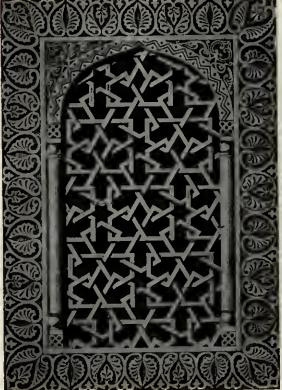
The book begins by explaining bilateral symmetry in ancient civilization. From Greek sculptures, to Sumerian and Medieval European art, Weyl tried to show how symmetry had been central in human life. It is good to see this, because, generally, mathematics are considered abstract and far-removed from cultural life. This is a big theme of this book: how humans are so fond of symmetry, and how it reflects in our art from time to time.
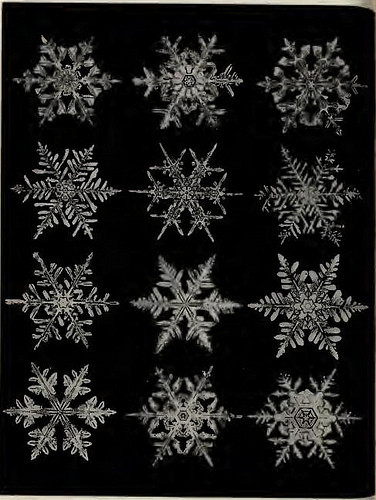
Some of the time, he took digression about symmetry in biological world (talk about cell division). Like with cultural items above, this is also recurring theme in the book: symmetry happens everywhere, so let's appreciate it.
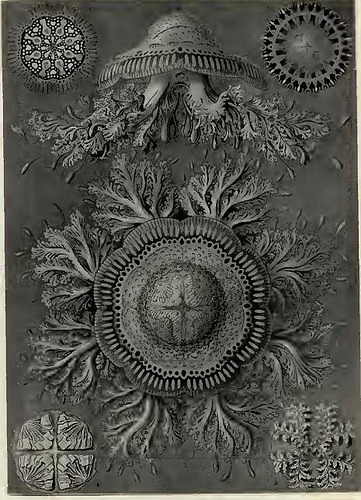
Well, guess what happens next: the book becomes full of picture, very fancy ones at that, depicting walls, reliefs, pillars, anything from all over the place that shows symmetry. Not that it's bad -- it's actually edifying -- but after some time, you wonder if Weyl was writing book instead of spamming pretty images.
To his credit, though, he did explain what kind of symmetry is where, as exampled by what, along with (relatively!) easy-to-understand explanation of the math.
But I hasten to add: readers would be served things like vectors, matrices, and groups. Now I'm not psychic, but I think Weyl forgot that he was writing for the public, instead of STEM college students...