

What do you think?
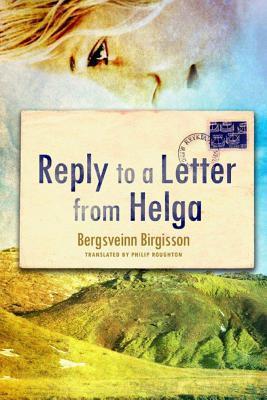
Reply to a Letter from Helga
En tilårskommen sauebonde svarer på brevet fra elskerinna som en gang for lenge siden bad ham flytta med henne til byen. Det har tatt lang tid å svare, og det er mange valg han må svare for. Svar på brev frå Helga, er historia om det livet som aldri ble realisert og valgene vi tar. Om den tapte kjærligheten, og en tapt kultur.
Boka var nominert til Nordisk råds litteraturpris i 2012.
Boka var nominert til Nordisk råds litteraturpris i 2012.
123 pages, Paperback
First published January 1, 2010
About the author
Bergsveinn Birgisson
21 books107 followersBergsveinn has a PhD in Nordic Studies from the University of Bergen. He has published two volumes of poetry, Íslendingurinn (The Icelander) and Innrás liljanna (The Invasion of the Lilies), and four novels, Landslag er aldrei asnalegt (Landscape is Never Stupid), Handbók um hugarfar kúa (A Handbook on the Attitude of Cows), Svar við bréfi Helgu (Answer to Letters from Helga), and Den Svarte Vikingen (The Black Viking) which is written in Norwegian.
He has also helped with the Norwegian translation of the Icelandic medieval saga Flateyarbók
Bergsveinn lives in Bergen, Norway.
He has also helped with the Norwegian translation of the Icelandic medieval saga Flateyarbók
Bergsveinn lives in Bergen, Norway.
Ratings & Reviews
Friends & Following
Create a free account to discover what your friends think of this book!
Community Reviews
Displaying 1 - 30 of 303 reviews

July 28, 2013
I'm not surprised I had not heard of this author, as this is his only work translated into English so far. It was a happy accident that I saw it on the new books shelf at the public library.
The book is in the form of a letter, from an old man to the love of his life, recently deceased, explaining his regrets and his perspective. It is heavily couched in Icelandic mythology and folklore, and while I didn't get all the references, there is a nice glossary helping to draw the connections. I'd love to go back someday and read some of the old sagas.
I kept thinking of The Old Man and His Sons, which while about the Faroe Islands, has a similar feeling. The old way described in unappealing but nostalgic ways (why did we ever stop washing our hair in urine?), the shift toward a commercialized, city-based culture as the traditional arts fade out, and a reluctance to leave what is deeply ingrained as "home."
There are also a few shocking revelations if you read well enough between the lines.
There is an interesting discussion on the intelligence of the sheep farmers, who used to have rousing discussion during late winter evenings. Another reviewer pointed out this article on the Icelandic reading tradition so perhaps despite the narrator's concern, reading and discussion has continued to be important, but perhaps the perspective has shifted.
A few quotes about the relationship the letter is about:
"You two are the only religion I've ever had."
"I've loved you only to live in anguish and an intentional lovelessness. That the distance from you kindled a longing for closeness, but as soon as that closeness was offered, I withdrew and would sacrifice nothing!"
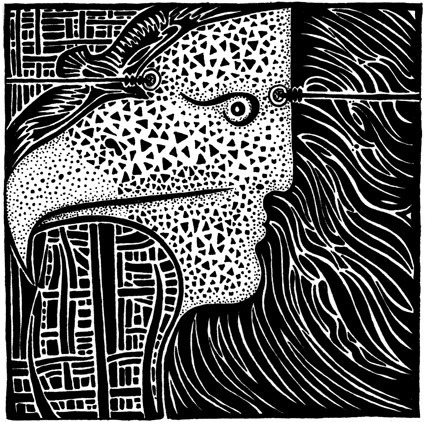
The art in the panels before each chapter is gorgeous, from an Icelandic artist Kjartan Hallur. The art has a feeling of harkening back to the old too, so it seems very fitting for the book. This is one example:
The book is in the form of a letter, from an old man to the love of his life, recently deceased, explaining his regrets and his perspective. It is heavily couched in Icelandic mythology and folklore, and while I didn't get all the references, there is a nice glossary helping to draw the connections. I'd love to go back someday and read some of the old sagas.
I kept thinking of The Old Man and His Sons, which while about the Faroe Islands, has a similar feeling. The old way described in unappealing but nostalgic ways (why did we ever stop washing our hair in urine?), the shift toward a commercialized, city-based culture as the traditional arts fade out, and a reluctance to leave what is deeply ingrained as "home."
There are also a few shocking revelations if you read well enough between the lines.
There is an interesting discussion on the intelligence of the sheep farmers, who used to have rousing discussion during late winter evenings. Another reviewer pointed out this article on the Icelandic reading tradition so perhaps despite the narrator's concern, reading and discussion has continued to be important, but perhaps the perspective has shifted.
"These were people who had come up with their own meaning of life. They were instinctively clever, because no school had told them how to think. They thought for themselves. Such people are gone now, and I scarcely believe they raise them in Reykjavik nowadays."
A few quotes about the relationship the letter is about:
"You two are the only religion I've ever had."
"I've loved you only to live in anguish and an intentional lovelessness. That the distance from you kindled a longing for closeness, but as soon as that closeness was offered, I withdrew and would sacrifice nothing!"
The art in the panels before each chapter is gorgeous, from an Icelandic artist Kjartan Hallur. The art has a feeling of harkening back to the old too, so it seems very fitting for the book. This is one example:
Read
August 27, 2026L'he llegit durant un vol d'avió (on hi havia tantes turbulències que em pensava que em moriria) i uau, m'ha semblat un relat d'aquells curts i preciosos, ben condensats. Una història càlida en un entorn fred.

August 25, 2023
Szerintem ez a könyv a hagyomány határairól szól. Itt van ez az elbeszélő, aki éli a maga munkás életét. Dolgozik (birkákkal), és néha beszélget másokkal a világ dolgairól: birkákról, Haladáspártról, amerikaiakról, birkákról, közelgő télről, szénáról. Meg persze a birkákról. Még a költői képei is korlátok között mozognak: zömüket a saga-irodalomból kölcsönzi, a maradékot meg az agráriumból. A szép női test tehát traktorhoz hasonlatos, a csók meg ahhoz mérhető (bár - szögezzük le! - jobb), amikor a főtt tőkehal fejéből szívogatjuk ki a... hát, a valamit. Mindent összevetve ez egy kielégítő élet - részben azért, mert a hagyomány talaján áll. A hagyomány pedig nem pusztán szép, hanem biztonságot is ad, szilárd bazalt a talpunk alatt. Segít abban, hogy a létezést értelmes tevékenységnek lássuk, mert egy bizonyos területen belül választ ad minden felmerülő kérdésre.
De mi van akkor, ha egy olyan kérdés merül fel, ami a hagyomány keretein belül nem megoldható? Például szerelembe esünk, és ezt a szerelmet csak akkor tudnánk megélni, ha kilépnénk a kereteink közül - mondjuk elmennénk a nagyvárosba. A szerelmünkkel. Ez egy szédítő perspektíva, ugrás a változás szakadékába, és egyáltalán nem ítélem el az elbeszélőt, hogy visszatáncol a mélység pereméről. Más kérdés, hogy innentől kezdve az egész kisregény - ez a hosszú levél Helgának, a szerelemnek, aminek hátat fordítottunk - valahol nem több, mint az önigazolás mesterműve. Szavak arról, hogy nem, nem bántuk meg, amit tettünk - de a tény, hogy írunk, talán arra utal, hogy mégsem bocsátottunk meg magunknak.

October 1, 2023
اتمنى من دور النشر ، رجاء حار ……… في الكتب و الروايات التي بها مقاطع تفصيلية حميمية ، لازم حتمًا و لابد يتم ذكر ذلك على الغلاف الخارجي للكتاب و هذا حقنا بالكامل حتى لا ينصدم القارئ ، و يتخيل نفسه سيقرأ مجرد رسائل عادية .
الرواية عن رجل على شفى حفرة من الموت هو مزارع قديم و مسؤول تبن في أبرشية "هورجار" من مزرعة "كولكيستادير" العظيمة يُدعى "بيارني جسليسون" ، يكتب رسائل إلى "هيلجا" التي كانت عشيقته في يوم من الأيام ، كيف كانت أيامه قبلها و كيف كانت معها ، كيف أصبح بعدها ، عن الندم بعد فوات الأوان.
- "أول من يوقد النيران نادرًا ما يتمتع بها"
- "الجبن يأتي مع تقدم العمر"
- الحب أكثر عاطفية
عندما لا يزال غير متحقق ،
عِندما لا تحب أبدًا ، لن تُفقد أبدًا.
⭐️⭐️1/2 لــ السادس وَ الخمسين من كُتُبْ 2023
الرواية عن رجل على شفى حفرة من الموت هو مزارع قديم و مسؤول تبن في أبرشية "هورجار" من مزرعة "كولكيستادير" العظيمة يُدعى "بيارني جسليسون" ، يكتب رسائل إلى "هيلجا" التي كانت عشيقته في يوم من الأيام ، كيف كانت أيامه قبلها و كيف كانت معها ، كيف أصبح بعدها ، عن الندم بعد فوات الأوان.
- "أول من يوقد النيران نادرًا ما يتمتع بها"
- "الجبن يأتي مع تقدم العمر"
- الحب أكثر عاطفية
عندما لا يزال غير متحقق ،
عِندما لا تحب أبدًا ، لن تُفقد أبدًا.
⭐️⭐️1/2 لــ السادس وَ الخمسين من كُتُبْ 2023

August 18, 2019
No entiendo qué relación tiene esa portada con una novela epistolar, rural y bastante cruda, por cierto.

October 2, 2019
Creo que es la primera vez que leo a un autor islandés, pero ha merecido la pena hacer una primera incursión en las letras islandesas de la mano de esta pequeña joya. Apenas un centenar de páginas ha necesitado el autor para narrar de forma sublime un amor ilícito que el protagonista arrastra durante media vida. Esta pasión secreta es el motor del texto, una larga carta que un anciano escribe a la mujer con la que tuvo una aventura adúltera en su juventud y a la que siguió amando desde la distancia el resto de su vida.
No es un relato edulcorado, sino una narración cruda, casi salvaje, de una pasión devoradora que se convierte en una tortura con el paso de los años, y que sirve de excusa para hablar sobre la vida rural e incluir referencias a la cultura islandesa (a su literatura, a sus mitos, a su folclore), creando un bellísimo efecto de contraste entre la rudeza del campo y la sensibilidad intelectual, que no es más que el reflejo de un amor marcado por la rudeza del sexo y la sensibilidad amorosa.
Un dolor resignado, que no cae en estridencias, marca el tono de la narración, desvelando poco a poco los dilemas morales, las pasiones y los miedos de un juicioso granjero que ama la tierra y su forma de vida heredada de sus antepasados. El amor lo arrasa como un vendaval, con una fuerza demoledora, que solo sale al exterior en esta larga carta en la que desvelará sus emociones y los secretos de una vida que llega a su fin. Una historia sobre oportunidades perdidas y decisiones vitales que no cambian nada y lo cambian todo, relatada con una prosa intimista, bellísima, impecable, en el que cada palabra se encuentra en el lugar exacto. Maravillosa.
No es un relato edulcorado, sino una narración cruda, casi salvaje, de una pasión devoradora que se convierte en una tortura con el paso de los años, y que sirve de excusa para hablar sobre la vida rural e incluir referencias a la cultura islandesa (a su literatura, a sus mitos, a su folclore), creando un bellísimo efecto de contraste entre la rudeza del campo y la sensibilidad intelectual, que no es más que el reflejo de un amor marcado por la rudeza del sexo y la sensibilidad amorosa.
Un dolor resignado, que no cae en estridencias, marca el tono de la narración, desvelando poco a poco los dilemas morales, las pasiones y los miedos de un juicioso granjero que ama la tierra y su forma de vida heredada de sus antepasados. El amor lo arrasa como un vendaval, con una fuerza demoledora, que solo sale al exterior en esta larga carta en la que desvelará sus emociones y los secretos de una vida que llega a su fin. Una historia sobre oportunidades perdidas y decisiones vitales que no cambian nada y lo cambian todo, relatada con una prosa intimista, bellísima, impecable, en el que cada palabra se encuentra en el lugar exacto. Maravillosa.

February 23, 2014
In this interesting novella, an older Icelandic man replies to a letter received long before from the woman with whom he's had a passionate affair. Helga left the countryside for the city during the war and wanted him to come too, to get one of the many jobs that had been created with the advent of American forces at the time. Now all these years later, Bjarni is writing his answer---why he didn't follow her to the city.
The story is full of allusions to Icelandic folklore (and there is a helpful glossary at the end of the book to clarify some of the tales and personages). The writing is impassioned, as was the love, and the descriptions of the land and beliefs are lyrical.
In Italy they eat sparrows. My grandmother Kristin
taught me to ask the wagtail in the spring how the future
would be, and that you must never steal the wheatear's
eggs, because if you did, your fingers would become stiff
and twisted. Isn't it nicer to live with such beliefs
and take delight in blessed little birds, rather than
eat them just to follow some worldly fashion? (loc 484)
And again:
...gravel banks swayed in the warm wind and a low
cloud bank slung itself over the peaks and down the scree-
covered slopes. I rode the path over the gravel bed,
through the tussocky ground, past a boggy hollow and more
grassy banks. I stopped to rest at the hill where the
Viking settler lies and horses never graze. Looked over
the farm where Grandmother and Grandfather lived; they
were so good to me when I was a child. Grandma Kristin
seemed as old as the settlers of this land; in my memory
she's bathed in sweet antiquity. (loc 554)
And once more:
I've seen the blue-clad elf and heard fetches knock on
on the door. Felt the secret powers of existence in hills
and enchanted spots, and shooed off the guardian spirits
of the land when my horse balked....I've learned to read the
clouds and birds and the behavior of a dog. Perceived the
wonder of the settlement of this country and felt the
magnificence of its original inhabitants. I've sensed the
anguish of the leaves in a lunar eclipse and gazed up the
slopes feeling my soul lifted from me.... (loc 803)
In spite of his passion, his physical longing for Helga, Bjarni could not leave this countryside, his farm, his sheep, the wife he still had feelings for, the way of life itself.
The story is full of allusions to Icelandic folklore (and there is a helpful glossary at the end of the book to clarify some of the tales and personages). The writing is impassioned, as was the love, and the descriptions of the land and beliefs are lyrical.
In Italy they eat sparrows. My grandmother Kristin
taught me to ask the wagtail in the spring how the future
would be, and that you must never steal the wheatear's
eggs, because if you did, your fingers would become stiff
and twisted. Isn't it nicer to live with such beliefs
and take delight in blessed little birds, rather than
eat them just to follow some worldly fashion? (loc 484)
And again:
...gravel banks swayed in the warm wind and a low
cloud bank slung itself over the peaks and down the scree-
covered slopes. I rode the path over the gravel bed,
through the tussocky ground, past a boggy hollow and more
grassy banks. I stopped to rest at the hill where the
Viking settler lies and horses never graze. Looked over
the farm where Grandmother and Grandfather lived; they
were so good to me when I was a child. Grandma Kristin
seemed as old as the settlers of this land; in my memory
she's bathed in sweet antiquity. (loc 554)
And once more:
I've seen the blue-clad elf and heard fetches knock on
on the door. Felt the secret powers of existence in hills
and enchanted spots, and shooed off the guardian spirits
of the land when my horse balked....I've learned to read the
clouds and birds and the behavior of a dog. Perceived the
wonder of the settlement of this country and felt the
magnificence of its original inhabitants. I've sensed the
anguish of the leaves in a lunar eclipse and gazed up the
slopes feeling my soul lifted from me.... (loc 803)
In spite of his passion, his physical longing for Helga, Bjarni could not leave this countryside, his farm, his sheep, the wife he still had feelings for, the way of life itself.

July 10, 2020
לסקירה מפורטת בעברית, קישור לבלוג שלי -
https://sivi-the-avid-reader.com/תשוב...
https://sivi-the-avid-reader.com/תשוב...
February 10, 2019
Con una prosa preciosa y delicada el autor de esta novela le da voz a uno de los personajes más repulsivos que he tenido la desgracia de encontrarme en un libro, que pegue a su mujer o que viole a una oveja cuando piensa en Helga, ha conseguido que este "entrañable ancianito" me diera ganas de vomitar. Se supone que este señor rememora en forma de carta la historia de "amor "que vivió con su amante, pero después de terminar la dichosa carta solo conozco la forma de los pechos y las nalgas de Helga y sus revolcones en el pajar. Es verdad que también hay unas descripciones preciosas del campo en Islandia y alguna reflexión sobre la vida en la ciudad y el trabajo en el campo que me ha gustado, pero realmente no he podido disfrutar de nada de esto con semejante protagonista.

April 1, 2019
Una historia epistolar muy bien contada, con tintes eroticos pero sin caer en la vulgaridad. Un libro que reúne las confesiones de un anciano mezcladas de una forma magistral con la narrativa popular, muy recomendable

October 13, 2022
Fimmtíu golsóttir skuggar

August 5, 2021
Si pudiera darle más estrellas SE LAS DARÍA TODAS!!!!!!

June 4, 2022
3.5
(مع التحفظ على بعض المقاطع السيئة والمكررة)
(مع التحفظ على بعض المقاطع السيئة والمكررة)

October 17, 2025
"لماذا بالله عليك يظل الرجل يرغب في امرأة غير زوجته طوال حياته لكنه لا يأخذ أبداً ولا خطوة واحدة نحو تحقيق هذه الرغبة؟"
هذا التساؤل المؤلم الذي طرحه بطل الرواية في رسالته، يختزل مأساته التى عاشها.
إنها رواية تُعبّر عن مأزق عاطفي قديم: لماذا نتجاهل نداء الحب الحقيقي، ونظل نتعذب لسنوات طويلة في صمت موجع، ولا نعترف بغبائنا وأنانيتنا إلا ونحن على أعتاب الموت؟
لماذا يسيطر على الإنسان الجبن والخوف حتى اللحظة الأخيرة؟ فتصبح حياته كلها مجرد رسالة متأخرة لم تصل إلا بعد أن انقضى أوان كل شيء.
هذا التساؤل المؤلم الذي طرحه بطل الرواية في رسالته، يختزل مأساته التى عاشها.
إنها رواية تُعبّر عن مأزق عاطفي قديم: لماذا نتجاهل نداء الحب الحقيقي، ونظل نتعذب لسنوات طويلة في صمت موجع، ولا نعترف بغبائنا وأنانيتنا إلا ونحن على أعتاب الموت؟
لماذا يسيطر على الإنسان الجبن والخوف حتى اللحظة الأخيرة؟ فتصبح حياته كلها مجرد رسالة متأخرة لم تصل إلا بعد أن انقضى أوان كل شيء.
January 9, 2013
Review published in The Reykjavík Grapevine: http://grapevine.is/Home/ReadArticle/...
***
A frank and poetic meditation on nature, relationships, and the choices that define us, Bergsveinn Birgisson’s Reply To A Letter From Helga paints an unflinching portrait of Bjarni, an elderly man on the verge of “the Great Relocation congenital to all men” who is ready to finally face the defining decision of his life and respond to a letter left unanswered for so many years.
When, in his youth, his lover Helga offered him the chance to follow her to a new life in Reykjavík, Bjarni chose instead to remain on the farm which had been in his family for generations, choosing his love for the land over romantic love and companionship. This decision was, and remains, a fraught and painful one for him. Even so, he maintains a clear sense of pride throughout the novel, a strength of purpose which separates his story from more conventional narratives of love lost. “I thought of what kind of person I would become in Reykjavík,” Bjarni writes.
While his brief, but passionate, affair with Helga provides the basis for his reflections, his other lifelong love, “the district where my forefathers had lived for an entire millennium,” is what gives him purpose. For Bjarni’s message is as much a love letter to the country and to a nearly forgotten way of life as it is a paean to Helga. His language is simple but always richly sensual, particularly in its descriptions of nature, and its evocations of desire and longing. Often these elements combine, as when he describes the “Helga Tussocks,” which, “with their smooth, flat tops and steep, rounded sides, are made from the same mold as your breasts, by the same creative hands.”
Bjarni’s recollections also dramatise the seasonal rituals and complex relationships in a small, rural village, alighting on yearly sheep round-ups and ram exhibitions, on taciturn men sagely discussing politics at the local co-op, on the regular meetings and heated debates of the district Reading Club. (Bjarni has been an avid reader all his life, and quotes poetry, sagas, and psalms throughout the novel. This English translation includes a glossary of works cited, making for an excellent primer to great Icelandic literature.) His stories are not all happy ones: “I’m not saying that everything is so heavenly [in the country] and the people are utter angels,” he says. “Of course there is rumormongering and jealousy and all sorts of other hogwash. But these same people loan you a tractor tire in a pinch.”
Reply To A Letter From Helga is a rare novel in its capacity to measure and examine regret, courageous in its recognition that loving another person is not always enough in itself. “Love is also in this life I’ve lived here in the countryside,” Bjarni writes. “And when I chose this life and pursued it and didn’t regret it, I learned that one should stick to one’s decision, nurture it and not deviate—that this is an expression of love.”
***
A frank and poetic meditation on nature, relationships, and the choices that define us, Bergsveinn Birgisson’s Reply To A Letter From Helga paints an unflinching portrait of Bjarni, an elderly man on the verge of “the Great Relocation congenital to all men” who is ready to finally face the defining decision of his life and respond to a letter left unanswered for so many years.
When, in his youth, his lover Helga offered him the chance to follow her to a new life in Reykjavík, Bjarni chose instead to remain on the farm which had been in his family for generations, choosing his love for the land over romantic love and companionship. This decision was, and remains, a fraught and painful one for him. Even so, he maintains a clear sense of pride throughout the novel, a strength of purpose which separates his story from more conventional narratives of love lost. “I thought of what kind of person I would become in Reykjavík,” Bjarni writes.
Could I love you...under such circumstances? Is it so certain, Helga, that everything would have been fine for us? I would have dug a ditch for you and filled it back up again, the same ditch all my life...But abandon myself, the countryside and farming, which were who I am; that I couldn’t do.”
While his brief, but passionate, affair with Helga provides the basis for his reflections, his other lifelong love, “the district where my forefathers had lived for an entire millennium,” is what gives him purpose. For Bjarni’s message is as much a love letter to the country and to a nearly forgotten way of life as it is a paean to Helga. His language is simple but always richly sensual, particularly in its descriptions of nature, and its evocations of desire and longing. Often these elements combine, as when he describes the “Helga Tussocks,” which, “with their smooth, flat tops and steep, rounded sides, are made from the same mold as your breasts, by the same creative hands.”
Bjarni’s recollections also dramatise the seasonal rituals and complex relationships in a small, rural village, alighting on yearly sheep round-ups and ram exhibitions, on taciturn men sagely discussing politics at the local co-op, on the regular meetings and heated debates of the district Reading Club. (Bjarni has been an avid reader all his life, and quotes poetry, sagas, and psalms throughout the novel. This English translation includes a glossary of works cited, making for an excellent primer to great Icelandic literature.) His stories are not all happy ones: “I’m not saying that everything is so heavenly [in the country] and the people are utter angels,” he says. “Of course there is rumormongering and jealousy and all sorts of other hogwash. But these same people loan you a tractor tire in a pinch.”
Reply To A Letter From Helga is a rare novel in its capacity to measure and examine regret, courageous in its recognition that loving another person is not always enough in itself. “Love is also in this life I’ve lived here in the countryside,” Bjarni writes. “And when I chose this life and pursued it and didn’t regret it, I learned that one should stick to one’s decision, nurture it and not deviate—that this is an expression of love.”

April 2, 2013
A lyrical and poetic meditation on the things that matter most in life, Bergsveinn Birgisson’s “Reply To A Letter to Helga” focuses on a man who is torn between the love of his life and his true sense of self. For all its brevity, it is a most passionate and complete novella.
Bjarni, a hay farmer in an isolated village, lives with his infertile wife whose botched uterine operation has made her unable to take physical or emotional pleasure in lovemaking. Into his life comes Helga, a richly sensuous married woman who makes him feel alive in ways he never has.
A turning point is reached and Bjarni must make a choice: leave his home of birth with Helga and start anew or allow her to exit his life. But is a choice ever that simple? Bjarni feels another type of love – a deep pull – from the land that he feels akin to. In one striking passage, he writes, “I would have dug a ditch for you and filled it back up again, the same ditch all my life. I would have walked miles for you every single day…But to abandon myself, the countryside and farming, which were who I am; that I couldn’t do.”
The lure of the land is seen in the ordinary and the extraordinary – the annual sheep round-ups, on men going over the same fundamentals and politics at the local co-op, of neighborly communions in the nearby Reading Club. Bjarni reflects, “I’ve heard my stomach grumble back at the thunder, a little man beneath a big sky; heard the stream whisper that it’s eternal. Made the earth my beloved. Held a powerful salmon. Let a fox teach me what it is to be clever.”
Man’s existential dilemma, Bjarni believes, “consists of having to choose everything in this world, which is the root of his unhappiness.” So he lives his days “with the rediscovery of love as my embers of hope”, accepting that even the deepest love is not enough if it means losing one’s connection with his very nature. This is a thinking person’s book that is infused with feelings, a tale of love, regret, passion, and ultimately, acceptance.
Bjarni, a hay farmer in an isolated village, lives with his infertile wife whose botched uterine operation has made her unable to take physical or emotional pleasure in lovemaking. Into his life comes Helga, a richly sensuous married woman who makes him feel alive in ways he never has.
A turning point is reached and Bjarni must make a choice: leave his home of birth with Helga and start anew or allow her to exit his life. But is a choice ever that simple? Bjarni feels another type of love – a deep pull – from the land that he feels akin to. In one striking passage, he writes, “I would have dug a ditch for you and filled it back up again, the same ditch all my life. I would have walked miles for you every single day…But to abandon myself, the countryside and farming, which were who I am; that I couldn’t do.”
The lure of the land is seen in the ordinary and the extraordinary – the annual sheep round-ups, on men going over the same fundamentals and politics at the local co-op, of neighborly communions in the nearby Reading Club. Bjarni reflects, “I’ve heard my stomach grumble back at the thunder, a little man beneath a big sky; heard the stream whisper that it’s eternal. Made the earth my beloved. Held a powerful salmon. Let a fox teach me what it is to be clever.”
Man’s existential dilemma, Bjarni believes, “consists of having to choose everything in this world, which is the root of his unhappiness.” So he lives his days “with the rediscovery of love as my embers of hope”, accepting that even the deepest love is not enough if it means losing one’s connection with his very nature. This is a thinking person’s book that is infused with feelings, a tale of love, regret, passion, and ultimately, acceptance.

June 4, 2026
Dásamlega falleg ☺️

January 5, 2019
With or without you...
... ma prima, molto prima, l'aveva già detto Ovidio "Ego nec sine te nec tecum vivere possum", a dimostrazione di quanto siamo "vecchi" noi uomini "moderni", come diceva il mio coltissimo professore di latino e greco.
E il passato, sotto forma di tradizioni anche letterarie, di sacro rispetto per la natura, è uno dei due temi che permeano il romanzo; l'altro, senza dubbio, è l'amore.
Entrambi sono radicati nel protagonista, ne costituiscono la sua ossatura psicologica e sono allo stesso tempo fonte di gioia immensa e di dolore, inestricabile binomio nella vita dell'ormai novantenne Bjarni che, in una lettera tardiva alla sua donna Helga, riflette su di sé e sul mondo, sui cambiamenti. Non è un reazionario, Bjarni: c'è equilibrio nel suo modo di guardare a ciò che di buono il nuovo ha portato, c'è entusiasmo per il nuovo rappresentato dall'esuberanza della gioventù; ma con la stessa lucidità vede quanto si è perso in senso umano, quanto manchino, nel mondo moderno, la mano di chi lavora, l'impronta che ognuno dava nel lavoro artigianale, l'identità di sé nel manufatto. La vita in città è per lui la somma di questa perdita che, con sguardo aperto sul futuro, crede sarebbe diventata anche la perdita dell'amore.
Un amore fortissimo, carnale nel senso più animale della parola perciò autenticamente spontaneo, un amore che non lo abbandonerà mai per tutta la sua lunga esistenza, un amore che si trasformerà presto in diuturna sofferenza.
Ma la scelta non era possibile per quest'uomo, lo dice anche, a un certo punto della lettera-narrazione, attribuendo tale possibilità solo ad Helga.
E' stata una bella lettura, mi ha colpito per l'originalità e per le atmosfere; talvolta mi ha, per così dire, scioccata (mi riferisco a certi dettagli legati al lavoro di Bjarni), in un'occasione mi ha fatto sorridere non poco, ma nella stessa occasione mi ha fatto riflettere su come si possano considerare in modo così naturale la vita e la morte.
... ma prima, molto prima, l'aveva già detto Ovidio "Ego nec sine te nec tecum vivere possum", a dimostrazione di quanto siamo "vecchi" noi uomini "moderni", come diceva il mio coltissimo professore di latino e greco.
E il passato, sotto forma di tradizioni anche letterarie, di sacro rispetto per la natura, è uno dei due temi che permeano il romanzo; l'altro, senza dubbio, è l'amore.
Entrambi sono radicati nel protagonista, ne costituiscono la sua ossatura psicologica e sono allo stesso tempo fonte di gioia immensa e di dolore, inestricabile binomio nella vita dell'ormai novantenne Bjarni che, in una lettera tardiva alla sua donna Helga, riflette su di sé e sul mondo, sui cambiamenti. Non è un reazionario, Bjarni: c'è equilibrio nel suo modo di guardare a ciò che di buono il nuovo ha portato, c'è entusiasmo per il nuovo rappresentato dall'esuberanza della gioventù; ma con la stessa lucidità vede quanto si è perso in senso umano, quanto manchino, nel mondo moderno, la mano di chi lavora, l'impronta che ognuno dava nel lavoro artigianale, l'identità di sé nel manufatto. La vita in città è per lui la somma di questa perdita che, con sguardo aperto sul futuro, crede sarebbe diventata anche la perdita dell'amore.
Un amore fortissimo, carnale nel senso più animale della parola perciò autenticamente spontaneo, un amore che non lo abbandonerà mai per tutta la sua lunga esistenza, un amore che si trasformerà presto in diuturna sofferenza.
Ma la scelta non era possibile per quest'uomo, lo dice anche, a un certo punto della lettera-narrazione, attribuendo tale possibilità solo ad Helga.
E' stata una bella lettura, mi ha colpito per l'originalità e per le atmosfere; talvolta mi ha, per così dire, scioccata (mi riferisco a certi dettagli legati al lavoro di Bjarni), in un'occasione mi ha fatto sorridere non poco, ma nella stessa occasione mi ha fatto riflettere su come si possano considerare in modo così naturale la vita e la morte.

March 6, 2019
Ho capito che mi piace l'Islanda, ho capito che mi interessa leggerne ovunque ma a tutto c'è un limite. Ho comprato questo libro usato su Il Librario e per fortuna. Però dovrei smettere di comprare libri fidandomi di niente, perché veramente c'è troppa letteratura fantastica per perdere tempo con roba mediocre.

December 8, 2021
איכר איסלנדי זקן כותב מכתב תשובה ארוך לאהובתו בתשובה למכתב שקיבל ממנה עשרות שנים קודם לכן.
דרך המכתב אנחנו מתוודעים לתרבות האיסלנדית, יש לא מעט רפרנסים לספרים, אגדות עם והיסטוריה איסלנדית. הזקן מתאר את שגרת חייו לצד אשתו שממורמרת עליו ולא סולחת לו על בגידתו בה.
הזקן מביע את אהבתו להלגה, מסביר את הבחירות שעשה ובעיקר את הבחירה העיקרית והיא לשמור על דרך חייו, להישאר לצד אשתו ולשלם את המחיר הכי יקר והוא אובדן הסיכוי להישאר עם אהובתו.
לאורך רוב חלקי הספר הזקן מזכיר את תשוקתו האירוטית להלגה ונותן הדגמות, אם במרומז ואם במפורש, כאשר לפחות בקטע אחד הוא "מתעלה" על תיאורי המין המפורסמים של מישל וולבק... (מי שיקרא או קרא יודע על מה אני מדבר..).
בסה"כ ספר לא ארוך, קריא ומעניין שאני ממליץ לקרוא.
דרך המכתב אנחנו מתוודעים לתרבות האיסלנדית, יש לא מעט רפרנסים לספרים, אגדות עם והיסטוריה איסלנדית. הזקן מתאר את שגרת חייו לצד אשתו שממורמרת עליו ולא סולחת לו על בגידתו בה.
הזקן מביע את אהבתו להלגה, מסביר את הבחירות שעשה ובעיקר את הבחירה העיקרית והיא לשמור על דרך חייו, להישאר לצד אשתו ולשלם את המחיר הכי יקר והוא אובדן הסיכוי להישאר עם אהובתו.
לאורך רוב חלקי הספר הזקן מזכיר את תשוקתו האירוטית להלגה ונותן הדגמות, אם במרומז ואם במפורש, כאשר לפחות בקטע אחד הוא "מתעלה" על תיאורי המין המפורסמים של מישל וולבק... (מי שיקרא או קרא יודע על מה אני מדבר..).
בסה"כ ספר לא ארוך, קריא ומעניין שאני ממליץ לקרוא.

March 28, 2026
Ouch. God gammaldags yearning altså. Nyyyydelig skrevet

September 13, 2022
Дивной исландской красоты история любви к женщине и сельской жизни.

Read
January 29, 20200/5 - J'ai abandonné un peu avant la moitié, tant c'était désagréable à lire.
J'aurais dû avoir la puce à l'oreille quand je l'ai feuilleté en librairie et que je suis tombée sur un passage qui disait quelque chose du genre "je remontai ma braguette" ou je ne sais quoi.
Pendant cette petite moitié, le narrateur n'a fait que parler de cul d'une manière vulgaire et embarrassante, relatant ses ébats fantasmés ou réels avec Helga. S'il est censé l'aimer "ardemment", je n'ai vu, moi, qu'une objectification dégoûtante d'une femme qu'il ne connaît pas vraiment, mais qui a de beaux seins. Il compare Helga à "la femelle du saumon", quel romantisme. (et qu'on ne vienne pas me dire que c'est parce que c'est un simple pêcheur)
L'épouse du narrateur est malheureuse et il la délaisse totalement, parle de ses "pleurnicheries", c'est assez douloureux à lire. Quand je suis arrivée au passage où la troisième femme vaguement présente dans le roman est une vieille morte que son mari suspend dans le fumoir à viande, j'avoue que c'était too much.
2020 m'a d'ores et déjà vaccinée de la littérature des hommes médiocres.
Cela dit, on ne va pas rester sur du négatif. Recommandations chaleureuses pour de meilleures lectures sur des thèmes similaires :
- Amour dans un milieu rural/marin : Quand rentrent les marins
- Amour entre personnes âgées : Nos âmes la nuit
J'aurais dû avoir la puce à l'oreille quand je l'ai feuilleté en librairie et que je suis tombée sur un passage qui disait quelque chose du genre "je remontai ma braguette" ou je ne sais quoi.
Pendant cette petite moitié, le narrateur n'a fait que parler de cul d'une manière vulgaire et embarrassante, relatant ses ébats fantasmés ou réels avec Helga. S'il est censé l'aimer "ardemment", je n'ai vu, moi, qu'une objectification dégoûtante d'une femme qu'il ne connaît pas vraiment, mais qui a de beaux seins. Il compare Helga à "la femelle du saumon", quel romantisme. (et qu'on ne vienne pas me dire que c'est parce que c'est un simple pêcheur)
L'épouse du narrateur est malheureuse et il la délaisse totalement, parle de ses "pleurnicheries", c'est assez douloureux à lire. Quand je suis arrivée au passage où la troisième femme vaguement présente dans le roman est une vieille morte que son mari suspend dans le fumoir à viande, j'avoue que c'était too much.
2020 m'a d'ores et déjà vaccinée de la littérature des hommes médiocres.
Cela dit, on ne va pas rester sur du négatif. Recommandations chaleureuses pour de meilleures lectures sur des thèmes similaires :
- Amour dans un milieu rural/marin : Quand rentrent les marins
- Amour entre personnes âgées : Nos âmes la nuit

Read
August 27, 2026El protagonista d’aquesta història és un vell granger, en Bjarni, que escriu una carta a l’Helga, la dona a qui ha estimat tota la vida.
A través de les paraules que li dedica, descobrim que tant ell com ella estaven casats quan van començar una relació apassionada i il·lícita; i que l’Helga li va proposar deixar-ho tot per començar una vida junts a la ciutat, però en Bjarni va escollir quedar-se amb les terres, els animals i l’estil de vida que coneixia.
Ara, molts anys després, recorda aquell amor impossible i es pregunta si va prendre la decisió correcta, amb un cert dolor i resignació. Però no és una història edulcorada, sinó crua i salvatge. I no només tracta d’amor i desig; també de les decisions que prenem i del que hauríem viscut si haguéssim triat un altre camí; del món rural, de l’aferrament a una manera de viure que està desapareixent, del vincle amb la terra on s’ha nascut.
També hi ha constants referències a la cultura islandesa, molt desconeguda per mi, que m’ha encantat conèixer. I són magnífiques les descripcions dels paisatges d’Islàndia, narrades amb una prosa intimista, poètica i evocadora, que et fa sentir dins de la història des de les primeres pàgines.
A través de les paraules que li dedica, descobrim que tant ell com ella estaven casats quan van començar una relació apassionada i il·lícita; i que l’Helga li va proposar deixar-ho tot per començar una vida junts a la ciutat, però en Bjarni va escollir quedar-se amb les terres, els animals i l’estil de vida que coneixia.
Ara, molts anys després, recorda aquell amor impossible i es pregunta si va prendre la decisió correcta, amb un cert dolor i resignació. Però no és una història edulcorada, sinó crua i salvatge. I no només tracta d’amor i desig; també de les decisions que prenem i del que hauríem viscut si haguéssim triat un altre camí; del món rural, de l’aferrament a una manera de viure que està desapareixent, del vincle amb la terra on s’ha nascut.
També hi ha constants referències a la cultura islandesa, molt desconeguda per mi, que m’ha encantat conèixer. I són magnífiques les descripcions dels paisatges d’Islàndia, narrades amb una prosa intimista, poètica i evocadora, que et fa sentir dins de la història des de les primeres pàgines.

March 7, 2026
رواية عادية جدا عن رسائل يكتبها رجل على مشارف الموت وهو يعيد النظر لحياته قبل الرحيل لعشيقته التي اختار ألا يترك حياته من أجل الهروب معها وترك حياته في الريف ومدى الندم الذي يشعر به بعد أن تحطمت حياته من جراء هذا الاختيار ... أقوى نقطة في النص هي تشابكه مع الأساطير والأعمال الأدبية الآيسلاندية فقد كتبت بمنتهى الجمال واشتبكت مع النص وأصبحت جزءا لا ينفصل منه ... بصراحة لم أستمتع بالقراءة وببعض التفاصيل حول علاقة الراوي بهيلجا وإن كنت تعاطفت تماما مع زوجته

January 27, 2025
А це було прекрасно (і коротко)! Ісландська історія і особиста історія, точніше навпаки).
Старий фермер пише відповідь на давній лист любові всього життя.
Про вибір, кохання, щастя і все таке інше. Дуже раджу.
Старий фермер пише відповідь на давній лист любові всього життя.
Про вибір, кохання, щастя і все таке інше. Дуже раджу.

January 9, 2020
La he encontrado un poco extraña. Es una carta que escribe un anciano al amor de su juventud. En ella, recuerda sus encuentros amorosos; pero también sus escarceos con otras.
Lo más interesante, ha sido conocer la forma de vida de una pequeña aldea islandesa, dedicada a la agricultura y a la ganadería en la primera mitad del siglo veinte.
En algunos momentos, se me ha hecho un poco pesada, pese a tener poco más de un centenar de páginas.
Lo más interesante, ha sido conocer la forma de vida de una pequeña aldea islandesa, dedicada a la agricultura y a la ganadería en la primera mitad del siglo veinte.
En algunos momentos, se me ha hecho un poco pesada, pese a tener poco más de un centenar de páginas.

October 22, 2012
Wow! Sikke en pragtfuld bog og endnu et fantastisk eksempel på, at kvalitet ikke hænger sammen med antallet af sider. Bogen er spækket med smukke naturbeskrivelser og et sjældent poetisk sprog (tak skal også lyde til oversætteren!) og det er slet ikke til at forstå, når man er færdig, at bogen kun er på ca. 120 s. Dette har været en kæmpe, kæmpe læseoplevelse af de sjældne - LÆS DEN!
April 24, 2023
Quelle déception! La prémisse me semblait très intéressante, mais l’exécution n’y tait pas. L’émotion n’étais pas au rendez-vous. Le personnage principal m’étais désagréable et l’écriture n’avait rien pour m’accrocher. Je n’ai pas aimé!


August 27, 2024
there is no story , only old man talking too much , i literally was reading and can't understand anything in this book , it's just waste of time
Displaying 1 - 30 of 303 reviews