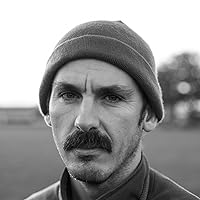
"As I sat cradling the man's head, with his blood and brains sticking to my hands, I heard a voice - my own voice. It was asking me something. Asking how I had ended up like this, desperate and lost among people who thought nothing of caving in a man's head and then standing back to watch him die." Nick Bullock was a prison officer working in a maximum-security jail with some of Britain's most notorious criminals. Trapped in a world of aggression and fear, he felt frustrated and alone. Then he discovered the mountains. Making up for lost time, Bullock soon became one of Britain's best climbers, learning his trade in the mountains of Scotland and Wales, and travelling from Pakistan to Peru in his search for new routes and a new way of seeing the world - and ultimately an escape route from his life inside. Told that no one ever leaves the service - the security, the stability, the 'job for life' - Bullock focused his existence on a single to walk free, with no shackles, into a mountain life. "Echoes" is a powerful and compelling exploration of freedom - and what it means to live life on your own terms.
There's a grand tradition among mountaineers of keeping quiet on the internal, and letting the climbing speak for itself. Thankfully, Nick Bullock is not one of them - Echoes is a concerted effort to get to grips with the psychology of the extreme: an extended introspection that moves from the visceral and violent world of prison to the clarity of rock and ice. However it never reads like navel-gazing, or self-aggrandisement, but rather a frank and honest reflection on both climbing and the self. He does not downplay the danger, and instead describes in detail the risks that are often skimmed over by more traditional mountain writers. I always recommend this book to people who do not themselves climb, or never venture off plastic, as an introduction to the strange world of 'proper climbing', and the characters and motivations of those who live their lives on the sharp end.
Nick Bullock o “The Shawshank Redemption”, che in italiano è: “Le ali della libertà”. Nick Bullock o fuga dalla prigione verso la libertà. Nick Bullock, che si è arrampicato per uscire dalla prigione e diventare libero. Nick Bullock, secondino in un carcere di massima sicurezza inglese per più di un lustro, un ragazzo giovane e ben assestato nei valori della middle-class thacheriana e conservatrice che gli avevano impartito fin dalla sua nascita (la vita è andare a scuola, poi cercarsi un lavoro, poi sposarsi, poi fare dei figli, poi comprarsi una casa e poi andare in pensione. Quindi è molto importante cercarsi un lavoro che garantisca una buona pensione) non ha mai messo in dubbio nessuno di questi insegnamenti. Così quando un giorno, all’età di vent’un anni gli si prospetta la possibilità di diventare secondino è come se avesse vinto alla lotteria: un lavoro che offre moltissimi vantaggi per il modello di vita che gli era stato impartito. Un buono stipendio, praticamente illicenziabile, una buona pensione. Un lavoro così azzeccato al suo modello di vita che chi ce l’ha, non si licenzia. Sarebbe follia. E Nick inizia così la sua nuova carriera, senza porsi troppe domande: sta seguendo il percorso che gli è stato insegnanto. Se non che, un altro bel giorno, solo qualche anno dopo, anzi: tante birre e tante sigarette dopo e nessun esercizio fisco (aveva ventitre anni), al momento di alzarsi dalla sedia per andare a rispondere ad una chiamata all’interno della prigione, praticamente collassa: era talmente messo male fisicamente che non regge al brusco movimento del semplice alzarsi in piedi. Nel frattempo l’aver ascoltato parecchie storie di detenuti ed aver visto in prima persona non solo le condizioni dei prigionieri ma anche le varie psicologie delle persone e come alcune situazioni che accadevano all’interno della prigione venivano poi completamente ribaltate dalla stampa o dai politici per altri fini non che un collega ex minatore, fa sì che il suo pensiero sui valori fondamentali che gli sono stati impartiti cominci a mutare e che si cominci a porre le prime domande sul senso della sua vita. Decide di iniziare così a migliorare il suo fisico. Smette di fumare e per una serie di circostanze decide anche di partecipare ad un concorso per diventare istruttore di educazione fisica all’interno della prigione, un corso che richiede altissimo impegno fisico e altrettante capacità di prestazioni. Per questo corso, Nick comincia ad uscire dalle mura della prigione, mura che comincia a rendersi conto, nel suo caso sono soprattutto mentali. Più sta fuori all’aria aperta, più arrampica (è stato grazie a questo corso che ha conosciuto non solo questa disciplina ma soprattutto quest’altro modo di vivere) più fa fatica a tornare a quello squallore della rappresentato sia dalla prigione ma anche dalla piattezza di quella del villaggio che ci sta attorno. Il suo dramma però, è la faccenda della sicurezza economica e pensionistica, fortemente radicato in lui. Come si può vivere di climbing? E quando si diventa vecchi? Che senso ha? Che senso ha poi rinunciare a tanta sicurezza? Non lo fa nessuno! Come diventerebbe poi la sua vita senza una pensione? Questo libro è quindi il racconto autobiografico del percorso di Nick Bullock verso una luce che lui chiama “sogno” (io non ne posso più di questa parola. Non siamo più adolescenti. I sogni si fanno quando si dormono. Io preferisco: “progetto” che implica una visione di sé ma anche il lavoro dell’adulto che pensa, calcola, studia strategie, si prepara psicologicamente ai contraccolpi, eccetera) per una vita “libera”, nel senso di una vita “liberata” da quello che era stato deciso a monte per lui, non con cattiveria ma semplicemente perché “si fa così”, “si vive così”. Una decisione che gli è costata tanti anni, tanti pensieri, tante energie soprattutto perché in questo percorso di maturazione personale, Nick capisce qualcosa di molto importante: indubbiamente lui non era felice di fare il secondino e di essere circondato e di frequentare un certo tipo di persone, ma allo stesso tempo, l’abbandono di questa vita (e di questa sicurezza) per andare verso la felicità non è sicura non solo da un punto di vista economico, ma e soprattutto da un punto di vista emozionale e psicologico: vivere da climber, vivere nomade e in perfetta sintonia con sé stessi è una garanzia (una sicurezza!) di felicità? Nick Bullock non arriva a completare del tutto questa riflessione in maniera esplicita anche se la vera metafora della sua situazione ne offre pienamente lo spunto riflessivo e fa di questo scritto un lavoro veramente particolare e molto interessante. Nick scrive bene e volentieri si presta a condividere col lettore riflessioni pregnanti sulla sua vita (cosa rara perché gli anglosassoni non sono per indole inclini alla meditazione su di sé): non solo è stato in grado di costruire diversi capitoli a scene sovrapposte, dove dalla montagna, dalla parete, tramite un particolare, ci si ritrova in prigione e si segue molto bene quindi il dilemma di Nick che deve prendere questa decisione importante, ma è stato anche bravo ad sfuocare molto i personaggi che gli sono stati vicino (dai soci di arrampicata, ai genitori, alle fidanzate) perché questo racconto è il suo. Non sarà così in Tides, il suo secondo libro, in cui Nick Bullock affronta il tema della mid-life (crisi) e che a me è piaciuto ancora di più.
At first glance you might think this is just the journey of one man and whatever huge monster of a mountain he can find, however it is so much more. It is a detailed experience of his soul-searching and analysis of his choices in life, and how they led to his dangling from great heights.
If you were to ask me what I took away from this book then my answer would have to be the fact the author writes with a refreshing honesty, and digs really deep to answer his own questions and perhaps even some he thinks the readers might want to ask him. It is a story of obsession, confusion about what direction in life to take, and ultimately about his paths in life.
Bullock doesn’t shy away from his own home truths, his weaknesses and the reasons for his choices in life. Is he a seeker of thrills? Yes. His brain and body crave the extreme danger of the climb. He most definitely does, but he also relishes the freedom he experiences whilst climbing. Plowing through snow swept mountains or inching up the steepest of climbs, every new challenge is a battle between himself and nature. Instead of feeling a sense of relief after each success he is already thinking about the next climb.
His journey to finding his meaning in life and doing something that fulfils him with something other than fear and frustration, is one filled with bruises, injuries and surgery. His life is almost like a tennis match with Nick as the tennis ball, as he bounces from the mundane and frustrating normal life as a prison officer to the exhilaration of extreme danger and back again.
The writing is offset and complimented by the fantastic photographs in the book. Goodness knows how they took some of them in mid-climb.
Although the climbing aspect is the main feature of this story I have actually already recommended it to someone, because of the way Nick wrestles with his decisions and ultimately the acceptance of what really makes him happy. It’s the inner demons, the daredevil attitude and vivid imagery that makes Echoes a very memorable read indeed. *I received a copy courtesy of the publisher*
Nick Bullock is a great writer and really creates a sense of awe at what the world offers as well as the dangers people expose themselves too. A subtitle for this book might well be ‘why women live longer than men’ for as much as I enjoyed the read, and as much as I enjoy bouldering, I have never wanted to try anything less than this!
This book was a journey, parts of the book were very stream of consciousness and like a dream or distant memories which made some parts hard to read. Other parts were vivid and made me feel like I was experiencing the same things. It was a pleasure to read.
I’m not a climber, so some (most) of the climbing stuff was too jargony for me, and I couldn’t understand it all ... except for the falls!! Those were so well-written!
However, I like Nick, and I was interested in his journey, and the choices he made, and his eventual “escape”.
A memoir about escaping a crappy job by climbing. If you like climbing (or reading about it), this is a good read. I don't, but what parts I read were well written.
Echoes is an excellent read, combining Nick's ego, sense of advenure and humor in equal measures it is almost a complete success.
The book takes us on a journey from prison warden to full time climber and along the way we get to see the challenges that both paths create, the mountains is a journey of violence and destruction coupled with extreme joy and a sense of wonder that only the natural world can create. The prison service is also a story of violence and destruction but in a world that only man could create. These elements work extremely well for me.
I couldn't give Nick 5 stars as the book isn't a classic and will probably struggle to appeal to a wider audience. If you are interested in climbing though this is 5 star material and will keep you entertained for a couple of nights as you set out with Nick on some pretty crazy trips into the hills.