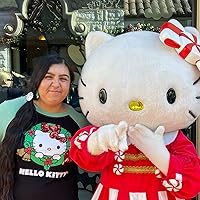
In Pink Globalization , Christine R. Yano examines the creation and rise of Hello Kitty as a part of Japanese Cute-Cool culture. Yano argues that the international popularity of Hello Kitty is one aspect of what she calls pink globalization—the spread of goods and images labeled cute ( kawaii ) from Japan to other parts of the industrial world. The concept of pink globalization connects the expansion of Japanese companies to overseas markets, the enhanced distribution of Japanese products, and the rise of Japan's national cool as suggested by the spread of manga and anime. Yano analyzes the changing complex of relations and identities surrounding the global reach of Hello Kitty's cute culture, discussing the responses of both ardent fans and virulent detractors. Through interviews, Yano shows how consumers use this iconic cat to negotiate gender, nostalgia, and national identity. She demonstrates that pink globalization allows the foreign to become familiar as it brings together the intimacy of cute and the distance of cool. Hello Kitty and her entourage of marketers and consumers wink, giddily suggesting innocence, sexuality, irony, sophistication, and even sheer happiness. Yano reveals the edgy power in this wink and the ways it can overturn, or at least challenge, power structures.
I honestly have no idea why it took me so long to finish this book, because it was brilliant, from an economic and social culture perspective. "Pink Globalization" is an examination of the impact of "Hello Kitty", from its creation in Japan to the cross appeal it had on a global scale. Christine Yano explores the impact of "cute cool" culture and how Hello Kitty's marketing ended up having a cross appeal with not just the young audience it was aimed for, but much larger than that. I myself grew up with Hello Kitty merchandise, from the barettes I used to wear to hold my ponytails to notebooks and other things, so for me this was a nostalgia trip as well as an enlightenment on the cultural and social impact of an endearing icon.
I may write a more comprehensive review of this later on, because there were a lot of factual gems contained in this, but I really enjoyed reading it.
Pink Globalization is a quite extensive book detailing Sanrio's influence on international pop culture. From the beginnings of Hello Kitty in 1974, to her arrival in the states in 1976, onward throughout today.
For all the mercenarial nature of the company, this book demonstrates how they do several things right: having multiple price points so that it is a natural gift choice, especially in Japanese society, a continual reinventing and refreshing of their brand to hook new customers while keeping most of the old, and perhaps most importantly not trying to quash any infringements on their brand that could be argued as satire (any exposure is good exposure!)
The book interviews many Kitty fans from all walks of life, with various levels of devotion. That alone makes this a somewhat interesting read. One is also surprised to learn that none of the rich and famous you see "endorsing" Hello Kitty (think Lisa Loeb's album "Hello Lisa") were compensated at all from Sanrio. Smart, smart company.
My main beef with the book is that it reads like a college sociology text, and is pretty dry in places. I'd give it 3.5 stars, but Goodreads won't allow that, so I'm rounding up.
I'd recommend this book for someone who wants to know how to make a societal movement seem effortless and fresh.
I would NOT recommend this book for someone merely interested in Hello Kitty, because I can't see them actually finishing the book.
For an academic book, it’s typical. Sometimes dense, jargon heavy. The topic of the culture of Hello Kitty is fascinating, so for fans of pop culture, branding, marketing and art, this is a good book. Interviews with various people are a highlight. Japanese cute-chic is here to stay. I gave it three stars because it is a difficult read due to its academic style. Understandable, author is a professor of anthropology. I went to a Hello Kitty 40th anniversary exhibit at the Japanese American Museum in Los Angeles where I got the book. The exhibit was amazing.
Had to read this book since I am super Hello Kitty Sanrio fan! Was a very well researched book and liked how the author was able to show how Hello Kitty is just not a character but has influenced peoples cultures in all over the world. I gave it 4 stars was because it had some language that made it hard to understand.
Absolutely amazing book that’s really intriguing and informative. An absolute work of art by Yano here. Come, come, kitty, kitty You're so pretty, pretty Don't go, kitty, kitty Stay with me Come, come, kitty, kitty You're so silly, silly Don't go, kitty, kitty Play with me か、か、か、かわいい!
Really interesting topic & had a lot of new information through primary means such as interviews, but the structure & writing style was so off-putting that I just skim read it.