

What do you think?

Schmidt #1
Schmidt
Louis Begley erzählt hier die Geschichte einer Lebenskrise und deren Überwindung durch die Liebe. Sein Held ist der zwangsweise frühpensionierte, vor nicht langer Zeit noch hochangesehene New Yorker Anwalt Albert Schmidt, ein Don Juan mit rigiden Prinzipien, dem der Ruhestand allmählich zum Alptraum wird. Ein halbes Jahr nach dem Tod seiner Frau eröffnet ihm seine Tochter Charlotte, daß sie heiraten werde, und zwar ausgerechnet Jon Riker - den ehrgeizigen, habgierigen Anwalt und Kanzleikollegen Schmidts, dem er nicht zuletzt die Kürzung seiner Pension zu verdanken hat. Schmidt wendet sich gegen die Eheschließung und verstärkt damit nur die Geschwindigkeit, mit der sich seine Tochter von ihm entfernt. Charlotte fordert schließlich vorab ihr Erbteil. Schmidts Weg in die Einsamkeit und Verbitterung scheint unausweichlich vorbestimmt, gäbe es da nicht die junge puertoricanische Kellnerin Carie, die ihn mit allen Sinnen liebt und sein Leben von Grund auf verändert.
311 pages, Hardcover
First published September 3, 1996
About the author
Louis Begley
43 books88 followersLouis Begley is an American novelist.
Begley was born Ludwik Begleiter in Stryi at the time part of Poland and now in Ukraine, as the only child of a physician. He is a survivor of the Holocaust due to the multiple purchases of Aryan papers by his mother and constant evasion of the Nazis. They survived by pretending to be Polish Catholic. The family left Poland in the fall of 1946 and settled in New York in March 1947. Begley studied English Literature at Harvard College (AB '54, summa cum laude), and published in the Harvard Advocate. Service in the United States Army followed. In 1956 Begley entered Harvard Law School and graduated in 1959 (LL.B. magna cum laude).
Upon graduation from Law School, Begley joined the New York firm of Debevoise & Plimpton as an associate; became a partner in January 1968; became of counsel in January 2004; and retired in January 2007. From 1993 to 1995, Begley was also president of PEN American Center. He remains a member of PEN's board of directors, as well as a member of the Council on Foreign Relations.
His wife of 30 years, Anka Muhlstein, was honoured by the French Academy for her work on La Salle, and received critical acclaim for her book A Taste for Freedom: The Life of Astolphe de Custine.
His first novel, Wartime Lies, was written in 1989. It won the PEN/Hemingway Award for a first work of fiction in 1991. The French version, Une éducation polonaise, won the Prix Médicis International in 1992. He has also won several German literature prizes, including the Jeanette Schocken Prize in 1995 and the Konrad Adenauer Foundation Literature Prize in 2000.
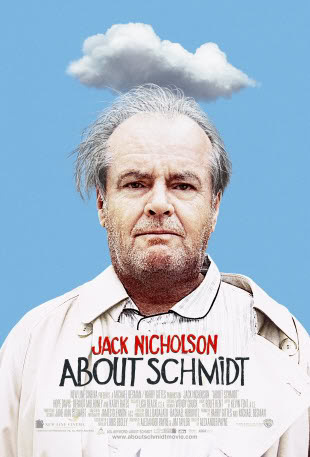
His novel About Schmidt was adapted into a major motion picture starring Jack Nicholson.
Begley was born Ludwik Begleiter in Stryi at the time part of Poland and now in Ukraine, as the only child of a physician. He is a survivor of the Holocaust due to the multiple purchases of Aryan papers by his mother and constant evasion of the Nazis. They survived by pretending to be Polish Catholic. The family left Poland in the fall of 1946 and settled in New York in March 1947. Begley studied English Literature at Harvard College (AB '54, summa cum laude), and published in the Harvard Advocate. Service in the United States Army followed. In 1956 Begley entered Harvard Law School and graduated in 1959 (LL.B. magna cum laude).
Upon graduation from Law School, Begley joined the New York firm of Debevoise & Plimpton as an associate; became a partner in January 1968; became of counsel in January 2004; and retired in January 2007. From 1993 to 1995, Begley was also president of PEN American Center. He remains a member of PEN's board of directors, as well as a member of the Council on Foreign Relations.
His wife of 30 years, Anka Muhlstein, was honoured by the French Academy for her work on La Salle, and received critical acclaim for her book A Taste for Freedom: The Life of Astolphe de Custine.
His first novel, Wartime Lies, was written in 1989. It won the PEN/Hemingway Award for a first work of fiction in 1991. The French version, Une éducation polonaise, won the Prix Médicis International in 1992. He has also won several German literature prizes, including the Jeanette Schocken Prize in 1995 and the Konrad Adenauer Foundation Literature Prize in 2000.
His novel About Schmidt was adapted into a major motion picture starring Jack Nicholson.
Ratings & Reviews
Friends & Following
Create a free account to discover what your friends think of this book!
Community Reviews
Displaying 1 - 30 of 123 reviews

April 8, 2012
"Relatively soon, I will die. Maybe in 20 years, maybe tomorrow, it doesn't matter. Once I am dead and everyone who knew me dies too, it will be as though I never existed. What difference has my life made to anyone. None that I can think of. None at all."

Begley was born Ludwik Begleiter in a region that at that was part of the Polish Republic, but is now part of the Ukraine. On the run from the Germans, his mother and he used forged identity papers that enabled them to pretend to be Polish Catholics. They were among a very small number of Jews who escaped the genocide that occurred in Poland. He came to America and graduated with honors from Harvard University. He published his first novel at age 58, so there is still hope for me yet.
I have heard Louis Begley compared favorably to Cheever, Updike, and Bellow. After reading this book, my first foray into the Begley canon, I understand those comparisons. The New York Times Book Review refers to "his exceptional literary intelligence." I don't disagree; the pages brim with exceptional vocabulary and dialogue.
The Publishers Weekly said "A powerful story of a man's fall from grace." Okay first of all if anything this is the story of a man's emergence. "Fall from Grace?", seriously, whoever the reviewer was obviously did not read the same book as I did. This quote is off the paperback edition so maybe this Publishers Weekly reviewer watched the movie instead of reading the book. I have not seen the movie, but I hear the plot is light years away from the book.
The other quote on the back of the paperback is "Comical, tough, unsparing; it is as if Louis Auchincloss had exchanged the kid gloves for brass knuckles...interesting and nervy." Okay, a reviewer using Louis Auchincloss, who I have never read, but who was an East Coast writer who liked to write about lawyers, bankers and investors. I guess this reviewer liked the tie in with the fact that Schmidt is a retired lawyer only giving Begley more chops by bringing in the brass knuckles reference. Comical, well a little, tough ehhh not really, unsparing okay I'll give him that, the book is convincingly honest. Nervy? Implying ground breaking or scandalous? Uhhhh NO not really.
Schmidt or Schmidtie as most of his associates call him is going through a mid-life crisis. His wife has died. His firm has negotiated him into early retirement. His daughter is getting married and he has this house he wants to give them, a little hacienda worth about $2million, and yet he is mystified to find his daughter and future son-in-law actually cold to the idea. He does not like his future son-in-law, Jon Riker, who happens to be Jewish, and yet because he doesn't like him Schmidtie is accused of being anti-semitic. I have to say given the fact that he gave Jon a leg up at his own firm, vaulting him into a partnership position I find it hard to understand the anti-semitic references. Sometimes people just don't like other people regardless of ethnicity or gender. Sometimes they just don't like them because they don't think they are right for their little girl.
Schmidtie develops a crush on this very young, Puerto Rican waitress and is stunned when his affections are reciprocated.

She is involved with another young man, but she has a history of involvement with older men. She is 20 and our erstwhile hero Schmidtie is a grey haired, but robust 60. Schmidtie's ability to perform sexually gives me hope for the future. He rises to the occasion as often as Carrie wants him to. The book may stray a bit into mythology at this point. Schmidtie has other problems, a house that may turn into a money pit, a firm that is trying to renegotiate his retirement settlement, a smelly, filthy homeless man who is stalking him, and a psychiatrist, the mother of Jon Riker, who is trying to psycho-analysis him and seduce him at the same time.
I really liked the book, despite the poorly chosen endorsements on the back cover. I liked Schmidt. I liked Begley's writing style. The book left me thinking about some of the great Cheever short stories I read last year. I will certainly read the second book Schmidt Delivered.
I do have one last bone to pick with Begley which is the reason this book received a four star rating instead of a five star rating. Begley does not use quotation marks. It did take me a while to adjust, certainly required me to reread sections to determine if Schmidt said a comment or just thought it. In the back of the paperback edition they have an interview with Begley and he is asked about this missing punctuation. "It comes from my particular dislike of the way quotation marks look on a page. I think they look like little bugs." Seriously Begley? Little bugs? You do need some time with a psychiatrist, Jewish or otherwise.
Click to see my Schmidt Delivered Review
If you wish to see more of my most recent book and movie reviews, visit http://www.jeffreykeeten.com
I also have a Facebook blogger page at:https://www.facebook.com/JeffreyKeeten

Begley was born Ludwik Begleiter in a region that at that was part of the Polish Republic, but is now part of the Ukraine. On the run from the Germans, his mother and he used forged identity papers that enabled them to pretend to be Polish Catholics. They were among a very small number of Jews who escaped the genocide that occurred in Poland. He came to America and graduated with honors from Harvard University. He published his first novel at age 58, so there is still hope for me yet.
I have heard Louis Begley compared favorably to Cheever, Updike, and Bellow. After reading this book, my first foray into the Begley canon, I understand those comparisons. The New York Times Book Review refers to "his exceptional literary intelligence." I don't disagree; the pages brim with exceptional vocabulary and dialogue.
The Publishers Weekly said "A powerful story of a man's fall from grace." Okay first of all if anything this is the story of a man's emergence. "Fall from Grace?", seriously, whoever the reviewer was obviously did not read the same book as I did. This quote is off the paperback edition so maybe this Publishers Weekly reviewer watched the movie instead of reading the book. I have not seen the movie, but I hear the plot is light years away from the book.

The other quote on the back of the paperback is "Comical, tough, unsparing; it is as if Louis Auchincloss had exchanged the kid gloves for brass knuckles...interesting and nervy." Okay, a reviewer using Louis Auchincloss, who I have never read, but who was an East Coast writer who liked to write about lawyers, bankers and investors. I guess this reviewer liked the tie in with the fact that Schmidt is a retired lawyer only giving Begley more chops by bringing in the brass knuckles reference. Comical, well a little, tough ehhh not really, unsparing okay I'll give him that, the book is convincingly honest. Nervy? Implying ground breaking or scandalous? Uhhhh NO not really.
Schmidt or Schmidtie as most of his associates call him is going through a mid-life crisis. His wife has died. His firm has negotiated him into early retirement. His daughter is getting married and he has this house he wants to give them, a little hacienda worth about $2million, and yet he is mystified to find his daughter and future son-in-law actually cold to the idea. He does not like his future son-in-law, Jon Riker, who happens to be Jewish, and yet because he doesn't like him Schmidtie is accused of being anti-semitic. I have to say given the fact that he gave Jon a leg up at his own firm, vaulting him into a partnership position I find it hard to understand the anti-semitic references. Sometimes people just don't like other people regardless of ethnicity or gender. Sometimes they just don't like them because they don't think they are right for their little girl.
Schmidtie develops a crush on this very young, Puerto Rican waitress and is stunned when his affections are reciprocated.

She is involved with another young man, but she has a history of involvement with older men. She is 20 and our erstwhile hero Schmidtie is a grey haired, but robust 60. Schmidtie's ability to perform sexually gives me hope for the future. He rises to the occasion as often as Carrie wants him to. The book may stray a bit into mythology at this point. Schmidtie has other problems, a house that may turn into a money pit, a firm that is trying to renegotiate his retirement settlement, a smelly, filthy homeless man who is stalking him, and a psychiatrist, the mother of Jon Riker, who is trying to psycho-analysis him and seduce him at the same time.
I really liked the book, despite the poorly chosen endorsements on the back cover. I liked Schmidt. I liked Begley's writing style. The book left me thinking about some of the great Cheever short stories I read last year. I will certainly read the second book Schmidt Delivered.
I do have one last bone to pick with Begley which is the reason this book received a four star rating instead of a five star rating. Begley does not use quotation marks. It did take me a while to adjust, certainly required me to reread sections to determine if Schmidt said a comment or just thought it. In the back of the paperback edition they have an interview with Begley and he is asked about this missing punctuation. "It comes from my particular dislike of the way quotation marks look on a page. I think they look like little bugs." Seriously Begley? Little bugs? You do need some time with a psychiatrist, Jewish or otherwise.
Click to see my Schmidt Delivered Review
If you wish to see more of my most recent book and movie reviews, visit http://www.jeffreykeeten.com
I also have a Facebook blogger page at:https://www.facebook.com/JeffreyKeeten

October 5, 2023
1.5 stars
The long and short of it: Small bowl of cold oatmeal with no flavoring except the tears of boredom you cry into it.
Enjoy.
(Und falls du auch das Brigitte Hörbuch, gelesen von Mario Adorf, reinziehen willst...der Gute liest den Text genau wie Harry Rowohlt Winnie Pooh liest. Alle 5 Minuten glaubt man, Ferkel kommt um die Ecke gerannt. Schrecklich.)
The long and short of it: Small bowl of cold oatmeal with no flavoring except the tears of boredom you cry into it.
Enjoy.
(Und falls du auch das Brigitte Hörbuch, gelesen von Mario Adorf, reinziehen willst...der Gute liest den Text genau wie Harry Rowohlt Winnie Pooh liest. Alle 5 Minuten glaubt man, Ferkel kommt um die Ecke gerannt. Schrecklich.)

May 8, 2015
A grumpy old white male, that's one way to describe Schmidt. He seems to hate everybody and everything, including himself. But maybe his behavior can be explained by the fact that what he thought was a successful life and career has disappeared after his retirement and death of his wife.
His wife had been the facilitator of his social life outside of work, and his career as a corporate lawyer with a major New York City law firm was ended with gentle push into early retirement because his area of law practice had evaporated in a new competitive business environment.
He has a adult daughter who has a successful career in public relations. She has recently announced her intention to marry Schmidt's former younger law partner. Instead to being happy at this news Schmidt is disgruntled at the prospect of having a son-in-law he doesn't like. His explanation for not liking his prospective son-in-law generally centers around personality matters. But it's pretty clear to the reader that one reason for his dislike of his son-in-law to be is the fact that he's Jewish.
Thus enters one of the issues in this book upon which readers will have differences of opinion. Is Schmidt prejudice against Jews? Schmidt claims he's not prejudice because he has worked with Jewish colleagues all of his professional career. He mentored and sponsored a young lawyer to be added as a partner in the firm. This same young lawyer is now his son-in-law to be. And finally, Schmidt's best friend from college days, a person he is close to and to whom he confides personal issues, is Jewish. Schmidt claims he can't possibly be prejudice against Jews with that as his life background.
Nevertheless, his daughter, son-in-law to be, daughter's in-laws to be, rumors filtered back from his former law firm, and his long time best friend all seem to think that he is indeed prejudice against Jews. Thus, raises the question of what constitutes racial prejudice.
Whenever I hear somebody say emphatically, "I'm not prejudiced," I automatically assume that they are. The reason is that almost every time I've heard somebody say that, it has been from the mouth of somebody I know from their words and deeds that (in my opinion) they are racial/cultural bigots.
So how do I answer if someone accuses me of being racially or culturally prejudice? I certain don't make the short emphatic statement noted above. Instead I answer that I try to the best of my ability to accept all people as individuals worthy of respect, including their culture, race and religion. But at the same time I recognize that I may also be a part of a larger power structure and social environment that displays institutional racism. I try to be sensitive and aware of instances of institutionalized racism, and where possible I try to withhold my approval of it. I also endeavor to support corrective measures.
One interesting thing about this book is that the prospective mother-in-law of Schmidt's daughter is a psychiatrist. She uses her psychiatric skills to lead a reluctant Schmidt through a session of psychoanalysis. But Schmidt is impervious to change so not much progress is made in Schmidt's acceptance his daughter's plans.
Earlier I said Schmidt hated everybody. Well, that's not true. He likes young attractive women. The book explores the vulnerability of a wealthy man in Schmidt's position to offers of sexual relationships from young attractive women. It was clear to me as a reader that near the end of the book when a young waitress shows up at his door and announces that she's sexually available, that she's not attracted to Schmidt because of his looks and/or manners. But rather it's his obvious wealth. By the end of the book this young woman's other boy friend has moved into the house, and its clear that things are headed toward future problems. Where it all leads is saved for the sequel, Schmidt Delivered .
Full disclosure:
I'm an old white male, and I'm grumpy sometimes.
I hope that is all that I have in common with Schmidt.
His wife had been the facilitator of his social life outside of work, and his career as a corporate lawyer with a major New York City law firm was ended with gentle push into early retirement because his area of law practice had evaporated in a new competitive business environment.
He has a adult daughter who has a successful career in public relations. She has recently announced her intention to marry Schmidt's former younger law partner. Instead to being happy at this news Schmidt is disgruntled at the prospect of having a son-in-law he doesn't like. His explanation for not liking his prospective son-in-law generally centers around personality matters. But it's pretty clear to the reader that one reason for his dislike of his son-in-law to be is the fact that he's Jewish.
Thus enters one of the issues in this book upon which readers will have differences of opinion. Is Schmidt prejudice against Jews? Schmidt claims he's not prejudice because he has worked with Jewish colleagues all of his professional career. He mentored and sponsored a young lawyer to be added as a partner in the firm. This same young lawyer is now his son-in-law to be. And finally, Schmidt's best friend from college days, a person he is close to and to whom he confides personal issues, is Jewish. Schmidt claims he can't possibly be prejudice against Jews with that as his life background.
Nevertheless, his daughter, son-in-law to be, daughter's in-laws to be, rumors filtered back from his former law firm, and his long time best friend all seem to think that he is indeed prejudice against Jews. Thus, raises the question of what constitutes racial prejudice.
Whenever I hear somebody say emphatically, "I'm not prejudiced," I automatically assume that they are. The reason is that almost every time I've heard somebody say that, it has been from the mouth of somebody I know from their words and deeds that (in my opinion) they are racial/cultural bigots.
So how do I answer if someone accuses me of being racially or culturally prejudice? I certain don't make the short emphatic statement noted above. Instead I answer that I try to the best of my ability to accept all people as individuals worthy of respect, including their culture, race and religion. But at the same time I recognize that I may also be a part of a larger power structure and social environment that displays institutional racism. I try to be sensitive and aware of instances of institutionalized racism, and where possible I try to withhold my approval of it. I also endeavor to support corrective measures.
One interesting thing about this book is that the prospective mother-in-law of Schmidt's daughter is a psychiatrist. She uses her psychiatric skills to lead a reluctant Schmidt through a session of psychoanalysis. But Schmidt is impervious to change so not much progress is made in Schmidt's acceptance his daughter's plans.
Earlier I said Schmidt hated everybody. Well, that's not true. He likes young attractive women. The book explores the vulnerability of a wealthy man in Schmidt's position to offers of sexual relationships from young attractive women. It was clear to me as a reader that near the end of the book when a young waitress shows up at his door and announces that she's sexually available, that she's not attracted to Schmidt because of his looks and/or manners. But rather it's his obvious wealth. By the end of the book this young woman's other boy friend has moved into the house, and its clear that things are headed toward future problems. Where it all leads is saved for the sequel, Schmidt Delivered .
Full disclosure:
I'm an old white male, and I'm grumpy sometimes.
I hope that is all that I have in common with Schmidt.

March 19, 2010
I'm not going to rehash the plot, because it's right there by the book. Honestly, the plot isn't worth mentioning as there just didn't seem to be one. Yes, Schmidt is a recent widow with depression to deal with, but the guy is a walking pity party start to finish. I could not stand him. I had to force myself to finish reading because I was waiting for the emotional growth I felt had to be coming after all that build up and pointing out his character flaws. I thought there would be some revelation for him. He would recognize the error of his ways. Nope.
Schmidt complains that he doesn't have enough money. Pages and pages of detailed tax, real estate, salary and retirement information complaining about how bad his financial situation is. Not only was it boringly detailed, but it made me angry. The guy was a millionaire, and yet in Schmidt fashion could only see the half empty glass. What he didn't have. This despite his spending $10,000 on a whim vacation. In 1992 no less! This had nothing to do with his depression. This was Schmidt. The entire novel was a list of who had mor ethan Schmidt but didn't deserve it. Who had more friends. Poor Schmidt. All his friends dropped him after his wife's death. Of course they did! The guy was a walking downer!
By books end, Schmidt's circumstances change, but not Schmidt himself. Since this was such an in depth, self-reflective book, I wanted him to change. I wasn't even left with the impression he was ever going to. Schmidt's never ending pity party will go on and on. Until he dies. I'm glad I won't be reading about it.
Schmidt complains that he doesn't have enough money. Pages and pages of detailed tax, real estate, salary and retirement information complaining about how bad his financial situation is. Not only was it boringly detailed, but it made me angry. The guy was a millionaire, and yet in Schmidt fashion could only see the half empty glass. What he didn't have. This despite his spending $10,000 on a whim vacation. In 1992 no less! This had nothing to do with his depression. This was Schmidt. The entire novel was a list of who had mor ethan Schmidt but didn't deserve it. Who had more friends. Poor Schmidt. All his friends dropped him after his wife's death. Of course they did! The guy was a walking downer!
By books end, Schmidt's circumstances change, but not Schmidt himself. Since this was such an in depth, self-reflective book, I wanted him to change. I wasn't even left with the impression he was ever going to. Schmidt's never ending pity party will go on and on. Until he dies. I'm glad I won't be reading about it.

January 13, 2019
The riveting tale of an aging WASP as he heroically struggles to overcome his anti-Semitism. The sexual escapades of a lecherous retiree who with little effort and even less game inexplicably seduces the pants off a beautiful 20-year old Puerto Rican waitress. The astonishing and highly relatable story of a wealthy Hampton lawyer as he tries to come to peace with his only daughter and child marrying a man of which he does not approve. The tear-jerking episode of a widower who mourns his recently deceased wife by screwing his daughter's mother-in-law. The human interest account of a man who reminisces about the many times he cheated on his wife, including that one time he did with the maid, an Asian girl, who was forced back to the streets as penance for HIS indiscretion.
No matter how you try to summarize About Schmidt, it comes out about the same--a dirty little nothing book about a dirty little nothing man. While it bills itself as a story about a retiree's journey of self-discovery, in reality it lacks raison d'etre. It amounts to an appetizer platter of greasy finger food, like those phlegmy mozzarella sticks so many family restaurants use to swindle you out of $7.95. Wandering and watery, a semblance of actual story begins to form toward the end, when author Begley attempts to arc Schmidt from a closeted racist into some free-spirited lover of diversity. But it all comes off as artificial and frankly, insulting. Schmidt is "rewarded" for this alleged change in the form of an inheritance from a long-lost step-mother, who bequeaths him her estate. This allows him to abscond to Florida with his Latina girlfriend and her ex-lover, who will basically serve as his pool boy.
It's hard to identify and even like a character when everything falls into his lap. Even the sex scenes were scarcely scintillating, coming off more as vivid recollections of early-90s late night Cinemax viewings than things actual adults do. Even more perplexing and frustrating were the lack of quotation marks. I can think of only one author who has earned the right to get away with that--Cormac McCarthy. And Begley is no McCarthy. About Schmidt is hardly worth your time, and in fact, the only thing it does right is keeping the page count relatively low.
No matter how you try to summarize About Schmidt, it comes out about the same--a dirty little nothing book about a dirty little nothing man. While it bills itself as a story about a retiree's journey of self-discovery, in reality it lacks raison d'etre. It amounts to an appetizer platter of greasy finger food, like those phlegmy mozzarella sticks so many family restaurants use to swindle you out of $7.95. Wandering and watery, a semblance of actual story begins to form toward the end, when author Begley attempts to arc Schmidt from a closeted racist into some free-spirited lover of diversity. But it all comes off as artificial and frankly, insulting. Schmidt is "rewarded" for this alleged change in the form of an inheritance from a long-lost step-mother, who bequeaths him her estate. This allows him to abscond to Florida with his Latina girlfriend and her ex-lover, who will basically serve as his pool boy.
It's hard to identify and even like a character when everything falls into his lap. Even the sex scenes were scarcely scintillating, coming off more as vivid recollections of early-90s late night Cinemax viewings than things actual adults do. Even more perplexing and frustrating were the lack of quotation marks. I can think of only one author who has earned the right to get away with that--Cormac McCarthy. And Begley is no McCarthy. About Schmidt is hardly worth your time, and in fact, the only thing it does right is keeping the page count relatively low.

February 18, 2017
This book was made to be relatively realistically bloomy. I teared at many instances and at many chapters specially towards the end. I think the story really depicts one of the most renowned fears of all time and that's loneliness of senility and the personality change that comes afterwards. I relate very much to Schmidt and I sympathize with him deeply.
My favorite quote was "Relatively soon, I will die. Maybe in 20 years, maybe tomorrow, it doesn't matter. Once I am dead and everyone who knew me dies too, it will be as though I never existed. What difference has my life made to anyone. None that I can think of. None at all." just before he received his letter from Indigo.
My favorite quote was "Relatively soon, I will die. Maybe in 20 years, maybe tomorrow, it doesn't matter. Once I am dead and everyone who knew me dies too, it will be as though I never existed. What difference has my life made to anyone. None that I can think of. None at all." just before he received his letter from Indigo.

April 9, 2007
Although everyone seemed to like the movie, all of my fellow book club members (including me) HATED the book!
January 1, 2009
Creepy, and not in a good way.

September 29, 2014
Louis Begley’s novel, About Schmidt, tells the story of Albert Schmidt after his wife Mary died and before his daughter, Charlotte, goes through with her plan to marry a former colleague of Schmidt in a prestigious NY law firm . . . and a Jew, imagine that. Schmidt is lonely, rich, and lost. He and Mary were a good pair although he fooled around on most business trips. They had a large income, a large NY apartment, and a large house on Long Island. None of this means much to him with her passing. He isn’t much of an anti-Semite but enough of one, by rumor at least, to turn Charlotte’s fiancee’s family against him. Having retired a bit early and spent his entire life being a lawyer, just a a lawyer, he doesn’t know what to do with himself except start up an affair with an avid Puerto Rican waitress at the local mid-quality restaurant, O’Henry’s.
The curiosity of this novel is that it’s more a narrative sequence than a novel. Schmidt has some encounters with his college roommate, he is haunted by a bum who moved into the nearest Long Island village, he fends off his daughter’s future mother-in-law who either wants to screw him or cure him (she’s a psychoanalyst), he takes a brief vacation on a distant island far, far up the Amazon, he drinks a lot, he wrestles with estate issues and how to give Charlotte what’s her due without lowering his own standard of living, he has wild, abundant sex with Carrie, the waitress, while allowing her to continue to sleep with her sometimes boyfriend, a leech and a nuisance. But in his sixties, should Schmidt care, or simply be grateful for the kindness of young girls?
My sense is that the key to the story is the bum who appears now and then and whom, one foggy night, Schmidt, kills in a car accident. He’s Schmidt’s alter ego, his Id, the sloppy, smelly, disagreeable interior personality normally kept under wraps beneath Schmidt’s Harvard education and carefully developed legal persona.
The point of this book--you’ll notice I keep changing the way I refer to it, first a novel, then a narrative sequence, then a story,and now a book--seems to be that it’s disagreeable and somewhat degrading to enter retirement alone. Schmidt is a cultivated but not very sympathetic man. He plots a lot. He keeps his daughter (also not very sympathetic) at arm’s length. And yet he remembers how one is supposed to act and chastises himself for falling short, which he often does. Almost everyone on earth, except the waitress, is a nuisance or a menace or a blighted memory to him. He doesn’t like his house cleaning crew. He doesn’t like his former partners. He doesn’t want to go to Venice with his one true friend--the college roommate--because the traveling party will all be married, and if there’s a single woman involved, Schmidt will have to be gallant and might not enjoy that.
So here is a self-centered, highly intelligent man who is dimly aware that the forces stirring within him don’t correspond at all to the way he’s lived his life, or what’s expected of him, and ultimately, he doesn’t care. He’s going to have things the way he wants them anyway.
The crisis hovers around this tale but never quite lands. In a way, that’s subtle. But it’s also disappointing and ends with a vaguely witty plot twist unworthy of how well Begley writes and how much more he could have done with Schmidt if he’d wanted to.
The curiosity of this novel is that it’s more a narrative sequence than a novel. Schmidt has some encounters with his college roommate, he is haunted by a bum who moved into the nearest Long Island village, he fends off his daughter’s future mother-in-law who either wants to screw him or cure him (she’s a psychoanalyst), he takes a brief vacation on a distant island far, far up the Amazon, he drinks a lot, he wrestles with estate issues and how to give Charlotte what’s her due without lowering his own standard of living, he has wild, abundant sex with Carrie, the waitress, while allowing her to continue to sleep with her sometimes boyfriend, a leech and a nuisance. But in his sixties, should Schmidt care, or simply be grateful for the kindness of young girls?
My sense is that the key to the story is the bum who appears now and then and whom, one foggy night, Schmidt, kills in a car accident. He’s Schmidt’s alter ego, his Id, the sloppy, smelly, disagreeable interior personality normally kept under wraps beneath Schmidt’s Harvard education and carefully developed legal persona.
The point of this book--you’ll notice I keep changing the way I refer to it, first a novel, then a narrative sequence, then a story,and now a book--seems to be that it’s disagreeable and somewhat degrading to enter retirement alone. Schmidt is a cultivated but not very sympathetic man. He plots a lot. He keeps his daughter (also not very sympathetic) at arm’s length. And yet he remembers how one is supposed to act and chastises himself for falling short, which he often does. Almost everyone on earth, except the waitress, is a nuisance or a menace or a blighted memory to him. He doesn’t like his house cleaning crew. He doesn’t like his former partners. He doesn’t want to go to Venice with his one true friend--the college roommate--because the traveling party will all be married, and if there’s a single woman involved, Schmidt will have to be gallant and might not enjoy that.
So here is a self-centered, highly intelligent man who is dimly aware that the forces stirring within him don’t correspond at all to the way he’s lived his life, or what’s expected of him, and ultimately, he doesn’t care. He’s going to have things the way he wants them anyway.
The crisis hovers around this tale but never quite lands. In a way, that’s subtle. But it’s also disappointing and ends with a vaguely witty plot twist unworthy of how well Begley writes and how much more he could have done with Schmidt if he’d wanted to.

November 26, 2011
Except for dealing with a retired and recently widowed man named Schmidt with a daughter who is getting married, this book is nothing like the movie. This is a smartly written character study about a successful and affluent man in his sixties living in the Hamptons who is equal parts honest and self-deluded, cruel and kind. I think you need to be over fifty to appreciate many of the issues the book addresses: aging, loneliness after the loss of a spouse, coping with adult children, the disposition of wealth and the self-awareness of attitudes that harden like arteries as we age. The story ultimately disappoints when it resolves in an unbelievable winter-spring romance.

May 25, 2012
I am rating this as one of my best for some quotes that i loved in it. I didn't expect to like this book very much but i was amazed at how Louis Begley could help the reader understand what goes on in the mind of a man who has retired from work and life.
I have to note here that the book has nothing to do with the movie starring Jack Nickolson. Well the movie is based on this novel but there are very different to the point that I would not connect them in any way. If anyone avoided this book because of the movie they would be missing out.
A very simple story and a good inside into the human soul.
I have to note here that the book has nothing to do with the movie starring Jack Nickolson. Well the movie is based on this novel but there are very different to the point that I would not connect them in any way. If anyone avoided this book because of the movie they would be missing out.
A very simple story and a good inside into the human soul.

March 22, 2013
This book is a giant yawn fest. Also, I couldn't have cared less about any of the characters.
October 15, 2025
I understand why the adaptation deviated so wildly since there really is no drive here. Our Protag goes from reserved, bitter, bigoted curmudgeon to slightly less bigoted. Maybe there's some growth in book 2. Did enjoy the setting and some minor characters.

April 22, 2026
Loved the writing if not the characters.

July 5, 2010
After watching the movie About Schmidt for my weekly_movies LiveJournal community, I did some reading about the movie because there were some things that I didn't really understand. I discovered that the movie was loosely based on a book, and that many critics felt that the movie was awful and the book was a lot better. After reading a bunch of descriptions of the book, I thought it sounded very interesting and decided to read it.
It took me -forever- to get past the first few pages. My word the writing style was difficult to slog through. I kept getting bored and putting it down to go do something more interesting. But then I spent two hours on a plane with only this book for company, and managed to make it almost halfway through. By that time, the book had improved significantly plot-wise and I managed to finish it a few weeks later. The writing never did improve, though...
The story is -significantly- different from the movie. Better, I would say, if the writing hadn't been so dull. Even the names are different, this guy is "Albert Schmidt", where in the movie he is "Warren". To be honest, they probably could have named the movie something else and no one would have guessed it was based on this book at all! The similarities are that a recently widowed and retired man's daughter is marrying a guy he doesn't approve of. Which I really felt like could be multiple stories without worrying about copyright.
Here, he doesn't approve because of antisemitism - that's right, the boyfriend is a Jew, and Schmidt doesn't approve. The guy isn't a slimy car salesman - in fact, he's a partner in Schmidt's law firm, who Schmidt trained himself! They don't live in the midwest, but instead there is a class battle that takes place in NYC and the Hamptons! The wife is dead before the book begins, and I don't believe we ever did find out how she dies except that it took a looong time to happen. And the BIGGEST change - Schmidt was very unfaithful to his wife, on every business trip he ever took and with his daughter's nanny at home... and after her death is living/sleeping with a 20 year old Puerto Rican waitress... his daughter is 28! And there is no kid who he writes to... but there is a homeless man who follows him around tormenting him, and kisses him at one point!
As you can see, if you've seen the movie, this plot is FAR more interesting! And I came to be more interested in the book as I kept reading... but the writing style is a HUGE turnoff.
It took me -forever- to get past the first few pages. My word the writing style was difficult to slog through. I kept getting bored and putting it down to go do something more interesting. But then I spent two hours on a plane with only this book for company, and managed to make it almost halfway through. By that time, the book had improved significantly plot-wise and I managed to finish it a few weeks later. The writing never did improve, though...
The story is -significantly- different from the movie. Better, I would say, if the writing hadn't been so dull. Even the names are different, this guy is "Albert Schmidt", where in the movie he is "Warren". To be honest, they probably could have named the movie something else and no one would have guessed it was based on this book at all! The similarities are that a recently widowed and retired man's daughter is marrying a guy he doesn't approve of. Which I really felt like could be multiple stories without worrying about copyright.
Here, he doesn't approve because of antisemitism - that's right, the boyfriend is a Jew, and Schmidt doesn't approve. The guy isn't a slimy car salesman - in fact, he's a partner in Schmidt's law firm, who Schmidt trained himself! They don't live in the midwest, but instead there is a class battle that takes place in NYC and the Hamptons! The wife is dead before the book begins, and I don't believe we ever did find out how she dies except that it took a looong time to happen. And the BIGGEST change - Schmidt was very unfaithful to his wife, on every business trip he ever took and with his daughter's nanny at home... and after her death is living/sleeping with a 20 year old Puerto Rican waitress... his daughter is 28! And there is no kid who he writes to... but there is a homeless man who follows him around tormenting him, and kisses him at one point!
As you can see, if you've seen the movie, this plot is FAR more interesting! And I came to be more interested in the book as I kept reading... but the writing style is a HUGE turnoff.
This entire review has been hidden because of spoilers.

June 13, 2011
The setting here is very, one might say supremely, bourgeois. Albert Schmidt, newly widowed, recently retired from a cutthroat Manhattan law firm, is fully fitted out with all the appurtenances of great material success. The circles in which he moves are peopled by the very rich and often famous. Six months after his wife's death his daughter, Charlotte, announces her engagement to Jon Riker. Riker, a former mentee, is disliked by Schmidt for numerous reasons. One reason being that he's a Jew. More objectionable to Schmidt, however, is that Riker has knowingly undermined him at the firm where he no longer works. Schmidt has lost his beloved wife, Mary, and now he is losing his daughter to a grasping young man devoid of the romantic sensibilities that he most cherishes. Schmidt feels himself to be a radical truth teller, yet much of his "commentary" he must repress if he is not to alienate those around him. One wonders how he has done it. One wonders how he has managed to be successful. Interpersonal relationships are so key to the high-brow kind of law he once practiced, yet they also annoy him terribly. The answer of course is Mary. Often we hear Schmidt say something like "Mary would have managed it so well." And our sense is of his wife coming along behind him setting matters to rights. There are improbable sex scenes--two sixty-plus men with 20 year old girlfriends--yet somehow Begley carries them off. Certainly, the fact that both men are very rich makes the liaisons more plausible than they would be otherwise. I generally abhor all descriptions of coitus in print. Philip Roth's Sabbath's Theater is to my mind full of such repulsive writing. Begley's method however is defter and almost without vulgarity. I haven't quite figured out how he does it. I suppose one could say that Begley writes about territory already covered by John Updike and Philip Roth. Yet Begley's style is distinctive, nothing like the other two writers, and his milieu is far more genteel. I absolutely adore this novel. It's my favorite of all the Begley novels I've read so far, including Wartime Lies, which is saying a lot.

January 20, 2010
This review contains a bit of a spoiler, so read at your own risk. I can say unabashedly that the writing is really structurally lovely. I haven't read sentences like his in a long time, and I really loved the really high-blown aristocratic stuff that is used mainly in the beginning of the story, it's perfect. Plot-wise, however, I really wanted something else to happen... there were so many times where it was implied that we were actually watching a man unravel (instead of metamorphose), that I was actually a little disappointed when things turned out the way they did. And not because I didn't like Schmidtie or want the best for him, it just seemed like he was let off the hook for being anti-Semitic, let off the hook for being emotionally remote with his daughter (at the end, she is revealed to be an unlikeable and self-interested person and it felt WAY too convenient for me), and let off the hook for objectifying a Latina waitress that is 40 years younger than him (the arrangement ends up being weirdly viable, when it would have been easier to believe that something much more sinister was happening with Carrie and her boyfriend moving into the house, right?). What did he learn at the end of all that? How is he a better person? How does he know himself more? I dunno, maybe it's there and I missed it? I was sort of bummed when Mr. Wilson got killed. I wanted him to mean more to the story, but he just offed him (accidentally) and ran off with his dream. Oh, well. Maybe the sequel will make me feel better?

January 23, 2009
Had I quit reading two-thirds of the way through, I might have left off feeling better about About Schmidt. Instead, I read on and I feel a little sourer for it.
The denouement was too pat for my taste and for that I'm a bit resentful.
The language throughout was a little dull, despite its adding a new word (esurient) to my vocabulary. It's tone and timbre appealed to me, however, at least, as I said, until somewhere around chapter XIV (which I read outloud to my wife) where the dialogue began to dither and the plot began to creak.
It has many great moments of understated genius which I won't bother to catalog (well, since I didn't underline them and so can't quote them) but that were worth the price of admission (not the cost of the book but the time it took to read).
Schmidt's thoughts about Jews and about anti-semitism are not to be sympathised with but Begley's thoughts are interesting and prickly.
Forget comparing this to the movie. The book is a more sober, less kitchy story than the one Alexander Payne put together. There is no RV, no starving child in Africa, no hot tubbery or tom foolery. The book has a germ of menace that is never allowed to sprout. It is also nearly bereft of surprise. And that, to me, is much sadder than the story itself.
The denouement was too pat for my taste and for that I'm a bit resentful.
The language throughout was a little dull, despite its adding a new word (esurient) to my vocabulary. It's tone and timbre appealed to me, however, at least, as I said, until somewhere around chapter XIV (which I read outloud to my wife) where the dialogue began to dither and the plot began to creak.
It has many great moments of understated genius which I won't bother to catalog (well, since I didn't underline them and so can't quote them) but that were worth the price of admission (not the cost of the book but the time it took to read).
Schmidt's thoughts about Jews and about anti-semitism are not to be sympathised with but Begley's thoughts are interesting and prickly.
Forget comparing this to the movie. The book is a more sober, less kitchy story than the one Alexander Payne put together. There is no RV, no starving child in Africa, no hot tubbery or tom foolery. The book has a germ of menace that is never allowed to sprout. It is also nearly bereft of surprise. And that, to me, is much sadder than the story itself.

May 1, 2011
принаймні цей текст більш-менш реабілітував в моїх очах Луїса Беглі, який наче представляє останнє покоління "нью-йоркської прози". абсолютно бездарний Mistler's Exit програє About Schmidt стилістично і сюжетно. величезний плюс поки кращого роману Біглі - детальновиписаний і міцнозаварений характер, якого майстерно екранізував Джек Ніколсон (хто дивився фільм перед книжкою - асоціації із актором будуть неминучими). хоча треба визнати, що в останнього теж чимало недоліків. наприклад, часто сюжет буксує на абсолютно тривіальних і нудотних роздумах Шмідта про своє життя (та ж сама фабула у Містлера). не знаю, можливо, роман треба читати після 60-ти, але зараз поки таке чтиво наганяє сон і бажання взяти щось інше почитати до своїх рук. втім, добре відома всім істина, що справді хороші тексти не повинні мати вікові обмеження, а Беглі всіма зусиллями прагне скоротити свою аудиторію до мінімального гуртка любителів доміно і бріджу.
3
3

September 12, 2012
No es que este libro sea malo, es peor que eso, es aburrido.
No me cansaré de decir que 50 páginas para salir de su casa es algo exagerado. Le concedo a Begley que eso da una idea muy clara de como es la vida de alguien retirado y viudo, pero no hace que el libro se disfrute mas por eso.
Si hay cosas divertidas, las conversaciones entre Schmidt y su hija lo son, y la mayoría de sus monólogos internos también, pero fuera de eso no hay muchas cosas que cautiven de la historia.
Las cosas se aceleran para la última parte del libro, pero nunca llegan a un clímax, solo pasan cosas, muchas cosas y antes de que pase algo más termina el libro, que honestamente, fue la única parte que me gusto.
Lo único que me pregunto es ¿que paso con Renata? Desaparece a la mitad del libro y no vuelve a aparecer. Si, era una perra, pero una perra divertida.
No me cansaré de decir que 50 páginas para salir de su casa es algo exagerado. Le concedo a Begley que eso da una idea muy clara de como es la vida de alguien retirado y viudo, pero no hace que el libro se disfrute mas por eso.
Si hay cosas divertidas, las conversaciones entre Schmidt y su hija lo son, y la mayoría de sus monólogos internos también, pero fuera de eso no hay muchas cosas que cautiven de la historia.
Las cosas se aceleran para la última parte del libro, pero nunca llegan a un clímax, solo pasan cosas, muchas cosas y antes de que pase algo más termina el libro, que honestamente, fue la única parte que me gusto.
Lo único que me pregunto es ¿que paso con Renata? Desaparece a la mitad del libro y no vuelve a aparecer. Si, era una perra, pero una perra divertida.

November 16, 2007
This book came recommended, but didn't live up to it. It is well-written, certainly and the main character, Schmidt, was interesting enough-- though not terribly sympathetic-- but his love interest, Carrie, the waitress was not. Not well drawn, not believable, not interesting, not sympathetic, not unsympathetic. Not anything. Given my own predilections, a better executed book about a lonely, morally ambiguous middle aged man infatuated with a waitress-- who after all is required by the terms of her employment to pay some attention to him-- could have been devastating. But this isn't it. Warning: the book bears little relation to the movie.

January 18, 2012
ABOUT SCHMIDT is a very well-written and intriguing novel which relates the actions and observations of a deeply flawed, and ethically challenged individual. Albert Schmidt is one of the most well-defined fictional characters that I have read in a long time, and reminded me of John Updike's captivating portrait of Harry 'Rabbit' Angstrom from many years ago. Both novelists examine White Upper Middle Class Males who are forced to evolve, and try to find their proper place in a world that seems quite different from their youthful aspirations and dreams. And, the reader is presented with very real ethical dilemmas, and not one single easy moral answer is provided.
March 17, 2013
For once the film adaptation was much, much better than the book. If I had read the book before the adaptation with Jack Nicholson came out, I would never have gone to see it. Having seen the movie and loved it, I was excited to read the book.... How disappointing. The film took the nugget of this book, some of the character, and made a film that is warm, quirky, sad, intelligent, and very moving. The book, however, was technically well written (though a little too rambling and introspective for my taste), but altogether foreign to me, off-putting, and about a character who, despite being man who recently lost his wife, was extremely unsympathetic.

April 29, 2020
I have never seen a movie that deviated so far from the book that supposedly inspired it!! A good thing too. This book read like a script for a Woody Allen movie written in wet cement (sans endearing characters and amusing situations).
Pages upon pages of the cost of things, and references to being 'poor' living on nearly $400,000/yr. in retirement. But don't worry, the protagonist gets all the earthly possessions of his rich step-mother after she died, so hopefully those millions upon millions in his nest egg will be able to hold out.
How very droll.
Pages upon pages of the cost of things, and references to being 'poor' living on nearly $400,000/yr. in retirement. But don't worry, the protagonist gets all the earthly possessions of his rich step-mother after she died, so hopefully those millions upon millions in his nest egg will be able to hold out.
How very droll.

August 5, 2007
The book was very well done, alternating between third and first person narrative effortlessly. Schmidt reminded me of all of the older male relatives that I knew as a kid growing up -- bigoted, stubborn, horndogs, but still with a heart, somewhere, of gold. Not that I want to be that way, but I am getting old... The movie is simply horrible. It doesn't at all follow the book! Arrgh!

July 13, 2017
Okay, I thought it was kinda weird. The style of writing, the context. The only indication of a conversation was a paragraph break, no quotation marks at all. And, geeze, I couldn't get over the lust of this guy, whose wife had died several months earlier. At one point, I had to ask Daniel, "Is this how men think?" I prefer to be naive.
April 17, 2012
A good read. Nothing like the movie that supposedly was based on this novel. Some overly-detailed sex descriptions, but a good story. Now on to the next in this series. The author, by the way, and his wife, are very interesting people apparently.

September 1, 2012
Aunque hay varios puntos graciosos en la historia, en general no me pareció que los personajes fueran realmente interesantes y el final no me gustó.
No recuerdo mucho de la película pero creo que no se parecen mucho.
No recuerdo mucho de la película pero creo que no se parecen mucho.
February 7, 2016
I didn't like what I read about Schmidt. Not sure if it was actually the character or the author but I didn't enjoy reading about Schmidt's money, his infidelities, his anti-Semitism, his overblown concepts of life.
May 29, 2024
couldnt tell you what happened. some parts i thought i was starting to understand and then oh wait im confused again. maybe it was just boring to me so i couldnt follow…but did not enjoy. only finished bc i cant not finish a book. glad its over & apologies to the author
Displaying 1 - 30 of 123 reviews