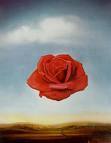
نبذة الناشر: "نزهة الزهر الأحمر" مناسبة تقليدية للاحتفال عند الأفغان. وإحدى أولى ذكريات نيلوفر بازيرا كانت عن أناس يتجمعون في الريف ليتأملوا، بإعجاب، بساط الزنابق وشقائق النعمان الذي يفرش الطبيعة. كان ذلك في منتصف السبعينيات، وكان والدها يبنيان مستقبلاً لهما ولأولادهما الصغار في مدينة كابول وما إن بلغت نيلوفر الخامسة حتى استولى الشيوعيون على السلطة، وسجن والدها، وهو طبيب محترم، مع الآلاف من الأفغان الآخرون، وفي السنة التي تلت، غزا السوفيات أفغانستان التي تحولت إلى دولة بوليسية ومركز لصراع دموي بين الجيش السوفياتي والمجاهدين الأفغان المدعومين من الأميركيين، وعم مناخ من العنف والخوف.
لم يكن أمام نيلوفر من خيار سوى النضوج سريعاً، وفي عمر الحادية عشرة، قامت ورفيقاتها برمي الحجارة على الدبابات السوفياتية التي كانت تثير الغبار والغضب في شوارع كابول، وهي انضمت في سن المراهقة إلى مجموعة مقاومة، خافية مسدسها عن أهلها، وكان ملجؤها الانفعالي في صداقتها مع رفيقة صفها، ديانا، التي تشاركها الشغف بالشعر والأحلام وبحياة أفضل.
بعد عقد من الحرب هربت هائلة نيلوفر عبر الجبال إلى باكستان، ولاحقاً إلى كندا، حيث واصلت الكتابة لديانا وعندما توقفت صديقتها فجأة عن الكتابة خافت نيلوفر على حياة صديقتها. "بساط من الزهر الأحمر" رواية شاعرية تحكي قصة بازيرا التي تسكن النفس.إنها حكاية أفغانستان نفسها كتبت بطريقة مؤثرة، وصادقة وشاعرية.
"بساط من الزهر الأحمر" تروي بعطف وذكاء، وإطلاع الحياة المؤثرة تحت الاحتلال والقصة التي لا تنسى لعائلة وشعب وبلد.
Nelofer Pazira is an award-winning Afghan-Canadian director, actress, journalist and author. She grew up in Kabul, Afghanistan, where she lived through ten years of Soviet occupation before escaping with her family to Pakistan. From there, they immigrated to New Brunswick, Canada, in 1990.
للمرة الأولى في حياتي .. أضطر للتوقف عن القراءة لأرتاح قليلاً ثم أكمل .. وبالأحرى لا أستطيع إكمال القراءة ... لأنني وصلت إلى حالة انفعالية دفعتني إلى إغلاق الكتاب بغضب ورميه بعيداً وأنا على وشك الانفجار غضباً وبكاءً وحقداً على العالم القذر
من دمّر أفغانستان وقتل مليوني إنسان وشرّد الملايين الآخرين خلال عشرين سنة من أقسى أنواع البؤس والشقاء الذي يمكن أن يتخيله إنسانٌ ما !!! من المسؤول ؟ الاتحاد السوفيتي أم أميركا أم السعودية أم إيران أم باكستان أم الهند ؟؟ من ؟؟؟
تروي "نيلوفر بازيرا" قصة حياتها لتروي من خلالها قصة مأساة أفغانستان وشعب أفغانستان شعب انتقل من السعادة إلى البؤس والشقاء بفضل السياسة وقذارتها تتحدث عن النضال ضد الملكية ثم ضد الشيوعية ومن ثم الاحتلال السوفيتي والمجاهدين وأمراء الحرب والتطرف والطالبان والغزو الأميركي والمؤامرات السياسية واستغلال دماء الشعوب وتجويعها وتركيها
تتحدث عن البؤس والشقاء الذي يدفع الإنسان إلى الانتحار أقسى ما قرأت حتى الآن أردت أن أقسم على نفسي بأن لا أعير هذا الكتاب إلى أحد .. وخصوصاً إذا كان سوريّ يعيش في سوريا .. لماذا ؟؟ لأن بدايات المأساة الأفغانية تتشابه بشكل مهول مع بدايات المأساة السورية .. القذارة السياسية التي دمرت أفغانستان تتشابه مع القذارة السياسية التي تدمر سوريا اليوم ... أخشى أن تصل سوريا إلى ما وصلت إليه أفغانستان
لأنني أعيش اليوم في مدينة حلب .. في عين العاصفة .. فهمت بشكل جيد كل ما قالته نيلوفر .. أحسست بالمعاناة التي أرادت نقلها لأنني عايشت بعض تفاصيلها
جاءني هذا الكتاب هدية من صديقة عزيزة جداً تركت سوريا مؤخراً جداً .. أجزم أنها لم تكن تعلم كم سيؤلمني هذا الكتاب
أقولها مجدداً .. هذا الكتاب وصفة حقيقة للكآبة والحزن والتعاسة ... ولكنه يحكي الواقع بنبرة عالية .. يصرخ في القارئ ليوقظه من غفلته .. يحكي مأساة الإنسان بصدق وواقعية .. مؤلم ولكنه ألمٌ لا بدّ منه ليقظة العقول ... أنصح به جداً جداً جداً .. ليس من أجل المتعة .. ولكن من أجل الحقيقة
This book is one of my favorite books of all time. Before I read this book , I couldn't even relate to Afghan people. I thought they were backward and uneducated. This book is written by a young woman my age and her experiences with her native country before coming to Canada. This book mafde me realise that Afghan women are not unlike me and that Afghanistan is a modern country that was afflicted by extremisim and forever changed. Every Canadian should read this book.
كتاب يصنف كسيرة ذاتية، و رواية تحكيها نيلوفر في أفغانستان التي مزقتها الحروب.
* يقول علي شريعتي : ليست عاشوراء علامة النهاية، بل البداية ؛ فإن موت الحسين كان بداية نضال لأتباعه . و بدلاً من الاكتفاء بندب وفاته، عليهم أن يحذوا حذوه و يقاوموا الظلم.
إن استذكار مجزرة القرن السابع أصبح أكثر مغزى في أفغانستان المحتلة. إن الزمن الذي نعيشه هو الذي يجعل هذا الحدث في التاريخ أكثر تحريكاً للنفس.. لا أتذكر تكريم شهر المحرم بهذا الشكل المستفيض من قبل. و أكثر من أي وقت، صار يُحتفل بعاشوراء في كل مكان من المدينة من قبل الشيعة و السنة.
* لقد كان يُنظر إلى كتب شريعتي على أنها أخطر من المدافع. ففي الاجتماعات يقول الجميع إنه إذا وجد عملاء الحكومة معك مسدساً فسيأخذونك إلى السجن، و إذا اكتشفوا أن معك نسخة عن كتاب شريعتي، فسيتم إعدامك على الفور.
Nelofer Pazira is a writer, teacher, and actress who is Afghan. This is an autobiography of her life and an history of her country. Pazira's family were middle class and led an easy life. Her father was a respected doctor. Previous to the Soviet invasion, Afghanistan had been a quite Westernized country. The Cold War's final big hiccup was the war. As time went on the situation in the country spins more out of control. Pazira and her family witness the painful changes and must decide whether to stay or to go. The book also includes poetry by one of Pazira's childhood friends.
NO SPOILERS – but I do relate some historical events!
Through page 70: I am reading another memoir; this time it is about the author and her Afghan family. Fascinating! It starts by describing her father's life. To understand why he simply cannot leave Afghanistan when all logical thinking says they must, it is necessary to understand his past. Most books start with the Soviet occupation of Afghanistan in 1979. The reader is given a completely different perspective on Afghan life if you start years earlier. This is a wealthy, well educated, privileged Afghan family. The mother is a teacher of Dari; the father is a doctor.
Sunnis are more numerous than Shias and thus have a stronger role in the government. The author's family is Shia. The father's political allegiance is to social democracy. The current year is 1978, one year before the Soviet occupation. Here follows a quote about the two servants employed in the household.
Both Aushur and Hussein-dod are in their late twenties and single. Hussein-dod cannot read or write. His parents didn't send him to school, he says, because there was no school in the village where he grew up. Aushur has beautiful handwriting. "Like pearls on paper" is how my parents describe it. He studied up to grade eight, he says, but after failing to pass the entry-tp-high-school exam, he couldn't continue. All students are required to pass a national exam before they can graduate to grade nine. Those who fail become dropouts without the chance of return. "It is totally stupid," my father says in fury. "It is part of President Daoud Khan's new plan for a country that needs more schools, not more entry exams."(page 65)
By reading this book you come to understand the lives of at least one real Afghan family. You are taught about religious and political conflicts, about yearly celebrations, about the physical beauty of Afghanistan and much, much more. This is how I like to learn history:
By the time tea is served, everyone is congratulating each other, cheering the end of Daoud Khan's reign. In 1973, Daoud Khan staged a coup against his cousin Zahir Shah. He ended decades of monarchy and became the first Afghan president. At the time, Daoud Khan was supported by the leftist parties. But after consolidating his power, Daoud declared the republic a one-party state – with no prospect of elections or introduction of a party law. His Marxist allies felt betrayed; they concluded that Daoud had been seduced by Arab and Iranian gold and was distancing himself from the Soviet Union. In April 1977, during a state visit to Moscow, Brezhnev warned Daoud Khan about the increasing number of "Western spies" in Afghanistan. Daoud bluntly replied that Afghanistan would remain free, and that Russia would never be allowed to dictate how the country would be governed. (page 70)
The date is April 27, 1978, just one month after the family's visit to MazarE-Sherif for the celebration of the Afghan New Year at the Shrine of Ali, the first acknowledged caliph of the Shias.. Here the family had looked across the border separating Afghanistan and the Soviet Union. So the new Democratic Republic of Afghanistan has been established. It has stronger communist alliances. What I do know of Afghanistan's history is that the Soviet Union will not trust the competence of the new communist leadership anyhow!
I do wish my atlas had more detailed information on Afghanistan. Maps in ebooks seem to be terrible, so it doesn't matter that I have found no map in this book.
Through page 103: December 1979 the Soviets invaded Afghanistan. During 1978 three presidents were eliminated, none of which were elected by the Afghan people. Then the Soviet invasion finally came….. But how did the Afghans react? Did you know what they did in Kabul:
It is past midnight and everyone is asleep. There is a call in the distance – but it is hard to distinguish the words. Like the dim bluish light that seeps from the corner of the curtain, the sound, too, filters through my window. It is moving, growing closer, and I can now make sense of the words. "Allahu Akbar!" God is great. I walk to the balcony. My father is already there, taking in the experience. "Allahu Akbar!" Now we can hear it clearly. We climb to the roof, where we discover that the entire neighbourhood is awake and that several families, standing on their roofs, are already chanting, "Allahu Akbar." We join in. "Allahu Akbar" – all around us is the echo of one clear voice. ……
We use the cover of darkness to pour our hearts out with these two words, and with it our vexation. What is most potent? Is it the collectivity of the call, enabling the echo of one's own voice to reach so far? Or is it the sense of relief it provides, the feeling that we are doing something to show our discontent?.........
Three nights of Allahu Akbar is our meek response to the nights of planes moving over the Kabul sky, the aircraft that brought the Soviet army here at the end of December. This is our welcome, Afghan style, to the Soviet invasion.(page 103)
This is why it is good to continue reading and reading over and aver again about a given historical event. You always pick up another detail that brings the event to life. I imagine that protests will soon be more violent. Back to the book.
Through page 173: What can I say? This is the best book I have read about Afghan history during the 1900s, better than The Dressmaker of Khair Khana: Five Sisters, One Remarkable Family, and the Woman Who Risked Everything to Keep Them Safeand A Thousand Splendid Suns. You learn history in an intimate fashion. You learn about the differences between and similarities shared by the Sunnis and Shias. You learn about Afghan life during the decade of Soviet occupation. You learn about why the author was drawn to the underground mujahidin resistance groups. I have learned much, much more than that outlined in the books above. And the history id delivered on a person, intimate level:
Despite the difficulties of handling visitors, hiding a fugitive, caring for a sick man and trying to find a detainee, the rest of us have to show up at school and work. If we were to miss a few days, our absence would be reported to the authorities. We have to pretend that everything is normal. Just as the war is normal. The pretence of normality is so pervasive that turmoil, physical and mental agony and family rows pass as something quite routine , just as cheating, lying, betrayal, bribery and deception have become normal.(page 173)
In conclusion: The events as they unroll keep you glued to the book. Learning is effortless, and there are so many small details that no fiction novel imparts. How food is prepared in rural villages and in the homes of wealthy Kabulis is described. More than just a clinical description you are confronted with the efforts taken to remain polite and accepting of different routines and manners.
The dilemma for us, of course, is how can we eat? All the dishes in our homes were cleaned several times before they were brought to the table. The utensils were sterilized in a pot of boiling water. Fruit and vegetables were soaked in a potassium mix and rinsed with fresh clean water. Mother Fatema was famous among our relatives for cleanliness and care. She never entered the kitchen without washing her hands, as is the routine in most city homes. But my father always demanded that extra attention be paid to hygiene, nutrition and health. And now, just a day away, here we are – so-called modern, urbanized people – driven out of our clean, tidy houses into a world of which we know nothing. With our city attitudes, we think we are above even the kindest and most generous of people simply because we use knives and forks, eat on separate plates and sit around a dining-room table. In reality, we are lost between the two worlds…….
Our behaviour is embarrassing, but there is nothing else we can do; we are terrified of falling sick. (page 219-220)
I like learning about the potassium mix, but I also like that the author values the kindness and generosity shown to them. I like her humility!
And these are my observations: 1. Occupation of another country will never work, even if the occupier tries to bring freedom. 2; Understanding the mujahidin is no simple matter. This book shows you different perspectives. It shows you the authors own difficulty in grappling with the question of where her affiliation lies. 3. Do not turn away from this book, thinking that it is too politically oriented. 4. Afghanistan's recent history has produced very strong women. If you are interested in feminism, read this book. You should know of Malalai and Naseema and many,many others - and of course the author herself!
Really, I actually am pushing you to read this book. This goes against all my principles!
P.S. The author, Netofer Pazira, is also a journalist and was involved with the filming of the movie Kandahar (director Hassan Tanti). The details of this filming are discussed in the latter part of the book.
P.P.S. There are many photos interspersed throughout the book.
Having grown up in Pakistan surrounded by Afghan refugee camps and Afghan refugees both inside and outside the camps, I have been fascinated by the bloody history of the Afghan war both pre-mujahideen and during the soviet era. The book does a great job of giving a glimpse of what Afghanistan, or well Kabul, of 1980s was like.
It is ironic that the author states 'Iran has done what Pakistan has done with regard to Afghanistan for decades - look after its own interests'. Since the 1970s Pakistan has bore the burden of millions of Afghan refugees, given Afghanistan has long been the war-zone even before Pakistan became a country as the author's book itself notes. Pakistan still has the biggest refugee crisis in the world thanks to Afghanistan. The Afghan refugees, both legal AND illegal have traveled and established themselves in the heart of the country, bringing narcotics, kidnappings for ransom, selling off women in marriage for a bride price and insane religiosity with them to my country. They have been a terrible economic burden on this country. UNLIKE Iran that has established camps and enforced Afghan refugees to stay on its borders vs roam inside the country. If only Pakistan was looking after its own interests for decades, wouldn't that be peachy. It would have fortified its border with Afghanistan and sealed it right in the 70s. Its 1600 miles of unmanned border than Afghans cross without an issue, both civilians AND terrorists even to this date (welcome to Pakistan is all that was needed as author crossed over). Yet, it is our own interests we have been looking after, not sure the word 'interests' is correctly interpreted here.
Its also somewhat disturbing to find paranoia of the sort where Taliban are Pakistani. If you smuggled the entire Pakistani Pushtun population to Afghanistan it won't cover the numbers. The Afghan Talibans, sadly a product of war and anti-soviet interests of many countries in the region including USA and Pakistan and Saudi Arabia, like the mujahideen, are all afghans. Aided and funded by outside to 'revolt' against the soviets, once the Afghan heroes, now not so much.
On the other hand, it is fascinating that the story of my own country i..e Pakistan, one where I lived and grew up in the same years as when the author was a refugee (early 90s), be this different for an Afghan refugee girl and a Pakistani girl. I never knew that in Afghan refugee camps in both Peshawar and Islamabad (and possibly elsewhere), as an Afghan you were supposed to cover your head and not go out without a male. This is especially surprising for a woman who roamed the streets of these cities with her mother, cousins, aunts wearing whatever they pleased (no head scarves), the same as all other Pakistani women. I mean how could they? It was a country where the prime minister was a woman and her head, while covered with a white dupatta, definitely didn't cover her hair. Neither were the women on national television in hijab. I actually remember Pakistanis complaining in the early 90s that Islamabad, perhaps the most westernized of Pakistani towns where you could go to markets to see women dressed in latest fashions and shopping, was turning into something quite conservative due to the presence of burqa clad or hijab wearing afghan women in every market. At one point, the number of Afghans seemed to surpass the locals. Ironically, as a kid, I have visited an Afghan refugee camp near my city of birth (near Dera Ismail Khan on the border of KP/Punjab provinces) many times for BBQ. While I remember seeing somewhat scary looking gun toting men around, I do not recall them ever bothering us or asking any Pakistani woman in the establishment to cover hair.
I am still trying to get over how different a place might look to 2 people, both looking at it from different angles.
Holy crap, this book was amazing. Heart wrenching and sad, but beautifully written and compelling. I suspect that I'm going to assign this book in a lot of future classes.
A Bed of Red Flowers is the true experience of a young woman who grew up in Afghanistan and her experiences during the Russian invasion and subsequent fleeing the Taliban fighting that occurred after. Ms. Pazira writes in an engaging and easy to follow manner. The telling of the escape kept me at the edge of my seat and I couldn't stop reading until that part was over.
Her experience turns full circle when she visits Russia in her adult years to discuss with leaders and the families of soldiers their experiences with the invasion of Afghanistan. I thought that was very touching and added an even greater perspective to her story.
This is a wonderful book and I highly recommend it to anyone who knows nothing of Afghanistan. I also appreciate that she includes photos of her family before the Taliban fighting that shows men and women sitting together wearing modern (at the time) clothing and the women are not wearing burqas and were educated along with men. It clearly shows the oppressive influence of the Taliban and that keeping women locked up in their houses and in burqas is not something that the women appreciate nor desire.
A Bed of Red Flowers is a book about growing up in a Westernized, progressive household in Afghanistan and slowing becoming an alien in one's own country. The author's family were Dari speaking and had communist leanings. The author's father was a Doctor who recognized that brining modern civilization to the Pachtouns in the country side would be a tremendous challenge requiring several generations of work. The book deals with many of the same themes that are presented in the brilliant Persepolis cartoon series only with a deeper analysis.
The flight of the author and her family from her homeland and the subsequent tragedies that befell many of her friends who stayed behind make this book extremely moving. Her nasty comments on Jihadists who are totally unfamiliar with the Koran and her criticisms of Westerns who expect quick fixes for long-term problems are extremely cogent.
Read this book then download Kandahar the excellent movie that the author starred in.
I have just finished reading "A Bed of Red Flowers." The book moved me and gave me a lot to think about. I think of the utter mess the history of Afganistan is and has been for some time, of the dangerous relationship between tradition/religion and modernity. I think of the women of Afganistan who are so vulnerable, especially if they are refusing to obey traditional values. Nelofer Pazira gave me a wonderful overview of her country, made me see the people there in their complexity. A touching memoir from a fascinating woman.
I found this book in a used bookstore in Asheville, North Carolina and I absolutely cannot believe how lucky I am to have found it. To grow up in a post-9/11 America is to grow up in country obsessed with Afghanistan. But I was heartbroken at all that I didn’t know. This book taught me so much but never sacrificed heart to tell me. It was truly beautiful the way I was so invested in the emotional aspects of the story and the well-being and personal journeys of everyone involved but was able to learn so much about the tragic, complicated, and extensive history of Afghanistan and foreign involvement in their domestic affairs. There was a part of the book that serves as a perfect example of the ways in which this novel had the ability to affect the reader. When leaving to Pakistan, Nelofer discusses how painful it was to leave her books behind. As an avid reader with an extensive collection of books I just could not stop crying. It feels wrong to say I could relate to this book and her circumstances but there is this profound ability to connect with her and her family through this journey. It feels as if she is a friend. And although this book was devastating and even difficult to read at times, there is this beauty that comes with this connection. In a letter from her best friend Dyana, who is still in Afghanistan when Nelofer has left, she includes a poem that reads, “There is a floating river,/ A mountain, and waves of clouds,/ Standing between us. / From words and memories, /The petals and daises and roses, / I’ll prepare a bridge, / So we can cross this great distance.” This was exactly what this book felt like to me, a bridge built from words and memories. An aspect of this book that I loved so much was how deeply it celebrated women. From her mother, to her best friend, to the women that helps her family escape, to her teachers and the multitude of women she encounters along her journey, this book details so may incredible women and solidifies their place in history. She acknowledges that Western ideology often leads us to believe that oppression against women is ingrained into Afghan culture but this book serves as such a beautiful resistance to that narrative. I have not stopped talking about this book since I started it. It truly affected me so deeply and I feel I have become a better person by reading it. It is shameful the ways in which this history, which is so deeply intertwined with American action, is left out of American classrooms. I hope this book finds its way into people’s hearts and minds the way it has in mine.
تروي نيلوفر بازيرا في هذه السيرة رحلتها منذ طفولتها في كابول حتى استقرارها في كندا، بعد أن عاشت عشر سنوات تحت الاحتلال السوفيتي لأفغانستان قبل أن تغادر مع عائلتها إلى باكستان، ومنها إلى كندا. وما يميز هذه السيرة أنها لا تكتفي بسرد الأحداث الشخصية، بل تقدم صورة واسعة عن التحولات السياسية والاجتماعية التي عاشها الشعب الأفغاني.
تتحدث الكاتبة عن سنوات الدراسة في ظل القبضة الحديدية للاتحاد السوفيتي، وكيف حاول فرض هويته الشيوعية على المجتمع الأفغاني، عبر طمس الهوية الوطنية وإعادة تشكيلها بما يخدم الأيديولوجيا السوفيتية. وقد كان هذا الجانب من أكثر الأجزاء إثارة للاهتمام بالنسبة لي، لأنه يكشف كيف يمكن للاحتلال أن يستهدف الثقافة والهوية، لا الأرض وحدها.
ومن أكثر الشخصيات التي أحببتها في الكتاب والد نيلوفر، الطبيب المثقف الذي كان محبًا للقراءة، ومتفهّمًا لأبنائه، ويحترم زوجته المعلمة ويؤمن بدورها. وقد بدت شخصيته مختلفة عن الصورة النمطية التي كانت تصفها الكاتبة عن المجتمع الأفغاني في تلك المرحلة، مما أضفى على السيرة شيئًا من التوازن والأمل.
لاحقًا، تعود نيلوفر من كندا إلى المنطقة لتصوير فيلم عن أفغانستان، لكن رحلتها تصطدم بواقع حكم طالبان. تصف الكاتبة القيود الصارمة التي واجهتها، إذ مُنعت من التصوير، ومن الحديث مع الرجال، ومن تصوير النساء، حتى أصبحت كل خطوة تحتاج إلى تبرير أو إذن. وقد نقلت هذه التجربة صورة واضحة عن حجم القيود التي فرضتها الحركة على تفاصيل الحياة اليومية.
استمتعت كثيرًا بقراءة هذه السيرة، لأنها لم تكن مجرد قصة حياة، بل نافذة على تاريخ أفغانستان الحديث. فهي تناقش قضايا الهوية، والاحتلال، والهجرة، وحقوق المرأة، والتشدد الديني، والصراع بين الانفتاح والانغلاق، بأسلوب صادق يجعل القارئ يعيش التجربة لا يكتفي بقراءتها. إنها من السير التي لا تروي حياة شخص واحد فحسب، بل تحكي أيضًا قصة وطن بأكمله
Important story of revolution, refugees, and American forces in the Middle East. The writing was dry and dense, so it took me awhile to get through this.
An extraordinary life story of a middle class family in Afghanistan, depicting the rise and fall of this country under the soviet occupation and afterwards the Talibans, and especially the atrocious consequences of war.
In the beginning of the book, we see 1950's Kabul through the lens of the Shitte minority group, who practices secretly under a ban imposed by the Sunni majority ruler. As the story progresses, we learn more about the student rights groups on the college campus fighting for democracy under a state-owned political system that often does not represent the ideals it purports it does, either under the crown or the newly established system. We also see Kabul through the Communist dictatorship, and the ensuing civil war that make life unbearable for all. A well-crafted book, at times it reads much like a Kafka novel or Plato's Dialogues. Nullifier Pazira has a knack for leaving you on a cliff hanger, much like a political thriller does; it does not follow a chronological format, but rather a thematic. A scene may open in the 1970's during Soviet rule, then go back to Kabul in the 1950's. We see the turn of events through a myriad of perspectives: as a four year old, nine year old, teenager, and young adult.
A beautifully poetic memoir and definitely one of the best memoirs about Afghanistan. There are countless memoirs about Afghanistan, written by both Afghans and non-Afghans, all of which proclaim to tell profound and insightful stories about this complex and conflict-ridden country. In my opinion, few of them actually do. Nelofer Pazira's memoir tells an ordinary Afghan story - her experiences are nothing special in a country where everyone has a story to tell. What marks her apart is the way she manages to convey the nuanced poetry of the Dari language in English. She comes across as brave, modest, and intelligent. A beautifully written, heartbreaking memoir.
Good history of Afghanistan told by a woman who escaped with her family to Pakistan and then Canada. Interesting to compare with other books I've read about Afghanistan from other points of view; Kite Runner, The Forever War and The Places In Between. The author really tries to see the whole story while telling her own. Sad when things seem so much worse there now.
anyone who questions that us foreign policy set the stage for terrorism in/from afghanistan, read this book. i never doubted this, but this book breaks it down. this is a story of a person, a woman, an afghan, who grew up in the middle of her country being torn apart by politics.
I forget how I came to learn about this book. It interested me because I spent 6 weeks in Afghanistan and Pakistan in the summer of 1973 and that experience is seared in my mind. This book covers that period and I find it comforting and exciting to read about Afghanistan because of the memories and what I learned about the country as well as about myself there. I was 19 at the time.
Nelofer Pazira is a woman from Afghanistan and is a journalist and these facts frame how the book is organized, how the story is told and grounds it all in experience and reality.
The book tells the story of how her family left Afghanistan through Pakistan and eventually came to Canada as refugees. It includes her childhood into adulthood friendship with Dyana and how after losing touch with Dyana who remained in Afghanistan Pazira returned to Afghanistan in search of her friend. This resulted in the film Kandahar being made.
It really helped me as a reader to have been to a number of the places in Afghanistan and Pakistan mentioned in order to follow this story and the history.
The book is kind of a personal journal that feels like sitting with the author as a friend and just listening to the story of her life. I often said to those who saw me reading who asked about the book that it was interesting, but boring. It got less boring towards the end, after the Pazira family settled in Canada and Nelofer in her capacity as a journalist and film maker returned to Afghanistan and later travelled to Russia. What interested me in this later part were the questions she had and the answers she sought.
I also loved and appreciated in the book how Pazira described and owned her middle class upbringing and while escaping Afghanistan how she described how her family learned about their privilege within the context of the village people who welcomed them and protected them without judgement. The reality of life for most people in Afghanistan is hard and difficult and yet the love and hospitality is there.
This book really gives the reader a view of how tribalism works.
As an addendum support the paperback version I read includes a history of Afghanistan, a list of books and films to read and view as well as guidance on where to find Afghan music to listen to.
The red flowers - poppies. I remember seeing fields of poppies especially near Jalalabad.
Quite a memorable trip to Afghanistan this read was.
Unlike many works on Afghanistan this one is more concerned with the Soviet war and occupation. It shows once again how America used the Afghanies for our Cold War purposes and then abandoned them to their own devices. This led to the Taliban which are really a bunch of uneducated, illiterate, clowns who are backed by Saudi money and Pakistan intelligence services. How this unholy alliance led to so much grief for Afghanistan and continues this grief until today. Even though this work stops around 2004, all you have to do is look back at the headlines of the past 17 years and you can see the affect of Saudi and Pakistan influence. From good Taliban, both under the Soviets, Taliban and the U.S., to Mujahideen and the various factions that have been created over the past 30 years all have left the nation torn and destroyed. Even worse is the Taliban in power today and the retrograde to the oppressive Taliban under Saudi control that the U.S. should never have dealt with. I would love to see a follow up by N. Pazira on the situation in her homeland.
This book took me over three months to read, which is highly unusual for me. The back cover suggests a book that I would love and the underpinnings of the story are fascinating. I love learning about other parts of our world, especially from a woman’s perspective. The journalistic style of the book was what made it difficult for me to read—there were too many names and dates to read through and I was unable to get pulled into her story. It’s fascinating to me because I feel like a more fiction style would have drawn me in deeper, allowing me to connect more with her story, which is, of course, the point. However, I imagine she really wanted to be true to her experience as well as Afghan history, which is truly devastating.
I enjoyed following the recent history of Afghanistan through the eyes of Pazira's family. It is complex and, even told in this way, at times, confusing history. But it is important to understand how all the foreign influence in Afghanistan has contributed to the country's situation.
Parts of the book were slow and hard to follow. But other parts were quite engaging and clearly explained the history.
Pazira showed a lot of compassion, including a chapter with interviews with Russian military officials and the mother of a fallen Rissian soldier. It made me pause and think about how the current war in Ukraine ties into this history.
Probably more than a 3 star only because it is important to see the history of Afghanistan from Afghan's themselves.
Really interesting memoir about a war I didn’t even know about, the Afghan-Russian war, and then the war in Afghanistan with the USA, which everyone knows about. This woman, who eventually emigrates to Canada and becomes a journalist, paints a heartbreaking picture of the struggles of the Afghan people, especially women. She eventually returns to find her best friend (her search turns into a movie), with devastating results. Wow. 2024 reading challenge-a book that is not a novel
It had some great stories points but I HATE how this book was written. I’d be enthralled one paragraph then zone out the next. The thoughts and structure were so disorganized it lost me. I had to read books in between just to keep from getting frustrated and give up on it before finishing. Too bad because I really wanted to love it.
تتحدث نيلوفر بازيرا عن بلدها افغانستان الذي تمزق من الحروب والارهاب ، تتحدث عن لجوءها وترك خلفها وطن يحترق، عن الابرياء الذي قتلو بلا سبب ..عن طالبان عن باكستان ،عن وطنها الذي تُرك ساحة يتقاتل فيه المتخاصمون "روسيا وامريكا، باكستان والهند، ايران والسعودية، والجماعات الجهادية " هكذا احترق افغانستان .. الذي لم يعرف يوماً السلام. ان هذا النوع من الروايات يفضح كم هي مزيفة انسانية امريكا والغرب.
Excellent reading about the Russian invasion of Afghanistan and what happened when they left. Nelofer, with her family, survived the horrors and towards the end of the story immigrated to Canada. Well worth picking up. May provide insight to what Afghans are going through with the Taliban now with the US pullout.
يكفي كتبا عن افغانستان :) كم تشبه الحروب بعضها حروب الآخرين على أراضينا المسكينة الممزقة الملعونة بالجغرافية والتاريخ، سيرة حياة ورحلة مذهلة فقط الجزء الأخير الذي تحدث بالتفصيل عن زيارتها لأفغانستان أثناء تصوير الفيلم ومن ثمن بحثها عن جواب في روسيا أشعرني بالملل.