

What do you think?

Teachings of Lord Caitanya
A summary study of Lord Caitanya's teachings: Classic original edition.
The life and teachings of Lord Sri Caitanya Mahaprabhu who appeared in West Bengal, India in 1486 and Who spread love of Krishna all over India. Later His Divine Grace A.C. Bhaktivedanta Swami Prabhupada brought the same message to the Western world.
Caitanya Mahaprabhu (Mahaprabhu means "The great master") appeared in Bengal, India, in 1486, and He lived for only 48 years, yet He began a revolution in spiritual consciousness that has profoundly affected the lives of millions.
Renowned as a great saint even in His youth, Lord Caitanya left His family and friends at the age of 24 to teach the forgotten essence of the ancient Vedic wisdom throughout India.
Although He Himself was a fully renounced mystic, He taught how one could act in spiritual consciousness even within one's home, occupation and social affairs. Thus, His teachings, although timeless, bear special relevance for today's world.
He taught a practical process that anyone can perform to directly feel the ecstasy of pure love of God. This book tells about the extraordinary life of this great saint and explains the essence of His teachings.
Teachings of Lord Caitanya is an authentic and lucid account, in English, of the life and philosophy of Sri Caitanya Mahaprabhu. The spiritual movement initiated by 'the Great Master' five hundred years ago has profoundly influenced millions of men and women in India ever since, and is presently making its mark throughout the world.
"Sri A. C. Bhaktivedanta Swami Prabhupada, the present spiritual master of the movement in disciplic succession, has done a great service to the English-speaking world by making this spiritual treasure available in English." - Dr. K. L. Seshagiri Rao, Professor of Religious Studies, University of Virginia, USA.
Librarian's note: an alternate cover edition
ISBN: 978-1-60293-002-5
The life and teachings of Lord Sri Caitanya Mahaprabhu who appeared in West Bengal, India in 1486 and Who spread love of Krishna all over India. Later His Divine Grace A.C. Bhaktivedanta Swami Prabhupada brought the same message to the Western world.
Caitanya Mahaprabhu (Mahaprabhu means "The great master") appeared in Bengal, India, in 1486, and He lived for only 48 years, yet He began a revolution in spiritual consciousness that has profoundly affected the lives of millions.
Renowned as a great saint even in His youth, Lord Caitanya left His family and friends at the age of 24 to teach the forgotten essence of the ancient Vedic wisdom throughout India.
Although He Himself was a fully renounced mystic, He taught how one could act in spiritual consciousness even within one's home, occupation and social affairs. Thus, His teachings, although timeless, bear special relevance for today's world.
He taught a practical process that anyone can perform to directly feel the ecstasy of pure love of God. This book tells about the extraordinary life of this great saint and explains the essence of His teachings.
Teachings of Lord Caitanya is an authentic and lucid account, in English, of the life and philosophy of Sri Caitanya Mahaprabhu. The spiritual movement initiated by 'the Great Master' five hundred years ago has profoundly influenced millions of men and women in India ever since, and is presently making its mark throughout the world.
"Sri A. C. Bhaktivedanta Swami Prabhupada, the present spiritual master of the movement in disciplic succession, has done a great service to the English-speaking world by making this spiritual treasure available in English." - Dr. K. L. Seshagiri Rao, Professor of Religious Studies, University of Virginia, USA.
Librarian's note: an alternate cover edition
ISBN: 978-1-60293-002-5
330 pages, Hardcover
First published January 1, 1968
About the author
A.C. Bhaktivedanta
369 books736 followersHis Divine Grace Abhay Charanaravinda Bhaktivedanta Swami Prabhupada (अभय चरणारविन्द भक्तिवेदान्त स्वामी प्रभुपाद)was born as Abhay Charan De on 1 September 1896 in Calcutta, India.
He first met his spiritual master, Srila Bhaktisiddhanta Sarasvati Gosvami, in Calcutta in 1922. Bhaktisiddhanta Sarasvati, a prominent devotional scholar and the founder of sixty-four branches of Gaudiya Mathas (Vedic institutes), liked this educated young man and convinced him to dedicate his life to teaching Vedic knowledge in the Western world. Srila Prabhupada became his student, and eleven years later (1933) at Allahabad, he became his formally initiated disciple.
At their first meeting, in 1922, Srila Bhaktisiddhanta Sarasvati Thakura requested Srila Prabhupada to broadcast Vedic knowledge through the English language. In the years that followed, Srila Prabhupada wrote a commentary on the Bhagavad-gita and in 1944, without assistance, started an English fortnightly magazine.
In the last ten years of his life, in spite of his advanced age, Srila Prabhupada circled the globe twelve times on lecture tours that have took him to six continents. In spite of such a vigorous schedule, Srila Prabhupada continued to write prolifically. His writings constitute a veritable library of Vedic philosophy, religion, literature and culture.
He first met his spiritual master, Srila Bhaktisiddhanta Sarasvati Gosvami, in Calcutta in 1922. Bhaktisiddhanta Sarasvati, a prominent devotional scholar and the founder of sixty-four branches of Gaudiya Mathas (Vedic institutes), liked this educated young man and convinced him to dedicate his life to teaching Vedic knowledge in the Western world. Srila Prabhupada became his student, and eleven years later (1933) at Allahabad, he became his formally initiated disciple.
At their first meeting, in 1922, Srila Bhaktisiddhanta Sarasvati Thakura requested Srila Prabhupada to broadcast Vedic knowledge through the English language. In the years that followed, Srila Prabhupada wrote a commentary on the Bhagavad-gita and in 1944, without assistance, started an English fortnightly magazine.
In the last ten years of his life, in spite of his advanced age, Srila Prabhupada circled the globe twelve times on lecture tours that have took him to six continents. In spite of such a vigorous schedule, Srila Prabhupada continued to write prolifically. His writings constitute a veritable library of Vedic philosophy, religion, literature and culture.
Ratings & Reviews
Friends & Following
Create a free account to discover what your friends think of this book!
Community Reviews
Displaying 1 - 15 of 15 reviews
August 25, 2007
This is not just a book but a religion.It shows the perfect path of devotion and a sure way to get krishna prema

March 30, 2018
Deep spiritual and devotional insights! Must read for everyone

February 21, 2011
This book was okay. The Bhagavada-Gita is better. While this is a good summary study of one of Krsna's incarnations, the Gita is better at holding one's attention.
The edition I used is printed in India (therefore less expensive) but it could use a better glossary since frequently the terms were not fully translated. If you have a good religion background it is a help.
The edition I used is printed in India (therefore less expensive) but it could use a better glossary since frequently the terms were not fully translated. If you have a good religion background it is a help.
February 8, 2016
Beautiful insight into the Highest known philosophy to mankind, the science of Radha and Krishna
July 3, 2023
AN EXPOSITION OF THE TEACHINGS OF THIS HINDU MANIFESTATION
Swami Prabhupada wrote in the Preface to this 1974 book, “There is no difference between the teachings of Lord Caitanya presented here and the teachings of Lord Krsna in Bhagavad-gita. The teachings of Lord Caitanya are practical demonstrations of Lord Krsna’s teachings… Lord Caitanya therefore teaches direct worship of Lord Krsna… Lord Caitanya also recommended that the highest mode of worship in the highest perfectional stage is the method practiced by the damsels of Vraja. These damsels … simply loved Krsna without a motive for material or spiritual gain. Caitanya also … pointed out that the highest goal in human life is to develop unalloyed love for Krsna… Lord Caitanya’s teachings are identical to those given by Lord Kapila, the original propounder of … the sankhya system of philosophy. This authorized system of yoga recommends meditation on the transcendental form of the Lord. There is no question of meditating on something voice or impersonal. One can meditate on the transcendental form of Lord Vshna even without practicing involved sitting postures.” (Pg. xiii-ix)
He continues, “Lord Caitanya instructed the mass of people in the sankhya philosophy… which maintains that the Supreme Lord is simultaneously one with and different from His creation. Lord Caitanya taught this philosophy through the chanting of the holy name of the Lord. He taught that … by chanting the holy name of the Lord one can directly associate with the Supreme Lord by sound vibration… Yoga practice is essentially meant for controlling the senses. The central controlling factor of all the senses is the mind; therefore one first has to practice controlling the mind by engaging it in Krsna consciousness… The regulative principles and the rules of yoga, the various sitting postures and breathing exercises performed in an attempt to withdraw one’s senses from the sense objects are methods meant for those who are too much engrossed in the bodily conception of life. The intelligent man who is situated in Krsna consciousness does not try to forcibly stop his senses from acting… Beig engaged in the superior activities of Krsna consciousness, superior men naturally retire from the inferior activities of material existence.” (Pg. x-xi)
The section, ‘Lord Caitanya’s Mission,’ explains, “Lord Caitanya instructed His disciples to write books on the science of Krsna, a task which His followers have continue to carry out to the present day. The elaborations and expositions on the philosophy taught by Lord Caitanya are in fact most voluminous, exacting and consistent due to the system of disciplic succession. Although Lord Caitanya was widely renowned as a scholar in His youth, He left only eight verses… These eight verses clearly reveal His mission and precepts.” (Pg. xxiii)
The Introduction explains, “The word ‘caitanya’ means living force. As living entities, we can move, but a table cannot because it does not possess living force. Movement and activity ay be considered to be signs or symptoms of the living force. Indeed, it may be said that there can be no activity without the living force… the living force… is not … immortal. The words ‘caitanya-carirtamrta’, then, may be translated as ‘the character of the living force in immortality.” (Pg. 1)
The book’s Conclusion explains, “The fact is that both Krsna and Lord Caitanya are the original Personality of Godhead. No one should try to eliminate Lord Caitanya from Sri Krsna. In His form of Sri Krsna, he is the supreme enjoyer, and in His form of Lord Caitanya, He is the supreme enjoyed.” (Pg. 346)
Those studying the Krishna movement will appreciate this book.
Swami Prabhupada wrote in the Preface to this 1974 book, “There is no difference between the teachings of Lord Caitanya presented here and the teachings of Lord Krsna in Bhagavad-gita. The teachings of Lord Caitanya are practical demonstrations of Lord Krsna’s teachings… Lord Caitanya therefore teaches direct worship of Lord Krsna… Lord Caitanya also recommended that the highest mode of worship in the highest perfectional stage is the method practiced by the damsels of Vraja. These damsels … simply loved Krsna without a motive for material or spiritual gain. Caitanya also … pointed out that the highest goal in human life is to develop unalloyed love for Krsna… Lord Caitanya’s teachings are identical to those given by Lord Kapila, the original propounder of … the sankhya system of philosophy. This authorized system of yoga recommends meditation on the transcendental form of the Lord. There is no question of meditating on something voice or impersonal. One can meditate on the transcendental form of Lord Vshna even without practicing involved sitting postures.” (Pg. xiii-ix)
He continues, “Lord Caitanya instructed the mass of people in the sankhya philosophy… which maintains that the Supreme Lord is simultaneously one with and different from His creation. Lord Caitanya taught this philosophy through the chanting of the holy name of the Lord. He taught that … by chanting the holy name of the Lord one can directly associate with the Supreme Lord by sound vibration… Yoga practice is essentially meant for controlling the senses. The central controlling factor of all the senses is the mind; therefore one first has to practice controlling the mind by engaging it in Krsna consciousness… The regulative principles and the rules of yoga, the various sitting postures and breathing exercises performed in an attempt to withdraw one’s senses from the sense objects are methods meant for those who are too much engrossed in the bodily conception of life. The intelligent man who is situated in Krsna consciousness does not try to forcibly stop his senses from acting… Beig engaged in the superior activities of Krsna consciousness, superior men naturally retire from the inferior activities of material existence.” (Pg. x-xi)
The section, ‘Lord Caitanya’s Mission,’ explains, “Lord Caitanya instructed His disciples to write books on the science of Krsna, a task which His followers have continue to carry out to the present day. The elaborations and expositions on the philosophy taught by Lord Caitanya are in fact most voluminous, exacting and consistent due to the system of disciplic succession. Although Lord Caitanya was widely renowned as a scholar in His youth, He left only eight verses… These eight verses clearly reveal His mission and precepts.” (Pg. xxiii)
The Introduction explains, “The word ‘caitanya’ means living force. As living entities, we can move, but a table cannot because it does not possess living force. Movement and activity ay be considered to be signs or symptoms of the living force. Indeed, it may be said that there can be no activity without the living force… the living force… is not … immortal. The words ‘caitanya-carirtamrta’, then, may be translated as ‘the character of the living force in immortality.” (Pg. 1)
The book’s Conclusion explains, “The fact is that both Krsna and Lord Caitanya are the original Personality of Godhead. No one should try to eliminate Lord Caitanya from Sri Krsna. In His form of Sri Krsna, he is the supreme enjoyer, and in His form of Lord Caitanya, He is the supreme enjoyed.” (Pg. 346)
Those studying the Krishna movement will appreciate this book.

Read
March 11, 2021Through this book my love for Radha Krsna has expanded!

June 11, 2023
Chaitanya Mahaprabhu propounded Bhakti movement and showed us why is gyan yog redundant without love for God.

July 3, 2023
Loved it to the core !

April 29, 2025
A wonderful book on the teachings of Caitanya Mahaprabhu. Lord Caitanya emphasized ecstatic devotion, congregational chanting, and complete surrender to Lord Krishna. It is spiritually and devotionally insightful
March 11, 2023
Absolutely Divine. Couldn’t expect anything less from His Divine Grace, Srila Prabhupada, & Guru Parampara, of course!!! Hare Krishna. All glories to Srila Prabhupada.

April 14, 2023
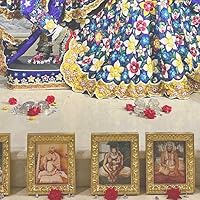
jaya sri-krishna-chaitanya
prabhu nityananda
sri-adwaita gadadhara
shrivasadi-gaura-bhakta-vrinda
In history, we read that so many people who ruled the regions, initiated policies for people or against some people, increased or decreased tax, killed many people for the throne and so on. But, The chaitanya Mahaprabhu spread LOVE and how to love Bhagwan. He condemned orthodox caste system and firmly believed the true service for Bhagwan came from the heart of the people. He spread Hari-nama sankirtana, the recommended process of the devotional service in this age of kali.
A very short book to read about Him.
prabhu nityananda
sri-adwaita gadadhara
shrivasadi-gaura-bhakta-vrinda
In history, we read that so many people who ruled the regions, initiated policies for people or against some people, increased or decreased tax, killed many people for the throne and so on. But, The chaitanya Mahaprabhu spread LOVE and how to love Bhagwan. He condemned orthodox caste system and firmly believed the true service for Bhagwan came from the heart of the people. He spread Hari-nama sankirtana, the recommended process of the devotional service in this age of kali.
A very short book to read about Him.

February 10, 2014
პირდაპირ უნდა ითქვას - ამის წაკითხვამდე აუცილებლად უნდა გქონდეს წაკითხული ბჰაგავადგიტა. აქ კი ჩაიტანიას ცხოვრება და მისი მოძღრებაა გადმოცემული. ჩაიტანია კრშნაა, მისი გამოვლინებაა. ესაა ძალიან რთული წიგნი და ეს რელიგიაც სწორედ ასეთია. საქმეს ისიც ართულებს, რომ სანსკრიტული სახელები საკმაოდ რთული გამოსათქმელადაც და წასაკითხ-დასამახსოვრებლადაც.
February 3, 2020
It is a brief synopsis of Lord Chaitanya. The letter af th eff beginning by AC Bhaktivendata Swami Prabhupada is very interesting and enlightening. The key is to read this with a accepting, authoritative spirit. Chaitanya has much of same qualifications as Jesus

July 7, 2022
Small book about the life of Sri Chaitanya mahaprabhu.
Must Read !!
Must Read !!

August 3, 2023
I drank this particular kool-aid... Prabhupada ki Jai!
Displaying 1 - 15 of 15 reviews