

What do you think?

قلعة النسور
قلعة النسور هي رواية تاريخيّة تقاطرت فيها الأحداث وتشعبّت حولها الآراء، وتباينت فيها الوقائع من حقائق ومغالطات معبرّة عن حقبة من الزمن تزاحمت فيها الأحداث لتٌسطِّر مواقف رجال حملوا آراءهم ومعتقداتهم فدافعوا عنها وفرضوها... وبقيت راسخة ثابتة ثبات القلعة العاتيَة.
400 pages, Paperback
First published January 1, 1938
About the author
Vladimir Bartol
17 books216 followersBartol was born on February 24, 1903 in San Giovanni (Slovene: Sveti Ivan), a suburb of the Austro-Hungarian city of Trieste (now in Italy), as the third child of seven children of a middle class Slovene family. His father Gregor Bartol, was a post office clerk, and his mother Marica Bartol Nadlišek was a teacher, a renowned editor and feminist author. Vladimir's parents offered their children extensive education. His mother introduced him to painting, his father to biology. In his autobiographical short stories, Bartol described himself as an oversensitive and slightly odd child with a rich fantasy life. He was interested in many things: biology and philosophy, psychology, art, as well as theatre and literature. As a scientist, he collected and researched butterflies.
Vladimir Bartol began his elementary and secondary schooling in Trieste and concluded it in Ljubljana, where he enrolled at the University of Ljubljana to study biology and philosophy. In Ljubljana, he met the young Slovene philosopher Klement Jug who introduced him to the works of Friedrich Nietzsche. Bartol also gave special attention to the works of Sigmund Freud. He graduated in 1925 and continued his studies at Sorbonne in Paris (1926–1927), for which he obtained a scholarship. In 1928 he served the army in Petrovaradin (now in Serbia). From 1933 to 1934, he lived in Belgrade, where he edited the Slovenian Belgrade Weekly. Afterward, he returned to Ljubljana where he worked as a freelance writer until 1941. During World War II he actively participated in the resistance movement. After the war he moved to his hometown Trieste, where he spent an entire decade, from 1946 to 1956. Later he was elected to the Slovenian Academy of Sciences And Arts as an associate member, moved to Ljubljana and continued to work for the Academy until his death on September 12, 1967. He is buried in the Žale cemetery in Ljubljana.
Vladimir Bartol began his elementary and secondary schooling in Trieste and concluded it in Ljubljana, where he enrolled at the University of Ljubljana to study biology and philosophy. In Ljubljana, he met the young Slovene philosopher Klement Jug who introduced him to the works of Friedrich Nietzsche. Bartol also gave special attention to the works of Sigmund Freud. He graduated in 1925 and continued his studies at Sorbonne in Paris (1926–1927), for which he obtained a scholarship. In 1928 he served the army in Petrovaradin (now in Serbia). From 1933 to 1934, he lived in Belgrade, where he edited the Slovenian Belgrade Weekly. Afterward, he returned to Ljubljana where he worked as a freelance writer until 1941. During World War II he actively participated in the resistance movement. After the war he moved to his hometown Trieste, where he spent an entire decade, from 1946 to 1956. Later he was elected to the Slovenian Academy of Sciences And Arts as an associate member, moved to Ljubljana and continued to work for the Academy until his death on September 12, 1967. He is buried in the Žale cemetery in Ljubljana.
Ratings & Reviews
Friends & Following
Create a free account to discover what your friends think of this book!
Community Reviews
Displaying 1 - 30 of 1,307 reviews

June 3, 2017
I love this book beyond stars.
The reasons I love this book is because it shows with perfect realism how religious fanatics were developed and maintained (in this particular case, Muslims), how harems were built and worked, and how higher-ups used knowledge--or rather, the lack of knowledge about life and spirituality and human existence in general, to steer the minds of young, naive men and sustain dogma, thirsty for blood and revenge.
I love this book because the antagonist is cooler than the protagonist until the protagonist becomes the antagonist and the antagonist becomes the protagonist, which is even cooler. I love it because after a point words ending in -ist and -ism are rendered shallow and empty and meaningless. Because our hero/anti-hero fights fire with wildfire, using the same means, incorporating extreme and innovative techniques--mischievous even--to bring his own dogma to the world: the dogma of no dogma, installing it with such masterful scheming that would make Machiavelli green with envy.
I love this book because it's about ancient Persia written by a Slovenian (which doesn't make any sense at all, if you think about it), proving that great stories have no borders and no race. Everyone laughed at Vladimir Bartol whenever he told them what he was working on; nobody believed in his work except him. It took him ten whole years to write and publish this story, but unfortunately, under the circumstances of his time, the book did not come out with a bang, not even a spark. It seemed it was destined to drift and drown into the unknown not known, having only a handful of readers. (no Internet, no party.)
And yet it survived. Books are the planks that carry the stories they tell; and even if everything went downhill and the Titanic sank and DiCaprio died, the story survived. And like Rose it flourished. (Weird metaphor, eh?)
Maybe. Maybe not; because a vast image of water is Exactly what you need before you plunge into the desert, before you see and feel how it's like to be trained and brainwashed into a coldblooded killer who dreams of luscious virgins and beautiful gardens waiting for him in the afterlife, eager and desperate to die with his every passing moment. Before the author so artfully switches POV and takes you backstage to show you how all this happened.
I love this book because the real message it conveys seeps slowly through the veins of our understanding, and as we grow older and gain more experience about what is this we call our world and our reality, it resonates truer than ever.
Nothing is true; everything is permitted.
The reasons I love this book is because it shows with perfect realism how religious fanatics were developed and maintained (in this particular case, Muslims), how harems were built and worked, and how higher-ups used knowledge--or rather, the lack of knowledge about life and spirituality and human existence in general, to steer the minds of young, naive men and sustain dogma, thirsty for blood and revenge.
I love this book because the antagonist is cooler than the protagonist until the protagonist becomes the antagonist and the antagonist becomes the protagonist, which is even cooler. I love it because after a point words ending in -ist and -ism are rendered shallow and empty and meaningless. Because our hero/anti-hero fights fire with wildfire, using the same means, incorporating extreme and innovative techniques--mischievous even--to bring his own dogma to the world: the dogma of no dogma, installing it with such masterful scheming that would make Machiavelli green with envy.
I love this book because it's about ancient Persia written by a Slovenian (which doesn't make any sense at all, if you think about it), proving that great stories have no borders and no race. Everyone laughed at Vladimir Bartol whenever he told them what he was working on; nobody believed in his work except him. It took him ten whole years to write and publish this story, but unfortunately, under the circumstances of his time, the book did not come out with a bang, not even a spark. It seemed it was destined to drift and drown into the unknown not known, having only a handful of readers. (no Internet, no party.)
And yet it survived. Books are the planks that carry the stories they tell; and even if everything went downhill and the Titanic sank and DiCaprio died, the story survived. And like Rose it flourished. (Weird metaphor, eh?)
Maybe. Maybe not; because a vast image of water is Exactly what you need before you plunge into the desert, before you see and feel how it's like to be trained and brainwashed into a coldblooded killer who dreams of luscious virgins and beautiful gardens waiting for him in the afterlife, eager and desperate to die with his every passing moment. Before the author so artfully switches POV and takes you backstage to show you how all this happened.
I love this book because the real message it conveys seeps slowly through the veins of our understanding, and as we grow older and gain more experience about what is this we call our world and our reality, it resonates truer than ever.
Nothing is true; everything is permitted.

July 18, 2015
قادني إليها بحثي في تاريخ (الحشاشون)
الحشاشون طائفة إسماعيلية نزارية ظهرت في بلاد الشام و إيران بزعامة حسن الصبّاح
فرقة دموية للغاية، اشتق من اسمهم لفظه الحساسنية أو Assisians
المغتالون.
أثارت الأساطير المنسوجة حولهم فضولي، قيل أن حسن الصباح شيّد قلعة بها مروج خضراء و أنهار من خمر و لبن و عسل مصفي، و فتيات حسان يعزفن الموسيقي كأنهن الحور العين..و كان يذهب بأفراد فرقته إلي هناك بعد أن يتعاطون مخدر الحشيش و يلقنهم أنهم بالجنة
حتي إذا ما استفاقوا سألهم أين كانوا يقولون كنا في الجنة، و يقنعهم أنهم لو ماتوا في أحد المهام أنهم إليها عائدون.
------------------------------------------------
تحديث:
الرواية أفضل ما قرأت في 2015 حتي الآن. و من أفضل الروايات التاريخية اللي قريتها.
إلي ريفيو مفصل إن شاء الله
أنا شخصيا أتمني أنه يبقي وقت قريب عشان منساش :)
أرشحها للقراءة بشدة.
الحشاشون طائفة إسماعيلية نزارية ظهرت في بلاد الشام و إيران بزعامة حسن الصبّاح
فرقة دموية للغاية، اشتق من اسمهم لفظه الحساسنية أو Assisians
المغتالون.
أثارت الأساطير المنسوجة حولهم فضولي، قيل أن حسن الصباح شيّد قلعة بها مروج خضراء و أنهار من خمر و لبن و عسل مصفي، و فتيات حسان يعزفن الموسيقي كأنهن الحور العين..و كان يذهب بأفراد فرقته إلي هناك بعد أن يتعاطون مخدر الحشيش و يلقنهم أنهم بالجنة
حتي إذا ما استفاقوا سألهم أين كانوا يقولون كنا في الجنة، و يقنعهم أنهم لو ماتوا في أحد المهام أنهم إليها عائدون.
------------------------------------------------
تحديث:
الرواية أفضل ما قرأت في 2015 حتي الآن. و من أفضل الروايات التاريخية اللي قريتها.
إلي ريفيو مفصل إن شاء الله
أنا شخصيا أتمني أنه يبقي وقت قريب عشان منساش :)
أرشحها للقراءة بشدة.

May 29, 2024
قلبي في صدري أسيرٌ سجين
تُخجلهُ عشرةُ ماءٍ وطين
وكم جرى عزمي بتحطيمه
فكانَ يَنهاني نداءُ اليقين
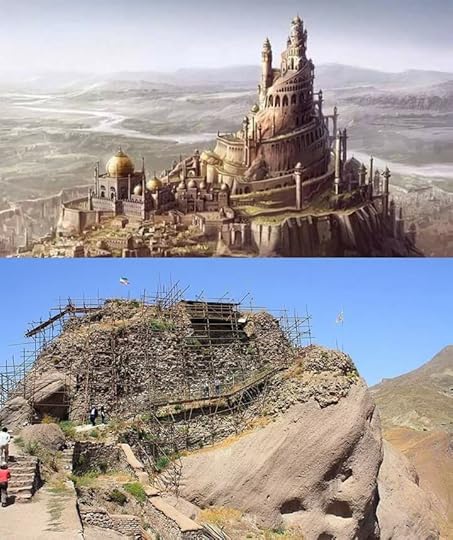
إنهم لا يستطيعون دخول الجنة و هم لا يستحقون جهنم. نصيبهم أن يتأملوا من فوق كلا الجانبين. ذلك ليعلموا. أجل. إن الأعراف هي تشبيه لموقف جميع أولئك الذين تفتحت أعينهم الشجاعة ليطبقوا سلوكهم على ما يعرفون. انظر. عندما آمنت كنت في السماء. و الأن أنت تدرك. و أنت تشك. ها أنت في الجحيم. و على سور الأعراف لا مكان للفرح و لا لخيبة الأمل.
الأعراف هي المكان الذي يتساوى فيه الخير مع الشر. و الطريق المؤدي إليها طويل و وعر. و قلائل هم الذين أتيح لهم استشفافه. و أقل منهم الذين و قد استشفوه تجرؤوا على المتابعة حتى نهاية الطريق. لأن الذين يجدون أنفسهم فوق هم وحيدون منفصلون إلى الأبد عن نظرائهم. و ليبقوا على هذا الإرتفاع عليهم أن تقسوا قلوبهم.
هذا هو بلا شك المشهد الرئيسي للرواية. الماستر سيين كما يقولون. إنها المعرفة. من يأكل من شجرة المعرفة يشقى أبد الدهر و يملك مفتاح النار.أما ذو الجهالة فإنه يتمرغ في النعيم. مشكلة الصباح انه ظن أنه عرف و أيقن فتمرد على كل الواقع و بنى مشروعه في الأفق البعيد على قمة الخيال. و كان الحشيش هو المكمل لهذا الخيال و كانت الفكرة من العبقرية لدرجة استدعاء الفردوس على الأرض بكل ما فيها عدا شجرة الخلد أو كما يقال شجرة المعرفة.
رواية أسرتني و سحرتني حتى كدت أن أجن و أشاهد المسلسل.
الاقتباسات كثيرة و لعلى أضيفها هنا قريبا و هنا أيضا لن أسكت قليلا و لكن ينبغي السكوت طويلا أمام هذا الجمال.

May 17, 2021

Srećniji je izgladneli šakal u pustinji nego sit lav u kavezu.
Ovoj knjizi možemo prići na više načina. Prvo, istorijskim vektorom kojim ona obiluje, duh vremena u Persiji tokom srednjeg vijeka i načine djelovanja muslimanske vjerske sekte Hašišina. Drugo, njen jezik nije akademski, ne ide utabanim putem već se prepušta sentimentalnim vrijednostima svojih junaka koji posvjećeni, tragaju raznim vještinama i duhovnim dubinama. I treće, ne i najmanje važno, naprotiv, ona se bavi eksploatacijom najnižih ljudskih poriva, indoktrinacijom ljudskih umova i huškanjem jednih protiv drugih. Tako ona sa sobom nosi talase nemira koji su prodorni u rasvjetljavanju ljudskog razuma i savjesti i njihovom odnosu sa stvarnošću.
U zdencu nastajanja carstava nesumnjivo da je Persijsko carstvo bilo među najvećim. Još prije Hrista, Persijanci su pokoravali obližnje narode, prodrli do Egejskog mora, osvojili Egipat, proširivši se sve do Himalaja. Razlog ovih uspjeha po grčkom istoričaru Herodotu, jeste otvorenost Persije prema protivnicima. Vrlo brzo su usvajali strane običaje, ideje, a modu prihvatali kao svoju ukoliko se ispostavi da je bolja od njihove. Persijanci su bili sinonim za svestranost, lijep ukus, od papira na kome su pisali naučnici, do egzotičnog voća koje se služilo za obed. Vjerovatno da ta raskoš i udobnost predstavljaju ključeve kojima se otvaraju kapije za stvaranje sekti koje teže razdvajanju. Hiljadu osamdeset prve godine u Persiji, Hasan ibn Sabah osniva muslimansku vjersku sektu Hašišini.
Hasan ibn Sabah je vrlo učen i pronicljiv vladar. Njegovo proučavanje stranih naroda, raznih nauka i jezika, pruža priliku da se čitalac upozna sa učenjem filozofa stare Grčke te stvaranju čovjeka od strane Tvorca. Međutim sam Hasan ima drugačiji zadatak. I za ostvarivanje tog zadatka njemu će biti bliže Ismailsko učenje. „Ismailstvo mi je postalo barjak u borbi protiv laži i obmana i osjećao sam se kao snažni bakljonoša koji će osvjetliti čovječanstvu put iz tame njegovog neznanja.” Ovdje se može primjetiti da Hasan svojevoljno nameće svoja uvjerenja pod isprikom da poznaje tamu ljudskog neznanja. Uzimajući u obzir da se većina ljudi boji neizvjesnosti, on im pruža ubjeđenja koja su skopčana za nešto tvrdo, opipljivo, radije nego da ih gosti saznanjima koja nemaju oslonac. Hasan ibn Sabah stvara neophodan sistem, osjećaj raja sa zanosnim vrtovima u kojima šetaju obični risovi, jeleni i gazele, preko lijepih žena, vina i hašiša. Sva ta raznolika prostranost i ugodnost se pruža njegovim borcima, koji predstavljaju živi bedem tvrđave Alamut. Postavlja se pitanje, šta će se desiti kada nekome od njegovih boraca padne koprena s očiju.
Alamut je priča koja ne poznaje vrijeme. Tiha voda koja brijeg roni. Ona je opservacija na sve lidere koji manipulišu ljudskim emocijama, maksimalno iskorišćavajući ljudsko sljepilo. A, radi čega? Da bi mnoga pokoljenja mogla pričati o tome kako se postigla moć i nezavisnost od čitavog svijeta? Radi ostvarenja bajke? I sve ovo pod geslom: ništa nije istinito, sve je dopušteno. San kojim se poigrava Iblis.

November 11, 2020
رواية أدبية تاريخية خيالية فلسفية، كُتبت في عام 1939 لكنها توضح للقارئ الكثير عن كيفية إعداد المجاهدين والقتلة والإرهابيين. قلعة آلموت، التي شيّدها ملوك الدَّيلم. استطاع حسن الصباح أن يستولي عليها لكن السؤال: كيف استطاع أن يستولي على عقول الرجال والشباب ويخضعهم لإمرته وطاعته طاعة عمياء؟
حسن بن الصباح كان يدّعي أنه نبي، وأن الله أعطاه مفتاح الجنة، يُدخلُ من يشاء إليها ويمنعُ من يشاء عنها. كانت فلسفة حسن الصباح تقوم على الخداع لاستمالة عقول الأتباع. القسوة في التدريب وفي العقاب. فحاز على الولاء التام والمطلق دون سؤال أو احتجاج.
على كل قارئ أن يقرأ هذه الرواية ليعلم مدى الخداع السياسي الذي يُمارس بكل خبث على جيل الشباب البريء. وإن كانت اليوم تغيرت الأساليب والمفاهيم في إعداد جيل يضحي بنفسهِ من أجل أوامر سيده ومن أجل دخول الجنة ليلتقي بحور العين، ويتمتع بكل ما هو محرّم عليه في الدنيا. ليس ببعيد عنّا الأحزاب السياسية الكثيرة (القاعدة، داعش، الحوثي الخ الخ) التي تكفّر الآخرين باسم الدين وباسم العقيدة، وتبيح إراقة دماء المسلم الذي يعد بنظرهم كافر لأنه لا يؤمن بعقيدتهم الممسوخة.
رواية جميلة وعميقة، مثيرة وممتعة.
اقتباسات
“لا مزاح مع آلموت. يدخل المرء إلى القلعة، إنّما لا يخرج منها حيًا متى أراد. هناك الكثير من الأسرار في هذه الأنحاء”.
“لتعلم أن أحدًا لا يعلم الحقيقة، إذ نحن لا نؤمن بشيء .. وبإمكاننا أن نفعل أي شيء”.
“العامة يريدون خرافات وترَّهات، ويحبون الضلال الذي يتسكعون بين أرجائه. تولَّدت لدي خطة، وجدتها جبارة، هائلة تلك هي التي لم يعرف العالم لها مثيلًا: اختبار الغباء البشري حتى آخر حدوده! استخدمه من أجل الصعود إلى ذروة التأثير والمضي مستقلًا عن سائر العالم”.
“ليست الأشياء بذاتها من تجعلنا سعداء أو تعساء، وإنما الفكرة التي نكونها لأنفسنا عنها، والاعتقاد الخاطئ الذي نغترّ به. البخيل يخفي ثروته في مكان يجهله الجميع، يتظاهربالفقر أمام الناس، لكنه يتلذذ في سره في مكان يجهله الجميع، يتظاهر بالفقر أمام الناس، لكنه يتلذذ في سره إذ يعرف نفسه ثريًا، يكتشف أحد الجيران مخبأه ويأخذ ثروته.. فهل هذا يحول دون تلذذ البخيل بثرائه طالما أنه لم يكتشف السرقة؟
إذا ما داهمه الموت قبل أن يدري بنكبته، فلسوف يلفظ النفس الأخير وهو يمتلك الشعور السعيد بأنه يمتلك العالم! والحال كذلك بالنسبة للرجل الذي لا يعلم بأن عشيقته تخونه، إن لم يكتشف ذلك فلسوف يستمر في ارتشاف اللحظات الشهية بصحبتها، لنفترض أن زوجته الحبيبة تمثل الإخلاص نفسه، لكن شفاهًا كاذبة تدخلت لتقنعه بالعكس.. إنه سيكابد آلامًا كآلام الجحيم. فليست هي الأشياء، وليست هي الأفعال الواقعية التي تقيم الفصل بين سعادتنا وشقائنا، إنما فقط التصورات التي يمليها علينا وعينا المتذبذب.
كل يوم يكشف لنا إلى أية درجة تكون هذه التصورات كاذبة وخادعة، وأن سعادتنا ترتكز على شيء صلب. نحن نبالغ في تسويغ ظلاماتنا! فالمدهش في أن يكون الحكيم حياديًا بالنسبة للواحد كما بالنسبة للآخرين. وأن يستطيع الجلفاء والبلهاء التمتع بالسعادة وحدهم”.
“لماذا هي العقول العليا من تبحث يائسة لاكتشاف سر الظواهر الطبيعية، لماذا هم العلماء تحديدًا من ينذرون أنفسهم بولع للعلم ويندفعون لاكتشاف الكون؟”.
“هل تحسب أن أكثرية الناس الساحقة تنشغل بالحقيقة؟ قطعًا! يريدون راحتهم، وخرافات تشبع معتقداتهم الوهمية. أو هل تفكر أن العدالة تشكل بالنسبة لهم همًَّا؟ إنهم يسخرون من ذلك حسبهم أن يرضوا مصالحهم الشخصية”.
“شعار الإسماعيلية الأعلى هو: لا شيء حقيقيًّا، كلُّ شيءٍ مباح!”

October 20, 2012
في العشرينيات من عمرهم التقى حسن الصباح وعمر الخيام ونظام الملك ..
وكانوا جميعا طلبة حينها..
التقوا بصفوف الشيخ موفق الدين
..
وتعاهدوا على أن من يصل منهما أولا إلى المجد يساعد الآخرين ..
بعد ثلاثين عاما يلتقي الثلاثة في بغداد ..
وقد أصبح نظام الملك الوزير الأكبر للسلطان
..
وأصبح عمر الخيام شاعرا كبيرا ..
وحسن الصباح عبقريا فذا
..
ولكن ..
بعد مدة يدب الخلاف بينهم ويغدر نظام الملك بحسن الصباح عندما يشعر بتهدبد مركزه ..
وهو ما لن ينساه حسن الصباح ..
فخلال عشرين عاما سيظل يخطط ويدبر لـ كيف ينتقم من نظام الملك ويعيد إليه الصفعة ..
إلى هنا ينتهي تشابه الرواية بالحقائق التاريخية ..
يأخذنا فلاديمير بارتول في روايته آلموت ..
إلى عالم حسن ويدخلنا إلى أعماقه ..
نعيش معه اللحظات قبل النهائية من انتهائه من إعداد مشروعه الكبير ..
أي عقل ابتكر بكل هذه العبقرية التلاعب بعقول الآخرين إلى هذا الحد ..
هذا ما ستكتشفونه في هذه الرحلة الشيقة مع الصباح وفلاديمير بارتول ..
وعلى مبدأ لا شيء صحيح .. كلُ شيء مباح .. بدأ الحسن مسرحيته ذات الخمس فصول .
( الفدائيون ) مجموعة من الشباب صغار السن الذين أقنعهم الحسن بأنهم وصلوا إلى الجنة وإذا نفذوا أوامروه وأطاعوه فسيعيدهم إلى هناك ..
مما خلق مجموعة لا تقهر عرفت بالحشاشين ( الفرقة الإسماعيلية ) ومنها اتت كلمة ( Assassins ) حماسهم أسطوري وعزمهم لا يتخطاه أحد..
وإخلاصهم لا يضاهي ...
لم تكن قوتهم بعددهم وإنما بنوعيتهم
وهم من أكثر الجماعات غموضا في التاريخ. والتي نجحت نجاحا لم يصدقه حتى الصباح نفسه ..
image:
إحدى اجمل الروايات التاريخية على الإطلاق ..
أعجبني كثيرا ما قاله الحسن هنا :
image:
وكانوا جميعا طلبة حينها..
التقوا بصفوف الشيخ موفق الدين
..
وتعاهدوا على أن من يصل منهما أولا إلى المجد يساعد الآخرين ..
بعد ثلاثين عاما يلتقي الثلاثة في بغداد ..
وقد أصبح نظام الملك الوزير الأكبر للسلطان
..
وأصبح عمر الخيام شاعرا كبيرا ..
وحسن الصباح عبقريا فذا
..
ولكن ..
بعد مدة يدب الخلاف بينهم ويغدر نظام الملك بحسن الصباح عندما يشعر بتهدبد مركزه ..
وهو ما لن ينساه حسن الصباح ..
فخلال عشرين عاما سيظل يخطط ويدبر لـ كيف ينتقم من نظام الملك ويعيد إليه الصفعة ..
إلى هنا ينتهي تشابه الرواية بالحقائق التاريخية ..
يأخذنا فلاديمير بارتول في روايته آلموت ..
إلى عالم حسن ويدخلنا إلى أعماقه ..
نعيش معه اللحظات قبل النهائية من انتهائه من إعداد مشروعه الكبير ..
أي عقل ابتكر بكل هذه العبقرية التلاعب بعقول الآخرين إلى هذا الحد ..
هذا ما ستكتشفونه في هذه الرحلة الشيقة مع الصباح وفلاديمير بارتول ..
وعلى مبدأ لا شيء صحيح .. كلُ شيء مباح .. بدأ الحسن مسرحيته ذات الخمس فصول .
( الفدائيون ) مجموعة من الشباب صغار السن الذين أقنعهم الحسن بأنهم وصلوا إلى الجنة وإذا نفذوا أوامروه وأطاعوه فسيعيدهم إلى هناك ..
مما خلق مجموعة لا تقهر عرفت بالحشاشين ( الفرقة الإسماعيلية ) ومنها اتت كلمة ( Assassins ) حماسهم أسطوري وعزمهم لا يتخطاه أحد..
وإخلاصهم لا يضاهي ...
لم تكن قوتهم بعددهم وإنما بنوعيتهم
وهم من أكثر الجماعات غموضا في التاريخ. والتي نجحت نجاحا لم يصدقه حتى الصباح نفسه ..
image:
إحدى اجمل الروايات التاريخية على الإطلاق ..
أعجبني كثيرا ما قاله الحسن هنا :
image:

November 10, 2012
لاأعرف من أين أبدأ في وصف تجربتي في قراءة هذه الرواية !
عانيت نفسياً في قراءة هذه الرواية . كان شعوري الاول حين بدأت قراءتها كشعوري حين قرأت كتاب محرمات من التوراة،حيث توقفت عند ربع الكتاب وقررت عدم اكماله. اصفر ماء وجهي عدة مرات وأنا أقرأ هذه الرواية. الرواية في الحقيقة لها عدة أبعاد نفسية. مذهلة مقدرة الكاتب على ربط الأحداث والقصص والمؤامرات بشكل يتسق مع عقلية وشخصية بطل الرواية ابن الصباح دون حدوث خلل في نسق سير الأحداث على الصعيد النفسي للشخصيات،أي بناء جميع الشخصيات المحورية والثانوية أتى بناءً على شخصية ابن الصباح"الحسن"،حيث بدت معظم الشخصيات متزعزعة الأهواء والفكر أمام شخصية ابن الصباح الذي حافظ على ثبات شخصيته طوال الرواية"واثق،هادئ،حكيم ومبتبصر". ومايثير الدهشة أن الكاتب"فلادمير بارتول" كتب هذه الرواية خلال عشر سنوات،وقدرته على الحفاظ على هيكل وبناء الرواية بالشكل الذي رسمه يثير الإعجاب.
وماأعجبني في شخصية الكاتب هو توظيفه لعدة حيل واساليب نفسية في التأثير على سير الشخصيات، ويظهر ذلك جليا في شخصية ابن الصباح "الحسن" الذي وظف مهاراته في الإيحاء النفسي وفراسته في قراءة الشخصيات والسيطرة على عقول من حوله. الكاتب هنا وضح أمر مهم، بأن الشباب المتمثلين بابن الطاهر وسليمان وغيره "الفدائيين" الذي يتسمون بنضج عاطفي ونفسي اقل نحو الحياة يسهل السيطرة عليهم، على عقولهم وبرمجتهم، واستغلالهم لغايات نفسية غير ناضجة والمتمثلة في رغبات ابن الصباح في الحكم والسيطرة على قلعة آلموت ،واسقاط سلطنة ايران، والإنتقام، ونشر المذهب الإسماعيلي، حتى لوكان الثمن هو حياة هؤلاء الفدائيين الذين غررر بهم عبر استلاب عقولهم بفكرة نيل الشهادة للحصول على الجنة التي أوحى ورسمها لهم بمكره ودهائه . كما أنه يوضح،أن لكل شخصية مفتاح"نقاط قوة وضعف" ،حالما يقبض الفرد على ذلك المفتاح يستطيع الولوج الى قلب وفكر الشخص المستهدف دون عناء.
كمايبدو واضحاً تأثر الكاتب بالفكر الميكافيلي الذي وظفه بشكل ممتاز في شخصية ابن الصباح. وتعمد الكاتب نجاة ابن الصباح من المكائد مرة تلوى الأخرى لتوجيه رسالة نفسية "سلبية" يحب أن يوضح من خلالها أن الشخص الماكر والخادع الذي يعتمد على تزييف الحقائق والوقائع لخدمة أهدافه الشخصية قادر على النجاة من الموت لاكتسابه خبث الحياة وبدهاء مبتذل، وأعتقد أنه توصل لهذه الحقيقة نتيجة لمعاصرته عدة حروب من بينها الحرب العالمية الأولى.
لم أحب شخصية الحسن أبداً ولكن تعاطفت قليلا معه حين قرأت الجزئية المتعلقة بانهيار سقف ايمانه وهو شاب بما يعتقد أنه مسلمات في عقيدته"زيف الحقيقة" وأعتقد أن هذا كان له أثر كبير في تحول شخصية ابن الصباح على هذا النحو المدمر.
صحيح في الرواية هناك أخطاء حول الرسالة المحمدية،وقد تكون هناك أيضا بعض الاخطاء حول ماذكره في المذهب الإسماعيلي بالرغم من عدم المامي في هذا المذهب الا أن ذلك لاينتقص من مهارة الكاتب العالية، وفراسته في قراءة وصياغة الشخصيات على نحو مذهل.
لذلك أرى بأن هذه الرواية تستحق وبجدارة الخمس نجوم وأكثر.
عانيت نفسياً في قراءة هذه الرواية . كان شعوري الاول حين بدأت قراءتها كشعوري حين قرأت كتاب محرمات من التوراة،حيث توقفت عند ربع الكتاب وقررت عدم اكماله. اصفر ماء وجهي عدة مرات وأنا أقرأ هذه الرواية. الرواية في الحقيقة لها عدة أبعاد نفسية. مذهلة مقدرة الكاتب على ربط الأحداث والقصص والمؤامرات بشكل يتسق مع عقلية وشخصية بطل الرواية ابن الصباح دون حدوث خلل في نسق سير الأحداث على الصعيد النفسي للشخصيات،أي بناء جميع الشخصيات المحورية والثانوية أتى بناءً على شخصية ابن الصباح"الحسن"،حيث بدت معظم الشخصيات متزعزعة الأهواء والفكر أمام شخصية ابن الصباح الذي حافظ على ثبات شخصيته طوال الرواية"واثق،هادئ،حكيم ومبتبصر". ومايثير الدهشة أن الكاتب"فلادمير بارتول" كتب هذه الرواية خلال عشر سنوات،وقدرته على الحفاظ على هيكل وبناء الرواية بالشكل الذي رسمه يثير الإعجاب.
وماأعجبني في شخصية الكاتب هو توظيفه لعدة حيل واساليب نفسية في التأثير على سير الشخصيات، ويظهر ذلك جليا في شخصية ابن الصباح "الحسن" الذي وظف مهاراته في الإيحاء النفسي وفراسته في قراءة الشخصيات والسيطرة على عقول من حوله. الكاتب هنا وضح أمر مهم، بأن الشباب المتمثلين بابن الطاهر وسليمان وغيره "الفدائيين" الذي يتسمون بنضج عاطفي ونفسي اقل نحو الحياة يسهل السيطرة عليهم، على عقولهم وبرمجتهم، واستغلالهم لغايات نفسية غير ناضجة والمتمثلة في رغبات ابن الصباح في الحكم والسيطرة على قلعة آلموت ،واسقاط سلطنة ايران، والإنتقام، ونشر المذهب الإسماعيلي، حتى لوكان الثمن هو حياة هؤلاء الفدائيين الذين غررر بهم عبر استلاب عقولهم بفكرة نيل الشهادة للحصول على الجنة التي أوحى ورسمها لهم بمكره ودهائه . كما أنه يوضح،أن لكل شخصية مفتاح"نقاط قوة وضعف" ،حالما يقبض الفرد على ذلك المفتاح يستطيع الولوج الى قلب وفكر الشخص المستهدف دون عناء.
كمايبدو واضحاً تأثر الكاتب بالفكر الميكافيلي الذي وظفه بشكل ممتاز في شخصية ابن الصباح. وتعمد الكاتب نجاة ابن الصباح من المكائد مرة تلوى الأخرى لتوجيه رسالة نفسية "سلبية" يحب أن يوضح من خلالها أن الشخص الماكر والخادع الذي يعتمد على تزييف الحقائق والوقائع لخدمة أهدافه الشخصية قادر على النجاة من الموت لاكتسابه خبث الحياة وبدهاء مبتذل، وأعتقد أنه توصل لهذه الحقيقة نتيجة لمعاصرته عدة حروب من بينها الحرب العالمية الأولى.
لم أحب شخصية الحسن أبداً ولكن تعاطفت قليلا معه حين قرأت الجزئية المتعلقة بانهيار سقف ايمانه وهو شاب بما يعتقد أنه مسلمات في عقيدته"زيف الحقيقة" وأعتقد أن هذا كان له أثر كبير في تحول شخصية ابن الصباح على هذا النحو المدمر.
صحيح في الرواية هناك أخطاء حول الرسالة المحمدية،وقد تكون هناك أيضا بعض الاخطاء حول ماذكره في المذهب الإسماعيلي بالرغم من عدم المامي في هذا المذهب الا أن ذلك لاينتقص من مهارة الكاتب العالية، وفراسته في قراءة وصياغة الشخصيات على نحو مذهل.
لذلك أرى بأن هذه الرواية تستحق وبجدارة الخمس نجوم وأكثر.

November 8, 2025
A historical and adventure novel with strong philosophical content, Alamut illustrates the propensity, unfortunately still relevant today, that some clever men have to use religion, and by extension, the faith and credulity of morally weaker and less intellectually grounded people, as a pretext for political ends.
Hassan Ibn Sabbah was fighting against the Seljuks and the Caliph of Baghdad, representatives of the all-powerful Sunni Islam. He was the leader of an Ismaili community, which preached submission to the branch descended from Ali, one of the Prophet's earliest disciples and most fervent supporters. Entrenched in Alamut, "the eagle's nest," he implemented a comprehensive plan of training and targeted attacks aimed at securing supremacy in the region. Fedayeen were recruited at a young age and underwent comprehensive and accelerated training. They were surrounded by learned teachers who taught them the history of the Prophet and the martyrs, Arabic grammar, dialectics, algebra and arithmetic, the rudiments of specific foreign languages, anatomy and natural sciences, and the art of poetry. But above all, the art of war and the strengthening of the will. Thus, they will be like a sword in their master's hands. Alongside this ascetic life, and in contrast to it, we are given a glimpse into the training and sensual existence that governs what appears to be a harem. In an idyllic setting of gardens, fountains, and water features, ravishing young women of diverse origins perfect their mastery of arts such as music, dance, song, poetry, and the art of love, always alongside the study of the Quran and under the watchful eye of a troupe of eunuchs. Things seem to proceed peacefully, even as the Sultan's threat becomes increasingly imminent and the master's inner circle urges him to leave as quickly as possible, before this supposedly impregnable fortress becomes their tomb.
This rich novel, based on fascinating historical events, serves as a cautionary tale for anyone interested in the history of religions and the great Persian civilization. By highlighting a self-proclaimed prophet whose true ideology is nihilistic ("Nothing is true, everything is permitted") and whose overall plan resembles mass indoctrination, Vladimir Bartol sounds the alarm: do not abandon your reason, beware of those who promise you material or spiritual paradise, and remember that the most precious thing in humanity is the individual, and that no one can claim to dictate the meaning or direction of your life.
Hassan Ibn Sabbah was fighting against the Seljuks and the Caliph of Baghdad, representatives of the all-powerful Sunni Islam. He was the leader of an Ismaili community, which preached submission to the branch descended from Ali, one of the Prophet's earliest disciples and most fervent supporters. Entrenched in Alamut, "the eagle's nest," he implemented a comprehensive plan of training and targeted attacks aimed at securing supremacy in the region. Fedayeen were recruited at a young age and underwent comprehensive and accelerated training. They were surrounded by learned teachers who taught them the history of the Prophet and the martyrs, Arabic grammar, dialectics, algebra and arithmetic, the rudiments of specific foreign languages, anatomy and natural sciences, and the art of poetry. But above all, the art of war and the strengthening of the will. Thus, they will be like a sword in their master's hands. Alongside this ascetic life, and in contrast to it, we are given a glimpse into the training and sensual existence that governs what appears to be a harem. In an idyllic setting of gardens, fountains, and water features, ravishing young women of diverse origins perfect their mastery of arts such as music, dance, song, poetry, and the art of love, always alongside the study of the Quran and under the watchful eye of a troupe of eunuchs. Things seem to proceed peacefully, even as the Sultan's threat becomes increasingly imminent and the master's inner circle urges him to leave as quickly as possible, before this supposedly impregnable fortress becomes their tomb.
This rich novel, based on fascinating historical events, serves as a cautionary tale for anyone interested in the history of religions and the great Persian civilization. By highlighting a self-proclaimed prophet whose true ideology is nihilistic ("Nothing is true, everything is permitted") and whose overall plan resembles mass indoctrination, Vladimir Bartol sounds the alarm: do not abandon your reason, beware of those who promise you material or spiritual paradise, and remember that the most precious thing in humanity is the individual, and that no one can claim to dictate the meaning or direction of your life.
May 27, 2023
التقييم نجمتين ونصف فقط لا غير
لا شئ صحيح وكل شئ مباح
وهذا ما ينطبق على هذه الرواية فقد سيطر خيال الكاتب على الاحداث كاملة
القصة من المفترض انها تحكي تاريخ قلعة آلموت الشهيرة وبالطبع الحكاية أساسها الحسن ابن الصباح او كما كان يطلق عليه شيخ الجبل واتباعه من الحشاشين وفرقة الاغتيالات الشهيرة
من المفترض ان الفكرة تكون اساسها استغلال القلعة وتكوين تلك الفرقة والتحدث عن اتجاهاتهم واغتيالاتهم المعروفة
لكن للأسف الحديث اصبح يتمحور حول جنة ابن الصباح المزعومة والتي عليها الكثير من خلاف حول وجودها في الاصل من عدمه
أكبر مشكلة واجهتني هي تحويل الحسن ابن الصباح لفيلسوف فقط وليس قائد فرقة اغتيالات ضخمة
يبرر له تصرفاته وتوجهاته بشكل فلسفي صرف
نهايكم عن ادخال شخصيات اساسية كثيرة كالفتيات وكابن طاهر .. لا اعرف كيف اتقبل هذه الشخصيات من الخيال والاحداث تقوم على تواجدهم من البداية للنهاية تماما
حتى قتل حسين ابن الحسن ابن الصباح حاولت البحث عنها ولم اجد دليل عليها .. الاحداث كلها وهمية مبنية على تاريخ قلعة فقط واستخدم الخطوط العريضة جدا وتخيل الباقي جميعا
كنت اتمنى ان اعرف المزيد عن فكر الباطنية الحقيقي وليس الفلسفي .. عن الشخصيات التي تم اغتيالها وكيفية حدوث ذلك بالطبع
وايضا كنت اتمنى ظهور شخصيتي المفضلة دائما وابدا .. ابا حامد الغزالي ولكن ذكره تم على استحياء مرة
لا استطيع سوى تصور ان الرواية فقط لضرب فكرة الاسلام والدين ليس الا .. فلم تظهر اي مبادئ صحيحة لمقارنتها مع فكر الصباح بأي شكل من الأشكال
فكر الصباح ظهر بشكل الحادي تماما وليس ارهابي تدميري
فمن رأيي الايمان بفكرة لا يحتاج لحشيش فقط يحتاج لدجال لديه القدرة الفائقة على الاقناع
فلم بناء اساس الحكاية على الحشيش وجنة الحسن ولم يثبت تاريخيا هذه الأمور
كنت اتمنى تفاصيل اكثر بخلاف اهتمام شيخ الجبال ورجاله بالنساء والجنة فقط
وفي النهاية استمرار فكر الصباح وانتقاله لكل فكر فالصباح اصبح فكرة والفكرة لا تموت
فكم من مارق خرج لنا في عتمة الليل بفكرة شيطانية ليصبح ولديه مريدين يتفانوا للموت من اجل قضية اصبحت حياتهم
ومنهم الكثيرين على مر الزمان ولنهاية الدنيا
شكرا للصديق احمد صقر على المشاركة في القراءة المختلفة المؤجلة من زمان
لا شئ صحيح وكل شئ مباح
وهذا ما ينطبق على هذه الرواية فقد سيطر خيال الكاتب على الاحداث كاملة
القصة من المفترض انها تحكي تاريخ قلعة آلموت الشهيرة وبالطبع الحكاية أساسها الحسن ابن الصباح او كما كان يطلق عليه شيخ الجبل واتباعه من الحشاشين وفرقة الاغتيالات الشهيرة
من المفترض ان الفكرة تكون اساسها استغلال القلعة وتكوين تلك الفرقة والتحدث عن اتجاهاتهم واغتيالاتهم المعروفة
لكن للأسف الحديث اصبح يتمحور حول جنة ابن الصباح المزعومة والتي عليها الكثير من خلاف حول وجودها في الاصل من عدمه
أكبر مشكلة واجهتني هي تحويل الحسن ابن الصباح لفيلسوف فقط وليس قائد فرقة اغتيالات ضخمة
يبرر له تصرفاته وتوجهاته بشكل فلسفي صرف
نهايكم عن ادخال شخصيات اساسية كثيرة كالفتيات وكابن طاهر .. لا اعرف كيف اتقبل هذه الشخصيات من الخيال والاحداث تقوم على تواجدهم من البداية للنهاية تماما
حتى قتل حسين ابن الحسن ابن الصباح حاولت البحث عنها ولم اجد دليل عليها .. الاحداث كلها وهمية مبنية على تاريخ قلعة فقط واستخدم الخطوط العريضة جدا وتخيل الباقي جميعا
كنت اتمنى ان اعرف المزيد عن فكر الباطنية الحقيقي وليس الفلسفي .. عن الشخصيات التي تم اغتيالها وكيفية حدوث ذلك بالطبع
وايضا كنت اتمنى ظهور شخصيتي المفضلة دائما وابدا .. ابا حامد الغزالي ولكن ذكره تم على استحياء مرة
لا استطيع سوى تصور ان الرواية فقط لضرب فكرة الاسلام والدين ليس الا .. فلم تظهر اي مبادئ صحيحة لمقارنتها مع فكر الصباح بأي شكل من الأشكال
فكر الصباح ظهر بشكل الحادي تماما وليس ارهابي تدميري
فمن رأيي الايمان بفكرة لا يحتاج لحشيش فقط يحتاج لدجال لديه القدرة الفائقة على الاقناع
فلم بناء اساس الحكاية على الحشيش وجنة الحسن ولم يثبت تاريخيا هذه الأمور
كنت اتمنى تفاصيل اكثر بخلاف اهتمام شيخ الجبال ورجاله بالنساء والجنة فقط
وفي النهاية استمرار فكر الصباح وانتقاله لكل فكر فالصباح اصبح فكرة والفكرة لا تموت
فكم من مارق خرج لنا في عتمة الليل بفكرة شيطانية ليصبح ولديه مريدين يتفانوا للموت من اجل قضية اصبحت حياتهم
ومنهم الكثيرين على مر الزمان ولنهاية الدنيا
شكرا للصديق احمد صقر على المشاركة في القراءة المختلفة المؤجلة من زمان
June 24, 2023
„Всъщност силата на всяка власт е в заслепените ѝ последователи. Познанието е достъпно на людете в различна степен. Който иска да ги води, трябва да се съобразява с това. Тълпите търсели от пророците чудеса. Те трябвало да ги извършват, за да запазят авторитета си. Колкото по-ниско е съзнанието, толкова по-голяма е пламенността.“
„Аламут“ е превъзходен исторически роман, който силно ме впечатли! Владимир Бартол майсторски е навлязъл в сърцевината на темата за религиозния фанатизъм и използването на вярата с цел налагане на абсолютна власт, разказвайки тази поучителна история... Книгата представлява философско четиво и определено подтиква към размисъл по изключително важни въпроси, но същевременно е много увлекателно написана!
Сюжетът потапя читателите в мистичната средновековна атмосфера на Персия през 11 век, когато е живял жестокият Хасан ибн Сабах. Той успява да превземе крепостта Аламут и впоследствие да изгради страховитата религиозна секта на исмаилитите. Чрез насилие и манипулации, ислямската вяра е завладяна от фанатична организация със строга йерархия, което неизбежно води до брутална тирания на религиозните лидери...
„За простите вярващи трябва да измисля хиляда и една истории за началото и сътворението на света, за рая и ада, за пророците, за Мохамед, Али и Махди. За втората степен — вярващите с оръжие, са нужни преди всичко ясни списъци със заповеди и забрани. Ще трябва да вплета приказките в принципи и да съставя цяло вероучение. На федаините пък трябва да открия първите велики тайни на исмаилитството. Че Коранът е сложна книга и за неговото тълкуване е нужен ключ. А по-висшите, които са узрели да станат даи, ще узнаят, че дори Коранът не съдържа последните тайни. Те са разпределени поравно между всички вери. Онези, които са достойни да станат областни даи, ще узнаят ключа към страшното върховно учение на исмаилитството: нищо не е истинско, всичко е позволено. Но ние, които държим в ръцете си всички конци на този механизъм, ще запазим последните мисли за себе си.“
„Аламут“ е превъзходен исторически роман, който силно ме впечатли! Владимир Бартол майсторски е навлязъл в сърцевината на темата за религиозния фанатизъм и използването на вярата с цел налагане на абсолютна власт, разказвайки тази поучителна история... Книгата представлява философско четиво и определено подтиква към размисъл по изключително важни въпроси, но същевременно е много увлекателно написана!
Сюжетът потапя читателите в мистичната средновековна атмосфера на Персия през 11 век, когато е живял жестокият Хасан ибн Сабах. Той успява да превземе крепостта Аламут и впоследствие да изгради страховитата религиозна секта на исмаилитите. Чрез насилие и манипулации, ислямската вяра е завладяна от фанатична организация със строга йерархия, което неизбежно води до брутална тирания на религиозните лидери...
„За простите вярващи трябва да измисля хиляда и една истории за началото и сътворението на света, за рая и ада, за пророците, за Мохамед, Али и Махди. За втората степен — вярващите с оръжие, са нужни преди всичко ясни списъци със заповеди и забрани. Ще трябва да вплета приказките в принципи и да съставя цяло вероучение. На федаините пък трябва да открия първите велики тайни на исмаилитството. Че Коранът е сложна книга и за неговото тълкуване е нужен ключ. А по-висшите, които са узрели да станат даи, ще узнаят, че дори Коранът не съдържа последните тайни. Те са разпределени поравно между всички вери. Онези, които са достойни да станат областни даи, ще узнаят ключа към страшното върховно учение на исмаилитството: нищо не е истинско, всичко е позволено. Но ние, които държим в ръцете си всички конци на този механизъм, ще запазим последните мисли за себе си.“
December 16, 2021
هل هناك حقيقة مطلقة أم أن الأمر نسبي، يتوقف على إيماننا به. فما نؤمن به هو حقيقي بالنسبة لنا، وبالتالي فحقيقتنا هي من صنعنا نحن. فرضية تسبب الصداع.
الفانتازيا التاريخية كما يجب أن تكون: حقبة تاريخية مثيرة، معلومات كافية عن الظروف السياسية والاجتماعية لإدخال القارئ في جو الرواية، سرد سلس وأحداث شيقة. علاوة على ذلك نحصل على هدية إضافية: جرعة فلسفية تجلب الدوار الفكري. بالنسبة لي، هذا يمثل عرضاً لا أستطيع رفضه.
طائفة الحشاشين هي إحدى أكثر الجماعات غموضاَ وإثارة للفضول في التاريخ. لا بد أن البعض يؤمن بكل ما نُسب إليهم بينما سيشير البعض إلى أن في الأمر شيئاً من المبالغة، التشويه والخرافة. في كل الأحوال نحن هنا بصدد عمل أدبي، وعلى من يريد البحث والتقصي اللجوء لكتب التاريخ. وحتى هناك، أتوقع أنه لن يجد معلومات دقيقة. لذا يتدخل الأدب لنسج واقع افتراضي يفسر الشذرات التي حملها لنا أثير التاريخ.
وراء الأحداث المتتابعة، ثمة أفكار عميقة وخطيرة عن كيفية التحكم بالأنصار وتوجيههم. لا بد للقادة من خلق واقع معين يضمن لهم ولاء الجماهير وطاعتهم. يطرح الكاتب، وراء ستار الأحداث والحوارات، كيفية إلباس الأهداف السياسية، الشعوبية والسلطوية بلباس الإيمان والرغبة في الدار الآخرة. كل ما سبق تتوِّجه فلسفة حسن الصباح، كما صورتها الرواية، التي تمزج ما بين العبثية والقدرية واللا أدرية، في نقطة متوسطة ما بين الجنون والعبقرية.
لا شك أن الجنة المزعومة التي أشرف على إنشاءها حسن الصباح تمثل نقطة محورية في الرواية، سواء من حيث التشويق، المساحة الورقية، أو من حيث ما ترمز إليه بالنسبة لكافة الأحزاب والجماعات. لا بد لتلك الكيانات من جنة موعودة، أرضية أو سماوية، لتحفيز المؤمنين بقضيتها. لأغلب التيارات حبوبها المنومة، مشروبها المخدر الذي يسهل انقيادها وتصديقها لكل ما يقال. وقبل هذا وذاك، لكل منها نخبة وزعماء يجنون الثمار على حساب تضحيات الأتباع. والمضحك أن الزعماء قد يكونون أقل المؤمنين إيماناً بالقضية التي يروجون لها.
الفانتازيا التاريخية كما يجب أن تكون: حقبة تاريخية مثيرة، معلومات كافية عن الظروف السياسية والاجتماعية لإدخال القارئ في جو الرواية، سرد سلس وأحداث شيقة. علاوة على ذلك نحصل على هدية إضافية: جرعة فلسفية تجلب الدوار الفكري. بالنسبة لي، هذا يمثل عرضاً لا أستطيع رفضه.
طائفة الحشاشين هي إحدى أكثر الجماعات غموضاَ وإثارة للفضول في التاريخ. لا بد أن البعض يؤمن بكل ما نُسب إليهم بينما سيشير البعض إلى أن في الأمر شيئاً من المبالغة، التشويه والخرافة. في كل الأحوال نحن هنا بصدد عمل أدبي، وعلى من يريد البحث والتقصي اللجوء لكتب التاريخ. وحتى هناك، أتوقع أنه لن يجد معلومات دقيقة. لذا يتدخل الأدب لنسج واقع افتراضي يفسر الشذرات التي حملها لنا أثير التاريخ.
وراء الأحداث المتتابعة، ثمة أفكار عميقة وخطيرة عن كيفية التحكم بالأنصار وتوجيههم. لا بد للقادة من خلق واقع معين يضمن لهم ولاء الجماهير وطاعتهم. يطرح الكاتب، وراء ستار الأحداث والحوارات، كيفية إلباس الأهداف السياسية، الشعوبية والسلطوية بلباس الإيمان والرغبة في الدار الآخرة. كل ما سبق تتوِّجه فلسفة حسن الصباح، كما صورتها الرواية، التي تمزج ما بين العبثية والقدرية واللا أدرية، في نقطة متوسطة ما بين الجنون والعبقرية.
لا شك أن الجنة المزعومة التي أشرف على إنشاءها حسن الصباح تمثل نقطة محورية في الرواية، سواء من حيث التشويق، المساحة الورقية، أو من حيث ما ترمز إليه بالنسبة لكافة الأحزاب والجماعات. لا بد لتلك الكيانات من جنة موعودة، أرضية أو سماوية، لتحفيز المؤمنين بقضيتها. لأغلب التيارات حبوبها المنومة، مشروبها المخدر الذي يسهل انقيادها وتصديقها لكل ما يقال. وقبل هذا وذاك، لكل منها نخبة وزعماء يجنون الثمار على حساب تضحيات الأتباع. والمضحك أن الزعماء قد يكونون أقل المؤمنين إيماناً بالقضية التي يروجون لها.

December 2, 2012
I read Alamut in Slovene, so I can’t really speak for the English translator’s work. I daresay it could only have improved the stylistically clumsy original. Bartol was generally a man of ideas and thought experiments, and not exactly a master of prose. The prose is awkward and uninspired, generally dull and prone to dip into cheesiness when he tries to go beyond his abilities. He’s not very good at evocative imagery, which is really a shame, given the oriental setting. Partly it’s because Slovene is a difficult language to wield artistically, so translations may well have obscured these issues and improved on the original.
Bartol has other weaknesses. His characterisation is uneven, for starters. He has his favourite characters whom he works out in detail, giving them rich histories and philosophies, though even then he doesn’t convince me psychologically — which is strange, since the man was trained as a psychologist, after all. The side characters are atrocious, their motivations and their dialogues juvenile, and the female cast is ridiculous, with a few rare exceptions, as with Miryam and Apama.
The plotting is uneven. The beginning of the novel is drawn out, with lots of exposition and flimsy cuteness in Alamut’s gardens, and then the last third, which is arguably the most interesting, speeds past without really letting any of the events sink in. Retrospectively, I can’t remember a single memorable event from the entire novel.
Where Bartol tries to shine is in the philosophising. He touches on Nietzschean and Machiavellian themes of the powerful Ubermensch who thinks himself fit to lead the masses, he explores the formation of ideology and its structure, how it fits into the psyches of people, references dozens of other philosophers… There are lengthy paragraphs dealing with all this that usually overwhelm the story itself. While these topics are certainly interesting and admirable in a work of fiction, and while the Islamist fundamentalism which it explores (without realising how relevant the matter would become later in the century) is certainly a "current" topic, if there ever was any in literature, my feelings remain reserved. All this could have been dealt with in a more elegant and subtle manner, and with greater effect. As it stands, Bartol seems to have shoehorned his own ruminations into his characters’s mouths and forced them to speak regardless of the overall story.
All in all, I suppose the book is a worthy read as a quick historical flick with some profounder moments, though, honestly, if you’re interested in these topics, you might as well pick up Dostoevsky. You’ll be rewarded better in the end.
Bartol has other weaknesses. His characterisation is uneven, for starters. He has his favourite characters whom he works out in detail, giving them rich histories and philosophies, though even then he doesn’t convince me psychologically — which is strange, since the man was trained as a psychologist, after all. The side characters are atrocious, their motivations and their dialogues juvenile, and the female cast is ridiculous, with a few rare exceptions, as with Miryam and Apama.
The plotting is uneven. The beginning of the novel is drawn out, with lots of exposition and flimsy cuteness in Alamut’s gardens, and then the last third, which is arguably the most interesting, speeds past without really letting any of the events sink in. Retrospectively, I can’t remember a single memorable event from the entire novel.
Where Bartol tries to shine is in the philosophising. He touches on Nietzschean and Machiavellian themes of the powerful Ubermensch who thinks himself fit to lead the masses, he explores the formation of ideology and its structure, how it fits into the psyches of people, references dozens of other philosophers… There are lengthy paragraphs dealing with all this that usually overwhelm the story itself. While these topics are certainly interesting and admirable in a work of fiction, and while the Islamist fundamentalism which it explores (without realising how relevant the matter would become later in the century) is certainly a "current" topic, if there ever was any in literature, my feelings remain reserved. All this could have been dealt with in a more elegant and subtle manner, and with greater effect. As it stands, Bartol seems to have shoehorned his own ruminations into his characters’s mouths and forced them to speak regardless of the overall story.
All in all, I suppose the book is a worthy read as a quick historical flick with some profounder moments, though, honestly, if you’re interested in these topics, you might as well pick up Dostoevsky. You’ll be rewarded better in the end.

January 17, 2013
لا احب كتابة الريفيوهات ولكن حين تجبرني احداث رواية ان اتغيب عن دوامي الدراسي خشية ان اترك احداثها المتسارعة فذلك شي اخر !!ا
في رواية آلموت او قلعة عش النسر ينسج بارتول عالمة ببراعة فائقة معتمدا في احداثها على وقائع تاريخة جاعلا من شخصية حسن الصباح زعيم فرقة الحشاشين الاسماعلية نقطة ارتكازة
تحمل شخصية حسن الصباح في الرواية من التناقضات ما يجعلك تتمنى ان تسحقة بيدك ثم لا تلبث ان تقع ضحية لعقله المكار والمبهر حد التهليل بإسمه
لا شي صحيح وكل شي مباح ...هذا هو المبدا الذي يحكم حياة حسن الصباح والذي انشأة على اساسه فرقته .. توصل الى هذه القناعة بعد اسفار دامت اربعين عاما جاب خلالها كل اصقاع العالم الاسلامي المعروفة حينها .. تعلم خلالها ان يقرا بواطن البشر جيدا وكيف ينقادون وتطلع الى نيتجة مفاهدها ..ان الاكاذيب هي ما يحكم حياتنا وطالما اننا نصدقها فهي حقائق ولا شي سوى ذلك
تلك الاكاذيب المتقنة وشخصيته الغامضة جعلت اتباعة يؤمنون انه نبي مرسل حتى بلغ به الامر لخلق جنة وهمية ادخل اليها بعضا من اتباعة ..ما رسخ نبوته وجعل فدائيه الذين ذاقو حلاوة جنته مستعدين للموت في سبيله ..فتراه يأمر احدهم بغرس الخنجر في قلبه امام رسول قائد الجيوش المعادية لبث الرعب فيه ..فيمتشق سيفه ويمزق قلبه في كل سرور وحماس طمعا في العودة الى تلك الجنة واخر يلقي بنفسة من اعلى القلعة بإشارة من يده...بذلك الولاء الأعمى والجنود الاقوياء اصبح الطريق ممهدا امام ابن الصباح لتنفيذ وعده الذي قطعه في صباه مع كلا من الشاعر المعروف عمر الخيام والسياسي المحنك نظام الحكم ..وهو اجتثاث الحكم التركي من بلاد فارس مهما كلف الامر وتواعد الثلاثة في ليلة خمر صافية ان من يصل الى قمة المجد اولا يساعد الاخران على بلوغة حتى يحققوا هدفهم الخفي ..ولكن للزمن والسياسة حسابات اخرى ولا يلبث نظام الحكم ان يحنث بوعدة لإبن الصباح وعمر الخيام
ابن الصباح فيلسوف مكيفيلي متقد الذكاء لا يؤمن بشي اطلاقا ولا حتى بالتعاليم الاسلامية ولا نبيها ولذلك وجب ان يكون الهدف الاساسي الذي اقام على اساسه حركته ان يظل سريا وحكرا على دائرة صغيرة بعضهم يوليه ثقة عمياء وبعضهم يتجاذبهم الشك ولكنه لا يرى الخلاص سوى بهذا الشيطان
يزداد تشويق الرواية حين يقرر ابن الصباح بعد عشرون عاما من التخطيط اعطاء اشارة البدء لمخططة الجنوني ...فتدور رحى الة قتل تسحق كل من في طريقها ليصبح الحشاشين اشهر فرقة اغتيلات تبث الرعب في كل الخلافة ..وبلغ الامر ان مجرد ذكر اسمها يرتعب له السلاطين
تأسرك الرواية بحياة حوريات جنة الصباح الذي يمتلك هو مفاتيحها التي هي عبارة عن اقراص حشيش ..استمتعت بملل الحوريات في الجنة وانا اراقب طفولة حليمة البريئة و وعقل مريم الذي أهلها لتكون خليلة نبي الاسماعلية واسرني جمال سليقة واجتهاد فاطمة وفي نهاية المطاف ترسخ اعتقادي السابق وهو ان الجنة ليست سوى حديقة مملة !!!!!ا
في رواية الموت كلما اعتقدت انك بلغت الذورة تكتشف ان بارتول ما زال يحتفظ بالكثير من السحر الرواي ... تظهر على السطح شخصية ابن الطاهر سليل عائلة اسماعلية عريقة وحفيد لإحد شهدائها العظام يتسلق سلالم المجد سريعا ..حتى يبلغ سر الاسماعلية العظيم في ذروة سردية رائعة
حتى انك تستطيع اشتمام عبير الازهار وسماع خرير الماء من براعة الوصف
قد نختلف او نتفق مع نظريات ابن الصباح والطرق الذي سلكها لتنفيذ مخططاته ولكن سنعجب بذكائه وثقته بنفسه امام العواصف الهائجة وحنكته التي لا تنسى شاردة في لعبته الذي يحرك خيوطها بين اصابعة
الرواية فلسفية بإمتياز دون ان تشعرك بالملل ابدا .. تتسأل عن وجود الخالق الذي يغير منه ابن الصباح المدرك لفنائه وتتجاذب اعتقادات الناس والاديان والعلاقات التي تحكم كل ذلك
كل ما كتبته لا يحرق ابدا احداث الرواية الزاخرة بعشرات الشخصيات و والاحداث ...ولكن ما انا مقتنع به في انني غير محايد ومنحاز جدا لهذه الرواية فلم اشعر بذلك الطنين الرائع بعد انهائها منذ ان انهيت عزازيل ...ومازاد اعجابي اكثر معرفتي ان المؤلف سلوفيني وانه برع تحفته هذه في اوائل القرن المنقضى !!!!ا
في رواية آلموت او قلعة عش النسر ينسج بارتول عالمة ببراعة فائقة معتمدا في احداثها على وقائع تاريخة جاعلا من شخصية حسن الصباح زعيم فرقة الحشاشين الاسماعلية نقطة ارتكازة
تحمل شخصية حسن الصباح في الرواية من التناقضات ما يجعلك تتمنى ان تسحقة بيدك ثم لا تلبث ان تقع ضحية لعقله المكار والمبهر حد التهليل بإسمه
لا شي صحيح وكل شي مباح ...هذا هو المبدا الذي يحكم حياة حسن الصباح والذي انشأة على اساسه فرقته .. توصل الى هذه القناعة بعد اسفار دامت اربعين عاما جاب خلالها كل اصقاع العالم الاسلامي المعروفة حينها .. تعلم خلالها ان يقرا بواطن البشر جيدا وكيف ينقادون وتطلع الى نيتجة مفاهدها ..ان الاكاذيب هي ما يحكم حياتنا وطالما اننا نصدقها فهي حقائق ولا شي سوى ذلك
تلك الاكاذيب المتقنة وشخصيته الغامضة جعلت اتباعة يؤمنون انه نبي مرسل حتى بلغ به الامر لخلق جنة وهمية ادخل اليها بعضا من اتباعة ..ما رسخ نبوته وجعل فدائيه الذين ذاقو حلاوة جنته مستعدين للموت في سبيله ..فتراه يأمر احدهم بغرس الخنجر في قلبه امام رسول قائد الجيوش المعادية لبث الرعب فيه ..فيمتشق سيفه ويمزق قلبه في كل سرور وحماس طمعا في العودة الى تلك الجنة واخر يلقي بنفسة من اعلى القلعة بإشارة من يده...بذلك الولاء الأعمى والجنود الاقوياء اصبح الطريق ممهدا امام ابن الصباح لتنفيذ وعده الذي قطعه في صباه مع كلا من الشاعر المعروف عمر الخيام والسياسي المحنك نظام الحكم ..وهو اجتثاث الحكم التركي من بلاد فارس مهما كلف الامر وتواعد الثلاثة في ليلة خمر صافية ان من يصل الى قمة المجد اولا يساعد الاخران على بلوغة حتى يحققوا هدفهم الخفي ..ولكن للزمن والسياسة حسابات اخرى ولا يلبث نظام الحكم ان يحنث بوعدة لإبن الصباح وعمر الخيام
ابن الصباح فيلسوف مكيفيلي متقد الذكاء لا يؤمن بشي اطلاقا ولا حتى بالتعاليم الاسلامية ولا نبيها ولذلك وجب ان يكون الهدف الاساسي الذي اقام على اساسه حركته ان يظل سريا وحكرا على دائرة صغيرة بعضهم يوليه ثقة عمياء وبعضهم يتجاذبهم الشك ولكنه لا يرى الخلاص سوى بهذا الشيطان
يزداد تشويق الرواية حين يقرر ابن الصباح بعد عشرون عاما من التخطيط اعطاء اشارة البدء لمخططة الجنوني ...فتدور رحى الة قتل تسحق كل من في طريقها ليصبح الحشاشين اشهر فرقة اغتيلات تبث الرعب في كل الخلافة ..وبلغ الامر ان مجرد ذكر اسمها يرتعب له السلاطين
تأسرك الرواية بحياة حوريات جنة الصباح الذي يمتلك هو مفاتيحها التي هي عبارة عن اقراص حشيش ..استمتعت بملل الحوريات في الجنة وانا اراقب طفولة حليمة البريئة و وعقل مريم الذي أهلها لتكون خليلة نبي الاسماعلية واسرني جمال سليقة واجتهاد فاطمة وفي نهاية المطاف ترسخ اعتقادي السابق وهو ان الجنة ليست سوى حديقة مملة !!!!!ا
في رواية الموت كلما اعتقدت انك بلغت الذورة تكتشف ان بارتول ما زال يحتفظ بالكثير من السحر الرواي ... تظهر على السطح شخصية ابن الطاهر سليل عائلة اسماعلية عريقة وحفيد لإحد شهدائها العظام يتسلق سلالم المجد سريعا ..حتى يبلغ سر الاسماعلية العظيم في ذروة سردية رائعة
حتى انك تستطيع اشتمام عبير الازهار وسماع خرير الماء من براعة الوصف
قد نختلف او نتفق مع نظريات ابن الصباح والطرق الذي سلكها لتنفيذ مخططاته ولكن سنعجب بذكائه وثقته بنفسه امام العواصف الهائجة وحنكته التي لا تنسى شاردة في لعبته الذي يحرك خيوطها بين اصابعة
الرواية فلسفية بإمتياز دون ان تشعرك بالملل ابدا .. تتسأل عن وجود الخالق الذي يغير منه ابن الصباح المدرك لفنائه وتتجاذب اعتقادات الناس والاديان والعلاقات التي تحكم كل ذلك
كل ما كتبته لا يحرق ابدا احداث الرواية الزاخرة بعشرات الشخصيات و والاحداث ...ولكن ما انا مقتنع به في انني غير محايد ومنحاز جدا لهذه الرواية فلم اشعر بذلك الطنين الرائع بعد انهائها منذ ان انهيت عزازيل ...ومازاد اعجابي اكثر معرفتي ان المؤلف سلوفيني وانه برع تحفته هذه في اوائل القرن المنقضى !!!!ا
This entire review has been hidden because of spoilers.

September 20, 2013
خيبة أمل بحجم السماء.
**************
أول ما أبحث عنه فى رواية أقرأها هو "لغة" جيدة رشيقة تتلاعب بعقلى يمينًا ويسارًا..
إذا افتقدت الرواية هذا الشى تفرّغتُ تلقائيًا للبحث عن الأخطاء والأحداث غير المنطقية.. وهنا وجدتُ منها الكثير.
أكره اللغة الكلاسيكية .. أكرهها من كل قلبى.. لا أحب الجمل التقريرة الرتيبة ولا الألفاظ والتشبيهات المكررة، وما أكثرها!
لنترك المزاح..
ما الذى افتقدته هذه الرواية غير "اللغة" ؟
حسنًا، هى لم تقل أى جديد.
كل ما ورد فى هذه الرواية أعرفه حق المعرفة.. كل حدث وكل تفصيلة أعرفها وقرأتُ، أو سمعت، عنها من قبل .. والجحيم هو أن أقرأ ما أعرفه بالفعل.. من أول سيطرة الاسماعيلين على "آلموت" مرورًا بجنة "الحسن" المزعومة وعلاقاته بمن حوله وبالصراعات الجارية فى العالم وحتى الفدائيين والاغتيالات السياسية الكثيرة التى حصلت فى عهده، والتى قُتلت بحثًا فى كتاب "أشهر الاغتيالات فى الاسلام" الذى أنهيته منذ أيام قليلة.
الرواية، للأسف، تكاد تخلو من الأحداث.. بطيئة جدًا جدًا وممطوطة جدًا جدًا..
هناك سوء توزيع شنيع فى أهمية كل حدث، فترى أحداث غاية فى التفاهة وقد فُردت لها عشرات الصفحات، بينما أحداث مهمة ذُكرت سريعًا دون تعقيب، ككل مشاهد الحروب فى الرواية.
الرواية كانت أقل من المُتوقع للأسف..عظيمة المحتوى ربما، لكن الغلاف الخارجى والصورة النهائية التى خرجت بها كانت مخيّبة للآمال.
**************
أول ما أبحث عنه فى رواية أقرأها هو "لغة" جيدة رشيقة تتلاعب بعقلى يمينًا ويسارًا..
إذا افتقدت الرواية هذا الشى تفرّغتُ تلقائيًا للبحث عن الأخطاء والأحداث غير المنطقية.. وهنا وجدتُ منها الكثير.
أكره اللغة الكلاسيكية .. أكرهها من كل قلبى.. لا أحب الجمل التقريرة الرتيبة ولا الألفاظ والتشبيهات المكررة، وما أكثرها!
لنترك المزاح..
ما الذى افتقدته هذه الرواية غير "اللغة" ؟
حسنًا، هى لم تقل أى جديد.
كل ما ورد فى هذه الرواية أعرفه حق المعرفة.. كل حدث وكل تفصيلة أعرفها وقرأتُ، أو سمعت، عنها من قبل .. والجحيم هو أن أقرأ ما أعرفه بالفعل.. من أول سيطرة الاسماعيلين على "آلموت" مرورًا بجنة "الحسن" المزعومة وعلاقاته بمن حوله وبالصراعات الجارية فى العالم وحتى الفدائيين والاغتيالات السياسية الكثيرة التى حصلت فى عهده، والتى قُتلت بحثًا فى كتاب "أشهر الاغتيالات فى الاسلام" الذى أنهيته منذ أيام قليلة.
الرواية، للأسف، تكاد تخلو من الأحداث.. بطيئة جدًا جدًا وممطوطة جدًا جدًا..
هناك سوء توزيع شنيع فى أهمية كل حدث، فترى أحداث غاية فى التفاهة وقد فُردت لها عشرات الصفحات، بينما أحداث مهمة ذُكرت سريعًا دون تعقيب، ككل مشاهد الحروب فى الرواية.
الرواية كانت أقل من المُتوقع للأسف..عظيمة المحتوى ربما، لكن الغلاف الخارجى والصورة النهائية التى خرجت بها كانت مخيّبة للآمال.

February 6, 2012
I really just found this book by researching a lot on the Assassin's Creed universe, and gave myself the assignment of reading it, since the first of the games should be very much built up upon the ideas in the novel.
I must say that I was mesmerized and astonished by the book - I loved the story and I very much liked the way it was written. It didn't take me more than a couple of days to get through it, and I was almost sad when it ended. This book has a lot to offer - wonderful (and, at times, funny) poems, deep philosophical thoughts about life, action, love, tear-welling moments, and I could keep going. But mostly I was amazed of the realistic explanations of the middle east of old times: It made me want to travel there and look at all those old ruins for myself!
A clear winner, I can only give my warmest recommendations for this book!
I must say that I was mesmerized and astonished by the book - I loved the story and I very much liked the way it was written. It didn't take me more than a couple of days to get through it, and I was almost sad when it ended. This book has a lot to offer - wonderful (and, at times, funny) poems, deep philosophical thoughts about life, action, love, tear-welling moments, and I could keep going. But mostly I was amazed of the realistic explanations of the middle east of old times: It made me want to travel there and look at all those old ruins for myself!
A clear winner, I can only give my warmest recommendations for this book!

July 8, 2015
لو كان في تقييم اكتر من 5/5 كانت الرواية دي هتستحقة بجدارة ..

March 31, 2020
مزيج ممتع من الفلسفة والتاريخ والخيال
فوق أساس تاريخي ممزوج بالخيال يرسم فلاديمير بارتول مستعينا بشخصية حسن الصباح رسم فلسفي يتأرجح بين اللاأدرية والشك والميكافيلية السياسة
لا شيء حقيقي ، كل شيء مباح
انظر ، عندما كنت تؤمن، كنت في السماء ، أما وقد ألفيت نفسك تشك فإنك في الجحيم ، لا مكان على جدار الأعراف لا للفرح ولا لخيبة الامل
ذاك الذي اكتشف أن ما يسميه الإنسان سعادة ، حبا ، متعة ، ليس ألا مجموعة من الحسابات الخاطئة ، مبنية على فرضيات مغلوطة، لن يجد في قلبه إلا خواء رهيبا، والشئ الوحيد الذي يمكن أن يوقظه من هذا الذهول هو المجازفة بمصيره ومصير الآخرين ولذاك الذي يكون قادرا على هذا، يكون كل شيء مباحا
ليس فقط حثالة الشعب ، إنما العقول المستنيرة كانت تفضل البدعة الملموسة على الحقيقة المتعذرة اللمس أو الادراك
الشعب مسرور بحرياته البسيطة وإن انت لم تمتلك المفتاح الذي تفتح له باب الفردوس في حياته ، يكون من الأفضل أن تعدل عن أية فكرة بأن تصبح نبيه
فوق أساس تاريخي ممزوج بالخيال يرسم فلاديمير بارتول مستعينا بشخصية حسن الصباح رسم فلسفي يتأرجح بين اللاأدرية والشك والميكافيلية السياسة
لا شيء حقيقي ، كل شيء مباح
انظر ، عندما كنت تؤمن، كنت في السماء ، أما وقد ألفيت نفسك تشك فإنك في الجحيم ، لا مكان على جدار الأعراف لا للفرح ولا لخيبة الامل
ذاك الذي اكتشف أن ما يسميه الإنسان سعادة ، حبا ، متعة ، ليس ألا مجموعة من الحسابات الخاطئة ، مبنية على فرضيات مغلوطة، لن يجد في قلبه إلا خواء رهيبا، والشئ الوحيد الذي يمكن أن يوقظه من هذا الذهول هو المجازفة بمصيره ومصير الآخرين ولذاك الذي يكون قادرا على هذا، يكون كل شيء مباحا
ليس فقط حثالة الشعب ، إنما العقول المستنيرة كانت تفضل البدعة الملموسة على الحقيقة المتعذرة اللمس أو الادراك
الشعب مسرور بحرياته البسيطة وإن انت لم تمتلك المفتاح الذي تفتح له باب الفردوس في حياته ، يكون من الأفضل أن تعدل عن أية فكرة بأن تصبح نبيه

January 17, 2018
لا أنصح بإقتناء نسخة دار الجمل من الرواية فهي خالية من التدقيق اللغوي حيث عانيت في الكثير من الأحيان بسبب تركيب الجمل الغير منطقي بالمره بهذه الترجمة تستحق الرواية ثلاثة نجوم و لكن لا أريد أن أبخث حق المؤلف
ترجمة دار ورد مختلفة و بها تدقيق لغوي فرصة ان تكون الترجمة أفضل من هذه بمراحل عالية جدًا
علي غير المتوقع عندما تقرأ عن الحشاشين أن يكون ما تقرأ يمثل بطولة
و لكن هذا ما نحن بصدده في هذه الرواية
فهي رواية بطولة الحشاشين
هذه رواية حالم و هو حسن الصباح و تحقيقه لحلمه و هو القضاء علي خلافة الأتراك للدولة الإسلامية
*** لا شئ حقيقي كل شئ مباح ***
في هذه الجملة تتلخص عقيدة الإسماعيليين
و لكن بالنسبة للعامة فهم من الشيعة يؤمنون بخليفة آخير من نسل علي و هو إسماعيل و هنا أصل تسميتهم
أما إسم الحشاشين فهو يعود للمادة المغيبة المخدرة الحشيشو هي ما كان يستخدمها حسن الصباح ليقنع فدائييه بفردوسه
لنعرض بعض الحقائق التاريخية
تاريخيًا قتل نظام الملك علي يد الحشاشين و لكن و هو في ركب السلطان علي يد فدائيي يتقمص دور السائل/الشحات
و هذا ليس أقل فداحة من ما حصل في الرواية و هو أن نظام الملك قتل بين جيشه
و هنا لا داعي لأخذ جانب معين من الروايتين الحقيقة فمن الممكن أن يكون فلاديمير طوع هذا الحدث من أجل روايته
و لكن الحدث التاريخي الأهم و هو قتل السلطان السلجوقي الملقب بجلال الدولة ملك شاه
فالنسبة للتاريخ المدون و المعروف بالنسبة للسنة علي ما اعتقد فان ملك شاه مات اثر جرح بعد عودته من رحلة صيد و جميع قراء التاريخ يعلمون ان هذه الكذبة ذكرت كثيرًا علي ملوك كثيرين اغتيلوا من أجل عدم إثارة الذعر و الرهبة بين العامة
و ما حدث في رواية بارتول و في الغالب هو ما سيكون منتشر بين جميع الكتب الشيعية ان السلطان مات علي يد الحشاشين
و هذا ما اميل الي تصديقه
و بهذا يكون حسن الصباح قد حقق حلمه
هذا الحالم هذا الفيلسوف هذا القائد العظيم
هذا المجرم بمقاييسنا جميعًا و الذي لا نستطيع سوي أن نعجب به
*** في الحقيقة ، إن الإنسان لأغرب مخلوق في العالم يتمني أن يطير كالنسر ، لكنه لا يملك أجنحه ، يتمني أن يملك قوة الأسد ، لكنه لا يملك مخالبه ، كم خلقته ناقصًا أيها الرب ! و لكي تعاقبه منحته العقل و ملكة إدراك بؤسه ... ***.
ترجمة دار ورد مختلفة و بها تدقيق لغوي فرصة ان تكون الترجمة أفضل من هذه بمراحل عالية جدًا
علي غير المتوقع عندما تقرأ عن الحشاشين أن يكون ما تقرأ يمثل بطولة
و لكن هذا ما نحن بصدده في هذه الرواية
فهي رواية بطولة الحشاشين
هذه رواية حالم و هو حسن الصباح و تحقيقه لحلمه و هو القضاء علي خلافة الأتراك للدولة الإسلامية
*** لا شئ حقيقي كل شئ مباح ***
في هذه الجملة تتلخص عقيدة الإسماعيليين
و لكن بالنسبة للعامة فهم من الشيعة يؤمنون بخليفة آخير من نسل علي و هو إسماعيل و هنا أصل تسميتهم
أما إسم الحشاشين فهو يعود للمادة المغيبة المخدرة الحشيشو هي ما كان يستخدمها حسن الصباح ليقنع فدائييه بفردوسه
لنعرض بعض الحقائق التاريخية
تاريخيًا قتل نظام الملك علي يد الحشاشين و لكن و هو في ركب السلطان علي يد فدائيي يتقمص دور السائل/الشحات
و هذا ليس أقل فداحة من ما حصل في الرواية و هو أن نظام الملك قتل بين جيشه
و هنا لا داعي لأخذ جانب معين من الروايتين الحقيقة فمن الممكن أن يكون فلاديمير طوع هذا الحدث من أجل روايته
و لكن الحدث التاريخي الأهم و هو قتل السلطان السلجوقي الملقب بجلال الدولة ملك شاه
فالنسبة للتاريخ المدون و المعروف بالنسبة للسنة علي ما اعتقد فان ملك شاه مات اثر جرح بعد عودته من رحلة صيد و جميع قراء التاريخ يعلمون ان هذه الكذبة ذكرت كثيرًا علي ملوك كثيرين اغتيلوا من أجل عدم إثارة الذعر و الرهبة بين العامة
و ما حدث في رواية بارتول و في الغالب هو ما سيكون منتشر بين جميع الكتب الشيعية ان السلطان مات علي يد الحشاشين
و هذا ما اميل الي تصديقه
و بهذا يكون حسن الصباح قد حقق حلمه
هذا الحالم هذا الفيلسوف هذا القائد العظيم
هذا المجرم بمقاييسنا جميعًا و الذي لا نستطيع سوي أن نعجب به
*** في الحقيقة ، إن الإنسان لأغرب مخلوق في العالم يتمني أن يطير كالنسر ، لكنه لا يملك أجنحه ، يتمني أن يملك قوة الأسد ، لكنه لا يملك مخالبه ، كم خلقته ناقصًا أيها الرب ! و لكي تعاقبه منحته العقل و ملكة إدراك بؤسه ... ***.

March 31, 2016
أسم الكتاب: آلموت (رواية)
المؤلف: #فلاديمير_بارتول
عدد الصفحات: 565
التقييم: خمس نجوم (بلا تردد)
رواية ألموت ... رواية القائد المجنون والأتباع الحشاشين
لن تعرف الحج حتى تحج، ولن تعرف هذه الرواية حتى تقرائها، هي رواية كتبت بمزيج من الفلسفة وعلم الاجتماع والرومانسية والقيادة والعقيدة وبالكثير من الإثارة
الرواية تدور كلها حول بطلها وهو حسن الصباح قائد قلعة آلموت والذي قاد أتباعه فيها على مبدأ اللامبدأ ("لا شيء صحيح، كل شيء مباح") والتي كانت تطبيقاته العملية غريبة عجيبة، فهو من جهة يأمر بقتل ابنه من لحمه وشحمه، وفي المقابل يتبنى أبناً كان قاب قوسين من قتله .. بهذا المبدأ اللامبدأ أيضاً قوض حكم السلاجقة ليكون ذلك ضمن سلسلة من الإنجازات التي حفرت أسم حسن الصباح في صفحات التاريخ
جوهر الرواية كما قرأتها يتحدث عن ذلك الفهم العميق لسيكلوجية عوام الناس وكيفية التحكم فيهم فبدون هذا الفهم لم يكن لحسن الصباح أن يكون ما كانه
شخصياً، كان مفيداً لي جداَ الإطلاع المسبق التاريخ لقصة حسن الصباح من خلال حلقة تفزيونية لطارق السويدان عنه
https://www.youtube.com/watch?v=F6NwX...
يثير الإنتباه هو إنه كيف لكاتب سلوفينيا مغمور أن يعرف كل هذه التفاصيل عن هذه القضية وأن يصورها بهذا التصوير المبدع
أعطي الرواية والتي قراتها بتوصية العديد من القرّاء خمس نجوم بلا تردد
وأوصي بها لكل الأخوة الذين يقرأون بتأمل .. وخصوصاً للذين يهمهم النظر في أمور القادة
أبرز الإقتباسات:
- أن العامة لاتؤمن بالخرافات وحسب، وإنما تستمع بالتأكيد بسماعها أحاديث عن صناع المعجزات وتستقبلها بكل سرور
- إن نصراً حقيقياً يستلزم عدواً خطيراً
- جنون العظماء يصنع الأعاجيب
- قوة كل مؤسسة ترتكز أساساُ على عمى أتباعها
المؤلف: #فلاديمير_بارتول
عدد الصفحات: 565
التقييم: خمس نجوم (بلا تردد)
رواية ألموت ... رواية القائد المجنون والأتباع الحشاشين
لن تعرف الحج حتى تحج، ولن تعرف هذه الرواية حتى تقرائها، هي رواية كتبت بمزيج من الفلسفة وعلم الاجتماع والرومانسية والقيادة والعقيدة وبالكثير من الإثارة
الرواية تدور كلها حول بطلها وهو حسن الصباح قائد قلعة آلموت والذي قاد أتباعه فيها على مبدأ اللامبدأ ("لا شيء صحيح، كل شيء مباح") والتي كانت تطبيقاته العملية غريبة عجيبة، فهو من جهة يأمر بقتل ابنه من لحمه وشحمه، وفي المقابل يتبنى أبناً كان قاب قوسين من قتله .. بهذا المبدأ اللامبدأ أيضاً قوض حكم السلاجقة ليكون ذلك ضمن سلسلة من الإنجازات التي حفرت أسم حسن الصباح في صفحات التاريخ
جوهر الرواية كما قرأتها يتحدث عن ذلك الفهم العميق لسيكلوجية عوام الناس وكيفية التحكم فيهم فبدون هذا الفهم لم يكن لحسن الصباح أن يكون ما كانه
شخصياً، كان مفيداً لي جداَ الإطلاع المسبق التاريخ لقصة حسن الصباح من خلال حلقة تفزيونية لطارق السويدان عنه
https://www.youtube.com/watch?v=F6NwX...
يثير الإنتباه هو إنه كيف لكاتب سلوفينيا مغمور أن يعرف كل هذه التفاصيل عن هذه القضية وأن يصورها بهذا التصوير المبدع
أعطي الرواية والتي قراتها بتوصية العديد من القرّاء خمس نجوم بلا تردد
وأوصي بها لكل الأخوة الذين يقرأون بتأمل .. وخصوصاً للذين يهمهم النظر في أمور القادة
أبرز الإقتباسات:
- أن العامة لاتؤمن بالخرافات وحسب، وإنما تستمع بالتأكيد بسماعها أحاديث عن صناع المعجزات وتستقبلها بكل سرور
- إن نصراً حقيقياً يستلزم عدواً خطيراً
- جنون العظماء يصنع الأعاجيب
- قوة كل مؤسسة ترتكز أساساُ على عمى أتباعها

November 22, 2012
يتكئ فلاديمير بارتول في هذه الرواية التاريخية على الأسطورة لصناعة الحكاية، وليس على إعادة سرد التاريخ كواقع. وتأسيسا على ما سرده بارتول عن استخدام زعيم الإسماعيليين حسن ابن الصباح في قلعة آلموت للحشيش، وإقامة فردوس على الأرض بهدف إيهام أتباعه بأنه يمتلك مفاتيح الجنان ودفعهم للتضحية بأنفسهم في سبيل العقيدة الإسماعيلية، يستغرق بارتول في سرد ممتع يزاوج فيه بين الحقيقة والخيال والحدث التاريخي

November 19, 2025
Alamut blew me away in the best possible way; a haunting, beautiful, horrible book on so many levels. Set in 11th century Iran, the story centers around Hasan-i Sabbah, a religious and military leader and founder of the Nizari Ismai'li sect, known today as the infamous 'Order of Assassins'. This sect thrived in the region until the invasion of the Mongols in the 13th century, feared by the Islamic powers in the region as well as the Christian Crusaders. The title refers to a fortress that became the center of the sect/movement. On one level, Bartol gives the reader a compelling historical fiction of the rise of Hasan situated within the fractious Islamic powers in the region. On a deeper level, Alamut dives deep into some serious philosophical issues; a Nietzche inspired tale of Hasan and his close companions as Übermensch along with a deconstruction of ideology in general.
In orts and scraps, we learn about Hasan and how he came to be the leader of the movement. All his life he desired to know the truth, and travelled the civilized world (largely within the Islamic empire and India) seeking libraries, philosophers and prophets. Hasan gradually came to the conclusion of a hyper-rationalist-- there is no truth, just like there is no god. So how did a man like that become a spiritual leader? Bartol suggests his real aim in founding the movement at Alamut consisted of a deep desire to rid Iran of the Turkish influence and doing whatever it took to do so. This brings us to faith. In several philosophical dialogues, Hasan and his cronies speculate about Muhammad, the prophet, and how he was able to inspire people to give their life for the cause. Largely, this 'motivation' if you will arose from a belief that such martyrs would be rewarded in the afterlife. Hasan further speculates that in today's modern world, such faith no longer exists. But what if he could do something to inspire faith once again? This becomes Hasan's project, his mission if you will, that he devoted the rest of his life toward.
Hasan's mission ties directly in with the understanding of ideology and the idea of Übermensch. The 'masses' need something to believe in, but largely, the idea is that people just want pleasure and worldly things (power, money, sex, etc.). The supreme Ismaili motto-- Nothing is true, everything is permitted-- sums up Hasan's own beliefs as an Übermensch. Given this, we once again encounter the problem of faith, and how to instill such faith that 'ordinary' people will be willing to give their life and do so gladly. Hasan's plan, his 'mechanism' is both ingenious and diabolical. (mild spoiler follows). Behind the fortress of Alamut, hidden from view, Hasan constructed lush gardens and glass pavilions as the Koran depicted the afterlife. Scouring the world, he populated these gardens with beautiful young women bought as slaves. Hasan, as 'the prophet', told his followers Allah had given him the key to heaven and via some elaborate machinations, had some of his most loyal young followers 'taken' to heaven and then back to Earth. They would do anything to return there, and the only way to do so would be to die...
Alamut is not without its flaws; I found the prose clunky at times, whether or not this was due to the translation or the author I have no idea. It also contains several lengthy digressions on some of the main characters that slowed the pacing down at times. Nonetheless, the power of the novel transcends these issues and makes for a haunting, beautiful and yet horrible read all the same. 5 stars!!
In orts and scraps, we learn about Hasan and how he came to be the leader of the movement. All his life he desired to know the truth, and travelled the civilized world (largely within the Islamic empire and India) seeking libraries, philosophers and prophets. Hasan gradually came to the conclusion of a hyper-rationalist-- there is no truth, just like there is no god. So how did a man like that become a spiritual leader? Bartol suggests his real aim in founding the movement at Alamut consisted of a deep desire to rid Iran of the Turkish influence and doing whatever it took to do so. This brings us to faith. In several philosophical dialogues, Hasan and his cronies speculate about Muhammad, the prophet, and how he was able to inspire people to give their life for the cause. Largely, this 'motivation' if you will arose from a belief that such martyrs would be rewarded in the afterlife. Hasan further speculates that in today's modern world, such faith no longer exists. But what if he could do something to inspire faith once again? This becomes Hasan's project, his mission if you will, that he devoted the rest of his life toward.
Hasan's mission ties directly in with the understanding of ideology and the idea of Übermensch. The 'masses' need something to believe in, but largely, the idea is that people just want pleasure and worldly things (power, money, sex, etc.). The supreme Ismaili motto-- Nothing is true, everything is permitted-- sums up Hasan's own beliefs as an Übermensch. Given this, we once again encounter the problem of faith, and how to instill such faith that 'ordinary' people will be willing to give their life and do so gladly. Hasan's plan, his 'mechanism' is both ingenious and diabolical. (mild spoiler follows). Behind the fortress of Alamut, hidden from view, Hasan constructed lush gardens and glass pavilions as the Koran depicted the afterlife. Scouring the world, he populated these gardens with beautiful young women bought as slaves. Hasan, as 'the prophet', told his followers Allah had given him the key to heaven and via some elaborate machinations, had some of his most loyal young followers 'taken' to heaven and then back to Earth. They would do anything to return there, and the only way to do so would be to die...
Alamut is not without its flaws; I found the prose clunky at times, whether or not this was due to the translation or the author I have no idea. It also contains several lengthy digressions on some of the main characters that slowed the pacing down at times. Nonetheless, the power of the novel transcends these issues and makes for a haunting, beautiful and yet horrible read all the same. 5 stars!!

May 13, 2018
Esto escribí allá por el 2010 en un Club de Lectura (de Zonaereader):
“Acabé. Gracias a Ala. "
Aunque con la línea anterior creo que está resumida la critica, me explayo :
a) En clave de humor :
Creo que no me he aclarado con los rangos. Dey, visir, emir, gran dey, gran visir, sultán, califa, rufiki, ministro .... ...... 492 paginas y me seguía perdiendo.
Creo que no me aclaro con los nombres de los personajes. No los escribo aquí, pero a lo largo de las 492 páginas me han formado un cacao que contento estaba con saberme el de Seiduna (que tampoco era fácil).
Creo que no me aclaro con los nombres de ciudades-fortalezas-plazas fuertes ...... ...... bueno, sí, me acuerdo de una ¡Alamut!.
Creo que no se en que coño creen .... ¿Ali, Alá, Mahoma, Muhad, en un ente superior, sunitas, chiitas, en nadie?.
Creo finalmente en algo seguro: Yo no recomiendo este libro.
Le pongo un 6 por la originalidad (para mí) del tema, y porque si logran que me lea 492 páginas, algo tendrá.
b) En clave más seria
A ver, supongo que esto será una novela sobre la manipulación de las mentes, sobre como los regímenes totalitarios (me da igual políticos que religiosos) procuran mantener al pueblo llano en la oscuridad (religiosa o educativa) para que sea más fácilmente manipulable. Supongo.
En la mayoría de libros te medio identificas, involucras, te pones en el lugar o llamarlo como queráis, con alguno de los personajes principales : ves el argumento narrativo a través de sus ojos. Aquí a mi me ha sido imposible. Los personajes, o ignorantes-tontos (Halima-Tahir) o jetas (el Seiduna de los huev...). El resto estaban desdibujados. El más atractivo para mi, Myriam, muy poco aprovechado.
La extensión del libro creo que exagerada para lo que quería contar (si quería contar lo de la manipulación), y poco precisa para meter a un lector que no sepa nada de esa cultura dentro de la trama.
Finalmente confieso –mea culpa- que no tenia ni idea del mundo musulmán de 1092, que la poesía no es lo mío, y que las disquisiciones ético-político-filosóficas me aburren. Mea culpa, soy eso que dicen de ciencias.
Hale, ahí os queda el rollo. Perdón por la extensión.
Saludos, gente toda, y si os queda mucho ya sabéis : a jo.....
“Acabé. Gracias a Ala. "
Aunque con la línea anterior creo que está resumida la critica, me explayo :
a) En clave de humor :
Creo que no me he aclarado con los rangos. Dey, visir, emir, gran dey, gran visir, sultán, califa, rufiki, ministro .... ...... 492 paginas y me seguía perdiendo.
Creo que no me aclaro con los nombres de los personajes. No los escribo aquí, pero a lo largo de las 492 páginas me han formado un cacao que contento estaba con saberme el de Seiduna (que tampoco era fácil).
Creo que no me aclaro con los nombres de ciudades-fortalezas-plazas fuertes ...... ...... bueno, sí, me acuerdo de una ¡Alamut!.
Creo que no se en que coño creen .... ¿Ali, Alá, Mahoma, Muhad, en un ente superior, sunitas, chiitas, en nadie?.
Creo finalmente en algo seguro: Yo no recomiendo este libro.
Le pongo un 6 por la originalidad (para mí) del tema, y porque si logran que me lea 492 páginas, algo tendrá.
b) En clave más seria
A ver, supongo que esto será una novela sobre la manipulación de las mentes, sobre como los regímenes totalitarios (me da igual políticos que religiosos) procuran mantener al pueblo llano en la oscuridad (religiosa o educativa) para que sea más fácilmente manipulable. Supongo.
En la mayoría de libros te medio identificas, involucras, te pones en el lugar o llamarlo como queráis, con alguno de los personajes principales : ves el argumento narrativo a través de sus ojos. Aquí a mi me ha sido imposible. Los personajes, o ignorantes-tontos (Halima-Tahir) o jetas (el Seiduna de los huev...). El resto estaban desdibujados. El más atractivo para mi, Myriam, muy poco aprovechado.
La extensión del libro creo que exagerada para lo que quería contar (si quería contar lo de la manipulación), y poco precisa para meter a un lector que no sepa nada de esa cultura dentro de la trama.
Finalmente confieso –mea culpa- que no tenia ni idea del mundo musulmán de 1092, que la poesía no es lo mío, y que las disquisiciones ético-político-filosóficas me aburren. Mea culpa, soy eso que dicen de ciencias.
Hale, ahí os queda el rollo. Perdón por la extensión.
Saludos, gente toda, y si os queda mucho ya sabéis : a jo.....

April 13, 2012
قرأت في مراهقتي قصة من قصص الجيب فانتازيا تتحدث عن الحسن الصباح...و توالت السنين لأجد نفسي أقرأ من جديد عن الحسن الصباح في كتاب أقل ما يمكن أن يقال عنه تحفة أدبية استطاع الكاتب فلادمير بارتول ان يلخص فيها تاريخ الحركة الاسماعيلية برئاسة شيخ الجبل الحسن الصباح ذكر في الرواية الأسباب التي دفعته الى تحقيق حلمه الغريب و كيف تورط في هذا العلم و ان كنت اتحفظ على صفة البطولة التي رافقت شخصية الصباح من بداية الرواية الكاتب قربك من المكان من اشهر قلعة في العالم رعبا و تحصينا قلعة آلموت
قربنا ايضا من الوهم الذي اقنع به مريديه من الصفوة..في بعض الهفوات التاريخية التي لا تفسد للنص جماليته خصوصا و انه في غلاف الخلفي تنويه الى عدم اعتماد القصة كمرجع تاريخي..رواية مبهرة بشخصياتها بحبكتها الروائية..كل ما فيه مبهر لدرجة أسفت ان الرواية أتت من كاتب غربي و ليس مسلم كان اقرب الى الأحداث..
مع تحياتي
قربنا ايضا من الوهم الذي اقنع به مريديه من الصفوة..في بعض الهفوات التاريخية التي لا تفسد للنص جماليته خصوصا و انه في غلاف الخلفي تنويه الى عدم اعتماد القصة كمرجع تاريخي..رواية مبهرة بشخصياتها بحبكتها الروائية..كل ما فيه مبهر لدرجة أسفت ان الرواية أتت من كاتب غربي و ليس مسلم كان اقرب الى الأحداث..
مع تحياتي

January 16, 2019
لا... لن تُفلح مراجعة قصيرة.. حاولت ولكنني لم أستطع
أوصاني بعض الأصدقاء بقراءة رواية آلموت، مُراجعاتها قوية، تقييماتها إيجابية للغاية، تصنيفها تاريخي، ولأنني أيضاً أعرف عن جماعة الحشاشين فقد أثارتني فكرة قراءة عمل أدبي عنهم وعن أساليبهم.
آلموت.. أو قلعة آلموت.. أو عش النسر، كلها مُسمّيات لقلعة شامخة حصينة بناها ملوك الديلم، قلعة استعصى فتحها على الكثير ممن حالوا ذلك. ورغم حصانتها استولى عليها الحسن بن صباح شيخ الجبل أو الزعيم الروحي لطائفة الإسماعيليين، بشكل يحسبه المرء نكتة من نكات الحياة. مهّد بن صباح لأول جماعة اغتيالات مُنظّمة، وقام بعمل المستحيل بإخضاع القلاع المحيطة به، وتحدّي ملوك السلاجقة، انتشر نفوذه إلى بغداد وسوريا وأنهى نفوذ السلاجقة في إيران.
الخناجر الحيّة، هو السلاح الفتّاك الذي اخترعه حسن بخطة جهنّمية لمدة عشرون عاماً، مُستخدماً الجهل في إقناع شباب مُغرر بهم كي يعلو بإيمانهم لدرجات عالية جداً، تجعلهم في طاعة عمياء لهذا الرجل، بإقناع خبيث بامتلاكه مفتاح الفردوس، والتي هي رياض القصر المُختفية وراء الجبل العظيم، والتي بها كل وسائل الإبهار من أنهار وخمر ولبن مُصفّى ونساء يحسبها من لم يختلط بالنساء من قبل حوريات.
وكعادة التاريخ... فإن كل فكرة سخيفة تحمل خلفها حلم مجنون تنجح في نهاية المطاف... هكذا نجح حسن ابن الصباح في إنشاء مملكة ضخمة تسيطر على إيران وأطراف الشام من لا شيء تماماً. تخطيط ذكي وخبث وتمسّك بجنون فكرة آمن بها.
أذهلتني براعة الكاتب في سرد هذه التفاصيل الكثيرة والتي تنم على قراءة مدهشة في التاريخ واستخدام العديد من المعلومات لثقافة مختلفة تماماً وبعيدة كل البعد عن ثقافته. حبكة ممتازة ومتعة حقيقية في تكوينها.
ولكن.... انتابني نوع من عدم القبول والامتعاض أحياناً أثناء قراءتي لهذه الرواية، وذلك يرجع لسبيبين: الأول... لبعض المغالطات في الدين، وهي هفوات قد لا يستطيع الكاتب الإلمام بها جميعاً. أما السبب الثاني فهو كم المغالطات التاريخية التي بنى عليها الكاتب حبكته وروايته بالأساس.
بخصوص المغالطات التاريخية، فذلك يرجع بالأساس إلى أن الكاتب اعتمد بشكل تامً على مذكرات ماركو بولو، وتحديداً على الفصل الثاني والعشرين في الترجمة العربية لكتاب رحلات ماركو بولو- الجزء الأول، وهو من طباعة الهيئة المصرية العامة للكتاب، وهو متوفر لمن أراد قراءته. الفصل بعنوان "عن شيخ الجبل – وعن قصره وبساتينه- وعن أسره ومصرعه" - ملحوظة... شيخ الجبل هو حاكم قلعة آلموت وزعيم الجماعة، مهما اختلفت الأسماء.
ولمن لا يعرف ماركو بولو فهو من أشهر الرحالة في التاريخ، كان إيطالياً ورحل إلى الصين، وهو أول من سار في طريق الحرير إلى الصين... عمل كمبعوث لقوبلاي خان أكبر ملوك إمبراطورية المغول، وهو حفيد جنكيز خان، والذي أرسله إلى العديد من البلاد المجاورة في الصين والهند واليابان بالإضافة إلى إيران ومنطقة الاتحاد السوفيتي حالياً. شاهد العديد من العجائب في رحلاته، وعاد بعد 23 عاماً إلى البندقية ليُسجن فيحكي لمرافق له في السجن – رتيشيلو دو بيزا- عن حكاياته، ليقوم هذا الأخير بصيغتها في أسلوب أدبي ويجمعها في الكتاب المذكور أعلاه. مع العلم بأن هناك العديد من الحملات التي هاجمت كل المعلومات التي جاءت في رحلات ماركو بولو، لتتهمه بالتأليف وبأنه لم يذهب إلى الصين بل سمع هذه الحكايات والتفاصيل من مسافرين، بل أن هناك من ذهب إلى أن ماركو بولو نفسه مجرد خدعة ولا وجود له مثلما خلصت فرانسيس وود.
إذاً ماركو لم يدخل قلعة آلموت ليرى الجنان الذي كان حسن بن صباح – حسب روايته- يجعل أتباعه يظنون أنها الفردوس، ناهيك عن أن ماركو بولو قد ولد قبل سنتين من تدمير هولاكو للقلعة تماماً.
في رأيي أن ماركو – إن كان حقيقياً – قد سمع إلى هذه الإشاعات، والتي تتناغم مع الفكر الأوروبي عن العالم العربي أو الإسلامي القديم وهوسه بالنساء. للأسف لم يفطن فلاديمير بارتول – كاتب الرواية آلموت- بأن جماعة الفدائيين لم يكونوا في حاجة إلى جنّة مزورة كي يقوموا بالإيمان بها، والدليل على ذلك المسلمون في صدر الإسلام أثناء انتشار نفوذه ورغبتهم في الموت في سبيل الله، مروراً بالطائفة المغتالين، ونهاية بالإرهابيين الذين لا يتوانون حتى اليوم في تفجير أنفسهم. إنه الإيمان الأعمى بشيء ما سواء كان ذلك في طريق الحق أو في طريق الباطل. هذه هي المعلومة الخاطئة التي بُنيت عليها الرواية، وهذا لا يمنع روعة أحداثها بل ونسجها بحرفية عالية جداً مع الأحداث الحقيقية التاريخية، لتخرج الرواية بهيّة الجودة الجمالية.
آلموت رواية بارعة في الوصف، لا تستطيع إلا أن ترى كل ما يصفه، سواء كانت القلعة أو البساتين أو المعارك، أو حتى خفايا نفوس الشخصيات.
بقى أن أنوّه إلى أن فكرة تناول فدائيي حسن بن الصباح للحشيش غير دقيق في مقصده، فالحشيش -الذي هو في الأصل الحشائش- في أيامها كانت له أسواقاً كبيرة وكانت تُباع نبتته على أنها أعشاب دوائية للمعالجة أو لتسكين الألم، من الممكن التصديق بأنهم كانوا يتناولون بعضه كمحاولة للسيطرة على القلق أثناء تنفيذهم عملياتهم، أو حتى كي يساعدهم على التركيز الشديد، حيث كانت هذه النبتة تشتهر ب هذا المفعول.
رغم استمتاعي بالرواية، فأنا لا أستطيع ترشيحها لأي شخص عام كي يقرأها، فهناك العديد من الأفكار الفلسفية المُقتربة من الكفر، ولا أظن أن الكثير يستطيع أن يتحمّل ثقلها على النفس والعقل. بهذا فهي ليست رواية للجميع.
نقاط ضعف الرواية في نظري، أن السرد جاء طويلاً للغاية، وممل في بعض الأماكن وأظن أن ربع الرواية قابل للحذف. وأيضاً ترجمة الجمل لهذه الرواية سيء، هناك بعض الجمل غير مُركّبة بشكل سليم، فتصبح غير مفهومة تماماً.
الرواية نصبت لي شركاً ويبدو أنني قد وقعت فيه، فمنذ أن انتهيت من قراءتها – بل لعلني قبل أن أنتهي- وأنا أبحث عن التفاصيل من خلال شبكة الانترنت، فأثار ذلك حماسي كي أظل أسيراً لهذه الحقبة الزمنية، ولهذا فسأعود قليلاً إلى الوراء لعلاقة حسن بعمر الخيام بقراءة رواية سمرقند لأمين معلوف، ثم سأقفز بعدها إلى حياة جنكيز خان وكيفية القضاء على شيخ الجبل وقلعته. وذلك بقراءة رواية ذئب السهول – وهو الجزء الأول في السيرة الملحمية الذاتية لجنكيز خان.
تقييمي للرواية 4 من 5
أوصاني بعض الأصدقاء بقراءة رواية آلموت، مُراجعاتها قوية، تقييماتها إيجابية للغاية، تصنيفها تاريخي، ولأنني أيضاً أعرف عن جماعة الحشاشين فقد أثارتني فكرة قراءة عمل أدبي عنهم وعن أساليبهم.
آلموت.. أو قلعة آلموت.. أو عش النسر، كلها مُسمّيات لقلعة شامخة حصينة بناها ملوك الديلم، قلعة استعصى فتحها على الكثير ممن حالوا ذلك. ورغم حصانتها استولى عليها الحسن بن صباح شيخ الجبل أو الزعيم الروحي لطائفة الإسماعيليين، بشكل يحسبه المرء نكتة من نكات الحياة. مهّد بن صباح لأول جماعة اغتيالات مُنظّمة، وقام بعمل المستحيل بإخضاع القلاع المحيطة به، وتحدّي ملوك السلاجقة، انتشر نفوذه إلى بغداد وسوريا وأنهى نفوذ السلاجقة في إيران.
الخناجر الحيّة، هو السلاح الفتّاك الذي اخترعه حسن بخطة جهنّمية لمدة عشرون عاماً، مُستخدماً الجهل في إقناع شباب مُغرر بهم كي يعلو بإيمانهم لدرجات عالية جداً، تجعلهم في طاعة عمياء لهذا الرجل، بإقناع خبيث بامتلاكه مفتاح الفردوس، والتي هي رياض القصر المُختفية وراء الجبل العظيم، والتي بها كل وسائل الإبهار من أنهار وخمر ولبن مُصفّى ونساء يحسبها من لم يختلط بالنساء من قبل حوريات.
وكعادة التاريخ... فإن كل فكرة سخيفة تحمل خلفها حلم مجنون تنجح في نهاية المطاف... هكذا نجح حسن ابن الصباح في إنشاء مملكة ضخمة تسيطر على إيران وأطراف الشام من لا شيء تماماً. تخطيط ذكي وخبث وتمسّك بجنون فكرة آمن بها.
أذهلتني براعة الكاتب في سرد هذه التفاصيل الكثيرة والتي تنم على قراءة مدهشة في التاريخ واستخدام العديد من المعلومات لثقافة مختلفة تماماً وبعيدة كل البعد عن ثقافته. حبكة ممتازة ومتعة حقيقية في تكوينها.
ولكن.... انتابني نوع من عدم القبول والامتعاض أحياناً أثناء قراءتي لهذه الرواية، وذلك يرجع لسبيبين: الأول... لبعض المغالطات في الدين، وهي هفوات قد لا يستطيع الكاتب الإلمام بها جميعاً. أما السبب الثاني فهو كم المغالطات التاريخية التي بنى عليها الكاتب حبكته وروايته بالأساس.
بخصوص المغالطات التاريخية، فذلك يرجع بالأساس إلى أن الكاتب اعتمد بشكل تامً على مذكرات ماركو بولو، وتحديداً على الفصل الثاني والعشرين في الترجمة العربية لكتاب رحلات ماركو بولو- الجزء الأول، وهو من طباعة الهيئة المصرية العامة للكتاب، وهو متوفر لمن أراد قراءته. الفصل بعنوان "عن شيخ الجبل – وعن قصره وبساتينه- وعن أسره ومصرعه" - ملحوظة... شيخ الجبل هو حاكم قلعة آلموت وزعيم الجماعة، مهما اختلفت الأسماء.
ولمن لا يعرف ماركو بولو فهو من أشهر الرحالة في التاريخ، كان إيطالياً ورحل إلى الصين، وهو أول من سار في طريق الحرير إلى الصين... عمل كمبعوث لقوبلاي خان أكبر ملوك إمبراطورية المغول، وهو حفيد جنكيز خان، والذي أرسله إلى العديد من البلاد المجاورة في الصين والهند واليابان بالإضافة إلى إيران ومنطقة الاتحاد السوفيتي حالياً. شاهد العديد من العجائب في رحلاته، وعاد بعد 23 عاماً إلى البندقية ليُسجن فيحكي لمرافق له في السجن – رتيشيلو دو بيزا- عن حكاياته، ليقوم هذا الأخير بصيغتها في أسلوب أدبي ويجمعها في الكتاب المذكور أعلاه. مع العلم بأن هناك العديد من الحملات التي هاجمت كل المعلومات التي جاءت في رحلات ماركو بولو، لتتهمه بالتأليف وبأنه لم يذهب إلى الصين بل سمع هذه الحكايات والتفاصيل من مسافرين، بل أن هناك من ذهب إلى أن ماركو بولو نفسه مجرد خدعة ولا وجود له مثلما خلصت فرانسيس وود.
إذاً ماركو لم يدخل قلعة آلموت ليرى الجنان الذي كان حسن بن صباح – حسب روايته- يجعل أتباعه يظنون أنها الفردوس، ناهيك عن أن ماركو بولو قد ولد قبل سنتين من تدمير هولاكو للقلعة تماماً.
في رأيي أن ماركو – إن كان حقيقياً – قد سمع إلى هذه الإشاعات، والتي تتناغم مع الفكر الأوروبي عن العالم العربي أو الإسلامي القديم وهوسه بالنساء. للأسف لم يفطن فلاديمير بارتول – كاتب الرواية آلموت- بأن جماعة الفدائيين لم يكونوا في حاجة إلى جنّة مزورة كي يقوموا بالإيمان بها، والدليل على ذلك المسلمون في صدر الإسلام أثناء انتشار نفوذه ورغبتهم في الموت في سبيل الله، مروراً بالطائفة المغتالين، ونهاية بالإرهابيين الذين لا يتوانون حتى اليوم في تفجير أنفسهم. إنه الإيمان الأعمى بشيء ما سواء كان ذلك في طريق الحق أو في طريق الباطل. هذه هي المعلومة الخاطئة التي بُنيت عليها الرواية، وهذا لا يمنع روعة أحداثها بل ونسجها بحرفية عالية جداً مع الأحداث الحقيقية التاريخية، لتخرج الرواية بهيّة الجودة الجمالية.
آلموت رواية بارعة في الوصف، لا تستطيع إلا أن ترى كل ما يصفه، سواء كانت القلعة أو البساتين أو المعارك، أو حتى خفايا نفوس الشخصيات.
بقى أن أنوّه إلى أن فكرة تناول فدائيي حسن بن الصباح للحشيش غير دقيق في مقصده، فالحشيش -الذي هو في الأصل الحشائش- في أيامها كانت له أسواقاً كبيرة وكانت تُباع نبتته على أنها أعشاب دوائية للمعالجة أو لتسكين الألم، من الممكن التصديق بأنهم كانوا يتناولون بعضه كمحاولة للسيطرة على القلق أثناء تنفيذهم عملياتهم، أو حتى كي يساعدهم على التركيز الشديد، حيث كانت هذه النبتة تشتهر ب هذا المفعول.
رغم استمتاعي بالرواية، فأنا لا أستطيع ترشيحها لأي شخص عام كي يقرأها، فهناك العديد من الأفكار الفلسفية المُقتربة من الكفر، ولا أظن أن الكثير يستطيع أن يتحمّل ثقلها على النفس والعقل. بهذا فهي ليست رواية للجميع.
نقاط ضعف الرواية في نظري، أن السرد جاء طويلاً للغاية، وممل في بعض الأماكن وأظن أن ربع الرواية قابل للحذف. وأيضاً ترجمة الجمل لهذه الرواية سيء، هناك بعض الجمل غير مُركّبة بشكل سليم، فتصبح غير مفهومة تماماً.
الرواية نصبت لي شركاً ويبدو أنني قد وقعت فيه، فمنذ أن انتهيت من قراءتها – بل لعلني قبل أن أنتهي- وأنا أبحث عن التفاصيل من خلال شبكة الانترنت، فأثار ذلك حماسي كي أظل أسيراً لهذه الحقبة الزمنية، ولهذا فسأعود قليلاً إلى الوراء لعلاقة حسن بعمر الخيام بقراءة رواية سمرقند لأمين معلوف، ثم سأقفز بعدها إلى حياة جنكيز خان وكيفية القضاء على شيخ الجبل وقلعته. وذلك بقراءة رواية ذئب السهول – وهو الجزء الأول في السيرة الملحمية الذاتية لجنكيز خان.
تقييمي للرواية 4 من 5

Read
January 23, 2026„Nichts ist wahr, alles ist erlaubt.“
Hashishin oder Assassinen nannten ihre Gegner die blindgläubigen Kämpfer, die ihr Leben opferten, um ins Paradies einzutreten und sich ewigen Sinnesfreuden hinzugeben. Sie selbst nannten sich Fedayin, die „die sich opfern“. Ihr Prophet ist Hassan Ibn Sabbah, ein alter Bekannter aus „Naked Lunch“ von William S. Burroughs und der „Illuminatus! Trilogie“ von Robert Shaw/Robert A. Wilson. Auch in „Der Trost des Nachthimmels“ von Dzevad Karahasan wird er im Zusammenhang mit Omar Chayyam erwähnt.
Hassan Ibn Sabbah, der charismatische Führer der Ismaeliten, einer schiitischen Abspaltung, hatte mit einer List die Festung Alamut im Norden Persiens in seinen Besitz gebracht. Mit Hilfe eines künstlich angelegten Paradiesgartens, extra ausgebildeter Jungfrauen und dem Einsatz von Drogen manipulierte er den Willen junger Männer und schuf eine militärische Spezialeinheit, die zu allem bereit war. Seine Strategie war Macht durch Angst und sein Ziel die Befreiung von der Fremdherrschaft der türkisch-sunnitischen Seldschuken, die das Gebiet von der Türkei bis weit nach Zentralasien erobert hatten.
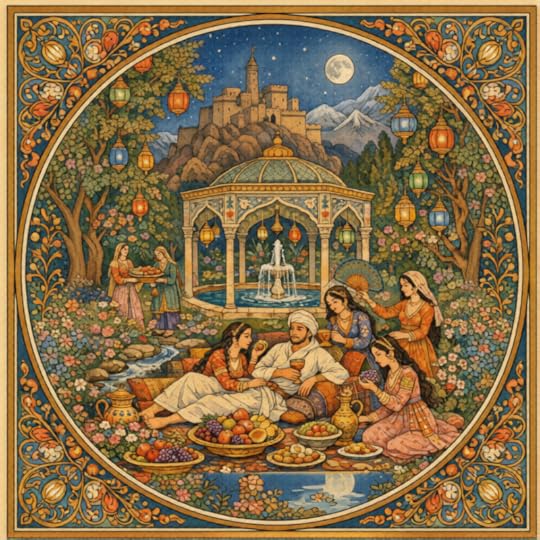
Bartol schrieb den Roman in den 30er Jahren in Slowenien unter dem Eindruck des Faschismus. Bartol nutzt die mittelalterliche Geschichte als Rahmen, um die Mechanismen totalitärer Herrschaft sichtbar zu machen. Mit der Tarnung als Abenteuerroman täuschte er Mussolinis Zensoren. Inhaltlich ist es viel mehr: Es geht um Erkenntnis und Illusion, um Glaube und Macht. Bartol zeigt, wie Fanatismus entsteht und wie leicht der menschliche Geist durch Versprechen und Schein manipuliert werden kann.
Hasan ibn Sabbah ist der Großinquisitor Dostojewskis im Zeitalter des Nihilismus. Auch der Geist Nietzsches, Schopenhauers, Freuds und Machiavellis hallt durch die Gemäuer von Alamut und versieht die Handlung mit profundem philosophischen und psychologischen Gehalt. Als Leser ist man von der Figur des Hassan Ibn Sabah gleichermaßen fasziniert wie entsetzt. Bartol erzählt, was ist, ohne zu belehren oder zu urteilen.
Die Ereignisse des ismaelitischen Widerstands gegen das Seldschukenreich sowie zahlreiche prominente Akteure sind historisch überliefert und authentisch. Die historischen Fakten dienen als Kulisse für die fiktionale Handlung. Die Haschischfantasien gehören ins Reich der „schwarzen Legende“, sie sind Teil der von sunnitischen Gelehrten verbreiteten Diffamierungen und Gerüchte, die bis weit ins zwanzigste Jahrhundert für bare Münze genommen wurden - aber natürlich ideal für einen abenteuerlichen Roman.
Alamut hat mich eine Woche lang völlig gefesselt! Eine mitreißende Handlung, komplexe Charaktere, tragische Schicksale, die märchenhafte Atmosphäre und der philosophische Tiefgang waren zusammen ein beeindruckendes Erlebnis, aber auch eine willkommene, leicht zu lesende Abwechslung. Großartig!
Hashishin oder Assassinen nannten ihre Gegner die blindgläubigen Kämpfer, die ihr Leben opferten, um ins Paradies einzutreten und sich ewigen Sinnesfreuden hinzugeben. Sie selbst nannten sich Fedayin, die „die sich opfern“. Ihr Prophet ist Hassan Ibn Sabbah, ein alter Bekannter aus „Naked Lunch“ von William S. Burroughs und der „Illuminatus! Trilogie“ von Robert Shaw/Robert A. Wilson. Auch in „Der Trost des Nachthimmels“ von Dzevad Karahasan wird er im Zusammenhang mit Omar Chayyam erwähnt.
Hassan Ibn Sabbah, der charismatische Führer der Ismaeliten, einer schiitischen Abspaltung, hatte mit einer List die Festung Alamut im Norden Persiens in seinen Besitz gebracht. Mit Hilfe eines künstlich angelegten Paradiesgartens, extra ausgebildeter Jungfrauen und dem Einsatz von Drogen manipulierte er den Willen junger Männer und schuf eine militärische Spezialeinheit, die zu allem bereit war. Seine Strategie war Macht durch Angst und sein Ziel die Befreiung von der Fremdherrschaft der türkisch-sunnitischen Seldschuken, die das Gebiet von der Türkei bis weit nach Zentralasien erobert hatten.
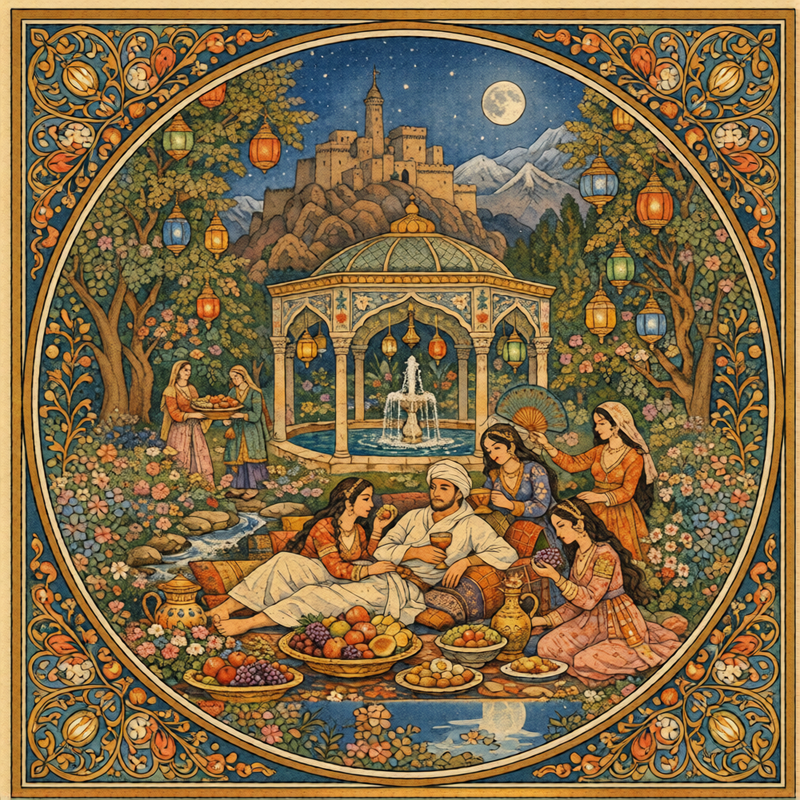
Bartol schrieb den Roman in den 30er Jahren in Slowenien unter dem Eindruck des Faschismus. Bartol nutzt die mittelalterliche Geschichte als Rahmen, um die Mechanismen totalitärer Herrschaft sichtbar zu machen. Mit der Tarnung als Abenteuerroman täuschte er Mussolinis Zensoren. Inhaltlich ist es viel mehr: Es geht um Erkenntnis und Illusion, um Glaube und Macht. Bartol zeigt, wie Fanatismus entsteht und wie leicht der menschliche Geist durch Versprechen und Schein manipuliert werden kann.
»Siehst du, das ist der Unterschied zwischen uns, die wir klar sehen, und den Massen, die im dunkeln tappen: Wir haben uns beschränkt, während sie sich nicht beherrschen wollen oder können. Sie fordern von uns, daß wir sie zum Sturm auf unbekannte und unerkennbare Regionen führen, denn sie können die Ungewißheit nicht ertragen. Und da wir in der Lage sind zu wissen, daß es keine sichere Wahrheit gibt, sind wir gezwungen, für ihren Gebrauch eine schöne Fabel zu erfinden, mit der sie sich trösten können.«
Hasan ibn Sabbah ist der Großinquisitor Dostojewskis im Zeitalter des Nihilismus. Auch der Geist Nietzsches, Schopenhauers, Freuds und Machiavellis hallt durch die Gemäuer von Alamut und versieht die Handlung mit profundem philosophischen und psychologischen Gehalt. Als Leser ist man von der Figur des Hassan Ibn Sabah gleichermaßen fasziniert wie entsetzt. Bartol erzählt, was ist, ohne zu belehren oder zu urteilen.
Die Ereignisse des ismaelitischen Widerstands gegen das Seldschukenreich sowie zahlreiche prominente Akteure sind historisch überliefert und authentisch. Die historischen Fakten dienen als Kulisse für die fiktionale Handlung. Die Haschischfantasien gehören ins Reich der „schwarzen Legende“, sie sind Teil der von sunnitischen Gelehrten verbreiteten Diffamierungen und Gerüchte, die bis weit ins zwanzigste Jahrhundert für bare Münze genommen wurden - aber natürlich ideal für einen abenteuerlichen Roman.
Alamut hat mich eine Woche lang völlig gefesselt! Eine mitreißende Handlung, komplexe Charaktere, tragische Schicksale, die märchenhafte Atmosphäre und der philosophische Tiefgang waren zusammen ein beeindruckendes Erlebnis, aber auch eine willkommene, leicht zu lesende Abwechslung. Großartig!

October 25, 2014
كيف يستطيع التجهيل والكذب أن يجعل أنصاره بالآلاف ؟
كيف يبيع المرء راحته وشبابه ويرهن عقله وتفكيره لدجال يبيع الوهم باسم الجنة وبوعيد براق يدعى "الحوريات"
يروي كاتب الرواية "الأجنبي" قصة الاسماعيلية ومؤسسها شيخ الجبل "حسن الصباح" وكيف استطاع ان يضم إلى قافلته مريدين أشداء يذودون بأرواحهم من أجل قضيته...
بعد ان استولى على قلعة "آلا موت" بدأ العمل للمخطط الذي رسمه منذ زمن طويل من اجل خدمة الاسماعيلية...
مزج الكاتب في هذه الرواية بين الواقع والخيال ليستطيع القارئ بدوره مزج احداث تأسيس هذه الطائفة أحداث تاسيس طوائف اخرى وما أكثرها في الاسلام ...
الرواية ستثبت لك أن تجارة الوهم هي الانجح وهي السائدة على مر الزمان وفي كل مكان بغض النظر عن الطائفة المقصودة
كيف يبيع المرء راحته وشبابه ويرهن عقله وتفكيره لدجال يبيع الوهم باسم الجنة وبوعيد براق يدعى "الحوريات"
يروي كاتب الرواية "الأجنبي" قصة الاسماعيلية ومؤسسها شيخ الجبل "حسن الصباح" وكيف استطاع ان يضم إلى قافلته مريدين أشداء يذودون بأرواحهم من أجل قضيته...
بعد ان استولى على قلعة "آلا موت" بدأ العمل للمخطط الذي رسمه منذ زمن طويل من اجل خدمة الاسماعيلية...
مزج الكاتب في هذه الرواية بين الواقع والخيال ليستطيع القارئ بدوره مزج احداث تأسيس هذه الطائفة أحداث تاسيس طوائف اخرى وما أكثرها في الاسلام ...
الرواية ستثبت لك أن تجارة الوهم هي الانجح وهي السائدة على مر الزمان وفي كل مكان بغض النظر عن الطائفة المقصودة

January 11, 2021
"Nothing is true. Everything is permitted." With that fundamental truth established, I do agree BTW, we are launched into this truly amazing and interesting historical fiction/philosophical romp into the mind of Hassan-i Sabbah, the Sayyiduna ("Our Master"), who infamously founded the colloquially called Order of Assassins. A wee bit of actual history first-
If you find yourself in the South Caspian province of Qazvin in Iran, roughly 130 miles SW of Tehran, you can travel to the region of Alamut and still see the remains of the castle that is the novel's title. Though little of the once opulent and graceful architecture remains, you can see what was once a mighty fortress (you can thank the Mongols). In 865 AD a Justiniad ruler (this region was called Daylum) named Wahsūdān ibn Marzubān built a strategic fortress that used the natural lay off the land to present a very difficult means of approaching across any large front. Wahsūdān allegedly saw an eagle nest at the very top of the outcrop and developed the idea for the fortress and called it Aluh Amu(kh)t or "The Eagle's Teaching". Yet, this Justiniad ruler also had a deep cultural appreciation for gardens and incorporated gardens into the design of this fortress. That, in itself, makes this a unique concept. One Hassan would take to the next level.
Hassan intrinsically saw that the multi-tiered levels, with him perched on top almost in a literal "Eagle's Nest" or the "Old Man of the Mountain", allowed him to create lush gardens at the bottom completely separate from where the young Fedai would train. So what is going on? Hassan lived in a time of great religious upheaval in Iran. The ruling Sultan was a Seljuk Turk (The Seljuk Empire was founded by Tughril Beg and his brother Chagri Beg in 1037) and Hassan's particular sub-sect of Islam- Isma'ilism (they believed that Ismaʻil ibn Jafar was the True Imam) was in jeopardy due to antipathy from the Imperial Seljuk Court.
Hassan can not compete in direct military terms with these rich and powerful caliphs and sultans so he has to use his wits. The Seljuk vizier Nizam al-Mulk had called for his arrest. But Hassan decided to take the impregnable fortress of Alamut. Instead of employing military means that he did not possess, he instead played on the valley's native population's sympathy with Isma'ilism to convert them to his cause. Thus when the Castle recruited it selected from a pool of candidates who had ultimate loyalty to Hassan. This went for servants to guards. Eventually, the castle's Zaydi ‘Alid lord, Mahdi (a vassal of the Seljuk's) noticed new faces among the castle's staff. But his revelation came too late as it was the summer of 1090 AD and strolling through his front gate was none other than Hassan himself. Upon trying to have him arrested and failing miserably since the guards turned on Madhi, Hassan let him go free unharmed, pending payment of 3000 gold dinars (paid by a Seljuq officer in service to the Isma'ili cause named Ra’is Muzaffar who honored the payment in full). Thus, Hassan's fame as a wise and leader spread and people began to call him a Prophet since he had managed to secure a fortress and profited from it. Without shedding a single drop of blood, Hassan had humbled the mighty Seljuk Empire. This is where our story begins. Also one last thing- the cool ass cover? If you read the Arabic (read right to left) on the girl's hand (I assume she represents either Halima or Miriam) it says :
I feel sorry for the Garden
No one is thinking about the flowers
No one is thinking about the fish
No one wants to believe
that the garden is dying
that the garden's heart has swollen under the sun
that the garden
is slowly forgetting its green moments....
Lovely poem. Alamut is not only a great historical fiction account of how Hassan trains and uses his feared Fedai. In history, these were called the Hashashin tales of which were brought to Europe by Marco Polo and started the term "assassins". While this is a historical tale it is also a fiction novel with three different main characters representing different viewpoints- Halima, Ibn Tahir and Hassan. For Halima it is a very hard journey into a tragic and doomed love as the personification of heavenly delights, for Ibn Tahir it is the journey into becoming first a Fedai and then his path towards truly understanding his calling, and finally Hassan's steadfast belief in the core of his beliefs and the hidden cost he pays to enact this supreme act of will. For only by created guiden missiles that can strike at any leader in any court can the survival of the Order be guaranteed. History proved him correct for over two centuries until the Mongols took the entire Order out in the late 1290's. But that is not the purview of this tale. It is to explain the how and the why and to show the perspectives of those three main characters, as well as the many fully developed side characters.
Finally, there is the philosophy of this novel. It reminded me of novel's like Heman Hesse's Siddhartha-though a completely different philosophy altogether *lol*. The ideas are quite interesting and I found myself in agreement with a great deal of Hassan's darkly realistic assessment of religion and belief. His argument about the one true god being death caused a chuckle since I have uttered those exact same words for over a decade on different battlefields seeing a recurring reality trumping all faiths, all beliefs, and all manner of denials. Even atheists succumbed to this truly omnipotent god of all things.
Hassan: "............................Yes, I did speak of some all-seeing god. Neither Jehovah, nor the Christian God, nor Allah could have created the world we live in. A world in which nothing is superfluous, in which the sun shines just as gently on the tiger and the lamb, the elephant and the fly, the scorpion and the butterfly, the serpent and the dove, the rabbit and the lion, the blossom and the oak, the beggar and the king. Where both the just and the unjust, the strong and the weak, the smart and the stupid fall victim to disease. Where happiness and pain are blindly strewn to the four winds. And where the same ending awaits all living things-death. Don't you see? That's the god whose prophet I am."
Amen. A brilliant novel on many levels. The best part? It was written by a Slovenian guy living in Italy in the early 1900's. Vladmir Bartol became fascinated by the Order of Assassins after learning about them from a Slovene literary critic named Josip Vidmar. Thus it is often difficult to understand that this amazing look into the complex world of the Order of Assassins and its brilliant found Hassan was a story written by a Solvene, but this excellent novel is well worth your time. Read for the story, the history or the philosophy. It works on many levels. Highly recommended.
If you find yourself in the South Caspian province of Qazvin in Iran, roughly 130 miles SW of Tehran, you can travel to the region of Alamut and still see the remains of the castle that is the novel's title. Though little of the once opulent and graceful architecture remains, you can see what was once a mighty fortress (you can thank the Mongols). In 865 AD a Justiniad ruler (this region was called Daylum) named Wahsūdān ibn Marzubān built a strategic fortress that used the natural lay off the land to present a very difficult means of approaching across any large front. Wahsūdān allegedly saw an eagle nest at the very top of the outcrop and developed the idea for the fortress and called it Aluh Amu(kh)t or "The Eagle's Teaching". Yet, this Justiniad ruler also had a deep cultural appreciation for gardens and incorporated gardens into the design of this fortress. That, in itself, makes this a unique concept. One Hassan would take to the next level.
Hassan intrinsically saw that the multi-tiered levels, with him perched on top almost in a literal "Eagle's Nest" or the "Old Man of the Mountain", allowed him to create lush gardens at the bottom completely separate from where the young Fedai would train. So what is going on? Hassan lived in a time of great religious upheaval in Iran. The ruling Sultan was a Seljuk Turk (The Seljuk Empire was founded by Tughril Beg and his brother Chagri Beg in 1037) and Hassan's particular sub-sect of Islam- Isma'ilism (they believed that Ismaʻil ibn Jafar was the True Imam) was in jeopardy due to antipathy from the Imperial Seljuk Court.
Hassan can not compete in direct military terms with these rich and powerful caliphs and sultans so he has to use his wits. The Seljuk vizier Nizam al-Mulk had called for his arrest. But Hassan decided to take the impregnable fortress of Alamut. Instead of employing military means that he did not possess, he instead played on the valley's native population's sympathy with Isma'ilism to convert them to his cause. Thus when the Castle recruited it selected from a pool of candidates who had ultimate loyalty to Hassan. This went for servants to guards. Eventually, the castle's Zaydi ‘Alid lord, Mahdi (a vassal of the Seljuk's) noticed new faces among the castle's staff. But his revelation came too late as it was the summer of 1090 AD and strolling through his front gate was none other than Hassan himself. Upon trying to have him arrested and failing miserably since the guards turned on Madhi, Hassan let him go free unharmed, pending payment of 3000 gold dinars (paid by a Seljuq officer in service to the Isma'ili cause named Ra’is Muzaffar who honored the payment in full). Thus, Hassan's fame as a wise and leader spread and people began to call him a Prophet since he had managed to secure a fortress and profited from it. Without shedding a single drop of blood, Hassan had humbled the mighty Seljuk Empire. This is where our story begins. Also one last thing- the cool ass cover? If you read the Arabic (read right to left) on the girl's hand (I assume she represents either Halima or Miriam) it says :
I feel sorry for the Garden
No one is thinking about the flowers
No one is thinking about the fish
No one wants to believe
that the garden is dying
that the garden's heart has swollen under the sun
that the garden
is slowly forgetting its green moments....
Lovely poem. Alamut is not only a great historical fiction account of how Hassan trains and uses his feared Fedai. In history, these were called the Hashashin tales of which were brought to Europe by Marco Polo and started the term "assassins". While this is a historical tale it is also a fiction novel with three different main characters representing different viewpoints- Halima, Ibn Tahir and Hassan. For Halima it is a very hard journey into a tragic and doomed love as the personification of heavenly delights, for Ibn Tahir it is the journey into becoming first a Fedai and then his path towards truly understanding his calling, and finally Hassan's steadfast belief in the core of his beliefs and the hidden cost he pays to enact this supreme act of will. For only by created guiden missiles that can strike at any leader in any court can the survival of the Order be guaranteed. History proved him correct for over two centuries until the Mongols took the entire Order out in the late 1290's. But that is not the purview of this tale. It is to explain the how and the why and to show the perspectives of those three main characters, as well as the many fully developed side characters.
Finally, there is the philosophy of this novel. It reminded me of novel's like Heman Hesse's Siddhartha-though a completely different philosophy altogether *lol*. The ideas are quite interesting and I found myself in agreement with a great deal of Hassan's darkly realistic assessment of religion and belief. His argument about the one true god being death caused a chuckle since I have uttered those exact same words for over a decade on different battlefields seeing a recurring reality trumping all faiths, all beliefs, and all manner of denials. Even atheists succumbed to this truly omnipotent god of all things.
Hassan: "............................Yes, I did speak of some all-seeing god. Neither Jehovah, nor the Christian God, nor Allah could have created the world we live in. A world in which nothing is superfluous, in which the sun shines just as gently on the tiger and the lamb, the elephant and the fly, the scorpion and the butterfly, the serpent and the dove, the rabbit and the lion, the blossom and the oak, the beggar and the king. Where both the just and the unjust, the strong and the weak, the smart and the stupid fall victim to disease. Where happiness and pain are blindly strewn to the four winds. And where the same ending awaits all living things-death. Don't you see? That's the god whose prophet I am."
Amen. A brilliant novel on many levels. The best part? It was written by a Slovenian guy living in Italy in the early 1900's. Vladmir Bartol became fascinated by the Order of Assassins after learning about them from a Slovene literary critic named Josip Vidmar. Thus it is often difficult to understand that this amazing look into the complex world of the Order of Assassins and its brilliant found Hassan was a story written by a Solvene, but this excellent novel is well worth your time. Read for the story, the history or the philosophy. It works on many levels. Highly recommended.

February 6, 2016
لو قُيِّض لهذه الرواية أن تُحوَّل إلى عملٍ سينمائي لفازت بجائزة الأوسكار بكل تأكيد. مزج بارتول فيها التاريخ والفلسفة بالخيال الأدبي فأخرج نصاً أدبياً رفيعاً جداً وكاشفاً لمرحلة تاريخية مهمة، مع التأكيد على أن الرواية لا يمكن الاستناد عليها كمصدر للمعلومات التاريخية.
تكشف الرواية كيف يُصنع الإرهاب من مزيج التعصب الديني والجهل والدجل والوهم في صورة شبيهة جداً بما نراه اليوم متجسداً في إرهاب الجماعات الأصولية بمختلف مذاهبها ومشاربها.
تكشف الرواية كيف يُصنع الإرهاب من مزيج التعصب الديني والجهل والدجل والوهم في صورة شبيهة جداً بما نراه اليوم متجسداً في إرهاب الجماعات الأصولية بمختلف مذاهبها ومشاربها.

November 19, 2012
قرأته بالانجليزية وأقرأ الآن باستمتاع قصة الحشاشين. للتوضيح فقط: بارتول استقى الوقائع من روايات ماركو بولو وهذه الأخيرة امتزجت فيها الحقيقة بالأسطورة والخيال

September 20, 2014
This stunning historical novel first published in 1938 is based on the live of Hassan-i-Sabbah (1050-1124 CE) an Ismaili who founded the Fedayeen (a.k.a. the Hashhashin, a.k.a. the Assassins) at Alamut a fortress town in what is now Iran. His group waged a war against the occupying Seljuk Turks.
Alamut is a study of how a charismatic leader can create a group of fanatical follows that will attempt to seize power through selected assassinations. In this novel, Hassan-i-Sabbah creates a fake heaven at Alamut that is filled with beautiful young women who are supposed to be Houris. The young recruits are drugged. When they awake they find themselves in the fake heaven. They make love and then are put to sleep again. When they awake they depart on their missions to assassinate on which they will prove highly successful. By following the lifes of several of the fake houris and the young recruited assassins, Bartol makes it clear just what a great tragedy it is when young people are recruited into political organizations of this ilk.
By writing this novel of a terrorist organization created in the 11th century Bartol, a citizen of Jugoslavia, hoped that he would be alerting the pubic to the sinister nature of Mussolini whose assassins in 1934 had killed King Alexander of Jugoslavia. Read this book. You may or may find parallels in today's world.
Alamut is a study of how a charismatic leader can create a group of fanatical follows that will attempt to seize power through selected assassinations. In this novel, Hassan-i-Sabbah creates a fake heaven at Alamut that is filled with beautiful young women who are supposed to be Houris. The young recruits are drugged. When they awake they find themselves in the fake heaven. They make love and then are put to sleep again. When they awake they depart on their missions to assassinate on which they will prove highly successful. By following the lifes of several of the fake houris and the young recruited assassins, Bartol makes it clear just what a great tragedy it is when young people are recruited into political organizations of this ilk.
By writing this novel of a terrorist organization created in the 11th century Bartol, a citizen of Jugoslavia, hoped that he would be alerting the pubic to the sinister nature of Mussolini whose assassins in 1934 had killed King Alexander of Jugoslavia. Read this book. You may or may find parallels in today's world.
Displaying 1 - 30 of 1,307 reviews