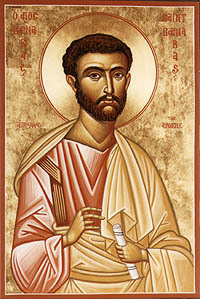
Christian convert Saint Barnabas, originally Joses the Levite or Joseph, in floruit in first century AD went as missionary with Paul to Cyprus and Asia Minor.
Barnabas (Βαρναβᾶς) joined the earliest disciples in Jerusalem. Barnabas like almost all disciples at the time came of the specific children of Israel. Named an apostle in Acts 14:14, he undertook journeys together and defended Gentile against a faction, promoting circumcision. They gained many persons in Antioch circa 43-44, traveled together to make more circa 45 to 47, and participated in the council of Jerusalem circa 50. Barnabas successfully evangelized among the "God-fearing" Gentiles, who attended synagogues in various Hellenized cities of Anatolia.
از سر بیکاری نشستم خوندم. چالش گذاشتم که چند تا مطلب اشتباه میتونم از توش دربیارم. اینا رو موقع خوندن یادداشت کردم:
۱. نویسنده هرود کبیر رو با هیرودیس آنتیپاس اشتباه گرفته. نوشته هیردوس زمان تولد عیسی پادشاه یهودیه بود، بعد نوشته پیلاطس هم حاکم بود.
درستش چیه؟ زمان تولد عیسی هرود کبیر از طرف روم پادشاه فلسطین بود. بعد از هرود حکومتش بین پسرهاش تقسیم شد، حکومت جلیل به هیرودیس آنتیپاس رسید و حکومت یهودیه به آرکلائوس. بعد که آرکلائوس نتونست منطقۀ خودش رو کنترل کنه، روم خودش وارد شد و حاکمهای رومی گذاشت برای یهودیه. پیلاطس یکی از چندین حاکم رومی بود که برای یهودیه تعیین شدن طی سالیان.
پس اولاً اون هرود که زمان تولد عیسی پادشاه بود، غیر از هیرودسیه که همزمان با پیلاطس حکومت میکرد. ثانیاً هیرودسی که همزمان با پیلاطس بود، حاکم جلیل بود نه یهودیه. حاکم یهودیه پیلاطس بود.
۲. نویسنده خواسته هم روایت متّی (اومدن سه مجوس از شرق برای دیدن تولد عیسی) رو حفظ کنه، هم روایت لوقا رو، نتیجهش شده این که مریم و یوسف بعد از هشت روز از آخور بیتلحم درمیان و میرن اورشلیم تا عیسی رو ختنه کنن، بعد دوباره به دلایل نامعلومی برمیگردن به آخور بیتلحم تا سه مجوس بیان به دیدن عیسی. مریم و یوسف فقط برای سرشماری رفته بودن بیتلحم و کار دیگهای اونجا نداشتن که بعد از ختنه کردن عیسی در اورشلیم، دوباره بخوان برگردن بیتلحم.
۳. عیسی توی اناجیل رسمی یه جمله میگه که معتقدن قطعاً مال خود عیساست. میگه: به زودی شما دوازده حواری بر دوازده سبط بنیاسرائیل حکومت خواهید کرد. چرا این جمله قطعاً مال عیساست؟ چون یکی از دوازده نفر یهودای خیانتکاره. اگه این جمله بعد از عیسی نوشته شده بود، نویسنده چنین جملهای نمینوشت. این جمله رو قطعاً خود عیسی گفته که هنوز خبر نداشت قراره یکی از این دوازده نفر بهش خیانت کنه. نادرست بودن پیشگویی نشانگر اصیل بودنشه.
حالا انجیل برنابا دقیقاً اومده این پیشگویی نادرست عیسی رو رفع و رجوع کرده. توی این انجیل بلافاصله بعد از اون پیشگویی، عیسی میگه: حیف که یکی از این دوازده نفر شیطانه! رفع و رجوع کردن پیشگویی نادرست، نشانگر نااصیل بودنشه.
۴. نویسنده هوشع نبی رو معاصر حَجَّی نبی کرده. در حالی که دویست سال بینشون فاصله بوده.
۵. نویسنده ایلیای نبی رو معاصر فریسیها کرده. در حالی که چهارصد سال بینشون فاصله بوده.
۶. به عیسی میگن: تو «مسیا» هستی؟ میگه: نه، من خادم مسیا هستم که قراره بعد از من بیاد (اشاره به پیامبر اسلام). ظاهراً نویسنده نمیدونه مسیا تلفظ اروپاییها از مسیحه.
۷. نویسنده میگه عیسی و حواریون برۀ شام آخر رو توی خونه کشتن. طبق شریعت یهود برۀ پسح باید توی قربانگاه معبد قربانی بشه و خونش به قربانگاه پاشیده بشه. نمیشه توی خونه قربانیش کرد.
۸. نویسنده اول انجیل میگه به خاطر تعالیم نادرست پولس شروع کردم به نوشتن این انجیل. آخر انجیل میگه عیسی قبل از عروج به آسمان بهم فرمان داد انجیل رو بنویس.
بین عیسی و شروع تبلیغ پولس حداقل هفت سال فاصله است. پولس چهار سال بعد از عیسی مسیحی شد، و سه سال هم توی عربستان خلوتنشینی کرد، قبل از این که تبلیغ رو شروع کنه.
هل العهد الجديد كلمة الله؟ إنجيل برنابا منقول من مدونة فتشوا الكتب ... Search the Books http://egyptioneng.blogspot.com/2010/... كثيراً ما يتردد على الألسنة ذكر هذا الإنجيل المثير، والذي ينسب لأحد أخص تلاميذ المسيح، وهذا الإنجيل يخالف سائر الأناجيل الأربعة في أمور جوهرية ، منها نقضه لدعوى ألوهية المسيح، وتأكيده نجاة المسيح من الصلب، وتنديده ببولس، ورفضه لتبشيره، وكذا تصريحه ببشارة عيسى عليه السلام بالنبي صلى الله عليه وسلم في مرات عديدة.
من هو برنابا ؟ برنابا هو أحد حواريي المسيح ، واسمه يوسف بن لاوي بن إبراهيم ، يهودي من سبط لاوي من قبرص ، باع حقله وجاء ووضعه عند أرجل تلاميذ المسيح ( انظر أعمال /36 – 37 )، عرف بصلاحه وتقواه ، ويسميه سفر الأعمال" يوسف الذي دعي من الرسل برنابا " ( أعمال 4/36 ). ولما ادعى بولس أنه رأى المسيح وعاد إلى أورشليم يتقرب إلى التلاميذ تولى برنابا تقديمه إلى التلاميذ ( انظر أعمال 9/27 ) وقد ذهب برنابا للدعوة في أنطاكية .. "ووعظ الجميع أن يثبتوا في الرب بعزم القلب ، لأنه كان رجلاً صالحاً وممتلئاً في الروح القدس والإيمان ، فانضم إلى الرب جمع غفير " ( أعمال 11/22 – 24 ). ثم خرج إلى طرسوس ودعا فيها مع شاول ( بولس ) سنة كاملة ( أعمال 11/25 - 26)، ثم تشاجر مع بولس وافترقا ( أعمال 15/29 ) وبعد هذا الشجار اختفى ذكر برنابا من العهد الجديد . وذكر المؤرخون أن وفاته كانت سنة 61م في قبرص، حيث قتله الوثنيون رجماً بالحجارة ودفنه ابن أخته مرقس الإنجيلي .
ثبوت وجود رسائل وإنجيل منسوب لبرنابا وتنسب المصادر التاريخية إلى برنابا إنجيلاً ورسالة وكتاباً عن رحلات وتعاليم الرسل ، وقد عثر العالم الألمانى تشندروف ( 1859 م ) على رسالة برنابا ضمن المخطوطة السينائية التي عثر عليها ، مما يشير إلى اعتبارها رسالة مقدسة فترة من الزمن . لكن أياً من رسائله وكتاباته لم تعتبر مقدسة ، وهنا نعجب كيف اعتبرت رسائل بولس ولوقا اللذين لم يريا المسيح؟ ولم تعتبر أقوال برنابا الذي سبقهم بالإيمان وبصحبة المسيح !! وقد صدر عام 366م أمر من البابا دماسس بعدم مطالعة إنجيل برنابا ، ومجلس الكنائس الغربية عام 382م، كما صدر مثله عن البابا أنوسنت 465م، كما وقد حرّم البابا جلاسيوس الأول عام 492م مطالعة بعض الاناجيل، فكان منها إنجيل برنابا .
العثور على نسخة من إنجيل برنابا واختفى ذكر إنجيل برنابا قروناً طويلة حتى عثر الراهب الإيطالي فرامينو في أواخر القرن السادس عشر على نسخة منه في مكتبة البابا سكتس الخامس في الفاتيكان ، فأخفاها وخرج بها ثم أسلم ، وانقطع ذكر هذه النسخة. وفي عام 1709م عثر كريمر أحد مستشاري ملك روسيا على النسخة الوحيدة الموجودة اليوم من إنجيل برنابا والتي استقرت عام 1738م في البلاط الملكي في فيينا ، وتقع في 225 صحيفة سميكة مجلة بصحيفتين ومكتوبة بالإيطالية. وقد ترجمت إلى العربية في مطلع هذا القرن على يد الأستاذ خليل سعادة ، وقدم للترجمة بمقدمة نستعين بها في معرفة أصول هذه النسخة ، وقد ذكر وجود ترجمة أسبانية تناقلها عدد من المستشرقين في أوائل القرن الثامن عشر ، وانتهت إلى يد الدكتور هوايت الذي ذكر بأنها مترجمة عن نسخة البلاط الملكي الإيطالية ، وأن مترجمها للأسبانية مسلم يدعى مصطفى العرندي ، واختفت هذه النسخة عند الدكتور هوايت . فمن هو كاتب نسخة البلاط الملكي الوحيدة ؟ ومن هو كاتب الإنجيل ؟
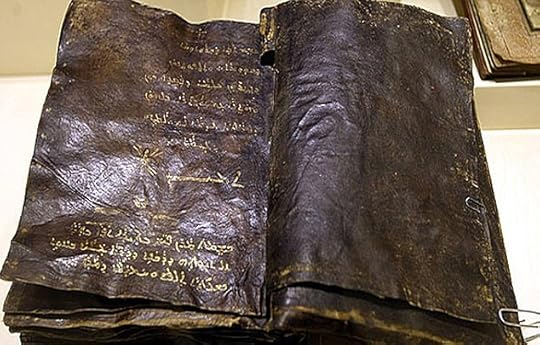
وصف المخطوطة الوحيدة للإنجيل أما بخصوص النسخة الوحيدة فإنها كما يصفها خليل سعادة مجلدة بصحيفتين عليهما نقوش ذهبية..ويرى المحققون أن ناسخ هذه المخطوطة من أهالي البندقية في القرن 15 - 16 أو أوائل القرن السابع عشر ، وأنه أخذها من نسخة توسكانية أو بلغة النبدقية ، وتطرقت إليها اصطلاحات توسكانية . ويذهب الكاتبان " لو تسدال " و " لو راواغ " إلى أن النسخ تم عام 1575م تقريباً ، وأنه من المحتمل أن يكون الناسخ فرامينو الراهب . ويوجد على هوامش النسخة ألفاظ وجمل عربية بعضها صحيح العبارة وبعضها ركيك لا يتصور سعادة أن " يفعله كاتب عربي تحت الشمس ". ويرجح سعادة أن الكاتب لهذه الهوامش واحد، وأنه عربي، وأن الناسخ بدل وغير في النسخة ، فنتج هذا الاضطراب في العبارات العربية ، ويجزم سعادة أن هذه النسخة نسخة منقولة عن أصل آخر لها .
موقف المسلمين من إنجيل برنابا وعلاقتهم بتأليفه وبخصوص كاتب الإنجيل، أراد النصارى إلصاق هذا الإنجيل بالمسلمين ، من غير أن يكون لديهم دليل واحد يثبت ذلك، أو يحدد اسم هذا المسلم الألمعي العارف باليهودية وكتبها. وبعد قراءة سعادة للإنجيل رجح – من غير أن يقدم أدلة شافية - أن كاتبه " يهودي أندلسي اعتنق الدين الإسلامي بعد تنصره واطلاعه على أناجيل النصارى ، وعندي (أي سعادة) أن هذا الحل هو أقرب إلى الصواب من غيره " .
واستند في زعمه إلى أمور : 1 ) أن للكاتب إلماماً عجيباً بأسفار العهد القديم " لاتكاد تجد له مثيلاً بين طوائف النصارى إلا في أفراد قليلين من الأخصائيين ... والمعروف أن كثيرين من يهود الأندلس كانوا يتضلعون بالعربية .. فيكون مثلهم في الاطلاع على القرآن والأحاديث النبوية " . 2 ) أن الإنجيل يؤكد على أهمية الختان وغيره من الأحكام التوراتية ، وفيه من الكلام الجارح ما يستحيل صدوره من نصراني ، كما يتضمن تقاليد تلمودية يتعذر على غير اليهودي معرفتها . ويتضمن أيضاً أساطير وقصص عربية مما يتناقله العامة في البيئة العربية ، فدل ذلك على أنه يعيش في البيئة العربية. 3 ) أن هذا الإنجيل يوافق القرآن والسنة في مواضع عدة أهمها إنكار ألوهية المسيح أو أنه ابن الله ، وإنكار صلب المسيح ، والقول بصلب يهوذا ، وكذا يصرح الإنجيل ويؤكد على أن الذبيح إسماعيل لا إسحاق ، ويذكر أن محمداً هو المسيا المنتظر في أكثر من موضع . 4 ) أن هذا الإنجيل يباين الأناجيل الأربعة بما فيه من أدب راقٍ ومسائل فلسفية وعلمية . واستدل لذلك بما في الإنجيل من مباحث فلسفية تشبه فلسفة أرسطو طاليس التي كانت شائعة في القرون الوسطى ، كما يحوي الإنجيل تشبيهات واستعارات أدبية تشبه ما نقل عن الشاعر دانتي في العصور الوسطى . والنتيجة أن النصارى لا يعترفون بصحة نسبة الإنجيل لبرنابا ، ويؤكدون أنه منحول ، وأن كاتبه مسلم في القرون الوسطى . وقد صدرت في ذلك كتابات نصرانية أكدت أن الإنجيل مزور مستدلة بما سبق وبأمور أخرى أقل أهمية مثل مخالفة الإنجيل لبعض حقائق الجغرافيا والتاريخ ، وأيضاً أنه حوى أموراً تكذبه بها الأناجيل الأربعة ومنها قوله: " أن الله اعتبر الكذب في سبيل الحمد فضيلة " ( برنابا 161/60 ) ، ومنها أن قوله بصلب يهوذا بدلاً عن المسيح فكرة غير ناضجة ، لأن الله لو أراد إنقاذ المسيح لأنقذه بمعجزة ، وليس عن طريق الغش والخداع الذي يلجأ إليه الضعفاء .
موقف علماء الإسلام من إنجيل برنابا على الرغم من موافقة إنجيل برنابا لمعتقدات المسلمين في الجملة، فإن أحداً من المسلمين لا يعتبره الإنجيل الذي أنزله الله على المسيح .. ولم يلجأ المسلمون إلى الاستشهاد بهذا الإنجيل إلا نادراً ، وكان استشهادهم به أقرب إلى الاستئناس منه إلى الاستدلال ، فالمسلمون لا يرون في هذا الإنجيل إنجيل المسيح ، لكنه أقرب إلى طبيعة المسيح وتلاميذه من سائر الأناجيل . ورفض المسلمون نسبة هذا الإنجيل إلى المسلمين ، فلقد وجد في بيئة مسيحية صرفة كما سبق بيانه ، وقد سبق ذكره قبل الإسلام بقرون عدة مما يدل على براءة المسلمين منه . وأما التعليقات العربية الموجود على نسخته الإيطالية فهي من عمل الناسخ عن الأصل أو قارئ للنسخة لا يجيد العربية ، ولعله فرامينو الراهب الذي أسلم ، وتكون هذه النسخة هي التي عثر عليها في مكتبة البابا. ثم من ذا المسلم الذي سيصنع هذا الإنجيل، ولا يستشهد به هو ولا من بعده في مناظرة النصارى ؟ وكيف له أن يوصله إلى مكتبة البابا بالفاتيكان ؟ فجهل المسلمين به وعدم استشهادهم به دليل برائتهم منه . وأما تصريحه باسم النبي صلى الله عليه وسلم واعتباره دليلاً على أنه من وضع المسلمين ، وأن المؤلف المنتحل - كما يقول سعادة – "بالغ وجاوز في الغرض ولو أشار من غير تصريح باسم النبي لكان ذلك أبلغ" . فهذا نراه دليلاً على صحة نسبة الإنجيل وبراءة المسلمين منه ، إذ لا يمكن أن يفوت كاتب الانجيل ، وهو الذي يصفه سعادة بالذكاء البارع - مثل هذه الأمر ، فلو كان منتحلاً لأشار للنبي ولم يصرح باسمه ، فتصريحه مع ذكائه وبراعته دليل أصالته. وأما تكذيب الإنجيل لألوهية المسيح ، وتشنيعه الشديد على من ترك الختان فهو دليل على نصرانية كاتبه لا يهوديته، إذ ترك الختان ليس من دين المسيح، بل هو من تغيير بولس بعد المسيح ، ومثله القول بألوهية المسيح. وقد كتب برنابا إنجيله ليكشف ما صنعه بولس كما جاء في مقدمته " إن الله العظيم العجيب قد افتقدنا في هذه الأيام الأخيرة بنبيه يسوع المسيح برحمة عظيمة للتعليم والآيات التي اتخذها الشيطان ذريعة لتضليل كثيرين بدعوى التقوى ، مبشرين بتعليم شديد الكفر ، داعين المسيح ابن الله ، ورافضين الختان الذي أمر الله به دائماً مجوزين كل لحم نجس ، الذين ضل في عدادهم أيضاً بولس الذي لا أتكلم معه إلا مع الأسى ، وهو السبب الذي لأجله أسطر ذلك الحق الذي رأيته..." ( برنابا : مقدمة /2 - 8 ) .
مخالفة الإنجيل لمعتقدات المسلمين ومما يدل على براءة المسلمين من هذا الإنجيل اختلافه في طريقة صياغته وأسلوبه عن طريقة العرب وأسلوبهم ، فليس في المسلمين من يذكر الله ولا يثني عليه. أو يذكر الأنبياء ولا يصلي عليهم . كما يخالف المعتقدات الإسلامية في مسائل منها قوله بأن الجحيم للخطاة السبعة: المتكبر والحسود والطماع والزاني والكسلان والنَهِم والغضِب المستشيط ، ( انظر برنابا 135/4 - 44 ) وقد ترك ذنوباً أكبر كالشرك والقتل، كما أن الكسل والنهِم لايستحقان النار. ومثله قوله: " دعوا الخوف للذي لم يقطع غرلته ، لأنه محروم من الفردوس " ( برنابا 23/17 ) فمثل هذا لا يوافقه عليه مسلم . ومثله تسمية الله " العجيب " ( برنابا 216/3 )، وهو ليس من أسماء الله الحسنى. وكذا قوله عن الله: " إن الله روح " ( برنابا 82/6 ) والأرواح عندنا مخلوقة. ويتحدث عن الله ، فيصفه أنه " المبارَك " ( برنابا 71/16 )، ولا يمكن لمسلم أن يقول عن الله ذلك ، إذ هو الذي يبارِك ، ومن ذا الذي يبارك الله جل وعلا !!! فتبارك الله أحسن الخالقين . ومما يرد أيضاً انتحال مسلم لإنجيل برنابا قوله: " أقول لكم إذاً: إن السماوات تسع "( برنابا 105/3 ) ولا يقول بهذا مسلم قرأ القرآن . وأيضاً يذكر برنابا تسميات للملائكة لم يقل بها المسلمون ، وفي ذلك ذكر اسم رفائيل وأوريل في قوله: " أمر جبريل وميخائيل وأوريل سفراءه أن يأخذوا يسوع من العالم … فجاء الملائكة الأطهار " ( برنابا 215/4-5 ) . ثم قد ورد اسم الرسول " محمد " مرات عدة في إنجيل برنابا، ولم يرد اسمه " أحمد " مرة واحدة ، ولو كان الكاتب مسلماً لعمد إلى كتابته - ولو مرة واحدة ليحقق التوافق الحرفي مع ما جاء في سورة الصف { ومبشراً برسول يأتي من بعدي اسمه أحمد } . (الصف: 6) ثم لو كان كاتبه مسلماً لكتب معجزة كلام المسيح في المهد التي ذكرها القرآن وأغفلتها الأناجيل ، وغير ذلك من المسائل التي تثور في وجه من يقول بانتحال مسلم لهذا الإنجيل . وحين يدفع المسلمون القول بأن إنجيل برنابا منحول ، ليس لجزمهم بصحة نسبة الإنجيل إلى برنابا ، بل لجزمهم بأن هذا الإنجيل لا يقل حاله بحال من الأحوال عن سائر أسفار العهد القديم والجديد . ويوافق المسلمون النصارى في اعتراضهم على هذا الإنجيل، ودعواهم بأنه لم يصل بطريق موثق ، وأنه لا يعلم أصله، لكن الحال الذي ينكرونه هو حال كل صحيفة من صحائف الكتاب المقدس. بل إن لإنجيل برنابا مزية على سائر الأناجيل، فقد صرح فيه الكاتب أنه برنابا، ويقول عن نفسه في سائر صفحات الإنجيل: فقال لي برنابا ، وقلت للمسيح .... ، بينما لا تجد مثله في سائر الأناجيل ( انظر متى 9/9 ) و( يوحنا 21/24 ) . وأما عن أخطاء الإنجيل التاريخية أو ذكره تسمية "جبل طابور" ( برنابا 42/20 ) وهي تسمية غير معهودة أيام المسيح ، فهذا لا يختلف أبداً عن ذكر حبرون في عهد موسى ، وقد سميت بعده ( انظر التكوين 13/18 ) . ولعل هذه التسمية الجديدة - إن صحت جدتها - من عمل الناسخ وتدخله في النص . ثم إن أسلوب الكاتب ومعلومات الإنجيل يؤكدان بأن الكاتب ضليع في علوم الكتاب المقدس، متصف بعمق واسع يليق بمثل برنابا داعية النصرانية في الجيل الأول ، فليس بمستغرب أن يكون قد كتب إنجيلاً، ومنع قراءته دليل وجوده بل واشتهاره . وأما مخالفة الإنجيل للحقائق التاريخية فلكونه عملاً بشرياً ، ولا حرج في ذلك، إذ أن النصارى ينسبون مثل هذه المخالفات إلى أسفار الوحي . وقول برنابا: " الكذب فضيلة " لا يختلف كثيراً عن قول بولس عن نفسه بأنه روماني كذباً (انظر أعمال 23/25)، ثم قوله: " فإنه إن كان صدق الله قد ازداد بكذبي لمجده " ( رومية 3/7 )، فصدور هذا الاعتراض من النصارى لا يقبل . وأما التشابه بين أقوال الشاعر دانتي وإنجيل برنابا فهو لا يعني جزماً بأن كاتب الإنجيل وجد بعد دانتي ، بل قد يكون دانتي هو المستفيد من برنابا . ثم إن التشابه لا يعني بالضرورة نقل اللاحق عن السابق دائماً ، وإلا لزم أن نقول بأن أسفار التوارة التشريعية منقولة عن قوانين حمورابي للتشابه الكبير بينهما . وأخيراً، فإنه لو كان كاتب الإنجيل في العصور الوسطى لما وقع بتلك الأخطاء في الإحالة إلى أسفار التوارة، ولكان أيضاً قد اهتم بالتنديد بالأناجيل الأخرى ، ولكنه لم يصنع لسبب بسيط ، وهو أنه كتب إنجيله قبل انتشار هذه الأناجيل. ولو كان الإنجيل منحولاً لندد مؤلفه بالتثليث وكتب في إبطاله ، لكنه لم يتحدث عنه ، فدل ذلك على أن زمن الكتابة سابق على دعوى التثليث التي ظهرت في القرن الرابع . وهكذا نرى أن إنجيل برنابا لا يختلف من ناحية الإسناد كثيراً عن الأناجيل الأربعة ، لكنه الإنجيل الوحيد الذي صرح فيه كاتبه باسمه وبأنه شاهد لما يكتب ، وأما متنه فكان أكثر اتساقاً من جميع الأناجيل ، متميزاً بترابطه وجمال أسلوبه ومعرفته الكبيرة بالعهد القديم وأسفاره، وهو ما يليق حقاً بداعية النصرانية في الصدر الأول : برنابا . وقد كانت مضامين هذا الإنجيل متفقة إلى حد بعيد مع ما يعهد في رسالات الله إلى أنبيائه ، وحُقَّ لتولاند 1718م في كتابه " الناصري " أن يقول عند ظهور هذا الإنجيل : " أقول على النصرانية السلام " . وقوله " إن مد النصرانية قد وقف من ذلك اليوم .. إن المسيحية ستتلاشى تدريجياً حتى تنمحي من الوجود ".
كتبه د. منقذ بن محمود السقار مكة المكرمة – شوال 1423هـ mongiz@maktoob.com
برنابا وبعد أن انطلق يسوع تفرقت التلاميذ في أنحاء إسرائيل والعالم المختلفة,أمام الحق المكروه من الشيطان فقد اضطهده الباطل كما هي الحال دائما , فان فريقا من الأشرار المدعين أنهم تلاميذ بشروا أن يسوع قد مات ولن يقوم , وآخرون بشروا بأنه مات بالحقيقة ثم قام , وآخرون بشروا ولا يزالون يبشرون ان يسوع هو ابن الله وقد خدع في عداد بولص , أما نحن فانما نبشر بما كتب الذين يخافون الله ليخلصوا في اليوم الاخر لدينونة الله . آمين هكذا ختم برنابا انجيله , وبهذه الجملة أغلقت آخر صفحة من الكتاب . رحلة في حياة المسيح تعيشها في هذا الكتاب , حكم وأمثال ومواقف عظيمة كتبت ونسبت الى المسيح , تتشابه العديد من القصص مع الاتاجيل الاربعة . وبالحديث عن الاناجيل الاربعة , فلنتحدث عن انجيل برنابا . هذه هي المخطوطة السريانية المكتشفة حديثا في تركيا . على كل حال فهذا الانجيل لديه نسختين أقدم من هذه : نسخة بالايطالية وأخرى بالاسبانية وقد تم اكتشافهما بالقرن السادس عشر . لا يستطاع الجزم والقول بأنه هذا هو الانجيل المذكور بالقرآن , والادعاء بهذا الامر أعده "بالمتهور" , لانه حتى في الكتاب يذكر المسيح ويتكلم عن انجيله ويذم من سيتركه , كقوله : "الله أعطاني كتابا يشبه مرآة نقية نزلت الى قلبي " (برنابا 168) . والله أعلم . الترجمة ليست بالجيدة الا انها ما زالت تحمل اللحن المعروف للكتابات النصرانية . وأخيرا , الكتاب بسيط , ومليء بالروحانية ,اذا قرأته لا انكر أنك ستستفيد وتتعرف اكثر على حياة المسيح عليه السلام . .
قيل عن هذا الإنجيل أنه أقل النسخ المُحرَّفة من الأناجيل لم أقرأ الأناجيل الأخرى ولكن بالمقارنة مع الإسلام وجدت الكثير من التشابه والاتفاق
(المسيح عيسى عليه السلام ليس إله وليس ابن الله، بُعث ليُبشر برسول يأتي من بعده اسمه "محمد" عليه الصلاة والسلام) هذا ما تكرر كثيراً في الإنجيل بالإضافة لتعاليم المسيح وخيانة يهوذا ونهايته
كانت تجربة ثرية لم أندم أبداً على خوضها وادعوا الجميع بتجربة الكتاب
انجيل يتيم مسكين مفقود الهوية لا يعترف به الكثير من رؤساء الكنائس حول العالم به بشارات ودلالات واضحة تبشر بخاتم الانبياء محمد صللا الله عليه وسلم بل حتى انه ورد لفظ " محمد النبي " اكثر من موضع في عدة صفحات
Alhamdulliah for Quran And Hadith. We are definitely born among a fortunate Ummah. Prophet Jesus a.s. preach exactly the same as all the other Prophets. To serve Allah. Allah Allah, ya Rabb, to you we return.
هل العهد الجديد كلمة الله؟ إنجيل برنابا منقول من مدونة فتشوا الكتب ... Search the Books كثيراً ما يتردد على الألسنة ذكر هذا الإنجيل المثير، والذي ينسب لأحد أخص تلاميذ المسيح، وهذا الإنجيل يخالف سائر الأناجيل الأربعة في أمور جوهرية ، منها نقضه لدعوى ألوهية المسيح، وتأكيده نجاة المسيح من الصلب، وتنديده ببولس، ورفضه لتبشيره، وكذا تصريحه ببشارة عيسى عليه السلام بالنبي صلى الله عليه وسلم في مرات عديدة. من هو برنابا ؟ برنابا هو أحد حواريي المسيح ، واسمه يوسف بن لاوي بن إبراهيم ، يهودي من سبط لاوي من قبرص ، باع حقله وجاء ووضعه عند أرجل تلاميذ المسيح ( انظر أعمال /36 – 37 )، عرف بصلاحه وتقواه ، ويسميه سفر الأعمال" يوسف الذي دعي من الرسل برنابا " ( أعمال 4/36 ). ولما ادعى بولس أنه رأى المسيح وعاد إلى أورشليم يتقرب إلى التلاميذ تولى برنابا تقديمه إلى التلاميذ ( انظر أعمال 9/27 ) وقد ذهب برنابا للدعوة في أنطاكية .. "ووعظ الجميع أن يثبتوا في الرب بعزم القلب ، لأنه كان رجلاً صالحاً وممتلئاً في الروح القدس والإيمان ، فانضم إلى الرب جمع غفير " ( أعمال 11/22 – 24 ). ثم خرج إلى طرسوس ودعا فيها مع شاول ( بولس ) سنة كاملة ( أعمال 11/25 - 26)، ثم تشاجر مع بولس وافترقا ( أعمال 15/29 ) وبعد هذا الشجار اختفى ذكر برنابا من العهد الجديد . وذكر المؤرخون أن وفاته كانت سنة 61م في قبرص، حيث قتله الوثنيون رجماً بالحجارة ودفنه ابن أخته مرقس الإنجيلي . ثبوت وجود رسائل وإنجيل منسوب لبرنابا وتنسب المصادر التاريخية إلى برنابا إنجيلاً ورسالة وكتاباً عن رحلات وتعاليم الرسل ، وقد عثر العالم الألمانى تشندروف ( 1859 م ) على رسالة برنابا ضمن المخطوطة السينائية التي عثر عليها ، مما يشير إلى اعتبارها رسالة مقدسة فترة من الزمن . لكن أياً من رسائله وكتاباته لم تعتبر مقدسة ، وهنا نعجب كيف اعتبرت رسائل بولس ولوقا اللذين لم يريا المسيح؟ ولم تعتبر أقوال برنابا الذي سبقهم بالإيمان وبصحبة المسيح !! وقد صدر عام 366م أمر من البابا دماسس بعدم مطالعة إنجيل برنابا ، ومجلس الكنائس الغربية عام 382م، كما صدر مثله عن البابا أنوسنت 465م، كما وقد حرّم البابا جلاسيوس الأول عام 492م مطالعة بعض الاناجيل، فكان منها إنجيل برنابا . العثور على نسخة من إنجيل برنابا واختفى ذكر إنجيل برنابا قروناً طويلة حتى عثر الراهب الإيطالي فرامينو في أواخر القرن السادس عشر على نسخة منه في مكتبة البابا سكتس الخامس في الفاتيكان ، فأخفاها وخرج بها ثم أسلم ، وانقطع ذكر هذه النسخة. وفي عام 1709م عثر كريمر أحد مستشاري ملك روسيا على النسخة الوحيدة الموجودة اليوم من إنجيل برنابا والتي استقرت عام 1738م في البلاط الملكي في فيينا ، وتقع في 225 صحيفة سميكة مجلة بصحيفتين ومكتوبة بالإيطالية. وقد ترجمت إلى العربية في مطلع هذا القرن على يد الأستاذ خليل سعادة ، وقدم للترجمة بمقدمة نستعين بها في معرفة أصول هذه النسخة ، وقد ذكر وجود ترجمة أسبانية تناقلها عدد من المستشرقين في أوائل القرن الثامن عشر ، وانتهت إلى يد الدكتور هوايت الذي ذكر بأنها مترجمة عن نسخة البلاط الملكي الإيطالية ، وأن مترجمها للأسبانية مسلم يدعى مصطفى العرندي ، واختفت هذه النسخة عند الدكتور هوايت . فمن هو كاتب نسخة البلاط الملكي الوحيدة ؟ ومن هو كاتب الإنجيل ؟ وصف المخطوطة الوحيدة للإنجيل أما بخصوص النسخة الوحيدة فإنها كما يصفها خليل سعادة مجلدة بصحيفتين عليهما نقوش ذهبية..ويرى المحققون أن ناسخ هذه المخطوطة من أهالي البندقية في القرن 15 - 16 أو أوائل القرن السابع عشر ، وأنه أخذها من نسخة توسكانية أو بلغة النبدقية ، وتطرقت إليها اصطلاحات توسكانية . ويذهب الكاتبان " لو تسدال " و " لو راواغ " إلى أن النسخ تم عام 1575م تقريباً ، وأنه من المحتمل أن يكون الناسخ فرامينو الراهب . ويوجد على هوامش النسخة ألفاظ وجمل عربية بعضها صحيح العبارة وبعضها ركيك لا يتصور سعادة أن " يفعله كاتب عربي تحت الشمس ". ويرجح سعادة أن الكاتب لهذه الهوامش واحد، وأنه عربي، وأن الناسخ بدل وغير في النسخة ، فنتج هذا الاضطراب في العبارات العربية ، ويجزم سعادة أن هذه النسخة نسخة منقولة عن أصل آخر لها . موقف المسلمين من إنجيل برنابا وعلاقتهم بتأليفه وبخصوص كاتب الإنجيل، أراد النصارى إلصاق هذا الإنجيل بالمسلمين ، من غير أن يكون لديهم دليل واحد يثبت ذلك، أو يحدد اسم هذا المسلم الألمعي العارف باليهودية وكتبها. وبعد قراءة سعادة للإنجيل رجح – من غير أن يقدم أدلة شافية - أن كاتبه " يهودي أندلسي اعتنق الدين الإسلامي بعد تنصره واطلاعه على أناجيل النصارى ، وعندي (أي سعادة) أن هذا الحل هو أقرب إلى الصواب من غيره " . واستند في زعمه إلى أمور : 1 ) أن للكاتب إلماماً عجيباً بأسفار العهد القديم " لاتكاد تجد له مثيلاً بين طوائف النصارى إلا في أفراد قليلين من الأخصائيين ... والمعروف أن كثيرين من يهود الأندلس كانوا يتضلعون بالعربية .. فيكون مثلهم في الاطلاع على القرآن والأحاديث النبوية " . 2 ) أن الإنجيل يؤكد على أهمية الختان وغيره من الأحكام التوراتية ، وفيه من الكلام الجارح ما يستحيل صدوره من نصراني ، كما يتضمن تقاليد تلمودية يتعذر على غير اليهودي معرفتها . ويتضمن أيضاً أساطير وقصص عربية مما يتناقله العامة في البيئة العربية ، فدل ذلك على أنه يعيش في البيئة العربية. 3 ) أن هذا الإنجيل يوافق القرآن والسنة في مواضع عدة أهمها إنكار ألوهية المسيح أو أنه ابن الله ، وإنكار صلب المسيح ، والقول بصلب يهوذا ، وكذا يصرح الإنجيل ويؤكد على أن الذبيح إسماعيل لا إسحاق ، ويذكر أن محمداً هو المسيا المنتظر في أكثر من موضع . 4 ) أن هذا الإنجيل يباين الأناجيل الأربعة بما فيه من أدب راقٍ ومسائل فلسفية وعلمية . واستدل لذلك بما في الإنجيل من مباحث فلسفية تشبه فلسفة أرسطو طاليس التي كانت شائعة في القرون الوسطى ، كما يحوي الإنجيل تشبيهات واستعارات أدبية تشبه ما نقل عن الشاعر دانتي في العصور الوسطى . والنتيجة أن النصارى لا يعترفون بصحة نسبة الإنجيل لبرنابا ، ويؤكدون أنه منحول ، وأن كاتبه مسلم في القرون الوسطى . وقد صدرت في ذلك كتابات نصرانية أكدت أن الإنجيل مزور مستدلة بما سبق وبأمور أخرى أقل أهمية مثل مخالفة الإنجيل لبعض حقائق الجغرافيا والتاريخ ، وأيضاً أنه حوى أموراً تكذبه بها الأناجيل الأربعة ومنها قوله: " أن الله اعتبر الكذب في سبيل الحمد فضيلة " ( برنابا 161/60 ) ، ومنها أن قوله بصلب يهوذا بدلاً عن المسيح فكرة غير ناضجة ، لأن الله لو أراد إنقاذ المسيح لأنقذه بمعجزة ، وليس عن طريق الغش والخداع الذي يلجأ إليه الضعفاء . موقف علماء الإسلام من إنجيل برنابا على الرغم من موافقة إنجيل برنابا لمعتقدات المسلمين في الجملة، فإن أحداً من المسلمين لا يعتبره الإنجيل الذي أنزله الله على المسيح .. ولم يلجأ المسلمون إلى الاستشهاد بهذا الإنجيل إلا نادراً ، وكان استشهادهم به أقرب إلى الاستئناس منه إلى الاستدلال ، فالمسلمون لا يرون في هذا الإنجيل إنجيل المسيح ، لكنه أقرب إلى طبيعة المسيح وتلاميذه من سائر الأناجيل . ورفض المسلمون نسبة هذا الإنجيل إلى المسلمين ، فلقد وجد في بيئة مسيحية صرفة كما سبق بيانه ، وقد سبق ذكره قبل الإسلام بقرون عدة مما يدل على براءة المسلمين منه . وأما التعليقات العربية الموجود على نسخته الإيطالية فهي من عمل الناسخ عن الأصل أو قارئ للنسخة لا يجيد العربية ، ولعله فرامينو الراهب الذي أسلم ، وتكون هذه النسخة هي التي عثر عليها في مكتبة البابا. ثم من ذا المسلم الذي سيصنع هذا الإنجيل، ولا يستشهد به هو ولا من بعده في مناظرة النصارى ؟ وكيف له أن يوصله إلى مكتبة البابا بالفاتيكان ؟ فجهل المسلمين به وعدم استشهادهم به دليل برائتهم منه . وأما تصريحه باسم النبي صلى الله عليه وسلم واعتباره دليلاً على أنه من وضع المسلمين ، وأن المؤلف المنتحل - كما يقول سعادة – "بالغ وجاوز في الغرض ولو أشار من غير تصريح باسم النبي لكان ذلك أبلغ" . فهذا نراه دليلاً على صحة نسبة الإنجيل وبراءة المسلمين منه ، إذ لا يمكن أن يفوت كاتب الانجيل ، وهو الذي يصفه سعادة بالذكاء البارع - مثل هذه الأمر ، فلو كان منتحلاً لأشار للنبي ولم يصرح باسمه ، فتصريحه مع ذكائه وبراعته دليل أصالته. وأما تكذيب الإنجيل لألوهية المسيح ، وتشنيعه الشديد على من ترك الختان فهو دليل على نصرانية كاتبه لا يهوديته، إذ ترك الختان ليس من دين المسيح، بل هو من تغيير بولس بعد المسيح ، ومثله القول بألوهية المسيح. وقد كتب برنابا إنجيله ليكشف ما صنعه بولس كما جاء في مقدمته " إن الله العظيم العجيب قد افتقدنا في هذه الأيام الأخيرة بنبيه يسوع المسيح برحمة عظيمة للتعليم والآيات التي اتخذها الشيطان ذريعة لتضليل كثيرين بدعوى التقوى ، مبشرين بتعليم شديد الكفر ، داعين المسيح ابن الله ، ورافضين الختان الذي أمر الله به دائماً مجوزين كل لحم نجس ، الذين ضل في عدادهم أيضاً بولس الذي لا أتكلم معه إلا مع الأسى ، وهو السبب الذي لأجله أسطر ذلك الحق الذي رأيته..." ( برنابا : مقدمة /2 - 8 ) . مخالفة الإنجيل لمعتقدات المسلمين ومما يدل على براءة المسلمين من هذا الإنجيل اختلافه في طريقة صياغته وأسلوبه عن طريقة العرب وأسلوبهم ، فليس في المسلمين من يذكر الله ولا يثني عليه. أو يذكر الأنبياء ولا يصلي عليهم . كما يخالف المعتقدات الإسلامية في مسائل منها قوله بأن الجحيم للخطاة السبعة: المتكبر والحسود والطماع والزاني والكسلان والنَهِم والغضِب المستشيط ، ( انظر برنابا 135/4 - 44 ) وقد ترك ذنوباً أكبر كالشرك والقتل، كما أن الكسل والنهِم لايستحقان النار. ومثله قوله: " دعوا الخوف للذي لم يقطع غرلته ، لأنه محروم من الفردوس " ( برنابا 23/17 ) فمثل هذا لا يوافقه عليه مسلم . ومثله تسمية الله " العجيب " ( برنابا 216/3 )، وهو ليس من أسماء الله الحسنى. وكذا قوله عن الله: " إن الله روح " ( برنابا 82/6 ) والأرواح عندنا مخلوقة. ويتحدث عن الله ، فيصفه أنه " المبارَك " ( برنابا 71/16 )، ولا يمكن لمسلم أن يقول عن الله ذلك ، إذ هو الذي يبارِك ، ومن ذا الذي يبارك الله جل وعلا !!! فتبارك الله أحسن الخالقين . ومما يرد أيضاً انتحال مسلم لإنجيل برنابا قوله: " أقول لكم إذاً: إن السماوات تسع "( برنابا 105/3 ) ولا يقول بهذا مسلم قرأ القرآن . وأيضاً يذكر برنابا تسميات للملائكة لم يقل بها المسلمون ، وفي ذلك ذكر اسم رفائيل وأوريل في قوله: " أمر جبريل وميخائيل وأوريل سفراءه أن يأخذوا يسوع من العالم … فجاء الملائكة الأطهار " ( برنابا 215/4-5 ) . ثم قد ورد اسم الرسول " محمد " مرات عدة في إنجيل برنابا، ولم يرد اسمه " أحمد " مرة واحدة ، ولو كان الكاتب مسلماً لعمد إلى كتابته - ولو مرة واحدة ليحقق التوافق الحرفي مع ما جاء في سورة الصف { ومبشراً برسول يأتي من بعدي اسمه أحمد } . (الصف: 6) ثم لو كان كاتبه مسلماً لكتب معجزة كلام المسيح في المهد التي ذكرها القرآن وأغفلتها الأناجيل ، وغير ذلك من المسائل التي تثور في وجه من يقول بانتحال مسلم لهذا الإنجيل . وحين يدفع المسلمون القول بأن إنجيل برنابا منحول ، ليس لجزمهم بصحة نسبة الإنجيل إلى برنابا ، بل لجزمهم بأن هذا الإنجيل لا يقل حاله بحال من الأحوال عن سائر أسفار العهد القديم والجديد . ويوافق المسلمون النصارى في اعتراضهم على هذا الإنجيل، ودعواهم بأنه لم يصل بطريق موثق ، وأنه لا يعلم أصله، لكن الحال الذي ينكرونه هو حال كل صحيفة من صحائف الكتاب المقدس. بل إن لإنجيل برنابا مزية على سائر الأناجيل، فقد صرح فيه الكاتب أنه برنابا، ويقول عن نفسه في سائر صفحات الإنجيل: فقال لي برنابا ، وقلت للمسيح .... ، بينما لا تجد مثله في سائر الأناجيل ( انظر متى 9/9 ) و( يوحنا 21/24 ) . وأما عن أخطاء الإنجيل التاريخية أو ذكره تسمية "جبل طابور" ( برنابا 42/20 ) وهي تسمية غير معهودة أيام المسيح ، فهذا لا يختلف أبداً عن ذكر حبرون في عهد موسى ، وقد سميت بعده ( انظر التكوين 13/18 ) . ولعل هذه التسمية الجديدة - إن صحت جدتها - من عمل الناسخ وتدخله في النص . ثم إن أسلوب الكاتب ومعلومات الإنجيل يؤكدان بأن الكاتب ضليع في علوم الكتاب المقدس، متصف بعمق واسع يليق بمثل برنابا داعية النصرانية في الجيل الأول ، فليس بمستغرب أن يكون قد كتب إنجيلاً، ومنع قراءته دليل وجوده بل واشتهاره . وأما مخالفة الإنجيل للحقائق التاريخية فلكونه عملاً بشرياً ، ولا حرج في ذلك، إذ أن النصارى ينسبون مثل هذه المخالفات إلى أسفار الوحي . وقول برنابا: " الكذب فضيلة " لا يختلف كثيراً عن قول بولس عن نفسه بأنه روماني كذباً (انظر أعمال 23/25)، ثم قوله: " فإنه إن كان صدق الله قد ازداد بكذبي لمجده " ( رومية 3/7 )، فصدور هذا الاعتراض من النصارى لا يقبل . وأما التشابه بين أقوال الشاعر دانتي وإنجيل برنابا فهو لا يعني جزماً بأن كاتب الإنجيل وجد بعد دانتي ، بل قد يكون دانتي هو المستفيد من برنابا . ثم إن التشابه لا يعني بالضرورة نقل اللاحق عن السابق دائماً ، وإلا لزم أن نقول بأن أسفار التوارة التشريعية منقولة عن قوانين حمورابي للتشابه الكبير بينهما . وأخيراً، فإنه لو كان كاتب الإنجيل في العصور الوسطى لما وقع بتلك الأخطاء في الإحالة إلى أسفار التوارة، ولكان أيضاً قد اهتم بالتنديد بالأناجيل الأخرى ، ولكنه لم يصنع لسبب بسيط ، وهو أنه كتب إنجيله قبل انتشار هذه الأناجيل. ولو كان الإنجيل منحولاً لندد مؤلفه بالتثليث وكتب في إبطاله ، لكنه لم يتحدث عنه ، فدل ذلك على أن زمن الكتابة سابق على دعوى التثليث التي ظهرت في القرن الرابع . وهكذا نرى أن إنجيل برنابا لا يختلف من ناحية الإسناد كثيراً عن الأناجيل الأربعة ، لكنه الإنجيل الوحيد الذي صرح فيه كاتبه باسمه وبأنه شاهد لما يكتب ، وأما متنه فكان أكثر اتساقاً من جميع الأناجيل ، متميزاً بترابطه وجمال أسلوبه ومعرفته الكبيرة بالعهد القديم وأسفاره، وهو ما يليق حقاً بداعية النصرانية في الصدر الأول : برنابا . وقد كانت مضامين هذا الإنجيل متفقة إلى حد بعيد مع ما يعهد في رسالات الله إلى أنبيائه ، وحُقَّ لتولاند 1718م في كتابه " الناصري " أن يقول عند ظهور هذا الإنجيل : " أقول على النصرانية السلام " . وقوله " إن مد النصرانية قد وقف من ذلك اليوم .. إن المسيحية ستتلاشى تدريجياً حتى تنمحي من الوجود ". كتبه د. منقذ بن محمود السقار مكة المكرمة – شوال 1423هـ mongiz@maktoob.com لتحميل إنجيل برنابا إضغط هنا
Impossible to read it on my own, I read it together with my study group. The Gospel has great similarities to the Quran but there are differences as well. The major difference seems to be in the doctrine of predetermination (Quran) and free will (Gospel). Juxtaposing with the current sects o Islam it is clear for me that Sufism is based on the Gospel and the non-Sufi sects like Deobandis and Wahabis are basing their ideology on the Quranic philosophy.
Pretty fundamental concept if you are a believer isn't it?
This is not a scholarly review of the Gospel of Barnabas.
This work is an excellent piece of Medieval European Fan Fiction, but a horrible piece of 1st Century/ Ancient Near East literature. The author is misinformed about some basic ANE geography. GoB is much longer than other gospel accounts of Jesus, and is roughly the same length as a harmony of the 4 canonical Gospels (Matthew, Mark, Luke, & John). It has many parallels with these accounts, but key passages which may serve as proof texts for Christian doctrines are replaced with Islamic influenced texts such as passages where Jesus is attributed with saying the opposite, i.e. denying his divinity. It also has many other stories about Abraham and Adam that seem to have roots in Islamic folktales.
The Gospel of Barnabas significantly contradicts both the Bible and the Qur’an. Both Muslims & Christians alike should reject it. Muslims who support it as the “Original İnjil” or argue for its legitimacy do damage to their own cause.
1.5 out of 5 stars; I would not recommend this book to anyone looking to better understand who Jesus is, nor someone wanting to understand the world of the early church. But as a piece of apocryphal writing it holds some interest. In all, I find the text itself and the argument it sets forth to be unconvincing.
برنابا كتاب حاول كاتبه أيا كان بالمقاربة إلى حد عدم المصداقية بين المسيحية والاسلام , ورغم ذلك قرأته عن قلب وذهن وأحببت فصول فيه وان لم أتفق على أي نوع من القصص المذكورة فيه .
کتابی تنها که مسیحیان آن را قبول ندارند و مسلمانان آن را تحریف شده میدانند. تلاشی از سوی مسلمانان برای تغییر دین مسیحیان است و به همین جهت هیچ ارزش تاریخی ندارد. تحریف تحریفات است.
انجیل برنابا یکی از جنجالی ترین انجیل های است که تا حالا شناخته و کشف شده است. این انجیل توسط شخصی به نام "برنابا" منسوب به یکی از حواریون مسیح نوشته شده است.
درباره کشف این انجیل داستان های زیادی گفته شده است ولی مشهور ترین آن بر می گردد به راهبی مسیحی به نام "فرامینو" که درباره چگونگی به دست آوردن انجیل برنابا حکایت جالبی دارد. فرامینو حکایت می کند زمانی را که از ملازمان به خصوص پاپ در قرن پانزدهم بوده است. زمانی که در یکی از بعد از ظهر های گرم پاپ حین گردش احساس خستگی می کند با فرامینو به کتاب خانه خود می رود تا استراحت کند. فرامینو که علاقه ای شدید به کتاب و علوم غریبه دارد فرصت را غنیمت می شمارد و شروع به جستجوی کتاب ها در کتابخانه پاپ می کند. اولین کتابی که به چشمش می خورد "انجیل برنابا" است. فرامینو در ادامه حکایت بیان می دارد که نام این انجیل را در لیست کتاب های ممنوعه کلیسا خوانده بوده است و همیشه آرزویش بوده که بداند درون آن چه نوشته شده است. اینک او کتاب را در مقابلش دارد و بلافاصله کتاب را در آستینش پنهان می کند. وقتی پاپ بیدار می شود هردو از کتابخانه خارج می شوند. فرامینو با خواندن انجیل برنابا دچار حیرت و شک میشود زیرا متن آن به کلی با چیزی که در اناجیل چهارگانه خوانده است، متفاوت است. کوتاه سخن آن که فرامینو بعد از مطالعه جدی انجیل برنابا و مطابقت دادن آن با قرآن و احادیث پیامبر اسلام به اسلام رو می آورد و مهر تایید به انجیل برنابا می زند. اما این انجیل بنابر اسناد تاریخی اولین بار توسط نجیب زاده ای به نام "کریمر" در سال ۱۷۰۹ م کشف شد. انجیل به زبان ایتالیایی نوشته شده بود و بعد به اسپانیایی نیز ترجمه شد. بعداً این انجیل به دوستان شرق شناس و دین شناس کریمر دست به دست شد و تفاسیر طولانی له و علیه آن نوشته شد.
در اصالت متن و نویسنده ای آن مثل دیگر انجیل های قبول شده، تردید های جدی وجود دارد. چنانچه مخالفین مسیحیت مروج و به خصوص منتقدین "پولس" این انجیل را سندی بر بی اصالتی مسیحیت عصر ما و دفاعیه ای درمقابل افکار پولس بنیان گذار مسیحیت مروج، میدانند. روی دیگر سکه اما کسانی هستند که انجیل برنابا را بنا بر دلایلی که خواهم نوشت، بدون ریشه ای تاریخی و چه بسا که جعلی از طرف مسلمین در مقابل آیین مسیحیت میدانند.
اما واقعا چرا انجیل برنابا اینقدر جنجال برانگیز است؟
اکثریت متونی که جنجال برانگیز هستند نخست بررسی تاریخی می شوند و انجیل برنابا نیز از این قاعده مستثنا نبوده و نیست. در بررسی تاریخی این انجیل نیز دو جبهه مقابل هم قرار می گیرند. طبق معمول؛ موافقین و مخالفین. موافقین بر اصالت انجیل برنابا را عقیده بر این هستند که موجه ترین سند برای اصالت این انجیل بر می گردد به قرن پنجم میلادی. زمانی که پاپ آن زمان یعنی پاپ دستوری صادر کرد که طبق آن تمام انجیل های غیر رسمی ضبط و نابود شوند و بنابر فیصله شورای کلیسا و فرمان صریح پاپ یکی از اناجیلی که در لیست این انجیل های ممنوعه قرار داشت، انجیل برنابا بود. موافقین همین سند را طوری تفسیر می کنند که چون در قرن پنجم خبری از ظهور آیینی به نام اسلام نبود پس انجیل برنابا (که اکثر متن آن شبیه قرآن و احادیث پیامبر اسلام است) نباید نوشته شده توسط مسلمین باشد. روی همین استدلال موافقین باور دارند که چون کلیسا و پاپ عقاید پولس را از قبل در قبال مسیح و آیین مسیحیت قبول کرده بودند و چون انجیل برنابا مخالف عقاید پولس بوده است، این انجیل در لیست کتاب های ممنوعه کلیسا واقع شده است.
طرف دیگر قضیه مخالفین را عقیده بر این است که انجیل یاد شده منسوب به برنابا که در لیست کتاب های ممنوعه قرن پنجم قرار دارد، تا این نسخه حاضر متفاوت است. زیرا سبک نگارش این انجیل برنابا با سبک نگارش قرن پنجم یا قبل تر از آن به کلی متفاوت است. سبک نگارش این انجیل به وضوح نشان میدهد که در بهترین حالت نویسنده ای آن در قرون وسطی زندگی می کرده است و چه بسا که در اوایل رنسانس. شاهد این مدعا از نظر مخالفین پاره ای از نوشته های این انجیل است. از جمله یاد آوری سال "یوبیل" که یکی از سال های مقدس یهودیان است. این سال در اوایل قرون میلادی هر پنجاه سال یک بار تکرار میشده است. درحالیکه در متن این مسئله "هر صد سال" ذکر شده است که مطابق است با تغییرات قرون وسطی مسیحی در سال یوبیل. از طرف دیگر نویسنده این انجیل از نظر مخالفین، درباره استخراج معادن طوری صحبت کرده است که در ونیز آن زمان در ایتالیا صورت می گرفته است و هیچ سند تاریخی مبنی بر استخراج معادن طبق نوشته این انجیل در سال های اولیه مسیحیت وجود ندارد. در اخیر هم باید اضافه کرد که مخالفین انجیل برنابا حکایت کشف فرامینو درباره انجیل برنابا را اضافات یک نوکیش مسلمان درباره ای مسیحیت اصیل میدانند. ناگفته نباید گذاشت که تعدادی از این مخالفین فرامینو را همان نویسنده ای اصلی انجیل برنابا میدانند زیرا نویسنده متن به شناخت کافی از اناجیل چهارگانه و حتی عهد عتیق دارد. اما زمانیکه به حاشیه نویسی های نسخه اصلی دقت شود بعضی یادداشت های عربی مشاهده می شود که معنا های متناقص دارند. بنابراین از نظر مخالفین فرامینو یک مسیحی مرتد و تازه مسلمان شده است که عهدین را درست حفظ است ولی دین جدیدش را تا هنوز درست نفهمیده است. یا بر اثر کهولت سن یا دلایل دیگر.
بررسی درون متنی انجیل برنابا را در فرصت دیگر خواهم نوشت...
This was a fantastic mental trip and brain exercise, I enjoyed every moment of it. I would only recommend The Gospel of Barnabas to those who have read any of the Bible translations.
The book should be read with all preconceptions and dogmas ignored. If you approach the book with goodwill, it will surprise you. I read the various Bible translations with reservations - as to their authenticity - but The Gospel of Barnabas is different, here I am almost certain that the wording and message are close to the original. It is a special reading precisely because it was not moderated by the Council of Rome in 382 or the Third Council of Carthage in 397. Specifically, the teaching of The Gospel of Barnabas is so different from the biblical gospels that it could not be included in the biblical summary, so it was not modified, but simply omitted. Of course, it should be noted that between the first and fifth centuries there was an incredible amount of Gospel writing, which must have been a bit like the Matthias Corvinus legends we find in Hungary today. Many disappeared, many were born, many were true, many were false and a good five hundred years later no one knows the truth. So we shouldn't expect the exact words of Jesus from the book. Rather, let us look at how people around the first to fifth centuries wanted to see and depict the being of God. We also have a fantastic opportunity to compare events described in the Bible. Certainly, in many, many cases, we can conclude that yes, it could have happened that way. The Gospel of Barnabas is free from ambiguity, it is written for ordinary people and for that very reason it leaves no room for your imagination, no room for guesswork, everything must be understood as it is written. It does not contain passages that need to be proven or explained in a convoluted way. The wise and still relevant examples and guidelines are simply brilliant and cannot be argued with. The Gospel of Barnabas has the seed of truth, as does the Bible, and it is up to us to find the truth in them.
Moreover, is it original? Does the gospel, written around 500 AD, contain the words of Jesus? Five hundred years is a lot, and that’s how much time had passed between the current copy of The Gospel of Barnabas and Jesus. We don't know how many copies were there, nor how much was added or taken away by those who copied it.
The communication of The Gospel of Barnabas is entirely in black and white, which has often puzzled me, but I reminded myself that this communication was to people two thousand years ago, for whom it was the most effective way of telling the story. Thanks to modern day translators, the translation may not be a work of biblical eloquence, but rather a mirror translation, which was very useful in this case.
كتب هذا الانجيل بامر من المسيح وهو نص موجود في آخر الانجيل ففي هذا الانجيل ان المسيح عليه السلام لم يصلب بل صُلب يهوذا الإسخريوطي ، فقد شبه لرئيس اليهود و قائد الرومان انه هو المسيح، وفي هذا الكتاب نفس القصص المعتادة في الإنجيل كقصة خلق نبي الله ادم و تجسد الحية لامنا حواء بحسب روايتهم و قصة نبي الله إبراهيم وكيف كان امة بحد ذاته وخالف قوم وكيف حاولو ان يحرقوه، وان الذبح في هذا الانجيل هو ذبح إسماعيل غير عن باقي الاناجيل وان النبي إبراهيم كان يحب نبي الله إسماعيل اكثر الذي يأتي من نسله مسيا، فمن هو مسيا ؟ هو رسول آخر زمان فقد فرق بين النبي و الرسول في الكتاب وكل وحدوده فيقول النبي المسيح عليه السلام الكثير من المواضع وهذا الكتاب من بداية إلى نهاية مواضع وتبشير برسول آخر الزمان، فالمسيا هو الرسول الأعظم بل وقد صرح باسمه في كثير من النصوص في الانجيل وكيف انه اعظم من سياتي في هذا العالم وكيف ان السيد المسيح يود ان يخدم الرسول الأعظم ومشتق اشتياق كثير له، وكذلك الكتاب ينزه الله عزوجل من التجسيد و يصرح النبي عيسى على انه ليس ابن الله وليس اله بل ولعـ ن من قال انه اله، وأكثر ما أرابني قصة يوسف النجار إلا ما شفت انه انذكر في مصادر المسلمين وهو شخصية ملفقة بحسب اعتقادي ، وتم التطرق لمعجزات النبي المسيح ومواعضه لبني إسرائيل بالعموم و حواريه بالخصوص، ويوجد في الكتاب كثير من الايات تشبه الايات القرانية .
اخيرا ان اقدم نسخ للكتاب سنة 600 ميلادي وفيه نسخة ثانية يقال ان كتبت في 700 ميلادي لكن كل نسخة كانت في مكان غير . + بعثة الرسول الأعظم سنة 610 ميلادي + الولادة الرسول الأعظم + الاثنين، ربيع الأول 53 ق هـ / أبريل 571م + استشهاد النبي سنة 632م = من الممكن ان يكون الكتاب احد الاناجيل التي يوجد فيها بعض الامور الصحيح وما يدعم هذا كله البارقليط او الفرقليط في الكتاب الاخري من الانجيل التي تعني بالحامد او المحمود في لغتها الأصلية .
آخر شيء بعض النصوص
[من كان منكم بلا خطيئة فليكن اول راجم لها].
[أتحسبونني أنا والله كاذبين؟ ، لأن الله وهبني أن أعيش حتى قبيل انقضاء العالم كما قد قلت لكم].
یکی از انجیلهایی که برخی از فقیهان شیعه بر آن تأکید داشته و برخلاف اناجیل چهارگانه از شهرت بسزایی برخوردار نیست، «انجیل بَرنابا» است. از بَرنابا، که واژهای سریانی به معنای پسر نبی و پسر آگاهکننده است، ترجمههای مختلفی به زبان فارسی منتشر شده است و ظاهراً اولین ترجمۀ آن توسط حیدرقلی سردارکابلی صورت گرفته است.
برخی انجیل بَرنابا را متعلق به قرن اول میلادی میدانند که توسط فردی به نام بَرنابا نوشته شده است و بعضی نیز این کتاب را جعلیات شخصی اخراجشده از مسیحیت دانستهاند که در اواخر قرن شانزدهم کتابت شده است. انجیلی که با اناجیل دیگر چهار تفاوت اصلی دارد:
اشاره به وحدانیت خدا و نخواندن مسیح بهعنوان پسر خدا، بشارت به نبوت پیامبر اسلام، وجوب ختان و به صلیب نکشیده شدن مسیح و زنده بودن او. در پارهای از فصل بیستویکم این کتاب میخوانیم:
ناگاه زنی از کنعان با دو فرزندش از بلاد خود آمد تا یَسوع را ببیند. دید او را که با شاگردانش میآید. فریاد برآورد: ای یَسوع، پسرِ داوود! رحم کن بر دختر من که شیطان رنجهاش میدارد. یَسوع هیچ جواب نداد؛ زیرا که ایشان از اهل ختنه نبودند. شاگردان ترحم کردند و گفتند: ای معلم! ترحم کن بر ایشان و نظر کن که چه سخت داد و فریاد دارند... یسوع جواب داد: خوش نیست که نان از دست کودکان گرفته و برای سگان انداخته شود. و این را محض نجاست ایشان بـفرمود؛ زیراکه ایشان اهل ختنه نبودند (انجیل برنابا، ۱۳۹۷: ۳۶۸). منبع:
This book is complicated from a historical point of view. This book is a mixture of Christianity and Islam combined but neither supporting either. It has the denial of Jesus dying on the cross and being replaced by Judus Iscariot. It is the size of all gospels combined. It's a detailed account of Jesus' life though the Nativity and the annunciation by Gabriel to Mary. This gospel was however written in Spanish and Italian. Neither which is Arabic (Qur'an) nor Hebrew Aramaic, Latin (Bible). Which already shows its disjointed from the Qur'an and Bible despite having elements from both of these. Which would also be why Gospel of Barnabas isn't in the Qur'an or Bible. The text also dates to the middle ages, which is centuries after the Bible and Qur'an. So where did it come from is the great mystery? It was first found in 1634 in Madrid. There are many speculations where this text came from and is still a great source of speculation. Many believe this was written as a forgery combining the new sacred texts together. They believe it was written by Morisco's former Muslims who the Roman Catholic church forced to convert to Christianity. Which would explain the mismatch between The Bible and Qur'an. I see many Muslims with joy saying this is proof, that their faith is right. However, considering this text further condemns the Qur'an as well. This text is neither a either or situation. This text is interesting from a historical point of view but isn't to be taken seriously
Although this is an apocryphal text, a fact which became imcreasing apparent the further in I read, it gave me nonetheless many points to ponder. You could argue about the implausibility of the authors twist on the final days of Jesus or try to understand why the cousin of Jesus, John The Baptist, is not mentioned, but such issues become meaningless the more you read. Because what overwhelms this Gospel are not the anachronisms but the the humanity of Jesus. A prophet, a miracle creation of God, a man graced with a purity of soul that you could say was unique to him. A saviour who wept so much and so often because he was surrounded by people who did not understand his message. He healed multitudes of people but could do nothing to cure the diseased souls of the Pharisees and friends.
A must read book for every Muslim (who wants to know more about Christianity) & Christians.
Though this book has a lot of similarities with Islam, regarding the oneness of Allah/God and Isa/Jesus (peace be upon him) is only a messenger and human being and his departure from this world. But there are a lot of dissimilarities too, which is not mentioned by someone who wants to prove it's written by a Muslim.
After finishing the book, we get to know what was the original message of Christianity and learned the true message of Isa/Jesus (peace be upon him).
First part of the book contains the preaching and speeches of Isa/Jesus (peace be upon him) and last part (few last pages only) contains his departure which is the most interesting part of this book, but I'm requesting everyone to read this book from beginning to end to get the whole message that this book has to offer. Happy reading!
كتاب برنابا هذا سماه البعض بصديق القران وانكره بعض اخر ولكن يبقى لغزاً لان فيه من الاشياء التي تتفق مع سير الاحداث وحتى التفاصيل في الاناجيل الاخرى المعترف بها وان سيناريو القصة الجديدة لنهاية المسيح يكاد يكون معقولاً اذا ما قورن ببقية السيناريوهات المعروفة ، اما قصة البعض بان من كتبه هو مسلم مؤمن بمحمد فهذا غير سليم البتة وذلك لان من الواضح ان هناك الكثير فيه مما يخالف القران الكريم فكيف يخالف مسلم قرانه ولو اراد مسلم كتابته لجعله موافقا لتعاليم القران وخاصة ان في الكتاب يذكر ان السماوات تسع مع ان في القران سبع وهذا اوضح مخالفة مع القران بغض النظر عن كثير . وربما يفهم القارئ ان هناك انجيل برنابا فعلاً ولكنه ايضاً محرفاً ببعض الاماكن سواء كانت عن قصد او بسبب النقل والترجمة . على كل حال استفدت من هذا الكتاب الكثير من المعلومات المفيدة .
Whether this Gospel is authenticate and Arius used it drive his point during the great debates of the First Council of Nicaea doesn't detract from it being a very interesting take on a pervasive perspective (Arianism) during the earliest formulating years of Christendom prior to the canonization of the 67 or 73 books of the Bible. Some parts were down right terrifying especially the mental image that's conjured up when the event of the Devil being brought forward and cast in the Bottomless Pit is described. This book is an interesting take, in detail, on the life of Jesus.
Jesus Said About barnabas if he come than recieve him Bible New Testament Colosian
Barnabas is mentioned in the bible new testament but in the bible it didn't include his writing on the life of jesus. Wonder Why? its Not hurt to read it hehe
Controversial, and accused of being written by a late Muslim in Andalusia. This has to be the most fascinating bible to any Muslim. But before making assumptions on authenticity, reader has to realize this has never been proven unauthentic nor authentic but yet was rejected by Vatican.