One of Egypts foremost writers, the acknowledged genius of the modern Arabic short story. Encompassing works from every stage of his career, this is the first collection of his stories to appear in English.
Yusuf Idris (also Yusif Idris; Arabic: يوسف إدريس) was an Egyptian writer of plays, short stories, and novels. He wrote realistic stories about ordinary and poor people. Many of his works are in the Egyptian vernacular, and he was considered a master of the short story. Idris originally trained to be a doctor, studying at the University of Cairo. He sought to put the foundations of a modern Egyptian theatre based on popular traditions and folklore, his main success in this quest was his most famous work, a play called "Al-Farafeer" depicting two main characters: the Master and the "Farfour" [=poor layman]. For some time he was a regular writer in the famous daily newspaper Al-Ahram. It is known that he was nominated several times to win the Nobel prize for literature.
From the English edition of The Cheapest Nights: "While a medical student his work against Farouk’s regime and the British led to his imprisonment and suspension from College. After graduation he worked at Kasr el Eini, the largest government hospital in Egypt. He supported Nasser’s rise to power but became disillusioned in 1954 at the time when his first collection of stories The Cheapest Nights was published . . Yusuf Idris’ stories are powerful and immediate reflections of the experiences of his own rebellious life. His continuing contact with the struggling poor enables him to portray characters sensitively and imaginatively."
واحد و عشرون قصة أغلبهم جيد سأكتفى هنا بذكر أبطال القصص. فلاح - خادمه - حارس - مريض - يتيم - بائع جاز - غفير - طبيب - مسافر - نجار - حانوتى - جناينى - ممرض - ميكانيكى - قهوجى - متبرع بالدم - حشاش. أين ستقرأ عن هؤلاء ان لم تقرأ ليوسف ادريس. بعد قراءة كل قصصه القصيرة اعتبر ان هذه المجموعة هى الأفضل على الإطلاق.
أرخص ليالي المجموعة القصصية الأولي لرائد القصة القصيرة يوسف إدريس..
الكتاب مكون من ٢١ قصة قصيرة. تغوص القصص داخل المجتمع المصري خصوصاً الريف المصري و بتتكلم عن فئات الشعب المختلفة مثل الفلاح،الطبيب ،النجار وغيرهم كتير..
عادة عند قراءة أي مجموعة قصصية دايماً بكتب أسماء القصص اللي عجبتني ولكن بعد الانتهاء من هذا الكتاب وجدت إني لم أكتب غير عنوان لقصة واحدة فقط وهي قصة ٥ ساعات.. الصراحة معظم القصص عادية اوي أو حتي أقل من عادية كمان..اللغة ممتازة وكان في مزج بين الفصحي والعامية حلو جداً ولكن إسلوب السرد ممل معظم الوقت و في قصص ملهاش أي معني و قصص تانية مجرد رغي وخلاص.. لم يعجبني هذا الكتاب..!
لا أدري كيف هذه المرة الأولى التي أقرأ ليوسف إدريس عمل كامل؟! قرأت له قصص في أماكن متفرقة لكن هذه المجموعة هي الأولى التي أقرأها بالكامل. عدم القراءة له كل هذا الوقت خسارة كبيرة.
أرخص ليالي هي المجموعة القصصية الأولى من أعمال يوسف إدريس. قصص من وحي القرية تتحدث عن البسطاء والفقراء والجائعين وتحمل بداخلها الكثير من المعاني الإنسانية. أدركت هنا أن أصلان هو أمتداد لمدرسة يوسف إدريس في الكتابة، حيث الأسلوب الذي يضم الكثير من المصطلحات العامية التي تتناسب مع مقتضى الكلام وتكون اللغة متحررة مما يتنافي مع معاني القصة، فتصبح متّسقة مع المعنى ونابعة منه.
مجموعة رائعة من القصص التي كانت بمثابة رصاصات لا رحمة فيها لقارئها.
أرخص ليالي هي أول مجموعة قصصيّة أصدرها تشيخوف المصري يوسف أدريس، حيث صدرت في العام 1945م عن حكايات من ذلك العصر الماضي لحياة القرية والمدينة المصرية بكل واقعيّة، حيث الشخصيّات المرتبطة بالأرض والمكان.
عشرون قصة قصيرة لكل قصة بطلها وشخصيّاتها التي تبدو بسيطة في مظهرها عميقة في جوهرها يفصّل فيها أدريس الليالي الرخيصة وتلك الباهظة، موضحاً الانحدار الكبير الذي وصل اليه اقتصاد مصر بسبب الإنجاب الكثيف الذي أدى إلى انفجار سكاني هائل في عدد السكان.
حاول أن يترجم حالات الفوضى التي سادت والتي نتجت عن اللامبالاة، مع التركيز على جانب الفقر والجوع والعوز، وقد أفرط في شرح العديد من الجوانب الأخرى ايضاً من خلال التركيز على نماذج معينة من البيئة المصرية، يوصل من خلالها هدف حكايته الذي يريده أن يصل إلى القارئ، كما يعلق عليها بفلسفته العميقة والواضحة والبسيطة.
أعتقد أن هذه المجموعة القصصيّة التي صدرت في مطلع خمسينات القرن الماضي، هي قطعة من الفن الرفيع وبكل تأكيد كانت مصدر إلهام للعديد من الروائييّن والكتّاب العرب، كما أنها بلا شك البوابة التي دخل منها يوسف أدريس إلى ساحة المجد.
هى المجموعه التى يُؤرخ بها تاريخ القصه القصيرة فى الأدب العربى , وعندما تنتهى منها ستعرف انها تستحق بزياده . يوسف ادريس من أعظم 5 قامات أدبيه عربيه بلا منازع , شرقاوى أصيل مجموعه عظيمه بلغه أعظم , عمل مغرق فى الواقعيه النابضة الصدق, عشرون قصه قصيرة تلخص واقع المجتمع المصرى كله فى وقتها لغه عظيمه بوصف شخصيات من أبدع ما يكون وأحداث تشعر أنك جزء منها. ما استفزنى فعلاً هو الحيرة من قدرة يوسف ادريس على تكثيف الجرعة الأدبيه فى صورة صفحات بسيطه وكم الهراء الأدبى المنتشر فى زمننا هذا وعجز الكثيرين من صياغة ابداع يقترب من ذلك الإبداع فى مئات الصفحات, قد تكون مقارنه ظالمه ولكن هذا ما بدر فى ذهنى جدير بالذكر : النوستالجيا اللذيذه فى ثنايا العمل لأن قصة (نظرة) الموجوده ضمن المجموعه كانت مقررة علينا فى الثانويه العامه , ايوه نظرة بتاعة البنت الصغيره
هي حكايات عادية، كتبها قلم يؤدي عمل كاميرا تصور مشاهد عابرة قد تكون مرت عليك من حوادث قصصها واحدة أو أكثر لم تستوقفك ولكنها استوقفت يوسف إدريس فجاءت تحمل طابعه المميز، لا تنتظر أي شيء خلف المشهد الواقعي الذي تقرأه هو فقط مشهد من الزمان والمكان، ويتوقف عند لحظة معينة دون أي فلسفة، تذكرت تشيكوڤ وإن كنت أحببت قصص الأخير أكثر.. قرأت هذه المجموعة على مدار أشهر وهو حل مناسب للقصص القصيرة، أحببت بعضها. sat, Apr 23, 2022.
This generation of writers grew up on that, the writings wich stirring and instincts are what brings the high sales to their books! دي تاني مرة اقرا المجموعه دي .. اول مرة كانت مثلا من 11 سنه فموش كنت فاكرة تفاصيل عنه اوي غير انه مجموعة قصص قصيرة مؤثرة و بلا بلا بلا! .. و سمعت كلام حواليه من فترة و عن انه حسي زيادة عن اللزوم .. رغم ان دا كان شئ موش خدت بالي منه .. او شئ لم يعلق بذهني منذ قراءتى للكتاب من 11 سنه :) ! .. فقلت لنفسي موش للدرجة دي حسي اوى يعني زي مابيقولوا .. على ما أذكر كتاب عادى .. حسي يمكن بنفس الدرجة اللى فى كتب و محاولات نجيب محفوظ فليه وقفوا عند دا بالذات ؟!! فقررت اقرأه تاني .. و لما اعدت قراءته خدت بالي فعلا .. بس خدت بالي بأن دي كانت مشكلة جيل بحاله :) .. كل الجيل دا من الكتاب كان كأنه واخد نفس الكورس من نفس (البلاعة) ! .. كورس عن ان المحرك الرئيسي للانسان غرايزه مثلا و شوية افكار تانية مبتذلة فرويدية على شيوعية كده !، كان الكتاب (جمع كاتب) في الوقت دا بيغازلوا بيها جمهورهم على مايبدو بما ان دا اللي بيجذب الناس بقى .. يللا خلي الكتب تتباع ! .. و خلي النقاد اللي اتربوا على نفس الافكار دي و اتعلموا انها قمة الابداع و الحداثة .. يكتبوا عننا و يمتدحونا ! :) اقول ايه طيب !!!
بعيدا عن الاسلوب و تعقيداته لو لم يكتب يوسف ادريس سوي قصة - نظرة - لكفته عن القصص القصيرة برمتها
الكاتب مصري شعبي اصيل جدا ,, يبث لنا همومه واحزانه ومواجعه من خلال مواجع الفقر والقحط والتخلف الذي لحق بالامة ويستعرض كل صور الامراض المعاصرة لزمنه في حبكات قصيرة معقدة بسيطة بلغة اقرب للعامية منها للفصحي
ومن العجب ان حال بلادنا لم تتغير كثيرا ف الخمسين الماضية ,, مازال الحال كما هو عليه تقريبا
يوسف ادريس ملك القصة القصيرة بلا منازع 21 قصة في غاية الروعة لن أنسى مطلقًا قصة " نظرة " عن طفلة صغيرة تعمل خادمة ! و لا قصة " 5 ساعات " حيث معاناة الأطباء التي لا تنتهي كذلك قصة " أبو سيد " و بحث الرجل عن رجولته المفقودة لن أنسى هذه القصص ما حييت لأنها آلمتني بشدة .. أما بقية القصص فــ لن تستطيع أن تمنع نفسك من الإبتسام و ربما الضحك عند قراءتها و أخيرًا القصص في هذه المجموعة .. مصرية ,, مصرية جدًا
كلمات بسيطة.. لغة سلسة. مشاعر حقيقية.. و مع ذلك بلاغة قوية جدا.. هذا ما شعرت به طوال صفحاتي المجموعة القصصية.. برع يوسف إدريس تماما في وصف الحياة في مصر.. الحياة الطبيعية في القرية و في المدينة.. حياة المهمشين و العمال و الفلاحين.. كنت أشعر بالشخصيات حية تماما من لحم و دم.. لا أجد أي غرابة أو افتعال في كلمات أو أفعال الأبطال.. إنها مشاهد حياتية تحدث كل يوم و لكن براعة يوسف إدريس في أن يجعلها قصة تلقي الضوء على جانب آخر لم ننتبه إليه من قبل.. العديد من القصص تجد بها مسحة السخرية و التهكم.. بعضها كان مأساويا وقليلا منها لم يكن على المستوى المطلوب لكن في المجمل المجموعة تستحق القراءة
لا تستطيع ان تفعل شيئا بعد أن تقرأ يوسف إدريس سوى ان تصاب بالصمت لكى تستمتع مع نفسك بما قرأت وتظل هكذا حتى تصبح أنت نفسك من نسيج الإبداع الذى أبدعه عملاق القصة القصيرة يوسف إدريس وهو الذى وضعها على قمة الأجناس الأدبية لسنوات، رحمه الله
أرخص ليالي هي مجموعة قصصية غاصت في جنبات الناس والحياة.
قصص قصيرة منوعة رسم فيها يوسف إدريس بقلمه أنواع مختلفة من المهمشين والبسطاء فيغوص بإبداعه في عذاباتهم فتجد نفسك في صفحات قليلة ترى حيوات بأكملها غارقة في التفاصيل الواقعية المصرية في خمسينات القرن الماضي.
كان لقائي الأول مع قلم المبدع يوسف إدريس ممتع وجدتني مغرمة بأسلوبه السهل الممتنع ولغته البسيطة والحوار العامي لشخصياته بمصطلحاته الريفية القديمة وأفكار قصصه المختلفة التي سحرتني ببساطتها الواضحة وعمقها المستتر.
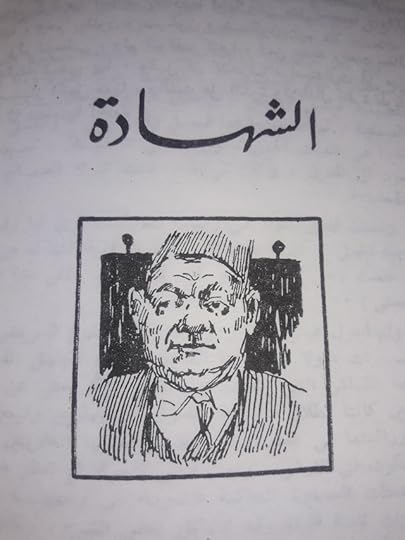
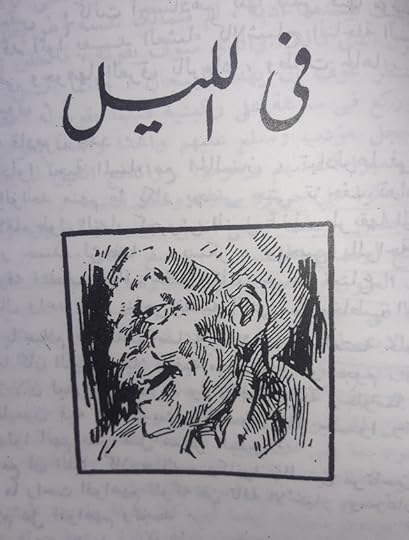
أعجبتني أسماء القصص وإختيارها المتقن واللوحات المعبرة المصاحبة للقصص التي تضج بتفاصيل كل قصة.
وهذه مقتطفات من قصصي المفضلة :
المعلم (أو المدرس الغلبان) وأهمية دوره في حياة طلابه وأثر كلماته المشجعة التي تتخطى أهميتها أهمية المعلم نفسه.
الليل وعتمته الحلوه التي تجلب الراحة للجسد والروح. أهل القرية الذين يستعينون بالبسمة التي تأتيهم بشق الأنفس على مر الحياة ويستعيدوا ولو لسويعات جزء من انسانيتهم المنسية.
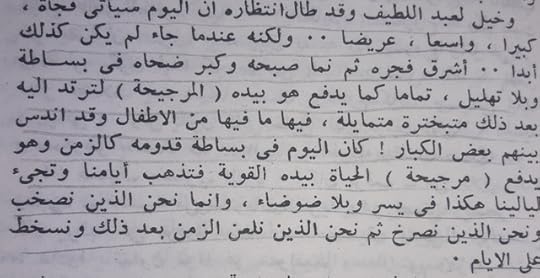
أرخص ليالي قصص يوسف إدريس ................... هذه المجموعة واحدة من أنبغ أعمال الكاتب القصصي يوسف إدريس، وتعتبر من أكبرها حجما إذ تزيد صفحاتها علي المائتي صفحة. في هذه المجموعة غاص الكاتب في عمق المجتمع المصري وحلل العلاقات الاجتماعية والمشكلات المتراكمة في البيئة المصرية من خلال تحليل لبعض المواقف الاعتيادية في حياة المصريين، ومن خلال هذه المواقف القصصية يطلع القارئ علي عيوب الشخصية المصرية في أيامه. في قصة أرخص ليالي يقوم الكاتب بتتبع شخص فلاح كادح بسيط، ليس له من متع الحياة أي نصيب، حتي كوب الشاي محروم منه، حتي المسامرة مع صديق لا يجدها، وكانت متعته الوحيدة في الدنيا هي ممارسة الجنس مع زوجته، وكانت هذه المتعة تحديدا هي سبب كآبته، وبؤسه لأنها تسبب زيادة عدد الأفواه الجائعة التي عليه أن يجاهد ويكدح لأجلها. في قصة نظرة، من خلال موقف بسيط قابلته فيه طفلة كادحة، نفذ إلي عمق أفقر طبقات المجتمع المصري التي تضطر إلي تشغيل أطفالها في سن مبكرة للحصول علي القوت. القصة تعتبر من أروع القصص بالمجموعة لدقة الكاتب في الوصف والتحليل. في قصة شهادة حكي فيها عن لقاء في القطار بمعلمه القديم، استرجع فيها بعض ذكرياته مع معلم كان له فضل كبير عليه. في قصة علي أسيوط تحكي عن مواطن أسيوطي قادم للقاهرة للعلاج من مرضه لكنه لا يجد الرعاية لفقره الشديد. في قصة أبو سيد حكي عن سيد الذي شعر بفقدان رجولته فبحث عنها طويلا لدي الأطباء وبائعي الأعشاب. في قصة ع الماشي يحلل فيها سلوكا لا يكاد يخلو منه مواطن مصري، وربما يشاركنا فيه مواطنون آخرون. تحكي القصة عن محامي يتهرب من تعريف أي شخص في وسئل المواصلات بوظيفته؛ لأنه سرعان ما ينقلب التعارف إلي أسئلة لا تنتهي بخصوص القانون والمحاماة، ولما لم يفلح في الهرب من أسئلة جاره، انتقل إلي مكان آخر جاره فيه طبيب، أهلكه المحامي بأسئلته الطبية ممارسا نفس العادة التي يتهرب منها. في قصة الهجانة حكي عن تاريخ لقريتهم مع جنود الهجانة الذين ترسلهم السلطات لتأديب سكان القرية البسطاء لأسباب واهية. عرض فيه ملامح قروية وذكريات لا يمكن لغير الأديب الاحتفاظ بها في الذاكرة الشعبية. في قصة الحادث ومن خلال موقف بسيط كان فيه زوج وزوجته يتفسحان في القاهرة، تعرض فيه بالنقد للتربية المصرية وجوانب نقصها في مواجهة التربية الأجنبية. وكان نقده شديد الحدة، والقسوة، لكنه بالطبع حقيقي وفي محله. في قصة رهان ومن خلال موقف بسيط حلل هذا الموقف لتعريف القارئ بمدي ما وصل إليه الفقر في مصر من خلال رهان بسيط بين اثنين علي المقهي. في قصة خمس ساعات حكي فيه عن حياة الأطباء في مواجهة حالات الموت من خلال محاولتهم إنقاذ شرطي تعرض للاغتيال. في قصة الأمنية حكي فيها عن أول قاء بين موظف وتليفون حكومي، وكان اللقاء طريف جدا. في قصة أم الدنيا حكي عن حال مجموعة من المسافرين من مختلف المشارب والطبقات. في قصة المرجيحة حكي عن أعياد الفلاحين ومرجيحة الفلاحين وبعض مشكلاتهم الصغيرة. في قصة المأتم حكي عن خلافات بين دافن الموتي ومعاون له علي الأسعار والعدد. في قصة ربع حوض حكي عن أحد المترفين الذي قرر في ساعة فراغ أن يعمل في حديقة منزله فأصابته الذبحة الصدرية بعد عشر ضربات بالفأس في الأرض رغم شبابه. في قصة مشوار حكي فيها عن مشوار لحارس أمن نزل القاهرة في صحبة مجنونة، كي يرسلها إلي مستشفى الأمراض العقلية. والقصة مزيج من الكوميديا والمأساة. في قصة بصرة حكي فيها عن مجموعة من الفقراء علي المقهي. في قصة المكنة حكي عن عامل مكنة الطحين الوحيدة في القرية وعلاقته العاطفية بالماكينة، وعلاقته بصاحبها وبالفلاحين الذين يستخدمونها. قام صاحب المكنة بطرده وحاول أكثر من مرة جلب عامل آخر لتشغيلها، إلا أنها استعصت علي الكثيرين منهم إلا أنها اشتغلت في النهاية علي يد أحدهم، فاعتبرها صحبها الأول خيانة منها. في قصة شغلانة حكي عن مواطن معذور بسب الفقر وفي حاجة للمال، فعمل عملا سريا، وهو بيع دمه للمستشفي. في قصة مظلوم حكي شخص أتت به الشرطة للكشف عن مخدرات. في قصة في الليل حكي عن اجتماع مجموعة من العمال الفقراء وما يدور بينهم من مشكلات وحكايات.
دى بقا مجموعة "نظرة"، قصة نظرة اللى درسناها في ثانوى.
لما انسى اسم المجموعة (أرخص ليالي) أفتكر نظرة.
القصة دي رغم قصرها فهى مثل رصاصة بحق، على وصف يوسف إدريس، إلا إن فيها حاجة:
بحس إنها مثلا هى الإعلان العالمي لحقوق الطفل، دستور الطفل فى العالم، مفيش مادة دستورية تقدر تعبر عن حقوق الطفل زى القصة دى. هى صرخة طفل عجز عن التعبير، فتولّى أمره واحد بإنسانية وأدب يوسف إدريس.
يمكن تقسيم المجموعة لجزأين: -جزء القصص فيه عادية، ينتمى –غالبا- لبدايات يوسف إدريس الأدبية، الوصف فيه إلى حد ما ضعيف.
-والجزء الآخر مكتوب بحرفية شديدة، قدرة عجيبة على الوصف، اقتناص لحظات من صعوبتها أحيانا لا أتمالك نفسى من الضحك، أو من الإندماج لدقة الوصف، لدرجة إنى بحس إن الأحداث ماثلة أمامي، ودا جزء من عبقرية يوسف إدريس، وصف هايل، والغريب إن عنده القدرة دي في أي موقف تقريبا وأي بيئة؛ فلاحين، موظفين، أطباء... لكن طبعا يوسف إدريس أكثر خبرة فى حياة الفلاحين والمهمشين بحكم بيئته الأولى، هو من فاقوس، على بعد ساعة من هنا – الزقازيق :)
أكثر ما يميز المجموعة هى روحها الخفيفة اللى أحيانا طغت على الفكرة أو القضية، فلا تتعدى أكثر القصص عن كونها محبوكة كويس والوصف فيها مضبوط جدا، ودمها خفيف، لكن لغياب نظرة فلسفية أو مغزى ما فالقصة بمجرد ماتنتهى ينتهى تأثيرها، والآن لا أتذكر إلا القليل من القصص. وربما لاختيار يوسف إدريس لعناوين قصصه فى كلمة واحدة أثرها في النسيان: الرهان، الأمنية، الحادث، الشهادة...
لكن على أى حال استمتعت، وخاصة بقصص: أبو سيد، الأمنية، الحادث، فى الليل (ملحمة من الضحك :D).. وطبعا، قصة نظرة.
معظم القصص دى يغلب عليها الطابع الفكاهى، يوسف إدريس بارع فيه جدا.
ـــــــــــ
ولا أستطيع هنا أن أتغاضى عما صاحبني من أحداث يوم اشتريت هذه المجموعة فى ميدان المحافظة: الفانتازيا المحيطة بي: احتفالات غوغائية بعيد ميلاد شخص مهم؛ رقص مثل المجاذيب وفاقدى العقول، جنون الرعاع على موسيقى صاخبة (الموسيقى بريئة منها)، طقوسهم فى الاحتفال تشبه طقوس عبادة البقر (رغم أنى لا أعرف ما هى طقوس عبادة البقر)، هذا غير الشيخ المجنون اللى ألهبته الحماسة وأخد يتراقص حتى تمادى فيه وظل يرقص كما الغواني، رغم تجاعيد عمره المديد وجلبابه المهتريء وملامح وجهه الصلدة المخيفة التى لا تشى بأى تفاعل مع الرقص، إلا إن هذا الشيخ كان يردد كلمات التقطها بصعوبة من فم مكبر الصوت البعيد (اللى عند المجاذيب) مع رقصاته الغريبة فى نشوة عجيبة، ورغم إن الجميع كان يبتعد عنه مفضلا تغذية فضوله بعيداً عن رقصه المجنون، إلا أنى، وبدافع من الكتابين اللى فى إيدى، فضّلت أن أتابع عن قرب، وألّح علىّ شعور ما بأن هذه قصة هربت لتوها من بين دفتيّ مجموعة قصصية مكتوبة باحترافية شديدة وكان الأمر بالنسبة لى قصة قصيرة أتابعها بشغف، فلا يجب أن نخشى من أبطال القصص، فكنت الأكثر قُربا منه. كانت تشكيلة عجيبة من البشر؛ المجاذيب الراقصون على خشبة مسرح متهالك يلوّحون بمديات حادة، حولهم فتيات أسرفن فى وضع مساحيق التجميل فكانت ضحكاتهن وهن ممسكات بصورة الرجل المهم تثير فى نفسى الازدراء وما أثاره أكثر عباءاتهن المرسومة بدقة على أجسادهن ما يثير لعاب الكلاب الضالة، الشيخ الراقص، ورجال الأمن الجالسين مستندين على أعقاب أسلحتهم من خلفهم سياراتهم المدرعة، يشاهدون مايحدث فى رضا تام، ينتقلون بأبصارهم إلى الشيخ الراقص فيستحيل الرضا ضحك متتابع، حتى بدت لي أسلحتهم الساكنة وديعة مع ضحكاتهم.. وذهبت أنا بالكتابين مكتفيا بالقصص التى فيهما!
من المستحيل أن تؤرخ لتاريخ القصة القصيرة في العالم العربي بدون أن تذكر اسم يوسف ادريس باعتباره رائد لهذا الفن وواحد من أفضل من كتبوا القصة القصيرة في العالم ومجموعة أرخص ليالي هي أول مجموعة قصصية ينشرها يوسف ادريس وفي هذه المجموعة تستطيع أن ترى موهبة إدريس الادبية ساطعة وواضحة مبكرا وقد اشتهرت من تلك المجموعة قصة بعنوان نظرة , هذه القصة رغم أنها تعتبر الاقصر في المجموعة ولكنها بشكل استطاعت أن تترك اثرا في نفس القارىء لأنها تتحدث عن خادمة صغيرة تحمل صينية البطاطس فوق رأسها وترى اطفال في مثل سنها يلعبون بينما هي تحمل ما لا يستطيع الكبار احتماله. ولكن هناك قصص اخرى في المجموعة على نفس القدر من الاهمية مثل أبو سيد وخمس ساعات فكل قصة في المجموعة تصور جانب من الحياة في مصر في النصف الاول من القرن العشرين وتصور فئة مختلفة من فئات الشعب وعلى وجه الخصوص اهل الريف الذي ينتمي لهم يوسف ادريس وكذلك الموظفين والعمال والاطباء والحشاشين والقهوجية والمهمشين وقد استطاع يوسف ادريس أن يصف كل هذه الفئات بدقة شديدة وباستخدام تعبيرات ومفردات مبتكرة تجعلك ترى تفاصيل حياة كل شخصية وكأنك تعيش معها ليست لكل القصص عظات أو معاني معينة فبعض القصص هدفها فقط تصوير الحياة كما هي ورغم اني اراها اقل في المستوى من مجموعات كتبها يوسف ادريس بعد ذلك مثل لغة الأي أي وحادثة شرف وأليس كذلك لكن جميع القصص ممتعة في سردها وقراءتها وانصح بقراءتها لكل محبي القصص القصيرة
This collection is of major importance for modern Arab literature, as it marks the breakthrough of the short story as a genre. Nonetheless it is a bit disappointing as there is not much variation between the stories. They portray a male person, from poor peasants or city dweller to government clerks and doctors, who mostly live in a miserable situation, economically or at least personally. Then one events makes the situation even worse, or in a few cases turns it into a positive direction. I this in this respect an important document for the bleak mood at the end of the monarchy in Egypr. But as I have said it's quite stereotypical.
The language is a bit of a challenge for someone who uses his Arabic for reading religious and political texts (agricultural tools, housegear, machinery). Dialogues are in colloquial Arabic, which was uncommon at the time of publication.
Collections published under the same title (Cheapest Night) in Western languages are not identical with this one. They contain some stories, others not, but instead also stories from later collections by Idrîs.
أولى قراءاتي ليوسف ادريس وليست الأخيرة ليوسف ادريس مذاق خاص في كتاباته فالرجل ابن بلد وملم بثقافة المصريين جيدا ولغة الحوار السائدة وهو يجيد تفصيل لغة الحوار والثقافة علي مقاس كل شخصية في قصصه , فلا تجد منتعلم جيدا وتثقف يتحدث مثل ما لم يفعل , ويوسفنا ليس فقط يجيد ذلك بل هو بارع فيه ونجمة من تقييمي لذلك . النجمة الثانية هي لوصف يوسف ادريس المميز للأماكن والأشخاص وانتقاءه الألفاظ المقتضب وذلك سمة بارزة من سمات القصة القصيرة النجمة الثالثة للمتعة فقصص يوسف ادريس كانت ممتعة في أغلبها . النجمة الرابعة وهي للروح! نعم للروح فالقصص أقرب ما يمكن تشبيهي لها هي أنها حية , يوسف ادريس لم يكن فقط شخص يسرد وصفا وأحداثا من مخيلته بل هو من الكتاب القلائل الذين باستطاعتهم نقلك من غرفتك الصغيرة الكئيبة إلي العالم الذي تدور به القصة ببراعة شديدة ولا أعلم كيف يفعلونها , كيف يجعلون حواسك بالكامل من شم وبصر وسمع تعمل أثناء القراءة .
على الرغم من أنها المجموعة القصصية الأولى ليوسف إدريس، إلا إنها الأفضل بالنسبة لي.
استمتعت جدًا في هذه المجموعة القصصية، وأرى أنها نموذج جيد للمهتمين بكتابة القصة القصيرة.
لغة الكاتب وفصاحته أبهرتني، وشخصيات أبطال قصصه مذهلة ببساطتها وواقعيتها. غير أن من وجهة نظري هناك بعض النقائص في هذا العمل وبقية أعمال الكاتب أيضًا. حيث أن بعض القصص طويلة جدًا تصيب القارئ بالملل، كما أن الحوارت في جميع أعماله كُتبت باللهجة العامية وهذا ما لم أحبذ وجوده في معظم القصص.
على أية حال، أنا أنصح بهذه المجموعة القصصية بشدة. وأتمنى لكم قراءة ممتعة.
هذا هو عميد القصة القصيرة في الأدب العربي بلا منازع، والعجيب أن تكون هذه هي مجموعته القصصية الأولى، فمن يطالع هذه القصص التي تحويها المجموعة، لابد وأن يذهل من كثافة ودسامة وواقعية وروعة الأفكار والسرد ووصف الشخوص والبناء الدرامي للقصص، وسيغرق حتى أذنيه في أحداثها، حتى أنه لن يصدق بسهوله أن هذه هي أولى مجموعات الدكتور "يوسف إدريس" القصصية.
لا أجد من الأوصاف ما يكفي للتعبير عن حفاوتي بهذه المجموعة القصصية، ولكن يكفي أن أقول، وأنا الذي يعشق كتابة القصة القصيرة، أنَّ الواجب على كل من يريد إجادة هذا اللون من الفنون الأدبية، هو قراءة كل ما كتبه الدكتور "يوسف إدريس" من قصص قصيرة، وعندها سيتسع أفقه وتنمو مداركه، ويسطع في عقله نور الإدراك السليم لطريق القصة القصيرة المتميزة التي تستحق الثناء والتقدير.
تتميز هذه المجموعة القصصية بأنها جاءت مغرقة في الواقعية المصرية في العصر القديم، زمن "يوسف إدريس" وماقبله، وهي تحتفي بحياة القرية والمدينة المصرية، حيث هموم الشخوص وارتباطهم بالأرض والمكان.
أما أسلوب الدكتور "يوسف إدريس"، فقد اهتمَّ بتقديم عدد كبير متنوع من الشخصيات التي تبدو بسيطة في مظهرها، وإن كان المضمون الذي يريد توصيله أعمق بكثير من بساطة شخصياته، وهذا بلا شك أحد جوانب عبقريته الأدبية.
تعد المجموعة القصصية "أرخص ليالي" من أشهر أعمال "يوسف إدريس"، إذ تتحقق فيها سمات النضج التي اكتسبها الأديب على مدار سنوات من كتابة القصص القصيرة أيام كان طالبًا في كلية الطب، وهو ما حقق له شهرة بين زملائه.
صدرت المجموعة القصصية عام 1954م، أي أنَّ "يوسف إدريس" كان في السابعة والعشرين من عمره، فقد ولد عام 1927م في محافظة الشرقية، والتحق بكلية الطب قبل تخرجه فيها ليتخصص في مجال الطب النفسي، وقد عمل بمهنته التي درسها فترة، ثم تركها إلى الصحافة ومن ثمَّ الأدب.
كانت المجموعة ضمن سلسلة "الكتاب الكبير الذهبي" التي كانت تصدرها "روز اليوسف" و"دار النشر القومي"، وهي من أكبر مجموعات "يوسف إدريس" القصصية، إذ تتعدى المائة صفحة في طبعتها الأولى، وقد حملت المجموعة قصصًا تعتمد على اللقطة السريعة الناتجة عن موقف، مثل قصة الرجل الذي يتهرب من الكلام مع الناس في الأوتوبيس، كيلا يسأله أحد عن وظيفته، لئلا يتطرق الحديث إلى القانون والمحاماة، وهو الذى يعمل محاميًا.
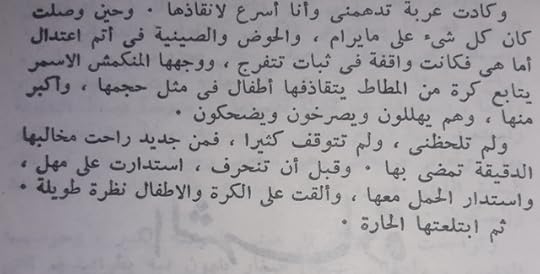
هناك أيضًا قصة "نظرة"، وهي من أشهر قصص "يوسف إدريس"، وتقوم على لقطة مكبرة بأكبر عدسة لطفلة صغيرة تعبر الشارع وعلى رأسها صينية كبيرة، حيث تخدم في أحد البيوت، غير أنها تخطف قلب الراوي حين تقف لتنظر بفضول على الأطفال الذين يلعبون الكرة في الشارع، وكأنها تقول إنها حُرِمَت من كل ذلك دون ذنب.
تتضمن المجموعة القصص التالية: (ليس هناك أي حرق في أحداث القصص، وإنما أكتب نبذة عمَّا استرعى انتباهي في كل قصة):- 🔸أرخص ليالي: فقير بجدارة، كلما همَّ بأن يسهر ليله لا يجد بابًا يطرقه، فيقضي الليل مع زوجته، ثم يتعجب من كثرة نسله، وكيف سيقوم بإطعام كل هذه الأفواه المفتوحة! 🔸نظرة: قصة قصيرة في صفحتين، لكنها ولابد ستجعل عينيك تدمعان، فمَنْ يرحم هذه الطفولة البريئة؟! 🔸الشهادة: هذا الأستاذ الطيب، الذي كان مثار سخرية الجميع، حتى أنه كان على يقين من فشله في أن ينجح في الوصول بطلابه إلى أعلى الشهادات، قد ادخر له القدر في أواخر حياته مفاجأة سارة. 🔸على أسيوط: البيروقراطية والروتين كم يظلمان الجاهل الفقير المريض، وكم يهضمان حقه، حتى أنه يكون على أتم الاستعداد للتنازل عن أمله في العلاج! 🔸أبو سيد: كم هو مؤلم عجز الرجولة، لكن الأكثر إيلامًا هو أن ننسى ما وهبنا الله إياه، فلا نذكره ونحن في خضم آلامنا وتعاستنا. 🔸ع الماشي: عجيب أمر هذا الإنسان، فهو يكره أن يسأله أحد عن استشارة تخص وظيفته، ثم ينسى ويستبد به الفضول فيستشير الآخرين! 🔸الهجانة: حين يسود الرعب القرية، ينسى الجميع أنهم أقوى باتحادهم، فيعانون من البطش والظلم إلى حين. 🔸الحادث: العاصمة في نظر القادمين من الأرياف تبدو عجيبة وساحرة وغريبة، لكن الحادثة التي وقعت تكشف لنا المفارقة في التربية بين طفل العاصمة وطفل القرية. 🔸رهان: الجوع قد يدفع الإنسان للاندفاع في رهان قد يكلفه حياته. 🔸5 ساعات: في صراع ضد الموت، يحاول الطبيب وزملائه إنقاذ حياة الضابط الذي اغتالته رصاصات الخيانة والغدر. 🔸الأمنية: كان يتمنى أن يكون هو والتليفون بمفردهما، فماذا فعل حين تحققت أمنيته؟! 🔸أم الدنيا: في رحلة عودتهم إلى الأسكندرية، كان كل واحد من ركاب السفينة في شغل عمَّن حوله بشيء ما، لكنهم حين اقتربوا من شاطىء "أم الدنيا" توحدوا جميعًا في الاشتياق لكل ما فيها. 🔸المرجيحة: كان ضعفه هو الذي جعله يترك مهنة عائلته ليقوم على تحريك المرجيحة وتسلية الأطفال في الأعياد والمواسم، لكن الحياة ستجعل زوجته وابنته مرجيحة من نوع آخر بعد وفاته هو وابنه السقيم. 🔸المأتم: كل مَنْ عليها فان، لكن العوز يجعل كل ما يهم الحانوتي والشيخ الذي يصلي على الموتى هو لقمة العيش. 🔸1/4 حوض: الرفاهية ووقت الفراغ قد يجعلان المرء يفكر فيما قد يكون فيه تعبه، وقد يلجأ المتبطل لذلك ليسترعي انتباه وعاطفة الآخرين من حوله! 🔸مشوار: قد يكون فيما تتمنى هلاكك، وما نتكالب عليه لغرض في دواخلنا قد يجرنا للشقاء والتعاسة. 🔸بصرة: منافسة حتى الموت على طاولة أوراق اللعب "الكوتشينة". 🔸المكنة: حين تظن أنك الوحيد القادر على فعل شيء، سيخيب ظنك، فلابد وأنَّ هناك واحدًا على الأقل بين ملايين البشر حولك يستطيع بالمثل فعل ما تفعل، بل وقد يتفوق فيه عليك. 🔸شغلانة: ليس أمام الفقير سوى دمه، لكي يجد ما يقتات عليه هو وأسرته. 🔸مظلوم: وجدوا حرز الحشيش في بطنه، ومازال يَدَّعِي البراءة! 🔸في الليل: كان مصدر سعادة وتسلية للناس عن هموم دنياهم، لكنه لم يخل من الهم ومعاناة ضيق الحال!
الكتاب سرده كأنه مجموعة من المواقف التي تمضي أمام الكاتب فيكتب عنها من وحي اللحظة و كأنه يشاهدها من بعيد، فتارة تكون في القطار و تارة في الشارع أمام مسجد، و العديد منها في القهوة.
مواقف طريفة أحياناً و مؤلمة أحياناً، اذا أردت قرائتها كشيء خفيف طريف فهي توفي بالغرض و اذا أردت منها فائدة و عبرة يمكنك استخلاص ذلك أيضاً بين الكلمات.
أكثر ما أعجبني من القصص: "ع الماشي"، "٥ ساعات" و "في الليل".
The Cheapest Nights reveals the vicious circle of life in an Egyptian village. Without money and unable to sleep because of the cup of tea he just drank, Abdel Kerim turns to his wife and their bed for the only entertainment he can afford, and as a result one more unwanted child is born into poverty, doomed to die of disease or starvation. You Are Everything to Me tells of Ramadan, a traffic cop who feels his life is ending when he develops erectile dysfunction. Just as he suggests divorce to his wife, he escapes his self-centered gloom: he finds new life by devoting himself to his son again. In The Errand, El Shabrawi the policeman escorts a crazy woman to Cairo in hopes of having a fun day on the town. Everything goes wrong because of her fits and his poor planning, but in the end he realizes she’s not to blame and develops charity for her. Abdou adds “blood donor” to the list of odd jobs he has worked to support himself and his wife, Nefissa, in Hard Up. Anemia soon puts an end to his brief stint in that field. The Queue explains why an iron fence has only one piece of cement wall in it. The wall was part of a landowner’s stubborn war with peasants who refused to use the proper entrance to the market place on his property. They foiled all his attempts to block their illegal queue – including the wall – and the government seized it from him anyway. The Funeral Ceremony is a portrait of Abou’l Metwalli who haggles with an undertaker over fees and the number of dead children he has buried for Abou’l. A group of village boys foresee their dead-end destiny after beating up their ringleader for making fools of them in All on a Summer’s Night. The Caller in the Night tells of a boastful medical student who refuses to pay a poor, honest fellah for bringing him the corpse he had boastingly asked for. In The Dregs of the City, Judge Abdallah shows his callousness by forcing a poor married woman into prostitution then shaming her publicly for stealing his watch. “Did You Have to Turn on the Light, Li-Li?” asks a good-Sheikh-gone-bad before leaving his hung-over congregation prostrate in prayer to rendezvous with Li-Li, the seductress next door. Having ruined his religiosity, she rejects him at the threshold. Dr. Khaled sees charity amid the rampant corruption of Cairo’s death certification system in Death from Old Age. Though doubtful at first, he gives Am Mohamed, one of the middlemen’s laborers, this most merciful notation possible on his death certificate. In Bringing in the Bride, Sheikh Ragab turns the tables on false hospitality by surprisingly accepting every homestead’s malicious invitation to a marriage feast. The Shame tells of Fatma’s loss of innocence when she and Gharib are falsely accused of fornication. Life goes on, but Fatma is no longer innocently beautiful: she seems to understand the effect she has on men after the incident. Borham can’t help shamefully obsessing over his mother’s extramarital sex life when he sleeps under the bed in Because the Day of Judgement [sic] Never Comes. The Freak is a deformed and mentally retarded boy who lives in a village where everyone assumes he’s harmless, but no one seems to know his origin. Rumors circulate and worsen until no one trusts him any more. Eventually, someone murders him and only his mother, Na’asa, mourns his death.
The medium of the short story seems particularly suited to giving me a wide sample of the topics and settings important to Arabs. I found recurring themes in Idris’s many short stories: the marital relationship; infidelity; sexual immorality; male dominance through violence; poverty; religious devotion; desperation; drug abuse; mental health; death; bureaucratic corruption; rumors; class conflict; and disease. Idris’s only topic unusual to most of the Arabic authors I have read was homosexuality, and he portrayed that dilemma relatively evenhandedly. I suppose the aforementioned themes are common to all humanity, but Idris approaches them in a distinctly Egyptian way. He exposes his characters’ weaknesses, fears, and prejudices satirically. Many of the characters are all gravely serious and earnestly concerned about the dilemmas in which they find themselves, yet Idris usually portrays their situations as ironic and even laughable. Some of the characters even recognize contradiction and corruption in their culture but often choose to shrug it off. Those characters that chose to fight these contradictions almost inevitably end up wearing themselves out in the process. I had never observed the sarcastic side of the Arab sense of humor before reading Idris’s short stories. I enjoyed the irony to a degree, but the overwhelming majority of his stories employed irony whereas I might have enjoyed seeing more than four of them end with positive changes in the main characters. Even so, I liked Idris’s style enough that, aside from the generational histories of Naguib Mahfouz, I read Yusuf Idris most.
This entire review has been hidden because of spoilers.
These are well-designed and well-crafted stories, but relentlessly grim. In her introduction, translator Wadida Wassef observes, “The working class and the struggling poor are Idris’ raw material. He depicts them with compassion and understanding.” Perhaps, but he provides no happy endings for them, and he typically depicts mobs of poor people as judgmental and violent. Most of the stories turn on a set of themes: the moral blindness generated by radical economic inequality; the way religious and cultural hostility towards sexuality crush love and joy out of young people’s lives; the way women are expected to be pure but denied power, and then blamed for what men do to them. And, always, the worst consequences are visited on the most marginal characters.
Wassef’s introduction notes another important feature of Idris’ stories: “Idris’ style is unique in that he is the first writer to have dveloped a mode of expression quite new to Arabic literry tradition by making full use of colloquial Arabic. He makes a deliberate distinction between the language spoken by his characters and that which he assumes when he himself takes over the narrative. This subtle alternation of classical and spoken Arabic enhances the realism of his work and his own individuality as a writer. Such a detail will escape the English reader as the same distinction does not exist in English.” Knowing this, however, it’s not hard to imagine how the combination would underline Idris’ basic messages on the degradation of poverty and the injustices sustained by inequality.
عن البشر والحجر .. عن أهل مصر ..تحت الأرض .. ماوراء الحكاية .. ماوراء النظرة ..
“وبدأوا يضحكون ضحكا حقيقيا .. وما كان يأتيهم الضحك إلا بشق الانفس .. كانوا يضحكون أول الامر وهم فقط يقلـّـدون من يضحكون .. ثم يحسون أن ما هم فيه يستحق الضحك فعلا فيضحكون .. ثم يرون أن ما أمامهم فرصة ينعمون فيها بضحك لا ثمن له , وهم ما اعتادوا أمثال تلك الفرص .. فيضحكون لحاضرهم ويختزنون ضحكات اخرى للمستقبل .. ثم كانوا يتذكرون ما قاسوه فى النهار, وما سوف يبذلونه فى الغد المقبل فيتشبثون بما هم فيه من ساعة أنس , فيضحكون ويغصبون على انفسهم ويضحكون أكثر وأكثر .. ولا يدوم هذا الى الابد .. فسرعان ما يمسح عجوز منهم الدمعة الضاحكة عن عينه , ويقول بصوت فيه رنة ندم وكأنه اقترف اثما : اللهم اجعله خير يا ولاد !”
المجموعة دسمة، لكن رغم دسامتها لم أتذكّر منها إلا: قصة (أرخص ليالي): عن الناس التي تُفرغ كل شحنات همّها وضيقها وفقرها في الجنس. قصتيّ (الأمنية) و(ع الماشي): مضحكتان جدًا. قصة (5 ساعات): مُوجعة للغاية، وأعشق وصف يوسف إدريس لمعاناة الجراح وطبيب الاستقبال الذي دائمًا ما يُدرجه في قصة على الأقل في كل مجموعة. قصة (الحادث): عن نموذج الزوج الذي يدّعي أنه (أبو العرّيف) وهو في رفقة حرمه المصون في رحلة إلى مصر أم الدنيا.
يوسف إدريس متأثر في تلك المجموعة بمهنته كطبيب أولًا، وبأجواء الحارة والمقاهي ثانيًا. مستوى المجموعة ككل أقل من المتوسط.
A lot on Egyptian customs / traditions. Mostly small town and village life, with a couple set in Cairo. A lot of his endings aren't my taste, but I'm not sure if it's a cultural thing or just his own personal style.
Favorites: "The Errand" - A small town policeman escorts a mentally ill woman to a Cairo hospital. "The Freak" - A deaf and dumb man's effect on villagers. "The Dregs of the City" - A Cairo judge.
A collection of short stories primarily dealing with various aspects of life in rural Egyptian communities. Idris displays great skill in combining compassion and irony and in describing the psychology of his characters.
Very well written and an astute insight into the lives of everyday Egyptians, especially regarding class-cultural divides. No matter how simple the stories are, you receive a sense of closure and even a strong moral by the end nonetheless. They say a lot without having to SAY a lot, if that makes sense. It was also interesting to see sex as such a strong theme, which has been avoided in other Arab works I’ve read.
My only qualm is that the male gaze will never cease to sicken me, but since that’s how men view women anyway then speak your truth I guess??😭 but in general, unrelated to objectification, I’ve found that it’s more refreshing to read from the perspective of unlikable (or even intolerable) main characters because you get a glimpse of their thought processes and become more invested/heated as a result