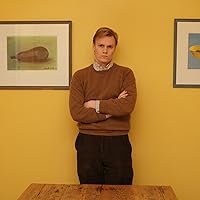
Kentarou Miura (三浦建太郎) was born in Chiba City, Chiba Prefecture, Japan, in 1966. He is left-handed. In 1976, at the early age of 10, Miura made his first Manga, entitled "Miuranger", that was published for his classmates in a school publication; the manga ended up spanning 40 volumes. In 1977, Miura created his second manga called Ken e no michi (剣への道 The Way to the Sword), using Indian ink for the first time. When he was in middle school in 1979, Miura's drawing techniques improved greatly as he started using professional drawing techniques. His first dōjinshi was published, with the help of friends, in a magazine in 1982.
That same year, in 1982, Miura enrolled in an artistic curriculum in high school, where he and his classmates started publishing their works in school booklets, as well as having his first dōjinshi published in a fan-produced magazine. In 1985, Miura applied for the entrance examination of an art college in Nihon University. He submitted Futanabi for examination and was granted admission. This project was later nominated Best New Author work in Weekly Shōnen Magazine. Another Miura manga Noa was published in Weekly Shōnen Magazine the very same year. Due to a disagreement with one of the editors, the manga was stalled and eventually dropped altogether. This is approximately where Miura's career hit a slump.
In 1988, Miura bounced back with a 48-page manga known as Berserk Prototype, as an introduction to the current Berserk fantasy world. It went on to win Miura a prize from the Comi Manga School. In 1989, after receiving a doctorate degree, Kentarou started a project titled King of Wolves (王狼, ōrō?) based on a script by Buronson, writer of Hokuto no Ken. It was published in the monthly Japanese Animal House magazine in issues 5 and 7 of that year.
In 1990, a sequel is made to Ourou entitled Ourou Den (王狼伝 ōrō den, The Legend of the Wolf King) that was published as a prequel to the original in Young Animal Magazine. In the same year, the 10th issue of Animal House witnesses the first volume of the solo project Berserk was released with a relatively limited success. Miura again collaborated with Buronson on manga titled Japan, that was published in Young Animal House from the 1st issue to the 8th of 1992, and was later released as a stand-alone tankōbon. Miura's fame grew after Berserk was serialized in Young Animal in 1992 with the release of "The Golden Age" story arc and the huge success of his masterpiece made of him one of the most prominent contemporary mangakas. At this time Miura dedicates himself solely to be working on Berserk. He has indicated, however, that he intends to publish more manga in the future.
In 1997, Miura supervised the production of 25 anime episodes of Berserk that aired in the same year on NTV. Various art books and supplemental materials by Miura based on Berserk are also released. In 1999, Miura made minor contributions to the Dreamcast video game Sword of the Berserk: Guts' Rage. 2004 saw the release of yet another video game adaptation entitled Berserk Millennium Falcon Arc: Chapter of the Record of the Holy Demon War.
Since that time, the Berserk manga has spanned 34 tankōbon with no end in sight. The series has also spawned a whole host of merchandise, both official and fan-made, ranging from statues, action figures to key rings, video games, and a trading card game. In 2002, Kentarou Miura received the second place in the Osamu Tezuka Culture Award of Excellence for Berserk.[1]
Miura provided the design for the Vocaloid Kamui Gakupo, whose voice is taken from the Japanese singer and actor, Gackt.
Miura passed away on May 6, 2021 at 2:48 p.m. due to acute aortic dissection.
A fantastical depiction of an often underrepresented period of time. Duranki sets itself deep in the ancient mountains of the Mesopotamian bronze age. This forgotten volume introduces a detailed mythical tale that was unfortunately cut short following the untimely death of its author Kentaro Miura.
The 6 chapter volume revolves around Usumgallu, an androgynous child blessed by the gods, and a band of children they quickly become acquainted with. Over these few chapters, we are quickly introduced to this group of rascals and the world they inhabit. We see them overcome a few challenges and grow closer together, as you can expect from a story just getting started.
Similar to Miura’s other works, such as Berserk, there is a great juxtaposition between the innocence of many of our characters and the harsh realities that loom overhead. Were this story to continue, this theme most definitely feels as though it would have been built upon; I say this without spoiling anything, of course. And just as with Studio Gaga’s previous works, their dedication to detail and world-building truly shows. Needless to say, this is a genuinely beautiful manga and a relatively short read. Highly recommended if you are a fan of Berserk or similar works!
TLDR: Duranki really do be bussin it down berserk style. Usumgallu kinda goated ngl.
Molto bello, nulla da dire, purtroppo la fine prematura ne spezza totalmente la narrazione e ti lascia con un senso di dolce amaro in bocca che non può che essere disappointing
Incluso sin haber leído otras obras de Kentaro Miura (he visto las pelis de Berserk, pero no he leído el manga), temas y estilo se reconocen a la legua. Es una pena que Duranki quedara sin terminar, porque hasta el final del manga me ha parecido muy interesante. Siendo el principio de la historia, se ve que se fija la temática y la personalidad de los personajes, y más o menos hacia dónde va el conflicto del manga, y se introducen ciertos elementos de misterio. La historia mezcla mitología, lo cual me parece también muy interesante porque se sitúa en un período histórico que no he leído mucho en obras de ficción. La edición española de Panini incorpora también la planificación que se hizo para Amazonas, otra idea del autor que tampoco llegó a desarrollarse en manga. Tenía guion y bocetos muy chulos e interesantes (siento que estoy repitiendo mucho esa palabra, pero es así). Si te gustan las historias de acción cercanas a la fantasía y mitología, recomiendo leer Duranki 100%, conozcas o no sus otras obras.
Se nota que esta obra fue ilustrada buscando la práctica y el acercamiento a Berserk en sus páginas, ya que ciertos personajes albergan cierto grado de parecido físico.
Leí esta obra bajo el pensamiento de que había sido un ejercicio impuesto por el maestro Miura a Studio Gaga para que practicasen y así futuramente poder delegar más páginas en ellos en la obra magna. Y lo cierto es que se nota.
Hay paneles muy buenos y en cuanto a la obra (como obra), en general, diría que es bastante más que disfrutable. Le he cogido cariño facilmente.
It is an incomplete, unfinished story . The author has passed away in 2021. SHAME! As the story had a potential for an impressive manga series!
My rating is divided -
The story - ⭐⭐⭐⭐ The art - ⭐⭐⭐⭐💫 The whole UK version - ⭐⭐⭐ (half of book is made of the unfinished story and the other half - some script which it might make true followers of KENTARO MIURA happy but the others readers - very disappointed)
Que tristeza es ver tantos conceptos tan buenos que no verán un final. Esperó que ésto inspiré a muchísimas personas, y espero que Miura haya terminado sus últimos días en una tranquilidad que se nota, buscaba desde hace tiempo.
im extremely happy and devastated at the same time now that I've read it. its so bittersweet that we manage to get new miura content even after his death. he'll forever be one of me favourite creators
La obra presente son 6 capitulos de lo que habría sido una serie de 100+ capitulos al menos. Lo que tenemos es el prólogo "como nace el protagonista y sus habilidades de dios" y la presentación del elenco "los niños de la aldea y la inevitable guerra". En estos 6 capitulos no hay oportunidad de explorar más pero aún así, aunque está sea solo una reliquia para fans del autor, hay aquí un dibujo tremendo y un carisma desbordante.
Aprecio más este manga en una segunda lectura que la primera vez que lo abrí hace unos años, la primera vez lo observé con rabia de que jamás sería completado Pero ahora puedo admirar lo que "hubiera Sido".
Me alegra que el autor haya hecho el volumen auto conclusivo "Gigantomaquia" pero aunque la obra presente no nos de todo lo que iba a ser aún así disfruto de la actitud y forma de ser de los personajes.
Du-Ran-Ki fue creado como una obra que Miura mismo hubiera trabajado si no hubiera Sido tan devoto al estándar de calidad de Berserk que cada vez era tan detallado que tardaban más por capitulo. Pero acaba reviviendo este proyecto porque quería que sus asistentes *estudio Gaga* tuvieran un proyecto donde desenvolvieran su técnica de dibujo y también pudieran tener un proyecto de ellos mismos.
Estoy agradecido con lo que leí y también me emociona leer la versión premilinar titulada "Amazones" dónde se trataba de un 'chico que viaja en el tiempo al pasado de Troya y tiene que infiltrarse en la guerra entre las Amazonas'.
Pero lo que acabamos leyendo que es 'un semi dios que tiene las habilidades de crear e idear en un mundo donde no pueden descubrir su identidad y conoce al futuro rey que busca la guerra' me gusta también. Leyendo la historia desde la perspectiva de ver a los protagonistas tan jóvenes te hace pensar que habría una elipsis de diez años y verlos de grandes en la guerra y posiblemente un bando de paz contra el otro de violencia.
La otra parte de mi preparación previa a Berserk. Aquí en realidad hay dos historias: la primera es un manga que trata sobre un niño hermafrodita hijo de dos dioses que llega a una tierra donde las distintas mitologías del mundo conviven, y su impacto en el mismo. La segunda, Amazones es el guion prototipo de la misma, aunque las similitudes entre ellos son en realidad muy escasas. El prototipo está inconcluso debido a que solo era eso, un producto que evolucionó en el otro, pero el manga tampoco tiene final dado el fallecimiento de Kentarō Miura en 2021, por lo que se corta en un cliffhanger que nunca verá resolución. Dur-An-Ki es una historia interesante, sobre todo por el universo que plantea. Es atractivo ver una historia ideada por Miura con un enfoque más inocente y amigable que lo habitual, pero no llega a ser tan atrapante como Gigantomaquia y desgraciadamente se corta cuando empieza a ponerse bueno. En cambio Amazones es un isekai poco original y sin mayor valor, aunque claro está que como prototipo aún le faltaba pulirse mucho. A pesar de ello, me alegra que se haya transformado en la otra historia puesto que el planteamiento original era muy débil. Con todo el libro es un producto extraño dado que se compone de dos historias en las que ninguna llega a nada, y es una lástima conocer la razón de ello. Descansa en paz Kentarō Miura. 3.5/5
[8/10] Dur-an-ki plantea una historia muy interesante distinta a lo que el autor nos tiene acostumbrados con Berserk. Esta es más naíf e ingenua, pero más entrañable, todo sin renunciar a un trasfondo oscuro imprescindible viniendo del autor. La protagonista tiene un conflicto de identidad muy humano que nos revela una faceta más personal del autor, el cual desgraciadamente falleció antes de terminar esta obra. Studio Gaga opta por publicarla a medias en lugar de acabarla ellos mismos como están haciendo con Berserk, algo que no acabo de comprender porque, si bien es una obra mucho menos importante que la predilecta de Miura, es un documento histórico de un autor legendario que se siente incompleto. Luego, nos muestran el guion prototipo de otra historia que Miura tenía entre manos, una que carece del interés del que gozaba la historia que se nos planteaba. Las cosas o se hacen bien o no se hacen, pero una chapuza como esta no debería ser aceptable. Si le doy la calificación que le doy es porque la historia que Miura nos plantea es muy interesante, y él no tiene la culpa de que el estudio que posee los derechos haya hecho lo que ha hecho.
Opera inconclusa per la precoce morte del maestro Miura, presenta dei punti molto interessanti. Ushumgal è un essere ermafrodito che viene creato da dei mesopotamici e poi affidato, per la crescita, a Utnapistim e sua moglie sul monte Nisir. Ve lo porterà lo stesso Hermes. Il diluvio è passato da un pezzo, ma loro due sulla montagna, per quanto anziani, continuano a vivere nell'immortalità del mito. Usum crescerà e diventerà adolescente, ma con una mente dotata di intuizioni tecnologiche. Insieme a Pan, qui descritto come un dio bambino degli armenti, conoscerà i ragazzini Hurriti di Tepe, un villaggio più a valle. Ushumgal vede le ninfe, gli dei, gli spiriti, è intimamente legata al mondo soprannaturale. La storia si interrompe per la dipartita del maestro, dicevamo. Purtroppo a differenza di Berserker questa verrà lasciata incompiuta. Quanto letto mi faceva presagire un gran bello sviluppo.
In coda c'è il soggetto e gli schizzi preparatori di Amazonas, ossia la guerra di Troia vista con gli occhi di uno studente nipponico del XXI secolo finito nel passato insieme alle amazzoni di Pentesilea a fianco dei Troiani contro gli Achei. 3 stelle
Duranki is another reason to mourn the passing of Miura Kentaro. Touching on a period that rarely gets made into fiction: the early bronze age. And delving into myths and legends that many are unfamiliar with, while creatively mixing them with the more well known legends and mythology.
I feel that Kentaro had many stories still in him, and seeing this one with so much potential in its early stages makes me all the more sad.
So! If you want to read a comic with gorgeous artwork that depicts a blend of mythology and don’t care that it will never get finished then this story is for you!
Hard to recommend this one to anyone other than Muira fans. I think Studio Ga Ga did a fantastic job with the art and the story was going in an interesting direction before it abruptly ends.
I completely understand why it ended given the circumstances, but as a stand alone story, it’s quite an underwhelming read. There’s a lot of set-up for a larger story that will never pay off.
I was starting to get a bit invested in the main character and the Gods of this world, so I was quite disappointed to see that there is no attempt at an ending or notes for this version of the story.
Manga más que correcto con protagonista (sin género o dos géneros?), ambientado en la edad clásica y con un universo muy interesante en que vemos dioses, animales mitológicos, reyes, etc…
Es una pena que la historia se quedara a medias. Prometía… especialmente por esa protagonista y su identidad de género.
Las escenas de combate me han parecido un poco confusas, pero el mundo me ha parecido tremendamente interesante y estimulante.
3.5/3.75 stars I can't justify giving it only 3 but not quite 4 stars, mainly because the main story was only half the volume with the second being basically the shell in a way for the starting point of the story. This could have been such a good series!!! -beautiful art It brought something unique to the genre with incorporating aspects ancient Greek and Mesopotamian myths.
El dibujo del manga es una maravilla, me gusta detenerme en cada página para ver bien cada detalle. La historia es interesante, y los personajes tienen carisma, como suele ocurrir en las historias de Kentaro. Quiero leer más tomos del manga.
مدتی از مرگ استاد میورا میگذره اما هنوز که هنوزه هر بار که اشاره ای به اسمش یا به شاهکارش برزرک میشه قلبم به درد میاد این کار رو هم با چشمانی اشک بار خوندم
صد حیف که اون همه استعداد و نبوغ زیر خاک رفت تا این هم مثل برزرک احتمالا برای همیشه ناتمام بمونه
Asomarse a una historia que nunca será y que, en virtud de su carácter mitológico, ha sido ya incontables veces. Solo podemos especular sobre lo que habría sido en caso de no haberse visto truncada. Descansa en paz Miura.
Imagine The Tale of Princess Kaguya in ancient Mesopotamia with an androgynous lead. Really beautiful and intriguing. Frankly this should be continued, not Berserk. Miura only did the main storyline for it in a "general planning" sense, so it's not like it's fully his baby like Berserk is.
Un breve viaggio nella mitologia greca all’insegna dell’accettazione, amicizia e amore, il tutto inizia un po’ lentamente per poi ingranare e, purtroppo, finire all’improvviso… proprio sul più bello.
Peccato, perché poteva essere un inizio per una bella storia.
El mundo donde se estaba introduciendo es muy interesante, pero se siente un poco como fetichista por razones que en el propio concept art se ve más claro. Como tal rue bueno y me decepciona el no ver una conclusión a la obra.
The artwork was beautiful the story not so much. It’s a real shame it is unfinished. I feel like there could have been a lot more. This is the first thing I have read from the legendary author and artist.