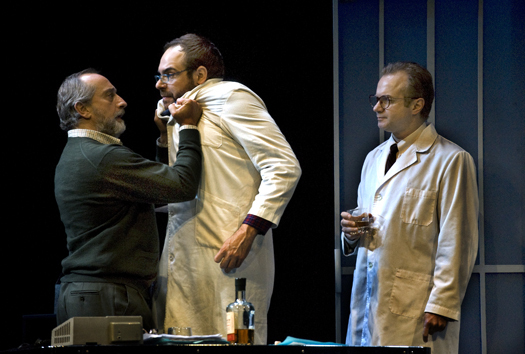
A black comedy set in a government-run mental institution, The Hothouse revolves around a sinister murder plot hatched against a backdrop of corruption, sexual favors, and hopeless bureaucratic ineptitude. Beneath the surface comedy there are frightening implications concerning a bureaucracy ostensibly dedicated to humanitarian concerns, but where people are referred to by numbers and forgotten as easily as troublesome figures on a balance sheet. Written in 1958, The Hothouse was first performed at London's Hampstead Theatre in April 1980, in a production directed by Pinter himself. "A blistering funny play. . . . Hothouse is wild, impudent, fiercely funny."-Jack Kroll, Newsweek
Harold Pinter was a British playwright, screenwriter, director and actor. A Nobel Prize winner, Pinter was one of the most influential modern British dramatists with a writing career that spanned more than 50 years. His best-known plays include The Birthday Party (1957), The Homecoming (1964) and Betrayal (1978), each of which he adapted for the screen. His screenplay adaptations of others' works include The Servant (1963), The Go-Between (1971), The French Lieutenant's Woman (1981), The Trial (1993) and Sleuth (2007). He also directed or acted in radio, stage, television and film productions of his own and others' works.
دیشب این نمایشنامه رو تموم کردم، میخوام بگم یکی آز بهترین نمایشنامه های انگلیسی بود که خوندم، تراژیک کمدی محشری بود. مکان نمایشنامه یه آسایشگاه هست که بیمارانش بجای اسم شماره دارن و و بیماران رو با شماره هاشون صدا میکنن، شخصیت های غیر قابل اعتماد چند بعدی، پلات داستان رو به جلو میبردم.درونمایه ابسورد و مدرنیستی از دنیای تیره و تاریک از جهان قرن بیستم رو با فضایی وهم آلود، رمزگونه و سیاسی به ما نشون میده، بنظرم این نمایشنامه دارای سمبول های سیاسی بی نظیر است و میتوان کاری اکسپرسونیستی تلقیش کرد، با پایانی بسیار غافلگیر کننده و وحشت انگیز. دنیای بی در و پیکر قرن جدید و آدمهایی که ارزشی برای زندگی کردن ندارند و رابطه قدرت و فساد و ترس اجتماعی و دروغ از جمله درونمایه های این اثر است. هرولد پینتر این موضوع رو به خوبی با قلم نافذ و گیرایش خواننده رو.مجذوب میکنه، از نظر من بجای پنج ستاره شش، ستاره باید به این کتاب بدم، من که واقعا لذت بردم. در ضمن، کلا این نمایشنامه رو میشه یه نصف روز خوند وتموم کرد، کوتاه است.پیشنهاد خوبی برای این روزهاست.
Nightmarish at its best… Reverberating echoes of the The Magic Mountain and of Kafka.
Power as exercised through bureaucracy; the individual versus a structured society; relationships, manipulation and sex; betrayal; authority and subservience; sanity bordering with madness.
Life and death.
Written in the 1950’s but not performed until about thirty years later.
Another jaunt to the Pinterlands of the imagination, in which we encounter the standard sinister and soulless, upper middle class state executives, merrily carrying out human rights abuses. This time we're in the outlying region of the mental institution. There's an element of nostalgia involved. Terrible as they were, at least the UK's psychiatric hospitals offered asylum of sorts for the mentally ill. Although written around the time of 'The Caretaker', this play didn't see the light of day until the start of the reign of the wicked witch. Its arrival was timely. Since that time, those institutions have almost all been closed and sold off as bijou apartments. Despite a pandemic of depression and anxiety, mental health services are almost non-existent here. And this, in a rich country. Yes, what a society...
This play has less moral force than the last Pinter I read, 'One for the Road'. It's also much funnier. The characters' names are monosyllabic absurdities - Tubb, Lobb, Lush, Cutts... Here's a taste of its other absurdities:
LUSH: I mean, not only are you a scientist, but you have literary ability, musical ability, knowledge of most schools of philosophy, philology, photography, anthropology, cosmology, theology, phytology, phytonomy, phytotomy -
ROOTE: Oh, no, no, not phytotomy.
LUSH: Not phytotomy?
ROOTE: I was always meaning to get around to phytotomy, of course, but... well, I've had so many other things to think about.
The corrupt director here is Roote or 'The Colonel', an insecure tyrant in the manner of Beckett's Hamm. Like Nicolas in 'One for the Road', he is forever resorting to his drinks cabinet to knock back glasses of whisky. Yes, it's Britain again, for sure. The ending, when it comes, is pretty much inevitable.
As a study of power relations and abuses, the play stands the test of time (some political incorrectness aside), but cuts the rug from under itself somewhat with its constant resort to farce/the absurd. In this regard, it reminds me a little of 'The Death of Stalin'.
I had to pick up a separate version of this play since for some reason, it was not included in the U.S. version of the Complete Pinter Volume Kindle edition. The play is set in an asylum or similar type hospital and pokes fun at both bureaucratic inefficiency and totalitarian oppression at this hospital level. I found it hard to evaluate this play from the time it was written since the plot and themes have become so prevalent in entertaiment leading to this day. For example, the Arkham Asylum element of the D.C. Gotham universe almost mirrors the concepts of Pinter's play. Also the play veers from the previius more intimate dramas which I preferred. Nonetheless, the play is no less successful, with its strong social criticism and Pythonesque laugh out loud humor that would still entertain audiences today.
آسایشگاه نمایشنامه ایست نوشته هرولد پینتر نویسنده و فعال انگلیسی که به سال 1958 به رشته ی تحریر در آمده. هرولد پینتر به عنوان کارگردان در سال 1980 اثر خود را به اجرا برده و در سال 1995 به عنوان بازیگر ایفای نقش کرده است. ترجمه ای که من داشتم اثر آقای قاسمی نژاد و چاپ نشر قطره است.این نسخه در صفحات نخستین, شامل سخنرانی پینتر در سال 2005 به مناسبت دریافت جایزه نوبل ادبیات است که در آن او چهره ی کثیف ظلم لیبرالیسم دروغین غربی را بر سایر کشور های جهان برای حضار به زیبایی تشریح می کند.جمله ای تامل برانگیز از خطابه : " در واقع زبان را برای محدود شدن تفکر به کار می گیرند" آسایشگاه مکانی است برای نگاهداری بیماران که از تعدادی کارمند, کارگر و یک رییس تشکیل شده است.در اینجا بیماران هیچ هویتی ازآن خود ندارند و تنها با شماره ای حقیر از یکدیگر شناخته می شوند! چه وحشتناک است که آدمیان هیچ ویژگی به خصوصی نسبت به یکدیگر نداشته باشند و نزد حاکمان عددی بیش نباشند.در پرده ی اول گیبز یکی از کارمندان زیر دست روت (رییس آسایشگاه) خبر مرگ 6457 را به اطلاع روت می رساند و تنها عکس العمل او این گونه است "کی؟؟ به یاد نمی آورم" و او تنها از بهم خوردن نظم بخش خود به وسیله مرگ 6457 ناراحت است و به مرگ یک شخص تنها از دید بهم خوردن قسمت تحت کنترل خویش می نگرد. گیبز به راستی مرموز ترین شخصیت این نمایشنامه است.کمدی مضحکی است که مردمان در آن قربانیند. در این میان خبر می رسد که کودکی در آسایشگاه به دنیا آمده و پدرش ناشناخته است. روت این خبر را به مثابه ی بی نظمی ای بسیار بزرگ در بخش خود به شمار می آورد و از گیبز می خواهد که پدر بچه را برایش شناسایی کند.لم دراین میان شخصیتی است که با علاقه از ترفیع خود با خانم کاتس صحبت می کند و ایده های زیادی برای بهتر شدن آسایشگاه دارد.خانم کاتس تنها کسیست که لم به آن اعتماد دارد و او را دوست خود خطاب می کند اما می بینیم که کاتس به کمک گیبز می رود و,لم را روی صندلی می نشاند و الکترود ها را به دست او وصل می کند و پس از شکنجه نمودن او در زیر نورقرمزی بیرحم,آن دو شروع به بازجویی از لم می کنند.سوال ها به گونه گیج کننده مطرح می شوند و لم حتی فرصت پاسخ دادن را ندارد. سرانجام گیبز به وزارتخانه رفته و گزارش قلع و قمع شدن تمامی کارمندان به جز خود را می دهد و مورد تشویق قرار می گیرد.در انتها می فهمیم که متجاوز و قاتل کسی غیر از شخص رییس نبوده است و این با عث کمبود محبوبیت و بد گمانی مریض ها شده بود و به زعم گیبز این دلیل مناسبی برای تعویض شدن حکومت آنجا می باشد. نکات داستان : *خانم کاتس شخصیتیست کثیف و هوسباز است که به رابطه با مردان علاقه داشته که سرانجام در تخت با روت به قتل می رسدو دقیقا مصداق زنی جهنمی و فاحشه گونه را دارد. *روت دایم الخمر, هوسباز, فراموش کار, پیر و خرفت است.و نمادی است از حاکمان فاسد. او همچنین پیشینه ی نظامی دارد *لم تنها شخصیت درست داستان که اهل فکر بوده و انسان دوست, قربانی اعتماد خود می شود و به جرم ناکرده مجازات می شود
فضای داستان و شخصیت ها آیینه ی تمام نمای عصر ماست و همین کافیست که بگوییم هنرمند به خوبی به این هدف (پرده برداری از حقیقت)دست یافته است.
I do like it, it is the best of Harold Pinter till now as I see. It is so deep and represent the real corruption occurs everywhere. Roote, the manager of a rest house or a psychiatric hospital as I think, was involved in rape of a patient, killing another one. And he was always talking about his great efforts and insisting on the importance of order so as to raise their assembly high sky and let it to continue its false success, his subordinate Gibbs was saying all the time “Yas, sir.” Gibbs agreed with him while he is willing to take his position. Roote himself, was once in Gibbs position saying “Yes, sir” this is really what our life is! And the play starts with 2 opposing events a woman giving birth! And a man died! The manager talks as if he do not know either of them and blame his subordinates for those bad events. While he was the criminal! He wanted to know what occurs! He wanted to know false things as he knew the truth! They accused Lamb, a new employee, wants to be greater. They can make him a lamb as his name is! They can scarify with him to cover the real criminal they all know. Miss Cutts was in love with Roote, the manager, and tried her chance with Gibbs. At last Gibbs let all the patients leave their room and kill all the staff except the 2nd line and him and he got his dream, to be the new manager. This is exactly what occurs in real life. At the ministry, he was honored and exposed his x-manager of being killer and rapper. He said that Lamb was responsible for that. It is so realistic and comic sometimes, it took place in Christmas time and that assistant Lush was repeating “snow turns into mud” it seems so silly but I think he means how good people “clear as snow turns suddenly into dark awful things just like mud” it is quite realistic although it seems strange but this is life full of vague and uncertain answers for great events. As they left the matter of killing the whole staff except Gibbs and promised him to find new professional persons. And say “sorry for delaying your work”. At last we found poor Lamb in a room in schizophrenic status. Always poor people pay the bill instead of the real criminals.
A mental institution and one Christmas day's astonishing array of amicably appareled atrocities: abuse of power, eruptive violence, cruel indifference, kissing up, kicking down, sex, rape, mayhem. (And homoerotic inklings for good measure).
Who are the patients, who are the watchmen, and have they failed to take their lithium?
Thematically close to "One for the Road" and "Mountain Language" and with equally no-holds-barred, fierce urgency.
Pinter's sadistic fervor in providing just enough information to draw you in but never enough to satisfy your need for clarity is infuriatingly on point.
His mastery of language (ignominy, alacrity, putrid, stalwart....) is staggering (this was written 1958, it seems old-fashioned yet ahead of its time).
I'm conflicted about whether to try and come up with more refined verbiage or simply write 'loved the shit out of it'. But I'm pretty sure he'd like that.
ممكنه بخشي از برداشتم از نمايشنامه متأثر از سخنراني پينتر به مناسبت جايزه نوبل باشه كه در ابتداي كتاب چاپ شده بود. بيماران آسايشگاه كه هيچوقت در نمايشنامه حضور پيدا نمي كنن، شبيه مردم جامعه هستن كه فقط زماني كه حكومت ها بخوان با شعار "به خاطر مردم" اون ها رو مورد استفاده قرار ميدن. دوران حكومت نظامي "روت" به سر رسيده و گيبز با آرمان جديدي وارد صحنه ميشه. گيبز سعي مي كنه هنجار جديدي بسازه و خودش رو دلسوز بيماران جلوه بده، در صورتي كه تنها فرد دلسوز براي بيماران يعني "لم" رو زنداني مي كنه تا مقدمات طرح قتل عامش رو آماده كنه. اما شايد جذاب ترين بخش نمايشنامه ادعاهاي روت باشه كه از شيوه كومونيستي اداره آسايشگاه (كه بيمارا رو با شماره نامگذاري كرده) انتقاد مي كنه (منش آمريكايي) اما خودش هيچ تغييري در اين وضع ايجاد نمي كنه، چون مغاير با خواسته هاي قلبيشه.
Pinter's books are characterised by dark humour and eerie satire which instantly grip you. The literary critics have aptly named this trope (?) a 'Comedy of Menace'.
This one in particular is one of his longer plays, which is why the tension builds even more. You don't really know what's happened until you e read the very last word, and even then you don't know. Amazing!
I’ve just finished re-reading The Hothouse after quite a few years, and find it just as hilarious now as the first time—perhaps even more so. To my knowledge it has never been performed in my own country, no doubt because Canadian patients—I mean, audiences—haven’t show great enthusiasm for looking at the Roote—I mean, root—of all sorts of corruption. Or maybe it’s because we hardly need a production of The Hothouse here: one can see the same kinds of things enacted in our national parliament without having to pay an admission fee.
Quite frankly blew my head off, I work in a bureaucracy, this is my first play of his I have read. It is an incredible text. Work hasn't been the same since.
روت (مردی پنجاه ساله)، گیبس (مردی سی ساله)، لمب (مردی بیست ساله)، دوشیزه کاتس (در سی سالگی)، لاش (مردی سی ساله)، تاب (مردی پنجاه ساله)، لاب (مردی پنجاه ساله)مارتین هایدگر می گوید: "انسان در مقابله با خویشتن و وجودش و در مقابله با هستی به اضطراب می افتد و این اضطراب و ترس از لحظه ای شروع می شود که انسان به نیستی و مرگ خود آگاه می شود"؛ در اکثر نمایشنامه های "هارولد پینتر"، تهدیدهای ناشناخته و ترس از مرگ و نیستی، بر زندگی پرسوناژها سایه انداخته است؛ گاه خطر به طور مجسم وارد زندگی شخیصت های نمایش می شود و آن را به مرز نابودی می کشاند (مثل پیرمردکبریت فروش در نمایشنامه ی "درد مختصر" و "رایلی" در نمایشنامه ی "اتاق") و گاه این خطر به شکلی مبهم در فضا چرخ می خورد بدون آن که حضوری واقعی داشته باشد (مثل نمایشنامه ی "مستخدم ماشینی"). به هر روی این احساس خطر، چه به صورت مجسم و چه به صورت خیالی، شخصیت های نمایش نامه های هارولد پینتر را وا می دارد که در واکنش به آن، رو در روی یکدیگر قرار گیرند و تنش های خانوادگی و شغلی و فروپاشی های روانی آن ها از تبعات همین احساس خطر است. "سکوت" ویژگی بارز نمایش نامه های هارولد پینتر است.
گاه این سکوت نه در بی کلامی که در سر ریز واژه ها نمود پیدا می کند و مملو از کلمات و اصوات است. شخصیت های نمایش های او پیوسته یا به میان حرف هم می پرند (آن ها برای "پاسخ دادن" می شنوند نه برای "فهمیدن") [مثل شخصیت های همین نمایشنامه ی "آسایش گاه" و نمایشنامه ی "مستخدم ماشینی"] و یا اصولن با طرف مقابل وارد دیالوگ نمی شوند [مثل "ادوارد" در مقابله با "فلورا" در نمایشنامه ی "درد مختصر" و "برت" در مقابله با "رز" در نمایشنامه ی "اتاق"].
خطر در نمایش نامه ی "آسایش گاه"، ترکیبی از هر دو نوعی است که در بالا به آن اشاره کردم؛ بدین معنی که ابتدا به شکلی مبهم و تنها به صورت تهدیدی روانی وجود دارد، اما در انتها شاهدیم که به شکل مجسم نیز نمود پیدا می کند.
این جا نیز با چند اتاق و شخصیت هایی که داخل آن ها با مواجهه با یکدیگر و "تهدیدهای ناشناخته" قرار می گیرند مواجهیم؛ هارولد پینتر، خود در این باره می گوید: " ... دو تا آدم در یک اتاق، چه بسیار به این اندیشیده ام؛ تصور دو تا آدم در یک اتاق اغلب اوقات ذهن مرا به خود مشغول داشته است... اتاقی ست و دو آدم در آن؛ این برای من به صورت پرسشی قابل تعمق درمی آید..."
سال ها پیش، منتقدی از "پینتر" پرسید که : " آقای پینتر، این دو آدم در اتاق از چه چیزی می هراسند؟" و پینتر پاسخ داد: "به یقین از چیزی که خارج از اتاق است. خارج از اتاق، دنیایی ست در گردش و هراس انگیز؛ اطمینان دارم من و شما نیز کم و بیش از آن در هراسیم".
در "آسایش گاه" برخلاف اکثر نمایشنامه های پینتر (مثل سرایدار، اتاق، مستخدم ماشینی و درد مختصر)، تنها با یک اتاق سر و کار نداریم، اما با این حال با مکان خاصی مواجهیم (دفتر یک آسایش گاه) که درواقع نقش همان اتاق را برعهده دارد؛ صحنه ی نمایش به گونه ای است که چند اتاق در آن قرار دارد و به اقتضای جریان نمایش چراغ های اتاقی که نمایش در آن می گذرد روشن می شوند و بقیه صحنه در خاموشی فرو رفته است. "روت" سرپرست یک آسایش گاه روانی است و "گیبس" معاون او؛ در این موسسه بیماران را نه با نام و شهرت آن ها که با یک شماره می شناسند. روت از گیبس درباره ی بیمار شماره ی ۶۴۵۷ می پرسد و گیبس به او پاسخ می دهد که "قربان... این آقا فوت کرده"؛ روت به دفتر خود نگاه می کند و می گوید که او همین دیروز با بیمار ملاقات داشته، اما گیبس پاسخ می دهد آن مرد دو روز قبل فوت کرده است.
گیبس به دفتر روت نگاه می کند و متوجه دو اشتباه می شود: اول آن که روت تاریخ ملاقات با بیمار را اشتباهن می خوانده است و دوم این که شماره ی بیماری که روت سراغ آن را می گرفته ۶۴۵۹ بوده نه ۶۴۵۷.
لختی بعد، روت می پرسد: "بگو ببینم، حال ۶۴۵۹ چطوره؟" و گیبس پاسخ می دهد: " "قربان، یه پسر زاییده"
مسلم است که این امر، اتفاقی بسیار عجیب در آسایش گاه است و هرچه زودتر باید پدر بچه پیدا شود، اما خود بیمار که زنی سی ساله است از شناسایی فرزندش عاجز است، زیرا طی این مدت اکثر کارمندان آسایش گاه با او خوابیده اند و او نمی تواند مشخص کند که پدر بچه دقیقن چه کسی است!
دوشیزه کاتس، شخصیت دیگر نمایش است که نقش محوری ندارد اما به ابهام و رازآلودی فضای نمایش کمک می کند. او ظاهرن معشوقه ی روت است، اما در صحنه ای او را با گیبس می بینیم، آن چنان که گویی معشوقه ی اوست.
آسایش گاه ِ نمایش نه "آسایش گاه"ی معمولی که آسایش گاه خاصی است. هرچند پینتر برخلاف فرانتس کافکا و ساموئل بکت که او را متاثر از این دو می دانند، با دنیایی واقعی و حوادث به نوعی رئالیستی سر و کار دارد، اما نمی توان منکر شد که همین "واقعیت" ِ پینتری در هاله ای از "فراواقعیت" و وهم فرو رفته است؛ چنان که پنداری این "آسایش گاه" هرگز نمی توانسته است وجود خارجی داشته باشد.
بیماران آسایش گاه، در اتاق هایی نگه داری می شوند که با زنجیر محکم بسته شده است و ماموری (لمب) پیوسته در حال چک کردن آن هاست تا مبادا دری باز بماند و این ظاهرن نشان از خطرناک بودن بیماران دارد. روت، خواهان شناسایی هرچه سریع تر پدربچه است و "گیبس"، برای حل ماجرا "لمب" را به عنوان مقصر معرفی می کند.
در صحنه ی پایانی نمایش شاهدیم که "گیبس" در دفتر وزارت خانه در حال گزارش دادن به مافوق خود است. آن چه اتفاق افتاده این است که بیماران به گونه ای از اتاق های خود خارج شده اند و همه ی کارمندان آسایش گاه را کشته اند (از جمله روت، دوشیزه کاتس و لاش را)؛ اما گیبس زنده است و قرار است رییس جدید آسایش گاه شود و این جاست که درمی یابیم لاش، دوشیزه کاتس و روت همگی بازیچه هایی در دست گیبس بوده اند. گیبس علت اتفاق افتاده و قتل آقای روت را به آقای لاب (از مدیران وزارت خانه) این چنین توضیح می دهد: "شکی نیست که آقای روت آدم بدنامی بود. بیمار شماره ی ۶۴۵۹ را اغفال کرده بود و شکمش را بالا آورده بود. بیمار شماره ی ۶۴۵۷ را هم کشته بود. پذیرش این کارها برای بیماران سخته".
نهایتن هم مشخص نمی شود آیا آن چه گیبس درباره ی "روت" گفته حقیقت دارد یا خیر و همان گونه که او گزارش می دهد ماجرای پیش آمده صرفن یک اتفاق است یا از روی عمد انجام شده و قضاوت به عهده ی خواننده (یا بیننده ی نمایش) است.
"آسایش گاه"، نخستین بار در تماشاخانه ی هامپستید ِ لندن، در ۲۴ آوریل ۱۹۸۰ به کارگردانی هارولد پینتر به روی صحنه رفته است
I wish this play were more direct, but overall I enjoyed this biting satire on institutional bureaucracy. As is common in Pinter’s plays, the singular female character is mostly there as a backdrop and object of lust for men, but in this case, it sort of works. Sort of.
Taking place over Christmas at a psychiatric hospital, The Hothouse still resonates decades after its premiere. Recommended.
Written in a witty and clever idiom, with plenty of delightfully funny, fast paced back-and-forths. Flows superbly. Heaps of absurd. An underlying dark theme of abuse of power, exploitation and cruelty adds substance but does not overwhelm. Lots of fun.
"LAMB in chair. He sits still, staring, as in a catatonic trance."
The Hothouse By:Harold Pinter Genre:Psychological crime play
Wierd, deep and catatonic.
Harold Pinter has penned down yet another epic creation that adds to his long list of plays that have the potential to affect and move its readers. As Pinter once said, he indeed could never write normal plays with a Shakespearean happy ending. The end is often so abrupt and blunt that it hurts the readers pace and makes him wonder what it was all about.
Pinter takes us to an institution where everyone has a story, and everyone is too innate. It starts with the names of the patients and the illegit pregnancy of one of the residents who is supposedly impregnated by one of the staff members. The most intriguing part of the play is the near-perfect adaptation of human speech, particularly those who are tormented and have both malice and a past. Lush and Gibbs are often shown transmorphing back and forth their dark-psyche, with their fits of disobedience and outbreak;while the colonel is in his own frenzy, looking for the future and attempts upon his life. Miss Cutts plays an important part, serving as the point of transition between desire, demand, feminine and masculine virtues and transformation of human into the animal he will ever be. The final, calm explaination of the massacre by Gibbs is gruesome without parallels.
I managed to read the play in one go. It is not quite long, but the effects will be longer. Pinter always manages to plant a worm of doubt into your head, until it becomes hard to resist thinking about it. It is recommended that everyone gets a hold of this book.
this is a great thing about harold pinter that he is a master of building tension in his plays. this is absolutely unique and masterful skill from him whenever i read his plays.
this play is his first written play but he staged it in 1980. so, being the first written play, the beginning of the play had the pale shade of beckett's "endgame" (which is one of my most favourite plays). however, that pinteresque originality flourished later on in this brilliant thriller of a play. i think it also parodied the structure of revenge tragedy with an ending which is close to the ending of jean-luc godard's "masculin feminin". also, i didn't get a clear idea about the setting or venue of the play. it might be a hospital, a mental asylum or a government-run institution.
lastly, i cannot help but appreciate the control of the playwright where he made some of his characters think that they gain the upperhand over others. also, the ending has that pinteresque finesse as the ending is a complete shocker where pinter leaves us in a state of confused ambiguity. that's why pinter is original and i love reading his plays.
I saw this play live with Harold Pinter (on his birthday) while I was living in London. I was such the groopie, that after the show, I went back stage to get his autograph!
I'm just glad I've started reading Pinter's plays this year and wish I'd started earlier. It would have been nice to see the theatrical version of this play. In a maniacal and comedic manner, this book portrays the corruption which occurs throughout the entire world. Perhaps the book's title Hothouse is just an allegory for what really happens in the place. There are many levels of corruption in Roote's character, and he misbehaves not only with patients but also with colleagues and subordinates. Throughout the play, the patients are almost invisible, we only know they are presented with numbers, and our knowledge of the rest house and patients is limited to Roote's. We, as readers, sit in Roote's position and believe that the numbers do not complain. However, Roote was unaware of the quiet revolution taking place in the rest house. Ultimately, this is representative of all the quiet revolutions going on behind the scenes while the corrupt dictator sees everything calm and controlled from above. Roote and other members of his team saw patients as nothing more than four-digit numbers, but these numbers had fatal consequences for them. A Brilliant play!
Set among the staff at a mental asylum, the play takes a darkly satirical look at bureaucracy and the mental health of those for whom rules have replaced reality. I’m not sure that the details and themes of the play have aged that well, but the dialogue and the comedy still resonate even with a casual read.
It's simply brilliant. One of the conversations between the mental institution director, Roote, and his subordinate, Gibbs regarding getting rid of the newborn of one of the patients ( no.6459). GIBBS Don’t you think the mother might miss the baby, sir? ROOTE I won’t miss it. Will you miss it? GIBBS No, sir. I won’t miss it. ROOTE Then why should the mother miss it? They stare at each other. There is a knack on the door."
Not my favourite Pinter play. It's fine. Has some fun dialogue moments but is strangely obvious. Most of his plays come across as cryptic and mysterious. This felt broad and pretty straightforward. Almost to the point like I felt I missed something, but I'm pretty sure I didn't.
I don't much like reading the absurdist genre of plays but very much enjoyed this satirical and underhand play. A fitting comment on societies dehumanisation and bureaucracy.