

What do you think?

Proleterka
Proleterka è il nome di una nave. Attraccata a Venezia, aspetta di portare in Grecia un gruppo di rispettabili turisti di lingua tedesca. Gli ultimi a salire sono un signore che zoppica lievemente e sua figlia non ancora sedicenne. Fra padre e figlia c’è un’estraneità totale, e insieme un legame che risale a un tempo remoto e oscuro – e sembra precedere le loro esistenze. In quel viaggio, la figlia vorrebbe conoscere qualcosa di più di quella persona inverosimilmente ignota dagli «occhi chiari e gelidi, innaturali». Ma soprattutto sente una furia di scoprire quell’altra cosa ignota che è la vita stessa, sino allora soltanto fantasticata. E la crociera sulla Proleterka è predestinata a iniziarla: «La Proleterka è il luogo dell’esperienza. Quando finisce il viaggio, lei deve sapere tutto». Un giorno, visto dalla specola del ricordo, il passaggio su quella nave, che aveva la patina vibrante di ciò che accade per la prima volta, diventerà un viaggio nella terra dei morti, fra quegli esseri che «vengono incontro tardi» e «richiamano quando sentono che diventiamo prede ed è ora di andare a caccia». I due viaggi si intersecano e si sovrappongono con una impavida naturalezza, fondendosi in una prosa che sa penetrare come una lama nella zona segreta dove si nasconde l’emozione.
114 pages, Paperback
First published January 1, 2001
About the author
Fleur Jaeggy
17 books466 followersFleur Jaeggy is a Swiss author, who writes in Italian. The Times Literary Supplement named Proleterka as a Best Book of the Year upon its US publication, and her Sweet Days of Discipline won the Premio Bagutta and the Premio Speciale Rapallo. As of 2021, six of her books have been translated into English.
Ratings & Reviews
Friends & Following
Create a free account to discover what your friends think of this book!
Community Reviews
Displaying 1 - 30 of 232 reviews

January 11, 2018
Wahrheitsliebe. The truth has no ornaments. Like a washed corpse.
Meandering backwards and forwards in time and over generations, a nameless woman recollects and mulls over a brief episode of her life, the fortnight she spent as a fifteen year old girl with her father Johannes on a Yugoslavian cruise ship from Venice to Greece. The cruise is a first and last chance to be together with a father she barely knows as he has been almost refused contact with her after he divorced her mother, the divorce the moment both parents, as a man and a woman who were leaving each other ‘had disposed of their daughter’s life absolutely’, as also the mother disappeared from the daughter’s life, shunting her to her grandmother when she goes to live abroad, the girl eventually fobbed off to a boarding school.
An absent life, or a nonexistence, can last a long time.
Through cutting, laconic sentences we learn how the abandoned girl rationalises and copes with the negligence of her parents.
’Children lose interest in their parents when they are left. They are not sentimental. They are passionate and cold. In a certain sense some people abandon affections, sentiments, as if they were things. With determination, without sorrow. They become strangers. They are no longer creatures that have been abandoned. Yet at times they feign happiness. Like funambulists, they practise. Parents are not necessary. Few things are necessary. Some children look after themselves. The heart, incorruptible crystal. They learn to pretend. And pretence becomes the most active, the realest part, alluring as dreams. It takes the place of what we think is real. Perhaps that is all there is to it, some children have the gift of detachment.’
Taught ‘to observe and keep quiet’ as a child, she observes her father ‘my lawful owner’ on the journey, - distant, absent, elsewhere. Her father with the wintry eyes, a stranger to her, ‘precise in his absence’, wondering where his empty eyes are looking at, ‘whence comes the cold that enters his eyes’ – there is no intimacy between father and daughter, no impressions, no feelings. Father and daughter walk on the ‘exceedingly fine line between equilibrium and desperation’. Johannes, aloof, doesn’t seem to notice his daughter, and her desire to make him care for her, to finally see her, to end that feeling she is an ignored nonentity to him, she seeks sexual initiation by the sailors, the violent encounters a confirmation she is alive and exists.
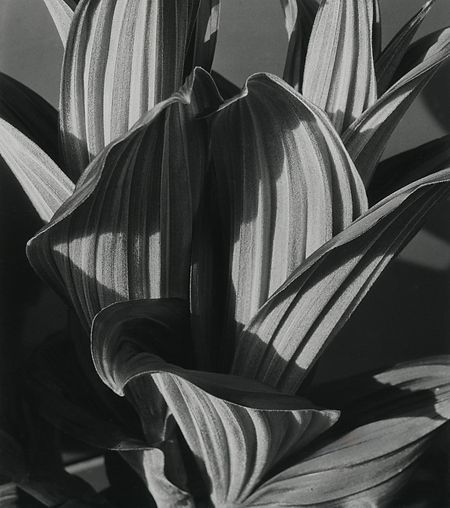
Imogen Cunningham, Glacial Lily
Parents and relatives are moribund, absent, distant, passive, pale, vegetative. Life is just a waiting room for death, as life is waiting for a smile, a gesture, a simple sign of connection from the parent – in vain.
Hers is a world and a family of isolation, loss of family fortune, non-communication, sickness, disability, dying, death struggle, morgues, funerals, cremations, suicides. It is a ‘glacial stillness’, in which people not live but at most have the impression of living, in agonising impassiveness, The relatives undertake ‘ephemeral preparations’ for death, escape from freedom, in which they at best approach the girl with ‘a quasi- glacial-affection’. It is a world of ‘calm ruin’. Life is simplified, almost as if it were not there. Joy is merely an illusion, dangerous, it must be rooted out. It is a world in which objects, predecessors, a genealogy of images turn against the woman, in which objects are judges and rebel sometimes. Wry irony hovers over this obsession with death in the family: ‘Ours is a family of suicides. Aspiring suicides. At the funeral dinner it was not infrequent for someone to tell of an unsuccessful suicide attempt on her own part. Many of them lived long lives.’
The cruise relates a metaphorical journey, on which we hear the inner voice of the girl, talking to herself, talking about herself in the third person like about a stranger, defining herself as ‘ Johannes’ daughter’ - the ship emblematic for life - darkness, mystery, pitch – ‘as if steered by a ghost, by a simple and terrifying inertia’. Dead moments, stasis.
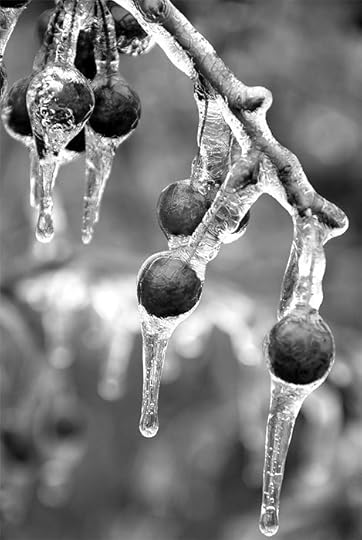
Ansel Adams
Both the themes and style of Fleur Jaeggy reminded me of Patrick Modiano’s prose – the unknowability of the other and of the self, the obsessive digging into the past, the family secrets, the bleak atmosphere and - thinking for instance of Modiano’s Pedigree: A Memoir - the chilly parent-child relationships, the neglectful, emotionally distant, unreliable and uninterested parents, the boarding schools, the dead brother. Recurrent thoughts and themes give rhythm to her tale. Like Modiano's, Jaeggy’s prose is elliptical and spare, but pushed even further in austerity and darkness – her staccato and glacial tone evocating despair, distance and alienation, the elusive characters not adrift in the context of a big city like Paris, but in outwardly lovely Swiss villages where suicides are scrupulously timed to the moment the striking of the hour by the bell coincides with the revolver shot so that no one hears.
Averse from sentimentality, whether autofiction or autobiographical, this troubling tale reads like a gaping wound, a clinical study of the psychological consequences and lasting impact of child neglect. Chilly and devastating.
Meandering backwards and forwards in time and over generations, a nameless woman recollects and mulls over a brief episode of her life, the fortnight she spent as a fifteen year old girl with her father Johannes on a Yugoslavian cruise ship from Venice to Greece. The cruise is a first and last chance to be together with a father she barely knows as he has been almost refused contact with her after he divorced her mother, the divorce the moment both parents, as a man and a woman who were leaving each other ‘had disposed of their daughter’s life absolutely’, as also the mother disappeared from the daughter’s life, shunting her to her grandmother when she goes to live abroad, the girl eventually fobbed off to a boarding school.
An absent life, or a nonexistence, can last a long time.
Through cutting, laconic sentences we learn how the abandoned girl rationalises and copes with the negligence of her parents.
’Children lose interest in their parents when they are left. They are not sentimental. They are passionate and cold. In a certain sense some people abandon affections, sentiments, as if they were things. With determination, without sorrow. They become strangers. They are no longer creatures that have been abandoned. Yet at times they feign happiness. Like funambulists, they practise. Parents are not necessary. Few things are necessary. Some children look after themselves. The heart, incorruptible crystal. They learn to pretend. And pretence becomes the most active, the realest part, alluring as dreams. It takes the place of what we think is real. Perhaps that is all there is to it, some children have the gift of detachment.’
Taught ‘to observe and keep quiet’ as a child, she observes her father ‘my lawful owner’ on the journey, - distant, absent, elsewhere. Her father with the wintry eyes, a stranger to her, ‘precise in his absence’, wondering where his empty eyes are looking at, ‘whence comes the cold that enters his eyes’ – there is no intimacy between father and daughter, no impressions, no feelings. Father and daughter walk on the ‘exceedingly fine line between equilibrium and desperation’. Johannes, aloof, doesn’t seem to notice his daughter, and her desire to make him care for her, to finally see her, to end that feeling she is an ignored nonentity to him, she seeks sexual initiation by the sailors, the violent encounters a confirmation she is alive and exists.
Imogen Cunningham, Glacial Lily
Parents and relatives are moribund, absent, distant, passive, pale, vegetative. Life is just a waiting room for death, as life is waiting for a smile, a gesture, a simple sign of connection from the parent – in vain.
Hers is a world and a family of isolation, loss of family fortune, non-communication, sickness, disability, dying, death struggle, morgues, funerals, cremations, suicides. It is a ‘glacial stillness’, in which people not live but at most have the impression of living, in agonising impassiveness, The relatives undertake ‘ephemeral preparations’ for death, escape from freedom, in which they at best approach the girl with ‘a quasi- glacial-affection’. It is a world of ‘calm ruin’. Life is simplified, almost as if it were not there. Joy is merely an illusion, dangerous, it must be rooted out. It is a world in which objects, predecessors, a genealogy of images turn against the woman, in which objects are judges and rebel sometimes. Wry irony hovers over this obsession with death in the family: ‘Ours is a family of suicides. Aspiring suicides. At the funeral dinner it was not infrequent for someone to tell of an unsuccessful suicide attempt on her own part. Many of them lived long lives.’
The cruise relates a metaphorical journey, on which we hear the inner voice of the girl, talking to herself, talking about herself in the third person like about a stranger, defining herself as ‘ Johannes’ daughter’ - the ship emblematic for life - darkness, mystery, pitch – ‘as if steered by a ghost, by a simple and terrifying inertia’. Dead moments, stasis.
Ansel Adams
Both the themes and style of Fleur Jaeggy reminded me of Patrick Modiano’s prose – the unknowability of the other and of the self, the obsessive digging into the past, the family secrets, the bleak atmosphere and - thinking for instance of Modiano’s Pedigree: A Memoir - the chilly parent-child relationships, the neglectful, emotionally distant, unreliable and uninterested parents, the boarding schools, the dead brother. Recurrent thoughts and themes give rhythm to her tale. Like Modiano's, Jaeggy’s prose is elliptical and spare, but pushed even further in austerity and darkness – her staccato and glacial tone evocating despair, distance and alienation, the elusive characters not adrift in the context of a big city like Paris, but in outwardly lovely Swiss villages where suicides are scrupulously timed to the moment the striking of the hour by the bell coincides with the revolver shot so that no one hears.
Averse from sentimentality, whether autofiction or autobiographical, this troubling tale reads like a gaping wound, a clinical study of the psychological consequences and lasting impact of child neglect. Chilly and devastating.

May 12, 2022
A bitterly disenchanted in life woman recalls her distant past… Soon after the war an adolescent girl and her old estranged father take a sea voyage on the charted ship Proleterka…
During the cruise, the sad and unhappy girl contemplates her earlier childhood… Her runaway and indifferent mother… Her solitude… Her despondent and empty days in her grandmother’s house…
There is a secret life on the ship and the girl partakes in this clandestine activity…
On being unhappy, one tends to assign unhappiness to the entire world.
Father and daughter stand before the ship. She looks like a naval vessel. The red star glitters on the funnel. I look immediately at the lettering Proleterka. Blackened, patches of rust, forgotten. Sovereign lettering. The dusk is falling. The ship is large, she hides the sun that is about to sink into the water. She is darkness, pitch, and mystery. A privateer built like a fortress, she has survived stormy weather and shipwreck. We go up the gangplank. The officers are waiting for us. We are the last.
During the cruise, the sad and unhappy girl contemplates her earlier childhood… Her runaway and indifferent mother… Her solitude… Her despondent and empty days in her grandmother’s house…
Before leaving, I had thought that the destination was unimportant to me. The journey to Greece was a part of my education. It is our first voyage and it looks like the last. Johannes, improbably, is a stranger to me. My father. No intimacy. But a bond that precedes our existences. Acquaintances amid complete extraneousness.
There is a secret life on the ship and the girl partakes in this clandestine activity…
She feels pleasure in the disgust. I don’t like it, I don’t like it, she thinks. Yet she does it all the same. She no longer has much time. The Proleterka is the locus of experience. By the time the voyage is over, she must know everything.
On being unhappy, one tends to assign unhappiness to the entire world.

Read
January 8, 2020If it hadn't been for the goodreads community, SS Proleterka might never have appeared on my horizon. I don't think I've ever spotted Fleur Jaeggy's books in a book shop or heard about her elsewhere. But I have read several Jaeggy reviews on this website over the years, and was impressed each time. After reading one such review, I placed SS Proleterka in a shopping trolley. After reading another, I finally pressed 'purchase'.
And so the book arrived at my door in a cardboard package that seemed mysteriously flat as if it were empty or contained little more than a few sheets of fine paper. Yes, this is a very slim book, and if the text were printed in the tiniest of fonts with the tiniest of line spacings and margins, it might indeed fit on a few sheets of paper. But instead it is printed in a large font with generous line spacing and margins. I'm glad about that on this dark January evening when I've finally opened it.
I didn't start reading the book the day it arrived in the post—books have to wait their turn at my house. They have to pass a considerable time on a book pile before they can enter the present tense of this reader's life. Some books wait for a very long time, others are never read at all because their moment somehow never arrives. SS Proleterka is remarkably lucky—scarcely two months on the book pile. And garnering the position of first book chosen in 2020 as well. 'Now' is truly SS Proleterka's moment.
The present tense suits this book. I notice early on that the narrator uses the present tense even when roaming in her thoughts over moments in her earlier life and in her father's and grandparents' lives. Occasionally, she switches to the past tense, I did not know my father well or In a short time they lost everything but I hardly noticed those shifts in tense, so skillfully are they inserted. The narrative sometimes moves between first and third person point of view too, but again, it's seamlessly done, and we soon realise that there's only one narrator although she may sometimes speak of herself in the third person.
We do not know the narrator's name, and, by the end of the book, we really know little else about her either, where she lives or what she has done with her life, for instance. What we do know is that during her childhood, she lived with her maternal grandmother and spent brief holidays with her divorced father. The last of those holidays, a trip on a Mediterranean cruise ship when she was fifteen, becomes the anchor of the narrative. From the present moment of that journey, vague memories of the past emerge, and they help her, and us, decipher the father figure though he will remain shadowy til the end, like the name of the ship, 'SS Proleterka', no longer decipherable once the passengers disembark at the end of the cruise. Dissolution.
As the pages advance, the narrator tries less and less to decipher the father. She is content to observe him. And the reader learns to imitate her, content to observe the narrative, no longer seeking desperately to understand it as in the early pages. Our experience with the narrative mirrors hers with her father.
Mirrors feature in the story frequently, mirrors that reflect people's faces, their rooms, their gardens. But there's also a mirror in the unfolding of the story in so far as it can be said to unfold. While the cruise ship episode anchors the book and gives it its title, there's a second present moment in the narrative. It takes place thirty-five years after the fifteen year-old's trip on the cruise ship, and although there is no ship involved this time, it is nevertheless a reflection of the earlier episode, being another encounter between a father and a daughter. And once again, the daughter doesn't seek to know the father. She's content to observe. We observe too, and we don't draw conclusions.
But if I were to draw any conclusions about Jaeggy's book, it would be this one: when the writing style matches the content as perfectly as it does here, each page becomes a reader's ideal playground. We want to absorb every single word in a fierce rush, but we want to pause often too: to admire, to enjoy, to reflect. And when the book ends, we don't close it. No. Like a child on a merry-go-round, we climb on again and relive the moment all over.
The last time I had this experience was while reading an equally slim and sparely written book where the style and the content were also a perfect match: Juan Rulfo's Pedro Páramo. Rulfo's and Jaeggy's are books to observe and admire, the way we approach paintings or haikus. We may never figure out why they move us, but they do. Like arrows, they can seem hard and sharp at times, but they shoot straight and true.
And like life, they pass through agony and ecstasy on the way.
And so the book arrived at my door in a cardboard package that seemed mysteriously flat as if it were empty or contained little more than a few sheets of fine paper. Yes, this is a very slim book, and if the text were printed in the tiniest of fonts with the tiniest of line spacings and margins, it might indeed fit on a few sheets of paper. But instead it is printed in a large font with generous line spacing and margins. I'm glad about that on this dark January evening when I've finally opened it.
I didn't start reading the book the day it arrived in the post—books have to wait their turn at my house. They have to pass a considerable time on a book pile before they can enter the present tense of this reader's life. Some books wait for a very long time, others are never read at all because their moment somehow never arrives. SS Proleterka is remarkably lucky—scarcely two months on the book pile. And garnering the position of first book chosen in 2020 as well. 'Now' is truly SS Proleterka's moment.
The present tense suits this book. I notice early on that the narrator uses the present tense even when roaming in her thoughts over moments in her earlier life and in her father's and grandparents' lives. Occasionally, she switches to the past tense, I did not know my father well or In a short time they lost everything but I hardly noticed those shifts in tense, so skillfully are they inserted. The narrative sometimes moves between first and third person point of view too, but again, it's seamlessly done, and we soon realise that there's only one narrator although she may sometimes speak of herself in the third person.
We do not know the narrator's name, and, by the end of the book, we really know little else about her either, where she lives or what she has done with her life, for instance. What we do know is that during her childhood, she lived with her maternal grandmother and spent brief holidays with her divorced father. The last of those holidays, a trip on a Mediterranean cruise ship when she was fifteen, becomes the anchor of the narrative. From the present moment of that journey, vague memories of the past emerge, and they help her, and us, decipher the father figure though he will remain shadowy til the end, like the name of the ship, 'SS Proleterka', no longer decipherable once the passengers disembark at the end of the cruise. Dissolution.
As the pages advance, the narrator tries less and less to decipher the father. She is content to observe him. And the reader learns to imitate her, content to observe the narrative, no longer seeking desperately to understand it as in the early pages. Our experience with the narrative mirrors hers with her father.
Mirrors feature in the story frequently, mirrors that reflect people's faces, their rooms, their gardens. But there's also a mirror in the unfolding of the story in so far as it can be said to unfold. While the cruise ship episode anchors the book and gives it its title, there's a second present moment in the narrative. It takes place thirty-five years after the fifteen year-old's trip on the cruise ship, and although there is no ship involved this time, it is nevertheless a reflection of the earlier episode, being another encounter between a father and a daughter. And once again, the daughter doesn't seek to know the father. She's content to observe. We observe too, and we don't draw conclusions.
But if I were to draw any conclusions about Jaeggy's book, it would be this one: when the writing style matches the content as perfectly as it does here, each page becomes a reader's ideal playground. We want to absorb every single word in a fierce rush, but we want to pause often too: to admire, to enjoy, to reflect. And when the book ends, we don't close it. No. Like a child on a merry-go-round, we climb on again and relive the moment all over.
The last time I had this experience was while reading an equally slim and sparely written book where the style and the content were also a perfect match: Juan Rulfo's Pedro Páramo. Rulfo's and Jaeggy's are books to observe and admire, the way we approach paintings or haikus. We may never figure out why they move us, but they do. Like arrows, they can seem hard and sharp at times, but they shoot straight and true.
And like life, they pass through agony and ecstasy on the way.

November 17, 2019
Scary Women
Testosterone may be useful for personal protection; but it is a social plague. One of the best measures of a civilised society is the degree of mitigation of the difference in physical power between the sexes. This is accomplished by laws and customs that limit the use of male physical strength to intimidate females. This is to the good. But as in most other aspects of life, there is a downside. Men can be intimidated by females who resent and seek to punish men. Being nowhere near as clever or persistent as women, men are at a decided disadvantage, especially if the women concerned act tribally.
Jaeggy captures this dialectic rather well in the oxymoronic descriptions of her protagonist’s life among domineering women who exploit men mercilessly: “acrimonious indulgence;” “rapacious charity;” “abysmal politeness;” and “vainglorious restraint.” Her grandmother (a German Miss Cavendish) is the leader of the pack: “In not forgiving she was magnanimous, tolerant, equable.” The girl herself is “a hostage to good. A prisoner of good.” She lives a life in which “Pleasure and punishment are combined.” Her father is anathema because of his failure to live up to the economic expectations of the coven.
In this world of contradictions, reality is hidden behind impenetrable symbols. The girl lives within “a genealogy of images.” At one time her mother played the piano; but that was before the family’s financial troubles. Now, she says “The sound of the piano represents all that I have not had.” Her personal history is swallowed up in these symbols. She is “The girl who has no past.” Even her gender is a symbol of symbolic obsession: “The women of that family had an autistic passion for camellias, roses, and nothing else.” Women, she is taught, are, or ought to be, nihilists: “they harbor a profound resentment, a visceral resentment toward the world, toward existence.”
Estrogen, it seems, has its own unique challenges. Legal reform is unlikely to be effective in meeting them, probably because the law tends to be dominated by men who don’t have a clue about its effects. Women, on the other hand, run society.
Testosterone may be useful for personal protection; but it is a social plague. One of the best measures of a civilised society is the degree of mitigation of the difference in physical power between the sexes. This is accomplished by laws and customs that limit the use of male physical strength to intimidate females. This is to the good. But as in most other aspects of life, there is a downside. Men can be intimidated by females who resent and seek to punish men. Being nowhere near as clever or persistent as women, men are at a decided disadvantage, especially if the women concerned act tribally.
Jaeggy captures this dialectic rather well in the oxymoronic descriptions of her protagonist’s life among domineering women who exploit men mercilessly: “acrimonious indulgence;” “rapacious charity;” “abysmal politeness;” and “vainglorious restraint.” Her grandmother (a German Miss Cavendish) is the leader of the pack: “In not forgiving she was magnanimous, tolerant, equable.” The girl herself is “a hostage to good. A prisoner of good.” She lives a life in which “Pleasure and punishment are combined.” Her father is anathema because of his failure to live up to the economic expectations of the coven.
In this world of contradictions, reality is hidden behind impenetrable symbols. The girl lives within “a genealogy of images.” At one time her mother played the piano; but that was before the family’s financial troubles. Now, she says “The sound of the piano represents all that I have not had.” Her personal history is swallowed up in these symbols. She is “The girl who has no past.” Even her gender is a symbol of symbolic obsession: “The women of that family had an autistic passion for camellias, roses, and nothing else.” Women, she is taught, are, or ought to be, nihilists: “they harbor a profound resentment, a visceral resentment toward the world, toward existence.”
Estrogen, it seems, has its own unique challenges. Legal reform is unlikely to be effective in meeting them, probably because the law tends to be dominated by men who don’t have a clue about its effects. Women, on the other hand, run society.

February 12, 2020
"It is for my own good. A venomous expression. But it sounds good. I know that that expression has never boded any good. Since then it has worsened my condition as a minor. You ought to watch your back when listening to diktats of this kind. When you are a hostage to good. A prisoner of good. ... I leave the house with a suitcase and my school bag. I have been consigned to others. For my own good."
S. S. Proleterka will be my number #1 book of 2020. That is, unless I read another of Jaeggy's books and it displaces this short gem and pushes it to #2. I suspect that Proleterka resonates best with those of us whose childhoods and family experiences left us with a void that we cover well as we wander through the world, but that remains ever-present. Then again, anyone who loves language is likely to be equally besotted, even if he or she was raised by the most perfect, loving and encouraging of all parents.
I highly recommend the two reviews whose links are below. Thank you, Jan-Maat and Ilse, for bringing Proleterka to my attention.
https://www.goodreads.com/review/show...
https://www.goodreads.com/review/show...
Sample quotes follow:
"The man who says he is my father has understood that he must hold his peace. The silence of shadow. In his eyes a sweet and desolate expression. Toward the woman he calls his daughter. Toward things doomed to disappear."
"More pictures. Collectors have pictures everywhere. They do not let the walls breathe."
"His wife deprives herself of everything, even of herself. She has nibbled at her body, leaving the long teeth, when she shows them. She is withered, puritan and castigatory. She was the first person to observe Johannes’s daughter through the lens of contempt. She is abysmally polite. Hair gathered up into a lump, a chignon at the nape of her neck. Eyes dripping rapacious charity. Always kind."
"As if fallen from the talons of a bird of prey in flight, thoughts drop into our mind when we are convinced that we are not thinking."
"Parents are not necessary. Few things are necessary. Some children look after themselves. The heart, incorruptible crystal. They learn to pretend. And pretence becomes the most active, the realist part, alluring as dreams."
"He is not yet seventy years old. White hair, parted, straight. Pale, gelid eyes. Unnatural. Like a fairytale about ice. Wintry eyes. With a glimmer of romantic caprice. The irises of such a clear, faded green that they make you feel uneasy. It is almost as if they lack the consistency of a gaze. As if it were an anomaly, generations old."
S. S. Proleterka will be my number #1 book of 2020. That is, unless I read another of Jaeggy's books and it displaces this short gem and pushes it to #2. I suspect that Proleterka resonates best with those of us whose childhoods and family experiences left us with a void that we cover well as we wander through the world, but that remains ever-present. Then again, anyone who loves language is likely to be equally besotted, even if he or she was raised by the most perfect, loving and encouraging of all parents.
I highly recommend the two reviews whose links are below. Thank you, Jan-Maat and Ilse, for bringing Proleterka to my attention.
https://www.goodreads.com/review/show...
https://www.goodreads.com/review/show...
Sample quotes follow:
"The man who says he is my father has understood that he must hold his peace. The silence of shadow. In his eyes a sweet and desolate expression. Toward the woman he calls his daughter. Toward things doomed to disappear."
"More pictures. Collectors have pictures everywhere. They do not let the walls breathe."
"His wife deprives herself of everything, even of herself. She has nibbled at her body, leaving the long teeth, when she shows them. She is withered, puritan and castigatory. She was the first person to observe Johannes’s daughter through the lens of contempt. She is abysmally polite. Hair gathered up into a lump, a chignon at the nape of her neck. Eyes dripping rapacious charity. Always kind."
"As if fallen from the talons of a bird of prey in flight, thoughts drop into our mind when we are convinced that we are not thinking."
"Parents are not necessary. Few things are necessary. Some children look after themselves. The heart, incorruptible crystal. They learn to pretend. And pretence becomes the most active, the realist part, alluring as dreams."
"He is not yet seventy years old. White hair, parted, straight. Pale, gelid eyes. Unnatural. Like a fairytale about ice. Wintry eyes. With a glimmer of romantic caprice. The irises of such a clear, faded green that they make you feel uneasy. It is almost as if they lack the consistency of a gaze. As if it were an anomaly, generations old."

Read
November 11, 2019I read this brilliant little novella, and I thought to myself - no way can I review this without reading it again, so I read it again, now if I were to draw a picture of myself it would be slumped forwards elbows on a table, head in my hands, fingers pulling on my hair, mouth open saying "uuuurgghh" .
This is such a little gem, or perhaps an icicle, it glimmers and melts even as I grasp at it. Zadie Smith in her essays Changing My Mind writes of trying to achieve the right tone, my feeling reading her novel On beauty was that it had a lot of elements but was essentially toneless, this is the opposite it is pure poise, mysteriously consistent. Indeed this is part of the problem. Because the narrator is an unnamed 49 year old woman recounting certain incidents in her life, most notably a cruise on the Proletarka of the title with her father when she was 15. But the tone is consistent throughout suggesting that everything is seen from the perspective of the 49 year old. This is the first unreliable element in the narration - can the 49 years old truly present to us what the fifteen year old thought and felt? The second, and larger element of unreliability is that the narrator for all her 49 years seems to be blind to herself, she has been to Delphi, but does she know herself? She has been on Crete, but has she left the labyrinth? She has journeyed round the Greek islands but is her Odyssey over?
The novella is a fantastic portrait of a woman examining her own past, by alluding to her in as casual a way as possible and denying her in places the impression is strengthened that she is deeply engaged with the presence of her absent mother in her mind. Just as when she casually has sex with the first and second mate on board ship that this is about maybe provoking her father as her mother sought to do, certainly about her relationship with her school friend Sebastian: " At school, with my friend Sebastian (that's what she wanted to be called) we used to talk about sex. She wanted to do it with strangers. "Primordially," she used to say laughing. Without conversation. She is sixteen. Experienced. She would tell me things and provoke me. Now, in bed with the second mate, I think of my friend. Of her erotic and wild nature. Slim, short hair. Her nape smooth and bare. Wary. Taut as a bow. She used to say that she wanted to possess physical pleasure at all costs. There is nothing else around us, she would say. She considered education harmful. We do nothing else but educate ourselves from morning to night, like a long sleep. Sebastian should have been watching us. I was behaving a little as if she was present. She was taking notes. An invisible presence in the cabin." (pp83-4)
I feel that this section is fairly typical of the style of the entire book. Short sentences. Mixed together with longer ones. The internal contradictions - Sebastian considers education harmful (allegedly) but her relation to the narrator is essentially that of an educator - her imagined presence taking notes suggests the assignation is actual a practical assessment rather than an attempt to possess physical pleasure. Again typical for the story ostensibly the novella is about the narrator's relationships with men - her father , assorted Yugoslav sailors, her father's friends but it is the relationships with women that are the powerful ones, in the case of the otherwise unmentioned Sebastian the formative ones - the beloved maternal Grandmother, the pointedly ignored and denied mother, the mysterious woman of thirty years on board the ship who looks so good riding sidesaddle on a donkey who is described as the only other woman on board ship - at which your intrepid reviewer flicked backwards and forwards to check that in mathematical terms at least that the narrator is wrong - but this is not to dismiss the narrator as unreliable but in my mind a prompt to understand in what way this is true for the narrator. The woman of thirty years - hey! Pause, isn't La femme de trente ans a novel by Balzac? Madame Jaeggy - are you being meta fictional with us? The woman of thirty years is significant to the narrator, meaningful, while the pastor's little wife is dismissed as the kind of person who is (hopefully) imagined (rather than spied upon ) kneeling besides the marital bed praying rather than climbing in pursuit of the possession of physical pleasure. And the friend's assumed name - Sebastian - is this too a flag that we are to make an association with Saint Sebastian and to see the friend as educator, icon and homo-erotic object of desire - "her erotic and wild nature. Slim, short hair. Her nape smooth and bare. Wary. Taut as a bow".
This is the kind of open and direct narration to the reader that hides everything, and hints at anything, a book of puzzles that can be read and reread, chewed over. A fantastic achievement, I can imagine trying to draw it out on paper, linking the contradictions, blocking out the temporal sections. My only fear, a nagging one, is the suspicion that the author's other books will achieve exactly the same tone and repeat the same style as this one.
This is such a little gem, or perhaps an icicle, it glimmers and melts even as I grasp at it. Zadie Smith in her essays Changing My Mind writes of trying to achieve the right tone, my feeling reading her novel On beauty was that it had a lot of elements but was essentially toneless, this is the opposite it is pure poise, mysteriously consistent. Indeed this is part of the problem. Because the narrator is an unnamed 49 year old woman recounting certain incidents in her life, most notably a cruise on the Proletarka of the title with her father when she was 15. But the tone is consistent throughout suggesting that everything is seen from the perspective of the 49 year old. This is the first unreliable element in the narration - can the 49 years old truly present to us what the fifteen year old thought and felt? The second, and larger element of unreliability is that the narrator for all her 49 years seems to be blind to herself, she has been to Delphi, but does she know herself? She has been on Crete, but has she left the labyrinth? She has journeyed round the Greek islands but is her Odyssey over?
The novella is a fantastic portrait of a woman examining her own past, by alluding to her in as casual a way as possible and denying her in places the impression is strengthened that she is deeply engaged with the presence of her absent mother in her mind. Just as when she casually has sex with the first and second mate on board ship that this is about maybe provoking her father as her mother sought to do, certainly about her relationship with her school friend Sebastian: " At school, with my friend Sebastian (that's what she wanted to be called) we used to talk about sex. She wanted to do it with strangers. "Primordially," she used to say laughing. Without conversation. She is sixteen. Experienced. She would tell me things and provoke me. Now, in bed with the second mate, I think of my friend. Of her erotic and wild nature. Slim, short hair. Her nape smooth and bare. Wary. Taut as a bow. She used to say that she wanted to possess physical pleasure at all costs. There is nothing else around us, she would say. She considered education harmful. We do nothing else but educate ourselves from morning to night, like a long sleep. Sebastian should have been watching us. I was behaving a little as if she was present. She was taking notes. An invisible presence in the cabin." (pp83-4)
I feel that this section is fairly typical of the style of the entire book. Short sentences. Mixed together with longer ones. The internal contradictions - Sebastian considers education harmful (allegedly) but her relation to the narrator is essentially that of an educator - her imagined presence taking notes suggests the assignation is actual a practical assessment rather than an attempt to possess physical pleasure. Again typical for the story ostensibly the novella is about the narrator's relationships with men - her father , assorted Yugoslav sailors, her father's friends but it is the relationships with women that are the powerful ones, in the case of the otherwise unmentioned Sebastian the formative ones - the beloved maternal Grandmother, the pointedly ignored and denied mother, the mysterious woman of thirty years on board the ship who looks so good riding sidesaddle on a donkey who is described as the only other woman on board ship - at which your intrepid reviewer flicked backwards and forwards to check that in mathematical terms at least that the narrator is wrong - but this is not to dismiss the narrator as unreliable but in my mind a prompt to understand in what way this is true for the narrator. The woman of thirty years - hey! Pause, isn't La femme de trente ans a novel by Balzac? Madame Jaeggy - are you being meta fictional with us? The woman of thirty years is significant to the narrator, meaningful, while the pastor's little wife is dismissed as the kind of person who is (hopefully) imagined (rather than spied upon ) kneeling besides the marital bed praying rather than climbing in pursuit of the possession of physical pleasure. And the friend's assumed name - Sebastian - is this too a flag that we are to make an association with Saint Sebastian and to see the friend as educator, icon and homo-erotic object of desire - "her erotic and wild nature. Slim, short hair. Her nape smooth and bare. Wary. Taut as a bow".
This is the kind of open and direct narration to the reader that hides everything, and hints at anything, a book of puzzles that can be read and reread, chewed over. A fantastic achievement, I can imagine trying to draw it out on paper, linking the contradictions, blocking out the temporal sections. My only fear, a nagging one, is the suspicion that the author's other books will achieve exactly the same tone and repeat the same style as this one.

May 18, 2024
A 15-year-old girl goes on a cruise with her estranged, dying father and indulges in rough sex with sailors - that's how "Proleterka" is commonly summarized, but while this plot sounds punchy, the description is highly misleading. Rather, the focus of the text is a narrator looking back on this cruise and pondering her dysfunctional, emotionally distant family and what the coldness and absence of real connection has done to her. The protagonist (who is connected to the autofictional Jaeggy in Sweet Days of Discipline) talks about her parents' marriage and bitter divorce, how her mother sent her away to boarding school against her will and how she restricted her father's access to her - with the exception of the cruise, when father and daughter spent 14 days together not too long before his death.
Johannes, the narrator's dad, hails from a wealthy family who lost everything to afford his sick brother's care. The cruise is offered by the Swiss guild he belongs to, but he's more or less a social pariah there, due to his financial ruin. He spends lots of time mentally absent, unable to foster a relationship with his daughter, staring into nothingness. The Proleterka ("proletarian girl") is a Yugoslav ship, and the crew is not too fond of the guests either, fulfilling their tasks solely for the money. The enclosed ship and the isolated characters make for a particularly claustrophobic scenario. The protagonist, indicating her fragile sense of self by referring to herself mostly as "Johannes' daughter", breaks out of the stasis and isolation by exploring her sexuality, seeking risky, loveless encounters with sailors who treat her like trash.
So the whole thing displays a web of class, money, and gender issues, as well pondering alienation and loneliness. Of course, Jaeggy delivers her trademark short sentences, a cutting, icy prose that has its own chilling beauty. Still, I found it overly long for what it is, namely a moody rumination on crappy parents, and - unpopular opinion! - I greatly prefer Jaeggy's super unsettling and disturbing short stories, I Am the Brother of XX.
Johannes, the narrator's dad, hails from a wealthy family who lost everything to afford his sick brother's care. The cruise is offered by the Swiss guild he belongs to, but he's more or less a social pariah there, due to his financial ruin. He spends lots of time mentally absent, unable to foster a relationship with his daughter, staring into nothingness. The Proleterka ("proletarian girl") is a Yugoslav ship, and the crew is not too fond of the guests either, fulfilling their tasks solely for the money. The enclosed ship and the isolated characters make for a particularly claustrophobic scenario. The protagonist, indicating her fragile sense of self by referring to herself mostly as "Johannes' daughter", breaks out of the stasis and isolation by exploring her sexuality, seeking risky, loveless encounters with sailors who treat her like trash.
So the whole thing displays a web of class, money, and gender issues, as well pondering alienation and loneliness. Of course, Jaeggy delivers her trademark short sentences, a cutting, icy prose that has its own chilling beauty. Still, I found it overly long for what it is, namely a moody rumination on crappy parents, and - unpopular opinion! - I greatly prefer Jaeggy's super unsettling and disturbing short stories, I Am the Brother of XX.

February 12, 2020
This book is indeed like ‘incorruptible crystal’, if I can quote from the book. Delicate, intensive language in short and compact sentences. I am really touched. There are quite a few impressive reviews of the book here on GR, so I just wished to say that it is an exceptional book.

March 28, 2026
Entrückter Erinnerungsraum, der zurückgehalten, etwas morbide, erforscht wird.
Inhalt: 3/5 Sterne (eher chaotisch)
Form: 5/5 Sterne (lyrisch-atmosphärisch)
Erzählstimme: 5/5 Sterne (selbstdistanziertes Ich-Sie)
Komposition: 2/5 Sterne (improvisiert)
Leseerlebnis: 5/5 Sterne (geheimnisvoll)
--> 20/5 = 4,0 = 4 Sterne
Proleterka erschien 2001 auf italienisch und im folgenden Jahr auf deutsch. Seit zwei Jahren erhält Fleur Jaeggy, geboren 1940, zunehmend Aufmerksamkeit durch die initiierten Neuauflage ihres Werkes, das überwiegend aus Erzählungen und kurzen Romanen wie Die seligen Jahre der Züchtigung besteht. Es zeichnet sich durch einen atmosphärischen, etwas entrückten, traumartigen Stil aus. In Proleterka, der Name eines Schiffs, auf dem die fünfzehnjährige Ich-Erzählerin mit ihrem Vater von Venedig über Istanbul zurück nach Venedig reist, nimmt diese lückenhafte Erzählweise gespenstische Züge an:
Die Proleterka scheint verlassen. Sie hat beinahe ihren Charakter verändert. Sie ist metallischer, schwärzer. Ohne sich von der Stelle zu rühren, trieb sie steuerlos dahin. Ein Matrose geht umher wie ein Gespenst, das es eilig hat und Befehle verabscheut. Der Kapitän hat sich aus dem Staub gemacht. Die Proleterka nimmt wieder Besitz von sich. Und sie macht kein Hehl daraus. Jetzt ist es schwierig, an Bord zu gelangen. Sie riegelt sich hermetisch ab. Sie kann nur noch im Sturm geentert werden. Sie wirkt wie eine Art Mausoleum. Eine Kriegstrophäe. Sie gehört zum ewigen Altertum der Meere. Der Abgründe. Der Märchen.
Wie so oft, bspw. in Tezer Özlüs Suche nach den Spuren eines Selbstmordes oder in Terézia Moras Das Ungeheuer, dient die äußere Reise für eine Erinnerungsfahrt ins Innere, auf der, angestoßen durch die Ortsveränderungen, den Spuren der Vergangenheit nachgeforscht wird. Hierbei tritt eine brüchige, verstörte, aus den Fugen geratene Familienwelt zutage, der sich die Ich-Erzählerin nur durch wohl getaktetes Schweigen, Flucht und ekstatisches Körpererleben zu entziehen vermag. Zentral hier: die Schwierigkeit ihre Eltern, insbesondere ihren siebzigjährigen Vater zu verstehen, mit dem sie sich auf dem Schiff befindet:
Trotzdem sind mein Vater und ich aneinander gefesselt wie von einem übergeordneten Willen, der nicht von dieser Erde ist. Als kleines Mädchen sagte ich zu ihm: Sind Sie mein Vater?« - »Herr Johannes, ich bin Ihre Tochter.« Rechtlich gesehen gehörte ich zu ihm. Ich war seine Gefährtin dieser vierzehn Tage. Seine Gefährtin mancher Wintertage, mancher Sommertage. Und jetzt, ausnahmsweise, entgegen der Regel, auch im Frühjahr. Das Frühjahr schadet ihm. Die Natur ebenfalls.
Soziale Deklassierung, Affären, Erbschleichereien und zerstörte Familienunternehmen gehen Hand in Hand mit Scham, mit Schweigen, mit einer lastenden Selbstbeobachtungen, die die Familienmitglieder zunehmend voneinander entfremdet, bis dass sie sich siezen oder, wie die Ich-Erzählerin, von sich in dritter Person berichten. Für die Ich-Erzählerin bleiben die Worte, die Bildung, die Erinnerung zu entfernt, aber das Mittel, die Lücke zu überbrücken, durch Leidenschaft und physischen Kontakt, lässt sich beim Vater nicht anwenden. Er bleibt fremd, fristet ein Schattendasein in ihrem Leben.
Mit außergewöhnlicher Sanftheit liest Jaeggy in Proleterka die Scherben eines zu Bruch gegangenen Lebensentwurfes auf. Am Ende droht der Vater mit gar nichts mehr dazustehen. In dieser sanften Todesstimmung, die barockhaft und doch schnörkellos wie ein Schiff auf einem ruhigen Meer vor sich hin gleitet, ähnelt Fleur Jaeggys Roman abermals Ingeborg Bachmann und Clarice Lispector, hier aber noch mehr Robert Walser in seinen irrigen und irrlaufenden Miniaturen. Leider sehr kurz, und leider etwas chaotisch, dennoch stimmungsvoll und intensiv in seiner sanft humanen Durchlässigkeit und stoischen Melancholie.
---------------------------------
---------------------------------
Details – ab hier Spoilergefahr (zur Erinnerung für mich):
---------------------------------
---------------------------------
Inhalt:
●Hauptfigur(en): Ich-Erzählerin, unbestimmtes Alter, Anfang 20, Eltern gestorben, aus eher klassisch gebildeten Elternhaus, einstiger Wohlstand.
●Zusammenfassung/Inhaltsangabe:
1. Abschnitt: Über den Vater Johannes, Teil einer nicht näher bestimmten Zunft aus dem Jahre 1336 (Zürcher Zunftverfassung datiert auf dieses Jahr). Sie nehmen in Venedig an einem Maskenball teil. Die Reise findet außerhalb der Reihe der Besuche ihres Vaters statt, üblicherweise sieht er seine Tochter nur im Winter. Sie besteigen das Schiff Proleterka, fahren nach Griechenland, Unwetter, Sturm. Hintergrundgeschichte des Vaters, aus verarmtem Großbürgertum, einstige Fabrikbesitzer, ein Bruder, der als Invalide im Rollstuhl saß. Eltern verlegen ihren Wohnsitz aus Ungarn (?) für ihn in den Süden.
2. Erinnerung an die eigene Kindheit bei der Mutter ihrer Mutter, Orsola, einer unnahbaren Frau, die sich um Blumen kümmert, die die Besuche des Vaters bei der Tochter regelt. IE rächt sich für Hänseleien über den sozialen Abstieg ihrer Familie bei einem Klassenkameraden, dessen Vater stirbt. Sie spürt das Böse in sich. Betrachtung der väterlichen Familie anhand von Gemälden, die übrig geblieben sind. Orsola hat in Buenos Aires gelebt. Nach einer Krankheit schickt Orsola die IE weg, ins Internat (?), jedenfalls zu anderen. Ausschlaggebend auch der Vater, der mit seiner Tochter einen Muttermörder besucht.
3. Auf dem Schiff, die Mutter hat die Reise nach Griechenland erlaubt, die Mutter, die Italienerin, die gerne Klavier spielt, Pianistin. IE verspürt Trauer über das Zerbrechen der Ehe ihrer Eltern. Mutter aus einer Tradition bösartiger Frauen, die den Hass auf Männer mit floristischen Tätigkeiten überdecken. Dialog mit dem Steinway der Mutter, mit dem die IE zusammenlebt (bei der Mutter? Bleibt unklar).
4. Orsolas Beerdigung, Erbneid zwischen den Geschwister, zwischen der Mutter und der jüngsten Schwester. Der Ehemann der Tante, der durch die Erschöpfung beim Tennisspiel stirbt.
5. Auf dem Schiff. Nach elf Tagen, Beschreibung eines Pfarrers mit seiner Frau. IE schnappt frische Luft, lernt Nikola P kennen, den zweiten Offizier, empfindet eine gewisse Anziehung. Name von Johannes‘ Eltern Ida und Jakob. Besuch von Knossos. Reise findet vom 18. April bis 2. Mai statt. Geisterfahrt ähnlich. IE erblickt eine Frau, die Dreißigjährige, verspürt eine gewisse Konkurrenz.
6. Selbstmörderabschnitt, von jemandem, der sich mit dem Glockenschlag um Punkt zwölf in den Kopf schoss. Vorher übte er auf kleine Vögel zu schießen.
7. IE schläft mit dem groben Matrosen. Nächster Stopp Santorin. Sie lernt einen Medizinersohn kennen, der kein Interesse für seine Profession verspürt. Der Matrose verhält sich grob gegenüber der IE. Sie denkt an die Schulkameradin Sebastian, wie sie sich nannte, die in der körperlichen Ekstase die Wahrheit gesucht hat.
8. Fahrt über Rhodos, Delos und Mykonos. Auch der dritte Offizier fordert sie zum Sex auf. Sie nimmt das Schiff als begrenzten Ort der Erfahrung, der danach aufhört zu existieren. Bosporus. Der Vater bleibt ihr fremd. Athen, Akropolis, dann die Rückkehr nach Venedig. Sie verlassen das Schiff.
9. Beerdigung des Vaters, Fräulein Gerda in Hochform. IE steckt der Leiche vor dem Verbrennen einen Nagel in die Tasche.
10. IE erhält einen Brief von einem Mann, der behauptet, ihr wahrer Vater zu sein. Um die 90 Jahre alt, aus Deutschland, ehemaliger Professor. Aus Wahrheitsliebe haben sich seine Frau und er zu diesem Schritt entschieden. Es gab einen Halbbruder, der als Kind früh gestorben ist.
… historischer Hintergrund, Johannes trat der Zunft kurz nach Beginn des 1. Weltkrieges aus, da er siebzig ist und es noch Jugoslawien gibt, spielt der Proleterka-Trip um die Mitte der 1980er.
●Kurzfassung: Eine Ich-Erzählerin (IE) reist mit ihrem Vater auf einem jugoslawischen Schiff namens Proleterka in ungefähr zwei Wochen von Venedig nach Istanbul und zurück nach Venedig. Auf der Fahrt verpasst sie die Chance, ihren 70jährigen Vater näher kennenzulernen, vergnügt sich statt dessen sexuell mit den Matrosen. Später, nach der Beerdigung, erfährt sie, dass ihr Vater möglicherweise gar nicht ihr Vater ist, sondern ein noch lebender Professor, der kurz vor der Demenz aus Wahrheitsliebe ihr seine Vaterschaft aufdrängt.
●Charaktere: (rund/flach) sehr geheimnisvolle, undurchschaubare Charaktere
●Überflüssige Szenen/Charaktere: keine
●Besondere Ereignisse/Szenen: der Selbstmörder, der sich um Punkt zwölf erschießt. Der Trip nach New York, der Dialog mit dem Steinway. Die Männer hassenden Frauen.
●Diskurs: keiner, spielt keine Rolle, höchstens der Geschlechterdiskurs
… vgl. Ingeborg Bachmanns „Malina“, und Max Frischs „Homo Faber“. Robert Walser, ein wenig Hesses „Die Morgenlandfahrer“ und Clarice Lispector „Die Sternstunde“.
… die Inkommunikabilität zwischen Vater und Tochter entlädt sich darin, dass die Tochter physischen Kontakt zu den Offizieren sucht und dort erste sexuelle Erfahrungen macht, im sicheren Rahmen des Schiffes, das auch spurlos in ihrem Leben verschwinden wird. Worte gegen Physis. Seltsam brüchige Familiengeschichte, unklar, weshalb die Mutter den Vater verlassen hat; unklar, weshalb der Vater die Tochter so selten sehen darf; auch unklar, was mit der Mutter geschehen ist; unklar, über welche Zunft geredet wird; … klare Dekadenzliteratur, als förmliche Avantgarde. Kleine Brennpunkte: der Selbstmord, die sexuellen Akten (kaum beschrieben), der Besuch in Deutschland beim „wahren“ Vater. Der Text strahlt eine poetische Haltlosigkeit aus. Die Ich-Erzählerin bleibt aber interessant.
… Motiv: der Nagel, das, was bleibt? Nach der Verbrennung der Leiche, der Nagel, den sie ihm zugesteckt hat, das, was bleibt? Das Geschenk an die Toten, Eisen?
… das geheimnisvolle, barocke, erschütternde Erzählen erzeugt einen Sog, aber das Buch ist auch kurz, es hätte aber durch Länge an Intensität noch gewonnen. Es lebt etwas von den irisierenden Tabu-Stellen des Eros (Sex mit Matrosen) und Thanatos (Selbstmord), und das brenzlige Aufwachsen einer Tochter in brüchigen, ehemals reichen, von Selbstanspruch strotzenden Verhältnissen. Plot könnte etwas übersichtlicher sein, deshalb zieht er auch kaum Interesse auf sich.
--> 3 Sterne
Form:
●Eindruck: Lebt von der poetischen Schreibweise, den Nachstellungen, kurze Sätze, viele Punkte, die das Entrückte markieren, die Nachstellungen, das Erinnern, das Präzisieren, das Bemühen um eine höfliche Narration. Sehr zart, sehr andeutungsvoll, die Erzählerin rückt den Dingen nicht auf den Pelz
●Fiktionalitätsgrad: (diskursiv/Werk?) sehr fiktionalisiert, ganz klar narrativ durchwirkt, Distanz zur Alltagssprache, keinerlei Verwechslung möglich, eher eine Gedichtform
●Auffälligkeiten: die Nachstellungen.
●Innovation: die kurzen, unvollständigen Sätze, das Spiel mit der Lücke, die Andeutungen, das sanfte Auslassen
--> 5 Sterne
Erzählstimme:
●Eindruck: eine seltsame Ich-Sie-Perspektive, die Ich-Erzählerin spricht von sich in dritter Person, als die Tochter, hieraus entsteht die Spannung, die den Text trägt, als Poetikum. Präsens und Präteritum etwas willkürlich gesetzt, immersiv.
●Erzählinstanz (reflektiert, situiert, perspektiviert?): sehr reflektiert, nicht wirklich situiert, räumlich, aber zeitlich (nach Tod des Vaters), klar auf die Ich-Erzählerin hin beschränkt.
●Erzählverhalten, -stil, -weise: höflich, auslassend, distanziert im Sinne von Platz für Imagination lassend
●Einschätzung: eigenartig entrückt, dadurch besonders, das spezifische Merkmal dieses Textes, im Grunde.
--> 5 Sterne
Komposition:
●Eindruck: leider sehr unübersichtlich, sehr schwierig zu lesen, als Komposition undurchschaubar, eher atmosphärisch, lyrisch, weniger narrativ, weniger plotgetrieben, deshalb schwierig einzuschätzen. Chronologischer Zeitabriss, letzte Reise mit Vater, Beerdigung des Vaters, Kennenlernen des neuen Vaters? Eher schematisch.
●Signal/Noise-Ratio: viele Nebenfiguren, viel Rauschen, viele Nebensächlichkeiten trotz der Kürze des Textes
●Operative Geschlossenheit: durch die Erzählstimme ja, auch durch die Vaterfigur, die stirbt und aufersteht.
●Rahmenstabilisierende Details: das Schiff, die Proleterka, aber es bleibt schemenhaft, diffus, eigentlich kaum Rahmung, vielleicht der Nagel (bei 5% und 80% des Textes erwähnt), die Asche des Vaters, die Überbleibsel.
●Eindruck (szenisch/deskriptiv/Tempiwechsel): zwischen Präteritum und Präsens, unklare Verortung, Erinnerungsraum, eher träumend als erzählend.
●Extradiegetische Abschnitte: nein
●Lose Versatzstücke: nein
●Reliefbildung: geringe, die Reiseorte werden kaum beschrieben, alles bleibend schwebend angedeutet
●Einschätzung: Komposition schwach, wie der Inhalt, eher nüchtern, etwas eher Beliebiges a-linear geordnet, also a-lineare Erinnerung an lineare Zeitkette der Schiffsreise, die aber keine Rolle spielt. Die Organisation der Szenen regt nicht zum Nachdenken an. Ähnlichkeiten wirken beliebig.
--> 2 Sterne
Leseerlebnis:
●Zusammenfassung: ein sehr dichtes, kompositorisches etwas enges Buch, das viele Momente anspricht, entwickelt, aber in gewissen Untiefen belässt. Es besitzt etwas Entrücktes, Traumartiges, etwas Gleichförmiges, und dadurch poetisch Unterwandertes. Sehr eigenartige Erzählform, eine verschwindende, sich versteckende, auftauchende Ich-Erzählerin, sehr sanft im Hintergrund
●eigenständig? (Inhalt: ja/nein) ja
●glaubwürdig? (Erzählinstanz: ja/nein) ja, sehr
●schön? (Sprache/Form: ja/nein) ja, als Erzählhaltung, als Rückzug, als Anbahnung
●stimmig?(Komposition: ja/nein) ja
●ein zweites Mal lesen? Möglich.
--> 5 Sterne
--------
Inhalt: 3/5 Sterne (eher chaotisch)
Form: 5/5 Sterne (lyrisch-atmosphärisch)
Erzählstimme: 5/5 Sterne (selbstdistanziertes Ich-Sie)
Komposition: 2/5 Sterne (improvisiert)
Leseerlebnis: 5/5 Sterne (geheimnisvoll)
--> 20/5 = 4,0 = 4 Sterne
Proleterka erschien 2001 auf italienisch und im folgenden Jahr auf deutsch. Seit zwei Jahren erhält Fleur Jaeggy, geboren 1940, zunehmend Aufmerksamkeit durch die initiierten Neuauflage ihres Werkes, das überwiegend aus Erzählungen und kurzen Romanen wie Die seligen Jahre der Züchtigung besteht. Es zeichnet sich durch einen atmosphärischen, etwas entrückten, traumartigen Stil aus. In Proleterka, der Name eines Schiffs, auf dem die fünfzehnjährige Ich-Erzählerin mit ihrem Vater von Venedig über Istanbul zurück nach Venedig reist, nimmt diese lückenhafte Erzählweise gespenstische Züge an:
Die Proleterka scheint verlassen. Sie hat beinahe ihren Charakter verändert. Sie ist metallischer, schwärzer. Ohne sich von der Stelle zu rühren, trieb sie steuerlos dahin. Ein Matrose geht umher wie ein Gespenst, das es eilig hat und Befehle verabscheut. Der Kapitän hat sich aus dem Staub gemacht. Die Proleterka nimmt wieder Besitz von sich. Und sie macht kein Hehl daraus. Jetzt ist es schwierig, an Bord zu gelangen. Sie riegelt sich hermetisch ab. Sie kann nur noch im Sturm geentert werden. Sie wirkt wie eine Art Mausoleum. Eine Kriegstrophäe. Sie gehört zum ewigen Altertum der Meere. Der Abgründe. Der Märchen.
Wie so oft, bspw. in Tezer Özlüs Suche nach den Spuren eines Selbstmordes oder in Terézia Moras Das Ungeheuer, dient die äußere Reise für eine Erinnerungsfahrt ins Innere, auf der, angestoßen durch die Ortsveränderungen, den Spuren der Vergangenheit nachgeforscht wird. Hierbei tritt eine brüchige, verstörte, aus den Fugen geratene Familienwelt zutage, der sich die Ich-Erzählerin nur durch wohl getaktetes Schweigen, Flucht und ekstatisches Körpererleben zu entziehen vermag. Zentral hier: die Schwierigkeit ihre Eltern, insbesondere ihren siebzigjährigen Vater zu verstehen, mit dem sie sich auf dem Schiff befindet:
Trotzdem sind mein Vater und ich aneinander gefesselt wie von einem übergeordneten Willen, der nicht von dieser Erde ist. Als kleines Mädchen sagte ich zu ihm: Sind Sie mein Vater?« - »Herr Johannes, ich bin Ihre Tochter.« Rechtlich gesehen gehörte ich zu ihm. Ich war seine Gefährtin dieser vierzehn Tage. Seine Gefährtin mancher Wintertage, mancher Sommertage. Und jetzt, ausnahmsweise, entgegen der Regel, auch im Frühjahr. Das Frühjahr schadet ihm. Die Natur ebenfalls.
Soziale Deklassierung, Affären, Erbschleichereien und zerstörte Familienunternehmen gehen Hand in Hand mit Scham, mit Schweigen, mit einer lastenden Selbstbeobachtungen, die die Familienmitglieder zunehmend voneinander entfremdet, bis dass sie sich siezen oder, wie die Ich-Erzählerin, von sich in dritter Person berichten. Für die Ich-Erzählerin bleiben die Worte, die Bildung, die Erinnerung zu entfernt, aber das Mittel, die Lücke zu überbrücken, durch Leidenschaft und physischen Kontakt, lässt sich beim Vater nicht anwenden. Er bleibt fremd, fristet ein Schattendasein in ihrem Leben.
Mit außergewöhnlicher Sanftheit liest Jaeggy in Proleterka die Scherben eines zu Bruch gegangenen Lebensentwurfes auf. Am Ende droht der Vater mit gar nichts mehr dazustehen. In dieser sanften Todesstimmung, die barockhaft und doch schnörkellos wie ein Schiff auf einem ruhigen Meer vor sich hin gleitet, ähnelt Fleur Jaeggys Roman abermals Ingeborg Bachmann und Clarice Lispector, hier aber noch mehr Robert Walser in seinen irrigen und irrlaufenden Miniaturen. Leider sehr kurz, und leider etwas chaotisch, dennoch stimmungsvoll und intensiv in seiner sanft humanen Durchlässigkeit und stoischen Melancholie.
---------------------------------
---------------------------------
Details – ab hier Spoilergefahr (zur Erinnerung für mich):
---------------------------------
---------------------------------
Inhalt:
●Hauptfigur(en): Ich-Erzählerin, unbestimmtes Alter, Anfang 20, Eltern gestorben, aus eher klassisch gebildeten Elternhaus, einstiger Wohlstand.
●Zusammenfassung/Inhaltsangabe:
1. Abschnitt: Über den Vater Johannes, Teil einer nicht näher bestimmten Zunft aus dem Jahre 1336 (Zürcher Zunftverfassung datiert auf dieses Jahr). Sie nehmen in Venedig an einem Maskenball teil. Die Reise findet außerhalb der Reihe der Besuche ihres Vaters statt, üblicherweise sieht er seine Tochter nur im Winter. Sie besteigen das Schiff Proleterka, fahren nach Griechenland, Unwetter, Sturm. Hintergrundgeschichte des Vaters, aus verarmtem Großbürgertum, einstige Fabrikbesitzer, ein Bruder, der als Invalide im Rollstuhl saß. Eltern verlegen ihren Wohnsitz aus Ungarn (?) für ihn in den Süden.
2. Erinnerung an die eigene Kindheit bei der Mutter ihrer Mutter, Orsola, einer unnahbaren Frau, die sich um Blumen kümmert, die die Besuche des Vaters bei der Tochter regelt. IE rächt sich für Hänseleien über den sozialen Abstieg ihrer Familie bei einem Klassenkameraden, dessen Vater stirbt. Sie spürt das Böse in sich. Betrachtung der väterlichen Familie anhand von Gemälden, die übrig geblieben sind. Orsola hat in Buenos Aires gelebt. Nach einer Krankheit schickt Orsola die IE weg, ins Internat (?), jedenfalls zu anderen. Ausschlaggebend auch der Vater, der mit seiner Tochter einen Muttermörder besucht.
3. Auf dem Schiff, die Mutter hat die Reise nach Griechenland erlaubt, die Mutter, die Italienerin, die gerne Klavier spielt, Pianistin. IE verspürt Trauer über das Zerbrechen der Ehe ihrer Eltern. Mutter aus einer Tradition bösartiger Frauen, die den Hass auf Männer mit floristischen Tätigkeiten überdecken. Dialog mit dem Steinway der Mutter, mit dem die IE zusammenlebt (bei der Mutter? Bleibt unklar).
4. Orsolas Beerdigung, Erbneid zwischen den Geschwister, zwischen der Mutter und der jüngsten Schwester. Der Ehemann der Tante, der durch die Erschöpfung beim Tennisspiel stirbt.
5. Auf dem Schiff. Nach elf Tagen, Beschreibung eines Pfarrers mit seiner Frau. IE schnappt frische Luft, lernt Nikola P kennen, den zweiten Offizier, empfindet eine gewisse Anziehung. Name von Johannes‘ Eltern Ida und Jakob. Besuch von Knossos. Reise findet vom 18. April bis 2. Mai statt. Geisterfahrt ähnlich. IE erblickt eine Frau, die Dreißigjährige, verspürt eine gewisse Konkurrenz.
6. Selbstmörderabschnitt, von jemandem, der sich mit dem Glockenschlag um Punkt zwölf in den Kopf schoss. Vorher übte er auf kleine Vögel zu schießen.
7. IE schläft mit dem groben Matrosen. Nächster Stopp Santorin. Sie lernt einen Medizinersohn kennen, der kein Interesse für seine Profession verspürt. Der Matrose verhält sich grob gegenüber der IE. Sie denkt an die Schulkameradin Sebastian, wie sie sich nannte, die in der körperlichen Ekstase die Wahrheit gesucht hat.
8. Fahrt über Rhodos, Delos und Mykonos. Auch der dritte Offizier fordert sie zum Sex auf. Sie nimmt das Schiff als begrenzten Ort der Erfahrung, der danach aufhört zu existieren. Bosporus. Der Vater bleibt ihr fremd. Athen, Akropolis, dann die Rückkehr nach Venedig. Sie verlassen das Schiff.
9. Beerdigung des Vaters, Fräulein Gerda in Hochform. IE steckt der Leiche vor dem Verbrennen einen Nagel in die Tasche.
10. IE erhält einen Brief von einem Mann, der behauptet, ihr wahrer Vater zu sein. Um die 90 Jahre alt, aus Deutschland, ehemaliger Professor. Aus Wahrheitsliebe haben sich seine Frau und er zu diesem Schritt entschieden. Es gab einen Halbbruder, der als Kind früh gestorben ist.
… historischer Hintergrund, Johannes trat der Zunft kurz nach Beginn des 1. Weltkrieges aus, da er siebzig ist und es noch Jugoslawien gibt, spielt der Proleterka-Trip um die Mitte der 1980er.
●Kurzfassung: Eine Ich-Erzählerin (IE) reist mit ihrem Vater auf einem jugoslawischen Schiff namens Proleterka in ungefähr zwei Wochen von Venedig nach Istanbul und zurück nach Venedig. Auf der Fahrt verpasst sie die Chance, ihren 70jährigen Vater näher kennenzulernen, vergnügt sich statt dessen sexuell mit den Matrosen. Später, nach der Beerdigung, erfährt sie, dass ihr Vater möglicherweise gar nicht ihr Vater ist, sondern ein noch lebender Professor, der kurz vor der Demenz aus Wahrheitsliebe ihr seine Vaterschaft aufdrängt.
●Charaktere: (rund/flach) sehr geheimnisvolle, undurchschaubare Charaktere
●Überflüssige Szenen/Charaktere: keine
●Besondere Ereignisse/Szenen: der Selbstmörder, der sich um Punkt zwölf erschießt. Der Trip nach New York, der Dialog mit dem Steinway. Die Männer hassenden Frauen.
●Diskurs: keiner, spielt keine Rolle, höchstens der Geschlechterdiskurs
… vgl. Ingeborg Bachmanns „Malina“, und Max Frischs „Homo Faber“. Robert Walser, ein wenig Hesses „Die Morgenlandfahrer“ und Clarice Lispector „Die Sternstunde“.
… die Inkommunikabilität zwischen Vater und Tochter entlädt sich darin, dass die Tochter physischen Kontakt zu den Offizieren sucht und dort erste sexuelle Erfahrungen macht, im sicheren Rahmen des Schiffes, das auch spurlos in ihrem Leben verschwinden wird. Worte gegen Physis. Seltsam brüchige Familiengeschichte, unklar, weshalb die Mutter den Vater verlassen hat; unklar, weshalb der Vater die Tochter so selten sehen darf; auch unklar, was mit der Mutter geschehen ist; unklar, über welche Zunft geredet wird; … klare Dekadenzliteratur, als förmliche Avantgarde. Kleine Brennpunkte: der Selbstmord, die sexuellen Akten (kaum beschrieben), der Besuch in Deutschland beim „wahren“ Vater. Der Text strahlt eine poetische Haltlosigkeit aus. Die Ich-Erzählerin bleibt aber interessant.
… Motiv: der Nagel, das, was bleibt? Nach der Verbrennung der Leiche, der Nagel, den sie ihm zugesteckt hat, das, was bleibt? Das Geschenk an die Toten, Eisen?
… das geheimnisvolle, barocke, erschütternde Erzählen erzeugt einen Sog, aber das Buch ist auch kurz, es hätte aber durch Länge an Intensität noch gewonnen. Es lebt etwas von den irisierenden Tabu-Stellen des Eros (Sex mit Matrosen) und Thanatos (Selbstmord), und das brenzlige Aufwachsen einer Tochter in brüchigen, ehemals reichen, von Selbstanspruch strotzenden Verhältnissen. Plot könnte etwas übersichtlicher sein, deshalb zieht er auch kaum Interesse auf sich.
--> 3 Sterne
Form:
●Eindruck: Lebt von der poetischen Schreibweise, den Nachstellungen, kurze Sätze, viele Punkte, die das Entrückte markieren, die Nachstellungen, das Erinnern, das Präzisieren, das Bemühen um eine höfliche Narration. Sehr zart, sehr andeutungsvoll, die Erzählerin rückt den Dingen nicht auf den Pelz
●Fiktionalitätsgrad: (diskursiv/Werk?) sehr fiktionalisiert, ganz klar narrativ durchwirkt, Distanz zur Alltagssprache, keinerlei Verwechslung möglich, eher eine Gedichtform
●Auffälligkeiten: die Nachstellungen.
●Innovation: die kurzen, unvollständigen Sätze, das Spiel mit der Lücke, die Andeutungen, das sanfte Auslassen
--> 5 Sterne
Erzählstimme:
●Eindruck: eine seltsame Ich-Sie-Perspektive, die Ich-Erzählerin spricht von sich in dritter Person, als die Tochter, hieraus entsteht die Spannung, die den Text trägt, als Poetikum. Präsens und Präteritum etwas willkürlich gesetzt, immersiv.
●Erzählinstanz (reflektiert, situiert, perspektiviert?): sehr reflektiert, nicht wirklich situiert, räumlich, aber zeitlich (nach Tod des Vaters), klar auf die Ich-Erzählerin hin beschränkt.
●Erzählverhalten, -stil, -weise: höflich, auslassend, distanziert im Sinne von Platz für Imagination lassend
●Einschätzung: eigenartig entrückt, dadurch besonders, das spezifische Merkmal dieses Textes, im Grunde.
--> 5 Sterne
Komposition:
●Eindruck: leider sehr unübersichtlich, sehr schwierig zu lesen, als Komposition undurchschaubar, eher atmosphärisch, lyrisch, weniger narrativ, weniger plotgetrieben, deshalb schwierig einzuschätzen. Chronologischer Zeitabriss, letzte Reise mit Vater, Beerdigung des Vaters, Kennenlernen des neuen Vaters? Eher schematisch.
●Signal/Noise-Ratio: viele Nebenfiguren, viel Rauschen, viele Nebensächlichkeiten trotz der Kürze des Textes
●Operative Geschlossenheit: durch die Erzählstimme ja, auch durch die Vaterfigur, die stirbt und aufersteht.
●Rahmenstabilisierende Details: das Schiff, die Proleterka, aber es bleibt schemenhaft, diffus, eigentlich kaum Rahmung, vielleicht der Nagel (bei 5% und 80% des Textes erwähnt), die Asche des Vaters, die Überbleibsel.
●Eindruck (szenisch/deskriptiv/Tempiwechsel): zwischen Präteritum und Präsens, unklare Verortung, Erinnerungsraum, eher träumend als erzählend.
●Extradiegetische Abschnitte: nein
●Lose Versatzstücke: nein
●Reliefbildung: geringe, die Reiseorte werden kaum beschrieben, alles bleibend schwebend angedeutet
●Einschätzung: Komposition schwach, wie der Inhalt, eher nüchtern, etwas eher Beliebiges a-linear geordnet, also a-lineare Erinnerung an lineare Zeitkette der Schiffsreise, die aber keine Rolle spielt. Die Organisation der Szenen regt nicht zum Nachdenken an. Ähnlichkeiten wirken beliebig.
--> 2 Sterne
Leseerlebnis:
●Zusammenfassung: ein sehr dichtes, kompositorisches etwas enges Buch, das viele Momente anspricht, entwickelt, aber in gewissen Untiefen belässt. Es besitzt etwas Entrücktes, Traumartiges, etwas Gleichförmiges, und dadurch poetisch Unterwandertes. Sehr eigenartige Erzählform, eine verschwindende, sich versteckende, auftauchende Ich-Erzählerin, sehr sanft im Hintergrund
●eigenständig? (Inhalt: ja/nein) ja
●glaubwürdig? (Erzählinstanz: ja/nein) ja, sehr
●schön? (Sprache/Form: ja/nein) ja, als Erzählhaltung, als Rückzug, als Anbahnung
●stimmig?(Komposition: ja/nein) ja
●ein zweites Mal lesen? Möglich.
--> 5 Sterne
--------

February 1, 2020
I read this book just after Sweet Days of Discipline, one of the first works of the Swiss author Jaeggy (° 1940), who writes in Italian. That surely was a reading experience that put me out of balance. Because Jaeggy uses a very chilly style, with short, icy sentences that mainly express distance but at the same time are full of intensity. "Sweet Days of Discpline" dates from 1989, this "Proleterka" from 2001, and you can immediately notice that Jaeggy has refined her style even more, and the level of disorder is possibly even more outspoken.
Also in content there are great similarities between the two books: the absent mother (she’s in Argentine), the distant and very passive father, and the young girl who wants to taste life, but cannot break out of the cocoon of emotions she has been put in from early on. The setting in Proleterka is not a boarding school in Switzerland, but a Yugoslav cruise ship on the Mediterranean, where the girl exceptionally spends 14 days with her father. But the atmosphere is just as intense and oppressive as in the Swiss school. All the characters around her seem to be waiting out life, in some cases even opting for death. And even though the story telling protagonist tries to reach out to 'real' life (she engages in brutal sex with some of the sailors on the ship), the distance to other people remains, it’s impossible to get some warmth and be close to someone else.
Once again there is a huge haze of sadness and gloom about this story. "Proleterka" is cleverly written, but it’s a chilling reading experience. (I read this in Italian, I don't know whether the translations breathe the same atmosphere)
Also in content there are great similarities between the two books: the absent mother (she’s in Argentine), the distant and very passive father, and the young girl who wants to taste life, but cannot break out of the cocoon of emotions she has been put in from early on. The setting in Proleterka is not a boarding school in Switzerland, but a Yugoslav cruise ship on the Mediterranean, where the girl exceptionally spends 14 days with her father. But the atmosphere is just as intense and oppressive as in the Swiss school. All the characters around her seem to be waiting out life, in some cases even opting for death. And even though the story telling protagonist tries to reach out to 'real' life (she engages in brutal sex with some of the sailors on the ship), the distance to other people remains, it’s impossible to get some warmth and be close to someone else.
Once again there is a huge haze of sadness and gloom about this story. "Proleterka" is cleverly written, but it’s a chilling reading experience. (I read this in Italian, I don't know whether the translations breathe the same atmosphere)

October 31, 2024
4,5*
Duas palavras acompanham-me como um estribilho: “viver” e “experiência”. Imaginam-se palavras para narrar o mundo e para o substituir. As duas palavras devem cumprir-se.
Disse Susan Sontag que Fleur Jaeggy é uma escritora selvagem, e eis o seu segundo livro publicado em Portugal a comprová-lo. Quem não gostou da jovem colegial desapegada de “Felizes Anos de Castigo”, escusa de lê-lo, já que é mais do mesmo mas a alguns graus abaixo de zero; quem, por outro lado, ficou hipnotizado com o bisturi com que a autora disseca uma infância e uma adolescência caracterizadas por um sentimento de orfandade, tem aqui um repasto tão farto quanto o minimalismo lhe pode oferecer.
É para o meu bem. Uma frase venenosa. Mas soa bem. Sei que aquela frase nunca foi de bom augúrio. Desde então piorou a minha situação de menor de idade. Há que proteger-se quando se ouvem ditames semelhantes. Quando se é refém do bem.
Quantas vezes pode uma pessoa ficar órfã? Em teoria, ao perder o pai e a mãe, mas no caso da protagonista de “Proleterka”, tantas vezes quantas é abandonada e passa de mão em mão como um estorvo, até ser posta num colégio interno, e quando pensa que já todos aqueles que decidiam o seu destino estavam enterrados, surge a surpresa do final, que a faz pôr em causa toda a sua identidade.
Naquela época, não pensava nos mortos. Eles vêm tarde ao nosso encontro. Chamam quando sentem que nos tornámos presas e é hora de ir à caça.
Antes de mais, esta rapariga sem nome é a filha de Johannes…
A pessoa que me é inverosimilmente desconhecida. (…) Nenhuma intimidade. E, no entanto, um laço anterior às nossas existências. Um conhecimento no estranhamento total.
…um homem do norte que veio em jovem para o cantão mais a sul devido aos problemas de saúde do irmão inválido, onde conhece uma rapariga de origem italiana com quem se corresponderá mais tarde em francês, unindo nesta obra três das línguas da Suíça e polvilhando de termos alemães, de uma forma quase clínica, um texto originalmente escrito em italiano.
Quando a protagonista era muito pequena, a mulher de Johannes deixa-o e leva a filha, entregando-a depois à sua mãe para ir refazer a vida noutro continente.
Eram mulheres que governavam casas e pessoas. Longevas. Criados os filhos, as flores e as cartas tinham a primazia. As flores tornaram-se uma obsessão. Bem como as doenças e os parasitas. Que corroem folhas e pétalas. Mas as flores e as pétalas delas estavam quase sempre sãs, ao contrário dos jardins dos outros, que estavam doentes. (…) As mulheres daquela família tinham uma paixão autística por camélias, rosas e nada mais. Escassa propensão para os seres humanos.
Tendo apenas direitos de visita, não é mais sentimental a relação que Johannes tem com a filha.
Lacónico, Johannes apontava o que a filha fazia, aonde a levavam, o estado de saúde. Frases breves, sem comentários. Como respostas a um questionário. Não há ali impressões, sentimentos. A vida é simplificada, como se não existisse.
Sendo duas pessoas “em salas de espera”, é já um pai idoso e doente que convida a filha para um cruzeiro às ilhas gregas, a primeira e última viagem juntos, ele exausto e derrotado, ela prestes a fazer 16 anos, com as hormonas em ebulição e nenhuma disciplina.
O conhecimento é o único perdão, penso, que se pode alcançar.
Não há vislumbre de emoção em “Proleterka”, escrito com uma esterilidade equiparável à das relações entre as personagens, uma frieza que aflige e se propaga. É um livro que pode ser apreciado pelo seu valor estético, o que me trouxe reminiscências de Marguerite Duras, ou, dependendo da experiência do leitor, como um proverbial dedo na ferida.
As crianças desinteressam-se dos pais quando são abandonadas. Não são sentimentais. São passionais e frias. De certa forma, algumas abandonam os afetos, os sentimentos, como se fossem coisas. Com determinação, sem tristeza. Tornam-se alheias. Por vezes, hostis. Já não são elas os seres abandonados, mas são elas que batem mentalmente em retirada. E vão-se embora. (…) Algumas crianças governam-se sozinhas. O coração, cristal incorruptível. Aprendem a fingir.
Duas palavras acompanham-me como um estribilho: “viver” e “experiência”. Imaginam-se palavras para narrar o mundo e para o substituir. As duas palavras devem cumprir-se.
Disse Susan Sontag que Fleur Jaeggy é uma escritora selvagem, e eis o seu segundo livro publicado em Portugal a comprová-lo. Quem não gostou da jovem colegial desapegada de “Felizes Anos de Castigo”, escusa de lê-lo, já que é mais do mesmo mas a alguns graus abaixo de zero; quem, por outro lado, ficou hipnotizado com o bisturi com que a autora disseca uma infância e uma adolescência caracterizadas por um sentimento de orfandade, tem aqui um repasto tão farto quanto o minimalismo lhe pode oferecer.
É para o meu bem. Uma frase venenosa. Mas soa bem. Sei que aquela frase nunca foi de bom augúrio. Desde então piorou a minha situação de menor de idade. Há que proteger-se quando se ouvem ditames semelhantes. Quando se é refém do bem.
Quantas vezes pode uma pessoa ficar órfã? Em teoria, ao perder o pai e a mãe, mas no caso da protagonista de “Proleterka”, tantas vezes quantas é abandonada e passa de mão em mão como um estorvo, até ser posta num colégio interno, e quando pensa que já todos aqueles que decidiam o seu destino estavam enterrados, surge a surpresa do final, que a faz pôr em causa toda a sua identidade.
Naquela época, não pensava nos mortos. Eles vêm tarde ao nosso encontro. Chamam quando sentem que nos tornámos presas e é hora de ir à caça.
Antes de mais, esta rapariga sem nome é a filha de Johannes…
A pessoa que me é inverosimilmente desconhecida. (…) Nenhuma intimidade. E, no entanto, um laço anterior às nossas existências. Um conhecimento no estranhamento total.
…um homem do norte que veio em jovem para o cantão mais a sul devido aos problemas de saúde do irmão inválido, onde conhece uma rapariga de origem italiana com quem se corresponderá mais tarde em francês, unindo nesta obra três das línguas da Suíça e polvilhando de termos alemães, de uma forma quase clínica, um texto originalmente escrito em italiano.
Quando a protagonista era muito pequena, a mulher de Johannes deixa-o e leva a filha, entregando-a depois à sua mãe para ir refazer a vida noutro continente.
Eram mulheres que governavam casas e pessoas. Longevas. Criados os filhos, as flores e as cartas tinham a primazia. As flores tornaram-se uma obsessão. Bem como as doenças e os parasitas. Que corroem folhas e pétalas. Mas as flores e as pétalas delas estavam quase sempre sãs, ao contrário dos jardins dos outros, que estavam doentes. (…) As mulheres daquela família tinham uma paixão autística por camélias, rosas e nada mais. Escassa propensão para os seres humanos.
Tendo apenas direitos de visita, não é mais sentimental a relação que Johannes tem com a filha.
Lacónico, Johannes apontava o que a filha fazia, aonde a levavam, o estado de saúde. Frases breves, sem comentários. Como respostas a um questionário. Não há ali impressões, sentimentos. A vida é simplificada, como se não existisse.
Sendo duas pessoas “em salas de espera”, é já um pai idoso e doente que convida a filha para um cruzeiro às ilhas gregas, a primeira e última viagem juntos, ele exausto e derrotado, ela prestes a fazer 16 anos, com as hormonas em ebulição e nenhuma disciplina.
O conhecimento é o único perdão, penso, que se pode alcançar.
Não há vislumbre de emoção em “Proleterka”, escrito com uma esterilidade equiparável à das relações entre as personagens, uma frieza que aflige e se propaga. É um livro que pode ser apreciado pelo seu valor estético, o que me trouxe reminiscências de Marguerite Duras, ou, dependendo da experiência do leitor, como um proverbial dedo na ferida.
As crianças desinteressam-se dos pais quando são abandonadas. Não são sentimentais. São passionais e frias. De certa forma, algumas abandonam os afetos, os sentimentos, como se fossem coisas. Com determinação, sem tristeza. Tornam-se alheias. Por vezes, hostis. Já não são elas os seres abandonados, mas são elas que batem mentalmente em retirada. E vão-se embora. (…) Algumas crianças governam-se sozinhas. O coração, cristal incorruptível. Aprendem a fingir.

February 4, 2020
One of the good things about being on GoodReads is I would never have heard of this book, I do not believe, had not a GR friend given this book a very good review. At least that is how I think I ended up ordering this book. I was not disappointed.
What writing! For only 122 pages…just remarkable. It to me sort of read like a mystery novel (although I do not read them...but does Simenon count as mystery? Then I do). I do not know the protagonist’s name but then again I do not believe it is given in the novel…she is referred to as “Johannes’ daughter”.
I took notes on this book as I was reading it…because the author would drop a really important fact about a character in the novel here and there. It was not an easy read...you could not read it rapidly because you would miss important things.
If I talk too much about the book then I give away spoilers. I will just make a couple of observations.
Death and illness permeated this book.
I can’t think of anybody in this novel who was nice. If they smiled (I do not remember if that verb was used in the novel) it was an icy smile.
At the end an old man (he is married and has his wife, an old woman, at his side) wants to see Johannes’ daughter after he had written her a letter with some disturbing information. Whether it is true or not was a bit hard for me to discern. Johannes’s daughter would have preferred not knowing what the old man told her. After all, he was supposedly a lover of her mother after the mother left Johannes…and the mother on her deathbed could have revealed to Johannes’s daughter what the old man revealed but did not (are you following me?). She asks the old man “Why now?” In other words, why does the old man tell her this after Johannes is long dead? Why not sooner? By now Johannes’ daughter is near 50 years old. The last time the old man had seen Johannes’ daughter was when she was four years old when her mother had taken her to a house where a 5-year boy, dead (cause of death was running in front of a car), was laid out in order for mourners to pay their respects. The old man and his wife say the boy is her brother (fathered by the old man and Johannes’ daughter’s mother). And this is said, and it is the last lines of this sparse haunting bleak dark book:
“He the scientist had a ready reply: because now we are becoming vergesslich, forgetful (but also wahrheitsliebe, for love of the truth). They are losing their memory. That is why they had to speak now. Not tomorrow. They have revealed their secret out of precaution. Thanks to this precaution I have met the man who says he is my father. He had left sheets of paper in all the rooms. Hundreds of sheets. Upon them it was written I was his daughter. He wanted it to be known at all costs. If anyone had torn up one sheet, another would have remained. And another again. As if sheets of paper were suddenly sprouting from the floor like ghosts. He has talked for hours of love of the truth. Gradually he forgets everything. Even his daughter.
The last chapter…you can’t skip a single word! What prose!
What writing! For only 122 pages…just remarkable. It to me sort of read like a mystery novel (although I do not read them...but does Simenon count as mystery? Then I do). I do not know the protagonist’s name but then again I do not believe it is given in the novel…she is referred to as “Johannes’ daughter”.
I took notes on this book as I was reading it…because the author would drop a really important fact about a character in the novel here and there. It was not an easy read...you could not read it rapidly because you would miss important things.
If I talk too much about the book then I give away spoilers. I will just make a couple of observations.
Death and illness permeated this book.
I can’t think of anybody in this novel who was nice. If they smiled (I do not remember if that verb was used in the novel) it was an icy smile.
At the end an old man (he is married and has his wife, an old woman, at his side) wants to see Johannes’ daughter after he had written her a letter with some disturbing information. Whether it is true or not was a bit hard for me to discern. Johannes’s daughter would have preferred not knowing what the old man told her. After all, he was supposedly a lover of her mother after the mother left Johannes…and the mother on her deathbed could have revealed to Johannes’s daughter what the old man revealed but did not (are you following me?). She asks the old man “Why now?” In other words, why does the old man tell her this after Johannes is long dead? Why not sooner? By now Johannes’ daughter is near 50 years old. The last time the old man had seen Johannes’ daughter was when she was four years old when her mother had taken her to a house where a 5-year boy, dead (cause of death was running in front of a car), was laid out in order for mourners to pay their respects. The old man and his wife say the boy is her brother (fathered by the old man and Johannes’ daughter’s mother). And this is said, and it is the last lines of this sparse haunting bleak dark book:
“He the scientist had a ready reply: because now we are becoming vergesslich, forgetful (but also wahrheitsliebe, for love of the truth). They are losing their memory. That is why they had to speak now. Not tomorrow. They have revealed their secret out of precaution. Thanks to this precaution I have met the man who says he is my father. He had left sheets of paper in all the rooms. Hundreds of sheets. Upon them it was written I was his daughter. He wanted it to be known at all costs. If anyone had torn up one sheet, another would have remained. And another again. As if sheets of paper were suddenly sprouting from the floor like ghosts. He has talked for hours of love of the truth. Gradually he forgets everything. Even his daughter.
The last chapter…you can’t skip a single word! What prose!

August 28, 2024
## La crociera della vita
Pochissime parole, frasi minime, poche pagine, a creare un miscuglio di vita ed emozioni, condensate sul filo del controllo.
Al centro della storia, come in I beati anni del castigo, un’altra ragazza (qui senza nome) difficile. E’ in crociera su quella vecchia nave jugoslava, un po’ tetra, verso la luminosa Grecia. E’ con il padre, un po’ in là con gli anni, segnato dalla malattia. L’intento è quello di sviluppare il loro rapporto, molto freddo, prima e dopo il divorzio dei genitori, pur con un legame affettivo che al fondo si percepisce. Non ci riusciranno. La ragazza è alla ricerca di vita ed esperienza, e troverà la cruda iniziazione sessuale con gli ufficiali di bordo. Il padre, taciturno e assente, mostra un doloroso distacco, delle cui cause sapremo solo alla fine del libro.
Attorno a questo nucleo centrale, si snodano le storie dei due rami famigliari della ragazza senza nome, dislocati tra la Svizzera, l’Italia, e l’America (del nord e del sud). La nonna materna Orsola, che l’ha cresciuta, e le sue figlie. Tra cui, la mamma, lontana, della ragazza. Donne forti, assertive, astiose verso gli uomini, il mondo, l’esistenza. La famiglia del padre, ricca e poi in rovina a causa del fratello malato. Diversi altri personaggi - l’amico del padre, il reverendo, il vicino assassino, il parente suicida - completano un quadro inverosimilmente affollato e ricco per un testo così breve.
Temi: il passaggio dall’adolescenza all’età adulta, le difficoltà di comunicazione tra umani, rapporti inter-famigliari disgregati, la morte come inevitabile esito finale che riempie ossessivamente i pensieri, la ricerca di un senso esistenziale. Saldi e consapevoli in quei pochi "millimetri tra equilibrio e disperazione".
Ho letto girovagando in rete un accostamento della ragazza senza nome con Cecile di Bonjour Tristesse. In effetti, qualche parallelo c’è, l’età e connessi problemi della protagonista, il legame, sebbene molto diverso, con il padre, i difficili rapporti con la compagna del padre, il sole ed i colori del mare (là la Costa Azzurra, qua la Grecia), il tempo che passa ed il velo di malinconia-tristezza.
Pochissime parole, frasi minime, poche pagine, a creare un miscuglio di vita ed emozioni, condensate sul filo del controllo.
Al centro della storia, come in I beati anni del castigo, un’altra ragazza (qui senza nome) difficile. E’ in crociera su quella vecchia nave jugoslava, un po’ tetra, verso la luminosa Grecia. E’ con il padre, un po’ in là con gli anni, segnato dalla malattia. L’intento è quello di sviluppare il loro rapporto, molto freddo, prima e dopo il divorzio dei genitori, pur con un legame affettivo che al fondo si percepisce. Non ci riusciranno. La ragazza è alla ricerca di vita ed esperienza, e troverà la cruda iniziazione sessuale con gli ufficiali di bordo. Il padre, taciturno e assente, mostra un doloroso distacco, delle cui cause sapremo solo alla fine del libro.
Attorno a questo nucleo centrale, si snodano le storie dei due rami famigliari della ragazza senza nome, dislocati tra la Svizzera, l’Italia, e l’America (del nord e del sud). La nonna materna Orsola, che l’ha cresciuta, e le sue figlie. Tra cui, la mamma, lontana, della ragazza. Donne forti, assertive, astiose verso gli uomini, il mondo, l’esistenza. La famiglia del padre, ricca e poi in rovina a causa del fratello malato. Diversi altri personaggi - l’amico del padre, il reverendo, il vicino assassino, il parente suicida - completano un quadro inverosimilmente affollato e ricco per un testo così breve.
Temi: il passaggio dall’adolescenza all’età adulta, le difficoltà di comunicazione tra umani, rapporti inter-famigliari disgregati, la morte come inevitabile esito finale che riempie ossessivamente i pensieri, la ricerca di un senso esistenziale. Saldi e consapevoli in quei pochi "millimetri tra equilibrio e disperazione".
Ho letto girovagando in rete un accostamento della ragazza senza nome con Cecile di Bonjour Tristesse. In effetti, qualche parallelo c’è, l’età e connessi problemi della protagonista, il legame, sebbene molto diverso, con il padre, i difficili rapporti con la compagna del padre, il sole ed i colori del mare (là la Costa Azzurra, qua la Grecia), il tempo che passa ed il velo di malinconia-tristezza.

June 19, 2017
Calm ruin. As if calm were imposed by violence. p 26The world in which the main character exists is a bleak one where people are quietly suffocating inside of their starched conventions.
The wife thanks the Lord with a bleak and rigid expression. As she draws nearer the Lord, her blood freezes, pallor flows into her face.” p 19I feel sorry for Johanne’s daughter, who is telling the story here, and sometimes refers to herself as “I” and other times as “Johanne’s daughter”. I thought this worked really well to mirror the distance and disembodiment she felt, as well as the fact that she was always in-relation to—
He was happy when he had the last fitting for the jacket. The final rehearsal of his life. He could bear to forego desperation. p 54Everyone is “in relation to” but nobody makes any genuine connection to—
And the residue of their relationship has remained in the small apartment. Houses are not merely walls. They are often contaminated places. People should not make dinner invitations with such nonchalance. p 102As you can tell, this carefully modulated tone of icy distance is powerful and devastating. I wanted to hug the main character, hug all of the characters, perhaps that’s all they ever needed. But that would destroy their world forever.
The truth has no ornaments. Like a washed corpse, I think. p 115An amazing little book, with absolutely no sentimentality, with the cutting exactitude of the most controlled prose. There is much here beyond the language too, but I’m not sure I’m ready to talk about it. Spoilers: The father who is distant vs. the new father who shows up at the end, one replaces another just as she replaces her brother who dies in childhood. The father and his invalid brother. Much is made of the eye. The fathers murderer friend. The journey on the Proleterka is like a journeying out into adulthood for her. It doesn’t really fit into a neat story, as such, but it becomes a story by the act of being told. It’s like strange little experiences that become part of my own story, as if I’ve lived this other life.
Before him, the mountains. Silent shadows run across virgin snow. And crows. One flies very close to the window. They look at each other. The crow promises to return the following day. p 31

September 8, 2014
There is just something about Fleur Jaeggy's writing I can relate to. I've read many great books, but somehow I didn't want to give them five stars even though they were objectively very good. And only now I'm capable of realizing how those books were unable to give me what this brief novel has given me in just 100 pages. Every sentence here is golden. Sweet, beautiful language, well controlled prose, melancholic tone in which it was written. I loved all of it.
I can't escape the impression how every single thing Fleur Jaeggy has written in this book resembles her actual life. There are so many similarities between Proleterka and Sweet days of discipline. In both books Jaeggy speaks about her childhood years, absent, rigid mother and indifferent father who lives in a hotel. Paragraphs about decaying mid European bourgeoisie families which Jaeggy seems to detest, are also interesting.
This book is full of thwarted dreams, serene sorrow, latent hatred towards family members, passionless communication, vague death longing.
I can't escape the impression how every single thing Fleur Jaeggy has written in this book resembles her actual life. There are so many similarities between Proleterka and Sweet days of discipline. In both books Jaeggy speaks about her childhood years, absent, rigid mother and indifferent father who lives in a hotel. Paragraphs about decaying mid European bourgeoisie families which Jaeggy seems to detest, are also interesting.
This book is full of thwarted dreams, serene sorrow, latent hatred towards family members, passionless communication, vague death longing.
January 8, 2022
My recent spontaneous reading journey through Mitteleuropa has inevitably lead me Jaggy. She was a friend of Ingeborg Bachmann whose Malina I've read twice consecutively. And I am incredibly fascinated by the generation of these European authors. There are several wonderful reviews of this book by my friends here. So mine would be very short. In fact I would just leave few notes I've jotted to myself.
The writing is so detached. It reflects of course the characters. They all exist in their own separate word. Ice cold. The main character seems to be dealing with repressed trauma by adding even more repression. All of this reminded me "Snow queen". The most meaningful relationship in the book is between the main character and the piano of her mother which she doesn't play. I wonder what she do with her own children if she would have them? I think I can see what Jaeggy is doing here but I cannot feel it engages me. We are all frozen. Everything would go as expected even in the case of unexpected turn.
Inevitably, my experience if affected by reading Bachman first. I know I should not compare. But I do. Bachnmann's character internalises her traumatic experience by being passionate, mad, alive; she tries to escape by describing her dialogue with unconscious. She is desperate. Jaeggy's woman desperation on the other hand, helps her to stay frozen and clinical.
The writing is so detached. It reflects of course the characters. They all exist in their own separate word. Ice cold. The main character seems to be dealing with repressed trauma by adding even more repression. All of this reminded me "Snow queen". The most meaningful relationship in the book is between the main character and the piano of her mother which she doesn't play. I wonder what she do with her own children if she would have them? I think I can see what Jaeggy is doing here but I cannot feel it engages me. We are all frozen. Everything would go as expected even in the case of unexpected turn.
Inevitably, my experience if affected by reading Bachman first. I know I should not compare. But I do. Bachnmann's character internalises her traumatic experience by being passionate, mad, alive; she tries to escape by describing her dialogue with unconscious. She is desperate. Jaeggy's woman desperation on the other hand, helps her to stay frozen and clinical.

June 24, 2025
Gutes Sprachgefühl und interessanter distanzierter Stil, aber die Story hat mir recht wenig gegeben. Schwanke zwischen 2 und 3🌟
Was mich nicht überzeugt hat war die Erzählhaltung, meist aus der Ich Perspektive, aber dann tritt doch wieder eine Art allwissender Erzähler auf, der zum Beispiel intimste Details aus dem Schlafzimmer des Pfarrers weiß.
Bin noch nicht sicher, ob ich von dieser Autorin noch was anderes lesen will.
Was mich nicht überzeugt hat war die Erzählhaltung, meist aus der Ich Perspektive, aber dann tritt doch wieder eine Art allwissender Erzähler auf, der zum Beispiel intimste Details aus dem Schlafzimmer des Pfarrers weiß.
Bin noch nicht sicher, ob ich von dieser Autorin noch was anderes lesen will.
April 14, 2025
Jaeggy schreibt Sätze scharf wie Messer. Eisig wie die See. In wenigen Worten erschafft sie eine unvergleichliche Atmosphäre der Einsamkeit und zärtlichen Melancholie.

April 20, 2019
Parents are not necessary. Few things are necessary
My first experience of Fleur Jaeggy wasn't entirely a success. In my review of I Am the Brother of XX, I commented that she was "clearly a wonderful talented writer, but this type of abstract short story isn't really to my taste."
Well connected in literary circles - acquainted with Thomas Bernhard, Italo Calvino, Ingeborg Bachmann (a strong friend) and Roberto Calasso (who she married) - the Swiss-born Italian speaking Jaeggy has a Elena Ferrante-like attitude to the role of the author. From I think the only interview she has given available in English:
Proleterka was translated by Alastair McEwen from the 2001 original of the same name, and was originally published in English in the US by New Directions (as as S. S. Proleterka) in 2003, but in 2019 has been published in the UK (under the more correct title) by And Other Stories.
It is also the second book in the new Republic of Consciousness Prize bookclub which curates some of the finest fiction from small independent presses in the UK and Ireland and helps raise funds for this wonderful literary prize. See https://www.republicofconsciousness.c... and https://www.patreon.com/republicofcon...
The novella has the now middle-aged narrator look back on a a Mediterranean cruise taken when she was 15 with her father, Johannes, on board a Yugoslavian liner chartered by the Zurich-based guild of which he is a member. Her Italian mother and father divorced when she was young, and when her father's family suffered financial ruin she was sent to live with her maternal grandmother, who in turn sent her to boarding school, her father granted only very limited access. This two-week trip, a rare exception to the rule of their enforced separation, is the longest time they have spent together for years, yet 'Johannes daughter' (as she often refers to herself in the third person) spends the trip exploring her emerging sexuality with various of the crew, rather than re-bonding with her father.
Children lose interest in their parents when they are left. They are not sentimental. They are passionate and cold. In a certain sense some people abandon afections, sentiments, as if they were things. With determination, without sorrow. They become strangers. Sometimes enemies. They are no longer creatures that have been abandoned, but those who mentally beat a retreat. And they go away. Toward a gloomy, fantastic, and wretched world. Yet at times they feign happiness. Like funambulists, they practice. Parents are not necessary. Few things are necessary. Some children look after themselves. The heart, incorruptible crystal. They learn to pretend. And pretence becomes the most active, the realest part, alluring as dreams. It takes the place of what we think is real. Perhaps that is all there is to it, some children have the gift of detachment.
(from an extract at And Other Stories's website)
A striking and powerful novella. 4 stars
See also:
A review in 3:am Magazine published in conjunction with the Republic of Consciousness book club
A profile of the author and her work in the New Yorker
This excellent review by Joseph Schreiber on his roughghosts blog
My first experience of Fleur Jaeggy wasn't entirely a success. In my review of I Am the Brother of XX, I commented that she was "clearly a wonderful talented writer, but this type of abstract short story isn't really to my taste."
Well connected in literary circles - acquainted with Thomas Bernhard, Italo Calvino, Ingeborg Bachmann (a strong friend) and Roberto Calasso (who she married) - the Swiss-born Italian speaking Jaeggy has a Elena Ferrante-like attitude to the role of the author. From I think the only interview she has given available in English:
Interviewer: Silence is omnipresent in your work; it’s the dense, cohesive medium of your stories, like highly leaded glass. In your stories, pervasive quietness is often cruel, brutal. A breeding ground for violence – and creativity?I'm pleased to report that Proleterka, a more conventional novella if still stylistically distinctive, was more of a success for me, the influence of Bernhard more obvious in this (seemingly partly autobiographical) story of dysfunctional families.
FJ I believe you can almost write without me. Once I have finished a book, it doesn’t count any more; I don’t want anything to do with it any more. A little idea occurs to me now: about ten years ago I was in Germany, near Berlin, for a few months, and there I had a good friend – a swan. His name was Erich. I called him from my window, “Erich! Erich!” And he came. We took long walks together. This swan is very important to me. There were other people around, but he knew when I would get up, and he would come out of the water to see me. One time, someone in the park asked me, “Is this your swan?” In the winter, he swam under the ice.
Proleterka was translated by Alastair McEwen from the 2001 original of the same name, and was originally published in English in the US by New Directions (as as S. S. Proleterka) in 2003, but in 2019 has been published in the UK (under the more correct title) by And Other Stories.
It is also the second book in the new Republic of Consciousness Prize bookclub which curates some of the finest fiction from small independent presses in the UK and Ireland and helps raise funds for this wonderful literary prize. See https://www.republicofconsciousness.c... and https://www.patreon.com/republicofcon...
The novella has the now middle-aged narrator look back on a a Mediterranean cruise taken when she was 15 with her father, Johannes, on board a Yugoslavian liner chartered by the Zurich-based guild of which he is a member. Her Italian mother and father divorced when she was young, and when her father's family suffered financial ruin she was sent to live with her maternal grandmother, who in turn sent her to boarding school, her father granted only very limited access. This two-week trip, a rare exception to the rule of their enforced separation, is the longest time they have spent together for years, yet 'Johannes daughter' (as she often refers to herself in the third person) spends the trip exploring her emerging sexuality with various of the crew, rather than re-bonding with her father.
Children lose interest in their parents when they are left. They are not sentimental. They are passionate and cold. In a certain sense some people abandon afections, sentiments, as if they were things. With determination, without sorrow. They become strangers. Sometimes enemies. They are no longer creatures that have been abandoned, but those who mentally beat a retreat. And they go away. Toward a gloomy, fantastic, and wretched world. Yet at times they feign happiness. Like funambulists, they practice. Parents are not necessary. Few things are necessary. Some children look after themselves. The heart, incorruptible crystal. They learn to pretend. And pretence becomes the most active, the realest part, alluring as dreams. It takes the place of what we think is real. Perhaps that is all there is to it, some children have the gift of detachment.
(from an extract at And Other Stories's website)
A striking and powerful novella. 4 stars
See also:
A review in 3:am Magazine published in conjunction with the Republic of Consciousness book club
A profile of the author and her work in the New Yorker
This excellent review by Joseph Schreiber on his roughghosts blog

Read
July 15, 2025Ein Alptraum! Eine Kreuzfahrt im Mittelmeer, an Bord steifbetuchte Schweizer Bürgerlichkeit, Zunftverein, ausnahmsweise nicht in Tracht, evangelisch rechtschaffen, anständig, ansonsten nahe dem absoluten Gefrierpunkt. Mitten in dieser Gesellschaft die 16-jährige Erzählerin, direkt aus dem Internat. Johannes, ihr Vater, um die Siebzig, gebrechlich, darf sie nur zweimal im Jahr besuchen und hat sie zu dieser Reise eingeladen. Er ahnt, dass er seine Tochter das letzte Mal vor seinem Tod sehen wird.
Die beiden sind sich völlig fremd, haben sich nichts zu sagen. Johannes wirkt wie bereits gestorben. Sie sitzen im Speisesaal. Unter den argwöhnischen Augen der Mitreisenden - das gehört sich nicht - muss die Tochter an die frische Luft. Auf Deck baggert sie der zweite Offizier an. Sie will Leben und Erfahrung.
»Ich sah Johannes an. Wo sind seine Gedanken? Vielleicht hatte er einen geheimen Ort, an den er im Geist zurückkehrte. Er sitzt neben mir im Speisesaal der Proleterka, aber er ist nicht da. Was sehen seine leeren Augen? Was bindet ihn ans Leben, fragte ich mich. Ich bitte ihn, mich zu entschuldigen, ich müsse den Speisesaal verlassen. Es ist zum Ersticken. Ich gehe zur Tür, eskortiert von den missbilligenden Blicken der Reisegefährten. Johannes sagt, ich könne tun, was ich wolle. Draußen großartige Einsamkeit. Ich betrachte die Wellen. Die Proleterka scheint kein Ziel zu haben. Sie fährt durch Leere und Dunkelheit.«
So klingt das. In knappen, chirurgisch präzisen Sätzen wird die Situation seziert, ohne Gefühlsregung, keine Schnörkel und unnötigen Details. Sprunghafte Wechsel zwischen Gegenwart und Erinnerungen an die Kindheit. An die Mutter, den Steinway, ein unbekannter Vater, sein Bruder im Rollstuhl, die Textilfabrik in Tristezza Rossa, verlorenes Familienvermögen. Einsamkeit, Verlust, Krankheit, Tod. Der Kontrast zwischen den existentiellen Abgründen und der eiskalten Sprache erzeugt eine beklemmende Atmosphäre.
Der Text ist wohl autofiktional inspiriert. Fleur Jaeggy ist in der Schweiz geboren, heute lebt sie in Mailand. Scheidungskind, zuerst bei der Großmutter im Tessin, dann in verschiedenen Internaten, Lugano, Teufen, Lindau, Zug, zuletzt im vornehmen Institut Villa Pacis in Rom. Mutter und Vater sieht sie nur fallweise. In ihrem Umfeld zählt vor allem der Schein - "was sich gehört", und natürlich Geld. Isolation und Fremdheit, äußere und innere Heimatlosigkeit spiegeln sich deutlich in ihrem Werk.
In Rom lernte die Autorin Ingeborg Bachmann und Thomas Bernhard kennen, was mich als Bernhard-Enthusiast naturgemäß hellhörig gemacht hat. Es entstand eine besondere, von gegenseitiger Bewunderung geprägte Freundschaft. Bernhard bezeichnete Jaeggy später als „eine der wenigen wirklich Begabten“ – was für seine sonst kaum vorhandene Akzeptanz anderer Autoren geradezu überschwänglich ist. Tatsächlich wird sie häufig mit Bernhard verglichen. Ich finde es oft unangemessen, Autoren mit Autoren zu vergleichen, in diesem Fall ist eine Gegenüberstellung schon sehr spannend.
Die biografischen Gemeinsamkeiten sind offensichtlich: Beide stammen aus zerstörten Familien, wuchsen orientierungslos und ohne elterliche Bindung auf, hatten traumatische Internatserfahrung. Auch die thematische Übereinstimmung ist augenscheinlich: Existenzielle Einsamkeit, Alienation, Kälte, Krankheit und Tod stehen im Mittelpunkt, aber auch die Ablehnung von Institutionen und gesellschaftlichen Normen, überhaupt die Verachtung der "normalen" Welt. Beide Autoren sind radikale Einzelgänger in ihrer jeweiligen Sprache. Sie stehen außerhalb jeder Schule und sind kompromisslos in ihrer literarischen Haltung. Für beide ist das Schreiben ein Schutzraum gegen die Zumutungen der Welt und wahrscheinlich der einzige und überlebensnotwendige Halt.
Beiden ist eine radikale Sprachdisziplin eigen, allerdings mit diametral entgegengesetzten Mitteln: Wo Bernhard in hochkomplexen, musikalisch inspirierten Sprachstrukturen schäumt und zetert, reduziert Jaeggy ihre Sätze auf ein kristallklares Minimum wie eine hochkonzentrierte, gefriergetrocknete Essenz. Bernhard arbeitet mit zorniger Tirade, bissigem Humor und maßloser Übertreibung, Jaeggy mit stiller, abgründiger, beinahe körperloser Präzision.
Jetzt ist aus der Besprechung doch noch eine Gegenüberstellung geworden … naja schadet nicht.
Ich bin jedenfalls überrascht und äußerst angetan, eine mir neue Autorin entdeckt zu haben, die größte Kunstfertigkeit mit größter Intensität verbindet - die Axt für das gefrorene Meer in uns. Genau mein Ding.
Die beiden sind sich völlig fremd, haben sich nichts zu sagen. Johannes wirkt wie bereits gestorben. Sie sitzen im Speisesaal. Unter den argwöhnischen Augen der Mitreisenden - das gehört sich nicht - muss die Tochter an die frische Luft. Auf Deck baggert sie der zweite Offizier an. Sie will Leben und Erfahrung.
»Ich sah Johannes an. Wo sind seine Gedanken? Vielleicht hatte er einen geheimen Ort, an den er im Geist zurückkehrte. Er sitzt neben mir im Speisesaal der Proleterka, aber er ist nicht da. Was sehen seine leeren Augen? Was bindet ihn ans Leben, fragte ich mich. Ich bitte ihn, mich zu entschuldigen, ich müsse den Speisesaal verlassen. Es ist zum Ersticken. Ich gehe zur Tür, eskortiert von den missbilligenden Blicken der Reisegefährten. Johannes sagt, ich könne tun, was ich wolle. Draußen großartige Einsamkeit. Ich betrachte die Wellen. Die Proleterka scheint kein Ziel zu haben. Sie fährt durch Leere und Dunkelheit.«
So klingt das. In knappen, chirurgisch präzisen Sätzen wird die Situation seziert, ohne Gefühlsregung, keine Schnörkel und unnötigen Details. Sprunghafte Wechsel zwischen Gegenwart und Erinnerungen an die Kindheit. An die Mutter, den Steinway, ein unbekannter Vater, sein Bruder im Rollstuhl, die Textilfabrik in Tristezza Rossa, verlorenes Familienvermögen. Einsamkeit, Verlust, Krankheit, Tod. Der Kontrast zwischen den existentiellen Abgründen und der eiskalten Sprache erzeugt eine beklemmende Atmosphäre.
Der Text ist wohl autofiktional inspiriert. Fleur Jaeggy ist in der Schweiz geboren, heute lebt sie in Mailand. Scheidungskind, zuerst bei der Großmutter im Tessin, dann in verschiedenen Internaten, Lugano, Teufen, Lindau, Zug, zuletzt im vornehmen Institut Villa Pacis in Rom. Mutter und Vater sieht sie nur fallweise. In ihrem Umfeld zählt vor allem der Schein - "was sich gehört", und natürlich Geld. Isolation und Fremdheit, äußere und innere Heimatlosigkeit spiegeln sich deutlich in ihrem Werk.
In Rom lernte die Autorin Ingeborg Bachmann und Thomas Bernhard kennen, was mich als Bernhard-Enthusiast naturgemäß hellhörig gemacht hat. Es entstand eine besondere, von gegenseitiger Bewunderung geprägte Freundschaft. Bernhard bezeichnete Jaeggy später als „eine der wenigen wirklich Begabten“ – was für seine sonst kaum vorhandene Akzeptanz anderer Autoren geradezu überschwänglich ist. Tatsächlich wird sie häufig mit Bernhard verglichen. Ich finde es oft unangemessen, Autoren mit Autoren zu vergleichen, in diesem Fall ist eine Gegenüberstellung schon sehr spannend.
Die biografischen Gemeinsamkeiten sind offensichtlich: Beide stammen aus zerstörten Familien, wuchsen orientierungslos und ohne elterliche Bindung auf, hatten traumatische Internatserfahrung. Auch die thematische Übereinstimmung ist augenscheinlich: Existenzielle Einsamkeit, Alienation, Kälte, Krankheit und Tod stehen im Mittelpunkt, aber auch die Ablehnung von Institutionen und gesellschaftlichen Normen, überhaupt die Verachtung der "normalen" Welt. Beide Autoren sind radikale Einzelgänger in ihrer jeweiligen Sprache. Sie stehen außerhalb jeder Schule und sind kompromisslos in ihrer literarischen Haltung. Für beide ist das Schreiben ein Schutzraum gegen die Zumutungen der Welt und wahrscheinlich der einzige und überlebensnotwendige Halt.
Beiden ist eine radikale Sprachdisziplin eigen, allerdings mit diametral entgegengesetzten Mitteln: Wo Bernhard in hochkomplexen, musikalisch inspirierten Sprachstrukturen schäumt und zetert, reduziert Jaeggy ihre Sätze auf ein kristallklares Minimum wie eine hochkonzentrierte, gefriergetrocknete Essenz. Bernhard arbeitet mit zorniger Tirade, bissigem Humor und maßloser Übertreibung, Jaeggy mit stiller, abgründiger, beinahe körperloser Präzision.
Jetzt ist aus der Besprechung doch noch eine Gegenüberstellung geworden … naja schadet nicht.
Ich bin jedenfalls überrascht und äußerst angetan, eine mir neue Autorin entdeckt zu haben, die größte Kunstfertigkeit mit größter Intensität verbindet - die Axt für das gefrorene Meer in uns. Genau mein Ding.

July 15, 2017
This was outstanding and now ranks with The Plains for the two best books I've read so far this year. And thank you to Jimmy for putting Jaeggy back on my radar with his review, since I wasn't in a big hurry to return to her after a somewhat underwhelming experience with her first novel Sweet Days of Discipline.
Oddly enough, the voice in SS Proleterka reminded me a lot of the narrator in that earlier work. And yet, the style here totally mesmerized me whereas it made me restless before. Unfortunately I don't have a copy of the other book to compare, but something was clearly different. Perhaps this translation was better (Alastair McEwen certainly seems to have worked wonders), or Jaeggy was just more polished. Either way, her prose is flawless here. There is also a precision and clarity to the unfolding of the story that I felt was lacking in Sweet Days of Discipline. Finally, the settings were also more compelling, and the construct of a ship voyage works really well as the backbone of the narrative.
Jaeggy describes through the recollections of her narrator, in shifting first and third person POV, a family life characterized by agonizing distance. Despite lacunae in her early memory ('Sometimes a person's existence starts late. An absent life, or a nonexistence, can last a long time'), she recalls enough to paint a bleak portrait. In clipped and fractured phrases and sentence fragments, she speaks of automaton relatives caring for a child no one seems to have wanted. Following her parents' separation she was sent to live with her maternal grandmother, who treated her more as an employee than a child ('I was her assistant gardener'):
Orsola treats me like an adult. Like a peer. Obedience does not mean subordination. I close all the shutters. I do not open them in the mornings. A continuous closing. I close the days. Closing is order. It is a form of detachment. An ephemeral preparation for death. An exercise.Visits from her father were carefully controlled and infrequent, though even when they occurred not much in the way of affection was displayed. Father and daughter remained aloof and distant from each other. This voyage to Greece was a chance for them to finally connect with each other, though it is not to be. Perhaps they are too similar:
She did not lose her balance. She never lost it. Like her father. They have always been able to perceive the exceedingly fine line between equilibrium and desperation.Ultimately the revelations that come to pass in the end do little to change the narrator's situation or her frame of mind. The book is not about growth or change. Instead it shows in stark terms the stultifying effects of child neglect and lack of familial love. It can be difficult to read but its gleaming prose is so pitch-perfect that there is no way to stop turning the pages.

April 9, 2017
Que durísimo libro! Es súper seco y tremendo, pero original, extraño. Me encantó, qué mente única tiene esta mujer! Si me da mucha curiosidad leer más cosas suyas. Esta historia es triste y rara, pero igual me quedo con ganas de leer otra. Muy recomendado!

December 21, 2024
“Os pais não são necessários. Pouco é necessário. Algumas crianças governam-se sozinhas. O coração, cristal incorruptível. Aprendem a fingir. E a ficção torna-se a parte mais ativa, mais real, atraente como os sonhos. Ocupa o lugar do que consideramos verdadeiro. Talvez seja apenas isto: algumas crianças têm a dádiva do desapego.”
Neste livro encontramos uma protagonista de todo inclemente, sem qualquer tipo de afeto ou comoção.
A empatia por esta personagem foi nula, contudo a dureza, nudez e insensibilidade reconhecida na escrita tornam esta narrativa diferente em tudo.
Gostei muito desta leitura!
Neste livro encontramos uma protagonista de todo inclemente, sem qualquer tipo de afeto ou comoção.
A empatia por esta personagem foi nula, contudo a dureza, nudez e insensibilidade reconhecida na escrita tornam esta narrativa diferente em tudo.
Gostei muito desta leitura!

January 5, 2013
In zumeist kurzen Sätzen erzählt Fleur Jaeggy von einer Mittelmeerkreuzfahrt auf dem jugoslawischen Schiff „Proleterka“ (=Proletarierin), die der Vater Johannes H. mit der namenlosen 15-jährigen Erzählerin, die wir schon aus „Die seligen Jahren der Züchtigung“ kennen, gemeinsam unternimmt. Die Prosa funkelt kristallklar und wunderschön und gleicht einem lebensfeindlichen Eispalast, darin die Erzählerin ihre Jugend verbringt.
Es ist keine Vergnügungsfahrt, die hier stattfindet. Die Tochter, die ihren schwerkranken Vater kaum kennt, wird von ihm dazu eingeladen, doch näher kommen sich beide auf dem Schiff nicht. Überhaupt gab es Intimität in dieser Familie nie: die Mutter wird von der Erzählerin oft als die „Ehefrau von Johannes“ bezeichnet, einen Vornamen hat sie ebenso wenig wie die Erzählerin, die „das Mädchen“, „Johannes Tochter“, manchmal nur „Ich“ ist. Und auch der erste Sex, den die 15-jährige Erzählerin auf dem Schiff Proleterka mit einem Offizier der Schiffsbesatzung erlebt, hat nichts mit Romantik, geschweige denn Liebe zu tun, sondern dient nur dazu, der älteren Internatskameradin später sagen zu können: ich endlich auch. Nähe kommt nicht in Betracht, wenn man in diese Familie geboren wurde.
Zwar erfahren wir einiges mehr von der Großmutter mütterlicherseits, sogar ihren Vornamen Orsola, bei der die Erzählerin längere Zeit gelebt hat, nachdem ihre Mutter zurück nach Südamerika gereist ist, aber den Begriff Familie mag man auf die biologisch verwandte Personengruppe nicht anwenden, die weder funktionell noch emotional als solche auftritt. Familienthemen sind Vermögensverluste, Krankheit und Tod. Selbst die Liebe zu Blumen kaschiert hier nur Kälte und Ichbezogenheit.
Beim Lesen frage ich mich immer wieder: Wie und mit welchen Schäden übersteht man eine solche Kindheit? Dabei fällt es schwer, sich vorzustellen, dass viele dieser Erfahrungen nicht tatsächlich autobiographisch sind, zu authentisch, zu kalt, zu obsessiv schildert Fleur Jaeggy die Kindheit und Jugend der Erzählerin. Zwar klingen an manchen Stellen versöhnlichere Töne an, als sie sich in „Die seligen Jahren der Züchtigung“ finden, aber das Grundgefühl der Lebenseinsamkeit wird dadurch nicht geschmälert.
Fleur Jaeggy gelingt, was nur die ganz Großen vermögen: mit einzigartiger Sprachmagie lässt sie den Leser ein eine fremde Welt eintauchen, die auf beunruhigenden Weise fasziniert und nicht nur für die Dauer der Lektüre eine Vorstellung davon weckt, was es heißen kann, ein anderer zu sein. Mehr kann Literatur nicht leisten. Um es mit Arno Schmidt zu sagen: „Mesdames et Messieurs, erheben wir uns von den Plätzen!“
Es ist keine Vergnügungsfahrt, die hier stattfindet. Die Tochter, die ihren schwerkranken Vater kaum kennt, wird von ihm dazu eingeladen, doch näher kommen sich beide auf dem Schiff nicht. Überhaupt gab es Intimität in dieser Familie nie: die Mutter wird von der Erzählerin oft als die „Ehefrau von Johannes“ bezeichnet, einen Vornamen hat sie ebenso wenig wie die Erzählerin, die „das Mädchen“, „Johannes Tochter“, manchmal nur „Ich“ ist. Und auch der erste Sex, den die 15-jährige Erzählerin auf dem Schiff Proleterka mit einem Offizier der Schiffsbesatzung erlebt, hat nichts mit Romantik, geschweige denn Liebe zu tun, sondern dient nur dazu, der älteren Internatskameradin später sagen zu können: ich endlich auch. Nähe kommt nicht in Betracht, wenn man in diese Familie geboren wurde.
Zwar erfahren wir einiges mehr von der Großmutter mütterlicherseits, sogar ihren Vornamen Orsola, bei der die Erzählerin längere Zeit gelebt hat, nachdem ihre Mutter zurück nach Südamerika gereist ist, aber den Begriff Familie mag man auf die biologisch verwandte Personengruppe nicht anwenden, die weder funktionell noch emotional als solche auftritt. Familienthemen sind Vermögensverluste, Krankheit und Tod. Selbst die Liebe zu Blumen kaschiert hier nur Kälte und Ichbezogenheit.
Beim Lesen frage ich mich immer wieder: Wie und mit welchen Schäden übersteht man eine solche Kindheit? Dabei fällt es schwer, sich vorzustellen, dass viele dieser Erfahrungen nicht tatsächlich autobiographisch sind, zu authentisch, zu kalt, zu obsessiv schildert Fleur Jaeggy die Kindheit und Jugend der Erzählerin. Zwar klingen an manchen Stellen versöhnlichere Töne an, als sie sich in „Die seligen Jahren der Züchtigung“ finden, aber das Grundgefühl der Lebenseinsamkeit wird dadurch nicht geschmälert.
Fleur Jaeggy gelingt, was nur die ganz Großen vermögen: mit einzigartiger Sprachmagie lässt sie den Leser ein eine fremde Welt eintauchen, die auf beunruhigenden Weise fasziniert und nicht nur für die Dauer der Lektüre eine Vorstellung davon weckt, was es heißen kann, ein anderer zu sein. Mehr kann Literatur nicht leisten. Um es mit Arno Schmidt zu sagen: „Mesdames et Messieurs, erheben wir uns von den Plätzen!“

October 1, 2022
4.5
This reminded me of Cold enough for snow, except that in this case I felt it, I was deeply and intimately connected all the way through. Splendid writing and so many truths interspersed between the lines.
This reminded me of Cold enough for snow, except that in this case I felt it, I was deeply and intimately connected all the way through. Splendid writing and so many truths interspersed between the lines.


March 31, 2018
This is the last of Jaeggy's currently translated works I had left to read and I did not want it to end. I used to think Sweet Days of Discipline was my favourite but this wins out, hands down. None of the gothic overtones that creep into so much of her other work, this is the most dispassionate and restrained coming of age story imaginable. Cold, calculated, and yet charged with a deep, sorrowful beauty.
Full review here: https://roughghosts.com/2018/03/31/th...
Full review here: https://roughghosts.com/2018/03/31/th...

September 13, 2016
You should be reading Fleur Jaeggy. This compellingly odd coming of age story is set aboard an ocean liner, framed by a young woman's roving memories about her emotionally inert father and his absent ashes. The strange and suspended mood Jaeggy creates is addictive, though this isn't on par with the brilliant SWEET DAYS OF DISCIPLINE, maybe because her gorgeously wrought prose is continually broken up. One staccato burst. At. A. Time. Translation issue?

July 27, 2022
Similar to Sweet Days of Discipline: same excellent style, same main character. Small intriguing story.
See also this excellent review.
See also this excellent review.

August 15, 2020
*** 3,5 ***
Displaying 1 - 30 of 232 reviews