

What do you think?

El país imaginado
Imbuida de una atmósfera mágica, de delicados elementos que prefiguran lo que ha de ser el país imaginado, esta bella historia nos traslada a una China de principios del siglo XX repleta de fantasmas, de bodas entre vivos y muertos, de supersticiones y ritos ancestrales. En medio de todo ello se encuentra la protagonista, una joven que vive atemorizada por el compromiso nupcial que para ella desean pactar sus padres y que, mientras, solo tiene ojos para la hija de un vendedor de pájaros ciego, la hermosísima Xiaomei, con quien inicia una tímida relación de amistad y dependencia. En sus citas en el parque al que los ancianos van a pasear a sus pájaros, las dos descubren la importancia de lo que se cuenta y de lo que no, de la lealtad y de la belleza, con todo su poder para huir de los abismos abiertos por los demás.
238 pages, Paperback
First published January 1, 2011
About the author
Eduardo Berti
83 books24 followersEduardo Berti (Buenos Aires; 1964); escritor y periodista argentino, hijo de un padre rumano emigrado a Argentina durante la Segunda Guerra Mundial.
Ratings & Reviews
Friends & Following
Create a free account to discover what your friends think of this book!
Community Reviews
Displaying 1 - 30 of 37 reviews

August 20, 2026
Ling, as she later comes to be called, narrates her own coming of age in a Chinese city of the 1930s, inside a household shaped by an exacting father and her grandmother's recent death. Grandmother used to call death "the imagined land." Ling comes to reserve that same devotion for a living girl named Xiaomei.
The city is drawn in lantern light and lake mist. Grandmother leaves behind her library, her ghost stories, and a private women's script called nu-shu. Her granddaughter inherits all three. At the story's opening the family still calls this granddaughter by her birth name. Xiaomei changes that. Daughter of a blind seller of caged birds, Xiaomei renames her new friend on a bench beneath two willows, Ling.
From then on Xiaomei becomes Ling's entire world, her park, her calendar, her country. Around them fathers trade daughters as if they were prized caged songbirds. Ling has a brother, and he marries a bride already dead, in a ghost wedding meant to comfort a young woman who died before her own wedding could take place. A cardboard figure of the bride stands in for her at the banquet.
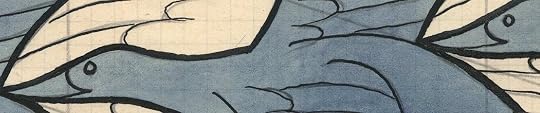
Berti belongs to Oulipo, the French collective known for writing fiction under strict formal rules. The household he creates for Ling runs on ritual rules of its own. He plots that household with a puzzle maker's patience. Every ritual doubles another.
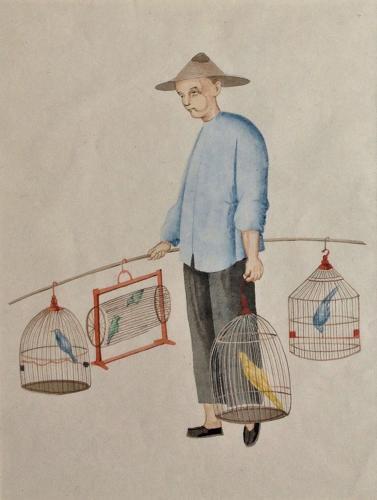
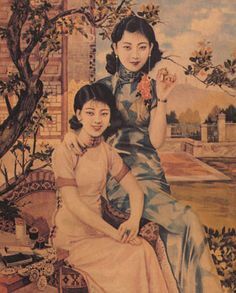
Xiaomei's father, the blind seller of caged birds, keeps a private trick of memory. Sighted only in childhood, he assigns familiar faces, borrowed from that early, seeing life, to every voice he meets today. Xiaomei alone gets an invented face, sketched from pure imagination. Memory offers him only her voice. One night, Ruan Lingyu, the era's screen idol, glows across an outdoor cinema screen and blurs, for one crowd's worth of eyes, into Xiaomei, seated beside Ling. The same secret alphabet stitched into handkerchiefs, the nu-shu grandmother passed down, carries what spoken language keeps locked away. Cages hang from willow branches so captive birds might learn song from wild ones, a trick that catches sometimes and misses others, much like Ling's own education in wanting.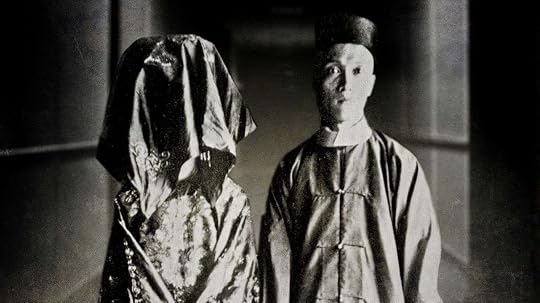 Berti keeps a girl's breathless gathering of detail while an adult's hindsight moves quietly below it. Long sentences pile clause on clause the way memory piles year on year, then Berti snaps them short for a jolt of feeling, a rhythm suited to patience over plot speed.
Most of the book is devoid of incident and thick with cousins and courtyards, slower than the opening or the close. An occasional aside on wedding customs edges toward guidebook territory before the story reclaims its footing. Ling stays hard to pin to one mood, proud, timid, generous, and cruel by omission, sometimes all four.
[image error]
A tidy shape for Ling's love stays out of reach here. Everyone around Ling calls her feeling for Xiaomei friendship. We sense something else entirely, and Berti leaves that gap open. A late letter, written to Xiaomei and left unsent, a single embroidered word in that secret alphabet, passed hand to hand across a wedding crowd, years after the two girls last speak to each other.
Fans of quiet devastations, or of fiction steeped in ritual and restraint, footbound daughters, forbidden rooms, ghost brides among them, will feel instantly at home here. Berti's outsider vantage, an Argentine imagining a China he studied on paper instead of one he lived inside, gives the book a hush closer to fable than to history.
The girl grows into a wife and a mother. Once Xiaomei disappears from her life for good, the name Ling disappears with her, unused by anyone else. So Ling carries that private history forward in a different way.
[image error]
This isn't a novel that pretends to ethnographic authority. Berti's imagined land of China is built from books: fairy tales, ghost stories, Ji Yun, Gan Bao, nu-shu as documented by scholars, the iconography of Ruan Lingyu's films. It's a library-China, not a reported one. The novel keeps signaling this rather than hiding it (Ling herself is a girl who learns the world from her grandmother's shelves before she learns it firsthand). That's a very Argentine move. Borges imagined Persia, Iceland, and imaginary encyclopedias he'd never touch. Berti, an Oulipian, comes out of a tradition that treats constraint (formal, geographic, linguistic) as generative. Writing a China he "knows" only through text is the same imaginative operation the book's characters perform on each other, most literally in the blind bird seller, who builds faces for the people around him out of memories from a country he'll never see again.
Cross-gender narration has a long, unremarkable history in fiction (Flaubert's "Madame Bovary, c'est moi" is the famous shorthand for it), but here it does specific thematic work rather than just craft-flexing. The whole novel is about borrowed identity: Ling gets her name from Xiaomei, not her family. Xiaomei gets a face invented for her by a father who can't see. A cardboard cutout gets a dead woman's role at her own wedding. An actress's face gets superimposed on a living girl's, and later a granddaughter's face gets handed a dead grandmother's message. The ventriloquism is the form enacting the content.
Ling isn't narrated in real time by a child. She's an adult, already married with a daughter by the epilogue, remembering her fourteen-year-old self with "decades" of distance stated outright early on. The retrospective adult voice is what lets the book hold two things at once without resolving them: the raw, unnamed intensity of what a fourteen-year-old felt, and the adult narrator's declining to translate that feeling into a category like "romantic" or "platonic" even decades later.
A child narrating in the present tense would just report. An adult narrating a remembered childhood can withhold a verdict on purpose.
This is a novel about the violence and the tenderness of naming things. Every institution in the book, the marriage market, ancestor ritual, colonial-era cinema, even grief, works by forcing a label onto something that doesn't fit it. Berti performing three unlicensed crossings to write it (nation, gender, age) is the author doing the same thing his characters do to survive their world: borrowing an imagined identity that isn't strictly his to wear, and making something honest out of the borrowing anyway.
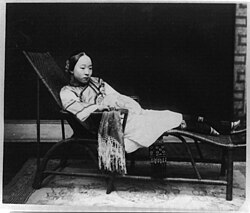

❤️ 🇮🇱
The city is drawn in lantern light and lake mist. Grandmother leaves behind her library, her ghost stories, and a private women's script called nu-shu. Her granddaughter inherits all three. At the story's opening the family still calls this granddaughter by her birth name. Xiaomei changes that. Daughter of a blind seller of caged birds, Xiaomei renames her new friend on a bench beneath two willows, Ling.
From then on Xiaomei becomes Ling's entire world, her park, her calendar, her country. Around them fathers trade daughters as if they were prized caged songbirds. Ling has a brother, and he marries a bride already dead, in a ghost wedding meant to comfort a young woman who died before her own wedding could take place. A cardboard figure of the bride stands in for her at the banquet.
Berti belongs to Oulipo, the French collective known for writing fiction under strict formal rules. The household he creates for Ling runs on ritual rules of its own. He plots that household with a puzzle maker's patience. Every ritual doubles another.
Xiaomei's father, the blind seller of caged birds, keeps a private trick of memory. Sighted only in childhood, he assigns familiar faces, borrowed from that early, seeing life, to every voice he meets today. Xiaomei alone gets an invented face, sketched from pure imagination. Memory offers him only her voice. One night, Ruan Lingyu, the era's screen idol, glows across an outdoor cinema screen and blurs, for one crowd's worth of eyes, into Xiaomei, seated beside Ling. The same secret alphabet stitched into handkerchiefs, the nu-shu grandmother passed down, carries what spoken language keeps locked away. Cages hang from willow branches so captive birds might learn song from wild ones, a trick that catches sometimes and misses others, much like Ling's own education in wanting.
Berti keeps a girl's breathless gathering of detail while an adult's hindsight moves quietly below it. Long sentences pile clause on clause the way memory piles year on year, then Berti snaps them short for a jolt of feeling, a rhythm suited to patience over plot speed.Most of the book is devoid of incident and thick with cousins and courtyards, slower than the opening or the close. An occasional aside on wedding customs edges toward guidebook territory before the story reclaims its footing. Ling stays hard to pin to one mood, proud, timid, generous, and cruel by omission, sometimes all four.
[image error]
A tidy shape for Ling's love stays out of reach here. Everyone around Ling calls her feeling for Xiaomei friendship. We sense something else entirely, and Berti leaves that gap open. A late letter, written to Xiaomei and left unsent, a single embroidered word in that secret alphabet, passed hand to hand across a wedding crowd, years after the two girls last speak to each other.
Fans of quiet devastations, or of fiction steeped in ritual and restraint, footbound daughters, forbidden rooms, ghost brides among them, will feel instantly at home here. Berti's outsider vantage, an Argentine imagining a China he studied on paper instead of one he lived inside, gives the book a hush closer to fable than to history.
The girl grows into a wife and a mother. Once Xiaomei disappears from her life for good, the name Ling disappears with her, unused by anyone else. So Ling carries that private history forward in a different way.
[image error]
This isn't a novel that pretends to ethnographic authority. Berti's imagined land of China is built from books: fairy tales, ghost stories, Ji Yun, Gan Bao, nu-shu as documented by scholars, the iconography of Ruan Lingyu's films. It's a library-China, not a reported one. The novel keeps signaling this rather than hiding it (Ling herself is a girl who learns the world from her grandmother's shelves before she learns it firsthand). That's a very Argentine move. Borges imagined Persia, Iceland, and imaginary encyclopedias he'd never touch. Berti, an Oulipian, comes out of a tradition that treats constraint (formal, geographic, linguistic) as generative. Writing a China he "knows" only through text is the same imaginative operation the book's characters perform on each other, most literally in the blind bird seller, who builds faces for the people around him out of memories from a country he'll never see again.
Cross-gender narration has a long, unremarkable history in fiction (Flaubert's "Madame Bovary, c'est moi" is the famous shorthand for it), but here it does specific thematic work rather than just craft-flexing. The whole novel is about borrowed identity: Ling gets her name from Xiaomei, not her family. Xiaomei gets a face invented for her by a father who can't see. A cardboard cutout gets a dead woman's role at her own wedding. An actress's face gets superimposed on a living girl's, and later a granddaughter's face gets handed a dead grandmother's message. The ventriloquism is the form enacting the content.
Ling isn't narrated in real time by a child. She's an adult, already married with a daughter by the epilogue, remembering her fourteen-year-old self with "decades" of distance stated outright early on. The retrospective adult voice is what lets the book hold two things at once without resolving them: the raw, unnamed intensity of what a fourteen-year-old felt, and the adult narrator's declining to translate that feeling into a category like "romantic" or "platonic" even decades later.
A child narrating in the present tense would just report. An adult narrating a remembered childhood can withhold a verdict on purpose.
This is a novel about the violence and the tenderness of naming things. Every institution in the book, the marriage market, ancestor ritual, colonial-era cinema, even grief, works by forcing a label onto something that doesn't fit it. Berti performing three unlicensed crossings to write it (nation, gender, age) is the author doing the same thing his characters do to survive their world: borrowing an imagined identity that isn't strictly his to wear, and making something honest out of the borrowing anyway.
❤️ 🇮🇱

December 13, 2021
Really one of those adolescent interludes that includes sexuality and compromising your family's honored traditions--all to make sense of how adults fit into the world. And in China! From a Woman's POV! Written by a Latin-American escritor!--its basically this.
AND! Some very creepy true traditions of getting wedded to corpses or near-corpses. WOW
AND! Some very creepy true traditions of getting wedded to corpses or near-corpses. WOW

April 24, 2020
«Realismo mágico» desdibujado. Personajes sin interés y un libro que no cuenta nada.

November 23, 2018
סיפורה של נערה סינית בת 13, בשנות ה 20 של המאה ה- 20. סבתה נפטרה ומורישה לה שחרור לבן שהולך ודועך. בניסיון להצילו, היא ואימה משיגות לו בן זוג בחנות של העיוור שם היא פוגשת בבתו סיאו -מיי.
נפשה של הנערה, המכונה בספר לינג, נקשרת בנפשה של סיאו-מיי והיא שואפת שאחיה הבכור ינשא לסיאו -מיי כדי שתשאר בסביבתה. באמתלות שונות ומתוך הסתר, לינג נפגשת עם סיאו-מיי וכך הקורא לומד על עברו של העיוור ועל מערכת היחסים הגובלת באובססיה בין לינג לסיאו-מיי.
אבל הגורל והמסורות מייעדים לשלושת גיבורי הסיפור גורל שונה.
את סיפור קורותיהם של לינג, אחיה וסיאו-מיי מלווים חלומות שבהם מופיעה הסבתא המתה, כמעין מדריכה רוחנית של לינג.
ספר עדין, אולי עדין מידי לנוכח חלק מהאירועים המתוארים בו, ביחוד סיפור חתונת הרפאים שהשלכותיו מתגמדות.
נפשה של הנערה, המכונה בספר לינג, נקשרת בנפשה של סיאו-מיי והיא שואפת שאחיה הבכור ינשא לסיאו -מיי כדי שתשאר בסביבתה. באמתלות שונות ומתוך הסתר, לינג נפגשת עם סיאו-מיי וכך הקורא לומד על עברו של העיוור ועל מערכת היחסים הגובלת באובססיה בין לינג לסיאו-מיי.
אבל הגורל והמסורות מייעדים לשלושת גיבורי הסיפור גורל שונה.
את סיפור קורותיהם של לינג, אחיה וסיאו-מיי מלווים חלומות שבהם מופיעה הסבתא המתה, כמעין מדריכה רוחנית של לינג.
ספר עדין, אולי עדין מידי לנוכח חלק מהאירועים המתוארים בו, ביחוד סיפור חתונת הרפאים שהשלכותיו מתגמדות.

August 4, 2016
La novela es contada por una adolescente china en la década del ’30, entre amores y fantasmas. La mesura, la serenidad y la poesía se ajustan perfectamente a la historia contada, logrando una excelente novela de lectura muy grata.

June 11, 2019
Me ha resultado un poco difícil puntuar este libro. Me he decidio por las tres estrellas por lo siguiente:
1_ El lenguaje es fluído, pero a la vez no es creíble, suena forzado, demasiado "académico" en algunos momentos.
2_ A pesar de que la obra en general me ha gustado, la primera vez que me acerqué a ella no me logró enganchar. Tiempo después volvió a caer en mis manos y me decidí a terminarlo. Se lee rápido, es un soplo de aire fresco si buscas un libro con el que evadirte. Entretenido y poco común, pero sin ser una maravilla.
3_ La historia se queda vacía. Demasiada sutileza. Parece que el autor quiere contar demasiadas cosa pero no llega a desarrollarlas completamente. La delicadeza es un arte, y quien no la domina, fácilmente puede dejar a su lector a medias. Esta es la sensación que me dejó El País Imaginado cuando o terminé.
4_ Los personajes no crecen, se quedan atascados enn su rol inicial. El autor los quiere envolver en el misterio, pero en lugar de eso los deja planos.
¿Me arrepiento de haberlo leído? En absoluto. No es el tipo de literatura que me gusta, es cierto, pero lo leí en un momento de estrés y me ayudó a escabullirme de la realidad durante el tiempo que estuve leyéndolo. Es dulce y ameno.
1_ El lenguaje es fluído, pero a la vez no es creíble, suena forzado, demasiado "académico" en algunos momentos.
2_ A pesar de que la obra en general me ha gustado, la primera vez que me acerqué a ella no me logró enganchar. Tiempo después volvió a caer en mis manos y me decidí a terminarlo. Se lee rápido, es un soplo de aire fresco si buscas un libro con el que evadirte. Entretenido y poco común, pero sin ser una maravilla.
3_ La historia se queda vacía. Demasiada sutileza. Parece que el autor quiere contar demasiadas cosa pero no llega a desarrollarlas completamente. La delicadeza es un arte, y quien no la domina, fácilmente puede dejar a su lector a medias. Esta es la sensación que me dejó El País Imaginado cuando o terminé.
4_ Los personajes no crecen, se quedan atascados enn su rol inicial. El autor los quiere envolver en el misterio, pero en lugar de eso los deja planos.
¿Me arrepiento de haberlo leído? En absoluto. No es el tipo de literatura que me gusta, es cierto, pero lo leí en un momento de estrés y me ayudó a escabullirme de la realidad durante el tiempo que estuve leyéndolo. Es dulce y ameno.

April 11, 2018
Arjantinli bir yazarın Çin'de geçen bir öykü yazması ilginç ama güzel olmuş. Tüm Uzakdoğu hikayeleri gibi biraz tekinsiz ve gizemli bir anlatımı var. Çarpıcı gelenekler, şaşırtıcı ilgiler, tuhaf adetler, değişik bir ilişkiler yumağı. Sevdim...

Read
March 29, 2026Adaletsiz dünya, dedim.
Dünya adaletsiz degil, dedi Xiaomei. Dünya böyle, asla gerçekleşmeyecek bir vaat. s. 151
Köklü dostluklar bitse bile hayatımızın her anında etkisini sürdürür. Hafızamızın raflarından zaman zaman bize gülümserler. Bazen bir mekan, bir kitap, bir obje ya da bir beste geçmişi bize hatırlatır. Arjantinli yazar Eduardo Berti, Çin'de yaşamış iki kızın Ling ve Xiaomei'nin büyüme hikayesini Uzakdoğulu biri gibi ustalıkla anlatmış. Büyüme hikayesinde Ling'in rüyalarına giren ölen ninesi de sanki bir yol gösterici gibi sunulmuş okuyucuya. Güzel bir arkadaşlık ve büyüme hikayesine odaklanırken aynı zamanda Çin'in kadın ve erkeğe bakışını, ataerkil sistemin yansımalarını, ölüme karşı olan inançlarını kısacası Çin'in o dönemdeki kültürel yapısını da okuyoruz metinde. Kadınların o dönemde sadece kendilerinin anlayabileceği "nu -shu dilini kullanması da ilgi çekici. Metni renkli yapan da bu unsur. Toplumsal ve kültürel yapıya ait anlatımların yanında Japonya'nın uzun süren baskısı ve bu baskının kalktıktan sonra toplumda oluşan değişimler ve yozlaşmalar da metnin arka planında kalan olaylar. Kitabı sevdim. Arjantinli bir yazarın Çin kültürünü bu kadar iyi yansıtması takdire şayan.Okumak isteyen herkese şimdiden iyi okumalar diliyorum
Dünya adaletsiz degil, dedi Xiaomei. Dünya böyle, asla gerçekleşmeyecek bir vaat. s. 151
Köklü dostluklar bitse bile hayatımızın her anında etkisini sürdürür. Hafızamızın raflarından zaman zaman bize gülümserler. Bazen bir mekan, bir kitap, bir obje ya da bir beste geçmişi bize hatırlatır. Arjantinli yazar Eduardo Berti, Çin'de yaşamış iki kızın Ling ve Xiaomei'nin büyüme hikayesini Uzakdoğulu biri gibi ustalıkla anlatmış. Büyüme hikayesinde Ling'in rüyalarına giren ölen ninesi de sanki bir yol gösterici gibi sunulmuş okuyucuya. Güzel bir arkadaşlık ve büyüme hikayesine odaklanırken aynı zamanda Çin'in kadın ve erkeğe bakışını, ataerkil sistemin yansımalarını, ölüme karşı olan inançlarını kısacası Çin'in o dönemdeki kültürel yapısını da okuyoruz metinde. Kadınların o dönemde sadece kendilerinin anlayabileceği "nu -shu dilini kullanması da ilgi çekici. Metni renkli yapan da bu unsur. Toplumsal ve kültürel yapıya ait anlatımların yanında Japonya'nın uzun süren baskısı ve bu baskının kalktıktan sonra toplumda oluşan değişimler ve yozlaşmalar da metnin arka planında kalan olaylar. Kitabı sevdim. Arjantinli bir yazarın Çin kültürünü bu kadar iyi yansıtması takdire şayan.Okumak isteyen herkese şimdiden iyi okumalar diliyorum

November 9, 2020
Yirminci yüzyılın başlarında Çin burjuvazisinin sosyal çevresinde genç bir kadının hayatını hayal etmek zordu. Ergenlik ve arkadaşlık üzerine, zihnin ince hareketleri ve yanlış anlaşılan tek bir durumun arkadaşlar arasında ömür boyu sürecek bir sürtüşme anlamına gelebileceği ergenliğin yanlış anlaşılmaları üzerine kırılgan bir kitap.
🎋
Aynı zamanda kitap, bize geleneklere bağlı, aile ve sosyal statüye en çok saygı duyan, hayaletlere veya ölülerle evliliklere inanan büyüleyici bir toplumun kırılgan dokusunu anlatıyor.
🎋
Hayatın kendisine benzeyen en ince metaforlarda saklı ayrıntılarla dolu güzel bir anlatı. Düşlenen Ülke, 20. yüzyılın başında, Çin'de geçen iki kız arasındaki bir aşk hikayesidir.
🎋
Aynı zamanda kitap, bize geleneklere bağlı, aile ve sosyal statüye en çok saygı duyan, hayaletlere veya ölülerle evliliklere inanan büyüleyici bir toplumun kırılgan dokusunu anlatıyor.
🎋
Hayatın kendisine benzeyen en ince metaforlarda saklı ayrıntılarla dolu güzel bir anlatı. Düşlenen Ülke, 20. yüzyılın başında, Çin'de geçen iki kız arasındaki bir aşk hikayesidir.

July 11, 2018
Set in the transition period between imperialism and Maoism, it is a coming of age story of a thirteen-year-old Chinese girl. The author is Argentinian, living in Paris, so his choice to write about China is intriguing.

January 10, 2020
Hikaye değişik , ancak karakterler o kadar zayıf kalmış ki , anlatımlarda sürekli isimlerin geçmesi beni rahatsız etti. Belki bu yazarın dili ancak 3. bir kişinin anlatımıymış gibi sönük kaldı ..

July 13, 2017
Příběh založený na pro nás již nemyslitelných tradicích, které brání opravdové lásce, se odehrává v Číně ve 20. století. Mladí lidé sevřeni v kleštích pověrčivosti svých rodičů jsou uzavřeni v bludném kruhu plánů, kteří mají o budoucnosti svých potomků zcela jasno. To ale mladým lidem naprosto brání ve vyjádření svých citů a náklonností. Pokud hledáte milostný příběh, která není nijak plytký a nepostrádá literární hloubku, doporučila bych vám právě tento titul. Mimojiné objevíte i značnou část svatebních, čínských tradic.
May 24, 2022
This book was fascinating to me. Historical fiction has never been my go-to genre, but I loved being able to stop every few pages to lookup specific references or words and learn more about the culture and time period during which this book was set. I also loved the innocence of the main character and how her views were contrasted by her adult self narrating the story. It just felt like a very true and while you don't get the fairytale ending you may hope for, the end is still heartfelt and I love a full-circle moment.

May 25, 2022
It's been a hot minute since I read a whole book in one night, but this really hit the spot. It's not overly flowery, but the emotional beats really hit. The love story is realistic but the way the themes are pulled through really elevates it.
April 9, 2025
i really really liked this book!!!! it was very hard to believe it was written by a man and i think that’s always a good sign. i love lesbians & ghosts & that it didn’t have the ending i wanted it to. very beautiful

March 18, 2024
Valoración exacta: 9/10
Hermosa novela de Eduardo Berti, ambientada en la China de los años ‘30 (a la que describe de forma cruda y realista, sin caer en un exotismo exagerado), que habla sobre el amor, la amistad y los vínculos familiares.
La protagonista (cuyo nombre real nunca conocemos, pero en un momento se hace llamar Ling) narra en primera persona sus vivencias, en ese fragmento de la vida que separa la niñez de la edad adulta. Hoy diríamos que Ling es una adolescente, pero en la China de hace un siglo, los tiempos eran otros: en los pocos años que dura la historia, Ling pasa casi sin escalas de ser una niña a una mujer casada, que espera su primer hijo.
La parte más significativa de la trama está ligada a su relación con Xiomei, una joven poco mayor que ella, con quién entabla una amistad que roza el enamoramiento. Un amor tan prohibido, que ni siquiera ella llega a planteárselo, y fantasea con casar a Xiaomei con su hermano, cuando lo único que desea en realidad es una excusa para tenerla a su lado para siempre.
Pero es solo una parte de la historia. La trama familiar que rodea a la protagonista nos permite impregnarnos de la cultura de la época: desde los matrimonios concertados, hasta las bodas fantasma, los ancianos que pasean a sus aves por el parque, la revolución que representó el cine para las costumbres orientales… y mucho más.
Es un libro apacible, tierno por momentos. También es triste, sobre todo sobre el final. El conflicto, cuando llega, es tomado sin dramatismos, pero, por eso mismo, tampoco hay un esfuerzo de parte de Ling por superarlo. Como suele suceder en la vida real, los personajes, no solo la protagonista, se entregan a su destino sin demasiada lucha. La protagonista no se rebela ante los usos y costumbres de su época; fantasea con ello como podríamos hacerlo todos, pero finalmente acepta lo que la vida le ofrece.
No sabría decir qué es lo que me gusta tanto de este libro. Ciertamente, no es tanto la historia, la trama en sí, como el tono, el estilo, las sensaciones que genera. Eso, sobre todo. Estoy seguro de que, dentro de mucho menos de un año, seguramente no recordaré prácticamente nada del argumento de El país imaginado, pero no creo que sea capaz de olvidar las sensaciones que me generó su lectura: satisfacción, sobre todo, pero no desprovista de cierta melancolía.
No son cinco estrellas por detalles; por ejemplo, la novela incluye ciertos elementos fantásticos que a mí en lo particular me parecieron innecesarios y no me terminaron de cerrar. Es absolutamente subjetivo, lo asumo. Para otros lectores, quizás ese sea uno de los puntos más altos de la novela.
Una curiosidad: en mi edición de El país imaginado, ocupa la portada del libro la fotografía de una mujer, por cuyo porte supuse que sería una actriz. Con cierta lógica, asumí que se trataría de Ruan Lingyu, una famosa actriz de cine de los años '30, que la protagonista menciona reiteradamente y no deja de comparar, por su belleza, con Xiaomei. Pero no: la actriz de tapa es Hu Die, contemporánea de Lingyu, y considerada la principal estrella china de la época. Incomprensible.
Hermosa novela de Eduardo Berti, ambientada en la China de los años ‘30 (a la que describe de forma cruda y realista, sin caer en un exotismo exagerado), que habla sobre el amor, la amistad y los vínculos familiares.
La protagonista (cuyo nombre real nunca conocemos, pero en un momento se hace llamar Ling) narra en primera persona sus vivencias, en ese fragmento de la vida que separa la niñez de la edad adulta. Hoy diríamos que Ling es una adolescente, pero en la China de hace un siglo, los tiempos eran otros: en los pocos años que dura la historia, Ling pasa casi sin escalas de ser una niña a una mujer casada, que espera su primer hijo.
La parte más significativa de la trama está ligada a su relación con Xiomei, una joven poco mayor que ella, con quién entabla una amistad que roza el enamoramiento. Un amor tan prohibido, que ni siquiera ella llega a planteárselo, y fantasea con casar a Xiaomei con su hermano, cuando lo único que desea en realidad es una excusa para tenerla a su lado para siempre.
Pero es solo una parte de la historia. La trama familiar que rodea a la protagonista nos permite impregnarnos de la cultura de la época: desde los matrimonios concertados, hasta las bodas fantasma, los ancianos que pasean a sus aves por el parque, la revolución que representó el cine para las costumbres orientales… y mucho más.
Es un libro apacible, tierno por momentos. También es triste, sobre todo sobre el final. El conflicto, cuando llega, es tomado sin dramatismos, pero, por eso mismo, tampoco hay un esfuerzo de parte de Ling por superarlo. Como suele suceder en la vida real, los personajes, no solo la protagonista, se entregan a su destino sin demasiada lucha. La protagonista no se rebela ante los usos y costumbres de su época; fantasea con ello como podríamos hacerlo todos, pero finalmente acepta lo que la vida le ofrece.
No sabría decir qué es lo que me gusta tanto de este libro. Ciertamente, no es tanto la historia, la trama en sí, como el tono, el estilo, las sensaciones que genera. Eso, sobre todo. Estoy seguro de que, dentro de mucho menos de un año, seguramente no recordaré prácticamente nada del argumento de El país imaginado, pero no creo que sea capaz de olvidar las sensaciones que me generó su lectura: satisfacción, sobre todo, pero no desprovista de cierta melancolía.
No son cinco estrellas por detalles; por ejemplo, la novela incluye ciertos elementos fantásticos que a mí en lo particular me parecieron innecesarios y no me terminaron de cerrar. Es absolutamente subjetivo, lo asumo. Para otros lectores, quizás ese sea uno de los puntos más altos de la novela.
Una curiosidad: en mi edición de El país imaginado, ocupa la portada del libro la fotografía de una mujer, por cuyo porte supuse que sería una actriz. Con cierta lógica, asumí que se trataría de Ruan Lingyu, una famosa actriz de cine de los años '30, que la protagonista menciona reiteradamente y no deja de comparar, por su belleza, con Xiaomei. Pero no: la actriz de tapa es Hu Die, contemporánea de Lingyu, y considerada la principal estrella china de la época. Incomprensible.

February 21, 2019
Romanın sonunda, hem kendisinin hem de harikulade sevgilisinin kaderine üzülen genç kız “Adaletsiz dünya” der. Xiaomei “Dünya adaletsiz değil” diye düzeltir. “Dünya böyle, asla gerçekleşmeyen bir vaat.”

February 7, 2021
Exquisitamente escrito lamento decir que no me ha interesado nada de lo que cuenta el libro.
https://liblit.com/eduardo-berti-el-p...
https://liblit.com/eduardo-berti-el-p...

March 30, 2020
A fantastic translation, a fast-paced yet profound read with a strong sense of history and characterization. An interesting look at queer characters understanding their queerness and "first love" at a point in history when queerness (especially between women) was not talked about. Overall, a great read.

February 9, 2014
Un argentino capaz de hablar de Oriente como si hubiera nacido allí. Una historia de amistad y de miedos, con un fuerte sentimiento de incertidumbre respecto de un futuro que está por venir.
Una portada preciosa.
http://lahierbaroja.wordpress.com/201...
Una portada preciosa.
http://lahierbaroja.wordpress.com/201...
December 13, 2022
סיפור התאהבות של נערה, בנערה אחרת, בעוד המשפחה עסוקה במציאת שידוך ראוי בעבורה. הספר כתוב באיפוק שמזכיר בסגנונו את עגנון. נהנתי מאוד.

September 18, 2018
Una narrativa hermosa, llena de detalles escondidos en las más sutiles metáforas que asemejan la vida misma. El país imaginado es una historia de amor entre dos niñas que se desarrolla en la China de principios de siglo XX, justo cuando empieza a aparecer lo occidental como moderno entre un mar de tradicionalismo oriental.
May 14, 2026
Er veya geç bir gün benim için aşikâr olan, irili ufaklı çok sayıdaki kusurlarımdan birini keşfedeceksin. Başlangıçta şimdi gözüne batan şeyi daha önce fark etmediğin için kendini aşağılayacaksın. Ama daha sonra senin aslında durup düşünmeye hazır olmadığın bir dönemde kusurlarımı senden gizlediğim için beni suçlayabilirsin, haykırarak ya da sessizce; genellikle öyle olur.
July 4, 2020
Roman 20. yüzyılın başlarında Çin'de geçiyor. Küçük bir genç kızın aşk, sevgi, hayranlık ve tüm bunların karmaşasını yaşadığı bir ruh halini görüyoruz. Ayrıca romanın dilinin sadeliği ve yarattığı atmosfer çok hoşuma gitti. Unutamayacağım bir kitap.
May 14, 2023
Libro sobre amores no correspondidos, sobre tradiciones sin sentido que en ocasiones traen consigo algo de belleza. Una corta historia bien contada.

October 25, 2024
bazı kitapları okurken sarılıp sarmalandığımı hissediyorum cümlelerle. öyle bir kitaptı düşlenen ülke. iyi ki.


June 1, 2025
Los primeros dos tercios están bien escritos, aunque no suscitan mucho interés. El último tercio duele, y mucho

August 22, 2014
Nos encontramos ante una historia cortita, (240 páginas) que se lee en un suspiro.
Elegante, sencilla, evocadora y deliciosa. Una historia cercana, aunque esté ambientada en una sociedad que todavía hoy en día nos resulta un tanto ajena.
Su protagonista, Ling, es maravillosa, tremendamente sensible. Creo que en su personaje nos podemos ver reflejados cualquiera de nosotros en nuestra niñez y comienzo de la adolescencia. Sus dudas, sus interpretaciones de lo que sucede a su alrededor o de las conversaciones de los adultos, sus relaciones con los demás, su familia, sus amigos y conocidos...
Su espíritu se abre paso ante las nuevas situaciones y sensaciones que le depara el futuro en este cambio de la niñez a la pubertad, con sus dudas y secretos, con la magia que rodea al personaje.
Realmente me ha encantado. He visto en ella a toda amiga, ciertamente apasionada, que cualquiera hubiera deseado tener en su niñez.
Todos los personajes me han gustado de una manera o de otra, como por ejemplo la abuela, que ocupa con su presencia espiritual gran parte del relato a modo de telón de fondo y le da a la historia un toque místico y especial, que si bien de primeras puede parecer secundario, bien analizado me parece indispensable para enriquecer la historia y hacerla sublime. Pero ninguno iguala a Ling.
Muchas veces nos encontramos ante historias que son un tanto corales en mayor o menor medida, pues si bien los personajes principales destacan sobre todos los demás, no lo hacen en exceso. En cambio en "El país imaginado", pese a tener unos secundarios maravillosos, como ya he dicho, Ling brilla especialmente.
Me ha parecido un relato un tanto intimista, para degustar sin prisas. Al finalizar la lectura, me ha dejado un regusto dulce en la memoria que casi podía paladear.
Por lo tanto la considero una obra más que correcta, pues como todo buen lector sabe los libros que te conmueven por dentro de alguna manera y logran producirte sensaciones casi físicas en determinados momentos, son los que realmente valen la pena.
"El país imaginado" fue galardonado con el Premio Las Américas de novela 2012 y también fue finalista en el Premio Euskadi de Plata.
Por otro lado, si tuviera que sacarle alguna pega a la novela en cuestión, sería el hecho de que me han faltado descripciones. Sí, a mi, que odio las explicaciones y descripciones extensas, pero en esta ocasión me han parecido un tanto carentes. No recuerdo prácticamente ninguna descripción física sobre los personajes, salvo sobre la mejor amiga de Ling. Así como tampoco sobre lugares, como por ejemplo los hogares de los personajes. Me hubiera gustado que se dieran de alguna manera, para poder visualizar mejor todo y que la atmósfera de la historia nos envolviera totalmente. Por eso creo que falla un tanto en cuanto a la ambientación.
Por lo demás como he dicho una historia deliciosa para paladearla lentamente y guardar en la memoria el regusto que nos deja.
Elegante, sencilla, evocadora y deliciosa. Una historia cercana, aunque esté ambientada en una sociedad que todavía hoy en día nos resulta un tanto ajena.
Su protagonista, Ling, es maravillosa, tremendamente sensible. Creo que en su personaje nos podemos ver reflejados cualquiera de nosotros en nuestra niñez y comienzo de la adolescencia. Sus dudas, sus interpretaciones de lo que sucede a su alrededor o de las conversaciones de los adultos, sus relaciones con los demás, su familia, sus amigos y conocidos...
Su espíritu se abre paso ante las nuevas situaciones y sensaciones que le depara el futuro en este cambio de la niñez a la pubertad, con sus dudas y secretos, con la magia que rodea al personaje.
Realmente me ha encantado. He visto en ella a toda amiga, ciertamente apasionada, que cualquiera hubiera deseado tener en su niñez.
Todos los personajes me han gustado de una manera o de otra, como por ejemplo la abuela, que ocupa con su presencia espiritual gran parte del relato a modo de telón de fondo y le da a la historia un toque místico y especial, que si bien de primeras puede parecer secundario, bien analizado me parece indispensable para enriquecer la historia y hacerla sublime. Pero ninguno iguala a Ling.
Muchas veces nos encontramos ante historias que son un tanto corales en mayor o menor medida, pues si bien los personajes principales destacan sobre todos los demás, no lo hacen en exceso. En cambio en "El país imaginado", pese a tener unos secundarios maravillosos, como ya he dicho, Ling brilla especialmente.
Me ha parecido un relato un tanto intimista, para degustar sin prisas. Al finalizar la lectura, me ha dejado un regusto dulce en la memoria que casi podía paladear.
Por lo tanto la considero una obra más que correcta, pues como todo buen lector sabe los libros que te conmueven por dentro de alguna manera y logran producirte sensaciones casi físicas en determinados momentos, son los que realmente valen la pena.
"El país imaginado" fue galardonado con el Premio Las Américas de novela 2012 y también fue finalista en el Premio Euskadi de Plata.
Por otro lado, si tuviera que sacarle alguna pega a la novela en cuestión, sería el hecho de que me han faltado descripciones. Sí, a mi, que odio las explicaciones y descripciones extensas, pero en esta ocasión me han parecido un tanto carentes. No recuerdo prácticamente ninguna descripción física sobre los personajes, salvo sobre la mejor amiga de Ling. Así como tampoco sobre lugares, como por ejemplo los hogares de los personajes. Me hubiera gustado que se dieran de alguna manera, para poder visualizar mejor todo y que la atmósfera de la historia nos envolviera totalmente. Por eso creo que falla un tanto en cuanto a la ambientación.
Por lo demás como he dicho una historia deliciosa para paladearla lentamente y guardar en la memoria el regusto que nos deja.
Displaying 1 - 30 of 37 reviews