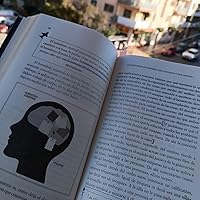
Julius Fast’s Body Language , first published in the early 1970s, is often cited as one of the popularizing texts in the study of nonverbal communication. The book offers a broad overview of how posture, gestures, facial expressions, and spatial relationships communicate meaning beyond spoken words. Fast presents body language as largely unconscious, framing it as a universal human code—though one filtered through the lens of cultural norms. He also introduces ideas about personal space, instinctive boundaries, and the ways physical proximity can be perceived as threatening or intimate depending on context.
This is the first book on body language I have read outside of my academic pursuits, which ended over two decades ago. My earlier exposure to the subject came through required college studies, during which I found most available texts to be overly general and, more importantly, inattentive to the impact of different types of disabilities on nonverbal communication.
Body Language is no exception. The difference now is that I approached the work from a place of intellect rather than emotion; I am no longer offended by its lack of nuance or its outdated terminology, though these shortcomings remain noteworthy.
Written at a time when the Disabilities Rights movement was still in its infancy, the book reflects the medicalized and often dismissive attitudes toward disability that were prevalent then. Terms such as “mentally disturbed,” “mentally ill,” “insane,” and “handicapped” are used without hesitation, and disabilities—both physical and cognitive—are framed as deficits to be cured or as evidence of something profoundly wrong with a person. This worldview pervades the discussion, resulting in a text that often labels individuals in overly simplistic ways. For example, people who do not widen their eyes, shift their facial muscles in conventional ways, or use certain culturally recognized gestures are framed in narrow, and sometimes implicitly judgmental, terms. The book fails to account for physiological realities such as involuntary tics, stimming behaviors, or the inability to imitate expressions due to blindness or other conditions.
Because of these omissions, I do not think that Fast’s book can be considered a definitive guide to body language. Its insights are constrained not only by the science and social understanding of its era but also by a lack of inclusive perspective. That said, the work does include points worth noting, such as the recognition that gestures vary widely across cultures and that personal space is an instinctive need which people will actively defend when they feel it is invaded.
Ultimately, while Body Language offered me some food for thought, I found the writing style mechanical—almost like reading a how-to-be-human manual stripped of emotional depth. For readers entirely new to the subject, this may serve as a historical entry point into thinking about nonverbal communication, provided they keep in mind that the language reflects its time. Those seeking a more empathetic, nuanced, and inclusive discussion—one that accounts for both cultural variation and the lived realities of people with disabilities—may find this work alienating.