निर्मल वर्मा की कहानियों के प्रभाव के पीछे जीवन की गहरी समझ और कला का कठोर अनुशासन है। बारीकियाँ दिखाई नहीं पड़ती हैं तो प्रभाव की तीव्रता के कारण अथवा कला के सघन रचाव के कारण। एक बार दिशा-संकेत मिल जाने पर निरर्थक प्रतीत होने वाली छोटी-छोटी बातें भी सार्थक हो उठती हैं, चाहे कहानी हो चाहे जीवन। कठिनाई यह है कि दिशा-संकेत निर्मल की कहानी में बड़ी सहजता से आता है और प्रायः ऐसी अप्रत्याशित जगह जहाँ देखने के हम अभ्यस्त नहीं। क्या जीवन में भी सत्य इसी प्रकार अप्रत्याशित रूप से यहीं कहीं साधारण से स्थल में निहित नहीं होता? निर्मल ने स्थूल यथार्थ की सीमा पार करने की कोशिश की है। उन्होंने तात्कालिक वर्तमान का अतिक्रमण करना चाहा है, उन्होंने प्रचलित कहानी-कला के दायरे से बाहर निकलने की कोशिश की है, यहाँ तक कि शब्द की अभेद्य दीवार को लाँघकर शब्द के पहले के ‘मौन जगत्’ में प्रवेश करने का भी प्रयत्न किया है और वहाँ जाकर प्रत्यक्ष इन्द्रिय-बोध के द्वारा वस्तुओं के मूल रूप से पकड़ने का साहस दिखलाया है।
A well-known name in Hindi literature, Nirmal Verma is known mainly for his fictional works. Born on April 3, 1929, he obtained a M.A. in history from Delhi University. He studied Czech at the Oriental Institute in Prague, and has been a Fellow with the International Institute for Asian Studies. Nirmal Verma is a recipient of India's highest literary award, the Jnanpith, and his short stories Kavve aur kala pani won the Sahitya Akademi Award in 1985. Some of his more popular novels are Antim aranya, Rat ka riportar, Ek Chithra Sukh, and Lal tin ki chat.
Vedina, his first novel, is set in Prague, Czechoslavakia. Like all his works, it is rich in symbolism with a style that is simple yet sophisticated. As one of the most important prose Hindi writers of our times, Nirmal Verma's creativity extends to the description and travel to places in Europe especially on Czechoslovakia and literary criticism. Among his nonfiction writings is Kal ka jokhim an investigation of the Indic arts in the 20th century. His diary, Dhundh se uthati dhun, describes his life in detail while addressing issues related to Hindi literature. His works have been widely translated into English and Gujarati.
Collection of 7 stories. Not my first time, but first extensive reading of Nirmal Verma.
One of the writers who have looked captivating and mysterious to me from times unknown, the introduction was a pleasant one. He is all the things I expected him to be. The amazing fluidity of his language, avoiding both pedantic language and Urdu inclinations, wafts lightly over the mountain clouds. His language has that elusive dreamy quality. You hear his words, as if in a half-remembered dream of yours, in a winter's night, hanging listlessly between a long-forgotten pain and the sweet fragrance of once-young love.
His voice beckons to the mountains, to the places where I desire to go the most, the places which stand transfixed in time, forever embedded in his memory as the world he saw it then and created it.
There are a few hiccups to this ascending stairway to heaven, at least the once I experienced in my amateurish folly. Surrounded by depressive, consumptive protagonists, living in desolate places, his monologue sometimes go too far from humanity, or the 'more' human part of the consciousness, wandering into the half-unknown alleys and backyards of the mind, which are far too many, and often meaningless in their complexity. His protagonists, if they were real, would have gone insane by now, either from loneliness or complete absence of speech. The narrative, vivid and strong as it is, weakens the protagonists from within.
Enough said. He and Ruskin Bond have something in common: Mountains. And I love anyone who loves mountains. Yet to discover him fully, more beauty lies hidden.
निर्मल वर्मा को पढ़ने की प्रेरणा मुझे मानव कौल से मिली जो निर्मल वर्मा से अत्यधिक प्रेरित हैं। उनकी लिखी हर एक किताब में निर्मल वर्मा का ज़िक्र बड़ी मुरीदगी से किया गया है। और वो निस्संदेह ही निर्मल जी के बहुत बड़े प्रशंसक हैं क्यों कि किताब पढ़ते पढ़ते, एक जगह मुझे लगा जैसे मैं निर्मल की नहीं बल्कि मानव की किताब पढ़ रही हूँ।
निर्मल वर्मा जी की ये किताब ६ छोटी कहानियों का एक संग्रह है। लेकिन उनका लिखा इतना गाढ़ा है कि ये कहानियां छोटी बिलकुल भी नहीं लगती बल्कि ऐसा लगता है उनमें ना जाने कितनी उम्रों और अनुभवों को गूंथ कर रख दिया गया है। इसके बावजूद उनकी कहानियां में पूर्णता नहीं है, किसी कहानी का अंत तो किसी की शुरुआत में ही उसकी पूरी जान निहित है। और शायद यही अंदाज़ उन्हें बहुत संजीदा और प्रभावशाली बनाता है। उनकी कहानियों ने मेरे मन को इतना व्याकुल करके छोड़ा कि मेरे लिए ये बताना मुश्किल है कि वो मुझे अच्छी लगीं या नहीं और अच्छी लगीं तो कितनी अच्छी लगीं।
बचपन के किस्से, पहले प्यार की पीड़ा, अपने आप की अनंत खोज, ये कुछ विषय हैं जो निर्मल की कहानियों का केंद्रबिंदु हैं। मन के कठिन भावों को वो बहुत ही विस्तार से उल्लेखित करने की क्षमता रखते हैं। कहानी से अधिक, वाक्यों और छोटी छोटी बातों को अपनी पूरी भावनाओं के साथ कह देना उनके लेखन की विशेषता है। उनका लिखा मेरे मन में इतना फ़ैल गया है कि मुझे उनकी कोई दूसरी किताब पढ़ने से पहले कुछ समय चाहिए होगा। उनकी शीर्षक कहानी परिंदे को मैं सबसे ज़्यादा सराह पायी, ऐसा शायद इसलिए है क्यों कि उसमें पूर्णता है और मेरा नादान मन अधूरी कहानियों को समझ पाने के बावजूद उन्हें अभी पूरी तरह से स्वीकृति देने से डरता है।
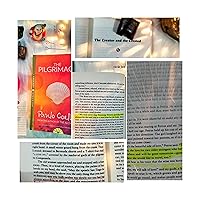
“अतीत समय के संग जुड़ा है, इसलिए चेतना नहीं देता, केवल कुछ क्षणों के लिए सेंटीमेंटल बनाता है। जो चेतना देता है वह कालातीत है...” हिन्दी साहित्य में ‘नयी कहानी’ विधा के शिल्पकार निर्मल वर्मा की “परिंदे”; इस विधा की प्रतिनिधि रचना है- सात(७) ख़ूबसूरत कहानियों का संग्रह- पढ़नी ही चाहिए💐🙏 * निर्मल वर्मा जी की ये किताब ६ छोटी कहानियों का एक संग्रह है। लेकिन उनका लिखा इतना गाढ़ा है कि ये कहानियां छोटी बिलकुल भी ना लगती बल्कि ऐसा लगता है उनमें ना जाने कितनी उम्रों और अनुभवों को गूंथ कर रख दिया गया है। इसके बावजूद उनकी कहानियां में पूर्णता नहीं है, किसी कहानी का अंत तो किसी की शुरुआत में ही उसकी पूरी जान निहित है। और शायद यही अंदाज़ उन्हें बहुत संजीदा और प्रभावशाली बनाता है। उनकी कहानियों ने मेरे मन को इतना व्याकुल करके छोड़ा कि मेरे लिए ये बताना मुश्किल है कि वो मुझे अच्छी लगीं या नहीं और अच्छी लगीं तो कितनी अच्छी लगीं। * बचपन के किस्से, पहले प्यार की पीड़ा, अपने आप की अनंत खोज, ये कुछ विषय हैं जो निर्मल की कहानियों का केंद्रबिंदु हैं। मन के कठिन भावों को वो बहुत ही विस्तार से उल्लेखित करने की क्षमता रखते हैं। कहानी से अधिक, वाक्यों और छोटी छोटी बातों को अपनी पूरी भावनाओं के साथ कह देना इस किताब की विशेषता है।
धुंध मे छुपे कुछ पहाड़ है, खामोश जंगल लिए जहाँ से परिंदो के झुण्ड अनजान देशो की ओर उड़ जाते है।
कुछ दिल भी खड़े है घाव लिए, ये घाव अब घर जैसे हो गए है, कुछ नाज़ुक लम्हे क़ैद है कि कहीं खो न जाए अनजान प्रांतो की गहराईयों मे, अपनापन है तो उस अकेलेपन मे जहाँ इन लम्हो के घावों को कुरेद कर ज़िंदा रखा जाता है, क्या इन्ही से हमारी पहचान है? या हम चिरन्तर ख़ामोशी से उपजे वो "पियानो कि नोट" है जो मर तो जाते है पर मिट नहीं पाते? तो फिर क्या आगे बढ़ने मे अतीत की मृत्यु है? अंधकार मे झूल जाने मे कैसा सुख है?
और भी कुछ सवाल है इस उपन्यास मे जिनके जवाब तो शायद नहीं मिलेंगे लेकिन उनको ढूंढने का सुख ज़रूर मिलेगा। Well isn't that what the human struggle is all about?
3.5 stars for content & expression. 1.5 for writing it 60 years ago.
Often credited with Nayi Kahani movement, one can easily see what Nirmal Verma brought to the fore in late 1950s. Sure, the 'slice of life' stories mostly have a depressive streak, but the works do not seem out of place even today.
परिंदे निर्मल वर्मा की कहानियों का संग्रह है जिसमें 7 कहानियाँ हैं। मेरा निर्मल वर्मा को पढ़ने का यह पहला अनुभव था और इस संग्रह की हर एक कहानी का एक अपना कथन है पर मूल भाव सब में एक समान।
सबसे पहले तो यह नाम - परिंदे। सुनने में काफी सरल लगता है पर इस संग्रह की सबसे गहन कहानी है ये। इस कहानी से बढ़िया इस संग्रह का अंत नहीं हो सकता था। मुझे पहले तो कुछ कहानियाँ अधूरी लगीं पर धीरे-धीरे समझ आना शुरू हुआ कि आखिर लेखक कहना क्या चाहते हैं। पर कुछ समय बाद आपको एहसास होता है कि कहानी का अंत नहीं भावनाएं महत्वपूर्ण थीं जो आपको महसूस हुईं।
जब आप कोई कहानी पढ़ते हैं तो उस कहानी के साथ समय बिताते हैं, उन किरदारों के साथ समय बिताते हैं, और अंत में एक सुखद अंत की कामना करते हैं। पर इन सभी कहानियों में जो समानता है वो यह की कुछ न कुछ अधूरा रह जाता है। किसी कहानी में रिश्ते, किसी में बाते, किसी में यादें और किसी में लोग। पर अधूरेपन में ही इन कहानियों की सम्पूर्णता है। हालांकि यह विचार अंतर्विरोधों से भरा है, पर जब आप इसे पढ़ेंगे तब इसका अर्थ समझ पाएँगे।
मेरे हिसाब से अगर आपको कोई 2 कहानियाँ इस संग्रह से पढ़नी हो तो वो होंगी - "अंधेरे में" और "परिंदे"।
“ अतीत समय के संग जुड़ा है, इसलिए चेतना नहीं देता, केवल कुछ क्षणों के लिए सेंटीमेंटल बनाता है। जो चेतना देता है वह कालातीत है...”
हिन्दी साहित्य में ‘नयी कहानी’ विधा के शिल्पकार निर्मल वर्मा की “परिंदे”; इस विधा की प्रतिनिधि रचना है- सात(७) ख़ूबसूरत कहानियों का संग्रह- पढ़नी ही चाहिए💐🙏
Wonderful collection of seven stories. Diary ka khel maya ka marm teesra gawah andhere mein picture postcard September ki ek shaam parindey. my favourite one is andhere mein. I love author's observation about the non living surroundings. it acts like they have a life in it. beautiful.
From the way, he described trees to the stream of the canal, the immense sleepy state that felt my own, to the human emotion one experiences every day. He made me like himself, creative in the lazy breeze of Uttarkhand.
"जो वह याद करती है, वही भूलना भी चाहती है, लेकिन जब सचमुच भूलने लगती है, तब उसे भय लगता है कि जैसे कोई उसकी किसी चीज़ को उसके हाथों से छीने लिए जा रहा है, ऐसा कुछ, जो सदा के लिए खो जाएगा।"
Parinde, my introduction to Nirmal Verma— a short novel delicate to its touch.