

What do you think?

Vita sessuale di un fervente musulmano a Parigi
Un quarantenne parigino di origini maghrebine, con un passato di fervente islamista, diventa direttore di banca. Belloccio e benestante, decide che è giunto il momento di affittarsi una garçonnière in pieno Saint-Germain-des-Prés, il quartiere più intellettuale e raffinato di Parigi. Basta con i couscous della domenica a casa di mamma nella banlieue di Saint-Ouen, basta con le riunioni di famiglia, basta dover fare da esempio di devozione e cultura religiosa per il fratello minore! È giunto il momento di avere una vita sessuale emancipata, di prendersi l'aperitivo ai Deux Magots o al Café de flore, di fare shopping negli eleganti negozi del centro. Le avventure iniziano, le ragazze non mancano... Peccato che il nostro eroe sia schiacciato dall'invadenza della madre. Peccato soprattutto (per lui) che le sue disavventure sentimentali siano raccontate da una donna (la scrittrice stessa), interessata più a creare una galleria di personaggi femminili (che ci raccontano altrettanto bene le difficoltà ma anche le sorprese delle giovani donne arabe di oggi) che a impietosirsi sul caso del nostro maschietto... Con questa implacabile autopsia dell'universo di un uomo a cavallo tra due culture, condizionato dalla religione, dalla famiglia e da una madre-padrona, Marouane, scrittrice algerina che vive in Francia, si afferma come romanziera originale e capace di raccontare le inibizioni e i tabù sessuali.
264 pages, Paperback
First published August 22, 2007
Ratings & Reviews
Friends & Following
Create a free account to discover what your friends think of this book!
Community Reviews
Displaying 1 - 30 of 78 reviews

November 20, 2012
WOODY ALLEN IN MOSCHEA
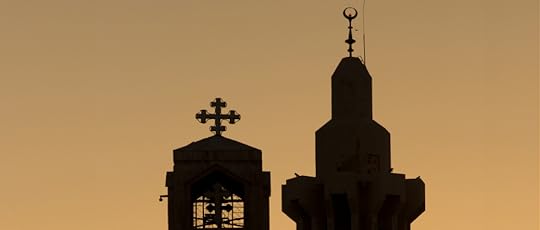
Vita sessuale complicata per un quarantenne fedele musulmano a Parigi che non solo vuole perdere la verginità, ma anche diventare un autentico tombeur des femmes. E per farlo ha bisogno di scrollarsi un po’ di dosso la mamma ingombrante e padrona, e più in generale l’intera famiglia.
Mohamed è riuscito a diventare un finanziere di successo e adesso vuol cominciare ad assaggiare i piaceri della carne e scrollarsi un po’ di dosso la genitrice, e la famiglia in generale.
Si autobattezza Basile, per essere meno etnico, si procura un appartamento (garçonnière) a Saint-Germain-des-Près, si liscia i capelli col gel, inizia a frequentare il Café de Flore e i Deux-Magots all’ora dell’aperitivo.
Ma la mamma telefona ogni giorno, Mohamed-Basile risponde volentieri, incontra le donne, ma una è incinta, un’altra è lesbica…
È scritto da una donna, una scrittrice algerina fuggita dal suo paese che vive a Parigi. Penso che se Woody Allen fosse nato musulmano avrebbe scritto un libro così.

Vita sessuale complicata per un quarantenne fedele musulmano a Parigi che non solo vuole perdere la verginità, ma anche diventare un autentico tombeur des femmes. E per farlo ha bisogno di scrollarsi un po’ di dosso la mamma ingombrante e padrona, e più in generale l’intera famiglia.
Mohamed è riuscito a diventare un finanziere di successo e adesso vuol cominciare ad assaggiare i piaceri della carne e scrollarsi un po’ di dosso la genitrice, e la famiglia in generale.
Si autobattezza Basile, per essere meno etnico, si procura un appartamento (garçonnière) a Saint-Germain-des-Près, si liscia i capelli col gel, inizia a frequentare il Café de Flore e i Deux-Magots all’ora dell’aperitivo.
Ma la mamma telefona ogni giorno, Mohamed-Basile risponde volentieri, incontra le donne, ma una è incinta, un’altra è lesbica…
È scritto da una donna, una scrittrice algerina fuggita dal suo paese che vive a Parigi. Penso che se Woody Allen fosse nato musulmano avrebbe scritto un libro così.

May 17, 2016
Once again, I found myself at the conclusion of the evening with my plans all awry, the girl - Nadja? Yasmina? Djamila? - fled into the night on the feeblest of pretexts. It is for the best, Mohamed, said the voice in my right ear. Why don't you call your mother? But I ignored the eight messages that were still blinking on my voicemail and, listening instead to the voice in my left ear, clicked on the Goodreads site, the very portal of Iblis, and sent a friend request to the first name I saw, a gentleman, I thought, at least possessed of a respectable beard, who called himself Manny.
- You must help me tell my story, I typed, as I poured myself a single malt.
- I suppose I could do that, said Manny. Only you must understand the technical problems of preserving the rhythms of your idiosyncratic, Arabic-laden French, not to mention the complex metafictional--
- That is of little consequence, I typed back, impatient with his prevarications. Are there not many women on this Goodreads site who read your reviews?
- A fair number, agreed Manny.
- Indeed, indeed, I said, as I checked the figures on his home page. And both Muslim and kafir, is that not so?
- It is as you say, replied Manny.
- Then, I typed back, my interior eye dazzled with visions of thousands of kohl-rimmed eyes, sensuous mouths, delicately rounded breasts, surely among all these many beauteous creatures there must be one who desires nothing better than to relieve me of this oppressive burden, my virginity?
- I'll see what I can do, said Manny. But I can't promise anything.
- I trust you, my brother, I typed, as I served myself another single malt. Enough of this! cried the voice in my right ear. I precipitately closed the connection and began to recite aloud the surah of al-Baqarah, but my voice failed me. Loubna Minbar! whispered a voice, I was not even sure from which side, it is all her fault! and I tumbled into a black sleep from which I awoke early the next afternoon, wondering which of the events I thought I remembered had been a dream.
- You must help me tell my story, I typed, as I poured myself a single malt.
- I suppose I could do that, said Manny. Only you must understand the technical problems of preserving the rhythms of your idiosyncratic, Arabic-laden French, not to mention the complex metafictional--
- That is of little consequence, I typed back, impatient with his prevarications. Are there not many women on this Goodreads site who read your reviews?
- A fair number, agreed Manny.
- Indeed, indeed, I said, as I checked the figures on his home page. And both Muslim and kafir, is that not so?
- It is as you say, replied Manny.
- Then, I typed back, my interior eye dazzled with visions of thousands of kohl-rimmed eyes, sensuous mouths, delicately rounded breasts, surely among all these many beauteous creatures there must be one who desires nothing better than to relieve me of this oppressive burden, my virginity?
- I'll see what I can do, said Manny. But I can't promise anything.
- I trust you, my brother, I typed, as I served myself another single malt. Enough of this! cried the voice in my right ear. I precipitately closed the connection and began to recite aloud the surah of al-Baqarah, but my voice failed me. Loubna Minbar! whispered a voice, I was not even sure from which side, it is all her fault! and I tumbled into a black sleep from which I awoke early the next afternoon, wondering which of the events I thought I remembered had been a dream.

May 13, 2019
Sorry but this kind of book was not suited for me.... irritation from the beginning to the end, then I remembered that I have just objective difficulty in understanding irony, comedy, sarcasm and irreverence various at the first glimpse...
Is it due to the fact that after so many years working with psychiatric patients, I’ve been grounding myself on certain messages or social codes of conduct?
But why did I read this book!?!?
Sorry but this kind of book was not suited for me.......irritazione dall'inizio alla fine, poi mi sono ricordata che ho proprio delle oggettive difficoltà a capire ironia, comicità, sarcasmo e irriverenze varie al primo colpo....
Sara' dovuto al fatto che dopo tanti anni di lavoro con pazienti psichiatrici, mi sono limata da sola su certi messaggi o codici sociali di comportamento??
Ma perchè ho letto questo libro!?!?
Is it due to the fact that after so many years working with psychiatric patients, I’ve been grounding myself on certain messages or social codes of conduct?
But why did I read this book!?!?
Sorry but this kind of book was not suited for me.......irritazione dall'inizio alla fine, poi mi sono ricordata che ho proprio delle oggettive difficoltà a capire ironia, comicità, sarcasmo e irriverenze varie al primo colpo....
Sara' dovuto al fatto che dopo tanti anni di lavoro con pazienti psichiatrici, mi sono limata da sola su certi messaggi o codici sociali di comportamento??
Ma perchè ho letto questo libro!?!?

May 17, 2016
Complete coincidence saw me reading this directly after Old Masters. There are odd points of comparison. Firstly, they are both related by others. 'Reger told me...' and, in this one, 'It came over me all of a sudden, he said.' So, in both we are aware of an interpretation going on, a reporting of the story even though 'he said' immediately becomes 'I'.
Secondly, both main characters are deeply unhappy and find the world an entirely unsatisfactory place. But whereas Reger is a completely detestable odious old crank, Mohamed is wonderful, the reader is in his corner. Reger has no particular cause for unhappiness, it is like he seeks it out by turning the world into a place at which to rage. Mohamed is an Algerian Muslim in Paris - or rather in a Muslim slum outside Paris. He is trapped there with an overbearing mother who is the type to control those around her by pointing out interminably what she has done for them, the sacrifices made.
rest here:
https://alittleteaalittlechat.wordpre...
Secondly, both main characters are deeply unhappy and find the world an entirely unsatisfactory place. But whereas Reger is a completely detestable odious old crank, Mohamed is wonderful, the reader is in his corner. Reger has no particular cause for unhappiness, it is like he seeks it out by turning the world into a place at which to rage. Mohamed is an Algerian Muslim in Paris - or rather in a Muslim slum outside Paris. He is trapped there with an overbearing mother who is the type to control those around her by pointing out interminably what she has done for them, the sacrifices made.
rest here:
https://alittleteaalittlechat.wordpre...

May 13, 2025
Prowokacyjny tytuł obiecuje pieprzną treść, której jest w tej książce jak na lekarstwo, co nie przekreśla wysokiej jakości jej zawartości. Śmiem twierdzić, że gdyby cała powieść została napisana z takim pazurem, jak jej pierwsza część, to wyszłaby petarda. Niestety w drugiej części Leïla Marouani spuszcza z emocjonalnego tonu i wytraca tempo, by podkręcić je dopiero w ostatnich scenach, tym niemniej mimo tych kompozycyjnych mankamentów jest to pozycja warta uwagi dlatego, że na bardzo skondensowanej przestrzeni wyjaśnia przyczyny, dla których młode pokolenia muzułmanów żyjących we Francji od urodzenia radykalizują się w tempie odwrotnie proporcjonalnym do pomysłów, jak odwrócić tę falę uderzeniową. Główny bohater powieści, z pochodzenia Algierczyk, żyjący na wysokiej stopie przedstawiciel paryskiej finansjery, próbuje na wszelkie możliwe sposoby wydostać się z klisz, w jakie wpasowuje go otaczająca rzeczywistość: pobożnego muzułmanina (w oczach młodszego brata), idealnego syna (w oczach matki) oraz niewidzialnego mężczyzny (w oczach francuskich kobiet). Aby ukryć swoje pochodzenie i móc liczyć na zdobycie dobrego wykształcenia i świetnie płatnej pracy zmuszony jest do wypowiedzenia wojny etnicznej przeciwko samemu sobie: nieustannie skracać mające tendencję do kręcenia się niesforne włosy, stosować kremy rozjaśniające skórę czy zmienić na drodze prawnej swą tożsamość, gdyż pewne drzwi dla Mohameda Ben Mokhtara będą zamknięte tylko i wyłącznie z powodu brzmienia jego nazwiska. Aby móc myśleć o dobrym liceum, możliwym do sfruktyfikowania kierunku studiów, a później o pracy dającej kokosy musi dokonać nie integracji, lecz całkowitej anihilacji pod względem identyfikacyjnym.
Napisana w pierwszej osobie powieść o zapisie przypominającym zwierzenia na psychiatrycznej kozetce ukazuje daleką od stereotypów postać obarczoną wieloma wewnętrznymi ograniczeniami, która nie jest ani terrorystą ani islamistą w politycznym sensie. Wręcz przeciwnie, jest ona w pewnym sensie ironiczna, jeśli chodzi o tryptyk seksu, religii i tożsamości, tak wyraźnie obecną w mentalnym podłożu świata arabskiego w ogóle, a Maghrebu w szczególności. Francuska pisarka dokonuje w niej wiwisekcji dotkniętego fanonowskim kompleksem „czarnej skóry i białej maski” Araba zamkniętego w swoistej schizofrenii, z której nie może się uwolnić, chyba że poprzez wspomnianą wojnę etniczną toczoną przeciwko samemu sobie, a która doprowadzi go do utraty rozumu. Z jednej strony jego otoczenie, zwłaszcza rodzinne, wymaga pobożności, przestrzegania religijnych nakazów i zakazów, małżeństwa z muzułmanką, spłodzenia czeredy potomstwa i obnoszenia się z dumą ze swego pochodzenia, z drugiej zaś ten nieszczęsny bohater ma bolesną świadomość tego, że bez przeobrażenia się w „nowego Francuza” i zachowanie wierności oczekiwaniom jego rodziny będzie mu pisane co najwyżej wykonywanie tych samych, co jego ojciec, podrzędnych prac, po które nie chce schylić się żaden Francuz.
Napisana w opozycji do stereotypów o arabskich terrorystach i muzułmańskich zamachowcach -samobójcach, w (niekiedy) wysokim emocjonalnym rejestrze, stanowi bezkompromisową krytykę francuskiej polityki integracyjnej i zaryzykowałbym stwierdzenie, że jej oddziaływanie i siła rażenia z powodzeniem mogą zostać wykorzystane w dyskusji nad kryzysem męskości w ogóle. Czy główny bohater tej powieści ma zadatki na incela? Powiedziałbym, że nawet spore z jedną zasadniczą różnicą, mianowicie taką, że winą za swój przymusowy celibat nie obwinia tylko i wyłącznie kobiet, lecz dodaje do tego środowisko, z którego się wywodzi i wychowanie, jakie otrzymał. Trudno jednak oprzeć się wrażeniu, że podobnie jak współczesny mężczyzna jest zagubiony między tradycyjnym wzorcem męskości tkwiącym korzeniami w patriarchalnej kulturze a zmianami ról społecznych oraz przeobrażeniami kulturowymi, tak wewnętrzne niepokoje bohatera Leïli Marouane tkwią w schizofrenicznym rozdarciu między francuską receptą na sukces a arabską dumą płynącą z wierności samemu sobie. Tertium non datur jest główną przyczyną jego nieszczęść.
Napisana w pierwszej osobie powieść o zapisie przypominającym zwierzenia na psychiatrycznej kozetce ukazuje daleką od stereotypów postać obarczoną wieloma wewnętrznymi ograniczeniami, która nie jest ani terrorystą ani islamistą w politycznym sensie. Wręcz przeciwnie, jest ona w pewnym sensie ironiczna, jeśli chodzi o tryptyk seksu, religii i tożsamości, tak wyraźnie obecną w mentalnym podłożu świata arabskiego w ogóle, a Maghrebu w szczególności. Francuska pisarka dokonuje w niej wiwisekcji dotkniętego fanonowskim kompleksem „czarnej skóry i białej maski” Araba zamkniętego w swoistej schizofrenii, z której nie może się uwolnić, chyba że poprzez wspomnianą wojnę etniczną toczoną przeciwko samemu sobie, a która doprowadzi go do utraty rozumu. Z jednej strony jego otoczenie, zwłaszcza rodzinne, wymaga pobożności, przestrzegania religijnych nakazów i zakazów, małżeństwa z muzułmanką, spłodzenia czeredy potomstwa i obnoszenia się z dumą ze swego pochodzenia, z drugiej zaś ten nieszczęsny bohater ma bolesną świadomość tego, że bez przeobrażenia się w „nowego Francuza” i zachowanie wierności oczekiwaniom jego rodziny będzie mu pisane co najwyżej wykonywanie tych samych, co jego ojciec, podrzędnych prac, po które nie chce schylić się żaden Francuz.
Napisana w opozycji do stereotypów o arabskich terrorystach i muzułmańskich zamachowcach -samobójcach, w (niekiedy) wysokim emocjonalnym rejestrze, stanowi bezkompromisową krytykę francuskiej polityki integracyjnej i zaryzykowałbym stwierdzenie, że jej oddziaływanie i siła rażenia z powodzeniem mogą zostać wykorzystane w dyskusji nad kryzysem męskości w ogóle. Czy główny bohater tej powieści ma zadatki na incela? Powiedziałbym, że nawet spore z jedną zasadniczą różnicą, mianowicie taką, że winą za swój przymusowy celibat nie obwinia tylko i wyłącznie kobiet, lecz dodaje do tego środowisko, z którego się wywodzi i wychowanie, jakie otrzymał. Trudno jednak oprzeć się wrażeniu, że podobnie jak współczesny mężczyzna jest zagubiony między tradycyjnym wzorcem męskości tkwiącym korzeniami w patriarchalnej kulturze a zmianami ról społecznych oraz przeobrażeniami kulturowymi, tak wewnętrzne niepokoje bohatera Leïli Marouane tkwią w schizofrenicznym rozdarciu między francuską receptą na sukces a arabską dumą płynącą z wierności samemu sobie. Tertium non datur jest główną przyczyną jego nieszczęść.

Read
August 8, 2011I'm utterly bewildered. I'm not sure what the author, Leila Marouane, was driving at or if I came away with any kind of understanding at all. Because Marouane is a Muslim and an Algerian who was exiled as a child to Tunisia and now lives in Paris, I feel she has an axe to grind, but where is it? (She has, in fact, been labeled a feminist-Arab author and her work has been censored in Egypt and other parts of the Arab world.) The book is elegantly written and shows a great, understated sense of humor. An Algerian banker--the proverbial 40-year-old virgin--finally attempts to break free of his stifling, conventional, stereotypically Muslim mother, with whom he lives. He rents a spectacular apartment in Paris and sets out to begin a life of sexual debauchery. He thinks he's a great catch, and makes excuses for why women aren't immediately falling at his feet. (Maybe she has her period and she's embarassed, is a good one.) Every encounter with a woman is sexually charged, and many bizarre sexual episodes ensue. Gradually, we realize that that they are imagined, or that he is going insane, and he believes that a notorious female author of feminist writings (who's name sounds suspciously like Leila Marouane) is the concierge and is stealing his life for her novels. The novel is told from the 40-year-old-virgin's point of view, as told to an undisclosed female, possibly the concierge. Not sure if I've spoiled anything by disclosing any of this or not, because I'm not sure I understood a thing! Worth reading if you're interested in the subject matter; maybe you'll be able to figure it out better than I did!

June 3, 2010
It started off well. A forty-year old virgin moves out to live in a swanky Parisian apartment but can he escape his mother? Divisions within a culture and between cultures destroy women AND men -- a common enough message but here, at least in the beginning, delivered with light humor and compassion and imagination. Momo/Basile fails so spectacularly at being a Mediterranean macho that the reader cannot but smile at him. What happens latter in the book is intense metafiction of which I cannot make too much sense.
November 13, 2010
I read this a few weeks ago and have been puzzling over it. The story follows an Islamic man living in his mother's house on the outskirts of Paris. He is a 40ish virgin, has no prospects for love or marriage, and has a good job (we are told). His younger brother wants to marry but can't because his brother (apple of my eye to his mama) hasn't done so yet. So he decides to move out on his own. He sets himself up in a fabulous apartment in just the right arrondissement and from there the story takes a turn or it doesn't. The story could be about the further mental degradation of this man who is already under the care of a psychotherapist. Or he's just pathetically unlucky in love. If its the former, I feel that an otherwise sympathetic character mentally unwinding is an overused device. He already thinks he's going to be a playboy once he gets his own place (clearly an example of not being in touch with reality) so the whole thing is just sad, we didn't need to watch him meltdown and get hauled away to the nut farm.
From the research I've done on the web, no one else (including the publisher) seems to get the ending either. Does that make it a quality book that I just don't "get", or a poorly written story in need of a good friend to tell the author "what the.."?
From the research I've done on the web, no one else (including the publisher) seems to get the ending either. Does that make it a quality book that I just don't "get", or a poorly written story in need of a good friend to tell the author "what the.."?

April 18, 2020
This is for my read around the world project—ALGERIA. The author was actually born in Tunis (country of Tunisia), and writes about an Algerian man and his family who emigrated to France. I’d like to give this 3-1/2 stars or even four, because it has a rather involved and witty concept to it that is both strange and unique, but in some respects it just falls flat. I can’t explain more without spoilers. I’m definitely an experienced reader and I wasn’t sure I “got it” until at least Hal way through the book! I appreciated the snarky humor and the intellectual exercise!
Many issues are covered including religion, culture, families, and so on. When I reflect back on the whole book, though, I think it is very much about addiction and mental illness. Most of the other reviews don’t focus as much in those aspects, yet this strange take really brings out how culture, trying to fit in, being different, play into mental illness. This book is funny and sad at the same time.
HEATHER and KAREN, read this one!
Many issues are covered including religion, culture, families, and so on. When I reflect back on the whole book, though, I think it is very much about addiction and mental illness. Most of the other reviews don’t focus as much in those aspects, yet this strange take really brings out how culture, trying to fit in, being different, play into mental illness. This book is funny and sad at the same time.
HEATHER and KAREN, read this one!

October 29, 2014
Initially redeemed by its light-touch humour, the book just lost it by the end. Dark, depressing and clearly the oddest book I have read all year (and I kept asking myself, 'do I have to keep reading this?')

August 31, 2018
Thoroughlly enjoyed this novel. The end caught me by surprise... to the extent thst I have to back and reread the ladt part of tbe book so thst I can distinguish "real" from "fantasy".
This entire review has been hidden because of spoilers.

August 23, 2021
This book is not for me! Too complicated, unclear messages, mysterious plot. Idk why I could manage to finish it. It causes me headaches.

December 26, 2022
Highly entertaining. More complex of a narrative than I initially thought. I think, perhaps, the translation was not as good as it can be and reading it in English, I may have lost some of the nuances as intended by the author. But over all, a unique plot and very good story. Glad to have read it!

August 10, 2023
to dlatego, że nie rozumiem zakończenia, nie wiem co sie dzieje, co się wydarzyło

Want to Read
May 21, 2010I read the following review on Shelf Awareness. Parts of Mohamed sound so much like someone I know (especially the 3rd paragraph below) that I can't wait to read it. My review to follow.
**
Mohamed used to be the perfect Muslim. He came from a conservative, fanatical small town in Algeria. He led the prayers and recited sermons. Now he's living in Paris and using skin-whitening cream. He's straightened his hair. He's turned his back on his Arabic past. He works at a bank, like a good capitalist. He's had his name Frenchified: he's now Basile Tocquard. Unfortunately, he's just turned 40 and he's still a virgin. That's Mohamed's problem. Instead of savoring all the sensual joys and pleasures of living in Paris, he has always lived at home with his mother and younger brother.
Until now. For 15 years, he's held positions of importance in banks of renown. He has savings. He is about to rent secretly his dream apartment in Paris. He doesn't care how expensive it is, he'll sign. He is going to attempt to liberate himself from a mother he loves with all his heart. This is no ordinary mother--this is a "she-wolf who eats her young alive," who forbids her son to go out even on Saturday night. But before he moves out, more than anything, Mohamed wants his mother's blessing. There's only one way to get it. Mohamed has to promise his mother he'll marry before Ramadan. That's only two months away.
Author Leila Marouane crosses the gender line effortlessly. Here's a character created by a woman, but entrenched in his male point of view. Mohamed Ben Mokhtar is a comic, complex, believable guy who doesn't know himself all that well because he's never dared to be himself; who's still tormented by profound guilt at not appreciating his uneducated father's sacrifices; who is frantically trying to get up the courage to tell his dominating mother he's moving out. Sexually immature, socially blundering, Mohamed has all the tact of a horny teenager, filled with enthusiasm and spinning his wheels in excited confusion. Marouane adds a delicious touch of satire to all of his sexist dreams of conquest--they ring completely honest and true for our thick-headed, inexperienced hero, but they're lightened by a distant sparkle of female laughter.
Rippling with crosscultural wit, warm-hearted with family love, the story zips along nicely, with a couple of recurring teases perpetually toying with the reader's mind: Who exactly is telling the story? And who is the narrator talking to?--Nick DiMartino
**
Mohamed used to be the perfect Muslim. He came from a conservative, fanatical small town in Algeria. He led the prayers and recited sermons. Now he's living in Paris and using skin-whitening cream. He's straightened his hair. He's turned his back on his Arabic past. He works at a bank, like a good capitalist. He's had his name Frenchified: he's now Basile Tocquard. Unfortunately, he's just turned 40 and he's still a virgin. That's Mohamed's problem. Instead of savoring all the sensual joys and pleasures of living in Paris, he has always lived at home with his mother and younger brother.
Until now. For 15 years, he's held positions of importance in banks of renown. He has savings. He is about to rent secretly his dream apartment in Paris. He doesn't care how expensive it is, he'll sign. He is going to attempt to liberate himself from a mother he loves with all his heart. This is no ordinary mother--this is a "she-wolf who eats her young alive," who forbids her son to go out even on Saturday night. But before he moves out, more than anything, Mohamed wants his mother's blessing. There's only one way to get it. Mohamed has to promise his mother he'll marry before Ramadan. That's only two months away.
Author Leila Marouane crosses the gender line effortlessly. Here's a character created by a woman, but entrenched in his male point of view. Mohamed Ben Mokhtar is a comic, complex, believable guy who doesn't know himself all that well because he's never dared to be himself; who's still tormented by profound guilt at not appreciating his uneducated father's sacrifices; who is frantically trying to get up the courage to tell his dominating mother he's moving out. Sexually immature, socially blundering, Mohamed has all the tact of a horny teenager, filled with enthusiasm and spinning his wheels in excited confusion. Marouane adds a delicious touch of satire to all of his sexist dreams of conquest--they ring completely honest and true for our thick-headed, inexperienced hero, but they're lightened by a distant sparkle of female laughter.
Rippling with crosscultural wit, warm-hearted with family love, the story zips along nicely, with a couple of recurring teases perpetually toying with the reader's mind: Who exactly is telling the story? And who is the narrator talking to?--Nick DiMartino

December 28, 2018
I read this book as part of my quest to read a book written by an author from every country in the world. The author of this book was born in Algeria.
I first want to start with some facts about Africa - I can't be the only reader who is a new comer to Africa.
North Africa is comprised of countries that belong to the League of Arab states within the Arab world. These countries are Algeria, Djibouti, Egypt, Libya, Morocco, Somalia, Sudan, and Tunisia.
Below this, is the Sahara desert of Africa. The countries below the Sahara desert are designated as being part of Sub-Saharan Africa.
The main character of this book was born in Algeria but has since moved to Paris, France with his family. People of Algerian origin account for a large sector of the total population in France (7.46 %). Some immigrated during colonial rule in Algeria starting in the 1920s, and large numbers chose to emigrate to France from the 1960s onwards due to political turmoil in Algeria.
In the 1950s, the French government used racism as a tool to delegitimize the efforts of African Nationalist groups. The government used tensions between different groups to depict Algerian immigrants as barbaric in propaganda campaigns. This negatively impacted public opinion of African immigrants. Today, Algerians living in France are discriminated against and are looked down upon by French citizens.
The author uses the main character to describe what life is like for these Muslims living in run-down sections of Paris. Mohamed Ben Mokhtar lives with his mother and brother. He has Frenchified his name to Basile Tocquard. He has a high-paying job in Paris and he wishes to rent a fancy apartment downtown. He even straightens his hair and lightens his skin so that people will not detect his Algerian background.
As Basile finds an apartment and shuns his Muslim background, the story becomes confusing. He often describes women he meets, with the intention of bringing them back to his place for sex. It is difficult to determine whether he is imagining these encounters or if they really take place.
I first want to start with some facts about Africa - I can't be the only reader who is a new comer to Africa.
North Africa is comprised of countries that belong to the League of Arab states within the Arab world. These countries are Algeria, Djibouti, Egypt, Libya, Morocco, Somalia, Sudan, and Tunisia.
Below this, is the Sahara desert of Africa. The countries below the Sahara desert are designated as being part of Sub-Saharan Africa.
The main character of this book was born in Algeria but has since moved to Paris, France with his family. People of Algerian origin account for a large sector of the total population in France (7.46 %). Some immigrated during colonial rule in Algeria starting in the 1920s, and large numbers chose to emigrate to France from the 1960s onwards due to political turmoil in Algeria.
In the 1950s, the French government used racism as a tool to delegitimize the efforts of African Nationalist groups. The government used tensions between different groups to depict Algerian immigrants as barbaric in propaganda campaigns. This negatively impacted public opinion of African immigrants. Today, Algerians living in France are discriminated against and are looked down upon by French citizens.
The author uses the main character to describe what life is like for these Muslims living in run-down sections of Paris. Mohamed Ben Mokhtar lives with his mother and brother. He has Frenchified his name to Basile Tocquard. He has a high-paying job in Paris and he wishes to rent a fancy apartment downtown. He even straightens his hair and lightens his skin so that people will not detect his Algerian background.
As Basile finds an apartment and shuns his Muslim background, the story becomes confusing. He often describes women he meets, with the intention of bringing them back to his place for sex. It is difficult to determine whether he is imagining these encounters or if they really take place.
June 24, 2012
I got this book for free from the Multnomah County Library stall at Good in the Hood, so I started with understandably low expectations. I was going for some light, and spicy, summer night reading to offset the political economic books I read during the day. The Sexual Life provided just that, and although I found the protagonist's descriptions of women to be blatant objectification, it was obviously a parody. I found the analysis of living as an Algerian Muslim to be very interesting. I wrote my senior thesis on the legacy of French in post-colonial Africa, so I found it interesting to look at the converse situation. (It's important to note though, that there isn't a perfect parallel to French colonists in Algeria and Algerian immigrants to France). The end of this book really threw me for a loop though! The writing becomes extremely surreal, almost a stream of consciousness, and the although Muhammed is supposedly the main character, by the end of The Sexual Life, the novel is told from the perspective of a sinister and unseen protagonist. I really have no idea what the conclusion of The Sexual Life of an Islamist in Paris is.
July 22, 2014
This book is incredible. Yes, the title is provoking, but don't let it scare you away. This novel is thought-provoking, interesting, well-translated, and - educational.
Marouane has provided allot to think about. She exposes us to topics of women's issues and feminism, cultural and racial identities, and even paints a picture of current migration trends in Africa/Europe. All this through a fictional novel that provides us something to hold on to, until ... well, you can't keep your grasp any longer. (You'll find out). I'd love to read this again as part of a book-club.
It is well written, and the literary techniques are intriguing and dynamic. Other reviews on Goodreads indicate confused readers. This book is still worth the read - even if you are left confused.
A review much better than mine is:
http://www.rochester.edu/College/tran...
Marouane has provided allot to think about. She exposes us to topics of women's issues and feminism, cultural and racial identities, and even paints a picture of current migration trends in Africa/Europe. All this through a fictional novel that provides us something to hold on to, until ... well, you can't keep your grasp any longer. (You'll find out). I'd love to read this again as part of a book-club.
It is well written, and the literary techniques are intriguing and dynamic. Other reviews on Goodreads indicate confused readers. This book is still worth the read - even if you are left confused.
A review much better than mine is:
http://www.rochester.edu/College/tran...

September 23, 2020
#readtheworld Algeria
This novel follows the main character Mohamed, who has changed his name to the more "white" sounding Basile, as he attempts to break free of his conservative Muslim family in and around Paris. The 40-year-old virgin sets out to have his dream playboy sexual life, displaying the uncontrolled hormones and sexual knowledge of an adolescent. His retellings to an unknown narrator are absolutely tragicomic.
Mohamed/Basile's journey into urban Parisian living does not quite turn out as anticipated, as the reader begins to realize some, if not all, of his experiences may have been fantasy. You begin to see a repetition of habits: unplugging the phones, sleeping all day, awaking to 5 voicemails from his mother, which he promptly deletes. It reminds me of Requiem for a Dream with the repetition signaling Basile/Mohamed/Momo's descent into madness.
But really. Who is Loubna Minbar?
This novel follows the main character Mohamed, who has changed his name to the more "white" sounding Basile, as he attempts to break free of his conservative Muslim family in and around Paris. The 40-year-old virgin sets out to have his dream playboy sexual life, displaying the uncontrolled hormones and sexual knowledge of an adolescent. His retellings to an unknown narrator are absolutely tragicomic.
Mohamed/Basile's journey into urban Parisian living does not quite turn out as anticipated, as the reader begins to realize some, if not all, of his experiences may have been fantasy. You begin to see a repetition of habits: unplugging the phones, sleeping all day, awaking to 5 voicemails from his mother, which he promptly deletes. It reminds me of Requiem for a Dream with the repetition signaling Basile/Mohamed/Momo's descent into madness.
But really. Who is Loubna Minbar?
December 14, 2010
This book deserves a much better rating than it's gotten here. It can come off as breezy and vapid unless you really look beneath the surface. The real story is written between the lines, and that's the brilliance in Marouane's writing.
January 15, 2019
I was expecting social satire but instead got a collection of racist tropes and lazy stereotypes framed by a bizarre psychological metafiction story.

August 23, 2024
(Tunisia) Very weird book and I still don’t even know what actually happened. Found the first half annoying and the second half confusing.

November 29, 2017
I started reading this book because I planned to join a book group that is reading books from all the countries of the world in alphabetical order. The story actually takes place in Paris but it was chosen as an Algerian book, since the protagonist Mohamed Ben Mokhtar, who has Frenchified his name to Basile Tocquard, and his family are Algerian. Basile, as I'll call him, is a 40-year-old bachelor who lives on the outskirts of Paris with his mother. He's been an observant Muslim, but now that he has become quite well-off as a banker, he has decided to get a posh apartment in an upscale Paris neighborhood, and to move away from his family of origin. He harbors dreams of bringing a variety of beautiful young non-Arab women to his apartment where he can ravage them and then toss them aside. He wants to avoid his mother's attempts to marry him off to an Algerian woman; in fact, he hopes to escape all the cultural expectations that come with being Muslim. He has even straightened his hair, perfected his French accent, and whitened his skin so he can become as French as possible.
The strange thing about this book is that Basile is telling his story to an unseen, mysterious and unsympathetic female narrator. Each chapter begins with a sentence something like this one: "The following Sunday, he said, I was dreaming about a virgin dressed in pink, when the telephone awoke me." The rest of the chapter is told in first person, using "I." We don't really know who this narrator is, but whoever she is has quite a sense of humor, as she depicts this delusional man who cannot seem to escape the clutches of his mother. In fact, the only phone calls he ever seems to receive are from his mother, who he always calls "my mother." She in turn calls him "apple of my eye." Every night, he comes home to find numerous messages on his answering machine, all from his mother, which he promptly erases. He then settles in with a glass of whiskey to his fantasies and then ends up wrapped up in bed under his comforter until 2:00 or 3:00 in the afternoon, always missing a promised lunch date with his mother and his extended family.
Overall, it's a very bizarre book. The ending is, at least to me, incomprehensible. It turned out I wasn't able to finish it before the assigned date, so I didn't end up going to the book group. It's too bad, because I'd love to have found out what on earth was going on, or what other people thought of it!
The strange thing about this book is that Basile is telling his story to an unseen, mysterious and unsympathetic female narrator. Each chapter begins with a sentence something like this one: "The following Sunday, he said, I was dreaming about a virgin dressed in pink, when the telephone awoke me." The rest of the chapter is told in first person, using "I." We don't really know who this narrator is, but whoever she is has quite a sense of humor, as she depicts this delusional man who cannot seem to escape the clutches of his mother. In fact, the only phone calls he ever seems to receive are from his mother, who he always calls "my mother." She in turn calls him "apple of my eye." Every night, he comes home to find numerous messages on his answering machine, all from his mother, which he promptly erases. He then settles in with a glass of whiskey to his fantasies and then ends up wrapped up in bed under his comforter until 2:00 or 3:00 in the afternoon, always missing a promised lunch date with his mother and his extended family.
Overall, it's a very bizarre book. The ending is, at least to me, incomprehensible. It turned out I wasn't able to finish it before the assigned date, so I didn't end up going to the book group. It's too bad, because I'd love to have found out what on earth was going on, or what other people thought of it!

October 13, 2024
gdzieś na pograniczu 2+ a 3-
Po książce Leïli Marouane dużo sobie obiecywałam. W końcu historia pochodzącego z Algierii czterdziestoletniego imigranta próbującego wyrwać się z okowów swojej religii, uprzedzeń z nią związanych, oczekiwań rodziny (zwłaszcza nadopiekuńczej matki) i zaczynającego, zdawałoby się, własne, niezależne życie brzmi superciekawie. Jest też napisana przez mieszkającą we Francji Algierkę, więc spodziewałam się, że po mistrzowsku opisze ona brak poczucia całkowitej przynależności do którejkolwiek z kultur, próbę zaistnienia w świecie z góry wrogo nastawionym do bohatera, problemy z określeniem własnej tożsamości itd. itd. No i te elementy, owszem, pojawiają się w powieści, ale po 1. są potraktowane trochę po macoszemu, Marouane jednak ślizga się po powierzchni, często pokazując kulturę arabską czy muzułmańską w sposób stereotypowy i jednowymiarowy, a po 2. kwestie związane z tożsamością Mahomeda vel Basila przyćmiewa tytułowy wątek jego życia seksualnego i, mon dieu… to jest tak złe. Rozumiem, że w tej powieści jest to ważny element, który dla głównego bohatera urasta do rangi symbolu, całkowitego wyzwolenia się spod jarzma własnej religii, kultury, narodowości i rodziny jednocześnie, ale jego przemyślenia dotyczące kobiet są naprawdę odrzucające. Czterdziestoletni facet z całą listą wymagań co do swojej przyszłej partnerki, z ego nieprzystającym do stanu rzeczywistego (co możemy wyczytać między wierszami), traktujący kobiety wyłącznie jako sposób na zaspokojenie swoich erotycznych fantazji, postrzegający je w sposób przedmiotowy jest jednak czymś odpychającym i negatywnie wpływającym na wrażenia z lektury, nawet jeśli to zabieg celowy. Do tego dochodzi bardzo chaotyczne zakończenie, zostawiające więcej pytań niż odpowiedzi, wprowadzające wręcz surrealny efekt. Nie jest to dla mnie niczym złym, być może finalne jest to nawet najciekawszy element „Życia seksualnego…”, ale nie da się ukryć, że zostało wprowadzone dość nagle, no i ostatecznie zostawiło mnie właśnie z poczuciem chaosu i skonfundowania. Niestety, spodziewałam się po tej powieści więcej, niż mogła mi ona zaoferować.
Po książce Leïli Marouane dużo sobie obiecywałam. W końcu historia pochodzącego z Algierii czterdziestoletniego imigranta próbującego wyrwać się z okowów swojej religii, uprzedzeń z nią związanych, oczekiwań rodziny (zwłaszcza nadopiekuńczej matki) i zaczynającego, zdawałoby się, własne, niezależne życie brzmi superciekawie. Jest też napisana przez mieszkającą we Francji Algierkę, więc spodziewałam się, że po mistrzowsku opisze ona brak poczucia całkowitej przynależności do którejkolwiek z kultur, próbę zaistnienia w świecie z góry wrogo nastawionym do bohatera, problemy z określeniem własnej tożsamości itd. itd. No i te elementy, owszem, pojawiają się w powieści, ale po 1. są potraktowane trochę po macoszemu, Marouane jednak ślizga się po powierzchni, często pokazując kulturę arabską czy muzułmańską w sposób stereotypowy i jednowymiarowy, a po 2. kwestie związane z tożsamością Mahomeda vel Basila przyćmiewa tytułowy wątek jego życia seksualnego i, mon dieu… to jest tak złe. Rozumiem, że w tej powieści jest to ważny element, który dla głównego bohatera urasta do rangi symbolu, całkowitego wyzwolenia się spod jarzma własnej religii, kultury, narodowości i rodziny jednocześnie, ale jego przemyślenia dotyczące kobiet są naprawdę odrzucające. Czterdziestoletni facet z całą listą wymagań co do swojej przyszłej partnerki, z ego nieprzystającym do stanu rzeczywistego (co możemy wyczytać między wierszami), traktujący kobiety wyłącznie jako sposób na zaspokojenie swoich erotycznych fantazji, postrzegający je w sposób przedmiotowy jest jednak czymś odpychającym i negatywnie wpływającym na wrażenia z lektury, nawet jeśli to zabieg celowy. Do tego dochodzi bardzo chaotyczne zakończenie, zostawiające więcej pytań niż odpowiedzi, wprowadzające wręcz surrealny efekt. Nie jest to dla mnie niczym złym, być może finalne jest to nawet najciekawszy element „Życia seksualnego…”, ale nie da się ukryć, że zostało wprowadzone dość nagle, no i ostatecznie zostawiło mnie właśnie z poczuciem chaosu i skonfundowania. Niestety, spodziewałam się po tej powieści więcej, niż mogła mi ona zaoferować.

December 27, 2025
I read this book as part of my “read around the world” aspiration, representing Algeria.
It’s an interesting introspective into a mind of conflicted man balancing between his religious upbringing and responsibilities that come with it and the desires to break free of all rules and limitations, go wild, get what he thinks he deserves. It seems like he didn’t know what to do with the “western freedom” he got, apart from pursuing that one or many or all of them women that would aid his 40 y.o. virginity without asking anything in return, all to the point of obsession.
In the end we come through the entire circle from becoming independent to circling back to religious roots because after all it’s the only path he knows as the right one.
Having lived in the Middle East before, I found the book somewhat frightening in how it extrapolated and played on the religious inner conflict was with accuracy only known by an insider.
I confess I also thought it dangerous in terms of forming negative stereotypes. As a woman, I found the portrayal deeply disturbing.
It’s an interesting introspective into a mind of conflicted man balancing between his religious upbringing and responsibilities that come with it and the desires to break free of all rules and limitations, go wild, get what he thinks he deserves. It seems like he didn’t know what to do with the “western freedom” he got, apart from pursuing that one or many or all of them women that would aid his 40 y.o. virginity without asking anything in return, all to the point of obsession.
In the end we come through the entire circle from becoming independent to circling back to religious roots because after all it’s the only path he knows as the right one.
Having lived in the Middle East before, I found the book somewhat frightening in how it extrapolated and played on the religious inner conflict was with accuracy only known by an insider.
I confess I also thought it dangerous in terms of forming negative stereotypes. As a woman, I found the portrayal deeply disturbing.
This entire review has been hidden because of spoilers.
September 9, 2024
What the hell was that all about!?
Like many who have read this book, I found it to be a very strange experience. Initially, it was quite funny, but I had completely lost the plot by the end. Based on the overarching events, my very shallow interpretation is that the book attempts to explore the difficulties faced by immigrant populations living in countries that encourage/enforce cultural conformity. In this case, the contradiction between Mohamed's traditional Islamic upbringing in Algeria and Basile's (the gallicised name of the same character) idealised stereotype of a sexually promiscuous French national, with the friction between these two precipitating the surreal events in the latter half of the book. Other than that, I really didn't have much of a clue what was going on. That said, it's a very short book, so I would recommend it if you can find a cheap copy.
Like many who have read this book, I found it to be a very strange experience. Initially, it was quite funny, but I had completely lost the plot by the end. Based on the overarching events, my very shallow interpretation is that the book attempts to explore the difficulties faced by immigrant populations living in countries that encourage/enforce cultural conformity. In this case, the contradiction between Mohamed's traditional Islamic upbringing in Algeria and Basile's (the gallicised name of the same character) idealised stereotype of a sexually promiscuous French national, with the friction between these two precipitating the surreal events in the latter half of the book. Other than that, I really didn't have much of a clue what was going on. That said, it's a very short book, so I would recommend it if you can find a cheap copy.
January 1, 2023
Explores the love, complications and intricacies of a relationship between an adult male, his mother and immediate family. Touches on culture and religion and how the rich history of both impact one’s present day decisions. We see how individualist and collectivist mindsets can collide and bring forth feelings of betrayal, misunderstanding and isolation.
Looks at how living outside of cultural norms can cause individuals to live secret lives and repress their true desires. This can ultimately lead to mental health problems.
Took me a while to get into. Enjoyed the middle but was lost by the end.
Looks at how living outside of cultural norms can cause individuals to live secret lives and repress their true desires. This can ultimately lead to mental health problems.
Took me a while to get into. Enjoyed the middle but was lost by the end.

March 16, 2025
Uma tragicomédia, que conta a história de Mohamed, um mulçumano de 40 anos que quer viver sua vida dos sonhos em Paris. Mohamed já tem uma carreira de sucesso consolidada no mercado financeiro, mudou seu nome para um francês e tentar perder seus traços argelinos. Agora quer se mudar para longe de sua mãe e família para viver essa vida dos sonhos, uma vida parisiense.
Vamos acompanhando Mohamed tentar se tornar um sedutor, fugir de sua mãe e viver sua nova vida até a sua loucura.
Uma narrativa em primeira pessoa com um narrador que percebemos não podemos confiar no que é real ou apenas fruto de sua mente.
Vamos acompanhando Mohamed tentar se tornar um sedutor, fugir de sua mãe e viver sua nova vida até a sua loucura.
Uma narrativa em primeira pessoa com um narrador que percebemos não podemos confiar no que é real ou apenas fruto de sua mente.
August 28, 2017
I’m completely confused about what the author was trying to say. Is this a simple story of a lapsed Islamist trying to get his freak on? Or is it the story of mental illness and the impact on this man and his family? Maybe it’s both? I was most frustrated by the author’s style. Who was speaking? The voice switched tenses and first person to second person mid sentence. Maddening. If the idea was to convey mental state it worked. It made me crazy. I did get value from the book from the inside view of the culture of Algerians in Paris, so there was that.
August 22, 2023
I bought this book on a whim, as I often do, because I am fascinated with how Muslims live their sexuality. I found it both clever and quite funny, so it was an enjoyable read. She sheds light on some of the internal struggles and lived contradictions between following religious precepts and following one’s natural desires, whatever one’s religion, if it tries to control and contain one’s sexuality. The author has a lot of fun with it, even inserting herself in the narrative. Keen to read more of her work.
Displaying 1 - 30 of 78 reviews