

What do you think?
Nils Holgersson #1
Cuộc phiêu lưu kỳ diệu của Nils
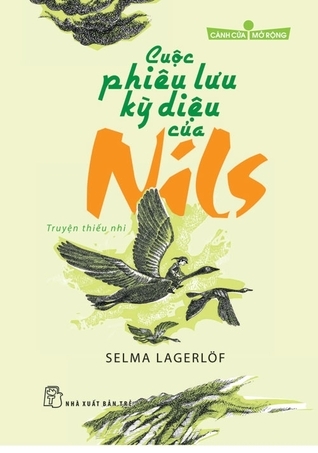
Nils là một đứa trẻ hư, hay bắt nạt súc vật và những sinh linh yếu ớt hơn mình. Cũng vì thế mà Nils bị trừng phạt; bị biến thành người tý hon cho các con vật bắt nạt. Không còn lựa chọn, Nils ra đi trên lưng những con ngỗng trời ngao du vòng quanh đất nước Thụy Điển. Chính những con ngỗng trời đã dạy cho Nils tính nhân hậu và lòng dũng cảm, trước khi quay lại cuộc sống bình thường.
Những cuộc phiêu lưu của Nils là một tác phẩm kinh điển của Selma Lagerlof. Sách viết cho trẻ nhỏ nhưng có khả năng thức tỉnh cho cả những người không còn trẻ nữa.
Những cuộc phiêu lưu của Nils là một tác phẩm kinh điển của Selma Lagerlof. Sách viết cho trẻ nhỏ nhưng có khả năng thức tỉnh cho cả những người không còn trẻ nữa.
550 pages, Paperback
First published January 1, 1906
About the author
Selma Lagerlöf
1,546 books746 followersSelma Ottilia Lovisa Lagerlöf (1858-1940) was a Swedish author. In 1909 she became the first woman to ever receive the Nobel Prize in Literature, "in appreciation of the lofty idealism, vivid imagination and spiritual perception that characterize her writings". She later also became the first female member of the Swedish Academy.
Born in the forested countryside of Sweden she was told many of the classic Swedish fairytales, which she would later use as inspiration in her magic realist writings. Since she for some of her early years had problems with her legs (she was born with a faulty hip) she would also spend a lot of time reading books such as the Bible.
As a young woman she was a teacher in the southern parts of Sweden for ten years before her first novel Gösta Berling's Saga was published. As her writer career progressed she would keep up a correspondance with some of her former female collegues for almost her entire life.
Lagerlöf never married and was almost certainly a lesbian (she never officially stated that she was, but most later researchers believe this to be the case). For many years her constant companion was fellow writer Sophie Elkan, with whom she traveled to Italy and the Middle East. Her visit to Palestine and a colony of Christians there, would inspire her to write Jerusalem, her story of Swedish farmers converting into a evangelical Christian group and travelling to "The American Colony" in Jerusalem.
Lagerlöf was involved in both women issues as well as politics. She would among other things help the Jewish writer Nelly Sachs to come to Sweden and donated her Nobel medal to the Finnish war effort against the Soviet union.
Outside of Sweden she's perhaps most widely known for her children's book Nils Holgerssons underbara resa genom Sverige (The Wonderful Adventures of Nils).
Born in the forested countryside of Sweden she was told many of the classic Swedish fairytales, which she would later use as inspiration in her magic realist writings. Since she for some of her early years had problems with her legs (she was born with a faulty hip) she would also spend a lot of time reading books such as the Bible.
As a young woman she was a teacher in the southern parts of Sweden for ten years before her first novel Gösta Berling's Saga was published. As her writer career progressed she would keep up a correspondance with some of her former female collegues for almost her entire life.
Lagerlöf never married and was almost certainly a lesbian (she never officially stated that she was, but most later researchers believe this to be the case). For many years her constant companion was fellow writer Sophie Elkan, with whom she traveled to Italy and the Middle East. Her visit to Palestine and a colony of Christians there, would inspire her to write Jerusalem, her story of Swedish farmers converting into a evangelical Christian group and travelling to "The American Colony" in Jerusalem.
Lagerlöf was involved in both women issues as well as politics. She would among other things help the Jewish writer Nelly Sachs to come to Sweden and donated her Nobel medal to the Finnish war effort against the Soviet union.
Outside of Sweden she's perhaps most widely known for her children's book Nils Holgerssons underbara resa genom Sverige (The Wonderful Adventures of Nils).
Ratings & Reviews
Friends & Following
Create a free account to discover what your friends think of this book!
Community Reviews
Displaying 1 - 30 of 777 reviews

June 24, 2014
Cross-curricular teaching and entertainment in one Nobel volume.
These days, interdisciplinary projects and cross-curricular interlinking of learning are all the fashion, and stressed teachers sigh in frustration over the tour de force of teaching not only their own subject, but of successfully implementing relevant connections to other areas as well in order to make learning more meaningful to an increasingly lazy, naughty and careless student body.
Some might think this is a recent issue - both the emphasis on interdisciplinary learning, and the hopeless attitude of our youth. Think again - or read Selma Lagerlöf, and you will be pleased to discover that:
a) your interdisciplinary project combining a learning unit in geography, biology, history, literature, ethics, Nordic mythology and life skills is offered to you on a Nobel silver plate.
b) students have been lazy, naughty and prone to falling asleep over their chores or homework at least since 1906, when this novel was written to be used in the Swedish school system.
Following young Nils Holgersson on his magical journey through the various landscapes of Sweden is a special experience, as it combines features of a fairy tale adventure with genuine geography and biology knowledge.

Nils is cursed by a Swedish house spirit, a"tomte", for his cruel and treacherous behaviour, and is turned into a a tiny "tomte" himself. Deprived of his physical superiority, he faces the animals on his parents' farm, whom he has treated in a particularly nasty way. He discovers that he has received the ability to understand their communication as a compensation for his lost power, and he has to hear some unpleasant opinions about himself, as well as protect himself against the mistreated animals' righteous anger.
Fleeing the farm on the back of a goose, he travels through all of Sweden. The journey widens his perspective and broadens his mind, and the hardship he faces makes him grow as a human being, -
despite or because of his tiny size. He learns to respect nature and living creatures by slowly gaining deeper understanding of the diversity of lifeforms in Sweden.
He returns home more caring and knowledgeable, and vows to be a better leader of the environment for which he is responsible. The curse is gone, and he resumes his human shape.
Apart from the purely subject-related content, offering a panorama of Swedish flora and fauna, it is a universal story of power and responsibility, and of the importance of knowledge to develop empathy. To respect others, you need to know about their situation, and about their needs and feelings and customs.
Recommended to teachers, students and learners for life!
These days, interdisciplinary projects and cross-curricular interlinking of learning are all the fashion, and stressed teachers sigh in frustration over the tour de force of teaching not only their own subject, but of successfully implementing relevant connections to other areas as well in order to make learning more meaningful to an increasingly lazy, naughty and careless student body.
Some might think this is a recent issue - both the emphasis on interdisciplinary learning, and the hopeless attitude of our youth. Think again - or read Selma Lagerlöf, and you will be pleased to discover that:
a) your interdisciplinary project combining a learning unit in geography, biology, history, literature, ethics, Nordic mythology and life skills is offered to you on a Nobel silver plate.
b) students have been lazy, naughty and prone to falling asleep over their chores or homework at least since 1906, when this novel was written to be used in the Swedish school system.
Following young Nils Holgersson on his magical journey through the various landscapes of Sweden is a special experience, as it combines features of a fairy tale adventure with genuine geography and biology knowledge.
Nils is cursed by a Swedish house spirit, a"tomte", for his cruel and treacherous behaviour, and is turned into a a tiny "tomte" himself. Deprived of his physical superiority, he faces the animals on his parents' farm, whom he has treated in a particularly nasty way. He discovers that he has received the ability to understand their communication as a compensation for his lost power, and he has to hear some unpleasant opinions about himself, as well as protect himself against the mistreated animals' righteous anger.
Fleeing the farm on the back of a goose, he travels through all of Sweden. The journey widens his perspective and broadens his mind, and the hardship he faces makes him grow as a human being, -
despite or because of his tiny size. He learns to respect nature and living creatures by slowly gaining deeper understanding of the diversity of lifeforms in Sweden.
He returns home more caring and knowledgeable, and vows to be a better leader of the environment for which he is responsible. The curse is gone, and he resumes his human shape.
Apart from the purely subject-related content, offering a panorama of Swedish flora and fauna, it is a universal story of power and responsibility, and of the importance of knowledge to develop empathy. To respect others, you need to know about their situation, and about their needs and feelings and customs.
Recommended to teachers, students and learners for life!

April 15, 2016
This children's classic, published in 1906 by future Nobel Prize winner Selma Lagerlöf, is so famous in Scandinavia that everyone knows the plot; but until now I'd never read it. Nils Holgersson, a good-for-nothing kid in late nineteenth century Skåne, angers the local tomte (a kind of Swedish leprechaun), who magically transforms him into another tomte. Nils, who's now the size of a thumb, is fortunately adopted by a flock of geese who take him to their summer nesting grounds in Lapland and back again. En route, they conveniently traverse all of Sweden, giving the author ample opportunity for an extended series of geography lessons. It sounded dull, but I was pleased to discover that in fact it's nothing of the kind. The geography is always firmly in the service of the narrative, the lead characters are well drawn, and the style is moving and poetic. But what surprised me most was that I'd never heard how it came to be written.
According to the introduction, the author's original inspiration was a terrible story she had heard from her grandmother about an incident that had occurred when the grandmother was herself a little girl. There was a white goose on the farm, and one spring day he took it into his head to fly off with a flock of wild geese who were passing by. The family was of course sure they would never see him again. But many months later, Selma's grandmother was astonished to see that the goose had returned. And he was not alone; during the summer, he had found a mate, a beautiful grey goose, and they were accompanied by half a dozen little goslings. Delighted, Selma's grandmother led the goose family to the barn, where they could eat from the trough with the other fowl. She closed the door so that they wouldn't fly off again, and ran to tell her stepmother. The stepmother said nothing. She just took out the little knife she used for slaughtering geese; and an hour later there was not one goose left alive in the barn.
For me, this resonated with what many other people also find the most memorable episode in the book. One night, Nils is woken by a stork, who says that if he follows him he will show him something important. They fly to the seashore, where there is a strange city, quite unlike anything one would expect to find on the Swedish coast. Nils goes in through the huge gate and discovers people dressed in rich clothes from a bygone age. No one seems to notice him at first. He finds his way to the merchants' quarter. People are selling all kinds of precious goods: embroidered silks and satins, gold ornaments, glittering jewels. And now he realizes that the merchants can see him. They are holding out their wares to him, offering all these treasures. Nils tries to make them understand that he could never afford any of it, he is a poor boy. But they persist, and using gestures tell him that he can have anything he wants, if he can just give them one small copper coin. He searches his pockets over and over again but finds they are empty. In the end, he leaves the city, and when he turns round again it has disappeared. "It is the lost city of the sea traders," explains the stork. "They were drowned beneath the waves long ago, but once every hundred years they come back for a single night. The legend is that if they can sell a single thing to a mortal, they will be allowed to return to the world; but they never do." Nils feels his heart is going to break. He could so easily have saved all these good people and their city, but he has failed them.
It seemed to me that both stories expressed the same feeling with quite unusual clarity. If only...
According to the introduction, the author's original inspiration was a terrible story she had heard from her grandmother about an incident that had occurred when the grandmother was herself a little girl. There was a white goose on the farm, and one spring day he took it into his head to fly off with a flock of wild geese who were passing by. The family was of course sure they would never see him again. But many months later, Selma's grandmother was astonished to see that the goose had returned. And he was not alone; during the summer, he had found a mate, a beautiful grey goose, and they were accompanied by half a dozen little goslings. Delighted, Selma's grandmother led the goose family to the barn, where they could eat from the trough with the other fowl. She closed the door so that they wouldn't fly off again, and ran to tell her stepmother. The stepmother said nothing. She just took out the little knife she used for slaughtering geese; and an hour later there was not one goose left alive in the barn.
For me, this resonated with what many other people also find the most memorable episode in the book. One night, Nils is woken by a stork, who says that if he follows him he will show him something important. They fly to the seashore, where there is a strange city, quite unlike anything one would expect to find on the Swedish coast. Nils goes in through the huge gate and discovers people dressed in rich clothes from a bygone age. No one seems to notice him at first. He finds his way to the merchants' quarter. People are selling all kinds of precious goods: embroidered silks and satins, gold ornaments, glittering jewels. And now he realizes that the merchants can see him. They are holding out their wares to him, offering all these treasures. Nils tries to make them understand that he could never afford any of it, he is a poor boy. But they persist, and using gestures tell him that he can have anything he wants, if he can just give them one small copper coin. He searches his pockets over and over again but finds they are empty. In the end, he leaves the city, and when he turns round again it has disappeared. "It is the lost city of the sea traders," explains the stork. "They were drowned beneath the waves long ago, but once every hundred years they come back for a single night. The legend is that if they can sell a single thing to a mortal, they will be allowed to return to the world; but they never do." Nils feels his heart is going to break. He could so easily have saved all these good people and their city, but he has failed them.
It seemed to me that both stories expressed the same feeling with quite unusual clarity. If only...

April 8, 2017
There are three very good reasons to read this book - the author is first woman ever to win a Nobel Prize, it appears on Le Monde list of best books of 20th century And the fact that the protagonist's picture appears on 20 Swedish krona banknotes. The talking animal surpass those of Kipling's Jungle Book in detail and characterization, and they are also talking about such subjects like deforestation and industrialisation. And there is additional flavour of histories, local folktales and legends.

November 16, 2018
“ C’era una volta un ragazzo. Aveva circa quattordici anni, era alto, con bei lineamenti e capelli biondi come il lino. Purtroppo, era un perdigiorno. Le sue occupazioni preferite erano dormire e mangiare, oltre a giocare brutti tiri. "
Questo monello si chiama Nils Holgersson e la sua specialità non è solo quella di poltrire ma anche quella di dare tormento agli animali della fattoria in cui vive con i genitori.
Quale lezione migliore se non quella di essere all'improvviso trasformato da un coboldo (un folletto che secondo la tradizione fa parte degli spiriti della casa), indispettito dai suoi atteggiamenti, lui stesso in un coboldo?
Le cose, poi, si complicheranno quando, per una serie di eventi, si troverà a migrare sul dorso del papero domestico Marten al seguito delle oche selvatiche.
Favolosi paesaggi scandinavi s'intrecciano con episodi che danno spunto all'autrice per impartire lezioni di vita non solo a Nils ma al lettore stesso:
il rispetto per l'altro che sia uomo o animale o vegetale;
l'orgoglio di chi svolge lavori considerati infimi ma così importanti in un contesto ambientale spesso sfavorevole all'habitat umano;
l'attenzione alle ingiustizie sociali....
Tutto verso un finale incantevole...
Un libro per bambini di fama mondiale ed un autrice (prima donna ad aver ricevuto un Nobel!) che sicuramente approfondirò.
"Ora, proprio l’anno in cui Nils viaggiava con le oche, c’era una persona che pensava di continuo a un libro che intendeva scrivere sulla Svezia, un libro di lettura per le scuole. Ci aveva riflettuto dal Natale all’autunno, ma non aveva ancora scritto una riga, e alla fine se n’era stancata a tal punto che aveva detto a se stessa: — Non sei capace di scriverlo. Mettiti a tavolino, inventa fiabe e novelle come hai sempre fatto, e lascia ad altri la cura di scrivere un libro istruttivo e serio, e in cui soprattutto non si trovi una parola che non sia veritiera!"
Questo monello si chiama Nils Holgersson e la sua specialità non è solo quella di poltrire ma anche quella di dare tormento agli animali della fattoria in cui vive con i genitori.
Quale lezione migliore se non quella di essere all'improvviso trasformato da un coboldo (un folletto che secondo la tradizione fa parte degli spiriti della casa), indispettito dai suoi atteggiamenti, lui stesso in un coboldo?
Le cose, poi, si complicheranno quando, per una serie di eventi, si troverà a migrare sul dorso del papero domestico Marten al seguito delle oche selvatiche.
Favolosi paesaggi scandinavi s'intrecciano con episodi che danno spunto all'autrice per impartire lezioni di vita non solo a Nils ma al lettore stesso:
il rispetto per l'altro che sia uomo o animale o vegetale;
l'orgoglio di chi svolge lavori considerati infimi ma così importanti in un contesto ambientale spesso sfavorevole all'habitat umano;
l'attenzione alle ingiustizie sociali....
Tutto verso un finale incantevole...
Un libro per bambini di fama mondiale ed un autrice (prima donna ad aver ricevuto un Nobel!) che sicuramente approfondirò.
"Ora, proprio l’anno in cui Nils viaggiava con le oche, c’era una persona che pensava di continuo a un libro che intendeva scrivere sulla Svezia, un libro di lettura per le scuole. Ci aveva riflettuto dal Natale all’autunno, ma non aveva ancora scritto una riga, e alla fine se n’era stancata a tal punto che aveva detto a se stessa: — Non sei capace di scriverlo. Mettiti a tavolino, inventa fiabe e novelle come hai sempre fatto, e lascia ad altri la cura di scrivere un libro istruttivo e serio, e in cui soprattutto non si trovi una parola che non sia veritiera!"

October 25, 2025
Tonight I'm returning from a long and incredible journey. I can still hear the cackling of wild geese on the shore, mingled with the wind's breath and the calm crashing of the waves. I can still see in my eyes the melancholic light of the setting sun over the crest of the Swedish mountains, the ochre foliage of the autumn forests, and the landscape receding beneath the wheels of a steaming locomotive, meters below. And then, closing my eyes, I can still smell the kelp and the beach. Still, also the dampness of the mines and the scent of the snowy expanses of Lapland, and finally, under my fingers, the down of Martin the gander from Holger Nilsson's farm, that famous white gander who had gone to join Akka and the wild geese, Nils transformed into a tomte hanging on him. During this journey, I heard the legends of the North, those of the giants who shaped Sweden, its rivers, its mountains, and its mills. I listened to the wild animals speak lovingly of their country, knowing it so well, and of the all-too-often intrusive hand of man. I discovered how children lived there in 1900, and above all, I heard the voice of Selma Lagerlöf speaking of tolerance, generosity, and the protection of nature—dug, burned, mistreated, and drawn—addressing the younger generation to encourage them to be more respectful.
What a beautiful journey, and what an excellent companion this intrepid Nils Holgersson is!
What a beautiful journey, and what an excellent companion this intrepid Nils Holgersson is!

January 26, 2025
Ich wollte eigentlich 4 Sterne vergeben, aber ein Buch, bei dem mir am Ende die Tränen fließen, hat wohl 5 Sterne verdient. Das war eine wirklich wunderbare Reise, auf die ich da mit Nils und den Wildgänsen gegangen bin.

November 20, 2014
Нилс е неприятен шведски пакостник, който за наказание е смален до джудже.
Добре, че ято диви гъски го взимат със себе си и заедно с тях и с малките си читатели те откриват красотите на Швеция. Иначе сигурно някоя котка щеше да го излапа незабавно.
Освен за география и природа, тази книга учи на много доброта, състрадание и човечност - качества, от които все повече се нуждаем.
Четена и препрочитана, абсолютно любима детска класика!
Добре, че ято диви гъски го взимат със себе си и заедно с тях и с малките си читатели те откриват красотите на Швеция. Иначе сигурно някоя котка щеше да го излапа незабавно.
Освен за география и природа, тази книга учи на много доброта, състрадание и човечност - качества, от които все повече се нуждаем.
Четена и препрочитана, абсолютно любима детска класика!

December 6, 2019
Proprio come il giovane Nils, sono stato anch'io rapito dalla bellezza di questo viaggio sulle ali delle oche selvatiche.
Il libro sarebbe nato inizialmente come testo di geografia, ma in realtà la descrizione delle varie regioni svedesi è stata per Selma Lagerlöf solo il pretesto per raccontare una magnifica favola, dove i miti antichi si fondono insieme a valori sempiterni come l'amicizia, la generosità e la lealtà.
Stupende poi le piccole storie nella storia, alcune dal sapore fiabesco, come quella della città sommersa che riemerge dalle acque solo per una notte ogni cento anni; altre molto toccanti, come l'assedio della rocca dei topi neri, o la storia di Gorgo, l'aquila reale allevata da Akka. Tutte quante fanno riflettere e lasciano qualcosa, un ricordo, per sempre depositato negli strati più profondi del nostro animo.
Il libro sarebbe nato inizialmente come testo di geografia, ma in realtà la descrizione delle varie regioni svedesi è stata per Selma Lagerlöf solo il pretesto per raccontare una magnifica favola, dove i miti antichi si fondono insieme a valori sempiterni come l'amicizia, la generosità e la lealtà.
Stupende poi le piccole storie nella storia, alcune dal sapore fiabesco, come quella della città sommersa che riemerge dalle acque solo per una notte ogni cento anni; altre molto toccanti, come l'assedio della rocca dei topi neri, o la storia di Gorgo, l'aquila reale allevata da Akka. Tutte quante fanno riflettere e lasciano qualcosa, un ricordo, per sempre depositato negli strati più profondi del nostro animo.

October 14, 2024
Mano vaikystės nuotykiai tiesiog neatsiejami su šia knyga :)

January 25, 2022
Ce sentiment minunat e să recitești după douăzeci de ani, o carte pe care ai iubit-o, îți umple inima de bucurie.
Selma Lagerlof ne plimbă prin istoria și peisajele minunatului tărâm de basm al Scaniei. Biletul e chiar în primul rând, suntem în cârcă unui gâscan de curte. Această carte este despre maturizare, despre acceptare, despre puterea curajului și a bunătății, dar și despre efectele distrugerii naturii sau ignorarea tuturor vietăților care trăiesc pe lângă noi, ca oameni.
Romanul e potrivit și pentru copiii mari, în cazul meu l-am citit cu ochii puțin umezi, m-a pus în fața fetiței care era nerăbdătoare să vadă daca Nils va rămâne alături de gâștele sălbatice, sau își va dori să se întoarcă acasă. Normal că în ultimele seri, am revăzut și câteva episoade din desenul animat. A trebuit să mă bucur de experiența completă.
"Noaptea totul capătă forma şi aspectul său adevărat. Aşa cum numai noaptea distingem stelele pe cer, tot aşa vedem pe pământ multe lucruri pe care nu le vedem ziua."
Selma Lagerlof ne plimbă prin istoria și peisajele minunatului tărâm de basm al Scaniei. Biletul e chiar în primul rând, suntem în cârcă unui gâscan de curte. Această carte este despre maturizare, despre acceptare, despre puterea curajului și a bunătății, dar și despre efectele distrugerii naturii sau ignorarea tuturor vietăților care trăiesc pe lângă noi, ca oameni.
Romanul e potrivit și pentru copiii mari, în cazul meu l-am citit cu ochii puțin umezi, m-a pus în fața fetiței care era nerăbdătoare să vadă daca Nils va rămâne alături de gâștele sălbatice, sau își va dori să se întoarcă acasă. Normal că în ultimele seri, am revăzut și câteva episoade din desenul animat. A trebuit să mă bucur de experiența completă.
"Noaptea totul capătă forma şi aspectul său adevărat. Aşa cum numai noaptea distingem stelele pe cer, tot aşa vedem pe pământ multe lucruri pe care nu le vedem ziua."

December 14, 2017
مفاجآت مكتبة مصر العامة السارة :))

January 8, 2022
Que grande e animada viagem. Pela suécia, pelas memórias do povo, pelas lendas, pelo mundo animal, pela natureza, por um mundo mágico.
Adorei.
Adorei.

December 20, 2018
Selmin Nils Holgerson (1) : Heseov Demijan (0), bar što se tiče svega što želim od bildungsromana.
Ovo je moja omiljena knjiga iz detinjstva. Nils Holgerson je jedno malo lenjo đubre koje sekira roditelje i maltretira životinje na porodičnom seoskom imanju. Jednog nedeljnog jutra, dok su roditelji u crkvi, Nils hvata patuljka koji ga moli da ga oslobodi. Nilsu to naravno ne pada na pamet, pa ga patuljak pretvori u... patuljka, što oduševi sve životinje sa imanja koje će konačno moći da mu se osvete. Da bi pobegao, Nils se pridružuje domaćem gusanu Martinu koji kreće na let sa divljim guskama preko cele Švedske. I tu su najlepši opisi prirode na koje sam ikada naišla u dečijoj literaturi, let preko šuma, jezera i mora, a takođe i Nilsovo postepeno menjanje i psihičko odrastanje.
Ovo je moja omiljena knjiga iz detinjstva. Nils Holgerson je jedno malo lenjo đubre koje sekira roditelje i maltretira životinje na porodičnom seoskom imanju. Jednog nedeljnog jutra, dok su roditelji u crkvi, Nils hvata patuljka koji ga moli da ga oslobodi. Nilsu to naravno ne pada na pamet, pa ga patuljak pretvori u... patuljka, što oduševi sve životinje sa imanja koje će konačno moći da mu se osvete. Da bi pobegao, Nils se pridružuje domaćem gusanu Martinu koji kreće na let sa divljim guskama preko cele Švedske. I tu su najlepši opisi prirode na koje sam ikada naišla u dečijoj literaturi, let preko šuma, jezera i mora, a takođe i Nilsovo postepeno menjanje i psihičko odrastanje.

December 19, 2020
“Понякога у животните има нещо, което ни кара да се питаме що за същества са те. Човек си задава въпроса дали не са омагьосани хора.”
Чудех се дали не съм малко старичка за книга, предназначена за читатели, чиято възраст се събира поне три пъти в моята. Дали ще ми допадне неизбежният наивитиет от един имагинерен свят, създаден за по-чисти души. Но явно жанрът нищо не означава, когато една книга е хубава.
Обичам горите до пантеизъм. Горският пейзаж ми е най-любим и никога не бих сменила един хубав сочен лес за плаж на Малдивите, например. А описания на гори, реки и езера в “Чудното пътуване на Нилс Холгерсон” колкото ти душа иска!
Нилс Холгерсон е от онези пакостливи хлапета с проклетичък нрав, от който си патят родители, другарчета и всички живи твари. След поредната беля е превърнат в джудже, от който момент започват и странстванията му из Швеция на гърба на гъсока Мортен. Селма Лагерльоф използва този мотив, за да ни покаже прелестите на шведската природа, разкрита чрез директни описания, но и с легенди и предания, които разкриват душевността на тези малко особени, но симпатични и усърдни северняци.
Езикът на книгата е красив и прям. Деликатно е прокаран и образователно-възпитателен елемент, но без да се изпада в нравоучения. Така шведските деца, а и чуждите читатели, научават по прелестен начин за страната си, за областите Вермланд, Лапланд, Сконе, Йемтланд, Смоланд, Даларна, Готланд (колко приказно звучат тези имена само!).
Силната страна на тази мила книга са образите на одухотворените животни и да, ако наистина можеха да говорят, сигурно биха казали, че на тази красива земя има място за всички, освен за човешката алчност, която съсипва техния естествен и единствен дом. Въобще, много хуманност и благородство са вложени в тази творба.
Малко думи за авторката:
„За нейния благороден идеализъм и за богатството на фантазията й на Селма Отилия Ловиза Лагерльоф се присъжда Нобелова награда за литература.“
С това Селма Лагерльоф се превръща в първата жена носител на Нобел за литература през 1909 година. Мисля, че описанието на Академията говори достатъчно за природата на нейните книги.

April 3, 2021
Swedish author Selma Lagerlöf was the first woman to win the Nobel Prize for Literature (in 1909), and her 1906/1907 (appearing in two volumes) children’s novel Nils Holgerssons underbara resa genom Sverige (which I am presently reading in a German translation of both volumes with the title of Nils Holgerssons wunderbare Reise mit den Wildgänsen and which in English translations usually appears as The Wonderful Adventures of Nils for volume one and The Further Adventures of Nils for volume two) was actually originally conceptualised by the author as a detailed geography reader for Swedish school children.
But even though the genesis of Nils Holgersson’s story might therefore perhaps not inspire all that much confidence and could actually cause potential readers to even fear that Lagerlöf’s presented text would be tedious and hopelessly didactic, well and in my opinion, my reading time with Nils Holgerssons wunderbare Reise mit den Wildgänsen totally demonstrates the opposite, totally shows that writing meant to be used for education and enlightenment can also be penned in a readable and engaging format. For yes indeed, Selma Lagerlöf’s presented text for Nils Holgerssons wunderbare Reise mit den Wildgänsen (and I of course am going to assume this to also be the case for the Swedish original and the English translation) is both delightfully poetical, fanciful and bien sûr also imbued with much realistic facts and information, leaving an engaging and wonderful story that is both episodic and at the same time with a continuing thread of redemption, of turned into a gnome as punishment for cruelty and self-centredness Nils on his travels with his flock of wild geese not only discovering Sweden as a country, along with Swedish folklore, history, culture, industry and modern (for 1906/1907) agricultural practices, but also being taught slowly and steadily (and sometimes even rather painfully) how to become less selfish, how he, how Nils needs to learn to care for and about his fellow human beings and that being kind to animals is in fact a sign of strength and maturity and not ever the mark of weakness.
And although there is definitely a strong and palpable didactic current present in Selma Lagerlöf’s words with regard to Nils’ transformation from nasty to nice, from me, me, me oriented to helpfully altruistic and that Nils Holgerssons wunderbare Reise mit den Wildgänsen does most definitely provide very much overt instruction about Sweden, Selma Lagerlöf definitely does present and feature her verbal messages and educational information gracefully and engagingly, leaving my personal feelings with regard to Nils Holgerssons wunderbare Reise mit den Wildgänsen very much that this novel has delightfully and wonderfully been a total reading pleasure (and one that I also would have very much enjoyed and appreciated as a child) and with my only and very minor criticism being that since Nils Holgerssons wunderbare Reise mit den Wildgänsen features Nils travelling throughout Sweden with those wild geese, that I sure would be wanting some included detailed maps.
But even though the genesis of Nils Holgersson’s story might therefore perhaps not inspire all that much confidence and could actually cause potential readers to even fear that Lagerlöf’s presented text would be tedious and hopelessly didactic, well and in my opinion, my reading time with Nils Holgerssons wunderbare Reise mit den Wildgänsen totally demonstrates the opposite, totally shows that writing meant to be used for education and enlightenment can also be penned in a readable and engaging format. For yes indeed, Selma Lagerlöf’s presented text for Nils Holgerssons wunderbare Reise mit den Wildgänsen (and I of course am going to assume this to also be the case for the Swedish original and the English translation) is both delightfully poetical, fanciful and bien sûr also imbued with much realistic facts and information, leaving an engaging and wonderful story that is both episodic and at the same time with a continuing thread of redemption, of turned into a gnome as punishment for cruelty and self-centredness Nils on his travels with his flock of wild geese not only discovering Sweden as a country, along with Swedish folklore, history, culture, industry and modern (for 1906/1907) agricultural practices, but also being taught slowly and steadily (and sometimes even rather painfully) how to become less selfish, how he, how Nils needs to learn to care for and about his fellow human beings and that being kind to animals is in fact a sign of strength and maturity and not ever the mark of weakness.
And although there is definitely a strong and palpable didactic current present in Selma Lagerlöf’s words with regard to Nils’ transformation from nasty to nice, from me, me, me oriented to helpfully altruistic and that Nils Holgerssons wunderbare Reise mit den Wildgänsen does most definitely provide very much overt instruction about Sweden, Selma Lagerlöf definitely does present and feature her verbal messages and educational information gracefully and engagingly, leaving my personal feelings with regard to Nils Holgerssons wunderbare Reise mit den Wildgänsen very much that this novel has delightfully and wonderfully been a total reading pleasure (and one that I also would have very much enjoyed and appreciated as a child) and with my only and very minor criticism being that since Nils Holgerssons wunderbare Reise mit den Wildgänsen features Nils travelling throughout Sweden with those wild geese, that I sure would be wanting some included detailed maps.

July 22, 2025
4,5 estrellas en realidad.
Leído en mi infancia, El maravilloso viaje de Nils Holgersson cuenta la historia de un niño travieso que disfruta molestando a los animales de la granja de su familia. Todo cambia cuando un duende lo castiga, convirtiéndolo en una especie de "pulgarcito" con la capacidad de entender a los animales. A partir de entonces, Nils se embarca en una aventura junto al ganso doméstico Martín, quien se une a una bandada de gansos salvajes en su migración a través de Suecia.
Es un libro muy entretenido, que aún hoy recuerdo con cariño. Si bien algunas partes pueden resultar algo lentas para un lector infantil, el desarrollo del personaje es magnífico y el final, satisfactorio. Nuestro protagonista aprende, inevitablemente, a ser una mejor persona, y Martín, el ganso, tiene también su propia personalidad.
¡Muy recomendable!
Leído en mi infancia, El maravilloso viaje de Nils Holgersson cuenta la historia de un niño travieso que disfruta molestando a los animales de la granja de su familia. Todo cambia cuando un duende lo castiga, convirtiéndolo en una especie de "pulgarcito" con la capacidad de entender a los animales. A partir de entonces, Nils se embarca en una aventura junto al ganso doméstico Martín, quien se une a una bandada de gansos salvajes en su migración a través de Suecia.
Es un libro muy entretenido, que aún hoy recuerdo con cariño. Si bien algunas partes pueden resultar algo lentas para un lector infantil, el desarrollo del personaje es magnífico y el final, satisfactorio. Nuestro protagonista aprende, inevitablemente, a ser una mejor persona, y Martín, el ganso, tiene también su propia personalidad.
¡Muy recomendable!

November 9, 2014
نيلز (باليابانية: ニルスのふしぎな旅)
فكرتني بـ كافكا علي الشاطيء
" مغامَرات نِلز العجيب " كانت بداية معرفتي بِالكاتبة السويدية سلمي لاجرلوف
ذائعة الصيت , زادت شُهرتها بعد ما حصلت علي جائزة نوبل العالمية للآداب لعام 1909 ميلادياً ..
و الحقيقة كانت هي أول سيدة تحصُل علي هذة الجائزة وأول سويدية كمان
الحكاية كبيرة بقَه .. هحكيهالكوا ^_^
وصلتها رسالة من الإتحاد الوطني للمدرسين في السويد ، بتقول فيما معناه :
(( إنهمـ عاوزينها تكتب "كتاب مدرسي " يستمتع بيه الأطفال في الدراسة ، و من خلالُه يعرفوا جغرافية بلادهم ،ويحبوها ..
و يكون مثير لإهتمام الأطفال و ليس بالجغرافيا فقط ، وإنما بتاريخها العريق ، و لحكايتها الشعبية ، وأساطيرها .. إلخ ))
و كتبتلنا التُحفة دي *_*
يمكن كتير مننا سمع قصص شبه اللِّي موجودة هنا من والده أو من جدته ، من ناس كتير و أثرت فيه ..
و تظل عالقة بذهننا لحد ما نقرأ كتاب زى ده و نفتكر كُل الزكريات الحلوة ..
كان رد فعلي لما خلصتها ، و اللِّي كان نفسي ابعتُه لها في رسالة زي أطفال السويد .. إني كنت عاوزة اسألها طيب إيه بعد كده ؟ إيه اللِّي حصل لنِلز ؟ .. من فضلك اكتبى عن نِلز كثيراً ، كثيراً جداً .. أحببتُه .
و الغريب إن الكتاب مثير للخيال و مؤثر لأبعد الحدود .. لدرجة إن الكاتب الفرنسي ( ل . بورلياجايه ) كاتب هو يعنى :D
قص الرواية بشكل فني بالغ الجمال والروعة ..
الرواية خيالية طفولية و خفيفة جدااً
بتقُص الكاتبة رحلة لولد "نِلز" إستغرقت ثلاثة أسابيع مُنذ تحوله إلي قزم .
سافر فيها بصحبة ذكر الإوز إلي لايلاند مروراً بـ سمالاند و أولاند و جزيرة ليلاكارلسون .. أماكن كتير قابل فيها حيوانات مُدهشة
أظهر الكثير من الحكمة و الكرم و العطف و الرحمة اللِّي موجودة في الحيوانات جداً و الشر كمان فيها مواعظ و حكم ..
مش هحرق الأحداث أكتر ، بس بعد ما قرأت الرواية أقدر أقول إن الكاتبة لديها قاموسها اللغوي الخاص للأطفال -بلا شك- الرواية تُخاطب العقول
، و سلسه جداً .
للأسف الرواية عندي ناقص منها كذا ورقة و معرفتش إنتهت علي إيه !! :((
بس ،
الكارتون لذيذ جداً هو أينعم مُش زي الرواية بالمللي بس إتفرجوا معايا ^^ >> http://www.youtube.com/watch?v=1qhJmC...
ابدعتِ : )
فكرتني بـ كافكا علي الشاطيء
" مغامَرات نِلز العجيب " كانت بداية معرفتي بِالكاتبة السويدية سلمي لاجرلوف
ذائعة الصيت , زادت شُهرتها بعد ما حصلت علي جائزة نوبل العالمية للآداب لعام 1909 ميلادياً ..
و الحقيقة كانت هي أول سيدة تحصُل علي هذة الجائزة وأول سويدية كمان
الحكاية كبيرة بقَه .. هحكيهالكوا ^_^
وصلتها رسالة من الإتحاد الوطني للمدرسين في السويد ، بتقول فيما معناه :
(( إنهمـ عاوزينها تكتب "كتاب مدرسي " يستمتع بيه الأطفال في الدراسة ، و من خلالُه يعرفوا جغرافية بلادهم ،ويحبوها ..
و يكون مثير لإهتمام الأطفال و ليس بالجغرافيا فقط ، وإنما بتاريخها العريق ، و لحكايتها الشعبية ، وأساطيرها .. إلخ ))
و كتبتلنا التُحفة دي *_*
يمكن كتير مننا سمع قصص شبه اللِّي موجودة هنا من والده أو من جدته ، من ناس كتير و أثرت فيه ..
و تظل عالقة بذهننا لحد ما نقرأ كتاب زى ده و نفتكر كُل الزكريات الحلوة ..
كان رد فعلي لما خلصتها ، و اللِّي كان نفسي ابعتُه لها في رسالة زي أطفال السويد .. إني كنت عاوزة اسألها طيب إيه بعد كده ؟ إيه اللِّي حصل لنِلز ؟ .. من فضلك اكتبى عن نِلز كثيراً ، كثيراً جداً .. أحببتُه .
و الغريب إن الكتاب مثير للخيال و مؤثر لأبعد الحدود .. لدرجة إن الكاتب الفرنسي ( ل . بورلياجايه ) كاتب هو يعنى :D
قص الرواية بشكل فني بالغ الجمال والروعة ..
الرواية خيالية طفولية و خفيفة جدااً
بتقُص الكاتبة رحلة لولد "نِلز" إستغرقت ثلاثة أسابيع مُنذ تحوله إلي قزم .
سافر فيها بصحبة ذكر الإوز إلي لايلاند مروراً بـ سمالاند و أولاند و جزيرة ليلاكارلسون .. أماكن كتير قابل فيها حيوانات مُدهشة
أظهر الكثير من الحكمة و الكرم و العطف و الرحمة اللِّي موجودة في الحيوانات جداً و الشر كمان فيها مواعظ و حكم ..
مش هحرق الأحداث أكتر ، بس بعد ما قرأت الرواية أقدر أقول إن الكاتبة لديها قاموسها اللغوي الخاص للأطفال -بلا شك- الرواية تُخاطب العقول
، و سلسه جداً .
للأسف الرواية عندي ناقص منها كذا ورقة و معرفتش إنتهت علي إيه !! :((
بس ،
الكارتون لذيذ جداً هو أينعم مُش زي الرواية بالمللي بس إتفرجوا معايا ^^ >> http://www.youtube.com/watch?v=1qhJmC...
ابدعتِ : )

September 22, 2026
When I read a book such as this, my heart aches to have young grandchildren again. If I had known of this book when mine were small, I would have read it to them nightly, one adventure at a time. They would have learned so much and I’m guessing it would have made for exciting dreams.
What a delightful children’s book this is, and one that works very well for adult readers. I felt I was getting a geography, wildlife and social studies lesson on the land of Sweden. What made it all the more enjoyable were the marvelous illustrations that so many artists have done for various publications of the book and exploring images online of the various regions of Sweden that are detailed as Nils and Goosey-Gander see them. The only illustrations comparison I could make would be those that accompany the works of Dickens.
Nils is a young man who offends an elf and is punished by being turned into a much smaller version of himself. He hitches a ride on a tame white goose who decides to go to Lapland with the wild geese who fly over the farm. Here is an image I loved of the beginning of Nils journey.
His adventures take him across the land where he lives and he sees all its wonders, while of course enduring some of its dangers. His trip teaches him much about how he ought to behave toward his fellow creatures, and he profits from his time out in the world.
Like Nils, I felt I was being carried across the expanse of the country and being allowed to see how both the people and the animals lived. I certainly walked away knowing more than I had going in and it was a most enjoyable way to learn!
Special thanks to Kathleen for introducing me to this work. I don’t gravitate toward children’s books now that I have no children around me and would undoubtedly have missed something special had I not read this. Highly recommended.
What a delightful children’s book this is, and one that works very well for adult readers. I felt I was getting a geography, wildlife and social studies lesson on the land of Sweden. What made it all the more enjoyable were the marvelous illustrations that so many artists have done for various publications of the book and exploring images online of the various regions of Sweden that are detailed as Nils and Goosey-Gander see them. The only illustrations comparison I could make would be those that accompany the works of Dickens.
Nils is a young man who offends an elf and is punished by being turned into a much smaller version of himself. He hitches a ride on a tame white goose who decides to go to Lapland with the wild geese who fly over the farm. Here is an image I loved of the beginning of Nils journey.
His adventures take him across the land where he lives and he sees all its wonders, while of course enduring some of its dangers. His trip teaches him much about how he ought to behave toward his fellow creatures, and he profits from his time out in the world.
Like Nils, I felt I was being carried across the expanse of the country and being allowed to see how both the people and the animals lived. I certainly walked away knowing more than I had going in and it was a most enjoyable way to learn!
Special thanks to Kathleen for introducing me to this work. I don’t gravitate toward children’s books now that I have no children around me and would undoubtedly have missed something special had I not read this. Highly recommended.

June 21, 2016
“The Wonderful Adventure of Nils Holgersson,” is a Swedish children’s classic. Published in 1906, the book actually resulted from a commission from the National Teachers Association to write a geography reader. Author Selma Lagerlof apparently spent three years studying Nature and also investigating folklore and legends from around the country, before writing this book.
The story itself involves a fourteen year old boy called Nils who is a bit lazy and naughty. Amongst the mischief he gets up to is the rather unpleasant way he likes to hurt animals on his family farm. One day, he is left home to memorise Bible chapters and then falls asleep. Waking, he sees a gnome, which he traps. Eventually, he is also turned into a gnome and able to talk to animals. With wild geese flying over the farm, a farm goose attempts to fly off with them and, when Nils grabs hold, the two of them end up on an adventure…
This book involves a lot of the history and natural world of Sweden, which is a beautiful country. At just over 270 pages and with an illustration at the beginning of each chapter, this is certainly a book for the more fluent child reader; although it is also delightful to read aloud. It has a lovely, hardback cover, with pictures of flying geese and is an unusual story. It reminded me a little of BB and his, “The Little Grey Men go Down the Bright Stream,” if not in the actual storyline, but in the way the countryside and natural beauty was so integral to the book. A lovely novel for adults and children.
The story itself involves a fourteen year old boy called Nils who is a bit lazy and naughty. Amongst the mischief he gets up to is the rather unpleasant way he likes to hurt animals on his family farm. One day, he is left home to memorise Bible chapters and then falls asleep. Waking, he sees a gnome, which he traps. Eventually, he is also turned into a gnome and able to talk to animals. With wild geese flying over the farm, a farm goose attempts to fly off with them and, when Nils grabs hold, the two of them end up on an adventure…
This book involves a lot of the history and natural world of Sweden, which is a beautiful country. At just over 270 pages and with an illustration at the beginning of each chapter, this is certainly a book for the more fluent child reader; although it is also delightful to read aloud. It has a lovely, hardback cover, with pictures of flying geese and is an unusual story. It reminded me a little of BB and his, “The Little Grey Men go Down the Bright Stream,” if not in the actual storyline, but in the way the countryside and natural beauty was so integral to the book. A lovely novel for adults and children.

November 11, 2020
dedicated with affection to Manuel Alfonseca and José Baena Castel.
Ladies and gentlemen, I have long been delaying this review (like others), because of vagrancy and because I wanted to continue to advance my challenge, that this year I am reading many fewer books than in previous years. I had this book a long time ago and I didn't decide to read it. I admit, I started reading the Book of the Nobel Prize in Swedish Literature Selma Lagerloff (by the way, I don't know if she's the first woman to win the Nobel Prize in Literature, though I'm not sure). This is a story of these that I personally like, but I admit that I had a lot of patience with her, because between that now my mind is in the viewing of video game games and that I didn't feel like it. At first the reading became very me and the author's style was initially not for me. However, one tip I'd like to give the Goodreads user is to be patient with this book. I'm going to set an example sometimes when we try on a shoe this hurts us and hurts our feet. It's not the same, but something like this happens to us with this novel. Initially, although of course it depends on the reader and the user and its availability, but at least in my case the reader is a paddle to read this book, and has to adapt, but once he gets it he can not stop reading until this book ends.
This is a story that I like about maturity and growth and methane, that is, change of mind. This is the story of Nils Holgersson a painless and lazy child (of course compared to the children that there are now Nils would even seem good to us. What it proves is how times have changed and worse) that worries your parents greatly. He shows no attachment for anything, he doesn't even go with his parents to the Protestant sermon (you tell a child in the anti-Christian and secular times we live in that he goes to church. How times have changed and for the worse). So as if he were Homer Simpson in an episode in which Homer decides to live without God. Nils reluctantly promises his parents, who will read the sermon, but that is not his intention and what he wants is to take his parents' shotgun and start shooting at whatever moves. This is typical of some guys I remember when I was young I made real donkeys with animals and a person wiser and worse than me told me the same thing. I am still shocked by Don Agustín Conde Foxa's description of second-republic politician Casares Quiroga in his novel"Madrid de Corte y Checa" https://www.goodreads.com/book/show/5... it seems that the ORGA mp was dedicated to ripping wings off insects and things like that. So we shouldn't be surprised by Nils' behavior, however, Nils is going to mess with the wrong person. In this case he decides to mess with a leprechaun, and this one although at first tries to dissuade him in the end makes him a leprechaun, as he and the boy seek help, but the animals among them cows, as they know what the master is like do not want to help him, even mock his misfortune. The only one, who seeks some understanding for him is a duck named Martin, but this goose has to make the traditional migratory flight to Lapland with a mythical goose mom Okka, who according to legends would be about 200, or 300 years old. Nils is initially reluctant and has to change. Perhaps Lagerloff will make him spend excessively quickly as a selfish, indolent, and capricious child to almost a benefactor or saint too quickly. Nils seems to adapt too quickly to his life as a leprechaun. It is curious, but this boy Nils is the opposite of the eponymous character of the play created by the Norwegian Henryk Ibsen"Peer Gint" https://www.goodreads.com/author/show... https://www.goodreads.com/book/show/2... where the protagonist for his actions increasingly looks like a troll, and one of his fears is to become one. Let us note, that the purpose of this book and above all this book is aimed in particular at Swedish children for two purposes, who know and learn to love their country. This reminds me of the book of our José María Pemán "History of Spain told simply" https://www.goodreads.com/book/show/1..., perhaps the closest example is the novel by Edmondo De Amicis entitled"Heart" https://www.goodreads.com/book/show/1... without falling into his curse and impaling (at least that's what my father says). The second goal is for the child who reads it to look at the virtues of the hero and imitate him in order to become a good Swede. This reminds me of my favorite cartoon series, which unfortunately now I have unattended by the gameplays in which I participated and because I have broken the TV I mean Doraemon https://www.goodreads.com/series/8199... https://www.goodreads.com/author/show...# , because it is interesting to compare Nils with Nobita Nobi, since the purpose is the same, but Fujiko Fujio does it better than the Swedish Nobel Prize.
It is curious that you have alluded to cartoons, because the format used by Selma Lagerloff fits a lot in the cartoon format. My friend to whom I have dedicated this book with my friend Professor Manuel Alfonseca i.e. the author Don José Baena Castel https://www.goodreads.com/author/show... told me, that when I was little I saw the drawings of Nils (I did not know that they existed), although it is not surprising, because the book adapts perfectly to the cartoon format, in fact while I read it reminded me of the drawings of my childhood as David the Gnome, or its sequel to judge Klaus https://www.goodreads.com/author/show.... Once Nils reluctantly convinces Mama Okka to accept him, as part of the group, the interesting thing begins, arguably there are two structures. On the one hand Selma Lagerloff is telling us about the migration of geese and his clashes with the fox Izmir (more or less one of the villains of fiction, in fact there is a chapter dedicated to Izmir is titled the game of rap graves I have changed it, because if I said the original title, it would look like a pervert. It is that the word slut has sexual connotations and it is what prostitutes in Spain are called, or people of nymphomaniacal tendencies, hence he prefers to use the game of rap graves), and then there are short stories, which follow a tonic similar to the 1001 nights https://www.goodreads.com/book/show/7... of course in some Nils will participate, and in others will have a very superficial role, or he will simply be a listener. This can lead to frustration to the reader. It occurred to me that so much history, distracting myself from the main plot, distracted me. Some, for example, like the city don't know if it's a dream, or a hallucination on Nils's part. Others make more sense, such as the story of Nils Mat and Ada's friends, and the search they do. This would be the closest part to"Heart" of the story. At first you get frustrated with so much history, but then you realize that they are necessary, to know Sweden, and it shows us the narrative talent of Selma Lagerloff, and it still has a strong Mythic component and with strong mythological allusions. Giants appear, and in a pedagogical way he is telling you the history of Sweden, without a break with his past. Some stories are very beautiful like those of the deer and Karr, those of the dog Caesar and Wave. Some alert us to the loneliness and abandonment of our elders. Others will move us like those of the hard man, who because he had a very stingy father betrays his principles and detaches himself from his horse, and stops assisting some children and will have an unexpected end. There is also a strong Christian component to the story, and it still shows implicit sympathies for Catholics. The portrait of the usurped and Lutheran King Charles IX and of course Lagerloff is sometimes proud of churches, abbeys, and palaces. It can be said, that it is like"The Odyssey" https://www.goodreads.com/book/show/1... a journey, which turns out to be both physical and spiritual. Some characters will like fentivet the goose, and her conflicted relationship with her evil sisters, or the Gorgo eagle (it is called as Leonidas' wife the 300). We will also see that the writer will make a cameo and appear in the story, starring in a Pyrandellian moment https://www.goodreads.com/author/show... and Unamuniano https://www.goodreads.com/author/show... , or as Alfonso Paredes does with his novel"Mr. Marbury" https://www.goodreads.com/book/show/4... https://www.goodreads.com/author/show... in which the author will appear twice.
I told my friend Professor Alfonseca that after finishing this novel he had cried like a samurai, just like him, when he read my favorite novel"Bodies and Souls" https://www.goodreads.com/book/show/2... The reason was this protagonist Nils, warned by a crow discovers that there is a way to regain his old form, but he will only be able to recover it if one of his friends makes a decision. Nils does everything he can, so that his friend against his convenience did not make that decision. I can't reveal to the Goodreads user what it is, but you can imagine it. It was this, and the end that made me excited about this story. However there is one thing, that if I mean. This is a fairy tale, and it is given a happy ending, to encourage kids to be good, and virtuous what is very good. But you have to run away from karma, or the effect called me Earl. Not always doing what is fair and good will make fortune, or the benefit of the person improve, sometimes doing the right thing will bring us complications and can be the cause of our misfortune. If there's a reward, it'll be in Heaven. It's the only flaw, which I see in the way Lagerloff finishes this book.
However, I really liked there is a clear evolution in Nils, which will not be the same as the Nils of the beginning, as in the end. Just as Nobita Nils goes from childhood to maturity and becomes a man, and that he, but awaits all of us and the moral of this book.
Ladies and gentlemen, I have long been delaying this review (like others), because of vagrancy and because I wanted to continue to advance my challenge, that this year I am reading many fewer books than in previous years. I had this book a long time ago and I didn't decide to read it. I admit, I started reading the Book of the Nobel Prize in Swedish Literature Selma Lagerloff (by the way, I don't know if she's the first woman to win the Nobel Prize in Literature, though I'm not sure). This is a story of these that I personally like, but I admit that I had a lot of patience with her, because between that now my mind is in the viewing of video game games and that I didn't feel like it. At first the reading became very me and the author's style was initially not for me. However, one tip I'd like to give the Goodreads user is to be patient with this book. I'm going to set an example sometimes when we try on a shoe this hurts us and hurts our feet. It's not the same, but something like this happens to us with this novel. Initially, although of course it depends on the reader and the user and its availability, but at least in my case the reader is a paddle to read this book, and has to adapt, but once he gets it he can not stop reading until this book ends.
This is a story that I like about maturity and growth and methane, that is, change of mind. This is the story of Nils Holgersson a painless and lazy child (of course compared to the children that there are now Nils would even seem good to us. What it proves is how times have changed and worse) that worries your parents greatly. He shows no attachment for anything, he doesn't even go with his parents to the Protestant sermon (you tell a child in the anti-Christian and secular times we live in that he goes to church. How times have changed and for the worse). So as if he were Homer Simpson in an episode in which Homer decides to live without God. Nils reluctantly promises his parents, who will read the sermon, but that is not his intention and what he wants is to take his parents' shotgun and start shooting at whatever moves. This is typical of some guys I remember when I was young I made real donkeys with animals and a person wiser and worse than me told me the same thing. I am still shocked by Don Agustín Conde Foxa's description of second-republic politician Casares Quiroga in his novel"Madrid de Corte y Checa" https://www.goodreads.com/book/show/5... it seems that the ORGA mp was dedicated to ripping wings off insects and things like that. So we shouldn't be surprised by Nils' behavior, however, Nils is going to mess with the wrong person. In this case he decides to mess with a leprechaun, and this one although at first tries to dissuade him in the end makes him a leprechaun, as he and the boy seek help, but the animals among them cows, as they know what the master is like do not want to help him, even mock his misfortune. The only one, who seeks some understanding for him is a duck named Martin, but this goose has to make the traditional migratory flight to Lapland with a mythical goose mom Okka, who according to legends would be about 200, or 300 years old. Nils is initially reluctant and has to change. Perhaps Lagerloff will make him spend excessively quickly as a selfish, indolent, and capricious child to almost a benefactor or saint too quickly. Nils seems to adapt too quickly to his life as a leprechaun. It is curious, but this boy Nils is the opposite of the eponymous character of the play created by the Norwegian Henryk Ibsen"Peer Gint" https://www.goodreads.com/author/show... https://www.goodreads.com/book/show/2... where the protagonist for his actions increasingly looks like a troll, and one of his fears is to become one. Let us note, that the purpose of this book and above all this book is aimed in particular at Swedish children for two purposes, who know and learn to love their country. This reminds me of the book of our José María Pemán "History of Spain told simply" https://www.goodreads.com/book/show/1..., perhaps the closest example is the novel by Edmondo De Amicis entitled"Heart" https://www.goodreads.com/book/show/1... without falling into his curse and impaling (at least that's what my father says). The second goal is for the child who reads it to look at the virtues of the hero and imitate him in order to become a good Swede. This reminds me of my favorite cartoon series, which unfortunately now I have unattended by the gameplays in which I participated and because I have broken the TV I mean Doraemon https://www.goodreads.com/series/8199... https://www.goodreads.com/author/show...# , because it is interesting to compare Nils with Nobita Nobi, since the purpose is the same, but Fujiko Fujio does it better than the Swedish Nobel Prize.
It is curious that you have alluded to cartoons, because the format used by Selma Lagerloff fits a lot in the cartoon format. My friend to whom I have dedicated this book with my friend Professor Manuel Alfonseca i.e. the author Don José Baena Castel https://www.goodreads.com/author/show... told me, that when I was little I saw the drawings of Nils (I did not know that they existed), although it is not surprising, because the book adapts perfectly to the cartoon format, in fact while I read it reminded me of the drawings of my childhood as David the Gnome, or its sequel to judge Klaus https://www.goodreads.com/author/show.... Once Nils reluctantly convinces Mama Okka to accept him, as part of the group, the interesting thing begins, arguably there are two structures. On the one hand Selma Lagerloff is telling us about the migration of geese and his clashes with the fox Izmir (more or less one of the villains of fiction, in fact there is a chapter dedicated to Izmir is titled the game of rap graves I have changed it, because if I said the original title, it would look like a pervert. It is that the word slut has sexual connotations and it is what prostitutes in Spain are called, or people of nymphomaniacal tendencies, hence he prefers to use the game of rap graves), and then there are short stories, which follow a tonic similar to the 1001 nights https://www.goodreads.com/book/show/7... of course in some Nils will participate, and in others will have a very superficial role, or he will simply be a listener. This can lead to frustration to the reader. It occurred to me that so much history, distracting myself from the main plot, distracted me. Some, for example, like the city don't know if it's a dream, or a hallucination on Nils's part. Others make more sense, such as the story of Nils Mat and Ada's friends, and the search they do. This would be the closest part to"Heart" of the story. At first you get frustrated with so much history, but then you realize that they are necessary, to know Sweden, and it shows us the narrative talent of Selma Lagerloff, and it still has a strong Mythic component and with strong mythological allusions. Giants appear, and in a pedagogical way he is telling you the history of Sweden, without a break with his past. Some stories are very beautiful like those of the deer and Karr, those of the dog Caesar and Wave. Some alert us to the loneliness and abandonment of our elders. Others will move us like those of the hard man, who because he had a very stingy father betrays his principles and detaches himself from his horse, and stops assisting some children and will have an unexpected end. There is also a strong Christian component to the story, and it still shows implicit sympathies for Catholics. The portrait of the usurped and Lutheran King Charles IX and of course Lagerloff is sometimes proud of churches, abbeys, and palaces. It can be said, that it is like"The Odyssey" https://www.goodreads.com/book/show/1... a journey, which turns out to be both physical and spiritual. Some characters will like fentivet the goose, and her conflicted relationship with her evil sisters, or the Gorgo eagle (it is called as Leonidas' wife the 300). We will also see that the writer will make a cameo and appear in the story, starring in a Pyrandellian moment https://www.goodreads.com/author/show... and Unamuniano https://www.goodreads.com/author/show... , or as Alfonso Paredes does with his novel"Mr. Marbury" https://www.goodreads.com/book/show/4... https://www.goodreads.com/author/show... in which the author will appear twice.
I told my friend Professor Alfonseca that after finishing this novel he had cried like a samurai, just like him, when he read my favorite novel"Bodies and Souls" https://www.goodreads.com/book/show/2... The reason was this protagonist Nils, warned by a crow discovers that there is a way to regain his old form, but he will only be able to recover it if one of his friends makes a decision. Nils does everything he can, so that his friend against his convenience did not make that decision. I can't reveal to the Goodreads user what it is, but you can imagine it. It was this, and the end that made me excited about this story. However there is one thing, that if I mean. This is a fairy tale, and it is given a happy ending, to encourage kids to be good, and virtuous what is very good. But you have to run away from karma, or the effect called me Earl. Not always doing what is fair and good will make fortune, or the benefit of the person improve, sometimes doing the right thing will bring us complications and can be the cause of our misfortune. If there's a reward, it'll be in Heaven. It's the only flaw, which I see in the way Lagerloff finishes this book.
However, I really liked there is a clear evolution in Nils, which will not be the same as the Nils of the beginning, as in the end. Just as Nobita Nils goes from childhood to maturity and becomes a man, and that he, but awaits all of us and the moral of this book.

May 30, 2016
This book will give you so much.
How is it that Swedish writers always find the right words for expressing children's thoughts and feelings? Lagerlöf does a great job, not only in describing the Swedish landscape, but also in describing and telling Nils' story. It is a wonderful piece of literature and should be read to every child.
You can learn a lot from Nils Holgersson. It deals with topics different to speak about, like death, sickness or growing up. And while writing about it in such a unique manner, she manages to teach children values like friendship and trust.
Absolutely adored it.
How is it that Swedish writers always find the right words for expressing children's thoughts and feelings? Lagerlöf does a great job, not only in describing the Swedish landscape, but also in describing and telling Nils' story. It is a wonderful piece of literature and should be read to every child.
You can learn a lot from Nils Holgersson. It deals with topics different to speak about, like death, sickness or growing up. And while writing about it in such a unique manner, she manages to teach children values like friendship and trust.
Absolutely adored it.

July 8, 2019
Like most Swedish People I have heard about the story all my life, I even helped setting up a set up with Nils Holgersson om a museum in my teens. But I have never been interested in reading it because I was so sure the story wasn't for me. But 2019 I decided to listen it anyway, and wow I was so blown away by the story. Sat for hours just soaking in the story and it's by far my favorite reading experience. So I wanted to re-read it and I was little scared I wouldn't enjoy it as much. But ofc I did 🤗 the story about a young boy turned little as a thumb, traveling around Sweden on a goose is just a delight, a pure joy. One of my favorites!

March 17, 2024
Este livro foi solicitado a Selma Lagerlöf para ser usado nas escolas e ensinar as crianças da Suécia acerca da geografia daquele vasto país. Não é de estranhar, portanto, que a linguagem utilizada e a forma como os capítulos são desenvolvidos estejam totalmente ajustados a leitores de uma camada mais jovem.
No que toca à minha experiência de leitura, começo por dizer que encontrei algumas dificuldades. Os capítulos são curtos, e alguns deles contam histórias que me pareceram desenquadradas da trama central e isso, por vezes, tornou a leitura um pouco repetitiva e aborrecida. Tem alturas em que o pequeno rapaz é colocado em situações desnecessárias e que, a meu ver, pouco acrescentam.
Também senti falta de um mapa da Suécia com todos os principais locais visitados, algo que esta edição não disponibiliza. São muitos e para quem não conhece a Suécia, fica muito difícil acompanhar a viagem em termos geográficos.
Mas não posso deixar de mencionar a vertente ecológica deste livro. Para algo escrito entre 1906 e 1907 é surpreendente encontrar referências à reflorestação levada a cabo pelo homem como forma de ajudar a natureza e, consequentemente, o próprio ser humano. O amor pelos animais também é notório, sendo a importância destes continuamente mencionada ao logo de toda a história. E claro, as questões morais e éticas sempre tão presentes nos trabalhos da autora e que muito me agradam.
Selma Lagerlöf é uma hábil narradora que muito bem recria a atmosfera ficcional das lendas e contos populares da Suécia e esta obra é um bom exemplo disso. Esta edição contém também bonitas ilustrações mas não tenho certeza quanto à autoria das mesmas.
No que toca à minha experiência de leitura, começo por dizer que encontrei algumas dificuldades. Os capítulos são curtos, e alguns deles contam histórias que me pareceram desenquadradas da trama central e isso, por vezes, tornou a leitura um pouco repetitiva e aborrecida. Tem alturas em que o pequeno rapaz é colocado em situações desnecessárias e que, a meu ver, pouco acrescentam.
Também senti falta de um mapa da Suécia com todos os principais locais visitados, algo que esta edição não disponibiliza. São muitos e para quem não conhece a Suécia, fica muito difícil acompanhar a viagem em termos geográficos.
Mas não posso deixar de mencionar a vertente ecológica deste livro. Para algo escrito entre 1906 e 1907 é surpreendente encontrar referências à reflorestação levada a cabo pelo homem como forma de ajudar a natureza e, consequentemente, o próprio ser humano. O amor pelos animais também é notório, sendo a importância destes continuamente mencionada ao logo de toda a história. E claro, as questões morais e éticas sempre tão presentes nos trabalhos da autora e que muito me agradam.
Selma Lagerlöf é uma hábil narradora que muito bem recria a atmosfera ficcional das lendas e contos populares da Suécia e esta obra é um bom exemplo disso. Esta edição contém também bonitas ilustrações mas não tenho certeza quanto à autoria das mesmas.

February 17, 2024

Selma Lagerlöf – Prémio Nobel da Literatura, 1909
"em apreciação pelo idealismo sublime, imaginação vívida e percepção espiritual que caracterizam seus escritos"
(…) no ano em que Nils Holgersson viajou pelo país na companhia dos gansos-bravos, uma mulher pensou em escrever um livro sobre a Suécia, um livro que as crianças pudessem ler na escola.
A história fantástica de um rapaz que se transforma num duende – O Polegarzinho – e nas costas de um ganso percorre a Suécia. A viagem torna-se uma aventura cheia de fantasia e de aprendizagem sobre a geografia, a fauna e a flora do seu país.
Ao longo da história, Nils passa por um processo de amadurecimento e transformação. Aprende a importância da empatia, da responsabilidade e do respeito pela natureza. Ao interagir com os animais e testemunhar suas vidas e desafios, Nils começa a compreender o mundo de uma maneira mais ampla e a valorizar as coisas que antes ignorava.
É um rapaz corajoso e determinado e enfrenta diversos obstáculos durante sua jornada. Ele mostra-se disposto a ajudar os outros e a enfrentar os desafios que surgem em seu caminho, o que reflete seu crescimento como pessoa ao longo da narrativa.
Um clássico da literatura infantil e juvenil.

May 18, 2017
A big book, but full of nice stories of the wonderful adventures of Nils, a boy who was turned tiny and went on a trip on his goose (or was it a duck, I can't remember?) But what I do remember is that the book had some magical stories to tell. Especially loved the one with the magical city and the one with the deer.

February 11, 2015
“Há viagens de aventuras, viagens de estudo, viagens de negócios. E outras ainda. Há viagens felizes e infelizes. Viagens em que se enriquece, viagens em que se morre de saudade. E há esta (…)”
“A Maravilhosa Viagem de Nils Holgersson através da Suécia”, é realmente uma viagem, e é realmente maravilhosa…
A viagem pela Suécia de Nils Holgersson, um menino, transformado em gnomo às costas de um ganso que não se resignou a ser um animal doméstico.
Uma viagem interior, na vida de um menino cruel, mimado e desobediente, que se transforma, cresce e se torna capaz de sacrificar a sua felicidade pela dos outros.
Sobre este livro Oscar Wilde disse com ironia: “Não, uma mulher não é capaz de escrever assim. O livro escreveu-se nela.”
Gostei muito…
“A Maravilhosa Viagem de Nils Holgersson através da Suécia”, é realmente uma viagem, e é realmente maravilhosa…
A viagem pela Suécia de Nils Holgersson, um menino, transformado em gnomo às costas de um ganso que não se resignou a ser um animal doméstico.
Uma viagem interior, na vida de um menino cruel, mimado e desobediente, que se transforma, cresce e se torna capaz de sacrificar a sua felicidade pela dos outros.
Sobre este livro Oscar Wilde disse com ironia: “Não, uma mulher não é capaz de escrever assim. O livro escreveu-se nela.”
Gostei muito…

May 8, 2023
Uma extraordinária viagem á descoberta das belezas da Suécia, seus vales, montanhas, rios, castelos e seus humildes habitantes. Mas também é a história de um menino malvado que aprende a respeitar a natureza e todos os seus animais. Ao longo da jornada de Nils a escritora intercala outras histórias relacionadas com lendas da sua própria nação, e torna-se ela própria uma personagem para expor o motivo de escrever o livro (uma homenagem as suas raízes e á um país que tanto admira).
Inspirado nas "Fábulas" de Fontaine este livro possui adoráveis descrições sobre o mundo animal, a passagem das estações e deu-me vontade de explorar o mundo a minha volta. A amizade de Nils com os gansos bravos é dos momentos mais bonitos de toda esta viagem.
Inspirado nas "Fábulas" de Fontaine este livro possui adoráveis descrições sobre o mundo animal, a passagem das estações e deu-me vontade de explorar o mundo a minha volta. A amizade de Nils com os gansos bravos é dos momentos mais bonitos de toda esta viagem.

March 24, 2026
1901 sollte Selma Lagerlöf ein Lesebuch für den Schulunterricht schreiben. Sie entschied sich für eine fantastische Geschichte, die den Kindern gleichzeitig die wunderschönen und abwechslungsreichen Regionen Schwedens nahe bringen soll. Da ich im Sommer genau in dieses Land reisen möchte, fand ich die Lektüre dieses Klassikers mehr als angebracht. Und ich hatte eine gute Zeit!
Nils Holgersson ist kein artiger Junge. Er quält die Tiere, hört nicht auf die Eltern und ist überhaupt sehr destruktiv. Als er einem Wichtelmännchen übel mitspielt, wird er in einen Däumling verzaubert. Da Wildgänse gerade in der Nähe Rast machen und eine seiner Hausgänse mit ihnen reisen möchte, drängt er sich auf und steigt mit in die Lüfte. Er muss sich aber zunächst beweisen, denn die leitende Gans – Akka von Kebnekaise traut dem kleinen Unhold nicht so richtig über den Weg. Doch Nils ändert sich und hilft Tier und Mensch in heiklen Situation. Obwohl ihm zugesichert wird, dass er wieder nach Hause darf und dort wieder ein richtiger Mensch wird, reist er lieber mit den Gänsen weiter und lernt, genauso wie wir Leser*innen, sein eigenes Land besser kennen. Abenteurer rufen!
Viele Akteure haben einen Auftritt. Füchse, Krähen, Ratten, Störche, aber auch Menschenkinder. Manche Geschichten werden parallel erzählt wie kleine in sich abgeschlossene Märchen, die sich dann mit dem eigentlichen Geschehen verflechten. Und Nils lernt immer mehr andere Wesen zu respektieren und gut mit ihnen umzugehen.
In dieser Übersetzung ist der Text leicht zugänglich und unglaublich schnell zu lesen. Eine Geschichte zum hineinfallen und genießen, so war mein Gefühl. Im Grunde genommen kannte ich die Ereignisse, doch in dieser ungekürzte Fassung gab es für mich Neues zu entdecken, was mir die Zeichentrickserie in den 80er Jahren vorenthalten hat.
Ich kann mir gut vorstellen, dass die Kinder in der Schule große Freude an diesem Buch hatten und nicht umsonst ist die Autorin, eine Nationalheldin und Nils Holgersson, wichtig für die schwedische Identität.
1909 erhielt Lagerlöf als erste Frau den Literaturnobelpreis für ihr Gesamtwerk und setzte damit einen Meilenstein für alle Schriftstellerinnen dieser Welt.
Nils Holgersson ist nicht umsonst ein Buch, das heute noch Kinder begeistert. Von Zeitlosigkeit zu sprechen, ist vielleicht ein bisschen hoch gegriffen, denn viele der beschriebenen Landschaften sind heute wahrscheinlich nicht mehr wieder zu erkennen. Historisch hat das Buch aber einen unverrückbar Stellenwert.
Ich empfehle es allen, die sich mit der Natur und Geschichte Schwedens befassen möchten, klassische Literatur lieben, immer noch Kind geblieben sind oder auf der Suche nach einem schönen Vorlesebuch für Kinder sind. (man braucht allerdings einen langen Atem).
Nils Holgersson ist kein artiger Junge. Er quält die Tiere, hört nicht auf die Eltern und ist überhaupt sehr destruktiv. Als er einem Wichtelmännchen übel mitspielt, wird er in einen Däumling verzaubert. Da Wildgänse gerade in der Nähe Rast machen und eine seiner Hausgänse mit ihnen reisen möchte, drängt er sich auf und steigt mit in die Lüfte. Er muss sich aber zunächst beweisen, denn die leitende Gans – Akka von Kebnekaise traut dem kleinen Unhold nicht so richtig über den Weg. Doch Nils ändert sich und hilft Tier und Mensch in heiklen Situation. Obwohl ihm zugesichert wird, dass er wieder nach Hause darf und dort wieder ein richtiger Mensch wird, reist er lieber mit den Gänsen weiter und lernt, genauso wie wir Leser*innen, sein eigenes Land besser kennen. Abenteurer rufen!
Viele Akteure haben einen Auftritt. Füchse, Krähen, Ratten, Störche, aber auch Menschenkinder. Manche Geschichten werden parallel erzählt wie kleine in sich abgeschlossene Märchen, die sich dann mit dem eigentlichen Geschehen verflechten. Und Nils lernt immer mehr andere Wesen zu respektieren und gut mit ihnen umzugehen.
In dieser Übersetzung ist der Text leicht zugänglich und unglaublich schnell zu lesen. Eine Geschichte zum hineinfallen und genießen, so war mein Gefühl. Im Grunde genommen kannte ich die Ereignisse, doch in dieser ungekürzte Fassung gab es für mich Neues zu entdecken, was mir die Zeichentrickserie in den 80er Jahren vorenthalten hat.
Ich kann mir gut vorstellen, dass die Kinder in der Schule große Freude an diesem Buch hatten und nicht umsonst ist die Autorin, eine Nationalheldin und Nils Holgersson, wichtig für die schwedische Identität.
1909 erhielt Lagerlöf als erste Frau den Literaturnobelpreis für ihr Gesamtwerk und setzte damit einen Meilenstein für alle Schriftstellerinnen dieser Welt.
Nils Holgersson ist nicht umsonst ein Buch, das heute noch Kinder begeistert. Von Zeitlosigkeit zu sprechen, ist vielleicht ein bisschen hoch gegriffen, denn viele der beschriebenen Landschaften sind heute wahrscheinlich nicht mehr wieder zu erkennen. Historisch hat das Buch aber einen unverrückbar Stellenwert.
Ich empfehle es allen, die sich mit der Natur und Geschichte Schwedens befassen möchten, klassische Literatur lieben, immer noch Kind geblieben sind oder auf der Suche nach einem schönen Vorlesebuch für Kinder sind. (man braucht allerdings einen langen Atem).

July 18, 2026
Nils was a lazy mischievous 14-year-old boy who was shrunk to a tiny size by an elf. He grabbed the neck of his father's gander and rode on his back as the gander joined a group of wild geese migrating north through Sweden. As they fly over the country, they have many adventures which teach Nils about respect for the environment and the values of kindness and courage.
The author combines adventure with folklore, geography, history, and the natural world. Realism and fantasy are woven together in an engaging manner. The book was originally commissioned as a geography reader for schools. The students learned about Sweden's provinces as the geese flew over the various geographical areas. I wish I had such an entertaining book when I was a student!
The author combines adventure with folklore, geography, history, and the natural world. Realism and fantasy are woven together in an engaging manner. The book was originally commissioned as a geography reader for schools. The students learned about Sweden's provinces as the geese flew over the various geographical areas. I wish I had such an entertaining book when I was a student!

July 22, 2026
I read this children’s classic in honor of the upcoming Women in Translation month. It is volume one of two volumes, so only half the story. I hope to read on.
Selma Lagerlöff knew how to write for children! She puts you in the (wooden) shoes of a young mischievous boy, takes him on a wild (literally) adventure laced with myths and legends to teach him what to value, and along the way, gives fascinating little Swedish history and geography lessons.
Nils is left at home alone to reluctantly read his Bible, when he’s turned into an elf and carried off by wild geese to learn lessons about survival, the value of work, and how important it is to get along with your fellow creatures.
Lagerlöff treats all the animals he encounters with the respect they deserve, for their diversity, their diligence, and their wisdom. Nils learns about his native Sweden from the air, a little history through, for example, fascinating old castles, and the importance of friendship and acceptance of others’ differences and their place in the whole scheme of things. Plus, he gets to be a hero.
Quite a journey for a little boy, and a recommended one for all readers, young and old.
“… both the winged and those who had no wings, all wanted to raise themselves eternally, lift themselves above the clouds, seek that which was hidden beyond them, leave the oppressive body that dragged them down to earth and soar away toward the infinite.”
Selma Lagerlöff knew how to write for children! She puts you in the (wooden) shoes of a young mischievous boy, takes him on a wild (literally) adventure laced with myths and legends to teach him what to value, and along the way, gives fascinating little Swedish history and geography lessons.
Nils is left at home alone to reluctantly read his Bible, when he’s turned into an elf and carried off by wild geese to learn lessons about survival, the value of work, and how important it is to get along with your fellow creatures.
Lagerlöff treats all the animals he encounters with the respect they deserve, for their diversity, their diligence, and their wisdom. Nils learns about his native Sweden from the air, a little history through, for example, fascinating old castles, and the importance of friendship and acceptance of others’ differences and their place in the whole scheme of things. Plus, he gets to be a hero.
Quite a journey for a little boy, and a recommended one for all readers, young and old.
“… both the winged and those who had no wings, all wanted to raise themselves eternally, lift themselves above the clouds, seek that which was hidden beyond them, leave the oppressive body that dragged them down to earth and soar away toward the infinite.”
Displaying 1 - 30 of 777 reviews