

What do you think?

Feral Astrogators #1
The Other Half of the Sky
Women may hold up more than half the sky on earth, but it has been different in heaven: science fiction still is very much a preserve of male protagonists, mostly performing by-the-numbers quests.
In The Other Half of the Sky, editor Athena Andreadis offers readers heroes who happen to be women, doing whatever they would do in universes where they’re fully human.
In The Other Half of the Sky, editor Athena Andreadis offers readers heroes who happen to be women, doing whatever they would do in universes where they’re fully human.
445 pages, ebook
First published April 23, 2013
Ratings & Reviews
Friends & Following
Create a free account to discover what your friends think of this book!
Community Reviews
Displaying 1 - 30 of 44 reviews

November 6, 2014
I discovered The Other Half of the Sky in 2014 when the controversy regarding long time hate blogger and new author WinterFox aka RequiresHate aka
Benjanun Sriduangkaew
. As I was reading up on all of the drama, I noticed there were some decent looking authors being mentioned (the authors were being harassed by Requires Hate and her group of friends). The Other Half of the Sky - with its clear feminist themes AND the promise of Space Opera - caught my eye and I decided to give it a try.
I purchased The Other Half of the Sky in November 2014 - that means this read qualifies for my Mt. TBR reading challenge! Yaaay! The Other Half of the Sky has been on Mt. TBR for 1 year, 4 months.
The Other Half of the Sky has 14 stories. I decided to break this review up into 4 posts in order to keep [the review] from being overwhelming.
Standouts
These are the stories that were so intriguing that I feel the need to post the entire review:
Sailing the Antarsa by Vandana Singh - 4 stars *light spoilers*
The Waiting Stars by Aliette de Bodard - 4 stars
Ouroboros by Christine Lucas - 3.5 stars
Strangely, I really liked this one. Ouroboros is...weird but still rather lyrical in its own way.
Ouroboros's plot revolves around biological engineering and how humans have no real ability to control life once it exists - no matter who made it. Honestly, Ouroboros brings to mind the movie Jurassic Park when Jeff Goldblum's character (Dr. Malcolm Ian) says something like "Life always finds a way." And it does - we see this every day in the small things like flowers growing in pavement. Humans are obsessed with the idea of genetic manipulation and Ouroboros has taken that obsession to the next step.
The MC of Ouroboros, Kallie, isn't human per se. She is a genetically created "slave" that was assumed to be a sterile, unthinking beast of burden. To be used with impunity because they were cheaply created and considered not human.
But life always finds a way.
Implanted nanobots have connected Kallie to the Universe in some kind of new (and unexpected) way. Her nanobots whisper to her of the past, the present and the future. Her nanobots assist her in "hearing" creation. Kallie's new sense of self sends her on a [unapproved] hunt for a ghost-prophet thought to be located deep in the hills. This journey will change Kallie's life and lives of many, many others. The ending was a bit of a anti-climax, however. It closes Kallie's circle but does not really explain everything.
I rather enjoyed this story with a small exception:
#1) Why is it that almost every author who writes fiction about Egypt HAS to imply (or outright state) that the Egyptians had to be aliens?? WHHYY??
All in all, I enjoyed Ouroboros.
I purchased The Other Half of the Sky in November 2014 - that means this read qualifies for my Mt. TBR reading challenge! Yaaay! The Other Half of the Sky has been on Mt. TBR for 1 year, 4 months.
The Other Half of the Sky has 14 stories. I decided to break this review up into 4 posts in order to keep [the review] from being overwhelming.
Review #1: http://bookslifewine.com/r-the-other-...
Dreaming the Dark - Introduction by Athena Andreadis
Finders by Melissa Scott *4 stars*
Bad Day on Boscobel by Alexander Jablokov *3 stars*
In Colors Everywhere by Nisi Shawl *3 stars* + Trigger Warning (Rape)
Review #2: http://bookslifewine.com/r-the-other-...
Mission of Greed by Sue Lange *3 stars*
Sailing the Antarsa by Vandana Singh *4 stars*
Landfall from the Blood Star Frontier by Joan Slonczewski *0.5 stars*
This Alakie and the Death of Dima by Terry Boren *2 stars*
Review #3: http://bookslifewine.com/r-the-other-...
The Waiting Stars by Aliette de Bodard *4 stars*
The Shape of Thought by Ken Liu *3 stars*
Under Falna's Mask by Alex Dally MacFarlane *3 stars*
Mimesis by Martha Wells *3.5 stars*
Review #4: http://bookslifewine.com/r-the-other-...
Velocity's Ghost by Kelly Jennings *2.5 stars*
Exit, Interrupted by C. W. Johnson *1 star*
Dagger and Mask by Cat Rambo *3 stars*
Ouroboros by Christine Lucas *3.5 stars*
Cathedral by Jack McDevitt *3.5 stars*
Standouts
These are the stories that were so intriguing that I feel the need to post the entire review:
Sailing the Antarsa by Vandana Singh - 4 stars *light spoilers*
But at last the Council gave its reluctant blessing, and here I was, on a ship bound for the stars. I am a woman past my youth, although not yet of middle age, and I have strived always to take responsibility for my actions. So I watched the moon and the great curve of the planet that was my home fall away into the night, and I wept. But I did not turn around.
-Sailing the Antarsa
As I started reading Sailing the Antarsa, I felt the text begged the question: Would you be willing to forever leave all that you know and love for the chance to be a record breaking explorer?
Mayha is a decedent of pilgrims from Earth who traveled to a distant planet - Dhara - and colonized it. Unlike today's humans, the settlers of Dhara lived in great harmony with the planet. They even go as far as to make biological modifications to themselves in order to more fully live and survive in their environment(s). The people of Dhara believe in "kinship" with living creatures and it is very important to them.
“A kinship is a relationship that is based on the assumption that each person, human or otherwise, has a right to exist, and a right to agency,” she intoned. “This means that to live truly in the world we must constantly adjust to other beings, as they adjust to us. We must minimize and repair any harm that we do. Kinship goes all the way from friendship to enmity—and if a particular being does not desire it, why, we must leave it alone, leave the area. Thus through constant practice throughout our lives we begin to be ready with the final kinship—the one we make with death.”
-Sailing the Antarsa
The idea of kinship seems to be the founding principle that the Dharans use to focus their lives. So it makes some sort of sense that Mayha - a true traveler/adventurer at heart - would be interested in discovering possible new planets, new peoples and possibly locate other Kin from Earth who traveled to the Antarsa area instead of the Dhara area that Mayha's people settled.
So it was shown to us that a planet far from humanity’s original home is kin to us, a brother, a sister, a mother. To seek kinship with all is an ancient maxim of my people, and ever since my ancestors came to this planet we have sought to do that with the smallest, tenderest thing that leaps, swoops or grows on this verdant world.
-Sailing the Antarsa
I loved Mayha's adventurous spirit. When Sailing the Antarsa opens, Mayha has already been traveling for eight years. Alone. The type of courage it must take to set off on a one way journey alone is...more than I have. Mayha is from a place that deeply treasures kinship with other living creatures - which makes her decision (to travel) and fate so much more difficult to parse.
Some of us have looked up at the night sky and wondered about other worlds that might be kin to us, other hearths and homes that might welcome us, through which we would experience a different becoming. Some of us yearn for those connections waiting for us on other shores. We seek to feed within us the god of wonder, to open within ourselves dusty rooms we didn’t know existed and let in the air and light of other worlds. And the discovery of the Antarsa, that most subtle of seas, has made it possible to venture far into that night, following the wide, deep current that flows by our planet during its northern winter. The current only flows one way.
Away.
So I am here.
-Sailing the Antarsa
Singh's writing in Sailing the Antarsa is so beautiful and lyrical. The beauty of the words almost masks the sadness of the tale - that of a single traveler recounting their life-lessons in order to lessen the overwhelming loneliness of deep space. I loved the way Mayha's story unfolded and the tales she remembered as the story progressed. I also enjoyed the whole idea of the Antarsa - of a Universe wide ocean and the lifeforms that actually live in space itself.
Sailing the Antarsa reminds me of The Girl in the Box by Ouida Sebestyen in the way the story unfolds to the reader (via flashbacks) as well as the lack of resolution. Which bothers me. Quite a bit. I get teary when I think about Mayha in her single ship all alone. I have a feeling that - like The Girl in the Box - I will think of Mayha in the future and wonder about her final fate.
My hands are still my hands. But I fancy I can feel, very subtly, the Antarsa wind blowing through my body. This has happened more frequently of late, so I wonder if it can be attributed solely to my imagination. Is it possible that my years-long immersion in the Antarsa current is beginning to effect a slow change? Perhaps my increased perception of the tangibility of the Antarsa is a measure of my own slow conversion, from ancient, ordinary matter to the new kind. What will remain of me, if that happens? I am only certain of one thing, or as certain as I can be in a universe so infinitely surprising: that the love of my kin, and the forests and seas and mountains of Dhara, will have some heft, some weight, in making me whoever I will be.
-Sailing the Antarsa
The Waiting Stars by Aliette de Bodard - 4 stars
This one was...different. The Waiting Stars is a rather complex but short story that reminded me heavily of both Anne McCaffrey's Brainship series and The Matrix - but with a different (original) slant. Anne McCaffrey's Brainships are extremely intelligent but incredibly physically damaged humans who would have died at/before birth if they were not put into titanium shells at birth. These shellpeople - called "Brains" - run ships/ space stations, etc. Anything too complicated for a computer. The Waiting Stars has a different slant - although it is somewhat difficult to parse what is truth and what is false in regards to the creation of de Bodard's "Minds." The Waiting Stars - instead of "Brains" and Brainships - have "Minds" and Mind-ships. It appears that the Mind-ships - like the Brainships - are humans (of some sort) connected to and running spaceships (the ship is their body) and live for hundreds of years. It seems that the Minds are birthed from the beginning as cyborg-ish? and do not have the typical human body? Not quite sure.
The people who create/birth the Minds are called Dai Viet. They are at war? with a group called Outsiders - so heroine Lan Nhen along with her cousin Cuc and her great-great-aunt Mind-ship The Cinnabar Mansions are attempting to rescue captured great-aunt/Mind-ship The Turtle’s Citadel. The Turtle’s Citadel had been captured and placed in a derelict ship ward that was full of [captured] Mind-ships.The heartroom was back to its former glory: instead of Outsider equipment, the familiar protrusions and sharp organic needles of the Mind’s resting place; and they could see the Mind herself—resting snug in her cradle, wrapped around the controls of the ship—her myriad arms each seizing one rack of connectors; her huge head glinting in the light—a vague globe shape covered with glistening cables and veins. The burn mark from the Outsider attack was clearly visible, a dark, elongated shape on the edge of her head that had bruised a couple of veins—it had hit one of the connectors as well, burnt it right down to the color of ink.
Lan Nhen let out a breath she hadn’t been aware of holding. “It scrambled the connector."
"And scarred her, but didn’t kill her,” Cuc said. “Just like you said."
-The Waiting Stars
While the rescue operation is in process, the POV shifts to a young woman named Catherine on the planet Prime. Catherine (and her female friends) are being educated/trained in "the Institution" where they have been "rescued" from their Dai Viet families by the Galactics (Outsiders). Why? The Galactics claim that the Dai Viet birth [non-organic] Minds by incubation in human women, resulting in horrific births.The camera was wobbling, rushing along a pulsing corridor—they could all hear the heavy breath of the woman, the whimpering sounds she made like an animal in pain; the soft, encouraging patter of the physician’s words to her.
"She’s coming,” the woman whispered, over and over, and the physician nodded—keeping one hand on her shoulder, squeezing it so hard his own knuckles had turned the color of a muddy moon.
"You have to be strong,” he said. “Hanh, please. Be strong for me. It’s all for the good of the Empire, may it live ten thousand years. Be strong."
The vid cut away, then—and it was wobbling more and more crazily, its field of view showing erratic bits of a cramped room with scrolling letters on the wall, the host of other attendants with similar expressions of fear on their faces; the woman, lying on a flat surface, crying out in pain—blood splattering out of her with every thrust of her hips—the camera moving, shifting between her legs, the physician’s hands reaching into the darker opening—easing out a sleek, glinting shape, even as the woman screamed again—and blood, more blood running out, rivers of blood she couldn’t possibly have in her body, even as the thing within her pulled free, and it became all too clear that, though it had the bare shape of a baby with an oversized head, it had too many cables and sharp angles to be human...
Then a quiet fade-to-black, and the same woman being cleaned up by the physician—the thing—the baby being nowhere to be seen. She stared up at the camera; but her gaze was unfocused, and drool was pearling at the corner of her lips, even as her hands spasmed uncontrollably.
-The Waiting Stars
The Galactics claim they are saving the girls from becoming broodmares. The reader cannot truly say if this is 100% true (the birthing) because later events in the story show that the Galactics have no problem with lying if it suits their needs. There is a feeling of...self-righteousness and echos of forced conversion coming from the Galactics that remind me of colonization. Th Galactics don't really seem to know or understand the Dai Viet - and they don't seem to care to know them, either. The Galactics obviously believe their way is best and Dai Viet are barbarians at the least.
Throughout The Waiting Stars the Outsiders/Galactics are not very detailed. There is no reason given for attacks/capture of Dai Viet Mind-ships. The only comments made are:Outsiders — the Galactic Federation of United Planets — were barely comprehensible in any case. They were the descendants of an Exodus fleet that had hit an isolated galaxy: left to themselves and isolated for decades, they had turned on each other in huge ethnic cleansings before emerging from their home planets as relentless competitors for resources and inhabitable planets.
-The Waiting Stars
and this is related to Catherine and her friend Johanna during their re-education in the Institution:a redemptionist church with a fortune to throw around, financing the children’s rescues and their education—and who thought every life from humans to insects was sacred (they’d all wondered, of course, where they fitted into the scheme).
-The Waiting Stars
The ending of The Waiting Stars was poignant and does make me question the moral idea of Mind-ships - but my moral questions even have questions. I don't know the hows and the whys of Mind-ships. I am unsure of how they are created and what [else besides a human body and physical touch] is sacrificed in that creation. I also wonder if only females can become Mind-ships since all of the characters in The Waiting Stars are female except for one. All of the Mind-ships are female and all of the "rescued" Dai Viet are girls. One of the things I did notice is that the Mind-ships may have human families but no human names: the two Mind-ships in the story - The Cinnabar Mansions and The Turtle’s Citadel - don't have names like "Catherine" or "Lan Nhen."
The ending was a little sad but freeing at the same time. You can capture an eagle, put it in a cage and love it...but it will always be an eagle and will never be a songbird....and, in that last moment, she finds herself reaching out for him, trying to touch him one last time, to catch one last glimpse of his face, even as a heart she didn’t know she had breaks.
-The Waiting Stars
Ouroboros by Christine Lucas - 3.5 stars
Strangely, I really liked this one. Ouroboros is...weird but still rather lyrical in its own way.
"And the universe yawned with the bored indifference of the immortal and stretched in circles and spirals.
Ever-swirling, ever-moving circles.
And circles have no ends."
-Ouroboros
Ouroboros's plot revolves around biological engineering and how humans have no real ability to control life once it exists - no matter who made it. Honestly, Ouroboros brings to mind the movie Jurassic Park when Jeff Goldblum's character (Dr. Malcolm Ian) says something like "Life always finds a way." And it does - we see this every day in the small things like flowers growing in pavement. Humans are obsessed with the idea of genetic manipulation and Ouroboros has taken that obsession to the next step.
The MC of Ouroboros, Kallie, isn't human per se. She is a genetically created "slave" that was assumed to be a sterile, unthinking beast of burden. To be used with impunity because they were cheaply created and considered not human.
Over the last century, raw materials had become a rare commodity, unlike genetic material—unlike flesh. These days, Earth Central wouldn’t waste probes of titanium and steel to explore the icy oceans of Europa or the craters of Ganymede. They’d send Kallie and her kin.
They were cheap. Expendable. And no one would miss them.
-Ouroboros
But life always finds a way.
Implanted nanobots have connected Kallie to the Universe in some kind of new (and unexpected) way. Her nanobots whisper to her of the past, the present and the future. Her nanobots assist her in "hearing" creation. Kallie's new sense of self sends her on a [unapproved] hunt for a ghost-prophet thought to be located deep in the hills. This journey will change Kallie's life and lives of many, many others. The ending was a bit of a anti-climax, however. It closes Kallie's circle but does not really explain everything.
I rather enjoyed this story with a small exception:
#1) Why is it that almost every author who writes fiction about Egypt HAS to imply (or outright state) that the Egyptians had to be aliens?? WHHYY??
So that was what lay beneath the surface.
Creation.
Humans were not the first to try and terraform Mars.
As she pulled herself together and made her way back to the cavern, she listened to the alien whispers, a crude translation from her bots. A species accustomed to a dry climate, dwellers of pyramids and builders of obelisks, along the banks of ever-flowing rivers. She listened to fragments of reports, of accounts of events she didn’t fully understand, of some undetermined malfunction or disaster that collapsed the surface and buried the device underground. There it lay for countless empty centuries, still struggling to change the surface, still true to its builders’ programming to change the dead soil to something more.
In the stretch of eons it had also changed itself.
-Ouroboros
All in all, I enjoyed Ouroboros.

March 2, 2013
I wasn't sure if I would read this, but the editor's introduction packed the literary equivalent of fist to gut. I was the reader Athena spoke of, who enjoyed typical science fiction stories, many of them with particular and dated visions of women. Women as wives, mothers, weak. Screw this, Athena says, women "can be heroes not merely heroines."
I consider myself, without really applying labels, an broadly accepting person and I found this bit about myself disturbing. It's nothing wrong to like these stories but one needs to give more thought to why one likes these stories. So it was with pleasure and anticipation that I gorged on The Other Half of the Sky.
It would be hard to choose favorites. I thoroughly enjoyed the clever and cyclic Ouroboros by Christine Lucas and the equally clever subterfuges of Dagger and Mask by Cat Rambo. The Waiting Stars is esoteric hypocrisy (like the white men forcing religion on indigenous peoples) deeply grounded in technology. Others didn't seem to tell a story, in the traditional sense, but only eases the reader into the flow of things and invites them to experience a different way of life; this "just another day" I like, and I think this is something really underrated and unappreciated.
My favorite stories are, ironically, and I am not without some guilt at this, by two of the anthology's four male contributors. The Shape of Thought by Ken Liu resonates within me, because this I know from personal experience. For my culture, if the language disappears, our entire way of life does as well. Liu argues that some languages have no analogues in other languages, and it is dangerous to think so. On the other hand, I'm thinking Liu did a cop out on the female perspective, because we are introduced to Sarah when she's assimilated the alienness of the Kalathani. So we are essentially experiencing her transition from the essentially tabula rasa of childhood to an completely alien being, not human, not Kalathani. This still doesn't lessen the impact this story made on me.
Jack McDevitt, the other male author, is more honest in his approach to the opposite gender. In Cathedral he writes about strong women from the perspective of a male character. More specifically, a male character in love with a fiercely independent woman who lives for her dreams and refuses to shackle herself to expected gender roles. This might easily be the best story in the anthology, just because there's so much despair and frustration of people whose dreams are cut down, and it's so sad, freshly minted hope at a cost bleeding together with the hurt of loss at its conclusion like a heart cut open.
When you reach the author biographies, you find many of those women are highly successful in their respective fields. For some, writing stories is a pleasant interlude in their busy lives. I've not heard of any of them. So with this anthology, I gain an understanding of myself, and avenues into newer worlds which inhabit the minds of these writers. Men don't always need to be from Mars, and women don't always need to be from Venus; we're all people of the same Earth.
I consider myself, without really applying labels, an broadly accepting person and I found this bit about myself disturbing. It's nothing wrong to like these stories but one needs to give more thought to why one likes these stories. So it was with pleasure and anticipation that I gorged on The Other Half of the Sky.
It would be hard to choose favorites. I thoroughly enjoyed the clever and cyclic Ouroboros by Christine Lucas and the equally clever subterfuges of Dagger and Mask by Cat Rambo. The Waiting Stars is esoteric hypocrisy (like the white men forcing religion on indigenous peoples) deeply grounded in technology. Others didn't seem to tell a story, in the traditional sense, but only eases the reader into the flow of things and invites them to experience a different way of life; this "just another day" I like, and I think this is something really underrated and unappreciated.
My favorite stories are, ironically, and I am not without some guilt at this, by two of the anthology's four male contributors. The Shape of Thought by Ken Liu resonates within me, because this I know from personal experience. For my culture, if the language disappears, our entire way of life does as well. Liu argues that some languages have no analogues in other languages, and it is dangerous to think so. On the other hand, I'm thinking Liu did a cop out on the female perspective, because we are introduced to Sarah when she's assimilated the alienness of the Kalathani. So we are essentially experiencing her transition from the essentially tabula rasa of childhood to an completely alien being, not human, not Kalathani. This still doesn't lessen the impact this story made on me.
Jack McDevitt, the other male author, is more honest in his approach to the opposite gender. In Cathedral he writes about strong women from the perspective of a male character. More specifically, a male character in love with a fiercely independent woman who lives for her dreams and refuses to shackle herself to expected gender roles. This might easily be the best story in the anthology, just because there's so much despair and frustration of people whose dreams are cut down, and it's so sad, freshly minted hope at a cost bleeding together with the hurt of loss at its conclusion like a heart cut open.
When you reach the author biographies, you find many of those women are highly successful in their respective fields. For some, writing stories is a pleasant interlude in their busy lives. I've not heard of any of them. So with this anthology, I gain an understanding of myself, and avenues into newer worlds which inhabit the minds of these writers. Men don't always need to be from Mars, and women don't always need to be from Venus; we're all people of the same Earth.

March 12, 2019
Mimesis by Martha Wells (Books of the Raksura Series)
Short story about a mimetic new creature in the Reaches.
Short story about a mimetic new creature in the Reaches.

February 23, 2019
All in all, a very enjoyable anthology. As with the other Athena Andreadis-edited anthology I've read, this had a lot of excellent, woman-centered stories. Again, some of my favorites were by authors I already know and love - "The Waiting Stars", by Aliette de Bodard is possibly the best story in the entire book, although Vandana Singh's "Sailing the Antarsa" was also incredible. Unfortunately the last two stories were some of my least favorite, so it didn't end on a great note, but overall I thought it was a very good assortment of stories.
January 13, 2017
Ok, I admit, I actually skipped some of the stories, especially in the first part of the book. But I persevered and read enough, imo, to count as read and to rate.
So, if Vandana Singh weren't in this, I probably wouldn't have gone to the trouble of ordering it from out-of-system ILL. Her story here was not disappointing, but not amazing, either.
Other stories worth reading, imo, were Ken Liu's The Shape of Thought, which took a bit to get into but turned out to be rather brilliant about truly alien ets, Alex Dally MacFarlane's Under Falna's Mask which is actually similar but reads like HF, and Cat Rambo's tickling short Dagger and Mask that echoes the best of the very old magazine stories.
Some other stories weren't awful, but weren't appropriate, imo. Jack McDevitt's was clearly written by a guy, and didn't fit with the editor's goals as stated in the introduction.
I don't think I have any new-to-me authors to investigate.
Not sure if I should give this two or three stars.
So, if Vandana Singh weren't in this, I probably wouldn't have gone to the trouble of ordering it from out-of-system ILL. Her story here was not disappointing, but not amazing, either.
Other stories worth reading, imo, were Ken Liu's The Shape of Thought, which took a bit to get into but turned out to be rather brilliant about truly alien ets, Alex Dally MacFarlane's Under Falna's Mask which is actually similar but reads like HF, and Cat Rambo's tickling short Dagger and Mask that echoes the best of the very old magazine stories.
Some other stories weren't awful, but weren't appropriate, imo. Jack McDevitt's was clearly written by a guy, and didn't fit with the editor's goals as stated in the introduction.
I don't think I have any new-to-me authors to investigate.
Not sure if I should give this two or three stars.

May 20, 2013
This entire review has been hidden because of spoilers.

February 16, 2013
This anthology actually comes at a very appropriate time, with a lot of discussion happening at the moment about women in science fiction and fantasy, the problems facing female authors, and representation of women on the nomination lists for major genre awards. On a more personal level, I recently tried to put together a list of favourite characters in science fiction books and found that not only did I struggle to think of enough, but there were no female characters even close to making the list. A bit disturbed by that, I switched to a list of fantasy characters instead, and quickly compiled an all-female top ten without even really trying. I was therefore very excited to read this anthology!
This collection’s specific purpose is to draw together stories about women, real women as opposed to the caricatures and stereotypes that often pop up in science fiction. The characters in this anthology are not necessarily good women or even ‘strong’ women, but real people who are intellectually and emotionally equal to men, and whose stories are just as powerful and important. The editor, Athena Andreadis, explains in her introduction that what we won’t find in this collection are “wicked stepmothers, statements like “This is a man’s job,” or “Aren’t you shortchanging your children?” You won’t find wasp-waisted turbo-breasted courtesans or women with obedience spliced into their DNA... You won’t find alpha males – who, incidentally don’t exist biologically in humans”.
The Other Half of the Sky is an anthology that gathers great female characters of all varieties, from all kinds of writers (and male authors as well as women). The table of contents reveals a fantastic line up of authors, and the stories really don’t disappoint. This is the strongest collection of short stories that I’ve read yet, and not just as feminist tales or science fiction focussing on women, but as stories full-stop. The range of ideas and different tones and styles is astonishing, some of it familiar but told engagingly, much that is new and original, some with the exciting feel of an adventure story, some powerful and moving, some enchanting, and some that I found very challenging. There really is something here for everyone.
Occasionally I found that the characters themselves were overshadowed by the ideas and worlds of the stories, which was a bit of a shame considering the aim of the collection. There were also one or two stories that felt like they ended a bit abruptly, or that could perhaps have done with a novella or longer book to explore their ideas more fully. These were just small points, however, and the incredible strength of the collection, and of the writing of all the stories really does shine. The stories also work very well together; the editor and co-editor have done an excellent job of finding stories that complement and challenge each other. I would recommend that readers go through in order, rather than dipping in and out.
One of the biggest strengths of the collection is that it doesn’t just show us ‘the other half of the sky’ as far as women are concerned, but in other ways too. Many of the stories gathered here offer glimpses of a future in which the dominant culture is not Western, in which sexuality and gender identity are varied and accepted, and in which the language and tropes of alien contact stories do not have to reflect the colonialism of the past. Every single story, even those that play with familiar territory and ideas, offers something a little new. Many of the stories manage to be a lot of fun while also leaving the reader with plenty to think about.
It would also be a mistake to overlook Athena Andreadis’ introductory essay, which lays out some of the problems with the genre but at the same time shows a deep love for science fiction. Her ideas are well argued and her comments on the selected stories and authors are both interesting and a great starting place to find other work by these writers. One of the reasons I love anthologies is that they help me to discover new writers that I might otherwise have missed, and this collection certainly fulfils that. I was already familiar with a few of these authors, but I will certainly be searching out more fiction from all of them.
My favourites in the collection (though they were all excellent, and it’s very hard to pick out just a few) were:
Sailing the Antarsa, by Vandana Singh. An extraordinary and enchanting story – science fiction with a folkloric or mythical feel. My favourite in the collection.
The Waiting Stars, by Aliette de Bodard. I’ve loved Aliette’s writing for a while now, and this is another beautifully written and moving story from her.
The Shape of Thought, by Ken Liu. A first contact story that examines language, sexuality and colonisation. An emotional and well-told story.
Mimesis, by Martha Wells. I loved the creatures in this story and the descriptions of their world. Great characters and an exciting story.
Exit, Interrupted, by C. W. Johnson. This is such a great concept, well paced and exciting, and it ends perfectly.
Dagger and Mask, by Cat Rambo. This story had a really interesting approach, told from the point of view of the assassin sent to kill a ship’s captain, and yet really the story is about the captain. Another great ending.
Thank you to Candlemark & Gleam and NetGalley for providing a review copy of this book in exchange for an honest review.
This review also appears on my blog.

July 8, 2013
This was an uneven collection. After a wonderful introduction, in which the editor explained what she wanted to do differently, we get two original and exciting stories with a strong female viewpoint.
Unfortunately the next stories were less impressive. It's always a matter of taste, especially when it comes to short fiction, but I felt a strong disappointment to hit one mediocre story after the other. Things got better when I reached two of my favourite contemporary authors (Aliette de Bodard and Ken Liu) and both can be highly recommended but after that it was again hit and miss.
It's hard to give a final verdict. Usually I can attest that stories are well written and that even though they didn't grab me other people might enjoy them. This collection is different and I was surprised to find light and shadow so close together. Maybe the introduction raised the expectations too high, or maybe the mastership of some of the authors let the others pale much more than usual.
If you get the anthology for a good price then don't hesitate. The good stories are well worth your time.
The stories in detail (A=excellent, B=good, C=didn't like it)
“Finders” by Melissa Scott (A)
A space adventure that felt a lot like Pohl's Gateway.
“Bad Day on Boscobel” by Alexander Jablokov (A)
Interesting world building with good characters.
“In Colors Everywhere” by Nisi Shawl (C)
I couldn't get into the story.
“Mission of Greed” by Sue Lange (C)
Another uninteresting story I couldn't get into.
“Sailing the Antarsa” by Vandana Singh (C)
Interesting premise but very slow execution, especially with the flashbacks. Couldn't grab me.
“Landfall from the Blood Star Frontier” by Joan Slonczewski (C)
The use of all these spanish words turned me off. It's no problem to use some but not to an extent where the reading flow is broken.
“This Alakie and the Death of Dima” by Terry Boren (C)
Again a story I couldn't get into. Carefully told but I couldn't care less about what was going on.
“The Waiting Stars”by Aliette de Bodard (A)
Great story with some unexpected turns. One plot line is pure space adventure while the second hints at a huge space opera. Recommended.
“The Shape of Thought” by Ken Liu (A)
How does language influences the way someone thinks and behaves? This is a very smart story that doesn't shy away from some tough conflicts. It's interesting to note that such a topic is explored in SF, e.g. Embassytown, The Languages of Pao or Ted Chiang's "Stories of your life" immediately come into my mind. Well done!
“Under Falna’s Mask” by Alex Dally MacFarlane (C)
Was this SF? I found the talk about the battle pretty boring after a while and nothing held my interest in this story.
“Mimesis” by Martha Wells (A)
A colorful story featuring an exotic fauna. The author doesn't quite succeed at making the society plausible but I enjoyed it very much.
“Velocity’s Ghost” by Kelly Jennings (B)
This is a story about a female space vagabond. It overwhelms the reader a bit with information but after a while I couldn't put it down. Too bad that it ends so abruptly and I can only hope that the author expands her space opera into a novel.
“Exit, Interrupted” C.W. Johnson (C)
I found the whole idea of "in" and "out" doors ridiculous and didn't enjoy the story.
“Dagger and Mask” by Cat Rambo (A)
Cat Rambo is another favorite author of mine. This story is a careful dance between an assassin and his target, the captain of a spaceship who has made herself some powerful enemies. Highly recommended!
“Ouroboros” by Christine Lucas (C)
Rather strange story that didn't appeal to me.
“Cathedral” by Jack McDevitt (B)
Routinely told story where I missed something special.
Unfortunately the next stories were less impressive. It's always a matter of taste, especially when it comes to short fiction, but I felt a strong disappointment to hit one mediocre story after the other. Things got better when I reached two of my favourite contemporary authors (Aliette de Bodard and Ken Liu) and both can be highly recommended but after that it was again hit and miss.
It's hard to give a final verdict. Usually I can attest that stories are well written and that even though they didn't grab me other people might enjoy them. This collection is different and I was surprised to find light and shadow so close together. Maybe the introduction raised the expectations too high, or maybe the mastership of some of the authors let the others pale much more than usual.
If you get the anthology for a good price then don't hesitate. The good stories are well worth your time.
The stories in detail (A=excellent, B=good, C=didn't like it)
“Finders” by Melissa Scott (A)
A space adventure that felt a lot like Pohl's Gateway.
“Bad Day on Boscobel” by Alexander Jablokov (A)
Interesting world building with good characters.
“In Colors Everywhere” by Nisi Shawl (C)
I couldn't get into the story.
“Mission of Greed” by Sue Lange (C)
Another uninteresting story I couldn't get into.
“Sailing the Antarsa” by Vandana Singh (C)
Interesting premise but very slow execution, especially with the flashbacks. Couldn't grab me.
“Landfall from the Blood Star Frontier” by Joan Slonczewski (C)
The use of all these spanish words turned me off. It's no problem to use some but not to an extent where the reading flow is broken.
“This Alakie and the Death of Dima” by Terry Boren (C)
Again a story I couldn't get into. Carefully told but I couldn't care less about what was going on.
“The Waiting Stars”by Aliette de Bodard (A)
Great story with some unexpected turns. One plot line is pure space adventure while the second hints at a huge space opera. Recommended.
“The Shape of Thought” by Ken Liu (A)
How does language influences the way someone thinks and behaves? This is a very smart story that doesn't shy away from some tough conflicts. It's interesting to note that such a topic is explored in SF, e.g. Embassytown, The Languages of Pao or Ted Chiang's "Stories of your life" immediately come into my mind. Well done!
“Under Falna’s Mask” by Alex Dally MacFarlane (C)
Was this SF? I found the talk about the battle pretty boring after a while and nothing held my interest in this story.
“Mimesis” by Martha Wells (A)
A colorful story featuring an exotic fauna. The author doesn't quite succeed at making the society plausible but I enjoyed it very much.
“Velocity’s Ghost” by Kelly Jennings (B)
This is a story about a female space vagabond. It overwhelms the reader a bit with information but after a while I couldn't put it down. Too bad that it ends so abruptly and I can only hope that the author expands her space opera into a novel.
“Exit, Interrupted” C.W. Johnson (C)
I found the whole idea of "in" and "out" doors ridiculous and didn't enjoy the story.
“Dagger and Mask” by Cat Rambo (A)
Cat Rambo is another favorite author of mine. This story is a careful dance between an assassin and his target, the captain of a spaceship who has made herself some powerful enemies. Highly recommended!
“Ouroboros” by Christine Lucas (C)
Rather strange story that didn't appeal to me.
“Cathedral” by Jack McDevitt (B)
Routinely told story where I missed something special.

June 30, 2013
I'd heard a lot about this anthology while it was still in development, and loved the idea immediately; after reading the free Kindle sample, I was sold (and truly, Andreadis writes a very stirring introduction). Female characters in lead roles? Slice-of-life science fiction stories? Sign me up!
And to some extent it succeeds, with two notable standouts:
Vandana Singh's "Sailing the Antarsa" is beautiful and alien, and very well done. To say it's a story about a female explorer who rides in a space "current" to see where it leads is strictly true, but it's more a quiet meditation on culture, and choices made, and lives left behind. And from a worldbuilding stance, Singh has packed an incredible amount of information in here! I loved imagining what kind of crazy ecology might create a tree that would launch pods toward the moon to reproduce, and seeing how the culture's emphasis on observation without interference really shaped the narrator's worldview and actions: a very different kind of exploration story.
"The Shape of Thought," by Ken Liu, is just brilliant. It starts out as a paint-by-numbers tale of first contact and colonization of an alien planet, and the basic plot remains pretty predictable throughout - but the alien civilization is wonderfully developed as the narrator steadily learns more about their language and culture. I'd venture that the epilogue alone makes the whole thing worth reading: there may be any number of "outsiders vs. natives" stories out there, but this is the only one I've seen yet that acknowledges that battles aren't everything -- culture and language change and morph just from sheer exposure to the other side, and that's a totally different level of loss and conquest.
Unfortunately, that's about it for this anthology, because the rest of the stories were generally pretty mediocre. ("Bad Day on Boscobel" wins a small thumbs-up for a few nice moments towards the end, but that doesn't redeem the rest of it.) Utimately, The Other Half of the Sky never quite lives up to its lofty promise... but at least it tries, and makes a good start.
And to some extent it succeeds, with two notable standouts:
Vandana Singh's "Sailing the Antarsa" is beautiful and alien, and very well done. To say it's a story about a female explorer who rides in a space "current" to see where it leads is strictly true, but it's more a quiet meditation on culture, and choices made, and lives left behind. And from a worldbuilding stance, Singh has packed an incredible amount of information in here! I loved imagining what kind of crazy ecology might create a tree that would launch pods toward the moon to reproduce, and seeing how the culture's emphasis on observation without interference really shaped the narrator's worldview and actions: a very different kind of exploration story.
"The Shape of Thought," by Ken Liu, is just brilliant. It starts out as a paint-by-numbers tale of first contact and colonization of an alien planet, and the basic plot remains pretty predictable throughout - but the alien civilization is wonderfully developed as the narrator steadily learns more about their language and culture. I'd venture that the epilogue alone makes the whole thing worth reading: there may be any number of "outsiders vs. natives" stories out there, but this is the only one I've seen yet that acknowledges that battles aren't everything -- culture and language change and morph just from sheer exposure to the other side, and that's a totally different level of loss and conquest.
Unfortunately, that's about it for this anthology, because the rest of the stories were generally pretty mediocre. ("Bad Day on Boscobel" wins a small thumbs-up for a few nice moments towards the end, but that doesn't redeem the rest of it.) Utimately, The Other Half of the Sky never quite lives up to its lofty promise... but at least it tries, and makes a good start.

April 21, 2016
Sci-fi is not really my genre, but there were some gems in this collection. Bad Day on Boscobel by Alexander Jablokov and Sailing the Antarsa by Vandana Singh were two of my favorites.
There are sad stories, mysteries, adventures, and even some humor. The thread that holds the stories together is that in all of them, there are strong, smart, determined women exploring, having adventures, rescuing themselves, traveling between the stars, in other words, holding up their half of the sky.
There are sad stories, mysteries, adventures, and even some humor. The thread that holds the stories together is that in all of them, there are strong, smart, determined women exploring, having adventures, rescuing themselves, traveling between the stars, in other words, holding up their half of the sky.

September 13, 2013
A really excellent collection of short science fiction featuring female main characters. It reminded me of why I fell in love with science fiction in the first place.

September 4, 2013
Average: 3 Stars
I didn't finish the anthology, but hope to come back to it eventually. So far, there was a lot of interesting ideas, but no story really stood out or was incredible.
Favorites: "Finders" by Melissa Scott and "Missions of Greed" by Sue Lange
Worst: "Landfall" by Joan Slonczewiski
"Finders" by Melissa Scott
4 Stars
Scavengers Cassilde and Dai must decide whether to risk all their funds and Cassilde's declining health when their untrustworthy ex-partner/lover returns promising a possible monunmental discovery.
Probably the most interesting and unique world-building I've read in a long time, I was fascinated with the part cyberpunk, part scavenger, and slightly Eastern-influenced world Scott created and wished that this story had been a much longer novel. A dying world, ravaged by war, forced to live off their fore-bearers' (or Ancestors to the characters)tech for survival. The Ancestor's technology is in limited quantities, forcing scavengers to go into the wreckage of the Ancestor's homes to mine what is left of a decreasing supply. Scott never info-dumps, but gives the reader enough information so they can piece together the world and it's history. Sadly, I never quite got the sense of the main character and the plot relied on a character needlessly withholding information and a baseline stupidity of most characters involved in order to move forward. Despite an ending that felt abrupt, this is a unique tale that bends genres and makes me wish for more tales in this world.
"Bad Day on Boscobel" by Alexander Jablokov
3 Stars
While performing her job helping aliens immigrate and adjust to life on the astroid Boscobel, Dunya and her daughter become caught up with a couple Martians, gangs, and a possible invasion.
While I enjoyed the setting (a society built in very large trees) and the characters of Miriam and Dunya, the story hinged on deus ex machinas and inconstant characterization to move the plot forward too often and was filled with awkward writing. The worst offender was Dunya's plot moppet daughter,Bodil, whose only personality traits were annoyingly spunky and the ability to show up randomly and instigate plot events. She is apparently old enough to have a boyfriend her mother disapproves of, but spoke ["They hit him, momma (sic). A lot. I never trusted them. I want to hurt them" (60).] and acted [Bodil pushed her lower lip out and looked about to cry (71).] like she was six-years-old. While Bodil's characterization and the lazy writing hurt the story, the unique world, Miriam's bad-assary and Dunya's efficiency made up for the weaknesses. An enjoyable, yet mediocre story.
"In Colors Everywhere" by Nisi Shawl
3.5 Stars
***TRIGGER WARNINGS FOR THIS STORY***
In the future, planets become penal colonies. When a mysterious object from the overseer crashes on their planet, Mentor Trill and elder-in-training, Dola, go and investigate, finding both horror and hope.
I loved the idea of this world - a penal colony where the personalities of prisoners are placed in clones and left on their own to survive. However, the prisoners have thrived, creating their own economy and culture and having children. Because the prisoners are placed in bodies that may be different from their original sex (or race or age), sexuality and gender identity is more fluid (it's also implied that the original prisoners may have been imprisoned for being transgender). The sinister overseer, nicknamed Dr. Ops by the prisoners, is not allowed to kill them, but can do whatever else s/he wants. Shawl's fantastic world-building has echoes of imperialism, first-world/third-world, and globalism.
However, there is a rape in this story. It threw me because it was so unexpected, especially given the feminist overtones of this anthology. It was incredibly cruel and made the ending ambiguous. I couldn’t tell if Shawl is approving or condemning the actions, but the whole rape-plot didn’t sit well with me.
I loved the story, but I’m struggling with the implications in the story. The world-building was fantastic and progressive, but the rape and elders’ complicity in the rape dropped the rating down for me.
"Mission of Greed" by Sue Lange
4 Stars
Captain Lai has been vying to have a planet named after her for years. However, her ambitions may cost her her life when one of her crew members is found murdered and her crew mutinies.
A throwback to the pulp sci-fi stories of yore, Lange's story heaps on the suspense as Lai doesn't know to trust while a possible extraterrestrial adds a hint of space horror. I loved the character of Lai - she's ruthless, ambitious, and tunnel-visioned, an almost fatal flaw. She's not the nicest or the most admirable person, but she's fascinating. The story isn't the most original (and you can figure out pretty easily who the culprits are) or boundary-breaking, but it kept me glued to the page and curious what would happen next.
"Sailing the Antarsa" by Vandana Singh
3.5 Stars
Mayha is sent from her planet Dhara to sail the Antarsa sea - a current that flows in outer space. Her people believe it will take her to another settlement of humans who haven't never been seen or heard from since they left Earth with the Dharans. As Mayha hurtles into the unknown, never to see her loved ones again, she contemplates how life brought her to this point and begins to make a startling discovery.
Apparently this is the story to read in this anthology, so I'm sad I didn't love it. It's an excellent story, but there were a couple of things that tripped me up. I loved how Jainism was incorporated into the story and Dharan society. The ideas of kinship and non-violence are very refreshing considering how much sci-fi is based on imperialism. However, so much of the world-building relied on the fact that some Dharans have evolved inhuman traits (like scales or eyes that see in the dark) within only five generations. Evolution takes thousands of years, and to have some of the story hinge on this spontaneous Lamarckian evolution really made it hard to immerse myself completely in the story. Singh wrote an excellent story based on a theology that is so different from the various foundations of sci-fi, but the science was a bit too far-fetched for me.
"Landfall" by Joan Slonczewiski
1.5 Stars
Jenny Ramos Kennedy is working on a top secret project during summer break from college. However, her top secret project reacted badly to her experiment and hunks of debris are falling from space straight toward Havana.
This story is more like an interlude between two novels than an actual story. There was too much info-dumping, too many characters making an appearance with little if any personality, and no plot. The world-building is so lazy that the author mentions background info only to restate that EXACT SAME background information a page later as if it was new information. The “story” ends abruptly, and the last sentence basically read like an advertisement for the series. It also has two of my biggest pet peeves: heavy-handed politics and random Spanish words inserted into EVERY BIT OF DIALOUGE (because names like Cesar and Marta and the fact the story takes place in CUBA aren’t clues enough). There were a few interesting ideas (such as biology - something I understand! – used as part of the sci-fi world-building and computers implanted into the brain), but the mediocre writing and haphazard plot/world-building won't have me picking up any more of this author's work.
"This Alakie and the Death of Dima" by Terry Boren
2.5 Stars
The planet Dima is dying, forcing Alakie and the other Hu to leave behind their alien protectors, the Dina. However, Alakie isn't going to give up without making sure both the Dina' s and Hu's descendents survive.
The basis of this story was great - aliens saving and raising humans survivors of a crash, creating a symbiotic society, and the implications when their home is destroyed. However, I had no idea what the hell was going on for most of the story. I had to reread multiple parts just to somewhat grasp the world, the characters, the plot, etc. It didn't help the characters refered to each other by strange titles and themselves as "this *such-and-such*" I wish this story was more accessible, because underneath all the confusing world-building is a good emotional story. But as is, I shouldn't have to work so hard while reading for pleasure.
"The Waiting Stars" by Aliette de Bodard
"The Shape of Thought" by Ken Liu
"Under Falna's Mask" by Alex Dally MacFarlane
"Mimesis" by Martha Wells
"Velocity's Ghost" by Kelly Jennings
"Exit, Interrupted" by C.W. Johnson
"Dagger and Mask" by Cat Rambo
"Ouroboros" by Christine Lucas
"Cathedral" by Jack Mcdevitt
I didn't finish the anthology, but hope to come back to it eventually. So far, there was a lot of interesting ideas, but no story really stood out or was incredible.
Favorites: "Finders" by Melissa Scott and "Missions of Greed" by Sue Lange
Worst: "Landfall" by Joan Slonczewiski
"Finders" by Melissa Scott
4 Stars
Scavengers Cassilde and Dai must decide whether to risk all their funds and Cassilde's declining health when their untrustworthy ex-partner/lover returns promising a possible monunmental discovery.
Probably the most interesting and unique world-building I've read in a long time, I was fascinated with the part cyberpunk, part scavenger, and slightly Eastern-influenced world Scott created and wished that this story had been a much longer novel. A dying world, ravaged by war, forced to live off their fore-bearers' (or Ancestors to the characters)tech for survival. The Ancestor's technology is in limited quantities, forcing scavengers to go into the wreckage of the Ancestor's homes to mine what is left of a decreasing supply. Scott never info-dumps, but gives the reader enough information so they can piece together the world and it's history. Sadly, I never quite got the sense of the main character and the plot relied on a character needlessly withholding information and a baseline stupidity of most characters involved in order to move forward. Despite an ending that felt abrupt, this is a unique tale that bends genres and makes me wish for more tales in this world.
"Bad Day on Boscobel" by Alexander Jablokov
3 Stars
While performing her job helping aliens immigrate and adjust to life on the astroid Boscobel, Dunya and her daughter become caught up with a couple Martians, gangs, and a possible invasion.
While I enjoyed the setting (a society built in very large trees) and the characters of Miriam and Dunya, the story hinged on deus ex machinas and inconstant characterization to move the plot forward too often and was filled with awkward writing. The worst offender was Dunya's plot moppet daughter,Bodil, whose only personality traits were annoyingly spunky and the ability to show up randomly and instigate plot events. She is apparently old enough to have a boyfriend her mother disapproves of, but spoke ["They hit him, momma (sic). A lot. I never trusted them. I want to hurt them" (60).] and acted [Bodil pushed her lower lip out and looked about to cry (71).] like she was six-years-old. While Bodil's characterization and the lazy writing hurt the story, the unique world, Miriam's bad-assary and Dunya's efficiency made up for the weaknesses. An enjoyable, yet mediocre story.
"In Colors Everywhere" by Nisi Shawl
3.5 Stars
***TRIGGER WARNINGS FOR THIS STORY***
In the future, planets become penal colonies. When a mysterious object from the overseer crashes on their planet, Mentor Trill and elder-in-training, Dola, go and investigate, finding both horror and hope.
I loved the idea of this world - a penal colony where the personalities of prisoners are placed in clones and left on their own to survive. However, the prisoners have thrived, creating their own economy and culture and having children. Because the prisoners are placed in bodies that may be different from their original sex (or race or age), sexuality and gender identity is more fluid (it's also implied that the original prisoners may have been imprisoned for being transgender). The sinister overseer, nicknamed Dr. Ops by the prisoners, is not allowed to kill them, but can do whatever else s/he wants. Shawl's fantastic world-building has echoes of imperialism, first-world/third-world, and globalism.
However, there is a rape in this story. It threw me because it was so unexpected, especially given the feminist overtones of this anthology. It was incredibly cruel and made the ending ambiguous. I couldn’t tell if Shawl is approving or condemning the actions, but the whole rape-plot didn’t sit well with me.
I loved the story, but I’m struggling with the implications in the story. The world-building was fantastic and progressive, but the rape and elders’ complicity in the rape dropped the rating down for me.
"Mission of Greed" by Sue Lange
4 Stars
Captain Lai has been vying to have a planet named after her for years. However, her ambitions may cost her her life when one of her crew members is found murdered and her crew mutinies.
A throwback to the pulp sci-fi stories of yore, Lange's story heaps on the suspense as Lai doesn't know to trust while a possible extraterrestrial adds a hint of space horror. I loved the character of Lai - she's ruthless, ambitious, and tunnel-visioned, an almost fatal flaw. She's not the nicest or the most admirable person, but she's fascinating. The story isn't the most original (and you can figure out pretty easily who the culprits are) or boundary-breaking, but it kept me glued to the page and curious what would happen next.
"Sailing the Antarsa" by Vandana Singh
3.5 Stars
Mayha is sent from her planet Dhara to sail the Antarsa sea - a current that flows in outer space. Her people believe it will take her to another settlement of humans who haven't never been seen or heard from since they left Earth with the Dharans. As Mayha hurtles into the unknown, never to see her loved ones again, she contemplates how life brought her to this point and begins to make a startling discovery.
Apparently this is the story to read in this anthology, so I'm sad I didn't love it. It's an excellent story, but there were a couple of things that tripped me up. I loved how Jainism was incorporated into the story and Dharan society. The ideas of kinship and non-violence are very refreshing considering how much sci-fi is based on imperialism. However, so much of the world-building relied on the fact that some Dharans have evolved inhuman traits (like scales or eyes that see in the dark) within only five generations. Evolution takes thousands of years, and to have some of the story hinge on this spontaneous Lamarckian evolution really made it hard to immerse myself completely in the story. Singh wrote an excellent story based on a theology that is so different from the various foundations of sci-fi, but the science was a bit too far-fetched for me.
"Landfall" by Joan Slonczewiski
1.5 Stars
Jenny Ramos Kennedy is working on a top secret project during summer break from college. However, her top secret project reacted badly to her experiment and hunks of debris are falling from space straight toward Havana.
This story is more like an interlude between two novels than an actual story. There was too much info-dumping, too many characters making an appearance with little if any personality, and no plot. The world-building is so lazy that the author mentions background info only to restate that EXACT SAME background information a page later as if it was new information. The “story” ends abruptly, and the last sentence basically read like an advertisement for the series. It also has two of my biggest pet peeves: heavy-handed politics and random Spanish words inserted into EVERY BIT OF DIALOUGE (because names like Cesar and Marta and the fact the story takes place in CUBA aren’t clues enough). There were a few interesting ideas (such as biology - something I understand! – used as part of the sci-fi world-building and computers implanted into the brain), but the mediocre writing and haphazard plot/world-building won't have me picking up any more of this author's work.
"This Alakie and the Death of Dima" by Terry Boren
2.5 Stars
The planet Dima is dying, forcing Alakie and the other Hu to leave behind their alien protectors, the Dina. However, Alakie isn't going to give up without making sure both the Dina' s and Hu's descendents survive.
The basis of this story was great - aliens saving and raising humans survivors of a crash, creating a symbiotic society, and the implications when their home is destroyed. However, I had no idea what the hell was going on for most of the story. I had to reread multiple parts just to somewhat grasp the world, the characters, the plot, etc. It didn't help the characters refered to each other by strange titles and themselves as "this *such-and-such*" I wish this story was more accessible, because underneath all the confusing world-building is a good emotional story. But as is, I shouldn't have to work so hard while reading for pleasure.
"The Waiting Stars" by Aliette de Bodard
"The Shape of Thought" by Ken Liu
"Under Falna's Mask" by Alex Dally MacFarlane
"Mimesis" by Martha Wells
"Velocity's Ghost" by Kelly Jennings
"Exit, Interrupted" by C.W. Johnson
"Dagger and Mask" by Cat Rambo
"Ouroboros" by Christine Lucas
"Cathedral" by Jack Mcdevitt
January 28, 2023
I find a lot of sci-fi vaguely depressing. This anthology did have some stories like that, and a couple stories with some upsetting stuff (content warning: rape and weird unwanted pregnancies), but several of the stories were more positive. I got the book for the Raksura story Mimesis by Martha Wells before realizing I'd already read that one. (It's also found in Stories of the Raksura, vol. 1.) That's a fun, short little story, worth reading. My other favorites were Sailing the Antarsa by Vandana Singh and This Alakie and the Death of Dima by Terry Boren.
The premise of the anthology was solid - worth a read for someone looking for a matter-of-fact view of "normal" women doing their "normal" stuff, in space.
The premise of the anthology was solid - worth a read for someone looking for a matter-of-fact view of "normal" women doing their "normal" stuff, in space.

August 9, 2020
Like any short story compilation the reader will find some stories to their liking and some not. This book is no different, except that some of the stories read more like an excerpt from a bigger tale that has dropped you into the middle of the story.
That being said, I enjoyed most of the tales in this book, with my particular favourites being Finders, Mission of Greed and Cathedral
That being said, I enjoyed most of the tales in this book, with my particular favourites being Finders, Mission of Greed and Cathedral

April 24, 2019
A strong collection of feminist sci fi. A few stand outs, but also a few that fell flat for me. I encourage you to also read the second anthology in the series, which I happened to read first, that I thought was even stronger.

May 2, 2018
The individual stories were all very good. I just have a hard time getting into anthologies.

February 12, 2019
Sometimes I miss the old days when you read a science fiction story and could figure out what was going on before you were halfway through.
December 31, 2019
This is a really good compilation of stories.
December 16, 2023
Like all anthologies, it's uneven. A couple of the writers, I knew already. But I will definitely be checking some of the others' work.

Read
May 9, 2024Only read the Martha Wells story
Did Not Finish
May 11, 2026Bored

November 30, 2012
You can find the full review over at The Founding Fields:
http://thefoundingfields.com/2012/12/...
Shadowhawk reviews the latest anthology from Candlemark & Gleam, featuring stories that are primarily about female protagonists and how they fit into the wider SFF worlds.
“A very thought-provoking anthology that forces the reader to realise that female protagonists can be just as incredible and compelling as their male counterparts in the wider SFF fields, particularly space opera. ” ~The Founding Fields
I heard about this anthology on twitter via Aliette de Bodard, one of my favourite SFF authors and also one of the most helpful. She mentioned, if I recall correctly that she had a space opera short story coming out soon, and my interest was immediately peaked. Having read her Obsidian and Blood novels, I’ve been very keen on reading her work and her short stories for various magazines have been tremendously excellent, particularly Immersion for the Clarkesworld Magazine, which I think is her finest short story to date. Anyways, as I was saying, I expressed an interest in reading the anthology, and Aliette put me in touch with her editors, who were gracious enough to provide an early review copy.
The Other Half Of The Sky is a very interesting anthology, in no small part due to the fact that all the stories contained therein have female protagonists, a rarity in space opera in my experience. Editor Athena Andreadis and Co-Editor Kay Holt have done a wonderful job of showcasing how science fiction, and particularly space opera, is not just the provenance of strong (in more ways than one!) male protagonists, and that female protagonists can be at least just as interesting.
There are two short stories here that I think deserve a hell of a lot of praise, both because of their content, their narrative style, and their settings. And these are: Sailing The Antarsa by Vandana Singh, and The Waiting Stars by Aliette de Bodard. I loved the former because of how sweeping it is in scope and because it deals with the concept of rediscovering your species’ roots. Reading the story, I was put in mind of the narrative for the blockbuter video game Homeworld, in which the people of Karak discover the ruins of a great spaceship in the desert, and this discovery sparks off their space age, culminating in them building a new mothership and making a great trek to their lost homeworld. Sailing The Antarsa is focused more on how the bonds of “species-brotherhood” develop and are broken, in addition to showing off strange new space monsters. Also, Mayha is a very engaging and thoughtful narrator, written with a lot of introspective depth by the author. I can imagine her as a starship captain very easily, she is such a natural at that, though here she commands only a small scoutship. There is a very strong mystical and metaphysical feel to the short story that I just loved. The Waiting Stars, in comparison, is very different. We still deal with spaceships here, but the focus is… unique. To give a hint as to what this story is about, consider the Kevin Sorbo-starrer show Andromeda. I was quite fortunate to read and comment on an early draft of the short story back in September, and it was a great feeling to be able to read the story in its final form. Aliette’s prose is very to-the-point and simple to grasp, although there is a lot of conceptual nuance to it. And where Sailing The Antarsa has a very strong Indian cultural component to it, The Waiting Starshas a strong Vietnamese cultural drift. And that, if anything, is the best selling point of the story. Aliette writes a very compelling story about a woman who has to adjust to a different life while she has no recollection of her previous one, and two young women who are looking for one of their aunts in the depths of space, in a spaceship junkyard. The story resonated very strongly with me since Aliette captured Catherine’s jumbled life very well, with Lan Nhen and Cuc getting a good portrayal as well.
http://thefoundingfields.com/2012/12/...
Shadowhawk reviews the latest anthology from Candlemark & Gleam, featuring stories that are primarily about female protagonists and how they fit into the wider SFF worlds.
“A very thought-provoking anthology that forces the reader to realise that female protagonists can be just as incredible and compelling as their male counterparts in the wider SFF fields, particularly space opera. ” ~The Founding Fields
I heard about this anthology on twitter via Aliette de Bodard, one of my favourite SFF authors and also one of the most helpful. She mentioned, if I recall correctly that she had a space opera short story coming out soon, and my interest was immediately peaked. Having read her Obsidian and Blood novels, I’ve been very keen on reading her work and her short stories for various magazines have been tremendously excellent, particularly Immersion for the Clarkesworld Magazine, which I think is her finest short story to date. Anyways, as I was saying, I expressed an interest in reading the anthology, and Aliette put me in touch with her editors, who were gracious enough to provide an early review copy.
The Other Half Of The Sky is a very interesting anthology, in no small part due to the fact that all the stories contained therein have female protagonists, a rarity in space opera in my experience. Editor Athena Andreadis and Co-Editor Kay Holt have done a wonderful job of showcasing how science fiction, and particularly space opera, is not just the provenance of strong (in more ways than one!) male protagonists, and that female protagonists can be at least just as interesting.
There are two short stories here that I think deserve a hell of a lot of praise, both because of their content, their narrative style, and their settings. And these are: Sailing The Antarsa by Vandana Singh, and The Waiting Stars by Aliette de Bodard. I loved the former because of how sweeping it is in scope and because it deals with the concept of rediscovering your species’ roots. Reading the story, I was put in mind of the narrative for the blockbuter video game Homeworld, in which the people of Karak discover the ruins of a great spaceship in the desert, and this discovery sparks off their space age, culminating in them building a new mothership and making a great trek to their lost homeworld. Sailing The Antarsa is focused more on how the bonds of “species-brotherhood” develop and are broken, in addition to showing off strange new space monsters. Also, Mayha is a very engaging and thoughtful narrator, written with a lot of introspective depth by the author. I can imagine her as a starship captain very easily, she is such a natural at that, though here she commands only a small scoutship. There is a very strong mystical and metaphysical feel to the short story that I just loved. The Waiting Stars, in comparison, is very different. We still deal with spaceships here, but the focus is… unique. To give a hint as to what this story is about, consider the Kevin Sorbo-starrer show Andromeda. I was quite fortunate to read and comment on an early draft of the short story back in September, and it was a great feeling to be able to read the story in its final form. Aliette’s prose is very to-the-point and simple to grasp, although there is a lot of conceptual nuance to it. And where Sailing The Antarsa has a very strong Indian cultural component to it, The Waiting Starshas a strong Vietnamese cultural drift. And that, if anything, is the best selling point of the story. Aliette writes a very compelling story about a woman who has to adjust to a different life while she has no recollection of her previous one, and two young women who are looking for one of their aunts in the depths of space, in a spaceship junkyard. The story resonated very strongly with me since Aliette captured Catherine’s jumbled life very well, with Lan Nhen and Cuc getting a good portrayal as well.

January 11, 2014
This had been in my to-read pile since I first noticed reviews of it during its release, but reminder conversations online thankfully brought it out from the pile into my hands. First and foremost, this anthology is a reminder that women do write science/speculative fiction of all varieties and tastes, from the light side of the spectrum to the hard, no matter how one defines those relative terms (and those definitions really shouldn't include the view that one is inherently 'better' or 'easier', or vice versa)
Like the special Women Destroy SF issue of Lightspeed Magazine, this collection shows that women write both work that addresses cultural or biological issues surrounding the feminine, but also work that simply speaks to being human, equally.
In most collections, there are stories in you may love, some you may find okay, and some you may dislike (unless you have a really wide and equivalent swathe of interest across the subgenres of the field). Going in hand, there are always a few stories that have broad appeal, many that appeal to a specific audience, and those few that may be technically proficient but fail to connect with most readers.
Andreadis does a really good job at giving a varied selection of story/genre/style here. Some of the stories are lighter, easily digested, and simply entertaining. Some are dark and complex, potentially confusing in their breaks from certain traditions/assumptions, or subtle enough in their descriptions that intense thought and even a re-read may be required.
My personal favorites here were:
- "Finders" by Melissa Scott for a fun space adventure
- "Bad Day on Boscobel" by Alexander Jablokov for its rich world-building and intriguing characters
- "In Colors Everywhere" by Nisi Shawl for its rich texture and staggeringly powerful, raw, honesty
- "Sailing the Antarsa" by Vandana Singh for its carefully crafted alien beauty
- "The Waiting Stars" by Aliette de Bodard for its themes of colonialism
- "Mimesis" by Martha Wells for the hard SF biology speculation done well
- "Dagger and Mask" by Cat Rambo for its clever inversion of protagonist/focus and its simple fun
Most of the other stories here I honestly don't have a strong recollection of, and the only one strong disappointment was Joan Slonczewski's "Landfall". I've been looking forward to reading her ever since finding out about her work a short time ago. She's a microbiologist, I should love her stories! But novels are apparently her form (why I hadn't heard of her) and her offering here is basically taken from a novel, so it's no surprise that it doesn't stand on its own.
This is a collection I'd like to return again to one day to see how my response has changed, and I recommend it for wide-ranging SF fans who are up for more than just a series of quick, entertaining fare alone.
Like the special Women Destroy SF issue of Lightspeed Magazine, this collection shows that women write both work that addresses cultural or biological issues surrounding the feminine, but also work that simply speaks to being human, equally.
In most collections, there are stories in you may love, some you may find okay, and some you may dislike (unless you have a really wide and equivalent swathe of interest across the subgenres of the field). Going in hand, there are always a few stories that have broad appeal, many that appeal to a specific audience, and those few that may be technically proficient but fail to connect with most readers.
Andreadis does a really good job at giving a varied selection of story/genre/style here. Some of the stories are lighter, easily digested, and simply entertaining. Some are dark and complex, potentially confusing in their breaks from certain traditions/assumptions, or subtle enough in their descriptions that intense thought and even a re-read may be required.
My personal favorites here were:
- "Finders" by Melissa Scott for a fun space adventure
- "Bad Day on Boscobel" by Alexander Jablokov for its rich world-building and intriguing characters
- "In Colors Everywhere" by Nisi Shawl for its rich texture and staggeringly powerful, raw, honesty
- "Sailing the Antarsa" by Vandana Singh for its carefully crafted alien beauty
- "The Waiting Stars" by Aliette de Bodard for its themes of colonialism
- "Mimesis" by Martha Wells for the hard SF biology speculation done well
- "Dagger and Mask" by Cat Rambo for its clever inversion of protagonist/focus and its simple fun
Most of the other stories here I honestly don't have a strong recollection of, and the only one strong disappointment was Joan Slonczewski's "Landfall". I've been looking forward to reading her ever since finding out about her work a short time ago. She's a microbiologist, I should love her stories! But novels are apparently her form (why I hadn't heard of her) and her offering here is basically taken from a novel, so it's no surprise that it doesn't stand on its own.
This is a collection I'd like to return again to one day to see how my response has changed, and I recommend it for wide-ranging SF fans who are up for more than just a series of quick, entertaining fare alone.
January 1, 2015
The Other Half of the Sky is one of several recent projects aimed at encouraging sff writing that includes women as diverse characters with all the range of characterisations, goals, abilities, occupations and agency that male characters have - in short, that write women as full humans. The title is taken from a Chinese saying (famously quoted by Mao Zedong) that women hold up half the sky - in sff, we have seen much of the half of the sky that men hold up, but relatively little of that held up by women. This anthology shows us some of the other half.
As editor Athena Andreadis observes in her Introduction,
"Science fiction wishes to be the genre of imaginative extrapolation. So it has come to pass that SF writers have conjured all kinds of planetary systems, ecologies, lifeforms and societies; FTL, stable wormholes, time travel, teleporters, ansibles; clones, uploading, downloading, genetic tinkering, nanotechnology; virtual reality, remote sensing, telepathy, telekinesis, precognition.
Yet the same universe-spanning visionaries seem to have difficulty envisioning women (or other “non-defaults,” for that matter) as full humans—that is, not defined by their helpmate/mother role but as rounded people fully engaged in their vocations and wider network of relationships and, furthermore, people who can be heroes, not merely heroines."
This anthology has women who can be heroes - and women who can be all sorts of other things, too. There truly is not a weak story in this anthology, and the range of stories is such that everyone will find something that hits their fancy.
For me, the memorable stories were:
Finders, Melissa Scott - in a future where salvage from the wreckage of ancient starfarers is the highest currency, a woman with a terminal disability leads a team seeking the rarest of treasures.
Bad Day on Boscobel, Alexander Jablokov - on a hollow asteroid habitat, a beleaguered social worker uncovers a thread to her home, with help of her rebellious daughter and a female agent from Mars.
Mission of Greed, Sue Lange - a survey ship finds sentient life on a planet rich in uranium, but will the greed of some of the crew lead to its destruction?
The Waiting Stars, Aliette De Bodard - can the consciousness of a being that ranged the stars as a Mindship be happy when returned to a body of flesh?
The Shape of Thought, Ken Liu - humans seeking a new planet to settle on are welcomed by a people with such a different way of thinking that only the most flexible of humans can approach an understanding of them.
Cathedral - one woman will sacrifice anything to make sure that humans don't lose their last chance to travel among the planets.

May 5, 2014
4.5 stars
Most of the stories in this anthology reflect the theme admirably, and are in the good-t-excellent category. And most of these are at a minimum very good.
Both the introduction and the first story were excellent, and there were many other excellent stories throughout the volume. I'm giving it 5 stars on this account.
There were 3 stories I had problems with:
Cat Rambo's "Dagger and Mask" was an excellent story... but was almost 100% POV of a male character, which seemed to me to go against the grain of the anthology's theme.
And I plumb hated Terry Boren's "This Alakie and the Death of Dima". The set-up or world-building was completely obscure, and the story was written with such odd language that it made it pretty much impossible for me to figure out what was going on. Perhaps in something of novel length one could- if one cared to persist- learn how to read the really odd language... but in a short story which ALSO had a completely alien context- it was just incomprehensible, and even though I'm a completist, I gave up on this one about halfway through.
I also did not much like that Joan Slonczewski's "Landfall" was clearly a chapter in a novel; there was not a coherent plot arc in the selection, and one both starts and ends in the middle of things that are not at all explained. A chapter of a novel does not in general make a good short story.
Despite these 3 selections, the rest of the stories ranged from good to excellent, with most being at least very good. Very recommended if you are sick of the boy's club that often describes SF.
Most of the stories in this anthology reflect the theme admirably, and are in the good-t-excellent category. And most of these are at a minimum very good.
Both the introduction and the first story were excellent, and there were many other excellent stories throughout the volume. I'm giving it 5 stars on this account.
There were 3 stories I had problems with:
Cat Rambo's "Dagger and Mask" was an excellent story... but was almost 100% POV of a male character, which seemed to me to go against the grain of the anthology's theme.
And I plumb hated Terry Boren's "This Alakie and the Death of Dima". The set-up or world-building was completely obscure, and the story was written with such odd language that it made it pretty much impossible for me to figure out what was going on. Perhaps in something of novel length one could- if one cared to persist- learn how to read the really odd language... but in a short story which ALSO had a completely alien context- it was just incomprehensible, and even though I'm a completist, I gave up on this one about halfway through.
I also did not much like that Joan Slonczewski's "Landfall" was clearly a chapter in a novel; there was not a coherent plot arc in the selection, and one both starts and ends in the middle of things that are not at all explained. A chapter of a novel does not in general make a good short story.
Despite these 3 selections, the rest of the stories ranged from good to excellent, with most being at least very good. Very recommended if you are sick of the boy's club that often describes SF.
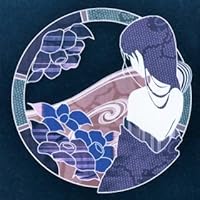
July 20, 2014
I originally bought this anthology just for Martha Wells's story from the world of the Raksura. Although I enjoyed that story, it was not perhaps the most interesting one of hers that I've read. However, I found that reading all of the stories more than made the purchase of the book worthwhile.
This book is a collection of hardcore science fiction short stories, focusing on feminine and/or minority view points. Quite an amazing range of subgenres and styles are covered, ranging from cyberpunk treasure hunting stories, to lyrical mythology-style stories, to a story involving NASA that verges on being entirely realistic. Basically, this anthology holds a little something for every taste, with opportunities for readers to expand their interests (and personal lists of authors they find engaging). Especially heartening, for me, was finding a total lack of common cliches and a guarantee of new ideas in every story. In my opinion, this was speculative fiction at its best.
However, I found that I couldn't read many stories in a single sitting. Each story had its own potent emotional weight that made it difficult to read all at once (in particular, I found the stories about worlds being destroyed or indigenous species being overwhelmed difficult). Based on my experience, I recommend reading the anthology slowly over time, returning to read a new story whenever the mood takes you. The stories are rewarding and stick with you, but they each have their own challenges.
This book is a collection of hardcore science fiction short stories, focusing on feminine and/or minority view points. Quite an amazing range of subgenres and styles are covered, ranging from cyberpunk treasure hunting stories, to lyrical mythology-style stories, to a story involving NASA that verges on being entirely realistic. Basically, this anthology holds a little something for every taste, with opportunities for readers to expand their interests (and personal lists of authors they find engaging). Especially heartening, for me, was finding a total lack of common cliches and a guarantee of new ideas in every story. In my opinion, this was speculative fiction at its best.
However, I found that I couldn't read many stories in a single sitting. Each story had its own potent emotional weight that made it difficult to read all at once (in particular, I found the stories about worlds being destroyed or indigenous species being overwhelmed difficult). Based on my experience, I recommend reading the anthology slowly over time, returning to read a new story whenever the mood takes you. The stories are rewarding and stick with you, but they each have their own challenges.
May 11, 2016
An excellent collection of short stories, with only a couple of misfires that are quickly made up for by all of the very good ones.
Nisi Shawl has an 'Amends' story, "In Colors Everywhere," that stands perfectly well alone but leaves you looking forward to reading her others, and Martha Wells' "Mimesis" is an 'Arbora' story that does the same. So this is one of those collections that thoroughly entertains while adding even more books to your short list.
And there are many other standouts. Melissa Scott's "Finders," Sue Lange's "Mission of Greed," and Kelly Jennings' "Velocity's Ghost" are great adventure stories in engaging settings. The circumstances are more grim for the protagonists in Cat Rambo's "Dagger and Mask" and C.W. Johnson's "Exit, Interrupted," with satisfying results. And Vandana Singh's "Sailing the Antarsa" is a marvelous story of exploration and cosmic wonder with an idea that struck me as novel and full of promise (another setting that I hope its author explores again).
You may need to give Aliette de Bodard's "The Waiting Stars" a careful reading to get the point, but give it one--it recasts a science fiction trope in an unexpected and appropriately unsettling way. Ken Liu's "The Shape of Thought" is a first contact story that ends in the way you might expect while reading it, but the meeting between the two cultures is thoughtful and inventive.
Well worth your time and likely to introduce you to some authors you'll want to get to know better.
Nisi Shawl has an 'Amends' story, "In Colors Everywhere," that stands perfectly well alone but leaves you looking forward to reading her others, and Martha Wells' "Mimesis" is an 'Arbora' story that does the same. So this is one of those collections that thoroughly entertains while adding even more books to your short list.
And there are many other standouts. Melissa Scott's "Finders," Sue Lange's "Mission of Greed," and Kelly Jennings' "Velocity's Ghost" are great adventure stories in engaging settings. The circumstances are more grim for the protagonists in Cat Rambo's "Dagger and Mask" and C.W. Johnson's "Exit, Interrupted," with satisfying results. And Vandana Singh's "Sailing the Antarsa" is a marvelous story of exploration and cosmic wonder with an idea that struck me as novel and full of promise (another setting that I hope its author explores again).
You may need to give Aliette de Bodard's "The Waiting Stars" a careful reading to get the point, but give it one--it recasts a science fiction trope in an unexpected and appropriately unsettling way. Ken Liu's "The Shape of Thought" is a first contact story that ends in the way you might expect while reading it, but the meeting between the two cultures is thoughtful and inventive.
Well worth your time and likely to introduce you to some authors you'll want to get to know better.
November 10, 2014
I really really wanted to like this book. I fucking love the concept and was looking forward to a good adventuring time. Sadly this didn't really pan out.
It's bewildering having stories from a male POV, some hardly complimentary. Several stories also have a trope I cannot stand, with our one true female hero being actively fucked over OR actively fucking over other women, which gross.
Ken Liu's The Shape of Thought gets a special mention, it had me NOPENOPENOPENOPENOPENOPE-ing like that octopus with a crabshell gif. The descriptions of gender neutral pronouns as artificial and alien just was too fucked up in how it was handled.
ANYWAY A couple of stories stand out as excellent and exactly what you would hope for in this book:
* Melissa Scott's Finders an excellent adventure of polymory and salvage hunters.
* Aliette DeBodard's The Waiting Stars. Confronts colonialism head on in a gut wrenching way.
* Alex Dally MacFarlane's Under Falna’s Mask was excellent and deserves a mention but I think was an uncomfortable fit for this book. It tackled the themes less overtly but on the other hand was excellent for queer and non-binary representation which didn't grate.
It's bewildering having stories from a male POV, some hardly complimentary. Several stories also have a trope I cannot stand, with our one true female hero being actively fucked over OR actively fucking over other women, which gross.
Ken Liu's The Shape of Thought gets a special mention, it had me NOPENOPENOPENOPENOPENOPE-ing like that octopus with a crabshell gif. The descriptions of gender neutral pronouns as artificial and alien just was too fucked up in how it was handled.
ANYWAY A couple of stories stand out as excellent and exactly what you would hope for in this book:
* Melissa Scott's Finders an excellent adventure of polymory and salvage hunters.
* Aliette DeBodard's The Waiting Stars. Confronts colonialism head on in a gut wrenching way.
* Alex Dally MacFarlane's Under Falna’s Mask was excellent and deserves a mention but I think was an uncomfortable fit for this book. It tackled the themes less overtly but on the other hand was excellent for queer and non-binary representation which didn't grate.

December 15, 2014
Fine intro ("One is what I call neoteny: the focus on coming-of-age or finding-one's-self stories, linked to the Campbell/lite quest that makes much of SF fit for the emotionally immature and genre-locked of all ages regardless of its purported target audience." Take that! And as for fantasy? Replete with "Wasp-waisted, turbo-breasted courtesans." Wowza.), but I found several of the stories in this collection just...unreadable. Examples: "Sailing the Antarsa," "The Alakie and the death of Dima," "Under Falna's Mask" (the last in particular just a phoned in, plotless mess). And aren't closers customarily the strongest entries in a short story collection? Here the author suggests we can revitalize the space program by faking a near disaster. Talk about banal.
On the other hand, "Landfall from the Blood Star frontier" and "Dagger and mask" stood out, and several others rated a "B" or so.
On the other hand, "Landfall from the Blood Star frontier" and "Dagger and mask" stood out, and several others rated a "B" or so.

April 7, 2017
no star: I didn't read until the end
one star: I finished it, but was disappointed
two stars: average story
three stars or more: I will read it again someday
Dreaming the Dark **
Finders ***
Bad day on Boscobel **** - interesting world
In Colors Everywhere - not my taste at all
Mission of Greed **
Sailing the Antarsa **** - very nice to read, calm and relaxing mood
Landfall **
This Alakie and the Death of Dima - strange language
The Waiting Stars **
The Shape of Thought ***** - brilliant
Under Falna's Mask *
Mimesis **
Velocitiy's Ghost - very confusing
Exit, Interrupted ***
Dagger and Mask **** - really good story
Ouroboros **
Cathedral * - I don't like Laura, Judy is much nicer
one star: I finished it, but was disappointed
two stars: average story
three stars or more: I will read it again someday
Dreaming the Dark **
Finders ***
Bad day on Boscobel **** - interesting world
In Colors Everywhere - not my taste at all
Mission of Greed **
Sailing the Antarsa **** - very nice to read, calm and relaxing mood
Landfall **
This Alakie and the Death of Dima - strange language
The Waiting Stars **
The Shape of Thought ***** - brilliant
Under Falna's Mask *
Mimesis **
Velocitiy's Ghost - very confusing
Exit, Interrupted ***
Dagger and Mask **** - really good story
Ouroboros **
Cathedral * - I don't like Laura, Judy is much nicer
Displaying 1 - 30 of 44 reviews