Jump to ratings and reviews
Rate this book

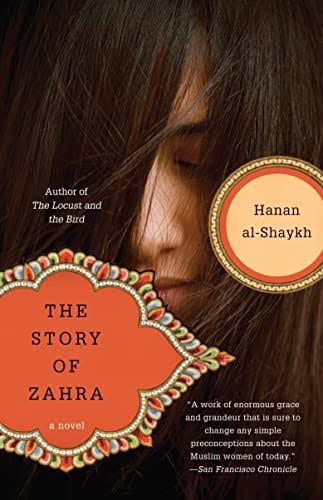
The Story of Zahra

Rate this book
Zahra’s mother uses her as a cover for her meetings with a lover; Zahra’s strict father mistreats her for being complicit in her mother’s affair. Fleeing from Beirut in search of solace, Zahra stays with her uncle in West Africa—and then uses marriage as another kind of escape. Back in Beirut, love finally comes to her, but with terrible consequences. Banned in several Middle Eastern countries since its original publication, The Story of Zahra is an intoxicating, provocative story of a young woman’s coming of age in a city torn apart by war.

With more than 21,000 copies in print of "Women Of Sand And Myrrh," and more than 15,000 copies of "The Story Of Zahra," Hanan al-Shaykh is the best known and most admired woman writer of the Arab world. The paperback publication of "Zahra" will bring this passionate and courageous novel to a much larger group of readers. Its haunting story of a young Lebanese woman who attempts to stem the violence in Beirut by initiating a sexual liaison with a sniper has "lifted the corner of a dark curtain" ( "Sunday Telegraph" ) from a world that fascinates us all." "The Story Of Zahra" is a classic by any standards."-- "Village Voice Literary Supplement."

"This rich tale mesmerizes with its frank sexuality and scenes of war-torn Beirut."-- "Publishers Weekly."

215 pages, Paperback

First published January 1, 1980

50 people are currently reading
2299 people want to read

About the author

Hanan Al-Shaykh

33 books331 followers
Hanan Al-Shaykh (Arabic: حنان الشيخ) is a Lebanese journalist, novelist, short-story writer, and playwright. Born into a conservative Shia' Muslim family, she received her primary education in Beirut and later she attended the American College for Girls in Cairo. She began her journalism career in Egypt before returning to Lebanon. Her short stories and novels feature primarily female characters in the face of conservative religious traditions set against the backdrop of political tensions and instability of the Lebanese civil war.

Ratings & Reviews

What do you think?
Rate this book

Friends & Following

Create a free account to discover what your friends think of this book!

Community Reviews

5 stars
240 (18%)
4 stars
398 (30%)
3 stars
428 (32%)
2 stars
184 (14%)
1 star
59 (4%)
Displaying 1 - 30 of 159 reviews
Profile Image for Tahani Shihab.
592 reviews1,195 followers
December 4, 2020


“العالم مثل الكف اليد، كل أصابع لها طولها، وشكلها. وإذا كنت في المهجر، أو في الوطن، فاللهفة إما موجودة أو معدومة تتوقّف على طول أصبعك وشكلها”.

“حاسبًا أن الغربة تقرب البشر، خاصة أبناء الوطن الواحد. وكنت مخطئًا، المال فقط هو الذي يمدك بالقوة، ينوّع الصداقات،يستكمل التعادل بين أصابع الكف”.

“التقاليد تعوم وتطفو من حين إلى آخر ولا تظل ثابتة، ليس في إمكان أحد إثباتها”.

“آلام الحرب تنساب دونما توقّف. إنها آلام ملموسة، دلائلها مادّية. أدلّتها جثث وتشويه وحرائق وخراب”.

“أنا لم أحمل بندقية على كتفي. ولا بندقية في أفكاري. أنا محايدة، لذا أرى حرائق الجهتين. وبكاء الجهتين”.

Profile Image for Selim Batti.
Author 3 books407 followers
May 10, 2025
ناقشنا الرواية في نادي صنّاع الحرف عبر تطبيق زوم في شهر ١١ من العام ٢٠٢٠

هي حكاية زهرة... حكاية الظالم والمظلوم، العبد والسيّد، الجلّاد والضحيّة.
في تلك البثور التي كانت تظهر على وجهها، كانت زهرة تحفر. تحفر في بئر خيباتها، تحفر عمرها المهدور، تحفر أوجاعها المتلاطمة فيها... تحفر ذاكرتها السوداء مع أمّ استأجرت لها في كلّ ميناء رصيفًا. كانت تحفر خوفها من شاربيّ والدها الهتلريين، تحفر ألم النُطف التي زرعها فيها من اخترع لها أنوثة مزيّفة، تحفر رعبها من طبيبٍ شقّ رحمها وانتزع من أوصالها جنينًا، إثنان... ثلاثة... تحفر ضحكات أبناء الحيّ وتهكّمهم على شكلها، تحفر مسروقات شقيقها الميلشياوي، تحفر قشعريرتها من زوجٍ أرادها مبولة لرجولته المعوّقة، تحفر ارتجافها من خالٍ اعتلى سريرها لاهثًا بعدما أفسدت الهجرة إنسانيّته، تحفر بقع البارود وأزيز حربٍ حطّت على لبنان بومة تنعق فوق المنازل لتبيض القبور مع مخاض كلّ بندقية تجهض الرصاص... كانت زهرة تحفر حكايتها مع قنّاص بطحها أرضًا لينكحها... ثمّ بطحها أرضًا مقتولة... فسقطت زهرة على الرصيف وعينيها إلى السماء... تنتظر أن يأتيها أحدهم... لكنّ "زهرة" لم تُرمى على قبر "زهرة".
زهرة حفرت كثيرًا في وجهها... حتّى تعبت، فحفرت في الأرض لها مثوًى.
Profile Image for aPriL does feral sometimes .
2,197 reviews541 followers
June 17, 2020
I thought the novel 'The Story of Zahra', published in 1980, similar to America's famous novel of a woman who loses her sense of self in the book The Bell Jar. 'The Story of Zahra is more sharply painful to read because it is goes directly to the point.

Zahra is very very crazy from the start even as a child. Some readers think it is because of her parents - her mother used her to disguise a secret sexual affair, and her father was cruel and beat Zahra and her mother over nothing and everything. Perhaps PTSD? Zahra comes from a conservative Shia family - is it the strict watchfulness and criticism of her behavior and looks (she is plain, and suffers from acne) part of the reason for her overreactions? Was she one of those people who are born anxious and sensitive, pushed over into near insanity by her environment and culture? Zahra does not seem to have internal resources, including education beyond a basic one, or curiosity to understand. To me, her defense is to run away from the horrible 'now' whatever it is, as well as an unconscious passive aggression, or maybe a self-destructive rage, or maybe all of the above. She constantly makes misbegotten choices.

The author Hanan al-Shaykh is a famous author of stories about the Middle East. I think the book's literary nuances went over my head to some degree. Much about living in Islamic culture for women appears awful to me generally, a Western woman. This novel appears to express and confirm my opinion. In any case, there is explicit sex in the book, too. I don't know if it is the unmarried sex, the abuse, or Zahra's unhappiness with her life which has caused most Muslim countries to ban this book.

Yes, gentle reader. This is a banned book!

The novel takes place in Lebanon and in Egypt just before and during the civil war in Lebanon of 1975. I remember reading about this awful terrible seemingly endless war. The war turned Lebanon into a dystopic hell. There were so many political and religious factions shooting each other, and then Russia and America, among other outside agitators, mixed into the morass. The war would stop, then start again, then stop, then start again, until maybe 1990.

I have read the main character, Zahra, is a literary symbol of the seemingly endless civil war in Lebanon. If that is true, Zahra definitely is a character who cannot pull out a single purpose, direction or solution to the mystery of who or what she wants - maybe like Lebanon at the time. But if so, I don't think she is the literary representative of the militias which tore Lebanon apart. She seems to me more the helpless Lebanese nation itself being symbolically represented as a woman driven mad, if the story indeed has an underlying literary meaning. She is Lebanon, the way we use the pronoun she for America. Interesting statement for a patriarchal religion and culture.


Below are excerpts from Wikipedia https://en.wikipedia.org/wiki/Lebanes.... Readers too young to know about 1975 Lebanon may find the below bewildering. It WAS bewildering. The Middle East has been a mess for a long time.

Maronite Christian militias acquired arms from Romania and Bulgaria as well as from West Germany, Belgium and Israel, and drew supporters from the larger Maronite population in the north of the country, they were generally right-wing in their political outlook, and all the major Christian militias were Maronite-dominated, and other Christian sects played a secondary role.

Initially, the most powerful of the Maronite militias was the National Liberal Party which is also known as Ahrar who were politically led by the legendary president of Lebanon Camille Chamoun and military led by Dany Chamoun (who was assassinated in the 1990), the military wing of the Kataeb Party or Phalangists, which remained under the leadership of the charismatic William Hawi until his death. Few years later, the Phalange militia, became under the command of Bachir Gemayel, merged with several minor groups (Al-Tanzim, Guardians of the Cedars, Lebanese Youth Movement, Tyous Team of Commandos) and formed a professional army called the Lebanese Forces (LF). With the help of Israel, the LF established itself in Maronite-dominated strongholds and rapidly transformed from an unorganized and poorly equipped militia into a fearsome army that had now its own armor, artillery, commando units (SADM), a small Navy, and a highly advanced Intelligence branch. Meanwhile, in the north, the Marada Brigades served as the private militia of the Franjieh family and Zgharta, which became allied with Syria after breaking with the Lebanese Front in 1978. The Lebanese Forces split with the Tigers in 1980. In 1985, under the leadership of Geagea and Hobeika, they split entirely from the Phalangists and other groups to form an independent militia which was the dominant force in most Maronite areas.

The Tigers Militia was the military wing of the National Liberal Party (NLP/ AHRAR) during the Lebanese Civil War. The Tigers formed in Saadiyat in 1968, as Noumour Al Ahrar (Tigers of the Liberals, نمور الأحرار), under the leadership of Camille Chamoun.

Although several Lebanese militias claimed to be secular, most were little more than vehicles for sectarian interests. Still, there existed a number of non-religious groups, primarily but not exclusively of the left and/or Pan-Arab right.

Examples of this were the Lebanese Communist Party (LCP) and the more radical and independent Communist Action Organization (COA). Another notable example was the pan-Syrian Syrian Social Nationalist Party (SSNP), which promoted the concept of Greater Syria, in contrast to Pan-Arab or Lebanese nationalism. The SSNP was generally aligned with the Syrian government, although it did not ideologically approve of the Ba'athist government (however, this has changed recently, under Bashar Al-Assad, the SSNP having been allowed to exert political activity in Syria as well). The multi-confessional SSNP was led by Inaam Raad, a Catholic and Abdallah Saadeh, a Greek Orthodox. It was active in North Lebanon (Koura and Akkar), West Beirut (around Hamra Street), in Mount Lebanon (High Metn, Baabda, Aley and Chouf), in South Lebanon (Zahrani, Nabatieh, Marjayoun and Hasbaya) and the Beqqa Valley (Baalbeck, Hermel and Rashaya).

Another secular group was the South Lebanon Army (SLA), led by Saad Haddad. The SLA operated in South Lebanon in co-ordination with the Israelis, and worked for the Israeli-backed parallel government, called "the Government of Free Lebanon". The SLA began as a split from the Army of Free Lebanon, a Maronite faction within the Lebanese Army. Their initial goal was to be a bulwark against PLO raids and attacks into the Galilee, although they later focused on fighting Hezbollah. The officers tended to be Christians with a strong commitment to fighting the SLA's enemies, while most of the ordinary soldiers were Shia Muslims who frequently joined for the wages and were not always committed to the SLA fight against the PLO and Hezbollah. The SLA continued to operate after the civil war but collapsed after the Israeli army withdrew from South Lebanon in 2000. Many SLA soldiers fled to Israel, while others were captured in Lebanon and prosecuted for collaboration with Israel and treason.

Two competing Ba'ath movements were involved in the early stages of the war: a nationalist one known as "pro-Iraqi" headed by Abdul-Majeed Al-Rafei (Sunni) and Nicola Y. Ferzli (Greek Orthodox Christian), and a Marxist one known as "pro-Syrian" headed by Assem Qanso (Shiite).

The Kurdistan Workers' Party at the time had training camps in Lebanon, where they received support from the Syrians and the PLO. During the Israeli invasion, all PKK units were ordered to fight the Israeli forces. Eleven PKK fighters died in the conflict. Mahsum Korkmaz was the commander of all PKK forces in Lebanon.

The Armenian Marxist-Leninist militia ASALA was founded in PLO-controlled territory of West Beirut in 1975. This militia was led by revolutionary fighter Monte Melkonian and group-founder Hagop Hagopian. Closely aligned with the Palestinians, ASALA fought many battles on the side of the Lebanese National Movement and the PLO, most prominently against Israeli forces and their right-wing allies during the 1982 phase of the war. Melkonian was field commander during these battles, and assisted the PLO in its defense of West Beirut.

The Palestinian movement relocated most of its fighting strength to Lebanon at the end of 1970 after being expelled from Jordan in the events known as Black September. The umbrella organization, the Palestine Liberation Organization (PLO)—by itself undoubtedly Lebanon's most potent fighting force at the time—was little more than a loose confederation, but its leader, Yassir Arafat, controlled all factions by buying their loyalties.

Lesser roles were played by the fractious Palestinian Liberation Front (PLF) and another split-off from the PFLP, the Syrian-aligned Popular Front for the Liberation of Palestine - General Command (PFLP-GC). To complicate things, the Ba'athist countries of Syria and Iraq both set up Palestinian puppet organizations within the PLO. The as-Sa'iqa was a Syrian-controlled militia, paralleled by the Arab Liberation Front (ALF) under Iraqi command. The Syrian government could also count on the Syrian brigades of the Palestine Liberation Army (PLA), formally but not functionally the PLO's regular army. Some PLA units sent by Egypt were under Arafat's command.

On 22 January 1976, Syrian President Hafez al-Assad brokered a truce between the two sides, while covertly beginning to move Syrian troops into Lebanon under the guise of the Palestine Liberation Army in order to bring the PLO back under Syrian influence and prevent the disintegration of Lebanon. Despite this, the violence continued to escalate. In March 1976, Lebanese President Suleiman Frangieh requested that Syria formally intervene.

The small Druze sect, strategically and dangerously seated on the Chouf in central Lebanon, had no natural allies, and so were compelled to put much effort into building alliances. Under the leadership of the Jumblatt family, first Kamal Jumblatt (the LNM leader) and then his son Walid, the Progressive Socialist Party (PSP) (Arabic: الحزب التقدمي الاشتراكي, al-hizb al-taqadummi al-ishtiraki) served as an effective Druze militia, building excellent ties to the Soviet Union mainly, and with Syria upon the withdrawal of Israel to the south of the country. However, many Druze in Lebanon at the time were members of the non-religious party, the Syrian Social Nationalist Party. Under Kamal Jumblatt's leadership, the PSP was a major element in the Lebanese National Movement (LNM) which supported Lebanon's Arab identity and sympathized with the Palestinians. It built a powerful private army, which proved to be one of the strongest in the Lebanese Civil War of 1975 to 1990. It conquered much of Mount Lebanon and the Chouf District. Its main adversaries were the Maronite Christian Phalangist militia, and later the Lebanese Forces militia (which absorbed the Phalangists). The PSP suffered a major setback in 1977, when Kamal Jumblatt was assassinated. His son Walid succeeded him as leader of the party.

Throughout the spring of 1975, minor clashes in Lebanon had been building up towards all-out conflict, with the Lebanese National Movement (LNM) pitted against the Phalange, and the ever-weaker national government wavering between the need to maintain order and cater to its constituency. On the morning of 13 April 1975, unidentified gunmen in a speeding car fired on a church in the Christian East Beirut suburb of Ain el-Rummaneh, killing four people, including two Maronite Phalangists. Hours later, Phalangists led by the Gemayels killed 30 Palestinians traveling in Ain el-Rummaneh. Citywide clashes erupted in response to this "Bus Massacre". The Battle of the Hotels began in October 1975, and lasted until March in 1976.

On 6 December 1975, a day later known as Black Saturday, the killings of four Phalange members led Phalange to quickly and temporarily set up roadblocks throughout Beirut at which identification cards were inspected for religious affiliation. Many Palestinians or Lebanese Muslims passing through the roadblocks were killed immediately. Additionally, Phalange members took hostages and attacked Muslims in East Beirut. Muslim and Palestinian militias retaliated with force, increasing the total death count to between 200 and 600 civilians and militiamen. After this point, all-out fighting began between the militias.

In a vicious spiral of sectarian violence, civilians were an easy target. On 18 January 1976 an estimated 1,000–1,500 people were killed by Maronite forces in the Karantina Massacre, followed two days later by a retaliatory strike on Damour by Palestinian militias. These two massacres prompted a mass exodus of Muslims and Christians, as people fearing retribution fled to areas under the control of their own sect. The ethnic and religious layout of the residential areas of the capital encouraged this process, and East and West Beirut were increasingly transformed into what was in effect Christian and Muslim Beirut. Also, the number of Maronite leftists who had allied with the LNM, and Muslim conservatives with the government, dropped sharply, as the war revealed itself as an utterly sectarian conflict. Another effect of the massacres was to bring in Yassir Arafat's well-armed Fatah and thereby the Palestine Liberation Organisation on the side of the LNM, as Palestinian sentiment was by now completely hostile to the Maronite forces.

The Shi'a militias were slow to form and join in the fighting. Initially, many Shi'a had sympathy for the Palestinians and a few had been drawn to the Lebanese Communist Party, but after 1970s Black September, there was a sudden influx of armed Palestinians to the Shi'a areas. South Lebanon's population is mainly Shi'a and the Palestinians soon set up base there for their attacks against the Israelis. The Palestinian movement quickly squandered its influence with the Shi'ite, as radical factions ruled by the gun in much of Shi'ite-inhabited southern Lebanon, where the refugee camps happened to be concentrated, and the mainstream PLO proved either unwilling or unable to rein them in.

The Palestinian radicals' secularism and behaviour had alienated the traditionalist Shi'ite community; the Shi'a did not want to pay the price for the PLO's rocket attacks from Southern Lebanon. The PLO created a state within a state in South Lebanon and this instigated a fury among Lebanon's Shi'a, who feared a retaliation from the Israelis to their native land in the South. The Shiʿa predominated in the area of southern Lebanon that in the 1960s became an arena for the Israeli–Palestinian conflict.


Omg. And so on and so on...
Profile Image for Marwa Abdullah.
380 reviews286 followers
August 27, 2021
حكاية "زهرة" الفتاة اللبنانية التي لم تكن مقبولة شكلا، لم تكن جميلة بمقاييس الجمال المتفق عليها، فتاة في عالم الرجال تكافح لتبقى وتكون وتثبت وجودها.. لكنها لا تفلح.
من لبنان إلى افريقيا ثم لبنان.. من حرب إلى حرب.. من علاقة إلى أخرى تبحث عن الحب فلا تجده، تبحث عن الطمأنينة فلا تجدها.. ربما وجدتها أخيرا في الموت برصاصة قنّاص حسبته قدرها الذي أفلت من قبضة حرب أهلية أتت على الأخضر واليابس في لبنان.

زهرة فتاة موجودة فينا نحن النسوة، تعيش، كما نعيش جميعا، تقلبات نفسية وبحث مسعور عن الأمان.. تجري في اتجاهات مختلفة، لا أحد يفهمها.. زهرة هي النفس البشرية بتخبطاتها، النفس التي لا تتوق لشيء سوى أن تُفهَم.

رواية نفسية.
أحببتها كما أحببت دائما الأدب النسوي العربي.
❤️
Profile Image for محمد حمدان.
Author 2 books884 followers
March 8, 2016
حكاية زهرة – حنان الشيخ

حنان الشيخ هي روائية وممثلة لبنانية من مواليد 1945 ولها عشرة أعمال روائية وهذه الرواية هي الثانية لها. وترجمت رواياتها إلى أكثر من عشرين لغة.

تتحدث هذه الرواية كما يوحي الاسم عن قصة الفتاة "زهرة" وهي فتاة لبنانية من عائلة شيعية من جنوب لبنان وتقيم معظم حياتها في بيروت. وقد نشرت في ثمانينات القرن الماضي.

زهرة فتاة ذات نفسية مضطرة. ولم يأتِ اضطرابها هذا من فراغ. بل من أسباب عائلية عميقة. فوالدها رجل قاسٍ بشكله الضخم وملامحه القاسية وشواربه كشوارب هتلر، وكانت تملك ذاكرة متكررة عن ضربه لأمها المتكرر بحزامه وكيفما اتفق. ولم يكن يضرب أمها عبثاً، فأمها كانت تخون والدها وبشكل متكرر مع رجل آخر. وكانت تصحب ابنتها زهرة معها في لقاءاتها مع هذا الرجل كنوع من التمويه. في البداية كانت زهرة صغيرة لتدرك طبيعة علاقة أمها مع ذلك الرجل، لكنها وعندما كبرت أدركت أن ثمة علاقة غريبة تجمع أمها بهذا الرجل الغريب.. والتي رأته يحتضن أمها.. وينام في حجرها بينما تدس أصابعها في شعره وتغني له. وحدث في أحد المرات أن رأت زهرة هذا الرجل عارياً.

تتعرض زهرة فيما بعد لتحرشات جنسية من ابن خالتها.. وعندما تكبر يقوم صديق أخيها بإغوائها وفض عذريتها ومن ثم مضاجعتها مرات عديدة. وهي لم تكن تحبه، بل لم تستطع تبرير استسلامها الدائم له. ومما زاد الأمر سوءً هو كون "مالك" قد كان متزوجاً. أي أنه لم يكن ليجرؤ على المصارحة بهذه العلاقة ولم تكن في نيته أي شيء يقرب الزواج منها. وقد حملت زهرة منه للمرة الأولى، ثم أجهضت. ثم حملت للمرة الثانية، ثم أجهضت مرة أخرى ورتقت بكارتها في محاولة لدرء الشبهات والتكتم على الفضيحة إلا أن مالك قد قام بفض بكارتها مرة أخرى ودون لذة هذه المرة لمعرفته أن هذه البكارة كانت صناعية ! مالك لم يكن مؤمناً بالزواج من الأساس أو على أقل تقدير فقد كان هذا ما يسمعه لزهرة في خطبه العصماء التي كان يكررها على مسامعها فيما يبدو كإغلاق لباب الأمل من الزواج منه.

ولا بد هنا أن نأتي على ذكر حبس زهرة لنفسها وبشكل متكرر في الحمام، وتكرارها لغربتها بالتكور في وضع الجنين. وهذا يمكننا أن نعده كنوع من أنواع الهروب. الهروب حيث الأمان كأمان جنين في بطن أمه. حيث تكون علاقته بالأم كالبرتقالة وصرتها وهذا التعبير قد استخدمته زهرة وبشكل متكرر في وصف علاقتها مع أمها التي كانت تأخذها معها أينما ذهبت. لكن، أين الأمان بوجود ذلك الرجل الغريب في أحضان أمها ؟ أين الأمان وهي ترى أباها يجلد أمها متهماً إياها بالخيانة ووصفها المتكرر بأنها "عكروتة" ! ثم ضرب الأب لزهرة بالذات محاولاً جعلها تعترف عن خيانات أمها المتكررة. أين الأمان فيما عدا حبس نفسها في الحمام ؟

وبعدما كبرت زهرة، وكبرت معها مخاوفها، فالوالد الشرس قد تحوّل إلى دافع للاستسلام المطلق لمالك الذي استغلها جنسياً. والحمام كذلك قد كبر ليصبح أفريقيا !

كان خال زهرة "هاشم" منفياً في أفريقيا لاشتراكه في انقلاب فاشل. وكانت زهرة قد اعتادت الكتابة له في رسائل لم تكن سوى طريقة أخرى للتفريغ النفسي. فهي لم تكن تتجاوب مع رسائله فلم تجب عن أسئلته. وحين دعاها في أحد الرسائل لزيارته في أفريقيا أجابته بعدها بعدة رسائل بأن قال بأن أبي وأمي قد وافقا أن أزور أفريقيا.
في أفريقيا تعرضت زهرة لتحرش خالها هاشم بها. الذي كان قد استخدم زهرة كرمز لوطنه لبنان، فكانت زهرة هي كل ما يربطه بالوطن. ويبدو أنه قد حوّل عواطفه بشكل أو بآخر إلى شيء جنسي دفعه لحضن زهرة ثم تحسسها.. فيما تشعر هي بانتصابها على فخذها. مما يشعرها بالقرف منه. فتوافق من الزواج بماجد الذي طلبها للزواج من أول رقصة !

ماجد كان ابن ماسح أحذية ! مما يجعله من طبقة أخرى عدا تلك التي تنتمي لها زهرة. وزهرة ليست بالفتاة الجميلة، فوجهها يمتليء بالبثور التي كانت تستمتع بفقئها مما يزيدها سوءً. وقد تدهورت حالتها النفسية بعد إجهاضاتها المتكررة لعلاقتها مع مالك ودخلت مستشفى الأمراض العقلية بعد إجهاضها الثاني لعلاجها بالكهرباء. لم يكن ماجد يعرف أياً من ذلك وكان دافعه للزواج منها.. هو كونها فرصة جيدة له. فهي من طبقة ممتازة. وهي تمثل أنثى لبنانية ستكون متوفرة دوماً له ليفرغ طافاته الجنسية والتي كان يوفرها من أجل الزواج.

تقبل زهرة الزواج من ماجد، لكن حالتها النفسية تتدهور أكثر فأكثر، فهي تشعر بالإشمئزاز من ماجد والذي –ولسبب ما- هو رمز لكل ما هو ذكوري. رغم أنه ليس بالرجل السيء، لكنه باختصار يضاجعها كمالك وهي باردة، ويذكرها بلمساتها بلمساتها خالها وابن خالتها. وهي تود لو تصرخ في وجهه كرمز للصراخ في وجوههم بعيداً أن جسدي هو ملك لي وحدي. ولا تجد راحتها إلا كما هو الحال دوماً؛ في الحمام !

تطلق زهرة من ماجد –المسكين- والتي سمحت لنا حنان بأن نسمع وجهة نظره حين استخدمته كراوي في أحد المرتين التي تغير فيها الراوي في الرواية. وسمعنا منه كلاماً مختلفاً تماماً عن كلام زهرة. فهو تفاجأ من كونها ليست عذراء. وهي اختلقت له الكثير من الأكاذيب لتبرير ذلك. ولم يقتنع بشيء. ولولا أنهم في أفريقيا وبعيدين عن الضغوط الإجتماعية الإعتيادية في المجتمع اللبناني باثبات عذرية العروس لما كان ممكناً تجاوز هذا الموقف. ثم جاء فصل آخر وكان الراوي فيه هاشم، خال زهرة ليحكي فيها حكايته مع الحزب السوري القومي ثم المنفى وزهرة.

أخيراً، رجعت زهرة للبنان وقد أصحبت بدينة لأنها الآن تهرب من خلال الطعام. ولم تلبث أن بدأت الحرب كذلك بأكل لبنان كله. وتقسمت بيروت إلى شرقية وغربية. وبدأت الطوائف في تملك الشوارع. وانتشر السلاح والموت في كل مكان.
ومن المدهش أن تتسحن صحة زهرة النفسية أثناء الحرب ! وقد جاءت بعض الدراسات في علم النفس التي تشير فعلاً إلى أن وقوع المضطربين عقلياً في مناطق حرب تجعلهم ينزاحون باتجاه غريزة البقاء والابتعاد عن اضطرابهم العقلي مما يجعلهم طبيعيين أكثر.. وهم لا يلبثون للإرتكاس ثانية بعد أن تنتهي الحرب !

وأثناء كل ذلك، تجد زهرة القناص سامي والذي كان أول لقاء أشبه ما يكون بالإغتصاب. الذي لم يستغرق بضعة دقائق. هو لم يغصبها بمعنى الكلمة. لكن من تلك التي تستطيع أن تمنع رجلاً معه سلاح من فعل ما يريد معها ؟ لكن المدهش هو أنها رجعت له في اليوم التالي، والتالي والتالي.. فقد أعجبها الأمر. لدرجة أنها وفي أحد المرات حصلت على أول رعشة جنسية لها منذ أن بدأت حياتها في 30 سنة ! بل أنها وجدت هذه فرصة فتمنت أن يسمع صراخ لذتها هذه والدها شبيه هتلر والذي نحل وغدا ضعيفاً.. ولم يعد قادراً على ضرب أحد.

إن هذه الرواية تمثل تجسيداً لمعاناة إمرأة. تعرضت للإستغلال في كل مرة. ومن أقرب الناس. وعندما وجدت طريقة ما للهرب. إختارت لربما أسوء الطرق. كان يمكنها أن تظل في الضيعة مع والديها. لكنها تحججت بأخيها أحمد لترجع لبيروت وهذا مبرر من أحمق ما يكون. ولا أفهم حقيقةً كيف سمحا لها بالرجوع بهذه البساطة. فإن الوالد قد أيقن خيبته بابنه الذي أصبح مشاركاً فعالاً في الحرب والسرقات تحت جناحها. فكيف له أن يوافق بأن ترجع ابنته الوحيدة إليه ؟ وكذلك الأمر مع والدتها. لم أجد هذا الأمر منطقياً على الإطلاق. كما أن استسلامها لمالك واحتقارها لماجد كان متناقضاً للغاية فقد كانت دائماً تقول عن ماجد أنه غريب، فهل كان مالك قريباً إذن ؟ هي لم تحب أياً من الإثنين. فكيف كانت تخضع لمالك ورفضت بل اشمأزت من ماجد هكذا ؟ هل هو الجنون حقاً ؟

ثم أخيراً، مع سامي.. هل يعقل حقاً.. أنها أرادت أن تلهي القناص بجسدها كي يتوقف عن القتل سويعات قليلة ؟ لقد أقرت بأنه كان يأخذ قيلولة قبل أن يلتقي بها.. ثم توقف عن ذلك وأصبح يقضي وقت قيلولته معها. فلمَ كانت ترجع إليه كل يوم ولأربعة أشهر ؟! أقل ما يمكنني وصف هذا السلوك بأنه غير سوي. حقيقةً، لم أجد أي تفسير منطقي لخضوعها هذا لسامي عدا أنها كانت تحتاج للخضوع لرجل قوي. رجل يماثل في التسلط أباها في عقلها الباطن.. وليس ثمة أفضل من رجل قناص فيمثل لها ذلك. ولا ننسى أن زهرة تعاني من اضطراب عصابي قد يكون المسؤول عن ربط لذتها الجنسية برجل قد لا يكون أكثر من رمز لوالدها المتسلط والذي لن يتوانى عن الضرب. وهذا ما جعله يأتي في بالها بينما كانت تصرخ من اللذة... إنما كان يأتي في بالها في هيئته التي استحال إليها.. حيث أصبح خانعاً ضعيفاً لا يقوى على ضرب أحد. وكأنها تقول: أنظر إليّ يا أبي.. ابنتك تفعل ما كنت لتكره، ولن تملك أن تفعل لها شيئاً.

لقد عاشت زهرة حياة غير سوية. وتعرضت للإستغلال مراراً تماماً كما حدث مع لبنان ! ثم دفعت الثمن وبكل بساطة. تلك هي حكاية زهرة.

باختصار، رواية نسائية مأساوية للغاية. ذات أسلوب لا بأس به. وبكل تأكيد لن أود أن أعيد قراءتها.
Profile Image for Jalilah.
412 reviews107 followers
September 19, 2022
Written in 1980, as far as I know this is Hanan Al-Shaykh’s first book. Her writing style has vastly improved since then. For this reason I would only recommend this book to people who are already fans of her writing as a way to compare how she wrote back when she started and how she has developed as a writer. If you have never read Al-Shaykh’s works, I highly recommend her delightful reimagining of Arabian Nights One Thousand and One Nights, her moving real life story of her mother The Locust and the Bird: My Mother's Story or the wicked, bold, tragic and comic novel The Occasional Virgin. If you like these books by all means read The Story of Zahra. It’s not a bad book at all, in fact it put her on the literary map. It’s just the writing is not as good as the above books I mention. This book is also brutal. It deals with trauma, mental illness and oppression. As with books that deal with these issues, if it is not written in a captivating way it becomes a tiresome read.
Profile Image for Meg.
212 reviews42 followers
February 21, 2019
"I would like everything about me to grind to a halt and for me to become like a window through which one looks and through which things are seen to move, while the window itself remains silent and still, observing people come and go.”


I appreciated the depiction of main character Zahra’s psyche, but I think this book’s structure detracts from the overall whole. Divided into two parts, The Story of Zahra doesn’t quite fit together for me — it feels unbalanced, asymmetrical. The first part concerns Zahra’s childhood, an affair she has with an married man, and her marriage in Africa, a place she fled to in hopes of starting anew. The second half deals with the war in Lebanon, and her affair with a sniper in Beirut.

I think the second half was the true core of the book, and could have been expanded so that it formed the majority of the novel. The ending it reveals is shocking, vivid. And Hanan Al-Shaykh portrays the senselessness of war, the surrealism of it, acutely:

"How can people forget the nightmare overnight? How can they run smiling out of their homes, as though the deaths that happened only the day before occured in some other country? Suddenly I shudder as it seems clear to me that everything in our lives is on the verge of the disintegration. I ought to refuse to scrub the floor or prepare the food, make the bed or water the plant pots. I should let everything in the place die a slow death, and my father and mother would also do better if they stopped eating and living, for why should life continue inside the home when everything outside is collapsing? The apartment itself should fall down, too. Then it could be seen how war pervades the whole of Lebanon.”


I don’t know what to do about the first part. It was certainly an odd choice to give both Zahra’s uncle and Zahra’s husband a chapter from their viewpoint, when otherwise the book is concerned wholly with the emotional state and thoughts of Zahra. This contributes, I think, to the problems I had with the structure — the sense it is unbalanced. I did like the nonlinear aspect, the episodes from Zahra’s childhood.

I think all of Zahra’s choices have to be viewed through her depression. She cycles between self-destructive apathy, episodes of recklessness or resignation, outbursts of emotion and pain. And she views the war through the logic of depression, which impels her actions (or non-actions) until the book's conclusion.

"When I heard that the battles raged fiercely and every front was an inferno, I felt calm. It meant that my perimeters were fixed by these walls, that nothing which my mother hoped for me could find a place inside them. The idea of my marrying again was buried deep by the thunder and lightning of the rockets. But it was all sick thinking, I would tell myself. My deep sleeping was a sickness, my devouring huge quantities of food was a sickness, my increasing weight, my wearing only my housecoat for two months on end were sicknesses. The scabs on my face that spread to my neck, to my shoulders, and my not caring about them, were a sickness. My silence was a sickness. My mother would launch into a tirade whenever she saw me in my housecoat during those two months, but I stayed completely silent. My indifference to her anxieties, especially when she tried to get out of me my real reason for divorcing Majed, was also a sickness.”


I will try to read another book by Al-Shaykh in the future – a different story, framed perhaps in a more effective structure.
Profile Image for Mahmoud Aghiorly.
Author 3 books697 followers
September 5, 2018
قائمة إتحاد الكتاب العرب ( 52/105 ) - رواية حكاية زهرة للكاتبة حنان الشيخ -

رواية حكاية زهرة صاحبة المركز 52 على قائمة اتحاد الكتاب العرب عن أفضل مائة رواية عربية للكاتبة حنان الشيخ تقص حكاية إنثى أبحرت بعواطفها و مشاكلها النفسية فوق نهر الحرب اللبنانية الأهلية فرأت من الحياة أكثر مما رأته من الحرب , العمل بمجمله يتحدث عن زهرة البطلة و شخصيتها و يمكن تقسيم العمل إن صح ذلك إلى خمسة أقسام :- القسم الأول منه تحضر فيه الكاتبة شخصية زهرة و منبع مشاكلها وذلك عبر وضعها في موقف المشاهد و الشاهد على خيانة والدتها لوالدها و اضطررها للمشاركة في الكذب عليه لتنجي الأم , و تضيف الكاتبة لهذا البناء قسوة الاب و ضربه لها و لوالدتها , أما القسم الثاني فهو عن مراهقة زهرة و خوضها علاقة سرية مع شخص متزوج و حملها منه مرتين و إجهاضها مرتين , و من ثم هربها إلى خال لها في أفريقيا , و زواجها هناك زوجاً أدار وجهه منذ أول ليلة أكتشف فيها ما أكتشف , و القسم الثالث هو قسم تتصارع فيه زهرة مع نفسها , و تمر بحالات اختلال عصبية , ورحلات مكوكية بين فضيحتها أمام زوجها و تلميحات أهلها كلما طارت إلى بيروت عادة , أما القسم الرابع يمكن عنونته بقسم زهرة و الحرب , إذ خولت الحرب لزهرة أن تعود إلى نفسها و تكتشف ذاتها من جديد خاصة بعد أن رحلت عائلتها إلى الريف و تجند أخاها , فأصبحت زهرة أنسانة تطرح على نفسها اسئلة اخطر عليها من الرصاص المترامي هنا وهناك و يمكن القول أن الحرب حررتها من نفسها , أما القسم الخامس والاخير , فهو قسم زهرة والحب , إذ وقعت زهرة في حب قناص يتمركز فوق أحد الأبنية و أخذت تزوره من حين و آخر لتعيد إكتشاف جسدها , حتى نال منها الحمل مرة ثانية و لم تدركه قبل الشهر الرابع فلم يترك لها ذلك خياراً إلا و طلب الموت , وعبر كل تلك الاقسام حاولت الكاتبة حنان الشيخ إدخال أبطال آخرين للعمل و لكن هؤلاء الابطال لم يستطيعوا جذب القارىء بنجاح او اغناء الرواية بحضورهم من وجهة نظري , , فالحديث عن علاقة الخال و الزوج القاطن في أفريقيا و الحزب القومي السوري كانت تميل إلى الحشو أكثر من التوضيح , و الحديث عن تقبل زوج زهرة لعدم عذريتها و معرفته بحملها السابق فقط لانه أراد السكون لمنزل كان جد مبالغ فيه , اما حوار أخ زهرة معها اثناء الحرب عن المخدارات والسرقة و القتل و ابعاد الحرب الاخرى كانت تميل للسطحية رغم ان الكاتبة كانت تريد من تلك الحوارات الغوص لأعماق جديدة في العمل و في هذه تحديداً اجد ضعف العمل , ولكي أنصف تلك الشخصيات , يجب أن أقول أني أستمتعت بحوار خال زهرة مع نفسه حين تحدث عن الوطن و خاصة حين قال ( ترى هل هذا الذي أذكره هو جزء من الوطن ؟ فأنا استطيع ان انقله معي , كما انقل يدي و جسمي , ربما الوطن هو الحاضر مع الماضي أيضاً , هو الروتين , لا تستطيع ان تحب و تتعود الايام الا اذا كانت حقيقة و هي حقيقة فقط في وطنك , روتين البلاد الاخرى يبدو انه لقضاء الوقت ريثما تعود الى الوطن , كل ما تفعله في الوطن له قيمة , له وقع , لانك انت ابنه و هو ابوك وانت تطلعه على ما تفعل ! و يبقى جارك , ويبقى جزارك وبقالتك , وسائق الاوتوبيس , ترى لو جمعتهم كلهم حتى الذين تصادفهم في الشارع كل يوم لا تعرف اسماءهم , ترى لو جمعتهم كلهم و اتيت بهم الى مكان يشبه وطنك وابتدأتم بالحياة ماذا تكون النتيجة ؟ هل عدت الى الوطن ؟ او عاد اليك الوطن ؟ ) بصورة عامة يمكن القول أن العمل ممتع اكثر مما هو مقنع , وتصنيفي له 3/5


مقتطفات من رواية حكاية زهرة للكاتبة حنان الشيخ
--------------
إنه في أفريقيا , يفكر في الوطن الرمز , ظنا منه أنه يفكر في الوطن الحقيقي اليومي
--------
إنه يريد ان يتزوجني لأني ساكتة , لانه ما رأى اسناني قط , لاني لا اهتم له , لاني اشكل له علامة استفهام
---------
مشكلتك انك تود ان تثبت وجودك في الحزب أكثر من أي منتم , لانك تعاني من عقد نقص مركبة , منها عدم تكملة دراستك الجامعة و عدم استطاعتك الاستطراد في اية مناقشة منطقية اذا كانت تتطلب غير الذكاء الفطري , والتي اساسا لا يعرفها الا التلميذ الجامعي
---------
انت كنت مواطنا من الدرجة الثانية او الثالثة رغم شهادتك , لم يكن في وطنك مؤسسة تدخل فيها بعد تخصصك , واضطررت الى الهجرة حيث انت الان اليد الثانية لحاكم ذلك البلد , وطنك بل الذين يحيطون به مربوك منهم خافوا من علمك و ذكائك , لم تستطع ان تدخل اسوار معابدهم لان جيوبك لم تكن منتفخة وابوك ليس بزعيم يقولون له ما ان يلمحوا طربوشه يعيش يعيش , كان كل شيء مسدودا امامك الا اذا اردت وظيفة وجلست خلف طاولة كالذي يجلس الى جانبك في الغرفة ذاتها والذي ما دعست قدماه حتى قرب جامعة او مدرسة
---------
تكبر الذكريات عندما تغادر الوطن , تصبح في الماضي , وانا أريدها حية دائمة
---------
ترى هل هذا الذي أذكره هو جزء من الوطن ؟ فأنا استطيع ان انقله معي , كما انقل يدي و جسمي , ربما الوطن هو الحاضر مع الماضي أيضاً , هو الروتين , لا تستطيع ان تحب و تتعود الايام الا اذا كانت حقيقة و هي حقيقة فقط في وطنك , روتين البلاد الاخرى يبدو انه لقضاء الوقت ريثما تعود الى الوطن , كل ما تفعله في الوطن له قيمة , له وقع , لانك انت ابنه و هو ابوك وانت تطلعه على ما تفعل ! و يبقى جارك , ويبقى جزارك وبقالتك , وسائق الاوتوبيس , ترى لو جمعتهم كلهم حتى الذين تصادفهم في الشارع كل يوم لا تعرف اسماءهم , ترى لو جمعتهم كلهم و اتيت بهم الى مكان يشبه وطنك وابتدأتم بالحياة ماذا تكون النتيجة ؟ هل عدت الى الوطن ؟ او عاد اليك الوطن ؟
---------
أريد أن أمسك يدها و وجهها وشعرها و ذيل فستانها وان استنشق عبر ملامحها كل حياتي هنا و في لبنان و ان اشدها إلى قلبي بكل قوتي
---------
أن يهبط عليك شخص يبدل حياتك ليس محض ��صادفة , انه لحدث كبير ان تدخل حياتي الفارغة المؤقتة , كنت اشعر بأني من خلالها استطيع ان ألمس الماضي , ماضي , والحاضر , حاضري , وحتى المستقبل , مستقبلي
---------
الأمور العظيمة تبدو تافهة في الغربة , حيث لا مجتمع ولا بيئة ولا عائلة تضخمه و تطوره , هنا كل فرد لنفسه , كأنه شجرة منتصبة , كأنه خلق بلا ماض وبلا معونة أحد
--------
يوما عن آخر , ليلا عن آخر , اخذت كل الاصوات يزداد وقوعها , يزداد توقيتها , ولم يعد الفراش محطة الراحة والامان , فالريبة من المجهول تحوم , يزداد خوفنا الاصوات في الخارج خاصة في الليل الى درجة اني اصبحت اكره سريري ولم اعد انام النوم العميق , ولم تعد جنون النيران تطنئني كما من قبل , واذا سهت عيناي من التعب و من اقناعي لنفسي بن كل ما يحدث عبر هذه الجدران سيمحوه بزوغ الشمس كل مرة
--------
كنت تحت تأثير الجموع الهائلة , ان تكون وحدك لا يعود هناك حرب , قتلك ورصاصك جنون واجرام , ان تكون فردا من مجموعة فانت في حرب , وانت لا تكون القاتل , وبندقيتك ليست بندقية , هذا المنطق يجرفك تلقائيا , والجموع تجرفك ايضا دون ان تدري ان الجموع هي انت وانت و هو وهو
--------
لم أكن أؤمن بأن هذه الشوارع التي حفظتها عن ظهر قلب تتحول رغما عنها الى ساحة حرب , هذه الشوارع الهادئة المحايدة مشحونة فجأة بروح الثأر والتوتر , لم اكن افهم كيف بامكان المقاتلين انفسهم من الجهتين تسديد النار الى هذه الشوارع , حتى الى فضاء هذه المدينة , هل هم مخدرون ؟ يأتون وعيونهم زائغة , لينسوا كيف كانوا يسيرون فوق هذه الدروب المحفورة بالذاكرة في زمن السلم و المطر والصحو , اليوم يقتلونها في وضح النهار و عتمة الليل !
---------
يا أيها القناص المتربع فوقي كجبل شاهق لا وزن له والذي يحفر في جسمي اخاديد عميقة , الا تستطيع ان تحفر اعمق فأعمق حتى تفتح فوهة اخرى بي وتفلت منها تلك اللحظات الطويلة الخائفة واللوحات التي انغرزت بألوانها و اشكالها ووقع ريشها في داخلي , ولم تعد تزحزح , لذا فمن الصعب دعوتها بالذكريات بيام مضت لانها موجودة كلما حفرت في جسمي وتنهدت انت و انتظرت انا , انتظرت انا لا باستسلام , بل كنت الحق بانتظار سريع حفرك بي حتى اصرخ و ارتعش وتتسلل الي اللذة بدفعات متتالية , بينما جسمي تستحلفها ان تكف , ومع ذلك فانها تنتظر بسرعة متلاحقة , يا ايها القناص , اجل , كما تريد ان تحفرني , انا موافقة , بالمنجل وبالرفش , انما اريد ان تستخرج مني تلك اليت لا استطيع تسميتها بالذكريات او بالايام الماضية لانها لا تزال هنا مغروزة في جذوري , وكانها شجرة ميتة , ميتة الاغصان والاوراق و الجذوع , النحل والحشرات اخذت منها قلعة مهجورة ,فخشبها متاكل و مع ذلك فجذورها لا تزال تمتد تحت التراب ولا تزال تمنع جذور الاشجار الاخرى من الاقتراب
--------
لماذا يخاف ان تتوقف الحرب , لانه سيغدو لاشيء , فجأة سيصبح شبحا يسير في الشارع الذي كان في الامس له و لوقع خطواته ولبندقيته
--------
أنا لم احمل بندقية على كتفي ولا بندقية في افكاري , انا محايدة , لذا أرى حرائق الجهتين و بكاء الجهتين
--------
Profile Image for Alshaimaa.
237 reviews139 followers
July 18, 2010
رواية متعبة
قصة زهرة فتاة دخلت إلى عالم الكبار دون أن تمر بالمنتصف
عانت في حياتها رضوخ مميت لمن أراد أن يأخذ بزمام حياتها
أحببت قصتها في القسم الأول، وكان أسلوبها نوعاً ما ممتع، وتناولها لأكثر من وجهة نظر كان جيد ولكن في القسم الثاني كان حديثها عن الحرب في لبنان وحياة زهرة في تلك الأيام. شتتني أسلوبها واستطرادها الغريب في الكتابة، وإعادتها للإحداث أكثر من مرة، لم أفهم الغرض من هذه الإعادة!
سؤال:
هل قد تتحول الحرب في لحظة لشيء نعتاده ونمارس تمسيح المرايات وكوي الملابس خلاله؟

اقتباس:
كوننا كالبرتقالة وصرتها. هذا التقارب، هذه الأيام الممتدة، هذه الشمس التي تنبت فوق جلستنا وتنتهي ونحن نركض في البيت. هذا الوقت كله جعلني أحفظ أمي جيداً. أحفظها وهي معي. أحفظها وهي بعيدة. كنت أفكر وأنا أنظر إليها كم أود أن أشدها إليّ وأن أشد نفسي إليها، أن أمسك بوجهها وأقرب عينيها من وجهي. أن أختفي داخل فستانها وأكون قريبة منها أكثر من البرتقالة وصرتها.
Profile Image for Jason.
Author 23 books78 followers
January 8, 2016
While it's not difficult to admire and appreciate how radical this work's frank discussion of female infidelity, marital discontent and general sexuality must have been in the context of the Middle East in the mid-1980s, context alone does it make it any easier to connect to such a nonlinear and abstract work populated exclusively by flat, unrelatable characters. Purportedly, the book is influenced by the author's own life. While some great fiction comes from autobiographical elements, here these elements seem to make the work far too insular to appeal to a general audience.

Central character and occasional narrator Zahra has clearly been mistreated by the people in her life. She has been privy to her mother's adultery from too young an age, abused and insulted by her domineering father and left with few options after some misguided dalliances with a married man and subsequent pregnancies/abortions. She is also apparently unattractive with a pock-marked face and an unenviable figure. Certainly, this should make her a sympathetic character, and sometimes it does. She also suffers from profound mental illness (and possibly epilepsy--it's unclear) and is portrayed as a such a bizarre and nebulous character in both her own narrated chapters and those of others that it's nearly impossible as a reader to find any common ground with her. Her unhappiness is understandable, but none of her actions in the novel have any identifiable motivation. She begins and ends the novel making decisions and committing acts that are alien and inexplicable. I want to blame the translator; certainly this character has humanlike characteristics in her native language, but I'm not sure. Other characters are a bit more recognizably human, especially Zahra's exiled revolutionary uncle, her suffering first husband and her eventual sniper (maybe) lover. They're not necessarily dynamic or well rounded characters, but they're more relatable than Zahra.

Point of view is stream of consciousness, which works fairly well, but it's sometimes difficult to put together a chronology of events from Zahra's life amid the nonlinear plot. The end, which I won't reveal in too much detail here, is certainly the end, however. Much of the language is rich and descriptions are vivid. In a world with a less inscrutable central character, this could work very well. I realize that I'm a white, Western man raised in a predominately Christian culture, but I've read a lot of literature from other cultures, have traveled a lot of the world and briefly lived in the Middle East. I can't imagine its my past alone that keeps me from finding a way into this difficult work. I enjoyed short passages here and there, but mostly I found myself far to confused by Zahra and, frankly, sick of her to really get much out of this.
4 reviews
August 20, 2009
This was painful. I know that it was designed to juxtapose the protagonist's mental state with the state of Lebanon during war, but it was still extremely painful, and I found myself hoping that Zahra would just die to end both of our misery during a good portion of the book.
Profile Image for Maryam .
72 reviews2 followers
June 14, 2024
لا أجيد كتابة المراجعات عادة، وربما أكتب بعضها نادرًا، خصوصًا إذا ما كان الكتاب سيئًا بشكل مستفز. ولكنني أجد نفسي عاجزًة تمامًا أمام كتب مبهرة مثل هذا. هنا يأتي دور "الخمس النجوم" في نظري، أكلفها بهذه المهمة، فهي يجب أن تكون قادرة على التعبير عما لا أستطيع أنا وصفه.
لن أستطيع وصف حكاية زهرة فلن أوفيها حقها من الألم، ولا أعلم إن كانت زهرة شخصية حلت عليها لعنة أمها، أم وقعت برضاء نفس في زلاتها التراجيدية. ولكن ما أعلمه جيدًا هو أن لغة الكاتبة هنا تفوقت على كل هذه التعقيدات الإنسانية، كانت مؤلمة ألم بارع وساحر ومألوف أحيانًا. لم أكن أظن انه بالإمكان الكتابة عن آلام الحرب والشرف والوحدة بهذه الطريقة الآسرة المبسطة والغير متكلفة بتاتا. أحب هذا النوع من الأدب الذي يختبرك ويستفزك بكل تعقيداته التي قد ينعتها البعض بال"لاأخلاقية"، ثم يرغمك على التعاطف معها.
Profile Image for Asmita.
211 reviews5 followers
Read
April 6, 2023
Not sure how to rate this, it was a crazy read from start to finish. Zahra is a deeply disturbed character who struggles with various mental health issues. She is vulnerable and treated badly at times, but also makes many bad choices. It is an important book, with an unexpected ending. I’m not sure I would read it again though.

I can understand why this book made some feel uncomfortable, it’s not an easy read at all. However, banning books is never the solution…ever.
Profile Image for Anney.
3 reviews1 follower
May 10, 2014


It is the mid-1970’s, and while Lebanon is erupting into civil war, Zahra’s face is erupting with acne. In The Story of Zahra al-Shaykh’s characters do more than make the political become personal- they embody the political.

The story of Zahra chronicles the journey of a young woman during the Lebanese civil war. Her tumultuous childhood and young adulthood involves familial abuse, abortions, travelling to visit an exiled uncle in Africa, a failed marriage, and more. The writing is compelling, vivid and tactile. Though I am a slow reader I traversed paragraphs and pages with ease, fully present and eager for the plot to unfold. Most of the story is told in the first person, Zahra’s insights and questions ensure the reader is constantly thinking and questioning, and the musicality of her voice is, at times, pause worthy. Early in the text we learn that the narrative point of view may not be as simple or straightforward as we imagined; Zahra’s witness transcends time and space. As the narrative progresses, Zahra’s voice matures. Our narrator grows to be a calm figure in the eye of the storm. This adds another element complexity to the novel, and a unique narrative texture.

Zahra changes in both subtle and dramatic ways throughout the novel. In the beginning, we meet a girl who endures small discomforts and large traumas in silence, while privately longing for her mother’s protection. Zahra isn’t the only character longing for something, and this deep and consuming longing – and how that longing is displaced and managed – is explored throughout the novel.

The absurdity of war is vividly depicted through the anguish and confusion felt by Zahra and her family. The reader hides with the family in their apartment, sitting next to Zahra, watching her father listen desperately to the radio in hopes of an announcement of cease-fire. Comprehensive descriptiveness clearly portrays the eerie transformation of peacetime to wartime, like the darkening of the sky before an afternoon August thunderstorm.

In The Story of Zahra, war is not confined to battlefields but is fully present at the dinner table, in the bathroom mirror, and in bed. al-Shaykh’s writing explores the embodiment of social trauma, while illuminating and “writing back to” the woman-as-nation trope. What I found most interesting was the exploration of political conflict through bodily landscape. Zahra’s skin condition worsens to reflect the deepening conflicting and inescapable violence. Further, food and feeding are used as expressions of inequality and despair. Not only does this lend itself to lively discussion or sizzling analysis, but helped to psychically connect me to the text.

With a careful attentiveness to Zahra’s relationships to autonomy and power, al-Shaykh masterfully crafts a rich and layered narrative challenging preexisting notions of confinement and liberation. I'm glad I read this book, and I know that I will be thinking about it for some time to come. Particularly for any feminist and gender scholars, this book is a must-read, and I recommend reading it along with a friend, because you will likely feel the need for in depth discussion.
Profile Image for Stephen Durrant.
674 reviews170 followers
March 15, 2010
This novel comes from the pen of one of the Arab world's most acclaimed female writers, Hanan Al-Shaykh (1945- ). It traces the decline and tragic death of a Lebanese woman, Zahra, who is a victim, successively, of her mother's rather open infidelity (loosely based upon the novelist's own experience as recounted in her recent "The Locust and the Bird"), of men, of the horrific Lebanese War (1975-90), and of her own immaturity and distorted sense of sexuality. "The Story of Zahra" makes an important statement about the way women in places like Lebanon are so easily caught between two worlds and are encouraged or even compelled into relationships they don't want and don't even entirely understand. But this is a fairly common theme in modern literature deriving from strongly traditional societies, and the particular expression of this theme here is weakened by a sometimes unconvincing portrayal of Zahra's shifting mental states and of a rather thin and sometimes stereotyped portrayal of other characters in the novel. Nevertheless, the account of the confusion of the Lebanese War and of Zahra's brother's ill-thought-out involvement in that war is excellent, as is the chilling final pages of this novel, pages that end with a dying narrator.
This entire review has been hidden because of spoilers.
Profile Image for Layla Mathbout.
111 reviews25 followers
September 25, 2016
زهرة قادرة على أن تغفر كل شيء لحنان الشيخ، قلب زهرة الاسفنجي وعقلها الذي صُدم عشرات المرات بالكهرباء وبثورها المميزة التي كبرت معها، جميع هذه التفاصيل أجلست زهرة امامي في كل صفحة قرأتها; رأيتها في إفريقيا تهرب من بيروت وكاراجاتها، رأيتها على أبوب الغرف المغلقة على الشاطئ تغمض عينها وتبتلع كل ذلك الخوف، رأيتها تمشي في شوارع بيروت ومعاركها حاملة كيسها الأصفر الذي يبعد عنها رصاصات القناص.
يقول الكثيرون بأن زهرة كانت شخصية بليدة لم تتحرك في حياتها للدفاع عن نفسها، لكن هل سألت أنت الفتاة التي تعرفها من مكان ما في حياتك لماذا لم تعترض على ضرب والدها؟ لماذا لم توقف قريبها المتحرش عند حده؟ لماذا رمت نفسها إلى الزواج الغبي الذي اختارته؟ لماذا غرقت في أوهامها حتى استطاع رجال كمالك وسامي وماجد من إقناعها بأن الحقيقة ماتت في شوارع بيروت المشتعلة بسبب ذبحة قلبية وليس بسبب رصاص القناص المختبئ خلف خزان المياه.


ملاحظة: نهاية الرواية هي واحدة من أكثر النهايات إيلاماً، لو أردت تلخيص ما يحدث للكائن البشري خلال زمن الحرب في بضع صفحات أختم بها رواية لكانت نهاية حكاية زهرة هي الخيار الأفضل.
Profile Image for Diyar.
34 reviews19 followers
March 14, 2014
The writing was beautiful in this book. I could sense it was written in Arabic, I recognized the language she used. It did not always fit in Dutch, so I was glad I knew what she meant in Arabic. The way the thoughts of Zahra were written was beautiful.

But.. I had a few issues with this novel. First of all I could not understand Zahra. I understand she had been through a lot, but at times I couldn't understand her motives for doing things. She would just make random decisions out of nowhere. Her thoughts were all over the place. At one point she was mental ill, but at an other point in the story she would function perfectly normal. And than there were these parts in the book narrated by men. These parts would just be in the middle of a chapter and would only make me more confused about Zahra.
Profile Image for Marwa Mosadak.
188 reviews6 followers
August 28, 2019
اسوء اختيار لكتاب وكانت مشوارة صديقة جزائرية سيئة لي للغاية.
من أول الحكي اللبناني والبعد عن اللغة الفصحي المتعارف عليها عشان نقدر كلنا نفهمها وتكون سلسة
العلاقات والحكي كان مستفز حد النخاع ولا اجد له مبرر غير انها بتعرض حالة نفسية لحياة مصابة وما ألت اليه من مصائب في حق نفسها وبإرادتها المعطوبة نتيجة الاختلال النفسي والبحث عن اللاشئ
في المقدمة بتقول حياة امرأة وسط الرجال،وكانت حياتها لا تتعدي أعضائها الجنسية وكأن الرجال غول وليسوا بشراً. نعم بعضهم يعلو بشهوته الجنسية حد الجنون والبهيمية لكن بعضهم وذاك المرض وليس الأصل،برغم من انها لها يد في ذلك فاجميعه تم تحت إرادة أو استسلام منها لذا هي ليست ضحية هي جانية في حق نفسها التي لا تستحق كل هذا
القصة مريضة وأكئبتني كثيراً وحاولت انهائها قي يوم حتي لا أعود لها ثانية.
Profile Image for Mariam sa3afeen.
9 reviews
February 16, 2013
رواية مربكة حقا...لم أفهم شخصية زهرة بصراحةبدت عاجزة تماما ,انتظرت طوال الرواية أن تأتي برد فعل بسيط لما حولها, لكنها بقيت في قوقعتها ولدت مع ذلك الخوف الذي جعلها تتقبل قذارة كل من حولها,لم أحب الجزء الذي تحدثت فيه حنان عن الحرب .في الرواية ذلك الجاذب الذي يجعلك تتابع للنهاية هذه المعاناة...وتأتي النهايةالمفجعة!!! لتضعك في دوامة...(كانت غريبة وجميلة في آن)
Profile Image for Rainy Rose.
299 reviews32 followers
June 19, 2022
This is the first time I found a book as disturbing as this one. Or maybe the main character, Zahra, was the disturbing one. The Story of Zahra used Lebanon (with its political unrest and constant war) as the background, and revolved around a girl called Zahra, whom at first, started with her mother used Zahra to cover her meetings with a lover behind her husband's back. The story escalated from there when Zahra then witnessed her father beating her mother and she herself started to be sexually abused (though probably, I don't think Zahra realised it was abuse). Zahra started to lose control of herself when she visited her uncle in Africa.

I personally think that Zahra suffered from major PTSD and depression, which the author portrayed them very vividly in Zahra's character. The story was good, but for me, it's quite jumbled. One memory overlapped with another. One story didn't finish but then another new one took it's place. The chapters were too long (Book One has 5 chapters and Book Two has none). I started to grow restless with the never ending plot in Book Two. What I can tell you is that this one is definitely not a leisure read.
Profile Image for لوك النباتي Luke Daniels.
215 reviews12 followers
August 9, 2020
رواية تتحدث عن اوضاع الحرب مع الحزب في لبنان في فترة التسعينيات.
الشخصية الرئيسية هي زهرة. تعاني من إساءة وقمع اهلها لها وتعاني من التحرش الجنسي في لبنان.

اخوها يعمل مع الحزب في تنظيم الانفجارات وقتل الابرياء. امها تخون والدها مع رجل غريب. والدها متعصب وقاسي وينهال بالضرب عليها وامها. تشعر زهرة بالضياع و ترغب في ان يحتويها احد وان تحس بالأمان والتقبل. تعود بقدميها الى المتحرش بها وسط حيرة تشعر بها هي في نفسها. لماذا تعود اليه؟ لماذا تجرها قداماها إليه مثل المغناطيس؟
هل لأنها اختبرت الأحاسيس الجنسية لأول مرة عندما اغتصبها شخص رغماً عنها؟ فاختلطت تلك المشاعر بالقرف مع المشاعر بالنشوة لأول مرة.

تراسل خالها العازب الذي هاجر و استقر في افريقيا كي تسكن عنده لحوالي الشهر لتحاول الابتعاد عن التحرش الذي تعرضت له في لبنان. لكن خالها كذلك يتحرش بها عندما تسافر عنده في افريقيا. تحبس نفسها في الحمام. تحاول فقط قدر المستطاع خلق بيئة آمنة في مكان هادئ. يعرض عليها الزواج فيما بعد صديق من اصدقاء خالها فتتزوجه ولكنها لا تشعر بالسعادة ولا بالأمان معه. تهجره وتعود الى لبنان ولكن للأسف ما لبثت ان تعبت من مضايقة اهلها له. تعود من جديد الى افريقيا مع نية التحامل مهما كان فلن يكون وضعها اسوأ مما هو بين اهلها في لبنان. لكنها ما ان تراه في المطار عندما تصل حتى تتبدل كل تلك الافكار وتشعر من جديد بعدم الرغبة في البقاء معه. شعرت بحيرتها و عدم راحتها في تلك اللحظة.

زوجها يظن انها مجنونة و انه ابتلي بالزواج منها.
تعود الى لبنان بعد ايام وسط اجواء الحرب. تشعر. بالأسى للناس المخطوفين الذين يُدخلون الى بناية بالقرب من عمارتها ثم تسمع اصوات اطلاق النار من داخل تلك البناية معلنةً مقتلهم.

تمتزج الرواية بين احاسيس الوطنية و الرغبة بالعدالة الإنسانية مع تلك المشاعر بالقرف و الإنجذاب الى علاقة جنسية تحت وطأة متحرشين تلاعبوا بأحاسيس النشوة لدى الأشخاص المُتحرش بهم.

النهاية كانت حقاً صادمة و تجلب القشعريرة للبدن! اثناء قراءتي للنهاية شعرت بالقشعريرة في بدني و عقلي تعرض لصدمة قوية كانت نهاية ذكية و مجنونة بنفس الوقت احكمتها الكاتبة. محزنة و مقطعة للقلب بلا شك. اقول و بكل تأكيد ان هذه هي اقوى نهاية لأي كتاب قد قرأته من قبل في حياتي وهذا كتاب من اكثر الكتب الذي ترك لي اثراً و بصمة عميقة في حياتي.
Profile Image for Stephanie.
221 reviews1 follower
March 2, 2023
A great recommendation from a coworker.

The Story of Zahra tells a very tragic tale of Zahra, growing up in Lebanon. Her life is the definition of tragedy, and honestly, the ending was kind of a relief for me.

I think the only thing stopping me from giving this book 4 stars is that I didn't love most of the characters. I felt sympathetic for Zahra, but I didn't really like her.

Interested to read other stories by this author!
Profile Image for Ahmed Haamed.
809 reviews9 followers
July 31, 2025
حكاية زهرة هي حكاية عن القهر والعنف الأسري والحرب الأهلية اللبنانية إذ تتأثر زهرة أشد التأثر بعلاقتها بوالدتها جراء خيانة والدتها لوالدها وما ترتب على ذلك من آثار نفسية مدمرة على شخصية زهرة وعلى علاقاتها بعد ذلك بالرجال الذين مروا في حياة زهرة بدئا من مالك نهاية بسمير وأيضا بعلاقتها مع اقاربها من الرجال بدئا بوالدها ونهاية بأخيها . تتحدث الرواية أيضا عن الحرب الأهلية اللبنانية وكيف تأثر بها كل الشعب اللبناني .
Profile Image for Mohammed Almeran.
69 reviews
October 15, 2025
كمية الصدق في هذه الرواية غريب جدا. كمية الألم الذي ينقل إليك من قبل المؤلفة لا يوصف !
البداية تضعك في منخفض نفسي فظيع ، لتتم التهيئة ل مرحلة تصويرية واحداث مرعبة بأدق التفاصيل في عالم مجنون يتكرر واقعيا إلى يومنا هذا
انصح بها و بشدة
Profile Image for Rehab saleh Flower Violet .
473 reviews62 followers
August 11, 2020
رواية نسوية بامتياز
قهر وظلم وغضب علي النفس وعلي من حولك
حكاية حرب نفسية واهلية وحرب حقيقية
Profile Image for Reet.
1,458 reviews9 followers
January 18, 2022
Zahra, the protagonist, suffers from mental disorders. Some of it may be nature, but most of it is definitely from nurture. Her mother uses her to pretend that they're going on errands, while she goes to her sexual meetings. Her father beats the crap out of her all the time.
She's looking for the love that she's denied in her childhood, so when a man at her work takes her after work to have sex with her and use her, She goes along with it, not understanding why, just letting herself be used.
She doesn't know about birth control, so she gets pregnant. She wants to escape from the craziness of her home, so she goes to stay with her uncle in Egypt. But she's afraid of her uncle, afraid that he wants to get intimate with her, and so constantly locks herself in the bathroom.
A friend of her uncle wants to get married, so he zeros in on Zahra as an easy conquest.
To escape from the uncertainty of living with her uncle, she agrees to marry this man. But she can't stand him wanting to have sex with her, so she always locks herself in the bathroom.
Her whole life is just a repeat of this. It's a misery! It's only because it's a fiction, that saves me from being so sad for this character.
Some of the scenes in this book are so very strange. Here's one, after the protagonist's mother aborted twins:
"I remember the neighbors pouring into the bedroom to greet my mother, then peering into the soup dish where the tiny embryos swam. And then exclaiming, 'in the name of Allah, the all merciful. Blessed be the Creator. Look, here is a fully developed creature.' but one was more forthright and asked, 'why abortion after abortion?' another grew more outspoken still, and spat, swearing and shoving the dish aside 'I spit on the human being. Is this how we all are created - as minute as a fingernail becoming as huge as mules!' "
🤣
Zahra's husband, for a short time, Majed, has a mother who is prejudiced against African women. She warned him not to get close to an African woman:
" ... And she packed my clothes, she kept on saying, " take care, majed, take care, my love. Avoid those African girls like the plague. They have their ways of entangling white people, and as soon as a Mensa comes, they get themselves pregnant. They'll stick like leeches and refuse an abortion. Once a child is born it will be yours, whether you like it or not. That's no problem if it's your own flesh and blood, but she probably slept with someone else 5 minutes before she came to you.' "
Being lebanese, he thinks Zahra will be the perfect wife, because she is also lebanese. Little does he know.

Zahra leaves her husband and Africa behind, and returns to her parent's house in beirut. But Beirut is in the middle of a civil war, and her parents, fearing the danger, return to their village in the mountains. Zahra and her brother Ahmed stay behind in the family home.
Zahra's brother has joined in the fighting, and returns home periodically with looted supplies that he hides under their mother's bed.
Zahra begins to have an affair with a sniper who stays on the roof of a nearby apartment house.
The ending is brutal.
This is a painful and triggering book.

Profile Image for طَيْف.
387 reviews439 followers
February 28, 2013
بعد الانتهاء من الرواية قلت في نفسي: لن أدع كآبتها تأسرني

فحنان الشيخ جمعت في الرواية شخصيات مهترئة ومشوهة...ذات صور نمطيّة...إنها كليشهات مكررة...وللأسف تعالج مشكلاتها بالطريقة التي تزيدها بلاء...فلا يكاد بصيص أمل يظهر حتى يأتي سواد معتم فيطغى عليه

ربما كان للبعد الاجتماعي دور كبير في الرواية...فالقصة الرئيسية هي قصة "زهرة" المرأة المضطهدة التي تحتويها بيئة فاسدة تقودها إلى الرذيلة...والإحساس بالظلم يولد لديها ضعفا لا تستطيع معه دفع الأذى عنها...بل تجده حلا في نهاية الرواية للشعور بالحياة والوجود...ولكن الرواية أيضا فيها بعد سياسي يتحدث عن حرب لبنان والصراع الداخلي فيه


لغة السرد عند حنان جميلة...تمضي مع حروفها دون أن تشعر...وتتناوب في السرد على لسان أكثر من شخصية وهو أسلوب عالج به العديد من الروائيين روايته...بحيث تدرك ما في نفس الآخر ومبرراته وموقفه من الأحداث...ولكنني وجدت العيب في تسطيح شخصياتها ووسمها بالأبيض أو الأسود الذي يزداد اسودادا مع مرور الزمن...بل يوغل في إعتامه وقتامته


أكثر ما أعجبني في الرواية واستهواني حديثها عن الوطن ووصف مشاعر حبه والشوق لترابه...والذكريات الصغيرة التي تغدو أكبر لما نغادره.


"آه يا وطن...يجب أن نفعل شيئا وقد حاولنا وماذا كانت النتيجة؟ ها أنا أريد أن أجتاز الحدود، حدودك...أود لو يودعني أي إنسان. إذا قرفصت وانحنيت حتى لامس وجهي التراب وانغمست جبهني بذراته وذاقت طعمه هل هو يودعني؟؟"

"تكبر الذكريات عندما تغادر الوطن"


Displaying 1 - 30 of 159 reviews

Can't find what you're looking for?

Get help and learn more about the design.