In this "deeply revealing guide to modern Turkish culture and politics"( The New York Times Book Review ), Hugh and Nicole Pope provide a glimpse into a culture that has long been misunderstood. Turkey Unveiled is the only book in many years to attempt to fill a gap in perception with regard to this extremely complex country, and this paperback edition includes an epilogue that brings the book totally up to date, with coverage of the most recent developments in Turkey.
Throughout the last generation Turkey has opened up to the outside world, increasingly revealing a pluralistic and dynamic society. The authors, who speak fluent Turkish and have reported from Turkey for over a decade, provide a rich mosaic of contemporary Turkey and its formative past. The strengths and weaknesses of the Ottoman Empire, the Armenian tragedy, the ongoing Kurdish struggle, and the controversial legacy of the brilliant but autocratic founder of modern Turkey, Mustafa Kemal Atatark, are all here. They also provide portraits of new leaders who have broken taboos and ushered in new freedoms at a time when other forces attempt to pull Turkey back into the Middle Eastern vortex. Hugh and Nicole Pope, combining analysis with understanding, make recent developments in Turkey intelligible for both the general reader and the millions of visitors welcomed by a burgeoning tourist industry.
An unpretentious look at Turkey from its Ottoman roots to the turn of the century. In light of the failed 2016 coup & the dastardly dismantling of Atatürk modernism by Erdogan, the Army's role as a guardian of democracy is saddening.
ما هي تركيا؟ أو بالأصح ما هي التركيبة المتشابكة التي أنتجت وتنتج الجسم السياسي الضخم المعروف بالجمهورية التركية؟ هذا ما يحاول الباحث البريطاني هيو بوب وزوجته نيكول بوب الإجابة عنه في كتاب Turkey Unveiled. والذي يغطي تاريخ تركيا منذ أواخر عهد الدولة العثمانية حتى وصول رجب طيب إردوغان لرئاسة الوزراء هناك. ويبدأ بوب كتابه بترديد جملة أصبحت حقيقة متفق عليها بين المهتمين بالشأن التركي، وهي أن تركيا تمتلك تاريخاً غنياً يتكون على سبيل المثال لا الحصر من : طبقات متراكمة من حوليات التاريخ الإمبراطوري، وأنثروبولوجيا "العالم العثماني" الذي أمتد في لحظة ما من سيفاستوبول الأوكرانية إلى تونس، بالإضافة إلى ذكريات الحروب الدامية والمناورات الدبلوماسية المعقدة مع القوى الغربية، وصف طويل من الزعماء السياسيين المتغربين والضباط المتنورين والمهندسين الأكفاء والذين لم يترددوا في محاولة تغيير ثقافة وروح بلدهم وذلك بقصد اللحاق "بركب الحضارة الحديثة والتنور الإنسانوي" كما كان مصطفى كمال أتاتورك يقول دائماً. ولعل أفضل بداية لفهم تركيا الحديثة تكون مع استيعاب حقيقة أن حركة "التغريب والعلمنة" في الحياة التركية لم تبدأ مع ما فعله مصطفى كمال أتاتورك بعد انهيار الخلافة العثمانية، بل أن هذه الحركة بدأت في السنوات الــ150 الأخيرة من عمر الإمبراطورية. وهو ما يؤكد أن "اصلاحات أتاتورك" (كما اتفقت كتب التاريخ التركي الرسمي على تسميتها) هي في الحقيقة تكملة طبيعية للخط السياسي والثقافي الذي انتهجه العثمانيون في سنواتهم الأخيرة. ولعل هذا من أهم ملامح التاريخ التركي وأكثرها تكرراً، وهي أن الاستمرارية التي تميزه وحتى وإن بدا ذلك غير متوقعاً (لي رأي شخصي وهو أن أردوغان مثلاً يمثل امتداداً لأتاتورك بمعنى ما داخل التاريخ التركي ..الخ).
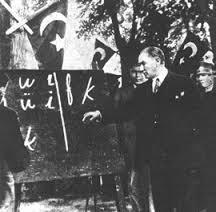
*أتاتورك وهو يشرف على "ثورة الخط اللاتيني" ولا شك أن أتاتورك قد أتعب الأتراك بإصلاحاته الراديكالية، وطاقته الهائلة المتطلعة للحاق بالغرب دائماً، وسيترك هذا الديكتاتور العلماني بلده تركيا في أزمة هوية دائمة، كما أن تركته الفكرية والسياسية والتي ستعيد المؤسسة التركية الحاكمة تشكيلها من بعده لصالحها سوف توجه السياسية الخارجية التركية لعقود طويلة، حيث سينكفأ الأتراك على أنفسهم في عزلة عن شؤون العالم العربي والشرق الأوسط (كان أتاتورك يعتقد أن الشؤون العربية معقدة للغاية وقد تستدرج تركيا نحو صراعات منهكة) وفي عزلة عن ولاياتهم السابقة في البلقان والقوقاز (أدرك أتاتورك أن الدب الروسي لن يقبل مجدداً بأي منافسة تركية في هذه المناطق الحيوية) العلاقة الخارجية الوحيدة التي حاول أتاتورك وخليفته عصمت إينونو تنميتها والانفتاح عليها هي الصلة بين تركيا والغرب، وبالذات مع واشنطن. ولا يعود ذلك فحسب إلى الأيديولوجية الكمالية التي ترى الغرب كمنبع للحضارة، بل لأن زعماء تركيا الجديدة -غالبيتهم ضباط من بقايا الجيش العثماني- حملوا معهم : خبرة ودهاء ودراية سنوات طويلة من مراقبة وزارة الخارجية العثمانية وهي تناور وتلعب بمهارة مع وزارات الخارجية البريطانية والفرنسية والروسية والألمانية، في ما يشبه مباراة شطرنج.. تجرى أحداثها على أرض الواقع وتؤثر بشدة على حركة التاريخ وحياة البشر. وستستمر تركيا في اتباع سياسات أتاتورك الخارجية وحتى الاقتصادية -خليط بين الاقتصاد المركزي المخطط والتسامح مع رأسمالية الطبقات البورجوازية الصغيرة- حتى الثمانينيات من القرن الماضي، عند وصول تورغوت أوزال لرئاسة الوزراء التركية وتغييره لدفة البلاد بشكل مفصلي وفارق للغاية. لكن ما الذي مرت به تركيا من بعد وفاة أتاتورك في 1938 وانتهاء رئاسة صديقه وخليفته عصمت إينونو في 1950 إلى دخول تورغوت أوزال للمشهد السياسي التركي في 1983؟.. الحقيقة أن هيو بوب يختصر أوضاع تركيا الداخلية والخارجية بالقول أن هذا البلد واصل عزلته سياسياً وثقافياً عن العالم الخارجي، وهو قرار اتخذته نخبة البلد الحاكمة بشكل متعمد وذلك بهدف "تقوية جذور مبادئ أتاتورك في قلوب الشعب التركي" كما جاء في بيان انقلاب 1960 الذي قام به الجيش احتجاجاً على "انتهاك" تلك المبادئ. ويقول بوب أن سياسة "كسب الوقت" و"المشي على الصراط المستقيم" هي ما ميزت تعاملات تركيا الدبلوماسية، ويعني أن أنقرة كانت تواصل رسم سياساتها بناءً على خبرتها الدامية أثناء انهيار الدولة العثمانية والمراحل الصعبة التي تلت ذلك، ما يريد مؤلف الكتاب قوله هو أن تركيا لم تطور رؤية استراتيجية جديدة وواضحة لها. تسبب غياب الرؤية الاستراتيجية الموجهة لدفة البلاد، بالإضافة لانتشار الأفكار اليسارية (رغم العزلة القهرية التي فرضتها النخبة الكمالية الحاكمة)، والصراع العنيف بين أحزاب اليسار واليمين التركي القومي، مع المصاعب الاقتصادية الحادة التي مرت بها البلاد، في تحويل عقد السبعينات إلى أعنف المراحل التي مرت بها تركيا وأقلها استقراراً. ولكن بوب يشير إلى أن عدم الاستقرار هذا يمثل في جزءاً من نضج الوعي التركي الجمعي السياسي حيث حاولت أحزاب سياسية وجماعات مدنية عديدة افتكاك السلطة من الطبقة الحاكمة (تتكون من مزيج من قيادات الجيش، وأصحاب الأموال في اسطمبول، بالإضافة لأجهزة الدولة كالقضاء والاستخبارات) عبر الوسائل التي وفرتها الديمقراطية التركية الغير مكتملة آنذاك، ويقول بوب أن هذا الفعل يمثل التطور الذي حلم به أتاتورك، حيث يأخذ الفرد التركي بزمام الامور شاعراً بفردانيته وأحقيته بامتلاك حصة في صنع سياسات البلد. ولكن مشاكل السبعينات تفاقمت واستمرت بشكل دفع الجنرالات إلى القيام بانقلاب عسكري آخر في عام 1980. ورغم استتاب الأمور تحت قبضة الجيش إلا أن قيادته أدركت صعوبة الاستمرار بحكم البلد من الثكنات مما دفعها لفتح الباب أمام الانتخابات البرلمانية التي فاز بها وزير الاقتصاد السابق المهندس تورغوت أوزال.. والذي فتح فوزه الطريق امام خلع تركيا لقشرة العزلة السياسية والاقتصادية والثقافية التي عرفتها منذ وفاة أتاتورك. باختصار : حلت الثاتشرية الاقتصادية مكان الاقتصاد المركزي التابع للحكومة المركزية، وحلت قوة الصوت الانتخابي مكان التوافقات التقليدية بين الجيش ونخبة اسطمبول والخارج الأمريكي (إلى حد ما)، كما أن تركيا بدأت تتعرف على غناها الثقافي والديني بعيداً عن أيديولوجية الدولة الكمالية، والتي فرضت على البلد نسخة جامدة ومتقعرة عن ثقافته وتاريخه.
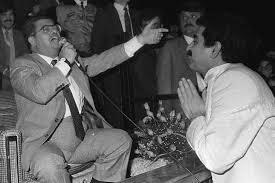
*لطالما أزعج أوزال المؤسسة الأتاتوركية التقليدية لحبه للغناء التركي الشرقي يذكر بوب أن هذا الانفتاح الاقتصادي -الذي تم ويا للسخرية بماركة الجيش- ساهم بظهور طبقة "نمور الأناضول"، وهم رجال الأعمال المسلمين المحافظين الذين سيتحالفون لاحقاً مع الإسلام السياسي بكل تلاوينه من نجم الديم أربكان إلى رجب طيب إردوغان. بعد وفاة تورغوت أوزال بشكل غامض في 1993، مرت تركيا بفترة طويلة من عدم الاستقرار حتى تولي رجب طيب إردوغان رئاسة وزراء البلد، ولكن في هذه الفترة برزت عدة توجهات حكمت السياسة التركية الخارجية والداخلية ومنها : • سياسة توثيق العلاقات مع الجمهوريات التركية في آسيا الوسطى، والتي طرح مفهومها تورغوت أوزال قبل وفاته، ثم جاء سليمان ديميريل ليعطيها الإطار المؤسسي اللازم ورافعة الدعم السياسي والاقتصادي الذي تحتاجه • تشكل العلاقة الروسية-التركية بتوازناتها الحالية والتي ستكون حيوية للامساك باستقرار منطقة القوقاز والبحر الأسود • "الإفلاس الغير الرسمي للأيديولوجيا الكمالية" والتي شكلت عقيدة الدولة والمؤسسة العسكرية منذ وفاة أتاتورك، هذا الإفلاس أو الضعف الشديد جاء بسبب بحث الأتراك عن صيغة جديدة لوجودهم وتاريخهم كما أسلفنا من بين أسباب أخرى. الأهم من هذا أن شعبية وشرعية الأحزاب العلمانية تعرضت في التسعينات لضربات موجعة وفضائح متتالية.. ستسهل على الإسلاميين وعلى رأسهم إردوغان الوصول لاحقاً للحكم.
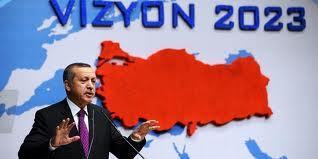
*الإسلامي رجب طيب إردوغان يتحدث عن استراتيجية تركيا 2023، والتي توافق ذكرى مرور 100 عام على اعلان أتاتورك للجمهورية في 1923
Author seems extremely biased about the founders of the Modern Turkey, especially Mustafa Kemal, who recieves dozens of personal attacks throughout the book, including "alcholic", "womanizer", etc. For instance, writer symphatizes "liberal" Turgut Ozal drinking cognac, however, he has no reservation portraying Mustafa Kemal as an alcholic and rigid figure. The book contains few interesting anectodes about prominent political figures, but in general, it is not a detailed and objective portrayal of modern Turkey's political history. Rather, it emerge as an anti-Kemalist propaganda outlet.
In the continual maelstrom and barrage of international news, it is hard to keep focus on any place that is not the site of wars or natural disasters. Even elections that make the front pages for a day or two soon disappear forever---the changes incurred thereby never apparent until a few years later, when the next election comes around. Modern Turkey, which had not participated in any external wars until the Syrian civil war (except for its Korean War soldiers) or suffered invasion since the 1920s, often gets shortchanged. Earthquakes have shattered lives from time to time, the last major one in 1999. Though non-specialists like me may be more or less aware of the slow progession from Ataturk's radical reforms and remaking of the Turkish nation to the industrial, financial power of today with declining European aspirations, the details are not all that well-imprinted in our minds. We cannot look back on decades of consistent news coverage. So, I was very glad to find the Popes' book four years ago. I thought it would fill in the large gaps in my knowledge. I've just read it. It definitely filled in some gaps.
Authors can write modern histories in many ways, but it probably helps if they are historians and like to use broad brushes. Certainly, modern Turkish history has some wide themes---the modernization process in the economy; the slow transformation of culture from traditional Turco-Islamic to one more mixed with European elements; solving the question of whether Turkey is a mono-ethnic state or a multicultural mosaic; Turkey's relations with her neighbors, with the great powers, and with the new Turkic nations of Central Asia; the absorption of Turkic refugees from many places; the struggle between secular and religious politicians and its corollary, the struggles between left and right, and between military and civilian; the opening of the country to foreign influences of all kinds. There may be many more. I cannot say that the authors of TURKEY UNVEILED ignored these questions. On the contrary, you will find considerable material on all of them. However, what I found difficult, and ultimately disappointing, was that they retained the style of political reportage throughout. They observed Turkey through a tight screen of political detail, not as well-edited as it might have been. You are caught in a blow-by-blow description of Turkish politics from the early 1940s up to the end of the 20th century. While this might be great for someone who wants to know all the comings and goings of Turkish politicians---Inonu, Menderes, Evren, Ecevit, Demirel, Ozal, Turkes, Ciller, and Erbakan---not to mention a host of lesser figures, the trees definitely blocked the forest in this volume. I felt that all the main issues got lost in detail which at times descended to trivia. While I felt sure that the Popes had a lot of Turkish experience, I also felt that the task of changing data into history overwhelmed them. On top of this, history is not only about people at the top and national issues. It used to be, but times have changed. Daily life (and changes in daily life) for the average Turk is almost completely absent. We focus on the bigwigs. I think a major book on modern Turkish history in English for non-specialists, taking us to the end of the century, is still to be written. And by the way, Turkey was unveiled in 1925. It doesn't have to be done again.
Turkey Unveiled is an entertaining glimpse into recent Turkish history. From the declining Ottoman Empire to modern, Republican Turkey the authors have it covered. Different periods are covered by chapter and brush strokes are applied to identify broad societal trends.
Turkey Unveiled works better for those with some background on Turkey. It will not work well as an introductory text. Additionally, the book is a social commentary as well as a history. Hence, opinions are found throughout the book. Though not wishing to undermine the authors' academic rigor, it's best readers are in a position to pass judgement on these assumptions.
Turkey Unveiled is a concise yet comprehensive work on modern Turkey. It's enjoyable to read and covers all the bases. It blends personal perspective with academia well. Recommended to readers wishing to better understand modern Turkey.
Interesting way of describing history. He is not afraid of show his clear view even if it is controversial. Make the history alive and is a "must" to understand Turkey of today. I have increased to 5 stars!
Written in the late 1990s, this book covers the history of Turkey from the downfall of the Ottoman Empire until the time that it was written. It is very readable, and the authors have obviously done considerable research. I found it interesting, because while I am very familiar with both the Ottoman period and the contemporary period in Turkish history, I was not that familiar with Turkey's 20th century history. This book did a good job filling in the details.
One of the most interesting things about this work was to highlight the continuity in Turkish history. It became clear that many of the social policies of the current Turkish administration (which are often perceived as radical by outsiders) actually have deep roots, with previous governments pursuing similar objectives. The book also brought home the fact that Turkey has consistently been a country with a conservative social life, despite official attempts to make the country become more progressive. Finally, the book explained Turkish economic problems and progress in much more detail than other works that I have read on the country.
With this book, the Popes provide an informative and fast paced introduction to the history of Modern Turkey. This is hard to do. The political history of the country is confusing, with multiple constitutions, and a number of political parties that have shifted from dominance to complete obscurity over the Republic's 8 decade history. The authors do an excellent job of facing this confusion and drawing out the major themes of the many economic and political developments.
They also have a journalistic eye for the telling detail that I appreciated. Small notes, like the fact that the heads of the four warring parties were held at the same resort after the 1980 coup add real value. A great read.
A hugely informative sociopolitical history of a modern country on a seriously upward trajectory.
Having decided to visit Turkey for the first time later this year I quickly realised I knew embarrassingly little about a country with whom Australia's history is inextricably linked. The authors weave their way through some complex territory with steadiness and verve. They bring to life what could easily have been quite turgid in less talented hands.
Turkey Unveiled also served as a great personal antidote to the gluttonous war porn surrounding the centenary of Gallipoli/Gelibolu.
I had to search high and low for the book I thought was tick all my requirements and this did it admirably.
Comprehensive and interesting (appreciated the extra bits of story from various authors and cultural icons -- ex. the princess), but managed to stray from the topic far too often. The paragraphs started from being well developed and thought out, to eventually transitioning very roughly into the next topic. Very little sense of closure felt towards the topics as a whole, left you wondering if the story was actually done, or was just left unfinished.
This book gives us a portrait of the last period of Turkey in an enjoyable way and may help people to begin to understand what happenned in Turkey since the First World War. But there are a few uncertainities -like the Armenian problems during First World War- which needed to be searched from lots of resources.
Solid intro to modern Turkish history. Some of the chapters on internal politics got a bit in the weeds, but the more thematic chapters -- addressing Islam, Kurds, relations with Europe, Russia and the ex-USSR, Middle East -- are really good primers.
Didn't quite finish this - I stopped about 100 pages from the end. Interesting read, but a little more focused on the politics of Turkey than I was looking for. I enjoyed what I got out of it, but it maybe isn't the best book.
A good introduction to understand Turkey and Turkish identity. An easier read than some of the other books. I I would definitely read the author's other book, Sons of the Conquerors: The rise of the Turkish World.
I wish I'd read this book before I went to Turkey since it gives one a broad understanding of Turkey and its history. With Turkey much in the news recently, the book is a good primer for anyone wanting to make some sense of the pressures that Turkey finds itself facing.
A bit superficial (journalistic) but very helpful as I headed off to Turkey: gives a good sense of the tensions between the "two Turkeys" (urban-secular and rural-religious).
Difficult to rate this book. Amazing in its scope. I appreciate the effort it took to include so much history. But what a slog. I found it informative but not a pleasure to read.