Arabia Felix is the spellbinding true story of a scientific expedition gone disastrously astray. On a winter morning in 1761 six men leave Copenhagen by sea a botanist, a philologist, an astronomer, a doctor, an artist, and their manservant an ill-assorted band of men who dislike and distrust one another from the start. These are the members of the first Danish expedition to Arabia Felix, as Yemen was then known, the first organized foray into a corner of the world unknown to Europeans, an enterprise that had the support of the Danish Crown and was keenly followed throughout Europe. The expedition made its way to Turkey and Egypt, by which time its members were already actively seeking to undercut and even kill one another, before disappearing into the harsh desert that was their destination. Nearly seven years later a single survivor returned to Denmark to find himself a forgotten man and all the specimens that had been sent back ruined by neglect. Based on diaries, notebooks, and sketches that lay unread in Danish archives until the twentieth century, Arabia Felix is both a comedy of intellectual rivalry and very bad manners and an utterly absorbing tale of high adventure."
Thorkild Hansen (9 January 1927 – 4 February 1989) was a Danish novelist most noted for his historical fiction. He is commonly associated with his trilogy about the Danish slave trade including Slavernes øer (1970) for which he received the Nordic Council Literature Prize in 1971.
Hansen was born at Ordrup in Gentofte Municipality, Denmark. He attended Holte Gymnasium and from 1945-47 studied literature at the University of Copenhagen. In 1947, he moved to Paris where he wrote dispatches for the Copenhagen-based Ekstra Bladet. After returning to Denmark in 1952, he devoted his efforts to a series of novels. Several featured aspects of the Danish era of imperialism. Det Lykkelige Arabien: En Dansk Ekspedition (1962) covered the Danish Arabia expedition (1761–67) led by Carsten Niebuhr. His book Jens Munk (1965) was about Danish-Norwegian sea captain Jens Munk and his attempt to locate the Northwest Passage.
He died prematurely during a voyage in the Caribbean
It was not for colonization nor for trade that six men left Copenhagen by sea in 1761. They were not charged with spreading Christianity; they wanted no slaves. The Age of Enlightenment had its moments, after all. It was an all-star team of scientists: a botanist, a philologist, an astronomer, a doctor, an artist, and their manservant. Their destination was Arabia Felix, present-day Yemen, a land unknown to Europeans. Felicitous Arabia. Happy Arabia. One can already sniff the irony.
An admixture of Germans, Swedes and Danes, they were ill-matched from the start. The most unlikeable of them stopped at a pharmacy to get some arsenic, just in case. But the world was watching, or at least that part of the world that cared about such things. There was discovery, yes; but also disaster. Reports dribbled out, piece by piece back to Denmark. Then the news stopped. And in time the world stopped watching.
This marvelous book unearths that voyage. And it does so dramatically and with humor and much insight. The lessons are not limited to the 18th Century.
One of the explorers, Carsten Niebuhr, was searching for inscriptions on an Egyptian street, attracting an angry, protesting crowd:
One afternoon a saradsj (a kind of police constable) threatened Niebuhr with a beating on the spot if he did not promptly vanish. The Mohammedan student advised him to withdraw, for it was quite clear that the man's threat was serious. Niebuhr had to yield, and to the jeers of the crowd he collected his equipment and disappeared. He walked home brooding darkly and smarting under the humiliation. Finally he complained to his Arab student: Why should he put up with being insulted by such an ignorant person, without being able to answer back? . . . They continued for a moment along the street in silence. Then the Mohammedan answered: "Can you forbid a dog to bark at you? Or when you have been kicked by a donkey, are you any better a person for kicking it back?"
I think you know who I'm talking about.
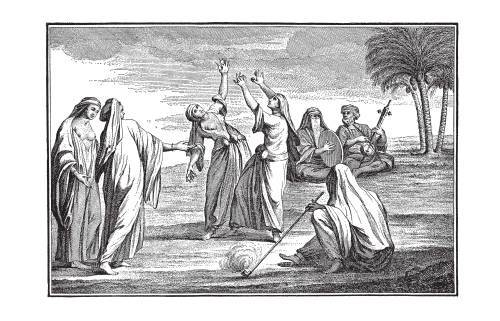
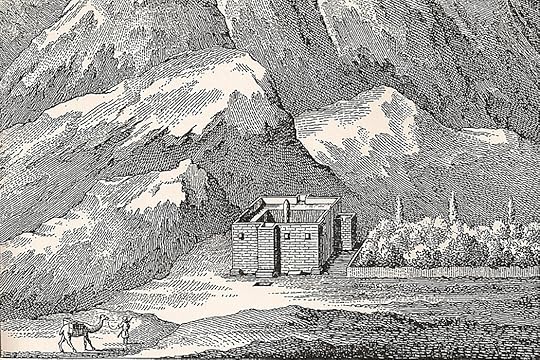
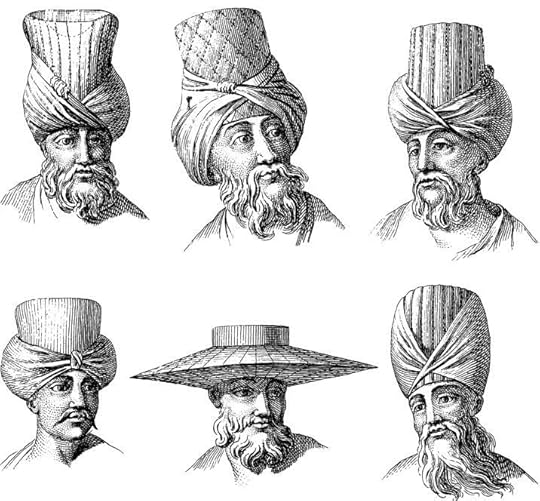
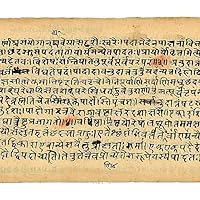
Some etchings from the expedition survive and they are included in this edition. They are exquisite:
------ ------ ------ ------ ------ ------
------ ------ ------ ------ ------ ------
------ ------ ------ ------ ------ ------
It's still early, September, but so far this is my book of the year. If you're in a reading rut, maybe this will pull you out.
This book records the fateful Danish exploration of Arabia Felix (Happy Arabia, or Yemen as we now know it), of 1761-1767. For reasons that become obvious, more than this it is the story of Carsten Niebuhr's life.
I wrote the following as I read, and I realise now it is far too long, so apologies in advance. Realistically, I have just summarised the expedition, and thrown in a few thoughts about the writing and the friction between the expedition members rather than written a meaningful review.
The first 50-60 pages are somewhat off-putting, as they contain detailed information about the forming of the scientific party, a number of which men didn't end up being a part of the expedition. There was much politicking in this, much of which remained in play for the duration of the expedition, so I can see why it was included, but I found it pretty dry. Once the journey is underway (albeit a few years later than hoped), the story lifts to a higher level.
Politics and the constant bickering of the scientists was not their only issue, as weather and sea conditions prevented any meaningful headway on the first leg of their journey which was undertaken on a Danish warship. At one point, a month of travel where they were forced to backtrack for safety time and again saw them achieve only 30 miles net gain!
On reaching Malta, there was an opportunity at last to collect some botany samples, and prior to this is was largely only survey and astronomical observations undertaken. After a brief stop in Malta they reached Smyrna, then the island of Tenedos (Bozcaada in Turkish) where the Danish man-o'-war left them. In a smaller Turkish boat they reached Constantinople, where due to the illness of Niebuhr (the surveyor/cartographer) they were delayed over a month. Finally reaching Alexandria in Egypt, they set about commencing their scientific works. Here they were once again delayed, spending a year in Egypt.
Relationships amongst the scientists were still strained, and not even along the lines of their nationalities. The Danish von Hagen (philologist (language specialist)) was the principal issue - his arrogance and superiority isolating him from the men, clashing in particular with the Swedish Forsskal (natural sciences - botany and zoology). I have mentioned already Niebuhr the surveyor/cartographer - he was German, as was Baurenfein who was an artist and engraver who was to record details of their findings. Kramer was the other Danish participant, he was a physician, and rounding out the men was Swede Berggren, who acted the role or orderly, or assistant to the scientists. There were broad expectations set of each man by King Frederick V of Denmark who was the patron for the expedition.
As well as arguments about ability, the Danish men in particular feared von Hagen was setting to poison them when they learned he had purchased a quantity of arsenic en route. As the men were expressly notified that they all held equal rank and that no leader would be recognised, this established a number of arguments particularly between von Hagen and Forsskal which would plague the expedition until their deaths in Yemen. (It is no spoiler to day only one man was to return from the expedition, the other five losing their lives.)
Their time in Egypt was a mixed bag. Von Hagen achieved little, blamed others and failed miserably in the primary tasks set for him in Egypt and Sinai. Niebuhr and Forsskal conversely achieved much more consisting of surveying and mapping for the former and botanical collections for the latter. Baurenfein created many engravings and Kramer assisted the locals with medical aid. But overriding all this was the infighting and mistrust particularly of von Hagen. The others regularly wrote to try and have von Hagen removed from the expedition, pleasing that they felt unsafe with this presence. However, this would be seen as a failure in Denmark, and they received a sharp rebuke on their achievements and their disharmony and were told to improve their efforts. Over a year was spent in Egypt.
Moving on from Sinai, the men reach Djidda (now Jeddah), which of course serves as the port for accessing Mecca. To their surprise, the travellers are met by a population who are disposed to be friendly to them. After a wearing time in Egypt and Sinai where they were treated with hostility and mistrust, cheated and taken advantage of, their journey takes on a much more positive vibe. On the journey down also, they are more relaxed, with less bickering and hostility within the group. This all bodes well for Arabia Felix.
Delayed again by weather, they spend time in Djidda with their usual tasks, the most successful members being the same ones as in Egypt. The journey south in the Red Sea is well described, and Niebuhr creates an accurate map of the coastline. Arriving in Arabia Felix at last, the party land in Loheia (Al Luhayyah) to again be greeted civilly and treated well. While the team dynamics seem to have calmed, the men still spend plenty of time apart (the basis of a successful relationship?), and the men make good progress on the surveying, mapping, botanical collection, observation of trade, and Arabian life in general. Again this down to Niebuhr and Forsskal, with engravings by Baurenfein. Von Hagen and Doctor Kramer are present, but lack achievement as usual. After time in Loheia, they journey to Beit el-Fakih (Bayt el-Fakih), where they base themselves for investigations further afield.
It is at Beit el-Fakih that von Hagen and Niebuhr become ill with malaria, which goes undiagnosed (Kramer is not really very useful!) They are then faced with the seemingly easy decision at the threshold of summer of travelling to Sana (Sana'a) (among the coffee hills at higher altitude, cooler, cleaner air) or travelling through the desert to the low-lying Mocha which lay in the Tehama Desert. P241 Mocha would be a hell of heat and humid air, of infected drinking water and without a breath of wind. In the high-lying Sana, on the other hand, they would find clear pure mountain air, cool shady gardens with vegetables and fruit, and uncontaminated wells. Everything seemed to point to Sana'a, although there seemed to be no recorded discussions amongst the men, and on 20 April 1763 the party departed, bound for Mocha.
Reaching Mocha three days of hard journeying later, there is a unwelcome change in store for the party. They are considered with skepticism, treated with hostility and made unwelcome. The customhouse seizes their belongings and is unwilling to release even their bedding, despite von Hagen being obviously very unwell. They are caught up here in an intrigue featuring a man they met travelling south from Egypt, who had acted their friend and taken their chests direct to Mocha to save the men carrying them. It seems he turned customs and the authorities against the men, although his motive can only be to extract money from the men. They are forced to pay gratuities, to get on the good side of the dola (governor). Eventually they are accepted and the townspeople cease their harassment.
But at his point von Hagen dies from his malaria, and is buried in the European Churchyard. The author then writes a defence of how little von Hagen achieved, noting that his best work would be done in city libraries - which were available to them only in Constantinople and Cairo (having been refused access at the Monastery of St Catherine in Sinai); the expeditions route was made to suit the majority of its members and didn't suit von Hagen's needs; and that von Hagen alone was a scholar, and stood apart from the other natural scientists of the group.
Here the expedition made an important decision. Fearing the complexities of staying longer in Yemen, they had the opportunity to sail to India with a fleet of English ships in port. They were to leave in two months time. Fearing also not fulfilling the requirements of the Danish King, they knew they must also undertake a journey to the Arabian capital, Sana'a.
Finally negotiating the political hurdles necessary to leave for Sana'a, the group move off. Niebuhr remains unwell, but stoically continues on. As they are continually waylaid in towns on the route to Sana'a, being tormented by local governors looking to extract gifts of money from the men, Forsskal falls suddenly unwell, and he too dies. A greater loss to the expedition than von Hagen, Forsskal was the best Arabic speaker, was more skilled at negotiation and unpicking the political intrigues which acted against them, and was the natural leader of the group.
Again at the death of an expedition member the author skips for ward to his legacy. As one of the most active members of the expedition, Forsskal sent to Copenhagen numerous chests of samples as well as seven volumes of manuscripts. Forsskal also took precautions against his discoveries, using a cypher to keep others from taking credit for his findings. Many of the chests sent from each major stop in the journey were unfortunately damaged through an array of circumstances, but most criminally, those that did arrive were placed in the care of a man at the university who set them aside and simply ignored them. Whether through malice or laziness, the vast majority of samples went to ruin, as preserving alcohol dried out, stuffed birds and animals were taken over by insects and rot. For over 150 years there was little done with what remained, until another scientist took up the role of analysing his work, at which time it was found he had discovered not only twenty four new genera, but about 300 new species of plants. He is renowned for his accuracy of observation and description, and his profound knowledge of plant metamorphosis. However only a small proportion of his collections was able to be utilised - imagine the outcome has it turned out differently.
Upon reaching Sana'a, they are again treated kindly and lavished gifts by the Imam. Niebuhr, as the only Arabic speaker takes the role of leader and establishes a good relationship with the Imam, so well in fact that they are offered hospitality for a year. They must turn this down to take up the onward journey to Bombay with the English ships, and are forced to make a quick journey back to Mocha, taking a longer route to avoid the troublesome towns they visited on the way there.
The men were all struck down with fever on the return journey and while in Mocha awaiting the departure for a week became so unwell that other than Baurenfeind and Berggren were carried onboard, and several days into the journey Baurenfeind, the artist died in his sleep, exhausted and with fever. Berggren, the orderly/servant died the following day in similar circumstances.
And so in Bombay the two remaining men were put up in a house awaiting the winds to turn, and made plans for their return to Denmark. Kramer, the expedition doctor, however became so unwell that they were unable to travel once the winds changed, and it was here that Kramers life was ended, again of fevers assumed to be malarial. It was with sarcasm that Niebuhr wrote to the authorities in Copenhagen saying "...it could do no harm to ask to see the Herr Doctor's notes; it is possible that he has discovered something important." as Kramer had made not a single written record for the years of this trip, not even a letter. It is noted that his only written commitment was a signature on a group letter written by others.
Niebuhr was now alone and relieved of the burden, having sent on Forsskal's chests via Trankebar (formerly Tranquebar, now Tharangambadi) which was a Danish trading centre at the time. After flip flopping over which route to take home, he finally departs, calling briefly at Muscat, then on to Persia, where he set up in Shiraz. From here Niebuhr spent several months at Persepolis, carrying out a very comprehensive survey, despite his ailing health, having now damaged his eyes in the bright light while transcribing inscriptions. After this he, step by step and by various means, makes his to Aleppo in Syria, via Basra, the ruins of Babylon, Meshed Ali, Baghdad and Mosul. For the six months this journey took him Niebuhr travelled as 'Abdullah' incognito in full Arab persona.
Having been rediscovered by his Danish masters, Niebuhr was asked to visit Cyprus to investigate some inscriptions recently found. From there, his return trip was anything but quick, but as usual Niebuhr made the most of this time. Jerusalem, Damascus, Aleppo, Turkey, Bulgaria, Romania, Poland, Germany and finally to Denmark for his return to Copenhagen.
For Niebuhr, the expedition lasted from January 4, 1761 until 20 November, 1767.
The remainder of the book describes how Niebuhr spent the balance of his life, including the publication of his works plus some he worked on covering Forsskal and Baurenfeind's works.
I enjoyed this book, and despite its slow start it is an expedition which visited interesting places. It suffered a little from repetition, and I would like to have seen more detail of Forsskal's findings in particular. I also love the cover, so that was a positive!
*update: Some lucky person (in the US) can have my newly-arrived extra copy, which was book #1 from my NYRB subscription that I just started. Just be first to leave a comment and it's yours.
NYRB Classics has delivered what I think is one of its best offerings yet with this book, which, in a word, is outstanding. It is also one of the best books I've read so far this year, and I put it down only when necessary, each time grudgingly so.
On January 12, 1761, the front page of the Copenhagen Post relayed the news that the King of Denmark, who "strives indefatigably for the furtherance of knowledge and of science and for the greater glory of his people," had "dispatched a group of scholars" on a rather extraordinary mission. They were to
"travel by by way of the Mediterranean to Constantinople, and thence through Egypt to Arabia Felix, and subsequently return by way of Syria to Europe; they will on all occasions seek to make new discoveries and observations for the benefit of scholarship, and will also collect and dispatch hither valuable Oriental manuscripts, together with other specimens and rarities of the East."
This undertaking was the first of its kind for the Kingdom of Denmark; it was also of great interest to Europe as a whole since this was to be a journey into Arabia Felix, or what is now known as Yemen, which at the time was "a corner of the world unknown to Europeans."
As Colin Dwyer notes in his review at NPR, this expedition was "King Frederick V's chance to make his own splash in the era of the Enlightenment," drawing on not only this period's focus on science, but also on "the enthusiasm for foreign and particularly Oriental lands."
What the press didn't know was that this small group had already been "riven by bitter dissension" even as they had been rowed out of Copenhagen a week earlier; later on, this discord among these people would come to a head when they realized that one of their number had purchased arsenic, adding fear and distrust to the already volatile mix. That story alone makes for compelling reading, but there's so much more to keep readers turning pages. Arabia Felix follows this remarkable expedition from its origins through its end in 1767, with the return to Denmark of only one survivor who, as the back-cover blurb notes, found himself "forgotten and all the specimens that had been sent back ruined by neglect."
While I won't go into any detail here, Arabia Felix turned out to be a gripping read, full of adventure, tragedy, a number of nail-biting moments, and even humor. The author also reveals how many of the discoveries made on this expedition would come to have great significance for scholars in several fields to this day -- as just one example, the inscriptions painstakingly copied by Carsten Niebuhr at Persepolis were so well done that later scholars built from them, eventually solving the "mystery of the cuneiform script." Speaking of Niebuhr, his amazing story alone is well worth the price of this book, not to mention his often-comical adventures with his trusty astrolabe.
I can't begin to express how much I loved this book. I bought it looking forward to the story of the expedition, but I was not expecting what I found here. Arabia Felix is a very human story in which Hansen gives the men their due, bringing each of these people vividly to life both individually and collectively in terms of the group's dynamic. But it's not just that. Working with a variety of sources, the author manages to bring everything to life -- the successes, failures, miscommunications, misunderstandings, mistakes, and ultimately, what these people sacrificed in the long run to complete their given mission. The tragedy of their stories having been long forgotten is beyond rectified here, and delightedly so.
Every once in a while, I need a little "history repeats itself" by reading some history. Hey, better me repeating history than our fraught times, I figure.
Often I'll dive into known entities so I can learn more about them -- like when I read about the Founding Fathers (who are now "Foundering" Fathers if they have spirits and if they're watching our country as it heads toward a Niagara-like Fascist Falls consumed by the white water of gerrymandering and voter suppression). But sometimes I choose history that, no matter WHEN it went down, is news to me.
Danish Expedition? 1761 to 1767? And where on earth is "Arabia Felix" (translates to "Happy Arabia")? The simple answer to the latter is Yemen, at the bottom of the Arabian peninsula.
To the rest, you only need know this. In the 18th century, Denmark was a player. We tend to associate ships and explorers with France and Spain and, of course, Jolly Olde, but hey, the Danes were in the mix, too, in this case thanks to the purse strings of Frederick V. (On a side note, the Danes also were complicit when it came to Europe's role in the West Indian slave trade.)
On the bright side, though, this was the Age of Enlightenment. Science was all the rage. Countries competed with each other to discover not only new things but to glean new knowledge about old things -- especially if those things tied in with ancient history and Biblical times.
Science? Revered?
Knowledge? Praised above all else?
Truth? An actual "thing"?
Yes, my friends. Such times once existed. Pre-24 hour cable. Pre-propaganda channels masquerading as "cable news." Pre-Facebook and Pre-Twitter and Pre-Pick-a-Social-Network-ANY-Social Network.
The original five going on this journey were not all Danes. Two were, two were German, and one was a Swede. On the roll call, they were listed under the categories of "Philologus," "Physicus and Botanicus," "Mathematicus and Astronomus", "Medicus and Physicus," and "artist and engraver."
They were to translate new texts, crack old languages, take samples of exotic plant-life and fish and whatever else could be sent back, AND answer a huge list of questions sent along by scientists who were not lucky enough (or UNlucky enough) to go on this trip.
The troubles with this expedition were many, but therein lies the impetus for reading. First, egos. Second, personalities. Throw in a dash of nationalism. How about the competitive spirit? Can I interest you in some small-mindedness? You wouldn't expect "cliques" to form in a group so small, but you need only recall your school days to reassure yourself that, YES, division is not just a thing in math class.
And that was just the group. From the outside we get the usual culprits. Weather. Disease. Climate. Add human nature as seen in the people they meet along the way in Turkey and Egypt and Yemen (to name but a few spots). Enter, stage left, superstition. Enter, stage right, religion.
The hero of the bunch is the least assuming -- Carsten Niebuhr, the math and astronomy man whose astrolabe mapped out areas never reliably mapped before. He also foreshadows Lawrence of Arabia when he "disappears" from European radar by becoming an Arab named Abdullah. It's a lot easier to get work done when the natives don't much notice you. (Kind of like being an old person like me!)
But what's most interesting is the role of Chance. It rules over all. On any given day we could get up and leave home in our car at just the wrong time such that we meet up with another motorist whom Fate has chosen to collide with us.
And then there are the "deep breath" close calls. The times when Fate smiles on us. The times when we are Chance's darlings. Dodging bullets. Using up "cat lives."
All this works as much for expeditions as it does for individuals, for what is an expedition but a group of individuals who sometimes go down or meet success as a group and other times do the same due to personal decisions?
As the early portion of the book is all preparation and commentary on the group being assembled, it's a slow start. Once the ship sails, though, the reading does, too. And Hansen is anything but a dry chronicler. At times witty and wise, at times descriptive and perceptive, he quickly assures readers that they are in good hands.
Plus, the cover is pretty. And colorful. And expeditious.
Recommended for history buffs and fans of (shout it loud and proud!) science.
У осамнаестом веку многи делови света били су непознати и егзотични европоцентричном човеку, како обичном, тако и оном ученијем. Тражећи шансу и за проношење гласа о себи као великом покровитељу људског напретка, али и гласа о својој краљевини, дански краљ финансираће експедицију у егзотичне пределе арабијског полуострва – научну експедицију у „Срећну Арабију“ тј. данашњи (не баш толико срећни) Јемен. Циљ је био да се сакупи што више информација, како о природним одликама, тако и о друштвеним приликама у Јемену, али и у свим другим местима кроз која ће научници на свом путу ка Јемену проћи.
Торкилд Хансен на основу личних дневника учесника експедиције, као и њихових записа, цртежа и илустрација врло живо реконструише ово путешествије, тако да ово можемо да посматрамо и као полудокументарни роман. Свакако то неће бити сувопарни научни каталог флоре и фауне и астрономских прорачуна - Хансенов интерес је да прикаже какви су били међусобни односи чланова експедиције, њихово понашање, као и интимна размишљања сваког од њих понаособ. Ограничен простор на коме бораве током путовања морем, али и (научничка и људска) сујета и неспутани его, погодно су тло за суревњивост, анимозитет и несугласице. Тако, добијамо једну потпуно људску слику, без икакве идеализације.
Ни на који начин вишегодишње путовање неће бити ни без „спољашњих“ потешкоћа – на караванским путевима вребају разбојништва и различите болести, а за већину чланова експедиције, пустиње Арабије остаће и вечно почивалиште. Арабија, испоставиће се, није оправдала свој назив.
A well constructed narrative using the diaries and letters of three of the expedition's members. Hansen's book about the 18th century Danish expedition to Yemen does start off a little slowly, with a focus on the strained relations of two members of the party which grows tiresome by the time they leave Cairo. Once they reach their destination though, the book picks up steam and becomes a pleasure to read. The dangers of 18th century travel are evident in the trials faced by expedition members, and Hansen expertly recounts experiences and cities visited during the 6 years of travel.
The best part of the book was the chapter dedicated to Niebuhr's return journey, particularly with regards to his stop in Persepolis and Aleppo. Hansen closes the book with a lovely testament to Niebuhr's high character. A worthy ode to a man deserving of remembrance.
The final 2/3rds of the book is five star material, but the slow start requires a four star rating. A high four star rating though. Excellent book.
an ill fated exploring trip to yemen in 1761. six left, one returned, and everybody at home had forgotten about them already. well written, funny, and informative. has illustrations and nice intro by colin thurbon.
Curiosa storia, quella raccontata dal libro, una spedizione scientifica danese nella penisola arabica nella seconda metà del settecento. Se volete un resoconto come sempre impeccabile e approfondito del libro e della storia, vi suggerisco la recensione dell'amico Asclepiade, non potete sbagliarvi.
Io vorrei limitarmi ad annotare, più per memoria mia che per altro, alcune cose che mi hanno colpito nell'atteggiamento dell'autore, più che nel libro.
Hansen mi pare abbia un pregiudizio "ideologico" piuttosto dichiarato. Ha un suo eroe, il "proletario" cartografo Niebuhr; c'è un personaggio che stima e rispetta, ma da lontano, il biologo Forskal, geniale, presuntuoso, antipatico, sfrontato e irriducibile sostenitore degli ideali liberali del tempo (anche a costo di correre qualche rischio con i meno progressisti funzionari del governo del suo paese, la Svezia). Gli altri membri della spedizione praticamente non esistono, se non come figurine o macchiette.
Niente di male, se non che probabilmente Hansen non ha mai letto "Cuore" e ignorava l'effetto Garrone. Niebuhr è così stimabile che, senza volerlo, si inizia a detestarlo. Chi amministra saggiamente la cassa della spedizione? Niebuhr! Chi è sempre pronto a correre dei rischi per il buon esito della spedizione? Niebuhr! Chi sa fare un po' di tutto e tutto piuttosto bene? Niebuhr! Chi riesce ad andare d'accordo con tutti i variopinti popoli che i nostri incontrano? Niebuhr!
Ci sono poi singolari e, a mio parere, quasi sempre infelici intrusioni dell'autore (e della sua attualità del 1962) nella storia. Si comincia con un plauso alle monarchie assolute illuminate, che finanziavano la scienza, non come le democrazie avare e poco lungimiranti (poco importa che le monarchie assolute in questione si siano rivelate sistemi inefficaci e fallimentari, lasciamo perdere poi che una qualsiasi analisi comparata dei successi dei due sistemi sarebbe assai scomoda per Hansen). Poi si tesse l'elogio dell'umiltà praticata fino all'autoannullamento (e chi ne è il campione, si fa per dire? Niebuhr!). Ora, come dicono gli americani, "Walk your walk, talk your talk". Se Hansen fosse stato coerente, mi vien da dire, avrebbe dovuto uscire di casa, sedersi su un marciapiedi di Copenhagen e aspettare la morte, così, umilmente, invece di vivere a Parigi, fare il giornalista e lo scrittore, girare il mondo.
Invece no e nemmeno Niebuhr peraltro, che a me pare tutt'altro che umile o remissivo, semplicemente aveva un suo modo di perseguire i suoi obiettivi, non scintillante ma tenace. Altro che autoannullamento, il buon Niebuhr non sta mai fermo pur di vedere più e più cose possibili. Che fosse un po' ambizioso? Niebuhr....!
Altra cosa che mi ha colpito per il suo evidente pregiudizio, è l'attribuzione a...? Niebuhr! Certo, a Niebuhr di una grande tolleranza e comprensione verso i popoli esotici che la spedizione ha incontrato, semplicemente perchè il nostro a un certo punto decide di "mimetizzarsi" tra i locali (come peraltro fa anche Forskal, al quale però non vengono attribuite particolari virtù umanitarie). Hansen sembra convinto che questo mostri una particolare disposizione di spirito. Dal momento che il personaggio ci viene mostrato sin dall'inizio come uomo semplice, pragmatico, saggio, io azzardo che la scelta sia stata più che altro semplice, pragmatica, saggia.
Ma la perla arriva a pag. 386, dove si legge che la miseria è l'ultima fase dello sviluppo umano. Hansen, sommessamente, avrebbe fatto meglio a rimanere nel suo e non azzardare teorie generali della storia, basate sull'esempio delle decadute civiltà mesopotamiche. D'altra parte, erano tempi di storicismo imperante e Hansen non mi dà l'idea di aver frequentato molto Aron, a Parigi.
Al netto di queste noiose notazioni malamente invecchiate (o forse attualissime, a leggere molti metrapensè contemporanei e profeti di perenne sventura del secolo prossimo), il libro è piacevole è interessante.
Certo, finito il libro, mi sono chiesto che capolavoro ne avrebbe tratto Sciascia se la spedizione fosse stata finanziata da un Borbone siciliano. Peccato.
Apparentemente “solo” un racconto di viaggio, questo libro colpisce per la molteplicità di piani di lettura e per la capacità di Hansen di “farsi le domande giuste”. La vicenda della spedizione danese in Yemen è emblematica a partire dalle premesse, e potrebbe essere letta semplicemente come un colossale fallimento. La maestria dell’autore è quella di mostrarci da un lato il fallimento, frutto del caso ma anche delle debolezze umane, ma al contempo mettere in luce gli aspetti gloriosi, innovativi, moderni di questa spedizione o almeno di parte dei suoi membri. Impossibile alla fine non simpatizzare per l’eroico Niebuhr, che non volle essere niente, e che in questo suo essere niente, nessuno, invisibile, seppe vivere le proprie passioni, ma anche le proprie responsabilità. In generale, Hansen è al contempo impietoso e freddo nel descrivere gli errori, quanto capace di umana comprensione e fine nella interpretazione storica dei fatti. Il quadro complessivo è un affresco con tratti estremamente moderni, per una vicenda che potrebbe per alcuni versi essere ambientata nei nostri giorni. Certamente oggi le distanze sono ridotte, le comunicazioni più semplici, e forse mancano il silenzio e la concentrazione. Ma resta la difficoltà di comprendere culture e luoghi diversi se non attraverso l’umiltà di vestire gli stessi panni di chi abita nei luoghi visitati, di fermarsi a contemplare, di spendere tempo a studiare, informarsi, parlare. E resta, oggi come allora, l’illusione di trovare la felicità cambiando luogo.
من ادب الرحلات في 467 يحكي قصة البعثة الدنماركية العلمية التي انطلقت في4 يناير 1761 يحمل الكتاب الكثير من التفاصيل الرائعة التي يصعب ذكرها كلها هنا ربما فقط اذكرعن سبب الرحلة ...."لماذا العربية السعيدة " البعثة التي قام بها العلامة والمهندس نيبورالماني الجنسية مع اربعة علماء اوروبيين اخرين هم (فورسكال عالم النباتات السويدي وفون هافن عالم اللغويات الدنمركي وبور نفانيد رسام من المانيا و كرامر طبيب دنماركي) واخيرا كان في الرحلة الخادم برجرن خط الرحلة حسب المسؤولين ووزارة الخارجية الدنماركية يبدأ بالرحيل على مركب وجهتة القسنطنطينية ومن هناك الى الاسكندرية ثم السويس ونزولا للبحر الاحمر الى جدة القريبة من مكة ثم الى ميناء المخا في اليمن السعيد ) حصلت استثناءات في الرحلة كزيارة سيناء والنزول في اللحية بدل المخا ... بعد سبع سنوات انتهت الرحلة ولم يعد حيا الى الدنمارك الا نيبور .في نوفمبر 1767 كانت الرحلة حينها تحمل امالا كثيرة كما يذكر مؤلف الكتاب توركيل هانسن "الى هناك الى ارض المعجزات حيث اللبان والمر العلاجي والبلسم الى جنة الله التي حلم الاسكندر الشاب بغزوها والتي منذ الازل اطلق عليها العربية السعيدة "وكان هناك توقعات اخرى "أثار حضرية متنوعة شبيه بتلك التي في اسرائيل القديمة "وذلك بسبب ان الدولة الدنماركية حينها كانت اخذة بسياسة تشجيع الفنون والعلوم .ورغم ان البلاد كانت مهدده بالحروب حينها وتواجهه صعوبات مالية فقد صمم المسؤولين على تنفيذ برامج ثقافية عديدة كان من اعظمها البعثة للعربية السعيدة حسب الكاتب كانت البعثة اول بعثة تقوم الدنمارك بارسالها الى مكان بعيد واول بعثة ترسلها دولة لشبهه الجزيرة العربية . في الكتاب بداية لمحة عن حياة العلماء قبل البعثة وكان اكثر ما شدني منهم حياة فورسكال عالم النبات الذي كان له وجهات نظر وفلسفات تنم عن ذكاءه لكنها هوجمت بسبب مخالفتها للسائد فكان منه الدفاع عنها وعدم السكوت فكتب مقالة للدفاع عن الحريات المدنية التي استهلها بان ذكر "ان اعز واغلى ما يملك الانسان بعد حياته هو حريته وان الخطر الوحيد الذي يهدد هذه الحرية هو سيطرة وجبروت اصحاب المناصب والوجهاء واصحاب الاموال الذين كبرت سطوتهم في البلاد واستغلو نفوذهم في سبيل الحصول على امتيازات على حساب الشعب وحتى في كثير من البلدان الجمهورية حيث يملاؤ الحكام ضجيجا وزعيقا باسم العدالة والحرية ونجد ان غالبية الشعب قد اصبح عبدا للطبقة الحاكمة .لكنا نجد ان سلطة الملك اكثر خطورة من سلطة الشعب ففي عهد الملك تشارلس الثاني عشر حيث كانت تفقد اعز ابنائها واموالها كان الشعب مع هذا يعتقد بان الملك هو البطل الذي حمى بذلك ارض الاباء والجدود وهو بذلك لم يصن الوطن بل على العكس عمل على تخريبة وان السلاح الوحيد ضد هذا الاغتصاب للسلطة لا يمكن ان يكون الا في الحرية, حرية الشعب في التعبير عن كل ما يصيبة من ظلم وجور وتخريب لمصالحة العامة .ان الحريات المدنية للشعب لايمكن توفيرها الا بوجد حدود لسلطات الفئة الحاكمة .....فالحرية لا يمكن الحفاظ عليها الا بالحرية .""الخطر الوحيد الذي يهدد حرية الانسان مصدرة هؤلاء الرجال الذين عن طريق مناصبهم او مراكزهم او ثرواتهم اصبحو اصحاب نفوذ وسلطة في البلاد " يتحدث الكتاب عن الخلافات بين اعضاء الرحلة وديكتاتورية القدر المشترك التي منعتهم الزمالة في الرحلة فانقسمو بينهم .. اسطورة العربية السعيدة التي ظلت معهم طول الرحلة ..جنة الله على الارض لماذا ؟ وجاءت اجابتهم في مذكراتهم حين وصول اللحية حيث قال فورسكال "كنا في غاية السرور ان نكتشف ان العرب اكثر لطفا وحفاوة كلما ابتعدنا عن مصر وعلى الاخص هنا في هذا البلد الذي كان هدفنا الاساسي فقد استقبلنا منذ البداية المواطنون خير استقبال " يقول نيبور انه غمرت قلبنا السعادة بمقابلة مثل هؤلاء المواطنين الطيبي القلب " وبما انه كان في البعثة طبيب فقد ضهرت اعراض المرض عند نصف سكان اللحية مما ادى لشهرة كرامر ولاول مرة منذ بداية الرحلة استطاع نيبور استخدام التة الفكية بدون ازعاج من احد ويضيف فورسكال " قبل الان كنت مظطرا لان اواجهه الابحاث النباتية واللصوص في وقت واحد وحتى ان نيبور وبورنفانيد كان يغنون ويعزفون في امسيات جميلة كما يصفها نيبور بعد هذا كلة يقول الكاتب انه لم يكن احد من افراد البعث يخامرة شك في تسميتها بالعربية السعيدة بعد اللحية بدات البعثة بالتدهور حيث اصبح (جنة على الارض او مملكة اموات ) حيث بدا المرض يصيب الرحالة وبدأو في الموت واحد تلو الاخر بسبب المرض وفي وفاة فورسكال ثاني متوفي في البعثة في الطريق لا يجد قبر له لعدم قبول اهل المنطقة بقبرة باعتبارة غير مسلم وفي الاخير يدفن وحيدا بعد الكثير من التحايل والمحاولات ويصف الكاتب قائل "العربية السعيدة البغيضة حيث الموت لا يمنحهم قبرا " ولكنه يقول في النهاية كأجابة للسؤال الذي طرحة فوريكال في بداية مذكراته لماذا العربية السعيدة ؟ لانها كانت البلد الوحيد الغني على الارض وتشهد بهذا جميع رسائلهم وكتاباتهم ومذكراتهم وقد اعلن فون هافن انه سيمكث فيها عامين ثم مات بع ثلاثة اشهر وفورسكال قال عنها انها بشرته باعظم الاكتشافات العلمية المثيرة للاعجاب وبعد ثلاثة اشهر سيق الى حتفة بمدينة يريم ويذكر ان الغموض في تسميتها بالعربية السعيدة برجع الى الترجمة الخاطئة لكلمة يمن والتي تعني اليمين في اللغة العربية التي تدل على الخير والحظ وكانت العربية اليمن تترجم العربية السعيدة ... وفي اخر مذكرات نيبور لم يعد يدعوها بالعربية السعيدة بل باليمن... نيبور العالم والمهندس المجتهد الذي كان من اجازاتة رسم اول خريطة لليمن استفيد منها لاكثر من قرن. الترجمة جميلة وفيها تصحيحات لبعض المعلومات التي وردت على لسان الكاتب عن الاماكن وبعض التفاصيل ...والكتاب من البداية الى النهاية مشوق . وكان مازاد متعتي اني كنت اقراء الكتاب في طريق سير الرحلة من تعز الى صنعاء . ^_^
Domenica scorsa, quando ho iniziato questo libro, ero entrata ormai nel "panico" perché volevo leggere, ho la casa piena di libri, eppure prima di Arabia Felix di Thorkild Hansen avevo preso in mano già tre (tre!) volumi, abbandonati poi dopo poche pagine. La sensazione di attanagliante e paralizzante "imbarazzo della scelta del lettore" è stata fortunatamente spazzata via, poiché questo bel saggio mi ha conquistata fin da subito.
Di T. Hansen ho già parlato a proposito della sua trilogia La costa degli schiavi-Le navi degli schiavi-Le isole degli schiavi, con cui, concentrandosi via via su alcuni personaggi, più o meno oscuri ma a modo loro emblematici, e facendo parlare documenti come lettere, diari, giornali di bordo, ricostruiva la storia del commercio degli schiavi nelle colonie danesi in Africa e in America fra XVII e XIX secolo. Anche qui Hansen sceglie la storia quale spunto per la sua opera, l'ambiziosa ma ormai dimenticata spedizione nell'“Arabia Felice" (l'odierno Yemen) voluta e finanziata dalla corona danese nel 1761, che vide impegnati cinque studiosi inviati a indagarne la lingua, le tracce di antiche civiltà, i costumi, la flora, la geografia... Non è fra gli obiettivi espliciti del viaggio, ma Hansen non può fare a meno di immaginare che nelle menti di tutti ci sia anche questo pensiero: perché l'Arabia Felice si chiama così? qual è il segreto di questa "felicità"?
Per rispondere a queste domande viene reclutata una squadra di cinque studiosi che più male assemblata non si può, tutti giovani sulla trentina, due danesi, due tedeschi e uno svedese: un filologo, Friedrich Christian von Haven, un botanico, Peter Forsskål, un matematico e agrimensore, Carsten Niebuhr, un pittore e incisore, Georg Wilhelm Baurenfeind, e un medico, Christian Karl Kramer. Fra ritardi più o meno voluti, preparativi travagliati, rivalità e invidie, viaggi avventurosi e innumerevoli incidenti dalle conseguenze più o meno tragiche, Hansen, affidandosi soprattutto alle fonti costituite dai diari di Niebuhr e Forsskål, accompagna i cinque attraverso i lunghi anni di durata della spedizione, che da Copenhagen giunge in nave a Marsiglia e a Costantinopoli, procede fino al Cairo e da lì, lungo il Mar Rosso, finalmente nello Yemen. Mentre loro scoprono terre e popoli nuovi, noi conosciamo sempre meglio le loro contrapposte personalità: il vanitoso ma pigro, inconcludente e rancoroso von Haven, il brillante, caparbio ed energico Forsskål, il buon Baurenfeind e l'inetto e anonimo Kramer, ma soprattutto l'umile, curioso e infaticabile Niebuhr, l'unico che, dopo quasi sette lunghi anni e un bellissimo, avventuroso e "impossibile" viaggio di ritorno in solitaria, tornerà vivo da quella che lentamente si era tramutata in una spaventosa ordalia.
Sì, perché è in fondo il resoconto di un totale fallimento quello che ci propone Hansen: quattro su cinque dei membri della spedizione morti tragicamente a migliaia di chilometri da casa, tanti propositi di ricerca non portati a termine oppure, quando anche, come nel caso di Forsskål e Niebuhr, ci si era dedicati con passione ed energia, risultati andati perduti durante il viaggio o sfruttati poco e male o con ritardo, persino l'inespressa ma ben presente illusione di trovare il segreto della felicità, ci spiega Hansen con amara ironia, non è altro che un equivoco generato dalla cattiva traduzione dell'antico nome dello Yemen... Eppure, di fronte alla commovente testimonianza della curiosità verso ogni aspetto del mondo che li circondava, della sete di conoscenza e della tensione fiduciosa che li animava, si può anche credere che uomini come Niebuhr, come Forsskål abbiano raggiunto la loro personale "Arabia felice" nell'esperienza stessa della ricerca, della scoperta e del viaggio, della spinta verso l'ignoto che si può contribuire, nel nostro piccolo, a spiegare, misurare, capire sempre di più, anche se l'uno non ne ricaverà nessun vantaggio (senza, del resto, averli mai neppure inseguiti) e l'altro finirà per sacrificarvi addirittura la vita.
Un'ultima, curiosa annotazione. Il viaggio della spedizione danese avviene negli anni immediatamente precedenti agli avvenimenti narrati in Il medico di corte di Enquist, e l'ultimo capitolo, quando finalmente Niebuhr fa ritorno a Copenhagen, vede ricomparire alcune facce note: il re Cristiano VII, Struensee, Guldberg. Interessante come, qui, questi personaggi siano presentati in modo molto diverso rispetto al romanzo (il sovrano è un pazzo, Struensee è definito un "ciarlatano"), a sottolineare una volta di più quanto sia arduo giungere a un'interpretazione univoca dei fatti storici. Certo non è possibile attribuire questi giudizi a una sorta di orgoglio nazionalista, di "risentimento" per una parentesi poco gradita e poco "gloriosa" della storia patria, cui il danese Hansen, a differenza dello svedese Enquist, non sarebbe immune; infatti, così come nella "Trilogia degli schiavi", Hansen non è affatto tenero con la sua Danimarca: sottolinea alcune scelte maldestre nell'organizzazione del viaggio, l'apporto quasi nullo fornito dai due componenti danesi della spedizione (von Haven e Kramer), la negligenza criminale con cui le scoperte e i reperti inviati da Forsskål e Niebuhr a Copenhagen furono trattati.
Anzi no, non era questa l'ultima annotazione, eccone un'ultimissima: dall'Iperborea questi E' al posto di È non me li aspettavo.
This book came solely to my attentation because of the surname I was handed down from my mother. People have oftentimes over the years, asked if I perchance was in any way related to the "explorer" Carsten Niebuhr. As often as the question arose, I answered just as often "No, I don't think so" or "I have no idea". As one would expect, the more times I was asked the more my curiousity for this "Carsten Niebuhr" emerged. So, I googled him and found this wonderful book by Thorkild Hansen.
This 370 page long description of a journey to the "Arabia Felix" started out rather long-drawn for me, with the first 50 pages summarizing the skills and personalities of the journeys 5 participants. I later realized that this introduction to the travellers, was indeed necessary to understand the rationalities of the 5 men and all their decisions made both individually and collectively. After this introduction, the rest of the book is one long amazing read (and sometimes hard to believe really happened). The story makes one both sad and joyful on behalf of the travellers and, if not more, on behalf of science. The sheer amount of knowledge that was gained and then to see a lot of it wither away as if it never even happened (especially Forsskåls collection), was very tough to read about. The ending of it all seems rather bitter, both because of the losses along the way, but also because of the missing recognition of the humble surveyor/engineer-lieutienant when he returns home. A man who risked his life during so many events, in the search for new knowledge about this far-away paradise on earth.
This nonfiction book on the travels of Carsten Niebuhr and his 4 academic companions enligthens the reader a great deal, while simultaneously having the emotional ups and downs we usually expect to attain from fictional books. Overall, it is a great read that I am glad I stumbled upon on my very random reading journey.
This is a very readable book about an expedition I was completely unaware of prior to reading it. One of the more interesting things about this account of travel in the 18th Century in Egypt and Yemen (and other places) is how the character of the countries seems to have persisted down the years. A few months after reading this, I read Tony Horwitz' Baghdad Without a Map, which referenced Hansen's book, and that is a bit strange, since Hansen's Felix had fallen into deep obscurity by the time Horwitz was writing his.
A noi italiani il cognome Niebuhr porterà più facilmente alla memoria lo storico e studioso dell’antica Roma (di nome Barthold), il quale fu in rapporto con molti uomini dotti della nostra penisola, da Leopardi ad Angelo Mai, che non Carsten, suo padre, protagonista di questo libro; entrambi furono gran viaggiatori, anche se il figlio si mosse per l’Europa in regioni sicure e conosciute, mentre il padre percorse il vicino Oriente, allora pericoloso un po’ dappertutto e spesso affatto sconosciuto agli europei: eppure, a giudicare dagli stralci del diario di viaggio riportati o riassunti da Thorkild Hansen in queste pagine, l’atteggiamento di Niebuhr padre nei confronti di arabi, persiani e indiani è assai più positivo ed empatico di quello di Niebuhr figlio nei riguardi degl’italiani; ciò che renderà Barthold molto gradito ai miei conterranei cultori dell’algolagnia civico-letteraria, e rende invece Carsten molto simpatico al sottoscritto, che i viaggiatori schizzinosi e incontentabili suole averli in uggia: dopotutto, se uno è schizzinoso e incontentabile se ne può anche stare a casa sua. Carsten Niebuhr peraltro non viaggiava per diporto: fu aggregato a una spedizione geografica danese per le sue competenze di astronomo e cartografo, sebbene, venendo da una famiglia di poveri contadini, avesse condotto studî tardivi e piuttosto irregolari, e del gruppo di studiosi non era nemmeno il capo, anche se saggiamente gli era stata affidata la cassa dalle autorità di Copenaghen che avevano patrocinato l’impresa; ebbe però la fortuna di sopravvivere alle durezze del tragitto, riportando in patria testi e reperti abbondanti: a causa di gelosie accademiche (non contro Niebuhr che, uomo schivo, modesto e prudente, non faceva ombra a nessuno, bensì contro un altro degli studiosi partiti con lui, il botanico svedese Forsskål, allievo di Linneo) tuttavia molte raccolte naturalistiche finirono per andare in malora in depositi e cantine prima di poter essere prese in considerazione: utile monito a chi crede ingenuamente che i professori cretini e le gelosie fra studiosi costituiscano appannaggio solo dei tempi moderni. La spedizione aveva come scopo precipuo l’esplorazione di quella che allora, come da molti secoli, era chiamata Arabia Felice, ed oggi si chiama Yemen, come d’altronde gli arabi l’avevano sempre chiamata: quest’Arabia Felice, come spiega Hansen, non è infatti che una traduzione sbagliata di Yemen, il cui significato è semplicemente “l’Arabia che sta a destra”, per chi, ovviamente, si trova nella penisola e sta rivolto ad oriente: e la destra, nella cultura di quelle terre, da sempre è considerata fausta e di buon augurio; così ho scoperto che, mentre gli europei per fissare i punto cardinali guardano a settentrione, gli arabi guardano a levante: io che ho sempre guardato a levante e mentalmente metto il nord a sinistra, il sud a destra e l’ovest dietro la schiena, inconsciamente mi sono sempre comportato come un beduino del deserto. La spedizione avvenne sotto gli auspicî del re Federico V di Danimarca, più interessato invero alle donne di facili costumi e al bere smodato, ma di fatto era stata voluta e concertata soprattutto dai suoi due favoriti, gli abili ministri von Bernstorff e von Moltke (cognome illustre, quest’ultimo, che nel secolo seguente avrebbero portato militari e uomini di stato al servizio della Prussia, egualmente illustri col senno e con la spada), col professor Michaelis dell’università di Gottinga: stando al sapido resoconto fattone da Hansen, gli uomini più validi del gruppo mandato in Oriente furono i citati Niebuhr, Forsskål e il disegnatore Baurenfeind; altri due, il medico fresco di laurea Kramer e l’arabista e filologo von Haven furono in pratica, per motivi diversi, soltanto due zavorre: il primo per totale insipienza e indolenza, il secondo per l’inguaribile pigrizia e un amore della vita comoda, che non solo gli rendevano arduo e indesiderabile il lavoro di ricerca linguistica quale si poteva condurre allora in aree infestate da predoni e funzionarî corrotti d’ogni ordine e grado, ma gliel’avrebbero impedito anche in Europa, con università e biblioteche decentemente organizzate, come aveva attestato, a tacer d’altro, un precedente infruttuoso viaggio in Italia risoltosi in mesi di andirivieni senza sugo a spese della corona danese: col guaio ulteriore che questo von Haven, oltre che infingardo e amante dei salotti buoni, era pieno di sé e tendeva alla prepotenza verso i compagni di viaggio; le autorità del suo paese, faute de mieux, lo avevano aggregato alla spedizione accordandogli anzi l’oneroso privilegio di fare per via di terra il primo pezzo di strada invece di rischiare la vita per mare con gli altri: ma con suo grave scorno non l’avevano messo a capo del gruppo. Le osservazioni linguistiche, di fatto, vennero più dal botanico e dal cartografo che da lui: a riprova che l’istruzione dell’epoca, lontana da ogni gusto e tendenza per la specializzazione, metteva in grado tutte le persone intelligenti e colte di potersi occupare, alla bisogna, di campi anche lontani da quello solito dei loro studî; oggi possono esistere italianisti che non sanno il greco e anglisti che non sanno il latino: con quale fortuna degli studî cosiddetti umanistici può immaginarsi ognuno. Il tragitto per l’Arabia Felice, lunghissimo e travagliato, sembrava non dover finire mai, e fu anche segnato da una lunga sosta in Egitto, peraltro fruttuosa di osservazioni scientifiche, mentre l’imperizia di von Haven gl’impedì perfino di accedere al monastero di Santa Caterina sul Sinai: ma d’altra parte quest’orientalista posapiano pare aver ignorato anche le biblioteche del Cairo, che ebbe a portata di mano per oltre un anno. L’arrivo in Yemen, che parve cominciato sotto una stella favorevole, si mutò invece ben presto in tragedia. Il gruppo di danesi cadde preda della malaria, e tranne Niebuhr ne morirono tutti, chi in Arabia, chi poco dopo averla lasciata: l’udienza onorevole concessa dall’imam di Sana’a ai superstiti febbricitanti dopo una serie di tappe spaventose ebbe quasi l’involontario retrogusto della beffa; e il ritorno verso il mare, per trovare ancora qualche nave inglese all’ancora sulla quale imbarcarsi lontano da quella terra prima tanto agognata ebbe tutto il sapore amaro della fuga. Niebuhr però, rimasto solo, dovette affrontare ancora un ritorno lungo e difficile: ma fu un ritorno ancora fitto d’indagini scientifiche, fra cui il primo rilievo archeologico di Persepoli, le cui rovine già erano state descritte da diversi viaggiatori, ma in modo sommario. Thorkild Hansen è un narratore molto abile nel dare sostanza e colore a vicende molto lontane, restituendo vita e sostanza a fantasmi cartacei rimasti sepolti fra carteggi e documenti ufficiali, erbarî e insetti disseccati. La sua simpatia corre naturalmente a Niebuhr, del quale fa in sostanza l’eroe della storia, e, in subordine, al naturalista Forsskål, benché non ne trascuri gli angoli poco piacevoli del carattere, particolarmente spigoloso e intollerante nel caso del botanico svedese: può darsi che nella sua raffigurazione dei protagonisti egli pecchi d’una certa parzialità, ma, visto che lavora coi documenti coevi sottomano, è difficile credere che un presunto spirito di partigianeria lo porti a travisare affatto la realtà. Anche se non tutte le pagine sono egualmente felici, certune sono splendide per ritmo e potenza evocativa, e restano impresse nella memoria, come il viaggio tremendo per Sana’a e il ritorno disperato verso il mare, o le settimane trascorse da Niebuhr a studiare le iscrizioni cuneiformi degli Achemenidi a Persepoli (che egli, a beneficio di sperati esegeti futuri, copiava quali geroglifici del tutto indecifrabili, mentre su quelli egizî, egualmente impenetrabili, da secoli perlomeno si affollavano ermeneutiche chimere allegoriche) lieto fra la curiosità amica del popolo locale, e quasi noncurante dell’oftalmia da riverbero che gli stava progressivamente offuscando la vista. Ma direi che il libro è tutto godibile, anche nelle parti meno riuscite, perché Hansen ha saputo infondere a queste rievocazioni di viaggi lontani un robusto senso di vita.
Arabia Felix is today's Yemen, a country we associate with jihadist politics, desert, and the modern idea of the Third World. But in the mid-18th century it was little known. Its mystery added to its exoticism for Europeans and spurred the king of Denmark to commission an expedition to travel there for scientific investigations, cartography, and to search for such signs as could be found of the Israelites' flight out of Egypt. Selected for the expedition were an astronomer, a botanist, a philologist, a doctor, and an artist, accompanied by an orderly. Two Danes, two Germans, two Swedes. They left in 1761. Not all returned to Copenhagen in 1767. Most died during the adventures which took them by sea to Turkey and Egypt, then down the Red Sea to Arabia Felix. They sailed on English ships to Bombay and then returned to Copenhagen through the Middle East, Turkey again, and north through Europe. Thorkild Hansen has written an engaging account of their travels using the participants' diaries, notebooks, and sketches. His narration of their journey details hardships of illness and weather. There was often danger as they entered societies alien to them but often eager to take advantage of travelers dependent on local good will and familiarity with the land. And from the outset the expedition suffered from friction created by personality conflicts and scientific jealousy, often so serious that plots were made against each other. I thoroughly enjoyed this story of caravans, desert societies, and ancient ruins experienced by these interesting characters, all of it motivated by the scientific curiosity of the Age of Enlightenment.
NYRB Classics deserves a lot of credit for digging up forgotten but worthy titles and bringing them back into print. Arabia Felix is a perfect example of their best efforts. What a wonderful book.
The Danish scientific expedition of 1761-1767 to what we know today as Yemen was a comedy of errors from its preparatory stages through its first two years, and there was a very real threat that one expedition member may have been plotting the murder of the rest. Six men set out from Copenhagen but in the end only one returned. That man, Carsten Niebuhr, was in certain respects the least likely to make a success of the journey, but he emerges as a hero – a sort of real-world Sam Gamgee who at the end of his life could gather his grandchildren about him in a little cottage in the Danish marshes and tell stories of his reception by the Sultan and his exploration of the ruins of Persepolis.
Thorkild Hansen’s history of the expedition (originally published in Denmark the early 1960s) is part adventure-tale and part travelogue but it reads almost like a novel. It’s not perhaps as much of a mind-blower as Richard Holmes’s The Age of Wonder (which covers similar themes and a similar time period), but it’s perhaps more engaging and approachable. If you read Arabia Felix and want a deeper dive into the history and philosophy of science in the late Enlightenment period, Holmes’s book is an excellent next step.
Surprisingly enjoyable - you would think an account (pulled from diaries, letters, and great illustrations) of a travel from Denmark to Arabia Felix (now known as Yemen) in the 18th century would be dry. But this is not - at least half of the team of six professional men are objectively a**holes, and it's a miracle that they didn't kill each other. Between the bizarre situations they get themselves into, and the way the most interesting bits have nothing to do with what the King of Denmark wanted them to learn, it's a fun read and a great way to better understand what the interactions between European travelers and citizens of the Middle East were like 250 years ago. I found myself sharing details from this book with many other people, such as the surveyor's frustrating finding that the captain of the ship they took through the Red Sea having placed big chunks of iron under the ship's compass, "to strengthen it". The tone and material are a really pleasant surprise throughout.
Funny, almost unbelievable, mesmerizing nonfiction prose that tells a story as it shines a light into an old bizarre world of royally-funded scientific endeavors. Is it fair if absolutely everyone comes out looking like a slimeball? Probably? The clashing personalities of the researchers made for a great read.
Also, I currently live in Denmark, and the idea of a bunch of Danes mounting an expedition in part to figure out why a place they call Arabia Felix is so happy is just perfect.
And the book still has a lot to say to aspiring academic researchers today. I had a lot of flashes of equally-slimey people I was stuck with in grad school. I'd teach it for sure.
Vilken bok! Jag älskar reseskildringar av expeditioner och att följa detta inkompetenta men belästa forskar-äventyrar-gäng är en ständig fröjd. Intriger, mordplaner, noggranna forskningsarbeten blandas med en upptäckarglädje när sällskapen reser genom det som då kallades Arabien och ser andra sidor av människan och sig själva. Strålande!
**Spoiler content** Arabia Felix is the account of the Danish expedition into the Orient of 1761-1767. A great scientific, human and travelling endeavour, unfortunately doomed to misfortune from the beginning. The almost miracolous retourn to Denmark of the only surviving member of the expedition 7 years after its beginning was welcomed with manifest indifference; the same fate was met by the various diaries, drawings and specimens that managed to reach the expedition's mother country. Luckily the great value of the Danish expedition begun to be recognised years after, when its last member was still alive. "Father was wholly and completely imtent on observing and scrutinising the world around him. Abstractions and specilations were alien to his very nature: he always had to formulate everything in concrete terms. In judging a book or an article he was extremely strict about whether the contents were true or not; the simpler the style, the more it pleased him. Poetry meant nothing to him [...] architecture interested him. Sculpture he was indifferent to. Music he loved. He lived to observe and interpret things around him."
Onnellinen Arabia oli löytöjen löytö omasta kirjahyllystä. Se on lämmittänyt hyllyäni ysäriltä lähtien ja nyt vihdoin tartuin siihen Helmet-haasteen myötä.
Thorkild Hansenin teos vuodelta 1962 kertoo tanskalaisesta tutkimusretkikunnasta, joka vuonna 1761 lähtee Kööpenhaminasta kohti Onnellista Arabiaa, eli Jemeniä. Retkikunnan tarkoituksena on selvittää, mistä johtuu nimi Onnellinen Arabia, mutta on heillä muitakin tehtäviä. He keräävät eläin- ja kasvinäytteitä, tutkivat arabian kieltä ja matkalla kohtaamiaan kulttuureja. Mukana on myös taiteilija, joka ikuistaa paikat ja kartoittaja, joka laskee kylien etäisyydet ja korkeudet.
Seurue koostuu kuudesta hengestä, erilaisista näkemyksistä ja työtavoista sekä kohtaloista. Lopulta matka kestää 5 vuotta, eivätkä kaikki suinkaan palaa kotiin. Tanskan kuninkaan Fredrik V:n huikea, tieteellinen valistusajan ponnistus hämmästyttää saavutuksillaan, jotka melkein katosivat historian hämäriin. Totuus on joskus taruakin ihmeellisempää.
This is a crazy story written in an adventurous fashion. It’s based on primary sources and you just can’t make this up. These men went from Denmark in the 1760s to find biblical sites and collect language and scientific info in Yemen and their travels made me so glad I live in the 21st century. Only one returned—and yet they did lots of scientific work in spite of the danger and illness and constant drama.
"Niebuhr scopre che non si può ottenere la loro confidenza se prima non si è rinunciato a se stessi e non si è fatta propria la loro lingua, il loro modo di vestire, la loro povera esistenza. Non si può certo dire che saranno queste le idee che prevarranno nel tempo a venire: è su principi esattamente opposti che si sono basati duecento anni di crimini in Asia e in Africa."
Just read this again for the second time and enjoyed it even more than the first. One of those books I always want to foist on friends and compel them to read.
Dette var en genlæsning i bogklub-regi, og hvilket dejligt gensyn! Jeg læste denne udgave (2022), der dels har mange fine illustrationer fra rejsen, dels bl.a. er begavet med en anmeldelse af Tom Kristensen og et spændende uddrag af Thorkild Hansens dagbog fra tiden fra bogidé til udgivelse. Meget interessant læsning!
Ekspeditionen, der var finansieret af den danske konge, var overordentlig ambitiøs og noget, man talte om i resten af Europa i videnskabelige kredse. Den svenske deltager Forsskål var elev af den berømte von Linné og sendte hemmelige dessiner til denne under rejsen (for Bernstorff, der stod for det praktiske omkring ekspeditionen, havde forbudt deltagerne at fortælle om deres resultater til andre end danskerne, der finansierede den meget kostbare ekspedition.)
Som det ses af undertitlen, varede ekspeditionen næsten 7 år, og det kan godt afsløres, at kun en enkelt ekspeditionsdeltager, den tyske landmåler Carsten Niebuhr, som Hansen er stor fan af, kom hjem i live. I årene efter blev ekspeditionen betragtet som en fiasko, men senere har nogle af deltagerne fået posthum oprejsning. Baseret på et meget grundigt arkivarbejde har Thorkild Hansen skrevet et stykke exofiktion, vistnok før, der var noget, der hed det, om den lange rejse, der bl.a. gik gennem Tyrkiet, Egypten, Syrien, Irak, Saudi-Arabien og Yemen. Hansen har en fin og spids pen, der både kan være elegant og sarkastisk, når det kræves.
Før denne roman var Hansen ganske ukendt i den brede befolkning, men med Det Lykkelige Arabien slog han voldsomt igennem. Meget fortjent. Bogen udkom oprindeligt i 1962.
Jeg lyttede fra tid til anden, når jeg ikke havde bogen (ret tyk og tung) ved hånden. Den er udmærket indlæst af Peter Bollerslev.
For a book that pins the failure of this expedition largely on differences in personality, the characters never became vivid enough to feel real or differentiable. I expected more ethnography or local anecdote, but the writing, while heavily detailed, was often colorless and without incident. In the end, it is a story of futility and failure, and the final pages are moving, but it was often tedious getting there.
halvvejs (i kairo) sov jeg. sammenfaldende havde jeg mareridt om lungemekanik. svært at have empati med von haven (i et lukket hulrum af negativt tryk). han groede på mig. joe, hans (joes bedstefar) og jeg læste højt på als. fælles fascination af carsten niebuhr. min gode vens mail er opkaldt efter ham (snieborgen). rimelig bad mail. rimelig god bog.