

What do you think?

Le Sphinx des glaces
Jules Verne (1828-1905) est un écrivain français, dont une grande partie de l'oeuvre est consacrée à des romans d'aventures et de science-fiction (appelés du temps de Jules Verne romans d'anticipation) comme Le Voyage au Centre de la Terre (1864) et Vingt Mille Lieues Sous les Mers (1869). Il fait ses études de rhétorique et de philosophie au Lycée de Nantes, (actuel Lycée Clémenceau) puis des études de droit après le baccalauréat. Il commence à écrire, des poèmes, une tragédie en vers. Il va terminer son droit à Paris en novembre 1848, bien plus intéressé par le thétre. Il y fait la connaissance d'Alexandre Dumas, qui accepte de monter sa pièce Les Pailles Rompues, en 1850, dans son Thétre-Historique, où elle y est jouée douze fois. Jules Verne publie ses premières nouvelles dans la revue Le Musée des Les Premiers Navires de la Marine Mexicaine et Un Drame dans les Airs en 1851. En 1852, Il est engagé comme secrétaire au Thétre- Lyrique. I
512 pages, Pocket Book
First published January 1, 1897
About the author
Jules Verne
7,686 books12.5k followersNovels of French writer Jules Gabriel Verne, considered the founder of modern science fiction, include
Journey to the Center of the Earth
(1864) and
Around the World in Eighty Days
(1873).
This author who pioneered the genre. People best know him for Twenty Thousand Leagues Under the Sea (1870).
Verne wrote about space, air, and underwater travel before people invented navigable aircraft and practical submarines and devised any means of spacecraft. He ranks behind Dame Agatha Mary Clarissa Christie as the second most translated author of all time. People made his prominent films. People often refer to Verne alongside Herbert George Wells as the "father of science fiction."
https://en.wikipedia.org/wiki/Jules_V...
This author who pioneered the genre. People best know him for Twenty Thousand Leagues Under the Sea (1870).
Verne wrote about space, air, and underwater travel before people invented navigable aircraft and practical submarines and devised any means of spacecraft. He ranks behind Dame Agatha Mary Clarissa Christie as the second most translated author of all time. People made his prominent films. People often refer to Verne alongside Herbert George Wells as the "father of science fiction."
https://en.wikipedia.org/wiki/Jules_V...
Ratings & Reviews
Friends & Following
Create a free account to discover what your friends think of this book!
Community Reviews
Displaying 1 - 30 of 281 reviews

July 7, 2011
This is an unofficial sequel to Edgar Allan Poe's only novel, 1838's "The Narrative of Arthur Gordon Pym of Nantucket". Jules Verne the real inventor of sci-fi was a great admirer of the American writer. Mr. Jeorling is an geological researcher (mineralogist), and believes that book was factual! A little naive some will say and quite factual. He's serious and roams the vast seas of the Earth to find the fictional Mr. Pym. Reaching the remote Indian Ocean's, Kerguelen Islands and stranded there for many weeks , after finishing a job, a surprise in the little known isles? He meets Captain Len Guy of the Halbrane , the captain's brother has vanished in the distant southern seas. Jeorling persuades him that his brother might still be alive and is taken on board. The Halbrane always sails south at the researcher's urging not withstanding the numerous dangers . Day after day the endless voyage continues, will it ever stop. They travel all the way to the large, mysterious, frigid Antarctic. The crew are understandably rather frightened, who wouldn't be . Led by an ambitious sailor named Hearne, the kind of man that doesn't mind killing somebody else for his benefit. He's constantly threatening mutiny which causes quite a stir on board. Inevitability the ship strikes an iceberg and slowly sinks below to the dark bottom wherever that goes. Marooned on the floating ice, Hearne and his men steal their only skiff. And head for the Antarctic coast but don't quite make it. A great shame, incredibly soon after a drifting small boat is seen and guess what . Inside is the captain's long lost brother... alive. At last the mariners get to the shore and discover an Ice Sphinx. A strange structure here but very interesting way for sure out in this icy, hostile, deadly environment. Can the survivors get back home to civilization or die in this desolate land and where is Pym? You'll have to read the book to find the answer, I have and enjoyed it too...A great novel from the always entertaining writer, he could not be otherwise.

September 26, 2017
Poe's only novel, The Narrative of Arthur Gordon Pym of Nantucket was a financial and critical failure at the time of publication. Yet, Poe's tale inspired generations that came after him, including many well-known authors.
One of them was this literary god. Jules Verne!
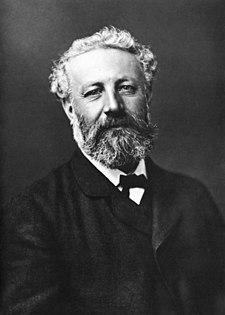
Jules Verne loved the story so much that he actually wrote a novel set in the same world as Poe's story. He named the novel as Le Sphinx des glaces (The Sphinx of the Ice Fields) which became known as An Antarctic Mystery in later years.
Those who have read The Narrative of Arthur Gordon Pym would remember the ending, or the lack of an ending for the story. I can imagine Verne reading the last page of Poe's fascinating novel deep into a night and shouting Nooooooooooo when he reached the last sentence. I can also imagine him brooding for a whole week and later vowing to write a follow-up story just to give closure to himself and the fans of Poe's novel.
An Antarctic Mystery is a narrative just like Poe's novel, and instead of Pym, we get Jeorling, an American who interested in Wildlife and traveling. Oh, Incidentally he is also a fan of Poe and his novel! Jeorling secures a cabin in a ship called Halbrane, whose captain is a bold and enigmatic English man. Within days, Jeorling discovers that the Captain of Helbrane is the brother of the Captain of Ship Jane, the same Jane which was part of Poe's supposedly fictional novel.
Even though Eleven years have passed since the mysterious disappearance of Jane, Captain of Helbrane believes the crew might be still alive. And to fuel this belief, The ship discovers some evidence related to Jane's crew.
Do you know what that means? It's time for a voyage to the unknown Antarctic. And It's not just any voyage, it's a rescue mission!
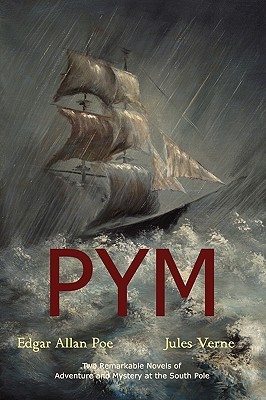
*Finding Pym?*
Verne has done a great job continuing Poe's story, but in this process, Verne sacrificed the Macabre and horrors of sea journey, which was essentially the best thing about the narrative of Pym. To Verne's credit, the story he told is consistent, unlike Poe's novel. Nevertheless, Verne was not able to bring out his A-game because of the not so bizarre setting (which Verne thrives in) and improbable coincidences. The story's prominent drama was the constant forecasting of mutiny, rather than the adventure itself.
The characters are interesting, but the story is rather slow at times. Nothing notable happened in the first half, and the second half was able to create some tension. For most of the part, the novel reminded me of The Rime of the Ancient Mariner.
And at the end of the day, An Antarctic mystery is not very mysterious, but a mildly fascinating follow-up to Poe's uneven classic.
One of them was this literary god. Jules Verne!
Jules Verne loved the story so much that he actually wrote a novel set in the same world as Poe's story. He named the novel as Le Sphinx des glaces (The Sphinx of the Ice Fields) which became known as An Antarctic Mystery in later years.
Those who have read The Narrative of Arthur Gordon Pym would remember the ending, or the lack of an ending for the story. I can imagine Verne reading the last page of Poe's fascinating novel deep into a night and shouting Nooooooooooo when he reached the last sentence. I can also imagine him brooding for a whole week and later vowing to write a follow-up story just to give closure to himself and the fans of Poe's novel.
An Antarctic Mystery is a narrative just like Poe's novel, and instead of Pym, we get Jeorling, an American who interested in Wildlife and traveling. Oh, Incidentally he is also a fan of Poe and his novel! Jeorling secures a cabin in a ship called Halbrane, whose captain is a bold and enigmatic English man. Within days, Jeorling discovers that the Captain of Helbrane is the brother of the Captain of Ship Jane, the same Jane which was part of Poe's supposedly fictional novel.
Even though Eleven years have passed since the mysterious disappearance of Jane, Captain of Helbrane believes the crew might be still alive. And to fuel this belief, The ship discovers some evidence related to Jane's crew.
Do you know what that means? It's time for a voyage to the unknown Antarctic. And It's not just any voyage, it's a rescue mission!
*Finding Pym?*
Verne has done a great job continuing Poe's story, but in this process, Verne sacrificed the Macabre and horrors of sea journey, which was essentially the best thing about the narrative of Pym. To Verne's credit, the story he told is consistent, unlike Poe's novel. Nevertheless, Verne was not able to bring out his A-game because of the not so bizarre setting (which Verne thrives in) and improbable coincidences. The story's prominent drama was the constant forecasting of mutiny, rather than the adventure itself.
The characters are interesting, but the story is rather slow at times. Nothing notable happened in the first half, and the second half was able to create some tension. For most of the part, the novel reminded me of The Rime of the Ancient Mariner.
And at the end of the day, An Antarctic mystery is not very mysterious, but a mildly fascinating follow-up to Poe's uneven classic.

May 12, 2018
An Antarctic Mystery by Jules Verne is basically a sort of sequel of and a love letter to Edgar Allan Poe's The Narrative of Arthur Gordon Pym of Nantucket. The reason for Verne writing a sequel to the Poe story is because the original story had an open ending. And Verne wanted to give the adventure a proper ending, or so the story goes. I haven’t read the original Poe story so I don’t know for sure. It isn’t necessary to have read the original story first, though it definitely will elevate your experience if you do.
This story is about a ship's crew in search of survivors of an earlier expedition, described in Poe's The Narrative of Arthur Gordon Pym of Nantucket. It’s a nautical adventure that’s presented as factual and yet it undeniably speaks to the imagination. I think it’s an interesting journey with tense character moments and quite fascinating discoveries. Though the pacing is definitely a bit on the slower side.
This story is about a ship's crew in search of survivors of an earlier expedition, described in Poe's The Narrative of Arthur Gordon Pym of Nantucket. It’s a nautical adventure that’s presented as factual and yet it undeniably speaks to the imagination. I think it’s an interesting journey with tense character moments and quite fascinating discoveries. Though the pacing is definitely a bit on the slower side.

September 13, 2013
"Zagonetka ledenog mora" - Žil Vern
Izdanje : Tehnička knjiga, 1955.g.
Žil Vern ovu ledenu avanturu posvećuje uspomeni na E.A.Poa, čije je delo "Doživljaji Artura Gordona Pima" Vernu poslužilo kao svojevrsna inspiracija.
Roman prati pustolovine gospodina Džorlinga, svetskog putnika, i posade broda "Holbrejn" na čelu sa kapetanom Len Gajom.
Džorling se pridružuje posadi broda kapetana Gaja na proputovanju kroz antarktičke, ledom okovane, vode. Naime, kapetan Gaj kreće na putovanje prateći pustolovine Poovog junaka A.G.Pima, te uspeva da dovoljno zaintrigira i gospodina Džorlinga tvrdnjom kako čuveno remek-delo E.A.P. nije rezultat samo piščeve bogate mašte, već da je reč o memoarima, koje je navodno baltimorskom piscu preneo glavom i bradom sam A.G.Pim.
Za svoje tvrdnje kapetan Gaj ima najčvršći dokaz: njegov rođeni brat Vilijam je bio deo posade broda "Džejna" kojim je Pim plovio i od koga Gaj nema glasa već 11 godina, te kapetan kreće na put u pokušaju da ga nađe ili bar dozna kakva ga je sudbina zadesila.
To je ukratko sam početak ove pustolovine, u nastavku vas očekuju ledene oluje, brodolomi, neistraženi predeli, preživljavanje i borba za goli život.
Roman obiluje detaljnim opisima kako broda, tako i života na prekookeanskoj plovidbi, podacima o geografskim širinama i dužinama, meridijanima, nautičkim izrazima....sve u najboljem stilu Žil Verna.
Osim toga, Vern daje jako precizne geografske podatke, toliko precizne da pravac plovidbe broda "Holbrejn" možete pratiti po geografskoj karti, što sam u nekoliko navrata i sama činila. Stoga nije loše da prilikom čitanja imate pri ruci jednu geografsku kartu sveta, ako želite da verno ispratite tok radnje.
"Zagonetka ledenog mora" je pravi putopis, koji običnog čitaoca vodi tamo gde ga samo mašta Žil Verna može odvesti - pravo na Južni pol.
Preporuka svim ljubiteljima avanture i naravno E.A.Poa. :)

January 22, 2017
Here is the GR blurb for this edition of this book:
An Antarctic Mystery; or, The Sphinx of the Ice Fields, was published first in 1897 as a response to Edgar Allan Poe's 1838 novel The Narrative of Arthur Gordon Pym of Nantucket. It is an adventure story following the journey of of an unnamed narrator through the Kerguelen Islands in the Indian Ocean aboard the ship, the Halbrane.
I already had this title on my Someday lists because I had enjoyed some of Verne's other work when I was younger and thought I would give what to me was a lesser known book a try. And when I read this blurb, my curiosity meter went higher than normal. A response to Poe's book (which I also had never heard of)? What does that mean, exactly?
Wiki calls Mystery a sequel to The Narrative of Arthur Gordon Pym of Nantucket . I assumed there would be a difference between 'response' and 'sequel' but basically the two terms can be interchanged in this case. Verne imagined solutions to various questions in the Poe book, and created a story that explained what might have happened to the characters after the apparently unsatisfactory ending.
You may be thinking now what I was thinking by the time I got to the places where Verne began to refer repeatedly to Poe. 'Should I read the other book before I read this?' If you are a fan of Poe and have not read The Narrative, definitely read it before you read An Antarctic Mystery! But if you are lukewarm about Poe (as I am) and don't feel up to slogging through what looked to me like a long and tedious tale (I checked) you can safely skip it because Verne reveals the entire plot in Chapter 5, as a necessary review for the reader to completely understand the adventure that our narrator Mr. Jeorling finds himself caught up in.
Oh, there's my other quibble with the GR blurb. Whoever wrote it was not paying close attention because the narrator was named in the very first chapter by the innkeeper of the Green Cormorant on the Kerguelen Islands, where he was waiting for a ship, any ship, to come along so he could book passage and leave.
So, let's see. What about the book itself? With all these distractions going on, what was the story like? I was all caught up in it until the last few chapters, which seemed to drag on forever and were full of more than the usual convenient and fantastic solutions to Poe's mysteries. But honestly, I don't know if I had bogged down mentally with the story or from reaching these sections on January 20. I was a bit distracted either way and was just glad to get the day and the book over with by then.
I liked the geography lessons that came with the story. I had all kinds of fun looking up the locations of various actual islands and countries. Of course now that we all know the reality of Antarctica, the descriptions of that continent were quaint and fanciful. But no one knew much of anything about the place back then, and Verne's ideas at least worked quite well for his plot. There were dramatic scenes in many chapters, and the story moved fast and kept me interested and curious; at least until those last few chapters.
And it was really like reading two books in one. I feel like I should add the Poe book to my finished lists, but that would be cheating. Wouldn't it?
An Antarctic Mystery; or, The Sphinx of the Ice Fields, was published first in 1897 as a response to Edgar Allan Poe's 1838 novel The Narrative of Arthur Gordon Pym of Nantucket. It is an adventure story following the journey of of an unnamed narrator through the Kerguelen Islands in the Indian Ocean aboard the ship, the Halbrane.
I already had this title on my Someday lists because I had enjoyed some of Verne's other work when I was younger and thought I would give what to me was a lesser known book a try. And when I read this blurb, my curiosity meter went higher than normal. A response to Poe's book (which I also had never heard of)? What does that mean, exactly?
Wiki calls Mystery a sequel to The Narrative of Arthur Gordon Pym of Nantucket . I assumed there would be a difference between 'response' and 'sequel' but basically the two terms can be interchanged in this case. Verne imagined solutions to various questions in the Poe book, and created a story that explained what might have happened to the characters after the apparently unsatisfactory ending.
You may be thinking now what I was thinking by the time I got to the places where Verne began to refer repeatedly to Poe. 'Should I read the other book before I read this?' If you are a fan of Poe and have not read The Narrative, definitely read it before you read An Antarctic Mystery! But if you are lukewarm about Poe (as I am) and don't feel up to slogging through what looked to me like a long and tedious tale (I checked) you can safely skip it because Verne reveals the entire plot in Chapter 5, as a necessary review for the reader to completely understand the adventure that our narrator Mr. Jeorling finds himself caught up in.
Oh, there's my other quibble with the GR blurb. Whoever wrote it was not paying close attention because the narrator was named in the very first chapter by the innkeeper of the Green Cormorant on the Kerguelen Islands, where he was waiting for a ship, any ship, to come along so he could book passage and leave.
So, let's see. What about the book itself? With all these distractions going on, what was the story like? I was all caught up in it until the last few chapters, which seemed to drag on forever and were full of more than the usual convenient and fantastic solutions to Poe's mysteries. But honestly, I don't know if I had bogged down mentally with the story or from reaching these sections on January 20. I was a bit distracted either way and was just glad to get the day and the book over with by then.
I liked the geography lessons that came with the story. I had all kinds of fun looking up the locations of various actual islands and countries. Of course now that we all know the reality of Antarctica, the descriptions of that continent were quaint and fanciful. But no one knew much of anything about the place back then, and Verne's ideas at least worked quite well for his plot. There were dramatic scenes in many chapters, and the story moved fast and kept me interested and curious; at least until those last few chapters.
And it was really like reading two books in one. I feel like I should add the Poe book to my finished lists, but that would be cheating. Wouldn't it?

May 3, 2020
"دیگر مردم پاریس مرا نخواهند دید,زندگی ژول ورن برای انان سرسام اور است,دیگر دارای ان نشاط و سرمستی نیستم,کارهای من تمام شده و ضربه های گلوله که به من اصابت کرده مرا زنده نخواهد گذاشت" 1892-ژول ورن..
ژول ورن زندگی شگفت انگیزی از سرگذراند,تخیل ژول ورن چون پیامبری فرستاده شده از آینده,با الهاماتش ذهن خاک گرفته و کهنه ی بشر را روشن می کرد,آثار ژول ورن از آن روز ها تا کنون,همچنان همان دریچه خاص روشنایی غریبی مانده اند,که برای سفر هایی شگفت انگیز ساعاتی ما را از زندگی مالامال از روزمرگی و آکنده از تکرار مان جدا می کند..آثاری که پس از 150سال مانند ماشین زمانی که از دیرباز سفرش در زمان را اغاز کرده و همچنان به پیش میتازد ما را هر بار در هر زمان همچنان دعوت میکنند..به تجربه ی این سفر های شگفت انگیز با ژول ورن
ژول ورن زندگی شگفت انگیزی از سرگذراند,تخیل ژول ورن چون پیامبری فرستاده شده از آینده,با الهاماتش ذهن خاک گرفته و کهنه ی بشر را روشن می کرد,آثار ژول ورن از آن روز ها تا کنون,همچنان همان دریچه خاص روشنایی غریبی مانده اند,که برای سفر هایی شگفت انگیز ساعاتی ما را از زندگی مالامال از روزمرگی و آکنده از تکرار مان جدا می کند..آثاری که پس از 150سال مانند ماشین زمانی که از دیرباز سفرش در زمان را اغاز کرده و همچنان به پیش میتازد ما را هر بار در هر زمان همچنان دعوت میکنند..به تجربه ی این سفر های شگفت انگیز با ژول ورن

October 2, 2013
I finished Jules Verne's Le Sphinx de Glaces. Verne wrote his book as a follow-up/continuation of Edgar Allan Poe's novel The Narrative of Arthur Gordon Pym of Nantucket.
Reading Verne's methodical sequel after Poe's meandering novel had me picturing...

Poe created a sense of creeping dread in his meandering novel that was part seafaring misadventure, a bit of scientific flora & fauna diary, & a bizarre horror story, capped by an abrupt, inconclusive ending. His perplexing narrative spurred both H.P. Lovecraft & Jules Verne to write their own novels to continue & flesh-out Poe's story.
H.P. Lovecraft's novel borrows the setting & builds on the abrupt ending, creating a horror landscape that delves into the Antarctic area decades after Pym disappears. Lovecraft's horrific scenes extend the setting & creatures, imagining what Pym might have also encountered had Poe decided to share Pym's Antarctic fate with us.
As for Verne's novel, I imagine the very rational, scientific Verne reading Poe's novel for the first time, loving the artistic élan, the mystery, but twitching at Poe's inconsistencies, dead-ends, & hanging plot points....
And, then, Verne set-about writing his own novel, weaving Poe's entire narrative into his own plot, fixing/explaining any incongruities, effectively retelling & extending the story of Pym to bring the entire narrative to a logical, complete, & sound ending.
I'm not sure whether Poe would have been amused or horrified at the 'tidying' that Verne does with his story.

Even so, Verne writes a wonderful 'adaptation' & sequel to Poe's novel & I think the two books read together fit together like, well... like The Odd Couple fit together -- completely different, yet complementary, & highlighting the best of each writer.
Bravo to Poe & Verne. (I also enjoyed Lovecraft's variation on the Pym story, but his was less intrusive & less revisionist of Poe's work than Verne's version; Lovecraft's is almost more of a stand-alone book than Verne's is, imo.)
Reading Verne's methodical sequel after Poe's meandering novel had me picturing...
Poe created a sense of creeping dread in his meandering novel that was part seafaring misadventure, a bit of scientific flora & fauna diary, & a bizarre horror story, capped by an abrupt, inconclusive ending. His perplexing narrative spurred both H.P. Lovecraft & Jules Verne to write their own novels to continue & flesh-out Poe's story.
H.P. Lovecraft's novel borrows the setting & builds on the abrupt ending, creating a horror landscape that delves into the Antarctic area decades after Pym disappears. Lovecraft's horrific scenes extend the setting & creatures, imagining what Pym might have also encountered had Poe decided to share Pym's Antarctic fate with us.
As for Verne's novel, I imagine the very rational, scientific Verne reading Poe's novel for the first time, loving the artistic élan, the mystery, but twitching at Poe's inconsistencies, dead-ends, & hanging plot points....
And, then, Verne set-about writing his own novel, weaving Poe's entire narrative into his own plot, fixing/explaining any incongruities, effectively retelling & extending the story of Pym to bring the entire narrative to a logical, complete, & sound ending.
I'm not sure whether Poe would have been amused or horrified at the 'tidying' that Verne does with his story.
Even so, Verne writes a wonderful 'adaptation' & sequel to Poe's novel & I think the two books read together fit together like, well... like The Odd Couple fit together -- completely different, yet complementary, & highlighting the best of each writer.
Bravo to Poe & Verne. (I also enjoyed Lovecraft's variation on the Pym story, but his was less intrusive & less revisionist of Poe's work than Verne's version; Lovecraft's is almost more of a stand-alone book than Verne's is, imo.)

January 6, 2016
Belki biraz garip, bu hayatım boyunca okuduğum ikinci Jules Verne kitabıydı (İlki İskoçya Seyahati). Klasiklerin için herkesin okudum deyip kimsenin okumadığı kitaplar oldukları sıkça söylenir. Ya da Calvino’nun deyişiyle kimsenin okuyorum demeyip tekrar okuyorum dediği kitaplar okudukları. Dünya üzerinde bu cümlelerin en çok yakıştığı yazarlardan biridir herhalde Jules Verne. Verne’in, Arzın Merkezine Seyahat, Denizler Altında Yirmi Bin Fersah, Seksen Günde Devri Alem gibi eserlerine gölge boyutunda, filmlerle, çizgi filmlerle, haklarındaki yazılarla çoğumuz yıllar boyunca maruz tutulsak, hatta bazılarımız ilkokul yıllarında kırpılmış özet metinleri afili çocuk kitapları olarak gözden geçirmiş olsak da ancak çok az kişi bu eserleri tam metin halinde okudum diyebilme ayrıcalığına sahip olmuştur. Hele belli bir yaştan sonra Jules Verne okumanın okuyucuya Tolstoy, Balzacvari bir karizma kazandırmadığının düşünülmesi de onun kitaplarının gerçek okunma oranlarını diğer bazı klasikleşmiş yazarlara göre düşük tutmuştur. Gelelim Buzların Sfenksi’ne. Dürüstçe söylüyorum; ben bu kitabı niye satın aldığımı, niye okumaya başladığımı hatırlamıyorum. Bir sebebi vardı, bu sadece hatırladığım! İnternette güvendiğim biri mi tavsiye etmişti, yoksa sadece buzlu ismine bakıp hoşuma mı gitmişti, emin değilim, ama evet, bir sebebi vardı! Kitap serüvenli bir kitap. Akıcı kitap meraklısı değilimdir ama kitap ünlü bir akıcılık vaadine sahipse elbet ondan bunu da beklerim. Buzların Sfenksi çok akıcı olmasa da okuyucuyu sürükleyebilen, bir sonraki sayfayı okuma merakını metin boyunca insanın içinde canlı tutan bir kitap. Tasvirler, yaratılan atmosfer iyi ve sarıcı. Okuma süreniz boyunca denizcilikle ilgili ufak tefek şeyler öğreniyor, coğrafya algınızı bir miktar geliştiriyor, genel anlamda bu tür konularla ilgili bir tür havaya giriyorsunuz. Kitabın büyük bölümünde çok büyük olaylar cereyan etmiyor, bazı psikolojik gerilimler yaşansa da kitap daha çok beklendiği gibi işin ilerlemeli macera kısmı üzerinde duruyor; fakat bu maceranın anlatılış biçimi acele, sakil ve çok da çocuksu değil. Yalnız, Jules Verne’in kitabının sonunu çok çok aceleye getirmiş olduğu sanırım onu okuyan pek çok insan için tartışılmaz bir gerçektir. Romanın belli kısımlarında bazı her bakımdan önemsiz ayrıntıların gereksiz biçimde uzatıldığını gördükten sonra çok daha büyük bir önem verilmesi gereken düğüm kısmındaki neredeyse aleladeliği kabullenmek zor. Tabii 19. Yy. romanları için bir yandan da, böyle şeyleri sevmiyor, en azından bu kısım uzatılmamış, bu da bir kardır diye düşünmüyor da değilim!
Neyse, roman çocuksu yönü belli miktarda öne çıkan her romanda olduğu gibi tesadüflere fazla bağlıyor belini. Çok abartılı olduğunu söyleyemeyeceğim ama yer yer dozu aşacak biçimde varlar. Tesadüflerin ötesinde, romanın sonunda kahramanların biriyle ilgili Kürk Mantolu Madonna’nın sonundaki ısınamadığım ajitasyondan da öte öyle bir sahne var ki “Güldürdün beni Jules Verne amca” demekten kendimi alamadım. “Bir de bana Namık Kemal’in, geçen yüzyılın roman sanatında başlı başına mümtaz bir örnek olan şehirli Türk romanlarını hatırlattın.”
Kitapla ilgili bahsetmek istediğim iki şey daha var. Birincisi; Jules Verne’in yazım sırasında yaptığı, dipnotlarda belirtilen maddi hatalar. Tarihlerin, isimlerin, enlemlerin, boylamların karıştırılması, hafızadaki sürçmeler. Bu hataların Jules Verne’in yazarlığından azaltmak yerine bana sempatik geldiğini söylemeliyim. Yazarın, anlatıcının insan olduğunu hatırlatan bu tür şeyler bana açıkçası postmodern tatlı bir mutluluk veriyor. İkincisi; Alfa Yayınlarını kutlamak istiyorum. Fransızca orijinaline benzeyen özenli bir kapakla, albenisi olan bir Jules Verne kitabı yapmışlar. Hazırladıkları bütün bir “Olağanüstü Yolculuklar” serisi hoş. Yalnız, kitap boyunca 4-5 sayfa ilerisine spoiler veren resim ve resim altı yazıların kullanılmış olması, bilmiyorum orijinal kitaplarda böyle bir şey var mıdır, bana riskli bir şey gibi geldi. Romanın sonlarına kadar rahatsız etmeyen, hatta belli bir sürükleyicilik etkisi de yaratan bu durum, olur da onlara bakmak adına alışkanlık kazanır ya da gözlerinizi kaçıramazsınız, sonlarda heyecan duygusuna epeyce bir sekte vuruyor.
Neyse, roman çocuksu yönü belli miktarda öne çıkan her romanda olduğu gibi tesadüflere fazla bağlıyor belini. Çok abartılı olduğunu söyleyemeyeceğim ama yer yer dozu aşacak biçimde varlar. Tesadüflerin ötesinde, romanın sonunda kahramanların biriyle ilgili Kürk Mantolu Madonna’nın sonundaki ısınamadığım ajitasyondan da öte öyle bir sahne var ki “Güldürdün beni Jules Verne amca” demekten kendimi alamadım. “Bir de bana Namık Kemal’in, geçen yüzyılın roman sanatında başlı başına mümtaz bir örnek olan şehirli Türk romanlarını hatırlattın.”
Kitapla ilgili bahsetmek istediğim iki şey daha var. Birincisi; Jules Verne’in yazım sırasında yaptığı, dipnotlarda belirtilen maddi hatalar. Tarihlerin, isimlerin, enlemlerin, boylamların karıştırılması, hafızadaki sürçmeler. Bu hataların Jules Verne’in yazarlığından azaltmak yerine bana sempatik geldiğini söylemeliyim. Yazarın, anlatıcının insan olduğunu hatırlatan bu tür şeyler bana açıkçası postmodern tatlı bir mutluluk veriyor. İkincisi; Alfa Yayınlarını kutlamak istiyorum. Fransızca orijinaline benzeyen özenli bir kapakla, albenisi olan bir Jules Verne kitabı yapmışlar. Hazırladıkları bütün bir “Olağanüstü Yolculuklar” serisi hoş. Yalnız, kitap boyunca 4-5 sayfa ilerisine spoiler veren resim ve resim altı yazıların kullanılmış olması, bilmiyorum orijinal kitaplarda böyle bir şey var mıdır, bana riskli bir şey gibi geldi. Romanın sonlarına kadar rahatsız etmeyen, hatta belli bir sürükleyicilik etkisi de yaratan bu durum, olur da onlara bakmak adına alışkanlık kazanır ya da gözlerinizi kaçıramazsınız, sonlarda heyecan duygusuna epeyce bir sekte vuruyor.

December 17, 2021
Yet another science-fiction novel by Jules Verne that I had read this year. And what can I say that I really enjoy his books. You feel, like Jules Verne is real scientist and a great traveler.. Was surprised by his knowledge of sailing (I’m also in to sailing, and all this terms, that he uses, like starboard, on the port side, etc.. are very familiar to me).
The other thing that surprises me was that Jules Verne writes this book as a sequel to Edgar Allan Poe’s book “The narrative of Arthur Gordon Pym of Nantucket” (I still have to read this one!) Although Poe’s book wasn’t that famous, you can really feel that Verne admires Poe. Even he narrates some part of the book, so that reader gets familiar with Poe’s book.
And also what surprises me most: at the time when Verne writes the book, it was very little knowledge of Antarctic.. How could he write so good?
Story is narrated from an American guy, named Jeorling, who becomes a passenger on the Halbrane, that is heading South. He is a geological researcher, who also had read Poe’s book and thinks that it is pure fiction. Than there is a captain, Len Guy, who is searching for his brother, who happened to be on the board of Ship Jane (from Poe’s book).
Their adventure is dangerous and full of miseries and losses. But at the end they find captains brother!
What really stroke me, the description when passengers of Jane (4 survivors) were dying from hunger and they were deciding whom to eat… 😳
The other thing that surprises me was that Jules Verne writes this book as a sequel to Edgar Allan Poe’s book “The narrative of Arthur Gordon Pym of Nantucket” (I still have to read this one!) Although Poe’s book wasn’t that famous, you can really feel that Verne admires Poe. Even he narrates some part of the book, so that reader gets familiar with Poe’s book.
And also what surprises me most: at the time when Verne writes the book, it was very little knowledge of Antarctic.. How could he write so good?
Story is narrated from an American guy, named Jeorling, who becomes a passenger on the Halbrane, that is heading South. He is a geological researcher, who also had read Poe’s book and thinks that it is pure fiction. Than there is a captain, Len Guy, who is searching for his brother, who happened to be on the board of Ship Jane (from Poe’s book).
Their adventure is dangerous and full of miseries and losses. But at the end they find captains brother!
What really stroke me, the description when passengers of Jane (4 survivors) were dying from hunger and they were deciding whom to eat… 😳

June 27, 2026
FRANÇAIS: Suite du récit "Arthur Gordon Pym" d'Edgar Allan Poe, dont la fin restait ouverte, indiquant la mort de Pym sans en préciser les circonstances. Le roman de Verne tente de répondre à toutes les questions laissées en suspens à la fin du roman de Poe, et il le fait d'une manière ingénieuse.
Bien sûr, le roman est devenu obsolète puisque nous savons que la géographie imaginaire de Verne était fausse et qu'un continent entier s'étend au-delà du pôle Sud. L'idée de la mer libre au pôle Sud n'est pas exclusive à ce livre, puisque Verne l'utilise également dans "Vingt mille lieues sous les mers".
ESPAÑOL: Continuación de "Las aventuras de Arturo Gordon Pym" de Edgar Allan Poe, que dejó el final abierto, afirmando que Pym había muerto, pero sin explicar cómo. La novela de Verne intenta responder a todas las incógnitas que quedaron abiertas al final de la novela de Poe, y lo hace de forma ingeniosa.
Por supuesto, la novela se quedó obsoleta desde que sabemos que la geografía imaginaria de Verne era falsa, y que sobre el polo sur se extiende todo un continente. La idea del mar libre en el polo sur no es exclusiva de este libro, pues Verne también la utiliza en "20.000 leguas de viaje submarino".
ENGLISH: A continuation of Edgar Allan Poe's "The Narrative of Arthur Gordon Pym," which left the ending open, stating that Pym had died, but without explaining how. Verne's novel attempts to answer all the questions left open at the end of Poe's novel, and it does so in an ingenious way..
Of course, the novel became obsolete since we know that Verne's imaginary geography was false, and that an entire continent extends over the South Pole. The idea of the open sea at the South Pole is not exclusive to this book, as Verne also uses it in "20,000 leagues under the seas".
Bien sûr, le roman est devenu obsolète puisque nous savons que la géographie imaginaire de Verne était fausse et qu'un continent entier s'étend au-delà du pôle Sud. L'idée de la mer libre au pôle Sud n'est pas exclusive à ce livre, puisque Verne l'utilise également dans "Vingt mille lieues sous les mers".
ESPAÑOL: Continuación de "Las aventuras de Arturo Gordon Pym" de Edgar Allan Poe, que dejó el final abierto, afirmando que Pym había muerto, pero sin explicar cómo. La novela de Verne intenta responder a todas las incógnitas que quedaron abiertas al final de la novela de Poe, y lo hace de forma ingeniosa.
Por supuesto, la novela se quedó obsoleta desde que sabemos que la geografía imaginaria de Verne era falsa, y que sobre el polo sur se extiende todo un continente. La idea del mar libre en el polo sur no es exclusiva de este libro, pues Verne también la utiliza en "20.000 leguas de viaje submarino".
ENGLISH: A continuation of Edgar Allan Poe's "The Narrative of Arthur Gordon Pym," which left the ending open, stating that Pym had died, but without explaining how. Verne's novel attempts to answer all the questions left open at the end of Poe's novel, and it does so in an ingenious way..
Of course, the novel became obsolete since we know that Verne's imaginary geography was false, and that an entire continent extends over the South Pole. The idea of the open sea at the South Pole is not exclusive to this book, as Verne also uses it in "20,000 leagues under the seas".

October 9, 2012
This is the first Jules Verne novel I have read and I enjoyed it. The reason I read this book is because it is the "sequel" to Edgar A Poe's "The Narrative of Arthur Gordon Pym". If you have read that novel, you realize that Poe left off rather abruptly and did not finish his narrative. I'm not sure why. It bothered me quite a bit - I wanted to know what happened!
Well, apparently, Jules Verne did too. He wrote this continuation of Poe's novel in 1895. Originally in French, I read an English translation. The introduction in my edition was from 1975 and explained how Poe, Verne, and Wells were instrumental in the birth of science fiction. Jules Verne believed in the supernatural but not in the same way as Poe did - or as Poe wrote. He was strictly scientific and wanted his books to be true to science, or at least the science that they knew back then. He believed in God and God's will and it is apparent in his book that Providence played a huge part. Poe wrote of things happening beyond our control and not always in a good sense. Verne is more clear cut about morals - bad things happen to bad people and if bad things happen to good people, it is because there is some greater good.
This is the story of Mr. Jeorling (an unpronounceable name for me), a scientist who is in the Kerguelen islands at the beginning of the story. He becomes a passenger on the Halbrane, commanded by Captain Len Guy. After picking up more men in the Falkland Islands, they journey to Antarctica in search of the pole and of the crew of the Jane, mentioned in the Poe story. Mr. Jeorling remarks that Poe wrote a fiction story but the captain contends it is a true narrative. So the journey begins. Of course we know so much more about Antarctica now, but it's still a fun read.
It gave me some closure, even though it was not written by Poe. The story moved along quite well. I did get tired of Verne always referring to one of the men on the ship as "the half-breed" throughout the book. As he was one of the main characters, this got very tiring. In many ways it was definitely a 19th century novel.
Well, apparently, Jules Verne did too. He wrote this continuation of Poe's novel in 1895. Originally in French, I read an English translation. The introduction in my edition was from 1975 and explained how Poe, Verne, and Wells were instrumental in the birth of science fiction. Jules Verne believed in the supernatural but not in the same way as Poe did - or as Poe wrote. He was strictly scientific and wanted his books to be true to science, or at least the science that they knew back then. He believed in God and God's will and it is apparent in his book that Providence played a huge part. Poe wrote of things happening beyond our control and not always in a good sense. Verne is more clear cut about morals - bad things happen to bad people and if bad things happen to good people, it is because there is some greater good.
This is the story of Mr. Jeorling (an unpronounceable name for me), a scientist who is in the Kerguelen islands at the beginning of the story. He becomes a passenger on the Halbrane, commanded by Captain Len Guy. After picking up more men in the Falkland Islands, they journey to Antarctica in search of the pole and of the crew of the Jane, mentioned in the Poe story. Mr. Jeorling remarks that Poe wrote a fiction story but the captain contends it is a true narrative. So the journey begins. Of course we know so much more about Antarctica now, but it's still a fun read.
It gave me some closure, even though it was not written by Poe. The story moved along quite well. I did get tired of Verne always referring to one of the men on the ship as "the half-breed" throughout the book. As he was one of the main characters, this got very tiring. In many ways it was definitely a 19th century novel.

July 17, 2011
This was a nearly amazing novel. First, I purchased the complete writings of Jules Verne as a single "volume" from the Kindle store. I think it was 99 cents--something like that. And I've been reading my way through the collection. Finishing Antarctic Mystery puts me about 32% of the way through the collection. So I have no knowledge of "what page I am on" at any given time.
As for this story, it quickly becomes a sequel of sorts to Edgar Poe's The Narrative of Gordon Pym, because the main character joins forces with the captain of a ship to search for any survivors of Poe's shipwreck--including Gordon Pym, whom the main character is shocked to learn is not a fictional character at all, AND the brother of the ship captain of Verne's story, who had lost his ship trying to rescue Pym and others from Antarctica. The story is written around 1840, and very little is known about the icy continent, so readers will be taken aback by the conditions of the South Pole region. But, as in all Jules Verne's adventure novels, such relevant knowledge as was actually available at the time finds its way into his book. Moreover, Verne takes science seriously, and doesn't allow himself departures from scientific lore into the realm of fantasy. Hence, he is one of the first truly science-fiction writers.
For readers who are not familiar with The Narrative of Gordon Pym, Verne provides a chapter summarizing the novel, and numerous explanations of information necessary to understand his own sequel. Once I realized that Verne's book would be a sequel to Poe's, the story became far more engrossing for me. I recommend the book to readers who admire Poe's work and/or have read the Poe novel--but neither condition is required to enjoy it. By the way, An Antarctic Mystery has also been published under the title The Great Sphinx of the Ice-Field.
As for this story, it quickly becomes a sequel of sorts to Edgar Poe's The Narrative of Gordon Pym, because the main character joins forces with the captain of a ship to search for any survivors of Poe's shipwreck--including Gordon Pym, whom the main character is shocked to learn is not a fictional character at all, AND the brother of the ship captain of Verne's story, who had lost his ship trying to rescue Pym and others from Antarctica. The story is written around 1840, and very little is known about the icy continent, so readers will be taken aback by the conditions of the South Pole region. But, as in all Jules Verne's adventure novels, such relevant knowledge as was actually available at the time finds its way into his book. Moreover, Verne takes science seriously, and doesn't allow himself departures from scientific lore into the realm of fantasy. Hence, he is one of the first truly science-fiction writers.
For readers who are not familiar with The Narrative of Gordon Pym, Verne provides a chapter summarizing the novel, and numerous explanations of information necessary to understand his own sequel. Once I realized that Verne's book would be a sequel to Poe's, the story became far more engrossing for me. I recommend the book to readers who admire Poe's work and/or have read the Poe novel--but neither condition is required to enjoy it. By the way, An Antarctic Mystery has also been published under the title The Great Sphinx of the Ice-Field.

December 25, 2015
A very interesting exploration tale.
Jules Vernes descriptions can be intense but he really draws a great picture of everything going on and in reading this book it is very hard not to see the ocean , the ice and the various landscapes.
Some very dated bits such as the need to constantly refer to a character as a half breed are declaring all black people are flighty with no concept of the future but sadly it is of the age in that respect.
Side from that it is an interesting tale and a great concept , looking at what if an amazing tale of the imagination is actually true .
Jules Vernes descriptions can be intense but he really draws a great picture of everything going on and in reading this book it is very hard not to see the ocean , the ice and the various landscapes.
Some very dated bits such as the need to constantly refer to a character as a half breed are declaring all black people are flighty with no concept of the future but sadly it is of the age in that respect.
Side from that it is an interesting tale and a great concept , looking at what if an amazing tale of the imagination is actually true .

July 14, 2025
Cómo me gusta leer las novelas de Verne, sobretodo cuando hay barcos, con gmaps abierto buscando todas las islas y lugares que vas nombrando.

October 5, 2026
4.5
. . .
"Arthur Pym, el héroe tan brillantemente celebrado por Edgard Poe, mostró el camino... ¡Síganle otros, y vayan a arrancar al Esfinge de los hielos los últimos secretos de la misteriosa Antártida!".
. . .
En el año de 1838 Edgar Allan Poe publicó la que vendría siendo su única novela completa: las aventuras de Arthur Gordon Pym. Novela que presentaba todo tipo de escenas en alta mar: motines, canibalismo, misterio en los confines y un final abierto.
La historia quedó inconclusa, por lo mismo se comercializó como un un suceso real que quedó abierto. Vamos, que podríamos decir que estamos ante una de las primeras historias de metraje encontrado.
La escena final, con lo que se topa Arthur queda a la imaginación de uno.
Esto disgustó e inspiró a dos autores en particular que se dispusieron a continuar la historia, con su toque literario. Uno de ellos fue Julio Verne, el cual quedó sumamente molesto por ese final, por lo que se decidió a escribir la continuación. Este libro.
.
.
En esta novela nuestro narrador se suma abordo de una travesía poco inusual, ya que el capitán al mando quiere encontrar a los sobrevivientes del Jane, el navío que pereció en la isla de Tsalal. Nuestro narrador se ríe, ya que ve que el Capitán cree que lo que publicó Poe es real. Aquí hay un punto importante: la novela ya sé ha publicado, ya van once años de los sucesos relatados.
Al ir viajando empiezan a encontrar pruebas que demuestran que todo es real, y que el Capitán es el hermano del Capitán de la Jane.
Y es así como vamos emprendiendo la misma búsqueda, pero también vamos a ir viendo personajes del libro de Poe apareciendo.
Una cosa a aclarar es que en esta novela, Verne se mantiene fiel a su estilo, no sólo en las aventuras, sino en que todo lo que leímos en el libro de Poe, lo va a desbaratar con la lógica.
Este es uno de los motivos donde hay dos grupos que se molestan: los de Poe y los de Verne.
En lo personal me gustó mucho, y entiendan esto, es que soy lectora de Verne (no tanto como me gustaría, pero lo soy), así que no me puedo quejar.
Pero también soy lectora de Poe, y en esta obra en particular, sobre todo en la primera parte, Verne lo hace tan bien, que sientes que realmente es la secuela con Poe al mando. Bien pudo haber cambiado algunas cosas al contrario de la novela original, pero la esencia se mantiene y eso es clave.
La razón por la cual no le di las cinco estrellas es que si hay partes que se sienten tediosas en cuanto al mar, porque te lo repiten una y otra vez.
Pero créanme que te olvidas del mundo mientras lees.
.
Pero este libro forma parte de la trilogía de la Antártida, siendo la tercera parte Las montañas de la locura, libro escrito por Lovecraft.
En este libro el prácticamente nos dice: ambos autores tienen razón en lo que se ve al final. Pero no vieron lo que hay detrás.
Con su toque de horror cósmico, el autor nos traslada varios años después en una expedición a dicho continente donde encuentran una de las montañas más altas. En la que dos personajes encuentran una vieja ciudadela que fue creada por Los Antiguos.
En este libro, Lovecraft hace varios guiños a la novela de Poe y los coloca en escenas que al igual que su antecesora, te pone la piel de gallina.
.
Si, finalmente concluí la trilogía, pero debo decir que la leí así: las montañas de la locura, las aventuras de Arthur Gordon Pym y este libro. No sean como yo.
Por cierto, si bien es bueno que lean primero la novela de Poe, pero si no la tienen entre sus manos, hay un capitulo en este libro que te dan un pequeño resumen, claro que no es lo mismo a leerlo en experiencia propia. Pero así no entran tan verdes.
. . .
"Arthur Pym, el héroe tan brillantemente celebrado por Edgard Poe, mostró el camino... ¡Síganle otros, y vayan a arrancar al Esfinge de los hielos los últimos secretos de la misteriosa Antártida!".
. . .
En el año de 1838 Edgar Allan Poe publicó la que vendría siendo su única novela completa: las aventuras de Arthur Gordon Pym. Novela que presentaba todo tipo de escenas en alta mar: motines, canibalismo, misterio en los confines y un final abierto.
La historia quedó inconclusa, por lo mismo se comercializó como un un suceso real que quedó abierto. Vamos, que podríamos decir que estamos ante una de las primeras historias de metraje encontrado.
La escena final, con lo que se topa Arthur queda a la imaginación de uno.
Esto disgustó e inspiró a dos autores en particular que se dispusieron a continuar la historia, con su toque literario. Uno de ellos fue Julio Verne, el cual quedó sumamente molesto por ese final, por lo que se decidió a escribir la continuación. Este libro.
.
.
En esta novela nuestro narrador se suma abordo de una travesía poco inusual, ya que el capitán al mando quiere encontrar a los sobrevivientes del Jane, el navío que pereció en la isla de Tsalal. Nuestro narrador se ríe, ya que ve que el Capitán cree que lo que publicó Poe es real. Aquí hay un punto importante: la novela ya sé ha publicado, ya van once años de los sucesos relatados.
Al ir viajando empiezan a encontrar pruebas que demuestran que todo es real, y que el Capitán es el hermano del Capitán de la Jane.
Y es así como vamos emprendiendo la misma búsqueda, pero también vamos a ir viendo personajes del libro de Poe apareciendo.
Una cosa a aclarar es que en esta novela, Verne se mantiene fiel a su estilo, no sólo en las aventuras, sino en que todo lo que leímos en el libro de Poe, lo va a desbaratar con la lógica.
Este es uno de los motivos donde hay dos grupos que se molestan: los de Poe y los de Verne.
En lo personal me gustó mucho, y entiendan esto, es que soy lectora de Verne (no tanto como me gustaría, pero lo soy), así que no me puedo quejar.
Pero también soy lectora de Poe, y en esta obra en particular, sobre todo en la primera parte, Verne lo hace tan bien, que sientes que realmente es la secuela con Poe al mando. Bien pudo haber cambiado algunas cosas al contrario de la novela original, pero la esencia se mantiene y eso es clave.
La razón por la cual no le di las cinco estrellas es que si hay partes que se sienten tediosas en cuanto al mar, porque te lo repiten una y otra vez.
Pero créanme que te olvidas del mundo mientras lees.
.
Pero este libro forma parte de la trilogía de la Antártida, siendo la tercera parte Las montañas de la locura, libro escrito por Lovecraft.
En este libro el prácticamente nos dice: ambos autores tienen razón en lo que se ve al final. Pero no vieron lo que hay detrás.
Con su toque de horror cósmico, el autor nos traslada varios años después en una expedición a dicho continente donde encuentran una de las montañas más altas. En la que dos personajes encuentran una vieja ciudadela que fue creada por Los Antiguos.
En este libro, Lovecraft hace varios guiños a la novela de Poe y los coloca en escenas que al igual que su antecesora, te pone la piel de gallina.
.
Si, finalmente concluí la trilogía, pero debo decir que la leí así: las montañas de la locura, las aventuras de Arthur Gordon Pym y este libro. No sean como yo.
Por cierto, si bien es bueno que lean primero la novela de Poe, pero si no la tienen entre sus manos, hay un capitulo en este libro que te dan un pequeño resumen, claro que no es lo mismo a leerlo en experiencia propia. Pero así no entran tan verdes.

May 1, 2019
Comencé a leer esta novela de Jules Verne al descubrir que era la segunda de la conocida como "Trilogía de la Antártida". Al parecer el final tan desconcertante de la novela de Poe indignó un poco al escritor francés (así lo comenta en un ensayo sobre Poe de 1864), y no fue hasta tres décadas más tarde cuando decidió poner un punto final más completo a aquella aventura.
La previa lectura de la novela de Edgard Allan Poe "La narración de Arthur Gordon Pym de Nantucket" (1838) me dejó muy buen sabor de boca, y una continuación con la calidad de Verne era demasiada tentación, así que me sumergí en esas páginas.
Uno de los problemas de la lectura de este libro es que originalmente (1897) se publicó por entregas a lo largo de todo un año. Esto se nota en el ritmo, donde hay mucho recordatorio de lo sucedido en capítulos anteriores. Le pasó lo mismo a Poe en su día, pues también publicó por entregas en a principios de 1937 (concretamente en el Southern Literary Messenger), y eso se percibe en la lectura.
También existe un capítulo especialmente prescindible si se ha leído la novela de Poe. Si a lo largo de la historia se rememora lo sucedido en aquella novela, existe un capítulo que es un resumen completo de lo sucedido en ella. Adecuado para quien no la haya leído, pero redundante para quien sí lo haya hecho.
Al igual que Poe, hay momentos de la historia donde existe un exceso de descripción de flora y fauna, así como de detalles técnicos relacionados con la navegación. Esto, al igual que le sucediera a Poe, rompe un poco el ritmo de lectura. Es bueno que se incluyan dichos detalles, pero realizado sucede como con cualquier cosa que se aplica en exceso: roza lo innecesario.
Soy consciente de que en el siglo XIX era agradable y bien recibido por lectores y editores que una persona con conocimientos adquiridos en sus viajes los reflejara en sus escritos. No sé si fue el caso de Poe, pero Jules Verne sí que llegó a una etapa en su vida, ya consolidada su firma, en la que se convirtió en un viajero marino redomado. Establecido como escritor de prestigio, decidió viajar y tomar nota de todo lo nuevo y exótico y lo reflejaba en sus novelas, donde la dosis de documental nunca faltaba y reforzaba la popularidad de sus títulos.
La historia en sí no dista en calidad a la de su predecesor en la trilogía, y su final (que obviaré desvelar aquí) quizá no sea tan sorprendente como el de Poe, pero no resulta decepcionante en absoluto. Quizá sea el punto culminante de la historia, pero llegado a él comprendes que quizá es más interesante todo el viaje a lo largo de los capítulos que la conclusión final en sí misma.
La próxima lectura con la que concluiré la trilogía será una relectura realmente: "Las montañas de la locura" (1936), pues H. P. Lovecraft decidió escribir también al respecto. Y aunque conste que se publicó en 1936, hay que tener presente que realmente la escribió cinco años antes, pero fue rechazada por ser demasiado extensa para su publicación seriada en Weird Tales. Es decir, faltó poco para que la tercera entrega de la trilogía también hubiera nacido previamente en una revista por entregas.
Y puestos a rizar el rizo, tengo prevista la lectura también de "How we found Dick Peters" (1889), de Charles Romyn Dake, y ahí pondré punto y final, a pesar de teorías que nos pueden llegar a posteriori a otros títulos.
Claro que nunca está de más releer algún relato corto como "Who goes there?" de John W. Campbell.
La previa lectura de la novela de Edgard Allan Poe "La narración de Arthur Gordon Pym de Nantucket" (1838) me dejó muy buen sabor de boca, y una continuación con la calidad de Verne era demasiada tentación, así que me sumergí en esas páginas.
Uno de los problemas de la lectura de este libro es que originalmente (1897) se publicó por entregas a lo largo de todo un año. Esto se nota en el ritmo, donde hay mucho recordatorio de lo sucedido en capítulos anteriores. Le pasó lo mismo a Poe en su día, pues también publicó por entregas en a principios de 1937 (concretamente en el Southern Literary Messenger), y eso se percibe en la lectura.
También existe un capítulo especialmente prescindible si se ha leído la novela de Poe. Si a lo largo de la historia se rememora lo sucedido en aquella novela, existe un capítulo que es un resumen completo de lo sucedido en ella. Adecuado para quien no la haya leído, pero redundante para quien sí lo haya hecho.
Al igual que Poe, hay momentos de la historia donde existe un exceso de descripción de flora y fauna, así como de detalles técnicos relacionados con la navegación. Esto, al igual que le sucediera a Poe, rompe un poco el ritmo de lectura. Es bueno que se incluyan dichos detalles, pero realizado sucede como con cualquier cosa que se aplica en exceso: roza lo innecesario.
Soy consciente de que en el siglo XIX era agradable y bien recibido por lectores y editores que una persona con conocimientos adquiridos en sus viajes los reflejara en sus escritos. No sé si fue el caso de Poe, pero Jules Verne sí que llegó a una etapa en su vida, ya consolidada su firma, en la que se convirtió en un viajero marino redomado. Establecido como escritor de prestigio, decidió viajar y tomar nota de todo lo nuevo y exótico y lo reflejaba en sus novelas, donde la dosis de documental nunca faltaba y reforzaba la popularidad de sus títulos.
La historia en sí no dista en calidad a la de su predecesor en la trilogía, y su final (que obviaré desvelar aquí) quizá no sea tan sorprendente como el de Poe, pero no resulta decepcionante en absoluto. Quizá sea el punto culminante de la historia, pero llegado a él comprendes que quizá es más interesante todo el viaje a lo largo de los capítulos que la conclusión final en sí misma.
La próxima lectura con la que concluiré la trilogía será una relectura realmente: "Las montañas de la locura" (1936), pues H. P. Lovecraft decidió escribir también al respecto. Y aunque conste que se publicó en 1936, hay que tener presente que realmente la escribió cinco años antes, pero fue rechazada por ser demasiado extensa para su publicación seriada en Weird Tales. Es decir, faltó poco para que la tercera entrega de la trilogía también hubiera nacido previamente en una revista por entregas.
Y puestos a rizar el rizo, tengo prevista la lectura también de "How we found Dick Peters" (1889), de Charles Romyn Dake, y ahí pondré punto y final, a pesar de teorías que nos pueden llegar a posteriori a otros títulos.
Claro que nunca está de más releer algún relato corto como "Who goes there?" de John W. Campbell.

Want to Read
April 1, 2014Free download available at Project Gutenberg.
4* Five Weeks in a Balloon (Extraordinary Voyages, #1)
3* The Adventures of Captain Hatteras (Extraordinary Voyages, #2)
4* Journey to the Center of the Earth (Extraordinary Voyages, #3)
3* From the Earth to the Moon (Extraordinary Voyages, #4)
TR In Search of the Castaways; or the Children of Captain Grant (Extraordinary Voyages, #5)
4* Twenty Thousand Leagues Under the Sea (Extraordinary Voyages, #6)
TR Round the Moon (Extraordinary Voyages, #7)
TR A Floating City (Extraordinary Voyages, #8)
TR The Blockade Runners (Extraordinary Voyages, #8.5)
TR Measuring a Meridian: The Adventures of Three Englishmen and Three Russians in South Africa (Extraordinary Voyages, #9)
TR The Fur Country (Extraordinary Voyages, #10)
4* The Fur Country (Extraordinary Voyages, #10)
4* Around the World in Eighty Days (Extraordinary Voyages, #11)
3* The Mysterious Island (Extraordinary Voyages, #12)
TR The Survivors of the Chancellor (Extraordinary Voyages, #13)
TR Michael Strogoff (Extraordinary Voyages, #14)
TR Off On A Comet (Extraordinary Voyages, #15)
TR The Underground City (Extraordinary Voyages, #16)
TR Dick Sands the Boy Captain (The Extraordinary Voyages, #17)
TR The Begum's Fortune (Extraordinary Voyages, #18)
TR Tribulations of a Chinaman in China (Extraordinary Voyages, #19)
TR The End of Nana Sahib: The Steam House (Extraordinary Voyages, #20)
TR 800 Leagues on the Amazon (Extraordinary Voyages, #21)
TR Godfrey Morgan: A Californian Mystery (Extraordinary Voyages, #22)
TR The Green Ray (Extraordinary Voyages, #23)
TR Keraban the Inflexible: Adventures in the Euxine (Extraordinary Voyages, #24)
TR The Star of the South (Extraordinary Voyages, #25)
TR El Archipielago En Llamas (Extraordinary Voyages, #26)
TR Mathias Sandorf (Extraordinary Voyages, #27)
TR The Lottery Ticket (Extraordinary Voyages, #28)
TR Robur the Conqueror (Extraordinary Voyages, #29)
TR North Against South: A Tale of the American Civil War (Extraordinary Voyages, #30)
TR Flight to France (Extraordinary Voyages, #31)
TR Adrift in the Pacific: Two Years Holiday (Extraordinary Voyages, #32)
TR A Family Without a Name: Into the Abyss (Extraordinary Voyages, #33)
TR The Purchase of the North Pole (Extraordinary Voyages, #34)
TR Caesar Cascabel (Extraordinary Voyages, #35)
TR Mistress Branican (Extraordinary Voyages, #36)
5* The Castle of the Carpathians (Extraordinary Voyages, #37)
4* Five Weeks in a Balloon (Extraordinary Voyages, #1)
3* The Adventures of Captain Hatteras (Extraordinary Voyages, #2)
4* Journey to the Center of the Earth (Extraordinary Voyages, #3)
3* From the Earth to the Moon (Extraordinary Voyages, #4)
TR In Search of the Castaways; or the Children of Captain Grant (Extraordinary Voyages, #5)
4* Twenty Thousand Leagues Under the Sea (Extraordinary Voyages, #6)
TR Round the Moon (Extraordinary Voyages, #7)
TR A Floating City (Extraordinary Voyages, #8)
TR The Blockade Runners (Extraordinary Voyages, #8.5)
TR Measuring a Meridian: The Adventures of Three Englishmen and Three Russians in South Africa (Extraordinary Voyages, #9)
TR The Fur Country (Extraordinary Voyages, #10)
4* The Fur Country (Extraordinary Voyages, #10)
4* Around the World in Eighty Days (Extraordinary Voyages, #11)
3* The Mysterious Island (Extraordinary Voyages, #12)
TR The Survivors of the Chancellor (Extraordinary Voyages, #13)
TR Michael Strogoff (Extraordinary Voyages, #14)
TR Off On A Comet (Extraordinary Voyages, #15)
TR The Underground City (Extraordinary Voyages, #16)
TR Dick Sands the Boy Captain (The Extraordinary Voyages, #17)
TR The Begum's Fortune (Extraordinary Voyages, #18)
TR Tribulations of a Chinaman in China (Extraordinary Voyages, #19)
TR The End of Nana Sahib: The Steam House (Extraordinary Voyages, #20)
TR 800 Leagues on the Amazon (Extraordinary Voyages, #21)
TR Godfrey Morgan: A Californian Mystery (Extraordinary Voyages, #22)
TR The Green Ray (Extraordinary Voyages, #23)
TR Keraban the Inflexible: Adventures in the Euxine (Extraordinary Voyages, #24)
TR The Star of the South (Extraordinary Voyages, #25)
TR El Archipielago En Llamas (Extraordinary Voyages, #26)
TR Mathias Sandorf (Extraordinary Voyages, #27)
TR The Lottery Ticket (Extraordinary Voyages, #28)
TR Robur the Conqueror (Extraordinary Voyages, #29)
TR North Against South: A Tale of the American Civil War (Extraordinary Voyages, #30)
TR Flight to France (Extraordinary Voyages, #31)
TR Adrift in the Pacific: Two Years Holiday (Extraordinary Voyages, #32)
TR A Family Without a Name: Into the Abyss (Extraordinary Voyages, #33)
TR The Purchase of the North Pole (Extraordinary Voyages, #34)
TR Caesar Cascabel (Extraordinary Voyages, #35)
TR Mistress Branican (Extraordinary Voyages, #36)
5* The Castle of the Carpathians (Extraordinary Voyages, #37)

August 6, 2013
Like so many other people who read and enjoyed Edgar Allen Poe's splendid NARRATIVE OF ARTHUR GORDON PYM, I felt a little cheated by its cliffhanger ending and therefore couldn't wait to get my hands on a sequel. AN ANTARCTIC MYSTERY, however, isn't at all what I had in mind. I'm giving it three stars because I suppose it's a good enough book in its own right, but I would be lying if I told you it in any way held a candle to Poe's aforementioned masterpiece. In AN ANTARCTIC MYSTERY, Jules Verne pushes the "reset" button on Poe's arctic journey, and readers are forced to endure chapter-after-boring-chapter of bland sea-faring adventures as we wait for the new ship's crew to finally pick up where the previous crew left off. The book gets more and more interesting as it progresses, but it never comes even close to rekindling the magic of the first adventure. I haven't read Jules Verne in many, many years, but I remember him being a much better writer than this. Overall, an unworthy sequel to one of the great novels of English literature.

December 30, 2016
I enjoyed this so much more than I expected! It was exciting and fairly fast-paced; the narrative never flagged. An interesting tidbit, which I presume to be true:
"It is a well-known fact that ice, whether formed from fresh or salt water, contains no salt, owing to the chloride of sodium being eliminated in the change from the liquid to the solid state. The origin of the ice, therefore, is a matter of no importance. However, those blocks which are easily distinguished by their greenish colour and their perfect transparency are preferable. They are solidified rain, and therefore much more suitable for drinking water."
I shall remember that if I'm ever stuck on an ice floe in the Antarctic!
"It is a well-known fact that ice, whether formed from fresh or salt water, contains no salt, owing to the chloride of sodium being eliminated in the change from the liquid to the solid state. The origin of the ice, therefore, is a matter of no importance. However, those blocks which are easily distinguished by their greenish colour and their perfect transparency are preferable. They are solidified rain, and therefore much more suitable for drinking water."
I shall remember that if I'm ever stuck on an ice floe in the Antarctic!

January 18, 2018
Забавный роман Верна, в конце несколько скомканный и очень фантастичный... В повествовании можество "географических" ошибок и фантазий. Обожаю Жюля Верна, но это недостойно быть продолжением "Истории Артура Гордона Пима..."

July 24, 2020
თუ ედგარ ალან პოს "ნანტაკეტელი არტურ გორდონ პიმის ნაამბობი" არ გაქვთ წაკითხული, ამ წიგნს გემოს ნაკლებად ჩაატანთ, რადგან მისი ერთ-ერთი მთავარი ხიბლი სწორედ ისაა, რომ ჟიულ ვერნიმ ჯერ კიდევ მოდერნიზმის გარიჟრაჟზე უკვე პოსტმოდერნისტული ელემენტები შემოიტანა რომანში.
ედგარ ალან პოს ნაწარმოები ბუნდოვნად, კვანძის შეკვრის გარეშე სრულდება, რისი ფუნქციაც, ალბათ, სწორედ ისაა, რომ მოთხრობილ ამბავს მეტი რეალისტურობა შესძინოს. თუმცა, ჟიულ ვერნისთვის ეს ბუნდოვანება ახალი რომანის ინსპირაციად იქცა და პოს ფიქცია აქცია რეალობად იმისათვის, რომ საკუთარი ფიქცია შეექმნა და მისი კვანძი თავად შეეკრა.
რომანი ორ ნაწილად იყოფა: პირველ ნაწილში მთავარი გმირები იმ ეკიპაჟის მარშრუტს მიჰყვებიან, რომელიც ედგარ ალან პოს რომანის მიხედვით თერთმეტი წლით ადრე დაკარგულმა მეზღვაურებმა გაიარეს. ეს ნაწილი დუნეა, ოდნავ მოსაწყენი და იმდენად ვიკიპედიური, რომ ინფორმაციის ზედოზირების და გვერდების გამოტოვების საფრთხეს ქმნის. მეორე ნაწილში კი ის ჟიულ ვერნი ბრუნდება, ბავშვობის სათავგადასავლო წიგნებიდან რომ გვიყვარს და ყველაფერი [ოკეანის] კალაპოტში დგება.
დასასრული ცოტა მოსხლეტილია, თითქოს ავტორი თხრობით თვითონვე დაიღალა და გრძელი სიტყვა მოკლედ მოჭრა. მეორე მხრივ კი შესაძლოა ესეც ერთგვარი ირონიული გადათამაშებაა პოს რომანის დასასრულისა, რომელსაც მთელი თხრობის განმავლობაში გაურკვევლობის გამო აკრიტიკებს და თავად კი მთავარ კვანძს ასევე მკითხველის ფანტაზიას ანდობს.
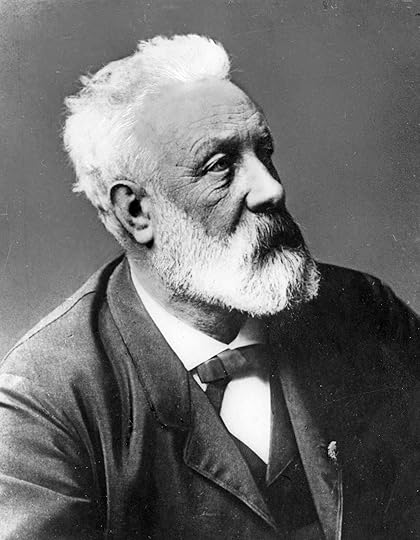
p.s: ჟიულ ვერნი თურმე ძალიან ჰგავს აკაკი წერეთელს.
ედგარ ალან პოს ნაწარმოები ბუნდოვნად, კვანძის შეკვრის გარეშე სრულდება, რისი ფუნქციაც, ალბათ, სწორედ ისაა, რომ მოთხრობილ ამბავს მეტი რეალისტურობა შესძინოს. თუმცა, ჟიულ ვერნისთვის ეს ბუნდოვანება ახალი რომანის ინსპირაციად იქცა და პოს ფიქცია აქცია რეალობად იმისათვის, რომ საკუთარი ფიქცია შეექმნა და მისი კვანძი თავად შეეკრა.
რომანი ორ ნაწილად იყოფა: პირველ ნაწილში მთავარი გმირები იმ ეკიპაჟის მარშრუტს მიჰყვებიან, რომელიც ედგარ ალან პოს რომანის მიხედვით თერთმეტი წლით ადრე დაკარგულმა მეზღვაურებმა გაიარეს. ეს ნაწილი დუნეა, ოდნავ მოსაწყენი და იმდენად ვიკიპედიური, რომ ინფორმაციის ზედოზირების და გვერდების გამოტოვების საფრთხეს ქმნის. მეორე ნაწილში კი ის ჟიულ ვერნი ბრუნდება, ბავშვობის სათავგადასავლო წიგნებიდან რომ გვიყვარს და ყველაფერი [ოკეანის] კალაპოტში დგება.
დასასრული ცოტა მოსხლეტილია, თითქოს ავტორი თხრობით თვითონვე დაიღალა და გრძელი სიტყვა მოკლედ მოჭრა. მეორე მხრივ კი შესაძლოა ესეც ერთგვარი ირონიული გადათამაშებაა პოს რომანის დასასრულისა, რომელსაც მთელი თხრობის განმავლობაში გაურკვევლობის გამო აკრიტიკებს და თავად კი მთავარ კვანძს ასევე მკითხველის ფანტაზიას ანდობს.
p.s: ჟიულ ვერნი თურმე ძალიან ჰგავს აკაკი წერეთელს.
July 12, 2010
I wanted to see how Verne could have found a way out of the impossible corner Poe so vividly painted himself into with The Narrative of Arthur Gordon Pym of Nantucket. Inevitably Verne was forced to reject a few details of Poe's work (partially by asserting that Poe had no contact with Pym - only with a manuscript brought to him by Dirk Peters). Peters is a major character in Verne's novel which makes an effort to be consonant with the 1890's state of knowledge about Antarctica without completely rejecting Poe's made-up geography. Some pseudoscientific hokum about magnetism plus lots of sincere admiration of Poe's genius help make this an amusing sequel. Verne makes use of Pym's dog, Tiger, to good effect - he single-handedly (pawedly?) eliminates the entire tribe of nefarious natives from Tsalal Island! Written late in Verne's career, the story makes some interesting references to reliance on Divine Providence which I supposed might have reflected Verne's humility in facing the manifestly impossible task he imposed on himself.

December 16, 2015
Having read and enjoyed some of Jules Vernes more well known works years back, I was a bit surprised at the slow start to this story. I was about 2/3 the way through, and on the verge of quitting, when I began to be gripped by it. But oh, what a disappointing start!
A huge chunk of the early part of this book is taken up with a summary of the E.A.Poe tale The Narrative of Arthur Gordon Pym of Nantucket and I would say to anyone looking for an Antarctic read, that that book may well be a better proposition although the terms used in both stories would be deemed racist and unacceptable by modern readers.
When the action finally starts it is with the touch of adventure and foresight that one would expect of this visionary author. A real taste on Antarctica.
A huge chunk of the early part of this book is taken up with a summary of the E.A.Poe tale The Narrative of Arthur Gordon Pym of Nantucket and I would say to anyone looking for an Antarctic read, that that book may well be a better proposition although the terms used in both stories would be deemed racist and unacceptable by modern readers.
When the action finally starts it is with the touch of adventure and foresight that one would expect of this visionary author. A real taste on Antarctica.
August 3, 2007
In theory, this sounds kind of neat. Huh, so Jules Verne wrote a sequel to a story by Edgar Allen Poe? Sounds interesting, especially given the bizarre, Lovecraftian ending of Poe's novella. But where Lovecraft was obviously influenced by Poe's work (just look at the abrupt ending dealing with a surreal, potentially god-like entity, or the fact that Lovecraft took a similar plot for his At the Mountains of Madness and even directly borrowed the cry of "tekeli-li" in that story from Poe), Verne seems to have read Pym's adventures and thought, "you know, that was fine and all, but wouldn't it be better without all that mystery and weirdness? And it takes place in the Antarctic? It sure could use some more ice."

March 5, 2010
This book took some extra reading, for after the first chapter you soon find it is a sequel to Edgar Poe's "The Narrative of Arthur Gordon Pym of Nantucket". So I had to put it aside and read Pym first. I recommend reading them in order.
So now, a review. I like what Mr. Verne has done with Mr. Poe's story. I really cannot say much about it without giving away the interesting bit about it however. It is a fitting sequel and well worth a read.
So now, a review. I like what Mr. Verne has done with Mr. Poe's story. I really cannot say much about it without giving away the interesting bit about it however. It is a fitting sequel and well worth a read.

May 18, 2016
Not a bad mystery.

May 31, 2023
4.5
¡Me lo disfruté muchísimo!
¡Me lo disfruté muchísimo!

August 25, 2020
Me re-leí las "Aventuras de Arthur Gordon Pym" solo para poder completar la "Trilogía Antártica", es decir a trilogía de novelas que se creó a partir de la extraña novela de Edgar Alan Poe, porque tal fue su influencia que Julio Verne hizo una secuela y más tarde H.P. Lovecraft hizo también un, ¿homenaje?, realmente no sabemos que fúe lo que hizo, porque no es como la novela de Verne que claramente es la continuación de la historia de Poe, sino que al parecer Lovecraft hizo su propia historia en el futuro pero tomando algunos elementos de Poe, incluso la ambientación.
Como me interesaba "La esfinge de los hielos" sabiendo que era una clara secuela de las desventuras del "pobre Pym", volvi a leerlo para tener frescos los acontecimientos.
Realmente es necesario hacerlo si se quiere leer la novela de Verne, por las abuntantes citas, personajes y situaciones que tienen que ver con la historia, logrando de esta manera realmente disfrutarla.
Es un cambio en el estilo habitual de Verne, porque de algún modo, quiso mantener el espíritu y atmósfera de la opresiva novela del genio norteamericano y lo logra a costa de Julio Verne, pues por momentos parece que es el mismo Poe quien toma control de la pluma del escritor frances.
Me gusta el desarrollo de los personajes, aunque al inicio la novela es muy disney, salvándose todos los que están en peligro, sin embargo una vez dentro de la "Zona Polar Poe" la cosa cambia y todo se vuelve oscuro, terrible y fatal.
Al final logra prevalecer el "Walt" Verne que conocemos y logra un final agridulce, contrario a Poe que siempre tiene finales bizarros.
Algo curioso es que al principio la sentí bastante lenta, sobre todo por el nivel de detalles técnicos del quehacer marino, pero una vez pasada la frontera del circulo ártico, todo fue en ascenso y se volvió tan delirante como el Pym de Poe, al punto que los últimos capítulos me desvelaron y no pude parar de leer.
Como me interesaba "La esfinge de los hielos" sabiendo que era una clara secuela de las desventuras del "pobre Pym", volvi a leerlo para tener frescos los acontecimientos.
Realmente es necesario hacerlo si se quiere leer la novela de Verne, por las abuntantes citas, personajes y situaciones que tienen que ver con la historia, logrando de esta manera realmente disfrutarla.
Es un cambio en el estilo habitual de Verne, porque de algún modo, quiso mantener el espíritu y atmósfera de la opresiva novela del genio norteamericano y lo logra a costa de Julio Verne, pues por momentos parece que es el mismo Poe quien toma control de la pluma del escritor frances.
Me gusta el desarrollo de los personajes, aunque al inicio la novela es muy disney, salvándose todos los que están en peligro, sin embargo una vez dentro de la "Zona Polar Poe" la cosa cambia y todo se vuelve oscuro, terrible y fatal.
Al final logra prevalecer el "Walt" Verne que conocemos y logra un final agridulce, contrario a Poe que siempre tiene finales bizarros.
Algo curioso es que al principio la sentí bastante lenta, sobre todo por el nivel de detalles técnicos del quehacer marino, pero una vez pasada la frontera del circulo ártico, todo fue en ascenso y se volvió tan delirante como el Pym de Poe, al punto que los últimos capítulos me desvelaron y no pude parar de leer.

July 13, 2021
Esforçada continuació de 'Les aventures d'Arthur Gordon Pym' per obra i gràcia del grandíssim Jules Verne. Sorprenentment, però, el pare dels viatges extraordinaris va preferir aquí fornir una història ancorada en el realisme i la versemblança, que s'allarga prop... de 400 pàgines (!) excessivament descriptives i anodines. Tot això per, al final, desvelar tots els misteris (inclòs el parador del pobre Pym) d'una revolada i amb presses. Ni l'acuradíssima traducció del mestre Munné-Jordà aconsegueix enlairar aquesta novel·la a l'Olimp de la seva predecessora. Però també és veritat que, malgrat tot, alguns lectors la puguin trobar una entretinguda lectura marinera per a les tardes d'estiu.

April 27, 2026
Et si Jules Verne terminait une histoire laissée sans fin ?
Dans Le Sphinx des glaces, il reprend le mystère de “Les Aventures d’Arthur Gordon Pym” d’Edgar Poe.
Direction le pôle Sud, un explorateur par à la recherche de Pym disparu dans une zone inconnue, un long voyage les attend… après plusieurs semaines en mer ou la tension monte petit à petit, BAM découverte choc :
Un sphinx de glace aux pouvoirs mystérieux, mais 🤫 à toi de découvrir !
Verne transforme le mystère de Poe en explication scientifique.
Mais au prix d’un rythme… parfois très lent.
C’était sympa mais pas mon préféré des aventures Vernienes.
Dans Le Sphinx des glaces, il reprend le mystère de “Les Aventures d’Arthur Gordon Pym” d’Edgar Poe.
Direction le pôle Sud, un explorateur par à la recherche de Pym disparu dans une zone inconnue, un long voyage les attend… après plusieurs semaines en mer ou la tension monte petit à petit, BAM découverte choc :
Un sphinx de glace aux pouvoirs mystérieux, mais 🤫 à toi de découvrir !
Verne transforme le mystère de Poe en explication scientifique.
Mais au prix d’un rythme… parfois très lent.
C’était sympa mais pas mon préféré des aventures Vernienes.
Displaying 1 - 30 of 281 reviews