"[Appiah's] work reveals the heart and sensitivity of a novelist. . . .Fascinating, erudite and beautifully written."—The New York Times Book Review
In this groundbreaking work, Kwame Anthony Appiah, hailed as "one of the most relevant philosophers today" (New York Times Book Review), changes the way we understand human behavior and the way social reform is brought about. In brilliantly arguing that new democratic movements over the last century have not been driven by legislation from above, Appiah explores the end of the duel in aristocratic England, the tumultuous struggles over footbinding in nineteenth-century China, the uprising of ordinary people against Atlantic slavery, and the horrors of "honor killing" in contemporary Pakistan. Intertwining philosophy and historical narrative, he has created "a fascinating study of moral evolution" (Philadelphia Inquirer) that demonstrates the critical role honor plays a in the struggle against man's inhumanity to man.
Kwame Anthony Appiah, the president of the PEN American Center, is the author of The Ethics of Identity, Thinking It Through: An Introduction to Contemporary Philosophy, The Honor Code and the prize-winning Cosmopolitanism. Raised in Ghana and educated in England, he has taught philosophy on three continents and is a former professor at Princeton University and currently has a position at NYU.
I had been waiting for a book on this exact subject to come my way. Short (204 pages) but packed, pungent and profound, this was just what I wanted.
The question is this – we know that great improvements in human behavior have been made over the centuries, just as we know great crimes and follies continue to be committed. How were the moral changes made? Why did some people decide to abandon the evil customs of centuries and become better human beings? Why would they do that? Because it’s always easier to stay the same and not change.
Professor Appiah chooses three very interesting examples of where things really got better for human beings. The first one is probably now regarded as peculiar and almost amusing, rather than a great crime – duelling. The second will make you feel very sick if you spend more than 30 seconds thinking about it : Chinese foot binding. The third is the most famous : slavery. These were three successful moral revolutions – the good guys won. He concludes with a fourth example which is contemporary – the battle is still in doubt here : honour killings.
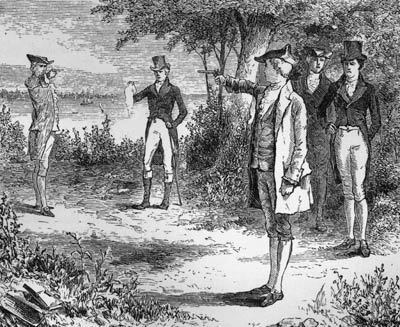
DUELLING
You remember the opening scenes of Romeo and Juliet and the general gang war between the Bloods and the Crips – the duel, with all its precise elaborate rituals and rules, was invented to replace all that mayhem. Instead of the honour of one family, or gang, being only satisfied after 30 people lay dead in the streets, the individual who perceived himself to be disrespected challenged the disrespecter to mortal combat, usually at dawn, with swords or, later, pistols. By the 9th century popes were denouncing duels as unchristian. It took another thousand years for duels to finally peter out in Britain.
Duels were an aristocratic thing, and strictly male. Whoever heard of two women duelling? That would never do – what would Jane Austen have said? And really, they were always incomprehensible. If you insult my honour by saying that I had sex with a wombat and I always smell of garlic, and I challenge you to a duel, and I shoot you dead, does that now prove that I never had sex with a wombat and never smell of garlic? Well, of course it doesn’t. An 18th century writer put it like this :
If having seized a man who has murdered my wife, I should carry him before a tribunal, and demand justice, what would we think of the judge, if he should order that the criminal and I should cast lots which of us should be hanged.
The deaths which happened during duels were always technically murder, but because the authorities shared the same honour system as the duelers, these were never prosecuted. A writ would be issued, the surviving duelist would bugger off to France for a few months, and the matter would be forgotten.
How duelling declined was amusing - it became popular with the middle classes. When the lords and dukes noticed that drapers and hauliers and bottletop manufacturers were duelling to protect their honour, they concluded that duelling was no longer honourable. And when the middle class noticed the aristocrats didn’t do it any more, the glamour wore off rapidly.
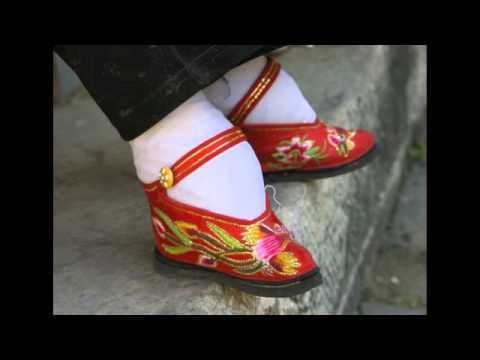
CHINESE FOOTBINDING
This atrocity involved only women. By the late 13th century:
Families which claimed aristocratic lineage came to feel compelled to bind the feet of their girls…as a visible sign of upper-class distinction
The meaning was clear : upper class girls and women do not work. The tiny bound (read: crushed) feet made it impossible for them to run, and they could only walk in tiny steps. Prof Appiah continues:
Men came to long for small-footed women; and this painful practice was made bearable to women – as they endured it themselves, and as they witnessed the pain of daughters, nieces and granddaughters – by the conviction that their tiny feet were simply beautiful. This conviction is hard to share if you look at the pictures of the bare foot freed from its bindings… but we have to remember that this was not what most people saw.
Here is the first of this book’s major points : what brought foot binding to an end was NOT the moral objections to it – these were known to everyone from the beginning, as duelling was known to be illegal. Foot binding continued for centuries until the invasion of China by Western countries in the 19th century. China had assumed it was the most civilized and advanced country on earth, but had to acknowledge - after the persuasive arguments of naval bombardment - that in many respects it was now lagging behind, and needed urgent modernization.
It became known to the Chinese intelligentsia that foot binding was something which the outside world considered to be brutal, degrading, and dishonourable to China itself. That which inside China was a mark of honour was outside China the very reverse.
The Chinese anti-foot binding movement was massively successful in a very short space of time – one survey found that 99% of women had bound feet in Tinghsien (a conservative rural area) in 1899 and in 1919 none of them had. 99% to zero. Not bad! The campaign had a clever strategy:
It created unbound unmarried women and men who would marry them at the same time… to refrain from binding your daughter’s feet and from marrying your son to foot-bound women did exactly what was required.
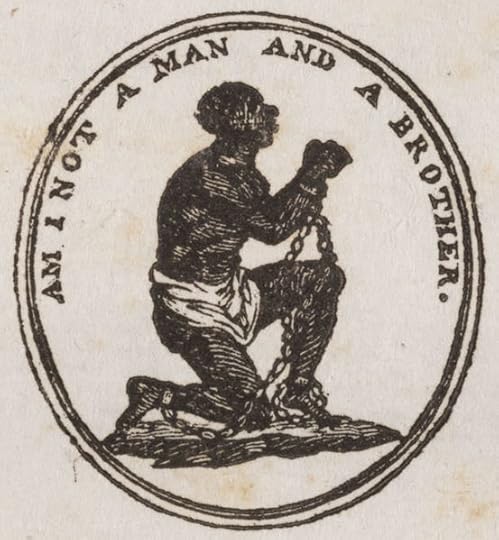
SLAVERY
Again, the moral arguments against slavery were understood from the beginning. The question was how to mobilise these arguments. There were two parts to the abolition movement in Britain – first, to abolish the slave trade. This was done by act of parliament in 1807. But of course there were still slaves throughout the British empire. Finally in 1833 they were emancipated by another act in parliament.
I shall refrain from summarizing Prof Appiah’s arguments here except to say that the gist of it is that the growing working class movement in Britain was convinced that slavery was a crime being committed daily by Great Britain in the name of all its citizens, and was therefore profoundly dishonourable to Great Britain. And it was from those workers that the big push came. Check out these numbers:
It is likely that more than 20% of British men over the age of 15 signed the anti-slavery petitions of 1833. To sign up that proportion of the male population of that age in the United States in 2010, you would have to persuade more than 23 million people, and you would have to do it without the resources of the internet!
HONOUR KILLINGS
Finally the book gives us a moral revolution which hasn’t happened yet, the honor killings of women. This is a very difficult subject – for instance, it is often stated to be a problem of Muslim societies, but Prof Appiah says clearly that Islam prohibits these murders (“In the struggle against honour killings, Islam is an ally”). And also, any campaign against honour killings should readily admit that dis-honour killings of women by non-Muslim men happen in Western societies on a daily basis.
To discuss this issue would double the length of this already lengthy review so let’s just conclude with
A CONCLUSION
Duelling and foot binding were considered marks of honour. Britain for centuries thought the slave trade was an honourable enterprise. The revolutions which got rid of these barbarities happened when they became perceived as DIShonourable. And this has to be done by a subtle combination of outsiders informing the insiders and of insiders accepting this new perspective and informing their fellow insiders.
An excellent discussion of a crucial subject – recommended.
The Honor Code came to my attention as a book that was highly recommended by a friend and colleague whose opinion I respect. I looked forward to reading it. It sounded intriguing. And I carefully read it. The premise is this: We can understand, as its subtitle states, ’how moral revolutions happen' by looking at four chapters in human history, and conclude as the back cover blurb fizzes, ‘have not been driven by legislation from above, but by a long-neglected engine of reform: honor.’
What’s not to like? As someone who lives and breathes animal rights, and strives to understand how social movements succeed, there was much that I looked forward to learning but, instead, discovered that there is not much to inform and enlighten here. Well, I should say, there is not much to inform and enlighten me here.
Frankly, it was disappointing. At times, it shone, but mostly it was dim.
Let’s start with honor, which, as you would expect, is discussed extensively in the book. But I came away thinking that there was no there there when it came to honor. Yes, of course, honor, is an important and legitimate emotion and status that manifests itself in various ways. But all the while as I read The Honor Code I could not but help think that what this book was really about was respect. But The Respect Code just does not have the same ring to it.
At one point, the author writes in a section that annoyingly I can not now locate, and so I will paraphrase, ‘So, honor, what’s it all about? Why all the fuss?’
Exactly.
My disliking this book should not suggest that I have anything against the author, Kwame Anthony Appiah, a distinguished and accomplished professor of philosophy, who I have not met and not read anything else that he has written.
Nonetheless, the author relates well the story of four social issues and the place of honor in them. They are the duels that gentlemen in power in English and other societies fought to prove something or another. The patriarchal practice of literally confining Chinese women by cruelly binding their feet so that they could not escape. The campaign by the British working class and others against the trade in slaves. And the ‘honor killing’ in Pakistan today and elsewhere.
Honor must definitely was an ingredient in them all. But was it the yeast that made bread rise? Or the flour that give the yeast the place to grow?
Methinks it is just too simplistic to say that honor was the common ingredient among them all that did all the heavy lifting.
So what was?
Well, it has to be a combination of forces and, depending upon which one, different mixes of such things as class struggle, women challenging patriarchy, the power of the ruling class and their control of the less powerful, the stupidity, selfishness and arrogance of men, and the tenacity and stubbornness of some people who 'No!'
To say that honor was the common agent of change among these four struggles or, indeed, any other is naive, apolitical and quite simply wrong.
And, so, what of my friend who made the book's recommendation?
His opinions I will continue to respect. I still consider it an honor to know him. But as for any future reading recommendations, well, let us just say that the code among friends will prevail.
Appiah อธิบายด้วยภาษาที่สละสลวยและจำแนกคำอย่างชัดเจน แยกแยะระหว่างเกียรติแบบ "ความอยากให้คนอื่นยอมรับในศักดิ์ศรีความเป็นมนุษย์" ซึ่งทุกคนมีเหมือนๆ กัน (respect of human dignity) กับเกียรติแบบ "อยากให้คนอื่นยอมรับว่าเรามีค่าควรแก่การยอมรับ" (คือทำตัวคู่ควรกับเกียรติที่ได้รับ - being worthy of respect)
How do moral revolutions happen? Dueling, foot-binding, slavery and “honor” killings were once considered honorable practices but today most people find them repellent. In THE HONOR CODE Appiah analyzes these four examples to illustrate how traditional beliefs about honor came to be in sharp contrast with evolving views of morality. In each case, arguments against the practices were well known long before they were given up, but knowledge alone wasn't enough. “Honor” killing has not been completely eliminated, but for each of the other practices Appiah details how the development of an expanded, less insular world view or "honor world" changed cultural beliefs and overthrew these long held customs. With this book Appiah is hoping to help spark modern moral revolutions.
Appiah talks about what these modern revolutions might be in an excellent September 2010 article in the Washington Post. Just as we look back with horror at slavery and foot binding, people in the future may condemn one or more of our current practices. To determine what might cause our descendants to wonder “What were they thinking?!” Appiah provides three guidelines: first, arguments against the practice have long been in place, second, defenders of the practice cite tradition, human nature or necessity as reasons to continue (How could we grow cotton without slaves?), and third, supporters of the practice engage in strategic ignorance, for instance wearing slave-grown cotton without considering where it comes from. Appiah’s contemporary candidates for moral revolutions include industrial meat production, the current prison system, the institutionalization and isolation of the elderly, and the devastation of the environment.
Appiah is a philosophy professor at Princeton and his writing is sometimes a little choppy in a logician’s proof solving style, but the material is well thought out, timely and fascinating.
ميثاق الشرف (كيف تحدث الثورات الأخلاقية) كوامي أنطوني أبياه ....................................... هذا الكتاب من الكتب النادرة في موضوعها. ولكي أحفزك علي قراءته، فإن هذا الكتاب قد يكون السبب في تغيير أفكارك عن القيم الأخلاقية وخاصة ما يتعلق منها بالشرف، الشرف الذي من أجله ارتكبت الجرائم، وهذه الجرائم ارتكبت للحفاظ علي شرف تغير معناه فيما بعد، وكان التغير في المفاهيم للعكس تماما. في خمس فصول يتحدث الكاتب عن خمس موضوعات، الأول عن المبارزة كواحدة من ممارسات النبلاء التي يحافظون بها علي شرفهم، وكانت تمارس قبل عقود في بلاد أوروبا، لكنها الآن جريمة يعاقب عليها القانون. وفي الفصل الثاني تحدث عن عادة ربط أقدام الإناث في الصين الإمبراطورية القديمة، حيث كانت من علامات الجمال، ومن دلائل شرف المرأة، وقد بطلت هذه العادة البغيضة بعد أن قامت ضدها ثورة وصارت جريمة يقع فاعلها تحت طائلة القانون. وفي الفصل الثالث تحدث عن قضية الرق التي راح ضحيتها ملايين الزنوج في مزارع العالم الجديد، وقد أصبح الاسترقاق جريمة بعد أن كان من علامات الأرستقراطية الاجتماعية. في الفصل الرابع تحدث عن المرأة وما يجري ضدها من حروب باسم الشرف، حيث تقتل المرأة بسهولة ويفلت قاتلها من العقاب إذا كان سبب القتل هو الحفاظ علي الشرف، ويحدث هذا في المجتمعات الإسلامية غالبا. في الفصل الخامس بعنوان دروس وموروثات يتحدث الكاتب بشكل عام عن مستقبل فكرة الشرف، ولماذا تتغير المعاني والمفاهيم، وما هي خطوات التغيير. في هذا الكتاب تعرف فيه كيف تتغير المفاهيم الأخلاقية. كيف تبدأ الثورة علي أخلاق قديمة لإحلال أخلاق جديدة مكانها. بمزيج من التاريخ، والفلسفة، والاجتماع، وبأسلوب أدبي شائق يستمر الكاتب في الحديث عن موضوعه فلا تمل أبدا من المتابعة من قضية لقضية حتى تتفاجأ بأن الكتاب انتهى. كتاب رائع لا تدعه يفوتك.
An interesting read. Appiah looks as moral revolutions in two cultures that resulted in societies abandoning practices that had been closely associated with honor: dueling, the slave trade (as in, slaves or peasants were required to do the manual labor that an honorable man would not do), and foot binding. He then asks if lessons learned from these transitions can be applied to current social problems associated with ‘honor’, such as honor killings in Pashtun culture.
I don’t think the attempt to paste English and Chinese experience on the Pashtun situation works, because I’m not sure that the external shame that led to change in the nineteenth and early twentieth centuries in those two cultures has any currency in the pashtunwali pockets where sex outside marriage, whether consensual or rape, calls for murder of the woman. Appiah cites examples of occasional women standing up for their rights in this world, but his acknowledgement of the condemnation by reactionary authorities isn’t encouraging. Since I was reading it with exactly this situation in mind, I came away more depressed than I started.
This was a really interesting book. It's the first time I've read a book that discusses a philosophical idea using historical examples to back it up.
The history itself was so intriguing - duelling, foot-binding, slavery and honor killings - that it's reignited in me the excitement to pick up more non fiction history books on a whole range of topics.
The idea discussed, that honor can spark moral revolutions, was an interesting one. It made me think about how important honor is (or at least, how important it should be) for the betterment of humanity. Although obviously it can also be used to our own detriment if looked at the wrong way. Appiah explains these things fully (I can't, just read the book if you don't understand what I'm on about haha). I don't know that I'm entirely convinced by his theory but I do now believe that honor is often at least somewhat of an influence when it comes to moral revolutions.
There are two things that I love about this book. First, Appiah brings together excellent case studies of “moral revolutions”—the decline of dueling in England, the anti-footbinding campaigns in China, the abolition of the slave trade in England—historical phenomena when attitudes and practices changed for clear reasons through campaigns of shaming and ridicule. Second, I love that a philosopher focuses on historical examples of past changes in order to speculate about how future changes could occur. This gets us away from thinking that social change is about “new ideas” or “better arguments” and more about material forces like social pressure, newspapers, and Appiah’s unifying theme—Honor. Though Honor and Recognition are the common notes in his examples—and issues of anti-woman violence as enduring problems—I am less convinced by his specific prescriptions and more excited about how ethicists can use History to reflect on changing conditions and the logistics of organized movements.
რადარამის გამოცემულ წიგნებში ეს და being wrong არის საუკეთესო ^_^
''2001 და 2002 წლებში ამირ ჰ. ჯაფრიმ, კომუნიკაციების კვლევების პაკისტანელმა დოქტორანტმა, სამშობლოში ჩაწერა რამდენიმე ინტერვიუ ღირსების სახელით მომხდარ ქალთა მკვლელობების შესახებ. ერთ-ერთი ასეთი ინტერვიუ მან ისლამაბადის მეჩეთის მოლასგან აიღო. თავდაპირველად, მოწაფეებით გარშემორტყმულმა რელიგიურმა მოძღვარმა აღიარა,რომ როდესაც ხედავს ქალებს, რომლებსაც თავშლით სახე მთლიანად არ აქვთ დაფარული, სურს აკუწოს ისინი ან რომელიმე მამაკაცს მიათხოვოს. როდესაც ჯაფრიმ ჰკითხა მას, რამდენად შეესაბამებოდა ეს ისლამს, მოლა გაწითლდა და დადუმდა. შემდეგ მან მოწაფეებს გადახედა და წაიბურტყუნა: „ისლამი ამის უფლებას არ იძლევა, მაგრამ ზოგჯერ ასე უნდა მოიქცე, რათა სხვებს მაგალითი მისცე.’’
Of the many paradoxes that bedevil human nature, one of the most intriguing is our tendency to seek out freedom while simultaneously longing for submission. American philosopher Josiah Royce understood this well:
"We profoundly want both to rule and to be ruled. We must be each of us at the centre of his own active world, and yet each of us longs to be in harmony with the very outermost heavens that encompass, with the lofty orderliness of their movements, all our restless doings. The stars fascinate us, and yet we also want to keep our own feet upon the our solid human earth. Our fellows, meanwhile, overwhelm us with the might of their customs, and we in turn are inflamed with the naturally unquenchable longing that they should somehow listen to the cries of our every individual desire." (The Philosophy of Loyalty, 59)
Royce’s theory of loyalty sought to resolve this tension, and Kwame Anthony Appiah’s The Honor Code: How Moral Revolutions Happen follows in the same tradition. Appiah identifies a critical difference between morality and honor, positing morality as an internal force influencing our decisions about how to act, and honor as the social force that dictates the consequences of those actions.
“Honor and morality are separate systems,” Appiah writes. “They can be aligned…[but] can easily pull in opposite directions” (108). When the demands of morality and honor coincide, however, honor can drive moral progress, acting as “an engine, fueled by the dialogue between our self-conceptions and the regard of others, that can drive us to take seriously our responsibilities in a world we share” (179).
This dichotomy (moral sphere as internal, honor sphere as external) is far from perfect, but if you can bring yourself to accept it, this will be an informative and engaging read. The Honor Code isn’t particularly well-written, but Appiah’s undue wordiness doesn’t prevent him from adequately supporting his thesis.
To demonstrate the role of honor in moral progress, Appiah examines four historical examples of honor practices that were challenged by what he calls “moral revolutions”: Pistol dueling in Britain, footbinding in China, the Transatlantic slave trade, and honor killings in Pakistan. Each topic is relevant, but it’s unclear why Appiah chose to include one contemporary and unresolved example––honor killings––among three others that are firmly in the global past.
The reason honor is so important, Appiah claims, is that moral argumentation isn’t an adequate influence in changing behavior:
"Arguments against each of these practices were well known and clearly made a good deal before they came to an end. Not only were the arguments already there, they were made in terms that we––in other cultures or other times––can recognize and understand. Whatever happened when these immoral practices ceased, it wasn’t, so it seemed to me, that people were bowled over by new moral arguments…[However], in each of these transitions, something that was naturally called 'honor' played a central role." (xii)
This point is bolstered by the findings of modern psychology. People rarely change their opinions or habits when presented with new arguments. The unpleasant truth is that culture and biology usually trump law and logic. Human behavior, therefore, is more sensitive to shifting conceptions of honor than to moral arguments. If we want moral progress, we can’t ignore honor.
Although I accept this as an important insight, I’d like to emphasize that while moral arguments may not be sufficient for moral progress, I think they are definitely a necessary ingredient. Myriad factors influence how people change their ideas and actions over time, and moral arguments are not completely ineffectual. This is especially true when the argument takes place in a socially significant context (i.e. I’m more likely to entertain a moral argument from a parent or friend than from a stranger on the bus). To his credit, Appiah points out the limits of argumentation without derision; after all, coming down too harshly on argumentation would be a form of philosophical self-sabotage.
In order to enact positive developments in honor codes, and therefore in the behaviors of those who ascribe to such codes, we must look to the social dynamics of pride and shame. One of Appiah’s most interesting findings is that modern forms of collective identity––most notably nationalism––can exert a great influence on moral revolutions.
"Part of what spurs us to do what our country needs us to do is a pride in country that depends on our thinking 'we' have done great things. It depends, that is, on a sense that we are entitled to national esteem: that we are, in fact, an honorable nation." (97)
Nationalism is perhaps the most obvious contemporary form of group identity, but the same dynamic has applied, does apply and will apply to the honor codes of any conceivable human group. This stems from our evolutionary history of tribalism. Every group has a set of norms and consequences (formal or otherwise) for those who violate them. The social nature of honor codes demands a higher level of maintenance than individual morality (i.e. I may feel dubious about satisfying my personal sense of justice if doing so brings shame to my community). In Appiah’s words:
"Caring to do right is not the same thing as caring to be worthy of respect; it is the concern for respect that connects living well with our place in a social world. Honor takes integrity public." (179)
Since honor “takes integrity public,” it is a potential tool for improving the status of public integrity. The question of exactly how to go about this does not admit an easy answer; solutions will vary according to particular conditions. But there are some general guidelines that will help us “change the grounds of honor, to alter the codes by which it is allocated” (169).
For starters, any desirable honor code should be sensitive to matters of human dignity:
"What follows from a commitment to human dignity, I think, is that we should take care to avoid creating honor worlds and honor codes that grant so much standing to the successful that they imply a disrespect for the rest of us." (131)
The modern crises of inequality (human vs. human, human vs. environment) are fueled by honor codes that reward narrow definitions of success––usually financial wealth, economic clout or political power––above all other goods. When individuals, corporations or governments cite “competition” or “growth” as a justification for ignoring consequences “external” to their particular honor codes, “disrespect for the rest of us” is unavoidable. Indeed, disrespect is just the tip of the iceberg, as the residents of Flint, Michigan well know. Furthermore, these bad actors often get away with thinking they haven’t done anything wrong. Why bother with the headache of moral calculus if you’re living up to your community’s standard of honor?
What follows is that altering or expanding definitions of “success” will help us begin to ameliorate and reverse these negative trends. The concept of dignity, as well as other non-quantifiable ways of speaking about human value, will play a key role in this process.
If we want honor to contribute to moral progress instead of impeding it, we need to make honorable behavior align with morality wherever possible. This means holding ourselves and members of our communities accountable for immoral behavior, and integrating such judgments with norms that dictate which behaviors are praiseworthy, and which are shameful. It also means taking personally, to a reasonable degree, the negative behavior of others: “It takes a sense of honor to feel implicated by the acts of others” (204).
None of this helps us with the thorny question of how to define moral behavior, or how to get along with groups that define morality differently than we do. But The Honor Code does say something important about the problem of human motivation, emphasizing its inescapably social character. Radical individualism stymies the reformation of bad honor codes; no one can harmonize internal impulses with external demands in isolation.
By propagating and creating better honor codes, we walk the path toward moral revolution. It may not come easily, but it does happen, as shown by the United States’ recent and swift pivot on the issue of marriage equality. In this case, as in others, “It wasn’t the moral arguments that were new; it was the willingness to live by them” (161).
This review was originally published on my blog, words&dirt.
This thought-provoking book looks at how the concept of honor inspires people to act, sometimes in ways we find laudable, and other times in ways we abhor. Specifically, the author looks at episodes in history where honor was integral to making radical changes in society in a short period of time, and asks whether we can apply lessons from those moments to contemporary problems like honor killing in Pakistan.
His three historical examples are the decline of dueling in nineteenth-century England, the abolition of slavery, and the end of footbinding in China. In each of these three cases, the moral or practical reasons for ending the practice had been clear for some time. Everyone knew that dueling was an arbitrary and stupid way to determine who was telling the truth and that footbinding is painful. He shows how a sense of national or personal honor contributed to societal change. For example, the author asserts that nineteenth-century English workers' increasing sense of dignity in their own role led them to disapprove of slavery because it assigned a lower value to people because of their role as laborers. He suggests that, as China's "honor world" expanded to include the West, footbinding became an embarrassment rather than a source of prestige.
I found the overall idea more convincing than the individual examples. (I would actually have preferred if the book were longer and included more historical background on each issue.) This book is most worthwhile because of the way it uses historical examples to clearly explain concepts like the difference between honor and dignity, honor worlds and honor peers, and so forth.
This book was not good. While the title might indicate that the book would discuss HOW MORAL REVOLUTIONS HAPPEN, I wouldn't consider this topic to have been broached. Instead, the author gives his perspective of a few instances of social change (the end of dueling, the end of footbinding) that seem disconnected. The lack of a main thesis or really even a full exploration of the topic was disappointing. On top of all of that, the book was either poorly written... or poorly edited... or both - which made it sometimes difficult to follow.
ميثاق الشرف هذا الكتاب يستعرض ثلاث ظواهر في مجتمعات مختلفة، الصين وبريطانيا وأمريكا ، يتناول هذه الظواهر الغير إنسانية من بداية ظهورها ومن ثم يتناول أثرها على المجتمع وايضاً مدى ظلمها لفئة كبيرة جداً من المجتمع ويشتعرض الكاتب كيف تم القضاء على هذه الظواهر، وكيف احساس افراد تلك الشعوب بأن شرف أمتهم ملطخ بالعار بسبب هكذا ممارسات - لم تكن تُمارس حتى في بدائيات التاريخ البشري ربما- أدى لقيام ثورة أخلاقية من ثم ينتهي الكاتب باستعراض كيف بأن افراد بعض الشعوب حالياً - باكستان كمثال- ربما يحتاجوا للاحساس بالشرف ومناهضة قمع المرأة هناك ويتناول أكثر من مثال كتاب جميل لا يُمَل
I am sorely disappointed on this book. Its style is confusing, the author delves way too much into (in my opinion) irrelevant details on the English nobility and other topics. The author could have conveyed the main point of the book in 50 pages or less. At end, his idea on "Moral Revolutions" is nothing more than peer pressure, shame, and changing paradigms. A bit simplistic, I think.
Anyway, I doubt I will be reading anything on this author again.
An interesting little book with a misleading title. Appiah by no means explains fully how the moral revolutions of the end of British slavery, the end of Chinese footbinding, and the end of European duelling came about; instead, he shows the role of shifting conceptions of honor in that process.
The argument in 3 case studies is that honor can be repurposed from something that encourages violence or oppression to something that ameliorates those things. Honor, for Appiah, is the right to be respected within one's honor community, which can be as small as the English aristocracy or as large as humanity itself. Honor also deals with not just the desire for respect but the desire to be worthy of respect, which means living up to a certain standard. In the case of dueling, honor required maintaining one's standing within the small community of noble males, but it evolved from a way to restrain violence to a destructive practice that was killing off elites and undermining the rule of law. Honor started to be repurposed against dueling because of the rise of bourgeois and working class politics/values, especially the mass press, which mocked dueling as a silly and archaic practice. Also, non-nobles were doing it as well. Both of these things undermined dueling as a marker of elite status, and in a couple of decades the practice virtually disappeared.
Appiah's argument is even clearer in the case of footbinding, a method both of elite family honor and control of women. As China was being bullied by European powers and JP in the 19th century, some Chinese elites and middle class people started to argue that practices like footbinding brought shame to CHina in the eyes of the world, making them look barbaric and reflecting their overall failure to modernize. As China shifted from monarchy to republic in the late 19th and early 20th centuries, footbinding fell out of failure as the country made the first steps toward modernization. Lastly, Appiah shows that the desire for honor and decency in the British middle and upper-middle classes, along with Enlightenment values and changes in Christianity, drove Britain to quite rapidly abolish the slave trade first and slavery second. For the British working class, which turned hard against slavery although not against racism, the driving motivation was to preserve the honor of labor, which they believe slavery degraded by associating the working class with black slaves.
The key to Appiah's argument, which I mostly buy, is that human beings usually don't do what is right just because of abstract moral arguments, a la Kant. They need motivation to do right, and ideally those motives will point in the same direction as morality. Honor can be a powerful motive to pursue the right thing, whether that's restoring one's personal reputation or that of one's class, nation, or creed. This argument appeals to the fact that we are social creatures who care immensely about our personal status in the group and our group's status among other groups. We are not going to get rid of honor, reputation, and other social forces/emotions any time soon, so we need to find ways to change how it operates.
I think this is a wise and valuable argument, but I do have a few small beefs with the book. First, in classic philosopher fashion, APpiah teases the argument out over the course of the book, giving you a little bit here and a little bit there. I kind of prefer the more straightforward argument where the core claims/reasoning are outlined in detail in the intro. Second, I think he goes too far in downplaying the moral shift of the Enlightenment era and of the French, Haitian, American revolutions, all of which shook up the thinking of the time and boosted anti-slavery activism. These small issues aside, this is an interesting book that, at 200 pages, can be processed pretty quickly, and it makes an important contribution to our understanding of why people do the right things, sometimes rapidly transforming longstanding social practices.
Overall, this book was okay but there wasn't really any idea that was completely out of this world to me. Also, the evidence that he used to supply his arguments was largely anecdotal so I even disagreed with some of the arguments he was making. The book was written in sections, the first being an introduction to honor codes in general, followed by how dueling and its decline were related to honor, then footbinding and its decline, then the end of Atlantic slavery, the wars on women that continue to this day followed by a general 'lessons learned' section to conclude it. It was very redundant for me to read and I found myself thinking on multiple occasions how much better it would have been if the author had omitted the chapter on dueling entirely and synthesized the book into an essay. I think he had an ambitious premise but the execution was a little messy. Anyway, I will continue my review in sections according to how the book was written.
I liked the author's initial explanation of Aristotle's concept of eudamonia in the prologue and I also thought that the concept of honor going beyond simply doing good for others but essentially also doing good for yourself and letting yourself flourish was interesting. I was also pleasantly surprised to see him acknowledge the cognitive dissonance that humans have toward factory farming and the honor involved in relation to the meat and dairy industries and their consumers.
The chapter on dueling was frankly just not interesting to me at all and I couldn't care less about its history. I was also getting frustrated by his Malcolm Gladwell-ian way of supporting all of his arguments with largely anecdotal evidence. So yeah, that chapter was mostly skimmed over...
The footbinding chapter was more interesting to me because I had never really delved into learning about it so it was interesting to learn the historical background behind the ritual. Again, a lot of what he said in relation to honor was redundant and I felt it could have easily been shortened. He basically just repeated in different words the idea that who you are will shape your standards of dignity which I already knew... Also, just to warn anyone who is queasy easily, you might not want to look up pictures of what footbinding looks like or read 'The Pain of Footbinding' section in the book because that grossed me out and I'm not easily queasy. Finally, he mentions sympathy, but confuses its definition with empathy; sympathy is feeling for someone while empathy is feeling the same emotions as someone (e.g. feeling sorry for a homeless person vs. feeling the loneliness and worry that comes along with homelessness and being more willing to help that person).
The chapter on Atlantic slaves was again more interesting to me than the first one with a good summary of the history and parallels between it and footbinding, but the conclusion of this chapter was still the same and redundant. It was interesting to read why he thought abolitionism had something to do with honor but I don't entirely agree that the abolition of slavery had nothing to do with self-interest and profitability. He pretty much contradicts himself here by arguing that anti-slavery movements were virtuous when in reality they were propelled by feeling dishonorable. Aside from the historical evidence that does actually exist showing so, a lot of the results of abolitionism that the author argues weakened the British economy would have happened whether or not abolition had occurred because, for example, the migration rate wasn't entirely affected by slavery but merely correlated. There's also plenty of evidence that abolitionists did not believe in equality, especially considering 'black people' were still considered second-class citizens up until as late as the '70s (and still face prejudices today through microaggressions, police brutality, etc.), as well as the whole 'back to Africa' movement. In fact, I don't think enough credit is given to the slaves themselves, who were perhaps the most progressive throughout the movement even if they were themselves enslaved and therefore considered voiceless. Very few abolitionists were actually virtuous. I think people generally have way too much faith in figures like Abraham Lincoln and groups like the Quakers, as Noam Chomsky put, "these great white men" leading a movement, instead of the movement actually having been led by millions of unnamed individuals. Also some sentences literally made no sense like: "Honor figures then, in at least three ways in British abolition."
I think the best chapter in this book was the 'Wars on Women' chapter and I can't really say I have anything to fault. I again wasn't a fan of the formatting but the content I think was by far the most accurate, probably helped by the fact that the author himself comes from a country known for honor killings.
So my final thoughts are that maybe because I was raised in a reasonably stable environment and in arguably one of the most moral countries in the world, the conclusions of this book seem mostly obvious to me and would be more eye-opening to someone who never experienced a different perspective to their own. Aside from learning a bit of history, I'll give him the fact that he made more of an effort to properly cite all of the information than Malcolm Gladwell ever has (that might have also played a part in why I disliked reading this, because it felt like he tried to pack in as many quotes, anecdotes and ideas as he possibly could to support the same redundant argument). So, if you want to know a relatively in-depth history behind these cultural traditions and revolutions, go for it because there is some great information, but if you just want a summary of this book: 1 - Dueling was meant to show how honorable a man was if he won the fight and was reserved for the upper class, subsiding when it started being practiced by the peasants of society; 2 - Footbinding was meant to make the women's feet look like lotuses and make them more beautiful to men, subsiding when China realized other countries were ridiculing the practice; 3 - Slavery (I should emphasize African American slavery as virtually all peoples have been enslaved at some point in history) was popular because it was more 'economic' than paid labor, subsiding because of a mixture of dishonor that white laborers felt having to be compared to black slaves and compete with them, other self-interests and an actual want for equality although that was only the thinking of a small minority and; 4 - Honor killings still occur (as does slavery of course) and are perhaps the worst practice of all, because illogical people believe that women have the duty to protect themselves against rape and violence, and failing to do so are weak and deserve to be punished (they occur for other reasons and against men too but predominantly affect women).
What it is about: Appiah is an excellent philosopher. This work, in addition to examining honor as a philosophical concept, also examines a great deal of history about three historical instances: English duel, Chinese footbinding, and the Trans-Atlantic slave trade. He argues that various changes in honor codes helped bring about those moral revolutions where the moral arguments themselves were unable to do so. He then tries to apply the insights to contemporary honor killing in parts of Pakistan, and he ends with a philosophical discussion of the relationship between honor, respect, and morality.
What's good: Since there seems to be a renewed interest in group norms and codes regarding social identities, I was interested in reading the text in order to see if there are parallels between the concept of honor and recent developments in identity politics. I think there are some interesting connections--first, with footbinding and slavery, Appiah argues that there was a collective honor as opposed to dueling which was more personal. I'd like to explore this thought explored in more detail in relation to European and U.S. culture.
Second, I appreciate the importance of honor as a form of moral motivation. It seems to function in ways that punishment and monetary rewards connect. It does seem to present society with a host of problems when the latter forms of motivation replace personal honor (or pure moral motivations).
Suggestions: I probably should have read Appiah's Cosmopolitanism and the Ethics of Identity first. It seems that a few of the main concepts are further fleshed out there (the different forms of respect). The Ethics of Identity would further help me answer the question that that made me interested in the question about the relationship between social identity in the Western world and honor codes. These texts aren't essential to understand the book, but I am interested in doing so.
Boeiend filosofisch betoog over de rol van eer in grote maatschappelijke veranderingen, en hoe wezenlijk eer is ook nog voor ons. Niet de feiten, niet de moraliteit drijft ons tot aanpassen, maar eer en schaamte.
"Eer is dus geen kwijnend relict van een voormoderne orde; voor ons is ze wat ze altijd geweest is, namelijk een motor die wordt aangedreven door de dialoog tussen ons zelfbeeld en de waardering van anderen, en die ons aanzet om onze verantwoordelijkheden serieus op te vatten in een wereld die we gemeen hebben."
Zijn voorbeelden over afgezworen praktijken van slavernij en voetinbinden zijn bemoedigend, maar het hoofdstuk over de nog bestaande eerwraak in Pakistan is misschien wel het allerinteressantst. Ook daar zie je dat de wetgeving en de religieuze moraliteit eigenlijk in strijd zijn met de erecode. Appiah ziet de Islam dan ook als bondgenoot in de strijd tegen de eerwraak.
Dit boek is tevens goed toe te passen op de grootschalige veranderingen die de samenleving om het milieu te beschermen. Het is een warm pleidooi voor vliegschaamte, carnivoorschaamte, autoschaamte, cryptoschaamte, fastfashionschaamte, enzovoorts enzovoorts.
Excellent book on the process of moral revolutions. The author discusses the impact of honor, respect, and standing in creating change for traditions and practices that are recognized as morally wrong but remain entrenched in a culture. His examples of dueling in Britain, binding of women's feet in China, and slavery in the United States, highlight the ways in which moral revolutions occur over varying periods of time. The last example of honor killing underscores the difficulty of certain moral revolutions, even when religion and law forbid the practice.
A philosophical examination of the concept of honor and its role in social change. The examples chosen are widely spaced in time and locations: duelling amongst the British aristocracy, foot-binding in Manchu-ruled China, the trans-Atlantic slave trade, and honor killing in Pakistan. Appiah's notion is that a shift in what is considered honorable behavior can start what he calls a "moral revolution" when a practice that was once considered necessary to uphold honor is transformed in public perception to be shameful, barbaric or dishonorable. The stories are well researched, well-written and have historical interest; however, in my opinion, the premise is incorrect. Duelling, foot-binding, the slave trade and present-day so-called honor killings have less in common than Appiah seeks to prove. Duelling was a practice to uphold a gentleman's honor, yes, but once it was adopted by persons of lower rank, and put out to public ridicule, it ceased. Foot-binding and honor killings are just two of the many means that men use to subjugate and control women. "Honor" has always been the excuse to blame the victim. Slavery was never a matter of honor; it was a business with an economic motive for every person and group involved. Western came to see it as immoral and unethical because of the harm done to human beings. It has never been honorable to sell quack medicines or tainted food, either - and no purveyor claimed to do that to preserve their personal honor.
I just completed an assignment for class upon reading and finishing the book The Honor Code by Kwame Anthony Appiah. The Honor Code discusses the definition of honor and how moral revolutions work in the past and present and foreshadows moral revolutions to come in the future. It was an interesting read...a bit repetitive at some parts, but generally eye-opening to many of the issues still happening around the world, such as honor killings. Here is my assignment, relating to the questions of honor and moral codes in Appiah's book.
Ever since I’ve moved and settled into the New York City lifestyle, my moral code has been questioned at least once or twice. While exploring the city on the first few days, my friends and I have been catcalled at, approached, touched and yelled at by various men on the streets. Following a general honor code of a human being, we felt it was best to ignore these rude and degrading actions by strangers and keep walking with our heads held high. Additionally, my suitemate and I attended a series of welcome week parties where random guys would grab our waists and attempt to dance with us. Because I am in a long distance relationship, it felt extremely immoral to accept the offer of any guy who wanted to dance, even if they were genuinely kind, interesting and attractive people. I did not think about it at the time, but looking back on those nights, I realized I was following an honor code of a person in a relationship when deciding the right thing to do was to reject those guys. On a larger scale, I realized that “love” is just one of the many reasons why people do not cheat on their significant others. Relating to Appiah’s definition of honor, respect and honor come hand in hand. Respecting your partner is largely significant in any successful relationship; you want to be worthy of that respect, so cheating is not an option.
Morality is not enough, honor is important in our understanding of ethics and social change. The brilliance of Appiah is his readability, the simplicity of his ideas, and the thought he provokes. I would recommend this book for anyone interested in learning about the importance of honor in society. In this book, I feel like Appiah takes ethics back from the realm of philosophers back into the everyman's hands. History buffs can learn a thing or two from this book as well. My only complaint is that the book spends very little time on theory building, and devotes most of its content to historical examples. Regardless, to me, this book has convinced me of the importance of honor in ethics and society, which I think is Appiah's main goal here.
Excelente libro. Aborda varios casos de revoluciones asociadas al honor, entendido como el derecho a ser respetado, el cual es visto desde distintos niveles, desde el que se posee por el sólo hecho de existir, hasta el asociado al papel que cada uno desempeña en la sociedad o los logros que ha obtenido.
Short book by a philosophy professor at Princeton looking into the concept of honor through the lens of 3 historical and one modern episode. The three historical episodes are dueling in aristocratic England (and its subsequent disappearance), foot binding in premodern China (and its disappearance) and the slave trade (and its disappearance). In each historical case he traces how these practices were part of what made up honor, but as the conception of honor changed, the practices were discarded or abolished. In the dueling case, it was no longer honorable to duel when it was no longer an aristocratic practice (new money "gentlemen" and even lower classes were doing it) and was redefined to mean abstaining from harming others. In foot binding, the honor of the nation was at stake because China was being looked down upon by other nations for this barbarous practice. For the slave trade the honor of the country and the honor of work was at stake to make this practice dishonorable. In all cases moral arguments had already existed and were widely known and acknowledged but were not enough to change the practice. Only when the conceptions of honor changed did the practice die out.
The book probably spends too much time on the historical details and not enough time on the application if the theories advanced here. There are good specific definitions of honor and contempt and esteem and shame and the development of concepts like honor peers. The most interesting honor issues around military honor and women's honor get some discussion at the end but not enough. I did like that the author did not have an axe to grind and was truly open to exploring these uncomfortsble issues without ignoring the facts on the ground and human nature around honor and heirarchy.
I was between 2 and 3 stars for this one but opted for 3 because though i did not love it, it made me think. The book suffers from mediocre writing and a bad presentation of its concept. The first three chapters presenting 3 moral revolutions that have already taken place, the end of the custom of duelling among gentlemen, the end of footbinding for the women In China and the abolition of slavery are full of useless information and do not presents the circumstances and the argument clearly enough. The chapter on honour murders of women, a practice that persists today, is much better and the coclusive chapter helps clarify the author's arguments. Appiah claims that what changed these practices was not morality but a difference In the concept of honour. So, gentlemen stoopped duelling when the custom spread to the lower classes and became an object of satire, it was no longer honorable. Footbinding ended when China came In contact to the rest of the world and realised that others considerd it barbaric. The honour of the national was at stake. The abolition of slavery came to be through the realisation of the emerging working class that connecting labour to indignity impuned on their honour as well. Here the argument is less clear and the issue much more complex. The author claims that the dishonor of people taking part in honour killings, the sense that it insults them as a people (and it is against islamic Law) will stop them eventually as morality drives the actions of the individual but honour changes according to the author the actions of many.
Very interesting treatment of honour and the role it plays in moral revolutions. Well written and accessible, if a little light on argument at times. Especially, in his claim that the sentiments that support honour are inherent/heritable.
One area that was only really hinted at a couple of times was the tension between honour codes and legal codes. I would have been very interested to learn more about this, especially as it related to the chapter on duelling. I think it would have brought out important features of honour codes in terms of their origins and grip on people.
I really liked the distinction between recognition respect and appraisal respect. I wasn't familiar with it and it gave me a richer appreciation of honour than I had coming in.
However, I found that the book started really strongly with a compelling account of duelling only to have a much more dry recounting of the other examples. We'd been promised that the final chapter would give us Appiah's account but it was generally a bit vague and alternately repetitive or introducing new examples. I'm not clear on what his account is beyond his basic thesis. There seemed to be some hope that honour codes could align with moral values to provide extra incentive for moral behaviour, but there was no effort made to wrestle with how that might be achieved or what difficulties there might be.
Very promising start. Some really interesting ideas, but ultimately a bit insubstantial and unsatisfying.
This was a fun read. Appiah's a professor of philosophy and NYT essayist, among many other things. In this book, he undertakes a mostly sociological delineation of his concept of honor. He frames this in case studies of dueling in England, English views of transatlantic slavery, and Chinese views of footbinding. He goes on to discuss a moral revolution underway in Pakistan around honor killings. He ends with a philosophical musing that frames honor as a motive among famous ethicists.
The book's interesting throughout. His case studies highlight nuance, and the nuance mostly comes from moral revolutions having some immoral tones themselves. Dueling ended, I'm part, because the new merchant class started to partake and it offended the old nobility to share an honor code with them. Chinese footbinding ended in part due to the efforts of Christian missionaries to humiliate traditional Chinese culture to drive conversion. I particularly enjoyed his observation that being wicked usually fails to bring behavioral change (dueling was wicked, and that made it cool). To change behavior, you need to make it vulgar.
Moderate information density. You can tune out for a minute and still follow what he says. It makes for a great audiobook.
The writing was fairly good, the case studies were interesting- although perhaps too briefly expounded. The author is clearly an intelligent, thoughtful man, with good intentions. However, I don't think the text touched as thoroughly on 'how moral revolutions happen' as might have been promised by the subtitle. Further the closing argument- which was really the main argument of the text- that modern honor codes can and should be made and that this will provide a positive benefit to society more than a fundamental sense of morality and human rights and dignity would in the modern moral issues the world faces- I don't feel was successful. There are parts where the idea of honor and the idea of social status seem to be confused. And most of the modern examples given of 'honorable' behavior seem to show better a sense of justice- in the moral rather than a legal sense, but in many cases both- than a sense of honor to me. Also, the idea presented that a collective sense of honor can be used to alter certain immoral culturally based acts- such as 'honor killings'- through collective shaming of the people of the regions who practice such things seems very, very suspect to me. I am- and was before reading- of the opinion that 'honor' as a social concept is best done away with as a notion with far more flaws than benefits and this did absolutely nothing to change my mind.
An interesting argument on the importance of honor in catalysing moral change - since, as Appiah rightly notes, the belief that something is immoral is not necessarily sufficient in changing behaviour. This is reflected even now with (arguably) amoral issues such as pro-environmental behaviour, wherein conservatives are more likely to change their behaviour if presented with arguments that suggest it is honourable to them and their nation if they became more pro-environmental.
Still, I'm not fully convinced - though I also didn't give The Honor Code adequate time to digest... I think Appiah presents a compelling case (though I want to look more into the economics of British abolitionism) but I'm not sure how generalisable his argument really is. I could accept the weaker conclusion that honour codes are often integral in moral revolutions but perhaps not the stronger conclusion that they are the sole necessary condition.