

What do you think?

Two Medicine Country #4
Bucking the Sun
Bucking the Sun is the story of the Duff family, homesteaders driven from the Montana bottomland to work on one of the New Deal’s most audacious projects—the damming of the Missouri River.
Through the story of each family member—a wrathful father, a mettlesome mother, and three very different sons, and the memorable women they marry—Doig conveys a sense of time and place that is at once epic in scope and rich in detail.
Through the story of each family member—a wrathful father, a mettlesome mother, and three very different sons, and the memorable women they marry—Doig conveys a sense of time and place that is at once epic in scope and rich in detail.
412 pages, Paperback
First published January 1, 1996
About the author
Ivan Doig
44 books821 followersIvan Doig was born in White Sulphur Springs, Montana to a family of homesteaders and ranch hands. After the death of his mother Berneta, on his sixth birthday, he was raised by his father Charles "Charlie" Doig and his grandmother Elizabeth "Bessie" Ringer. After several stints on ranches, they moved to Dupuyer, Pondera County, Montana in the north to herd sheep close to the Rocky Mountain Front.
After his graduation from Valier high school, Doig attended Northwestern University, where he received a bachelor's degree and a master's degree in journalism. He later earned a Ph.D. in American history at the University of Washington, writing his dissertation about John J. McGilvra (1827-1903). He lived with his wife Carol Doig, née Muller, a university professor of English, in Seattle, Washington.
Before Ivan Doig became a novelist, he wrote for newspapers and magazines as a free-lancer and worked for the United States Forest Service.
Much of his fiction is set in the Montana country of his youth. His major theme is family life in the past, mixing personal memory and regional history. As the western landscape and people play an important role in his fiction, he has been hailed as the new dean of western literature, a worthy successor to Wallace Stegner.
Bibliography
His works includes both fictional and non-fictional writings. They can be divided into four groups:
Early Works
News: A Consumer's Guide (1972) - a media textbook coauthored by Carol Doig
Streets We Have Come Down: Literature of the City (1975) - an anthology edited by Ivan Doig
Utopian America: Dreams and Realities (1976) - an anthology edited by Ivan Doig
Autobiographical Books
This House of Sky: Landscapes of a Western Mind (1979) - memoirs based on the author's life with his father and grandmother (nominated for National Book Award)
Heart Earth (1993) - memoirs based on his mother's letters to her brother Wally
Regional Works
Winter Brothers: A Season at the Edge of America (1980) - an essayistic dialog with James G. Swan
The Sea Runners (1982) - an adventure novel about four Swedes escaping from New Archangel, today's Sitka, Alaska
Historical Novels
English Creek (1984)
Dancing at the Rascal Fair (1987)
Ride with Me, Mariah Montana (1990)
Bucking the Sun: A Novel (1996)
Mountain Time: A Novel (1999)
Prairie Nocturne: A Novel (2003)
The Whistling Season: A Novel (2006)
The Eleventh Man: A Novel (2008)
The first three Montana novels form the so-called McCaskill trilogy, covering the first centennial of Montana's statehood from 1889 to 1989.
from "http://en.wikipedia.org/wiki/Ivan_Doig"
After his graduation from Valier high school, Doig attended Northwestern University, where he received a bachelor's degree and a master's degree in journalism. He later earned a Ph.D. in American history at the University of Washington, writing his dissertation about John J. McGilvra (1827-1903). He lived with his wife Carol Doig, née Muller, a university professor of English, in Seattle, Washington.
Before Ivan Doig became a novelist, he wrote for newspapers and magazines as a free-lancer and worked for the United States Forest Service.
Much of his fiction is set in the Montana country of his youth. His major theme is family life in the past, mixing personal memory and regional history. As the western landscape and people play an important role in his fiction, he has been hailed as the new dean of western literature, a worthy successor to Wallace Stegner.
Bibliography
His works includes both fictional and non-fictional writings. They can be divided into four groups:
Early Works
News: A Consumer's Guide (1972) - a media textbook coauthored by Carol Doig
Streets We Have Come Down: Literature of the City (1975) - an anthology edited by Ivan Doig
Utopian America: Dreams and Realities (1976) - an anthology edited by Ivan Doig
Autobiographical Books
This House of Sky: Landscapes of a Western Mind (1979) - memoirs based on the author's life with his father and grandmother (nominated for National Book Award)
Heart Earth (1993) - memoirs based on his mother's letters to her brother Wally
Regional Works
Winter Brothers: A Season at the Edge of America (1980) - an essayistic dialog with James G. Swan
The Sea Runners (1982) - an adventure novel about four Swedes escaping from New Archangel, today's Sitka, Alaska
Historical Novels
English Creek (1984)
Dancing at the Rascal Fair (1987)
Ride with Me, Mariah Montana (1990)
Bucking the Sun: A Novel (1996)
Mountain Time: A Novel (1999)
Prairie Nocturne: A Novel (2003)
The Whistling Season: A Novel (2006)
The Eleventh Man: A Novel (2008)
The first three Montana novels form the so-called McCaskill trilogy, covering the first centennial of Montana's statehood from 1889 to 1989.
from "http://en.wikipedia.org/wiki/Ivan_Doig"
Ratings & Reviews
Friends & Following
Create a free account to discover what your friends think of this book!
Community Reviews
Displaying 1 - 30 of 224 reviews

January 12, 2022
Jan 11, 915pm ~~ Review asap.
Jan 13, 945pm ~~ This book begins in 1938 when Sheriff Carl Kinnick is called to the lake, where a truck is being winched out of the water. A truck that turns out to have two dead bodies in it. A man and a woman, both naked. Two members of the Duff family. Married, but not to each other.
And then we jump backwards in time to 1933. We meet Hugh Duff and his wife Meg, their adult twin sons Neil and Bruce, and we watch them all get uprooted by the Fort Peck dam. Their oldest son Owen just happens to be one of the boss engineers on the project roster.
But of course the dam will create a lake that will flood the Duff homestead, so what is the family still on the farm supposed to do? Well, they get jobs on the dam site, thanks to Owen. As we go along over the years, we watch both the construction of the dam and the expansion of the Duff family. Each of the three boys gets married, and then later on Hugh's brother Darius arrives from the family home land of Scotland.
There are other people involved, of course. That sheriff, for one, and other unusual characters who pop up every so often. But also there is the dam itself. I was fascinated with the methods used to build the thing. Although I would rather see rivers free to be what they were meant to be, somehow it is still amazing to learn the how-to of such a huge construction project.
One of the blurbs on the back of my edition calls this Doig's "most adroit blend of fact and fancy". Before I was even finished with the book I checked and sure enough there was and still is a Fort Peck dam, built by dumping dirt across the Missouri river. Well, sort of. Naturally there was a lot more to it, but the fact that it is an earthen dam, not a big concrete one like the Hoover Dam still boggles my mind.
If you should ever want to see the Fort Peck dam construction site as it was during the time of this story, Life.com has an article all about it, with pictures, of course. You can see many of the pictures Doig mentions during the section where the famous photographer is on site, and many others that he used in his story, such as the photo of a beauty salon with prices painted on the front of the building. The same prices he has one of the Duff wives charge when she opens her beauty shop. There is a picture of a crowd of men in the local bowling alley, watching a game on the 'completely resurfaced refinished like new" lanes. Were they watching Bruce and Neil, the twins who took up the game for a bit when they were not on shift? Here is the basis for that blending of fact and fancy!
Meanwhile, throughout the story, this reader for one kept wondering: who were those two in the truck? As each chapter rolled along, and the dam gradually grew and was filled in, I would choose this man and that woman, or this woman and that man, maybe even the other man and that other woman. All keeping within the Duff family circle of course. But I have to say I never came up with just the right combination, so that in the very last few pages, when the whole incident is revealed (only to the reader, no one else ever knows the how and why of it all) I was absolutely stunned. I never would have imagined it in a million years! I must have been as blind to the hints as the entire Duff family was.
This is the first of six Ivan Doig books I plan to read this year as part of a personal project I call ON AIR. I was inspired by a MDWS group project known as Author In Residence, where we chose certain authors to read during each quarter of the year. That is why I was reading so much Virginia Woolf and John Steinbeck in 2021. I liked the set up, it made me go ahead and read books that had been sitting around waiting for me for years. So I made up a personal list of authors to handle the same way in 2022 and Doig is my first quarter Author In Residence. So there will be others coming, as soon as I finish a little two-volumes trek through Mongolia!
Jan 13, 945pm ~~ This book begins in 1938 when Sheriff Carl Kinnick is called to the lake, where a truck is being winched out of the water. A truck that turns out to have two dead bodies in it. A man and a woman, both naked. Two members of the Duff family. Married, but not to each other.
And then we jump backwards in time to 1933. We meet Hugh Duff and his wife Meg, their adult twin sons Neil and Bruce, and we watch them all get uprooted by the Fort Peck dam. Their oldest son Owen just happens to be one of the boss engineers on the project roster.
But of course the dam will create a lake that will flood the Duff homestead, so what is the family still on the farm supposed to do? Well, they get jobs on the dam site, thanks to Owen. As we go along over the years, we watch both the construction of the dam and the expansion of the Duff family. Each of the three boys gets married, and then later on Hugh's brother Darius arrives from the family home land of Scotland.
There are other people involved, of course. That sheriff, for one, and other unusual characters who pop up every so often. But also there is the dam itself. I was fascinated with the methods used to build the thing. Although I would rather see rivers free to be what they were meant to be, somehow it is still amazing to learn the how-to of such a huge construction project.
One of the blurbs on the back of my edition calls this Doig's "most adroit blend of fact and fancy". Before I was even finished with the book I checked and sure enough there was and still is a Fort Peck dam, built by dumping dirt across the Missouri river. Well, sort of. Naturally there was a lot more to it, but the fact that it is an earthen dam, not a big concrete one like the Hoover Dam still boggles my mind.
If you should ever want to see the Fort Peck dam construction site as it was during the time of this story, Life.com has an article all about it, with pictures, of course. You can see many of the pictures Doig mentions during the section where the famous photographer is on site, and many others that he used in his story, such as the photo of a beauty salon with prices painted on the front of the building. The same prices he has one of the Duff wives charge when she opens her beauty shop. There is a picture of a crowd of men in the local bowling alley, watching a game on the 'completely resurfaced refinished like new" lanes. Were they watching Bruce and Neil, the twins who took up the game for a bit when they were not on shift? Here is the basis for that blending of fact and fancy!
Meanwhile, throughout the story, this reader for one kept wondering: who were those two in the truck? As each chapter rolled along, and the dam gradually grew and was filled in, I would choose this man and that woman, or this woman and that man, maybe even the other man and that other woman. All keeping within the Duff family circle of course. But I have to say I never came up with just the right combination, so that in the very last few pages, when the whole incident is revealed (only to the reader, no one else ever knows the how and why of it all) I was absolutely stunned. I never would have imagined it in a million years! I must have been as blind to the hints as the entire Duff family was.
This is the first of six Ivan Doig books I plan to read this year as part of a personal project I call ON AIR. I was inspired by a MDWS group project known as Author In Residence, where we chose certain authors to read during each quarter of the year. That is why I was reading so much Virginia Woolf and John Steinbeck in 2021. I liked the set up, it made me go ahead and read books that had been sitting around waiting for me for years. So I made up a personal list of authors to handle the same way in 2022 and Doig is my first quarter Author In Residence. So there will be others coming, as soon as I finish a little two-volumes trek through Mongolia!

January 2, 2010
"Bucking the Sun" makes even clearer Ivan Doig's worthiness to succeed Wallace Stegner as the foremost chronicler of lives in the American West, though in fact they weren't that far apart in age; Doig just got a later start. This fine novel about the construction of the Fort Peck Dam in Montana, a 1933-38 endeavor that was a flagship of FDR's New Deal WPA projects, seems the most, well, Stegnerian of Doig's books that I've read so far. I still prefer Stegner, but Doig hasn't disappointed me yet.
"Bucking the Sun" opens with the apparently foul play deaths of two members of the Duff clan, their naked bodies found in the cab of a truck pulled from the water at the Missouri River dam site in Montana. Both were married, but not to each other. Doig keeps their identities secret until the end of the book, meanwhile hopping back and forth between the Duffs in the here and now and via flashbacks, and providing more information than you probably ever wanted to know about the construction of massive earthen dams. Those looking for a crime/mystery novel will be disappointed; of course, anyone thinking that didn't know much about Doig coming in.
Doig contrasts the politics and passions of the Duffs, sprinkling in his amazing way with description. Doig really is an extraordinary writer at his best, and he often is that here. But the quick jumps from character to character and the interspersing of flashbacks sometimes throws a wrench in the rhythm. By not solving the mystery of the opening-scene deaths until the end, and presenting it as something of a surprise, Doig sets himself up for failure. He can't completely win either way. If we see it coming, he's ruined the surprise; if it's a surprise, we feel a little cheated in that he hasn't shown us in much detail the relationship of the two who died and who was cheating on who. Still, I was affected by the ending, and found it strong despite the dilemma.
Again I've given Doig 3 stars — my occasional confusion about the dam possibly one of the culprits — and again feel I've cheated him. It's a 3.5-star book, but I rounded down again. This is about as much as I can love a 3-star book, let's put it that way; there is enough beautiful prose here for a dozen novels.
"Bucking the Sun" opens with the apparently foul play deaths of two members of the Duff clan, their naked bodies found in the cab of a truck pulled from the water at the Missouri River dam site in Montana. Both were married, but not to each other. Doig keeps their identities secret until the end of the book, meanwhile hopping back and forth between the Duffs in the here and now and via flashbacks, and providing more information than you probably ever wanted to know about the construction of massive earthen dams. Those looking for a crime/mystery novel will be disappointed; of course, anyone thinking that didn't know much about Doig coming in.
Doig contrasts the politics and passions of the Duffs, sprinkling in his amazing way with description. Doig really is an extraordinary writer at his best, and he often is that here. But the quick jumps from character to character and the interspersing of flashbacks sometimes throws a wrench in the rhythm. By not solving the mystery of the opening-scene deaths until the end, and presenting it as something of a surprise, Doig sets himself up for failure. He can't completely win either way. If we see it coming, he's ruined the surprise; if it's a surprise, we feel a little cheated in that he hasn't shown us in much detail the relationship of the two who died and who was cheating on who. Still, I was affected by the ending, and found it strong despite the dilemma.
Again I've given Doig 3 stars — my occasional confusion about the dam possibly one of the culprits — and again feel I've cheated him. It's a 3.5-star book, but I rounded down again. This is about as much as I can love a 3-star book, let's put it that way; there is enough beautiful prose here for a dozen novels.

April 21, 2014
"Bucking the Sun" starts with the discovery of two bodies and the promise of a mystery to be solved. This "mystery" was hardly mentioned again and turned out to be little more than a footnote. In the meantime, I learned about dam building, New Deal projects , and Communist politics of the era. This was not my favorite book from this author who is usually top notch. It was slow reading for a while as I didn't really understand (nor was I interested in) all the engineering aspects of dam building.

April 18, 2015
I love Ivan Doig's writing! He captures Montana like no other writer I've come across. This book is slightly different than the others I've read in that it's kind of historical fiction. It's set during the depression, when the WPA decided to build a dam on the Missouri River, in northeastern Montana, at Ft. Peck. But in typical Doig style, it's also the story of a family, the Duffs, whose lives are entwined with the building of the dam. The father, Hugh, is a farmer along the river, upstream from the dam site. He's barely eking out a living, but when told he has to move because his farm will be flooded, he doesn't take it well. Part of his enmity toward the dam is the fact that his oldest son, Owen, is one of the primary engineers for the dam, and they have an estranged relationship - probably stemming from the fact that Owen didn't want to be a farmer like his father, and went off to college. The book follows what happens to the family, as they all end up working at the dam site.
The story is told as a sort of flashback/flashforward, centering on the mystery of a naked man and woman found drowned in a truck in the reservoir. It mostly centers on the Duff clan, all of whom end up working at the dam site, in one capacity or another, including Hugh's brother, Darius, a communist/unionist from Scotland, who shows up and throws a monkey wrench into the already tangled relationships of the family. Doig's characters are all wonderfully fleshed out. They are all very believable and Doig is able to make them recognizable as typical Montana folk, without being stereotypical. I felt as if I could bump into any of them in any small Montana town. The twists and turns of their relationships lead to the final reveal of the mystery, which is quite plausible.
The characters alone are only part of this book. Dominating and driving the plot is the dam. It's practically another character. It was the largest back-filled earthen dam in the world (may still be), at four miles long. Building it was a major achievement of engineering and manpower. Over 10,000 workers helped to build it. Part of my enjoyment of the book was reading about how it was designed and built, and the obstacles they had to overcome to do so. It was absolutely fascinating and never bogged down the flow of the narrative.
The title of the book comes from a saying that is used to describe what happens when the sun is setting or rising and is just on the horizon and blinds you, but you keep on driving (or doing whatever else you're doing) regardless of the danger. We see this played out explicitly with one of the characters driving back to Ft. Peck one evening, but we also see this metaphorically, as characters are blinded by their fears or desires, yet keep going forward anyway, heedless of what might result. It is this blind progress that causes the conflict among the characters. An apt metaphor, indeed.
I highly recommend this book to anyone from Montana, to history buffs, and to mystery lovers. I don't think you'll be disappointed.
The story is told as a sort of flashback/flashforward, centering on the mystery of a naked man and woman found drowned in a truck in the reservoir. It mostly centers on the Duff clan, all of whom end up working at the dam site, in one capacity or another, including Hugh's brother, Darius, a communist/unionist from Scotland, who shows up and throws a monkey wrench into the already tangled relationships of the family. Doig's characters are all wonderfully fleshed out. They are all very believable and Doig is able to make them recognizable as typical Montana folk, without being stereotypical. I felt as if I could bump into any of them in any small Montana town. The twists and turns of their relationships lead to the final reveal of the mystery, which is quite plausible.
The characters alone are only part of this book. Dominating and driving the plot is the dam. It's practically another character. It was the largest back-filled earthen dam in the world (may still be), at four miles long. Building it was a major achievement of engineering and manpower. Over 10,000 workers helped to build it. Part of my enjoyment of the book was reading about how it was designed and built, and the obstacles they had to overcome to do so. It was absolutely fascinating and never bogged down the flow of the narrative.
The title of the book comes from a saying that is used to describe what happens when the sun is setting or rising and is just on the horizon and blinds you, but you keep on driving (or doing whatever else you're doing) regardless of the danger. We see this played out explicitly with one of the characters driving back to Ft. Peck one evening, but we also see this metaphorically, as characters are blinded by their fears or desires, yet keep going forward anyway, heedless of what might result. It is this blind progress that causes the conflict among the characters. An apt metaphor, indeed.
I highly recommend this book to anyone from Montana, to history buffs, and to mystery lovers. I don't think you'll be disappointed.
September 25, 2023
Fort Peck Dam building in the late 30’s. Interesting themes of the times- interest in the Communist Party in that area, the impact of the New Deal programs (this one of the biggest), the impact of bringing everyone in the area to a specific location, particularly for farmers and folks not used to being in tight quarters etc.
With that interesting backdrop, the story involves a Scottish family, the Duffs, and their transition from the farm to building the dam. Father and mother have a fairly dicy relationship, many ask why she puts up with him (drunkenness). Their three sons, in their early to mid twenties have wives or find wives at the project. Add in the uncle/brother of the father, who just so happened to also be in love with his brothers wife but lost out earlier. He also is an ardent communist making for interesting dialogues, and ends up marrying a local prostitute. This story has characters from The Bartenders Take, one of my faves.
The story starts with sheriff having a truck being pulled out of the reservoir and a naked man and woman entwined together. The are Duffs, and they’re married, but not to each other…. The book is flashback to the Duff story.
Lots of fun guessing who, almost certainly you won’t get it right, it is resolved well.
Good story, kind of dreary topic, but good.
I believe I’ve gotten through the entirety of Ivan’s books, I’m quite fond, I sure wish he were alive to write to - I had an in….
English Creek I think my favorite, I may have to give Thus House of Sky another go.
With that interesting backdrop, the story involves a Scottish family, the Duffs, and their transition from the farm to building the dam. Father and mother have a fairly dicy relationship, many ask why she puts up with him (drunkenness). Their three sons, in their early to mid twenties have wives or find wives at the project. Add in the uncle/brother of the father, who just so happened to also be in love with his brothers wife but lost out earlier. He also is an ardent communist making for interesting dialogues, and ends up marrying a local prostitute. This story has characters from The Bartenders Take, one of my faves.
The story starts with sheriff having a truck being pulled out of the reservoir and a naked man and woman entwined together. The are Duffs, and they’re married, but not to each other…. The book is flashback to the Duff story.
Lots of fun guessing who, almost certainly you won’t get it right, it is resolved well.
Good story, kind of dreary topic, but good.
I believe I’ve gotten through the entirety of Ivan’s books, I’m quite fond, I sure wish he were alive to write to - I had an in….
English Creek I think my favorite, I may have to give Thus House of Sky another go.

February 3, 2022
This one took me a bit to engage with, but once I did it just kept getting better and better. Trying to figure out the ending had me on the edge of my seat and still threw me for a loop when it came as a complete surprise, but made perfect sense all the way around. This author is one of my very favorites and everything I’ve read just reinforces that estimation all the more.
July 13, 2015
Bucking the sun is the expression given to riding, or driving, into the sun and maintaining your gaze forward enough to see your immediate path while averting your eyes from being blinded by the horizon. There are many layers to this work and each character has a struggle and point of view the the author respects. The book follows five dyads of the Duff family (who like many Doig characters share connections to the Two Medicine country in Montana) as they are shaped by the construction of the Fort Peck Dam in the 1930's. Doig's scrupulous attention to the historical facts lends authority to the fictional narrative; the characters cannot escape their bleak circumstances and dangers because they are true. While one Duff son is literally blinded (for a spell) by gazing too intently into the sun, it is the eldest sibling, the very responsible project 'fillmaster' who figuratively bucks the sun by forging into unknown engineering feats and romantic terrain that lead the community, the project and his family through triumph and tragedy.
February 3, 2013
I've loved others by Doig, but this one was a disappointment. It jumped around so much between characters and scenes, sometimes with less that half a page on one character before jumping to another, that I really couldn't get to know or appreciate any of them. It didn't help any that their language, which I guess was supposed to be clever, often baffled me. (I kept thinking 'I must be dense because I don't get this,' but goodreads reviews tell me I'm not the only one.) Also, I think I was supposed to be awed by the effort and thought that went into the building of the dam, but I was so bored by the endless descriptions that I really couldn't have cared less about it. I kept reading because I needed to know which Duffs were found dead at the beginning, but the answer given at the end just rang false to me.

February 12, 2009
The ending was a surprise. I thought all along the couple would be Darius and Meg. I don’t quite understand why Rosellen was intent on killing Darius however, unless she just wanted high drama. Did she suspect him of sabotaging the dam project and wanted revenge on behalf of Owen her true lover? Was she afraid Darius would tell about her relationship with Owen? A lot of the technical stuff regarding dam building didn’t interest me. I wanted the story to move along more quickly. I also felt some of the writing was self-conscious, as though Doig was straining for a simile or metaphor, rather then writing more naturally. I thought it was a good read, just not a great one.
This entire review has been hidden because of spoilers.
February 24, 2022
A denser, more politically intricate book than his others, about the building of Fort Peck dam in far eastern Montana during the Depression. Because of the intricacy, I found it a little less compelling, although the structure, and the relationships between family members, held me to the end: from the first, we know that two married family members not married to each other die under peculiar circumstances, the mainspring that keeps the narrative wound tightly is that we don't discover which two until the very end of the book - a fascinating narrative device!

May 13, 2024
Doig is famous for his historical fiction stories. This book tells about the building of the Fort Peck Dam on the Missouri River in Montana. It began in 1933 and is one of the largest earth filled dams in the world. Great characters added to the strong story along with the difficulties it took to build the dam.

June 22, 2017
I enjoy the writing of Ivan Doig. I have been wanting to read this book for a long time. Now I want to visit Fort Peck Dam.

August 7, 2008
Ivan Doig's writing is so rich - rich in information, relationships, emotions. In Bucking the Sun he fascinated me with descriptions of the building of the country's (world's?) largest earth damn, one of the WPA, get the country back to work projects during Roosevelts tenure. And the family of 3 brothers whose family farm is due to be flooded by the dam is a rough and tumble, real life family of love and tension. There's a murder described at the beginning that actually occurs at the end so you are kept from knowing the conclusion through the story. And while it keeps you wondering, it's a very small part of the tale. Finally, it seems almost like a publisher's insistence to lure the reader through 400 pages of dam building. It wasn't necessary. Doig's descriptions of life stand proudly and so easily on their own.
August 22, 2012
This is a wonderful story of family--love, hard work but also jealousy and betrayal. It is all set among the thousands impacted by the Depression who flocked to Ft. Peck, Montana from 1933-1938 to build the largest dam on earth at that time -- and the most ambitious project of FDR's economic stimulus projects. He visited there twice. Over 20,000 people labored during the most intensive phases-- living in tarpaper shantytowns full of bars and brothels--with summer temperatures over 100 and winter lows frequently below -130. Although it is a novel, many of the events that occur in the book are true -- including Margaret Bourke-White's photo that graced the cover of the FIRST Life magazine in 1936.
Readers who like Doig's style will undoubtedly find it a good read, but some may want to skip over the engineering details.
Readers who like Doig's style will undoubtedly find it a good read, but some may want to skip over the engineering details.

December 15, 2012
I like everything I've read by Ivan Doig, though, for me, this one was a bit of hard going when it got into all the engineering details of the dam. What masterful structure (circular form) and story development though! Wonderful characters, especially the willful Duff family and their involvement in the building of Montana's Fort Peck Dam in the 1930s. A hard-drinking father, meddlesome mother, three sons and their wives, plus one conniving uncle, make for quite a disturbing mix with the various politicians, con-men and prostitutes surrounding the building of one of F.D.R.s projects. Add an unsolved murder of a Duff couple right at the beginning and I could not put the book down.

August 24, 2008
I love how Doig's novel capture the mood of Depression era Montana. However, unlike his other Montana books, I didn't find any of the characters especially likable. It took me much longer than normal to finish this book because I wasn't especially motivated to find out the fate of any of the Duff family members.

August 12, 2014
Doig tells an epic tale of a family from Scotland struggling to deal with change and nature in Depression-era Montana. His writing is reminiscent of Ken Kesey in this story - a departure from his style as I've seen it in other novels. The man can write, and this is a delicious tale.

June 17, 2017
DNF'd this one. This is the first book of Ivan Doig's that I've tried to read. His prose is nice, but the plot just plodded along and seemed too focused on minute details. The result was I was bored by the halfway mark.

May 11, 2022
I love Ivan Doig but this book fell flat. It took me much longer to read than his oth books because I just couldn't get into all the characters. The ending was disappointing and frankly, it didn't make much sense to me. Maybe that says more about me than the book. LOL

July 26, 2008
Rich in detail, exquisite command of language and description - gives a passionate human dimension to the building of the dam at Fort Peck on the Missouri during the Depression.
September 4, 2012
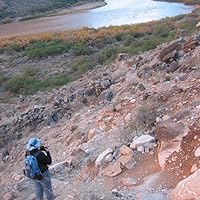
I'm listening to this audio version of the book, which I read after paddling the Missouri near where this book took place.
It was better the second time around.
It was better the second time around.
September 19, 2017
Good. Liked it, didn't love it. Harsh life of early 20th century. Thought the story something; storyline was lacking somehow. Didn't connect well with the characters. Interesting setting, though.

April 29, 2024
Bucking the Sun: A Novel by Ivan Doig (1939 - 2015) is an historical novel of depth that takes place in Montana during the Great Depression era, 1933 to 1938, with brief reflective sojourns to 1991.
The Duff family, father, mother and three adult sons lose their family’s alfalfa farm on the Montana bottomland to the impending Fort Peck Dam. It’s just as well—they were about to lose that year’s crop to grasshoppers anyway. Their oldest son, Owen, was hired as the dam’s fillmaster and was responsible for moving earth and rocks to create Roosevelt’s New Deal project, damming the Missouri River which was, up to that point, the biggest dam site in the world.
Eventually, all the Duff family is employed in the project, and the sons’ wives are employed in businesses associated with the dam’s construction in the thrown-together town of Glasgow and the adjacent community of Fort Peck. The project was huge in scope working year-round in weather extremes such as 61 below zero in February and 114 above zero in July.
As the author skillfully takes us through the engineering marvel of this massive project, we follow the Duff families as they play their various roles in the dam’s construction or its supporting occupations. Doig’s impeccable sense of timing is rich in detail. Each of the Duff men have their own distinct personalities, as do their wives, and as the story progresses, their individual talents emerge.
Much of Doig’s writing takes place in his home state of Montana. He wrote of rural working-class life, and this book captures not only the Montana terrain, but also its attitudes and toughness. I have read three previous books by Doig, all different in scope, and Bucking the Sun is yet another original captivating family drama mixing fact with fiction.
The Duff family, father, mother and three adult sons lose their family’s alfalfa farm on the Montana bottomland to the impending Fort Peck Dam. It’s just as well—they were about to lose that year’s crop to grasshoppers anyway. Their oldest son, Owen, was hired as the dam’s fillmaster and was responsible for moving earth and rocks to create Roosevelt’s New Deal project, damming the Missouri River which was, up to that point, the biggest dam site in the world.
Eventually, all the Duff family is employed in the project, and the sons’ wives are employed in businesses associated with the dam’s construction in the thrown-together town of Glasgow and the adjacent community of Fort Peck. The project was huge in scope working year-round in weather extremes such as 61 below zero in February and 114 above zero in July.
As the author skillfully takes us through the engineering marvel of this massive project, we follow the Duff families as they play their various roles in the dam’s construction or its supporting occupations. Doig’s impeccable sense of timing is rich in detail. Each of the Duff men have their own distinct personalities, as do their wives, and as the story progresses, their individual talents emerge.
Much of Doig’s writing takes place in his home state of Montana. He wrote of rural working-class life, and this book captures not only the Montana terrain, but also its attitudes and toughness. I have read three previous books by Doig, all different in scope, and Bucking the Sun is yet another original captivating family drama mixing fact with fiction.

January 21, 2023
Bucking the Sun is a historical novel by Ivan Doig. It takes the Duff family to the Missouri River where they find work. The men help build the Fort Peck Dam while the wives tend kids, type, waitress, and do hair. Roosevelt's New Deal project was massive and the mess the Duff family members get into is a fair match. Doig lays out how the dam was constructed, how the workers' towns were assembled, and the way the Duff family fit and didn't fit into the project. The parents, Meg and Hugh, have a long history of poverty, disappointment, and hope. Their son Owen went off to earn his engineering credentials and is now a key player in the construction project. His competitive brothers Bruce and Neil try to outdo themselves and everyone else. The wives have their own dreams, snarled by the New Deal and husbands whose desires can overwhelm. Uncle Darius arrives fresh from the Old World to try to set things right in the New World, but his methods don't win friends. In the end the dam survives but not all of the Duff family makes it out alive or healthy. But the fractured telling of the stories of each Duff family diminished the strength of Doig's narrative. There are other titles by this author that I enjoyed greatly but this one was a letdown.

January 14, 2025
Doig mixes fact with fiction in this novel about the Fort Peck Dam - one of FDR's Corp of Army Engineers projects to provide jobs and wages after the crash of 1929.. Located in Montana on the Missouri River, Fort Peck was to be the largest earthen dam of its day. Building this dam was an engineering fete of huge magnitude. The book follows the accomplishments of the endeavor as well as its setbacks.
At the core of the human story is a farming family whose property will be displaced by the dam project. One son, Owen, is ironically the fillmaster on the project, responsible for the movement and engineering of the material to actually construct the dam itself. His two brothers, Bruce and Neil, eventually must take jobs on the project, as does Owen's father, Hugh, and mother, Meg.
Early in the book, Doig tells the reader that there has been infidelity within the family leading to death. This secret becomes the mystery which the reader must solve - who was involved? How did it happen? Was it a murder or an accident?
At the core of the human story is a farming family whose property will be displaced by the dam project. One son, Owen, is ironically the fillmaster on the project, responsible for the movement and engineering of the material to actually construct the dam itself. His two brothers, Bruce and Neil, eventually must take jobs on the project, as does Owen's father, Hugh, and mother, Meg.
Early in the book, Doig tells the reader that there has been infidelity within the family leading to death. This secret becomes the mystery which the reader must solve - who was involved? How did it happen? Was it a murder or an accident?
November 19, 2025
Finding a new (to me anyway) Ivan Doig book is like seeing an old friend. I read everything I could find of his years ago and didn't realize he was still writing .
I love Doig's landscapes. He writes about the high desert of Montana so beautifully. I can picture the scenes as I read.
His characters are all really interesting and weird and multi-facetted. everyone has good and evil and sanity and craziness.
The only issue I had with this book was that I couldn't keep the women straight in my mind. they were all very different from each other but somehow their names didn't stick with me. I guess I need strange memorable names.
I'm not sure the women characters were as strongly drawn as in some of Doig's books. the men all had personality quirks that were part of the story but the women seemed to be identifiable by who they were married to and what their job was. Proxy is a notable exception to this.
Family is the base to this story. Feuds and problems and differences all were put aside when family was threatened. Well, almost.
I love Doig's landscapes. He writes about the high desert of Montana so beautifully. I can picture the scenes as I read.
His characters are all really interesting and weird and multi-facetted. everyone has good and evil and sanity and craziness.
The only issue I had with this book was that I couldn't keep the women straight in my mind. they were all very different from each other but somehow their names didn't stick with me. I guess I need strange memorable names.
I'm not sure the women characters were as strongly drawn as in some of Doig's books. the men all had personality quirks that were part of the story but the women seemed to be identifiable by who they were married to and what their job was. Proxy is a notable exception to this.
Family is the base to this story. Feuds and problems and differences all were put aside when family was threatened. Well, almost.

July 7, 2026
Kinda struggled with this story by Doig. In the end, which was the beginning and yet the end, it was still a satisfying romp through the characters he brings to life, along with Montana.
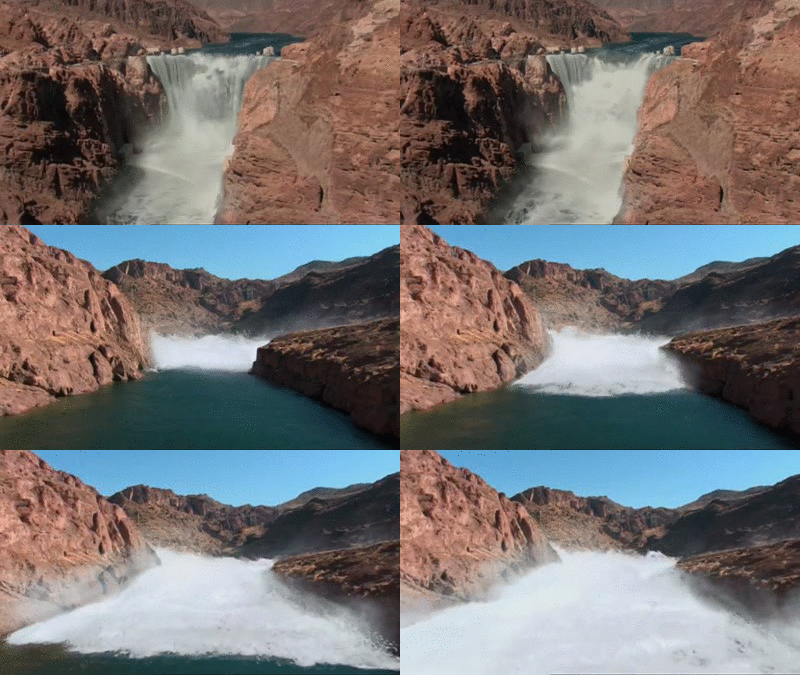
Set in the 1930s, the story follows the clashing Scottish American clans, the Duff family. The Duff's (some from prior books) lose their Montana homestead & land due to the construction of President Roosevelt's New Deal damming projects in the US - namely the Fort Peck Dam. The Duff's work on the dauntless project to dam the Missouri River from the devastating floods as part of the massive system of dams, including Hoover Dam, Tennessee Valley Authority (TVA) Dams, Grand Coulee Dam & Bonneville Dam.
I learned alot about the dams as you can tell and remind me alot of the movie 'O Brother, Where Art Thou?' with George Clooney

March 6, 2024
This is at least the third Ivan Doig book I've read, and I believe he is one of the most unusual and unforgettable writers I've ever read. His books draw me in and keep me there, even when they're about building a damn dam, like this one is.
This one is much different than the others I've read, full of sex, violence, and a mystery that literally is solved in the last paragraph of the last page. It is about the Duff family in the 1930's, farmers in Montana who lose their farm to a Missouri River damming project, and are then hired to work on the damming project. The colorful descriptions of the people and places are just wonderful. The characters' expressions and actions are yummy. There are a total of 10 Duffs living and working on the Fort Peck Dam, and each one is fully fleshed out in all his or her glories and foibles. The only reason I did not award this book five stars is that I believe the infidelity of one of the characters is not realistic and is somewhat poorly explained.
This one is much different than the others I've read, full of sex, violence, and a mystery that literally is solved in the last paragraph of the last page. It is about the Duff family in the 1930's, farmers in Montana who lose their farm to a Missouri River damming project, and are then hired to work on the damming project. The colorful descriptions of the people and places are just wonderful. The characters' expressions and actions are yummy. There are a total of 10 Duffs living and working on the Fort Peck Dam, and each one is fully fleshed out in all his or her glories and foibles. The only reason I did not award this book five stars is that I believe the infidelity of one of the characters is not realistic and is somewhat poorly explained.

June 11, 2020
Actually 3.5 stars. I have loved Ivan Doig's writing over the years. While I enjoyed learning about the Fort Peck dam and politics and life in the depression of the 1930's, I didn't really find a character that I cared about or felt I was learning about life from in this book. The fact that there are at least ten "main" characters may have contributed. It's very clear that Ivan Doig can create great characters. Jick McCaskill (English Creek). Donal Cameron (Last Bus to Wisdom) and all of the Millirons (the Whistling Season) are beautifully written characters. And I don't need the character I care about to be a good guy. The character I read and care about most these days is an orange-haired president who I want very badly to fail. Ivan Doig has set the bar very high. And this one fell just a bit short for me.

December 20, 2020
I guess I have made it clear that I am an Ivan Doig fan. I love his writing. But this one was not my favorite. I’m not sure why. Hmmm. I think it was because I really didn’t like any of the characters in this book. Yes, I think that’s it. You have to at least like someone in the story.
It is set in the 1930’s in Montana during the building of the Fort Peck dam- one of FDR’s New Deal Projects. The main characters are all from a family: parents, three brothers and their wives. The name of the book is thought-provoking and clever. It refers to driving into the sun, but still keeping your focus even though the sun is in your eyes- an experience most have had. We have to keep going, even while bucking the sun. Though the book has historical value, it was not my favorite of Doig’s novels.
It is set in the 1930’s in Montana during the building of the Fort Peck dam- one of FDR’s New Deal Projects. The main characters are all from a family: parents, three brothers and their wives. The name of the book is thought-provoking and clever. It refers to driving into the sun, but still keeping your focus even though the sun is in your eyes- an experience most have had. We have to keep going, even while bucking the sun. Though the book has historical value, it was not my favorite of Doig’s novels.
Displaying 1 - 30 of 224 reviews