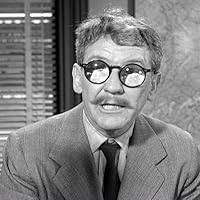
Edward Anderson (1905–1969) was born in Texas in 1905 and grew up in Oklahoma, serving his apprenticeship as a journalist on a small paper in Ardmore, Okla. Restless, he worked as a deckhand on a freighter, plied his fists as a prizefighter, had some small success as a musician and, when the Great Depression of the 1930s hit, roamed the roads and rails, learning the life of the hobo. This crucial experience led to fiction, and to his first novel, “Hungry Men”, which in 1933 caused the Saturday Review of Literature to pronounce him the heir to Hemingway and Faulkner.
The "other novel" by Anderson - whose Thieves Like Us is a Depression-era crime classic - is an unflinching look at the train-hopping hoboes of the 1930s, a life that Anderson himself lived for a couple years after returning from a brief stay in Europe. The story is told episodically with blunt Hemingwayesque prose, reeking of realism but also avoiding becoming mired in the politics of the day as hungry working men struggled between trying to embrace the system that oppressed them or organize against it. It sure is good that America has solved that whole inequity of wealth problem and we no longer face those issues in our modern world.
This book is out of print but in the public domain so it might be found online for free. Also it is part of the collection of Anderson's work Feels Like Rain.
The first of Anderson’s two novels, Hungry Men, gives a street-level view of the 1930s through the eyes of a young unemployed musician who has turned hobo, one of the “forgotten men” of the depression era. The novel follows Acel Stecker’s episodic hobo wanderings, his brief periods of employment, a seedy doomed romance, and a desperate (if temporary) socialist zealotry. Anderson’s affection for Hemingway and Knut Hamsun is clearly visible; the book shows unmistakable narrative and stylistic similarities to The Sun Also Rises and Hamsun’s Hunger. Anderson’s gift for minimalism and wry dialogue inevitably evokes comparisons not only to Hemingway but to Dashiell Hammett, but his acrid bitterness is perhaps closer to James M. Cain on the pulp-noir plane--and this book needed only a pulp plot scheme to turn it into a classic genre novel.
Enjoyable tale of the journey of Acer, a “bum” just trying to make it day by day during the depression. Written in 1935 by the author of “thieves like us.” Similar in tone to that novel, spare prose with some humor.
I can see why this went out of print, reads a bit like a flat, uninspired Fante only without the gift of words either. I don't believe this man ever went hungry and has no business writing about such things.
Some books you want to love. You want them to speak eloquently about issues you care about deeply. It's easy when they meet that standard. It's hard when a book falls short of your desires for it. I wish I was better at writing summaries. I guess I feel that if you want to know the plot of a book, you should pay your money and take your chances. I'm better, or more committed to, pushing the emotional content around the table top. This is a book about a life of relentless failure during the depression. A book of rage directed at the 1%. It seems familiar. In fact it sounds like the condensed bellow of rage of the poor directed up against the faceless walls of mirrored glass towers of all ages. In the end it's not a very well written book and I've no doubt overrated it because I wanted it to be so much more.