Budapest 1936. Natsivalta nostaa päätään. Pääministerin hautajaisia valmistellaan, kun laitakaupungilta löytyy prostituoidun ruumis. Poliisi ei halua tarttua tapaukseen, mutta rikosreportteri Zsigmond Gordonin epäilykset heräävät, kun hän törmää kuolleen tytön kuvaan oudossa paikassa.
1930-luvun Budapest herää eloon Vilmos Kondorin tyylikkään dekkarisarjan avausosassa Budapestin varjot. Fasismin kurottava käsi ja kirjoituskoneen rätinä seuraavat rikosreportteri Zsigmond Gordonia, kun hän sekaantuu prostituoidun murhatutkimukseen Budapestin pahemmalla puolella. Ketään muuta ei murha tunnu kiinnostavan vähääkään, vaikka Gordonin mielessä herää yhä enemmän kysymyksiä: Miten paremman perheen juutalaistyttö joutui kadulle? Miksi poliisi ei tutki asiaa? ja ennen kaikkea: Miksi Gordonin poliisiystävän pöytälaatikossa on kuolleen tytön valokuva? Kun Gordonin tutkimukset etenevät, Budapest alkaa vaikuttaa yhä synkemmältä ja Gordonin henki yhä halvemmalta.
Vilmos Kondor is the internationally acclaimed creator of the Budapest Noir series and one of the major voices in contemporary European crime fiction. His debut novel Budapest Noir was first published in Hungary in 2008 and quickly became a landmark work, launching a seven-book cycle that blends hard-boiled storytelling with the turbulent history of mid-20th-century Hungary.
The series has been translated into fourteen languages, published in the United States, and adapted into a feature film. Kondor’s protagonist, crime reporter Zsigmond Gordon, investigates murder and corruption in a city caught between dictatorships, wars, and shifting political shadows — stories where history and noir meet on every page.
Kondor holds a degree from Sorbonne, and he is teaching physics and mathematics in a high school in western Hungary. When he is not working on a new novel, he enjoys long walks and making jams — especially on the days when the plot refuses to cooperate.
”Maids drank ground-up match heads to poison themselves and flung themselves in front of trams. Barbers dismembered their lovers. Divorcees slashed their veins with razors. Tradesmen’s apprentices leaped off the Franz Joseph Bridge. Jealous civil servants cut their wives to shreds with butcher knives. Businessmen shot their rivals with revolvers. The possibilities were endless, and yet they were oppressively the same, for the end was always identical.”
Budapest 1930s
This book is set in the 1930s, but with a little quick research I was unsettled to find that Hungary still ranks very high for suicides. In fact in the recent figures they are 10th in the world for most suicides per 100,000 residents, so unfortunately they are still struggling with depression. (Interesting enough the most dangerous place for melancholy and suicide is Greenland by a WIDE margin, so if you are of a sad nature and are thinking about moving to Greenland...reconsider.) This book is set in the 1930s and so given the alarming number of girls that are poisoning themselves finding a body of a young lady with no marks of violence on her body on Nagy Diofa Street was no surprise to the reporter and hero of our story Zsigmond Gordon. Still there were nagging concerns.
One of the problems with Hungary is that they are a country that has suffered from what could be a record number of occupations. Beginning with the Celts, Romans, Huns, Slavs, Gepids, and Avars. More recently they were occupied by the Germans during WW2 quickly followed by the Soviets. When we toured Budapest a few years ago the tour guide, very candidly told me that Hungary simply can’t fight, horrible fighters. “They have lost every battle they have ever fought.” Now instead of scoffing at their lack of warrior prowess it was actually an endearing moment for me. People who just can’t embrace war just might be more evolved than the rest of us. As we toured all these monolithic, dark, gothic, empty churches my wife asked why they were empty? The tour guide said, “Because after the Germans and the Soviets we felt that GOD had turned his face away from us.” (The way she said it I can’t possibly adequately express here, but it still gives me a lump in my throat every time I think about it.) They are a nation of agnostics. Maybe instead of sending missionaries to Afghanistan the churches of America need to send people to Hungary. It may be shocking to some for me to be advocating religion, but I know it provides solace for a number of people and I have to believe that the people of Hungary need something more than what they have now.
After discovering a nude picture of the girl in the desk drawer of the police chief, Nosy Gordon as is the nature of investigative reporters, becomes more intrigued with discovering the facts of the case and when the identity of the girl is revealed he is spurred on. When he starts to realize he is over his head and wants to let go the threads of the mystery his talented and artistic girlfriend Krisztina insists that he must do his job and find out who is really behind this girl’s death.
Gordon gets the absolute crap beat out of him.
Okay up until this point I was starting to really wonder where the NOIR of the book was going to come into play. Philip Marlowe, Sam Spade, and Lew Archer are just not digging deep enough into the case unless they get sapped from behind or bruised by a few fists.
”Gordon could hear the man’s fingers cracking as he made a fist. He didn’t even see the fourth blow coming--which for once didn’t land in his gut but on his chin. Gordon felt his lips tear and heard his teeth grind as they slid over each other. The man behind him now let him go. Gordon collapsed like a marionette whose strings had been cut. His head knocked hard against the pavement.”
And what self-respecting villain doesn’t threaten your significant other as he walks away from leaving you bleeding on the pavement.
”You should call it quits here and now. If you don’t, your pretty little girlfriend won’t look so pretty with a sliced-up face.”
Gyula Gombos died before the shit hit the fan.
Gordon becomes more determined than ever to bring down those responsible. The prime minister Gyula Gombos has died and the city is holding it’s breath as power is being reallocated. Policemen are busy with preparing for the grand parades and the civic events that are surrounding a state funeral and have little time to worry about one girl’s death. Political intrigue adds overtones to the state of affairs. The matter of fact way that the characters discuss political corruption and the helplessness they feel about being able to change the path of their nation gives the reader an idea of what it means to be landlocked between powerful countries and having to be resigned to the fact that there is no escaping any upcoming conflict. You can smell the sulfurous stench of emerging Nazism and can feel the palatable fear of a population with a very uncertain future. I’m looking forward to more entries in this series.
This is quite an entertaining crime novel set in the Budapest of 1936, when fascism was a burgeoning influence on culture, crime, business and politics.
Eleven chapters total just under 300 tightly structured pages. Although the writing is disciplined, it bears traces of a first work.
On the first page, the protagonist Zsigmond Gordon “glances” at objects twice within ten lines. We learn enough about the streetscape to be able to follow the action on an online map of the city. The descriptions of food in the cafes and restaurants (always named, whether or not they have survived until this day) often give you enough detail to be able to reconstruct the recipe. Things are placed "atop" other things (a reference to the layering of food?). Jams, especially, are savoured like craft beers.
The women are generally described as twenty- or thirty-something. Breasts and nipples are revealed and described as much as in a Murakami novel. Late in the novel, a dead prostitute is referred to as a “slut", although that might be a matter of translation. The slang is more American than Hungarian. But, as an American friend of mine says, “enough already!”
For all its technical flaws (and they aren't enough to deter or distract you for long), “Budapest Noir" is what I'd call high-class Euro-pulp.
I look forward to reading the sequels and watching the film.
SOUNDTRACK:
Magyar Noir [A Pandemic Homage]
I've alternated between desk and bed the last two weeks, since I realised I was sick.
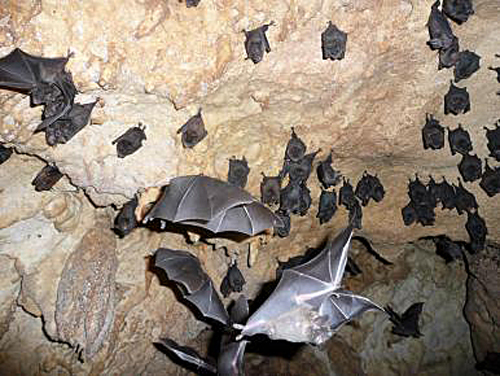
My thirty-something girlfriend, Angyalka, showed no sign of the virus when she returned from Guatemala. Nor does she have any symptoms now, six weeks later. She's a biologist who specialises in the lifecycle of bats, especially one type called the common vampire bat (Desmodus rotundus), which lives in Guatemala. So perhaps she had developed an immunity during her studies, even if she could transmit a coronavirus to someone close like me.
I met Angy when I was studying political science at the University of Buda. Our relationship was pretty stable but passionate for over a year, until she obtained funding for her research project in Guatemala. We agreed to spend a month together in Budapest after the project ended, before I returned home to New York to prepare for my doctorate. It was to be our farewell to each other.
On the day after Angy arrived back, I caught a metro train to the station at Dohány Utca, and made the short walk to Bistro Synago, which I'd been to many times before, usually on a Saturday morning. Angy had stayed at her apartment overnight, because her plane had arrived late and she wanted to catch up on some sleep. It hadn't been a comfortable flight.
We had agreed to meet at a cafe near her apartment, although she wasn’t sure whether she'd want breakfast. When I got there, I ordered a black coffee and my favourite breakfast, French toast made from brioche, with a side bowl of apple and gooseberry jam made by the owner's uncle, who lived in the nearby farmlands.
When the waitress delivered my breakfast, I spooned a generous amount of the jam atop the French toast and started to eat the combination. It was then I decided to read the newspaper, although first I reached into my coat pocket and removed the postcard Angy had sent me in a brown university envelope a fortnight before she left Guatemala. The photo on the front of the postcard was a semi-nude shot of an American porn actress called Joanna Angel.
I don't know how she discovered Joanna Angel or where she found the postcard. Anyway, Angy had once mentioned that she thought the two resembled each other (though Angy didn't have as much ink), and who was I to complain? Although I had no idea who Joanna Angel was, I could see that she was right. The two women had unusually full, round breasts, and dark, slightly curly hair that flowed over their shoulders.
Of course, now, I am typing this from memory. I haven't seen Angy since I flew home (just before Trump suspended air travel from Europe) and learned that I had caught the virus. It's been weeks since I kissed her lips, and ran my hands through her black and pink highlighted hair. I might never see her again, even if I survive my treatment and she visits me in New York. I will have to make do with the postcard in the short time I have left.
Just today, for the first time, one of my nurses asked about the love bite on my neck. Nobody else had noticed, or they had been too polite to comment on it.
Trump was wrong. It's not the Chinese bats we have to worry about. It's the Guatemalan ones...even if they come via Europe.
In 1930's Budapest, a young woman dressed as a prostitute, is found dead in an alley. In her purse is a Jewish prayer book
Budapest, in 1936, was no place for a Jew, or an inquisitive newspaper editor, as Zsigmund Gordon soon discovers, once he begins his own investigation of the "non crime"
A knowledge of Hungarian history isn't necessary, to understand the story herein, but it helps.....the narrative itself fills a lot of blanks...but the story itself is pretty basic. A coffee factor's daughter blows the cover of her "Aryan" family, by falling in love with a Rabbinical student...at a time when everyone, in Europe, was falling over to court the Nazis. Said daughter finds herself in the position of a Prostitute and "Artist's Model".....gets herself murdered...and Father does not know "best".
While not a Thriller in the James Ellroy mode....I see this more in Simenon's Inspector Maigret territory...more brains than brawn..though there is violence here..none of it gratuitous. Zsigmund Gordon is just a journalist...doing his job....risking life/limb/family.....It was the times, you know...
I liked this book for it's understated tone....it's "slow burn"...Recommended to those who like their Noir with a European, not Euro Trash, flavour.
Budapest Noir is a fun, engaging mystery set you-know-where. The time is 1930s, so there have to be some whiffs of things German and Italian in the air. Our hero is an intrepid crime reporter who is intrigued by the death of a young woman, a death the police, including his detective friend, are eager to ignore. Pull the thread and see how much unravels.
I read this front to back on a flight to Vegas. It is a wonderful way to help pass those hours in which one's knees do battle with the seat ahead. Our reporter, Zsigmond Gordon is a pretty good guy as noir heroes go, with none of the darker sides usually found there. We have a sexy siren coming on to him for dubious advantage, a girlfriend who has a life of her own, even a bit of family in the person of a grandfather with a penchant for experimenting with recipes for jam.
Kondor is flying in Alan Furst territory here, offering a taste of Europe in the pre WW II era. It seems less dark than it might. Does that mean it is gray (or gris, as my better-informed bud, Steve, points out) instead of noir? But I suppose it is dark enough. I wish that more had been made of the whole fascist thing. It seemed more like window dressing than not. The book is charming. You will not lose any sleep over a single character here, but as a diversion it suits perfectly.
Review in haste, repent at leisure. It took only an hour or so for me to think a bit more about the book, and realize that it sits more firmly in its setting than I had given it credit for. The motivations of certain people are understandable, if not excusable, in the era, if not necessarily solely the place, of the authors setting. The impending fascism of the time is indeed crucial to the story. So raise this beyond pure entertainment a bit.
An interesting noir detective novel, but I can’t say it blew me away. Budapest, 1936. We meet Zsigmond Gordon, a crime reporter, who is called to the scene of a murder. A young Jewish woman has been mugged and killed. Why? More interesting to Gordon is that the police are completely ignoring the case. Gordon decides he wants justice for the victim, so he takes it upon himself to investigate. What I really liked about the book is the setting: Budapest. I always find crime novels are the best at describing and bringing a city to life. This novel definitely did that with Budapest. Also, the book did capture what was happening in Budapest at that time, historically. Hitler and the Germans and Mussolini are all playing major parts in Hungary at that time. Gordon was a likeable enough individual but found his problem solving implausible. Everyone he talked to was so forthcoming. Way too easy. The conversations did not flow- they were repetitive and stilted. Maybe due to translation? Overall, an easy read that definitely could have been tighter. This was the authors debut novel- maybe his subsequent books are better.
Zsigmond Gordon is a reporter for a Budapest newspaper in 1936 Hungary. When a young Jewish woman is found dead in the street in a street frequented by prostitutes, Gordon suddenly becomes interested and follows paths that lead him to powerful crime and political figures during the Fascist-leaning regency of Admiral Horthy.
Vilmos Kondor's Budapest Noir is the first of a series of novels featuring Giordon -- and, so far, the only one to be translated into English. It is my hope that the others are being translated, because Kondor's novel is really hot.
I guess the title tells it all, as in this book we do indeed have a Budapest Noir. However it’s not a modern day noir, since the events it describes take place in the famous city in 1936, just after the death of a populist leader who wanted to impose a fascist regime. The good Hungarian author, who was born in 1954, gives us a bleak view of the city, whose people seem to constantly walk on a tightrope between dream and desperation. On the one hand we have the politicians with their big words and never-ending promises, on the other we have the hopes of the poor for a better future, and finally we come face to face with an everyday reality that is so harsh that it offers most of the people nothing but an occasional smile, while filling them with sorrow and fear at the same time. It is in this city, and under these exact circumstances, that the main protagonist in the story, journalist Zsigmond Gordon, is looking for the next scoop; the big story that will make a small or bigger difference in people’s lives. Gordon is one of those reporters that enjoy nothing more than being on the hunt. He looks around him all the time, in search of something, anything; he moves across the city time and again and every now and then, in order to make things work, he uses, or gets used by, his sources in the police force. And he is one of those people who’ll do anything to tell the story, once he decides that it’s worth telling, even put his life on the line. It is exactly this particular weakness, if you can call it so, that a man called Vladimir Gellert, a police inspector and part-time friend of Gordon’s, will try to exploit. He’ll give him in an indirect way a story that he, a slave of the politicians whims, cannot properly investigate; and what a story it is! It all begins when the corpse of a young and beautiful woman is found in one of the most infamous areas in the city. The deceased doesn’t carry any document that can show who she really is, and the only thing they discover in her bag is a Jewish prayer book. Gordon, more curious than even, is determined to find out how come such a beautiful, seemingly educated and probably religious woman, ended up dead in a place like that. So he’ll start wandering around, meeting people and asking questions again and again, without receiving any clear answers. But he doesn’t give up. His stubborn investigation though lands him into trouble; not only because it seems to lead nowhere, but also because it gets some very important and thus powerful people, upset. Why doesn’t he simply give up? What will it take to make him back off? Is he willing to risk everything to solve the case? Well, about his personal safety he cares not, but there are some other people whose lives he cannot jeopardize. However, protecting them will not prove such an easy thing to do as his enemies always seem to be a step ahead. The author, using this crime as his stepping stone, moves ahead and leads the reader into an epoch of great change, as far as the history of central Europe is concerned. The picture he paints is gray to black; the city that in the eyes of the modern day traveler seems like a dreamscape here looks kind of nightmarish. He writes about prostitution, organized crime, the power games between the politicians, and about some people who are willing to do just about anything, to betray everything and everyone, in order to make things work their way. This is a book that could be read as a thriller, a chronicle, or even a social commentary. I’m sure that fans of crime fiction will enjoy it, but I’d also recommend it to everyone who’s interested in reading a good story. The genre is not an issue here.
Βουδαπέστη, Οκτώβριος 1936. Το πτώμα μιας ωραίας, κομψοντυμένης εβραιοπούλας εντοπίζεται στην πιο κακόφημη γειτονιά της πόλης. Ο αστυνομικός ρεπόρτερ Ζίγκμοντ Γκόρντον σπεύδει εκεί για το ρεπορτάζ του. Καθώς μαζεύει τις πρώτες πληροφορίες νιώθει ότι πολλά πράγματα δεν «κολλάνε» κι αρχίζει τη δική του έρευνα, μια έρευνα που θα τον οδηγήσει σε σαλόνια πλούσιων εμπόρων, καναβάτσα πυγμαχίας, ορεινά θέρετρα και θα τον φέρει αντιμέτωπο με τον κίνδυνο και τον θάνατο.
Καλογραμμένο και γρήγορο, με εκπλήξεις και ανατροπές. Ο συγγραφέας ξετυλίγει σιγά σιγά το κουβάρι και μας αποκαλύπτει κομμάτι κομμάτι την προηγούμενη ζωή της πλούσιας Εβραιοπούλας και τον αγώνα που έκανε για να επιβιώσει στον βρώμικο κόσμο της πορνείας μαζεύοντας λεφτά για να πάει στην Αμερική να βρει τον αγαπημένο της. Ποιος τη σκότωσε και γιατί; Τι μυστικό κρύβει ένας πλούσιος έμπορος καφέ που συνεργάζεται με τους Γερμανούς για να αυξήσει την περιουσία του; Ποιο ρόλο παίζει ένας πυγμάχος-κτήνος που του αρέσει να δέρνει μέχρι θανάτου τους αντιπάλους του, αγνοώντας τους κανόνες του παιχνιδιού; Ωραίοι χαρακτήρες, πολλές και πυκνές περιγραφές της Βουδαπέστης (θέλω να πάω σε αυτήν την πόλη), έντονη η επιρροή της ανόδου του ναζισμού στην ψυχολογία και τη νοοτροπία των Ούγγρων. Θα μείνω στην επαγγελματική πρόταση που δέχτηκε η γυναίκα του Ζίγκμοντ να δουλέψει στο Λονδίνο, στον εκδοτικό οίκο Penguin και στον υπέροχο παππού του Ζίγκμοντ που φτιάχνει μαρμελάδες με ό,τι φρούτα μπορείτε να φανταστείτε σε πολλούς απίθανους συνδυασμούς.
Το συνιστώ για τη γρήγορη εξέλιξη της πλοκής, τους καλοσχεδιασμένους χαρακτήρες, τις ανατροπές, το ιστορικό υπόβαθρο. Δε θα το αφήνετε από τα χέρια σας!
Στα ελληνικά από τον Κέδρο το 2014 (Έγκλημα στη Βουδαπέστη).
In the 1930s, Hungary is just fascist enough so that one of its principal squares has been named after Adolf Hitler. Newspaper reporter Zsigmond Gordon is experienced enough to know how to navigate the tricky world of politicians and the city's underbelly. And part of that experience is knowing that the two aren't so far apart.
For a small price, Gordon is regularly tipped off that a murder has occurred, which allows him to be first on the scene. When the body of a young woman is found dead on a street known for its streetwalkers, Gordon is surprised to see her corpse, because she's much better and more refined looking than the usual in that neighborhood, and because she has a Jewish prayer book in her bag. Gordon can't resist investigating, even after he is beaten nearly to death and warned that worse will follow for his girlfriend and grandfather if he doesn't drop the matter.
This is a well-written and atmospheric novel, set in a place unfamiliar to many American readers. Zsigmond Gordon is your classic hard-nosed investigator who would never admit to soft feelings or being motivated by a desire to see justice done. Not quite the same as some of Humphrey Bogart's characters, but in the ballpark. If you like 30s-era black-and-white detective movies, you'd probably enjoy this book.
Nu spun mai multe, restul lucrurilor trebuie sa le descoperiti singuri citind romanul Budapest Noir. Ce vreau sa mai subliniez in incheiere este ca acest articol, pana la paragraful acesta, a fost scris in urma cu 3 saptamani. De atunci, romanul mi-a ramas intiparit in minte, de parca l-as fi citit ieri. Ceea ce este o mare calitate a acestei carti.
Cum să nu fiu curioasă de un roman ce este considerat primul noir maghiar autentic? Și la 250 de pagini? Și publicat la Crime Scene Press? Normal că l-am citit cu un entuziasm ridicat în doar câteva ore. Vorbim aici despre "Budapest Noir" (traducere de Bara Hajnal) de Vilmos Kondor, primul volum al seriei ce îl are în prim plan pe ziaristul Zsigmond Gordon.
Καλογραμμένο έτσι ώστε δημιουργεί και συντηρεί μία ατμόσφαιρα εποχής κι επίσης ο συγγραφέας περνάει στον αναγνώστη την απαξίωση του για τη μελάνη στάση που κράτησε η χώρα του στα χρόνια ανόδου του ναζισμού. Ωστόσο, οι χαρακτήρες είναι αβαθείς και η πλοκή απογοητευτική, ενώ επικρατεί μία ασάφεια στο λόγο που ο Γκόρντον επέλεξε να επιμείνει στη διαλεύκανση της υπόθεσης.
BOOK 13 - Around the World Read - Hungary Budapest is a fascinating city: I didn't know that, around every street corner, one encounters a different style of architecture: the city is used by filmmakers the world over for this reason. I visited several years ago and had a blast but was taken by surprise by the nightlife and clubs, as many of them had 'back areas' where literally anything goes (and even had a place to wash up!). Interesting that the author 'graduated from the Sorbonne in Paris with a degree in chemical engineering before returning home to Hungary....He...teaches high school mathematics and physics.' (Quote from back cover). My wild guess is that he had his eyes on bigger things, but went home and settled down happily with a wife, kids, and a dog. Nice! SUMMARY: A prostitute is found murdered and a crime reporter, Zsigmond Gordon, decides to investigate as the police department simply avoids the issue entirely. REVIEW: This is actually more of a straight-up police procedural/who-done-it mystery than anything else. Gordon has no skills, apparently, that would allow him to dive too deep into noir-territory as we normally define it (dark, darker, darkest, bleak, violent, etc). Since I do not know much about the history of Budapest, I did enjoy learning more about the politics of the period, 1936. (At the time, and in this book, the author references Buda and Pest separately, as they once were separate cities.) I enjoyed the trips in the book to Parliament and a number of public places, as it brought back some good memories of a great trip...along with the remembrance of the horrors perpetrated in 1930s Europe, with things about to get even worse. Why, here, even Goring shows up from Germany and Gordon is rightly so disgusted. One can look at it this way: there is a very, very dark side of Budapest and Gordon does touch upon it but retreats by the end of the novel. And he's told by a senior editor that his job is NOT to write about the WHY of it all. This novel could have been a stupendously violent and ugly novel but Kondor stays just above it and if I had to rate this book (using movie ratings), I'd go with PG-13 as compared to, for example, Jo Nesbo's Harry Hole series. And I'm thankful Kondor left the very worst unsaid. If you like mysteries that aren't extremely violent and you'd like to know more about this great city, this is the book for you. Oh, and a plus is the extended boxing scenes: enlightening!
At least as good as I expected (and hoped). A sad and tragic story, set in Hungary in 1936. So well written, and I found remembering who-was-who wonderfully easy after some reads of the recent past had me quite confused and actually DOUBTING myself!!! ;) I enjoyed this (yes, it is sad and noir and all that, but still), partly because of the setting and names of streets and squares I walked in blistering heat only two weeks ago in beautiful Budapest. Also the times, Hungary in some alliance with Germany, being Jewish in that world, yes, life altogether was cheap. I like the detective-journalist Zsigmond Gordon, who has some American background about which I'd like to find out more. So I'm glad I bought the next volume, too. And there are several more.
Ever since I read Embers by Sándor Márai in 2009 (which I loved), and since I traveled to Budapest last year, I have been intrigued by Budapest and Hungarian literature. I also happen to loved mysteries that are set around the world, and this book did not disappoint, in fact it has inspired me to keep reading anything I can get my hands on, set in Hungary. I will definitely keep my out for more books by this author.
Ενδιαφέρουσα πλοκή, σε ένα μυθιστόρημα noir που διαδραματίζεται σε μια πόλη την οποία έχω επισκεφθεί και, γι' αυτό, ήταν εύκολο, ίσως, να παρακολουθήσω τις κινήσεις του αστυνομικού ρεπόρτερ-πρωταγωνιστή Ζίγκμοντ Γκόρντον. Σε διαφορετική περίπτωση, όμως, θα με κούραζαν οι συνεχείς αναφορές σε οδούς και πλατείες της Βουδαπέστης, που δεν θα σήμαιναν για μένα τίποτα.
Η ατμόσφαιρα της πόλης και της εποχής αποδίδονται με μαεστρία, χωρίς υπερβολές και χωρίς ο συγγραφέας να στοχεύει στο να στηλιτεύσει, με έμφαση, την άνοδο του φασισμού/ ναζισμού στην Ευρώπη. Κι όμως, το κατορθώνει, με τρόπο διπλωματικό, ξετυλίγοντας ένα κουβάρι σχέσεων και μυστικών που κρύβονται πίσω από τον φόνο μιας νεαρής κοπέλας. Η διαφθορά των πλουσίων, η ανέχεια και η εξαθλίωση σε κάποιες συνοικίες της πόλης, το χάσμα ανάμεσά τους σκιαγραφούνται με τρόπο μοναδικό!
Οι χαρακτήρες ψυχογραφούνται με τον ίδιο, χαμηλόφωνο τρόπο, σχεδόν αδιόρατα, και αυτή θεωρώ ότι είναι η μεγαλύτερη αρετή του συγγραφέα. Δεν κραυγάζει, αλλά πλάθει τον κόσμο του έργου του με ηρεμία και χωρίς εξάρσεις, έτσι όπως ζουν οι Ούγγροι. Κάτι από την κουλτούρα του λαού και του ίδιου του Vilmos Kondor διαπερνά όλο το μυθιστόρημα και αφήνει τη γεύση αυτή στο τέλος στον αναγνώστη.
Ο χαρακτήρας που θα μου μείνει αξέχαστος είναι ο παππούς του πρωταγωνιστή, ο οποίος έχοντας περάσει όλη του τη ζωή ως γιατρός και έχοντας δει πολύ αίμα- όπως δηλώνει- ασχολείται πια με την παρασκευή μαρμελάδας. Κι όμως, όταν απαιτηθεί να βοηθήσει τον εγγονό του και την αγαπημένη του, θα προστρέξει, πάντοτε ήρεμα και σταθερά, και θα προσφέρει τις ιατρικές του γνώσεις.
Πάντως, ο συγγραφέας κατορθώνει να αποδοθεί δικαιοσύνη και φωτίζει μια πλευρά της κοινωνίας που συνεχίζει να αγωνίζεται για το καλό και την προστασία των αδύναμων. Τελικά, παρά τη σκιά του φασισμού, τη διαφθορά και το αίμα, το βιβλίο έχει αισιόδοξο τέλος και μια ελπιδοφόρα νότα, που βοηθά τον αναγνώστη να ατενίσει με θετική ματιά το μέλλον...
A Budapest Noir a '30-as évek Magyarországán, Gömbös Gyula halálakor játszódik. Főhőse, Gordon Zsigmond, bűnügyi zsurnaliszta az Est című lapnál. Amikor egy zsidó lány holttestére bukkannak, Gordon elsőként értesül a hírről, elköteleződik az ügy iránt, és újságíróból nyomozóvá lesz...
Quick March read in the vein of "now for something completely different". It wasn't bad, I really liked the setting, however there are some noir tropes that are aging... poorly to say the least.
Απλά μια ωραία ιστορία και τίποτα περισσότερο. Βασικά, άλλη μια χαμένη ευκαιρία για ένα ενδιαφέρον μυθιστόρημα, δίνοντας ωστόσο ελαφρυντικά στο συγγραφέα επειδή είναι το πρώτο του βιβλίο. Έχουμε λοιπόν ένα βιβλίο που θα μπορούσε να έχει ωραίες περιγραφές της Βουδαπέστης στα τέλη της δεκαετίας του 30, αλλά αρκείται σε απλή καταγραφή του περιβάλλοντος (ουσιαστικά ο συγγραφέας μας δίνει έναν οδηγό χάρτη της πόλης, αναφέροντας συνεχώς ονόματα δρόμων όπως: Τότε ο ήρωας πήρε αυτόν το δρόμο, πέρασε τον τάδε δρόμο, κατέβηκε τη λεωφόρο τάδε και έστριψε στο στενό τάδε, χωρίς να μας δίνει μια περιγραφή του τοπίου, κάτι που να αναδεικνύει τη δομή και την αρχιτεκτονική της εποχής). Θα μπορούσε να έχει ενδιαφέρουσα υπόθεση λόγω και του ιντριγκαδόρικου θέματος, αλλά αρκείται σε απλή παράθεση γεγονότων χωρίς σασπένς, εντάσεις, αγωνία και κορύφωση στη λύση του μυστηρίου. Θα μπορούσε να έχει ενδιαφέροντες χαρακτήρες, αλλά αρκείται σε απλή αναφορά σε όλα τα πρόσωπα που εμπλέκονται, χωρίς βάθος στην ανάλυσή του, με αποτέλεσμα μέχρι και ο πρωταγωνιστής να είναι σχετικά αδιάφορος. Θα μπορούσε, όμως, ο συγγραφέας να το είχε τραβήξει φτιάχνοντας ένα βιβλίο 600 σελίδων αναμασώντας τα ίδια και τα ίδια, αλλά αρκείται στο να γράψει την ιστορία του, η οποία παρά τα προβλήματά της έχει ενδιαφέρον, κινείται γρήγορα, δεν κουράζει, σου δίνει μια μικρή γεύση της Βουδαπέστης και της εποχής εκείνης, έχει σαν δεύτερο ρόλο έναν παππού πολύ συμπαθή και γενικά σε ψυχαγωγεί και γεμίζει ευχάριστα τις ώρες σου, χωρίς να σε προβληματίζει. Δεν είναι αριστούργημα, αλλά για ένα ξεμούδιασμα - λόγω μικρού όγκου - είναι ότι πρέπει, γι' αυτό θα είμαι αρκετά επιεικής μαζί του... (6/10) Υ.Γ.: Θα ήθελα πάντως να δω μεταφρασμένα και άλλα βιβλία της σειράς, ώστε η κρίση μου να είναι πιο εμπεριστατωμένη!
We were staying in a lovely little studio apartment in Budapest with a floor to ceiling bookshelf when I found this. I had read a recommendation for this on some blog about reading books from different countries. So I finished up September Society which I had been reading so that I could , uh, trade. I suppose that is okay. There was another book I wanted from their bookshelf but I didn't think it honorable to trade 1 for 2.
As I said, I was staying in 2017 Budapest. The book is 1936 Budapest. Plenty of street and plaza names have changed. But I could follow his travels in the city in my mind's eye. I think the translation must be good because it was a good read. My Hungarian skills are at a level of reading short sentences, not novels. But there were a few places where I would have liked to have a copy of the original to see what it said in Hungarian.
Our hero, Zsigmond Gordon, is an investigative journalist. His girlfriend is a graphic designer. I liked that a woman in a novel in 1936 Hungary had a significant job.
Zsigmond's grandfather is a retired doctor whose life passion is making jam in hope of someday getting one of his recipes in a culinary publication.
So what's not to love. There is a fair amount of brutality. This is after all a 'noir.'. But I found the story interesting and enjoyed following along on the adventure.
You don't have to be Hungarian, or even visit there to enjoy this mystery. I hope the author has another book translated soon.
“And aren’t you curious even now about what a Jewish streetwalker would have been doing here?” Krisztina fixed her eyes on Gordon. “And as long as we’re on the subject, have you ever seen a Jewish prostitute? If you want my opinion, the question is not how she died, but how a Jewish girl—probably from a respectable, bourgeois family—ended up becoming a prostitute in the first place.”
This passage summarizes the main mystery in the book and sets up the reader for a richly engrossing and atmospheric ride in 1930s Budapest. Full disclosure: I love noir. I love Budapest as a setting. I love fiction set during this era. So yes, I may be a wee bit biased on this one, but I loved this book. As I read, I kept waiting for protagonist Zsigmond Gordon, a crime reporter, to arrange a clandestine meeting with an Edward G. Robinson character on a foggy night at the Citadella. (Okay, so Robinson was Romanian, but work with me here.) Sadly, that never happened, but there was more than enough comparable material to keep me turning the pages. And this is true noir, and not something else labeled as such because someone thinks the word is fashionable and hip, or any such thing. What that means is that things don't all end happily ever after and gift-wrapped with Disney paper and pretty bows. But then again, very few stories from Budapest in 1936 would have ended any other way.
Olvasás közben egyaránt barangoltam mai és az akkori utcákon. Láttam magam előtt a macskaköves utakat, a Köröndöt, a felkapott kávézókat, ahol a társadalmi élet zajlott. Koptattam a lábam az Andrássy utat róva, és felkapaszkodtam a zötyögő villamosok egyikére. Kellemes, ugyanakkor ismerős volt ez a világ, hála érte néhány irodalom és történelemtanáromnak...
Δεν με κέρδισε. Δεν κατάφερα ποτέ να μπω στο πνεύμα του, σίγουρα ευθύνεται και η μετάφραση που με αποξένωνε από το κείμενο. Το τέλειωσα μόνο και μόνο επειδή εκτυλισσόταν στη Βουδαπέστη προπολεμικά και αυτό το πλαίσιο είχε πιο πολύ ενδιαφέρον από την ίδια την ιστορία.
I always find fiction set in other countries fascinating especially if it’s a small-ish non-English speaking countries for which we rarely get to hear from. Vilmos Kondor is Hungarian and this novel is set in Budapest, Hungary in 1936. It was a tumultuous time in which conspiracies & corruptions abound. A Jewish girl found dead and her photo was seen to be in a police commissioner’s desk drawer by crime journalist, Zsigmond Gordon. Gordon was intrigued and even knowing that it is a story which will never be published, he followed on his investigations. He continued despite the threats to his wellbeing and those of his loved ones. He knows also that there will be no justice but he feels it his duty to redress the balance. I’ve really enjoyed this noir novel. There was enough human interest and that satisfaction that good wins to compel me to read the series except that none of the other books has been translated into English.
Olen vähene krimkade lugeja, aga see raamat mulle meeldis. Ajalehe krimireporter hakkab omal käel uurima tapetud juudi tüdruku juhtumit, sest kriminaaluurijad annavad juhtumi kohta põiklevaid vastuseid. Tegevus toimub 1930.ndate Budapestis - õhus on juba Teise maailmasõja hõngu ja juudivastasus on päevakorral. Põnev lugemine.
Голяма част от източноевропейската литература засяга вече станалите банални теми за безкрайни преходи, комунизъм, икономически и социално-битови кризи. Еднообразието започва да замества жанровото богатство, както в киното, така и в литературата. Вилмош Кондор е жанров автор, а такива все по-малко пробиват в Източна Европа.
За разлика от множеството негови сънародници, на чийто книги попадах, Кондор е заложил на на един позабравен жанр - хард-бойл детективските романи, които впоследствие зараждат онази вълна от красиви черно-бели криминални филми, доминиращи в киното през 40-те и 50-те години на ХХ-и век, и които днес ги знаем като ноар. В тях се набляга не на действието, а на психологията, взаимоотношенията и реакциите на героите.
"Budapest Noir" не се отличава особено от останалите кримки, историята е съвсем семпла, дори банална - еврейско момиче е убито, а разследващ журналист случайно попада на следите на това криминално деяние, случаят започва да се превръща във все по-опасно начинание, застрашаващо живота на журналиста, а замесените се оказват влиятелни господа.
Идеята на Кондор не е била просто да напише ноар от носталгия към жанра, той го обогатява и вплита реални исторически личности и събития, като по този начин пресъздава буйните предвоенни години, през един много интересен период за Унгария, когато страната се оказала притисната като в менгеме от две крайни идеологии - фашизъм и комунизъм. Съвсем небрежно се вмъкват тези исторически препратки в криминалното разследване на главния герой Жигмонд Гордон.
Струва ми се, че трябваше да има повече исторически бележки от страна на редактора, тъй като споменатите имена имаха и своето символично значение. Като например вмъкнатия легендарен унгарски боксьор Имре Харанги, който печели олимпийската титла през 1936 г., и то с драматична победа срещу Николай Степулов, етнически естонец ... и отявлен комунист. Споменават се често и имената на тогавашния министър председател Гюла Гьомбьош, който е и от германски произход, и съответно присъединява Унгария към германската сфера на влияние. Дори един от големите площади е кръстен на Хитлер. Кондор е успял да пресъздаде това приятно усещане за носталгия и да те гмурне в една отминала епоха, непозната, но безкрайно интересна. Ароматът на ноар витае във всяка брънка от книгата. История, включваща загадъчно убийство, мадам с нейните проститутки, властни господа, боксови мачове, наемници, Budapest Noir е всъщност първата от пет прозведения в този цикъл, като всички те разказват за приключенията на разследващия журналист Жигмонд Гордон, а в същото време представя действителни събития от унгарската история.
Ето ви един интересен подход,с който да представиш не само интересни исторически събития, но и възродиш жанровата литература, Стабилен хард-бойлд роман.
Peab ütlema, et üsna esimeste lehekülgedega suutis autor huvi äratada. Esiteks on keeleliselt mõnus lugeda. Kuidagi haarav ja kohati humoorikas isegi. Selline ühelt poolt rahulikult kulgev samas põnevust kruttiv lugu. Ja sümpaatne peategelane! Olgugi, et ajakirjanik, oleks sama hästi võinud ka olla uurija :D Ja no Vanaisa on äge tüüp ka :D Ja peategelase kaaslanna on isepäine aga võluv.
Muidugi need nimed... oh sa mu meie, mõnda ma loobusin täiesti välja hääldamast, hea et peategelane ja lähimad olid küllalt „normaalsed”. Ja eks oli ka harjumatu see suur teietamine. Et mees ja naine omavahel teietavad ja lapselaps vanaisa ja noh koos voodit jagavad inimesed... Aga see on kultuuriline erinevus ja nii 30ndate lõpp ikkagi. Teedel nii taksod kui hobuvankrid...
Läbi jookseb mitu erinevat liini, on mõrvalugu, on põrandalaust keelatud võitlust, on intriige ja rassipõhist problemaatikat, rääkimata poliitikast. Ma mõnda nime isegi guugeldasin ja tõesti, ajalooliselt olla üks loos ära toodud ungarlasest poksijatest tõepoolest Imre Harangi kes 1936 aasta Berliini Olümpiamängudel kulla võitis, vastaseks Eesti esindaja Nikolai Stepulov.
Kogu loo vahele saab päris hea pildi tolleaegsest linnast ning oludest, sekka poliitilist seisu ning muud huvitavat.
Et loos on küll jõhkraid kohti ning pisut vägivalla kirjeldamist aga krimiloona sobib ma usun ka neile kelle jaoks põhjamaine krimi liiga veriseks jääb. Pigem selline niitide kokku jooksutamine, ja uurimine ning siis kenasti klassikalisel moel loo ära jutustamine, mis tegelikult sündis. Ja üllatusi oskab autor ka piisavalt lisada.
Mulle üllatavalt tõesti väga meeldis. Käest panna raske ja kindlasti loen järgmist osa ka. Juba see õhustik ja keel ning üldine olustik on nii teistmoodi. Korra tõmbasin enda jaoks paralleeli Paduraga, et kah teine kultuur ja mõnus vahelduseks lugeda – muu kui ingliskeelse maailma lood :) Soovitaks küll!
Budapest, 1936. The prime minister's death makes it unremarkable and unnoticed that the body of a prostitute is found in the red light district a few nights later. When journalist Zsigmond Gordon happens to the scene of her death (or at least body), he can't rest until he's unearthed what happened and who the dead girl is. The atmosphere is classic noir. And it's probably also part of the noir that the characters leave you cold.
There are some odd and funny pieces in the story. One of them is that as the dead prostitute had no ID and no other papers in her purse than a prayer book in Hebrew, this automatically meant that she was Jewish. (What if someone dropped a bible on her purse instead? That would with the same logic and reasoning have made her catholic). Gordon goes on, "If she'd been a village-girl-turned-whore, I'd say this sort of thin happened. But this was a Jewish girl from a good family." as if it made a difference that/whether she was Jewish and/or from a good family in the seriousness of the crime involved in her death.
Another pearl: "Something was not right with this woman. The last time he had seen a woman drinking gin was in America, and not even there had it been a common sight."
Overall works well. Cozy noir. A bit too easy to guess who were behind the death, and Gordon's way of "fixing" the case is weird. But as always, glad to explore the noir from other places...
Let me start by saying that mysteries aren't my favorite genre and a rating of 3 is my "go to" for them. This was an interesting story. Gordon, a journalist, knows all the ins & outs in Budapest, he's got the connections and he knows how to get the information. There is a lot of description of Budapest as he takes the tram from place to place and walks along the streets. As for the mystery, it's fairly typical, I think: chunky, violent bad guys, scared victims and people caught up in circumstances and innocent bystanders. The story moves along in an interesting manner and one wants to find out how this girl got killed and why. A nice, relaxing, interesting read. I think this would appeal to lovers of crime mysteries. Like I said, I'm not the best judge on this genre, yet I can say that I enjoyed this book and its characters.