

What do you think?

"The History of Rome" in Four Volumes #2
The History of Rome, Books 6-10: Rome's Italian Wars
"People have it in their minds that he would have been a match for Alexander, had Alexander turned his arms on Europe."
Here is a superb new translation of Books 6 to 10 of Livy's monumental history of Rome, covering the period when Rome, in a series of ever greater wars, imposed mastery over virtually the entire Italian peninsula.
Livy paints vivid portraits of all the notable figures, such as young Manlius Torquatus, victor in a David-versus-Goliath duel with a Gallic chieftain, and Appius Claudius who built Rome's first major highway, the Appian Way. Livy's blend of factual narrative and imaginative recreation brings to life a key moment in the rise of Rome, and the one complete account we have, as the city passes from the mists of legend into the light of history.
J. C. Yardley's translation gives a vivid sense of the energy, variety, and literary skill of Livy's great work. Dexter Hoyos's Introduction sets Livy in the context of Roman historiography and deftly explains why this period was so critical an era for the rise of Rome. The most up-to-date edition, drawing on the latest scholarship, this major work of Roman literature and history includes comprehensive notes that clarify problems of historical content, topography, and chronology, a detailed glossary of Roman technical terms, an appendix on the Roman legion of the time, and two maps.
Here is a superb new translation of Books 6 to 10 of Livy's monumental history of Rome, covering the period when Rome, in a series of ever greater wars, imposed mastery over virtually the entire Italian peninsula.
Livy paints vivid portraits of all the notable figures, such as young Manlius Torquatus, victor in a David-versus-Goliath duel with a Gallic chieftain, and Appius Claudius who built Rome's first major highway, the Appian Way. Livy's blend of factual narrative and imaginative recreation brings to life a key moment in the rise of Rome, and the one complete account we have, as the city passes from the mists of legend into the light of history.
J. C. Yardley's translation gives a vivid sense of the energy, variety, and literary skill of Livy's great work. Dexter Hoyos's Introduction sets Livy in the context of Roman historiography and deftly explains why this period was so critical an era for the rise of Rome. The most up-to-date edition, drawing on the latest scholarship, this major work of Roman literature and history includes comprehensive notes that clarify problems of historical content, topography, and chronology, a detailed glossary of Roman technical terms, an appendix on the Roman legion of the time, and two maps.
448 pages, Paperback
First published January 1, 21
About the author
Livy
3,120 books280 followersTitus Livius (Patavinus) (64 or 59 BC – AD 17)—known as Livy in English, and Tite-Live in French—was a Roman historian who wrote a monumental history of Rome and the Roman people – Ab Urbe Condita Libri (Books from the Foundation of the City) – covering the period from the earliest legends of Rome before the traditional foundation in 753 BC through the reign of Augustus in Livy's own time. He was on familiar terms with the Julio-Claudian dynasty, advising Augustus's grandnephew, the future emperor Claudius, as a young man not long before 14 AD in a letter to take up the writing of history. Livy and Augustus's wife, Livia, were from the same clan in different locations, although not related by blood.
Ratings & Reviews
Friends & Following
Create a free account to discover what your friends think of this book!
Community Reviews
Displaying 1 - 30 of 60 reviews

Read
October 2, 2016Livy's second set of five books of history covers just over one hundred years, and deals mainly with wars against the Samnites, and the Etruscans, and the Gauls ,and the appetite of the sacred chickens. Occasionally the chickens are off their feed, which delays battles and hinders campaigns - nobody wants to fight when the chickens are hungry. Otherwise the slaughter is prodigious, so much so that I imagine in those days that every pregnancy ended in the birth of twins - how else could populations be maintained in the face of all the battlefield death that is described.
Ultimately, Livy implies, the Romans more or less kill everyone except a few wise communities which roll over on their backs and lick the hand of Rome in a friendly way. Livy has an extended passage imagining how the ancient Romans would have beaten Alexander the Great black and blue had he troubled to invade Italy rather than Persia, the Persians he explains are orientals and thus effeminate and soft, hanging about in harems with eunuchs, while the Romans are manly men who worry about the feeding habits of their chickens. Given this was written some fifty years after Roman forces had been utterly crushed by the famously effeminate Parthians, one has some measure of the strength of the geographical determinism of Livy's outlook. This allows him to shape up the Samnites as wild mountain men, and hence manly enough to be worth while enemies of Rome, curiously he paints them as overly religious in the same text as Livy writes positively about the faith of the ancient Romans as opposed to the irreligious Romans of his day, back then they chose a Dictator to hammer a nail into a temple wall as a cure for the plague (p.59) and they were always alert to happy omens - such as a bird landing on the commander's helmet and then, Hitchcock style, attacking the enemy.
We are still as in The Early history of Rome a little in fairy-tale land, as despite the Samnites having different socio-economic structures to Rome they appear to have an identical military and political set-up at least that is what Livy implies, perhaps they did, it is hard to say (Pontius Pilate is said to have been a Samnite, on the basis not of his famously clean hands, but of their being a Gaius Pontius among the Samnite leaders). Several times Roman commanders 'devote' themselves to their army - buying victory from the gods in exchange for their own lives, hinting that we are in a very different mentalite from Livy's own time, the basic perception of the universe is a religious one and curiously holistic, a ritual hammering of a nail can protect people from epidemics, how chickens eat does reveal the will of the gods, gods who do intervene in life giving victory in exchange for promised temples . These for Livy are the good old days, the modern times of the Emperor Augustus when Livy was writing his history, by contrast are hopelessly declined, amusingly the Claudians one half of the dynasty which provided the early emperors of Rome are relentlessly portrayed as Imperious to the point of being bigoted against the Plebeians, perhaps Livy had a bad feeling about the potential succession to Augustus. The Samnites are worthy opponents - defeating Rome at Caudine forks, while the Gauls are all mouth and no trousers - big but unable to fight with manly seriousness for an entire battle, the Etruscans just get defeated - repeatedly.
Livy is no historian but a story-teller, often he points out differences of opinion or fact between his sources, but like the Bible just repeats both or multiple versions rather than arriving at some kind of reasoned judgement as to the most likely account. All stories are (mostly) equal in his eyes though he recognises that some may be self-serving.
Ultimately, Livy implies, the Romans more or less kill everyone except a few wise communities which roll over on their backs and lick the hand of Rome in a friendly way. Livy has an extended passage imagining how the ancient Romans would have beaten Alexander the Great black and blue had he troubled to invade Italy rather than Persia, the Persians he explains are orientals and thus effeminate and soft, hanging about in harems with eunuchs, while the Romans are manly men who worry about the feeding habits of their chickens. Given this was written some fifty years after Roman forces had been utterly crushed by the famously effeminate Parthians, one has some measure of the strength of the geographical determinism of Livy's outlook. This allows him to shape up the Samnites as wild mountain men, and hence manly enough to be worth while enemies of Rome, curiously he paints them as overly religious in the same text as Livy writes positively about the faith of the ancient Romans as opposed to the irreligious Romans of his day, back then they chose a Dictator to hammer a nail into a temple wall as a cure for the plague (p.59) and they were always alert to happy omens - such as a bird landing on the commander's helmet and then, Hitchcock style, attacking the enemy.
We are still as in The Early history of Rome a little in fairy-tale land, as despite the Samnites having different socio-economic structures to Rome they appear to have an identical military and political set-up at least that is what Livy implies, perhaps they did, it is hard to say (Pontius Pilate is said to have been a Samnite, on the basis not of his famously clean hands, but of their being a Gaius Pontius among the Samnite leaders). Several times Roman commanders 'devote' themselves to their army - buying victory from the gods in exchange for their own lives, hinting that we are in a very different mentalite from Livy's own time, the basic perception of the universe is a religious one and curiously holistic, a ritual hammering of a nail can protect people from epidemics, how chickens eat does reveal the will of the gods, gods who do intervene in life giving victory in exchange for promised temples . These for Livy are the good old days, the modern times of the Emperor Augustus when Livy was writing his history, by contrast are hopelessly declined, amusingly the Claudians one half of the dynasty which provided the early emperors of Rome are relentlessly portrayed as Imperious to the point of being bigoted against the Plebeians, perhaps Livy had a bad feeling about the potential succession to Augustus. The Samnites are worthy opponents - defeating Rome at Caudine forks, while the Gauls are all mouth and no trousers - big but unable to fight with manly seriousness for an entire battle, the Etruscans just get defeated - repeatedly.
Livy is no historian but a story-teller, often he points out differences of opinion or fact between his sources, but like the Bible just repeats both or multiple versions rather than arriving at some kind of reasoned judgement as to the most likely account. All stories are (mostly) equal in his eyes though he recognises that some may be self-serving.

June 7, 2024
Henpecked Warriors
Whereas Livy’s first five books of his comprehensive Roman history covered several centuries, the ensuing quintet just stretches from 389 B.C. to 293 B.C. and its pace was to slow down even more in those volumes which were yet to come. Books 6 to 10 deal with Rome’s continual wrestles with her neighbours and her struggle for supremacy in the Italian peninsula, most of all with the Etruscans and the Samnites, the latter being described as wild mountain people who value their freedom above everything. In fact, in Book 10 there is a passage in which Livy expresses his sympathy for the truculent and untiring foes of Samnite origins, namely:
Admittedly, this not only reads like an expression of respect for a worthy and mettlesome opponent but also as though Livy might have felt the need to justify the in-depth-treatment he gives to the never-ending chain of wars that were waged between Romans and the various nations that were unwilling to submit themselves to growing Roman hegemony in Italy. In fact, this must have been an exhaustless bellicose to and fro, in whose wake not only thousands of soldiers were killed, but arable land was laid to waste, towns were burnt or razed, their inhabitants enslaved, entire peoples were exterminated, and spoils of war went from hand to hand. The reader might well be pardoned to lose first track and finally patience here and there, were it not for human fates that Livy highlights, as in the preceding books, or particular battles he describes in most vivid terms, like the Romans’ traumatic defeat in Caudine Forks in 321 B.C., where the Roman armies were ambushed and humiliated, the Roman legionaries being made to go under the symbolic yoke, by the Samnites. The Caudine catastrophe, however, only showed the Romans’ good luck again for the Samnites were unable to make good use of their victory, since they neither slaughtered the entrapped enemy nor overwhelmed and disarmed him by clemency but instead estranged him even more by pointlessly humiliating him.
As in the five preceding books, Livy also – in true Roman fashion – focuses a great deal on individual men whose actions he is convinced have shaped the course of history. There is, for example, P. Decius Mus – the cognomen “mouse” was awarded him after cleverly sneaking his soldiers out of a Samnite encirclement –, who allegedly inspired his men in a wavering battle against the Latins by ceremonially sacrificing his own life and whose example was followed years later by his son and his grandson. That’s a rare case of self-sacrifice running in a family. There is the tragic example of Herennius the Samnite, whose advice was not heeded by his son Gaius Pontus and who had to look on helplessly as his son turned the Caudine Forks victory into the seeds for eventual defeat. Book 6 describes how the former hero M. Manlius Capitolinus, envious of Camillus, turned demagogue and was executed for high treason. Quite often, these examples are highly ambivalent, as in the case of T. Manlius Imperiosus Torquatus, who sprang to the rescue of his unloving, harsh father: When the latter stood accused of undue conscription measures, Manlius threatened the accuser with a dagger and forced him to revoke his case. This made Manlius a paragon of pietas patris, i.e. the respect a son owes his father, and earned him a military tribuneship. Later, this Manlius should set another example of adamant Roman virtue: When, as a consul, he led his troops against the Latins, he gave order that no one strike at the enemy before he, Manlius, allowed them to do so. It happened, however, that his son, who was on a scouting mission, was taunted by some of the Latin enemies and slew them in a fit of temper, feeling that this was what his honour demanded of him. Although no further consequences arose from this skirmish, when word of it was brought to Manlius, he felt that his son’s setting aside the official order was a blot on his escutcheon as the one holding imperium, and so he had him beheaded in order to show that discipline and obedience had unquestioned priority in the army. Whereas Livy seems to applaud the dagger incident, like everyone else, he seemed to take exception at this latter display of merciless virtue. Then there are incidents bordering on the realm of the supernatural: Take the case of M. Valerius Corvus, who inspired his fellow-soldiers by a hand-to-hand combat against a fierce and gigantic Gaul. In the middle of the fight, a Hitchcock-inspired raven landed on Valerius’s helmet and started attacking the man’s opponent, which not only brought Valerius a zoological cognomen but also victory in this duello.
Talking about birds, what had me wonder was this: Here are those Romans, who would in many ways set the Tiber on fire, having organized a state, mediating the tricky balance between patrician and plebeian claims for power, building an efficient army, establishing a fertile culture and setting up a viable legal system, and at the same time, before taking a major decision they would have the master of the chickens feed a special set of hens and then have him watch the readiness with which these fowl gobble down their corn. If they refused to feed, they would call off the decision as inauspicious whereas, if the chicken took to the food, even spilling corns from their beaks, they would regard it as a promising sign. Imagine taking relevant decisions, such was whether to start a battle or not, on the basis of how hens take to their feed. This did not make me put up my nose at the Romans in the least but rather started me wondering what our social equivalent to this feathery folderol is, and who the augurs are we find ourselves beholden to because no matter how advanced a society is, there always seems to be a streak of foolishness ingrained in it.
Last not least, Livy probably pulled the first stunt of counter-factual history when in one of his rare, but entertaining digressions he tries to figure out what would have happened if Alexander the Great had turned his imperial aspirations towards Rome, and, to no one’s real surprise, he comes to the conclusion that in trying to take on with the Romans, Alexander would have bitten off more than he could chew. Of course, he would! After all, the Romans had the sagacious hens on their side.
Whereas Livy’s first five books of his comprehensive Roman history covered several centuries, the ensuing quintet just stretches from 389 B.C. to 293 B.C. and its pace was to slow down even more in those volumes which were yet to come. Books 6 to 10 deal with Rome’s continual wrestles with her neighbours and her struggle for supremacy in the Italian peninsula, most of all with the Etruscans and the Samnites, the latter being described as wild mountain people who value their freedom above everything. In fact, in Book 10 there is a passage in which Livy expresses his sympathy for the truculent and untiring foes of Samnite origins, namely:
”They had lost their people’s most famous general; they could see that their allies in the field – the Etruscans, the Umbrians, and the Gauls – were in the same straits as they were themselves; and they were unable to hold out under their own power or with the help of others. But still they would not renounce war. So far were they from tiring of the liberty that they had defended with unhappy consequences, and they preferred defeat to not attempting to gain victory. Who indeed would be the man who could be wearied by the length of the wars, whether writing or reading about them, when they did not tire out the men fighting them?”
Admittedly, this not only reads like an expression of respect for a worthy and mettlesome opponent but also as though Livy might have felt the need to justify the in-depth-treatment he gives to the never-ending chain of wars that were waged between Romans and the various nations that were unwilling to submit themselves to growing Roman hegemony in Italy. In fact, this must have been an exhaustless bellicose to and fro, in whose wake not only thousands of soldiers were killed, but arable land was laid to waste, towns were burnt or razed, their inhabitants enslaved, entire peoples were exterminated, and spoils of war went from hand to hand. The reader might well be pardoned to lose first track and finally patience here and there, were it not for human fates that Livy highlights, as in the preceding books, or particular battles he describes in most vivid terms, like the Romans’ traumatic defeat in Caudine Forks in 321 B.C., where the Roman armies were ambushed and humiliated, the Roman legionaries being made to go under the symbolic yoke, by the Samnites. The Caudine catastrophe, however, only showed the Romans’ good luck again for the Samnites were unable to make good use of their victory, since they neither slaughtered the entrapped enemy nor overwhelmed and disarmed him by clemency but instead estranged him even more by pointlessly humiliating him.
As in the five preceding books, Livy also – in true Roman fashion – focuses a great deal on individual men whose actions he is convinced have shaped the course of history. There is, for example, P. Decius Mus – the cognomen “mouse” was awarded him after cleverly sneaking his soldiers out of a Samnite encirclement –, who allegedly inspired his men in a wavering battle against the Latins by ceremonially sacrificing his own life and whose example was followed years later by his son and his grandson. That’s a rare case of self-sacrifice running in a family. There is the tragic example of Herennius the Samnite, whose advice was not heeded by his son Gaius Pontus and who had to look on helplessly as his son turned the Caudine Forks victory into the seeds for eventual defeat. Book 6 describes how the former hero M. Manlius Capitolinus, envious of Camillus, turned demagogue and was executed for high treason. Quite often, these examples are highly ambivalent, as in the case of T. Manlius Imperiosus Torquatus, who sprang to the rescue of his unloving, harsh father: When the latter stood accused of undue conscription measures, Manlius threatened the accuser with a dagger and forced him to revoke his case. This made Manlius a paragon of pietas patris, i.e. the respect a son owes his father, and earned him a military tribuneship. Later, this Manlius should set another example of adamant Roman virtue: When, as a consul, he led his troops against the Latins, he gave order that no one strike at the enemy before he, Manlius, allowed them to do so. It happened, however, that his son, who was on a scouting mission, was taunted by some of the Latin enemies and slew them in a fit of temper, feeling that this was what his honour demanded of him. Although no further consequences arose from this skirmish, when word of it was brought to Manlius, he felt that his son’s setting aside the official order was a blot on his escutcheon as the one holding imperium, and so he had him beheaded in order to show that discipline and obedience had unquestioned priority in the army. Whereas Livy seems to applaud the dagger incident, like everyone else, he seemed to take exception at this latter display of merciless virtue. Then there are incidents bordering on the realm of the supernatural: Take the case of M. Valerius Corvus, who inspired his fellow-soldiers by a hand-to-hand combat against a fierce and gigantic Gaul. In the middle of the fight, a Hitchcock-inspired raven landed on Valerius’s helmet and started attacking the man’s opponent, which not only brought Valerius a zoological cognomen but also victory in this duello.
Talking about birds, what had me wonder was this: Here are those Romans, who would in many ways set the Tiber on fire, having organized a state, mediating the tricky balance between patrician and plebeian claims for power, building an efficient army, establishing a fertile culture and setting up a viable legal system, and at the same time, before taking a major decision they would have the master of the chickens feed a special set of hens and then have him watch the readiness with which these fowl gobble down their corn. If they refused to feed, they would call off the decision as inauspicious whereas, if the chicken took to the food, even spilling corns from their beaks, they would regard it as a promising sign. Imagine taking relevant decisions, such was whether to start a battle or not, on the basis of how hens take to their feed. This did not make me put up my nose at the Romans in the least but rather started me wondering what our social equivalent to this feathery folderol is, and who the augurs are we find ourselves beholden to because no matter how advanced a society is, there always seems to be a streak of foolishness ingrained in it.
Last not least, Livy probably pulled the first stunt of counter-factual history when in one of his rare, but entertaining digressions he tries to figure out what would have happened if Alexander the Great had turned his imperial aspirations towards Rome, and, to no one’s real surprise, he comes to the conclusion that in trying to take on with the Romans, Alexander would have bitten off more than he could chew. Of course, he would! After all, the Romans had the sagacious hens on their side.

October 16, 2015
I have read most all of Machiavelli's Discorsi, commentaries on Livy. Only pieces of Livy, in Latin. (My three stars is a grade of my own Latin speed and comprehension.) I grew more familiar with the Samnites in our NEH postdoc in Napoli and Cuma (Villa Vergilliana above an amphitheater so old it was dug into the ground, not above), co-led by Jean D'Amato Thomas and titled, Campania Felix.
(See also my review of Machiavelli, Il Principe e Discorsi.)
(See also my review of Machiavelli, Il Principe e Discorsi.)

April 11, 2018
By the end of this book and thousands of deaths later, the romans are the undisputed masters of Italy. Every other italic tribe has been stomped into submission or willingly became clients.
Like I said regarding the previous book / volume: it shouldn't be read as a history book, even though by now we are inching closer to actual history and leaving behind the less documented past.
Now it's Carthage's turn.
Like I said regarding the previous book / volume: it shouldn't be read as a history book, even though by now we are inching closer to actual history and leaving behind the less documented past.
Now it's Carthage's turn.

November 21, 2010
Livy, Books VI-X
Having completed books VI-X of T. Livius’s The History of Rome From Its Foundation, I have now read almost all of Livy’s work that hasn’t been lost to antiquity. The writings of Livy, who lived during the reign of Caesar Augustus, are fascinating for me simply because of the sheer scope of his endeavor. Utilizing previous Greek and Roman sources as well as official government annals, Livy attempts to piece together a history of Rome from its founding all the way up to the present time of Augustus. One can tell from the work that Livy is a great patriot of his country, and thus we get little reliable information about non-Roman peoples. However, Livy is not so biased that he is above criticizing his own people for their follies or, for example, praising Hannibal the Carthaginian for his heroic qualities. Aside from the fact that Livy was highly regarded in the middle ages, and thus references to stories from Livy are found everywhere in Western literature, the narrative Livy lays out of great men, wars, and political strife is an engrossing, if sometimes tedious, read.
Books VI-X are different both from the books that come before and those that follow. In Books I-V, Livy recounts the history of Rome from its founding in c. 753 B.C. to Camillus’s defeat of the Gauls in 386 B.C. Most of this material is legendary and we get a good number of exciting adventures. Romulus and Remus, the Sabine women, the haughty Tarquins, the rise of the Republic, the exploits of Cincinnatus, Camillus, and other heroes are all there as well as information about the foundation of the great political division between patricians and plebeians that would drive Roman politics throughout the time of the Republic.
In contrast to the 370 or so years covered by the first five books, books XXI-XXX cover a mere fifteen years, roughly from 217-202 B.C. This is the time of the Second Punic War when Hannibal famously crossed the Alps and waged war with Rome on her own soil. These books have a much clearer historical basis and Livy includes exhaustive detail about battles and politics during the war. Aside from the speeches, which were almost always fabricated for the purpose in ancient histories, we get a very clear and vivid picture of the time period.
Books VI-X are somewhere between these two. At the beginning of book VI, Livy writes, “In the five preceding books, I have exhibited a view of the affairs of the Romans from the building of the city of Rome, until its capture; under the government, first, of kings; then of consuls and dictators, decemvirs, and consular tribunes; their foreign wars, and domestic dissensions: matters involved in obscurity, not only by reason of their great antiquity, like objects placed at such a distance as to be scarcely discernible by the eye; but also because that in those times, the use of letters, the only faithful guardian of the memory of events, was very rare. And besides, whatever information might have been contained in the commentaries of the pontiffs, and other public or private records, it was almost entirely lost in the burning of the city. Henceforward, from the second origin of Rome, from whence, as from its root, receiving new life, it sprung up with redoubled health and vigour, I shall be able to give the relation of its affairs, both civil and military, with more clearness and certainty.”
In these books, covering the period between 386 B.C. and 293 B.C., we see Rome at war with her neighbors, mostly the Etruscans, Volscii, and Samnites. By the end of the tenth book, Rome arises as the supreme power on the Italian peninsula. We get more great stories of battle and deeds of heroism, some of which are probably more legendary than historical, propagated by descendants of the men in question. We hear more of Camillus, and see the deeds of Torquatus, Corvinus, Manlius and others. The Roman code of honor stands out here, probably more a product of Livy’s patriotism than anything else. We also continue to follow the squabbling politics of the Roman people to some important end. The plebeians continue to gain political power, and, in a political act that resonates even to our day, Rome passed a law ending the practice of throwing debtors into prison.
If you are an ancient history buff, Livy is required reading. However, there are lessons to be learned here far beyond the realm of the historian. As Livy writes at the beginning of his first book, “The study of history is the best medicine for a sick mind; for in history you have a record of the infinite variety of human experience plainly set out for all to see; and in that record you can find for yourself and your country both examples and warnings; fine things to take as models, base things, rotten through and through, to avoid.” Livy’s history is primarily centered on the great men, the movers and shakers of history. In examining the characters and motivations of these men, Livy wants the reader to take note of those characteristics which stand out as noble, good and honorable as well as those which are base, vile, and corrupt. The greatest benefit a reader will get from Livy is not a detailed knowledge of Roman history, but a sense of the variety of humanity and a series of moral examples which are often to be found in the best of literature.
Having completed books VI-X of T. Livius’s The History of Rome From Its Foundation, I have now read almost all of Livy’s work that hasn’t been lost to antiquity. The writings of Livy, who lived during the reign of Caesar Augustus, are fascinating for me simply because of the sheer scope of his endeavor. Utilizing previous Greek and Roman sources as well as official government annals, Livy attempts to piece together a history of Rome from its founding all the way up to the present time of Augustus. One can tell from the work that Livy is a great patriot of his country, and thus we get little reliable information about non-Roman peoples. However, Livy is not so biased that he is above criticizing his own people for their follies or, for example, praising Hannibal the Carthaginian for his heroic qualities. Aside from the fact that Livy was highly regarded in the middle ages, and thus references to stories from Livy are found everywhere in Western literature, the narrative Livy lays out of great men, wars, and political strife is an engrossing, if sometimes tedious, read.
Books VI-X are different both from the books that come before and those that follow. In Books I-V, Livy recounts the history of Rome from its founding in c. 753 B.C. to Camillus’s defeat of the Gauls in 386 B.C. Most of this material is legendary and we get a good number of exciting adventures. Romulus and Remus, the Sabine women, the haughty Tarquins, the rise of the Republic, the exploits of Cincinnatus, Camillus, and other heroes are all there as well as information about the foundation of the great political division between patricians and plebeians that would drive Roman politics throughout the time of the Republic.
In contrast to the 370 or so years covered by the first five books, books XXI-XXX cover a mere fifteen years, roughly from 217-202 B.C. This is the time of the Second Punic War when Hannibal famously crossed the Alps and waged war with Rome on her own soil. These books have a much clearer historical basis and Livy includes exhaustive detail about battles and politics during the war. Aside from the speeches, which were almost always fabricated for the purpose in ancient histories, we get a very clear and vivid picture of the time period.
Books VI-X are somewhere between these two. At the beginning of book VI, Livy writes, “In the five preceding books, I have exhibited a view of the affairs of the Romans from the building of the city of Rome, until its capture; under the government, first, of kings; then of consuls and dictators, decemvirs, and consular tribunes; their foreign wars, and domestic dissensions: matters involved in obscurity, not only by reason of their great antiquity, like objects placed at such a distance as to be scarcely discernible by the eye; but also because that in those times, the use of letters, the only faithful guardian of the memory of events, was very rare. And besides, whatever information might have been contained in the commentaries of the pontiffs, and other public or private records, it was almost entirely lost in the burning of the city. Henceforward, from the second origin of Rome, from whence, as from its root, receiving new life, it sprung up with redoubled health and vigour, I shall be able to give the relation of its affairs, both civil and military, with more clearness and certainty.”
In these books, covering the period between 386 B.C. and 293 B.C., we see Rome at war with her neighbors, mostly the Etruscans, Volscii, and Samnites. By the end of the tenth book, Rome arises as the supreme power on the Italian peninsula. We get more great stories of battle and deeds of heroism, some of which are probably more legendary than historical, propagated by descendants of the men in question. We hear more of Camillus, and see the deeds of Torquatus, Corvinus, Manlius and others. The Roman code of honor stands out here, probably more a product of Livy’s patriotism than anything else. We also continue to follow the squabbling politics of the Roman people to some important end. The plebeians continue to gain political power, and, in a political act that resonates even to our day, Rome passed a law ending the practice of throwing debtors into prison.
If you are an ancient history buff, Livy is required reading. However, there are lessons to be learned here far beyond the realm of the historian. As Livy writes at the beginning of his first book, “The study of history is the best medicine for a sick mind; for in history you have a record of the infinite variety of human experience plainly set out for all to see; and in that record you can find for yourself and your country both examples and warnings; fine things to take as models, base things, rotten through and through, to avoid.” Livy’s history is primarily centered on the great men, the movers and shakers of history. In examining the characters and motivations of these men, Livy wants the reader to take note of those characteristics which stand out as noble, good and honorable as well as those which are base, vile, and corrupt. The greatest benefit a reader will get from Livy is not a detailed knowledge of Roman history, but a sense of the variety of humanity and a series of moral examples which are often to be found in the best of literature.

May 19, 2016
Look, I know I have no right to sit in judgment on Livy. But my plan to read his surviving works over this summer has hit a real road-block: we just care about different things, Livy and I. The first five books were great fun. These five books, as the title would have suggested to a more attentive reader than I, are about war. To repurpose Heidegger's bit about what you need to know about Aristotle's biography, all I need or want to know about a war* is why it started, which two or more groups fought in it, and who won. I recognize that other people are more interested in these wars, and they'll no doubt really enjoy Livy's discussion of the endless Samnite wars and wars against Etruria and the Gauls.
What I want, however, is the internal politics, the plebeians vs the patricians, the reflections on morality and immorality. There's just a lot less of that here, and, presumably, a lot less of that in the rest of Livy that we have. Sad for me. Great for people who want to know about war.
*: where 'war' means not events like the world wars of the nineteenth and twentieth centuries, or revolutionary wars, or civil wars--when I say 'war,' I just mean clashes between two armies with different material interests.
What I want, however, is the internal politics, the plebeians vs the patricians, the reflections on morality and immorality. There's just a lot less of that here, and, presumably, a lot less of that in the rest of Livy that we have. Sad for me. Great for people who want to know about war.
*: where 'war' means not events like the world wars of the nineteenth and twentieth centuries, or revolutionary wars, or civil wars--when I say 'war,' I just mean clashes between two armies with different material interests.

December 10, 2020
Romes Italian wars is an apt subtitle for Livy’s next 5 books. It’s a bit hard to decipher at times but over the 5 books Rome stabilizes itself after the Gallic sack and establishes complete control over the Latin states and tentative holdings in Etruria and Campania. I found myself having to pay close attention to understand exactly what was happening at times. Not so much in the “micro” sense (Samnite, Latins, etc revolting or fighting) but on the macro scale. My issue with this is twofold. Im not sure how much of it is due in part to Livy’s style and his conflicting sources or just as a modern reader noting an important development that’s matter of fact to a Roman. Its quite apparent that Livy is struggling with conflicting sources. He often mentions as much and sometimes there are weird years of repetition. Similar events happening but with different consuls. This often leads to a feeling of deja-vu or confusion. There are many moments where Livy states some fact that goes completely against what he had just written. At the same time, I also feel like there is a bit of a modern historian recognizing incredibly important events that to a Roman are not as important to specify. For Livy and his audience there may not have been the same importance in discussing the critical moment of the Latin states being dissolved into Rome, or proconsuls being elected for the first time, or provinces appearing.
Besides all that, I was pleasantly surprised by this book. I was not really a fan of Books 1-5. It was repetitive in the extreme. There are only so many times I can stand to see the Volsci or the Hernici or Latins invading Roman territory. The early republic is not something that interests me. I was hesitant to pick this one up and instead I wanted to go straight to the Second Punic War. I’m happy that I ended up picking this up. There was an incredible style change with the beginning of the Samnite wars. The years became longer and filled with more detail. General struggle of the order incidents were replaced by large scale wars and interpersonal conflict. Don’t get me wrong, the raids and plebeian/patrician conflicts continue, but its just feels more compelling and historic rather than anachronistic. This period became an almost idyllic realization of the republic running properly. Bitter rivals kept their conflicts in the personal realm. Men who had issues with elected officials or rulings dealt with their issues in a civil matter. The state and its positions were still held in awe. There’s this constant undertone of “look how Rome functioned before the likes of Marius, Sulla, and Caesar”. The Caudine forks section was my favourite part. I had to stop and remind myself that I was still reading Livy. I was pleasantly surprised and now I greatly look forward to the middle republican histories
Besides all that, I was pleasantly surprised by this book. I was not really a fan of Books 1-5. It was repetitive in the extreme. There are only so many times I can stand to see the Volsci or the Hernici or Latins invading Roman territory. The early republic is not something that interests me. I was hesitant to pick this one up and instead I wanted to go straight to the Second Punic War. I’m happy that I ended up picking this up. There was an incredible style change with the beginning of the Samnite wars. The years became longer and filled with more detail. General struggle of the order incidents were replaced by large scale wars and interpersonal conflict. Don’t get me wrong, the raids and plebeian/patrician conflicts continue, but its just feels more compelling and historic rather than anachronistic. This period became an almost idyllic realization of the republic running properly. Bitter rivals kept their conflicts in the personal realm. Men who had issues with elected officials or rulings dealt with their issues in a civil matter. The state and its positions were still held in awe. There’s this constant undertone of “look how Rome functioned before the likes of Marius, Sulla, and Caesar”. The Caudine forks section was my favourite part. I had to stop and remind myself that I was still reading Livy. I was pleasantly surprised and now I greatly look forward to the middle republican histories

February 28, 2013
Same story as before. Romans bluffing together an empire.

Read
August 1, 2017tfw you will never be as glorious as Marcus Furius Camillus
tfw you will never be as good and honourable to the people as Marcus Manlius Capitolinus
tfw you will never inspire an army like Marcus Valerius Corvus
tfw you will never uphold Roman virtues of law and honour like Titus Manlius Torquatus
tfw you will never sacrifice yourself to the gods of the underworld for the glory of the army like Publius Decius Mus
tfw you will never turn a dishonourable defeat in to a glorious embarassment of the enemy like Spurius Postumius Albinus
tfw you will never be as good and honourable to the people as Marcus Manlius Capitolinus
tfw you will never inspire an army like Marcus Valerius Corvus
tfw you will never uphold Roman virtues of law and honour like Titus Manlius Torquatus
tfw you will never sacrifice yourself to the gods of the underworld for the glory of the army like Publius Decius Mus
tfw you will never turn a dishonourable defeat in to a glorious embarassment of the enemy like Spurius Postumius Albinus

January 12, 2026
War, war, war, and more war.

May 30, 2018
There’s always a danger in Livy—not present in those ancient historians who have a story to tell, with a plot and a beginning and an ending (Herodotus, Thucydides, more or less Polybius)—that his history will devolve into just “one damn thing after another.” The wars are endless, and generally interchangeable, and although Livy protests, “Who would begrudge the length of time spent on writing or reading of wars which did not wear down the men who fought them?” (X.31)—well, more than one reader’s hand may go up in answer.
But what Livy has, mixed in with the tedium, are the most wonderful stories. This volume isn’t quite up to the legendary business of ancientest Rome (i.e. vol. I of the Penguins), but it has such great bits as Valerius winning a duel with the help of a raven (VII.26), Decius slipping surrounded Roman troops out of the Samnites’ grasp, and leading them from certain death to victory (VII.36), and especially, the account of the time the Samnites do get a Roman army trapped for reals, trapped in a ravine with no cunning Decius to get them out (IX.3). The Samnites send a messenger back to to Samnium, to the sage and aged Herennius Pontius, asking him what they should do with the captive army. His first advice is to let the Romans go, free and clear and with honor. When the Samnites say that sounds a little too generous for their tastes, H.P. sends as runner-up advice, well, okay, just massacre every Roman in the ravine. “The old man’s gone senile!” the Samnites exclaim, “to have given us such incompatible plans!” and they demand H.P. explain himself in person. H.P., duly arriving, points out that if they let the Romans go with honor, they will have ended the war, because the grateful Romans will treat the Samnites as friends; and if they wipe out the entire army they will have ended the war, because it will take the Romans generations to build up the manpower to be a threat again.
The Samnites decide instead to let the army go free, but humiliated and yoked, and with harsh peace terms. This does not go well for the Samnites; but they had a good time laughing as the yoked Romans trundled home, and that’s all that matters, really.
But what Livy has, mixed in with the tedium, are the most wonderful stories. This volume isn’t quite up to the legendary business of ancientest Rome (i.e. vol. I of the Penguins), but it has such great bits as Valerius winning a duel with the help of a raven (VII.26), Decius slipping surrounded Roman troops out of the Samnites’ grasp, and leading them from certain death to victory (VII.36), and especially, the account of the time the Samnites do get a Roman army trapped for reals, trapped in a ravine with no cunning Decius to get them out (IX.3). The Samnites send a messenger back to to Samnium, to the sage and aged Herennius Pontius, asking him what they should do with the captive army. His first advice is to let the Romans go, free and clear and with honor. When the Samnites say that sounds a little too generous for their tastes, H.P. sends as runner-up advice, well, okay, just massacre every Roman in the ravine. “The old man’s gone senile!” the Samnites exclaim, “to have given us such incompatible plans!” and they demand H.P. explain himself in person. H.P., duly arriving, points out that if they let the Romans go with honor, they will have ended the war, because the grateful Romans will treat the Samnites as friends; and if they wipe out the entire army they will have ended the war, because it will take the Romans generations to build up the manpower to be a threat again.
The Samnites decide instead to let the army go free, but humiliated and yoked, and with harsh peace terms. This does not go well for the Samnites; but they had a good time laughing as the yoked Romans trundled home, and that’s all that matters, really.

May 31, 2016
Another solid translation (if not as colloquial as Aubrey de Sélincourt's translation of the first five books of Livy's history), well footnoted and very readable. Livy lets himself a bit loose here, speculating what would have happened if Alexander the Great had attacked Rome (surprise: he thinks the Romans would have won [I agree -- Alexander would have won battles, but the Romans would have won the war, just as they did when they fought Pyrrhus of Epirus]).

March 28, 2021
Rome expands in Italy. War and class conflict are constant. Their interplay is interesting. The military campaigns - nah.
October 31, 2021
The introduction makes clear that Livy's histories are more historical fiction than actual histories. However, if anything that makes these books even more fun to read. As many have pointed out, the style of Livy's writing is annalistic, describing one year at a time, punctuated with strategically placed dramatic scenes that are vivid and gripping.
Books 6-10 cover the period from the Sack of Rome in 386 BC to the end of the third Samnite war in 283 BC. During this period, it's possible to see a few interesting trends in Roman politics. First of all, the incessant conflict between the plebeians and the patricians seems to have finally been somewhat resolved, as the plebeians slowly won rights that made them more devoted to the Roman state. For example, in 367 BC, after (supposedly) ten years of continuous campaigning, the tribunes of the plebs Lucius Sextius Lateranus and Gaius Licinius Stolo managed to pass the "Licinian Laws", which regulated debt payments, set a limit on land holdings, and required that one of the two consuls had to be a plebeian. Over the years even more laws were created to further regulate debt payments (a perennial complaint of the plebs), and plebeians were allowed to occupy more and more magistracies, including the censorship and priesthoods. In 326 BC, debt-bondage was abolished. The plebeian assembly was eventually allowed to pass laws that were binding on all Roman citizens, including patricians (with approval of the Senate). As the plebs won more and more rights, we slowly stop hearing about the tactic the plebeian tribunes would use to pass laws - waiting for the enemy to attack, halting recruitment, and holding the state hostage in order to force the Senate to pass their laws. I don't know if it's just a coincidence, but as the plebeians and patricians became more and more aligned, Rome's territory started to expand more and more.
A turning point in Roman government came with the Latin war in 338. The Latins, which had been the subjects of Rome for something like 100 years, revolted, and the Romans crushed their revolt. However, Rome instituted major changes in how they governed allied/conquered territories, extending citizenship to many cities. This was also the occasion on which "Some of the ships from Antium were laid up in the dockyards at Rome, while the rest were burnt, and it was decided to use their prows or beaks to decorate a platform set up in the Forum; this sacred place was named the Rostra, or The Beaks."
Something this book drove home to me was that the Romans were war-like because they had no choice. Besides the legendary reign of Numa Pompilius, it seems like they fought wars almost every year from their founding until Augustus. It seems like there was an endless cycle where an enemy on Rome's borders threatened Rome/Roman allies, forcing Rome to attack. Rome would eventually subdue the enemy and extend its borders, exposing it to even more enemies. I found two of Livy's remarks amusing: "I do not doubt that people who read in all these books about endless wars with the Volscians will feel surfeited by them, but they will also feel as astonished as I did myself when I examined the historians who were more nearly contemporary with these events, and will ask where the Volscians and Aequi got a sufficient supply of soldiers after so many defeats." And also "There are still more Samnite wars to come, though we have now been describing them continuously for four volumes, over a period of forty-six years, from the consulship of Marcus Valerius and Aulus Cornelius, who were the first to carry arms into Samnium." Rome's enemies were EXTREMELY tenacious (as was Rome). One other thing to mention is that Livy always make it seems like Rome is never the aggressor, but rather defending Roman lands from enemy raiding parties or other provocations. I have a feeling this was not always the case.
One of the most enjoyable parts of this set of books is Livy's speculative digression on ROME VS ALEXANDER. I'm more used to seeing this sort of armchair generalship on Reddit or Quora, so it was a delight to see Livy joining in on the action. Needless to say, he thinks Rome would have kicked Alexander's butt: "Rome has driven back a thousand armies more dangerous than those of Alexander and Macedon." Livy makes some good points though, especially when comparing the robustness of the Roman state against the robustness of the Macedonian state: "In the annals and lists of magistrates you can run through pages of consuls and dictators whose fine qualities and fortune never gave the people of Rome a single day’s regret. And what makes them more remarkable than Alexander or any king is this: some were dictators for no more than ten or twenty days, and no one held the consulship for more than a year; their levies were obstructed by the people’s tribunes; they were late going to war and were recalled early to hold elections; in the midst of their endeavours the year came full circle; the rashness or irregularity of their colleague was a hindrance or did positive harm; they succeeded to a situation mishandled by their predecessors; they took over an army of raw recruits or one which was undisciplined and badly trained. Kings, on the other hand, are not only free from all hindrances but are masters of times and circumstances; their decisions determine and are not dependent on events. Therefore an undefeated Alexander would have made war on undefeated generals and hazarded the same stakes of fortune; indeed, he would have run greater risks than they would, seeing that the Macedonians had only a single Alexander, who was not only exposed to many dangers but also placed himself in their way, while there would have been many Romans who could have been his match in glory or in the magnitude of their exploits, each one of whom could have lived and died as his own destiny ruled, without endangering the State." These words really resonated with me, especially in this era where the institutionally-strong yet chaotic American system is being pitted against the seemingly efficient yet brittle top-down Chinese system.
And finally, there are so many interesting/entertaining stories in here. Some of them are small, such as when dictators were appointed for the sole purpose of hammering a nail to placate a plague, or when a chasm opened up near the Forum and the soothsayers said that it had to be filled with the "chief strength of the Roman people", inspiring a young man to ride a horse into it. There's the story of the consul Publius Decius Mus, who dedicated himself as an offering to the gods before suicidally charging into the enemy ranks in order to change the tide of the battle; and there's the story of his son, who did the exact same thing when he was consul. There's the story of Titus Manlius Imperiosus, who defeated a huge Gaul in battle and took his torc, earning the surname Torquatus. He eventually gained infamy by executing his own son for engaging the enemy against his orders. There's also the story of Marcus Valerius, who also fought a huge Gaul and was aided by a raven that supposedly attacked the Gaul's eyes, which is how he earned the surname Corvus. Apparently at one time, something like 200 matrons were accused of poisoning their husbands. At another time, the pipe players of Rome went on strike and left Rome, and were only brought back by making them drunk and dumping them back in Rome.
I'd say the two most striking stories in this set of books was first the drama between the dictator Lucius Papirius Cursor and his Master of Horse Quintus Fabius (Maximus) Rullianus, and next the Roman disaster at the Caudine Forks. In the drama between Lucius Papirius and Quintus Fabius, Quintus Fabius fought a (successful) battle against the dictator's orders. This enraged Lucius Papirius, who rode off to Quintus's camp to have him executed. The most striking part of this story to me was how each party cited historical precedent to argue both for clemency and severity. Quintus Fabius's party argued, "When Quinctius Cincinnatus was dictator and had to rescue the consul Lucius Minucius from blockade, he showed his anger only by leaving Minucius in command of the army as his legate, not as consul. Marcus Furius Camillus, when Lucius Furius had scorned his advanced age and authority and fought a battle with fearful consequences, not only controlled his anger at the time, so as not to say anything against his colleague in his dispatches to the people or Senate, but on his return, when the Senate gave him permission to choose someone to share his command, picked Furius from all the consular tribunes as his choice of colleague. Why, even the people, who held supreme power over everything, had never vented their indignation on those who had lost armies through rashness or inexperience with anything worse than a fine; capital punishment for a defeat in war had never been demanded of any general up to that day." Meanwhile, Lucius Papirius's party cited "the precedent of Manlius, and the way he put the general good before his love for his son, as Lucius Brutus, the founder of Roman liberty, had done before him in the case of his two children." What struck me about this episode was the weight of history that we can feel even at this time in the early Republic. Livy has narrated EVERY ONE of these episodes already! While reading each episode, they just sound like dramatic stories. But as the centuries pile up, you realize that each of these episodes forms a precedent for future generations. (Spoiler alert: Fabius finally asks for forgiveness from Papirius, who grants it. Fabius later became one of Rome's heroes).
The other most striking story in this set of books was Livy's narration of the disaster at the Caudine Forks. In this episode, the Romans blundered into a Samnite trap - a valley with only one entry point and one exit point that were both barricaded by the Samnites. Livy's description of the absolute stunned horror of the Romans is one of the most masterful psychological narratives I've read in an ancient text. "The men stared at each other, eyeing the arms they must soon give up, the right hands which would be weaponless and the bodies which were to be at the enemy’s mercy. Each one in his mind’s eye saw the enemy’s yoke, the jeers of the victors, and their scornful faces. They pictured their passage, unarmed, through the armed ranks, then the wretched journey of a disgraced army through their allies’ cities, and their return to their own City and their parents, who, like their ancestors before them, had often returned in triumph. They alone had been defeated without a wound, without a weapon, without a battle. They had been denied the chance to draw a sword and come to grips with the enemy; arms, strength and spirit had been granted them – but all in vain." "Then the lictors were told to move away from the consuls, who were stripped of their generals’ cloaks, a sight which stirred so much pity in the men who only recently had cursed them, and had declared that they ought to be handed over and tortured, that everyone forgot his own plight and averted his eyes from the outrage to so noble an office, as from a scene of horror." "The Samnites, they said, had won a victory which would be lasting as well as glorious, for what they had overpowered was not the City of Rome, as the Gauls had done before them, but something which demanded far more warlike effort: the Roman courage and fighting spirit." "They were not like men returning home in safety after losing hope of doing so. They entered the City late in the day, looking and behaving like prisoners; each man hid himself away in his own house, and on the next and following days none of them wanted to look at the Forum or the streets. The consuls shut themselves up in their homes and carried out none of their official duties, except when it was required of them by senatorial decree to appoint a dictator to hold elections."
Books 6-10 cover the period from the Sack of Rome in 386 BC to the end of the third Samnite war in 283 BC. During this period, it's possible to see a few interesting trends in Roman politics. First of all, the incessant conflict between the plebeians and the patricians seems to have finally been somewhat resolved, as the plebeians slowly won rights that made them more devoted to the Roman state. For example, in 367 BC, after (supposedly) ten years of continuous campaigning, the tribunes of the plebs Lucius Sextius Lateranus and Gaius Licinius Stolo managed to pass the "Licinian Laws", which regulated debt payments, set a limit on land holdings, and required that one of the two consuls had to be a plebeian. Over the years even more laws were created to further regulate debt payments (a perennial complaint of the plebs), and plebeians were allowed to occupy more and more magistracies, including the censorship and priesthoods. In 326 BC, debt-bondage was abolished. The plebeian assembly was eventually allowed to pass laws that were binding on all Roman citizens, including patricians (with approval of the Senate). As the plebs won more and more rights, we slowly stop hearing about the tactic the plebeian tribunes would use to pass laws - waiting for the enemy to attack, halting recruitment, and holding the state hostage in order to force the Senate to pass their laws. I don't know if it's just a coincidence, but as the plebeians and patricians became more and more aligned, Rome's territory started to expand more and more.
A turning point in Roman government came with the Latin war in 338. The Latins, which had been the subjects of Rome for something like 100 years, revolted, and the Romans crushed their revolt. However, Rome instituted major changes in how they governed allied/conquered territories, extending citizenship to many cities. This was also the occasion on which "Some of the ships from Antium were laid up in the dockyards at Rome, while the rest were burnt, and it was decided to use their prows or beaks to decorate a platform set up in the Forum; this sacred place was named the Rostra, or The Beaks."
Something this book drove home to me was that the Romans were war-like because they had no choice. Besides the legendary reign of Numa Pompilius, it seems like they fought wars almost every year from their founding until Augustus. It seems like there was an endless cycle where an enemy on Rome's borders threatened Rome/Roman allies, forcing Rome to attack. Rome would eventually subdue the enemy and extend its borders, exposing it to even more enemies. I found two of Livy's remarks amusing: "I do not doubt that people who read in all these books about endless wars with the Volscians will feel surfeited by them, but they will also feel as astonished as I did myself when I examined the historians who were more nearly contemporary with these events, and will ask where the Volscians and Aequi got a sufficient supply of soldiers after so many defeats." And also "There are still more Samnite wars to come, though we have now been describing them continuously for four volumes, over a period of forty-six years, from the consulship of Marcus Valerius and Aulus Cornelius, who were the first to carry arms into Samnium." Rome's enemies were EXTREMELY tenacious (as was Rome). One other thing to mention is that Livy always make it seems like Rome is never the aggressor, but rather defending Roman lands from enemy raiding parties or other provocations. I have a feeling this was not always the case.
One of the most enjoyable parts of this set of books is Livy's speculative digression on ROME VS ALEXANDER. I'm more used to seeing this sort of armchair generalship on Reddit or Quora, so it was a delight to see Livy joining in on the action. Needless to say, he thinks Rome would have kicked Alexander's butt: "Rome has driven back a thousand armies more dangerous than those of Alexander and Macedon." Livy makes some good points though, especially when comparing the robustness of the Roman state against the robustness of the Macedonian state: "In the annals and lists of magistrates you can run through pages of consuls and dictators whose fine qualities and fortune never gave the people of Rome a single day’s regret. And what makes them more remarkable than Alexander or any king is this: some were dictators for no more than ten or twenty days, and no one held the consulship for more than a year; their levies were obstructed by the people’s tribunes; they were late going to war and were recalled early to hold elections; in the midst of their endeavours the year came full circle; the rashness or irregularity of their colleague was a hindrance or did positive harm; they succeeded to a situation mishandled by their predecessors; they took over an army of raw recruits or one which was undisciplined and badly trained. Kings, on the other hand, are not only free from all hindrances but are masters of times and circumstances; their decisions determine and are not dependent on events. Therefore an undefeated Alexander would have made war on undefeated generals and hazarded the same stakes of fortune; indeed, he would have run greater risks than they would, seeing that the Macedonians had only a single Alexander, who was not only exposed to many dangers but also placed himself in their way, while there would have been many Romans who could have been his match in glory or in the magnitude of their exploits, each one of whom could have lived and died as his own destiny ruled, without endangering the State." These words really resonated with me, especially in this era where the institutionally-strong yet chaotic American system is being pitted against the seemingly efficient yet brittle top-down Chinese system.
And finally, there are so many interesting/entertaining stories in here. Some of them are small, such as when dictators were appointed for the sole purpose of hammering a nail to placate a plague, or when a chasm opened up near the Forum and the soothsayers said that it had to be filled with the "chief strength of the Roman people", inspiring a young man to ride a horse into it. There's the story of the consul Publius Decius Mus, who dedicated himself as an offering to the gods before suicidally charging into the enemy ranks in order to change the tide of the battle; and there's the story of his son, who did the exact same thing when he was consul. There's the story of Titus Manlius Imperiosus, who defeated a huge Gaul in battle and took his torc, earning the surname Torquatus. He eventually gained infamy by executing his own son for engaging the enemy against his orders. There's also the story of Marcus Valerius, who also fought a huge Gaul and was aided by a raven that supposedly attacked the Gaul's eyes, which is how he earned the surname Corvus. Apparently at one time, something like 200 matrons were accused of poisoning their husbands. At another time, the pipe players of Rome went on strike and left Rome, and were only brought back by making them drunk and dumping them back in Rome.
I'd say the two most striking stories in this set of books was first the drama between the dictator Lucius Papirius Cursor and his Master of Horse Quintus Fabius (Maximus) Rullianus, and next the Roman disaster at the Caudine Forks. In the drama between Lucius Papirius and Quintus Fabius, Quintus Fabius fought a (successful) battle against the dictator's orders. This enraged Lucius Papirius, who rode off to Quintus's camp to have him executed. The most striking part of this story to me was how each party cited historical precedent to argue both for clemency and severity. Quintus Fabius's party argued, "When Quinctius Cincinnatus was dictator and had to rescue the consul Lucius Minucius from blockade, he showed his anger only by leaving Minucius in command of the army as his legate, not as consul. Marcus Furius Camillus, when Lucius Furius had scorned his advanced age and authority and fought a battle with fearful consequences, not only controlled his anger at the time, so as not to say anything against his colleague in his dispatches to the people or Senate, but on his return, when the Senate gave him permission to choose someone to share his command, picked Furius from all the consular tribunes as his choice of colleague. Why, even the people, who held supreme power over everything, had never vented their indignation on those who had lost armies through rashness or inexperience with anything worse than a fine; capital punishment for a defeat in war had never been demanded of any general up to that day." Meanwhile, Lucius Papirius's party cited "the precedent of Manlius, and the way he put the general good before his love for his son, as Lucius Brutus, the founder of Roman liberty, had done before him in the case of his two children." What struck me about this episode was the weight of history that we can feel even at this time in the early Republic. Livy has narrated EVERY ONE of these episodes already! While reading each episode, they just sound like dramatic stories. But as the centuries pile up, you realize that each of these episodes forms a precedent for future generations. (Spoiler alert: Fabius finally asks for forgiveness from Papirius, who grants it. Fabius later became one of Rome's heroes).
The other most striking story in this set of books was Livy's narration of the disaster at the Caudine Forks. In this episode, the Romans blundered into a Samnite trap - a valley with only one entry point and one exit point that were both barricaded by the Samnites. Livy's description of the absolute stunned horror of the Romans is one of the most masterful psychological narratives I've read in an ancient text. "The men stared at each other, eyeing the arms they must soon give up, the right hands which would be weaponless and the bodies which were to be at the enemy’s mercy. Each one in his mind’s eye saw the enemy’s yoke, the jeers of the victors, and their scornful faces. They pictured their passage, unarmed, through the armed ranks, then the wretched journey of a disgraced army through their allies’ cities, and their return to their own City and their parents, who, like their ancestors before them, had often returned in triumph. They alone had been defeated without a wound, without a weapon, without a battle. They had been denied the chance to draw a sword and come to grips with the enemy; arms, strength and spirit had been granted them – but all in vain." "Then the lictors were told to move away from the consuls, who were stripped of their generals’ cloaks, a sight which stirred so much pity in the men who only recently had cursed them, and had declared that they ought to be handed over and tortured, that everyone forgot his own plight and averted his eyes from the outrage to so noble an office, as from a scene of horror." "The Samnites, they said, had won a victory which would be lasting as well as glorious, for what they had overpowered was not the City of Rome, as the Gauls had done before them, but something which demanded far more warlike effort: the Roman courage and fighting spirit." "They were not like men returning home in safety after losing hope of doing so. They entered the City late in the day, looking and behaving like prisoners; each man hid himself away in his own house, and on the next and following days none of them wanted to look at the Forum or the streets. The consuls shut themselves up in their homes and carried out none of their official duties, except when it was required of them by senatorial decree to appoint a dictator to hold elections."
April 28, 2024
Good ol Livy

February 17, 2022
In the Oxford World Classics edition of books 6-10 of Livy's chronicle of the rise of Rome we learn much about an interesting time: fighting constant wars with her neighbours, whilst also undergoing continual class struggle at home (between the plebs and the patricians), Rome's military might somehow transcends the vagaries of the Republican system - dictators in this era were appointed, and would resign once their work (the particular task for which they were appointed) was done: a very different conception from the modern dictator! - allowing Rome to dominate and gradually unify Italy under her rule.
The annalistic style makes, at times, for repetitive and rather dry reading, with regular lists of who was consul, dictator, or 'master of horse'. Although there's a strong temptation to skip all this naming, the formula has, for me at any rate, the unexpected humour value of throwing up some rather entertaining names: there are a number of amusing individual names, such as Furius, Manlius, & Postumius, and occasionally even a prize pairing, as in Spurius Furius! No doubt an awareness of such nominal nonsense inspired Python's infamous 'Biggus Dickus' scene in life of Brian. The constant conflicts can perhaps likewise lose their edge through sheer exhaustion, something Livy tacitly concedes himself in places.
Even though the practice of history has evolved a lot, one sees with writers like Livy (and Arrian, Tacitus, etc.) the desire to relate history as faithfully as they are able. So Livy often gives several variant accounts, expressing his reasons for favouring one particular version over another. Two things, however, that date this relative to someone more modern, even someone as far back as Gibbon, for example, are that firstly, Livy already looks back to former times as being better than the present: the old 'golden age fallacy' again! One doesn't even have to read between Livy's own lines to see that, in our view (well, mine, at any rate) this was hardly a idyllic period: quite apart from the constant wars, they were a very superstitious and fickle lot!
Superstition is the second dating factor: for superstition, there's such things as the auguries, the 'hammering in of a nail' ceremony, and at one point what sounds suspiciously like a witch hunt. For early Roman fickleness, try the fate of Marcus Manlius Capitolinus: once hailed as Rome's protector, his championing of the plebs finds him recast as seditious, leading to a grisly end. Livy even notes at one point, showing that there was an awareness of such things even at the time, that religion was kept within the patrician class as a means of controlling the ignorant masses: 'mainly so they could use superstition to keep the mind of the common people in check' (p. 4). Some things don't change!
All in all, very interesting in giving a picture, in part contemporaneous with Alexander the Great (about whom he makes a digression to consider how Rome would have fared against him) of the rise of republican Rome. But it does suffer from a certain dryness and repetition, mostly due to the annalistic form adopted.
The annalistic style makes, at times, for repetitive and rather dry reading, with regular lists of who was consul, dictator, or 'master of horse'. Although there's a strong temptation to skip all this naming, the formula has, for me at any rate, the unexpected humour value of throwing up some rather entertaining names: there are a number of amusing individual names, such as Furius, Manlius, & Postumius, and occasionally even a prize pairing, as in Spurius Furius! No doubt an awareness of such nominal nonsense inspired Python's infamous 'Biggus Dickus' scene in life of Brian. The constant conflicts can perhaps likewise lose their edge through sheer exhaustion, something Livy tacitly concedes himself in places.
Even though the practice of history has evolved a lot, one sees with writers like Livy (and Arrian, Tacitus, etc.) the desire to relate history as faithfully as they are able. So Livy often gives several variant accounts, expressing his reasons for favouring one particular version over another. Two things, however, that date this relative to someone more modern, even someone as far back as Gibbon, for example, are that firstly, Livy already looks back to former times as being better than the present: the old 'golden age fallacy' again! One doesn't even have to read between Livy's own lines to see that, in our view (well, mine, at any rate) this was hardly a idyllic period: quite apart from the constant wars, they were a very superstitious and fickle lot!
Superstition is the second dating factor: for superstition, there's such things as the auguries, the 'hammering in of a nail' ceremony, and at one point what sounds suspiciously like a witch hunt. For early Roman fickleness, try the fate of Marcus Manlius Capitolinus: once hailed as Rome's protector, his championing of the plebs finds him recast as seditious, leading to a grisly end. Livy even notes at one point, showing that there was an awareness of such things even at the time, that religion was kept within the patrician class as a means of controlling the ignorant masses: 'mainly so they could use superstition to keep the mind of the common people in check' (p. 4). Some things don't change!
All in all, very interesting in giving a picture, in part contemporaneous with Alexander the Great (about whom he makes a digression to consider how Rome would have fared against him) of the rise of republican Rome. But it does suffer from a certain dryness and repetition, mostly due to the annalistic form adopted.

March 6, 2022
In books 6-10, Livy continues his history of Rome from the sack of the city by the Gauls in 390/387 BC to the victories against the Samnites and other Italian peoples in and around 293 BC. In the process, as we get closer to Livy's own time (in the first century BC), we come closer to a more reliable account of Roman history. The focus of this book is on Rome's conflicts with, and eventual conquest of, most of central Italy, setting the stage for the Roman empire expanding outside of Italy in the later third century BC (covered in the lost books 11-20 and the extant books 21-30). Compared to books 1-5, Livy slows down the chronological pace by covering basically every year in detail, while also (comparatively) speeding up the pace of action in his more extensive descriptions of battles and particular historical episodes.
Some of the stories and comments I found most noteworthy include: the agitations of Manlius in behalf of the plebeians (critiqued by Livy as a selfish seeking for power in spite of the real sacrifices he made and eventual death that he endured); the mass poisoning of their husbands and others by 170 wives; Livy's reflections on what would have happened if Alexander the Great had fought against the Romans; and the deceit of the keepers of the chickens in lying about the auspice of the chickens and then being punished by the gods by being the first to be struck dead in battle. Livy also repeats the theme of liberty, first presented in his prior five books, in his admiration of the Samnites fighting for their liberty against the Romans in spite of certain defeat. He also shows how Roman liberty increased both internally, via the plebeians receiving greater privileges and equality with the patricians, and externally, via Roman citizenship being given to neighboring territories (though sometimes against their wishes). All in all, an important book for understanding the early republic as Rome consolidated itself in Italy before becoming a Mediterranean power.
Some of the stories and comments I found most noteworthy include: the agitations of Manlius in behalf of the plebeians (critiqued by Livy as a selfish seeking for power in spite of the real sacrifices he made and eventual death that he endured); the mass poisoning of their husbands and others by 170 wives; Livy's reflections on what would have happened if Alexander the Great had fought against the Romans; and the deceit of the keepers of the chickens in lying about the auspice of the chickens and then being punished by the gods by being the first to be struck dead in battle. Livy also repeats the theme of liberty, first presented in his prior five books, in his admiration of the Samnites fighting for their liberty against the Romans in spite of certain defeat. He also shows how Roman liberty increased both internally, via the plebeians receiving greater privileges and equality with the patricians, and externally, via Roman citizenship being given to neighboring territories (though sometimes against their wishes). All in all, an important book for understanding the early republic as Rome consolidated itself in Italy before becoming a Mediterranean power.

February 15, 2021
This is the second of the four volume set of the remains of Livy's History of Rome. This volume features Rome's rise to power in Italy from the immediate aftermath of the Gallic Sack of Rome in 389 BCE to the defeat of the Samnites and Etruscans in 293 BCE. This period sees the massive expansion of Rome in Italy, as she fought to extend her power into southern Italy.
Livy, of course, remains Livy and his main focus is on the wars which led to this expansion. However, like the Republican sections of the previous one, these wars are punctuated by persistent social conflict as the non-aristocrats fought to gain power and influence in the Roman state against their aristocratic rivals. The general trajectory of that was towards greater plebian power, about which Livy seems slightly ambivalent towards- acknowledging the need, perhaps, but sympathizing with the aristocrats who resisted it.
We also see the continuation of Livy's interest in religion including yet another sacred chicken story for my repetoire (I admit that the sacred chickens both amuse and intrigue me). And that kind of makes me happy.
Anyway, worth reading for Livy's style and analysis (his analysis of whether Alexander the Great would have beaten the Romans is an admirable counter-factual analysis long before it was a thing) as well as a good account of how the Romans managed to expand to control all of Italy
Livy, of course, remains Livy and his main focus is on the wars which led to this expansion. However, like the Republican sections of the previous one, these wars are punctuated by persistent social conflict as the non-aristocrats fought to gain power and influence in the Roman state against their aristocratic rivals. The general trajectory of that was towards greater plebian power, about which Livy seems slightly ambivalent towards- acknowledging the need, perhaps, but sympathizing with the aristocrats who resisted it.
We also see the continuation of Livy's interest in religion including yet another sacred chicken story for my repetoire (I admit that the sacred chickens both amuse and intrigue me). And that kind of makes me happy.
Anyway, worth reading for Livy's style and analysis (his analysis of whether Alexander the Great would have beaten the Romans is an admirable counter-factual analysis long before it was a thing) as well as a good account of how the Romans managed to expand to control all of Italy

February 28, 2022
Main events covered here are the first, second and third Samnite War. According to Livy, the First Samnite War started not because of any enmity between Rome and the Samnites, but due to outside events. The spark came when the Samnites without provocation attacked the Sidicini, a tribe living north of Campania with their chief settlement at Teanum Sidicinum. Unable to stand against the Samnites, the Sidicini sought help from the Campanians. However, Livy continues, the Samnites defeated the Campanians in a battle in Sidicine territory and then turned their attention toward Campania. First they seized the Tifata hills overlooking Capua (the main Campanian city) and, having left a strong force to hold them, marched into the plain between the hills and Capua. There they defeated the Campanians in a second battle and drove them within their walls. This compelled the Campanians to ask Rome for help.
In Rome, the Campanian ambassadors were admitted to an audience with the Senate. In a speech, they proposed an alliance between Rome and the Campanians, noting how the Campanians with their famous wealth could be of aid to the Romans, and that they could help to subdue the Volsci, who were enemies of Rome. They pointed out that nothing in Rome's treaty with the Samnites prevented them from also making a treaty with the Campanians, and warning that if they did not, the Samnites would conquer Campania and its strength would be added to the Samnites' instead of the Romans'. After discussing this proposal, the Senate concluded that while there was much to be gained from a treaty with the Campanians, and that this fertile area could become Rome's granary, Rome could not ally with them and still be considered loyal to their existing treaty with the Samnites: for this reason they had to refuse the proposal. After being informed of Rome's refusal, the Campanian embassy, in accordance with their instructions, surrendered the people of Campania and the city of Capua unconditionally into the power of Rome. Moved by this surrender, the Senators resolved that Rome's honour now required that the Campanians and Capua, who by their surrender had become the possession of Rome, be protected from Samnite attacks.
Envoys were sent to the Samnites with the introductions to request that they, in view of their mutual friendship with Rome, spare territory which had become the possession of Rome and to warn them to keep their hands off the city of Capua and the territory of Campania. The envoys delivered their message as instructed to the Samnites' national assembly. However, they were met with a defiant response, "not only did the Samnites declare their intention of waging war against Capua, but their magistrates left the council chamber, and in tones loud enough for the envoys to hear, ordered [their armies] to march out at once into Campanian territory and ravage it." When this news reached Rome, the fetials were sent to demand redress, and when this was refused Rome declared war against the Samnites.
In Rome, the Campanian ambassadors were admitted to an audience with the Senate. In a speech, they proposed an alliance between Rome and the Campanians, noting how the Campanians with their famous wealth could be of aid to the Romans, and that they could help to subdue the Volsci, who were enemies of Rome. They pointed out that nothing in Rome's treaty with the Samnites prevented them from also making a treaty with the Campanians, and warning that if they did not, the Samnites would conquer Campania and its strength would be added to the Samnites' instead of the Romans'. After discussing this proposal, the Senate concluded that while there was much to be gained from a treaty with the Campanians, and that this fertile area could become Rome's granary, Rome could not ally with them and still be considered loyal to their existing treaty with the Samnites: for this reason they had to refuse the proposal. After being informed of Rome's refusal, the Campanian embassy, in accordance with their instructions, surrendered the people of Campania and the city of Capua unconditionally into the power of Rome. Moved by this surrender, the Senators resolved that Rome's honour now required that the Campanians and Capua, who by their surrender had become the possession of Rome, be protected from Samnite attacks.
Envoys were sent to the Samnites with the introductions to request that they, in view of their mutual friendship with Rome, spare territory which had become the possession of Rome and to warn them to keep their hands off the city of Capua and the territory of Campania. The envoys delivered their message as instructed to the Samnites' national assembly. However, they were met with a defiant response, "not only did the Samnites declare their intention of waging war against Capua, but their magistrates left the council chamber, and in tones loud enough for the envoys to hear, ordered [their armies] to march out at once into Campanian territory and ravage it." When this news reached Rome, the fetials were sent to demand redress, and when this was refused Rome declared war against the Samnites.
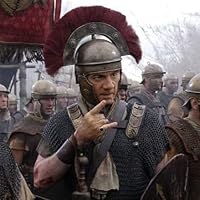
October 19, 2024
Lanjutan narasi agung Titus Livius dari berdirinya Kota Roma sampai masa hidupnya. Kali ini kitab keenam sampai kesepuluh yang sebagian besar membahas peperangan Republik Romawi melawan suku-suku Samnium untuk memperebutkan kekuasaan atas Semenanjung Italia. Serigala Roma melawan banteng Samnium!
Berawal dari setelah Marcus Furius Camillus menyelematkan Roma dan membangkitkan kekuatannya sebagai penguasa bumi Latium melawan suku-suku Hernici & Aequi, lalu kota-kota Latin Praeneste & Tibur. Narasi lanjut ke krisis domestik Republik yang merupakan kelanjutan "Conflict of the Orders" di antara kelas bangsawan patricius dan jelata plebs dari zaman diasingkannya raja. Kemudian akhirnya, sekitar 60% buku ini menceritakan Peperangan Samnit yang berawal dari konflik di Campania lalu menyebar luas dan semua negeri Italia terlibat.
Wajib baca untuk yang ingin tahu bagaimana Republik Romawi menguasai Italia! 7/5
Berawal dari setelah Marcus Furius Camillus menyelematkan Roma dan membangkitkan kekuatannya sebagai penguasa bumi Latium melawan suku-suku Hernici & Aequi, lalu kota-kota Latin Praeneste & Tibur. Narasi lanjut ke krisis domestik Republik yang merupakan kelanjutan "Conflict of the Orders" di antara kelas bangsawan patricius dan jelata plebs dari zaman diasingkannya raja. Kemudian akhirnya, sekitar 60% buku ini menceritakan Peperangan Samnit yang berawal dari konflik di Campania lalu menyebar luas dan semua negeri Italia terlibat.
Wajib baca untuk yang ingin tahu bagaimana Republik Romawi menguasai Italia! 7/5
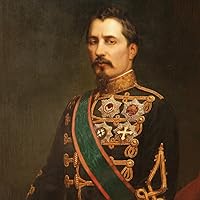
July 2, 2025
3.5.
This book primarily deals with the post-Gallic recovery and the Samnite Wars. Livy I find is at his best discussing political history. His discussion on military affairs is not particularly well written I find. What makes the Peloponnesian War brilliant is that the military and politics are interconnected. We know what both sides are thinking and planning. We know what each general is thinking and planning. Livy gives significant attention to how Rome deals with the wars but barely mentions on how the Etruscans, Gauls and Samnites are thinking. That I find is a shame, likely due to the scarcity of sources but I also suspect a lack of interest from Livy. It's a shame these chapters were not as good as the first five were.
This book primarily deals with the post-Gallic recovery and the Samnite Wars. Livy I find is at his best discussing political history. His discussion on military affairs is not particularly well written I find. What makes the Peloponnesian War brilliant is that the military and politics are interconnected. We know what both sides are thinking and planning. We know what each general is thinking and planning. Livy gives significant attention to how Rome deals with the wars but barely mentions on how the Etruscans, Gauls and Samnites are thinking. That I find is a shame, likely due to the scarcity of sources but I also suspect a lack of interest from Livy. It's a shame these chapters were not as good as the first five were.

June 23, 2020
After covering the legendary founding and refounding of Rome in the first 5 books, Livy moves on to the Battling against Etruscans and Samnites for control of Central Italy.
It's not really written in any overarching purpose. It's really just a continuous list of battles and elections. He gives little sense of the objectives or strategies of the wars.
At times it can get tiresome; he even makes some statement like "imagine all these people fighting these wars thinking you would complain about listening to them.
Alas, a two thousand year old history of 300 years before has to have some merit.
It's not really written in any overarching purpose. It's really just a continuous list of battles and elections. He gives little sense of the objectives or strategies of the wars.
At times it can get tiresome; he even makes some statement like "imagine all these people fighting these wars thinking you would complain about listening to them.
Alas, a two thousand year old history of 300 years before has to have some merit.
September 4, 2021
Very dry, describing battle after battle, war after war. Judging by this book, all the Romans did was fight. I read this book because I am fascinated with Roman history. Fascinated enough to finish this book. At one point, livy makes a comment to the effect of "If you think it is tedious reading about these endless battles, just imagine how tough it was for the men fighting them." The point is conceded. It does have some interesting passages. The speeches are sometimes fun to read, even though Livy more or less invented them. It contains a long passage about what might have happened if Alexander the Great invaded Italy. Spoiler alert: The Romans would have won. At the conclusion of this book, Rome is the undisputed master of Italy having slaughtered all the rest of the Italian tribes, forcing them to become allies of Rome. I gave it three stars because the subject is interesting, although it is a chore to finish. Even the Romans apparently thought it was tedious, as large sections of it are lost.
This entire review has been hidden because of spoilers.
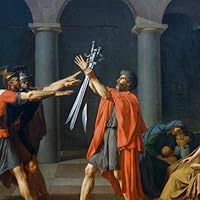
June 1, 2024
Yardley does a good job translating it. Very interesting, got repetitive after a while (we get it Rome beat the Saminites again, and again, and again). Looking forward to Books 21-30 with the second Punic War having less room to become stale and the short duration will probably help make the characters more interesting than just the speeches Livy writes for them. In the meantime am going to read Polybius to fill the time void left by the missing 10 volumes.

December 9, 2025
The second collection of Livy's masterful history of Rome. This deals with the expansion of Rome in the Italian peninsula, which began in the last volume but now deals with Rome gaining a fair bit of ground in the Samnite Wars. I recall thinking to myself with Livy's descriptions of the battles that it sounds marvelous that anyone survived these wars. Sometimes he makes it sound as if most of the population was wiped out in the armies.

April 8, 2024
Books 5-10, covering 386BC (following recovery of city from the Gauls) to 293BC (near the end of 3rd and final Samnite war)
Took a long time to get through. Kept getting distracted with other books on my shelf.
Less storytelling and more history than the previous books.
On to the 21-30 - The War with Hannibal
Took a long time to get through. Kept getting distracted with other books on my shelf.
Less storytelling and more history than the previous books.
On to the 21-30 - The War with Hannibal
July 5, 2021
Early Rome fights Gauls and Samnites and lose more than they win the more that they get tied up in the various vacancies in various types of posts in their government. How a civil war didn’t happen, I have no idea.

January 16, 2023
If you are interested in wars against Gauls and Samnites, this is the book for you. There are some interesting passages, but Livy's histories of Rome doesn't really get interesting until the Second Punic War.
December 5, 2025
This seems more modern than some other ancient histories I've read - Livy seems to analyse and criticise his sources.
The conclusions he reaches are naturally very biased, and tend to be that the Romans are the most mighty and noble people, but it seems unusual nonetheless.
The conclusions he reaches are naturally very biased, and tend to be that the Romans are the most mighty and noble people, but it seems unusual nonetheless.

June 6, 2018
“What is the enemy if not inexhaustible material for honing your courage and winning glory?”
Displaying 1 - 30 of 60 reviews