

What do you think?
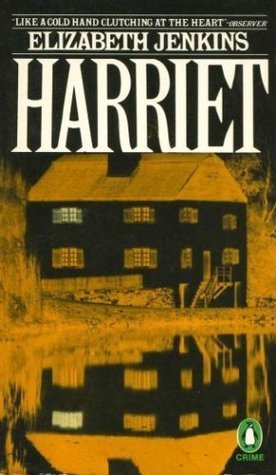
Harriet
When a handsome, unscrupulous fortune hunter approaches Harriet, a young woman of means whom most people would call half-witted, no good can result. Elizabeth Jenkins's artistry, however, transforms the bare facts of this case from the annals of Victorian England's Old Bailey into an absolutely spine-chilling exploration of the depths of human depravity.
191 pages, Paperback
First published January 1, 1934
About the author
Elizabeth Jenkins
49 books63 followersFrom Elizabeth Jenkins' obituary in The New York Times:
As a novelist, Ms. Jenkins was best known for “The Tortoise and the Hare” (1954), the story of a disintegrating marriage between a barrister and his desperate wife that Hilary Mantel, writing in The Sunday Times of London in 1993, called “as smooth and seductive as a bowl of cream.” Its author, Ms. Mantel wrote, “seems to know a good deal about how women think and how their lives are arranged; what women collude in, what they fear.”
To a wider public Ms. Jenkins was known as the author of psychologically acute, stylishly written, accessible biographies. Most dealt with important literary or historical figures, but in “Joseph Lister” (1960) she told the life of the English surgeon who pioneered the concept of sterilization in medicine, and in “Dr. Gully’s Story” (1972) she reconstructed a Victorian murder and love triangle.
Margaret Elizabeth Jenkins was born on Oct. 31, 1905, in Hitchin, Hertfordshire, where a year earlier her father had founded Caldicott, a prep school.
She studied English and history at Newnham College, Cambridge, where at the time women could take exams but not receive degrees. The principal of the college was Pernel Strachey, sister of the biographer and Bloomsbury figure Lytton Strachey, and through her Ms. Jenkins met Edith Sitwell and Leonard and Virginia Woolf.
She found the company intellectually distinguished but rude and unpleasant. Woolf’s description of Ms. Jenkins’s first novel, “Virginia Water” (1929), as “a sweet white grape of a book” did not erase the impression.
Despite good reviews for her first novel and a three-book deal with the publisher Victor Gollancz, Ms. Jenkins began teaching English at King Alfred’s School in Hampstead, where she remained until the outbreak of World War II.
In this period she wrote two of her most admired biographies, “Lady Caroline Lamb” (1932) and “Jane Austen” (1938), as well as the chilling “Harriet” (1934), a novel about the sufferings of a mentally disabled woman whose husband, a scheming clerk, marries for her money.
During the war Ms. Jenkins worked for the Assistance Board, helping Jewish refugees and victims of the German air raids on London. She later worked for the Board of Trade and the Ministry of Information.
“Elizabeth the Great” (1958) showed her biographical talents at their most effective. Although she relied on the standard historical sources, Ms. Jenkins added a psychological dimension to her portrait that other historians had scanted.
The historian Garrett Mattingly, in a review, wrote that Ms. Jenkins “is really not much interested in war and diplomacy, politics and finance.” Her specialty, he argued, was the human heart. “We believe Elizabeth Jenkins,” he added, “because, by imaginative insight and instinctive sympathy, she can make the figures of a remote historical pageant as real, as living, as three-dimensional as characters in a novel.”
Ms. Jenkins returned to the Elizabethan period in “Elizabeth and Leicester” (1961) and roamed further afield in “The Mystery of King Arthur” (1975) and “The Princes in the Tower” (1978). In “Six Criminal Women” (1949), she presented short studies of two murderers, a pickpocket, a blackmailer and a con artist living between the 14th and 19th centuries. A more wholesome gallery of characters was put on view in “Ten Fascinating Women” (1955).
In 1940 she helped found the Jane Austen Society and took part in its campaign to buy Austen’s house at Chawton, where Austen spent the last eight years of her life. It is now a museum.
Her novels included “Doubtful Joy” (1935), “The Phoenix’ Nest” (1936), “Robert and Helen” (1944), “Brightness” (1963) and “Honey” (1968).
In 2004 Ms. Jenkins published a memoir, “The View From Downshire Hill.” Its title refers to the Hampstead neighborhood whe
As a novelist, Ms. Jenkins was best known for “The Tortoise and the Hare” (1954), the story of a disintegrating marriage between a barrister and his desperate wife that Hilary Mantel, writing in The Sunday Times of London in 1993, called “as smooth and seductive as a bowl of cream.” Its author, Ms. Mantel wrote, “seems to know a good deal about how women think and how their lives are arranged; what women collude in, what they fear.”
To a wider public Ms. Jenkins was known as the author of psychologically acute, stylishly written, accessible biographies. Most dealt with important literary or historical figures, but in “Joseph Lister” (1960) she told the life of the English surgeon who pioneered the concept of sterilization in medicine, and in “Dr. Gully’s Story” (1972) she reconstructed a Victorian murder and love triangle.
Margaret Elizabeth Jenkins was born on Oct. 31, 1905, in Hitchin, Hertfordshire, where a year earlier her father had founded Caldicott, a prep school.
She studied English and history at Newnham College, Cambridge, where at the time women could take exams but not receive degrees. The principal of the college was Pernel Strachey, sister of the biographer and Bloomsbury figure Lytton Strachey, and through her Ms. Jenkins met Edith Sitwell and Leonard and Virginia Woolf.
She found the company intellectually distinguished but rude and unpleasant. Woolf’s description of Ms. Jenkins’s first novel, “Virginia Water” (1929), as “a sweet white grape of a book” did not erase the impression.
Despite good reviews for her first novel and a three-book deal with the publisher Victor Gollancz, Ms. Jenkins began teaching English at King Alfred’s School in Hampstead, where she remained until the outbreak of World War II.
In this period she wrote two of her most admired biographies, “Lady Caroline Lamb” (1932) and “Jane Austen” (1938), as well as the chilling “Harriet” (1934), a novel about the sufferings of a mentally disabled woman whose husband, a scheming clerk, marries for her money.
During the war Ms. Jenkins worked for the Assistance Board, helping Jewish refugees and victims of the German air raids on London. She later worked for the Board of Trade and the Ministry of Information.
“Elizabeth the Great” (1958) showed her biographical talents at their most effective. Although she relied on the standard historical sources, Ms. Jenkins added a psychological dimension to her portrait that other historians had scanted.
The historian Garrett Mattingly, in a review, wrote that Ms. Jenkins “is really not much interested in war and diplomacy, politics and finance.” Her specialty, he argued, was the human heart. “We believe Elizabeth Jenkins,” he added, “because, by imaginative insight and instinctive sympathy, she can make the figures of a remote historical pageant as real, as living, as three-dimensional as characters in a novel.”
Ms. Jenkins returned to the Elizabethan period in “Elizabeth and Leicester” (1961) and roamed further afield in “The Mystery of King Arthur” (1975) and “The Princes in the Tower” (1978). In “Six Criminal Women” (1949), she presented short studies of two murderers, a pickpocket, a blackmailer and a con artist living between the 14th and 19th centuries. A more wholesome gallery of characters was put on view in “Ten Fascinating Women” (1955).
In 1940 she helped found the Jane Austen Society and took part in its campaign to buy Austen’s house at Chawton, where Austen spent the last eight years of her life. It is now a museum.
Her novels included “Doubtful Joy” (1935), “The Phoenix’ Nest” (1936), “Robert and Helen” (1944), “Brightness” (1963) and “Honey” (1968).
In 2004 Ms. Jenkins published a memoir, “The View From Downshire Hill.” Its title refers to the Hampstead neighborhood whe
Ratings & Reviews
Friends & Following
Create a free account to discover what your friends think of this book!
Community Reviews
Displaying 1 - 30 of 258 reviews

July 29, 2024
No gore. No graphic violence. Yet I will remember Harriet as one of the most disturbing books I've ever read.
And it's based on a true story.
While I am so grateful that Persephone Books allows readers to discover these forgotten classics written by women, what I really want to know is-- how was this book ever forgotten? Truly. It's well-written, gripping and horrifying. It's hard to imagine a book like this ever not having a readership.
This story made me feel such intense sadness, anger and anxiety. The beginning drew me in, but it wasn't until somewhere partway through when I was struck by the sensation that what I was witnessing here was pure evil. That's the best way I can explain it. I've read graphic grisly books about murder and abuse that nowhere near capture the cold callous depths that Jenkins brings us to here.
Based on the real life of Harriet Staunton, we see a handsome and manipulative young man (Lewis Oman) pursue a marriage with a woman with intellectual disabilities in order to acquire her fortune. Harriet's mother is horrified when she sees her daughter is besotted and determined to marry Lewis. She tries her best to stop the marriage, which only further drives Harriet away from her.
Once Lewis has Harriet away from her family, she is completely at his mercy-- and the mercy of his volatile brother and sister-in-law. What happens to Harriet in this book is horrific, but what I found so chilling was the very casual way in which the characters were able to dehumanise Harriet because of her disabilities. I think that's why this book is sometimes categorised as "horror". It is horrifying.
What a devastating book.
And it's based on a true story.
While I am so grateful that Persephone Books allows readers to discover these forgotten classics written by women, what I really want to know is-- how was this book ever forgotten? Truly. It's well-written, gripping and horrifying. It's hard to imagine a book like this ever not having a readership.
This story made me feel such intense sadness, anger and anxiety. The beginning drew me in, but it wasn't until somewhere partway through when I was struck by the sensation that what I was witnessing here was pure evil. That's the best way I can explain it. I've read graphic grisly books about murder and abuse that nowhere near capture the cold callous depths that Jenkins brings us to here.
Based on the real life of Harriet Staunton, we see a handsome and manipulative young man (Lewis Oman) pursue a marriage with a woman with intellectual disabilities in order to acquire her fortune. Harriet's mother is horrified when she sees her daughter is besotted and determined to marry Lewis. She tries her best to stop the marriage, which only further drives Harriet away from her.
Once Lewis has Harriet away from her family, she is completely at his mercy-- and the mercy of his volatile brother and sister-in-law. What happens to Harriet in this book is horrific, but what I found so chilling was the very casual way in which the characters were able to dehumanise Harriet because of her disabilities. I think that's why this book is sometimes categorised as "horror". It is horrifying.
What a devastating book.

September 1, 2010
it is a sad thing that Jenkins' 1934 novel is not better known! perhaps the darkness, realism, and tragedy that form the basis of this novel's insights on humanity's often predatory nature has precluded it from being embraced.
the premise is simple enough. take a "natural" from any given Austen novel - those simple-minded, childish, often greedy, but also often innately sweet women who the central heroines usually have to protect or at least work around - and set her in a starkly realistic setting approximately 50 years later, filled with characters who truly will do what they feel they have to do to obtain money and comfort. although the language is similar - charmingly nuanced and understated dialogue; descriptive passages that are wry and subtle; characters who are pleasingly well-spoken and well-mannered - the result is very far from a comedy of manners. Harriet's narrative is instead a grueling series of escalating predations and degradations, politely told... because most people with no sense but some money do not have a Jane Austen heroine around to guide and protect them.
the discomfort this novel creates comes not just from the horrors that are visited upon the heroine but also from the inclusion of classic characters and situations that are instantly recognizable from the range of light comedies of manner that have been read and re-read over time. greed is a killer and predators will do anything to rationalize their predatory behavior (even to themselves) - particularly in a milieu where polite conversation and manners are as important as currency.
a dark and forgotten classic, one that is pitiless and passionless in its depictions of human cruelty. the novel is both subtle and furious in its underlying assessment of the avariciousness that can drive that cruelty.
the premise is simple enough. take a "natural" from any given Austen novel - those simple-minded, childish, often greedy, but also often innately sweet women who the central heroines usually have to protect or at least work around - and set her in a starkly realistic setting approximately 50 years later, filled with characters who truly will do what they feel they have to do to obtain money and comfort. although the language is similar - charmingly nuanced and understated dialogue; descriptive passages that are wry and subtle; characters who are pleasingly well-spoken and well-mannered - the result is very far from a comedy of manners. Harriet's narrative is instead a grueling series of escalating predations and degradations, politely told... because most people with no sense but some money do not have a Jane Austen heroine around to guide and protect them.
the discomfort this novel creates comes not just from the horrors that are visited upon the heroine but also from the inclusion of classic characters and situations that are instantly recognizable from the range of light comedies of manner that have been read and re-read over time. greed is a killer and predators will do anything to rationalize their predatory behavior (even to themselves) - particularly in a milieu where polite conversation and manners are as important as currency.
a dark and forgotten classic, one that is pitiless and passionless in its depictions of human cruelty. the novel is both subtle and furious in its underlying assessment of the avariciousness that can drive that cruelty.

January 24, 2024
Me ha gustado? si pero... ha tardado mucho en arrancar, casi hasta la mitad del libro no se va apreciando cosas importantes que le van a suceder a Harriet.
Si es de cocción lenta, época victoriana....
Es increíble lo que puede hacer la avaricia y al envidia en el ser humano.
Lo mas terrible es que se basa en un caso real.
Me ha gustado el epílogo donde nos cuentan que fue de los distintos protagonistas de esta historia.
Valoración: 6.75/10
Sinopsis: Esta novela, escrita en 1934 y un éxito de ventas en su día, reconstruye el llamado «misterio de Penge», que estremeció a la sociedad victoriana de 1877.
Harriet es una mujer de treinta y dos años, elegante y adinerada, ya en posesión de su propia herencia; pero es también lo que «los vecinos del pueblo» de donde procede su madre llaman «tontita». Esta alma cándida y simple conoce un día, mientras pasa una temporada en casa de unos parientes pobres, a Lewis Oman, empleado en una casa de subastas, el cual no tarda en pedir su mano. «Las mujeres me encuentran atractivo», le dice a la madre de Harriet, que solo ve en él a un vulgar cazafortunas y que trata por todos los medios de impedir la boda. Sin embargo, ésta se celebra… y Harriet, a merced de su marido y de la familia de éste, entra en una pesadilla que nadie habría sido capaz de imaginar.
Si es de cocción lenta, época victoriana....
Es increíble lo que puede hacer la avaricia y al envidia en el ser humano.
Lo mas terrible es que se basa en un caso real.
Me ha gustado el epílogo donde nos cuentan que fue de los distintos protagonistas de esta historia.
Valoración: 6.75/10
Sinopsis: Esta novela, escrita en 1934 y un éxito de ventas en su día, reconstruye el llamado «misterio de Penge», que estremeció a la sociedad victoriana de 1877.
Harriet es una mujer de treinta y dos años, elegante y adinerada, ya en posesión de su propia herencia; pero es también lo que «los vecinos del pueblo» de donde procede su madre llaman «tontita». Esta alma cándida y simple conoce un día, mientras pasa una temporada en casa de unos parientes pobres, a Lewis Oman, empleado en una casa de subastas, el cual no tarda en pedir su mano. «Las mujeres me encuentran atractivo», le dice a la madre de Harriet, que solo ve en él a un vulgar cazafortunas y que trata por todos los medios de impedir la boda. Sin embargo, ésta se celebra… y Harriet, a merced de su marido y de la familia de éste, entra en una pesadilla que nadie habría sido capaz de imaginar.

September 9, 2021
4,5/5
La escritora y biógrafa inglesa, Elizabeth Jenkins, publicó en 1934 un escrito que cambiaría su trayectoria. Sentía auténtica fascinación por los crímenes perpetrados en zonas residenciales y así es como se encontró con el caso de Harriet Staunton. No pudo evitar obsesionarse e investigar todo lo posible para dar a conocer este suceso. Una autora que necesitaba conocer y con la que pienso repetir.
Esta novela reconstruye los hechos reales que sucedieron en 1877 y que sobrecogieron a la sociedad victoriana. Harriet, es una mujer diferente y especial (la llaman “tontita”), procedente de una buena familia, siempre enfundada en sus mejores galas, limpia y pulcra y que resplandece elegancia. A sus treinta y dos años, conoce a Lewis, un hombre humilde y vulgar que se aprovecha de la inocencia de Harriet para engatusarla y casarse con ella con el único fin de quedarse con su fortuna.
Estamos ante un relato desgarrador, conforme te adentras en la historia, la trama se vuelve cada vez más cruel y terrible. Los hechos acontecidos en ella duelen en el alma, la inminente rabia del comienzo, se convierte en una tristeza densa y perturbadora. La trama te envuelve, te oprime y te hace sentir en carne propia una situación oscura y aterradora.
El ambiente que se respira también durante la lectura es horrible y agobiante. La autora logra con maestría mostrarnos un análisis meticuloso de la psicología de estos personajes, los procedimientos y costumbres de estos seres despreciables que indujeron a una mujer a una vida de abominables sufrimientos. No nos hallamos ante un documental, si no una versión novelada, el estilo que utiliza Jenkins es directo, fulminante y no carece de brillantez.
En conclusión, tras leer «Harriet» e indagar más profundamente sobre el caso llamado “misterio en Penge”, debo decir que la valentía y poderío de Elizabeth Jenkins al escribir esta obra es de un valor incalculable. Mostrar sus nombres reales y hablar libremente sobre esta injusticia merece mucho más reconocimiento y más si viene acompañado una espectacular narrativa. Obviamente, os recomiendo saber lo menos posible y dejaros sorprender sobre lo que acontece entre sus páginas.
La escritora y biógrafa inglesa, Elizabeth Jenkins, publicó en 1934 un escrito que cambiaría su trayectoria. Sentía auténtica fascinación por los crímenes perpetrados en zonas residenciales y así es como se encontró con el caso de Harriet Staunton. No pudo evitar obsesionarse e investigar todo lo posible para dar a conocer este suceso. Una autora que necesitaba conocer y con la que pienso repetir.
Esta novela reconstruye los hechos reales que sucedieron en 1877 y que sobrecogieron a la sociedad victoriana. Harriet, es una mujer diferente y especial (la llaman “tontita”), procedente de una buena familia, siempre enfundada en sus mejores galas, limpia y pulcra y que resplandece elegancia. A sus treinta y dos años, conoce a Lewis, un hombre humilde y vulgar que se aprovecha de la inocencia de Harriet para engatusarla y casarse con ella con el único fin de quedarse con su fortuna.
Estamos ante un relato desgarrador, conforme te adentras en la historia, la trama se vuelve cada vez más cruel y terrible. Los hechos acontecidos en ella duelen en el alma, la inminente rabia del comienzo, se convierte en una tristeza densa y perturbadora. La trama te envuelve, te oprime y te hace sentir en carne propia una situación oscura y aterradora.
El ambiente que se respira también durante la lectura es horrible y agobiante. La autora logra con maestría mostrarnos un análisis meticuloso de la psicología de estos personajes, los procedimientos y costumbres de estos seres despreciables que indujeron a una mujer a una vida de abominables sufrimientos. No nos hallamos ante un documental, si no una versión novelada, el estilo que utiliza Jenkins es directo, fulminante y no carece de brillantez.
En conclusión, tras leer «Harriet» e indagar más profundamente sobre el caso llamado “misterio en Penge”, debo decir que la valentía y poderío de Elizabeth Jenkins al escribir esta obra es de un valor incalculable. Mostrar sus nombres reales y hablar libremente sobre esta injusticia merece mucho más reconocimiento y más si viene acompañado una espectacular narrativa. Obviamente, os recomiendo saber lo menos posible y dejaros sorprender sobre lo que acontece entre sus páginas.

October 27, 2022
Este bestseller, escrito en los años 30, convierte en novela el conocido como «misterio de Penge», uno de los crímenes más estremecedores de la época victoriana. Y es, por tanto, uno de los precursores del género de true-crime.
Su autora se obsesionó con el caso a raíz de leer un libro sobre grandes juicios de la época victoriana. Convencida de que había aún mucho que explicar sobre un caso que fue tremendamente mediático se lanzó a la tarea de reconstruir todo lo que ocurrió en torno a la figura de Harriet Staunton.
Esta novela explora distintos géneros, ya que empieza como un drama romántico muy al estilo de ‘Washington Square’, para convertirse después en un thriller psicológico que coquetea con el terror gótico y que concluye como una novela procedimental, de marcado corte jurídico. Y en cada una de sus partes, la autora brilla con un estilo muy directo y conciso pero rico en detalles, que hace que las páginas vuelen en las manos del lector.
Los dos grandes aciertos de la autora son, por una parte, elegir una historia real que sin duda supera a la ficción en muchos momentos. Y por otra, detenerse y recrearse en la psicología de cada uno de los personajes involucrados y en las relaciones entre ellos para encontrar una explicación plausible de por qué cada uno actuó de la manera cómo lo hizo.
Es una lectura muy dura pero completamente absorbente y muy bien rematada por el posfacio que acompaña a esta edición de Rara Avis, que contextualiza la novela y da cuenta del impacto que este caso tuvo en su época. Lo recomiendo encarecidamente aunque te deje un pelín tocado.
RESEÑA COMPLETA: https://www.youtube.com/watch?v=jZle3...
Su autora se obsesionó con el caso a raíz de leer un libro sobre grandes juicios de la época victoriana. Convencida de que había aún mucho que explicar sobre un caso que fue tremendamente mediático se lanzó a la tarea de reconstruir todo lo que ocurrió en torno a la figura de Harriet Staunton.
Esta novela explora distintos géneros, ya que empieza como un drama romántico muy al estilo de ‘Washington Square’, para convertirse después en un thriller psicológico que coquetea con el terror gótico y que concluye como una novela procedimental, de marcado corte jurídico. Y en cada una de sus partes, la autora brilla con un estilo muy directo y conciso pero rico en detalles, que hace que las páginas vuelen en las manos del lector.
Los dos grandes aciertos de la autora son, por una parte, elegir una historia real que sin duda supera a la ficción en muchos momentos. Y por otra, detenerse y recrearse en la psicología de cada uno de los personajes involucrados y en las relaciones entre ellos para encontrar una explicación plausible de por qué cada uno actuó de la manera cómo lo hizo.
Es una lectura muy dura pero completamente absorbente y muy bien rematada por el posfacio que acompaña a esta edición de Rara Avis, que contextualiza la novela y da cuenta del impacto que este caso tuvo en su época. Lo recomiendo encarecidamente aunque te deje un pelín tocado.
RESEÑA COMPLETA: https://www.youtube.com/watch?v=jZle3...

February 19, 2020
Basada en hechos reales este libro es escalofriante. La forma de narrar de la autora sin florituras, casi de forma quirúrgica, desapasionada, resalta lo terrible de la trama.
Codicia, falta de empatía y un retrato de la sociedad de aquella época donde las mujeres eran meros adornos. Un 4,5
Codicia, falta de empatía y un retrato de la sociedad de aquella época donde las mujeres eran meros adornos. Un 4,5

January 13, 2018
One of Persephone's darkest novels based on the true story of the 1877 Penge Murder case.
A story of cruelty,greed and passion, this book may not be everyone's cup of tea but it is so well written by Elizabeth Jenkins .
I was hooked from the start and wanted to know what happened.
Recommended for true crime fans
A story of cruelty,greed and passion, this book may not be everyone's cup of tea but it is so well written by Elizabeth Jenkins .
I was hooked from the start and wanted to know what happened.
Recommended for true crime fans

March 6, 2024
Titulo: Harriet
Autor: Elizabeth Jenkins
Motivo de lectura: #LetrasMacabras2024
Lectura / Relectura: Lectura
Mi edicion: Electronico
Puntuacion: 4.5/5
Un libro que me atrapo de principio a fin.
Como primer punto me gustaria aclarar que este libro esta basado en hechos reales. Elizabeth Jenkins tendra como fuente de inspiracion el
Jenkins realmente no desarrolla en profundidad a sus personajes, pero si hace enfasis en detallar la interaccion en la dinamica grupal. La construccion psicologica de los personajes es excepcional. La trama estara a cargo de seres desagradables, malvados, viles, codiciosos, con nulos escrupulos, donde tienen como unica mision infligir dolor, hasta llegar a niveles que son considerados tortura.
Este clasico de la literatura inglesa se lo presenta dentro del genero del terror, pero el terror convencional per se no esta presente. El terror que si esta presente es la maldad humana en un alto nivel, sirviendose de la retroalimentacion que puede encontrarse dentro de un grupo de perversos, que en lugar (llegado un punto) de llamar a la cordura y poner un limite, todos los involucrados se entregan a la accion deliverada de causar dolor, a un punto irreversible.
Sin lugar a dudas una novela altamente recomendable.
Una mencion especial al epilogo de este libro, fue una grata sorpresa que la autora se tome el trabajo de dar ese tan necesario contexto.
Autor: Elizabeth Jenkins
Motivo de lectura: #LetrasMacabras2024
Lectura / Relectura: Lectura
Mi edicion: Electronico
Puntuacion: 4.5/5
Un libro que me atrapo de principio a fin.
Como primer punto me gustaria aclarar que este libro esta basado en hechos reales. Elizabeth Jenkins tendra como fuente de inspiracion el
Jenkins realmente no desarrolla en profundidad a sus personajes, pero si hace enfasis en detallar la interaccion en la dinamica grupal. La construccion psicologica de los personajes es excepcional. La trama estara a cargo de seres desagradables, malvados, viles, codiciosos, con nulos escrupulos, donde tienen como unica mision infligir dolor, hasta llegar a niveles que son considerados tortura.
Este clasico de la literatura inglesa se lo presenta dentro del genero del terror, pero el terror convencional per se no esta presente. El terror que si esta presente es la maldad humana en un alto nivel, sirviendose de la retroalimentacion que puede encontrarse dentro de un grupo de perversos, que en lugar (llegado un punto) de llamar a la cordura y poner un limite, todos los involucrados se entregan a la accion deliverada de causar dolor, a un punto irreversible.
Sin lugar a dudas una novela altamente recomendable.
Una mencion especial al epilogo de este libro, fue una grata sorpresa que la autora se tome el trabajo de dar ese tan necesario contexto.

March 10, 2015
As always, I'm chatty Cathy about this book, so if you want the longie, you can go here; otherwise, carry on with the short version.
Originally written in 1934, Harriet is based on an actual British murder case from the 1870s known as "The Penge Murder Mystery." It is one of the more disturbing books I've read, although I must say it is also one of the best crime novels I've had in my hands in a very, very long time. While information is widely available online about the Penge Murders or The Staunton Case (the real name of the fictional title character), I held off reading the facts of the actual case until I finished the novel, because I didn't want to have any expectations at all going into this book.
I give major credit to the author here -- she has brought true evil to life in these characters. Her writing is just outstanding. She employs the use of contrast and irony to great effect, she spends a great deal of time in her characters' heads so that the reader can see exactly how such evil is justified, and through it all, she never has to resort to graphic detail to get Harriet's horrific situation across to the reader. But it's not just about the crime or the sordid details here -- you also develop an appreciation for how she layers in commentary on socioeconomic class distinctions, about social mores, and especially on how women have very little in the way of legal rights at this time.
To say I walked away from this novel completely floored is an understatement. One the one hand, it was extremely disturbing in the sense that it's amazing how anyone could do what these people did for the sake of money without ever batting an eye. On the other, this book was so well done that even without knowing anything about the case, I could see it all happening right in front of me.
I highly, highly recommend this novel to anyone who is appreciative of good writing, writers of the Interwar period, and to anyone who wants something far above ordinary crime. It's also a great choice for people who enjoy crime fiction based on real cases. I love these old books and I am in awe that Valancourt continues to find such great works to bring back into print. It really is one of the best historically-based novels I've ever read.
Originally written in 1934, Harriet is based on an actual British murder case from the 1870s known as "The Penge Murder Mystery." It is one of the more disturbing books I've read, although I must say it is also one of the best crime novels I've had in my hands in a very, very long time. While information is widely available online about the Penge Murders or The Staunton Case (the real name of the fictional title character), I held off reading the facts of the actual case until I finished the novel, because I didn't want to have any expectations at all going into this book.
I give major credit to the author here -- she has brought true evil to life in these characters. Her writing is just outstanding. She employs the use of contrast and irony to great effect, she spends a great deal of time in her characters' heads so that the reader can see exactly how such evil is justified, and through it all, she never has to resort to graphic detail to get Harriet's horrific situation across to the reader. But it's not just about the crime or the sordid details here -- you also develop an appreciation for how she layers in commentary on socioeconomic class distinctions, about social mores, and especially on how women have very little in the way of legal rights at this time.
To say I walked away from this novel completely floored is an understatement. One the one hand, it was extremely disturbing in the sense that it's amazing how anyone could do what these people did for the sake of money without ever batting an eye. On the other, this book was so well done that even without knowing anything about the case, I could see it all happening right in front of me.
I highly, highly recommend this novel to anyone who is appreciative of good writing, writers of the Interwar period, and to anyone who wants something far above ordinary crime. It's also a great choice for people who enjoy crime fiction based on real cases. I love these old books and I am in awe that Valancourt continues to find such great works to bring back into print. It really is one of the best historically-based novels I've ever read.

August 11, 2015
Harriet by Elizabeth Jenkins was my first Persephone, and I feel this isn't the typical story that Persephone publishes - it's dark, gritty, upsetting, and more interestingly a fictionalised version of real tragic events.
It follows a woman called Harriet who is termed as a 'natural' - she has learning disabilities, and lives with her mother in a protective environment. She is careful with her appearance, and has a great deal of money (and more to come into upon the death of her aunt). On one of her customary visits to relatives, she comes into contact with Lewis Oman, and promptly falls for his romantic advances - unaware that his real motive is to get his hands on her money.
While I was reading this story, I was completely enraptured - I didn't want to put it down at some points, because I was dying to know what would happen to the poor heroine. Of course I knew how the story in real life ended, but there is nothing like a fictionalisation of a real story to bring so many more elements to it - motives of characters, their own inner thoughts, and much much more. It's like being a fly on the wall of an important event/trial in history.
One thing that struck me was the unbelievable cruelty of almost every character in this book. At times it didn't seem real, that anyone could be this cold, malicious, and plotting - I had to remind myself that these people were real and these events for the most part happened. The disgust I felt towards Lewis and his relatives was so strong it surprised me - when a book spurs such strong feelings in me, I know it's a good one.
I felt at times towards the end that the pace became a bit choppy, and the ending felt wrapped up a little too quicky - I would have liked a little extra detail. But for the most part, the pacing was perfect and I was never bored, only intrigued. I will definitely be checking out more of Jenkins' work, particularly The Tortoise and the Hare - obviously that book will be very different from this one, but I really enjoyed her writing style.
If the typical Persephone subjects aren't really your thing, I would definitely recommend picking this one up - a true crime book that is shocking and intriguing, and well worth the read.
It follows a woman called Harriet who is termed as a 'natural' - she has learning disabilities, and lives with her mother in a protective environment. She is careful with her appearance, and has a great deal of money (and more to come into upon the death of her aunt). On one of her customary visits to relatives, she comes into contact with Lewis Oman, and promptly falls for his romantic advances - unaware that his real motive is to get his hands on her money.
While I was reading this story, I was completely enraptured - I didn't want to put it down at some points, because I was dying to know what would happen to the poor heroine. Of course I knew how the story in real life ended, but there is nothing like a fictionalisation of a real story to bring so many more elements to it - motives of characters, their own inner thoughts, and much much more. It's like being a fly on the wall of an important event/trial in history.
One thing that struck me was the unbelievable cruelty of almost every character in this book. At times it didn't seem real, that anyone could be this cold, malicious, and plotting - I had to remind myself that these people were real and these events for the most part happened. The disgust I felt towards Lewis and his relatives was so strong it surprised me - when a book spurs such strong feelings in me, I know it's a good one.
I felt at times towards the end that the pace became a bit choppy, and the ending felt wrapped up a little too quicky - I would have liked a little extra detail. But for the most part, the pacing was perfect and I was never bored, only intrigued. I will definitely be checking out more of Jenkins' work, particularly The Tortoise and the Hare - obviously that book will be very different from this one, but I really enjoyed her writing style.
If the typical Persephone subjects aren't really your thing, I would definitely recommend picking this one up - a true crime book that is shocking and intriguing, and well worth the read.

December 28, 2022
Este relato está basado en un crimen real que conmovió a la sociedad victoriana. Harriet era una chica de buena posición y un poco disminuida, que fue victima de un cazafortunas y su entorno.
Escrito muchos años después, en los años 30, reconstruye los hechos y el ambiente con much precisión y realmente te transporta a esa época, con detalles de costumbres muy curiosos. Buena lectura.
Escrito muchos años después, en los años 30, reconstruye los hechos y el ambiente con much precisión y realmente te transporta a esa época, con detalles de costumbres muy curiosos. Buena lectura.

August 5, 2019
Magnífico, hipnótico, terrible y perturbador.

Read
December 7, 2018Review of the Persephone edition.
You can see where this is going and you can see it's going to be a very depressing read. I happened to read the information inside the dust jacket at the back that tells you about the author, I don't look at the information inside dust jacket at the front,that tells you about the book, as I have found Persephone books are prone to spoilers. But for some reason the author information gives a massive spoiler about the book. This detail made me decide I didn't want to read this right now.
You can see where this is going and you can see it's going to be a very depressing read. I happened to read the information inside the dust jacket at the back that tells you about the author, I don't look at the information inside dust jacket at the front,that tells you about the book, as I have found Persephone books are prone to spoilers. But for some reason the author information gives a massive spoiler about the book. This detail made me decide I didn't want to read this right now.

May 21, 2020
Immense greed, trickery, narcissism, neglect and cruelty breed contempt and indignation towards the family that grossly mistreats an innocent and mentally deficient woman. What makes this novel a horror story is the fact that it is based on truth. A Victorian novel that wraps the reader around the finger that points towards ultimate justice.

April 23, 2012
“It was a crime involving almost unbelievable callousness and cruelty. A half-witted young woman named Harriet who had inherited a small fortune was living happily, and securely in the care of her mother. Lewis Staunton, a good-looking young man and a relentless criminal, saw his opportunity, and making love to the innocent, ignorant creature, got her away from her mother’s protection and married her. He then arranged for her to be boarded with his brother Patrick Staunton and the latter’s wife Elizabeth, while he set up home with his mistress, Elizabeth’s sister, Alice. The most horrible feature of this case was the slow starvation by neglect of Harriet and her baby. She was kept in a fireless room with half the window boarded up, despite the frantic efforts of her mother to reach her. The baby died, and she herself was nearly dead when she was taken by the three Stauntons to Penge. Here a nurse was engaged but the victim, emaciated and filthy, died within a few hours. The Stauntons tried to have her buried immediately, but the doctor who was asked to sign the death certificate demanded a coroner’s inquest. This brought on an inquiry and finally the trial.”
From ‘The View from Downshire Hill’ by Elizabeth Jenkins.
*******
Elizabeth Jenkins learned of the terrible events that became known as the ‘Penge Case’ when her brother became an articled clerk with a firm of solicitors whose founder had led the prosecution. She was intrigued, she read about it in ‘Great British Trials,’and then she wrote the story as a novel.
It was a commercial success, it won a major literary prize ahead of some very strong opposition, and now it has been reissued by Persephone Books.
It is a very dark story than many of those who love Persephone Books may shy away from, but I suspect it will also draw in others who didn’t realise quite how strong, and how diverse, the Persphone list is.
I hope they will learn, and I hope that those who are wary will place their trust in a fine novelist and a lovely publisher. Because this really is an extraordinary piece of writing.
I read ‘The View from Downshire Hill,’ Elizabeth Jenkins’ sadly out-of-print autobiography a few year ago and so I was familiar with the story of ‘Harriet’ before I was able to read the book. I knew exactly what would happen, but still I was captivated. Because Elizabeth Jenkins wrote so beautifully, and with such understanding of the characters she recreated, and of their psychology.
I was particularly moved by Mrs Ogilvy, Harriet’s mother. She loved her daughter, but she was clear-sighted and practical, and she did her very, very best for her. She encouraged Harriet to take an interest in her clothes and nice things, she involved her in the running of their household, and she encouraged her to pay visits to family and friends. It sounds simple, and yes it is, but I think it is the finest portrayal of mother love that I have ever read.
Mrs Ogilvy was horrified when Lewis Staunton began to court her daughter after meeting her at a cousin’s house. She saw him for what he was: a charming, clever, unscrupulous, amoral young man.
Harriet would be described today as having learning difficulties. Her expressions were a little odd, she was childish, and she was insensitive to the feelings of others.
Her mother realised that Harriet’s suitor had been drawn to her wealth and the expectation of a significant inheritance from an aunt of her late husband. And she learned that Lewis Staunton was clever, that he could play on her daughter’s love of romance, that he could twist her mother’s concerns into something dark and sinister in her daughter’s mind.
She tried, but she couldn’t save her daughter. My heart broke for her.
I grew up with a brother like Harriet – but with more serious problems – and I see so many echoes of my mother in Mrs Ogilvy. My brother’s death shattered my mother, and she has become, steadily more mentally frail since then. That’s why I find it difficult to move away from that side of the story. And why I am so very, very moved by Mrs Ogilvy, by the way she kept her daughter by her side and devoted her life to her in an age where it would have been quite acceptable to have her daughter put away.
I so wish I could reach out to her, but I can’t and I must move on.
Mrs Ogilvy’s story is set against the story of her daughter and her relationship with the Stauntons. There is never a plan to neglect, or to rid themselves of Harriet. But envy of her wealth and possessions slowly turns into a belief that they should be theirs; irritation with Harriet slowly turns into a belief that she should be kept out of their sight.
It’s horrible, and it rings so horribly true. Because Elizabeth Jenkins illuminates the inner lives of all her characters so wonderfully well.
The story is full of well-chosen details, and it is told with wonderful subtlety. Harriet’s decline is not viewed directly, but understood from the behaviour and attitudes of those around her.
I wish I could say more, but I am emotionally drained, and I am very nearly lost for words.
This is a true story made into a wonderfully literary, beautifully written, acutely understood psychological novel.
And it is true story that needed to be retold, so I must applaud Elizabeth Jenkins for telling it and Persephone Books for bringing it back into the light.
From ‘The View from Downshire Hill’ by Elizabeth Jenkins.
*******
Elizabeth Jenkins learned of the terrible events that became known as the ‘Penge Case’ when her brother became an articled clerk with a firm of solicitors whose founder had led the prosecution. She was intrigued, she read about it in ‘Great British Trials,’and then she wrote the story as a novel.
It was a commercial success, it won a major literary prize ahead of some very strong opposition, and now it has been reissued by Persephone Books.
It is a very dark story than many of those who love Persephone Books may shy away from, but I suspect it will also draw in others who didn’t realise quite how strong, and how diverse, the Persphone list is.
I hope they will learn, and I hope that those who are wary will place their trust in a fine novelist and a lovely publisher. Because this really is an extraordinary piece of writing.
I read ‘The View from Downshire Hill,’ Elizabeth Jenkins’ sadly out-of-print autobiography a few year ago and so I was familiar with the story of ‘Harriet’ before I was able to read the book. I knew exactly what would happen, but still I was captivated. Because Elizabeth Jenkins wrote so beautifully, and with such understanding of the characters she recreated, and of their psychology.
I was particularly moved by Mrs Ogilvy, Harriet’s mother. She loved her daughter, but she was clear-sighted and practical, and she did her very, very best for her. She encouraged Harriet to take an interest in her clothes and nice things, she involved her in the running of their household, and she encouraged her to pay visits to family and friends. It sounds simple, and yes it is, but I think it is the finest portrayal of mother love that I have ever read.
Mrs Ogilvy was horrified when Lewis Staunton began to court her daughter after meeting her at a cousin’s house. She saw him for what he was: a charming, clever, unscrupulous, amoral young man.
Harriet would be described today as having learning difficulties. Her expressions were a little odd, she was childish, and she was insensitive to the feelings of others.
Her mother realised that Harriet’s suitor had been drawn to her wealth and the expectation of a significant inheritance from an aunt of her late husband. And she learned that Lewis Staunton was clever, that he could play on her daughter’s love of romance, that he could twist her mother’s concerns into something dark and sinister in her daughter’s mind.
She tried, but she couldn’t save her daughter. My heart broke for her.
I grew up with a brother like Harriet – but with more serious problems – and I see so many echoes of my mother in Mrs Ogilvy. My brother’s death shattered my mother, and she has become, steadily more mentally frail since then. That’s why I find it difficult to move away from that side of the story. And why I am so very, very moved by Mrs Ogilvy, by the way she kept her daughter by her side and devoted her life to her in an age where it would have been quite acceptable to have her daughter put away.
I so wish I could reach out to her, but I can’t and I must move on.
Mrs Ogilvy’s story is set against the story of her daughter and her relationship with the Stauntons. There is never a plan to neglect, or to rid themselves of Harriet. But envy of her wealth and possessions slowly turns into a belief that they should be theirs; irritation with Harriet slowly turns into a belief that she should be kept out of their sight.
It’s horrible, and it rings so horribly true. Because Elizabeth Jenkins illuminates the inner lives of all her characters so wonderfully well.
The story is full of well-chosen details, and it is told with wonderful subtlety. Harriet’s decline is not viewed directly, but understood from the behaviour and attitudes of those around her.
I wish I could say more, but I am emotionally drained, and I am very nearly lost for words.
This is a true story made into a wonderfully literary, beautifully written, acutely understood psychological novel.
And it is true story that needed to be retold, so I must applaud Elizabeth Jenkins for telling it and Persephone Books for bringing it back into the light.

March 20, 2023
The back of the book promises "an absolutely spine-chilling exploration of the depths of human depravity." While my spine wasn't chilled, the depravity here sickened me. Maybe more so because this was based on a true story, and actually not just based; really, only names were slightly altered: like Louis became Lewis. Odd, too, that this is the third "novel" I've read this month based on actual events.
It would be wrong for me to say more about the plot of this novel. However, I will add that the Afterword describing how the British legal system dealt with this sickened me more than the depravity itself.
I read the last sixty pages or so in a rush, but till then I found the writing dense, surprisingly so for a book of less than 200 pages in what could be termed a true crime novel. I separately marked only one descriptive passage:
Alice was not one of those women who devote themselves to a household; what Alice could not get done for her she would leave undone, and no man would like her any worse for it; though children in her care would not, perhaps, thrive, unless they should happen to be as hardy as she was herself.
It would be wrong for me to say more about the plot of this novel. However, I will add that the Afterword describing how the British legal system dealt with this sickened me more than the depravity itself.
I read the last sixty pages or so in a rush, but till then I found the writing dense, surprisingly so for a book of less than 200 pages in what could be termed a true crime novel. I separately marked only one descriptive passage:
Alice was not one of those women who devote themselves to a household; what Alice could not get done for her she would leave undone, and no man would like her any worse for it; though children in her care would not, perhaps, thrive, unless they should happen to be as hardy as she was herself.

January 21, 2015
Una historia inhumana, pero a la vez, demasiado cercana a lo que puede ser capaz el ser humano. Empieza como la típica historia de una " tontita" adinerada en su mundo de algodón. Entra en escena un "caballero" y la escritora empieza a describir unos personajes tan detalladamente que a veces te parece que lo estás viviendo con ellos. Una cascada de acontecimientos llega a un final que te remueve hasta en lo más profundo. Una historia decimonónica que como dice en la portada, conmovió a la sociedad victoriana. Una joya de libro que se merece una lectura. O más ;)

June 22, 2023
4.5 ⭐️ angustiante, escalofriante; Me dejó con un nudo en la boca del estómago 😔


July 17, 2025
Vaya sorpresa me he llevado con este libro!!
Historia situada en la época Victoriana y basada en un caso real que me pareció muy absorbente, opresiva, desesperante, desoladora, bestial y extremadamente violenta, pero sin ser gore.
Me ha encantado como se fue creando la atmósfera cada vez más siniestra, amenazante para la protagonista, en la que inmediatamente se observan los intereses maliciosos de las personas, y pausadamente nos va mostrando hasta donde pueden llegar para obtener lo que desean.
Un caso de injusticia y avaricia, con actos inhumanos contra alguien indefenso en todos los sentidos.
Una historia que genera muchos sentimientos.
Historia situada en la época Victoriana y basada en un caso real que me pareció muy absorbente, opresiva, desesperante, desoladora, bestial y extremadamente violenta, pero sin ser gore.
Me ha encantado como se fue creando la atmósfera cada vez más siniestra, amenazante para la protagonista, en la que inmediatamente se observan los intereses maliciosos de las personas, y pausadamente nos va mostrando hasta donde pueden llegar para obtener lo que desean.
Un caso de injusticia y avaricia, con actos inhumanos contra alguien indefenso en todos los sentidos.
Una historia que genera muchos sentimientos.

December 29, 2023
Reseña pronto.

May 11, 2020
A pesar de no haber empatizado con ninguno de los personajes, todos son horribles excepto la pobre Harriet, me ha gustado bastante y he estado deseando saber como acabaría.

January 28, 2024
Solo porque era lectura conjunta, sino este libro lo hubiera abandonado.
El libro se extiende de más en descripciones, a veces de cosas que no se bien porque. Que si ayuda mucho a ubicarte en la ambientación y vida diaria de los personajes. El problema es que para la temática del libro no se siente adecuado.
Por otro lado, de los personajes, realmente no vemos más allá de sus reacciones superficiales, por el tema que toca el libro es donde esperas que hubiera más profundidad, entender que piensan, como justifican, si tienen algún conflicto o por el contrario. No todo así superficial.
Entiendo que quizá la autora solo quería exponer el caso y ser verídica y no tomarse "licencias literarias"
Lo que si he de agradecer, es que en las partes del evento mantenía las descripciones a lo mínimo necesario.
Creo que la expectativa y la tematica juega en su contra.
1.5 stars
El libro se extiende de más en descripciones, a veces de cosas que no se bien porque. Que si ayuda mucho a ubicarte en la ambientación y vida diaria de los personajes. El problema es que para la temática del libro no se siente adecuado.
Por otro lado, de los personajes, realmente no vemos más allá de sus reacciones superficiales, por el tema que toca el libro es donde esperas que hubiera más profundidad, entender que piensan, como justifican, si tienen algún conflicto o por el contrario. No todo así superficial.
Entiendo que quizá la autora solo quería exponer el caso y ser verídica y no tomarse "licencias literarias"
Lo que si he de agradecer, es que en las partes del evento mantenía las descripciones a lo mínimo necesario.
Creo que la expectativa y la tematica juega en su contra.
1.5 stars

September 15, 2022
Harriet está basado en un hecho real ocurrido en la era victoriana en Londres, es una historia donde la codicia y el deseo son capaces de una crueldad que es relatada por la autora con un estilo conciso, sin morbo. Te deja con sentimientos de tristeza y sed de justicia. Muy recomendable.


October 7, 2019
No recuerdo bien cómo llegó este libro a mis manos, pero cuando comencé a leerlo no recordaba la sinopsis, ni de qué época era, ni que se basaba en un hecho real, por lo que su lectura h sido una sorpresa completa, de principio a fin.
Comienza siendo una novela casi amable y, según avanza, va pasando a ser dura y cruel. Una historia de personas mezquinas, ambiciosas, egoistas, cuyas decisiones -absolutamente lógicas para ellos- son espantosas.
Jenkins describe la época de una manera detallada pero, al mismo tiempo, entretenida: los vestidos, las costumbres sociales, la decoración de las casas, la diferencia entre las clases sociales, se nos van presentando al tiempo que van apareciendo diferentes personajes, de una manera tan vívida que casi puedes oir el frufrú del tafetán de las faldas de Harriet o su madre.
Pero donde radica la verdadera fuerza de la novela es en sus personajes. Harriet es, probablemente, el más insulso de todos ellos, sólo te mueve a compasión, pero nos es descrita sin ningún atractivo. En cambio, los hermanos Oman -Patrick y Lewis- y sus compañeras de delirio, Elizabeth y Alice, en su estúpida maldad (pues sus actos no son inteligentes, son sólo fruto de un sentimiento de injusticia que quieren reparar,y que es sólo egoismo mezquino) son mucho más interesantes y complejos, aunque no despierten ninguna simpatía, todo lo contrario.
Una novela que no puedes dejar de leer, porque te atrapa la trama, porque necesitas saber cuál va a ser el siguiente escalón de crueldad que serán capaces de subir los cuatro de Penge y, sobre todo, cómo va a salir la pobre Harriet, la tontita de la novela, de todo este lío. Hay que leer el libro para saberlo.
Es una de esas historias que siendo desagradables y llena de personajes repelentes, te emociona y te encanta.
Muy recomendable
Comienza siendo una novela casi amable y, según avanza, va pasando a ser dura y cruel. Una historia de personas mezquinas, ambiciosas, egoistas, cuyas decisiones -absolutamente lógicas para ellos- son espantosas.
Jenkins describe la época de una manera detallada pero, al mismo tiempo, entretenida: los vestidos, las costumbres sociales, la decoración de las casas, la diferencia entre las clases sociales, se nos van presentando al tiempo que van apareciendo diferentes personajes, de una manera tan vívida que casi puedes oir el frufrú del tafetán de las faldas de Harriet o su madre.
Pero donde radica la verdadera fuerza de la novela es en sus personajes. Harriet es, probablemente, el más insulso de todos ellos, sólo te mueve a compasión, pero nos es descrita sin ningún atractivo. En cambio, los hermanos Oman -Patrick y Lewis- y sus compañeras de delirio, Elizabeth y Alice, en su estúpida maldad (pues sus actos no son inteligentes, son sólo fruto de un sentimiento de injusticia que quieren reparar,y que es sólo egoismo mezquino) son mucho más interesantes y complejos, aunque no despierten ninguna simpatía, todo lo contrario.
Una novela que no puedes dejar de leer, porque te atrapa la trama, porque necesitas saber cuál va a ser el siguiente escalón de crueldad que serán capaces de subir los cuatro de Penge y, sobre todo, cómo va a salir la pobre Harriet, la tontita de la novela, de todo este lío. Hay que leer el libro para saberlo.
Es una de esas historias que siendo desagradables y llena de personajes repelentes, te emociona y te encanta.
Muy recomendable
October 17, 2019
Have you ever come across, while taking a walk, the dead form of an animal that has been repeatedly driven over and trod on, so much so that flesh, fur and blood make a glue that brings together all sorts of bits of the environment (gravel, leaves, food wrappers)—an awful amalgam that you can't truly feel sick at and sorry for because it doesn't look like anything that was ever alive? That's Harriet. Elizabeth Jenkins holds nothing back in telling this woman’s story, a woman who died because she was not human in the eyes of those who knew her, used her and discarded her. This is an incredibly sensual novel—descriptions of environment, material goods and passionate bodies in motion saturate it and are in service to themes of physical vs. cerebral/spiritual pleasure and contentment; creation of beauty vs. creation of abjection that feel organic: present in the actual murder case and simply brought to light and scrupulously examined by Jenkins. Harriet deserves to be counted among the best in the “literature of abjection”. The spectre of the real dead woman, lovingly conjured by Jenkins, will be present in my mind for a while.

June 21, 2025
Both chilling, tragic and apparently based on a true story which I didn't realise at the time. The story of Harriet Ogilvy who loses her life and that of her baby due to the callousness and cruelty of those who had her care. Another story that lingers on..........

July 14, 2017
Chilling, horrifying, and incredibly compelling. A fantastic and sickening read.

July 16, 2026
Nota: 5 sobre 5
Premisa:
Harriet tiene una buena posición social y ostenta una particular belleza. A pesar de estas virtudes, es conocida en su pueblo como "la tontita", un apelativo no exento de mofa que la define desde siempre debido a su inteligencia por debajo de la media. Un día conoce a un hombre que, a ojos ajenos, parece buscar únicamente su fortuna. Aun así, inician un compromiso que cambiará su destino de forma irrevocable.
Opinión:
Otro libro que cae en mis manos tras escuchar recomendaciones de varios compañeros lectores: uno de los criterios de selección que considero más fiables. La autora nos acerca a un suceso real que conmocionó a la sociedad victoriana de finales del siglo XIX, un componente que siempre pulsa mi botón de curiosidad. Y, por si esto fuera poco, descubrí que su protagonista fue una mujer neurodivergente que tuvo que sufrir las consecuencias de la ignorancia y de la crueldad interesadas. ¿Cómo no había llegado a mis manos antes?
Jenkins construye la historia alrededor de su protagonista: Harriet. Una mujer que interpreta la realidad desde unas capacidades que la dejan en una posición de extrema vulnerabilidad. Pero cuando alcanza la juventud, ya no solo es una chica que no alcanza a entender las bromas o que se pierde en conversaciones habituales. Se convierte, en cambio, en una mujer poseedora de una importante herencia y, por lo tanto, en una potencial esposa con la que formar una prometedora familia.
Esto la llevará a conocer a un hombre con el que construirá ese sueño tan deseado, aunque su día a día se transforma en pesadilla a un ritmo vertiginoso: los allegados de su marido, y él como principal instigador, se dan cuenta de que Harriet supone un blanco fácil, económica y estratégicamente. Se desatarán conductas frías, interesadas, cínicas... inhumanas. Todo a través de la justificación; todo, "por su propio bien, la pobrecita, que no se entera".
La narración nos permite conocer los pensamientos y las situaciones que vivía nuestra inocente protagonista, pero casi siempre a través de miradas ajenas, obteniendo solo pinceladas de su discurso interno, de su desconcierto e indignación. Y cada vez que aparecían se me resquebrajaba un poco el corazón, aunque viéndolo con perspectiva, se aprecia mejor la frialdad ajena desde la posición de observador externo.
Hay historias de terror que inspirarían pesadillas mucho más ligeras. Sigo consternada por la crueldad que podemos alcanzar, sobre todo cuando actuamos como parte de un grupo en el que la responsabilidad se difumina, en el que despersonalizamos a la víctima, por lo que el daño se considera prácticamente inapreciable. Y aunque querría pensar que ya no suceden cosas así, debo rendirme a la evidencia y aceptar que los lobos pueden aprender y vestirse con pieles de cordero 2.0.
Otra autora a la que acabo de descubrir y a quien ya admiro profundamente por haber reparado en la necesidad de dar a conocer esta historia, de reivindicar injusticias tan flagrantes como esta. Ojalá se leyera más, porque la mirada se aclara al empatizar con historias así: nos indignan tanto como nos enternecen, y eso nos hace un poquito más humanos.
Premisa:
Harriet tiene una buena posición social y ostenta una particular belleza. A pesar de estas virtudes, es conocida en su pueblo como "la tontita", un apelativo no exento de mofa que la define desde siempre debido a su inteligencia por debajo de la media. Un día conoce a un hombre que, a ojos ajenos, parece buscar únicamente su fortuna. Aun así, inician un compromiso que cambiará su destino de forma irrevocable.
Opinión:
Otro libro que cae en mis manos tras escuchar recomendaciones de varios compañeros lectores: uno de los criterios de selección que considero más fiables. La autora nos acerca a un suceso real que conmocionó a la sociedad victoriana de finales del siglo XIX, un componente que siempre pulsa mi botón de curiosidad. Y, por si esto fuera poco, descubrí que su protagonista fue una mujer neurodivergente que tuvo que sufrir las consecuencias de la ignorancia y de la crueldad interesadas. ¿Cómo no había llegado a mis manos antes?
Jenkins construye la historia alrededor de su protagonista: Harriet. Una mujer que interpreta la realidad desde unas capacidades que la dejan en una posición de extrema vulnerabilidad. Pero cuando alcanza la juventud, ya no solo es una chica que no alcanza a entender las bromas o que se pierde en conversaciones habituales. Se convierte, en cambio, en una mujer poseedora de una importante herencia y, por lo tanto, en una potencial esposa con la que formar una prometedora familia.
Esto la llevará a conocer a un hombre con el que construirá ese sueño tan deseado, aunque su día a día se transforma en pesadilla a un ritmo vertiginoso: los allegados de su marido, y él como principal instigador, se dan cuenta de que Harriet supone un blanco fácil, económica y estratégicamente. Se desatarán conductas frías, interesadas, cínicas... inhumanas. Todo a través de la justificación; todo, "por su propio bien, la pobrecita, que no se entera".
La narración nos permite conocer los pensamientos y las situaciones que vivía nuestra inocente protagonista, pero casi siempre a través de miradas ajenas, obteniendo solo pinceladas de su discurso interno, de su desconcierto e indignación. Y cada vez que aparecían se me resquebrajaba un poco el corazón, aunque viéndolo con perspectiva, se aprecia mejor la frialdad ajena desde la posición de observador externo.
Hay historias de terror que inspirarían pesadillas mucho más ligeras. Sigo consternada por la crueldad que podemos alcanzar, sobre todo cuando actuamos como parte de un grupo en el que la responsabilidad se difumina, en el que despersonalizamos a la víctima, por lo que el daño se considera prácticamente inapreciable. Y aunque querría pensar que ya no suceden cosas así, debo rendirme a la evidencia y aceptar que los lobos pueden aprender y vestirse con pieles de cordero 2.0.
Otra autora a la que acabo de descubrir y a quien ya admiro profundamente por haber reparado en la necesidad de dar a conocer esta historia, de reivindicar injusticias tan flagrantes como esta. Ojalá se leyera más, porque la mirada se aclara al empatizar con historias así: nos indignan tanto como nos enternecen, y eso nos hace un poquito más humanos.
Displaying 1 - 30 of 258 reviews