Jump to ratings and reviews
Rate this book

Ohio RIS Southeast Asia Series #88

Not Out of Hate: A Novel of Burma (Volume 88)

Rate this book
Not Out of Hate—published in Burmese in 1955 and set in 1939–42—was Ma Ma Lay’s fifth novel and one that further cemented her status as one of twentieth-century Burma’s foremost writers and voices for change. A journalist by trade, Lay applied her straightforward observational style with compassion and purpose to the story of Way Way, a teenage village girl whose quiet life assisting her father in his rice-brokerage business is disrupted by the arrival of U Saw Han, the cosmopolitan Burmese rice trader twenty years her senior. When she first encounters him, Way Way is entranced by his Western furnishings, servants, and mannerisms. The two marry, but before long, it becomes clear that U Saw Han’s love is a stifling one that seeks to obliterate her traditional ways.

Not Out of Hate was enormously popular in Burma and went through several editions in the 1950s and 1960s. When Ohio University Press published its English translation, in 1991, it became the first significant fictional account of prewar Burma available in English since George Orwell’s Burmese Days, and provided a Burmese counterpoint to Orwell’s novel. Translated into English here for the first time, the novel is an engaging drama, finely observed work of social realism, and stirring rejection of Western cultural dominance.

252 pages, Paperback

First published January 1, 1955

8 people are currently reading
309 people want to read

About the author

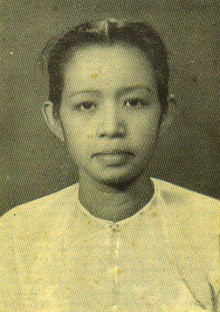
Journal Kyaw Ma Ma Lay

4 books25 followers
Journal Kyaw Ma Ma Lay is widely acknowledged as one of the greatest Burmese writers of 20th century. Her stories are known for authentic portrayals of modern Burmese society. Along with Ludu Daw Amar, Ma Ma Lay was one of a few female authors in Burma. She died in 1982 at the age of 65.

Ratings & Reviews

What do you think?
Rate this book

Friends & Following

Create a free account to discover what your friends think of this book!

Community Reviews

5 stars
37 (22%)
4 stars
67 (41%)
3 stars
48 (29%)
2 stars
8 (4%)
1 star
3 (1%)
Displaying 1 - 30 of 37 reviews
Profile Image for Dagio_maya .
1,112 reviews351 followers
April 18, 2021
description
Journal-Gyaw Ma Ma Lay
(Pseudonimo di Ma Tin Hlaing, 1917-1982)

È la più celebre scrittrice birmana e ha contribuito alla nascita della letteratura moderna del suo Paese.
Donna di lettere, ma anche giornalista, editrice, studiosa di medicina tradizionale, femminista e ardente nazionalista, si è battuta contro il colonialismo britannico e l’imperialismo giapponese.
È stata presidente dell’Associazione degli scrittori birmani.
Con l’ascesa del regime di Ne Win fu sospettata di simpatie comuniste e incarcerata come “nemico del popolo” dal 1963 al 1967.
Le sue opere sono tradotte in moltissimi paesi.

Vincitore di un premio letterario nazionale di letteratura nello stesso anno della sua pubblicazione (1955), “La sposa birmana” è un romanzo in cui assistiamo ad una fusione tra un tragedia sociale ed un dramma emblematico rappresentato dalla protagonista principale.

Siamo nel 1940, un momento storico importante che vede da un lato il dilagare dei movimenti nazionalistici rappresentati dai Thakin ( nome ironico che in birmano significa “padrone”, a sottolineare che solo i Birmani erano i veri padroni della terra, in contrapposizione ai colonizzatori), dall’altro l’incombere dell’invasione giapponese dapprima accolta come salvatrice, poi riconosciuta come ennesima forza che usurpa il ruolo di chi opprime.

Way Way a soli diciassette anni si assume l'onere di gestire sia la casa sia l'azienda risicola di famiglia per aiutare il padre rimasto solo dopo che gli altri figli si sono sposati e la moglie si è allontanata scegliendo la clausura in un monastero buddhista.
Siamo nella zona del delta dell’Irrawaddy, una zona paludosa molto importante per la coltivazione del riso, ossia il prodotto più sfruttato dai colonialisti inglesi.
L’arrivo, come vicino, di casa, di Saw Han, rappresentate di una compagnia inglese, sconvolgerà la vita della giovane ragazza.
Ammaliata dapprima dai simboli di ricchezza dello stile di vita occidentale subirà, poi, tutto il peso di un’oppressione psicologica e fisica...

” La sua vita non aveva più consistenza di quella di un burattino gelosamente conservato in una scatola di lacca e oro; una marionetta preziosa, che però doveva mettersi a ballare ogni volta che lui tirava le cordicelle….”


Un popolo che soffre e lotta da tanto tempo.
E ancora oggi assistiamo impotenti a queste scene...
description
Profile Image for Rowizyx.
390 reviews155 followers
June 27, 2015
È sempre difficile leggere di violenza sulle donne, anche quando è data davvero dal troppo amore, un amore incapace di capire, interpretare i segnali inviati dalla donna amata, che diventa una sorta di icona da venerare, proteggere, prima di tutto da se stessa. Eppure nessuno, neanche i parenti della sposa osano intervenire, perché il marito è colpevole solo di troppo amore. In questa storia la vittima non viene picchiata, neanche sfiorata a dire il vero, eppure è una prigioniera: di suo marito, delle sue idee e delle sue premure. La Birmania divisa tra l'entusiasmo modernista portato dai colonizzatori occidentali e un tradizionalismo che diventa sinonimo di libertà dai padroni stranieri si riflette drammaticamente nel matrimonio della protagonista: figlia di una famiglia tradizionale birmana, Wai Wai sposa un uomo che lavora per una compagnia britannica ed è affascinato dal modo di vivere dei suoi capi, tanto da rifiutare con spregio l'ambiente culturale da lui stesso è nato. La famiglia di Wai Wai, le tradizioni, le abitudini, il cibo... tutto diventa un nemico per lo sposo, tutto potrebbe far male alla sua amata, che lui ammira con uno sguardo paternalista, come se fosse una bambina da educare ed elevare a uno stile di vita migliore. Che Wai Wai soffra ad essere separata dal padre morente (colpevole di poterla contagiare con la tubercolosi), che rimpianga il cibo della sua infanzia e della sua vita, lo sposo non se ne accorge neanche. Anzi. Ogni fonte di malessere o sofferenza della sua giovane sposa è da imputare alle sue cattive abitudini e all'influenza nefasta dei parenti che non vogliono adeguarsi al passare dei tempi. Lui la ama e se ne prende cura ossessivamente, non si chiede mai se Wai Wai sia felice. Ne è certo. E se non lo è, sta a lui fare in modo che le cose cambino. Ignorando perfino le nausee e i cambi di gusti della ragazza durante la gravidanza, e imbottendola piuttosto di medicine, senza curarsi del fatto che non ci siano miglioramenti.
Il finale, tragico, è inevitabile.

Il contrasto tra le due culture nella Birmania sull'orlo dell'invasione giapponese dà una dimensione un po' diversa a una storia tragica per certi versi molto attuale che mette in luce le storture di un matrimonio che sulla carta dovrebbe essere perfetto. Triste, molto triste.
Profile Image for LaCitty.
1,049 reviews186 followers
April 18, 2021
Il romanzo in sé mi è piaciuto, ma devo dire che ho cordialmente odiato la storia raccontata:
- ho odiato U Saw Han, il protagonista maschile, per il suo atteggiamento compiacente e compiaciuto nei confronti di Wai Wai prima di sposarla, per il suo modo di amarla malato e manipolatorio e per il suo atteggiamento passivo-aggressivo in tutta una serie di situazioni
-ho odiato Wai Wai perché subisce passivamente qualsiasi cosa senza mai avere la forza di dire quello che pensa neanche nelle più piccole cose. Il tentativo di ribellione che la porta sul monte Sagaing

finisce con il renderla ancora più passiva e sottomessa. E non mi dite che all'epoca era così perché non essere in grado di esprimere un punto di vista diverso neanche sul cibo da mangiare non è un problema di mentalità dell'epoca, è un "problema" del personaggio
- ho odiato la madre di Wai Wai con i suoi consigli ripresi pedissequamente dal buddismo, che suonano freddi e distaccati.
Nonostante questo, gli do 4* perché è un romanzo ben scritto, che racconta una vicenda in modo realistico e credibile, perché l'autrice immerge una storia fondamentalmente privata all'interno del contesto storico della Birmania alla ricerca di una indipendenza prima dagli Inglesi e poi dai Giapponesi.
È un ottimo romanzo, ma non un boccone facile da digerire
Profile Image for Georgiana 1792.
2,420 reviews162 followers
April 14, 2021
Una storia molto triste, ma sempre attuale, quella della donna giovane che si lascia affascinare da un uomo più anziano di lei, con un diverso background culturale e dei modi raffinati, ma che poi deve subire un autentico terrorismo psicologico dal partner, che vorrebbe dettarle ogni mossa e pretende persino di controllare quante volte va a trovare la propria famiglia - cosa altamente sconsigliata - quanto e come deve mangiare, quali medicine deve prendere.
Wai Wai, per quanto giovane, è una donna intelligente e autonoma, e si è sempre occupata degli affari del padre, e dello stesso genitore, che ha curato da quando la sorella Hta Hta si è sposata, dato che la madre - molto egoisticamente - ha preferito farsi monaca buddista da quando Wai Wai aveva appena tredici anni.
Quindi Wai Wai si sente onorata quando il nuovo vicino - U Saw Han, che lavora per l'importante compagnia inglese Brooke Bros e che vive come un inglese - comincia a farle la corte.
Wai Wai sarebbe troppo giovane e, soprattutto, vorrebbe restare accanto al padre malato, ma purtroppo la sua frequentazione con U Saw Han potrebbe comprometterla, per cui, su consiglio della sorella Hta Hta, lo sposa.
L'amore che Wai Wai e U Saw Han condividono è un amore malato. Lei è terrorizzata da lui, ma avendolo sposato per amore ed essendo molto docile, si piega alla volontà del marito pur soffrendo atrocemente per i diktat che lui le impone. Non può neanche più mangiare piatti tradizionali, con la scusa che sono molto speziati e il peperoncino, che Wai Wai ama, le fa male all'intestino. Figurarsi poi poter mangiare con le mani, alla birmana!
U Saw Han dice di amare Wai Wai ma, in effetti, ama l'idea che si è fatto di lei e quindi cerca in ogni modo di costringere la moglie dentro quel ruolo che lui le ha ritagliato, riducendola a un mero burattino.

Lei non avrebbe saputo dire che cosa pensava esattamente il marito; del resto, lui non si era nemmeno reso conto di farla soffrire! La sua vita non aveva più consistenza di quella di un burattino gelosamente conservato in una scatola di lacca e oro; una marionetta preziosa, che però doveva mettersi a ballare ogni volta che lui tirava le cordicelle… Finché lui l’azionava, non le era richiesto alcuno sforzo personale. Altrimenti era l’inerzia totale: non poteva nemmeno muovere le mani!

Unico guizzo di ribellione Wai Wai lo prova quando, a causa del marito, che - dice - non vuole farla strapazzare viaggiando, non riesce più a rivedere da vivo il padre (che era a Rangoon dalla sorella per farsi curare, dal momento che soffriva di tubercolosi).
Dopo essere partita per il funerale, Wai Wai culla la possibilità di andare a stare con la madre nel monastero buddista, o comunque di lasciare U Saw Han. Purtroppo, però, quella gioia di sentirsi finalmente libera svanisce quando scopre di essere incinta e quindi torna da lui.
Ma, purtroppo, dopo pochi mesi, abortisce, e da lì la sua salute - mai troppo stabile - subisce un tracollo.
E secondo me non è un caso che anche lei si ammali di consunzione come suo padre: entrambi hanno subito delle fortissime delusioni nella vita ed entrambi sentono di non poter fare nulla per cambiare il loro destino, e così si lasciano andare alla deriva.
Wai Wai decide addirittura di non cambiare cura, passando dalle medicine chimiche inglesi - che nulla hanno fatto per la sua salute - alle cure omeopatiche tradizionali birmane, pur di non contrariare il marito, che ha speso anche somme ingenti per procurarsi le medicine, ora che gli inglesi sono andati via scacciati dai giapponesi.
Il romanzo si svolge infatti in un clima politico molto instabile e i membri della famiglia di Wai Wai sono attivisti per l'indipendenza della nazione, tanto che uno dei motivi per cui Wai Wai avrà la crisi che la porterà alla morte sarà proprio l'arresto del fratello da parte dei giapponesi.
Il paesaggio è sicuramente incantevole, dal momento che la storia si svolge lungo le rive dell'Irrawaddy, e questo mi ha fatto venire il desiderio di viaggiare un po' con Google per visitare virtualmente i luoghi del romanzo.


This entire review has been hidden because of spoilers.
Profile Image for Marina.
900 reviews185 followers
August 11, 2017
Recensione originale: https://sonnenbarke.wordpress.com/201...

Siamo in Birmania, in una piccola cittadina di provincia, verso l'inizio degli anni Quaranta. Wai Wai ha 17 anni quando conosce U Saw Han, vent'anni più vecchio di lei. La ragazza si innamora subito di questo strano birmano che vive come un inglese: pienamente colonizzato e asservito alla potenza dominante, pienamente assimilato. Vive in una casa con mobili sontuosi, mangia seduto a tavola con le posate, quando invece i birmani mangiano seduti a terra intorno a un tavolo basso, prendendo il cibo con le mani. U Saw Han beve alcolici, fuma sigarette inglesi, si comporta in tutto e per tutto come un inglese. Wai Wai è ricambiata nel suo amore: come potrebbe U Saw Han non innamorarsi del suo bel corpo, della sua bella carnagione, della sua dolcezza, dei suoi tentativi di comportarsi all'occidentale quando viene invitata a cena da lui con la sua famiglia?

E, naturalmente, i due si sposano. La famiglia di Wai Wai non è particolarmente contenta di questo matrimonio, perché sono intimoriti dai modi troppo occidentali di U Saw Han. Soprattutto il fratello di Wai Wai, un nazionalista birmano che lotta per l'indipendenza del Paese, non è contento della scelta della sorella. Ma la ragazza è innamorata e nessuno si sogna di impedire il matrimonio. Lei stessa è inizialmente dubbiosa, ma solo per il fatto di dover andare a vivere "lontano" dal padre malato, sebbene le due case siano a pochi passi l'una dall'altra.

Subito dopo il matrimonio ha inizio il dramma: U Saw Han è certamente innamoratissimo di Wai Wai ma, come direbbero oggi certi giornali, la ama troppo. Non è violento nei suoi confronti, o almeno non fisicamente. Ma esprime una violenza incredibile a livello psicologico. Wai Wai deve conformarsi al 100% ai canoni occidentali sposati dal marito: mangiare a tavola con le posate, non mangiare i cibi piccanti della tradizione, fare colazione con uova, pancetta, latte e burro, cambiarsi d'abito due volte al giorno... Ma il problema non è solo l'occidentalizzazione forzata e repentina, che pure Wai Wai vive con grande disagio e tristezza, legata com'è alle proprie radici. La violenza di U Saw Han si esplica anche sul piano relazionale: Wai Wai non deve passare troppo tempo con la sua famiglia di origine, le vengono fatte pochissime concessioni su questo, tanto che la donna si riduce ad andare a far visita a suo padre quando il marito è in ufficio. U Saw Han tratta sua moglie come se fosse una bambola di porcellana, una marionetta di cui è lui stesso a tirare i fili. Wai Wai deve fare esattamente quello che dice lui: dall'occidentalizzarsi al vedere raramente la famiglia allo stare a riposo perché lui la considera troppo debole per fare qualsiasi cosa.

Quando il padre di Wai Wai muore senza che lei sia riuscita a vederlo, perché il marito le ha proibito di andare a Rangoon, dove il padre si era ormai trasferito, Wai Wai conosce un primo (e unico) moto di ribellione, stroncato sul nascere dalla scoperta di essere incinta. Wai Wai è così disperata da non riuscire più a ribellarsi, da non provare quasi più niente, anche perché deve costantemente nascondere al marito le proprie emozioni. Ma non incolpa il marito della sua vita orribile, anzi dice esplicitamente che lui non ne ha colpa; secondo Wai Wai la colpa è soltanto sua perché è stata lei a decidere di sposarlo. Assistiamo quindi alla tipica auto-colpevolizzazione delle donne abusate dal proprio compagno (in qualsiasi modo esse siano abusate, perché la violenza psicologica non è inferiore a quella fisica).

In tutto questo il romanzo, scritto nel 1955 e considerato il più importante di questa scrittrice, è molto moderno, perché parla di una situazione che oggi vediamo accadere quotidianamente. La violenza sulle donne fa più orrore quando è fisica, quando si tratta di botte, quando arriva all'omicidio. Ma come dicevo la violenza psicologica non deve fare meno orrore, sebbene tutti noi tendiamo a percepirla molto meno - come avviene anche ai parenti di Wai Wai, che a un certo punto arrivano a pensare che tutto sommato U Saw Han ama molto la sorella e quindi lei deve sopportare (sebbene, per la maggior parte del libro, il loro punto di vista sia blandamente contrario al trattamento che il marito riserva alla moglie).

Sullo sfondo, la situazione politica della Birmania all'inizio degli anni Quaranta quando, scoppiata la guerra col Giappone, i nazionalisti sperano che questo li aiuti a ottenere l'agognata indipendenza dagli inglesi, solo per scoprire che non avverrà altro che la sostituzione di una potenza coloniale con un'altra.

È un libro che mi sento di consigliare caldamente, così come mi sento di consigliare di tenere d'occhio la casa editrice che lo pubblica, O Barra O, che io conosco e apprezzo già da tempo per il suo tentativo di diffondere in Italia la cultura e la letteratura asiatica.
565 reviews46 followers
January 19, 2015
Ma Ma Lay was a significant Burmese novelist with a career that started during British colonial rule and lasted long enough to see the coup that ended hopes for democracy. She wrote the novel during the fifties but set in the later colonial period, ending as the British cede control to the Japanese. (This edition has a useful essay at the end that contrasts this novel and George Orwell's "Burmese Days"). It is a personal story but one that reflects a larger political drama, as the young Way Way marries the Anglicized merchant U Saw Han--he drinks whiskey, uses silverware and hates spicy food--only to find him strict and controlling to the degree that he costs her family and health. Ma Ma Lay is skilled enough that these are flesh-and-blood characters, so the novel has resonance although admittedly not as much as it would have for Burmese readers who remembered the British empire in all its iron paternalism. Other aspects of the novel hint at other dimensions--although Way Way's brother, an anti-colonialist, welcomes the Japanese for their pro-native rhetoric at first, it later becomes clear that they have come not just to evict the British but to replace them. The scene in which the insurgents appear on the scene has a chilling militancy that reminds one of the long military dictatorship that has ruled the country now known as Myanmar for upwards of fifty years. Ma Ma Lay's championing of native food versus the blandness of British cuisine makes sense; her preference for Burmese medicine over Western ideas--two characters suffer from tuberculosis--may not be as well-founded. And, perhaps unwittingly, "Not Out of Hate" captures a contradiction at the heart of Buddhism--her mother has become a nun and left the family by the time the novel begins. Her renunciation of the world of attachment leaves behind a teenage daughter and a sick husband who both miss her dearly, and so she pursues her personal enlightenment at their expense. This all may make the novel sound tendentious; it is not. It proceeds instead by hints and suggestion, consistent, one gets the impression from the novel, with a culture much concerned with manners and consideration for others, especially family, but that unfortunately found itself dominated by the considerably less subtle British.
Profile Image for Librielibri.
267 reviews118 followers
April 12, 2021
Libro ricco di spunti dal buddhismo, al colonialismo alla condizione femminile.
Profile Image for Whitaker.
299 reviews577 followers
January 29, 2022
This is one of the very few Burmese novels available in English. It tells the story of Way Way and her marriage to the older U Saw Han. Way Way first meets U Saw Han when he moves into the house next door to hers. He is a wealthy rice trader and has thoroughly taken on English ways, eschewing as barbaric Burmese customs. Way Way is initially enraptured by the glamour of his foreign ways, but is rapidly disillusioned after marriage when he forces her to abandon her cherished Burmese way of life.

The novel gets its title, Not Out of Hate, as its description of U Saw Han's behaviour: he acts as he does, not out of hate, but out of love for Way Way, seeing himself as rescuing her from a benighted tradition. But just as a plant uprooted from the soil wilts, so does Way Way, uprooted from the traditions and way of life that enrich and sustain her.

Much has been made of U Saw Han as representing the English colonizer but I did not find it helpful to see him in that light. As the novel's Introduction notes, the novel was written after Burma obtained its independence and was struggling to define itself after colonization, and there were many different views as to the path the country should take. Ma Ma Lay herself was a big champion of the traditional ways. My own take is that there is no need to make U Saw Han, a Burmese who has abandoned his own culture, to be anything other than that. Indeed, Ma May Lay makes a subtle critique of U Saw Han's veneration of British ways when the Japanese invade during World War II and the British flee Burma, leaving the British-loving U Saw Han and his young wife behind. U Saw Han tries to keep up his British lifestyle but it is clear that this cannot last for long.

In this 21st century, we are less close in time and sentiment to the struggles of the non-Western countries across the world to come to grips with what it meant to be "modern", that it was once a real dilemma for many peoples: does adopting science and modernity mean having to jettison the one's way of life, is it possible to remain anchored in one's culture in the modern age? We see this across all colonial and post-colonial literature. I can imagine that there were many in Burma like U Saw Han, blindly aping the ways of the West and hating their own culture and people. There are Asians in in Asia who still do. For me, this novel was Ma Ma Lay's heartfelt cry to her people that to do this would only destroy them.
Profile Image for Rupert Mann.
Author 3 books2 followers
September 21, 2018
Journal Kyaw Ma Ma Lay (JKMML) writes as much about the inability of her characters to speak their minds and determine their own destiny as about the prison of other people's expectations.

JKMML leaves us utterly out in the cold through the story's arc. She powerfully evokes a sense of life in lower Burma leading up to the Japanese invasion. Her delightful ability to give profound insights into the minds of her characters is matched by her ability to make us despise their actions, or lack of action. This creates warmth and coldness. We understand why they act the way they do but we also feel anger as we watch them adhere to a path towards darkness.

Way Way is a girl imprisoned and tormented not only by her husband but, more frustratingly, by herself and her family. JKMML doesn't really tell us where she believed the keys to freedom lie. I would have loved to ask her. Maybe in death, maybe in the monastery where Way Way's mother escaped to, maybe there is no freedom from these social pressures for people on the wrong side of childhood.

JKMML masterfully drives the reader to the edge of desperation, mimicking the journey of her main characters. Its difficult to feel sympathy for any of them, except maybe the poor old father, who seems to genuinely want the best for his daughter.

The book is a powerful cultural commentary on the effect of holding your tongue. And I was left to ask if this situation could be played out today, in modern Myanmar. 'Absolutely' is what most locals said when I asked them.

This book's residue haunted me for weeks after reading it. A wonderful, provocative piece of literature.
Profile Image for Lilirose.
584 reviews76 followers
November 11, 2025
Mi sono approcciata a questo libro con un po' di diffidenza perché non ero sicura di riuscire a rapportarmi ad una cultura così lontana dalla mia, temevo di non cogliere tutte le sfumature.
Come accade spesso, i pregiudizi si sono rivelati infondati: è vero che il contesto sociale e culturale è quello della Birmania anni '40, sempre più insofferente al giogo inglese, ma la storia raccontata è (ahimé) universale.
L'ingenua diciassettenne Wai Wai rimane affascinata dal nuovo vicino, più grande e completamente occidentalizzato, e in breve si lascia convincere da lui a sposarlo. Da questo momento comincerà per lei una vita di vessazioni, intrappolata nella rete di un amore egoista e morboso. Con la scusa di accudirla e viziarla il marito assumerà il controllo totale della sua vita, sradicandola dalle radici e dagli affetti e riducendola alla stregua di una bambola senza volontà. Insomma l'autrice descrive un caso di violenza psicologica da manuale ed è soprendente che lo faccia nel 1955, quando ancora oggi si fa fatica a riconoscerla e a denunciarla.
E' probabile che dietro la vicenda di questo rapporto tossico si nasconda quella di un rapporto altrettanto malato e distorto, quello del popolo birmano coi suoi colonizzatori, però è una questione che rimane sempre sullo sfondo e che non riesce mai a prendersi lo spazio che meriterebbe.
Resta comunque un romanzo modernissimo e scorrevole, che nonostante né i temi né l'ambientazione siano nelle mie corde è riuscito a catturare il mio interesse.
Profile Image for baelgia.
104 reviews28 followers
February 13, 2016
I become a very violent person when I read this book.
Profile Image for Smiley .
776 reviews18 followers
June 5, 2019
I longed to read this novel, the first Burmese novel translated into English, after reading her A Man Like Him: Portrait of the Burmese Journalist, Journal Kyaw U Chit Maung (Cornell Southeast Asia Program Publications, 2008), an ultimate biography of her husband penned in her unique style out of her eight-year love and care before his passing away in 1946 aged thirty-four. This book is arguably enjoyable and worth our time due to her characters, settings, plot, etc. as well as Margaret Aung-Thwin's fine translation. Its following synopsis will suffice, I think, in the meantime.
. . . Set in pre-World War II Burmese society, the story centers on the relationship and marriage of seventeen-year-old Way Way with U Saw Han, a much older Burmese agent for a British trading company. The subtle but deep misunderstanding they experience mirror the cultural confrontation of Eastern and Western values in modern society, still evident in Burmese life today. The work is also a poignant and pointed commentary on a young woman's struggle against a suffocating love. (back cover)

However, there is a 16.5-page introduction (pp. xiii-xxix) by Anna Allott in which I found incisively exploratory and informative especially on the author's biography and her works, a good background to its readers; therefore, her credit should be taken into account by adding this line: Introduced by Anna Allott between these two lines, that is, Translated by Margaret Aung-Thwin and Edited by William H. Frederick on its title page (p. iii) and her short biodata on the back cover.

To continue . . .
Profile Image for Roberta.
2,011 reviews336 followers
June 7, 2022
Una volta si chiamava amore e gelosia, oggi fortunatamente lo riconosciamo per quello che è: abuso e violenza domestica.
Non è necessario alzare le mani su una persona per annientarla. A volte basta soffocarla in un bozzo di attenzioni, allontanarla dagli affetti, costringerla a una routine estranea con l'idea di farla vivere meglio.

Wai Wai crede di aver trovato il principe azzurro: colto, moderno, integrato nella cultura inglese. Invece è un Barbablu che la chiude in una gabbia dorata e che la costringe a rinunciare alla sua cultura e ai suoi affetti.
Il finale è prevedibile.
Profile Image for vecchiaphoebe.
72 reviews
November 29, 2022
Mi ha deluso. Piacevole, ma non all'altezza delle (mie) aspettative.

Le cose più interessanti:
- il contesto storico (la Birmania che passa dai colonizzatori britannici alla illusoria libertà promessa dai giapponesi che si riveleranno a loro volta invasori)
- le citazioni culinarie sui cibi birmani
- le citazioni botaniche sulla vegetazione birmana
In pratica: le note :-)

poi forse non l'ho capito, forse la semplicità di scrittura è una scelta stilistica ben precisa, una sorta di sussurro, che può essere altrettanto potente di un urlo, non lo nego (ma non in questo caso).
e forse questa sostanziale "assenza di vitalità" della scrittura voleva proprio rappresentare la bolla di apatia nella quale viveva la protagonista.
e riconosco ad alcune pagine un garbo e una tenerezza che toccano il cuore.
non so, ci devo pensare, per ora solo tre stelline.
Profile Image for Rebecca.
1,249 reviews91 followers
September 16, 2024
3.5 stars. Almost Austenian story about Way Way and her interactions with U Saw Han, who represents everything that she isn't. This is a pretty slow paced book focused on the mundane, but I found it an interesting look into daily life in Burma.
Profile Image for LauraT.
1,394 reviews94 followers
April 16, 2021
Libro che, più che sulla storia la Birmania, narra la sempiterna vicenda dell'uomo e della donna: a prescindere da che cultura ti appartiene, a prescindere dall'estrazione sociale da cui provieni, a prescindere dalla religione, dalla provenienza geografica e temporale, la morale è sempre quella: le donne devono sottostare ai desiderata degli uomini, per amore - come in questo caso - o per forza - come sempre più spesso vediamo sulle cronache di tutto il mondo, l'occidentale compreso.
Un libro che mi ha messo addosso una grande tristezza. L'accettazione è intollerabile per me, ma certo una donna birmana negli anni 50 di più proprio non poteva testimoniare.

Le sembrava infatti che in clausura, da tempo lontana dai suoi cari, la monaca buddhista non fosse più capace di comprendere le sofferenze del marito, gli sgomenti della figlia, le angosce della famiglia. Ora, secondo Wai Wai la vera vita era la compassione, quel legame privilegiato che ci unisce agli altri esseri umani… Come avrebbe potuto essere ancora in vita il padre, se lei non avesse preso il posto della madre?

Aveva perso la sua libertà di ragazza, e lo rimpiangeva. U Saw Han l’aveva spinta a sposarsi, e lei aveva ceduto alla sua volontà, anche se le era costato.
Allora la giovane scoppiò a piangere: non per effetto dei rimorsi, e nemmeno perché il marito l’aveva ripresa. Si sentiva dilaniata tra due vie, tra due focolari

Hta Hta tornò seria. I discorsi di Daw Tin Tin la facevano riflettere sulla condizione delle donne: non c’era niente nella vita che pendesse a loro favore, che le mettesse al riparo dell’infelicità! Avrebbe preferito non essere nata femmina.

Wai Wai, invece, non si scompose; sapeva che ormai doveva sempre andare nella direzione che lui dava alla sua vita: impossibile dimenticare o cancellare quella realtà, impossibile opporvisi. Bisognava entrare nel suo mondo, amare quello che lui amava, detestare quello che lui detestava. Ormai si era palesata una verità: quell’uomo era diventato il suo corpo, la sua anima e la sua vita.
Profile Image for Drilli.
385 reviews33 followers
April 23, 2021
Lei non avrebbe saputo dire che cosa pensava esattamente il marito; del resto, lui non si era nemmeno reso conto di farla soffrire! La sua vita non aveva più consistenza di quella di un burattino gelosamente conservato in una scatola di lacca e oro; una marionetta preziosa, che però doveva mettersi a ballare ogni volta che lui tirava le cordicelle... Finché lui l'azionava, non le era richiesto alcuni sforzo personale. Altrimenti era l'inerzia totale: non poteva nemmeno muovere le mani!

Un romanzo incredibilmente moderno, che già negli anni '50 si sofferma sul peso e sulle conseguenze della violenza psicologica e i problemi di comunicazione nella coppia. Un marito che, sostenendo di agire per il suo bene, costringe la moglie a rinunciare alla propria cultura, alle proprie usanze, alla propria famiglia, imponendole di abbracciare, come lui ha già scelto di fare, lo stile di vita europeo ripudiando quello birmano. Un romanzo triste e toccante, ma soprattutto drammaticamente universale e attuale.
Il genere non è dei miei preferiti, quindi il mio gradimento resta tiepido, ma riconosco al romanzo e alla sua autrice i meriti di aver saputo trattare a fondo e con il giusto distacco la problematica affrontata, che si mostra in tutta la sua intensità senza alcun bisogno di costruirci su chissà cosa, ma semplicemente mostrandolo.
Sullo sfondo, il rapporto tra colonizzatori e colonizzati, lo scontro di civilità e la lotta della Birmania per liberarsi dal giogo britannico. Mi spiace che quest'ultimo aspetto resti così in secondo piano, perché speravo di apprendere qualcosa in più su una cultura a me praticamente sconosciuta ma il focus della narrazione è così concentrato sulla relazione tra i due protagonisti da avermi consentito solo piccoli assaggi di Birmania. Quel poco che ho saggiato, comunque, mi ha incuriosita moltissimo e credo proprio che in futuro cercherò e leggerò altri romanzi che raccontino della Birmania e della sua storia.
Profile Image for Khin (storyatelier_).
210 reviews16 followers
June 14, 2020
Set towards the end of British colonial rule and amidst the rise in nationalist sentiment in Burma, Not Out of Hate has widely been interpreted as a metaphor for attitudes towards British colonial rule; read this way, U Saw Han is the coloniser while Way Way becomes the stand-in for Burma. But during our discussion hosted by @literasea.bookclub on Instagram, we focused instead on presentations of love and culture, against the sociopolitical backdrop of colonial rule and nationalist resistance. It would be reductive to see Way Way and U Saw Han as purely stand-ins for two different cultures and countries. Beyond that, they are, along with the cast of characters in this book, (fictional) individuals who are grappling with different understandings of love and duty. To me, the style reminded me almost of an Austen novel — it’s very domestic, it grapples with the struggles of women and their place in the home in relation to their immediate society — more than a critique of the coloniser carrying the White Man’s Burden.

SEAsia might be very known for having been left behind in terms of development thanks to its colonial past, but to see it through only a post colonial lens is limiting and erases the region’s identity separate from its colonial past and trauma. It’s still a region rich in culture, with individuals going through everyday experiences that don’t necessarily have to involve foreign influence. This wasn’t the most exciting novel, but the details of lifestyle, culture, and cuisine are still familiar to me as a Burmese emigrant living more than 50 years after this story was published.
Profile Image for Stacey Nguyen.
126 reviews
March 11, 2015
A beautiful, painful read about a young girl living in colonial Burma. The translation was a bit shaky for me, but Ma Ma Lay's beautiful use of imagery and her depiction of painful human emotions shines through. And she won me over.
Profile Image for Fathi Rayyan.
24 reviews
December 25, 2020
Not out of hate is about a teen girl Hta Way Way who was enamoured with the westernised behaviour of a handsome, older rice trader who becomes her neighbour. They marry, but her happiness fades as his suffocating love bars her from her beloved family, and tension grows between their differing values. In the background of this is Myanmar’s struggle against colonialism. While many would read this with postcolonial goggles on, there are more to this book than that.

This book offers various nuanced characters. From U Saw Han, an anglophile rice trader with westernised behaviour who has actually never set his foot in the Britain, to Way Way’s mother who left the family to become a Buddhist nun, and to Way Way’s brother, Ko Nay U, a politically active Burmese nationalist who takes part in anti-imperialist protests. Besides, I’m intrigued by the character of Hta Hta’s Husband, Ko Thet Htun. Despite being educated and successful, he doesn’t seem to forget his root, and very understanding to his wife’s family members. There are occasions in the book in which he is directly contrasted with U Saw Han. There are actually a lot of contrasts between the characters.

The title of the book “Not Out of Hate” seems to convey that each action done by the various characters, though some may seem harm rather than benefit the other parties, were done out of love, but different understanding of what it means to love, and hence “not out of hate”. Which stresses on the importance of coming to full understanding – or in today’s language – knowing the language of love of the others.

The stories are full of symbolism of universal values that are still relevant today. I feel that the stories in the book are like allegories to bigger concepts, mainly surrounding the main theme of “the problem of understanding”. For example, U Saw Han always forces Way Way to drink milk, thinking that it would benefit her health, not knowing that she is actually lactose intolerant. Altho it may be done out of concern, his lack of understanding of what is actually happening harms her. In today’s scenario, this can be comparable to a foreign entity who wants to help a local community out of pity, without actually understanding the locals’ needs. They help the marginal community based on the perceived needs, rather than actual, ending up bringing more harm than good.

Overall, I love this book – their nuanced characters, the symbolism, and the insights on Myanmar.
1,180 reviews13 followers
April 9, 2023
In terms of what I felt when reading the book, this is more of a solid 3 star read - the narrative is traditional and occasionally a little stilted (this could be a translation issue of course) and there is only so much I can take of women fainting every time something vaguely unpleasant happens. However, given that it was the first (and still one of the few) novels from Burma (now Myanmar) to be translated into English it has far more to it than that. (I particularly enjoyed the afterword, analysing it alongside Orwell’s Burmese Days and I am definitely going to have to go back and reread that now).

On the surface this is the story of a (not particularly successful) love story with the main emphasis on Way Way and her husband’s incompatibility as she is forced to give up her Burmese traditions for his westernised lifestyle with the impact that this ultimately has on her. It is hard not to see it as an allegory of British colonialism in Burma but it does work just as well as a novel looking at a relationship where love stifles and imprisons and is made an excuse for control.

I have read quite a few novels on the transition from colonialism in the past year and this is an interesting addition to these and certainly worthwhile for anyone interested in modern Burmese history.
Profile Image for May Sun Aung.
217 reviews7 followers
July 30, 2018
This is not about character development. This is the decrease of characters.
At first, we see Wai Wai as cute, capable and energetic young woman. Helping her father's works, Wai Wai's life is so simple and peaceful, many bright futures ahead of her. But the whole thing change after marrying U Saw Han.
This is my third or fourth time reading and I still hate U Saw Han. I really can't like him.
Especially, when he doesn't let Wai Wai go to her father. Doesn't he have family? Doesn't he know her father is very important to Wai Wai??
Well, we can't completely blame him but his love for Wai Wai is just not right. I feel like Ma Ma Lay showed us that love can kill people, both inside and outside. Of course there are a lot of other messages but this is the only one I can think right now. Everytime I read this, I feel angry with U Saw Han and sad for Wai Wai. I feel angry with Wai Wai too. Why did she stay like that? She should at least say things that she likes or dislike! But I really love the characters of Htar Htar and Ko Nay Oo. Especially Htar Htar. She is such a calm and strong woman.
Anyway, this is a book that everybody should read. This is a very sad book with very extreme characters but still, everyone should read.
This entire review has been hidden because of spoilers.
Profile Image for Gillian.
13 reviews8 followers
October 2, 2021
3.5 stars rounded down. This was a really interesting read and I enjoyed it for the insight into this time period from the Burmese perspective. The characters were well drawn and the story tragic, but I struggled to connect with the writing (which could be the translation) and found the frequent jumps forward in time a bit jarring. I did get more into it as I got further into the book and the exploration of the differences between the traditional Burmese and Western culture was fascinating.
55 reviews
August 20, 2025
Ouchhhh my heart hurts reading this! K so I am not a smart enough reader or well versed on Burmese political history to get the full depth of meaning in that respect but ohhhh my god. My heart ached for Way Way. So devastating how she put her whole self into being the best daughter, sister, and wife but life treated her so poorly. As a side note, this book really made me hungry for Burmese food (which I haven’t actually tried before)
Profile Image for super secret sexy bookworm.
99 reviews
May 13, 2025
Ma Ma Lay paints an emotionally baring tale of romance and family duty, elucidating the importance of love and tight knit families prior and during the Burmese workers revolution. Lay clearly illustrates the literary portrait of a woman caught between her need to serve those around her and her own desire to find personhood. Her story is not heroic, but it is full of bravery all the same.
126 reviews3 followers
February 2, 2019
A powerful narrative that portrays a certain sense of realism; a woman is stuck in the situation but she navigates through it to sheer will and loyalty. It is the embodiment of inner strength and placing the needs of others above self.
Profile Image for Carla (literary.infatuation).
425 reviews9 followers
June 18, 2020
Before you get married, people will tell you stuff like “marriage is complicated”, “marriage is compromise” or “love is not enough”. About love, we often hear the warning “Love someone who loves you”. But no one really warned Way Way. When the next door neighbor, Westernized businessman U Saw Han confessed his love, and Way Way’s sister advised her to marry him, Way Way didn’t protest. She went along. She liked him, she was attracted to him, she loved that he was crazy about her... but she wasn’t ready to marry him. She was shy and lacked the confidence to have the serious conversations that need to precede a marriage to someone from a different culture and background. U Saw Han was Burmese, but he might had been born and raised in London for all the difference it made. She assumed a lot. She assumed she’d be able to visit her family everyday. She assumed he would join family breakfasts and dinners. She assumed she’d be able to go about her life as normal. And, it happens. We assume a lot of stuff we do and how we interact with others is “normal” and possibly, how everyone goes about it. But it really varies greatly from our culture to the other and it is a great source of tension. And “Not Out of Hate” Ma Ma Lay is a story about an unhappy marriage between two very different people with different cultural expectations. More than that, it’s about love in all its varieties: selfish and possessive love, self-love, love for your country and religion, and unselfish, always giving love. U Saw Han saw his wife as a doll, his prized possession. He loved her dearly but didn’t see her. Way Way loved her family, but felt obligated by traditions and moral to obey her husband even against her own happiness. The book is set in Burma before WWII and a very interesting exploration of colonialism, Burmese history and culture, but more than anything our universal problems with love and marriage.
Profile Image for flaminia.
455 reviews129 followers
January 12, 2023
il racconto dello scontro di culture sarebbe anche interessante, ma lo stile piatto e didascalico mi ha ammazzato.
Profile Image for Will Howell.
22 reviews
February 3, 2025
4.25⭐️ book 1 of books I had to read for my “Wars of Liberation in Southeast Asia” class but boy was I emotionally invested in this book. I could talk for hours about this book and it’s probably the only book I’ve ever annotated.
Displaying 1 - 30 of 37 reviews

Can't find what you're looking for?

Get help and learn more about the design.